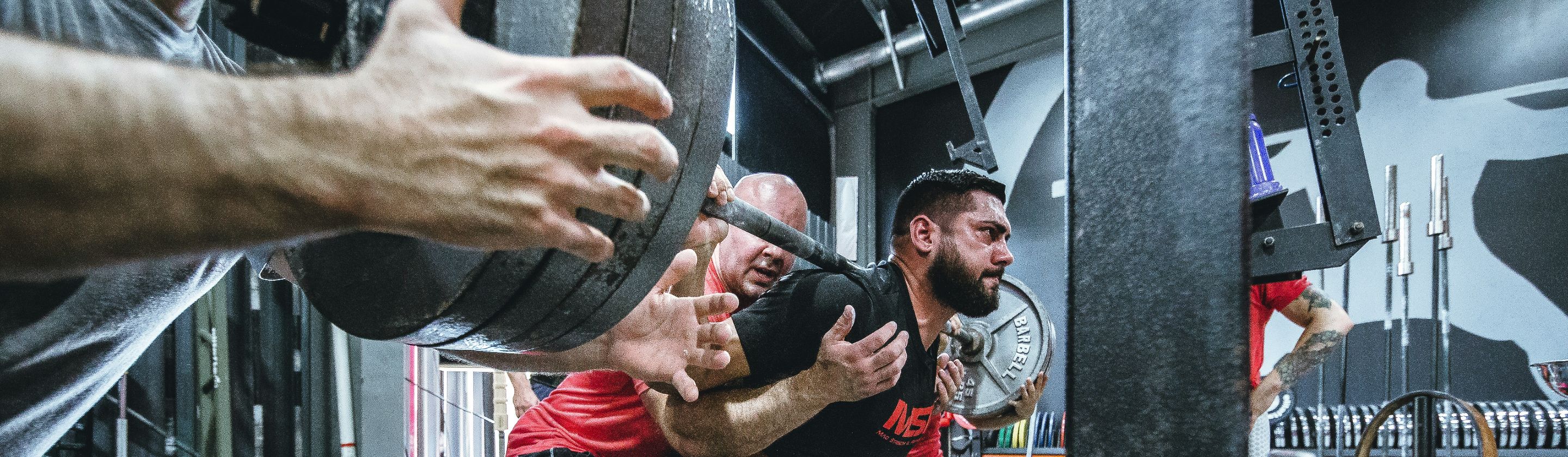
Staying Locked In When It Matters Most
Athletes don’t rely on physical ability alone to perform at their best. Mental focus plays a huge role in consistency, especially under pressure or fatigue. By using simple but effective psychological techniques, they’re able to stay present, manage distractions, and maintain confidence. These 20 mental tricks aren’t just for professionals, either; you can apply them to your own routines to improve focus and performance.

1. Visualization Before Performance
Athletes often picture themselves executing movements successfully before they begin. This mental rehearsal helps build confidence and prepares the brain for action. It also reduces uncertainty by making the situation feel familiar. Over time, visualization can improve both focus and actual performance outcomes.
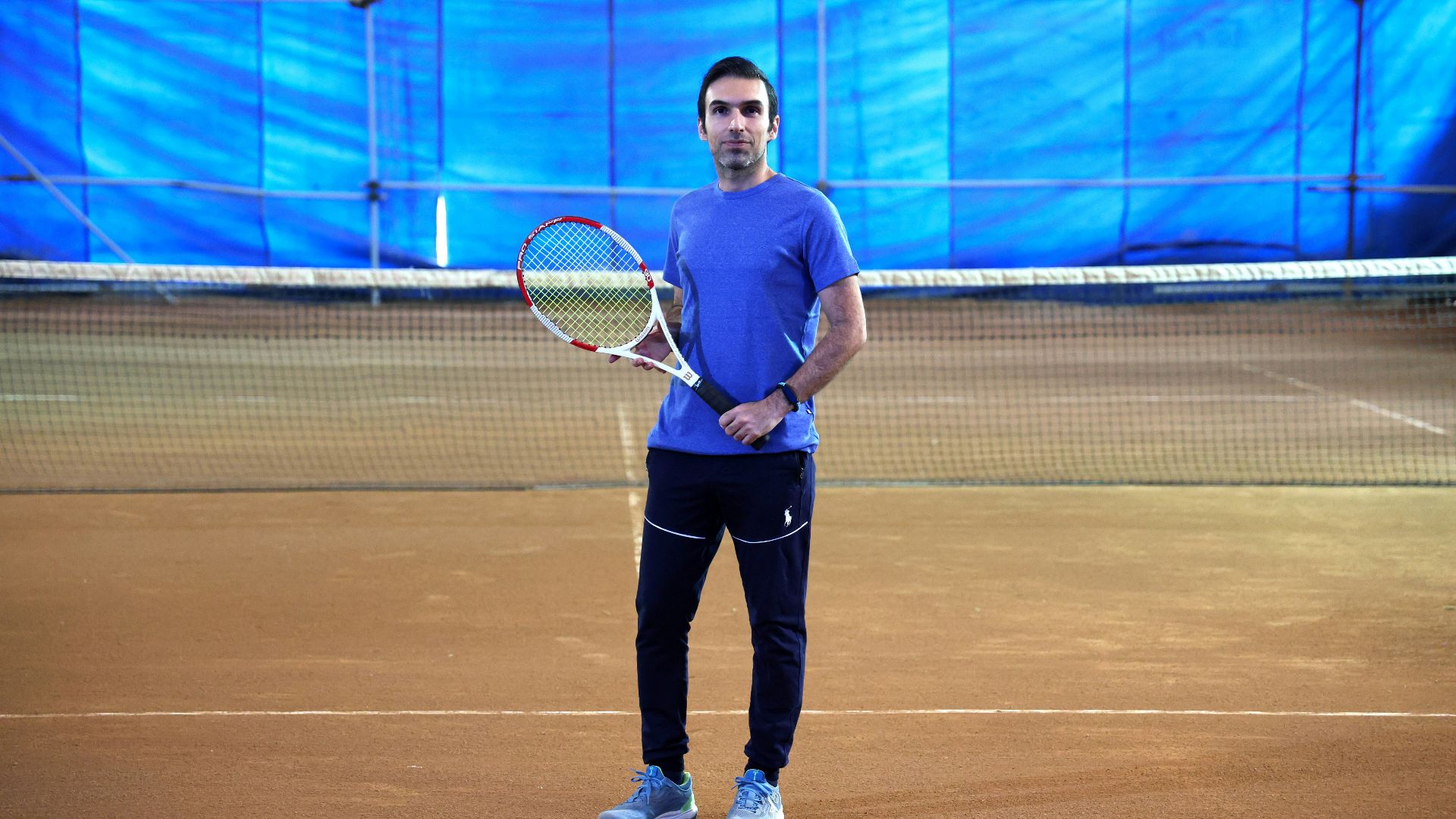
2. Controlled Breathing Techniques
Focusing on slow, steady breathing helps calm nerves and sharpen concentration. It signals to your body that you’re in control, even in stressful moments. Many athletes use this before or during competition to reset mentally. It’s a simple tool that can quickly bring your attention back to the present.

3. Breaking Tasks Into Smaller Goals
Instead of focusing on the entire event, athletes concentrate on one small objective at a time. This keeps the mind from becoming overwhelmed. It also creates a sense of progress as each step is completed. You’ll find it easier to stay engaged when the task feels manageable.
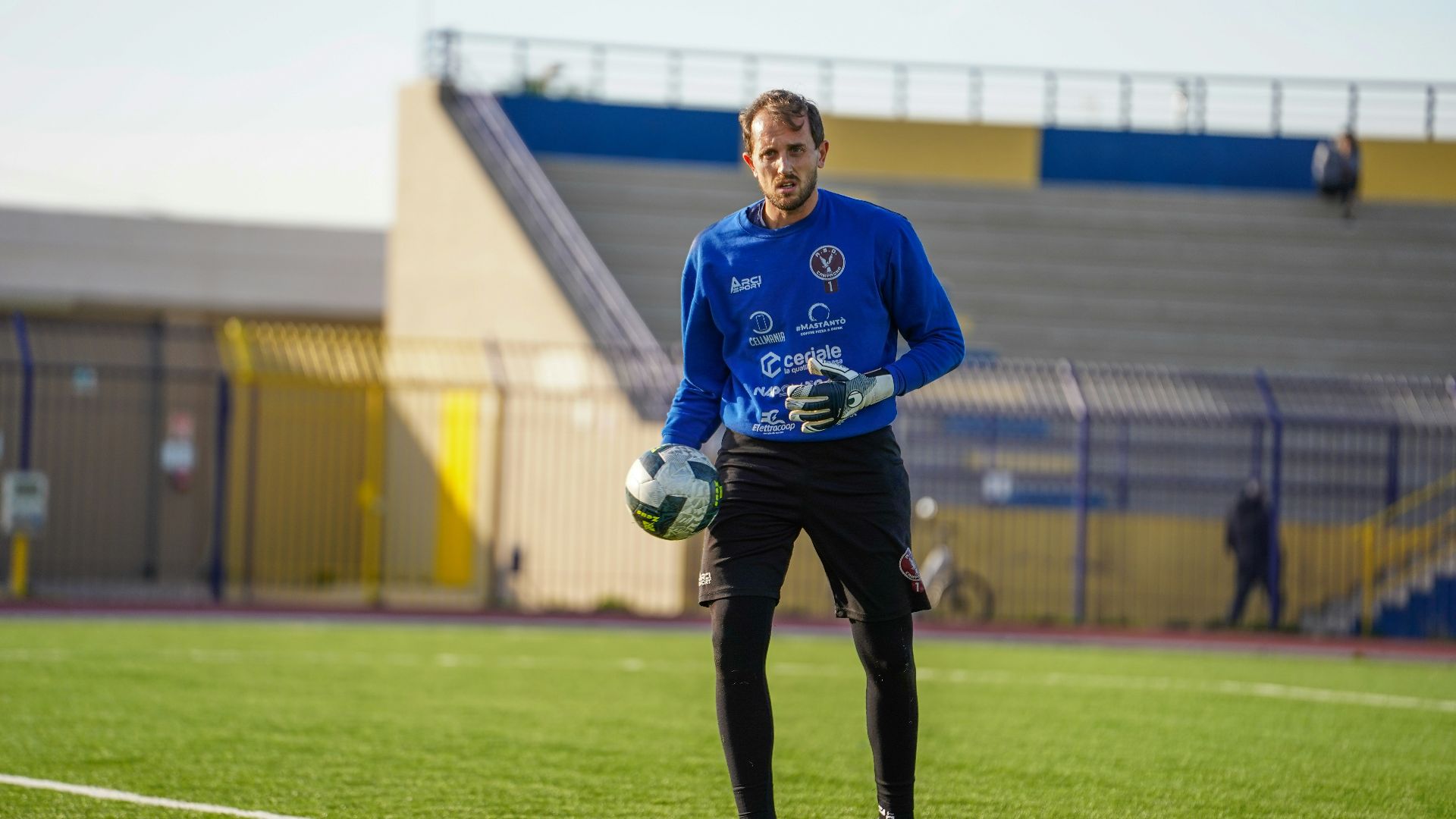
4. Using Positive Self-Talk
Internal dialogue plays a major role in maintaining focus. Athletes replace negative thoughts with encouraging and constructive statements. This helps build confidence and prevents mental spirals. Consistent positive self-talk can improve both mindset and performance.
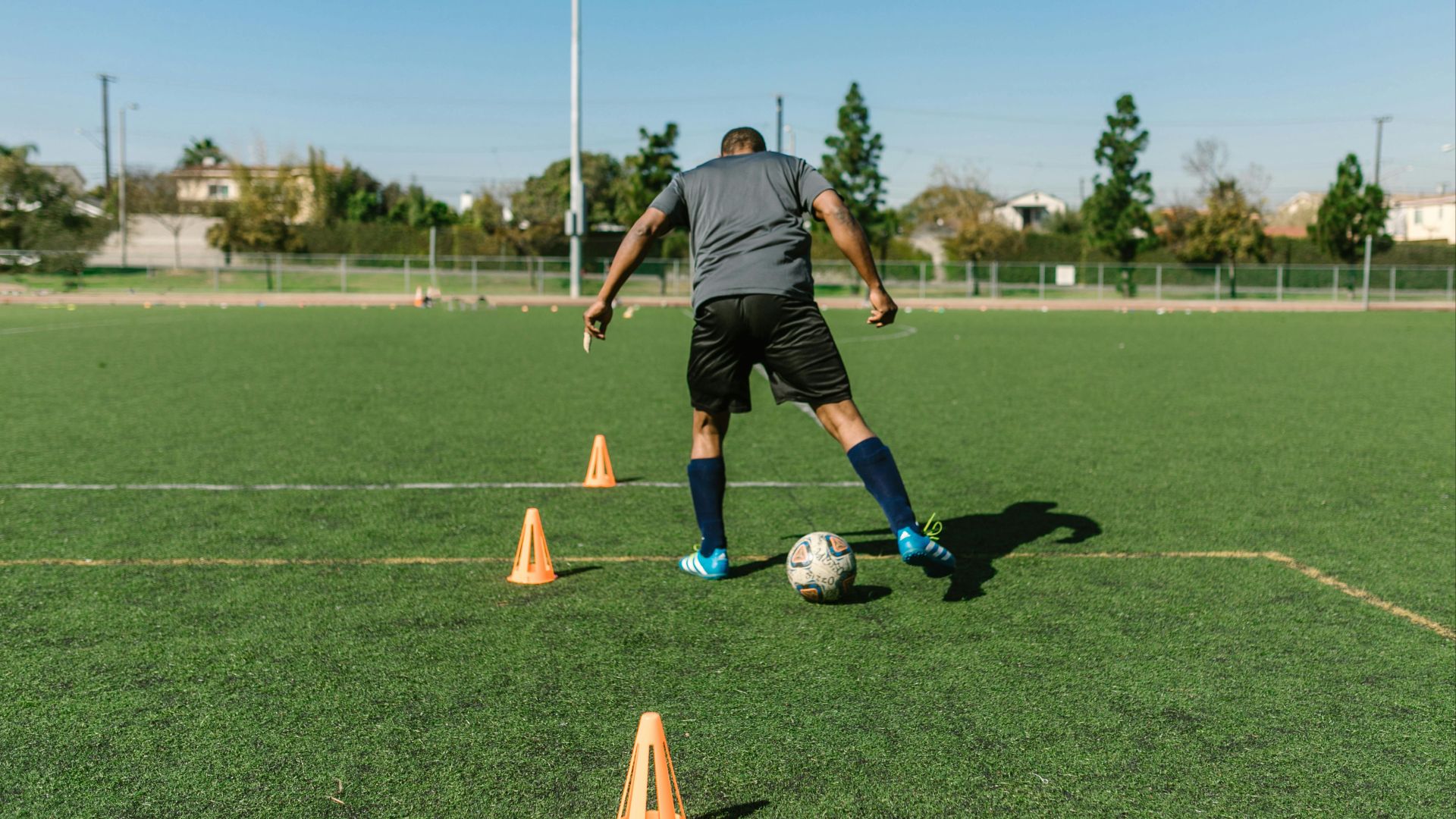
5. Pre-Performance Routines
Having a consistent routine before competing helps signal that it’s time to focus. These routines can include physical warm-ups or mental cues. They create a sense of control and familiarity. Over time, your brain begins to associate the routine with readiness.
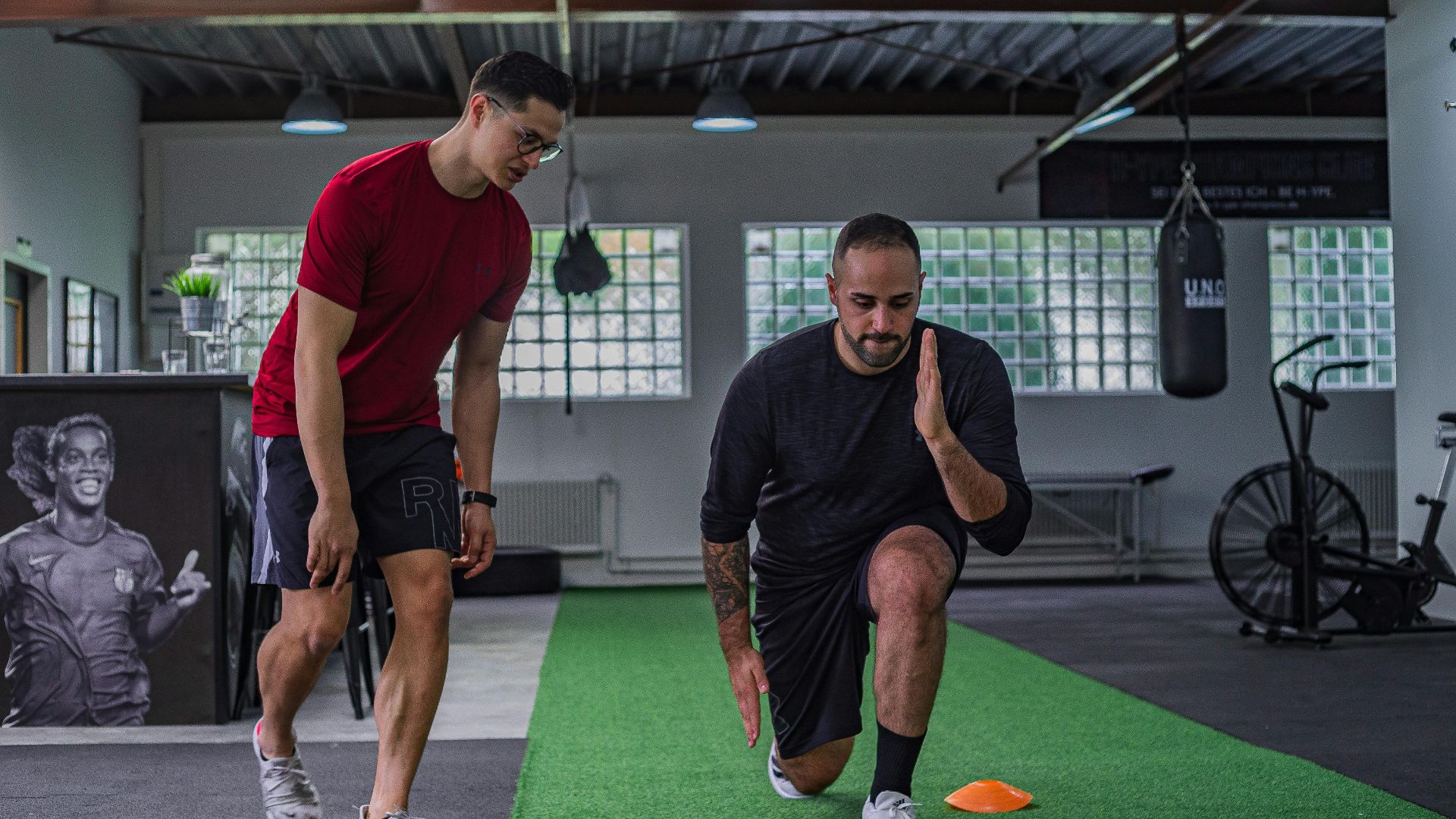
6. Focusing on What You Can Control
Athletes train themselves to ignore factors outside their influence. This includes things like opponents, weather, or crowd reactions. By narrowing attention to controllable elements, they reduce distractions. It keeps their energy directed toward performance rather than worry.

7. Practicing Mindfulness
Mindfulness involves staying fully present in the current moment. Athletes use it to avoid dwelling on past mistakes or future outcomes. This approach helps maintain steady focus during competition. It also supports better decision-making under pressure.

8. Resetting After Mistakes
Mistakes are inevitable, but how you respond matters. Athletes develop quick reset habits to move on immediately. This might involve a deep breath or a physical cue like clapping their hands. The goal is to prevent one error from affecting the next moment.

9. Using Cue Words
Simple words or phrases can help bring attention back to key actions. Athletes repeat these cues internally to stay aligned with their goals. They’re often short and specific, making them easy to recall. This technique helps maintain clarity during high-pressure situations.
 Land O'Lakes, Inc. on Unsplash
10. Limiting External Distractions
Athletes train themselves to block out noise and irrelevant stimuli. This might involve focusing on a single point or sound. By narrowing their attention, they improve concentration. It becomes easier to stay locked into the task at hand.
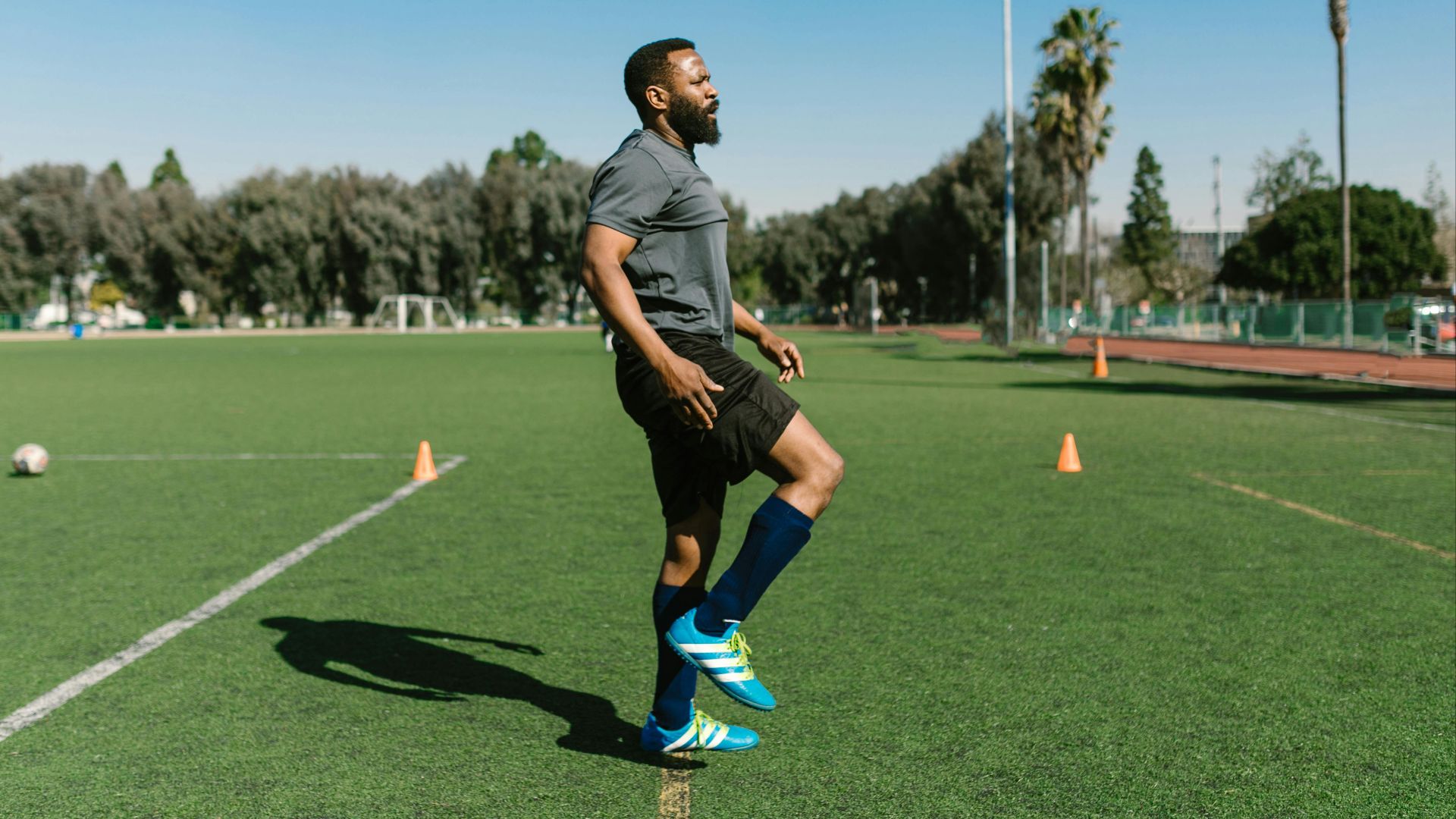
11. Building Confidence Through Preparation
Thorough preparation reduces uncertainty and boosts focus. When athletes know they’ve put in the work, it’s easier to trust their abilities. This confidence helps quiet mental distractions. Preparation becomes a foundation for staying mentally strong.

12. Visual Anchoring Techniques
Some athletes focus on a specific visual point to maintain concentration. This could be a target, a line, or a consistent reference. It helps steady the mind and reduce wandering thoughts. Visual anchors are especially useful in fast-paced environments.

13. Managing Energy Levels
Focus is closely tied to energy, so athletes pay attention to rest and recovery. They recognize when they need to slow down or reset. Proper energy management helps maintain concentration over longer periods. It prevents burnout during intense moments.

14. Reframing Pressure as Opportunity
Instead of seeing pressure as a threat, athletes view it as a chance to perform. This shift in mindset reduces anxiety and increases motivation. It helps them stay engaged rather than tense. Over time, this perspective can improve consistency under stress.

15. Practicing Under Realistic Conditions
Training in conditions that mimic competition helps improve focus. Athletes expose themselves to similar distractions and pressures. This makes actual performance feel more familiar. It reduces the mental adjustment needed during real events.
 Mitchell Soeharsono on Unsplash
16. Keeping a Short Memory
Holding onto mistakes can disrupt focus, so athletes train themselves to let go quickly. They acknowledge the error but don’t dwell on it. This allows them to stay present and responsive. A short memory helps maintain momentum.

17. Using Music Strategically
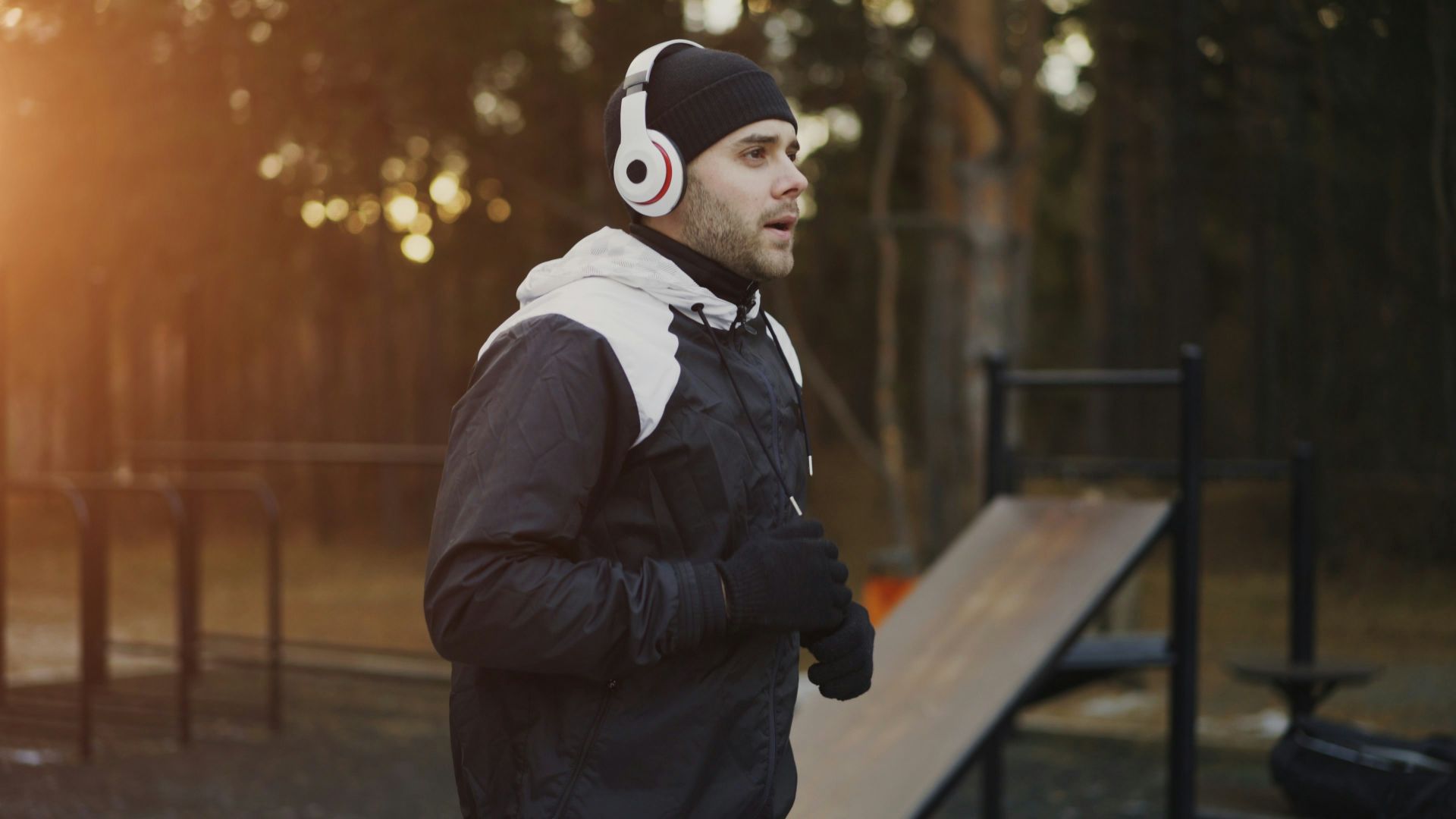
Music can help athletes get into the right mindset before performing. It can energize or calm them depending on the situation. This creates a mental shift that supports focus. Many use specific playlists as part of their routine.
18. Maintaining Consistent Body Language
Physical posture can influence mental state. Athletes use confident body language to reinforce focus and control. Standing tall or moving with purpose sends positive signals to the brain. This connection helps maintain a steady mindset.

19. Setting Clear Intentions
Before starting, athletes define what they want to achieve in that moment. This gives their focus direction and purpose. Clear intentions help filter out distractions. You’ll find it easier to stay engaged when you know your goal.

20. Reflecting After Performance
After competing, athletes review what worked and what didn’t. This reflection helps improve future focus strategies. It also reinforces positive habits.

KEEP ON READING

20 Habits of High-Vibration People


20 Hobbies Perfect For Anyone With Anxiety

20 Mental Tricks Athletes Use to Stay Focused