Small Tweaks, Big Difference
Some exercises look simple enough that people assume there’s not much to mess up. You bend, press, pull, squat, repeat, and as long as it feels hard, it must be working. But a lot of familiar gym moves go sideways in the same predictable ways: shoulders creeping up, lower backs taking over, momentum doing more work than muscle, and form slowly unraveling as soon as the set gets uncomfortable. The frustrating part is that these mistakes usually don’t feel dramatic in the moment; they just make the exercise less effective or harder on the wrong joints. Once you notice your errors, though, you start seeing how a few small adjustments can completely change what the movement feels like.
1. Squats
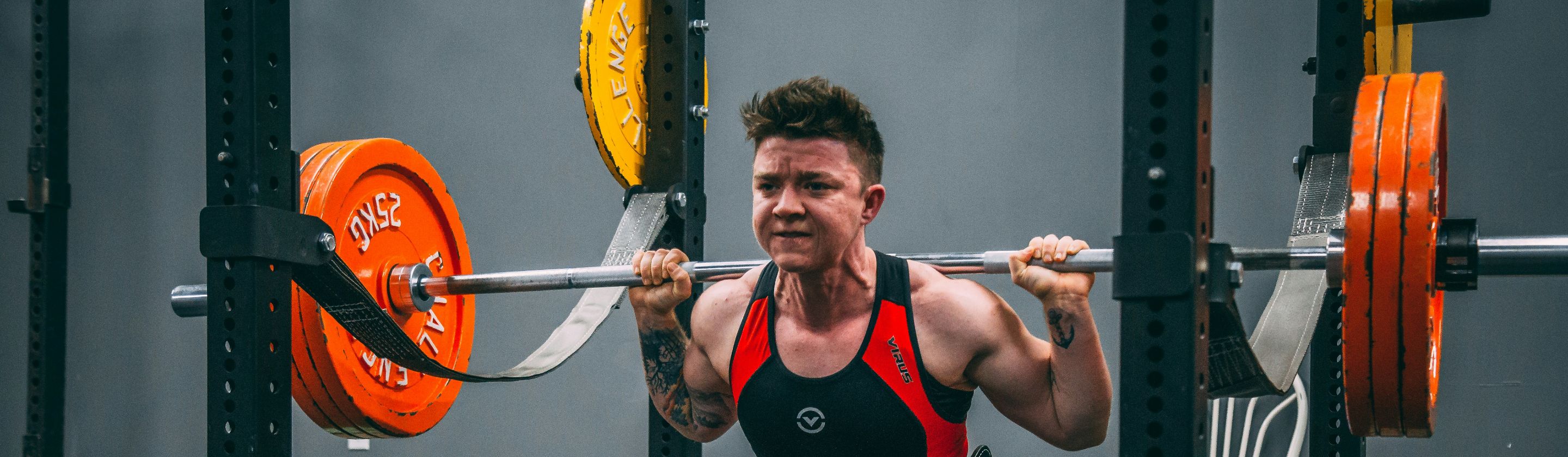
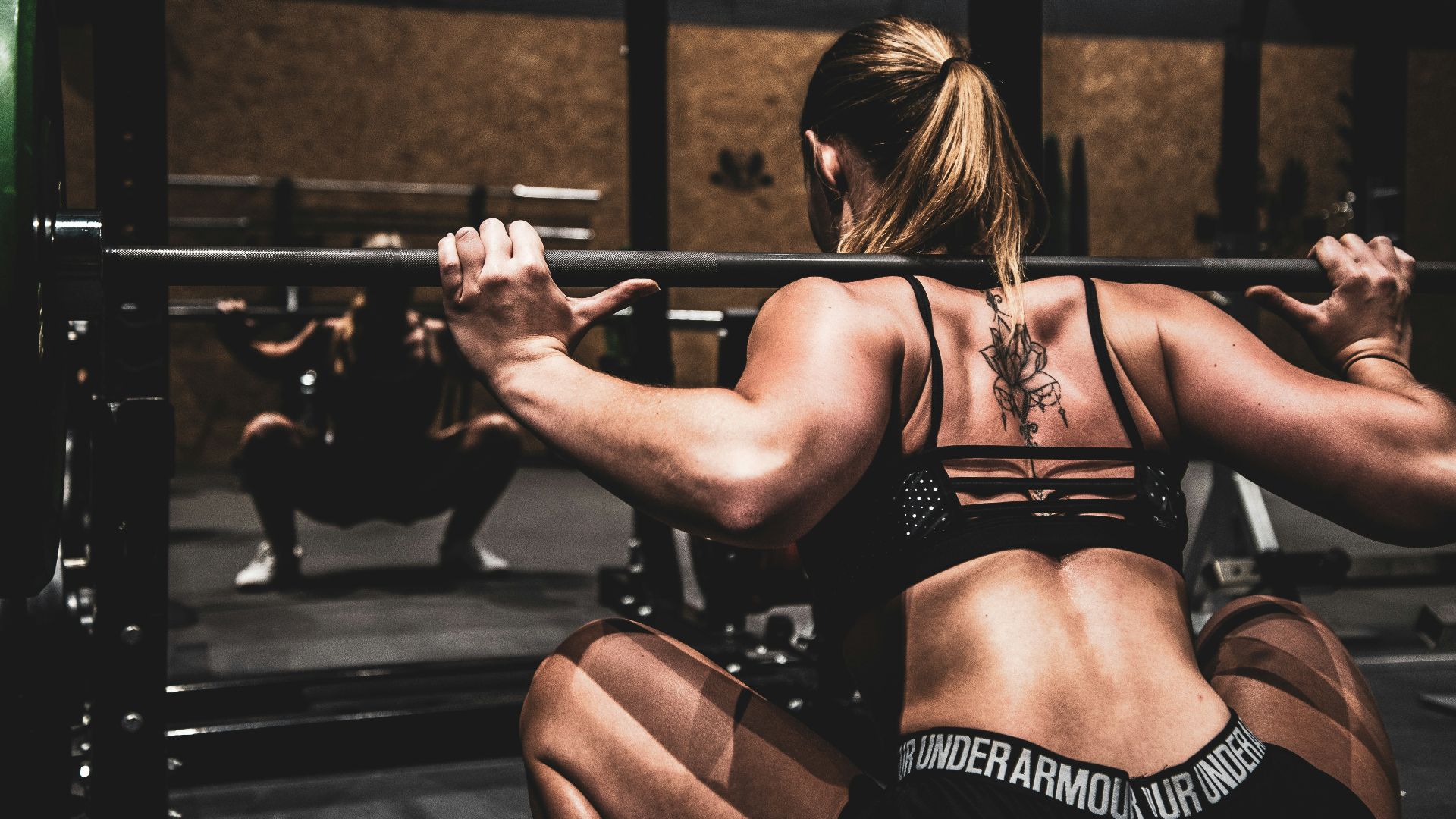
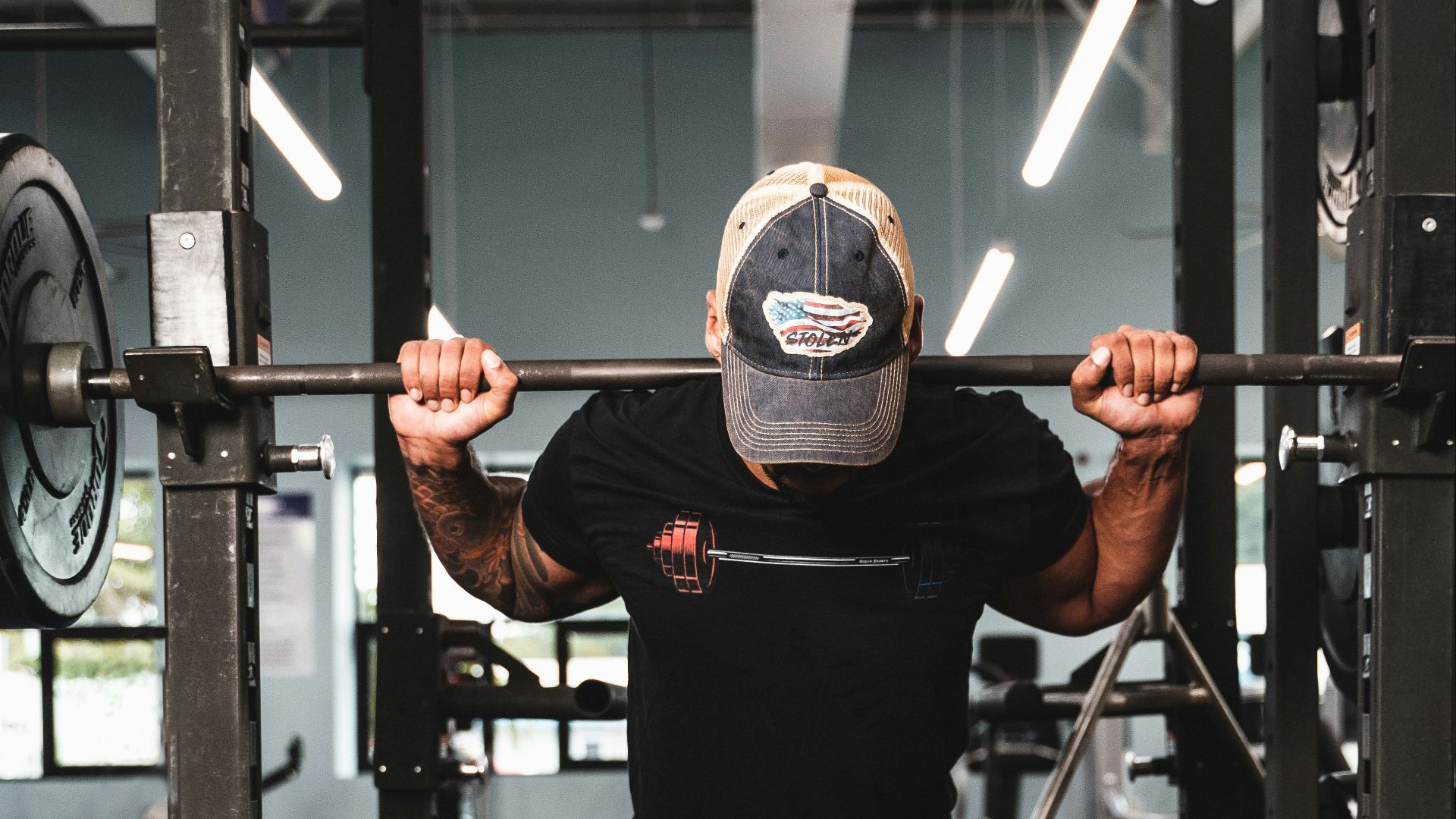
A lot of people squat by dropping straight down without really controlling how their torso and hips move together. Knees cave in, heels get light, and the whole thing starts to feel like a fight for balance instead of a strong lower-body move. Done that way, squats can turn into a messy mix of compensation, especially once the weight goes up.
2. Push-Ups
Push-ups go wrong when they become half-reps with a sagging middle and flared elbows. People often think they’re training chest and arms, but they’re really just surviving the motion however they can. Once the neck starts craning forward and the hips start dipping, the whole shape falls apart.

3. Deadlifts
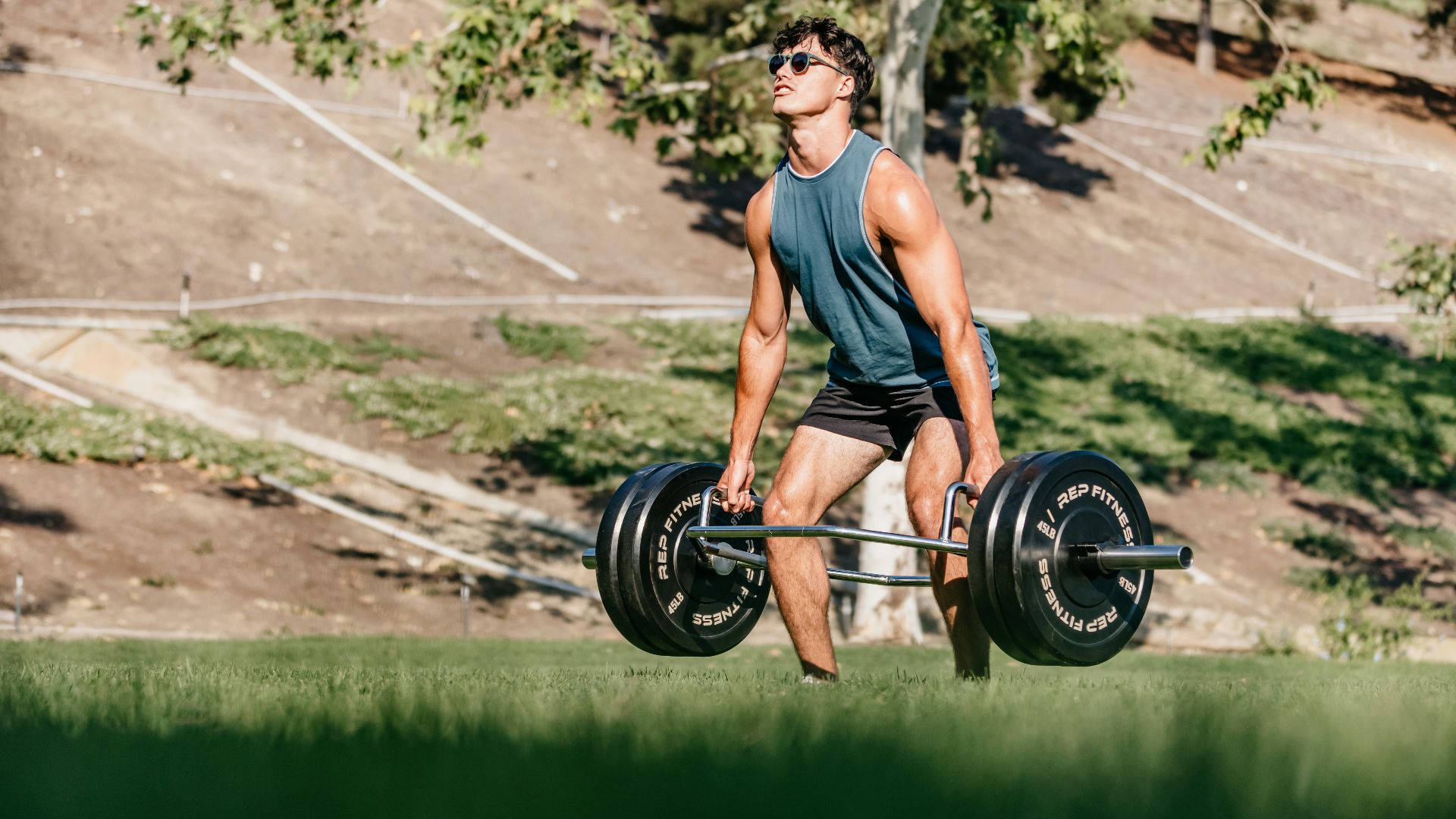
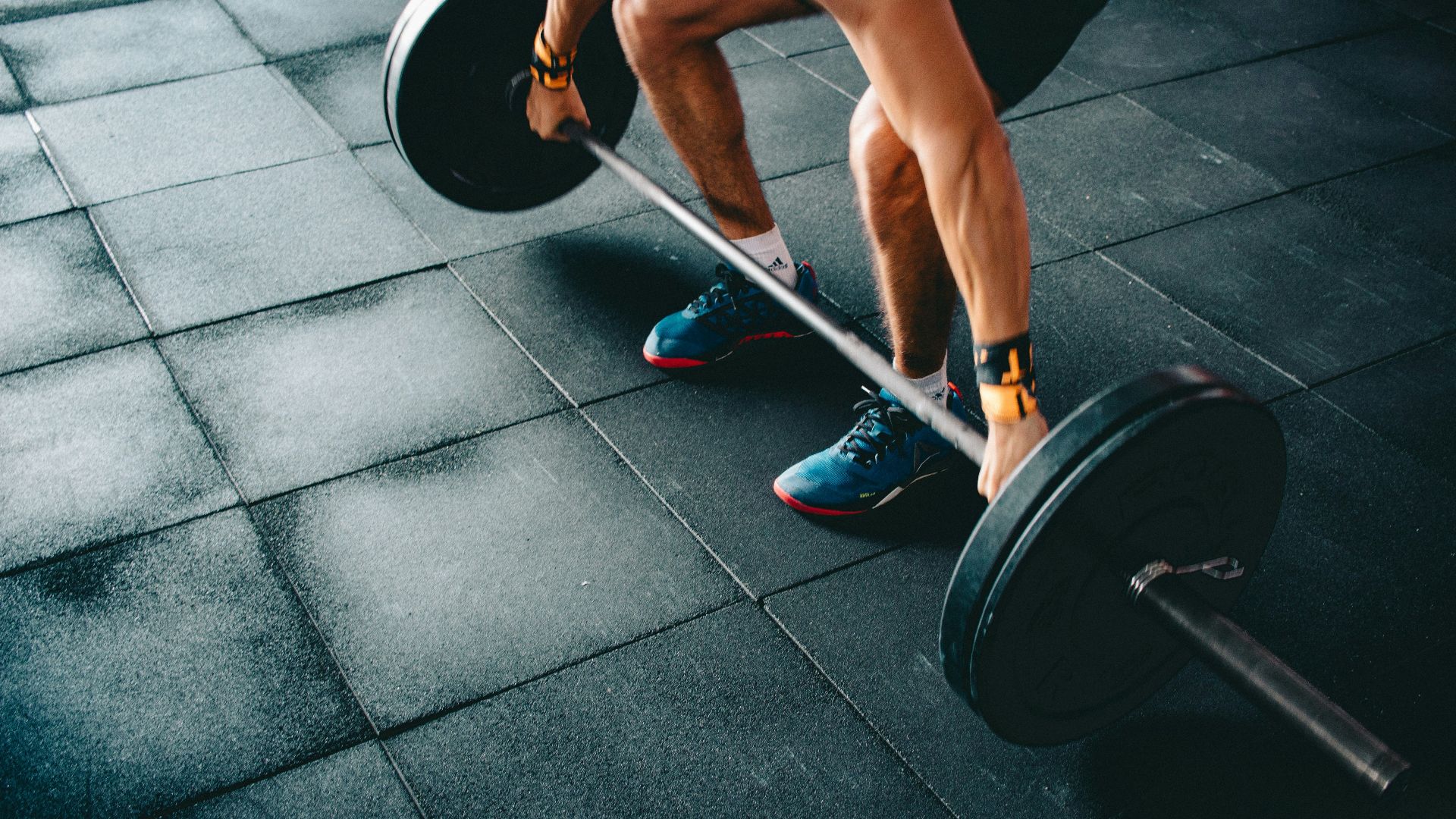
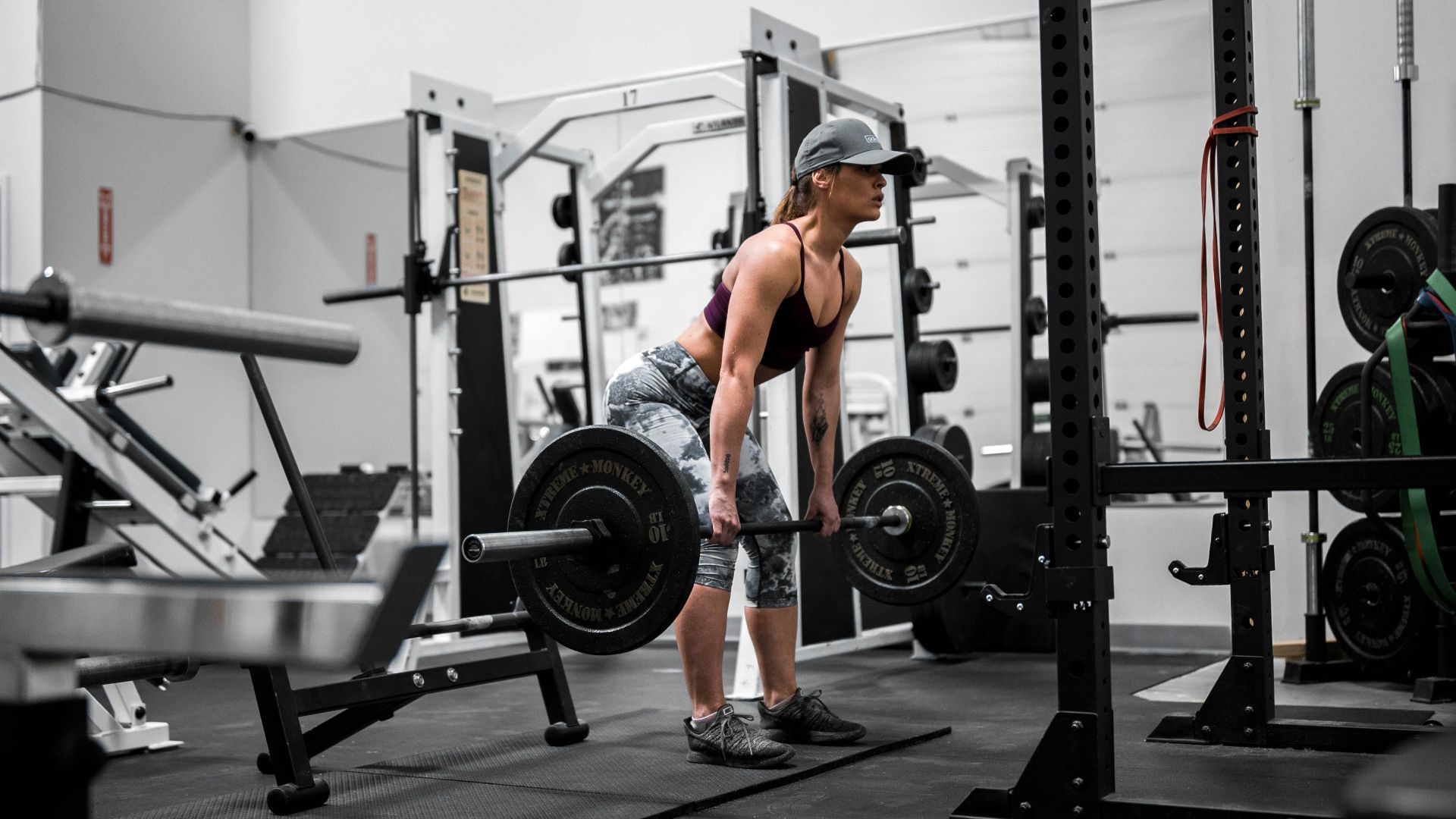
Deadlifts are one of the quickest ways to reveal whether someone is moving weight or just yanking it off the floor. The common mistakes are rounding through the back, starting too far from the bar, and treating the lift like a fast tug instead of a full-body setup. It looks strong until it suddenly looks very wrong.
4. Lunges
Lunges tend to get rushed, which is exactly why they go sloppy. People wobble, step too short, crash the back knee down, and end up turning a controlled unilateral exercise into a shaky balancing act. Instead of building strength evenly, the stronger side starts quietly taking over.

5. Rows
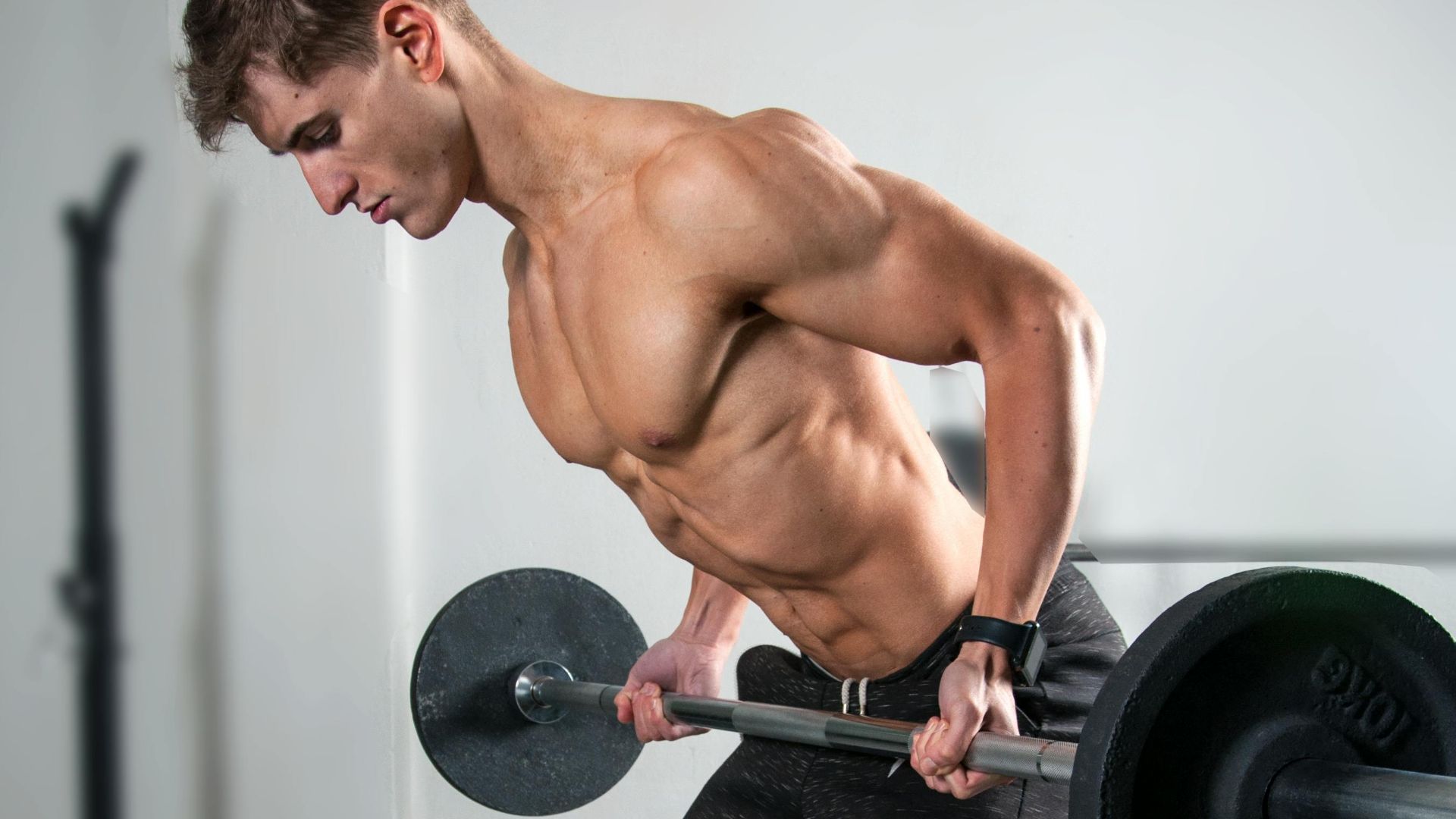
Rows get butchered all the time because they invite momentum. Instead of pulling with the back, people jerk the weight upward, shrug into the neck, and let the shoulders roll forward at the bottom. It becomes more of a swing than a row, which is why it stops feeling clean almost immediately.
6. Planks
Planks seem foolproof until you watch people do them for more than ten seconds. Hips drift too low or too high, shoulders collapse, and what should be a bracing exercise turns into passive hanging. The longer it goes, the less it looks like core work and the more it looks like waiting.

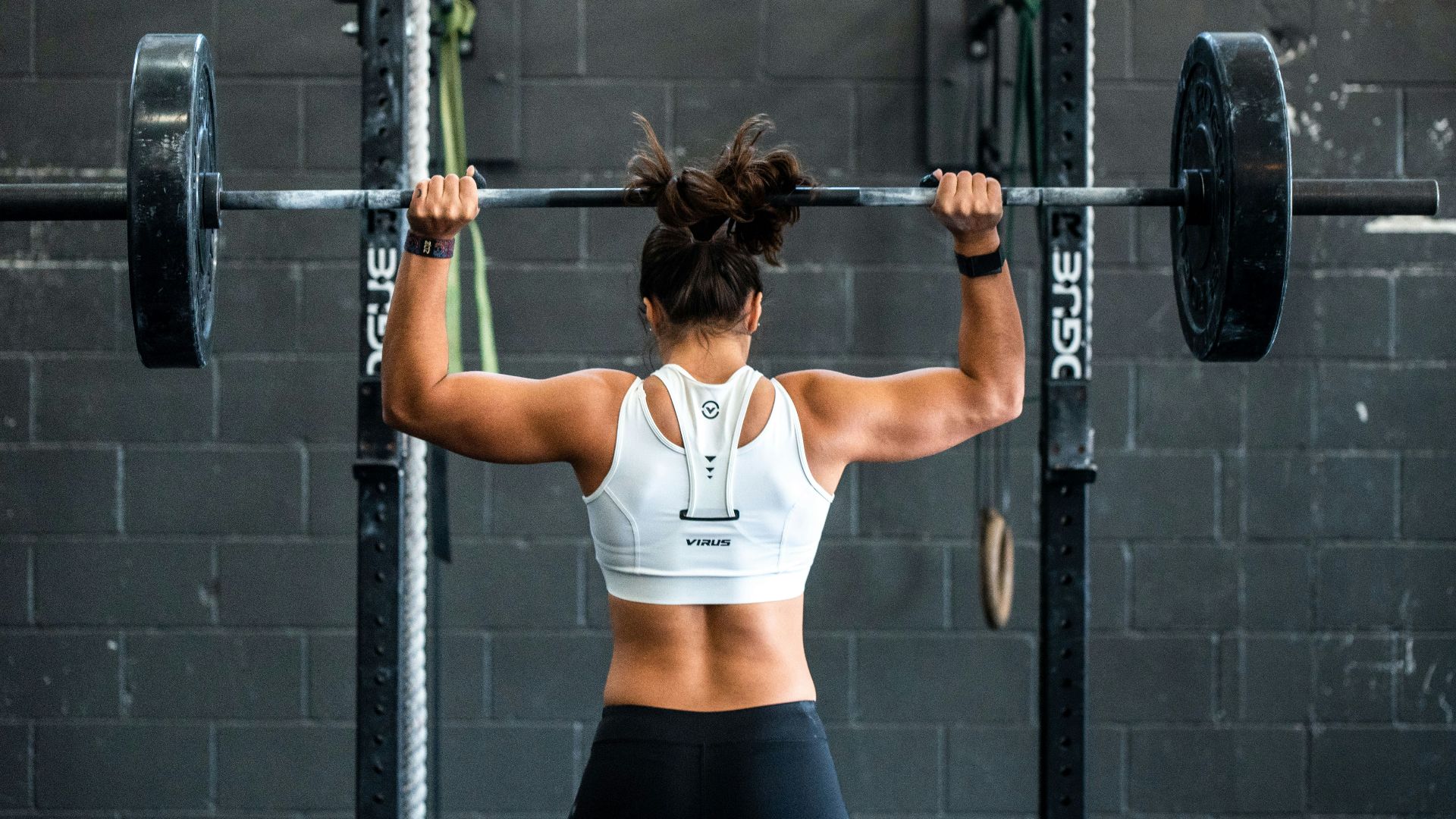
7. Overhead Presses
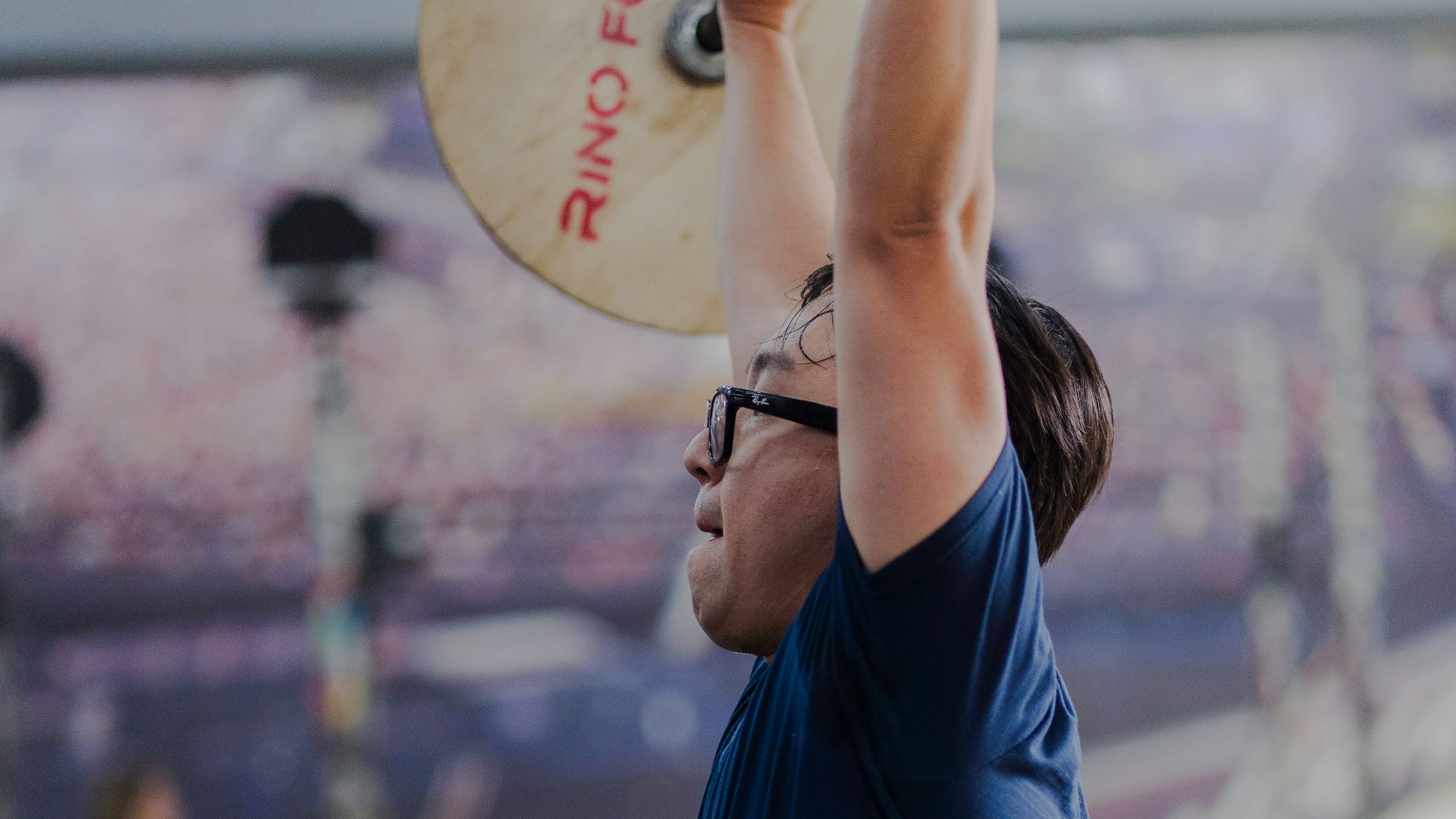
Overhead presses often turn into a weird standing backbend. Instead of pressing from a stable ribcage and stacked posture, people flare the ribs, lean back, and send the weight overhead through whatever path feels easiest. It still counts as a rep, technically, but not a very clean one.
 Rodrigo Rodrigues | WOLF Λ R T on Unsplash
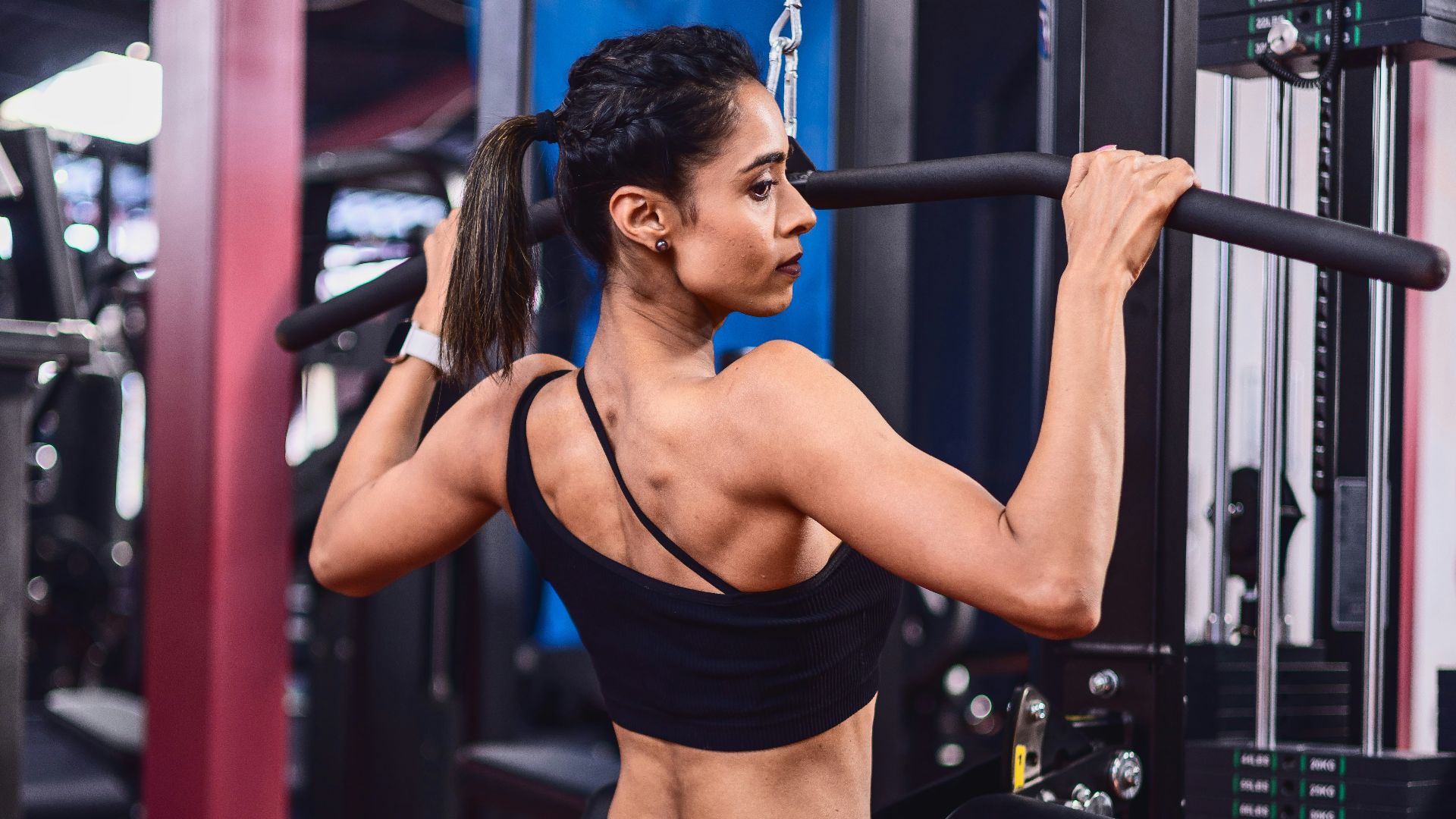
8. Lat Pulldowns
Lat pulldowns go off the rails when people pull the bar behind the neck, swing their torso, or turn the whole movement into a dramatic backward lean. At that point, the lats stop being the star of the show. It looks aggressive, but it usually feels better in theory than in the body.
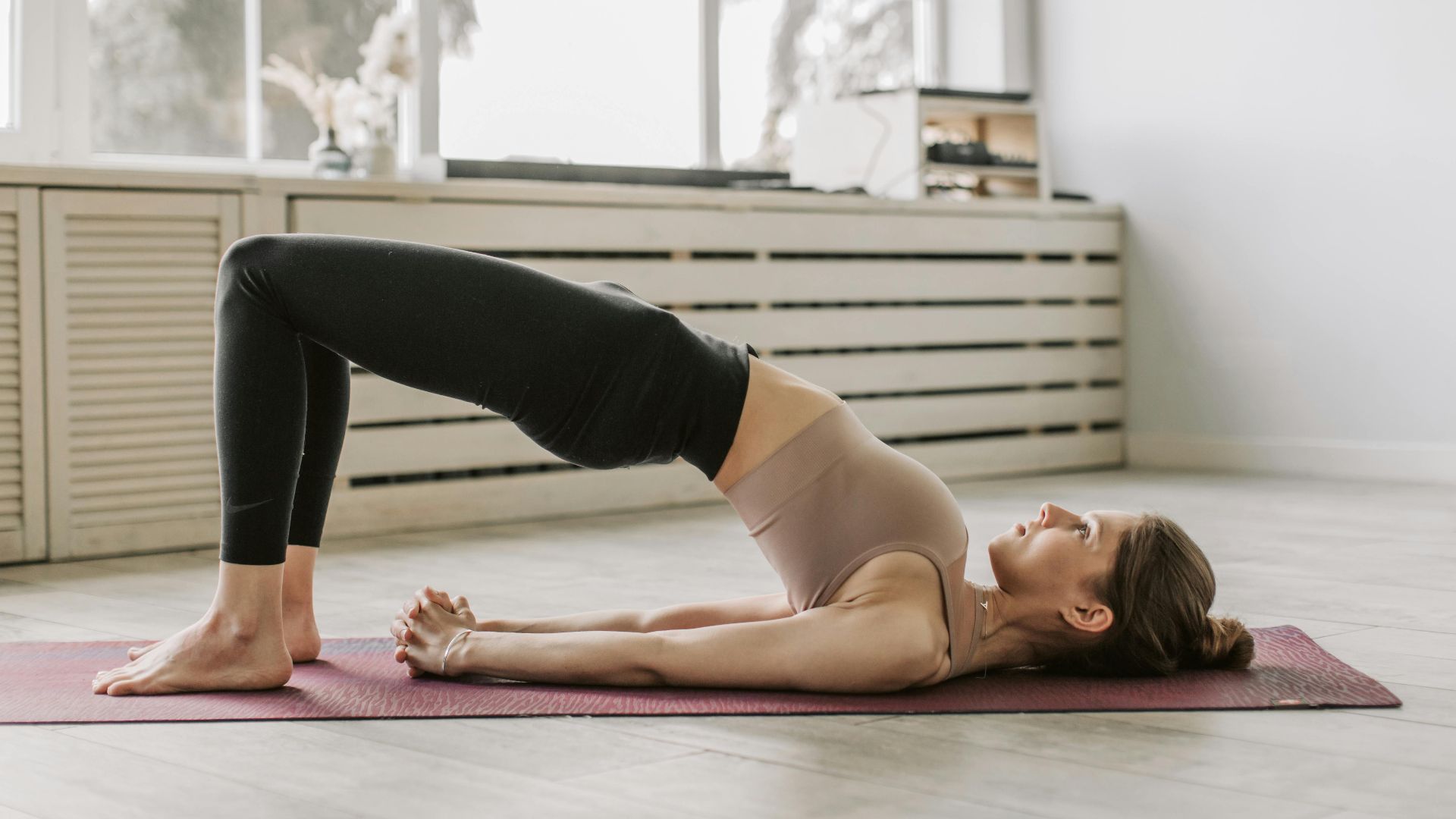
9. Glute Bridges
Glute bridges get hijacked by the lower back more often than people realize. Instead of driving through the hips with control, people arch hard at the top and chase height instead of tension. The rep looks big, but the muscles you actually wanted aren’t doing as much as they should.
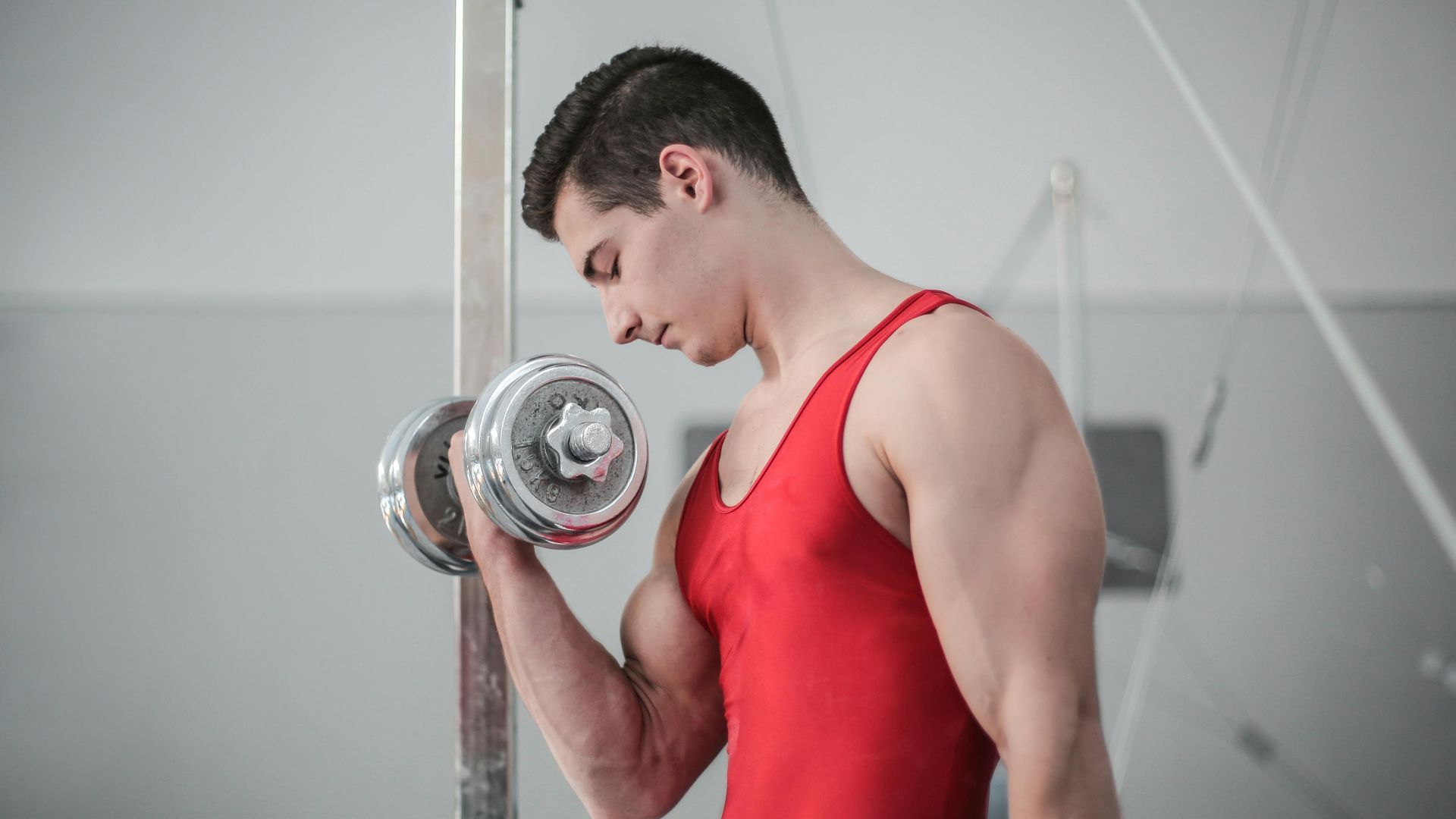
10. Biceps Curls
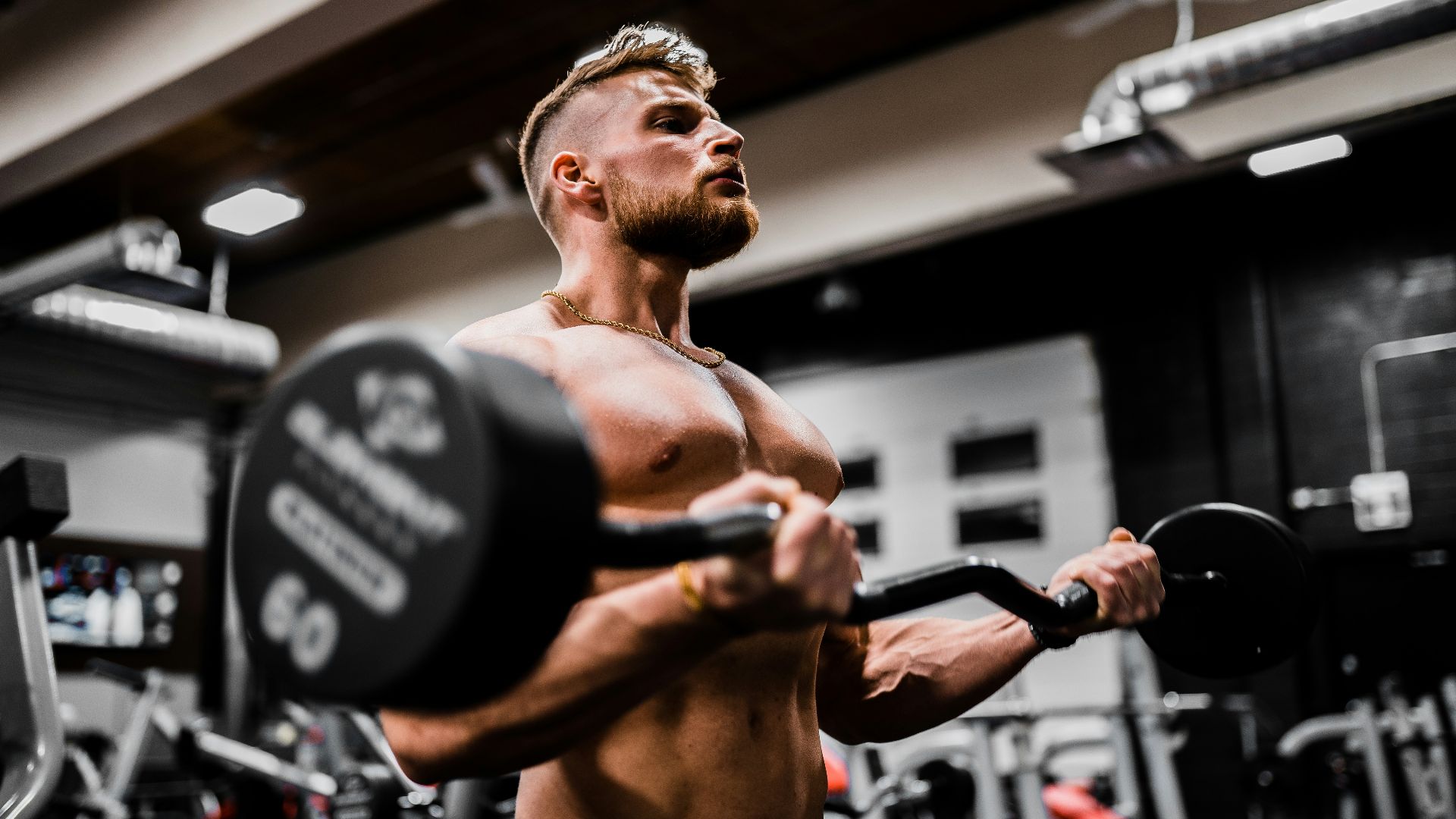
Curls are probably the most over-cheated exercise in the gym. The weight swings, the elbows drift, the torso rocks, and suddenly the rep is being completed by enthusiasm more than by the biceps. It’s one of the clearest examples of an exercise getting worse the more dramatic it looks.
And now, here are 10 small fixes can clean all of that up faster than most people expect.
1. Slow The First Few Reps
One of the easiest fixes is to stop treating the first rep like it owes you money. Slowing down the opening reps of any set gives you time to find the right path, feel where the load is actually landing, and notice whether you’re already compensating. It’s a simple reset that makes bad habits much harder to hide.
2. Use Less Weight
This is the least exciting fix and probably the one that changes the most. The moment the load is too heavy, form becomes a negotiation, and your body starts finding shortcuts you didn’t ask for. Backing off a little often makes the exercise feel harder in the exact place it was supposed to all along.
3. Think “Stacked,” Not “Tall”
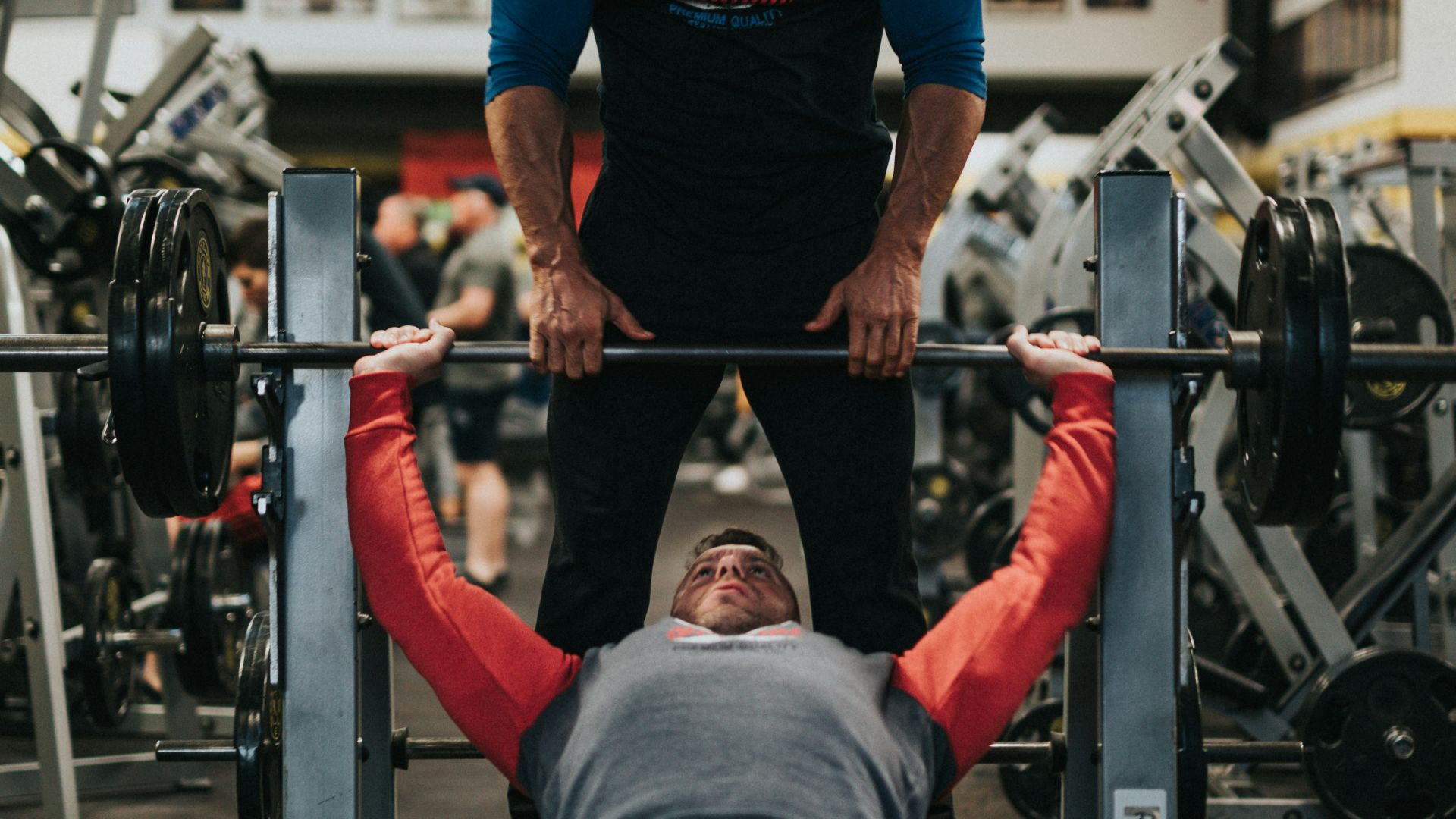
A lot of form improves when you stop trying to look upright and instead think about keeping ribs over hips. That small idea helps with squats, presses, planks, and even lunges because it keeps the torso from drifting into an exaggerated arch. It creates a more stable base without making the movement stiff.
4. Own The Bottom Position
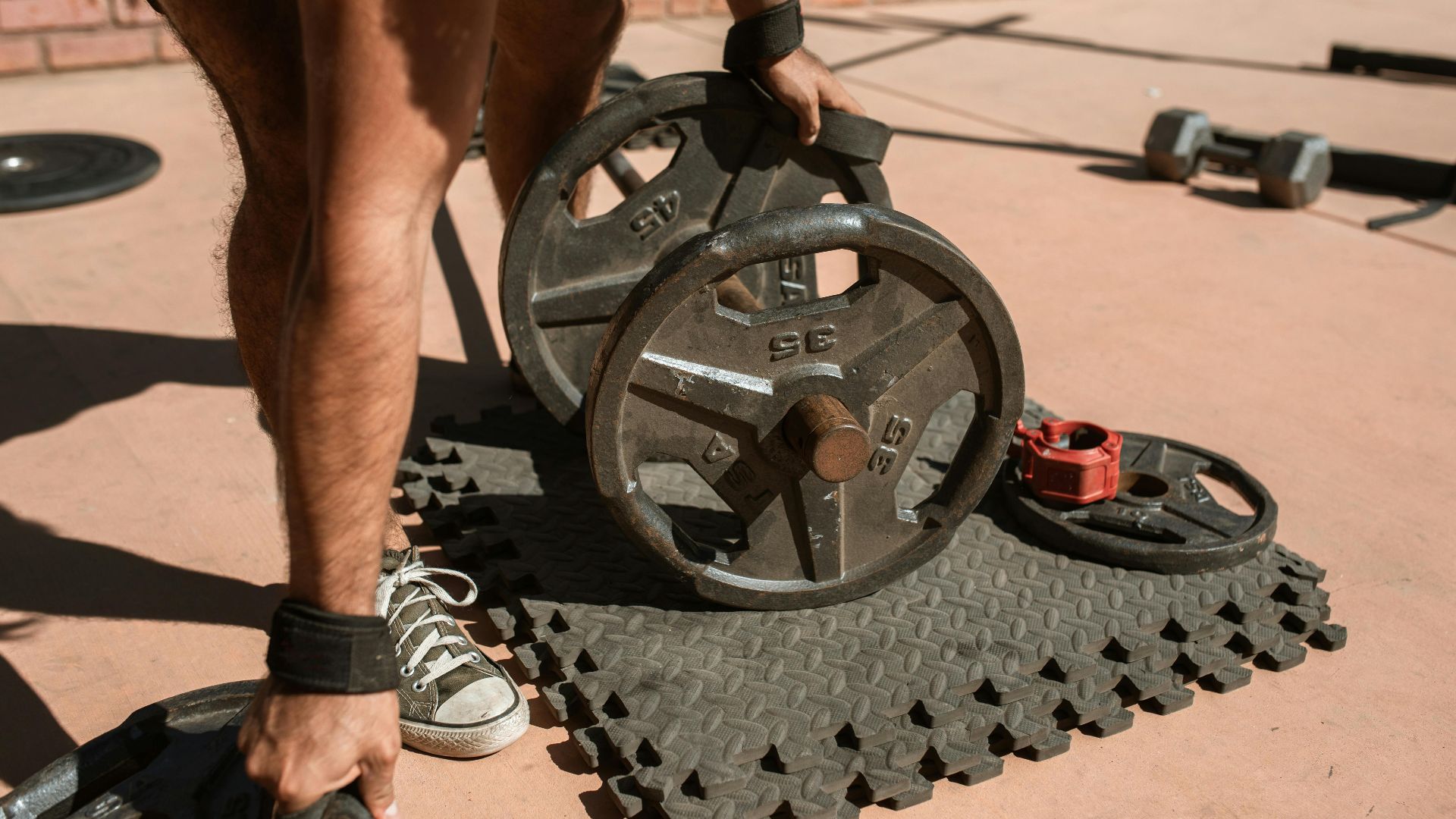
Most exercises fall apart where people feel weakest, which is usually at the bottom. If you can pause briefly in the bottom of a squat, push-up, lunge, or row without losing shape, you’re probably in a solid position. If everything instantly collapses, that’s useful information, not failure.
5. Keep Tension Before The Rep Starts
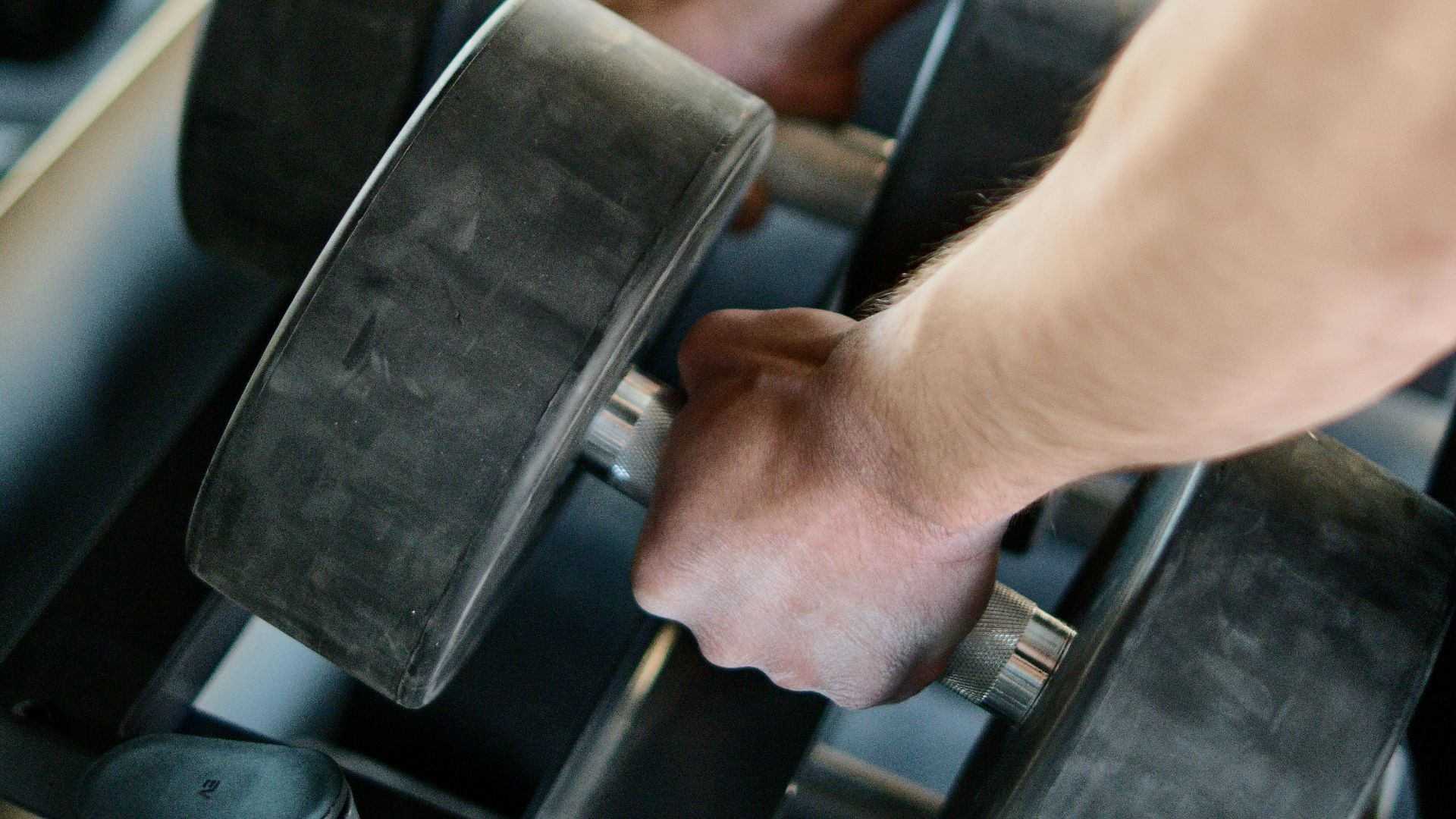
A good rep usually starts before anything visibly moves. In deadlifts, rows, pulldowns, and presses, taking a second to brace, set the shoulders, or create tension before the pull or press changes the whole feel of the movement. It makes the rep look less casual and work a lot better.
6. Use The Floor Better
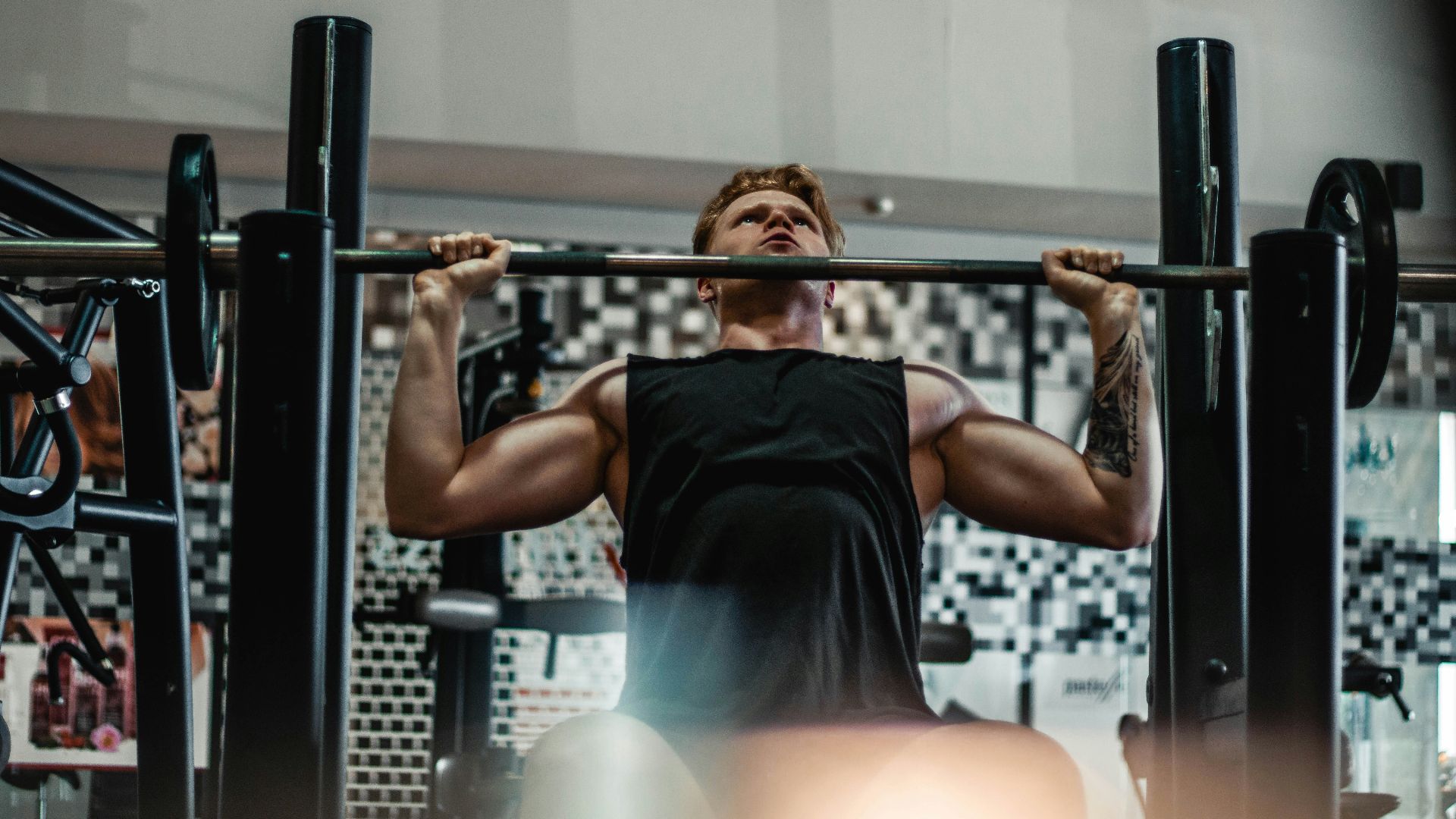
A surprising number of problems get better when you think about how your feet or hands are pressing into the ground. In squats and lunges, that means staying connected through the whole foot instead of tipping around. In push-ups and planks, it means actively pushing the floor away instead of sinking into it.
7. Stop Chasing Range You Can’t Control
More range is not automatically better if the last part of it belongs to momentum, joint irritation, or a shape you can’t hold. A shorter, cleaner rep usually beats a bigger one that turns into compensation at the end. This matters especially in presses, bridges, pulldowns, and curls, where ego loves to borrow movement from somewhere else.
8. Film One Set
People are often shocked by the gap between what a rep feels like and what it actually looks like. One quick video from the side or front can reveal knee collapse, rib flare, shortened range, or a bar path that’s wandering all over the place. It’s not glamorous, but it’s one of the fastest ways to fix something real instead of guessing.
9. Match The Tempo To The Goal
If every rep is rushed, the strongest muscles and the sloppiest habits tend to dominate. A steadier tempo gives weaker positions a chance to exist and makes the target muscles do more of the work. You don’t need robotic counting, just enough control that the exercise still belongs to you from start to finish.
10. End The Set Before The Rep Quality Declines
A lot of people measure a set by whether they technically finished it, not by whether the last few reps were worth doing. There’s a difference between working hard and unraveling. Stopping one or two reps earlier often gives you a better training effect than grinding through ugly extras that teach your body the wrong version of the movement.