When Recovery Starts Slipping
There’s a certain kind of gym guilt that shows up when rest starts sounding smarter than another workout. You tell yourself you’re just being lazy, or soft, or weirdly unmotivated, then you get halfway through the warm-up and realize your body isn't with you at all. Sometimes it happens after a rough night, a stressful week, or one too many hard sessions stacked too close together. Recovery, like fitness, is a fluctuating process. Here are 20 signs you should take a few steps back.

1. Lingering Soreness
If your legs are still sore on Thursday from a workout you did Monday, that’s worth noticing. Regular muscle soreness happens, sure, though soreness that hangs around longer than usual can mean you’re not recovering well between sessions.

2. Heavy Legs
Some mornings, your legs just feel off before you’ve even tied your shoes. That heavy, flat, dragging feeling, especially during an easy run, a short walk, or the first few minutes on a spin bike, can be one of the clearest signs that fatigue is building up.

3. Recovery Takes Longer Than It Used To
A hard workout used to wipe you out for a night, maybe a day, and then you’d feel normal again. If one tough session now leaves you flat for two or three days, your recovery may be falling behind the work you’re asking your body to do.
 Performance Medicine on Unsplash
4. Normal Workouts Feel Harder
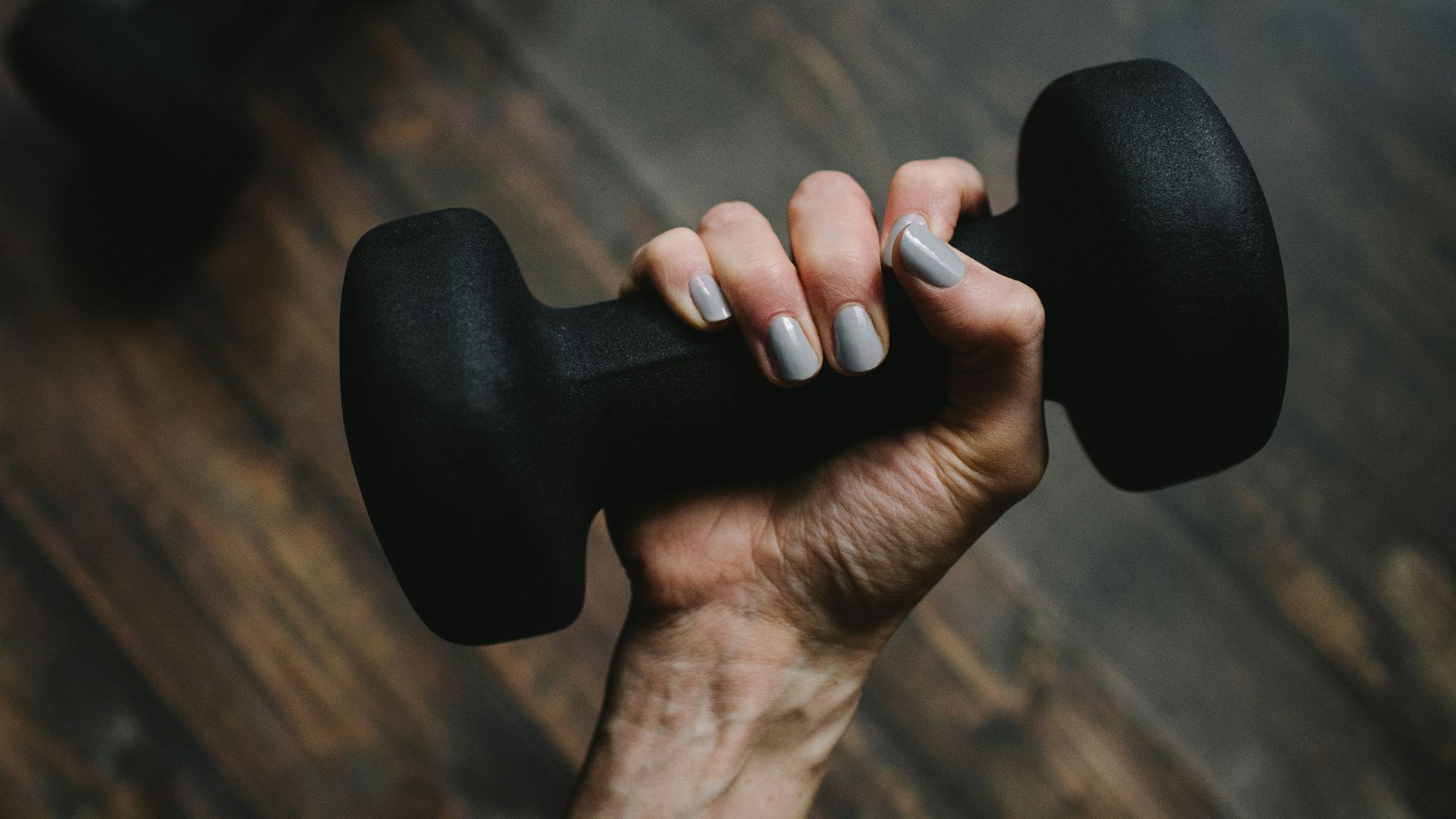
The same dumbbells feel heavier, the same three-mile loop feels longer, and the class you usually get through just fine suddenly wipes you out. When your usual effort starts feeling hard, that’s often a recovery issue before it’s a motivation issue.
5. Your Performance Is Sliding
If you’re running slower, lifting less, or struggling to finish workouts you handled just fine a few weeks ago, more training isn’t always the answer. A drop in performance is one of the clearest signs that rest may be the thing you need most.
 Fairuz Naufal Zaki on Unsplash
6. You Feel Tired All Day
Not just sleepy after lunch. The kind of tiredness where your morning coffee barely makes a dent, your workday feels longer than it should, and by 6 p.m., even answering a text feels difficult.

7. You Wake Up Already Exhausted
A full night in bed should leave you at least somewhat restored. If you keep waking up feeling like you never really dropped into deep rest, your system may still be too stressed to recover properly overnight.

8. Your Sleep Is Off
Sometimes, overdoing it shows up at night before it shows up in the gym. You’re tired, but you can’t fall asleep, or you wake up in the middle of the night. The worst is when you get your full eight hours and still wake up feeling weirdly worn down.

9. You’re More Irritable Than Usual
When everything starts getting on your nerves, from slow walkers to your inbox to one cheerful group chat message, pay attention. Training stress doesn’t stay neatly in your muscles, and mood changes are one of the more human, less glamorous signs that recovery is slipping.

10. You Feel More Anxious Or Restless
Sometimes it’s not sadness or anger. It’s that unsettled, revved-up feeling where you can’t quite relax. Maybe you're feeling stressed throughout your workday, but still can't seem to wind down during the evening.

11. Your Motivation Has Dropped
If the thought of working out used to feel steady and now it feels like a chore, that matters. A real drop in motivation can be one of the first signs that your body’s had enough, even if your brain keeps trying to argue with it.

12. Workouts You Usually Like Feel Flat
The Saturday lifting session, the Wednesday class, the long bike ride you normally look forward to, suddenly none of it sounds appealing. That emotional shift counts, and it often shows up before people are willing to admit they need more recovery.

13. You Keep Getting Sick
If every cold making its way around the office, the gym, or your kid’s school somehow lands on you first, your body may be running too worn out. Minor illnesses tend to show up more often when training load keeps outrunning recovery.

14. You’re Picking Up More Aches And Small Injuries
A sore Achilles, a cranky knee, a sore shoulder, a shin that starts complaining halfway through a run. When those smaller problems keep stacking up, your body may be telling you it doesn’t have much left in the tank.

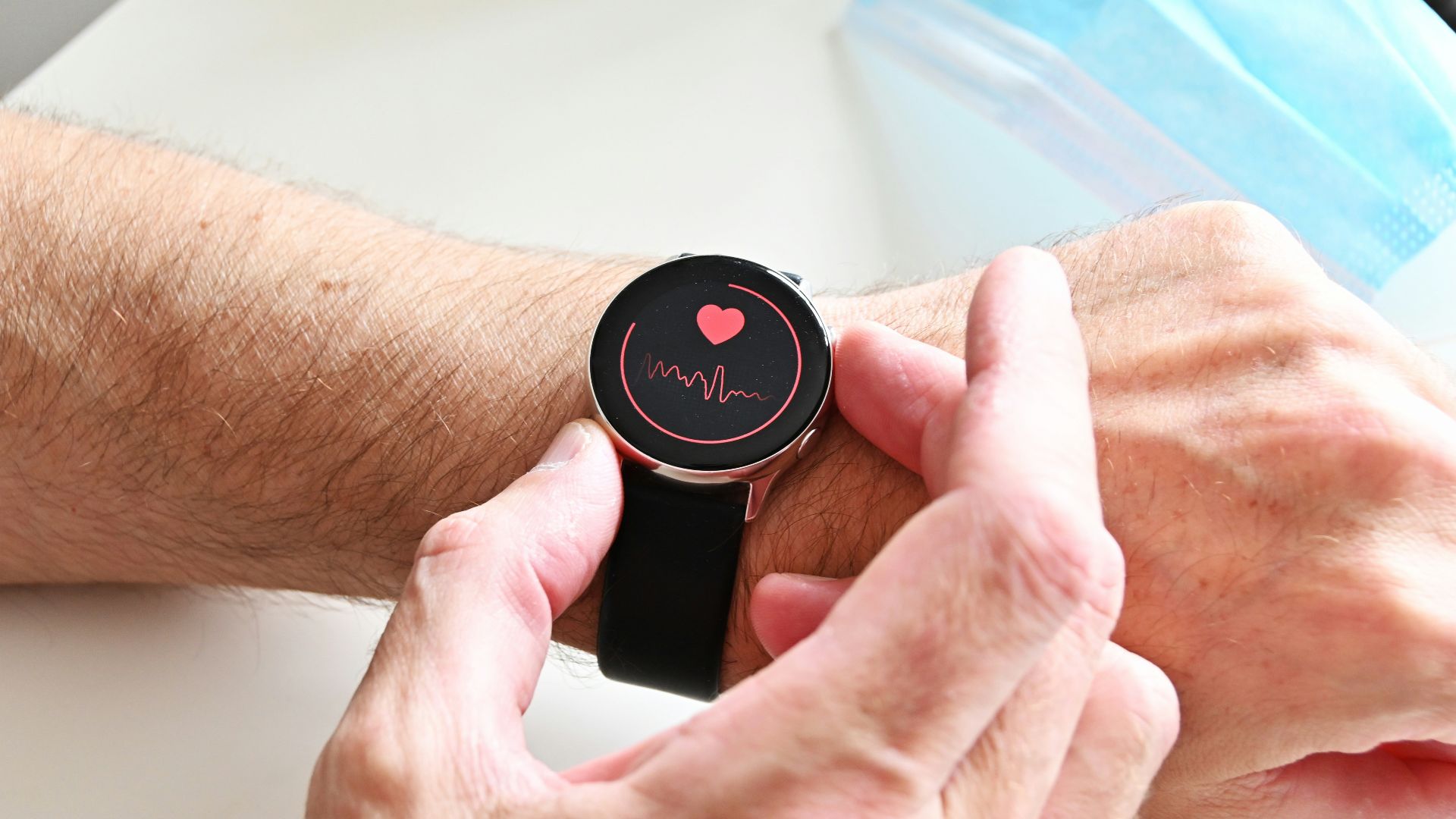
15. Your Resting Heart Rate Is Up
If your pulse is higher than usual when you first wake up, or when you’re just sitting still at the kitchen table, that can be a sign your system is still under strain. A higher resting heart rate often shows up when recovery isn’t keeping up with stress.
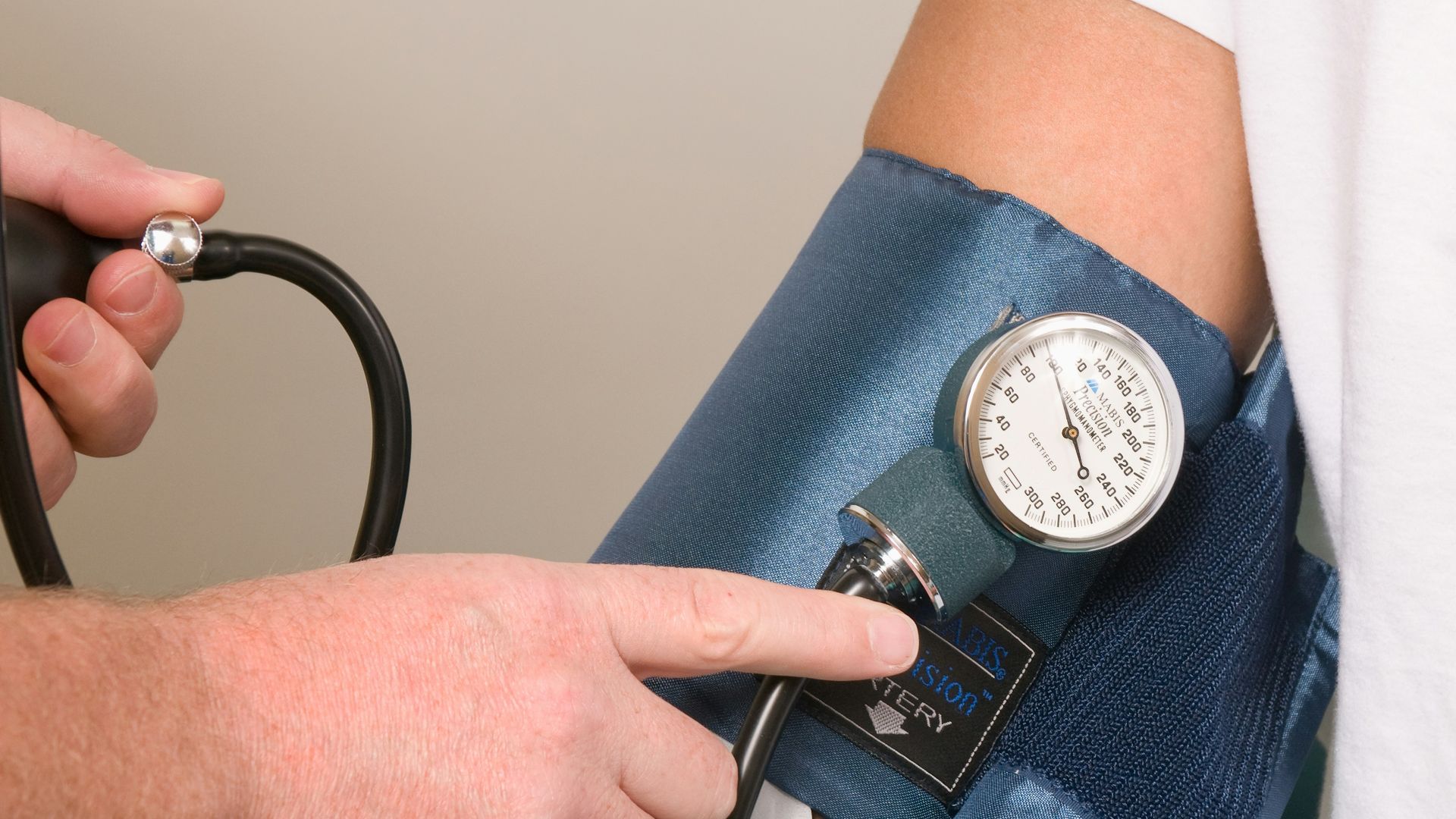
16. Your Blood Pressure Is Running Higher
If your readings are creeping up more than usual, especially alongside fatigue, poor sleep, and draggy workouts, that’s worth taking seriously. A body that never really powers down can stay more activated than it should, and blood pressure can reflect that.
17. Your Appetite Has Changed
Sometimes people get hungrier when training stress is high. Sometimes food stops sounding good at all, which can feel especially strange if you’re used to a higher calorie intake. Either shift can be a clue that something’s off.

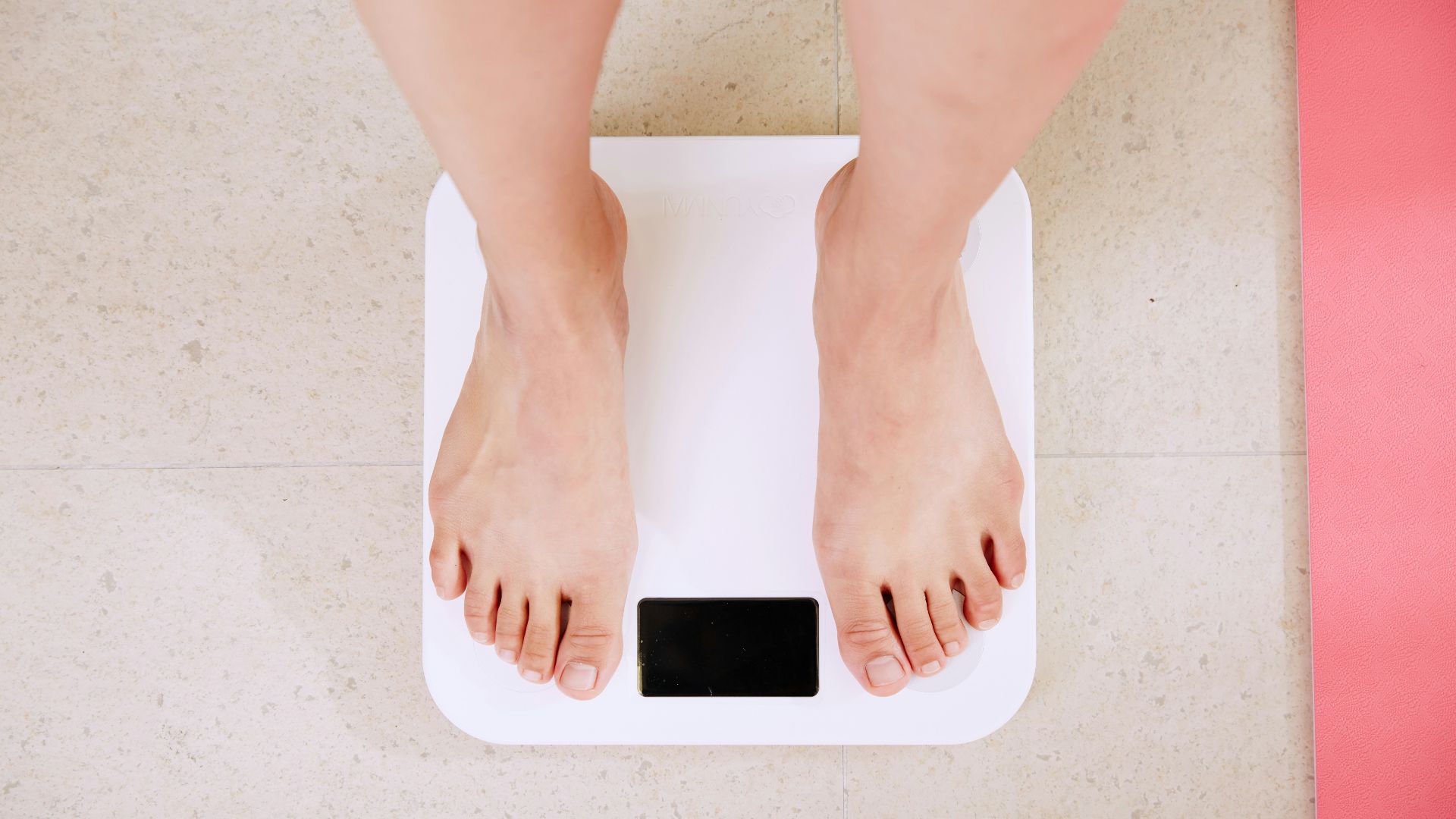
18. Your Weight Fluctuates
If your weight is changing and you haven’t really changed how you eat or train, that can be part of the picture too. It doesn’t mean every fluctuation matters, though weight changes that show up with fatigue, poor sleep, and lower performance are worth paying attention to.
19. Your Stomach Feels Off
Constipation, diarrhea, nausea, or that vague, unsettled feeling where your stomach just doesn’t seem happy can all show up when stress gets too high. The gut is often part of the overtraining picture, even if it’s not the first symptom people think about.

20. You Keep Wanting To Cut Workouts Short
If you find yourself bailing halfway through sets, staring at the treadmill clock after eight minutes, or suddenly wanting to skip sessions you already drove to, don’t write that off too fast. Sometimes that urge is less about discipline and more about a tired body trying, in the plainest possible way, to tell you it needs rest.
KEEP ON READING


20 Anti-Inflammatory Snacks for Aching Joints