

Learn to Read the Signals
Your liver handles a long list of jobs behind the scenes, so no one ever really thinks about what’s going on back there. What’s worse, when it isn’t working properly, the signs show up in ways that are easy to brush off at first. While not every little thing warrants cause for concern, some glaring red flags can alert you to potential issues, and we’re here to break down the most obvious ones.

1. Yellowing of the Skin or Eyes
You’ve likely heard of this one before, but that’s because it’s one of the most common. A yellow tint in your skin or the whites of your eyes can be a sign of jaundice, which is one of the better-known signs of liver trouble. If you notice this change, you should likely book an appointment with a doctor.

2. Dark Urine
Urine that looks much darker than usual can sometimes be linked with liver problems, especially when it creeps in alongside other symptoms. That color change may happen when excess bilirubin leaves the body through the urine, so it’s worth speaking with a doctor rather than fluffing it off.

3. Pale Stools
Like it or not, our BMs can tell us a lot about what’s going on under the hood! Stools that look pale, gray, or clay-colored can point to changes in bile flow, which may happen with some liver disorders. This isn’t the sort of thing you want to write off, so if it keeps happening, speak with a doctor.
4. Persistent Itchy Skin
Oddly enough, not every symptom is a glaring sign of trouble, and subtle ones like ongoing itchiness can sneak in without warning. In liver-related cases, the itching may actually come from changes involving bile and substances building up in the body.

5. Unusual Tiredness
In today’s day and age, we’re all a little exhausted. However, feeling deeply tired all the time can show up in a range of liver conditions. The tricky part is that because fatigue is common, a lot of people don’t always connect it to the liver right away. Should exhaustion stick around without a clear reason, speak with a doctor just for peace of mind.

6. Loss of Appetite
A reduced appetite can be one of the warning signs of liver disease. It doesn’t always come with loud symptoms, either; you may simply notice that meals don’t appeal to you the way they normally do. Either way, if that change lasts or comes with other symptoms, it’s worth keeping an eye on.

7. Nausea
Nausea can appear when the liver isn’t functioning well, although it’s hardly exclusive to liver problems. What matters more is the pattern, especially if it keeps returning or shows up with jaundice, fatigue, or abdominal swelling. Make sure you keep track of anything else going on and bring it up with your physician.

8. Vomiting
Vomiting can happen with liver disease, particularly when other symptoms are also lurking around. Now, the thing is that on its own, nausea is pretty nonspecific, so it shouldn’t be treated as proof of a liver issue. But if it’s persistent, there’s no shame in getting it looked at.

9. Swelling in the Belly
A swollen abdomen can sometimes be caused by fluid buildup called ascites, which can occur in advanced liver disease. It’s not the kind of thing you’ll miss—this kind of swelling feels more significant than ordinary bloating.

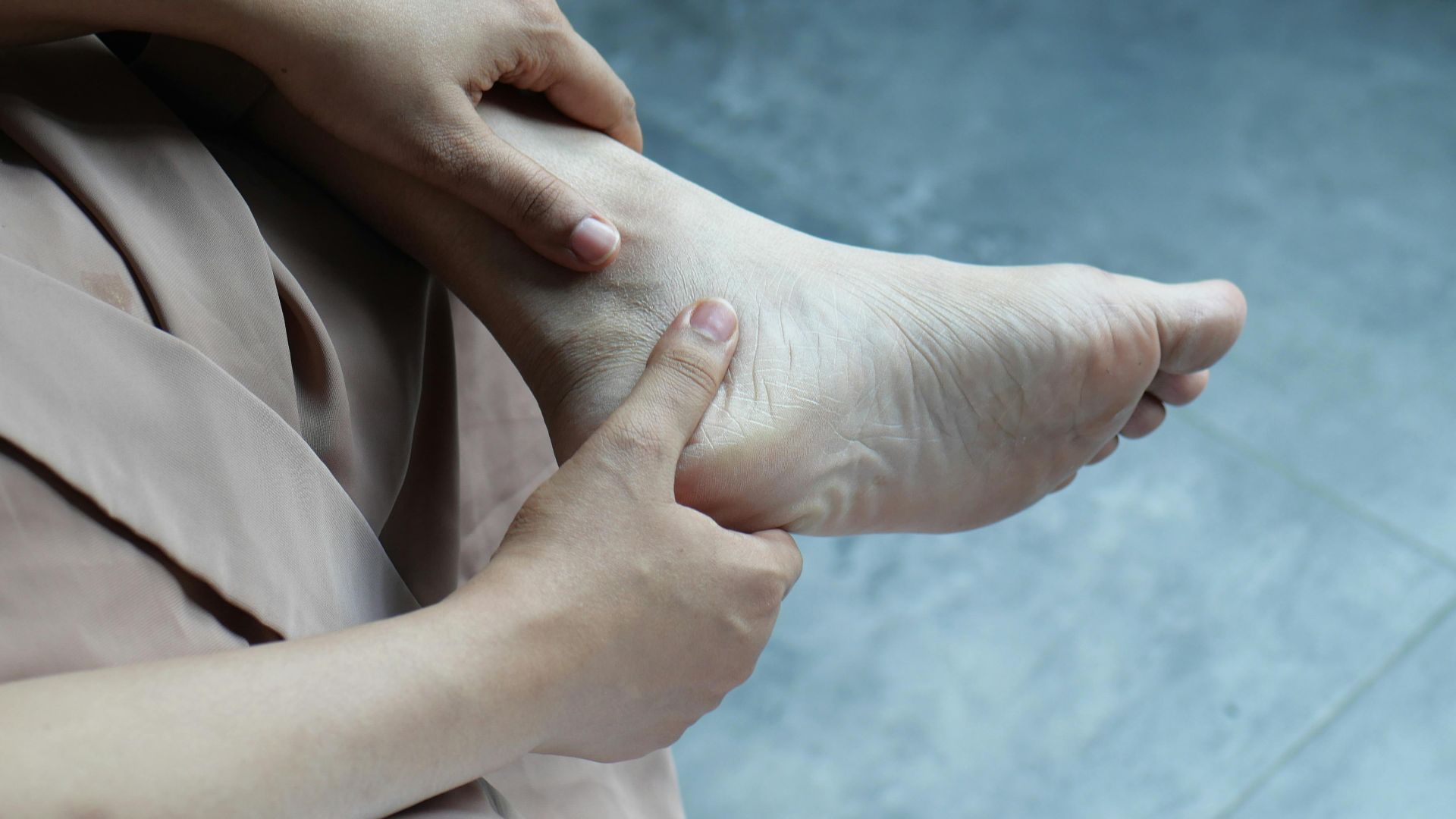
10. Swelling in the Legs, Ankles, or Feet
Fluid retention in the lower body is another sign that can show up when liver disease starts advancing. Most noticeably, shoes and socks may suddenly feel less cooperative, which is never a good surprise. Keep an eye on it and definitely mention it to a doctor if things persist.
11. Pain in the Upper Right Abdomen
Pain or a heavy feeling in the upper right side of your abdomen can be associated with liver problems. The main reason why is that that’s where the liver sits. Be on the lookout; the sensation is often described as discomfort rather than sharp pain.
12. Easy Bruising
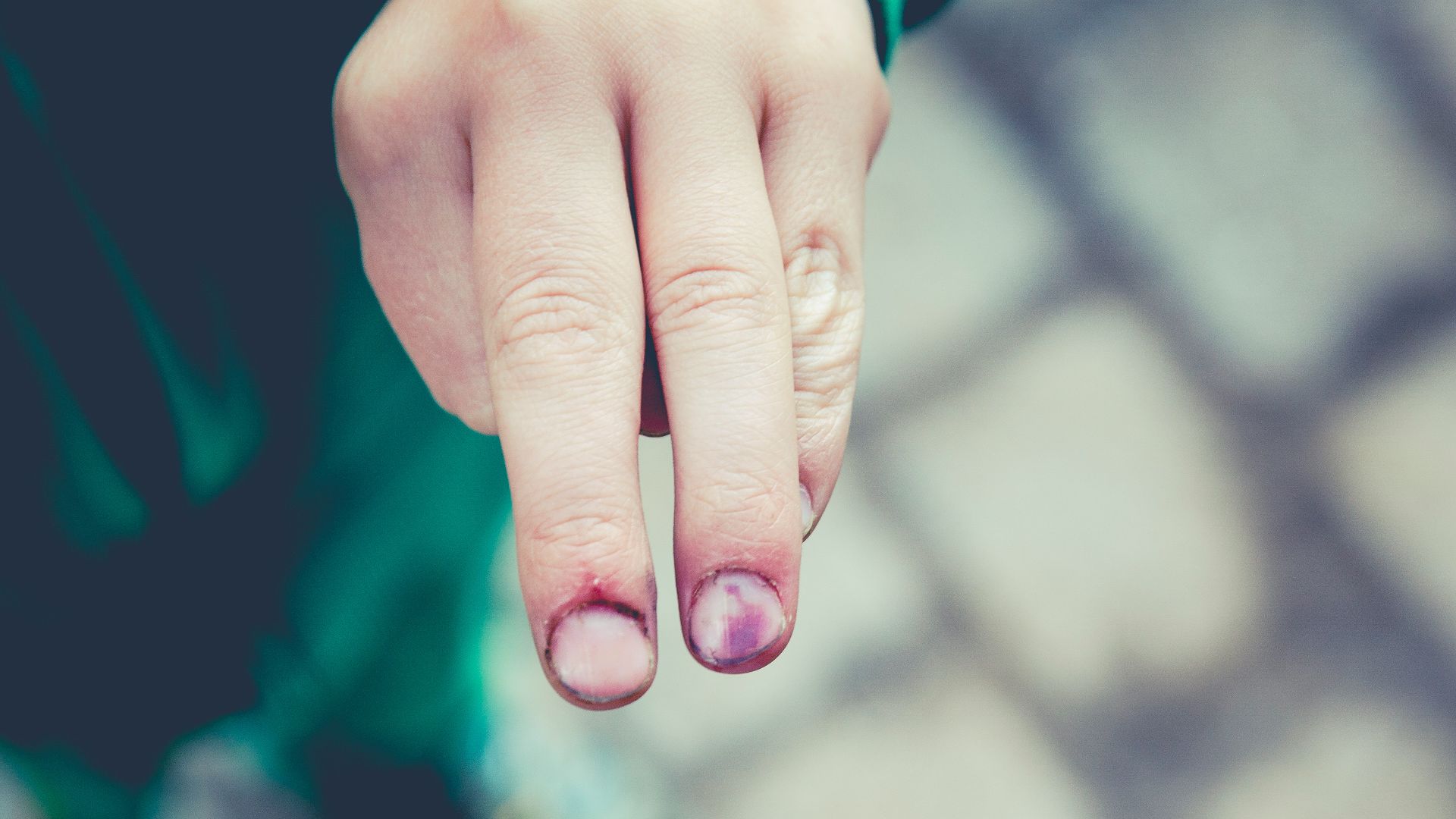
We all pick up rogue bruises throughout the day, but bruising more easily than usual can actually happen when liver function is impaired. It’s because the liver helps make proteins involved in clotting, so problems there can affect bleeding and bruising. If you’ve started noticing marks with very little explanation, you should speak with a doctor.
13. Easy Bleeding
Speaking of bleeding, some people with significant liver disease do so more easily, whether that shows up during minor cuts or in other ways. It’s a sign that deserves more attention than you think, especially if it doesn’t go away.

14. Unexplained Weight Loss
On any other day, inexplicable weight loss sounds like a huge win, but weight loss without trying isn’t necessarily a blessing. It can appear in liver disease, especially when appetite is reduced, or the body isn’t coping well overall. However, because unplanned weight loss has many possible causes, it’s important not to self-diagnose—physicians can figure out what’s going on.
15. Mental Confusion
Confusion, poor concentration, or changes in thinking can sometimes happen in advanced liver disease. These symptoms may reflect hepatic encephalopathy, a condition related to toxins building up when the liver can’t clear them properly. That isn’t something to casually monitor on your own, so definitely check in with a doctor.

16. Trembling Hands
Hand tremors show up in more advanced liver disease, so it’s important to monitor any changes in function. They don’t automatically mean the liver is the cause, but they are listed among the symptoms seen with cirrhosis, which is exactly why there’s no shame in seeing a doctor.

17. Spiderlike Blood Vessels
Small spiderlike blood vessels near the skin’s surface, often called spider angiomas, can be seen in some people with cirrhosis. They’re not exclusive to liver disease, but they’re recognized as one possible sign, so if they came out of nowhere, it could be a good thing to mention during your next exam.

18. Red Palms
Believe it or not, redness in the palms can sometimes appear in people with advanced liver disease. It’s not a diagnosis by itself, but it can be one of the visible changes that deserve attention, especially if that change came out of the blue.

19. Shortness of Breath
Shortness of breath can happen for any number of reasons, but if it’s paired with any of the aforementioned symptoms, a call to the doctor might be in order. Losing your breath can sometimes happen when liver disease leads to abdominal swelling or related complications.

20. Symptoms That Keep Lingering
Sometimes the clearest warning sign isn’t one dramatic symptom but a cluster that refuses to leave, such as fatigue, nausea, itching, swelling, or jaundice all making an appearance. Remember: liver disease doesn’t always announce itself early, and symptoms may become more noticeable as damage gets worse. If you notice a combination of changes, speak with a doctor.

KEEP ON READING