
What Actually Holds Up
A good training split can start to sound like religion if you spend enough time around people who lift. Everybody knows someone who swears a certain setup changed everything, whether that means more muscle, less burnout, a better schedule, or finally feeling like one of those people who just naturally goes to the gym four or five times a week. And to be fair, training splits matter, because a decent structure can make the difference between steady progress and spending three months doing chest whenever the bench happens to be open. But the way people talk about splits can get a little grandiose, as if the right calendar arrangement will solve inconsistency, bad sleep, rushed workouts, and a program built mostly around vibes. Here are ten training splits people swear by, and ten reasons the hype around them often outruns reality.

1. Push/Pull/Legs
Push/pull/legs gets recommended so often that it can start to feel like the default factory setting for anyone who has touched a barbell. It is clean, easy to explain, and satisfying in the way tidy categories usually are, which is part of why so many people latch onto it fast.

2. Upper/Lower
Upper/lower has the kind of practical appeal that usually ages well. It spreads work out evenly, keeps frequency high without making every session feel endless, and fits real life better than a lot of flashier setups do.

3. Bro Split
The bro split refuses to die, partly because people still love the ritual of giving one body part its own dramatic day. There is something undeniably pleasing about the simplicity of chest day, back day, shoulder day, and the old-school confidence that comes with walking into the gym already knowing the theme.

4. Full Body
Full-body training has a loyal following because it cuts through a lot of nonsense. If you only have a few days a week, or you miss sessions now and then because work runs late or life gets messy, training everything each time can feel refreshingly adult and hard to derail.
5. Arnold Split
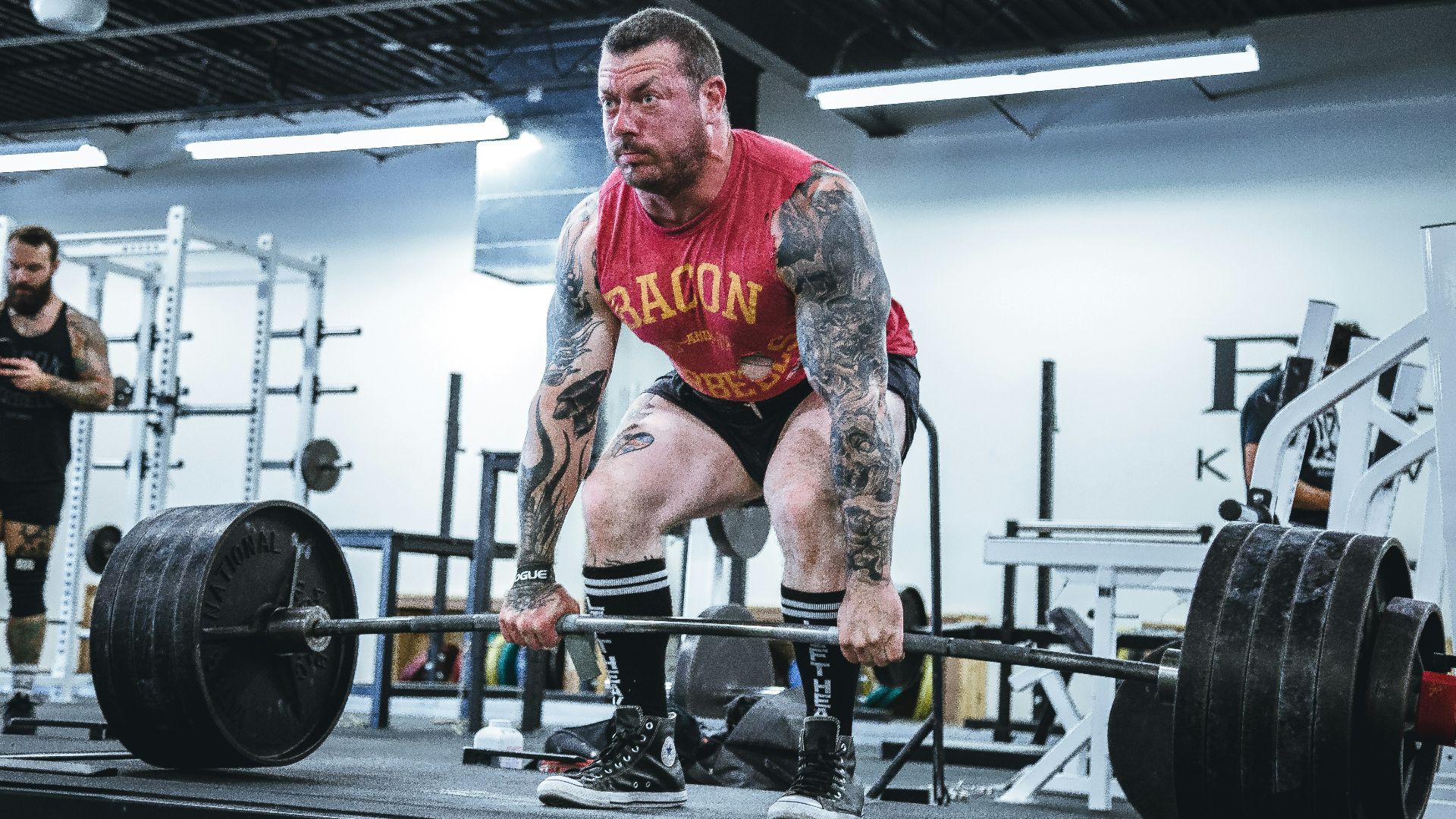
The Arnold split still carries the glow of golden-era bodybuilding, which means people often talk about it with a little extra reverence. Hitting chest and back together, then shoulders and arms, then legs gives the whole week a purposeful, almost cinematic feel, like you are following a program with mythology built into it.
 Alireza heidarpour on Unsplash
6. Body Part Specialization
Specialization splits are catnip for anyone who becomes convinced one lagging area is holding the whole physique hostage. A block built around bringing up delts, arms, glutes, or upper chest can feel focused in a satisfying way, especially when you are tired of vaguely hoping weak points will catch up on their own.

7. Push/Pull
A simple push/pull split appeals to people who want structure without a seven-day lifestyle overhaul. It trims the concept down to something flexible and lets you rotate hard sessions without feeling trapped inside a schedule that punishes you for having a dentist appointment.

8. Powerbuilding Split
Powerbuilding gets praised because it promises the best of both worlds, which is usually how you know people are about to get emotionally invested. The mix of heavy compounds and bodybuilding accessories sounds efficient, balanced, and a little aspirational, especially if you want to be strong without looking like you only care about numbers on a spreadsheet.

9. Five-Day Hybrid Split
The five-day hybrid split is the one a lot of experienced lifters quietly drift toward after trying everything else. It usually blends upper/lower logic with a dedicated arm day, torso-limb split, or extra hypertrophy day, and that custom feel makes people speak about it like they finally cracked their own code.

10. Six-Day High-Frequency Split
High-frequency six-day plans attract people who love momentum and love the identity of being in the gym all the time. When recovery is good and life is stable, that rhythm can feel almost luxurious, like training is no longer something squeezed in, but the scaffolding the rest of the week hangs from.
That is the appealing side of the story; the other side is less glamorous, usually more useful, and a big part of why these splits are often overrated. Here are ten that are overrated.
 LOGAN WEAVER | @LGNWVR on Unsplash
1. They Make Consistency Sound Easier Than It Is
A split can organize your week, but it cannot make you sleep more, care more, or suddenly become the kind of person who never cancels a Thursday lift. People often talk as if the schedule itself created their results, when a lot of the credit really belongs to finally training with some regularity for longer than three weeks.

2. They Get Confused With Programs
A split is just the framework, not the whole house. You can run an upper/lower setup badly, a bro split intelligently, or a push/pull/legs routine with so much junk volume stuffed into it that every workout turns into a wandering two-hour museum tour of fatigue.

3. They’re Often Built for Ideal Weeks
A lot of beloved splits assume your calendar is stable, your energy is predictable, and nothing weird happens after Tuesday. Real life is usually less cooperative than that, which is why a split that looks perfect on paper can start falling apart the second work gets busy, a kid gets sick, or your lower back reminds you it is part of the conversation.

4. More Days Doesn’t Automatically Mean More Progress
People love to equate training frequency with seriousness, which is how six-day splits end up sounding morally superior to three-day ones. But more gym visits do not help much if the added sessions are half-hearted, rushed, or just there to preserve the illusion that doing more must be better.

5. Recovery Gets Treated Like A Minor Detail
Some splits are praised for how much volume they let you cram into a week, as if recovery is a footnote you can negotiate with later. A plan can look impressive right up until your joints ache, your lifts stall, and you realize your body was not especially moved by the elegance of the spreadsheet.
6. They Can Turn Training Into Admin
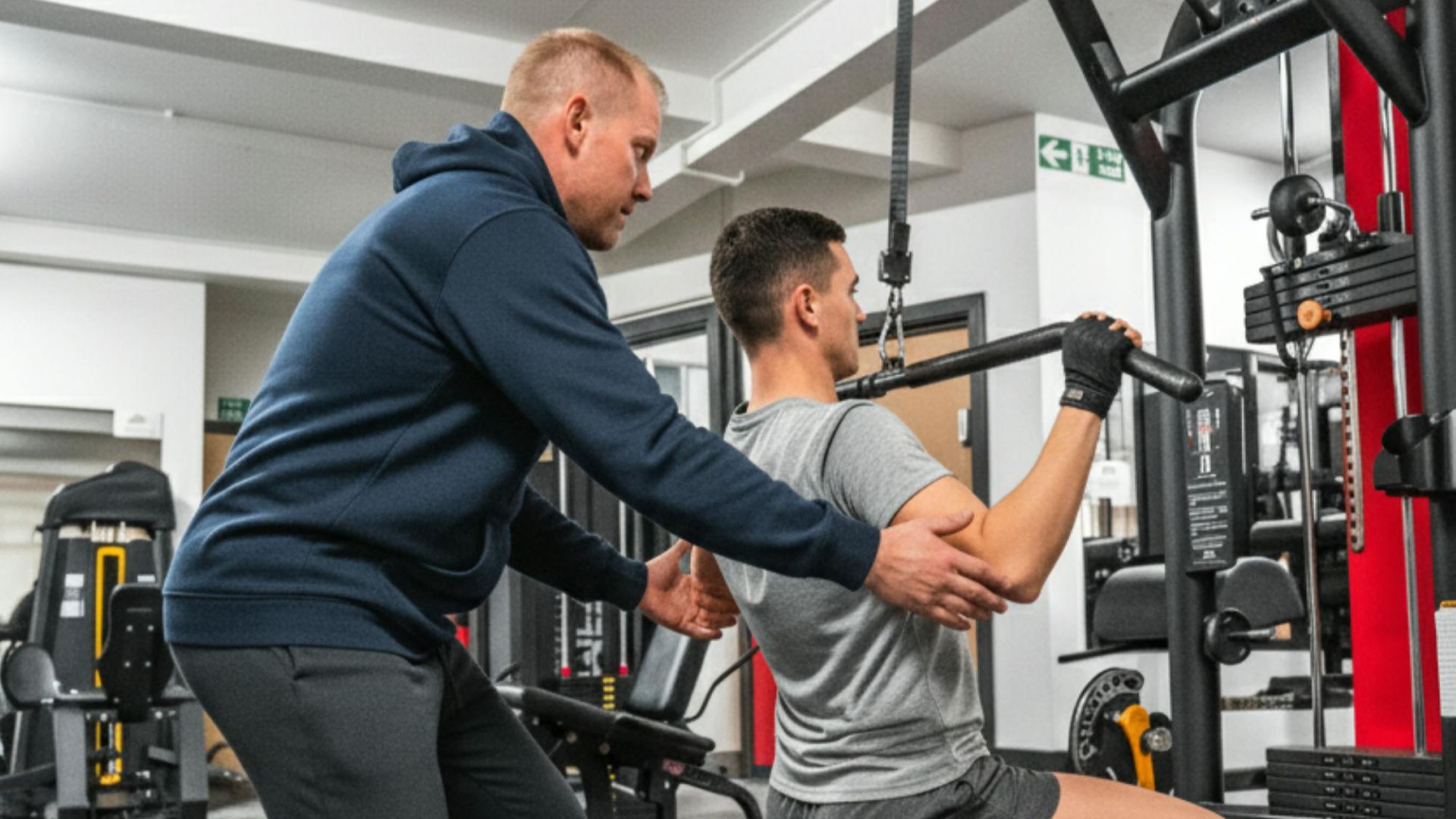
Once people get too attached to a split, they start protecting the structure more than the results. Then you get that oddly joyless phase where someone spends more time rearranging days, counting set categories, and worrying about whether rear delts belong on pull or upper than actually training hard.

7. Popular Splits Usually Favor Certain Lifestyles
The splits that get glorified online often make the most sense for young, highly motivated people with flexible schedules and a strong tolerance for repetitive routine. That does not make them bad, but it does make them less universal than the sales pitch suggests, especially for anyone training around a commute, family obligations, or the plain fact of being tired.

8. Weak Points Don’t Always Need A New Split
A lagging body part can tempt you into overhauling everything, because changing the structure feels decisive and productive. But sometimes the real fix is smaller and less exciting, like better exercise selection, better effort, one extra set in the right place, or finally admitting you have been treating calves like a suggestion.

9. The Best Split Is Usually The One You’ll Repeat
This is the most boring truth in the room, which is probably why people keep trying to outsmart it. A slightly imperfect split that fits your week, keeps you recovering, and does not make you dread Wednesday is usually more valuable than a theoretically optimal setup that collapses by the second month.

10. People Love The Story More Than The Tradeoffs
Every split has tradeoffs, but once a system becomes part of someone’s identity, those tradeoffs start getting edited out of the story. That is how you end up hearing about the miracle of push/pull/legs, or full-body, or the Arnold split, without hearing the equally real part where somebody else got better results doing something simpler, less glamorous, and much easier to live with.

KEEP ON READING



20 Natural Ways You Can Boost Your Immune System

20 Ways To De-stress & Relax After Work

The 10 Most Common Diseases & The 10 Most Rare