
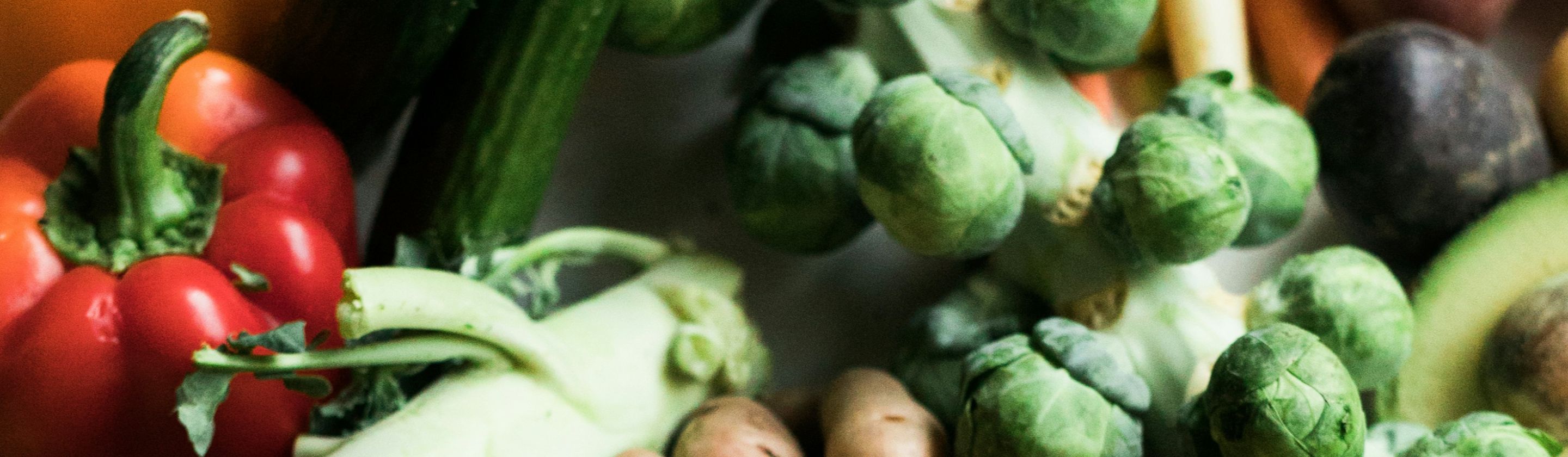
Sadly, They Don’t Always Sit Right
Even the most perfectly wholesome foods can make you feel gassy or uncomfortable. That’s what makes a sensitive stomach so frustrating. You try to do the right thing, maybe order the grain bowl, pack the fruit, throw together the kale salad, and your gut still acts like you've made a terrible decision. A lot of the foods people call healthy are also high in fiber, natural sugars, lactose, or other compounds. Sadly, all of these staples can be tough on digestion, especially if you already deal with bloating, IBS, reflux, or that general stomach upset. These 20 foods are among the most common to watch if your stomach tends to get irritated easily.
1. Apples
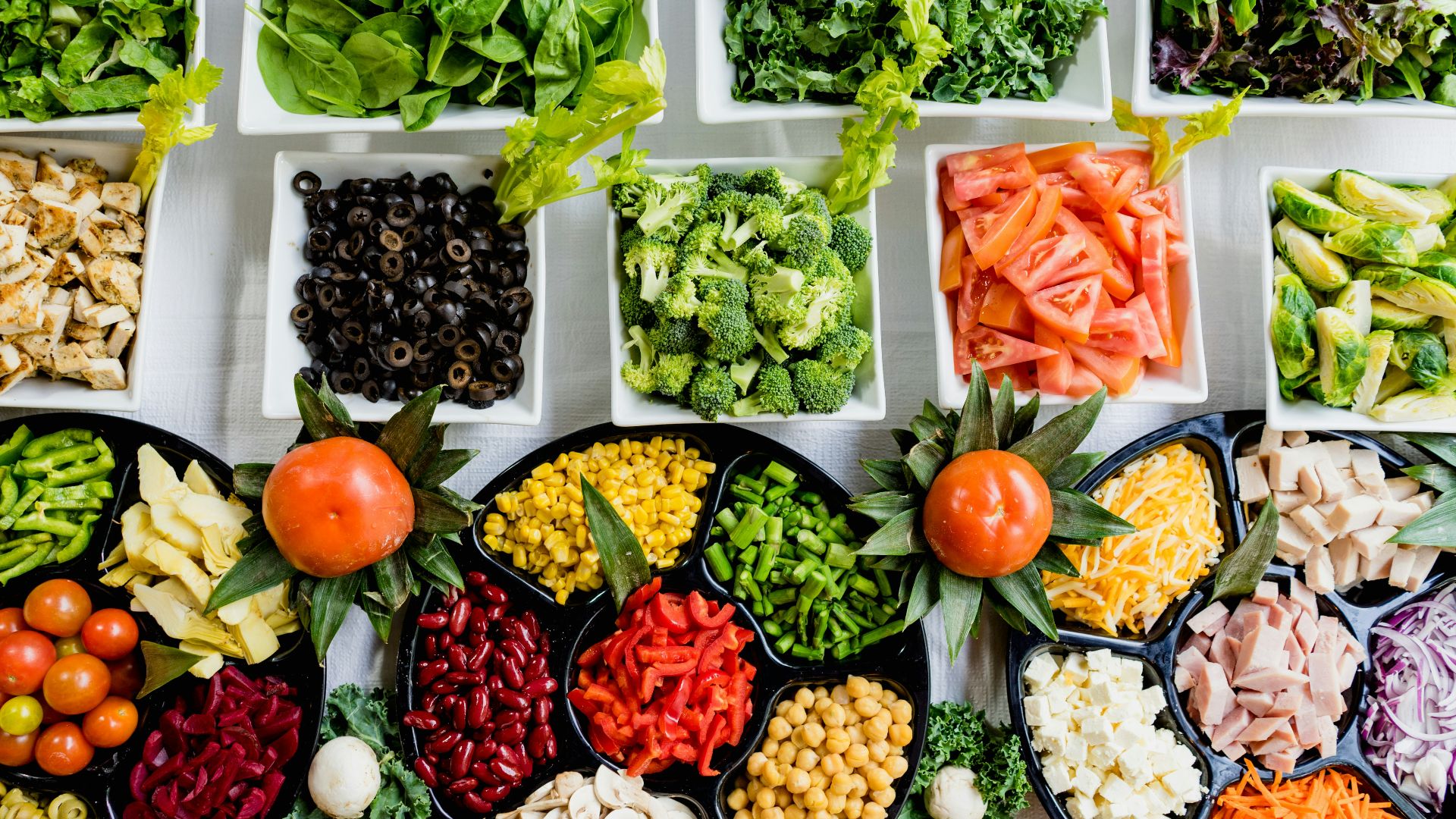
An apple seems like the safest snack choice in the world. Sadly, they’re also high in sugars that can be rough on sensitive digestion. So, yes, that one Granny Smith can leave you bloated, gassy, or just plain uncomfortable.
2. Pears
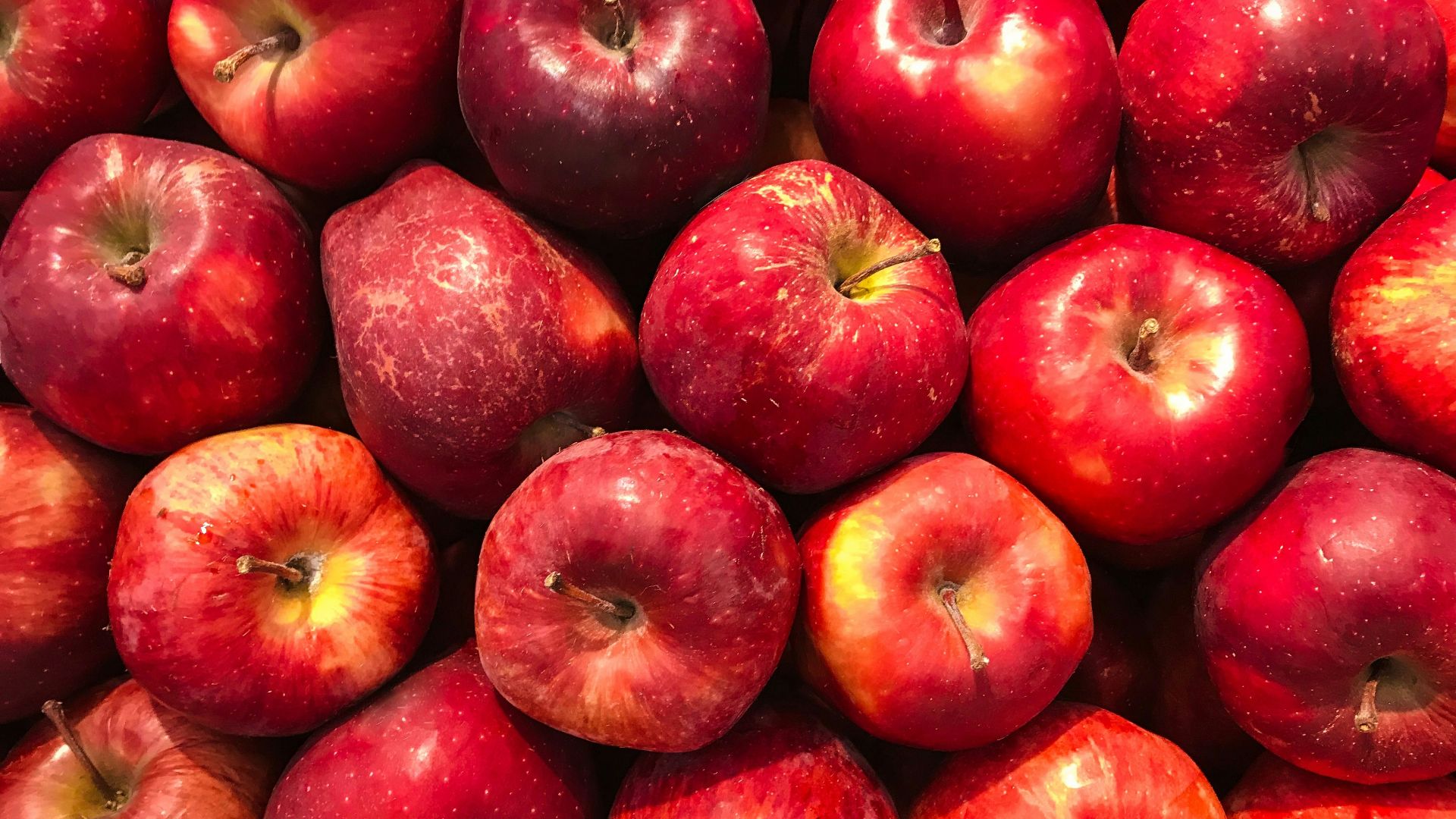
Like their cousin, apples, pears are one of those fruits that feel light and harmless until your stomach says otherwise. They contain sugars that some people can't absorb very well, which can mean cramping, gas, or worse.
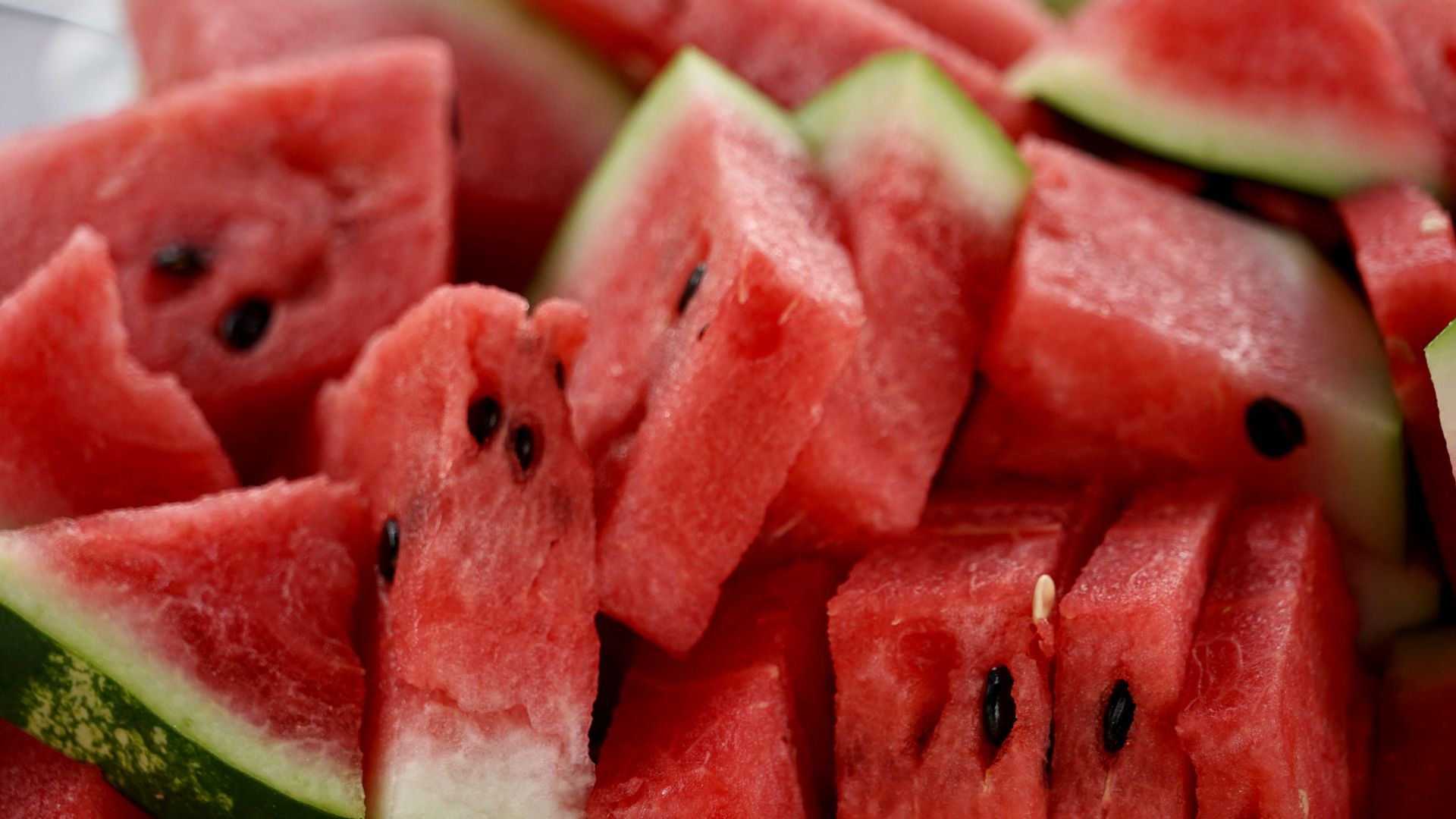
3. Watermelon
Watermelon feels refreshing, especially in July, especially cold, especially when someone hands you a giant wedge at a backyard cookout. Beware, though, it can still upset a sensitive stomach, thanks to its high fructose content.
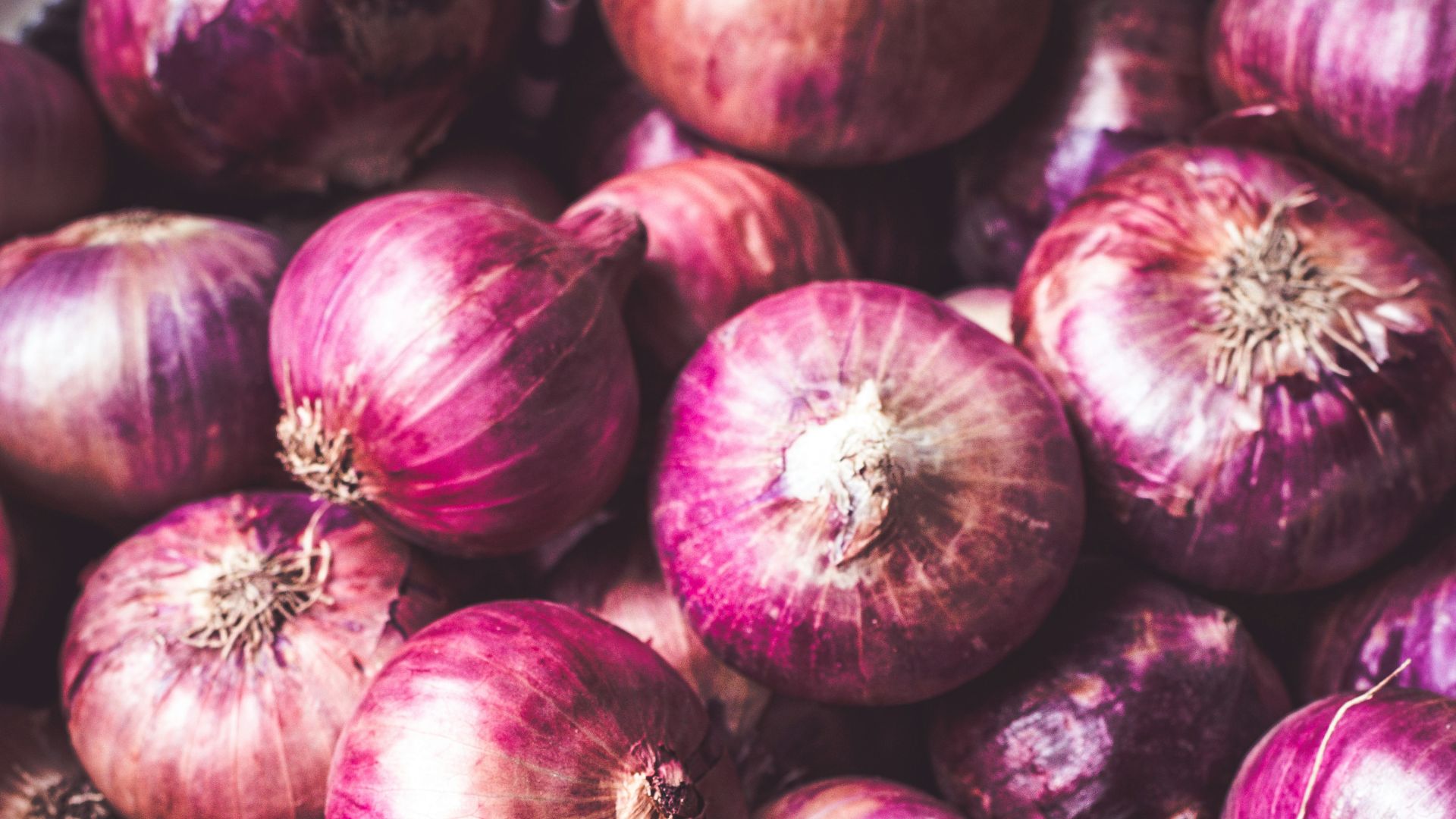
4. Onions
Onions are in everything, which is part of what makes them such a pain for people with touchy digestion. A little chopped onion in soup, eggs, tacos, or pasta sauce can be enough to set off gas and stomach pain if your gut doesn’t tolerate fructans well.
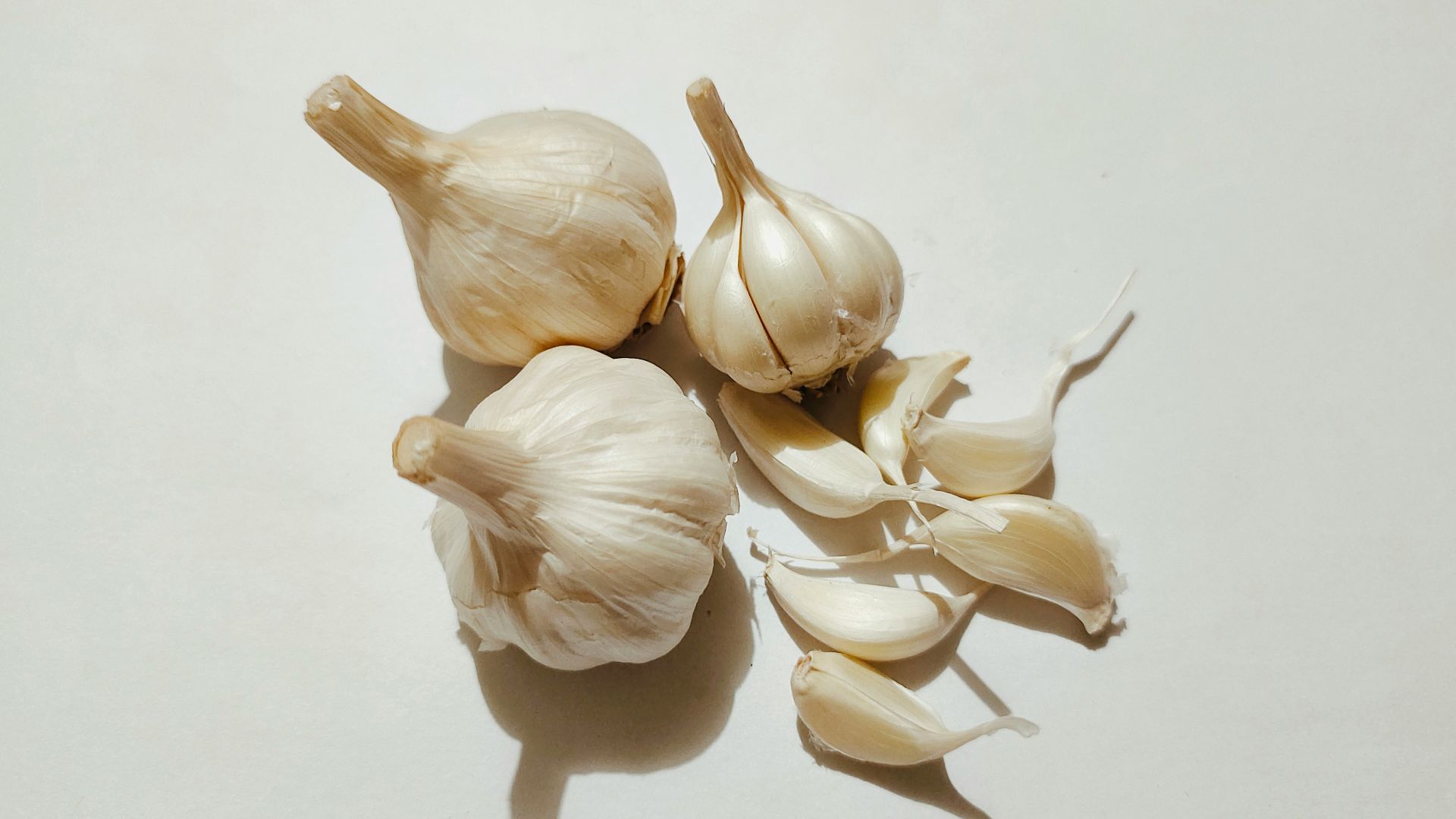
5. Garlic
Garlic has the same problem onions do, except people seem even less willing to believe it. If every meal with garlic leaves you feeling swollen and uncomfortable later, your stomach may be reacting to the fermentable carbs in it. It's unlikely that you're just “eating too fast."
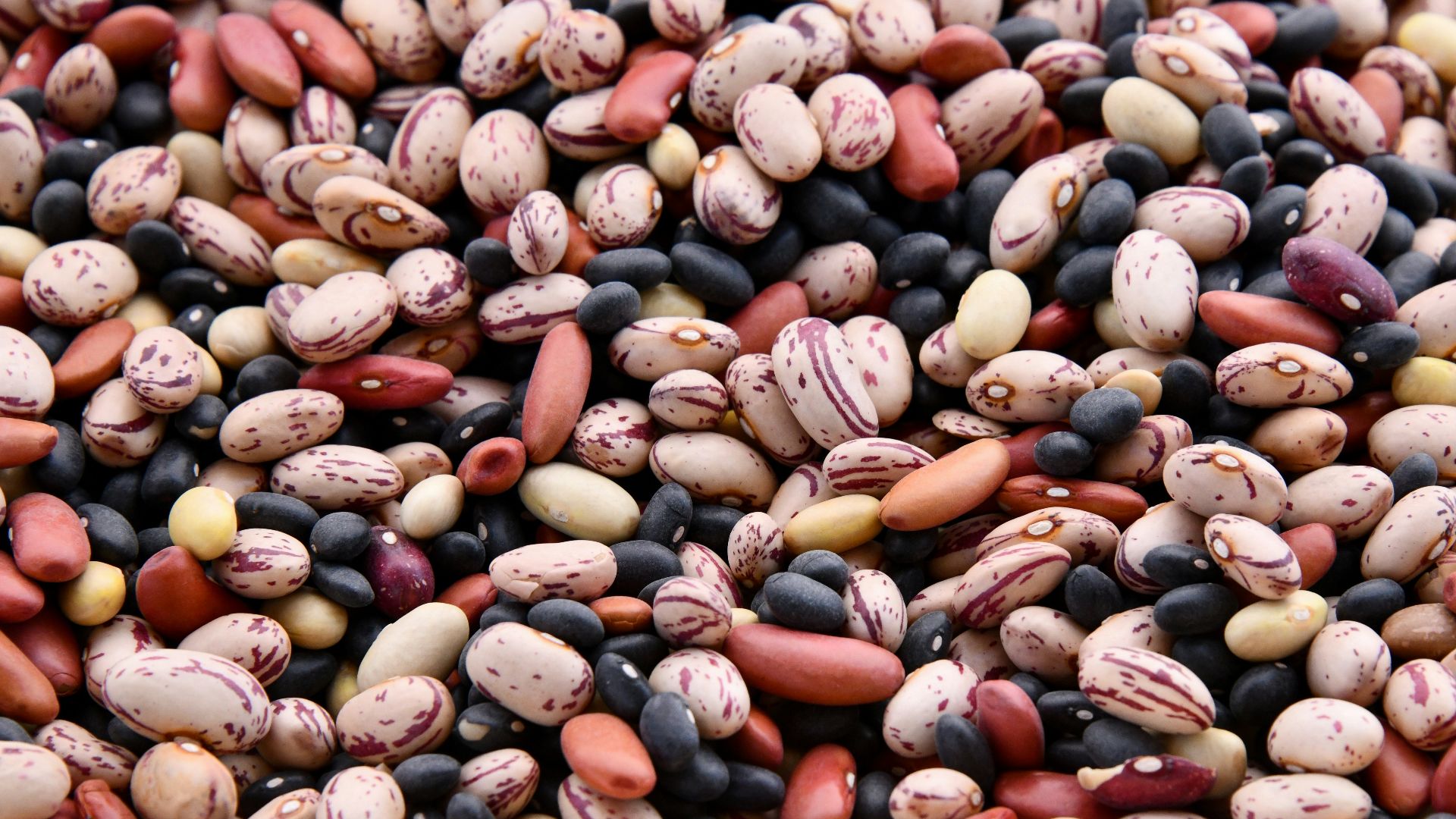
6. Beans
Beans are healthy, filling, cheap, and famously hard on digestion. They contain carbs that are tough to break down, which is good to keep in mind if you decide to have some for lunch. We're just saying, you might want to prepare for an afternoon full of gas and cramping.
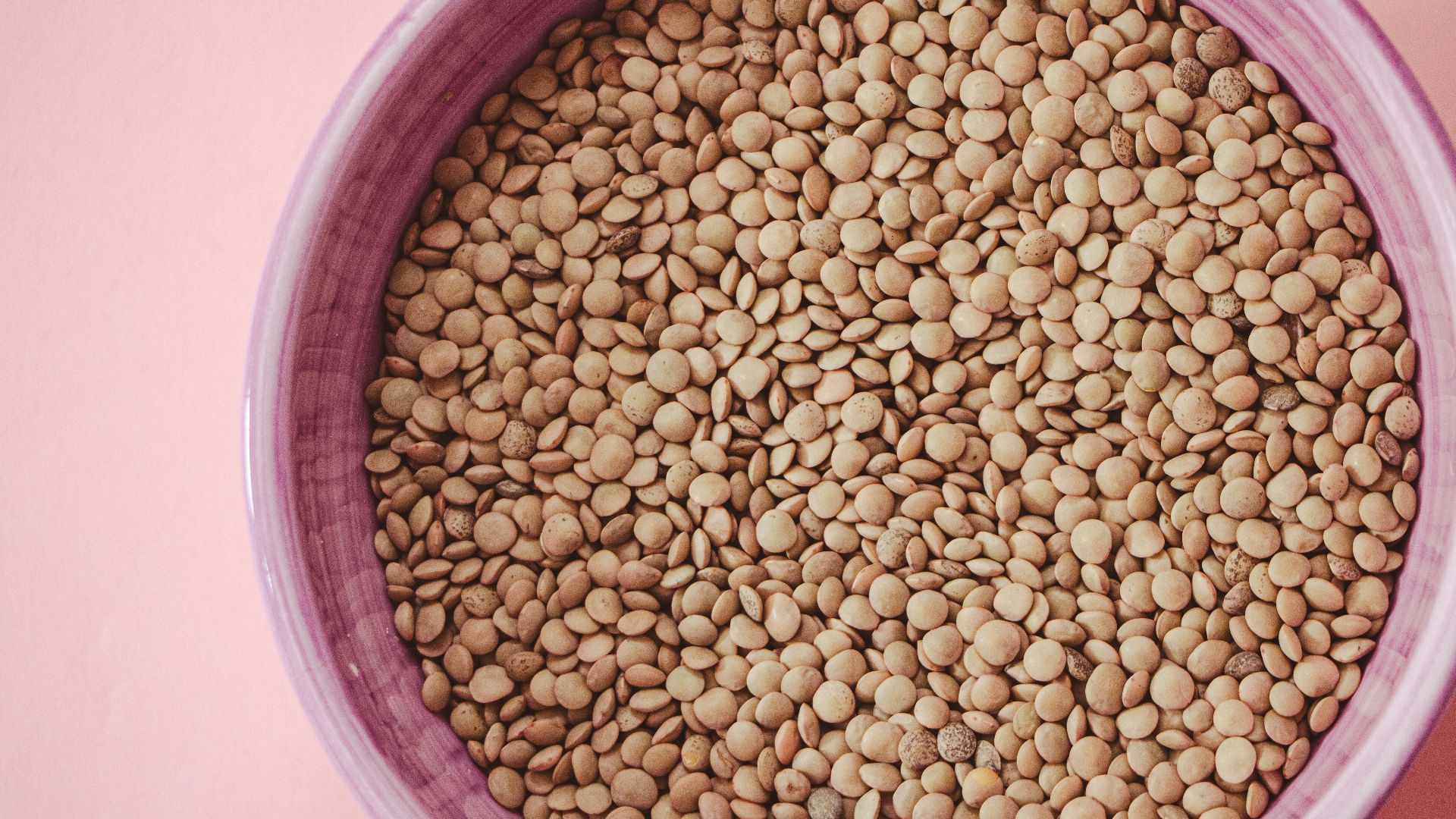
7. Lentils
Lentils have that same polished, nutritious reputation as beans, and for some people, they earn it. For others, a lentil soup or lentil salad means bloating, pressure, and general discomfort.
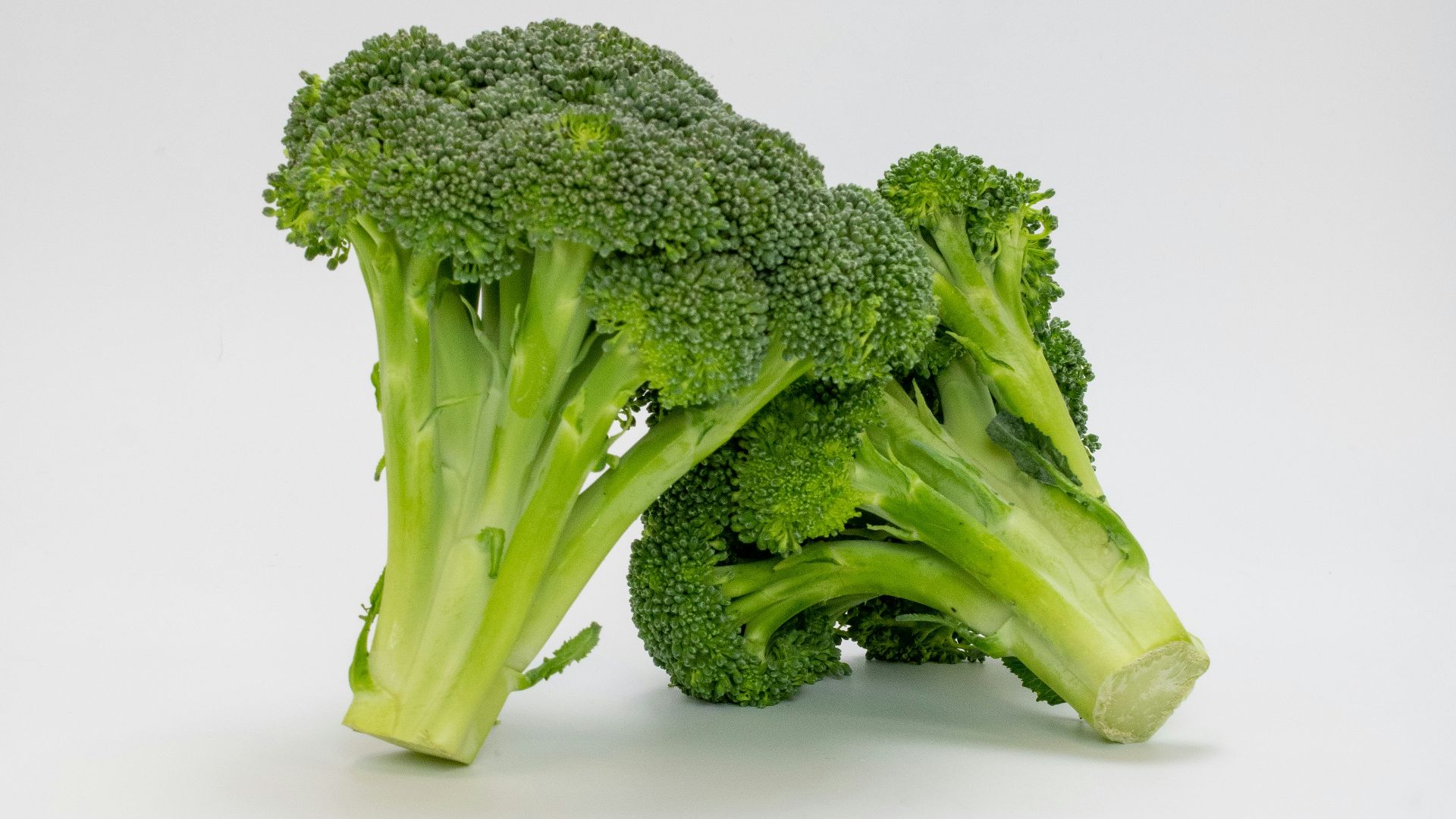
8. Broccoli
Broccoli gets pushed as the vegetable that proves you’re trying to eat healthier. It can also be a lot for a sensitive stomach, especially when it’s steamed.
 Katherine Jenswold on Unsplash
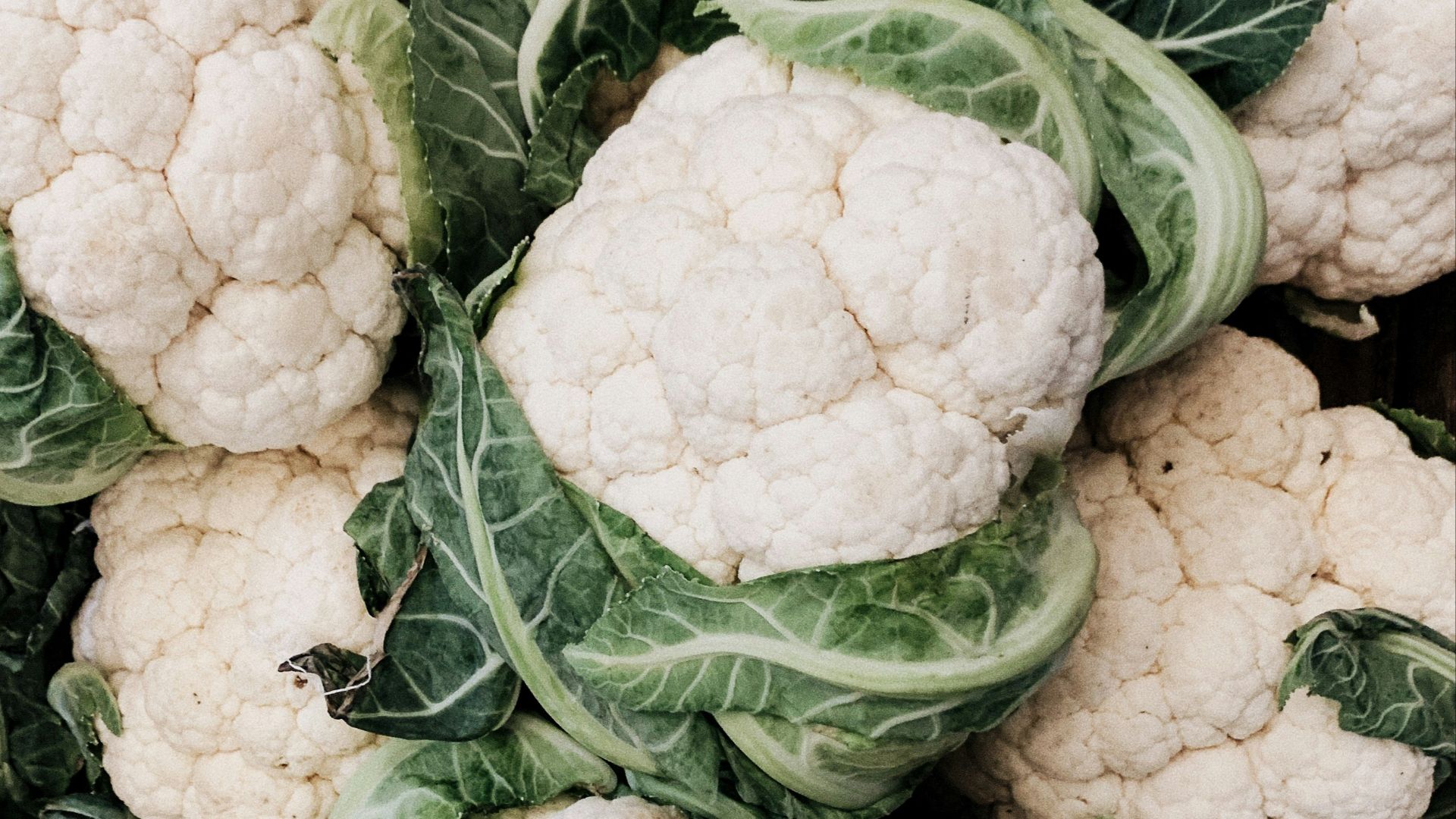
9. Cauliflower
Cauliflower has worked its way into traditionally "unhealthy" foods, showing up as rice, pizza crust, or even as a mashed-potato lookalike. While we understand a desire to make healthier food choices, the veggie is well-known for causing gas and bloating, especially if you’re already prone to IBS symptoms.
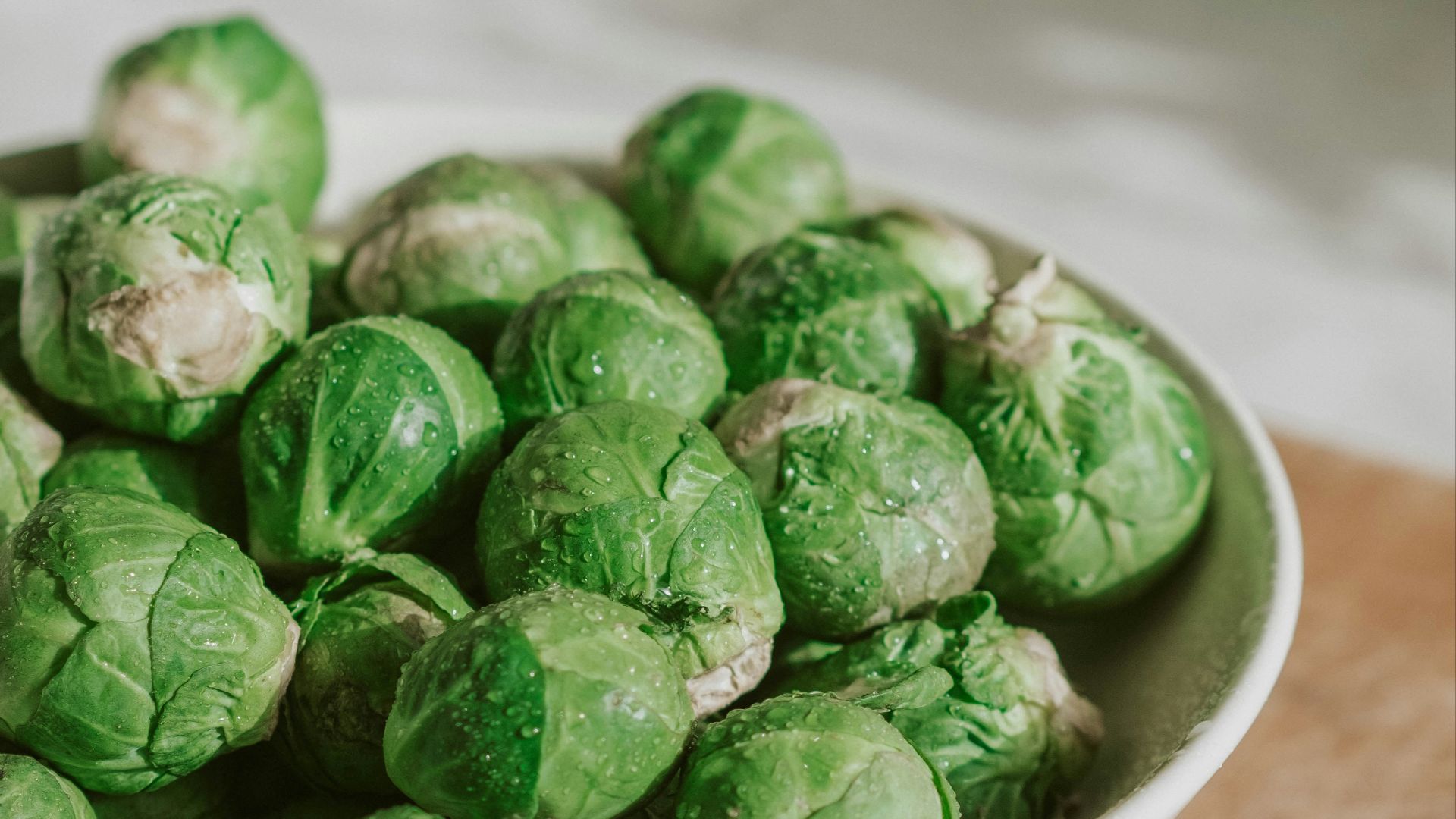
10. Brussels Sprouts
Brussels sprouts are a great addition to any dinner, especially when they’re roasted. They can also leave you painfully bloated by the time you get home. That's the give and take you have to have with cruciferous vegetables.
11. Mushrooms
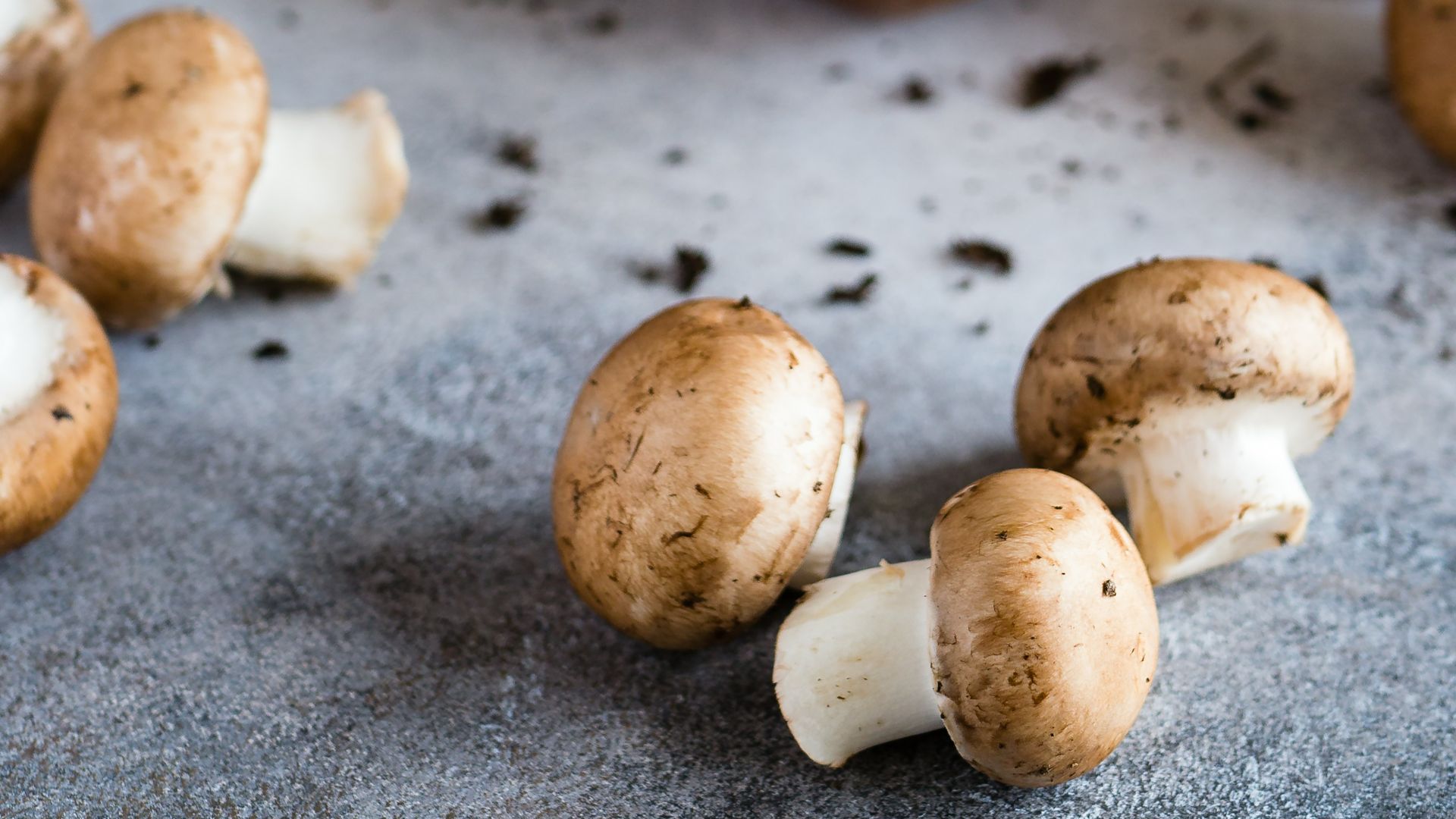
Mushrooms don’t bother everyone, though when they do, they really do. wide varieties contain mannitol, which can trigger bloating and stomach upset in sensitive people, so that mushroom omelet or truffle flatbread can hit you harder than expected.
 Christine Siracusa on Unsplash
12. Asparagus
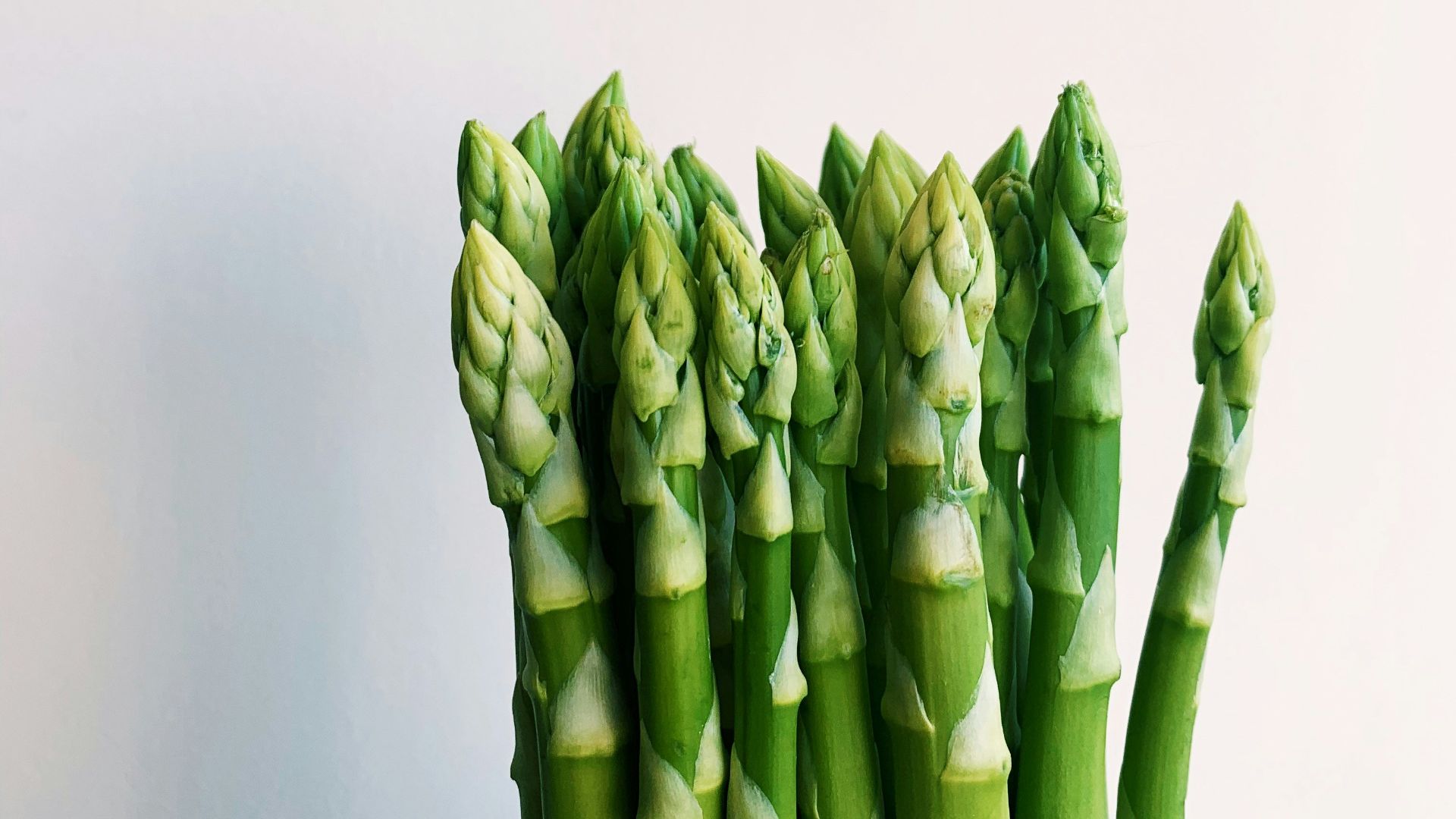
Asparagus is a perfectly respectable dinner side, especially next to salmon and rice. However, it can still trigger gas and bloating because it contains fructans. If you're someone with a sensitive stomach, that neat little bundle on the plate may not be worth it.
13. Greek Yogurt
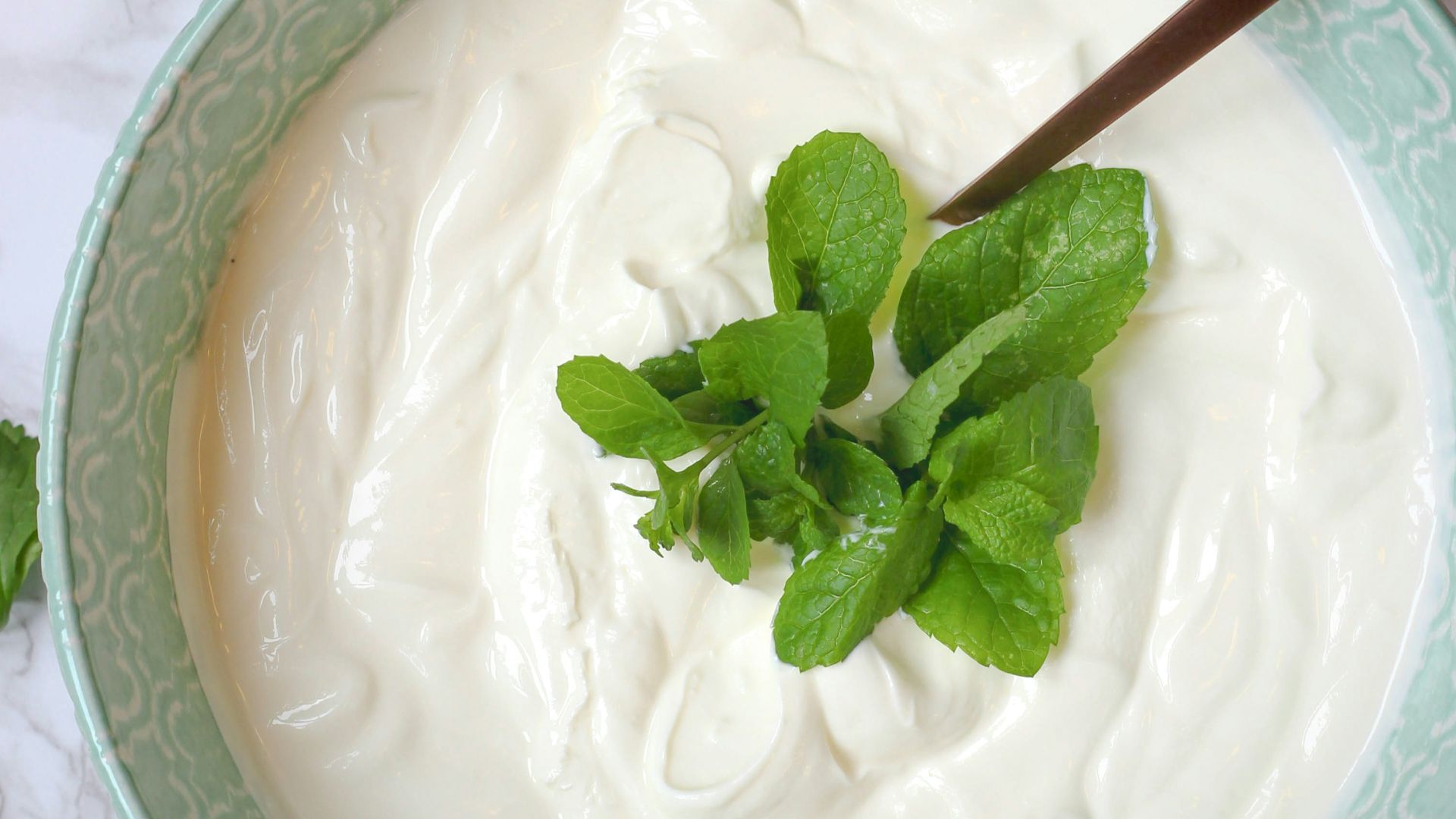
Greek yogurt works beautifully for some people and not at all for others. If you don’t handle lactose well, even the plain kind with berries on top can leave you with cramps, bloating, or a few necessary trips to the bathroom.
 micheile henderson on Unsplash
14. Avocado
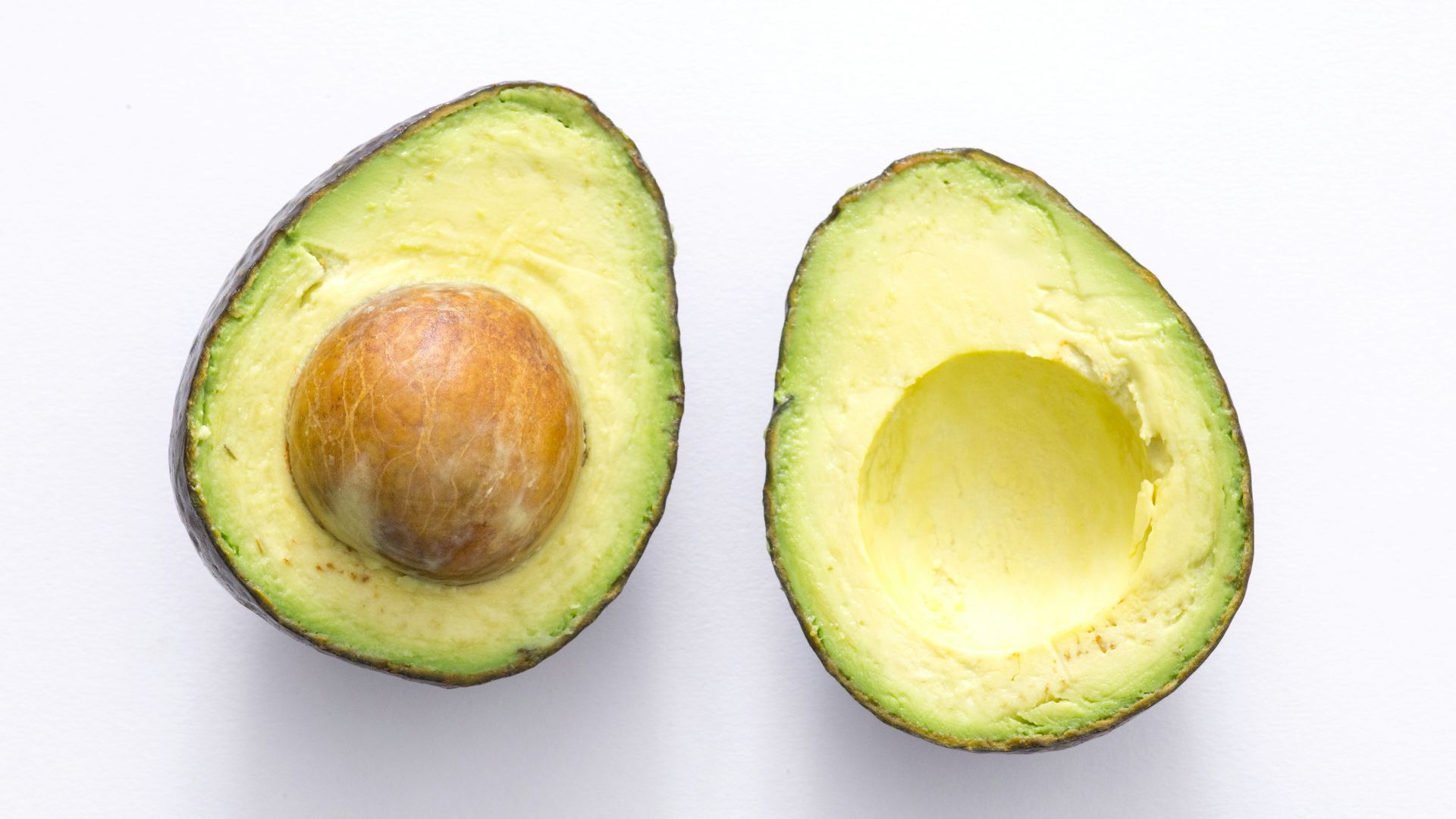
Avocado toast, avocado in a grain bowl, avocado with eggs, avocado in a salad. While chock-full of healthy fats, larger servings of this fruit can be rough on a sensitive stomach. Avocado contains carbohydrates that can trigger IBS-type symptoms in some people.
15. Sugar-Free Gum
Sugar-free gum sounds like the harmless option, especially if you keep a pack in the car or your work bag. That said, the sugar alcohols in it can cause gas, bloating, and diarrhea, which is a pretty bleak reward for trying to freshen your breath.

16. Chia Seeds
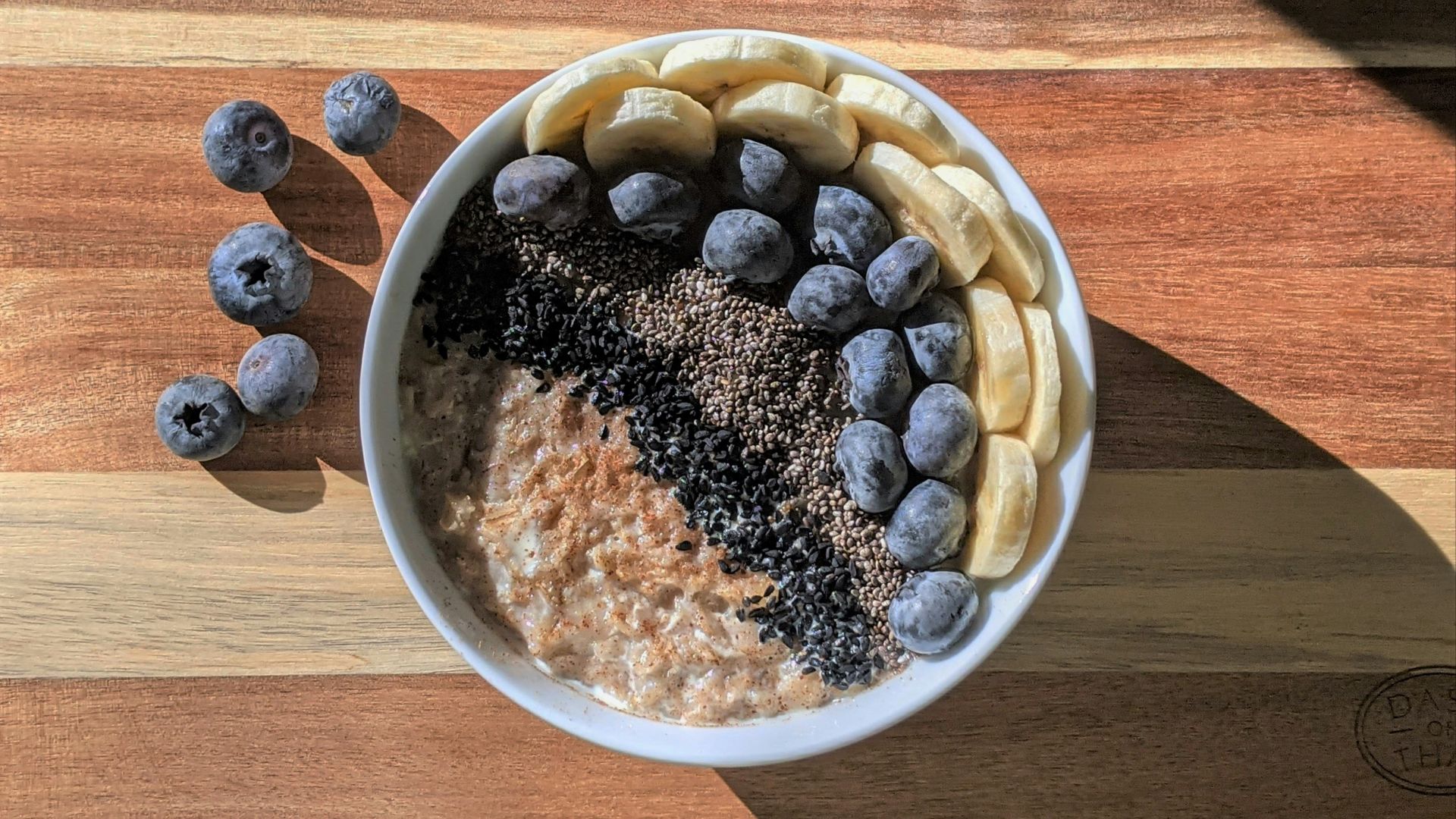
Chia seeds are often added to yogurt, smoothies, or overnight oats, usually prized for their high fiber content. It's a one-two punch, however, as the fiber might leave you feeling swollen and uncomfortable.
17. Raw Kale
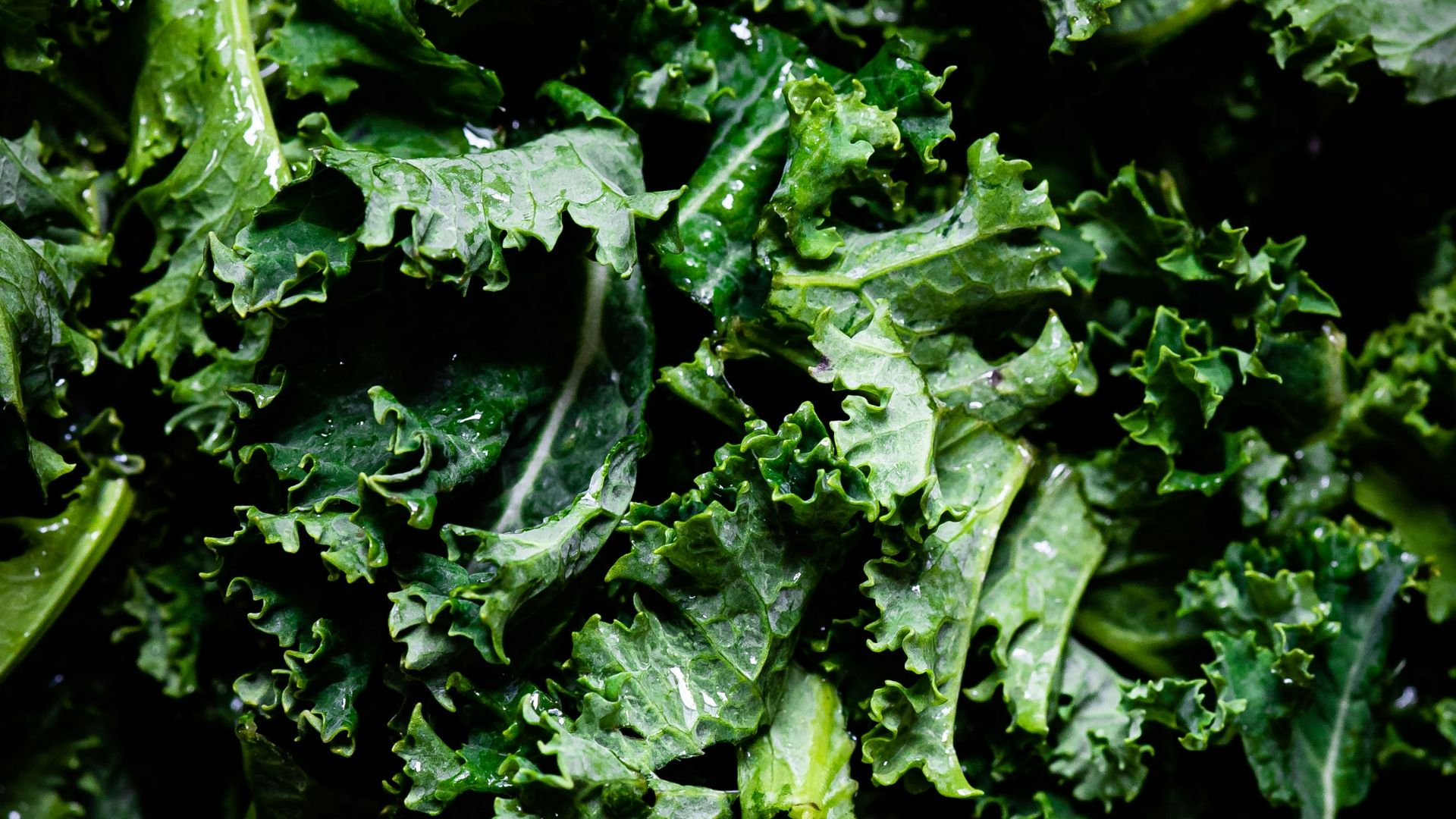
Raw kale salads feel super healthy, but also super harsh. Like any raw leafy green, kale is difficult to digest. Eating a large portion can leave your stomach feeling heavy longer than you'd like.
18. Almonds
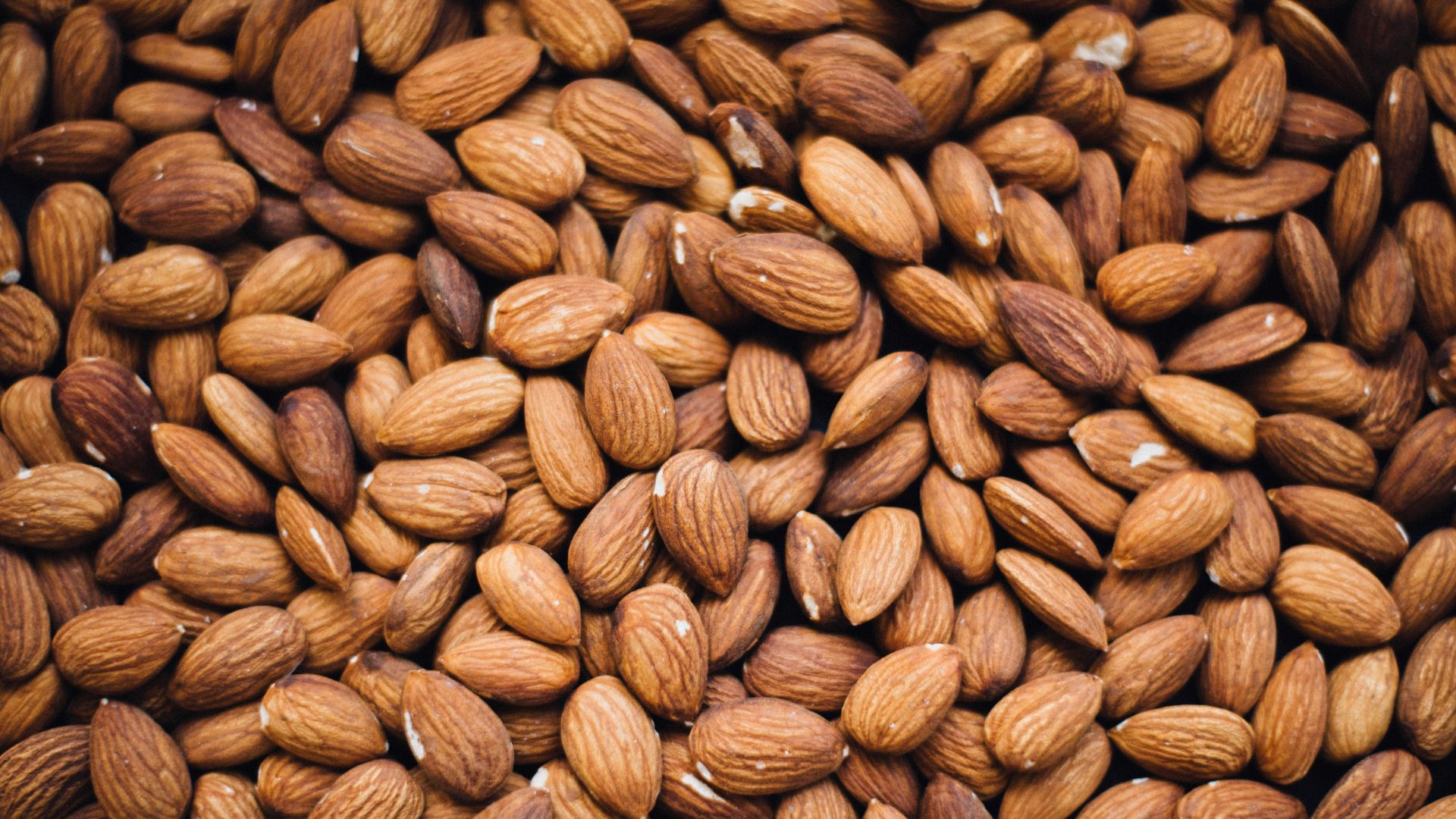
A handful of almonds between errands or meetings can be a good snack, though they’re not always an easy one. Their fiber and fat content can be hard on a sensitive stomach, especially if you eat a lot of them quickly.
19. Pineapple
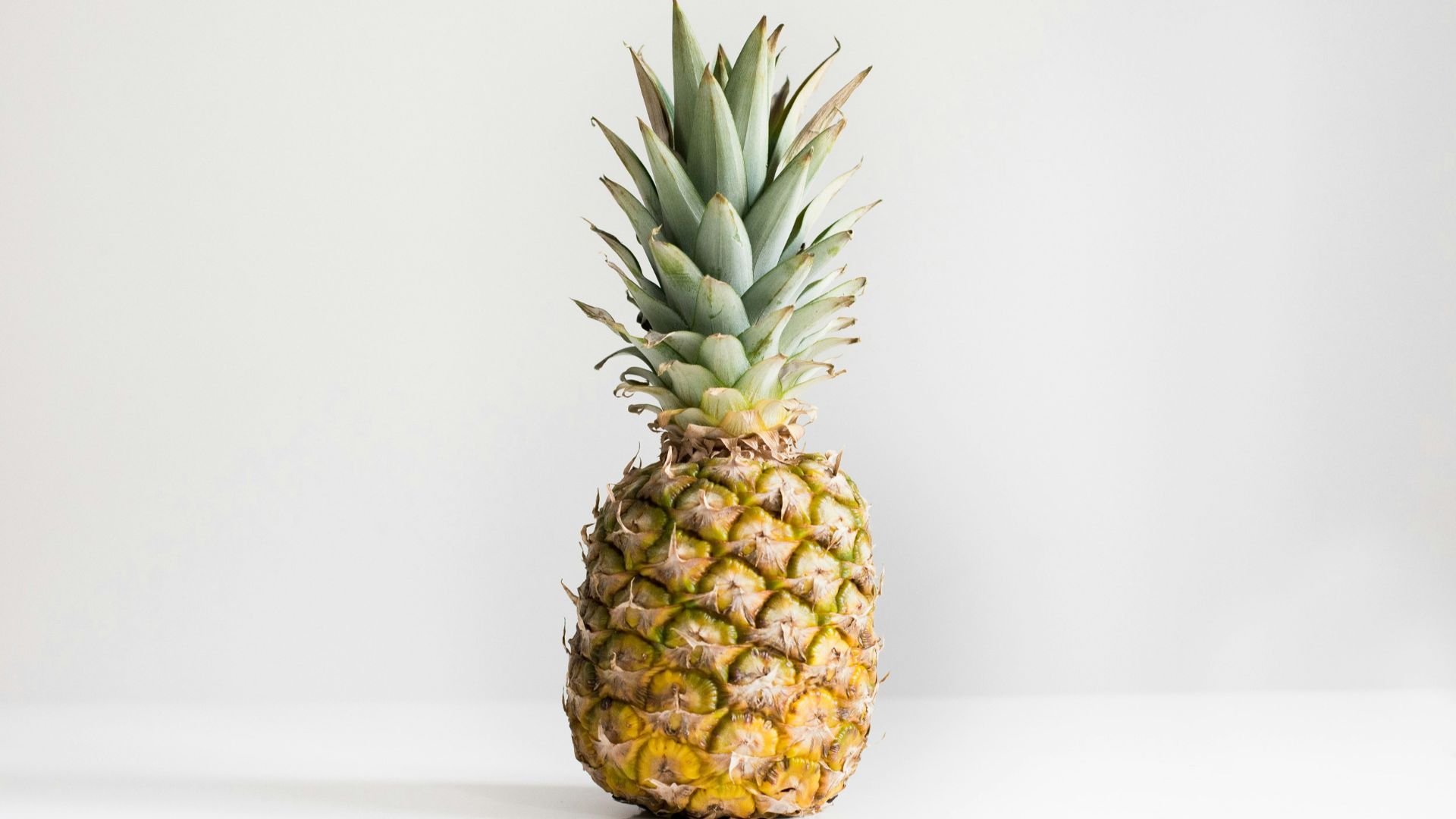
Pineapple can go from refreshing to irritating in a hurry. It’s acidic, and if your stomach issues lean more toward reflux, nausea, or burning, this snack may come back to haunt you.
20. Raw Carrots
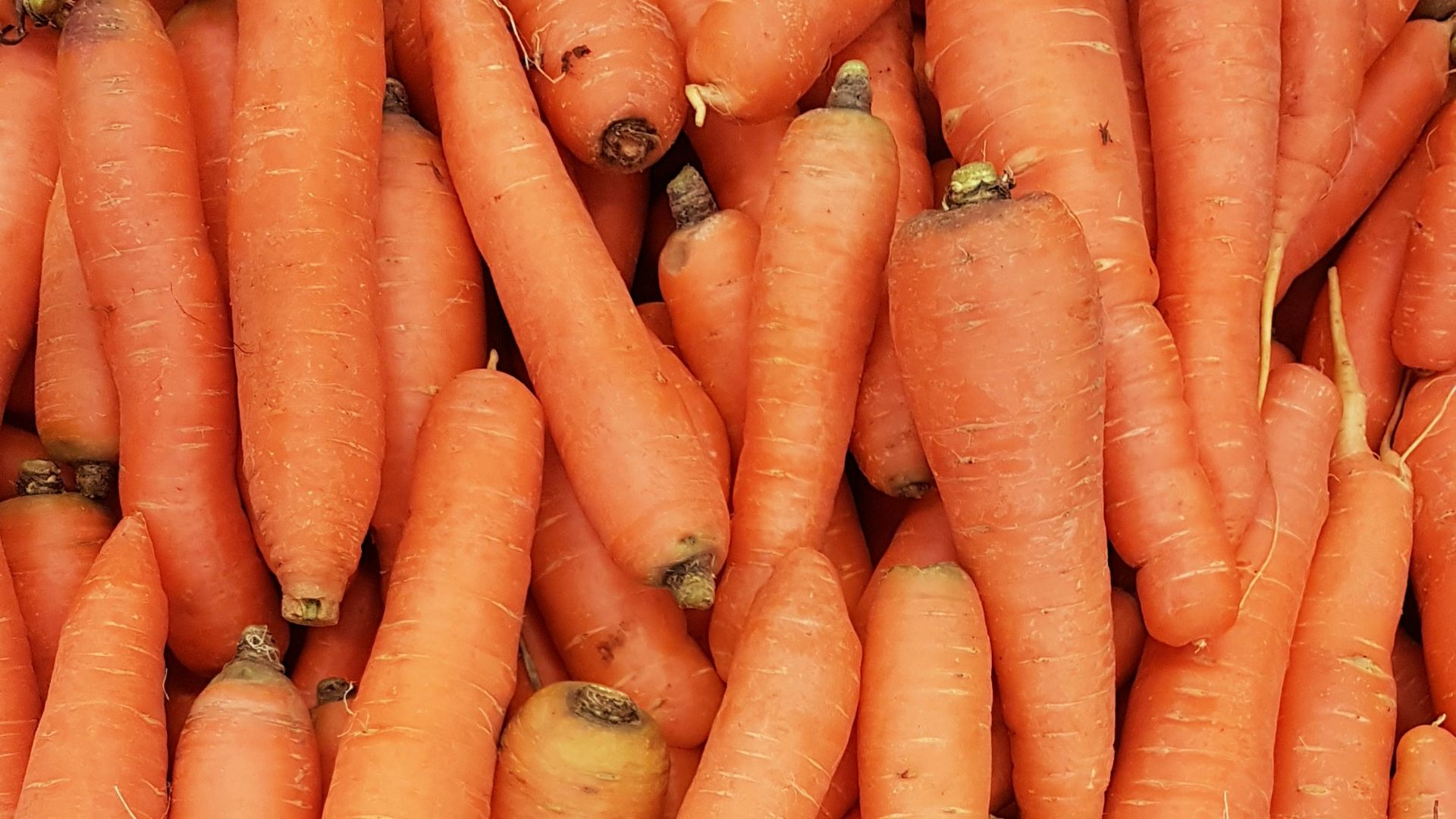
Raw carrots seem like the most blameless snack on earth, but that doesn't mean they don't have their flaws. They can still be rough on a sensitive stomach because raw, crunchy vegetables are harder for some people to digest than cooked ones. Your stomach will let you know how it feels about it pretty quickly.
KEEP ON READING



20 Ways To Get Your Vitamins And Minerals

20 Ways Doing Less Can Actually Improve Your Health