
When The Old Routine Stops Working
Perimenopause can make you feel like you’re doing the same things and getting completely different results. The walk you used to call easy leaves you winded, your usual lunch only leaves you hungrier, and the workout that once made you feel strong now leaves you nearly bedridden the next day. That shift can mess with your head a little, because it’s easy to assume you’re doing something wrong when your body starts responding differently for reasons you can’t always see. A lot of that comes back to the hormonal swings of this phase, which can affect muscle, sleep, hunger, fat storage, recovery, and how hard exercise feels. These 20 changes are some of the most common ways perimenopause can reshape fitness and appetite.
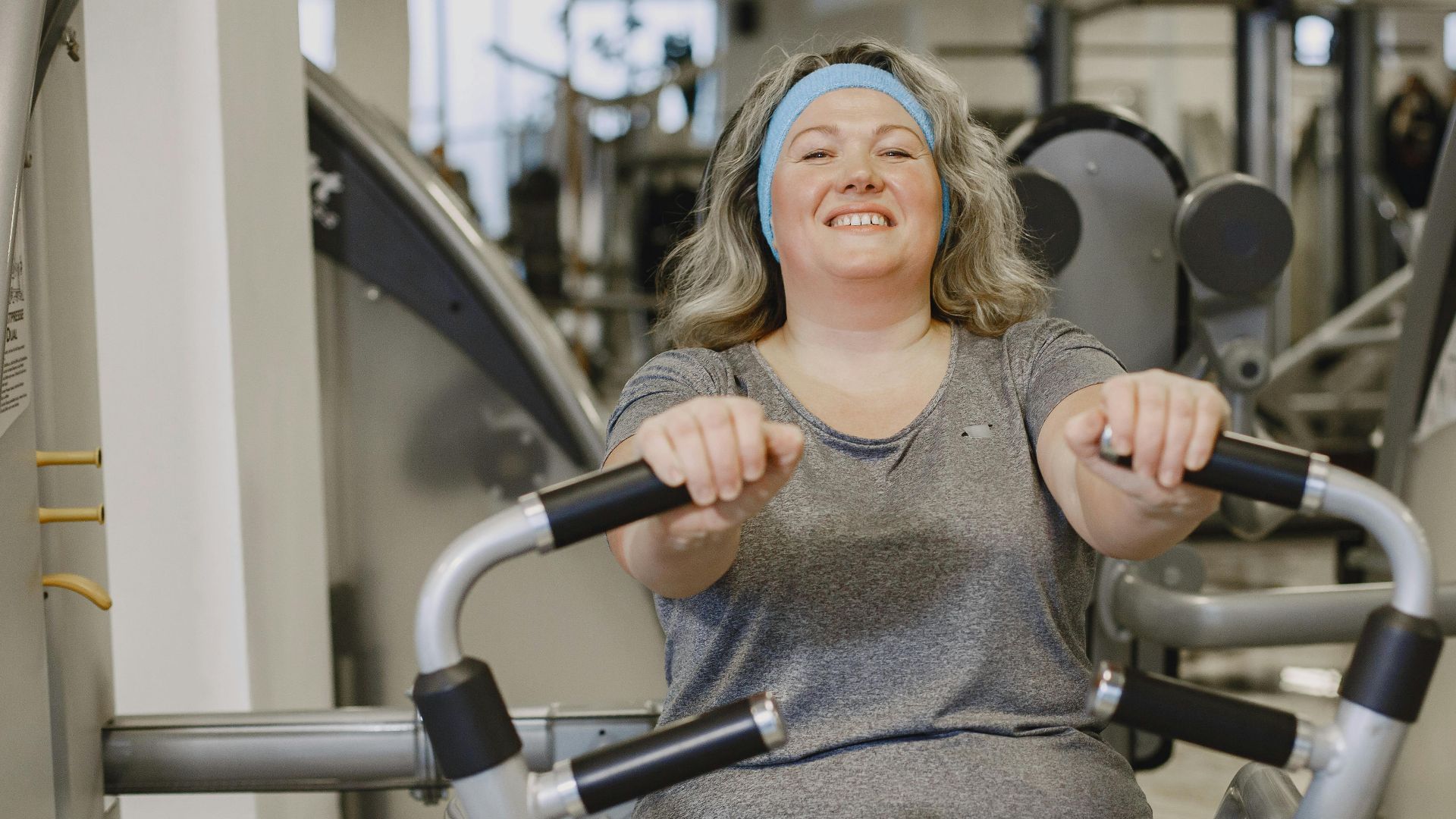
1. Recovery Takes Longer
A Monday strength workout can still be hanging around on Wednesday in a way it didn’t 10 years ago. You may still be able to do the same session, though the bounce-back time often stretches out, which gets frustrating when your schedule hasn’t changed.
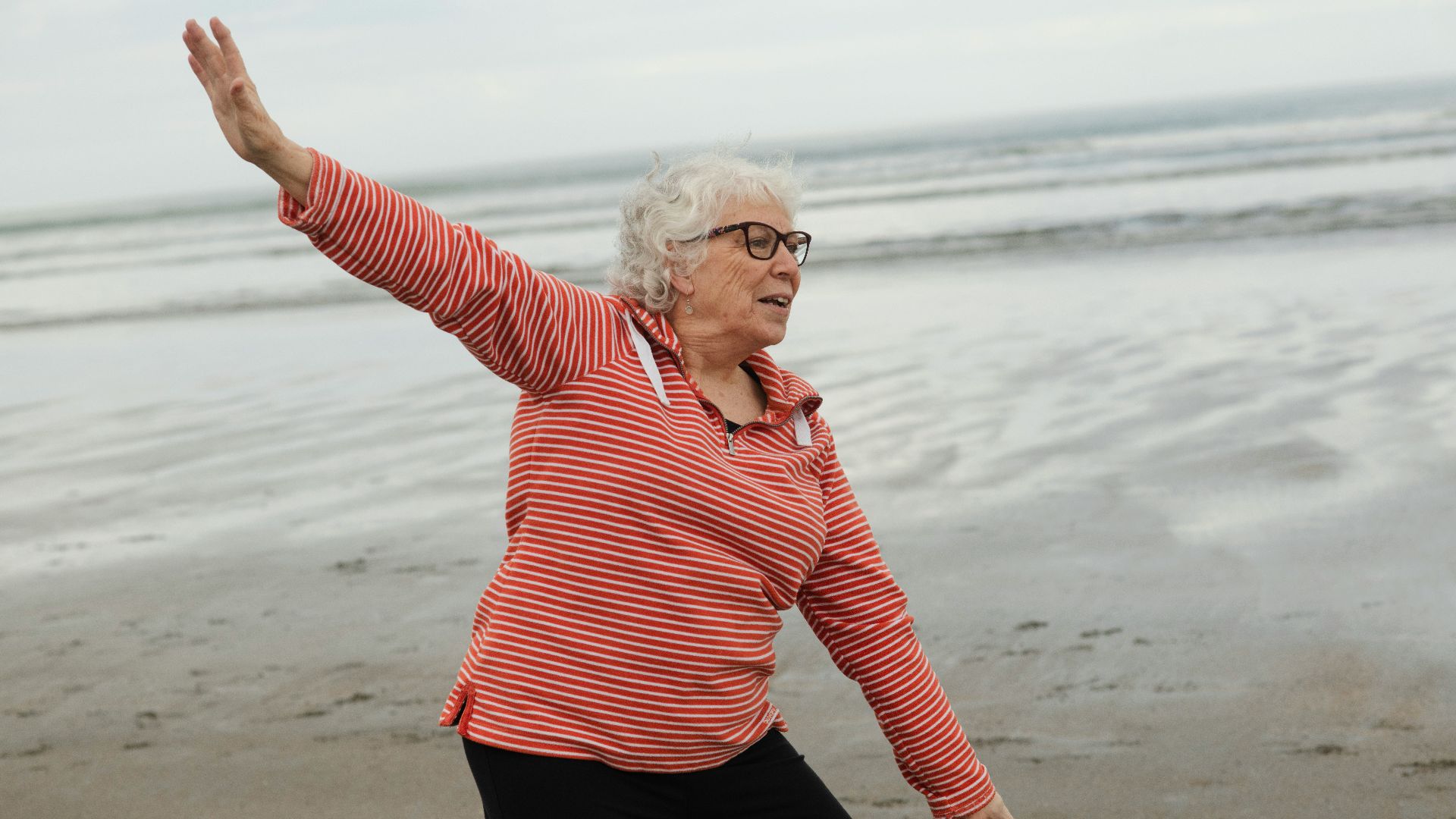
2. Soreness Sticks Around
The sore-quads-after-squats feeling used to fade after a decent night’s sleep and a walk around the block. During perimenopause, that same soreness can linger longer, which makes back-to-back hard training days feel less doable than they once did.
 Centre for Ageing Better on Unsplash
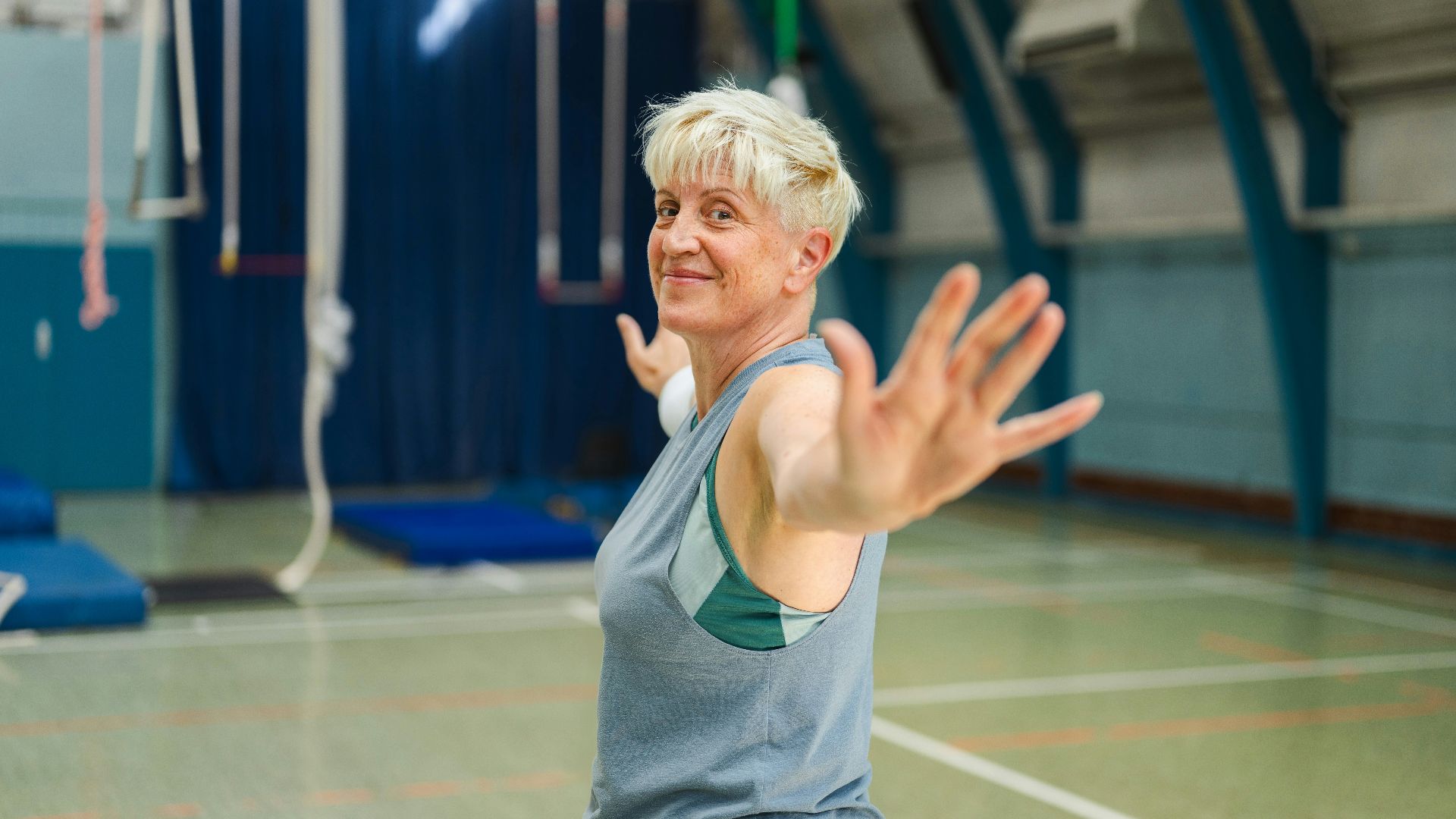
3. Hard Workouts Leave You Exhausted
A spin class at 6 p.m. or a long Saturday run can take more out of you than it used to, even if you finish strong. Sometimes the fatigue hits later, too, where you feel fine until you don’t, then suddenly the rest of the evening is gone.
 Centre for Ageing Better on Unsplash
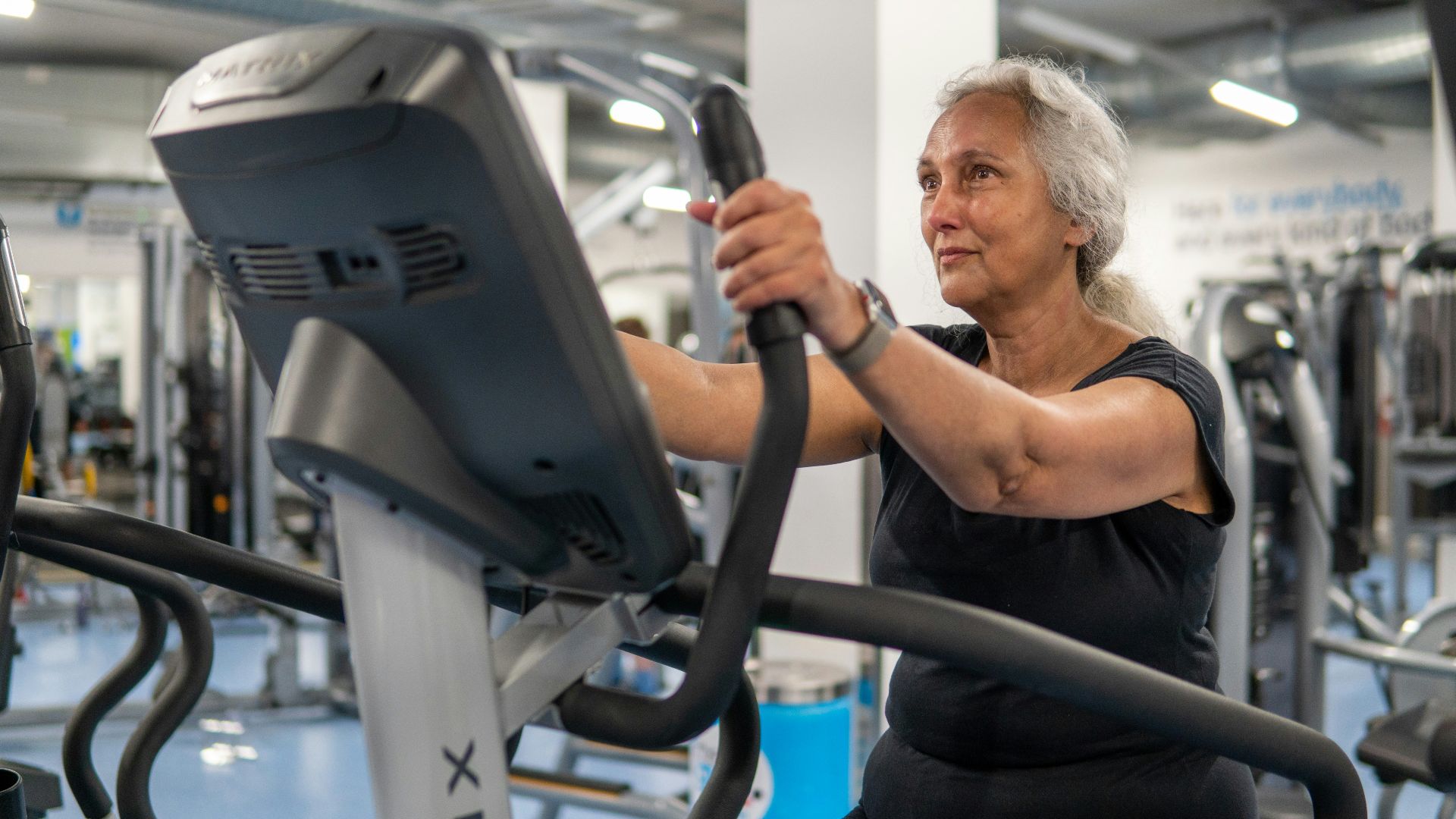
4. Strength Gets Harder To Hold Onto
You may notice it with little things first, like carrying groceries up the front steps or realizing the dumbbells you used to grab without thinking now feel heavier by rep eight. Muscle mass and strength can slip more easily during this stage, which is why resistance training starts to matter even more.
 Centre for Ageing Better on Unsplash
5. Power Can Drop Before Endurance Does
You might still make it through the workout, though the snap isn’t there. Sprinting for the train, jumping in a class, or trying to move a heavier bar quickly can feel less sharp even before you notice a bigger change in overall fitness.

6. Cardio Feels Worse
That three-mile loop, that familiar Peloton ride, that treadmill incline walk you’ve done a hundred times can suddenly feel like a bigger ask. The pace might still be there, though the effort can feel higher than the numbers suggest.
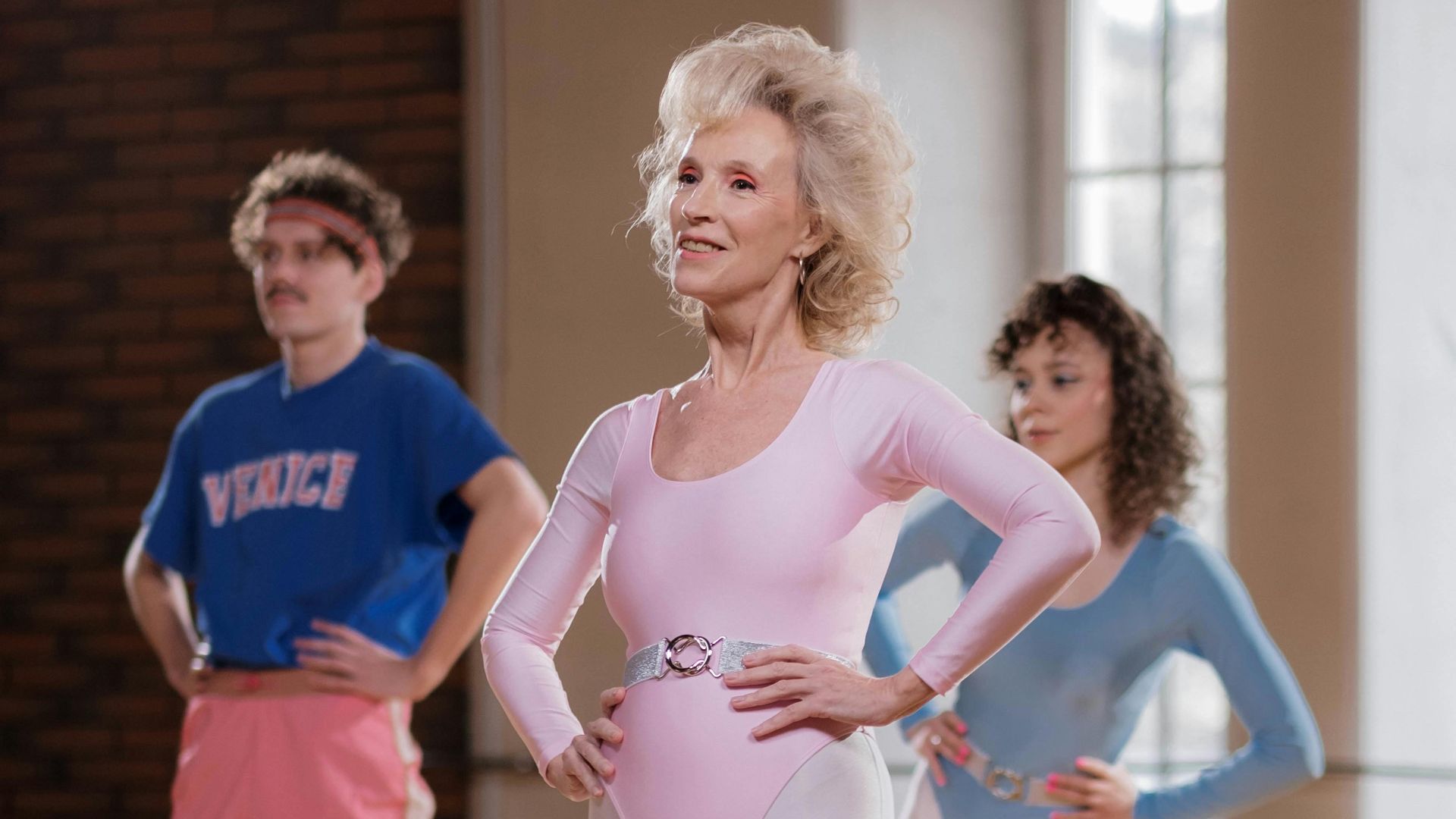
7. Easy Paces Stop Feeling Easy
You look down at your watch, and the heart-rate zone seems normal enough, though your body is acting like this is a much harder session. That mismatch can be one of the more irritating parts of perimenopause, because your brain remembers exactly how this used to feel.

8. Muscle Slips Faster, If You Ignore It
This is the phase where “I walk a lot” may stop being enough if you want to hold onto muscle. Lean mass tends to get easier to lose, which means protein, strength work, and actual recovery start doing more of the heavy lifting than they did before.

9. Belly Fat Shows Up Easier
A lot of women notice their waist changes before the scale really says much. Fat storage tends to shift toward the abdomen during this phase, so your jeans can feel different even when your routine looks pretty similar on paper.
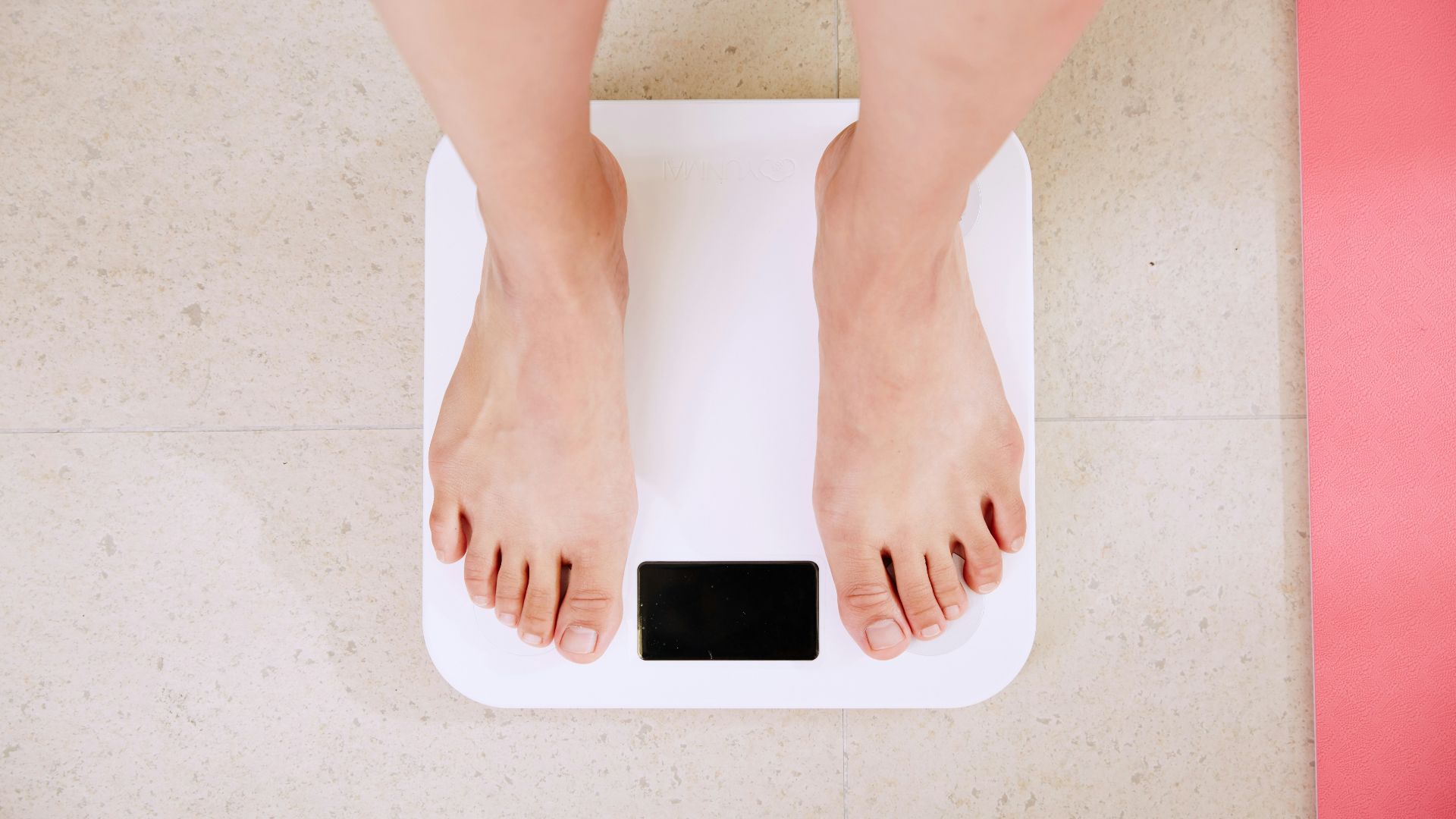
10. Calorie Counting Gets Weird
You may be eating about the same, moving about the same, and still feel like the margin for error shrank overnight. Daily energy burn can dip with age and hormonal change, so the formulas that used to work can start feeling unreliable.
11. Hunger Gets Less Predictable
Some mornings, you’re fine with eggs and coffee till noon. Other days, you eat breakfast at 8 and feel ready for lunch by 10:15, which can make you feel a little unhinged if you’re used to your appetite being steady.

12. Cravings Get Louder
That late-afternoon pull toward cereal, chocolate, toast, or whatever sweet thing is easiest can get a lot more persuasive in perimenopause. Sleep disruption, hormone swings, and stress can all push cravings higher, especially when you’re already tired and running on fumes.
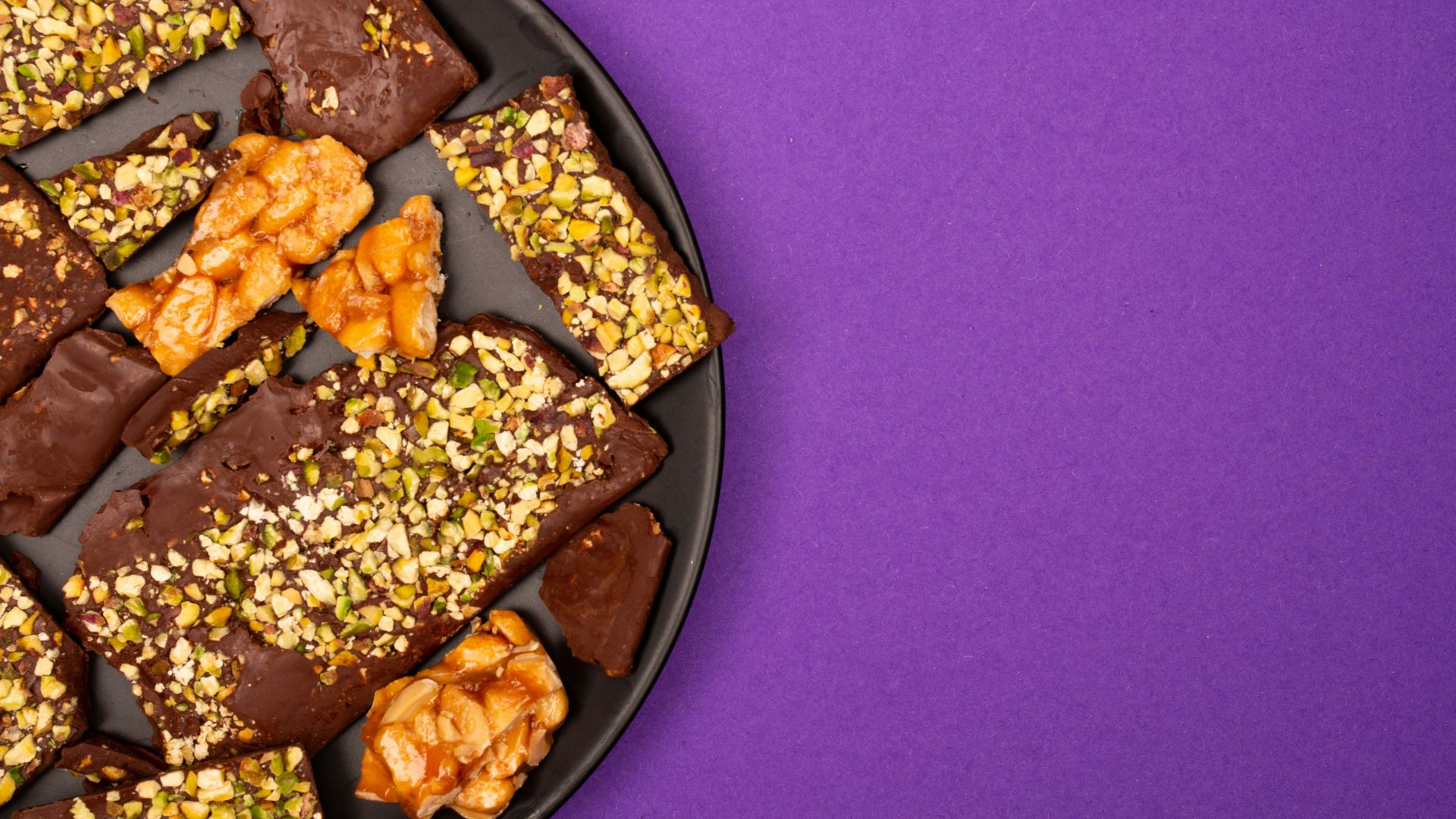
13. Big Carb Meals May Hit You Differently
A bagel breakfast, a giant pasta lunch, or takeout sushi on a busy Thursday night may leave you sleepy, shaky, or hungry again way sooner than it used to. Blood sugar swings can feel more obvious in this phase, which makes certain meals feel less forgiving.
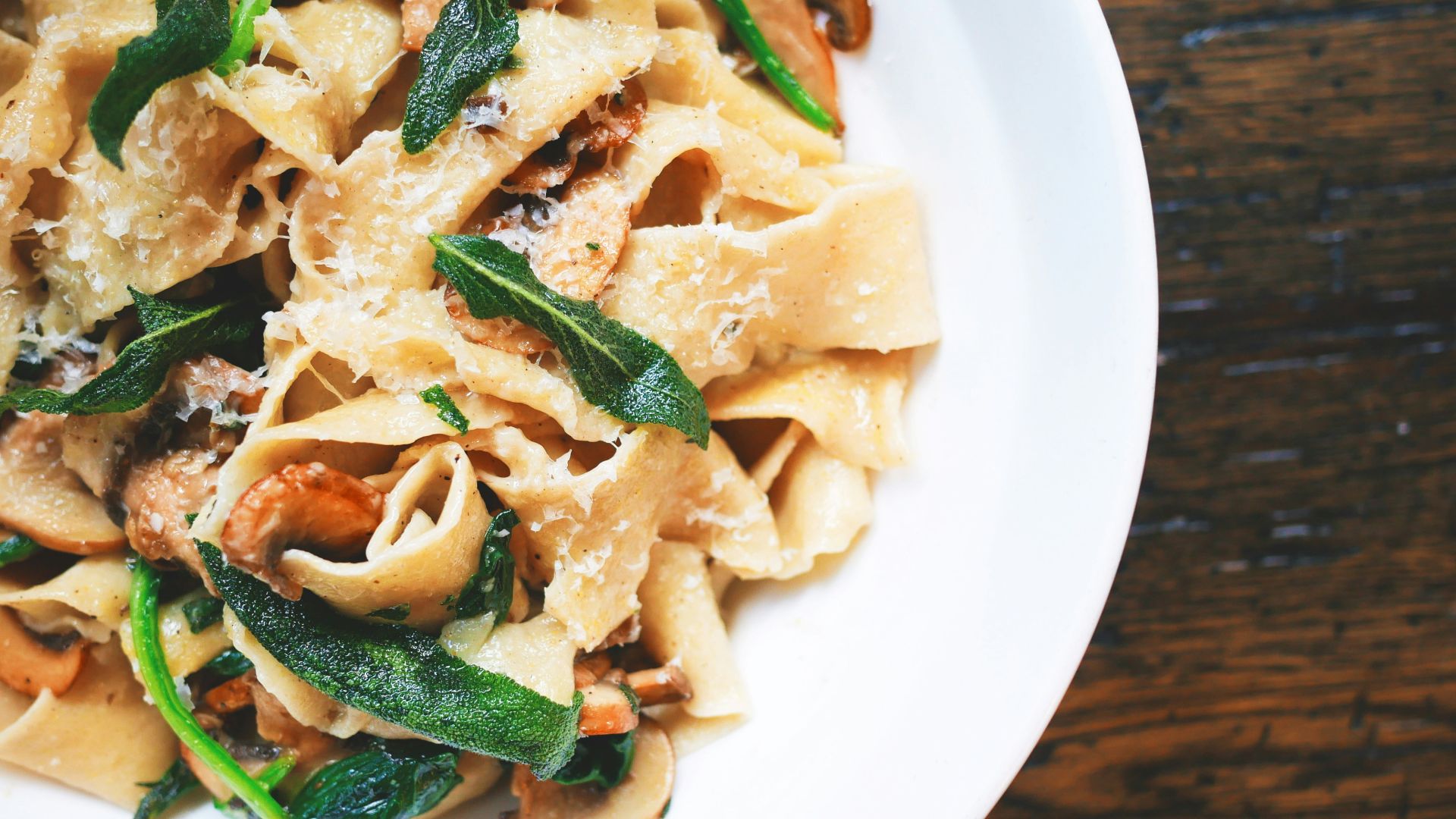
14. Protein Matters More
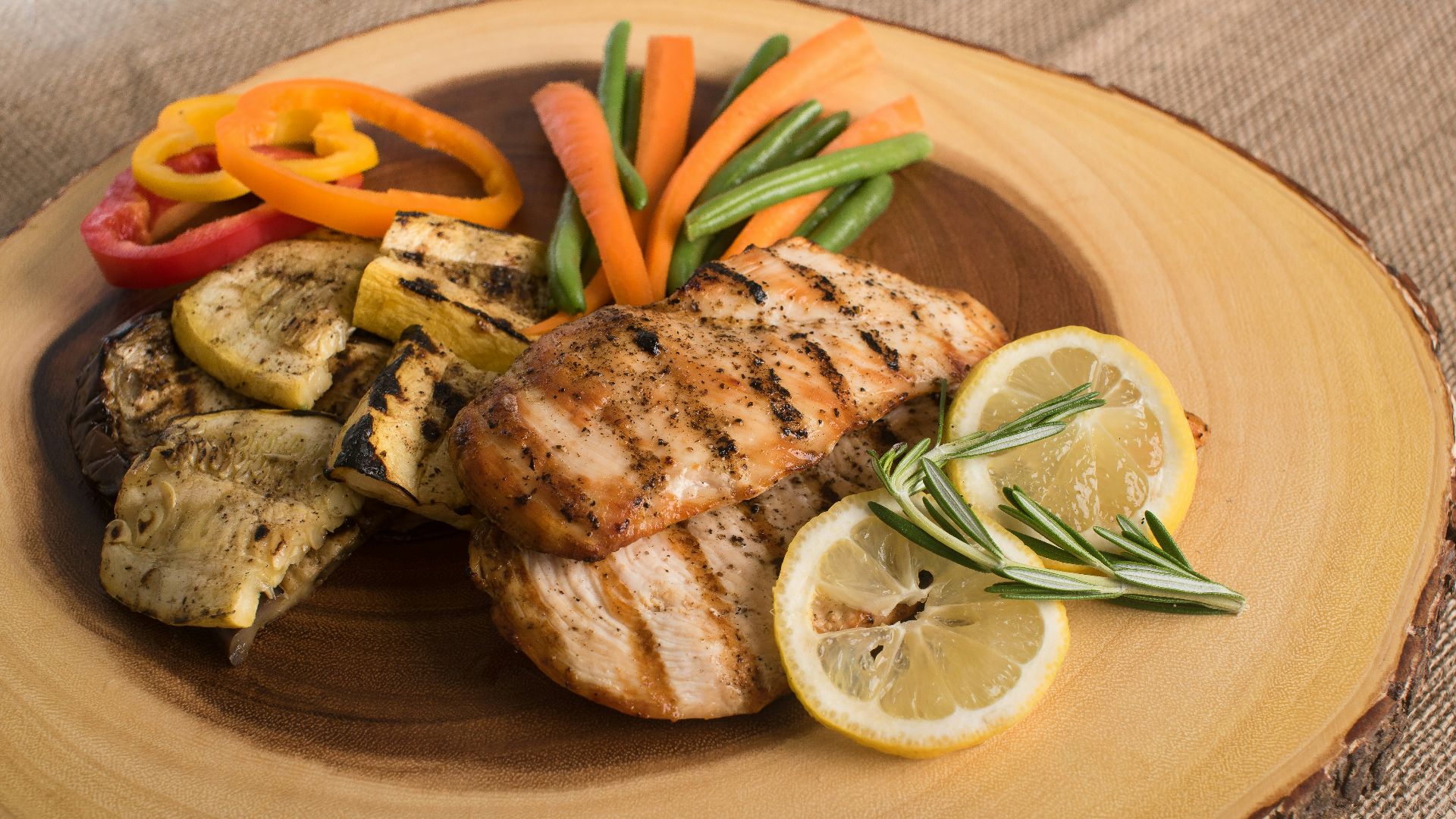
The old “I eat pretty healthy” approach may stop covering as much ground when your goal is to keep muscle and recover well. Getting enough protein starts making a more visible difference, especially if you’re lifting, walking a lot, or trying not to feel wiped out all the time.
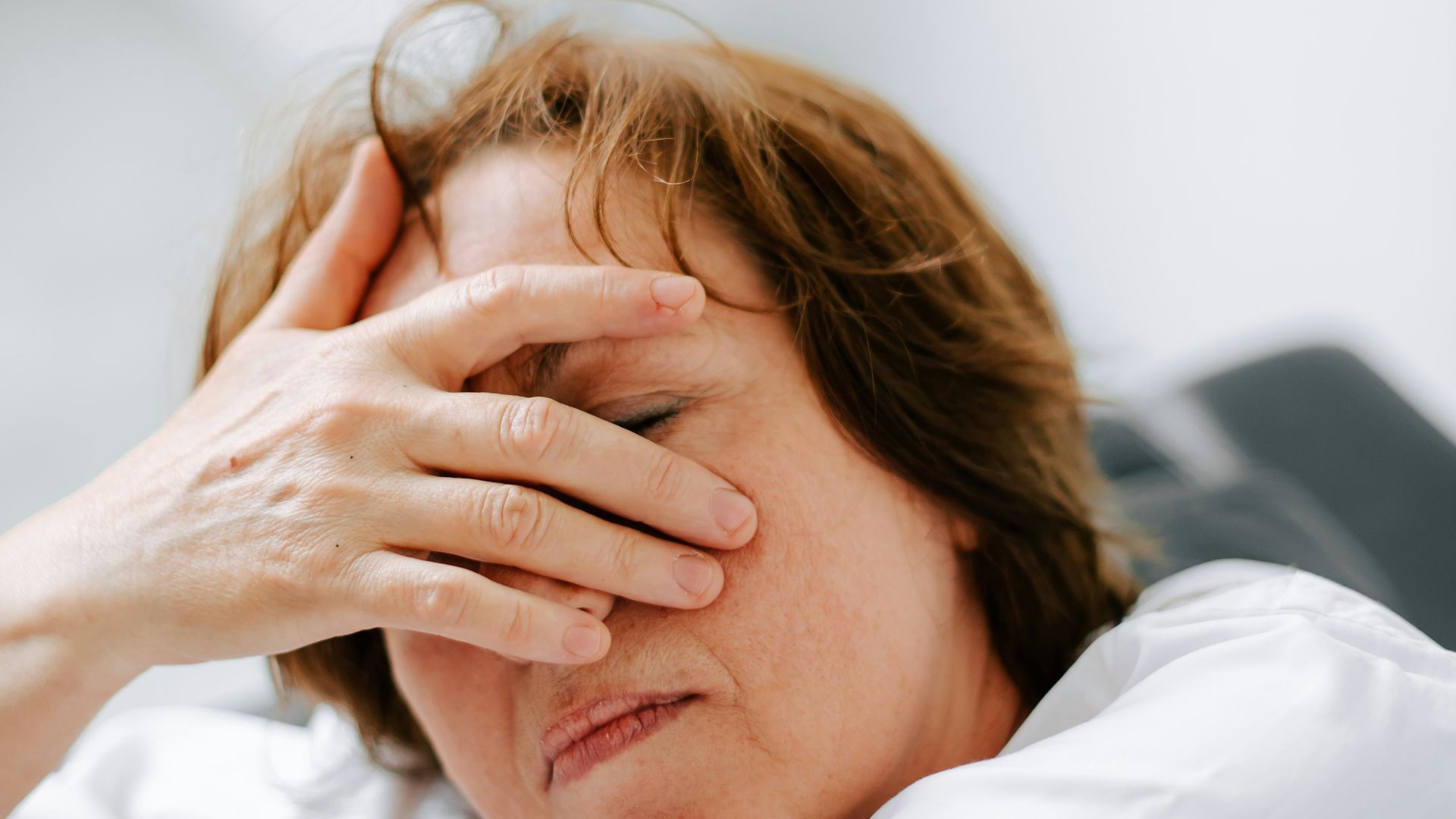
15. Sleep Gets Harder
You can be in bed by 10:30, awake at 3:17, then staring at the ceiling, wondering why your body picked now to become chaotic. Sleep problems are common in perimenopause, and once sleep gets choppy, everything else usually gets harder too.
 Kateryna Hliznitsova on Unsplash
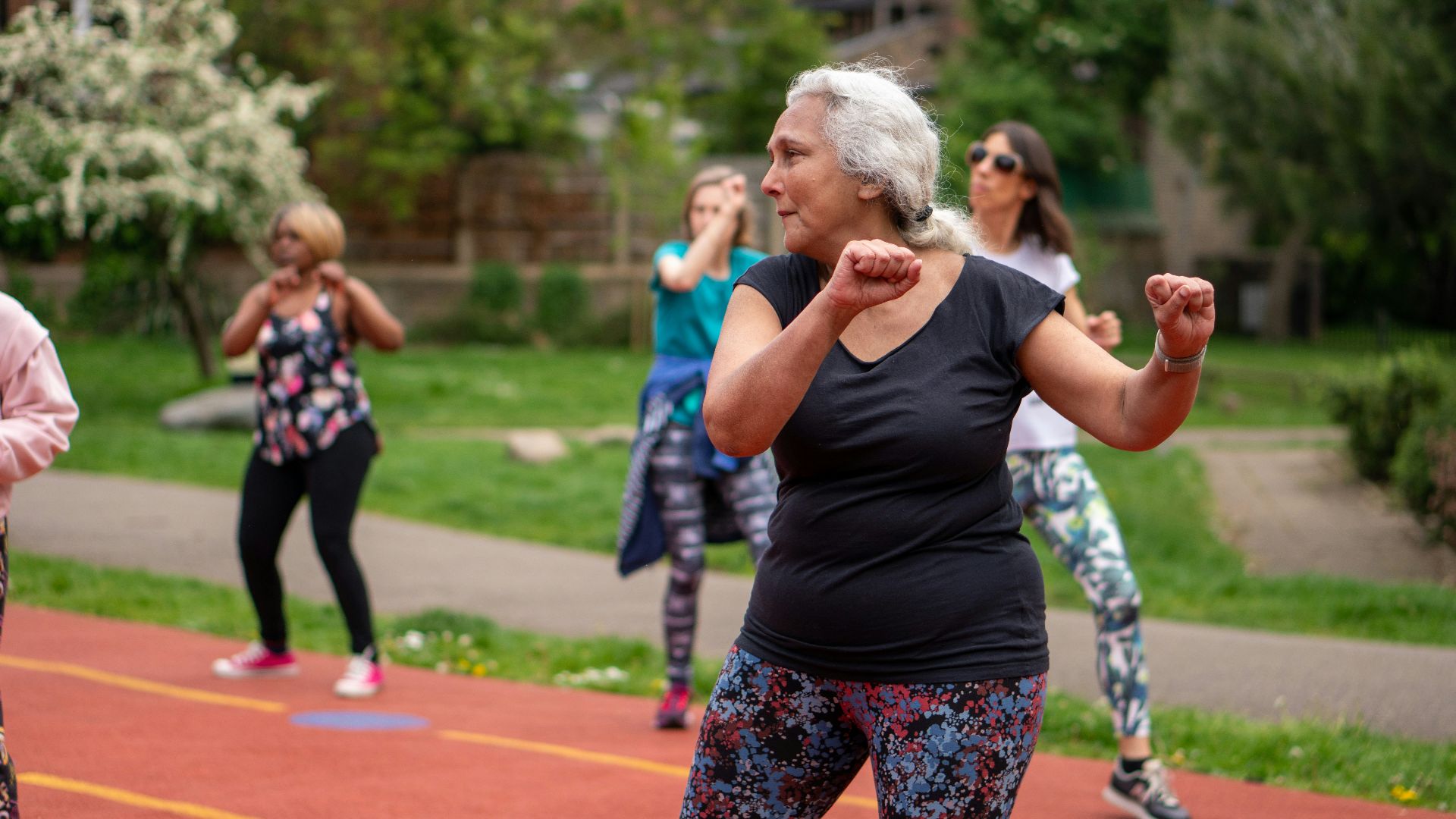
16. Poor Sleep Changes How You Train And Eat
After a bad night, workouts can feel heavier, recovery feels slower, and hunger tends to get louder in all the least helpful ways. You may want more sugar, more caffeine, less effort, and somehow still expect yourself to train like it’s a perfectly normal day.
 Centre for Ageing Better on Unsplash
17. Stress Feels Bigger In Your Body
The same work deadline, family issue, or packed week can start hitting you harder than it used to, especially when your sleep is already thin. Add a hard workout on top of that, and it can leave you feeling fried instead of accomplished, which isn't a great trade.
18. Body Composition Can Change, Even If Your Habits Don’t
This is the part that makes a lot of women feel like they’re losing their minds. You can be doing the same walks, the same grocery order, the same workouts, and still notice more softness through the middle and less firmness through the arms and legs.

19. Bone Health Starts Feeling More Apparent
You don’t feel bone loss happening day to day, which makes it easy to ignore until it becomes a serious problem. This stage matters for bone density, so weight-bearing exercise, strength work, and enough food become even more important than they may have seemed at 35.
20. Recovery Days Count More
The old strategy of pushing harder, adding another class, or “making up for” a missed workout can stop working pretty quickly. In perimenopause, the women who feel best often aren’t the ones doing the most; they’re the ones taking sleep, strength work, walking, food, and recovery seriously enough to let it all add up.
 Boxed Water Is Better on Unsplash
KEEP ON READING


20 Natural Ways You Can Boost Your Immune System
20 Ways To De-stress & Relax After Work
The 10 Most Common Diseases & The 10 Most Rare