
Eating Well Helps You Keep Moving
Staying mobile after 60 depends on a lot of things: strength, balance, bone health, joint comfort, energy, and how well your body recovers from everyday wear and tear. Food can’t replace exercise, medical care, or physical therapy, but it can help support the muscles, bones, and tissues that keep you walking, climbing stairs, carrying groceries, and getting up from chairs without making dramatic sound effects. Here are the 20 best foods for supporting mobility after 60.

1. Salmon
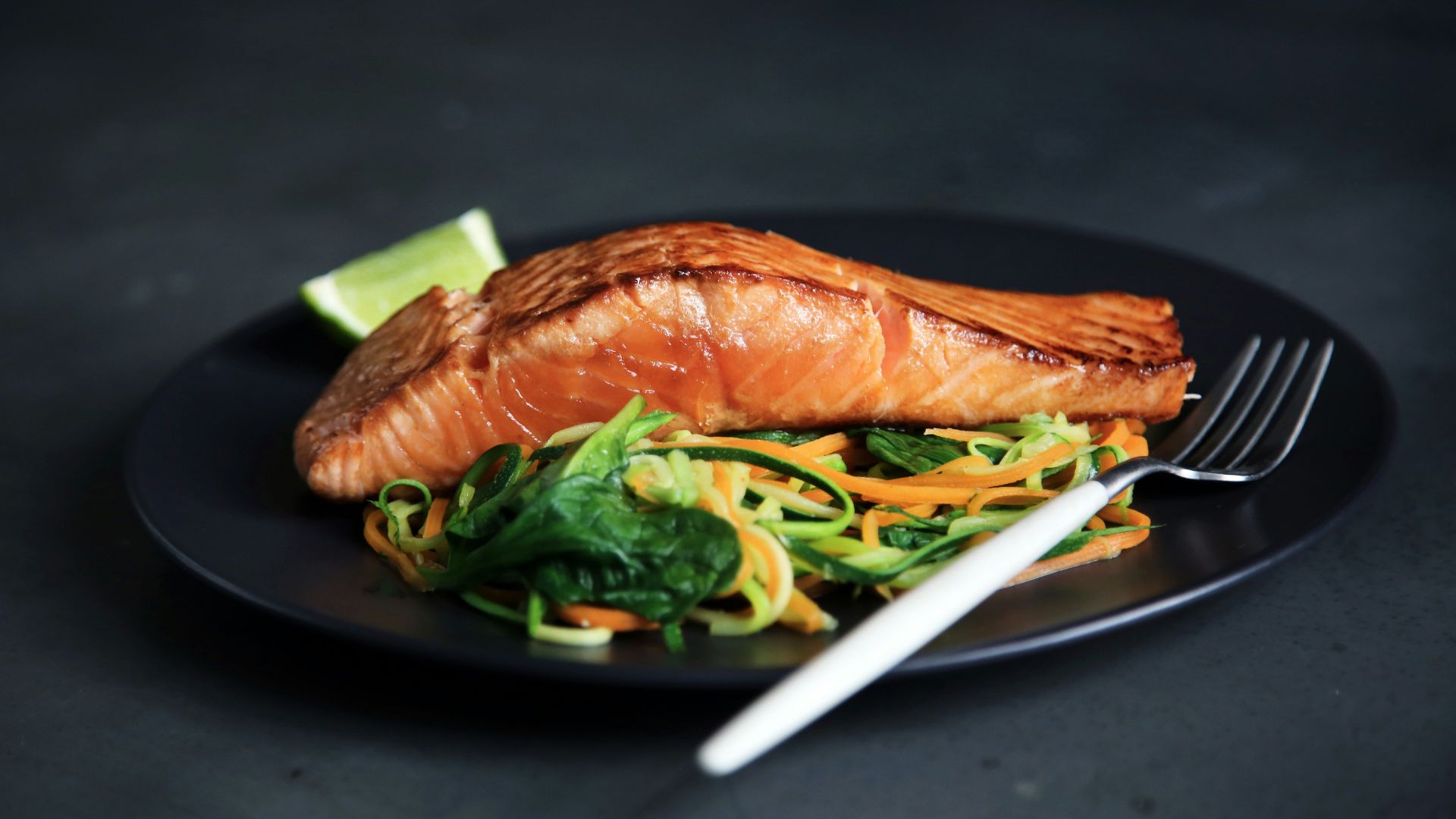
Salmon is a strong choice because it brings protein, omega-3 fats, and vitamin D to the table. Protein helps support muscle maintenance, while vitamin D and calcium work together to support strong bones, and omega-3s help lower inflammation. Salmon is basically doing several mobility-related jobs without asking for applause.
2. Greek Yogurt
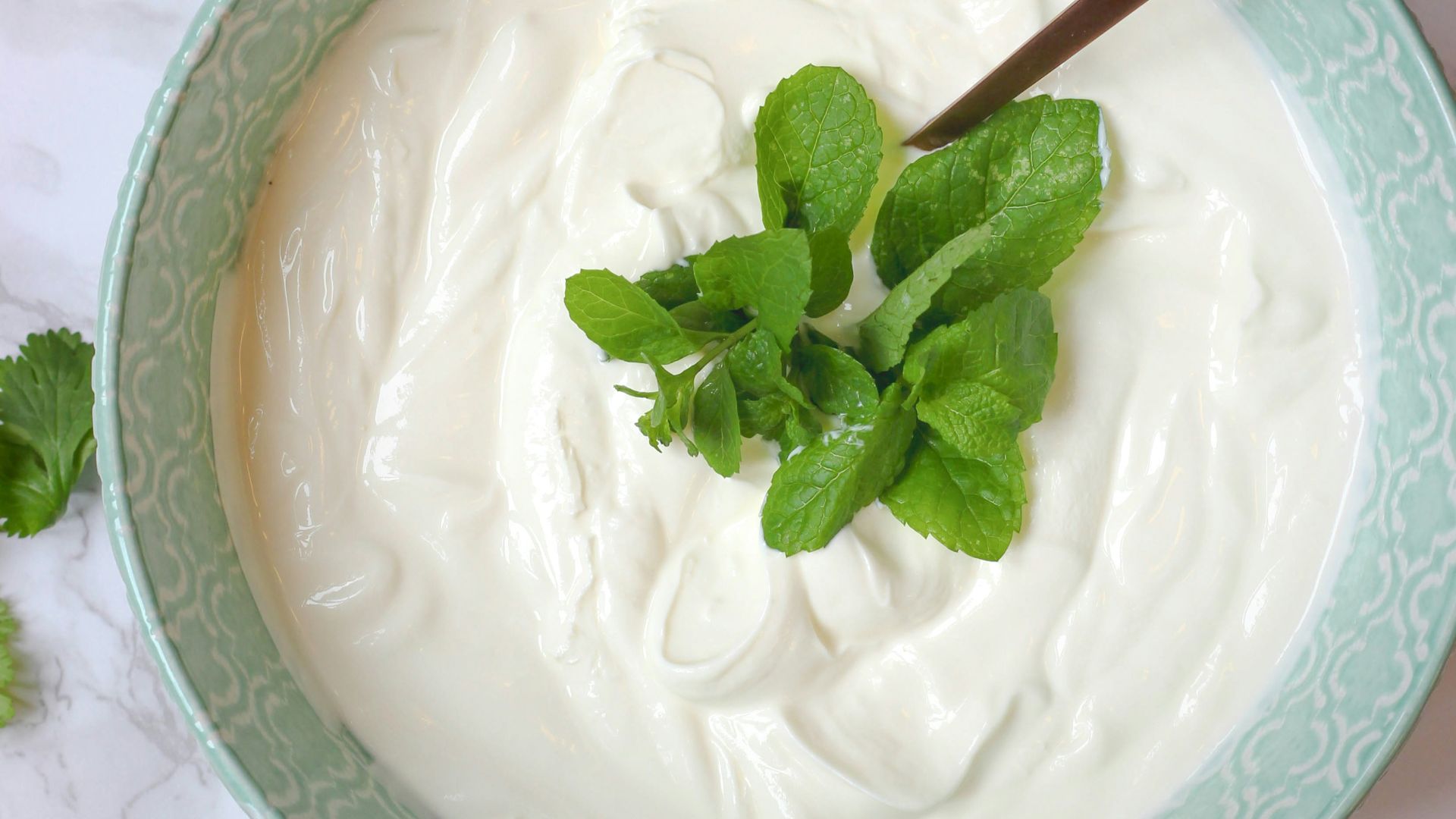
Greek yogurt is useful after 60 because it offers protein and calcium in a form that’s easy to add to breakfast, snacks, or smoothies. Calcium matters for bone strength, and protein helps support muscles that keep you steady and active. Choose plain varieties when possible so you’re not accidentally turning breakfast into dessert.
 micheile henderson on Unsplash
3. Eggs
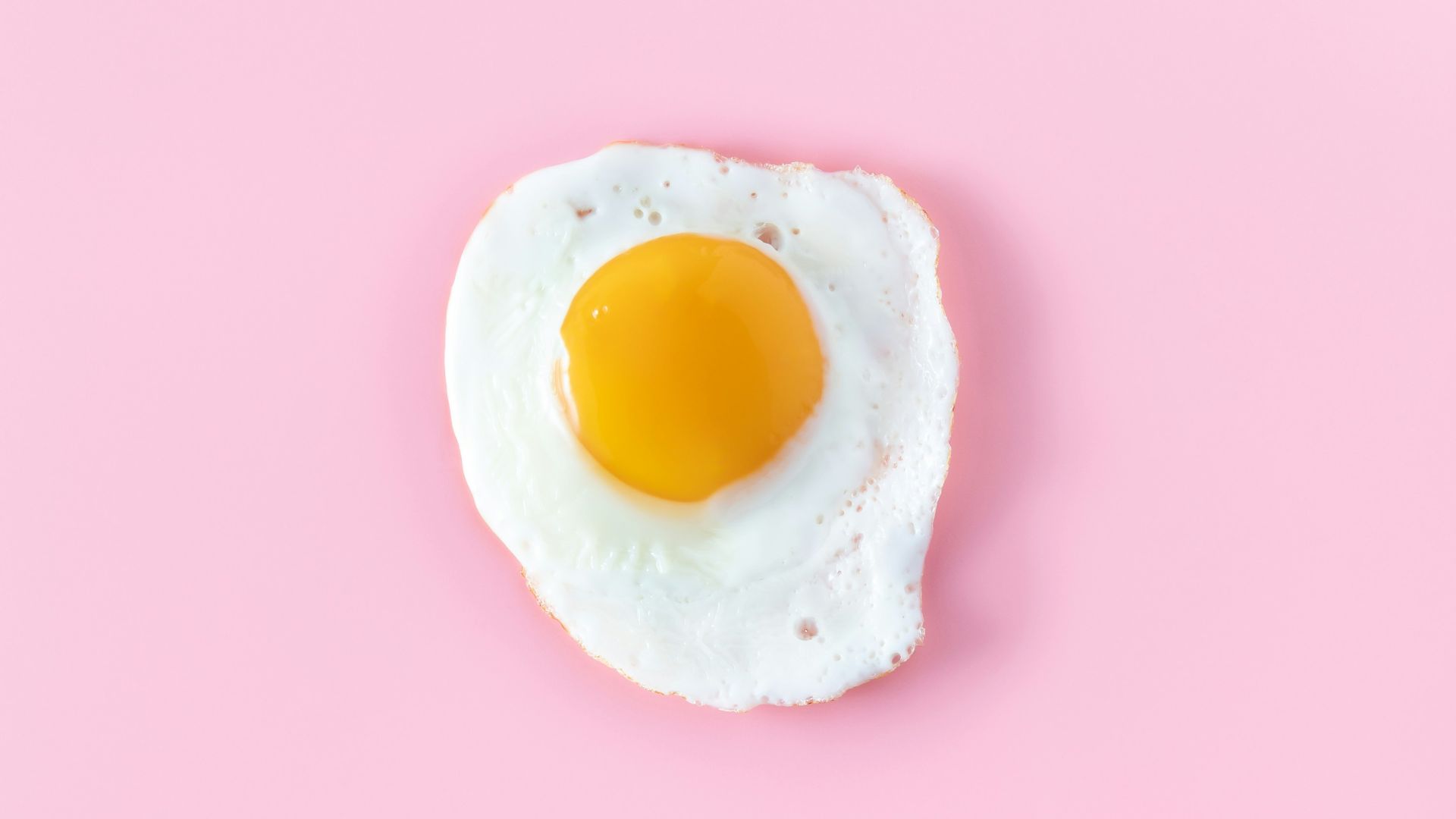
Eggs are affordable, versatile, and packed with high-quality protein. They also provide nutrients like vitamin D and choline, which support overall health. For mobility, the protein is a big reason they earn a spot, since muscle maintenance becomes more important with age.
4. Lentils
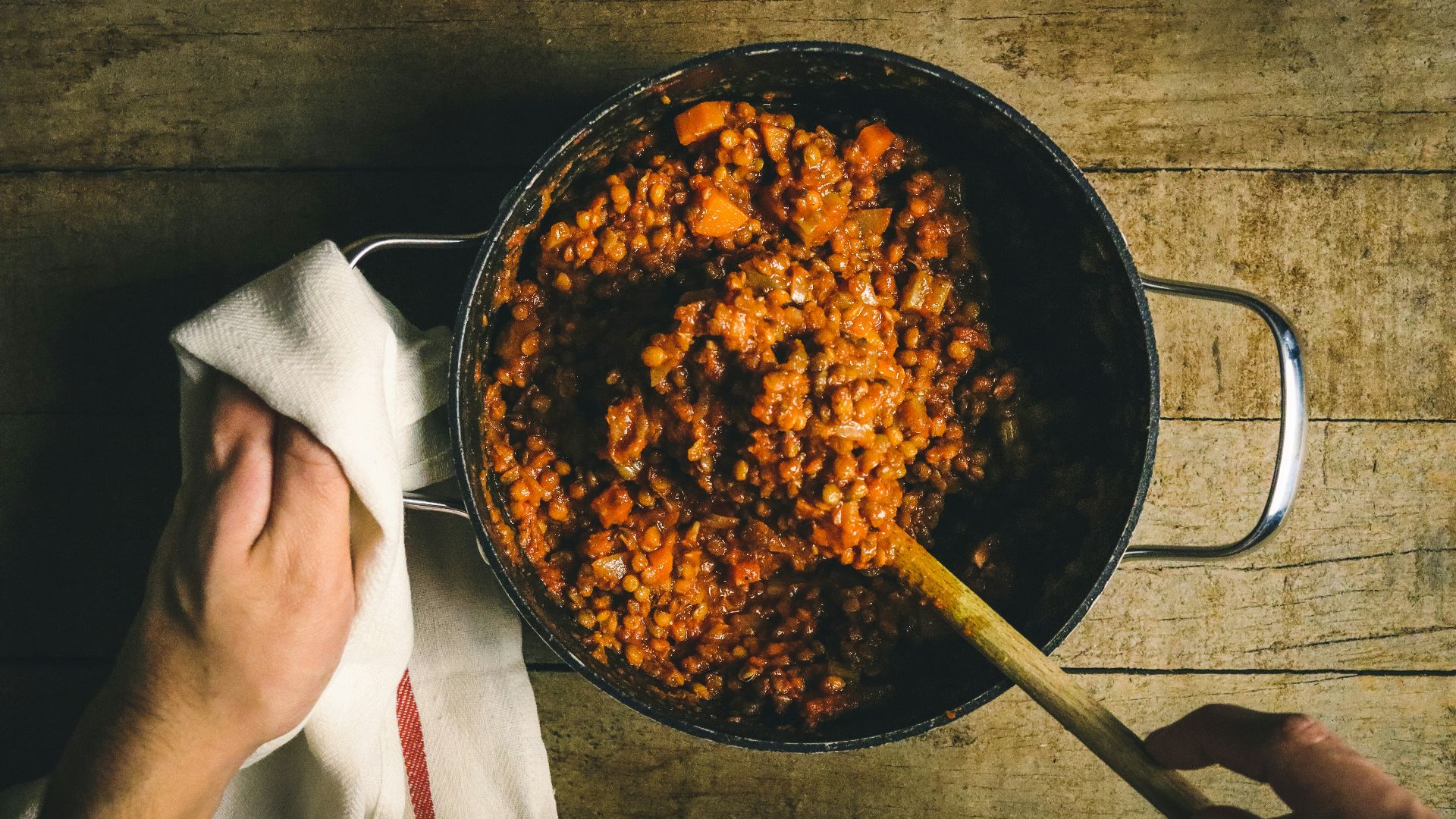
Lentils support mobility by offering plant-based protein, fiber, magnesium, and folate. They’re especially helpful if you want meals that are filling without relying only on meat. Higher intake of plant protein has been linked to healthier aging outcomes, including lower risk of frailty in some studies.
5. Sardines
Sardines deserve more respect than they usually get. When eaten with their soft bones, they provide calcium, vitamin D, and protein, which are all useful for bone and muscle support. They also contain omega-3 fats, making them a compact, mobility-friendly food.
 S O C I A L . C U T on Unsplash
6. Tofu
Tofu can be a great food for supporting mobility because it provides plant protein and may contribute calcium, depending on how it’s made. It also fits into stir-fries, soups, bowls, and scrambles without demanding center-stage attention. If you think tofu is boring, it may just be waiting for seasoning with better leadership.

7. Leafy Greens
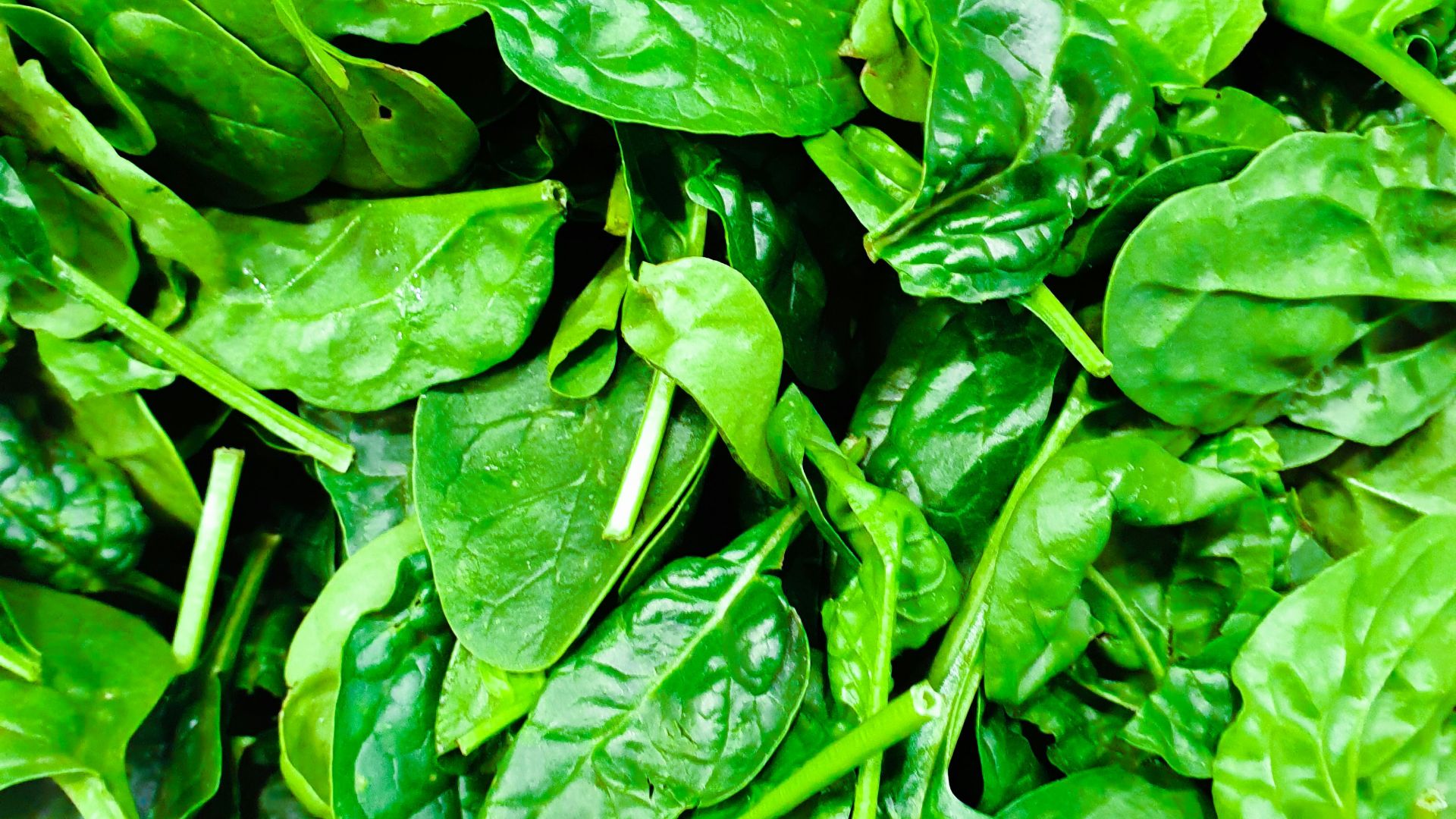
Leafy greens like kale, collards, and bok choy can support bones and overall health. They provide nutrients such as vitamin K, calcium, magnesium, and antioxidants. A pile of greens may not feel exciting at first, but your joints and bones may appreciate the gesture.
 Shutter Sphere Collective on Unsplash
8. Beans
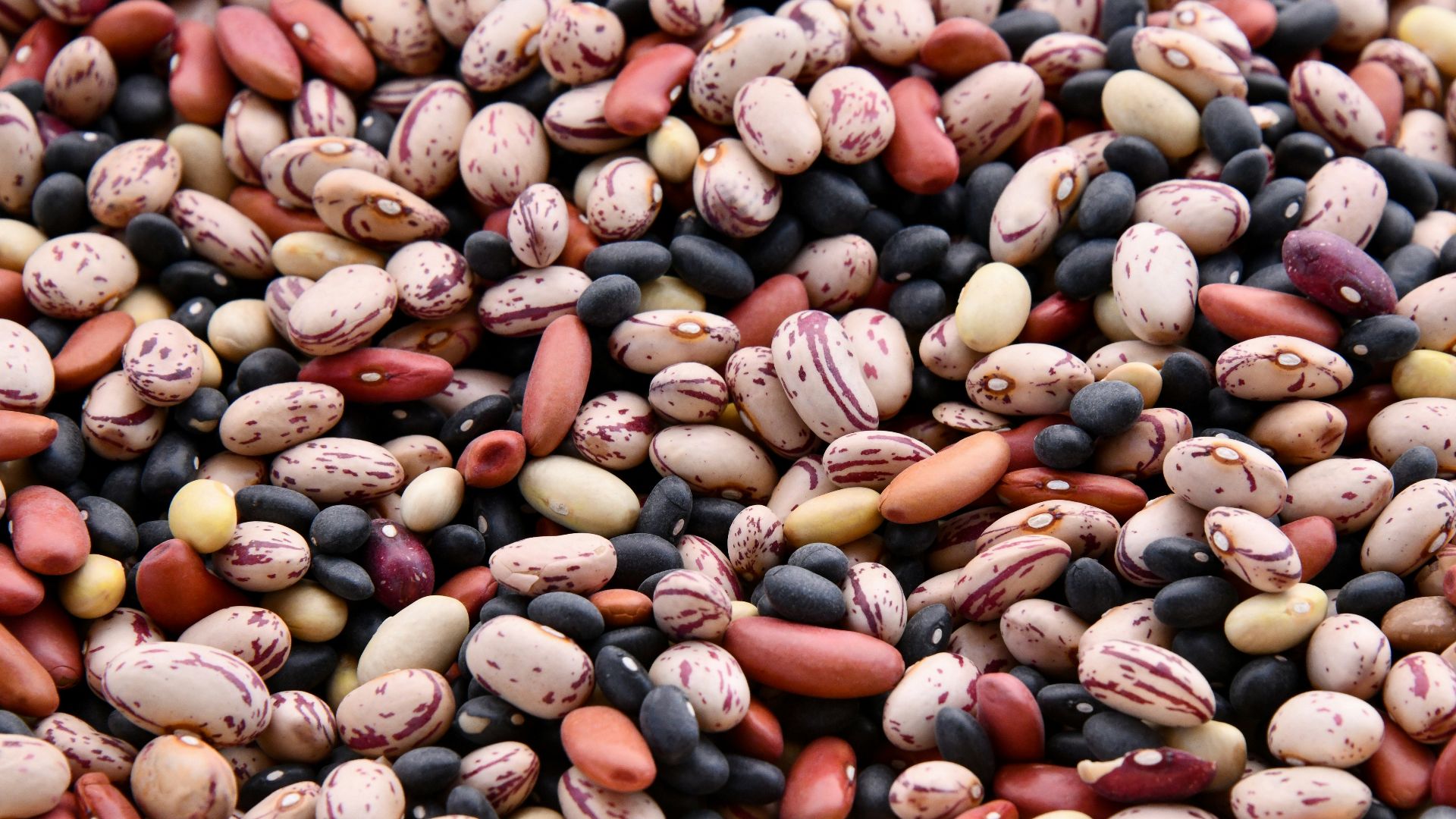
Beans bring fiber, plant protein, potassium, magnesium, and steady energy to meals. That mix can support muscles, digestion, heart health, and overall stamina. They’re also budget-friendly, which is nice because healthy eating shouldn’t require a private banker. Add them to soups, salads, tacos, or grain bowls and let them be the reliable friend of the pantry.
9. Blueberries
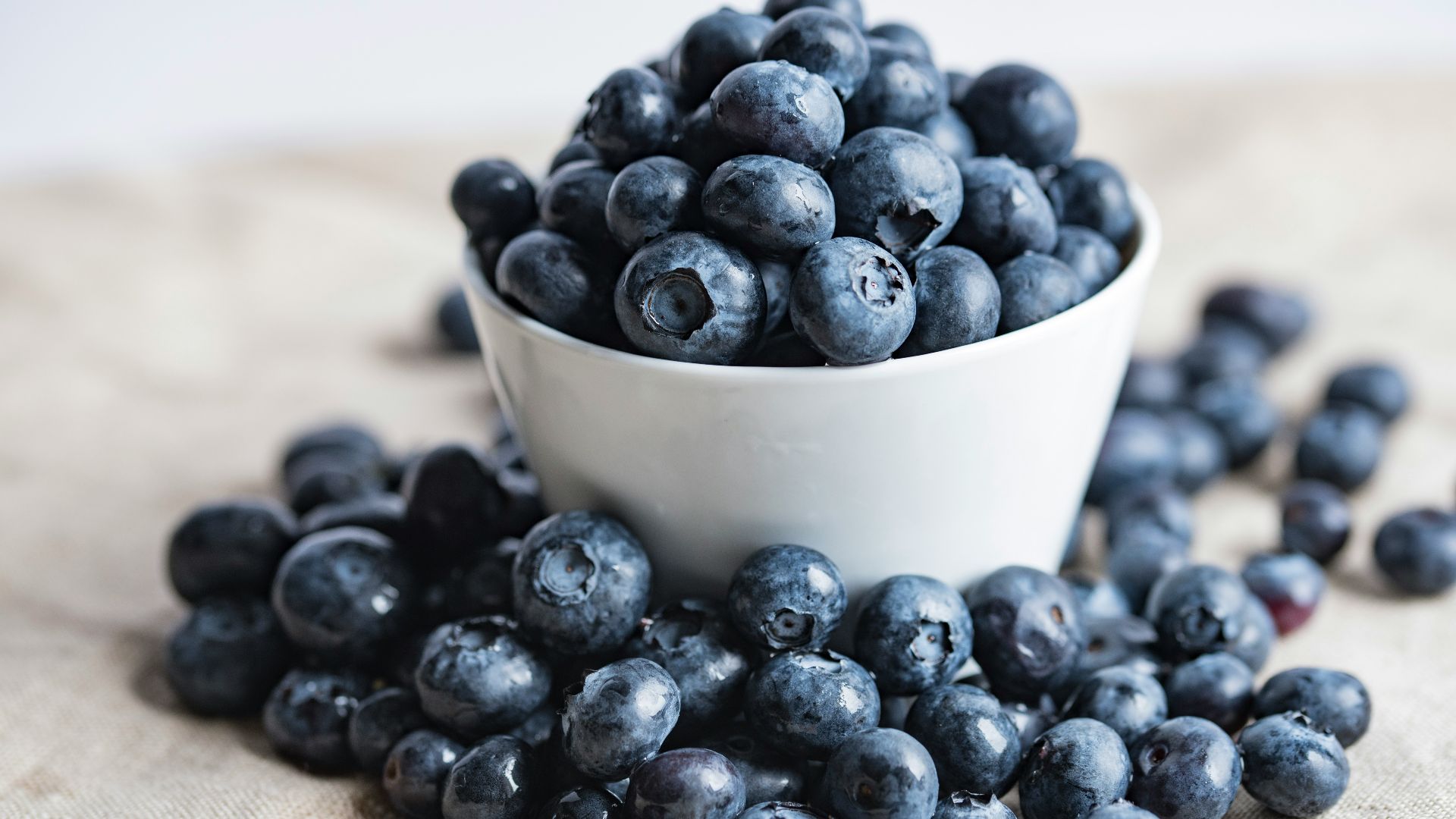
Blueberries are rich in colorful plant compounds and fit well into an anti-inflammatory style of eating. They won’t make you leap over fences, but they can support overall health as part of a fruit-and-vegetable-rich diet. They’re also easy to toss into yogurt, oatmeal, or smoothies, which makes them wonderfully low-drama.
10. Oats
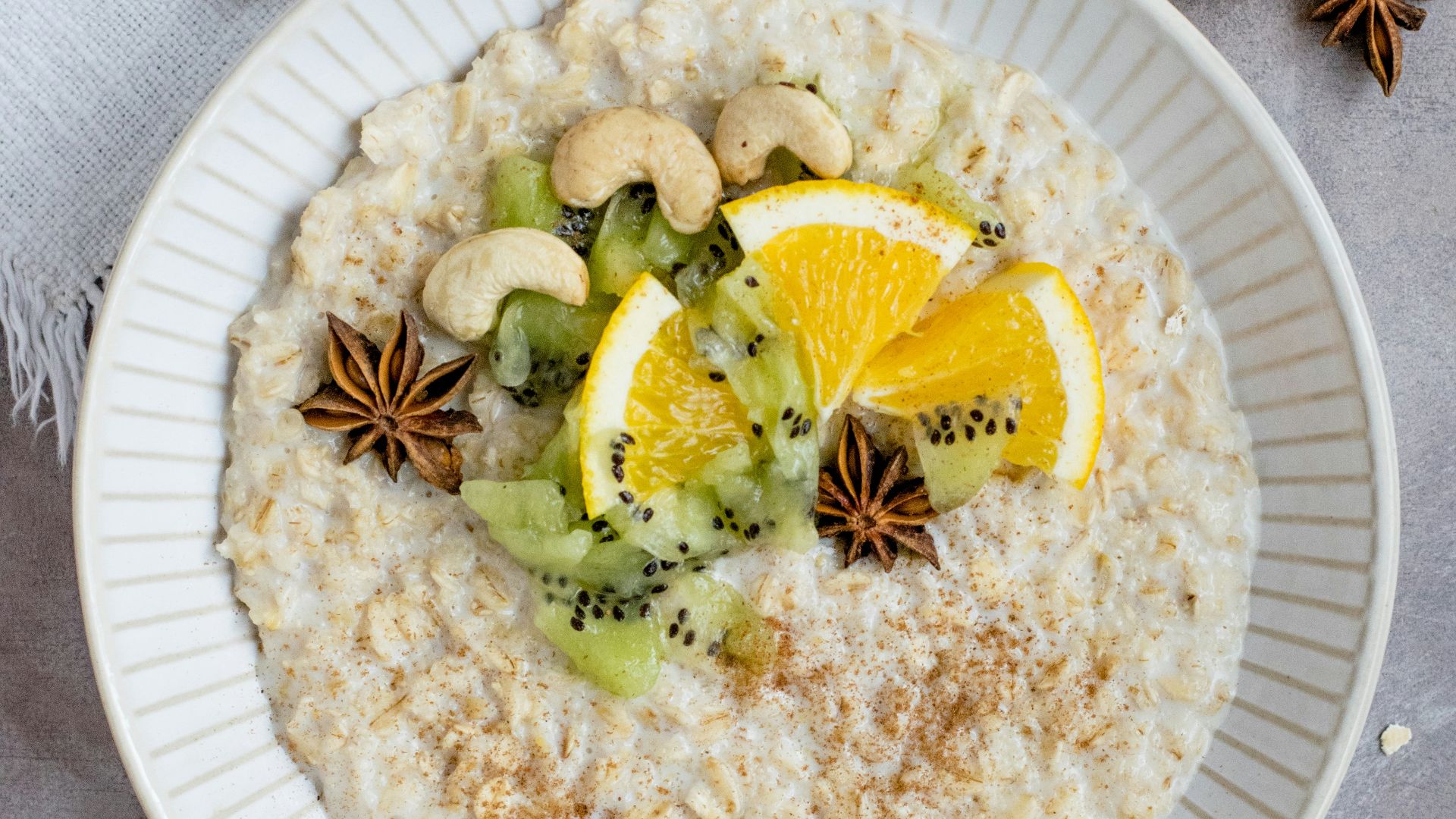
Oats are helpful because they provide whole-grain carbohydrates, fiber, and minerals that support steady energy. Mobility isn’t only about joints; it’s also about having enough fuel to move through the day. A bowl of oatmeal may not look heroic, but it’s one of the strongest breakfast choices you can make.
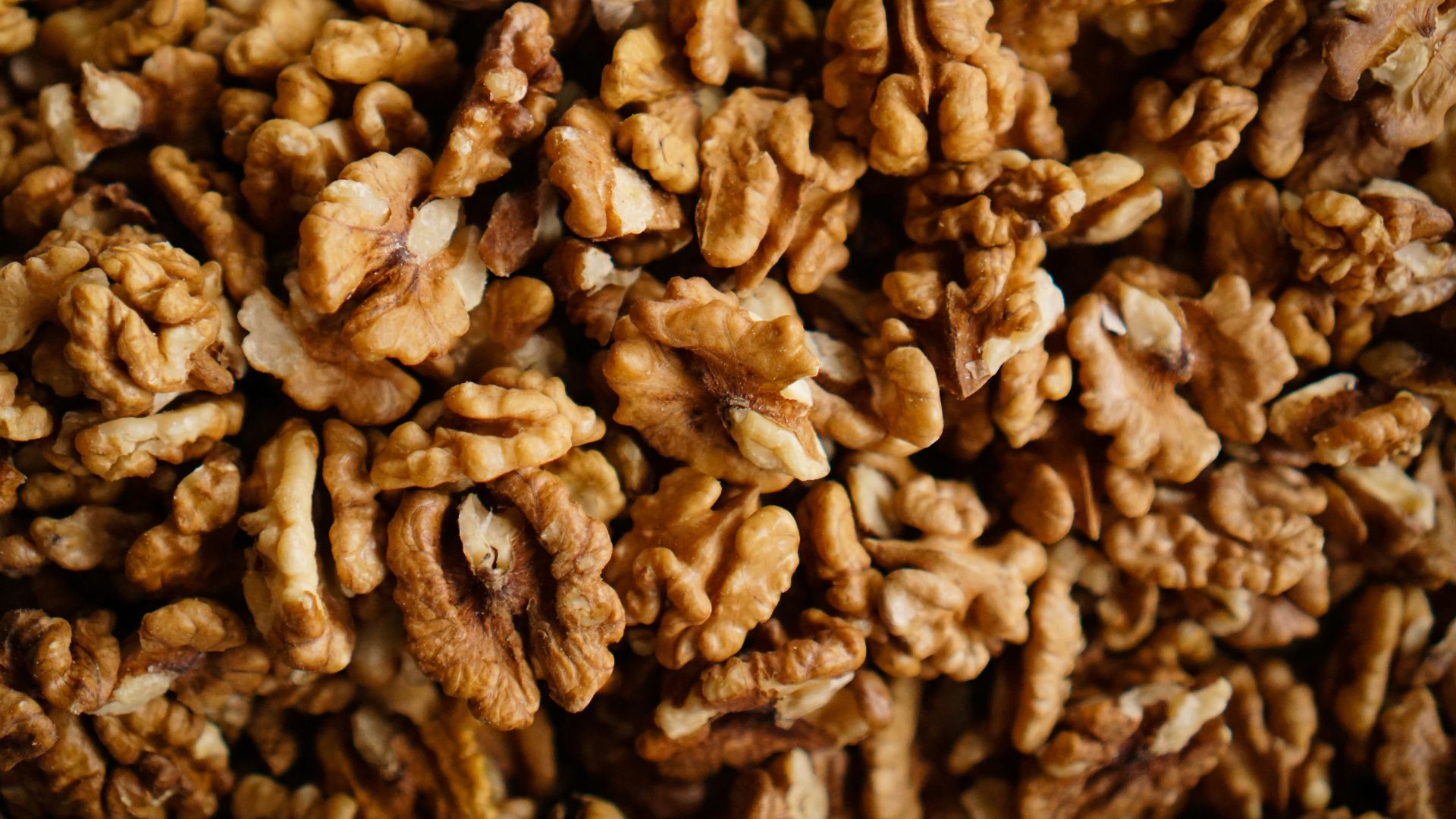
11. Walnuts
Walnuts provide healthy fats, plant-based omega-3s, magnesium, and a little protein. They’re easy to add to oatmeal, salads, yogurt, or snacks, which makes them useful for people who don’t want complicated meal planning. Just keep portions reasonable because walnuts are shockingly high in calories.
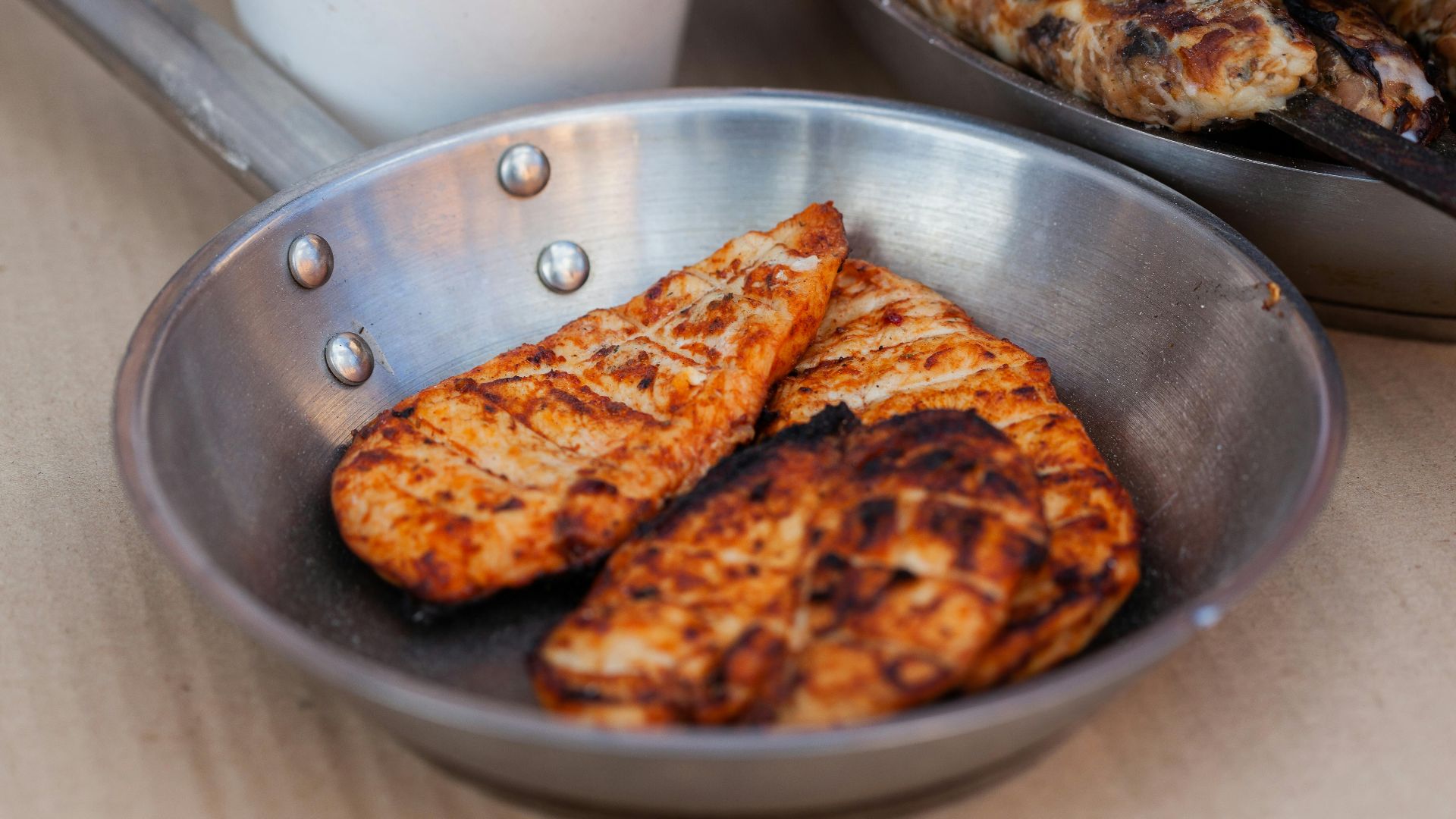
12. Chicken
Chicken is a familiar protein source that can help support muscle maintenance after 60. Getting enough protein matters because age-related muscle loss can affect strength, balance, and daily function. Choose grilled, roasted, or baked versions more often than heavily fried ones if mobility and inflammation balance are the goal.
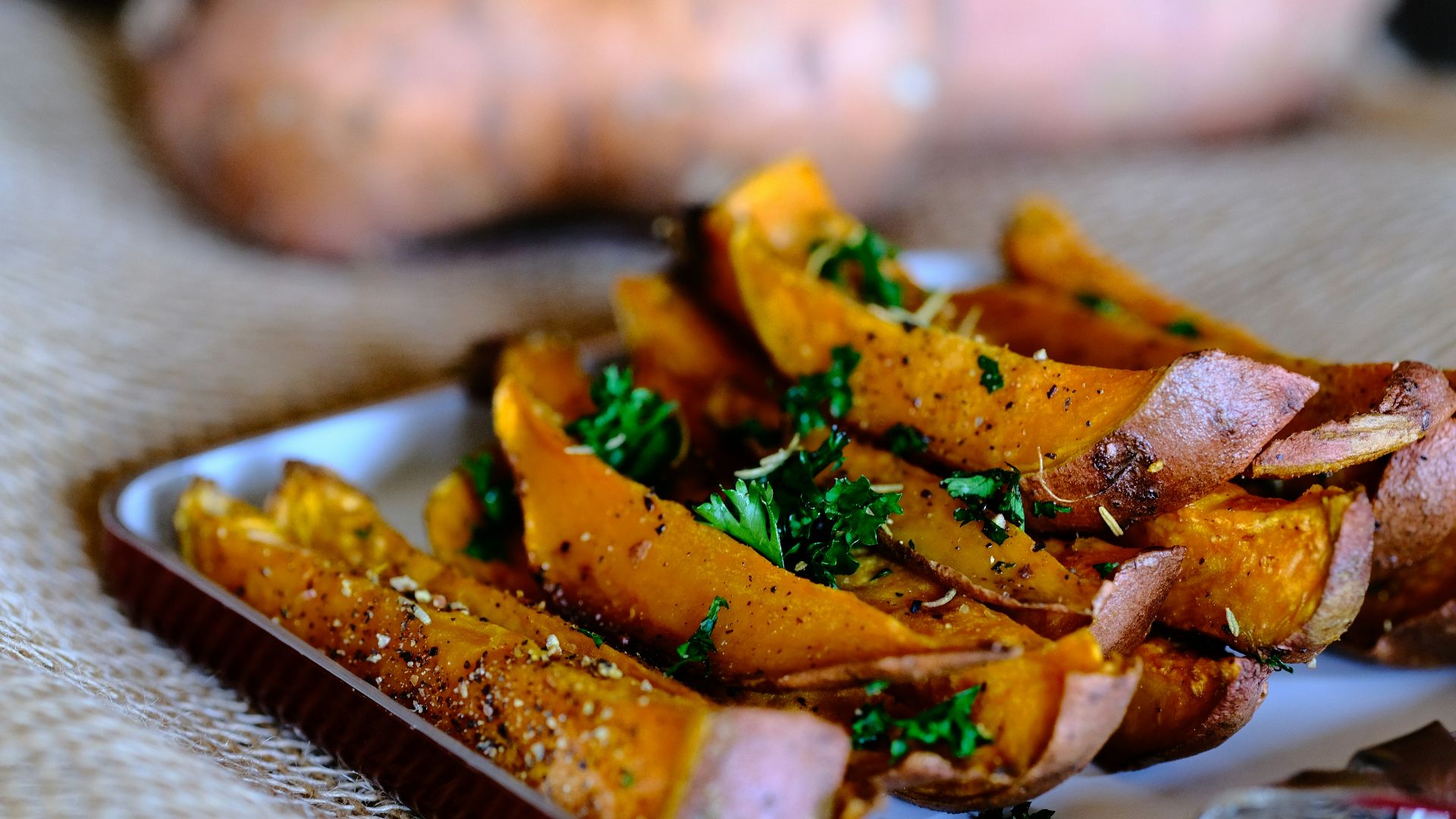
13. Sweet Potatoes
Sweet potatoes provide complex carbohydrates, potassium, fiber, and beta carotene. They can support steady energy, which matters if you’re trying to stay active rather than fade halfway through the afternoon. Potassium also supports normal muscle and nerve function.
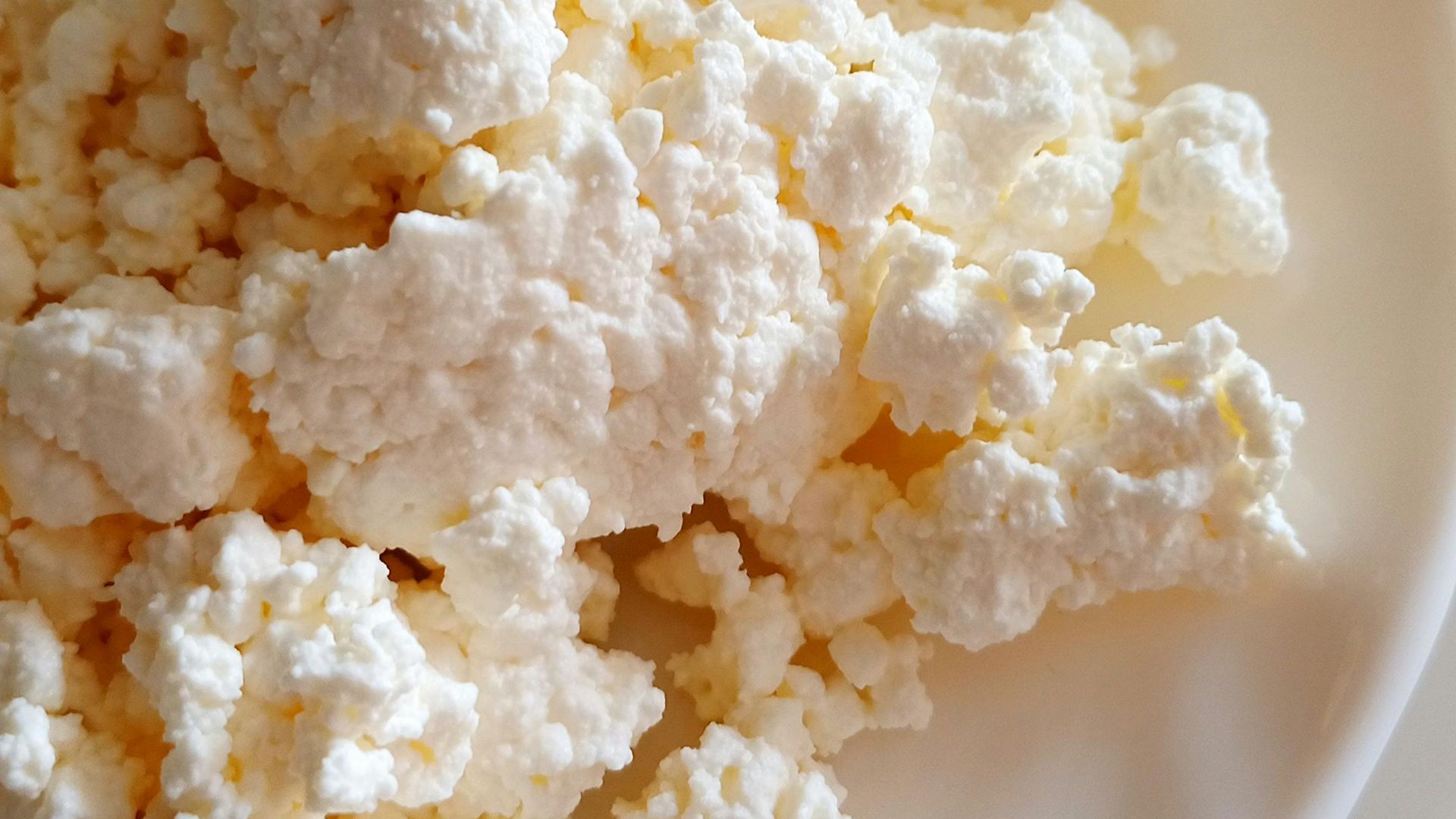
14. Cottage Cheese
Cottage cheese is rich in protein and can be an easy option when cooking feels like too much effort. It also provides calcium, which supports bone health. Because it’s soft and simple, it can work well for older adults who need convenient, protein-rich foods.
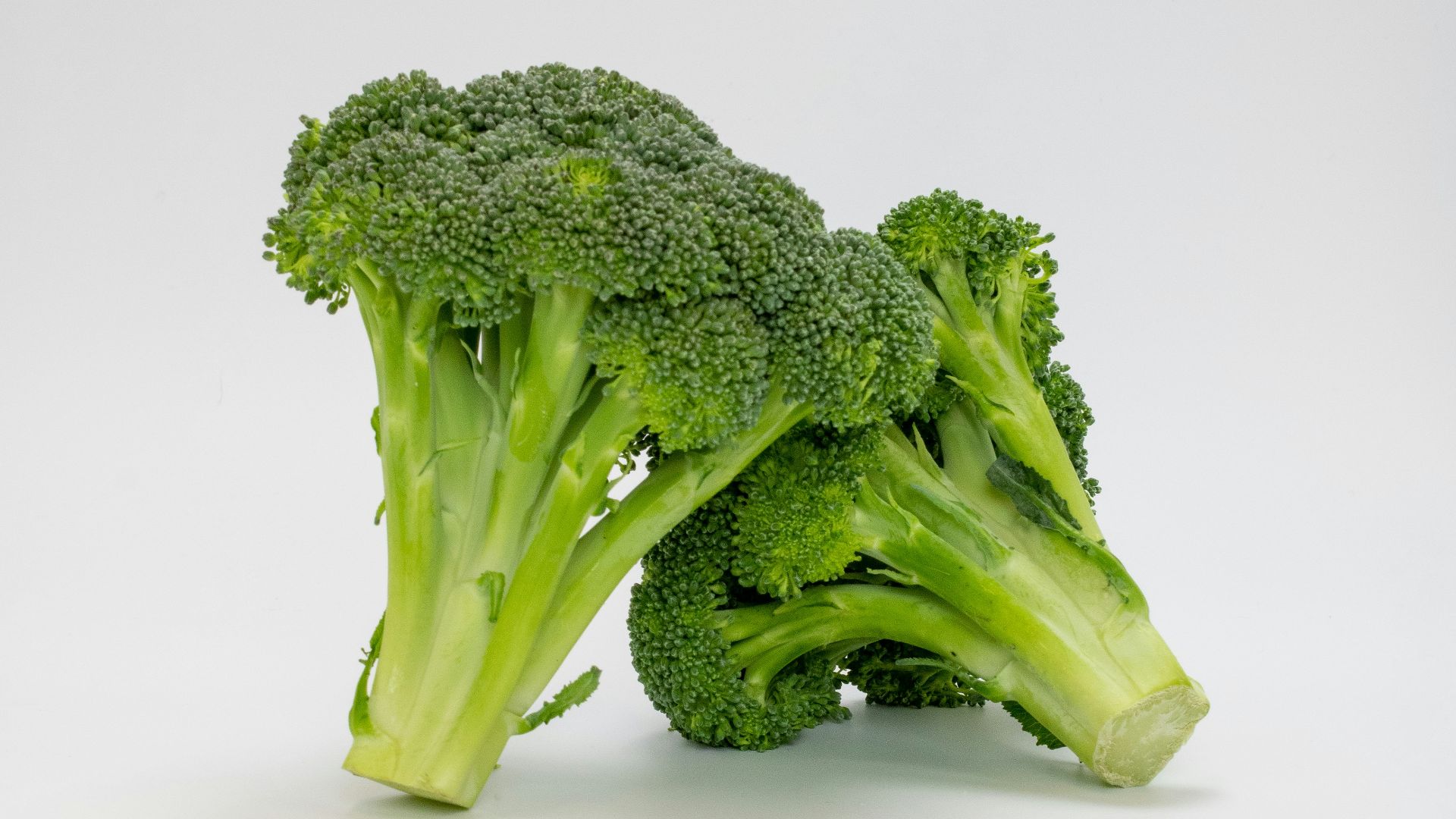
15. Broccoli
Broccoli supports mobility-friendly eating with vitamin C, vitamin K, fiber, and some calcium. Vitamin C helps the body make collagen, which is important for connective tissues. Broccoli also fits into the vegetable-heavy eating patterns linked with better long-term health.
 Katherine Jenswold on Unsplash
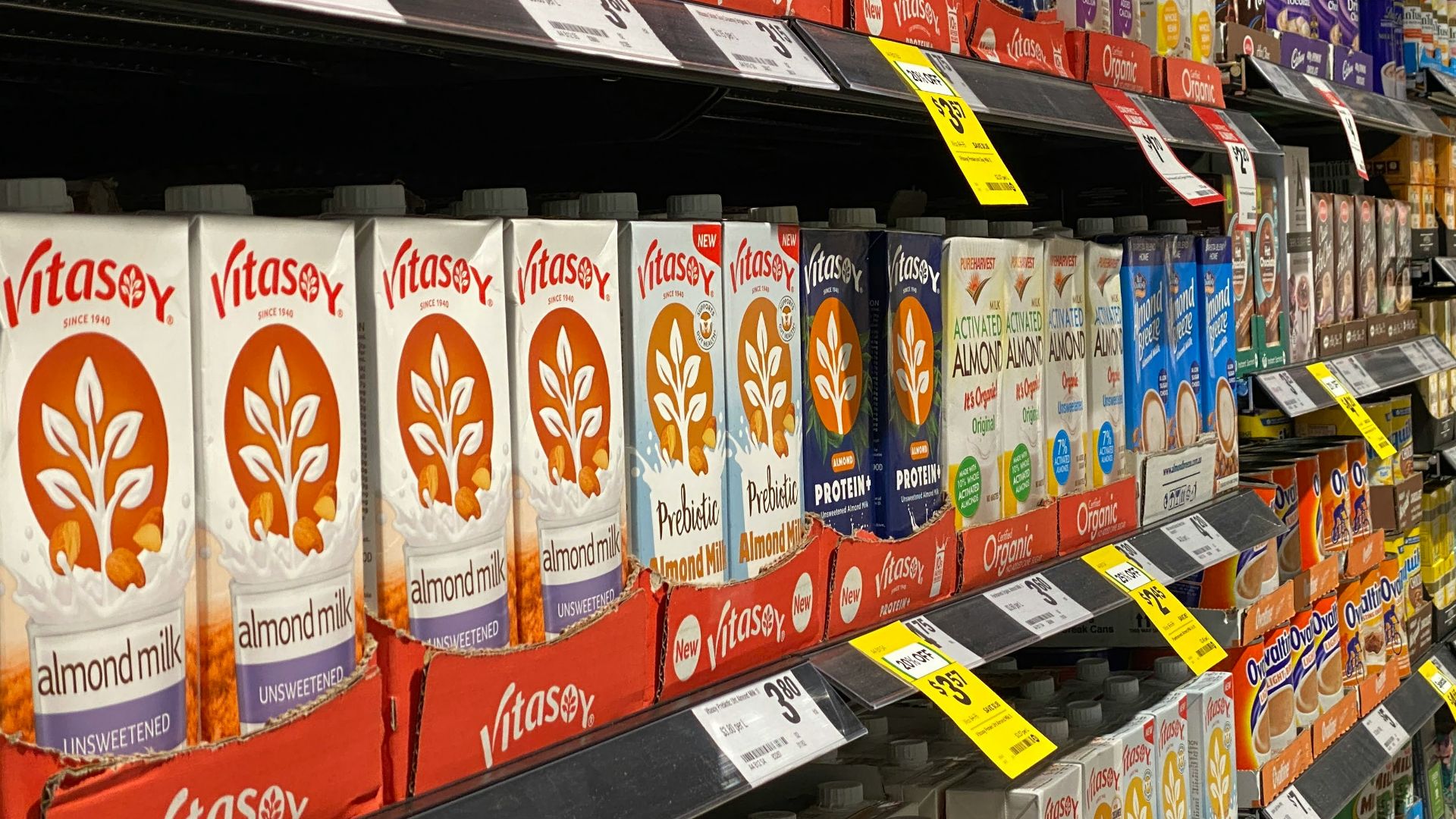
16. Fortified Milk or Plant Milk
Fortified dairy milk or fortified plant milk can help provide calcium and vitamin D, depending on the product. Those two nutrients are especially important for bone health. Always check the label, because not every plant milk is fortified the same way.
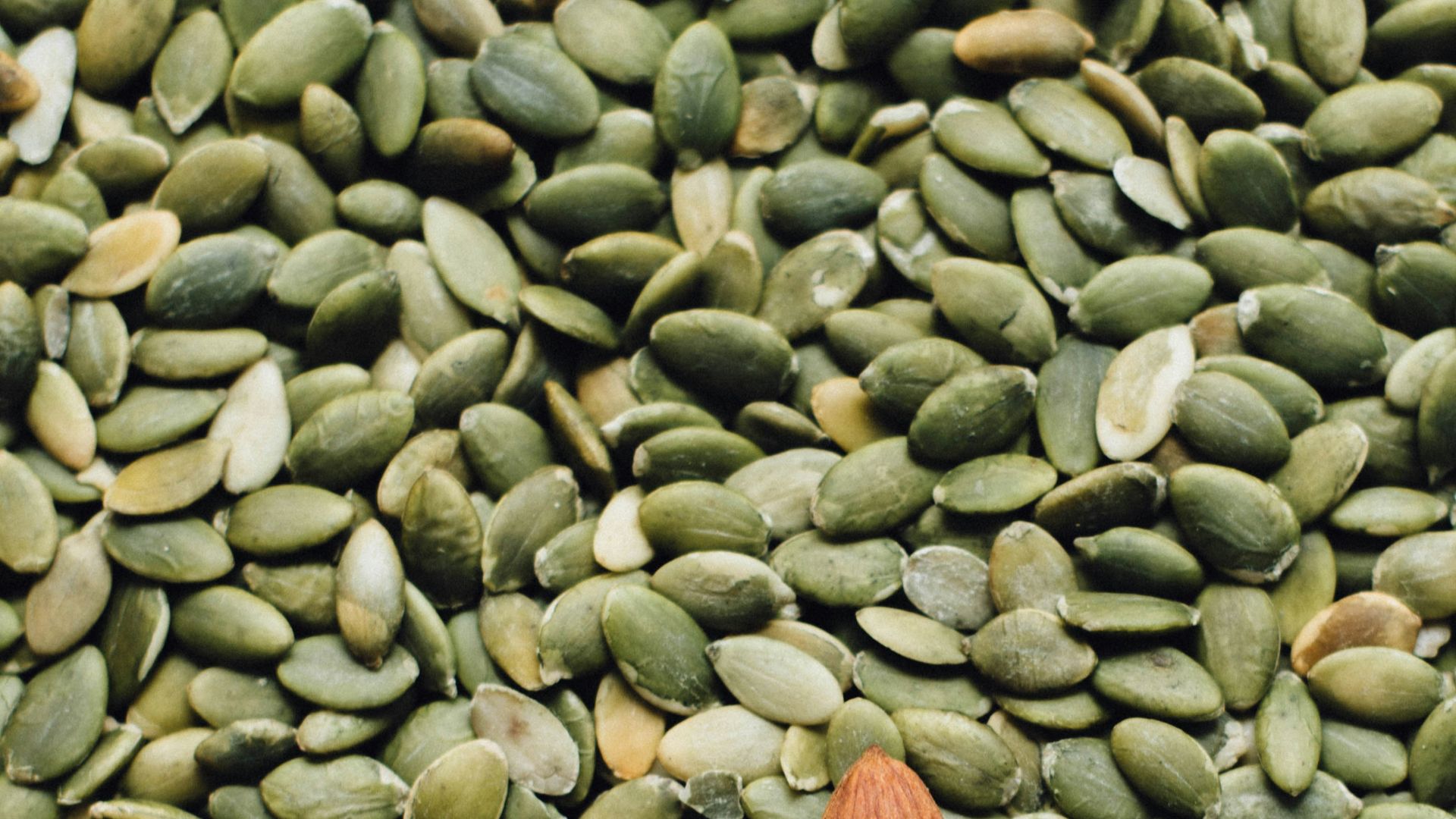
17. Pumpkin Seeds
Pumpkin seeds are small but useful, bringing magnesium, zinc, protein, and healthy fats. Magnesium supports muscle and nerve function, while zinc plays a role in healing and immune function. They’re easy to sprinkle on soups, salads, yogurt, or oatmeal.
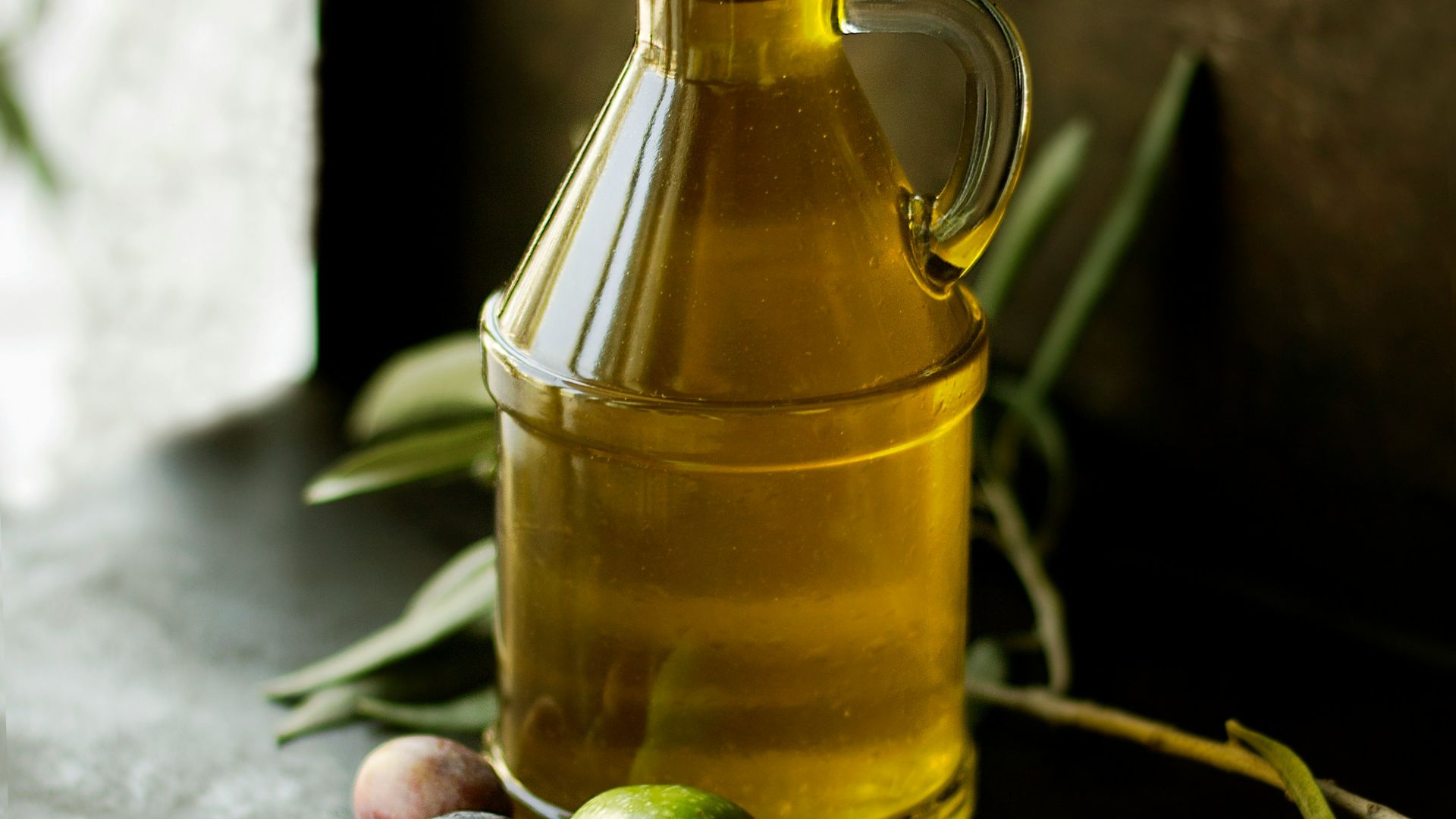
18. Olive Oil
Olive oil is a key part of Mediterranean-style eating and can support an anti-inflammatory food pattern. It won’t build muscle by itself, but it can make vegetables, beans, and whole grains taste better, which helps you actually eat them. Consider it a supporting actor that improves the whole cast.
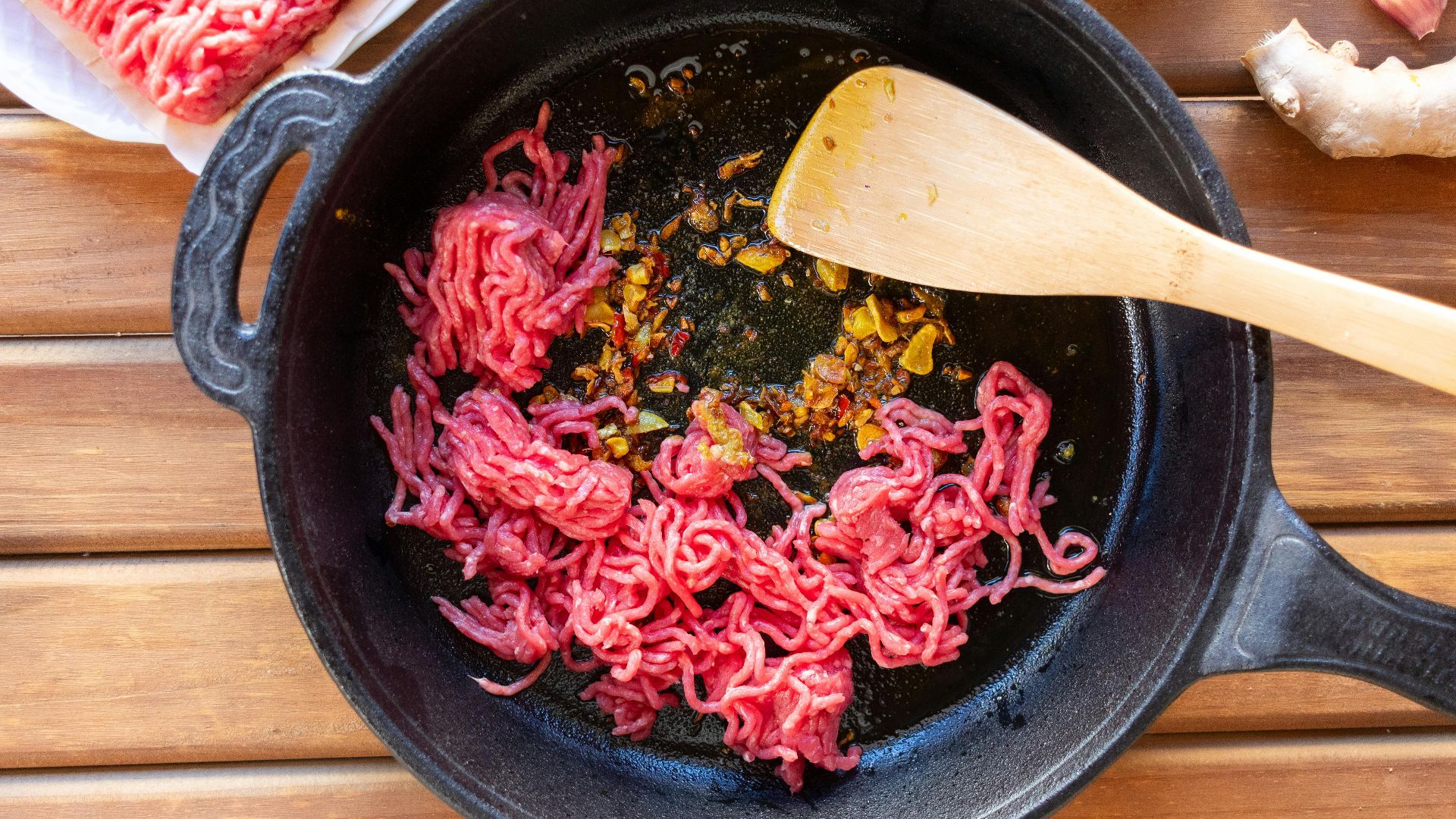
19. Lean Beef
Lean beef can provide protein, iron, zinc, and vitamin B12, all of which support energy and muscle function. This can be especially useful for people who struggle to get enough B12 or iron from other foods. The key is moderation and choosing leaner cuts more often than heavily processed meats.
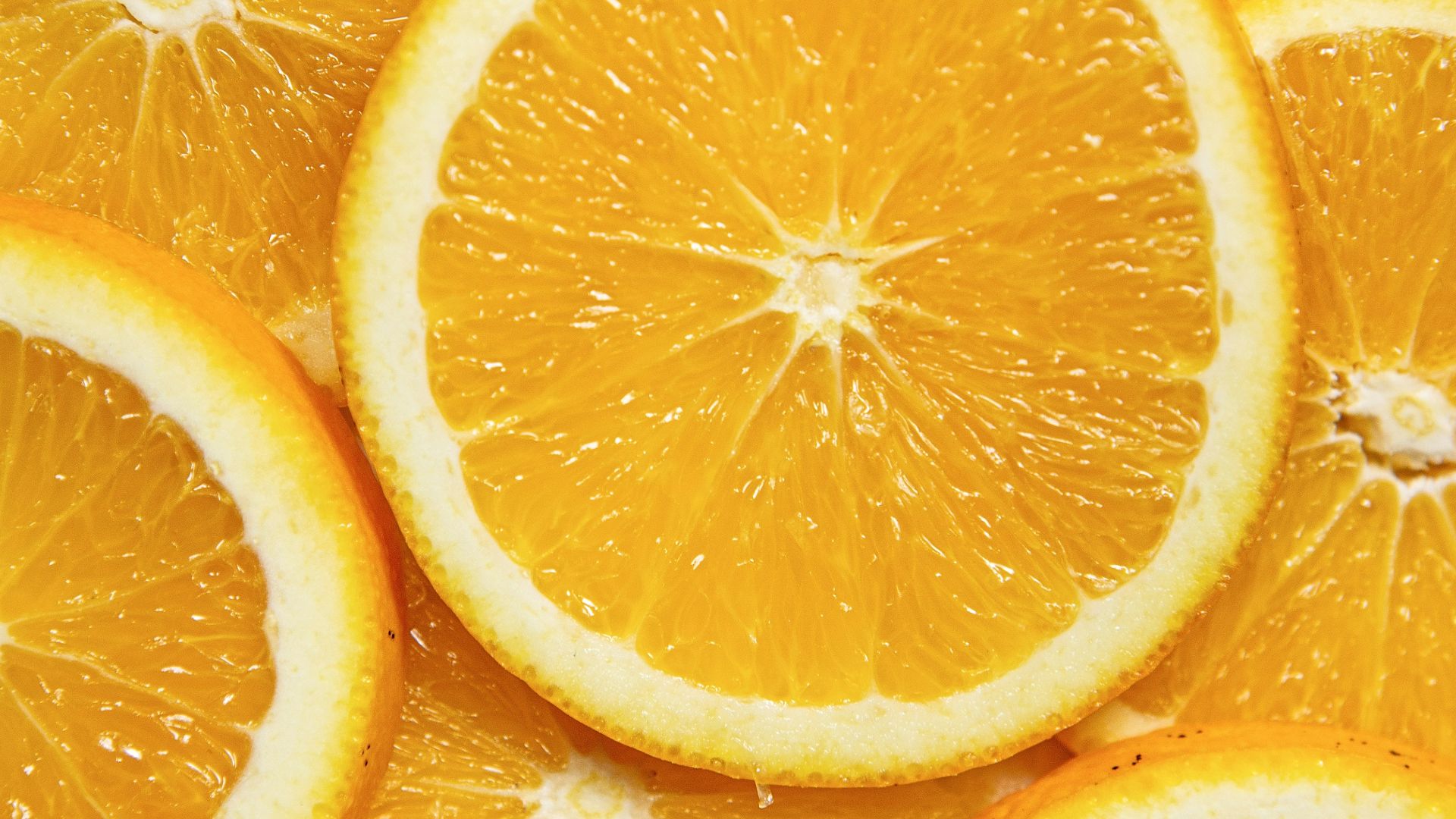
20. Oranges
Oranges provide vitamin C, hydration, and potassium, all in a convenient package that nature already wrapped for you. Vitamin C supports collagen formation, which matters for connective tissues, while potassium supports muscle and nerve function.
KEEP ON READING



20 Ways to Deal With Your Sweet Tooth

20 Low-Impact Exercise Ideas For People Over 50