A Simple Way to Support Your Gut Every Day
Fermented foods have been part of traditional diets for centuries, and they’re now widely recognized for their role in supporting gut health. These foods contain beneficial bacteria that can help balance your microbiome and support digestion. The best part is that many fermented options are easy to incorporate into everyday meals without major changes. Here are 20 gut-friendly fermented foods you can start enjoying regularly.
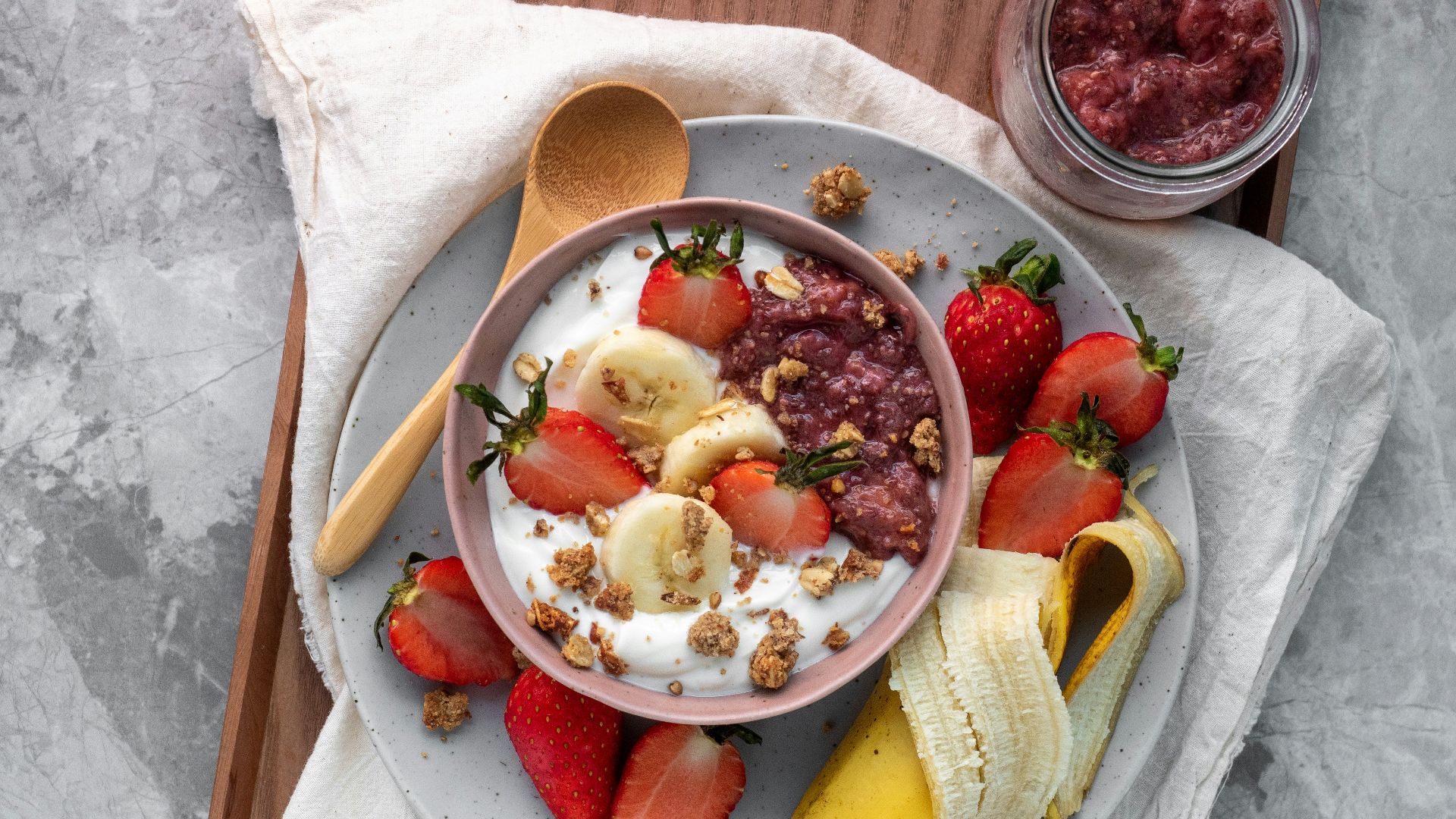
 Antoni Shkraba Studio on Pexels
1. Yogurt
Yogurt is one of the most accessible fermented foods and contains live cultures like Lactobacillus and Bifidobacterium. You can add it to breakfast bowls, smoothies, or even use it as a base for sauces. Choosing plain, unsweetened varieties helps you avoid added sugars. Regular intake may support digestion and improve nutrient absorption.
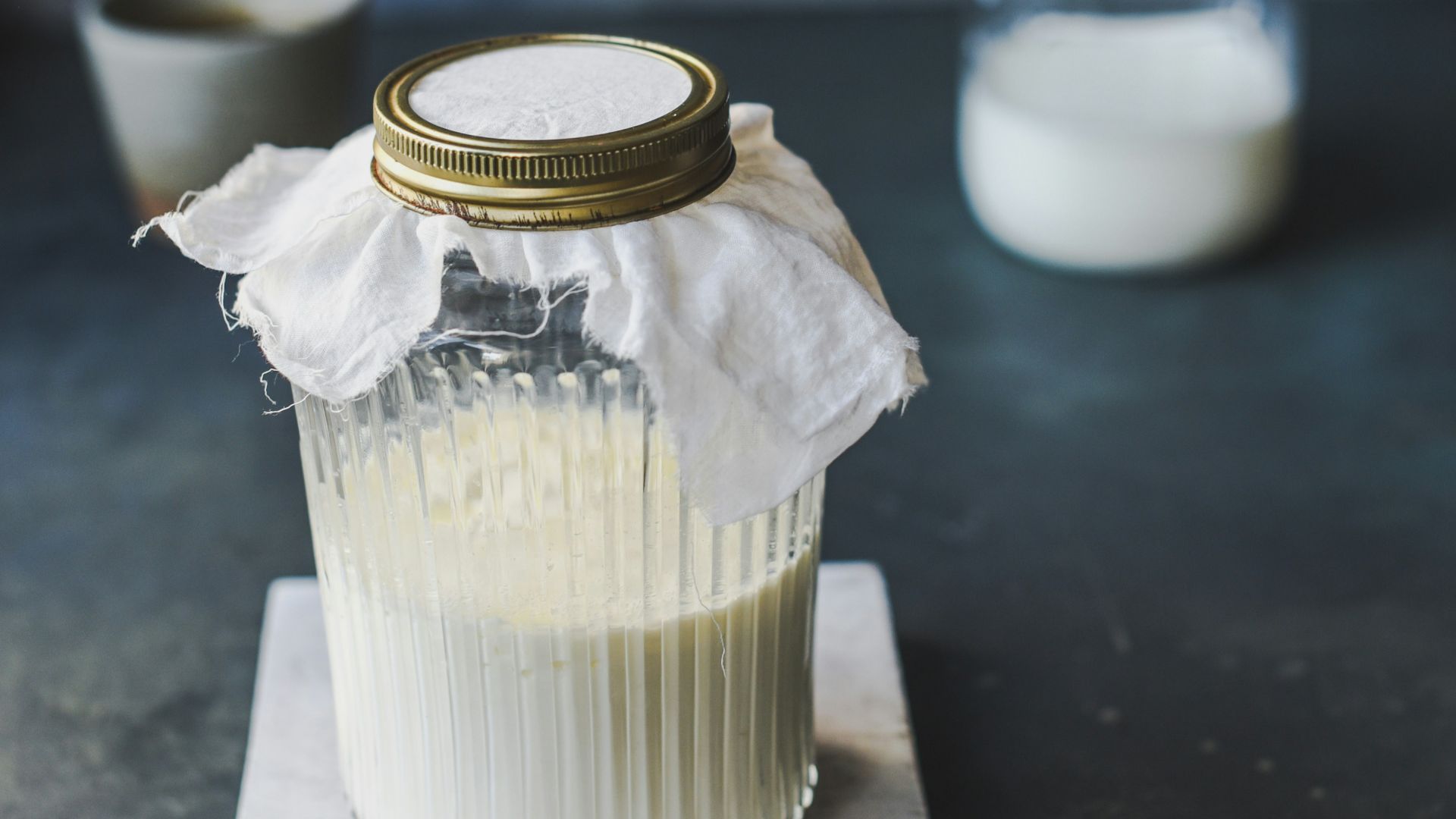
2. Kefir
Kefir is a fermented milk drink that has a thinner consistency than yogurt and a tangy flavor. It contains a broader range of probiotics, making it a strong option for gut support. You can drink it on its own or blend it into smoothies. Many people find it easier to digest than regular milk.
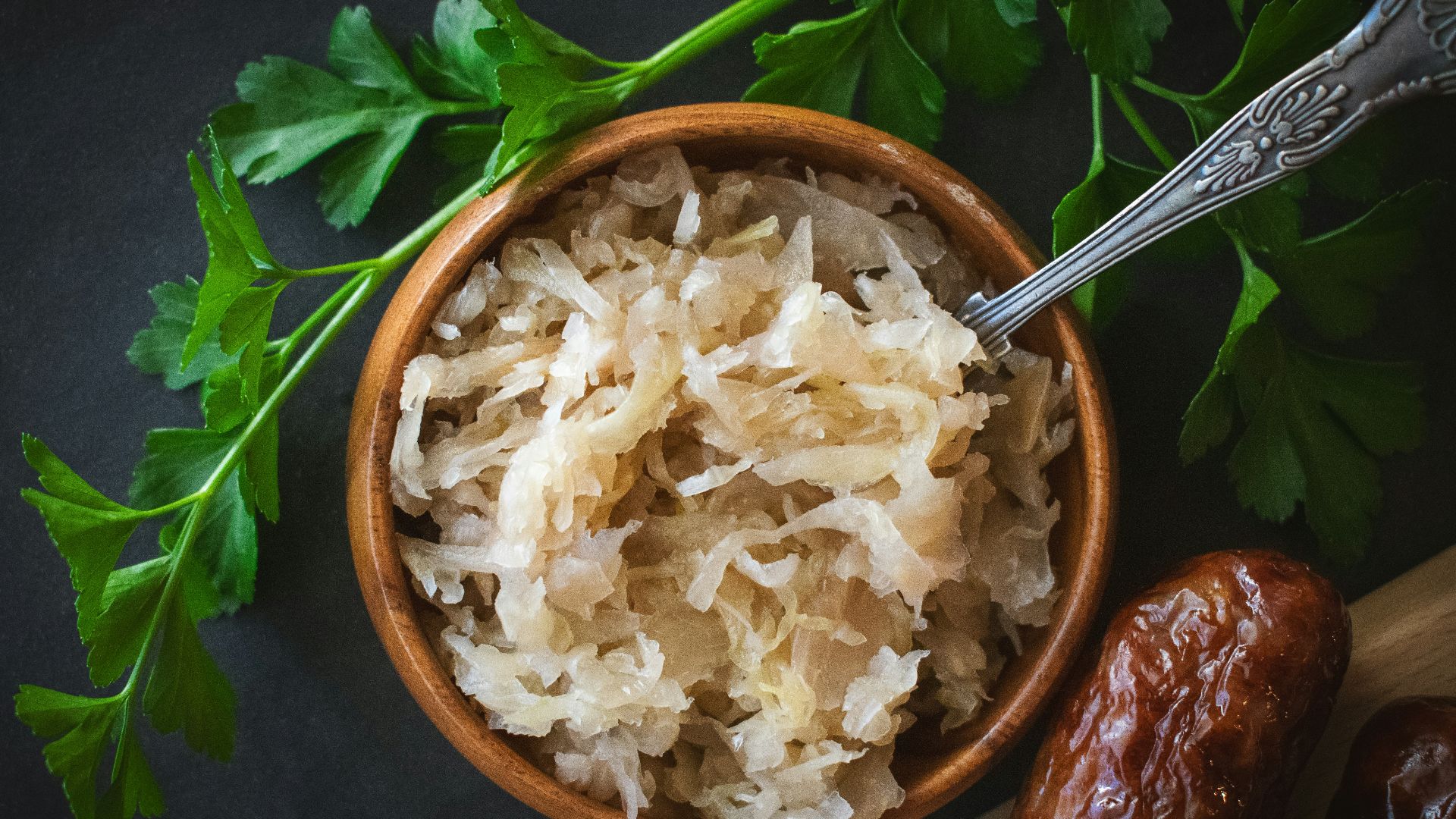
3. Sauerkraut
Sauerkraut is made from fermented cabbage and is rich in fiber and beneficial bacteria. It’s easy to add to sandwiches, salads, or as a side dish. Look for unpasteurized versions to ensure the probiotics are still active. It also provides vitamins C and K, which support overall health.
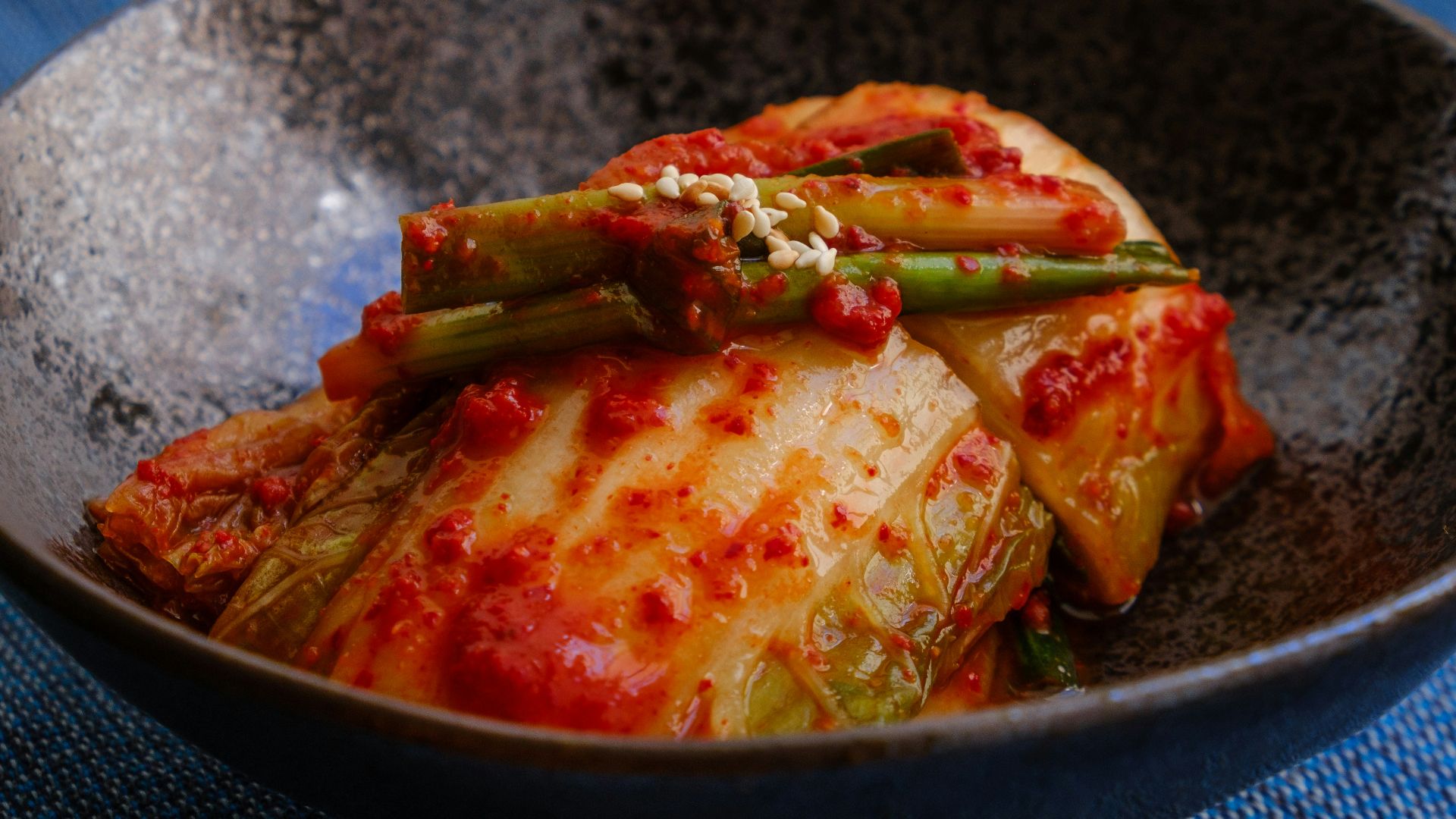
4. Kimchi
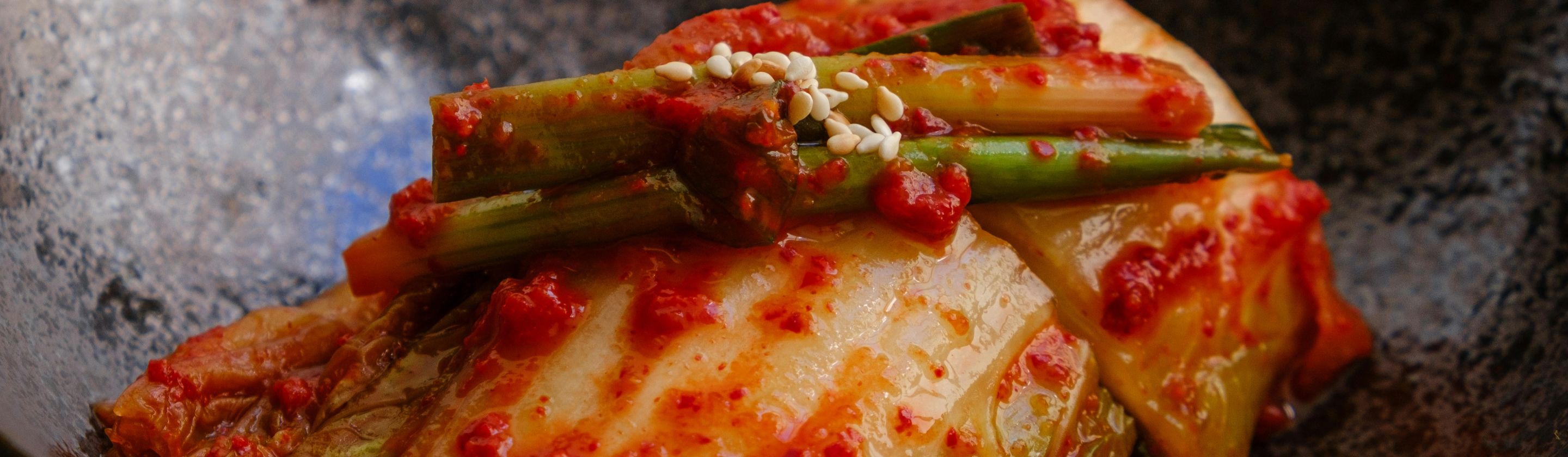
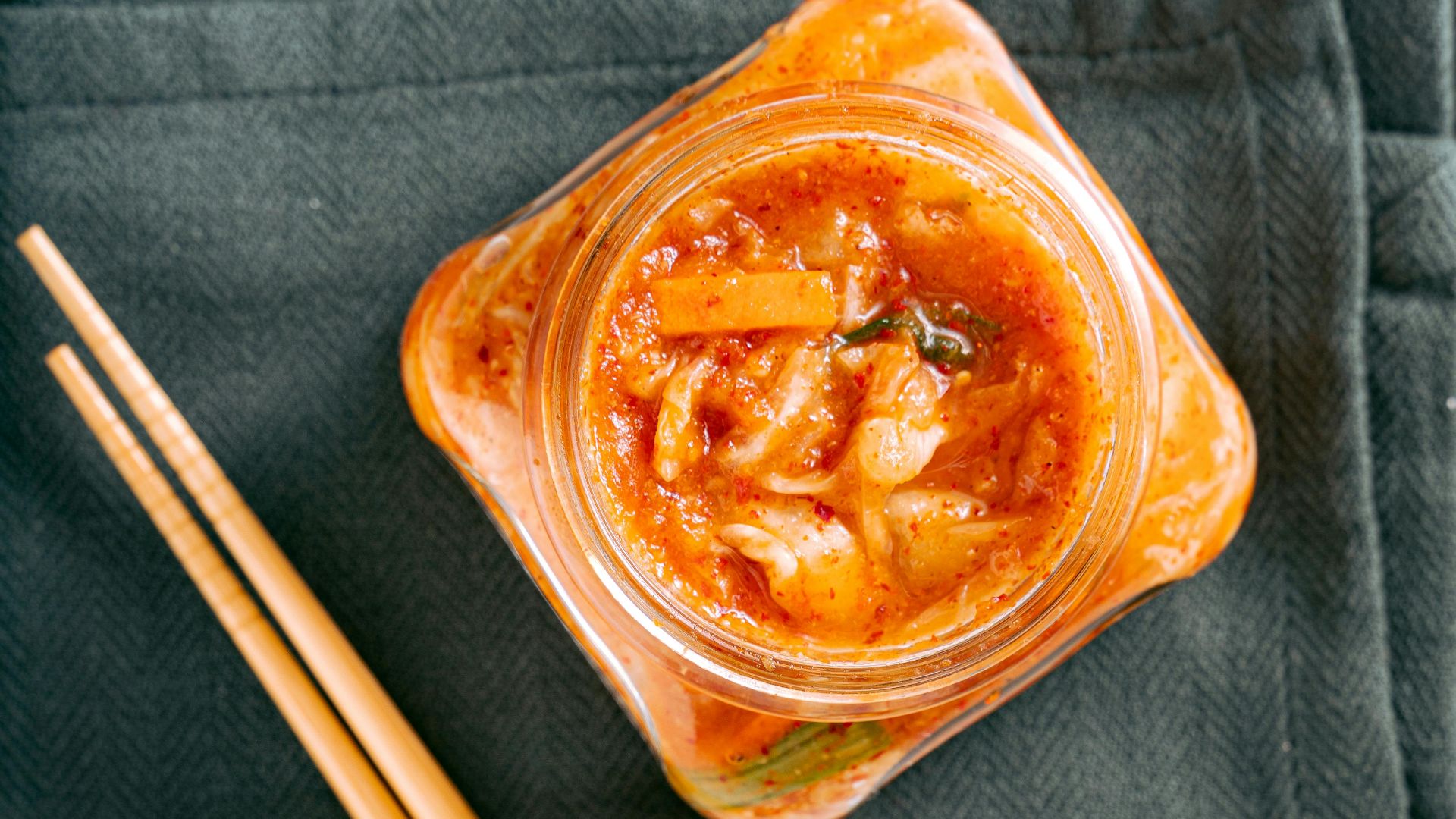
Kimchi is a Korean staple made from fermented vegetables like cabbage and radishes, often seasoned with garlic and chili. It offers a mix of probiotics along with antioxidants. You can serve it alongside rice dishes or mix it into stir-fries. Its bold flavor makes it a standout addition to meals.
 Portuguese Gravity on Unsplash
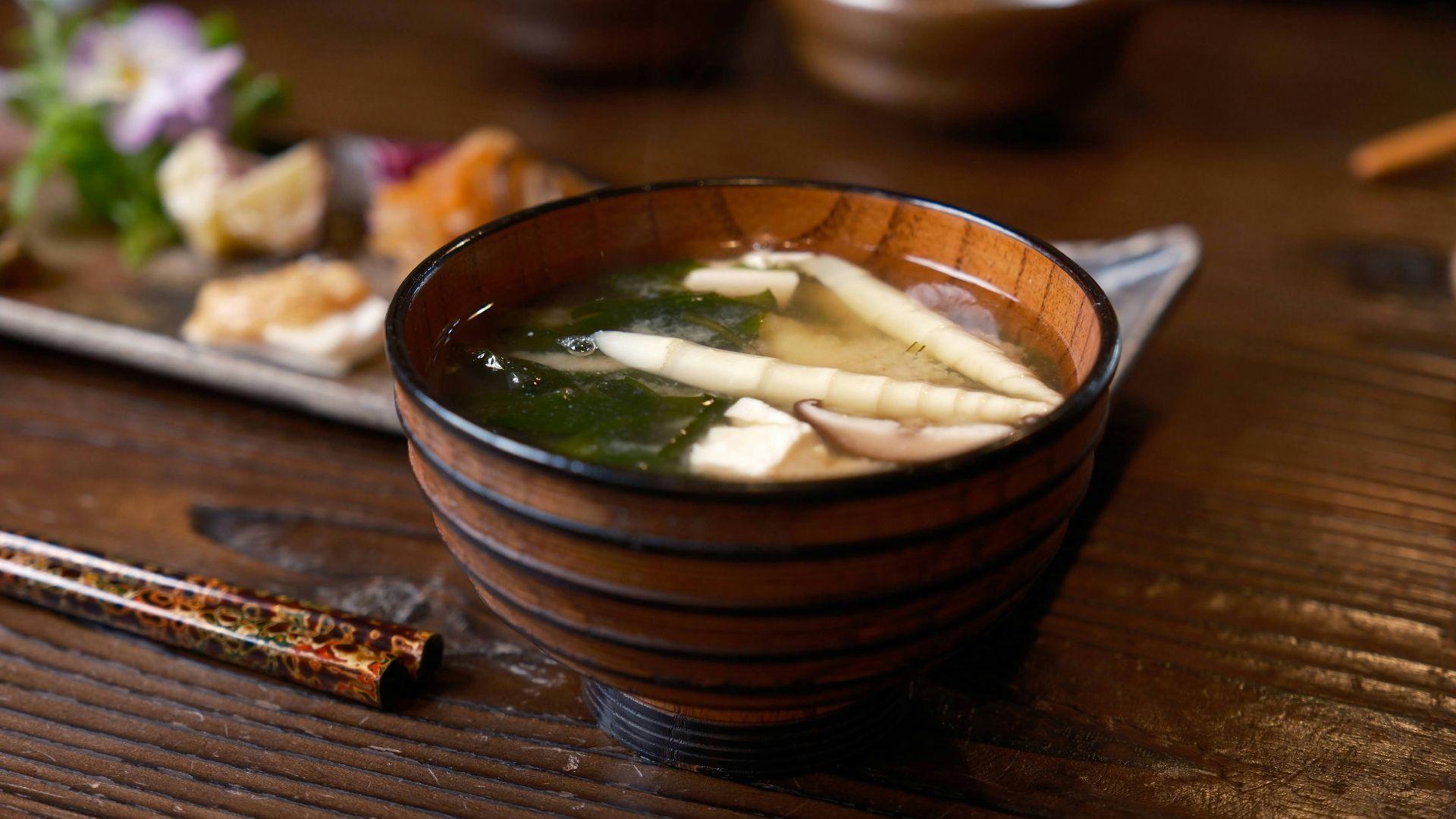
5. Miso
Miso is a fermented soybean paste commonly used in Japanese cooking. It’s most often enjoyed in soup but can also enhance dressings and marinades. Because it’s rich in probiotics, adding it to warm, not boiling, dishes helps preserve its benefits. It also provides minerals like manganese and zinc.
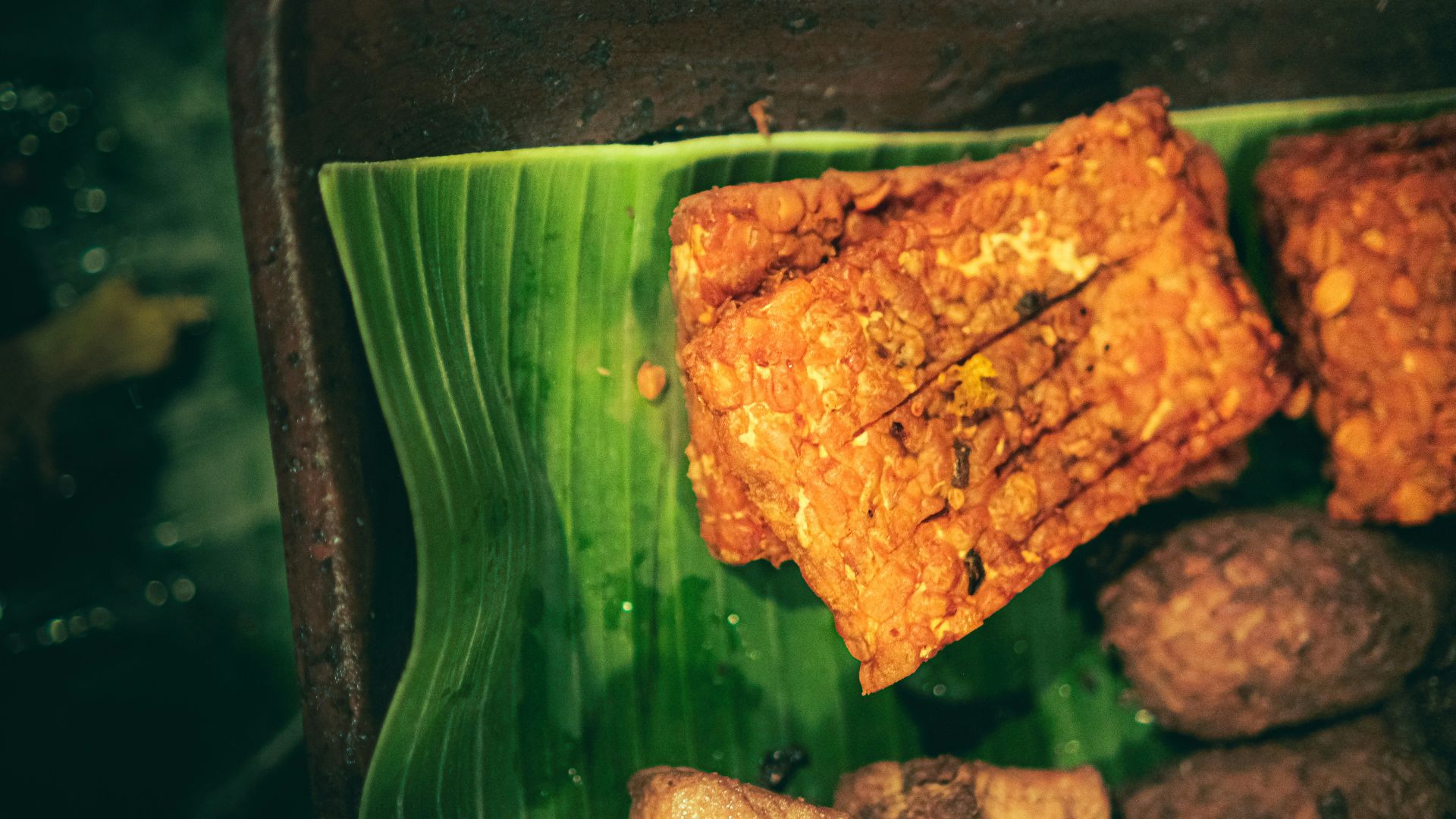
6. Tempeh
Tempeh is made from fermented soybeans and has a firm texture with a nutty taste. It’s a great plant-based protein source and works well in stir-fries or sandwiches. Unlike tofu, it retains whole soybeans, which adds fiber. Its fermentation process improves digestibility and nutrient availability.
 Fairuz Naufal Zaki on Unsplash
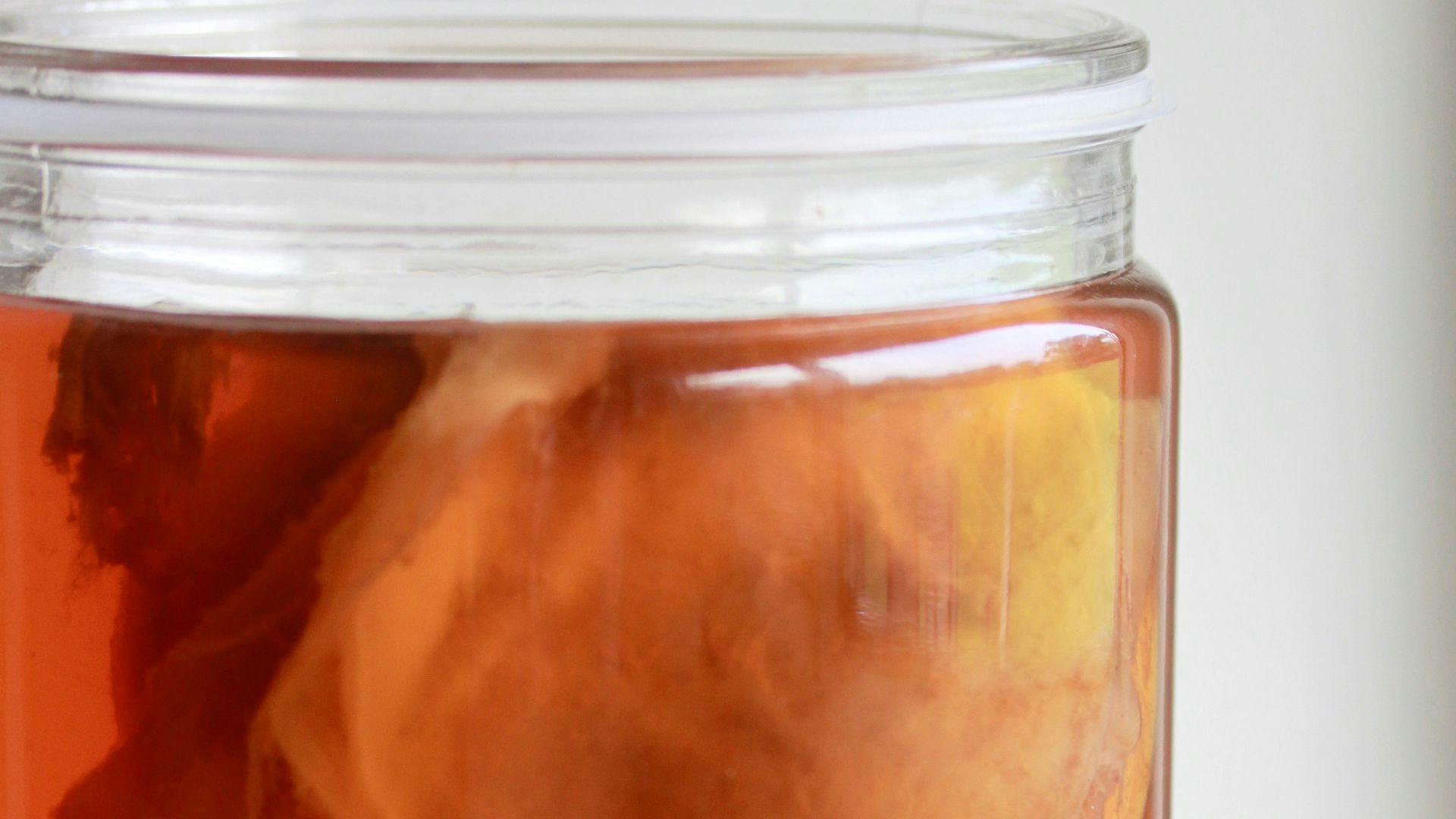
7. Kombucha
Kombucha is a fermented tea beverage known for its slightly fizzy texture. It contains beneficial bacteria and organic acids that may support gut health. You can enjoy it as a refreshing alternative to sugary drinks. Just be mindful of added sugars in some commercial versions.
8. Pickles (Naturally Fermented)
Not all pickles are fermented, so it’s important to choose those made with brine instead of vinegar. Naturally fermented pickles contain live cultures that benefit digestion. They make a convenient snack or a crunchy addition to meals. Always check labels for “live cultures” or “fermented” to be sure.
 SuckerPunch Gourmet on Unsplash
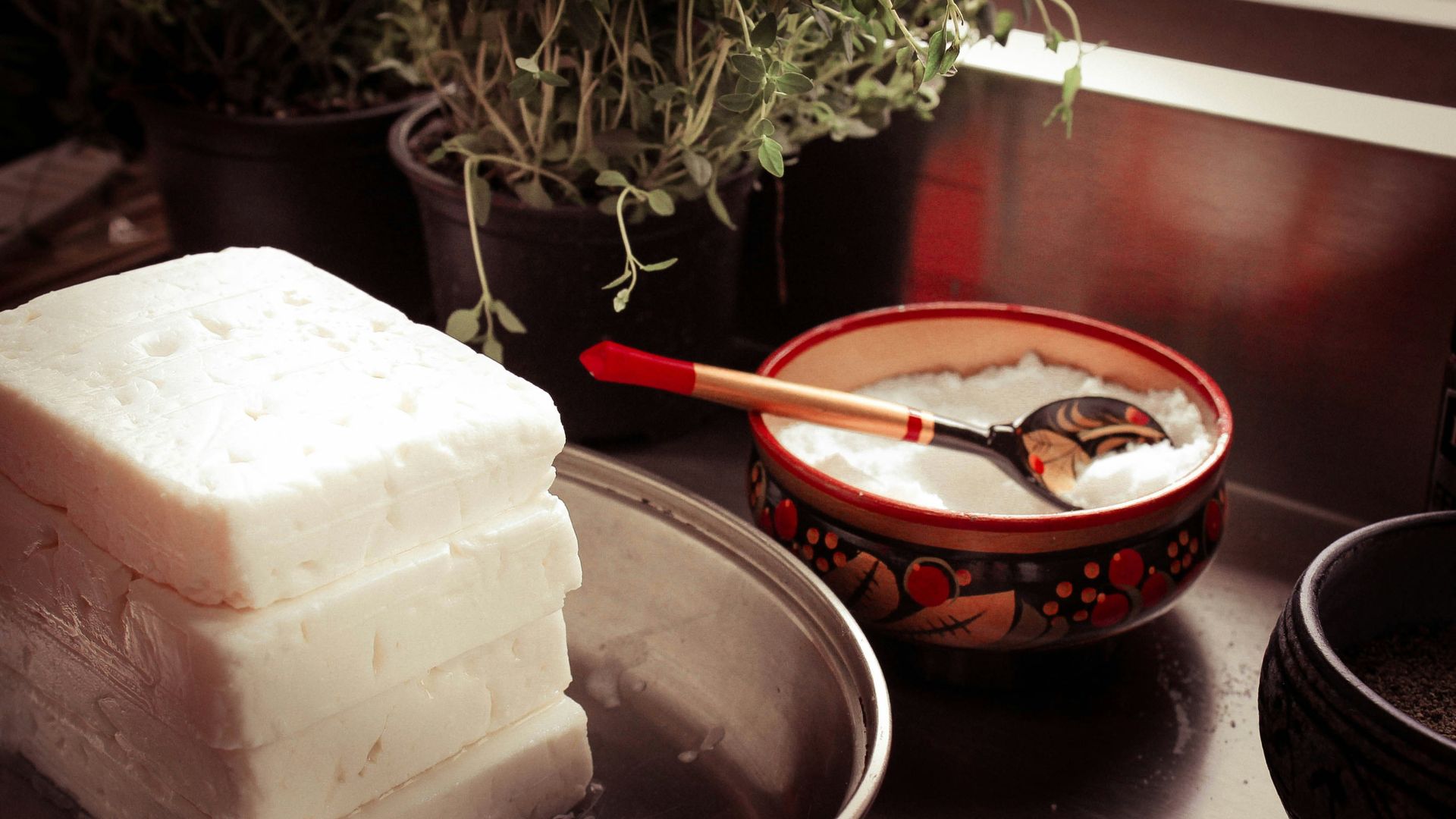
9. Cottage Cheese (With Live Cultures)
Some cottage cheese varieties include live and active cultures similar to yogurt. It’s a mild-tasting option that can be eaten sweet or savory. Pair it with fruit or use it as a protein-rich topping. It’s also a good source of calcium and protein.
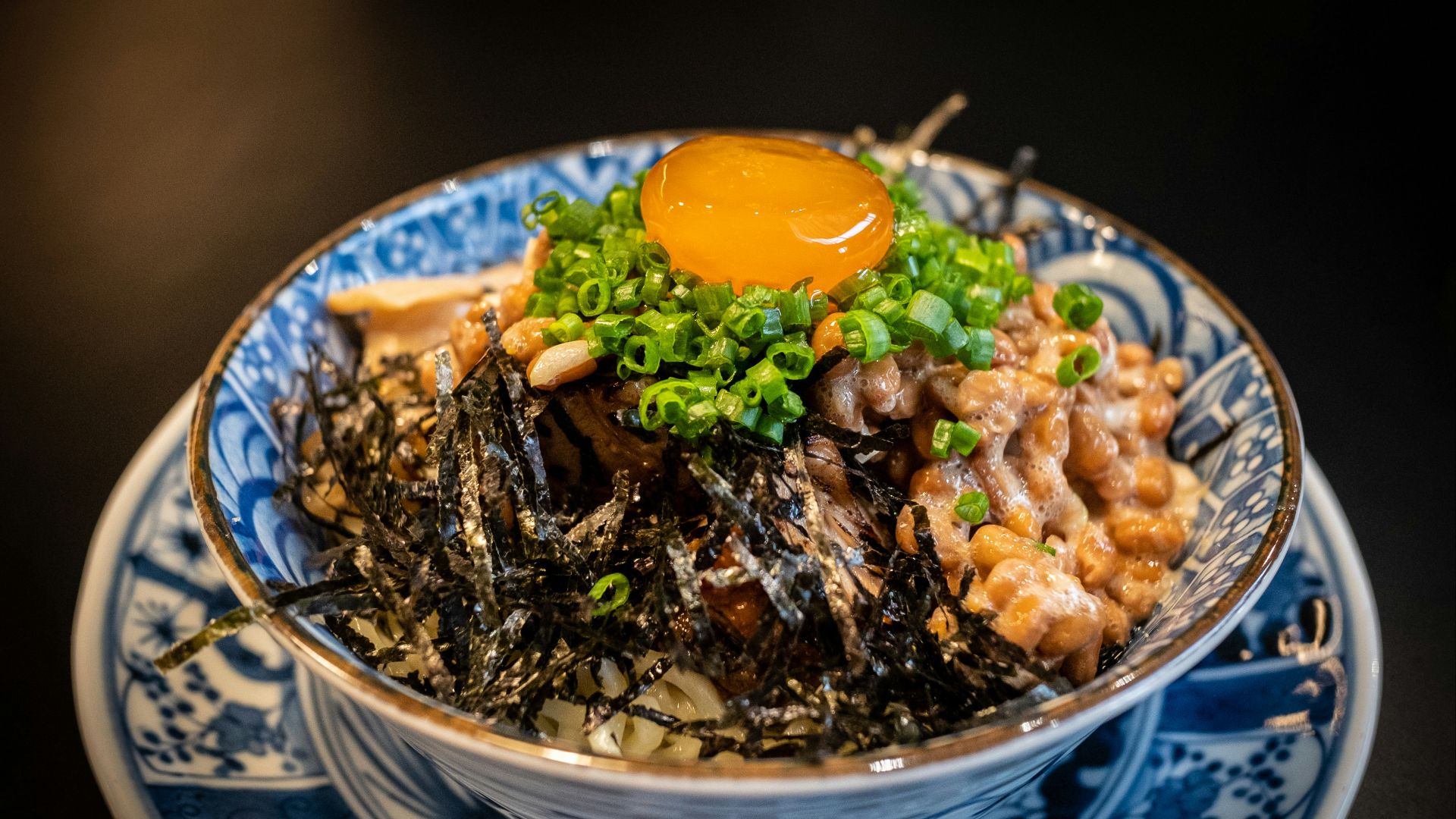
10. Natto
Natto is a traditional Japanese food made from fermented soybeans with a strong flavor and sticky texture. It’s particularly high in probiotics and vitamin K2, which supports bone health. While it may take some getting used to, it can be eaten with rice or mixed into dishes. Its health benefits make it worth considering.
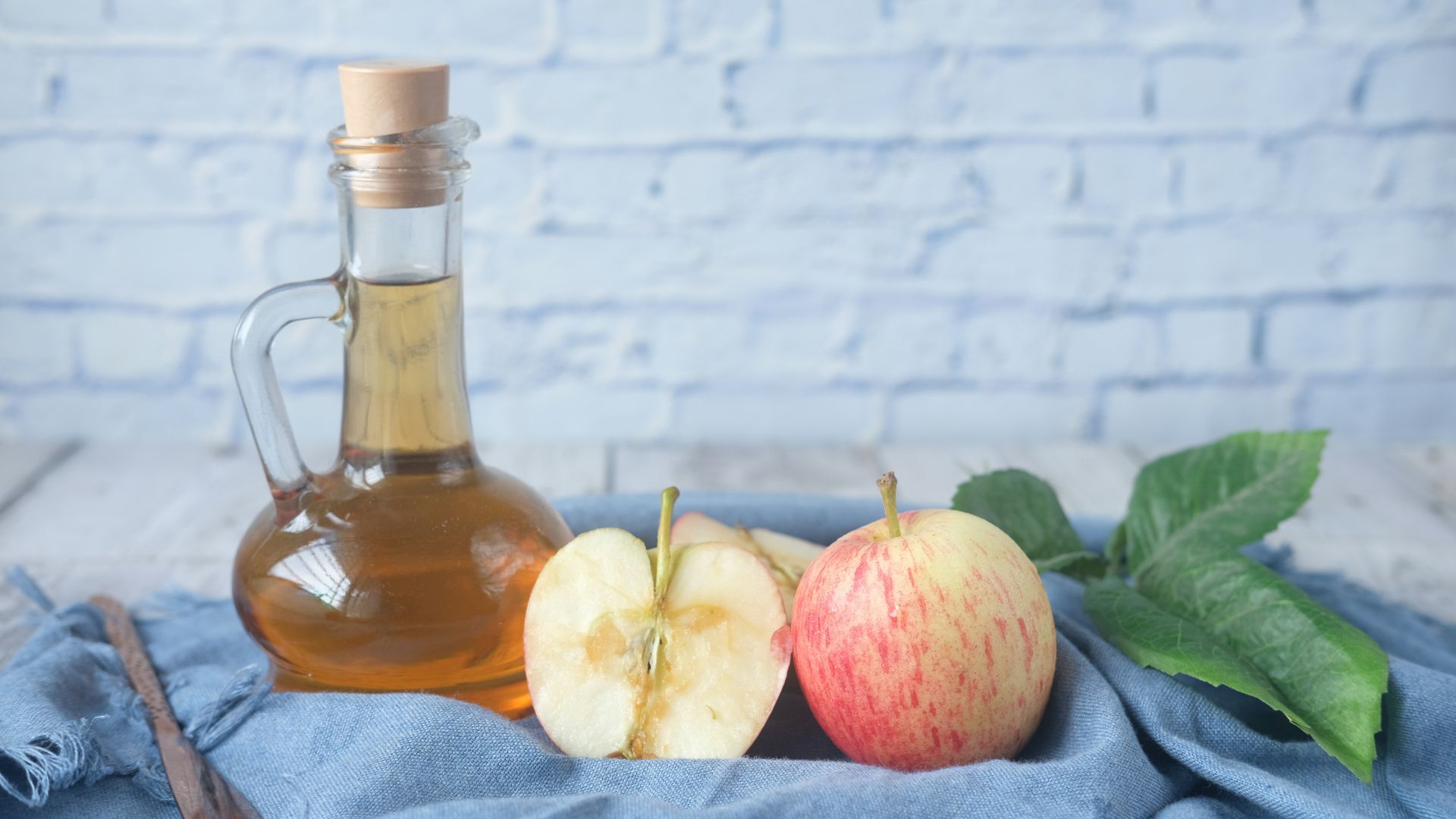
11. Apple Cider Vinegar (With “The Mother”)
Raw, unfiltered apple cider vinegar contains beneficial bacteria known as “the mother.” While it’s not as probiotic-rich as some other foods, it can still support digestion. You can mix it into salad dressings or dilute it in water. Regular use may help maintain a balanced gut environment.
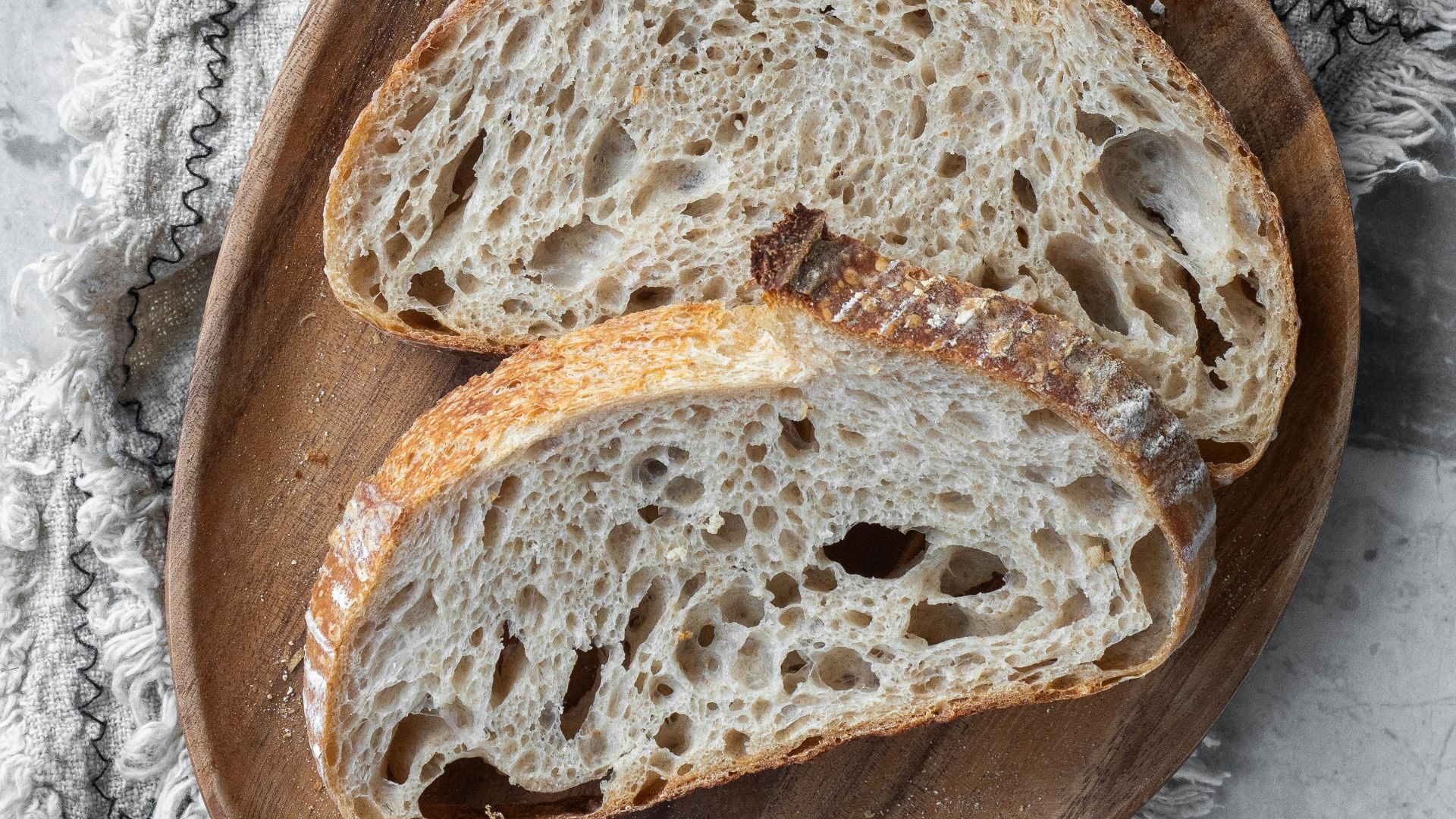
12. Sourdough Bread
Sourdough bread is made through a natural fermentation process using wild yeast and bacteria. This process can make it easier to digest compared to conventional bread. It may also help reduce blood sugar spikes. Choosing traditional sourdough ensures you’re getting its full benefits.
13. Fermented Cheese
Certain aged cheeses like cheddar, Gouda, and Swiss contain beneficial bacteria from fermentation. These cheeses can support gut health when eaten in moderation. They’re also rich in calcium and protein. Including small portions in meals adds both flavor and nutritional value.
14. Kvass
Kvass is a traditional Eastern European drink made from fermented bread or beets. It has a mild tang and contains probiotics that support digestion. Beet-based kvass also provides additional nutrients like potassium. It’s a unique option if you’re looking to expand your fermented food choices.

15. Lassi
Lassi is a yogurt-based drink popular in Indian cuisine, available in both sweet and savory forms. It contains probiotics that can help soothe the digestive system.

16. Fermented Tofu
Fermented tofu has a creamy texture and a strong, savory flavor. It’s often used as a condiment or seasoning in Asian dishes.

17. Tepache
Tepache is a traditional Mexican fermented drink made from pineapple peels. It’s lightly sweet, slightly fizzy, and contains beneficial microbes.

18. Idli and Dosa Batter
Idlis and dosa are made from fermented rice and lentil batter, commonly used in South Indian cuisine. The fermentation process increases nutrient availability and introduces beneficial bacteria.
 Thamizhpparithi Maari on Wikimedia
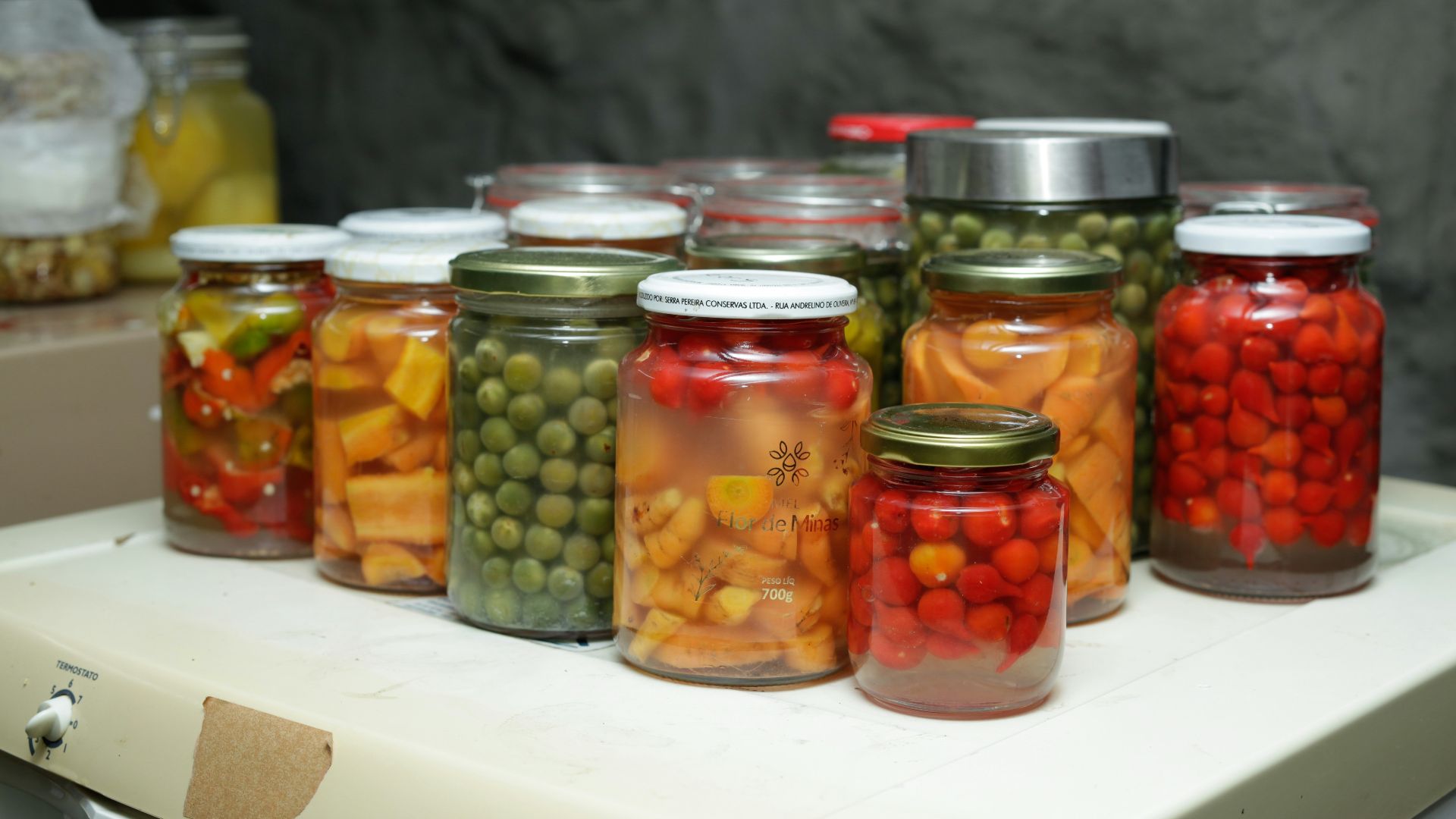
19. Fermented Vegetables
Beyond sauerkraut and kimchi, many vegetables can be fermented, including carrots, cucumbers, and peppers. These mixes offer a variety of probiotics depending on the ingredients used.
 PROJETO CAFÉ GATO-MOURISCO on Unsplash
20. Rejuvelac
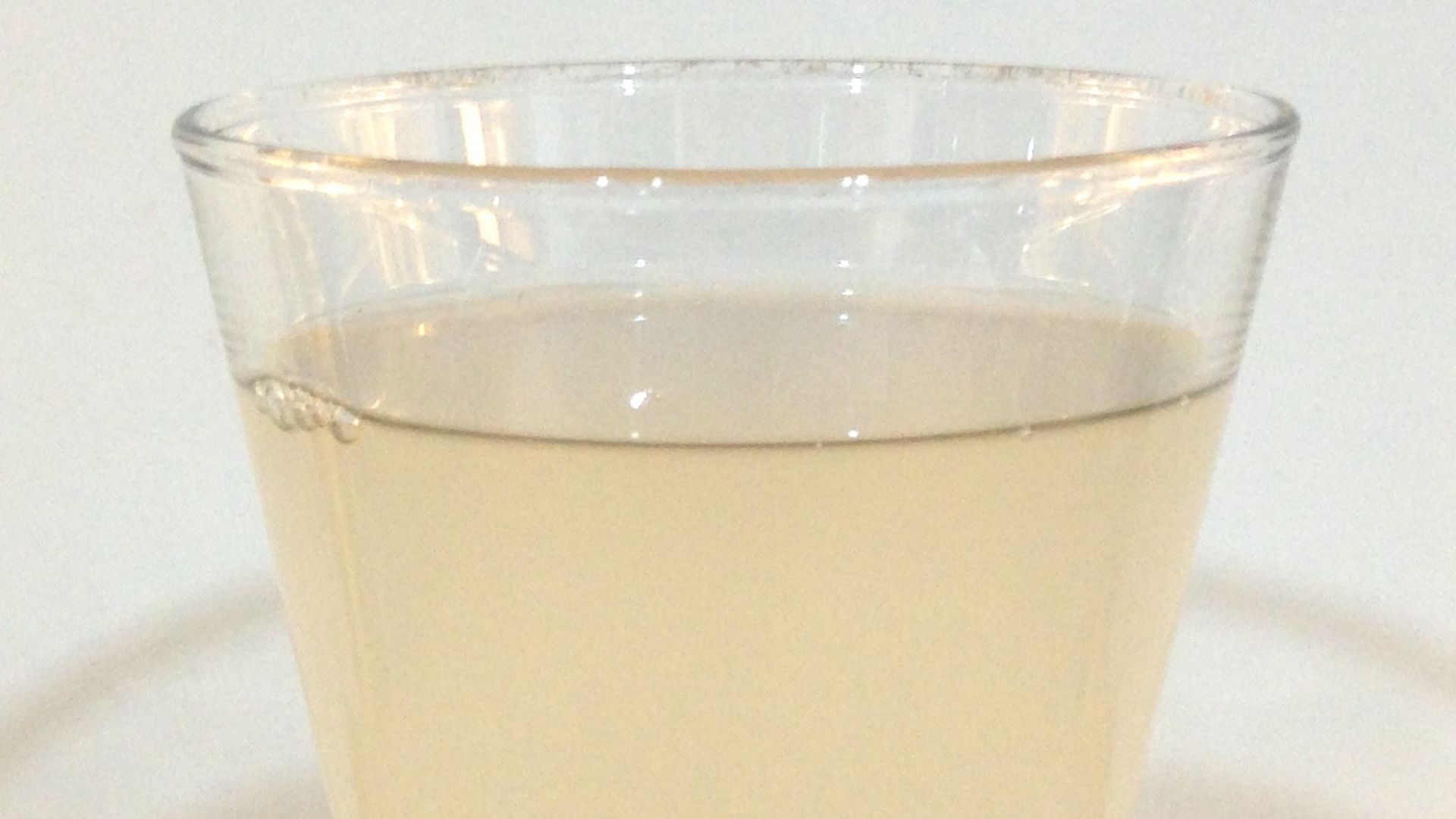
Rejuvelac is a fermented drink made from sprouted grains soaked in water. It’s less common but rich in enzymes and beneficial bacteria. People often use it as a base for other fermented recipes or drink it on its own.
KEEP ON READING