
The Sneaky Danger of Carbon Monoxide
Carbon monoxide poisoning is no joke, and despite the dangers associated with leaks, they can actually be pretty hard to spot. This little odorless, colorless gas can cause serious illness if it isn’t recognized quickly, and that’s exactly why it helps to know the warning signs before they become easy to dismiss. Come with us as we go through some of the biggest warning signs and how you can spot a leak at home before disaster strikes.

1. Headache
A headache is one of the most common early symptoms, and it’s worth keeping an eye on because it may start mild enough to ignore. However, if you notice a steady, dull pain that doesn’t really match the rest of your day, it’s worth looking for any accompanying symptoms.

2. Dizziness
Dizziness can show up when carbon monoxide interferes with your body’s ability to use oxygen properly. Instead of feeling grounded, you may feel lightheaded, unsteady, or strangely off balance. It’s a symptom commonly reported in both mild and more serious cases, so take stock of any dizzy spells.

3. Unusual Weakness
Sometimes the clue isn’t dramatic at all, but a heavy sense of weakness that makes ordinary tasks harder. You may feel drained for no clear reason, even if you haven’t done anything especially taxing.

4. Nausea
Nausea is another common sign, which is one reason carbon monoxide poisoning can be mistaken for a stomach bug. Your stomach may feel unsettled, and it’s easy to assume lunch was the culprit, but medical sources regularly identify nausea as part of the symptom pattern.

5. Vomiting
For some people, that low-lying nausea progresses into vomiting, especially as exposure gets more intense. At that point, the symptoms can still look deceptively familiar, which makes the situation more dangerous than it appears.

6. Shortness of Breath
Even if you aren’t feeling weak, that’s not the only symptom that can knock you off-balance. You may also find yourself short of breath even when you’re not doing anything physically demanding. When carbon monoxide reduces the blood’s ability to carry oxygen, your body struggles to keep up.

7. Chest Pain
Chest pain can occur during carbon monoxide poisoning, and it’s especially worrying in older adults or people with heart disease. It doesn’t matter if the discomfort seems brief; it’s not something you should brush aside.

8. Confusion
As exposure worsens, your thinking may become foggy for seemingly no reason. You might have trouble concentrating, answering simple questions, or making sense of what’s happening around you, too.

9. Blurred Vision
Though it’s far less common, carbon monoxide poisoning can also affect your vision. Changes may arrive alongside dizziness, headache, or confusion, and they’re all worth paying attention to. It’s particularly noticeable as exposure becomes more serious.

10. Loss of Consciousness
In severe cases, a person can lose consciousness, which is a full-blown emergency. At that stage, carbon monoxide poisoning can rapidly become life-threatening and may lead to brain injury or death.
 Lalithmalhaar Gudi on Unsplash
We know it sounds like an odorless, colorless gas is impossible to spot, but it’s actually easy to scope out when you know what to look for. Let’s dive into a few ways you can catch lethal leaks at home.
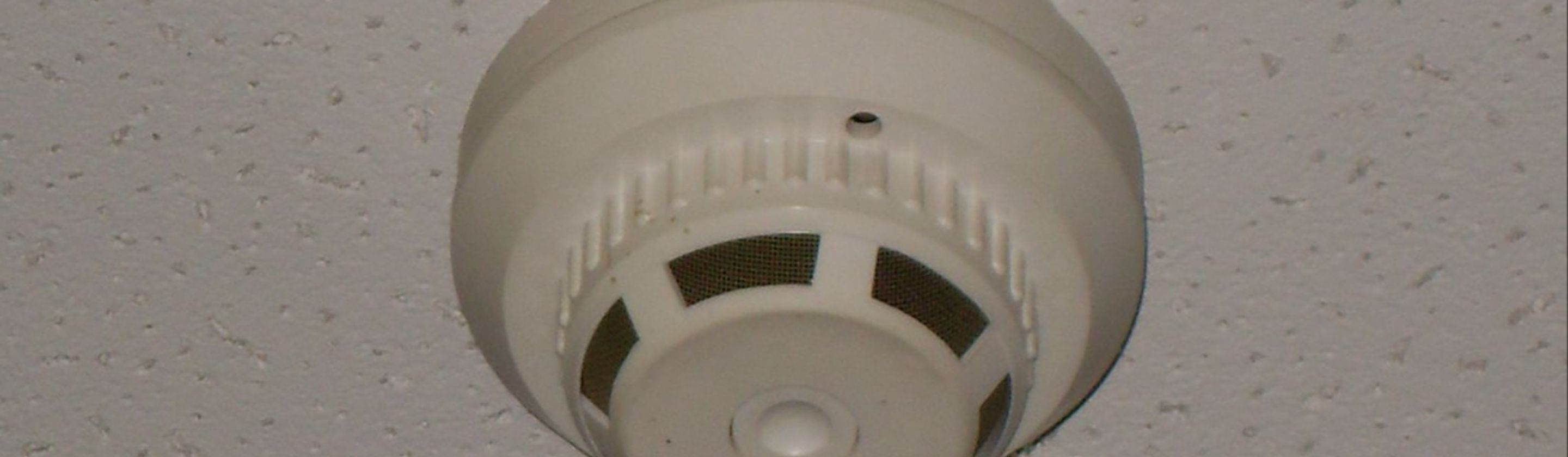
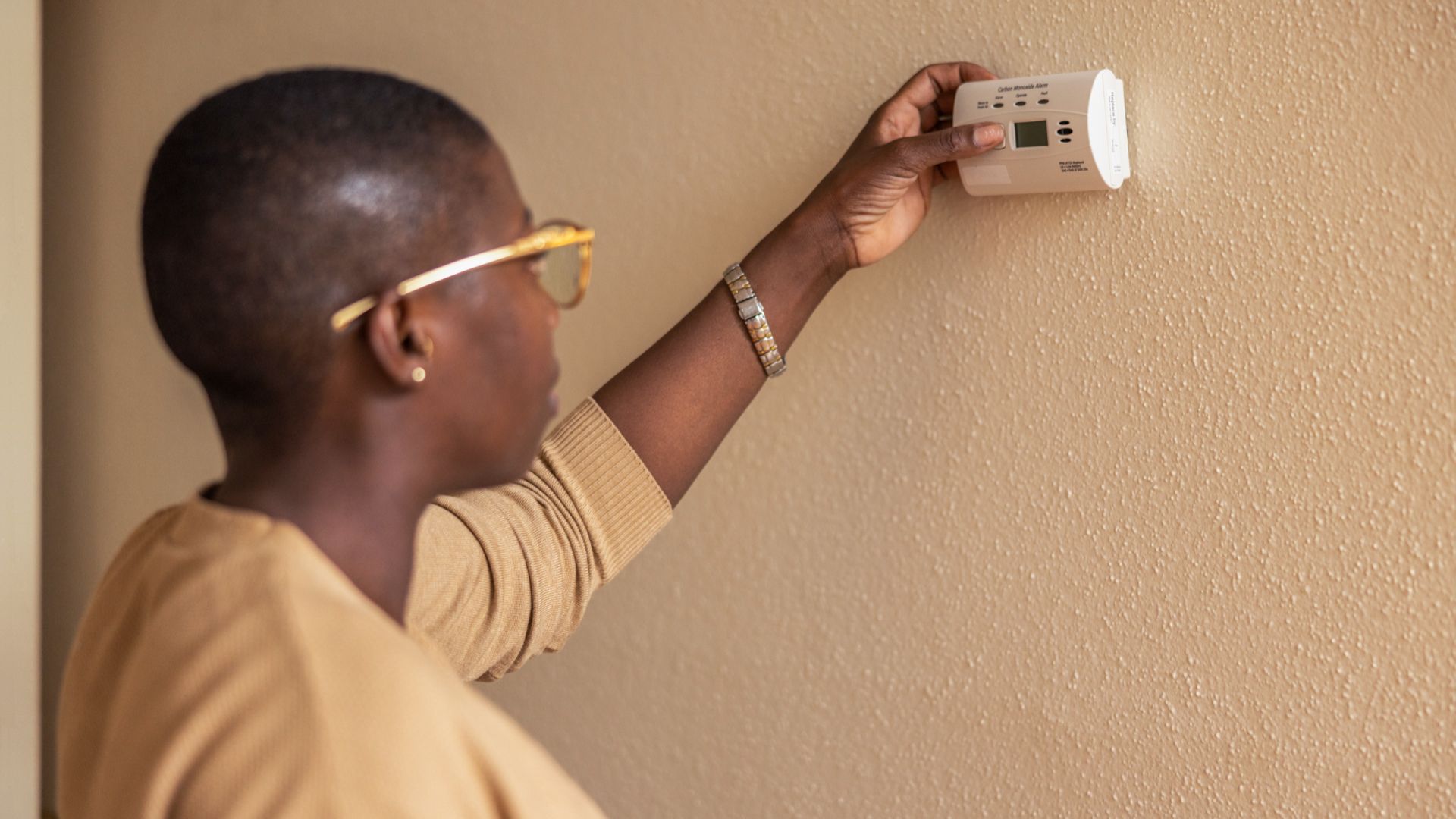
1. Your Carbon Monoxide Alarm Goes Off
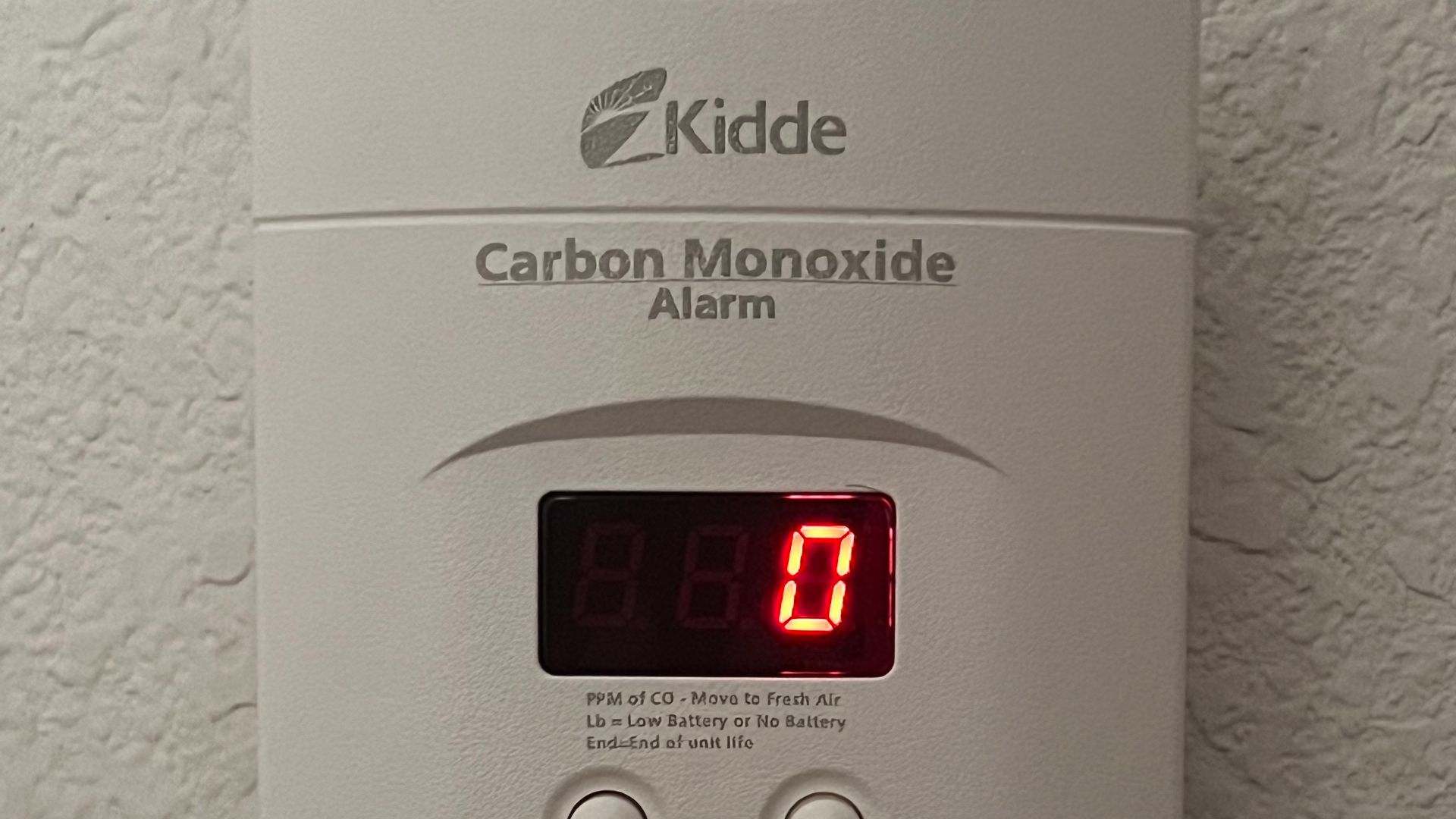
We know this sounds like the most obvious sign, but you’d be surprised by just how many people ignore chirping alarms! If yours activates, treat it as a real hazard, move to fresh air, and follow emergency guidance.
 U.S. Consumer Product Safety Commission on Wikimedia
2. People Feel Better Outside
One of the more telling patterns is when headaches, dizziness, nausea, or confusion only show up inside the house. The location change can be an important clue, so if more than one person feels unwell at home at the same time, the situation deserves attention.

3. Fuel-Burning Appliances Start Acting Strangely
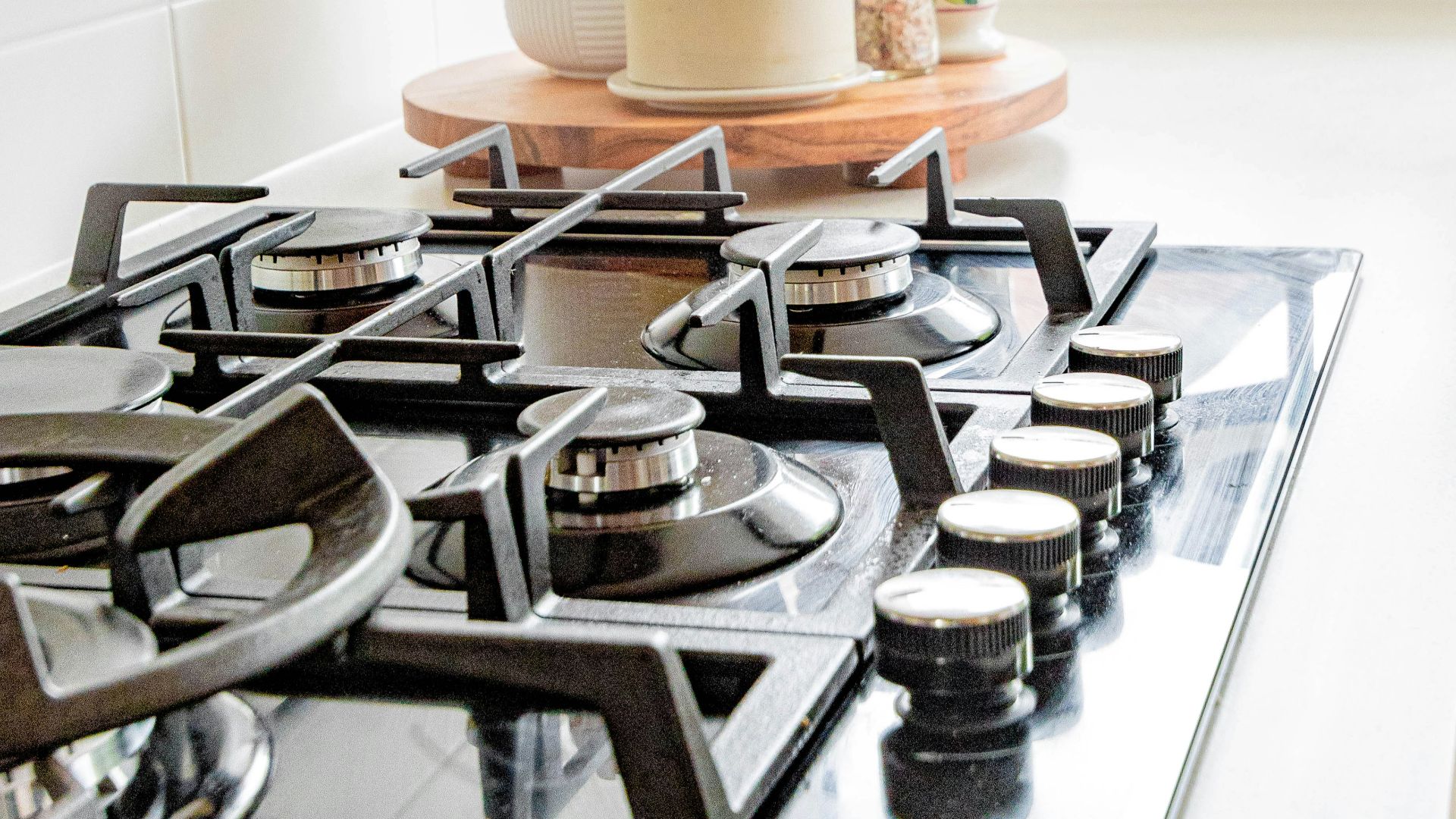
A furnace, water heater, fireplace, or gas range stove that isn’t burning properly can become a carbon monoxide source. The equipment might seem unreliable. It might shut off. Other times, it just doesn’t sound or operate the way it normally does. Since household heating and cooking equipment are well-known CO sources, unusual behavior isn’t something to shrug off.

4. You Notice Scorch Marks Near Appliances
Dark soot buildup or scorch marks around fuel-burning equipment can point to venting trouble. Those clues don’t confirm carbon monoxide by themselves, but they can signal that an appliance isn’t operating safely.
5. Gas Flames Look Yellow Instead of Blue
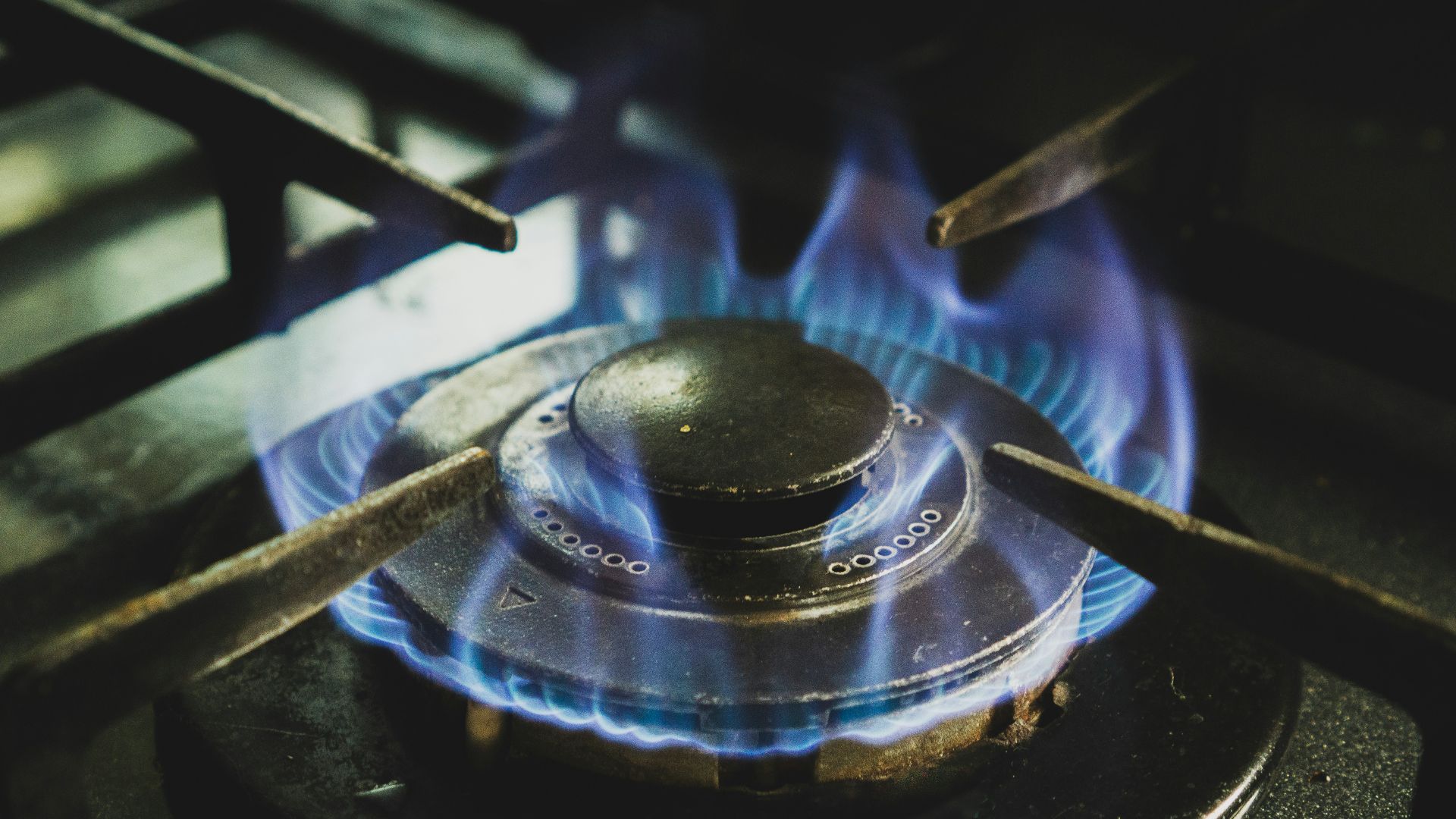
On many gas appliances, a healthy flame is usually blue, so a yellow or orange flame can suggest the fuel isn’t burning completely, and that’s a problem. It’s not the kind of household surprise you want to file under “do tomorrow,” especially if other warning signs are also present.
6. Windows Seem Foggy Near Fuel-Burning Equipment
Sometimes, it’s not as obvious as scorch marks—excess condensation on windows near certain appliances can also show up. It isn’t a standalone diagnosis, but it can be one more clue that something in the heating or hot water setup needs attention.
7. A Vent Looks Blocked
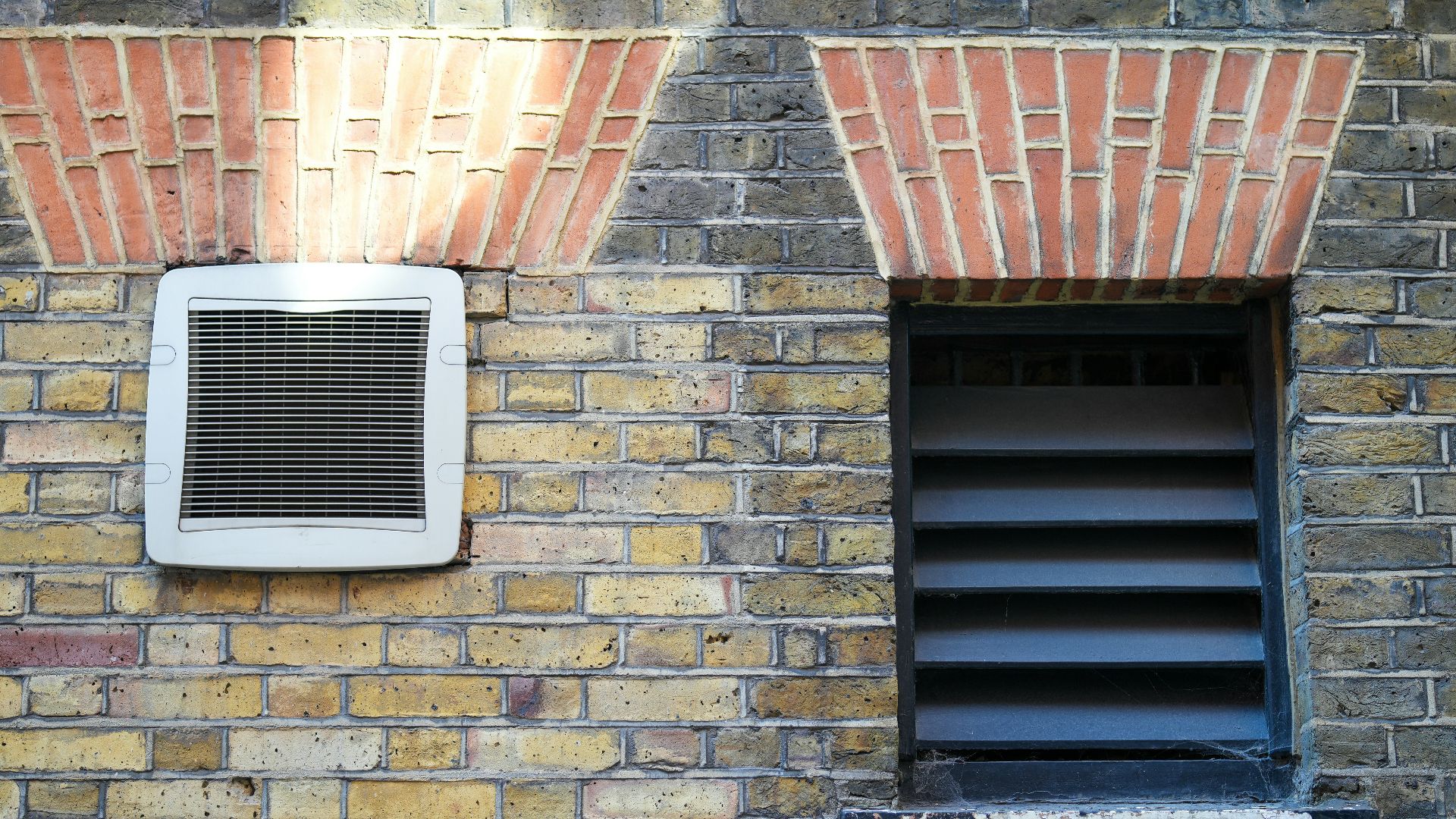
Blocked chimneys, covered vents, or even damaged venting can keep combustion gases from leaving the home. That’s one of the reasons it’s so important to keep fireplaces in good condition and check that vents and chimneys aren’t blocked during repairs or remodeling.
8. Certain Equipment Was Used Too Close to the House
Sometimes the warning sign is less about what you see and more about what’s been nearby. Generators, charcoal grills, and vehicles in enclosed spaces are major carbon monoxide risks. If one of those operates in the wrong place, you should assume there may be dangerous CO present.
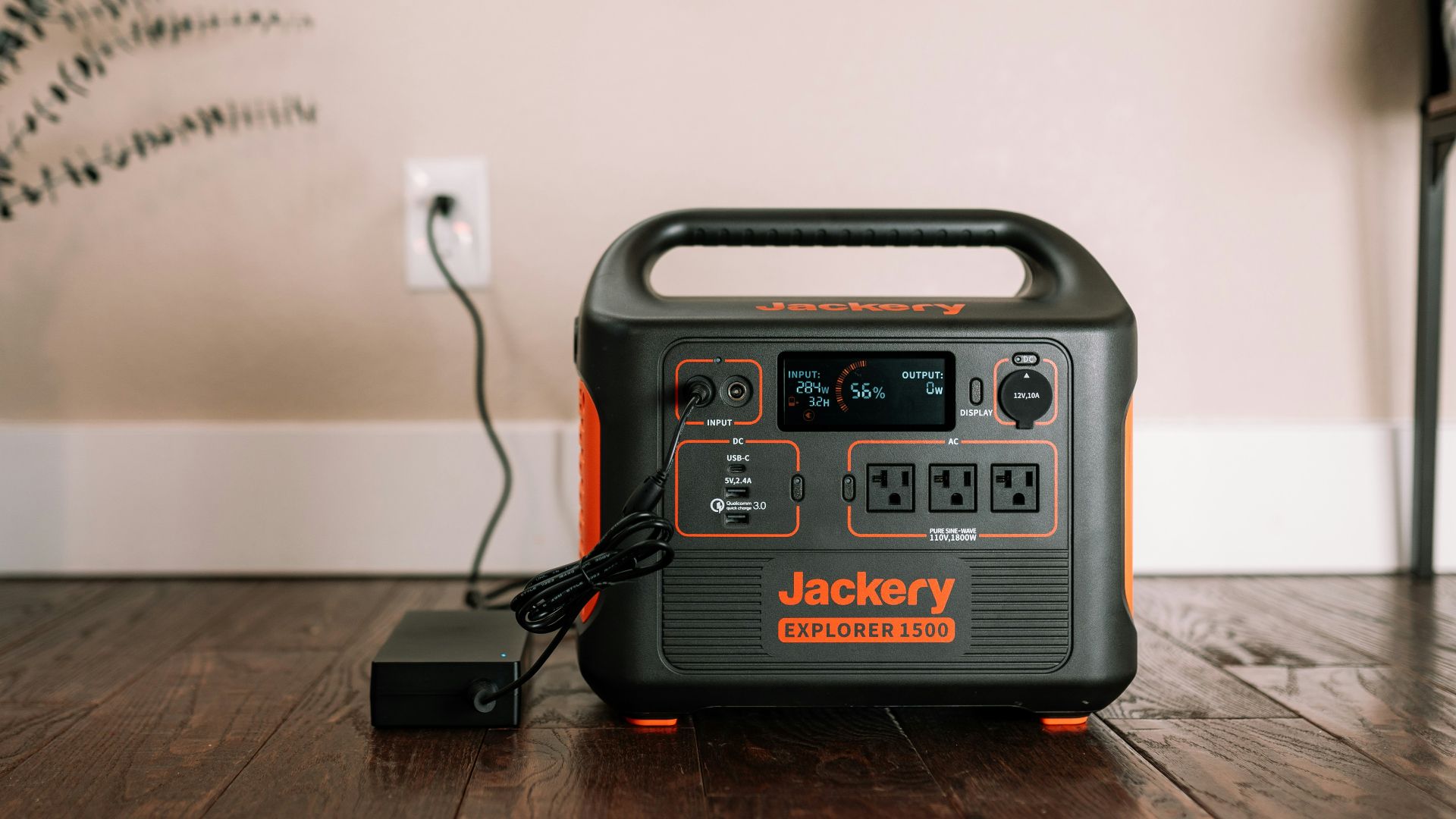 Jackery Power Station on Unsplash
9. Everyone Seems Fine Until the Heat Kicks On
Pay attention to the little things; a leak may become more noticeable only when fuel-burning appliances start running. That pattern can help narrow down the timing, especially if symptoms or alarm events happen during certain cycles.

10. You’re Relying on Smell, and That’s the Problem
You usually won’t smell or see a leak at all—and that’s one of the most important things to remember. Never forget that carbon monoxide is odorless and colorless, which means the absence of a strange odor doesn’t make a home safe. That’s why alarms, symptoms, and appliance warning signs matter much more than your nose.
KEEP ON READING