Why Your Feet Might Not Be Smelling Their Best
Foot odor is one of those issues that nobody really wants to talk about, but nearly everyone deals with at some point. It's caused by a surprisingly simple combination of sweat, bacteria, and the warm, enclosed environment that shoes create — and once you understand what's driving the problem, it becomes a lot easier to address. Whether you're dealing with a persistent smell or just want to stay on top of your foot hygiene, knowing the common culprits is the first step toward fresher feet.
1. You're Sweating More Than You Realize
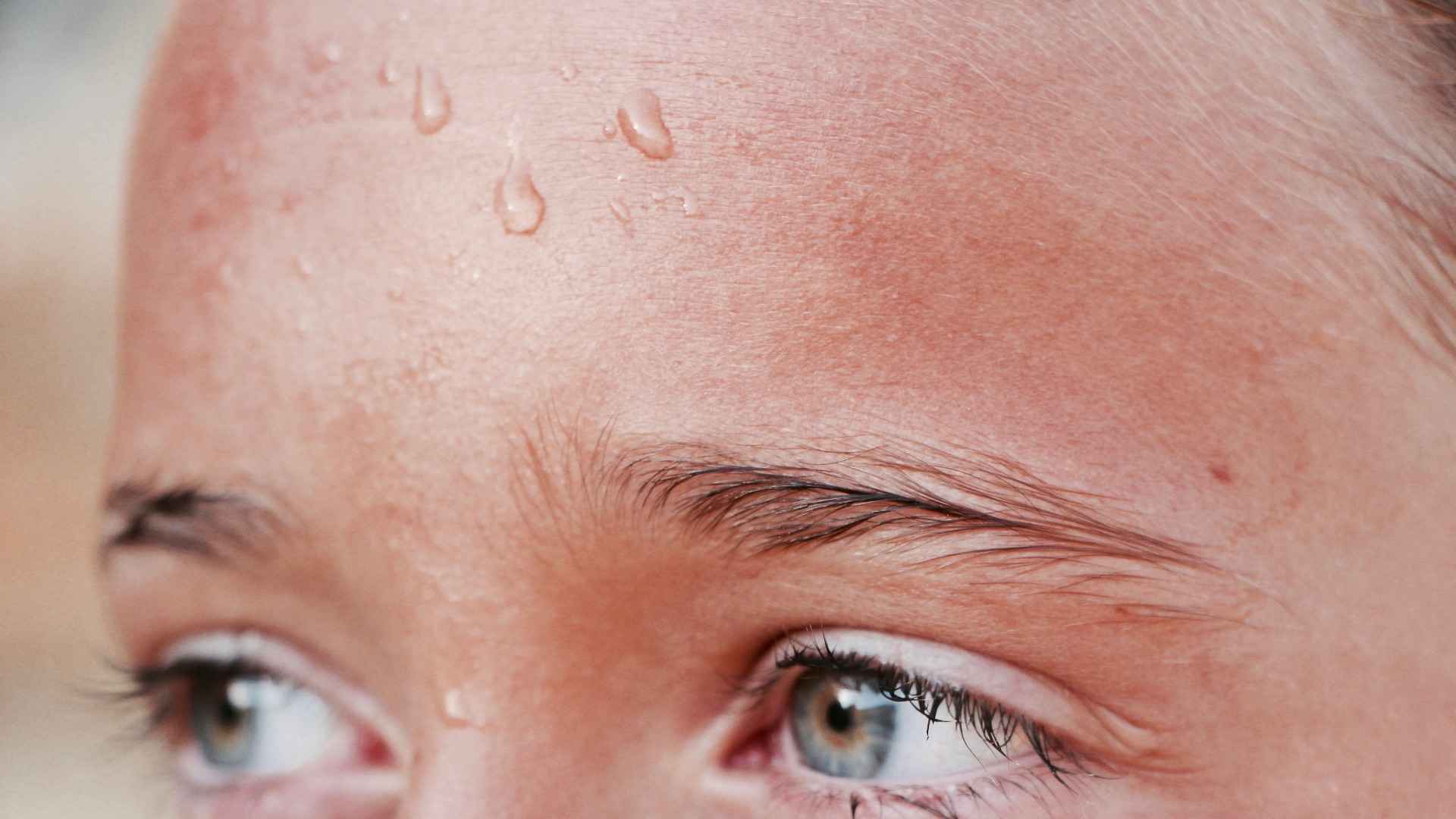
Your feet have more sweat glands per square inch than almost any other part of your body, which means they're capable of producing a significant amount of moisture throughout the day. That sweat itself doesn't smell, but when it gets trapped inside your shoes, it creates the perfect warm, damp environment for odor-causing bacteria to thrive. If your feet tend to feel damp by midday, excess sweat is likely the main factor you're dealing with.
2. Bacteria Are Having a Field Day
The real source of foot odor is the bacteria on your skin. Bacteria like Brevibacterium linens feed on the dead skin cells and moisture on your feet and release compounds that produce that distinctive, unpleasant smell. The more bacteria present, the stronger the odor, and warm shoes only help them multiply faster.
 Michał Parzuchowski on Unsplash
3. Your Shoes Don't Breathe
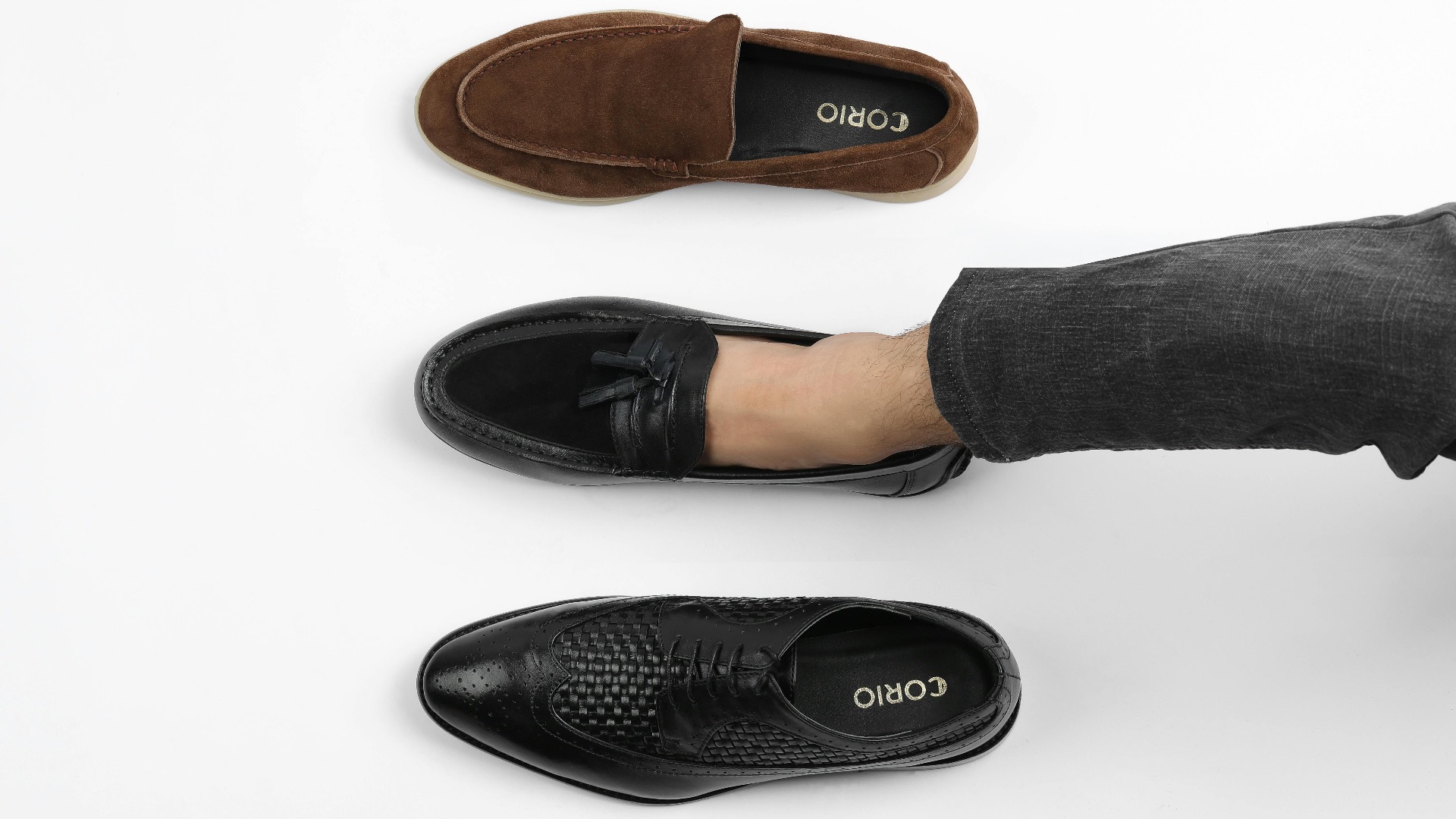
Shoes made from synthetic materials like plastic or faux leather don't allow air to circulate around your feet, which means heat and moisture get trapped inside with nowhere to go. This creates an ideal breeding ground for bacteria, and the longer you wear them, the worse the buildup becomes. Shoes that fit too tightly can make this problem even worse by restricting airflow further.
4. You're Wearing the Same Pair Every Day
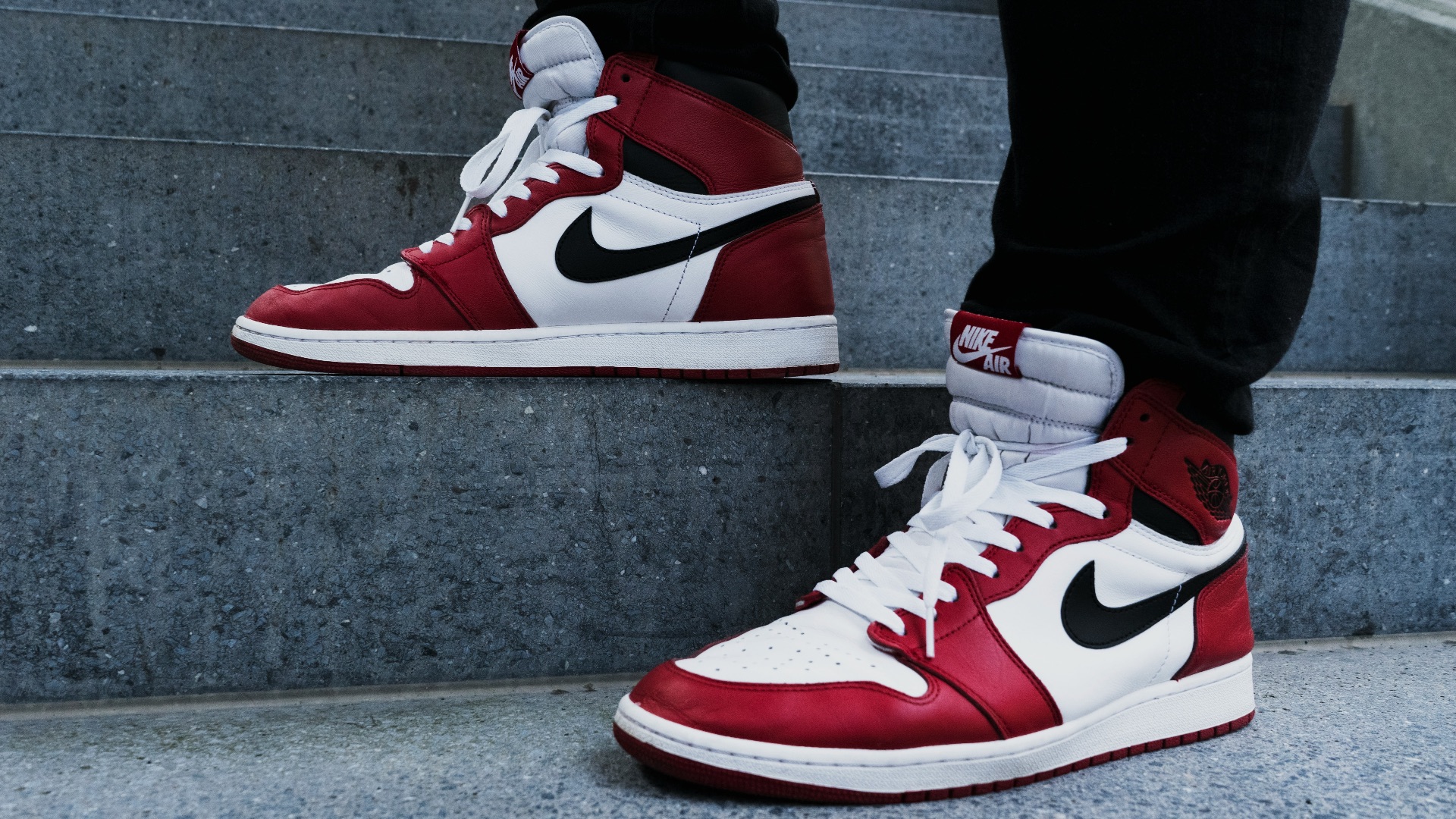
Rotating your footwear is something a lot of people overlook, but wearing the same pair of shoes day after day doesn't give them enough time to dry out between uses. Moisture from your sweat soaks into the insoles and lining of the shoe, and if it hasn't fully dried by the time you put them back on, bacteria continue to grow overnight. Giving each pair at least a full day of rest between wears makes a noticeable difference in how they smell over time.
5. Your Socks Aren't Doing You Any Favors
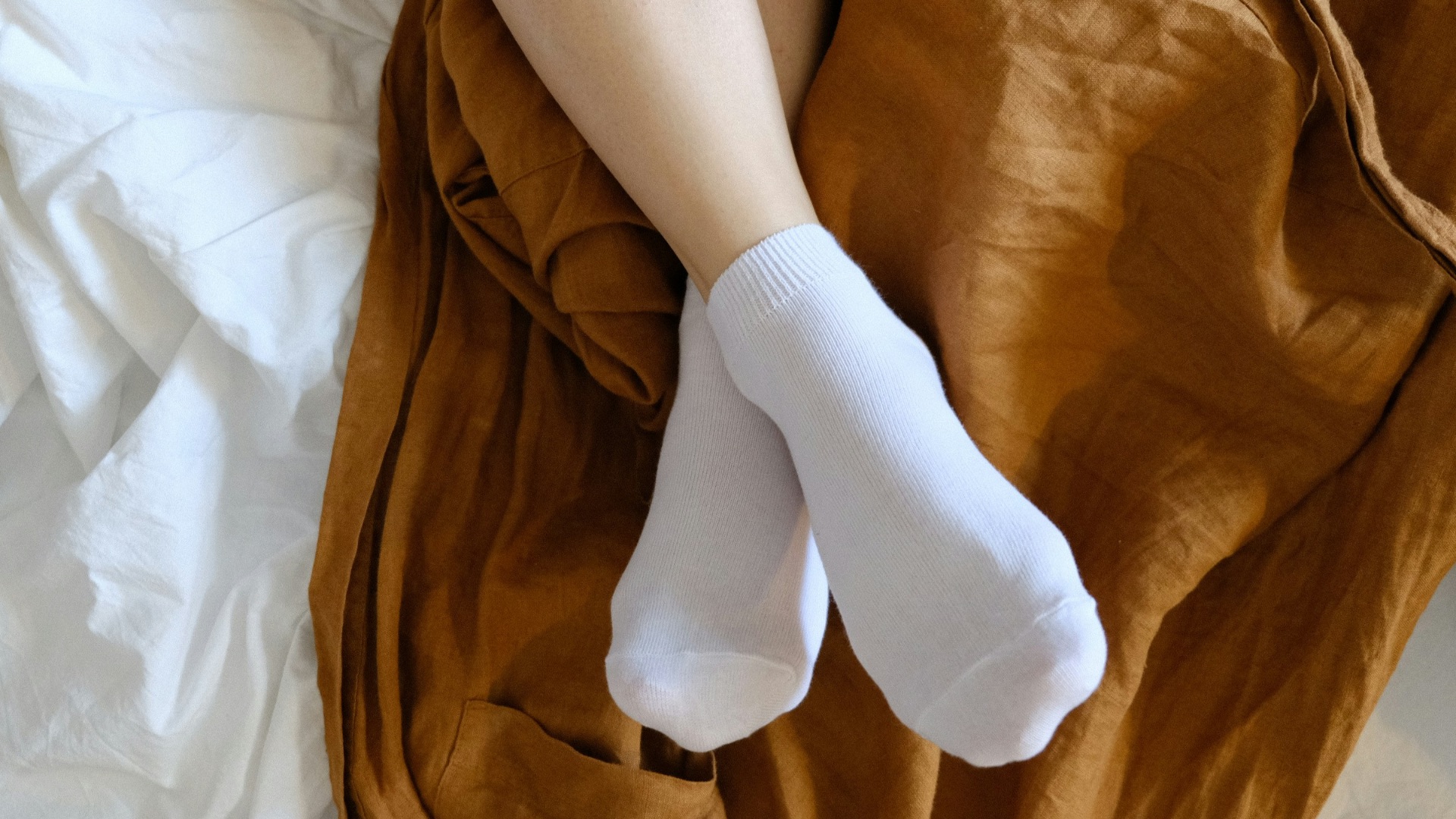
Not all socks are created equal when it comes to managing moisture, and wearing the wrong kind can make foot odor significantly worse. Synthetic fabrics like nylon and polyester tend to trap sweat against your skin rather than absorbing it, which accelerates bacterial growth. Socks made from natural fibers like cotton or moisture-wicking materials designed for athletic use, on the other hand, are much better at keeping your feet dry throughout the day.
6. You're Not Washing Your Feet Thoroughly
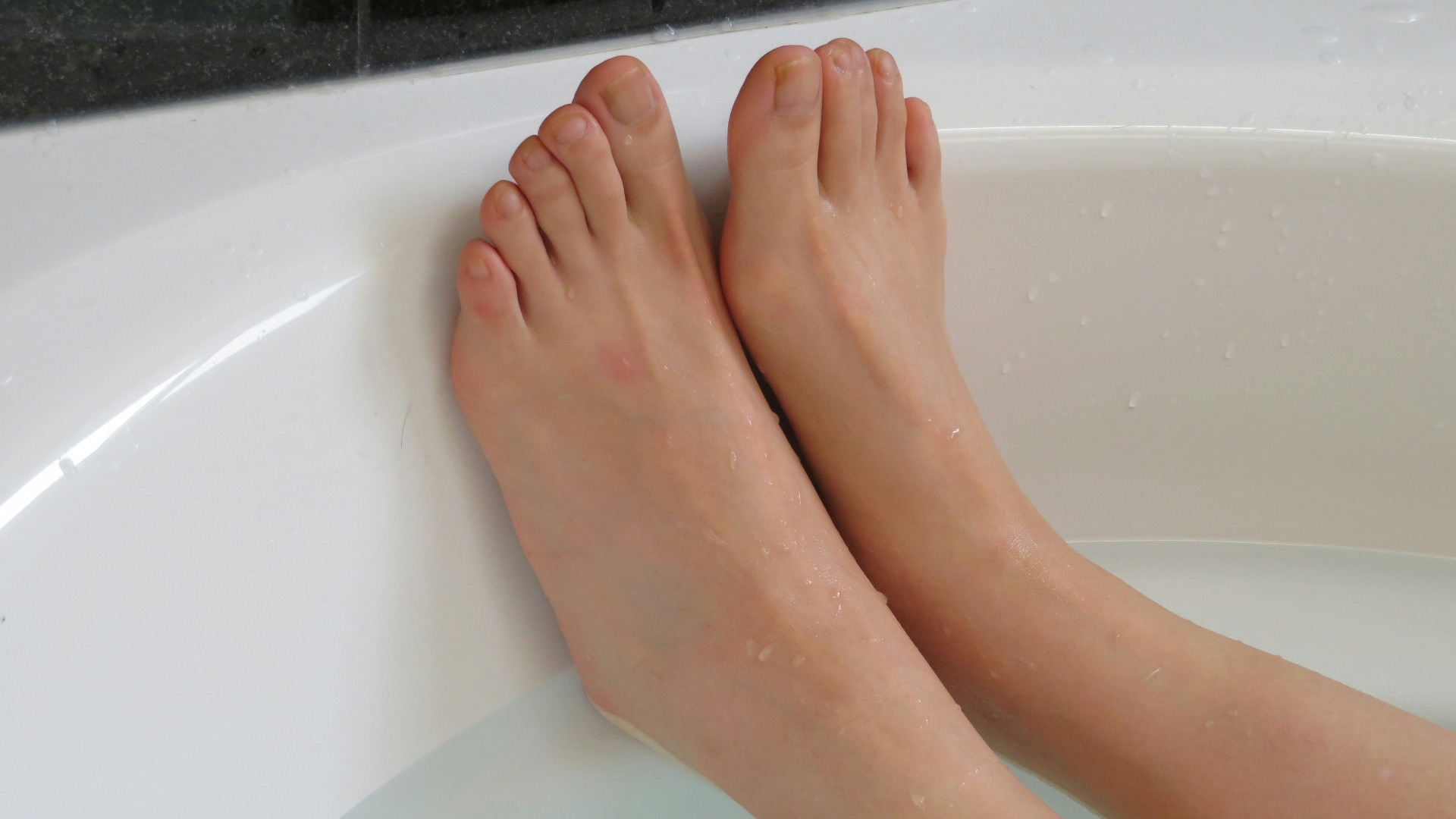
Many people assume that standing in a shower while soap runs down their legs is enough to clean their feet, but it really isn't. Bacteria and dead skin cells accumulate between your toes and on the soles of your feet, and those areas need to be actively scrubbed with soap to stay clean. Taking an extra minute to properly wash and rinse your feet each day can have a big impact on odor levels.
7. Dead Skin Buildup Is Contributing to the Problem
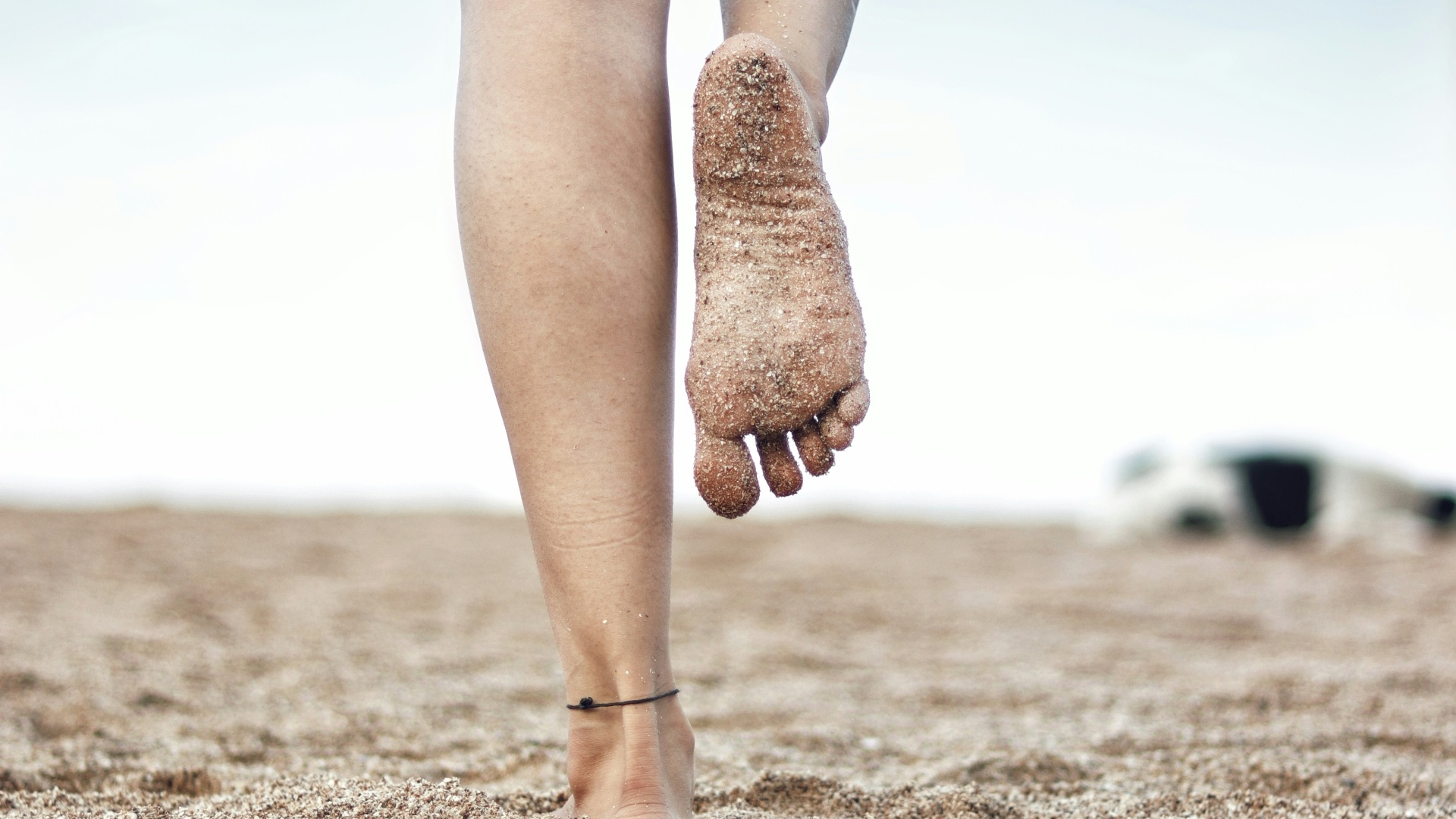
A buildup of dead skin on the soles and heels of your feet gives bacteria more material to feed on, which means more odor-producing activity overall. Rough, dry patches of skin can also harbor moisture in their texture, keeping bacteria present even after you've washed. Regular exfoliation helps remove that buildup and reduces the surface area available for bacteria to settle on.
8. A Fungal Infection Could Be the Culprit
Conditions like athlete's foot are caused by fungal infections that thrive in the same warm, moist environments that bacteria love, and they can produce a distinct odor of their own. Athlete's foot often comes with itching, peeling, or redness between the toes, which can be a sign that the smell isn't purely a hygiene issue. If you suspect a fungal infection, it's worth treating it with an antifungal product immediately.

9. Hormonal Changes Can Make Things Worse
Hormonal shifts, such as those that occur during puberty, pregnancy, or periods of high stress, can increase how much you sweat overall, including from your feet. Teenagers are particularly prone to foot odor for this reason, since their sweat glands become significantly more active during puberty. It's a normal physiological response, but it does mean that extra attention to foot hygiene is needed during these times.

10. You Might Have a Condition Called Hyperhidrosis
Hyperhidrosis is a medical condition characterized by excessive sweating that goes beyond what the body needs for temperature regulation, and the feet are one of the most commonly affected areas. People with this condition can produce far more sweat than average, which means bacteria have a continuous supply of moisture to feed on. If you feel like you've tried everything and your feet are still persistently sweaty and smelly, it may be worth speaking with a doctor about whether hyperhidrosis could be a factor.
Now that you know what's behind the smell, let's jump into 10 practical ways to keep your feet fresher from day to day.
1. Wash Your Feet Every Day — Properly
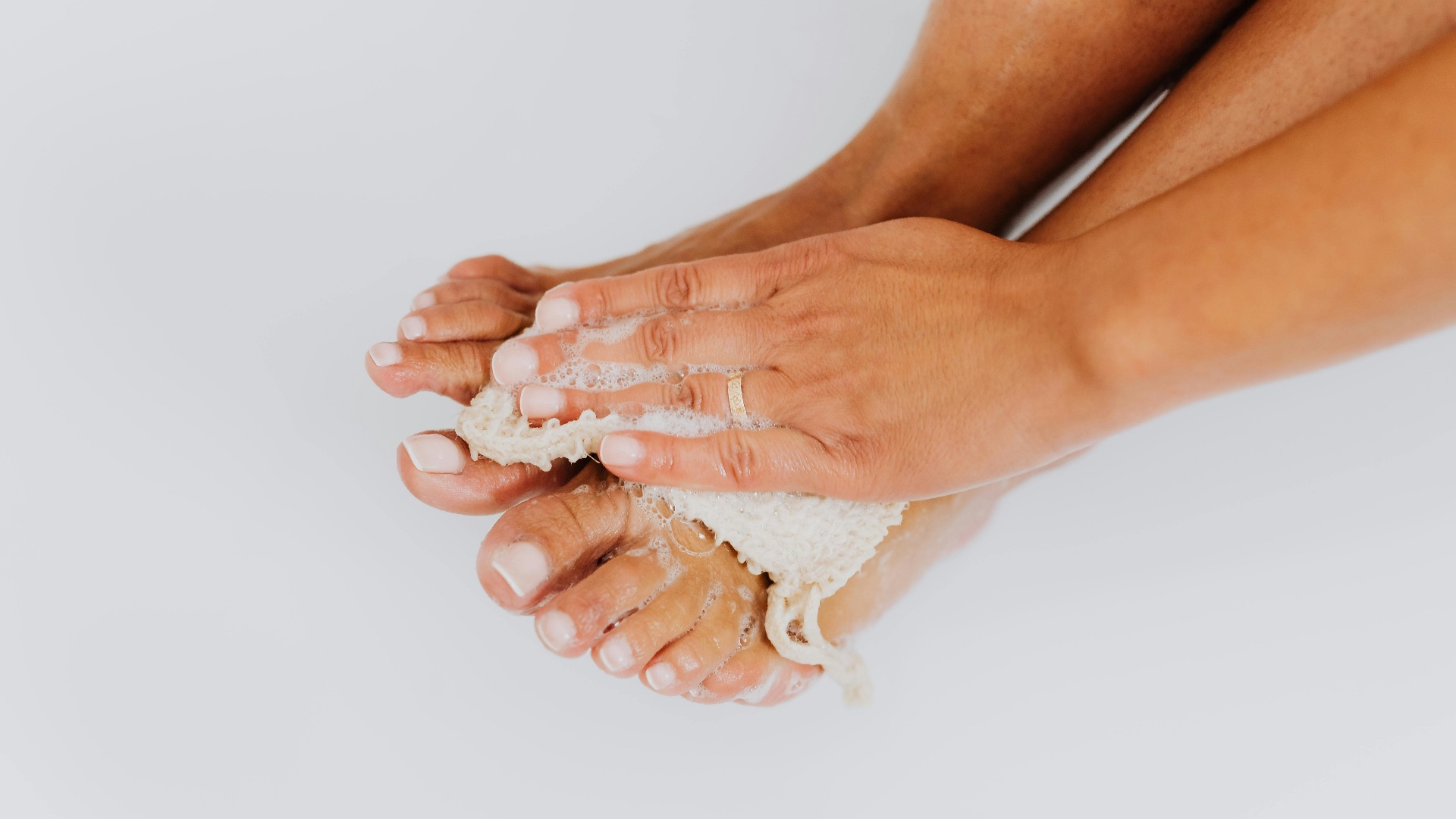
Make it a habit to wash your feet thoroughly with soap and water every single day, not just when you shower. Pay close attention to the spaces between your toes, since that's where bacteria and moisture tend to accumulate the most. Drying your feet completely after washing, especially between the toes, is just as important as the washing itself.
2. Switch Up Your Footwear Regularly
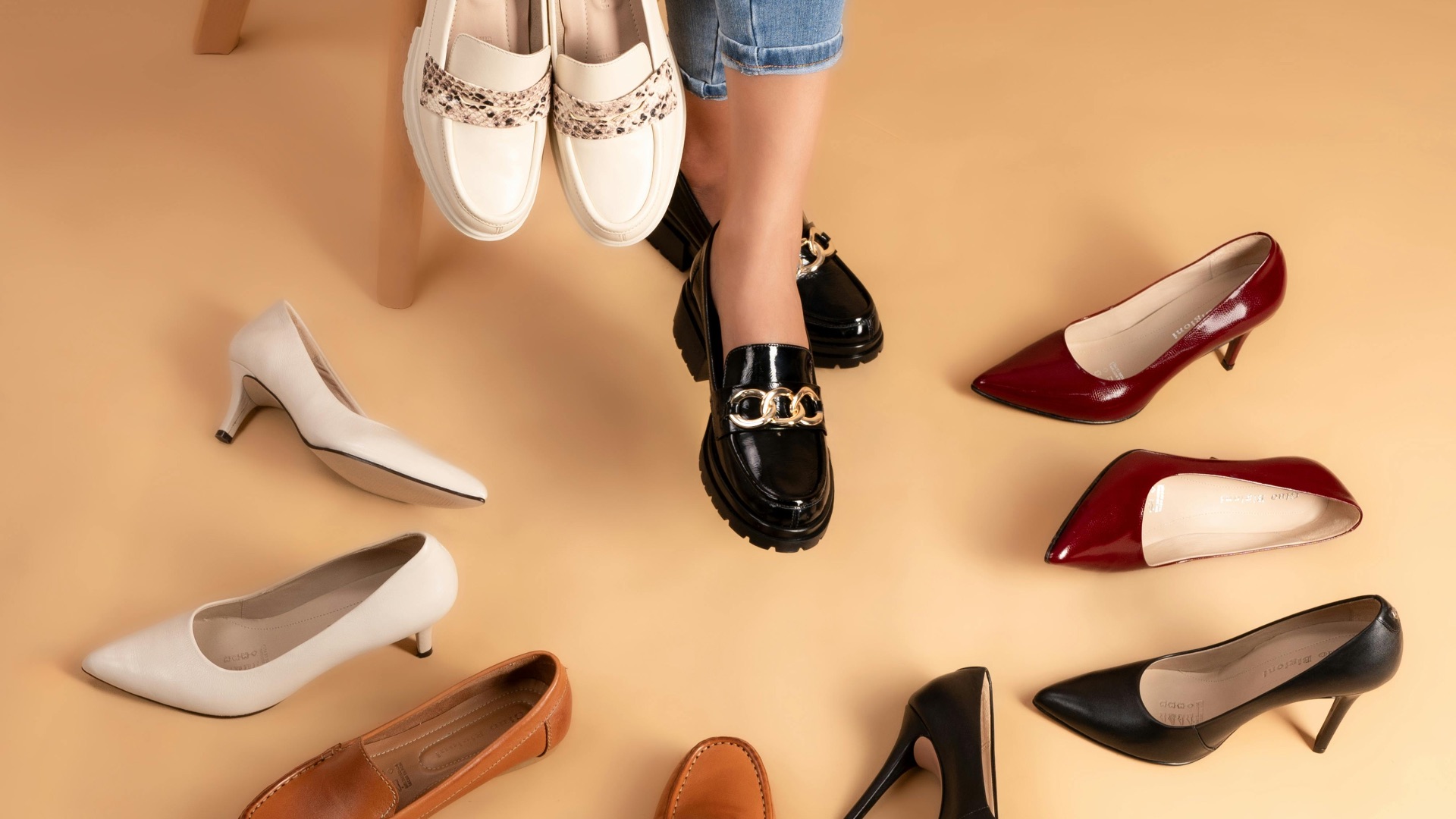
Rotating between at least two pairs of shoes gives each pair a chance to dry out fully before you wear them again. You can speed up the drying process by removing the insoles and leaving the shoes in a well-ventilated area overnight. Shoes that are allowed to air out properly between wears will stay fresher and last longer as a result.
 José Martin Segura Benites on Pexels
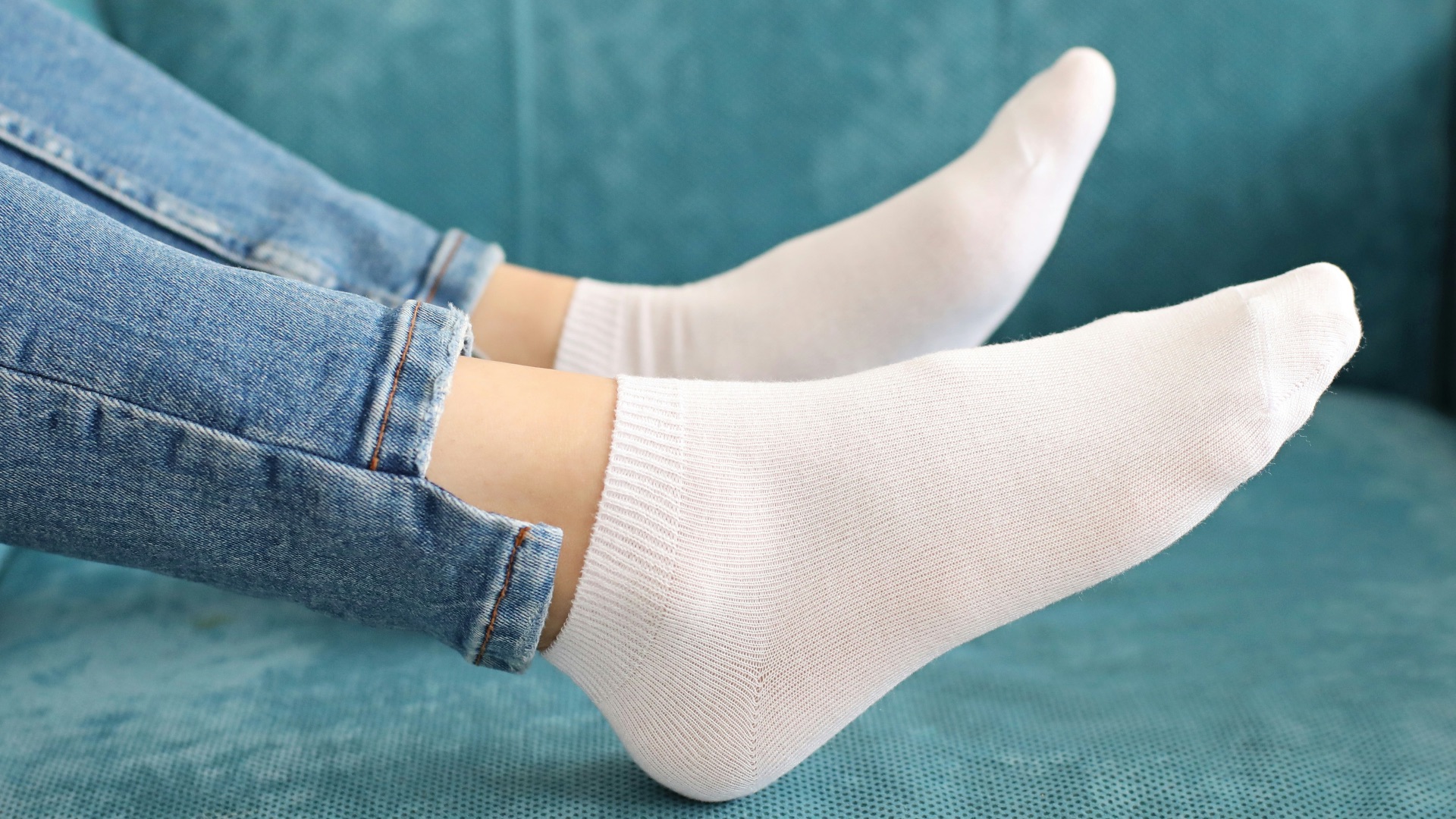
3. Choose Socks Made from the Right Materials
Opt for socks made from natural fibers like cotton or bamboo, or look for moisture-wicking athletic socks designed to draw sweat away from your skin. Avoid socks made from purely synthetic materials if you're prone to foot odor, since they tend to trap heat and moisture rather than managing it. Changing your socks midday is also a good option if you know you'll be on your feet for a long stretch.
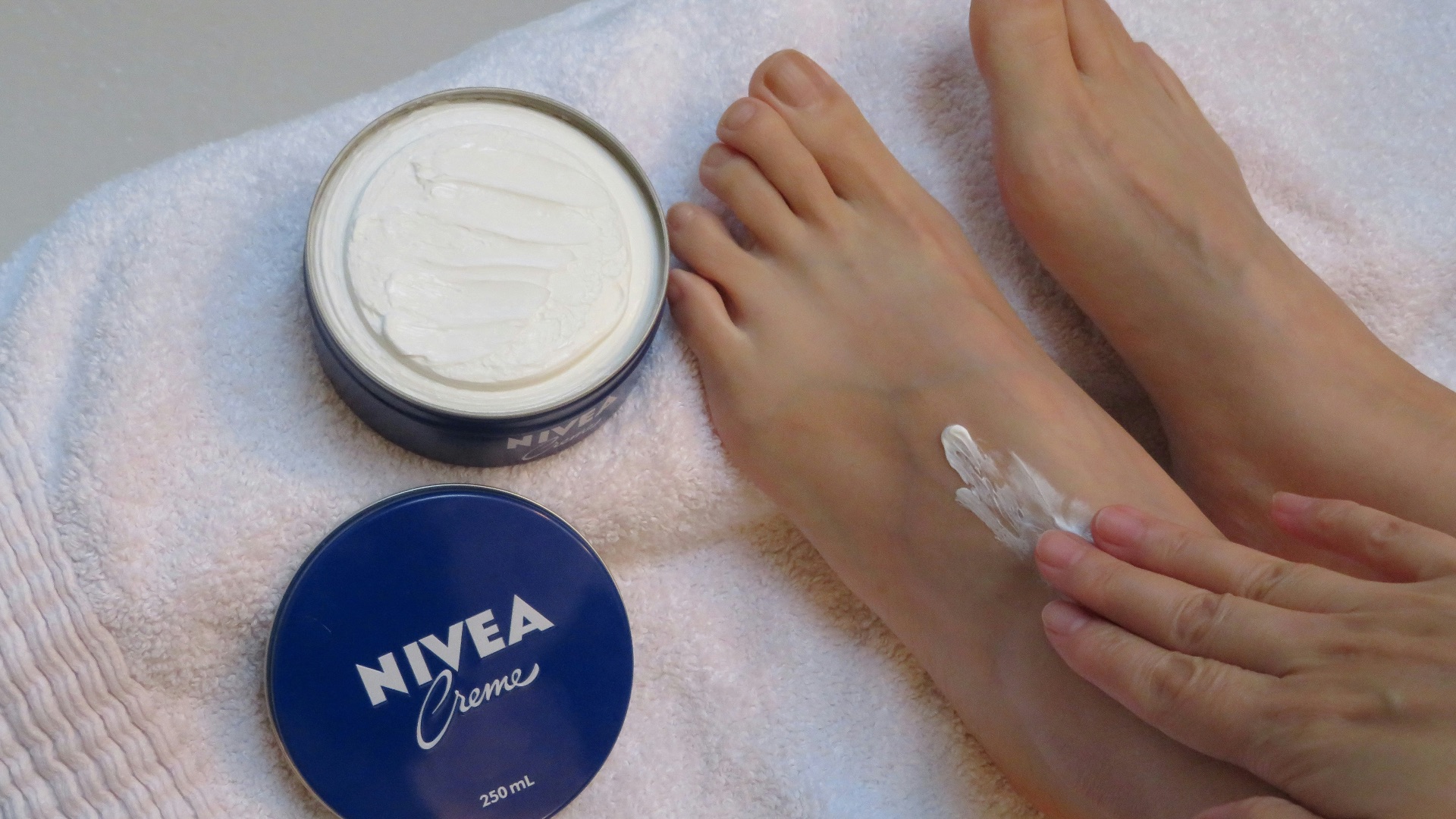
4. Use a Foot Deodorant or Antiperspirant
Most people reach for deodorant when they think about sweat, but foot-specific deodorants and antiperspirants are widely available and very effective. Applying an antiperspirant to the soles of your feet before bed allows it to work into the sweat glands overnight, reducing how much you perspire during the day. There are also deodorizing sprays and powders formulated specifically for shoes and feet that can help manage odor between washes.
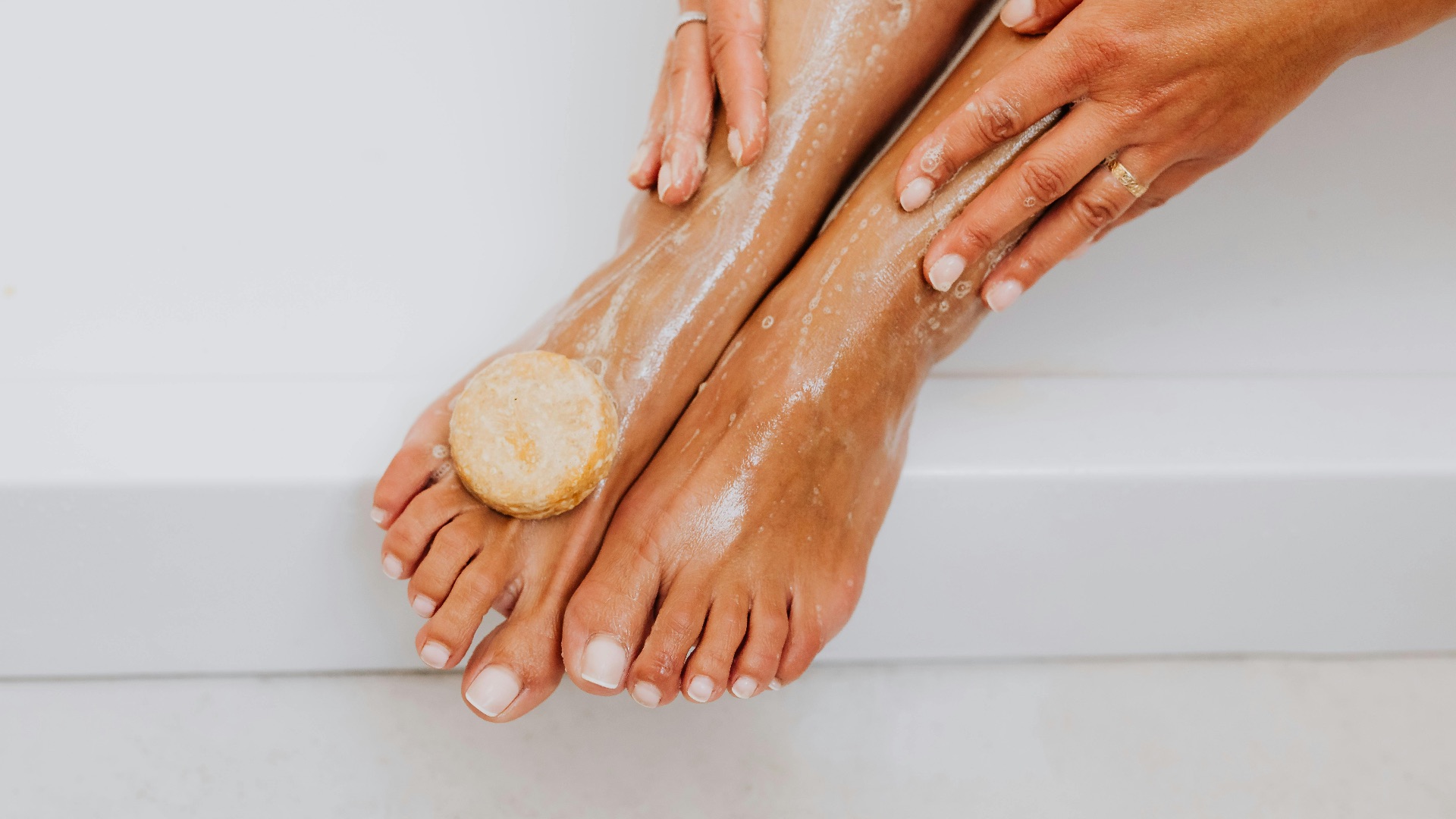
5. Exfoliate Your Feet Regularly
Using a pumice stone or a foot scrub a few times a week helps remove the dead skin that bacteria feed on, particularly on the heels and soles. Even a simple scrub during your regular shower can make a meaningful difference over time. Keeping the skin smooth and free of rough patches also makes it easier to wash your feet thoroughly.
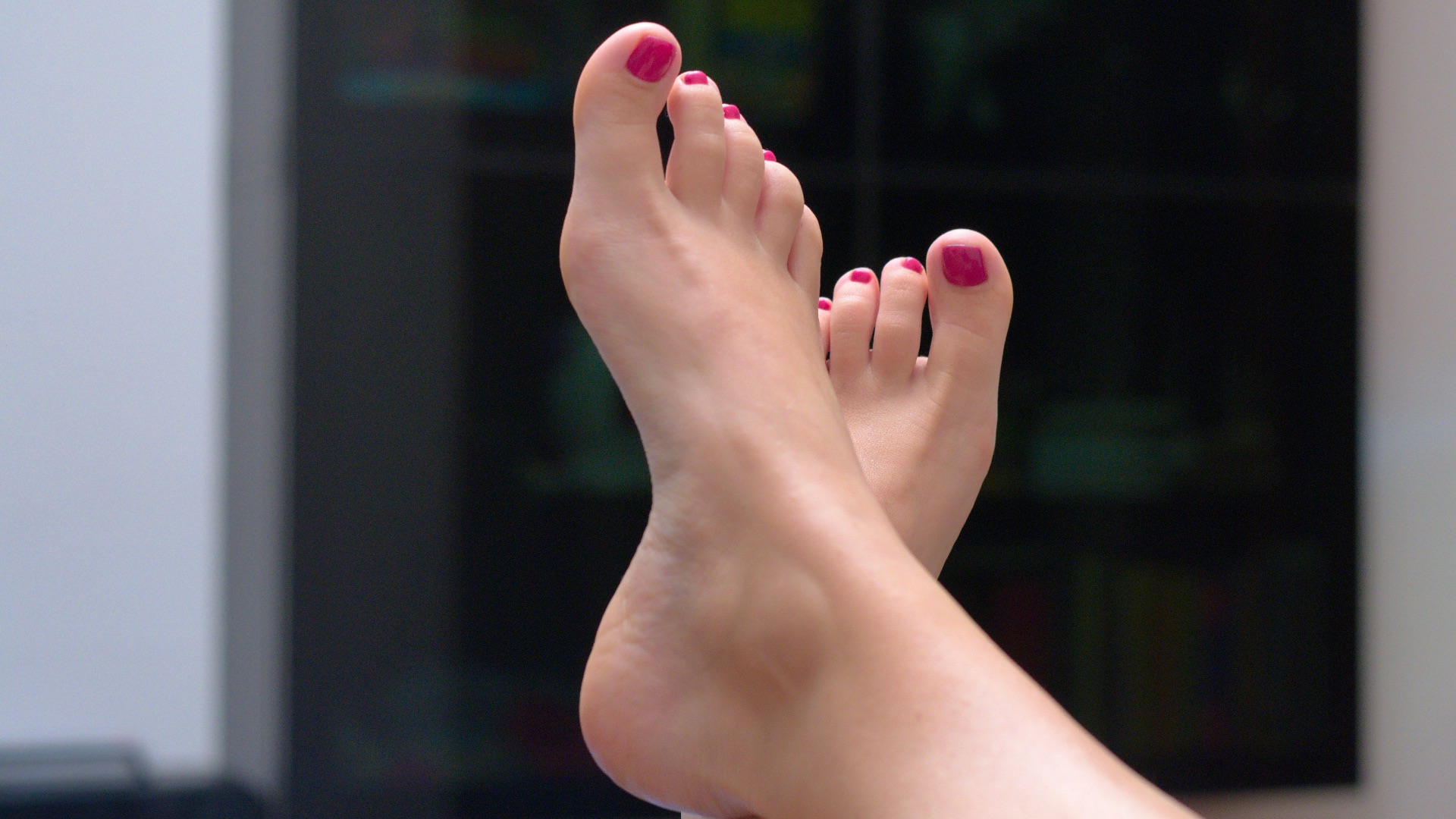
6. Let Your Feet Air Out When You Can
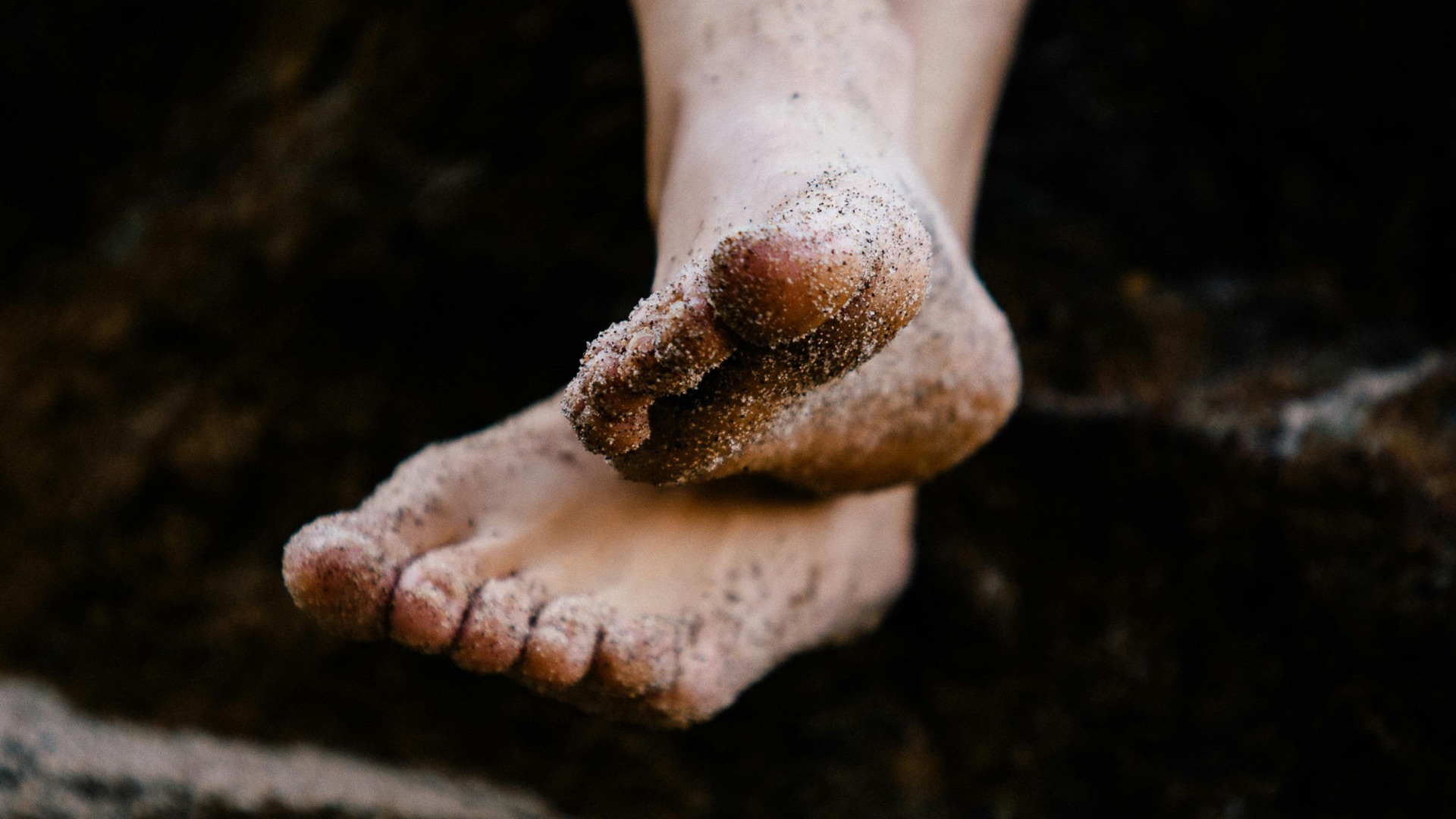
Whenever you have the opportunity to go barefoot at home, take it: allowing your feet to breathe freely helps reduce the moisture buildup that leads to odor. Wearing open-toed sandals on warmer days is another easy way to keep air circulating around your feet throughout the day. The less time your feet spend sealed in warm, enclosed shoes, the less opportunity bacteria have to multiply.
 Konstantin Shmatov on Unsplash
7. Treat Your Shoes from the Inside
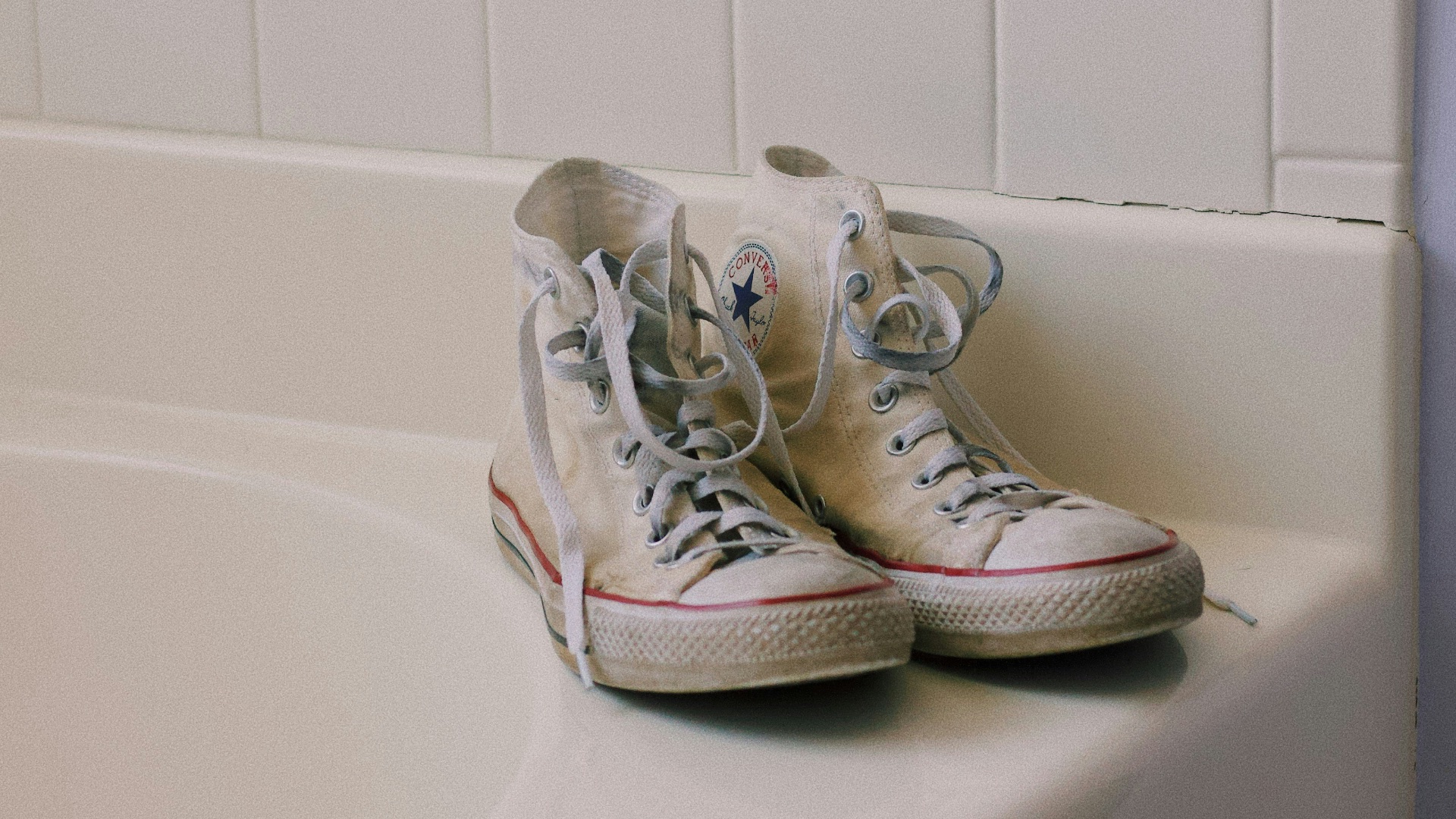
Sprinkling baking soda or a commercial shoe deodorizer inside your shoes after wearing them helps absorb moisture and neutralize odor between uses. Cedar shoe inserts are another great option, since cedar naturally absorbs moisture and has mild antimicrobial properties. Replacing old insoles periodically is also worth doing, since they absorb a lot of sweat over time and can become a significant source of odor on their own.
8. Address Fungal Infections Promptly
If you notice any signs of athlete's foot, such as itching, peeling, or cracked skin between your toes, start treating it with an over-the-counter antifungal cream or spray as soon as possible. Fungal infections don't go away on their own, and letting them linger will only make the odor worse. You should also wash and dry your towels, socks, and bedding regularly while you're treating an infection to prevent reinfection.
9. Choose Shoes Made from Breathable Materials
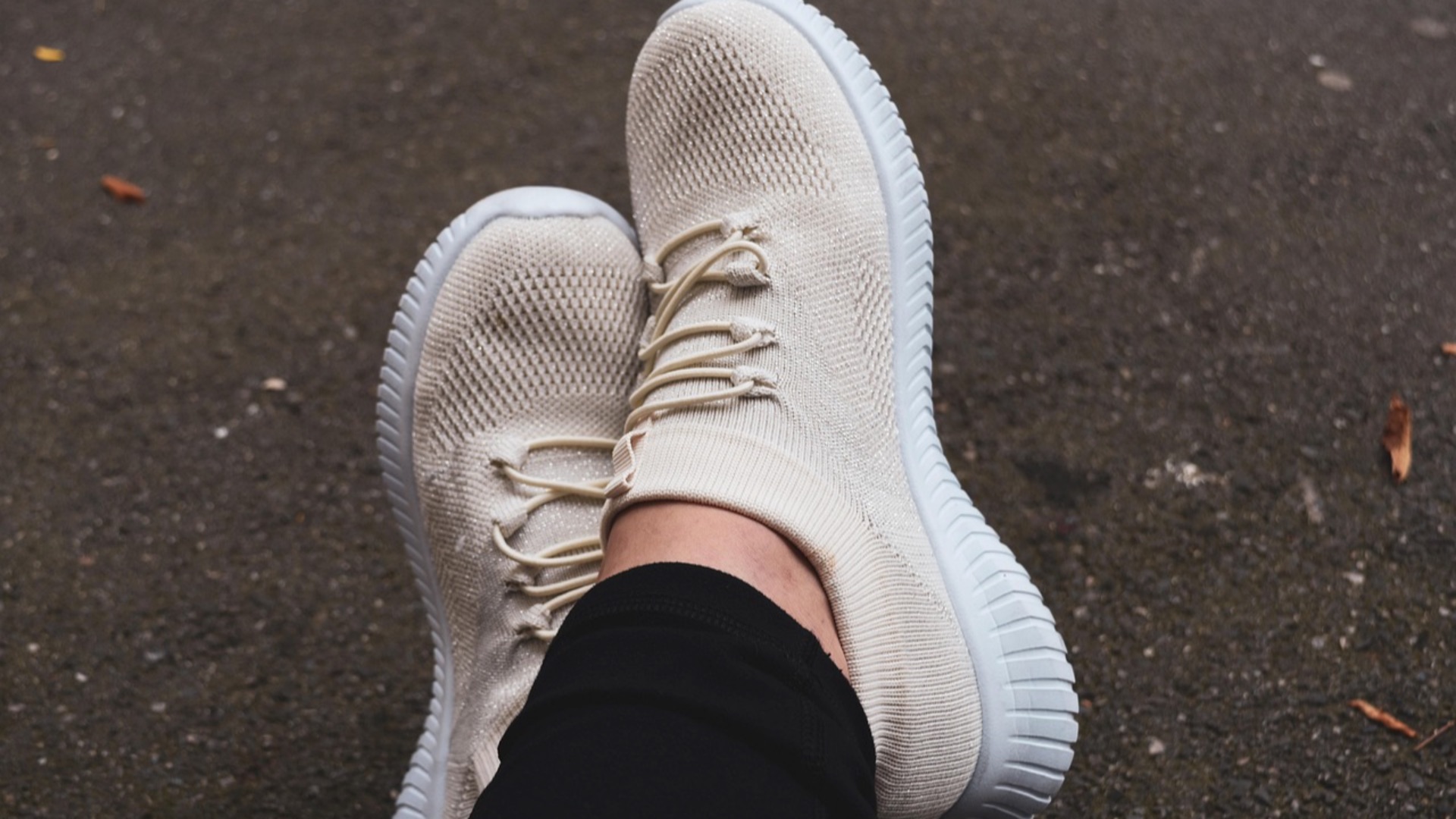
When you're shopping for footwear, look for shoes made from leather, canvas, or mesh, since these materials allow air to circulate around your feet much more effectively than synthetic alternatives. Mesh sneakers in particular are excellent for high-activity days when your feet are likely to sweat more. Investing in a few pairs of well-ventilated shoes is one of the most straightforward long-term solutions to managing foot odor.
10. See a Doctor If the Problem Persists
Again, if you've tried improving your hygiene routine and nothing seems to be working, it's a good idea to consult a healthcare professional. A doctor can assess whether an underlying condition like hyperhidrosis or a persistant infection is contributing to the problem and recommend targeted treatments accordingly. There are prescription-strength antiperspirants, medical procedures, and other options available for people whose foot odor is significantly impacting their day-to-day life.