

The Easy Excuse
Lifters love talking about genetics because genetics let you explain almost anything without changing a thing. Bad calves, slow progress, a stubborn bench, soft-looking abs after a bulk, all of it can get dumped into the same bucket. And sure, genetics are real. Some people walk into the gym looking like they were assembled in a lab. But a lot of what gets called bad genetics is really just mediocre consistency, sloppy training, or impatience in a tank top. Here are 10 things lifters blame on genetics, and 10 things they usually need to look at first.

1. Small Arms
This is one of the classic complaints, especially from guys who train biceps for twenty minutes and call it a day. Arms usually look “genetically small” when body weight is low, triceps are undertrained, and every curl in the workout looks the same. A lot of lifters want dramatic sleeves before they have built enough total size to support them.

2. A Weak Bench
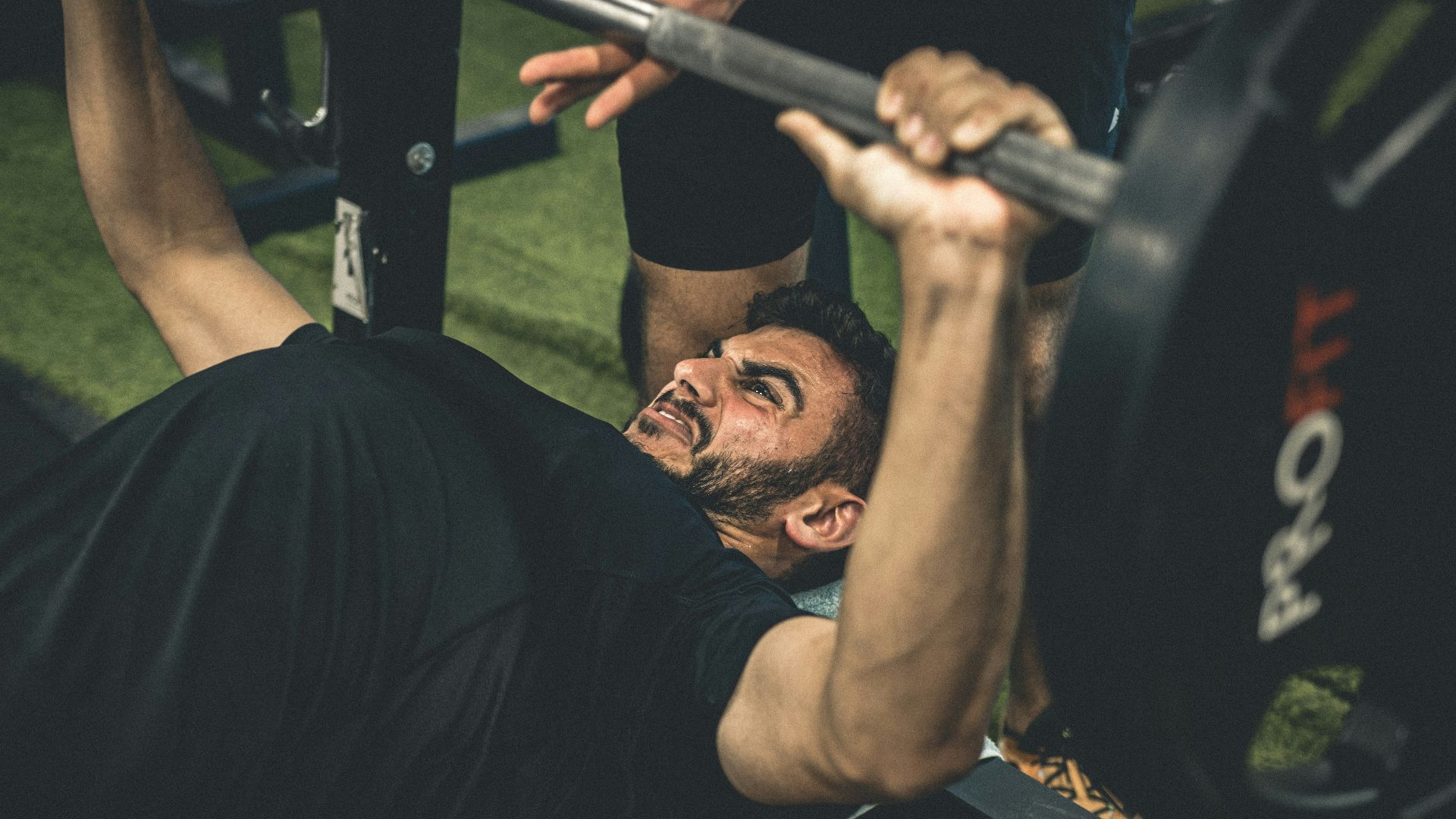
Bench press struggles get blamed on long arms, bad leverages, or a chest that just “doesn’t grow.” Sometimes that is partly true, but a lot of weak benches come from lousy setup, inconsistent practice, and treating bench like a max-out contest instead of a skill. If every heavy set looks different, genetics are not the first suspect.
3. Flat Glutes
People love to say they just were not built for glute growth, then spend six months doing rushed squats and random kickbacks. Glutes respond well to hard work, but they usually need enough load, enough range, and enough patience. A lot of “bad glute genetics” is really a program built sloppily.

4. Stubborn Calves
Calves probably get the most genetic pity in the whole gym. And yes, some people clearly have an easier time growing them than others. But plenty of lifters also train calves like an afterthought, tacking on a few ugly reps at the end of leg day while already mentally in the parking lot.
5. Bad Abs
When lifters say they have bad ab genetics, they often mean they do not stay lean easily, or their midsection does not pop the way they want. Sometimes abdominal structure does vary, but most of the frustration comes from body fat, inconsistent diet, and the fantasy that abs should appear just because training has been going pretty well lately. Your stomach does not care that you had a great push day.

6. Narrow Shoulders
This one gets thrown around by people who have never really built their delts. Bone structure matters, but broader-looking shoulders are often the result of years of lateral raises, overhead work, and adding enough size to the upper body overall. A lot of lifters diagnose a frame problem when they actually have a muscle problem.

7. A Lagging Chest
Some people do have a chest that is harder to grow, especially if pressing always gets eaten up by front delts and triceps. Still, a lagging chest is often the result of bouncing reps, cutting range short, and never learning how to actually load the pecs. If you only feel bench in your shoulders, that is not fate.

8. Weak Legs
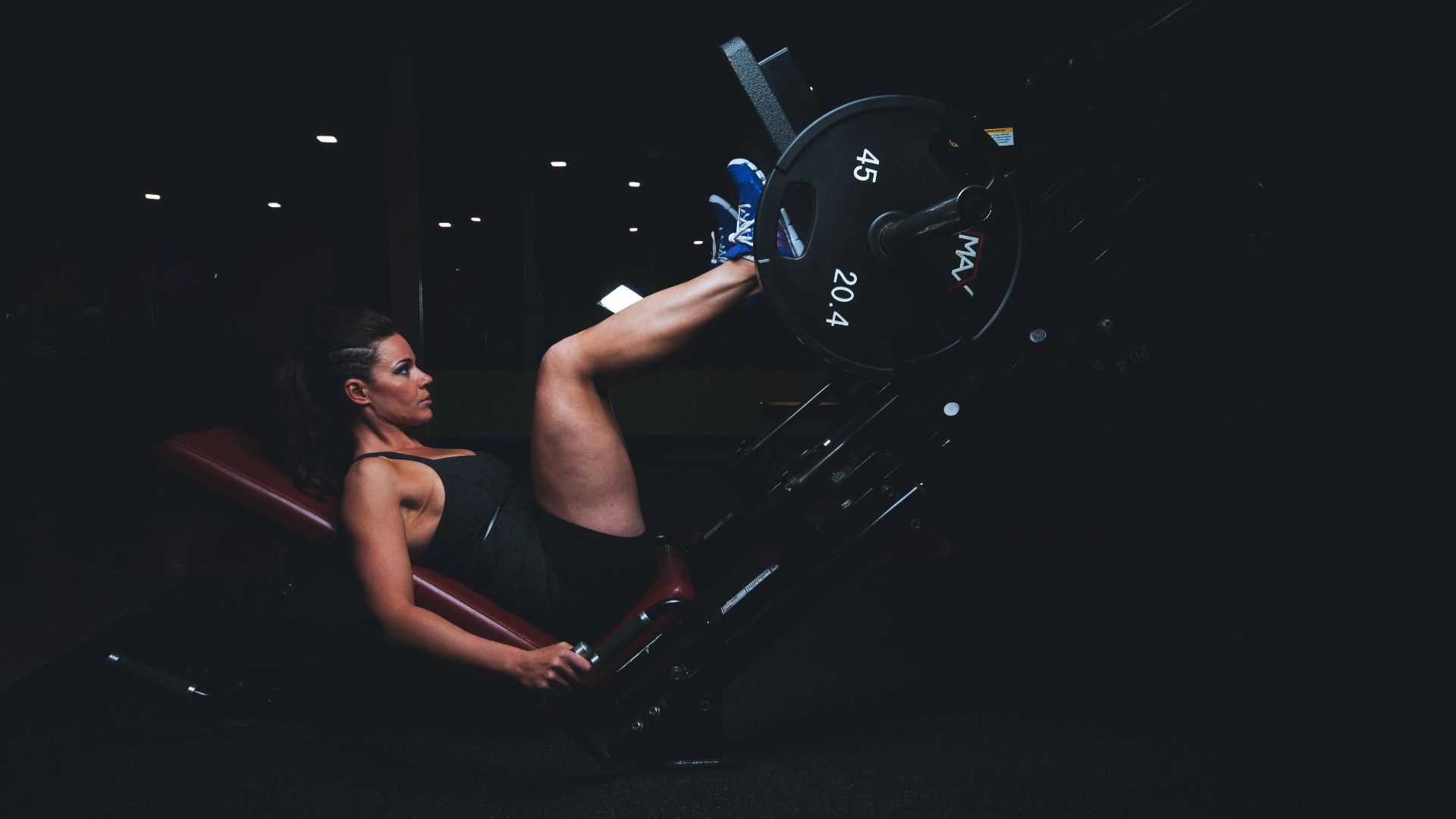
Lifters will blame their build for weak squats and slow leg growth, then skip hard lower-body work every other week. Legs usually tell the truth about effort faster than any other body part. If you are always looking for a reason to shorten the set, lighten the load, or “save energy” for accessories, your genetics are getting blamed for your own negotiations.
9. Slow Fat Loss
Some people really do have a tougher time getting lean without feeling miserable. But slow fat loss gets pinned on genetics by people who eyeball portions, snack like it does not count, and call one disciplined weekday a serious cut. The body is often less mysterious than the story we tell about it.

10. Poor Recovery
There are lifters who insist they just recover badly by nature. Then you find out they sleep six hours, train hard four days in a row, eat like a distracted college freshman, and live on caffeine. At that point, “genetics” starts sounding more like an excuse.
Most of the time, the real issue is less glamorous and much easier to fix. Here are ten key lifestyle components that often get ignored.

1. They’re Ignoring Sleep
Sleep is boring to talk about because it is not a hack, a supplement stack, or a new training split. But if recovery, strength, mood, and appetite all feel off, sleep is usually standing right there with its hand raised. A lot of lifters want elite results from a body that feels like it got hit by a bus every morning.

2. They’re Ignoring Body Weight
Muscle is hard to build when you are scared to gain any weight at all. A surprising number of people want to look dramatically bigger while staying within three pounds of the same body weight year-round. At some point, the physique goal and the eating behavior stop matching.

3. They’re Ignoring Effort
This one stings because most people think they train harder than they actually do. Plenty of sets stop the second they start to feel challenging, especially on compounds where discomfort shows up fast. There is a big difference between training and really pushing a set until it asks something of you.
4. They’re Ignoring Exercise Quality
Doing the movement is not the same as doing it well. A lot of lifters bounce through reps, shift tension to stronger muscles, and then wonder why the target area never changes. Messy training can still feel hard, which is why it fools so many people.

5. They’re Ignoring Consistency
Three locked-in weeks followed by ten days of missed sessions, takeout, and “getting back on track Monday” will not build much. Most physiques are shaped by long stretches of average behavior, not isolated bursts of motivation. The boring middle always matters more than the dramatic start.

6. They’re Ignoring Food Intake
Not in a perfect macro-tracking way. Just in the basic, obvious sense that eating enough to grow or little enough to lean out actually matters. A lot of lifters want the results of precision while operating on guesses, hunger swings, and whatever happened to be in the kitchen.
 Farhad Ibrahimzade on Unsplash
7. They’re Ignoring Progression
If the weights, reps, control, or total workload are not moving, there is not much reason for the body to adapt. Too many people run the same workouts for months because the routine feels familiar and flattering. Comfort is great for sweatpants, not for progress.

8. They’re Ignoring Technique On Their Main Lifts
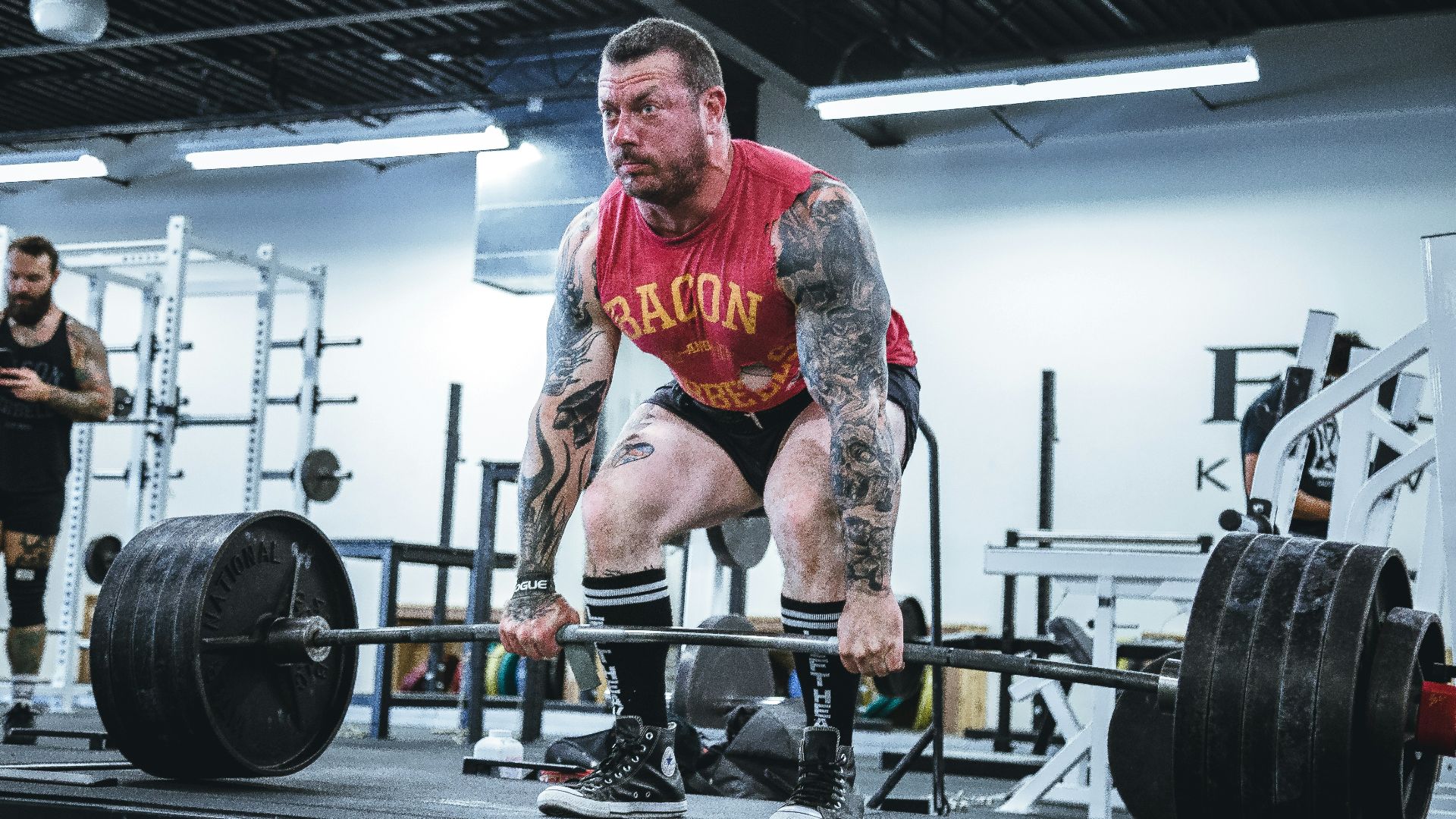
A stronger squat, bench, deadlift, or pull-up usually comes from practicing the lift well, not just attacking it harder. Bad bar paths, loose setup, rushed descent, and sloppy bracing can make a lifter feel capped long before they really are. Skill gets overlooked because it is less dramatic than effort, but it pays better.

9. They’re Ignoring Recovery Outside The Gym
Training is only one stressor. If work is chaos, sleep is weak, steps are high, food is inconsistent, and life feels like a fire drill, the body notices. A lot of stalled progress is really accumulated fatigue wearing a “bad genetics” nametag.

10. They’re Ignoring Time
This may be the biggest one of all. Lifters blame genetics after eight months like they have been trapped in a decades-long injustice, when real physique change often takes years of unsexy repetition. The harsh truth is that patience looks a lot like bad luck until the results finally show up.