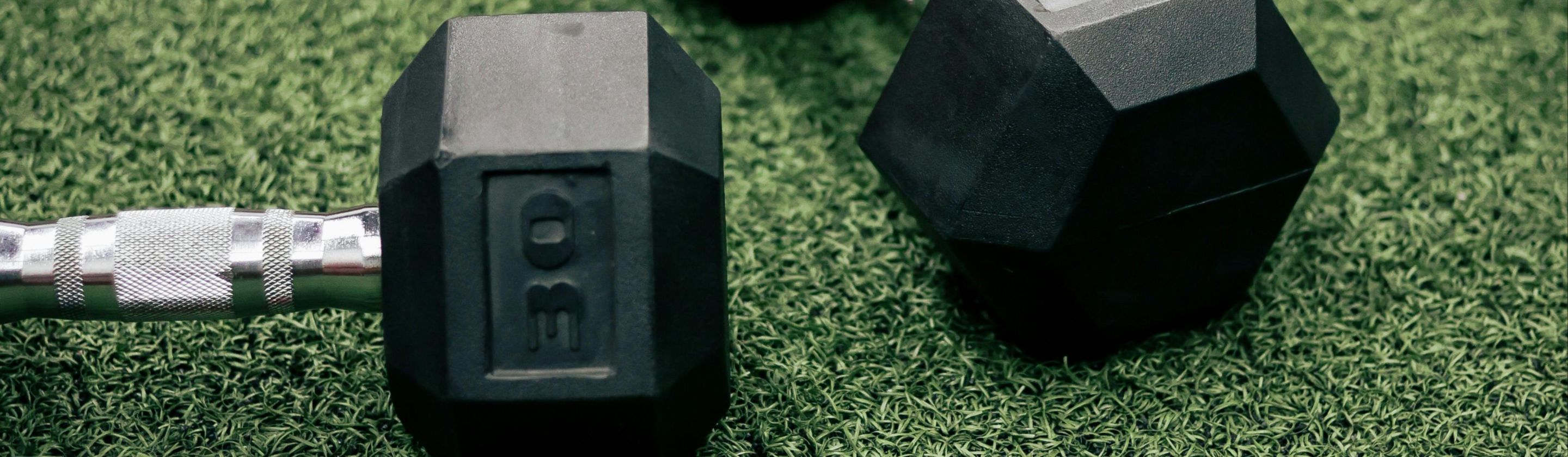
Get Your Grippers in Good Shape
You know what’s funny? Grip strength actually doesn’t usually get much attention—despite how important it is. It’s often ignored until everyday tasks start feeling a little more annoying than they should. Well, not anymore! While a weak grip doesn’t always point to a serious problem, it can be a useful clue that your overall strength could use some support. Let’s dive into a few signs you need improvement, and a few ways to get there.
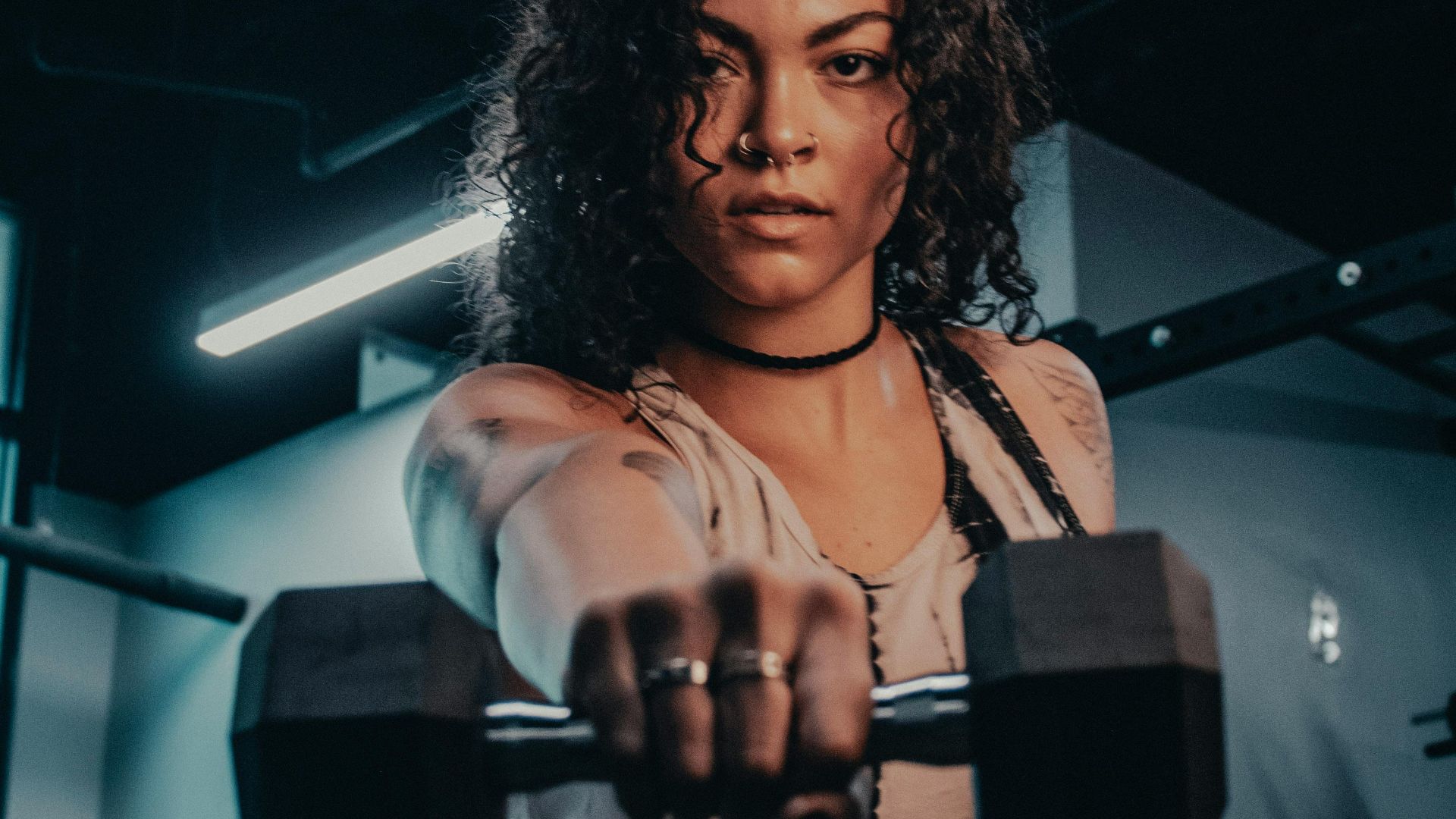
1. Opening Jars Feels Weirdly Difficult
Hey, we’ve all struggled to open jars before, but if it starts feeling like a full-body exercise, your grip strength is probably lacking. When easy containers keep defeating you, that’s worth noticing, especially if your hands can’t apply steady force.
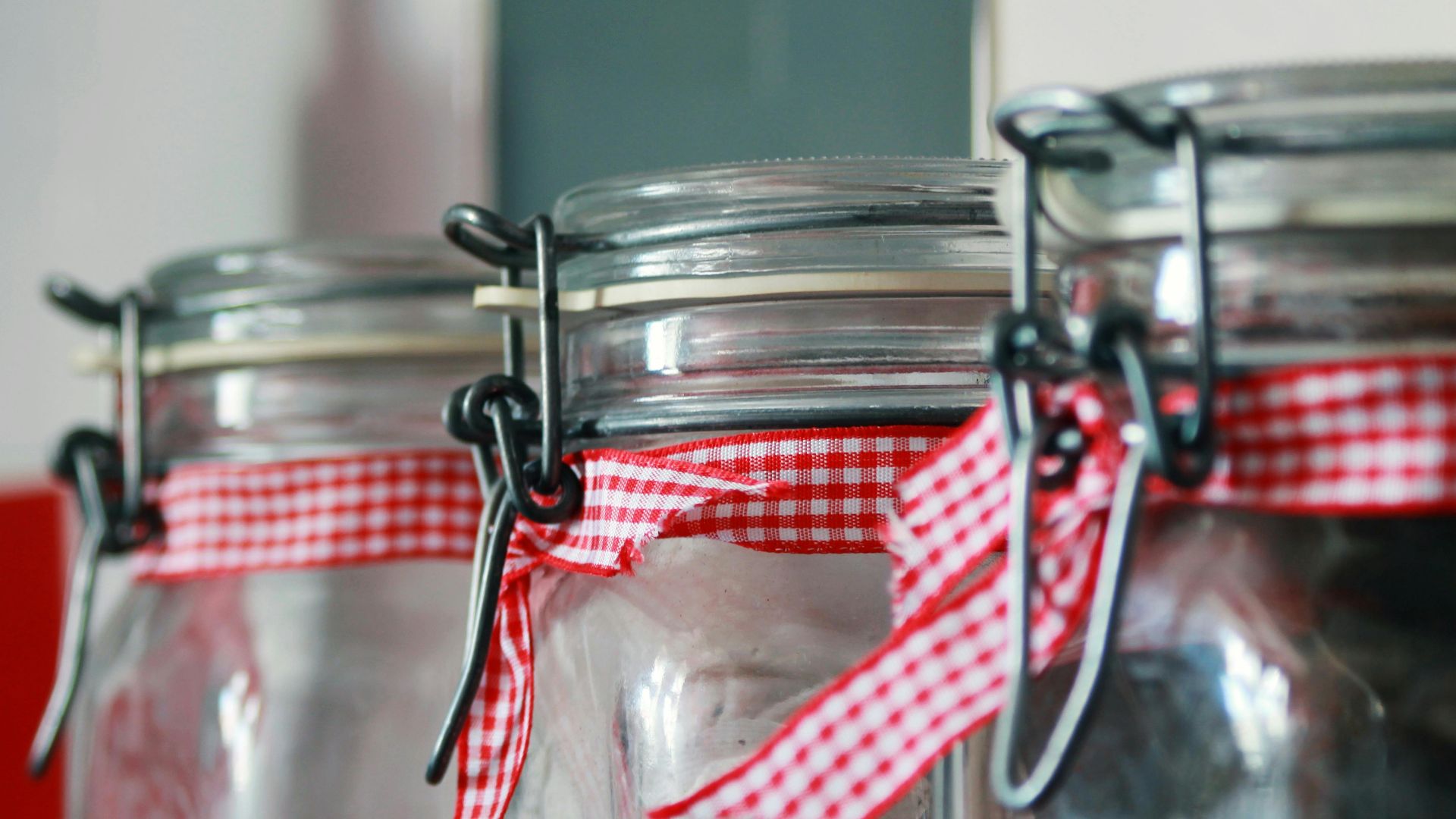
2. You Drop Things More Often
An accident is one thing. Dropping cups, phones, or grocery items daily is another. Your grip helps you hold objects securely, especially when they’re awkward to carry, so if your hands aren’t keeping up, everyday clumsiness may not be quite as random as it seems.
 Priscilla Du Preez 🇨🇦 on Unsplash
3. Carrying Bags Leaves You Tired
If shopping bags make your hands ache, that can point to poor grip endurance. Strength isn’t just about how hard you can squeeze once; it also affects how long you can hold on. So, when your fingers start giving up halfway through, your grip needs attention.

4. Your Handshake Feels Weak
A handshake isn’t a medical test, but it can definitely give you a sense of how much force your hands produce. If your grip feels noticeably soft compared with what feels normal, that may reflect reduced hand strength.

5. Twisting Doorknobs Takes More Effort
It’s always worth noting if something as simple as turning a key feels like a major project. Those basic movements rely on hand and forearm strength working in a controlled way, which means any difficulty should raise your alarm bells.
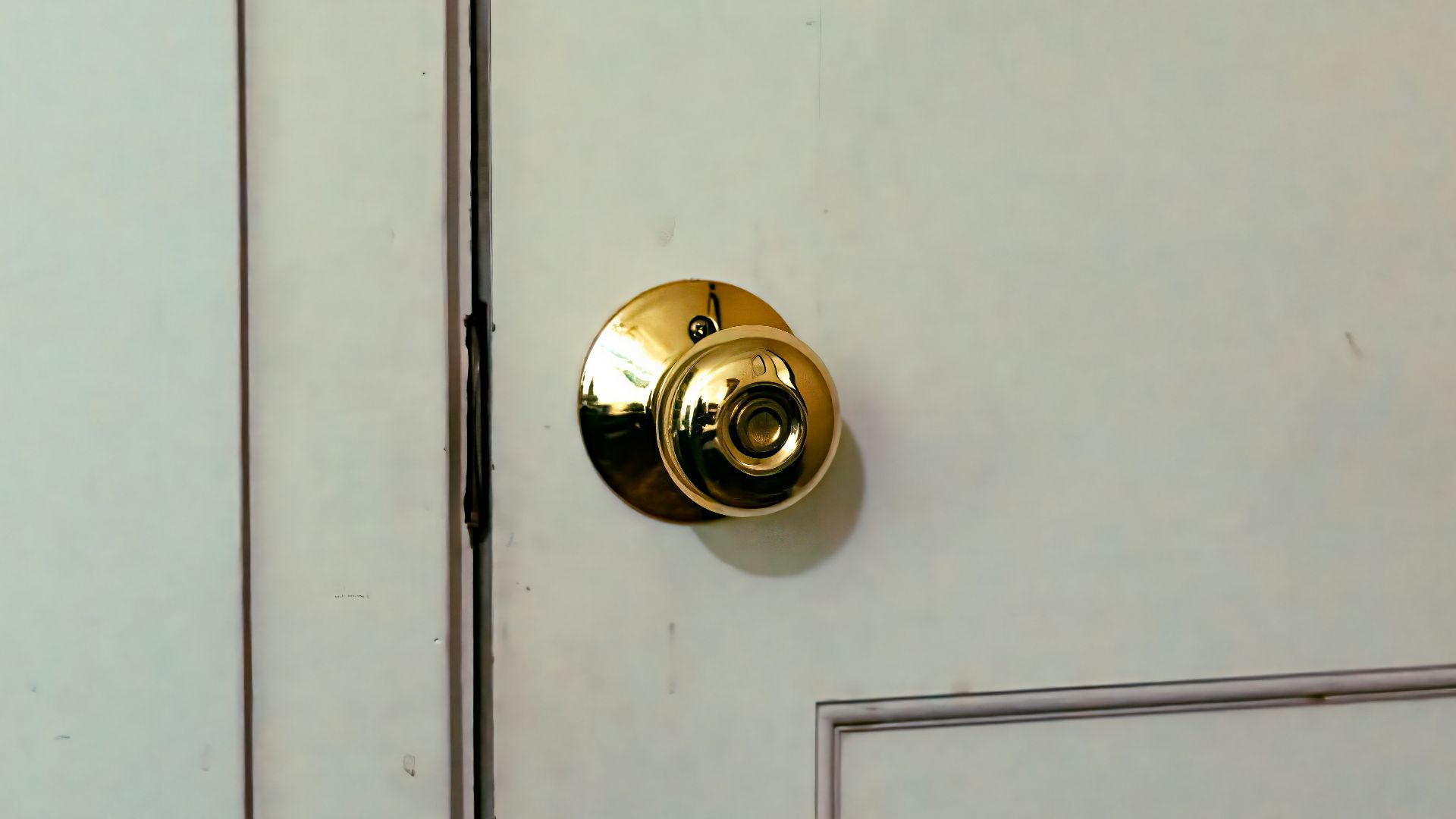
6. You Struggle to Hold Equipment
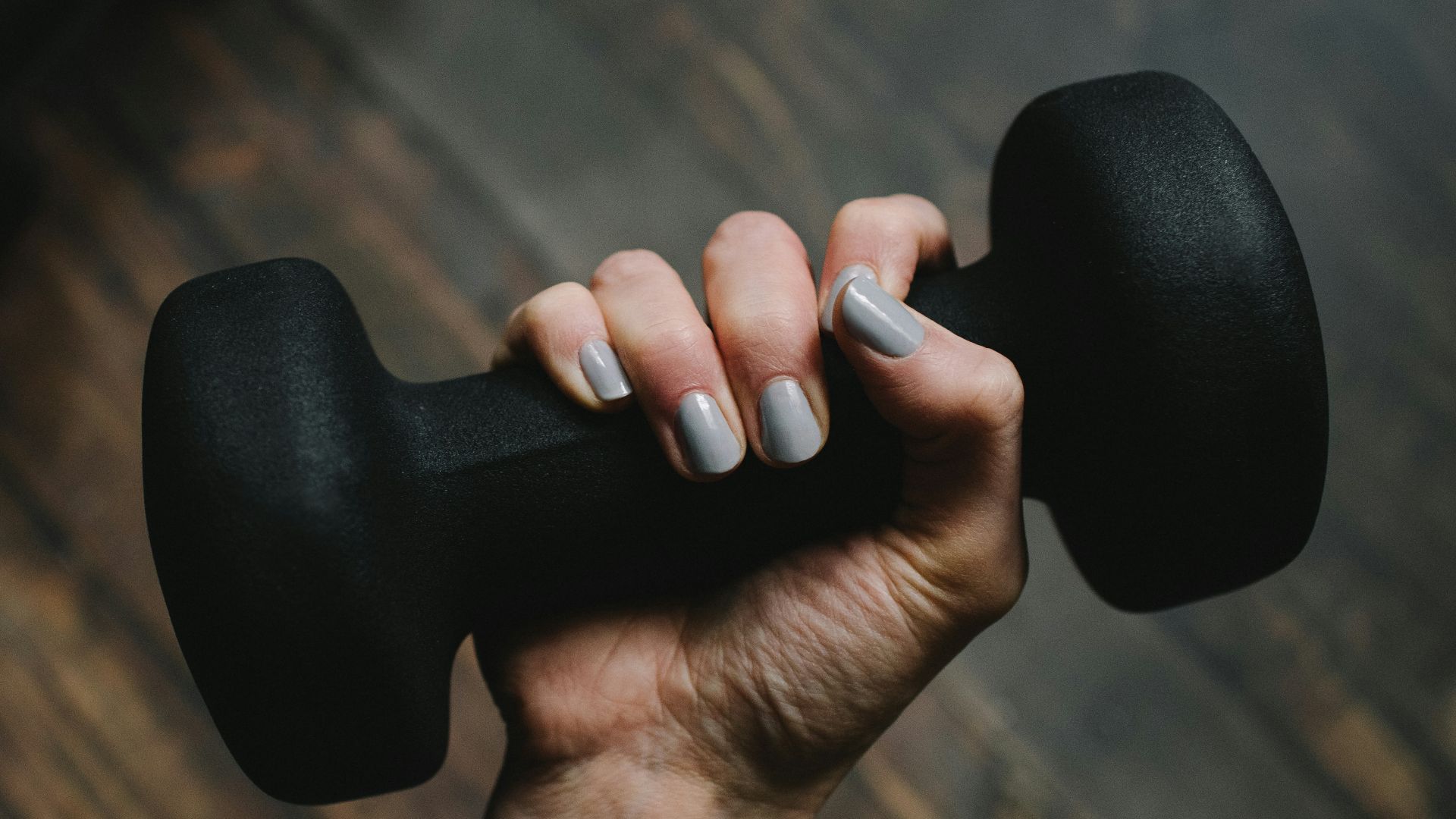
Holding dumbbells, resistance bands, or pull-up bars is all part of working out—when they slip, weak grip strength is likely to blame. Sometimes the rest of your body is ready to keep going, but your hands decide the workout is over.
7. Writing Wears Out Your Hand
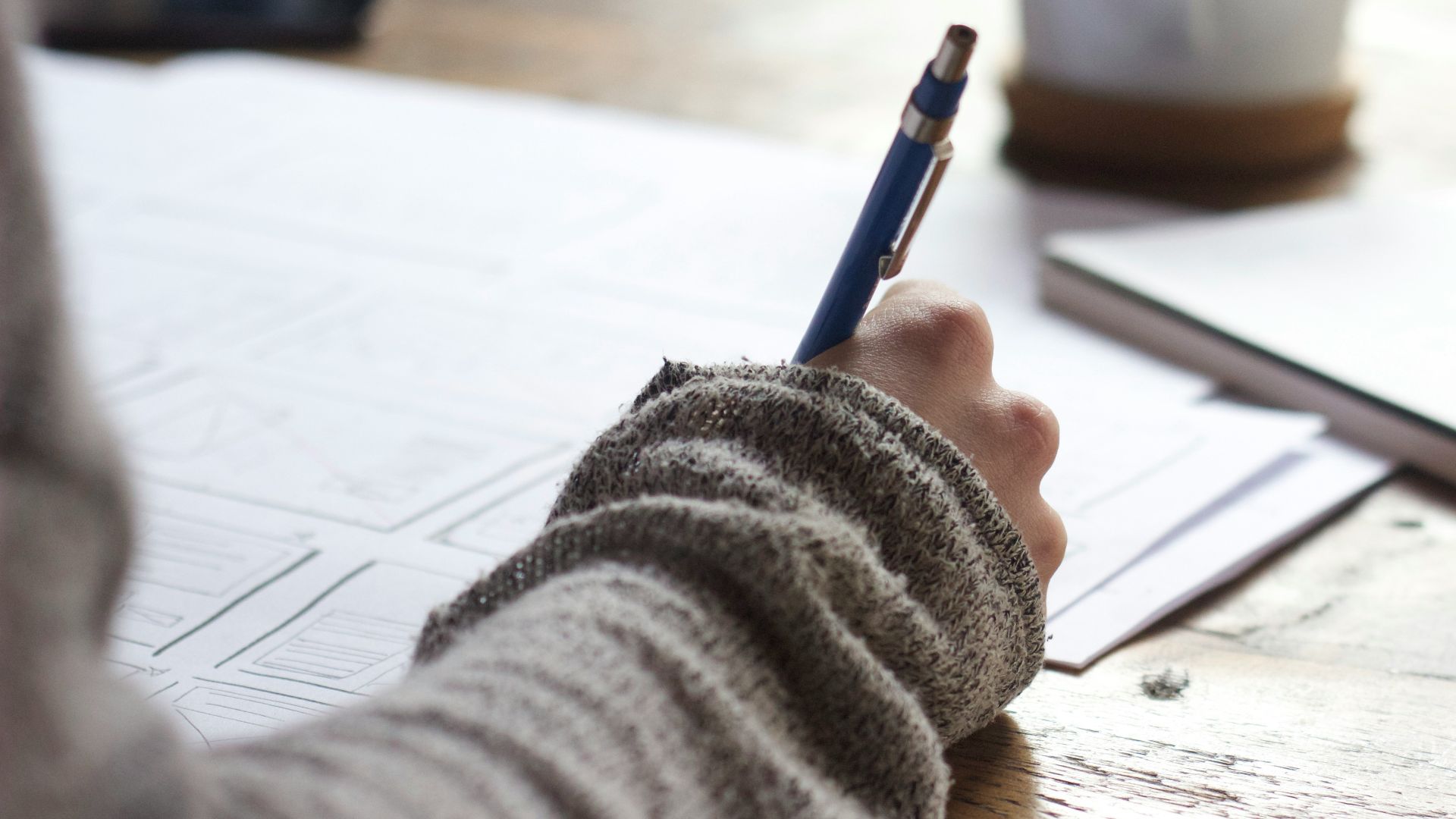
Holding a pen shouldn’t leave your hand exhausted. But when smaller muscles in your hand tire easily, even simple tasks become uncomfortable. Stuff like that should be on your radar. If your hand starts begging for a break before the job’s done, weak grip strength could be involved.
8. Your Hands Feel Shaky
A shaky hand during everyday activities can sometimes happen when your muscles work harder than they should. That extra effort may show up when you’re pouring a drink, holding a mug, or trying to keep a steady hold on something light. Though shaking can have other causes, poor grip strength is a possibility, too.
9. You Notice One Hand Is Much Weaker
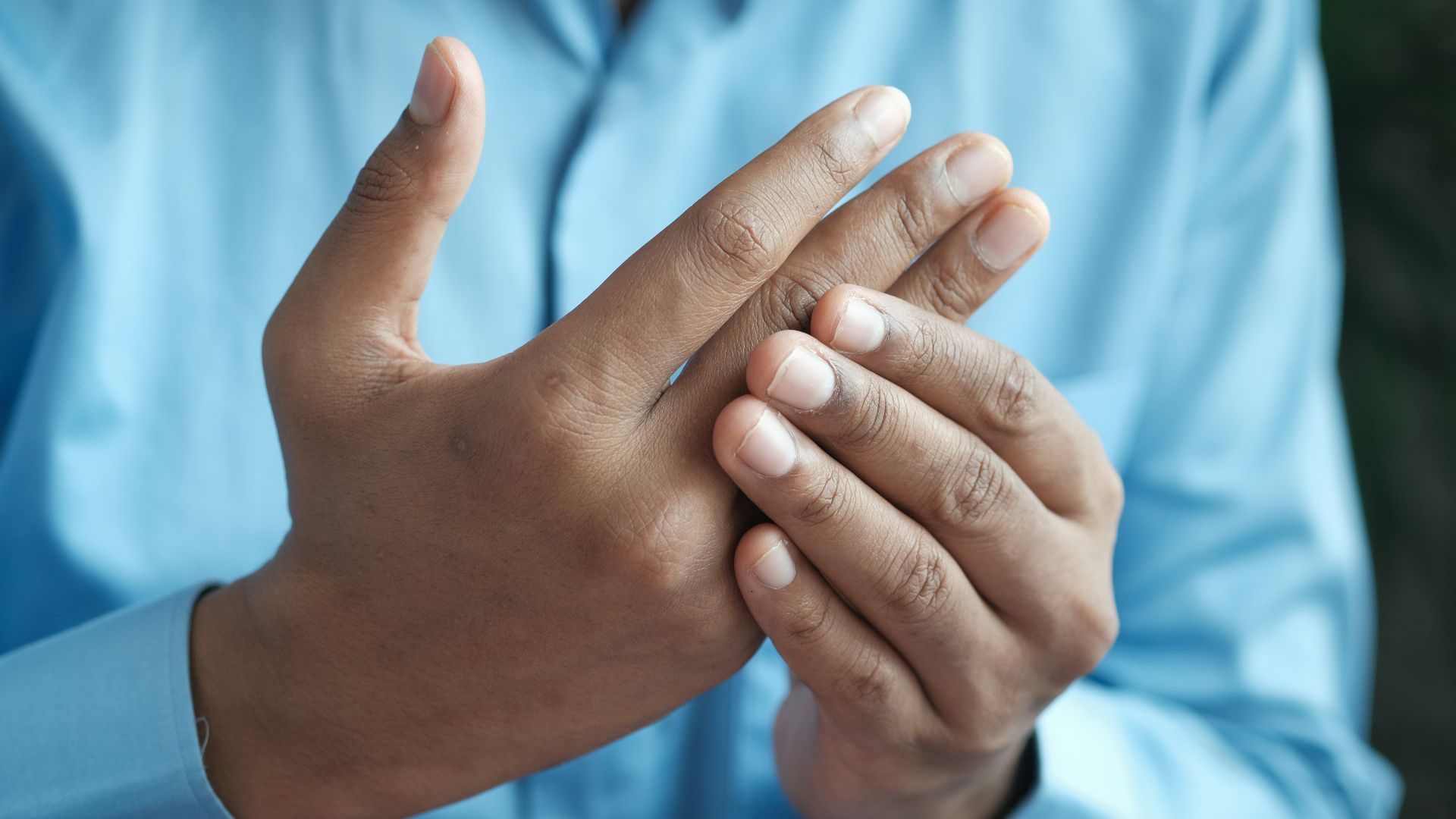
Pay attention to each of your hands. A small difference between them is completely normal, but if one hand suddenly feels weaker or less reliable, that’s something to flag. In fact, in some cases, a noticeable drop in grip on one side can be a reason to check in with a medical professional.
10. Everyday Tasks Feel More Demanding
Sometimes the clearest sign is simply that ordinary tasks now feel harder for no reason. Anything from buttoning clothes to opening packages may all start to feel more awkward when grip strength declines.

We know that grip strength sounds like one of those niche fitness goals, but it’s way more valuable than it seems. It’s time we explored a few ways you can strengthen those little muscles we often ignore!
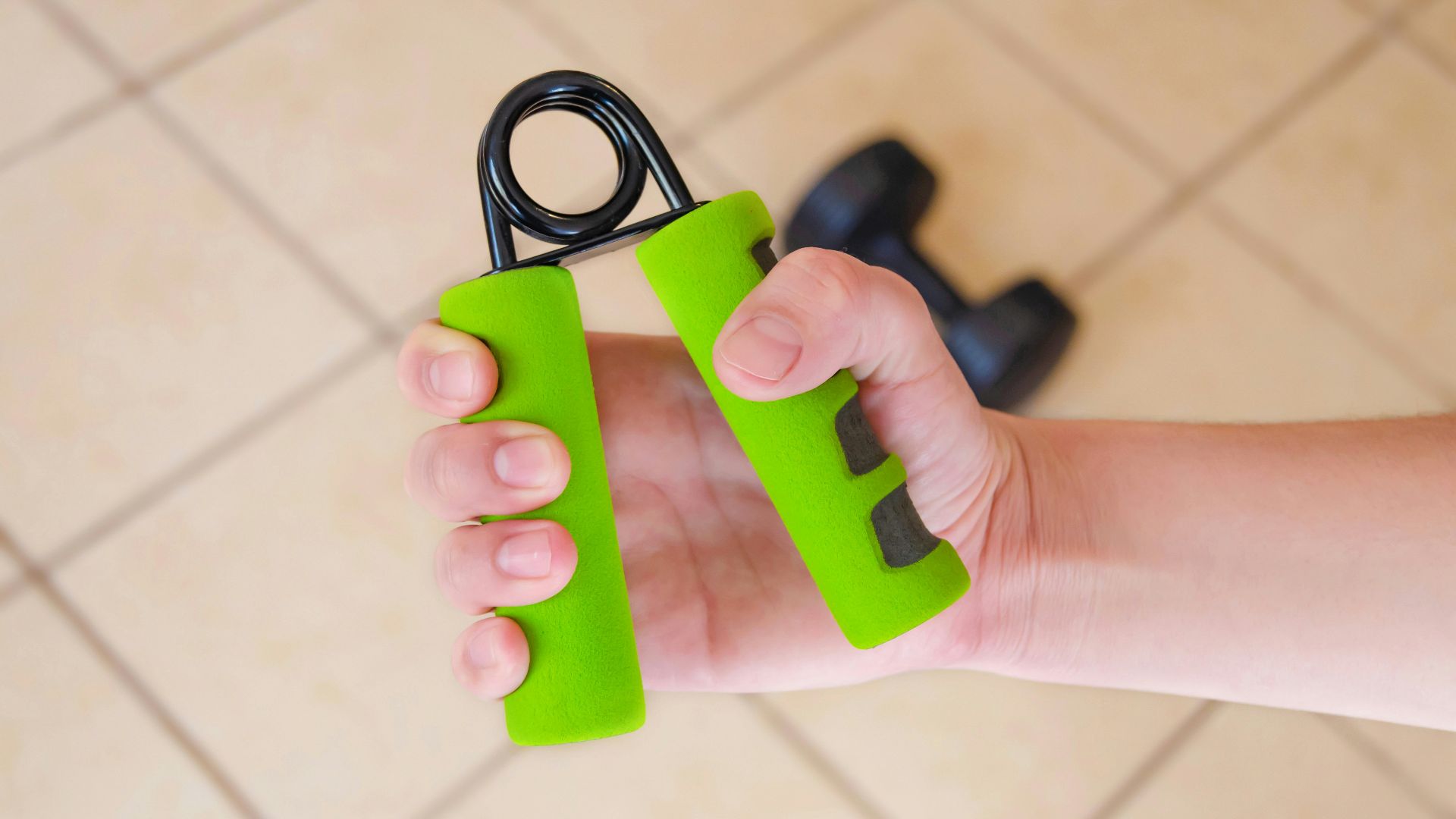
1. Use Hand Grippers
Hand grippers are one of the simplest ways to build strength, and they’re an affordable option, too. They let you train your hands directly, so using them a few times a week with controlled squeezes can gradually improve both strength and endurance.
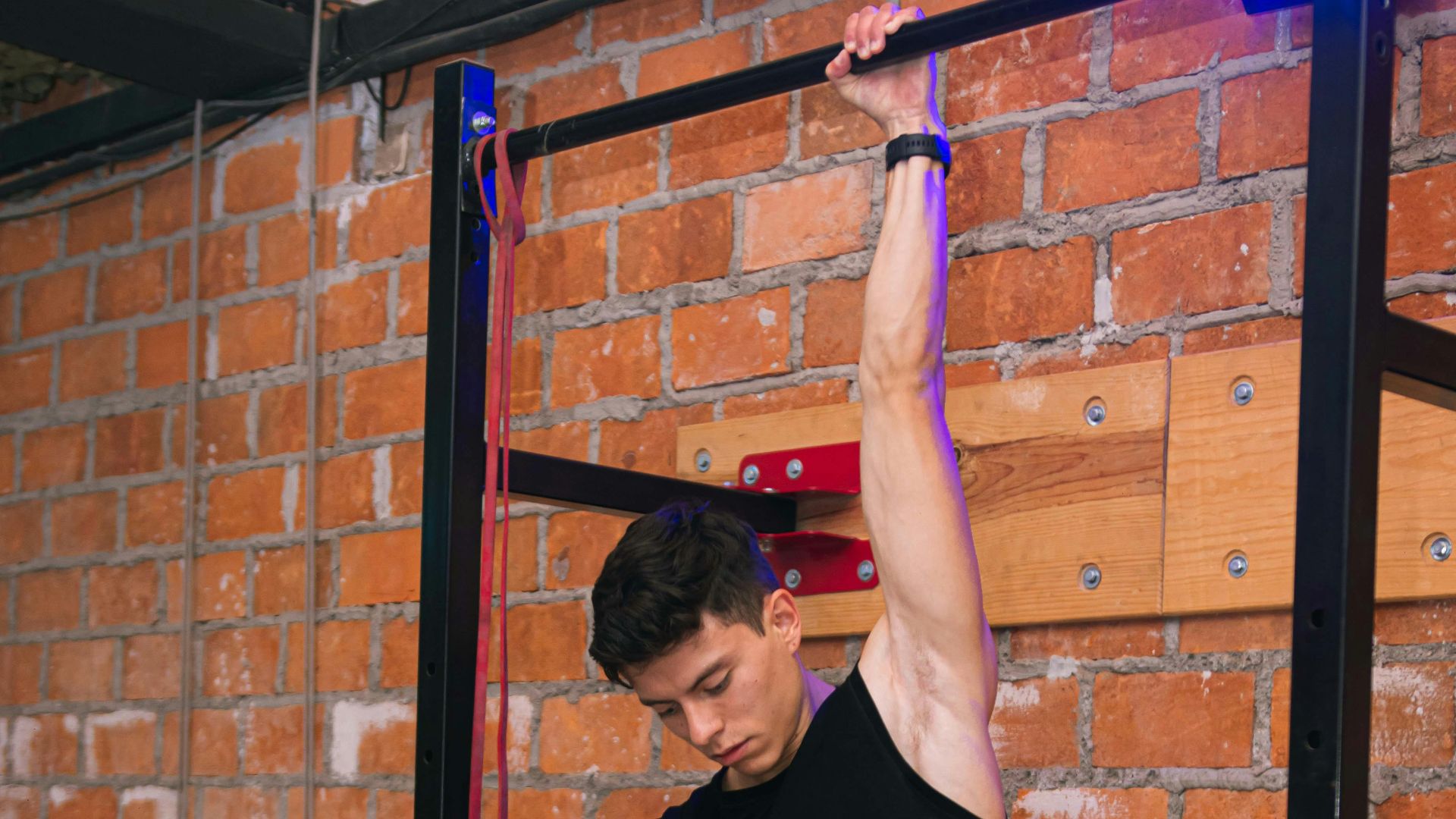
2. Hang From a Bar for Short Periods
Dead hangs are a straightforward exercise that asks your hands and forearms to support your body weight. Even a short time can help your grip become more resilient and steady! With regular practice, you may even notice that other pulling exercises start feeling more secure, too.
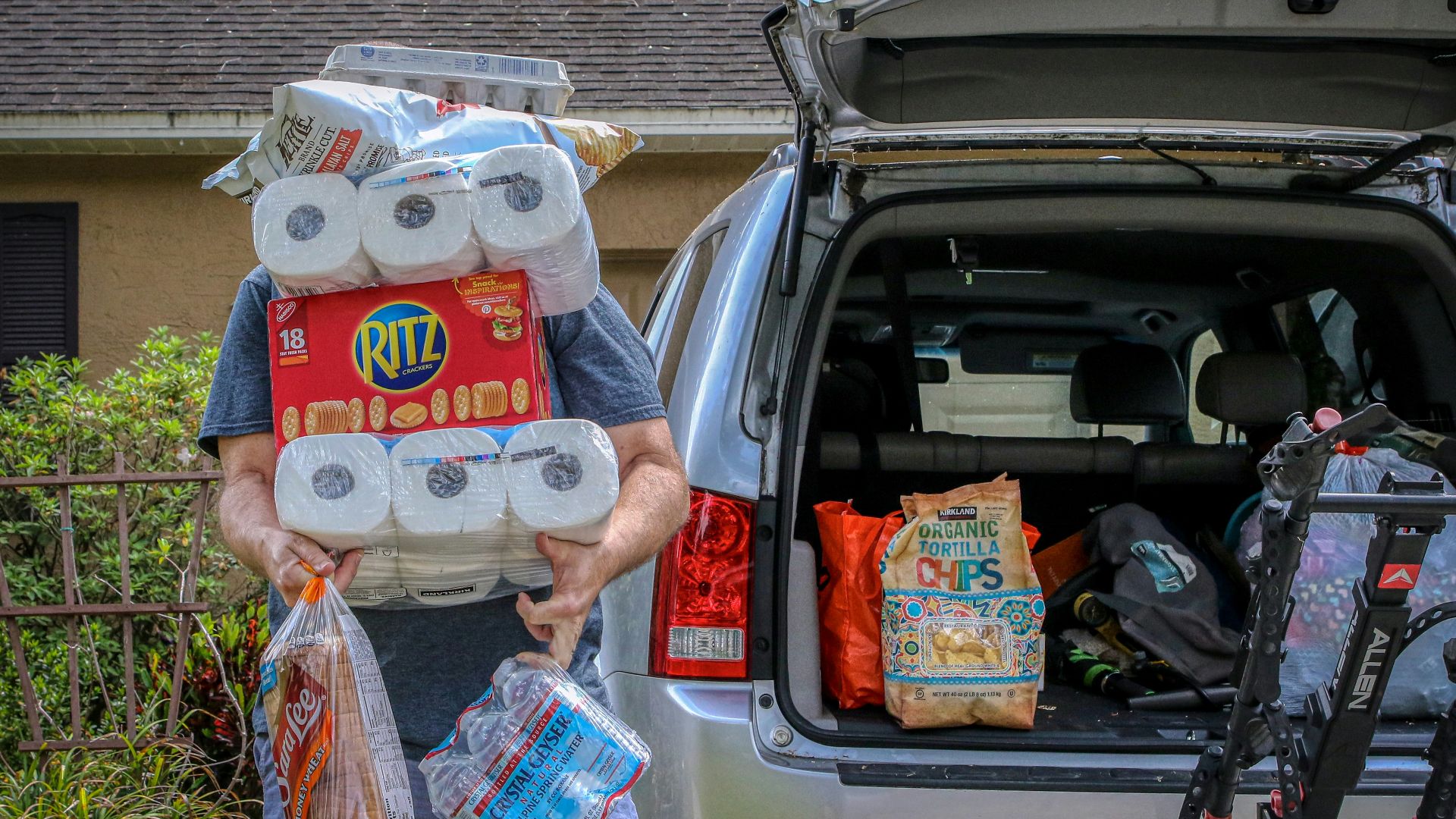
3. Carry Heavy Items on Purpose
It might not be glamorous, but you should aim to pick up the heavy stuff on purpose! The reason is that farmer’s carries are actually a practical way to strengthen your grip and work your arms and core. Over time, your hands get stronger in a very functional way.
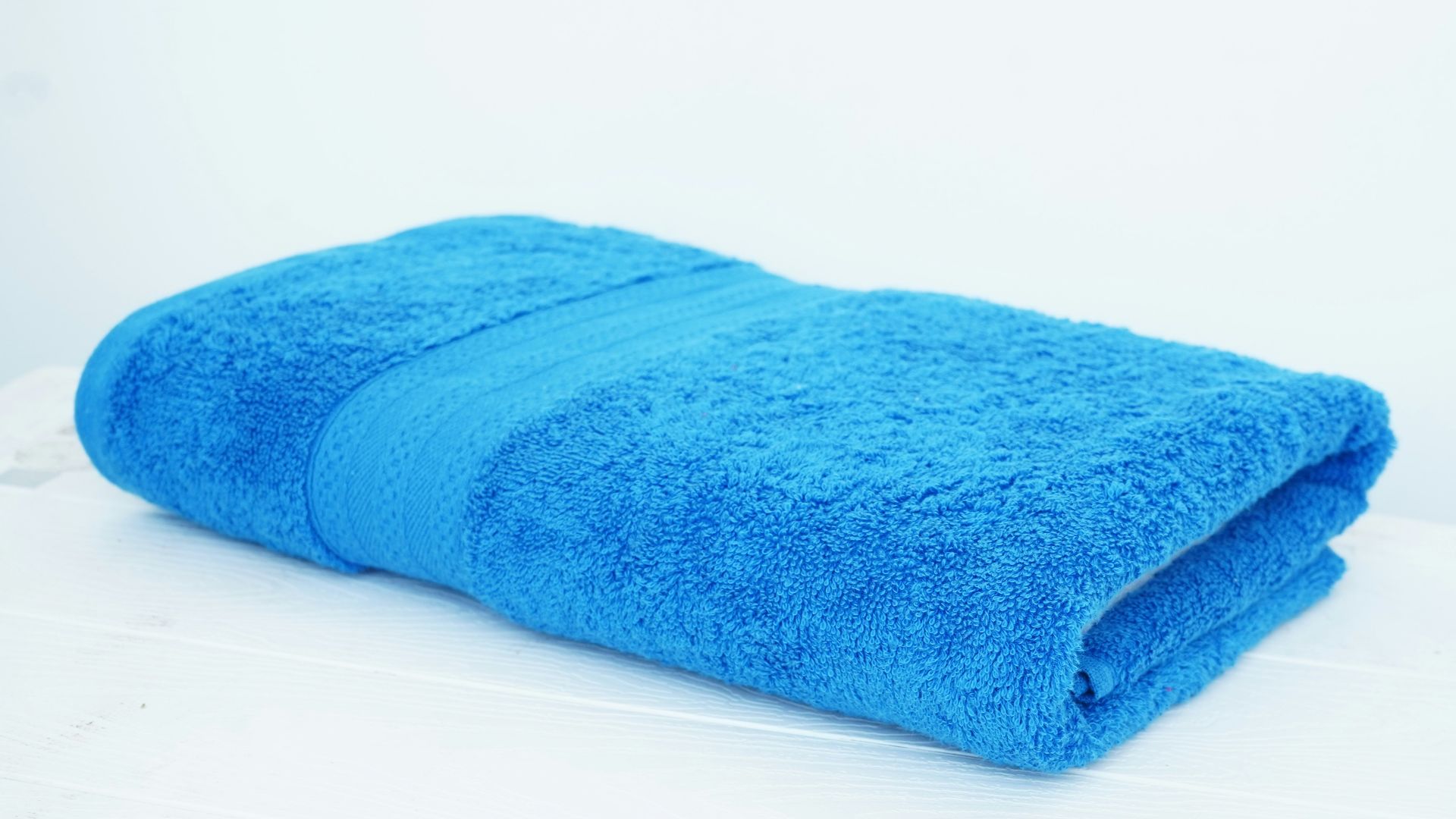
4. Use a Towel During Some Exercises
It sounds simple, but wrapping a towel around a pull-up bar makes gripping much more demanding. That thicker, less stable surface forces your hands to work harder than they usually would, so it’s worth trying it out to boost those muscles.
5. Train With Heavier Movements
If you want to strengthen certain muscles, you need certain exercises! Workouts like deadlifts, rows, and pull-downs help build grip strength when you hold the weight firmly through each set. Your hands have to stay engaged while the larger muscles do their work, which makes workouts like these especially useful.
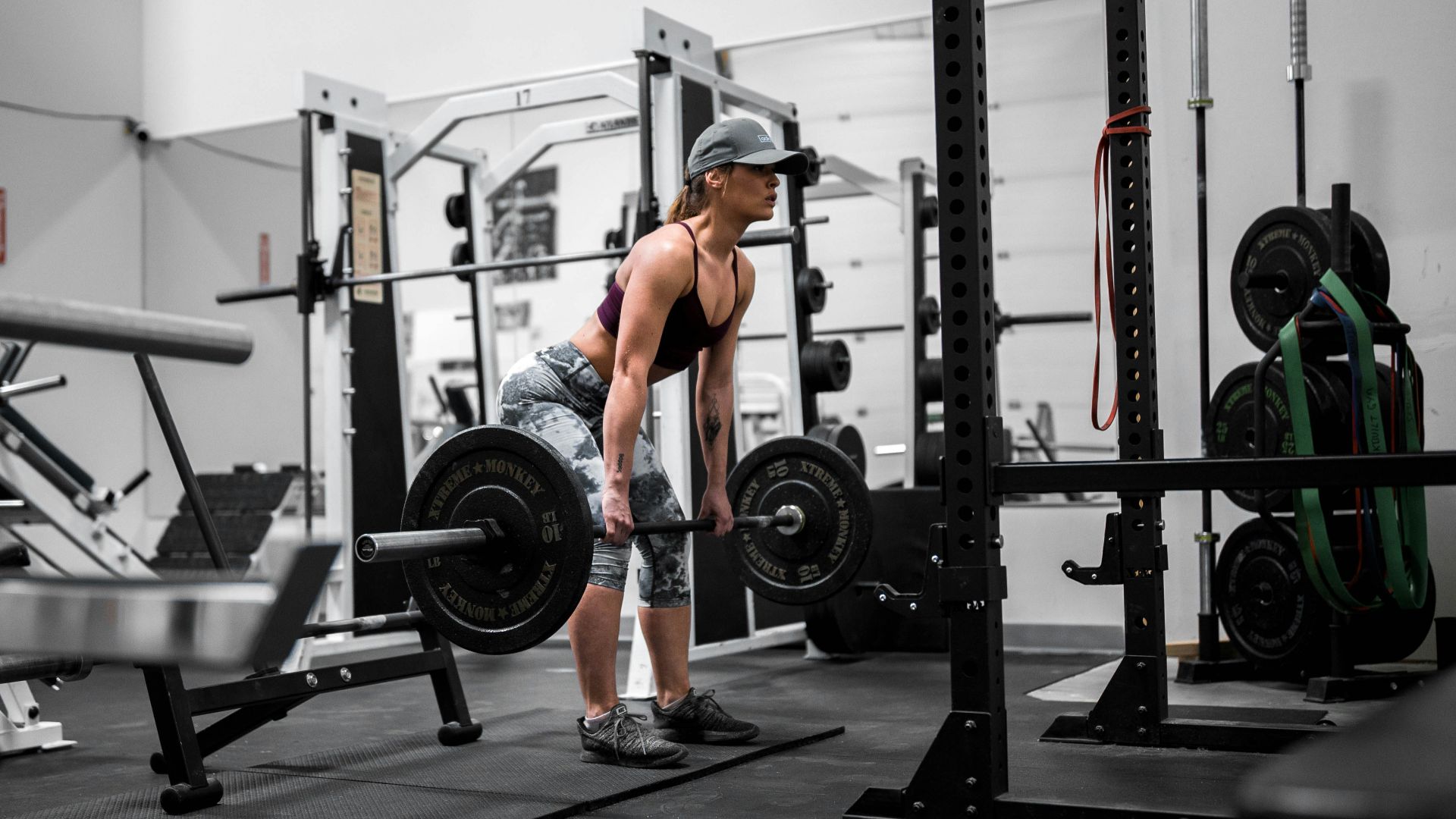
6. Practice Pinch Grip Exercises
Pinch grip training focuses on the ability to hold something between your fingers and thumb without wrapping your whole hand around it. It’s a lot simpler than it seems, too! Try carrying weight plates. Hold a book by its edge. Thumb strength plays a bigger role than many people realize, and working it out helps in the long run.
 Christopher Stites on Unsplash
7. Build Endurance With Longer Holds
Grip isn’t only about squeezing hard once—it also depends on how long you can maintain control. Static holds, such as gripping a dumbbell or pausing at the top of a deadlift, can improve staying power in your hands.
8. Don’t Ignore Your Wrists and Forearms
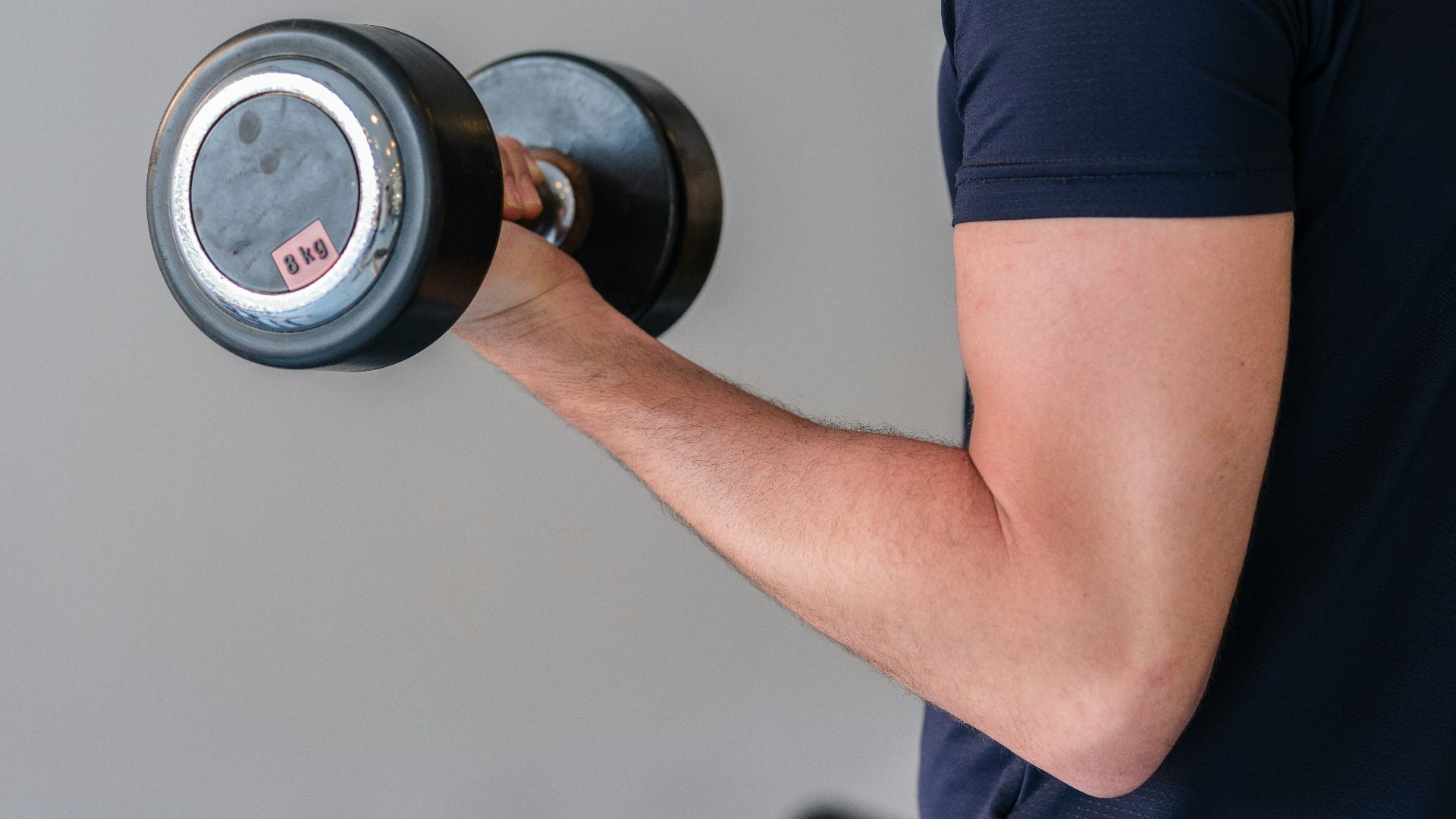
A lot of muscles work to grip something, including those in your forearms and wrists. You know what that means: specific workouts! Wrist curls, reverse wrist curls, and controlled forearm exercises support better hand function and a stronger hold.
9. Stay Consistent
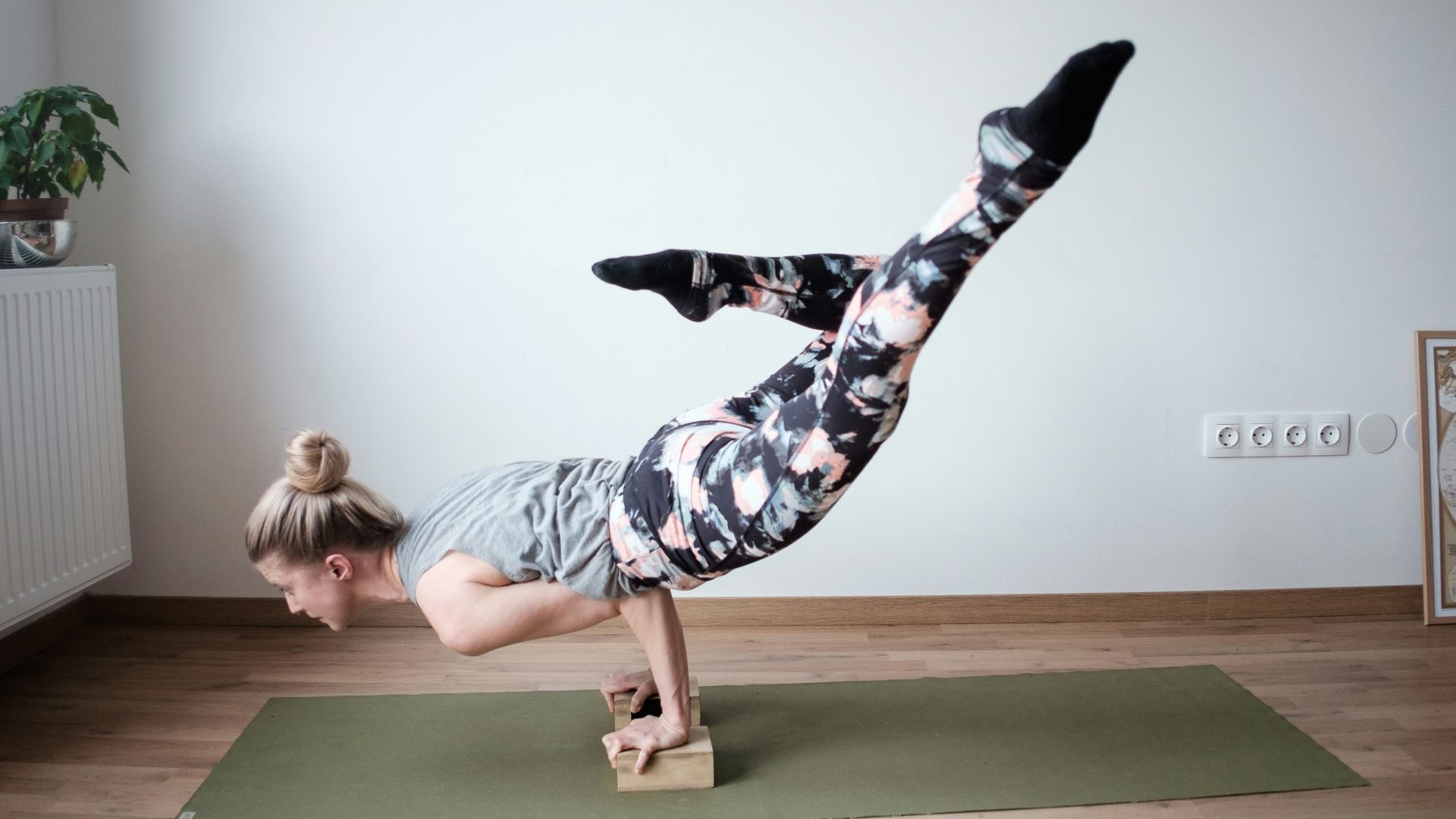
Training, even grip training, works best when you do it regularly rather than attacking it once. Your hands and forearms can get sore pretty easily, so pacing yourself is way smarter than trying to crush every session.
10. Give Your Hands Time to Recover
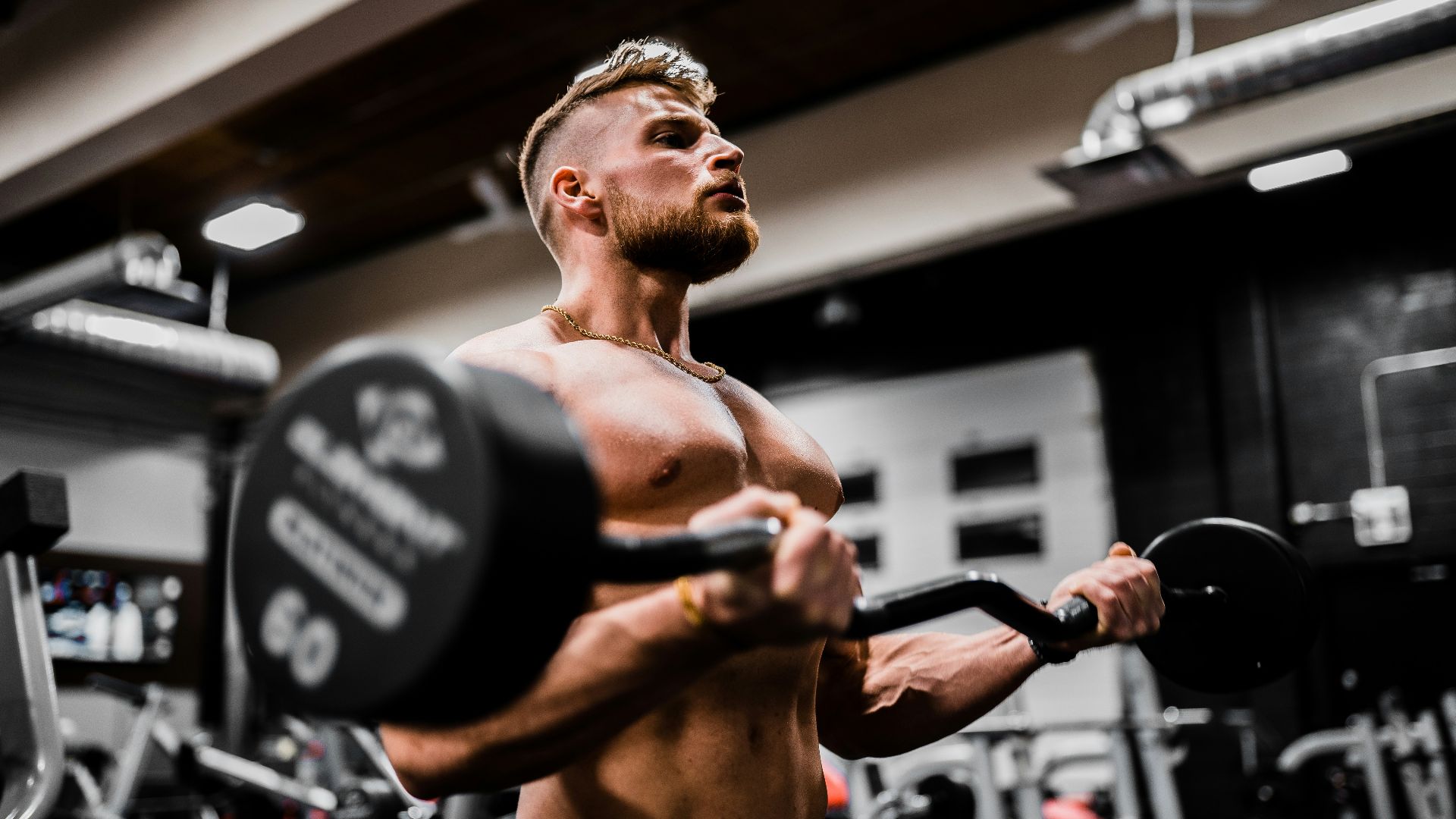
Rest matters as much as the workout, especially when small muscles are involved. If your hands are constantly overworked, they’ll only feel worse instead of stronger, which isn’t the goal. A balanced routine with recovery time can help you improve your grip without injury.