
Easy Ways to Relieve Stress
When most people think about managing stress, their minds go straight to the usual habits: exercise, meditation, or journaling. But stress relief doesn't have to follow a script, and some of the most effective techniques are ones you've probably never tried or even considered. From sensory tricks to even just looking at patterns in nature, there's a whole world of unconventional strategies that researchers and psychologists have found genuinely useful for calming your nervous system and improving your overall sense of well-being. Whether you're dealing with everyday tension or something more persistent, these 20 lesser-known approaches might be exactly what you need to shake things up.

1. Try Cold Water Face Immersion
Splashing cold water on your face or submerging it in a bowl of cold water for 15 to 30 seconds activates the dive reflex, a physiological response that slows your heart rate and calms your nervous system almost immediately. It sounds unusual, but this technique is actually used in dialectical behavior therapy (DBT) as a fast-acting emotional regulation tool. If you're feeling overwhelmed and need to reset quickly, this might just help.

2. Hum to Yourself
Humming stimulates the vagus nerve, which plays a central role in regulating your body's stress response, and even a few minutes of it can noticeably shift your physiological state. Don't worry about humming a certain tune; just focus on the vibration and the controlled breathing that come with it that do the work. Try it the next time you're stuck in traffic or waiting in a long line and see how quickly it helps calm you down.
3. Chew Gum
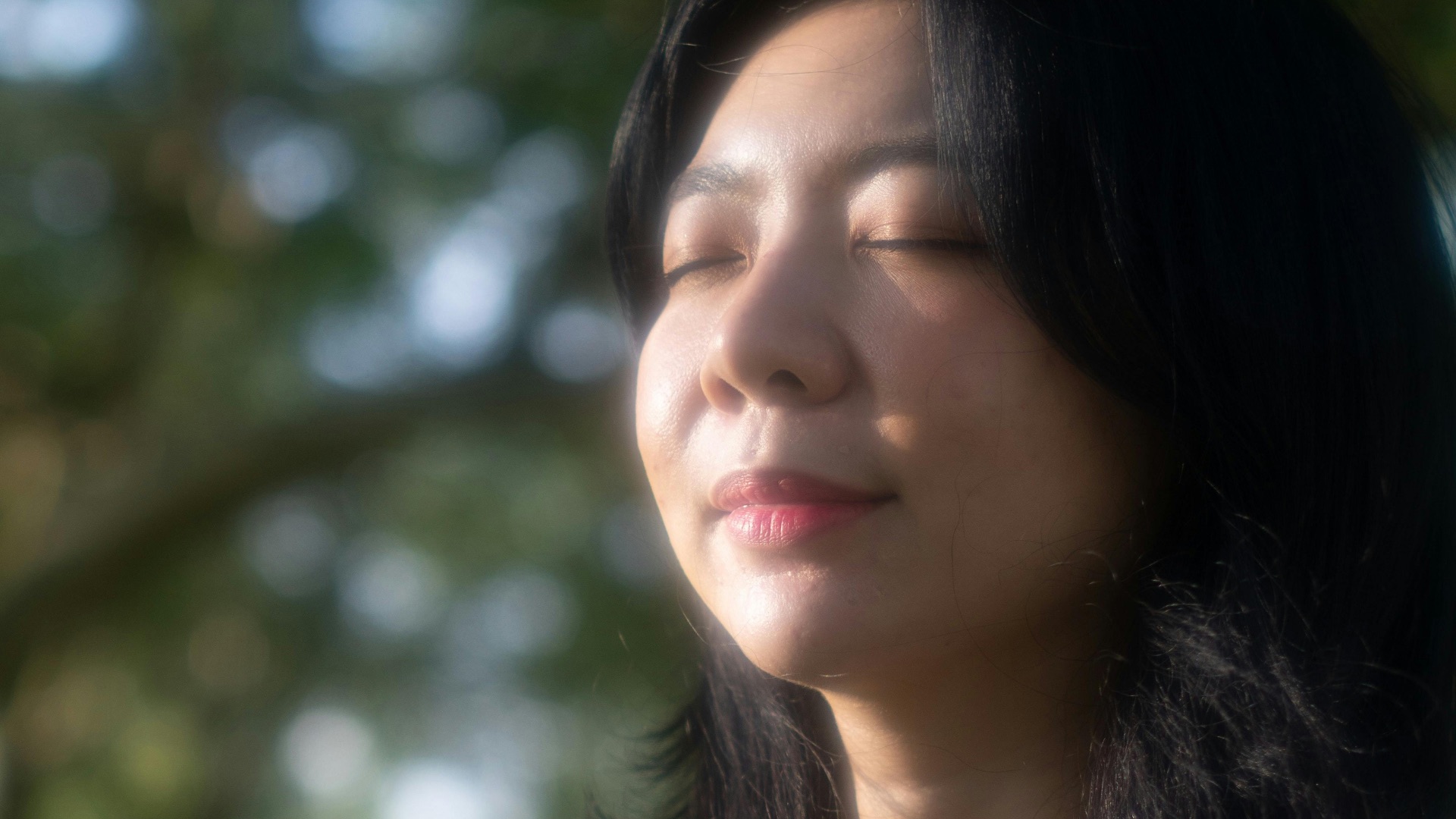
There is some evidence that suggests that chewing gum can lower cortisol levels, the hormone most closely associated with stress, and reduce feelings of anxiety during tense situations. The repetitive jaw motion appears to have a self-soothing effect, and some studies suggest it can also improve focus and alertness at the same time. Keeping a pack on hand during a busy workday might be the key to taking the edge off.

4. Reorganize a Small Space
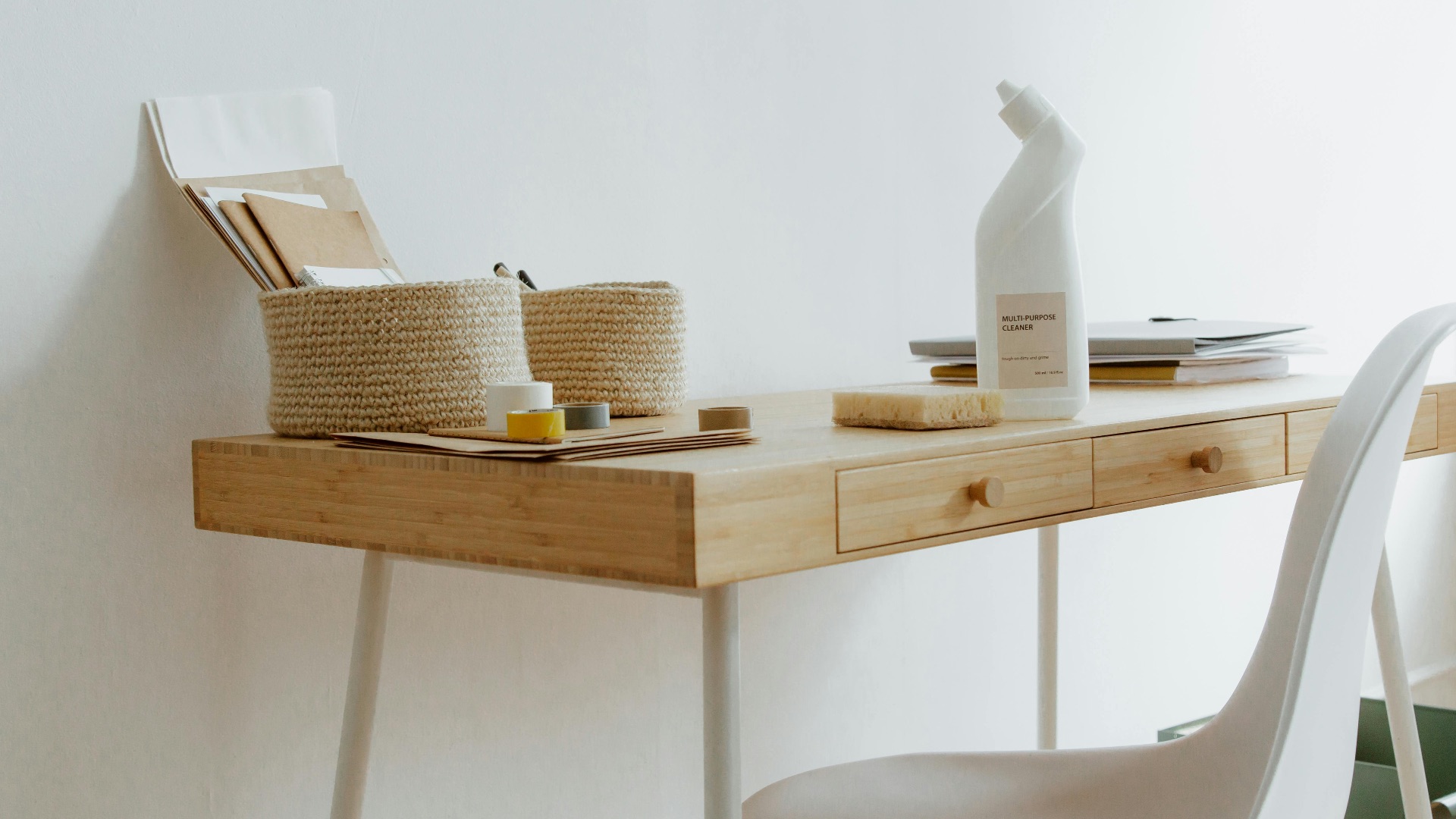
There's something mentally refreshing about physically reorganizing a drawer, a shelf, or even just your desk, and it can give you a tangible sense of control when other things in your life feel chaotic. The act of sorting and tidying can redirect anxious energy into something productive. Even a few minutes of reorganizing a small corner of your space can shift your mindset.
5. Watch Something Funny
Laughter triggers the release of endorphins and reduces the physical symptoms of stress, including muscle tension and elevated heart rate, so putting on a comedy clip or a funny video isn't just procrastination. Research has found that even anticipating laughter can lower stress hormones before the laughing has actually started, which means simply deciding to watch something funny is already doing some of the work. The next time you feel stressed out? Pull up something humorous.

6. Do a Body Scan
A body scan involves slowly directing your attention to different parts of your body, from your feet upward. It's a mindfulness-based practice that helps interrupt the mental loop of anxious thinking by grounding your awareness in physical sensations instead, by simply letting yourself feel. You can do it lying down or seated, and even a five-minute version can leave you feeling noticeably calmer and more present.

7. Eat Something Crunchy
The act of chewing crunchy foods like carrots, celery, or crackers requires firm, deliberate jaw movement, which some researchers believe helps release physical tension stored in the face and jaw. Many people unconsciously clench their teeth when stressed, so introducing a purposeful chewing activity can act as a kind of physical release for that built-up tension.

8. Change Your Posture
Your posture has a more direct relationship with your emotional state than most people realize, and slouching or hunching can actually amplify feelings of stress and low mood. Sitting or standing in a more upright position, on the other hand, may improve your confidence and decrease negative emotional responses over time. For such a small physical adjustment, it can have a real cumulative effect on how you feel.

9. Spend Time Near Water
Being near water, whether that's a lake, river, fountain, or even just running a tap, has been shown to reduce stress and anxiety, with some researchers pointing to both the visual and auditory effects of water as contributing factors. The concept of "blue space," which refers to natural or built environments featuring water, has gained traction in environmental psychology as a legitimate mood regulator ("blue mind state"). If you can work a short walk near any body of water into your routine, it's worth making a regular habit of it.

10. Write Out Your Worries Before Bed
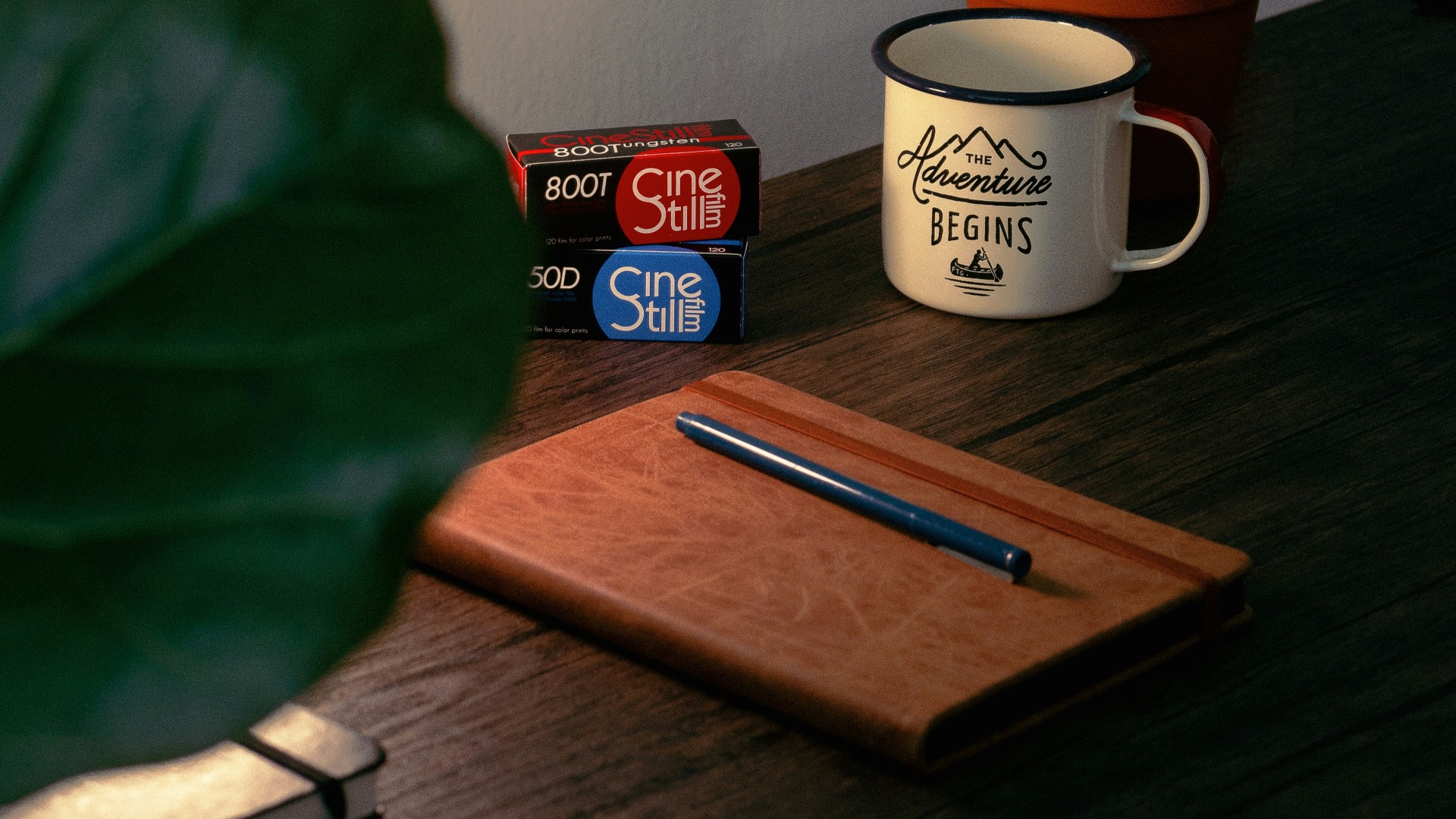
Spending a few minutes before sleep writing down your concerns, to-do items, or unresolved thoughts can help offload the mental weight that keeps many people awake at night. For example, you might find that writing a specific to-do list before bed, rather than journaling about feelings, may be more effective at helping you fall asleep. The idea is that getting those thoughts out of your head and onto paper signals to your brain that they've been acknowledged and don't need to keep circulating.
 Jose Hernandez-Uribe on Unsplash
11. Let Yourself Be Bored
Modern life rarely allows for genuine downtime, and constantly filling every peaceful moment with a screen or a task actually prevents your brain from entering the restorative mental state it needs to process stress. So instead of reaching for your phone whenever you feel bored, allow yourself to sit without stimulation; even just 10 minutes of complete silence can give your nervous system a break it's probably been craving.
12. Spend Time with Calmer People
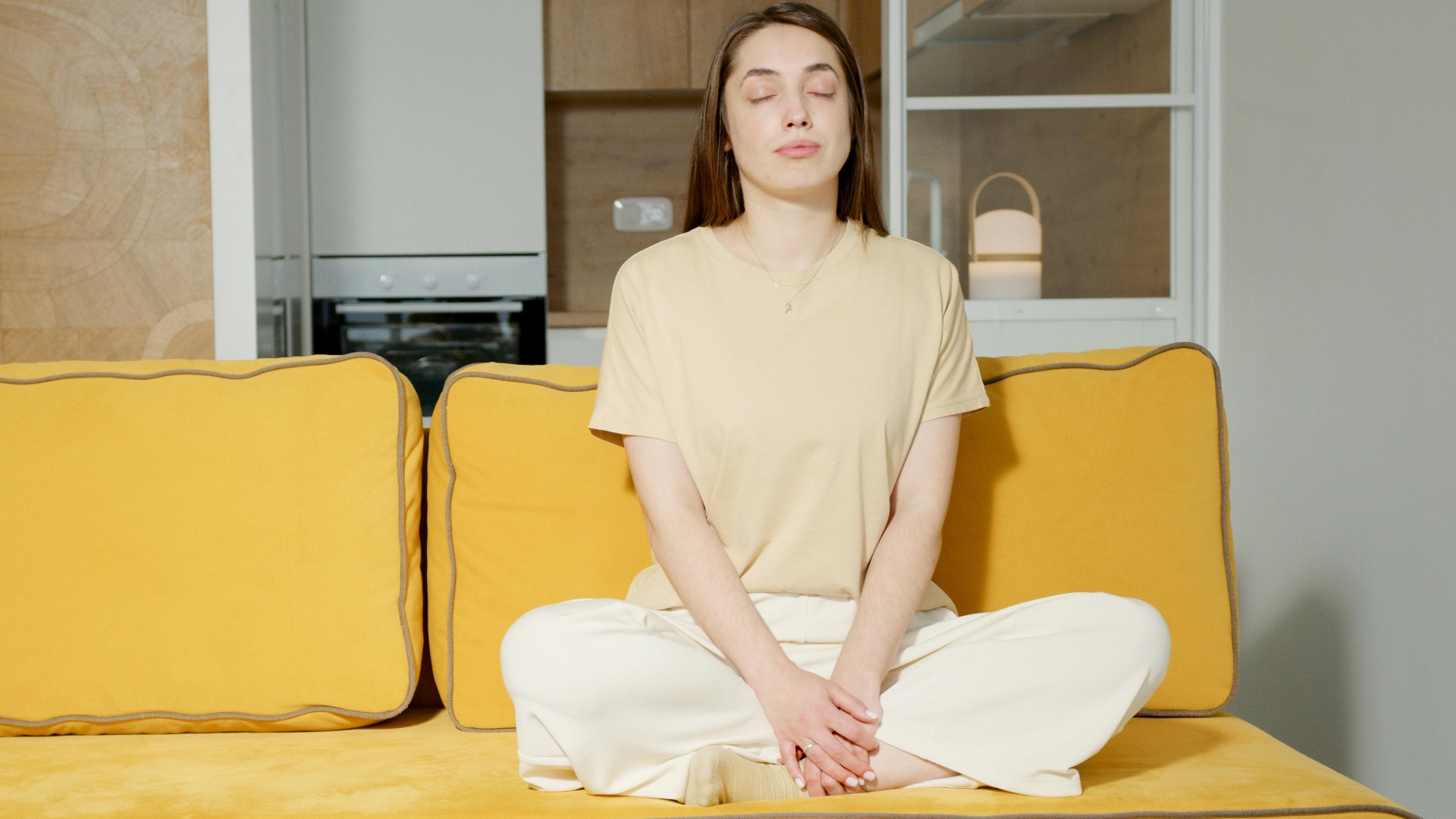
Stress is surprisingly contagious, so the emotional states of people around you can very well influence your own physiological stress response. Conversely, spending time with calmer people can have a grounding effect on your nervous system. Being intentional about who you spend time with when you're already feeling stretched thin can therefore be a form of self-care.

13. Try Alternate Nostril Breathing
This breathing technique, which involves inhaling through one nostril while closing the other and then alternating, comes from yogic practice and has been studied for its effects on the nervous system. Research has found that it can reduce heart rate, lower blood pressure, and improve overall feelings of well-being in a relatively short amount of time.

14. Look at Fractals in Nature
Fractals are the repeating geometric patterns found in things like tree branches, ferns, snowflakes, and coastlines, and studies have found that viewing them for just 10 seconds can reduce physiological stress by up to 60%. Researchers believe the human visual system is naturally calibrated to process these patterns efficiently, which produces a relaxing effect without any conscious effort on your part. So go outside and take a few minutes to look at trees, clouds, or even a houseplant; you might just feel calmer.
 Anastasia Gorshkova on Unsplash
15. Tense and Release Your Muscles
Progressive muscle relaxation is a technique that involves deliberately tensing specific muscle groups for a few seconds and then releasing them, working through the body systematically. It's been used in clinical settings for decades to treat anxiety and stress-related conditions, and it works in part because many people carry tension in their muscles without realizing it. Once you've practiced the technique a few times, you can do a modified version in just a few minutes to bring noticeable physical relief.

16. Reduce Decision Fatigue
Every decision you make throughout the day, no matter how small, draws on the same mental resources, and the accumulated weight of too many choices is a real and well-documented source of stress. Simplifying recurring decisions, like planning meals in advance, laying out your clothes the night before, or creating a set morning routine, frees up cognitive bandwidth for the things that actually matter to you. At the very least, it helps you be strategic about where you spend your mental energy.

17. Use Warming Sensations
Holding a warm cup of tea or coffee, taking a warm shower, or using a heating pad activates the insular cortex, a brain region linked to social warmth and feelings of safety. That means on a particularly stressful day, something as simple as wrapping your hands around a warm mug might just bring back a slice of peace.

18. Declutter Your Digital Space
A cluttered inbox, an overloaded phone home screen, or a desktop buried under files creates a low-level cognitive load that contributes to stress in ways that are easy to overlook. Digital clutter forces your brain to process and filter unnecessary information constantly, which adds to mental fatigue over time. Setting aside even 15 minutes to unsubscribe from emails, delete unused apps, or organize your files can reduce that background noise more than you might expect.

19. Listen to Binaural Beats
Binaural beats involve listening to two slightly different frequencies in each ear, which causes your brain to perceive a third tone and can nudge your brainwave activity toward more relaxed states. Studies have found that this type of sound therapy may help reduce anxiety and promote relaxation, particularly when paired with a quiet environment. All you need is a pair of headphones and one of the many free tracks available online to give it a try.
 Karolina Grabowska www.kaboompics.com on Pexels
20. Practice Saying No More Often
Overcommitment is one of the most consistent contributors to chronic stress, and the habit of agreeing to things out of guilt or obligation rather than genuine desire creates a schedule that leaves little room to breathe. Learning to decline requests politely but firmly, without over-explaining yourself, is a boundary-setting skill that takes practice but pays off significantly over time. The more you treat your time and energy as finite resources worth protecting, the less stretched and overwhelmed you're likely to feel day to day.