10 Sports That Are Easier to Pick Up as an Adult Than You Think & 10 That Are Best Started Young
10 Sports That Are Easier to Pick Up as an Adult Than You Think & 10 That Are Best Started Young
The Best Age for Sports
It's a common assumption that if you didn't grow up playing a sport, you've missed your window, but that's not always true. Many sports are actually well-suited to adult beginners, whether because they rely more on technique and patience than raw athleticism, or because recreational leagues and beginner classes make entry genuinely accessible at any age. On the flip side, some sports really do benefit from an early start, thanks to the physical development, pattern recognition, and muscle memory that's much easier to build in childhood. Curious to see which ones you can start picking up now or which ones to enroll your kids in? Read on.
1. Golf
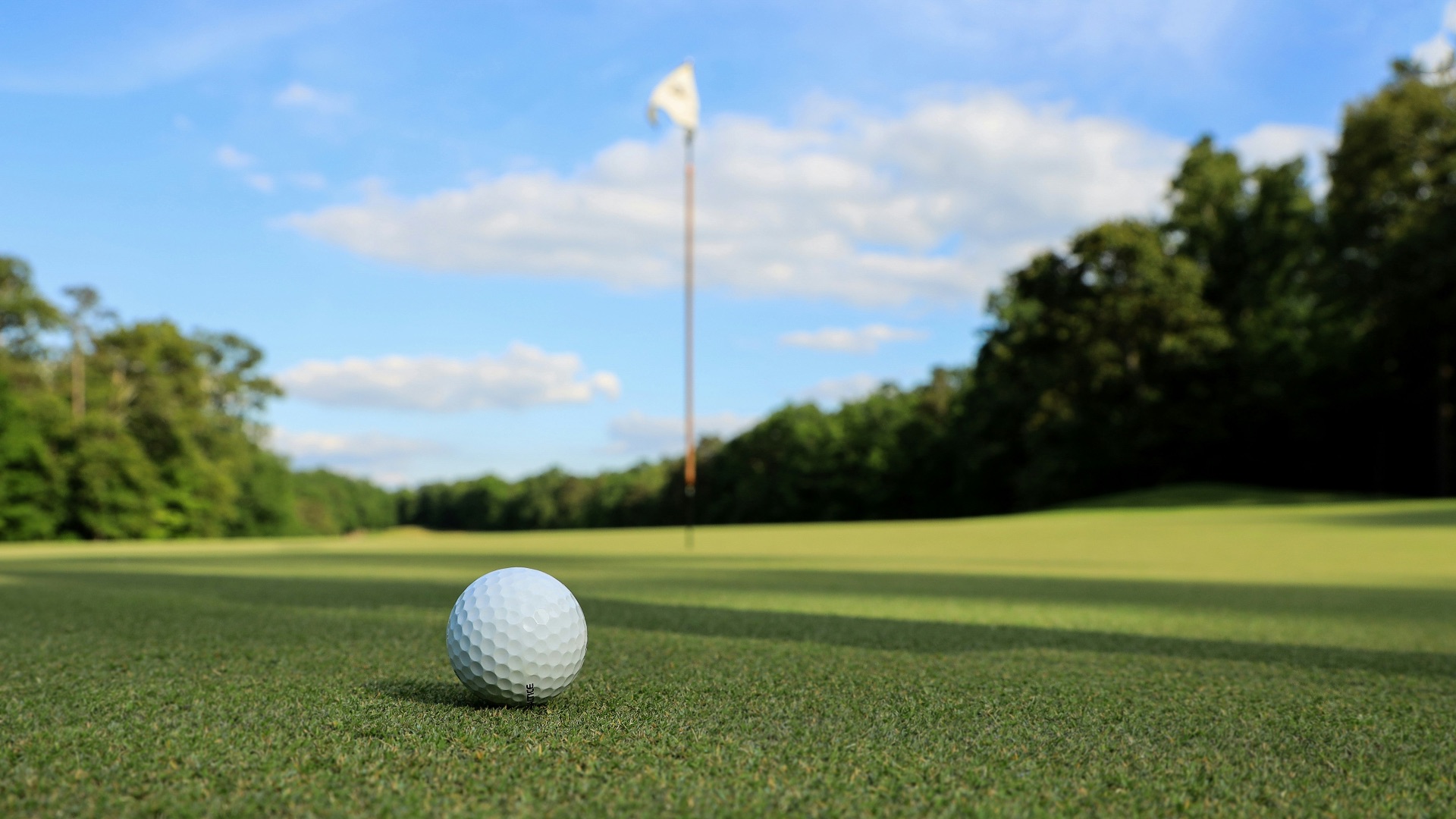
Golf is one of the most forgiving sports for adult beginners because it's not about speed or power, but about learning a consistent technique, which adults tend to pick up well with focused practice. You're not competing against anyone else in a recreational round, so there's no pressure to keep up with more experienced players right away. Lessons are widely available, equipment can be rented before you commit to buying, and plenty of courses cater specifically to beginners.
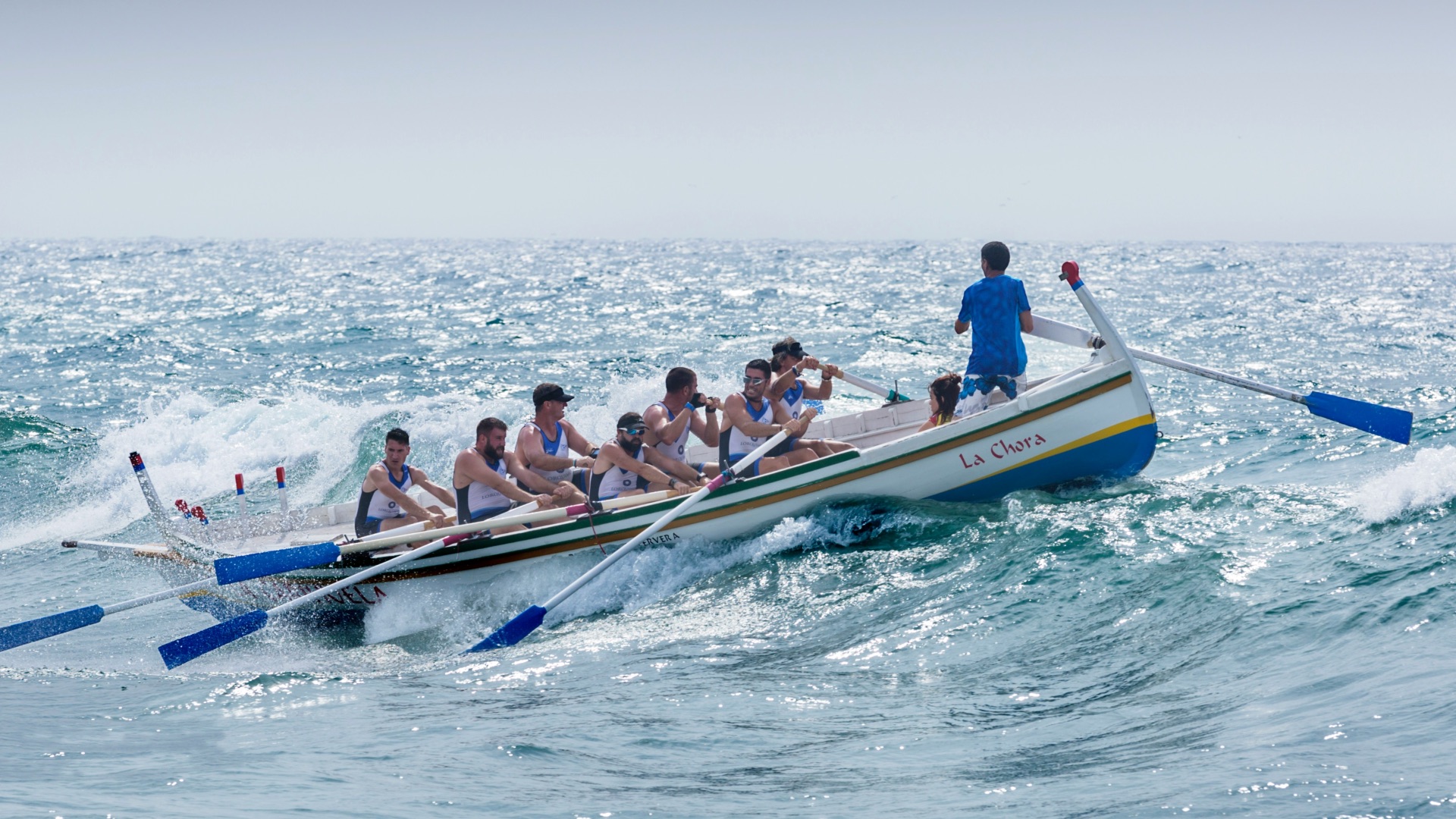
2. Rowing
Rowing might look intimidating, but most people who try it for the first time are surprised by how quickly they can get the basic stroke down. Adult learn-to-row programs are offered at rowing clubs around the country, and the sport places a strong emphasis on teamwork and steady technique rather than explosive athleticism. It's also a fantastic full-body workout, which makes it a popular choice for adults looking to combine fitness with a social sport.
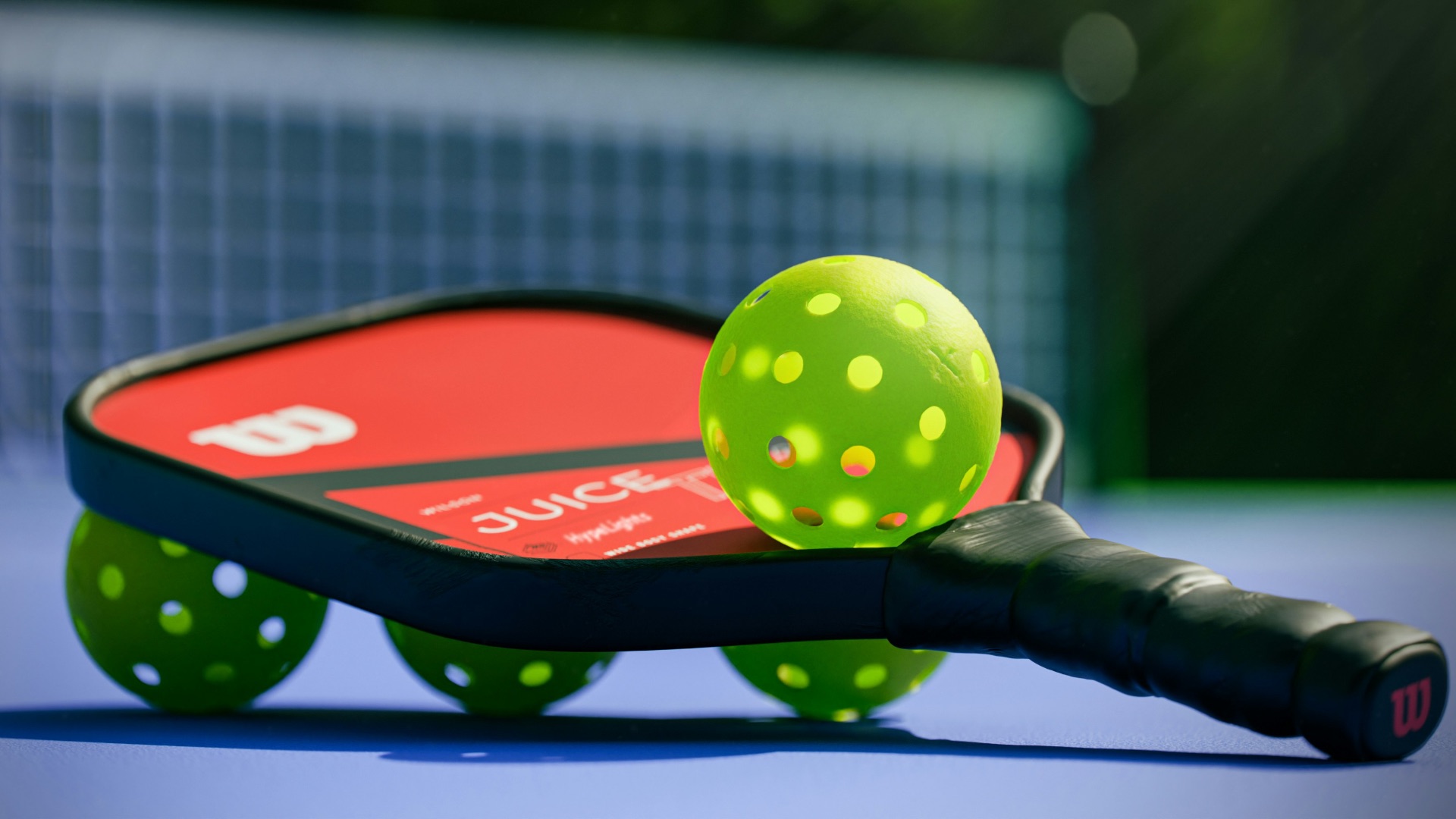
3. Pickleball
Pickleball has exploded in popularity among adults for good reason: the rules are simple, the court is smaller than a tennis court, and you can start having fun within your very first session. Because the game is slower-paced than tennis, you have more time to react and think through your shots, which works in favor of adult learners who are still building coordination.
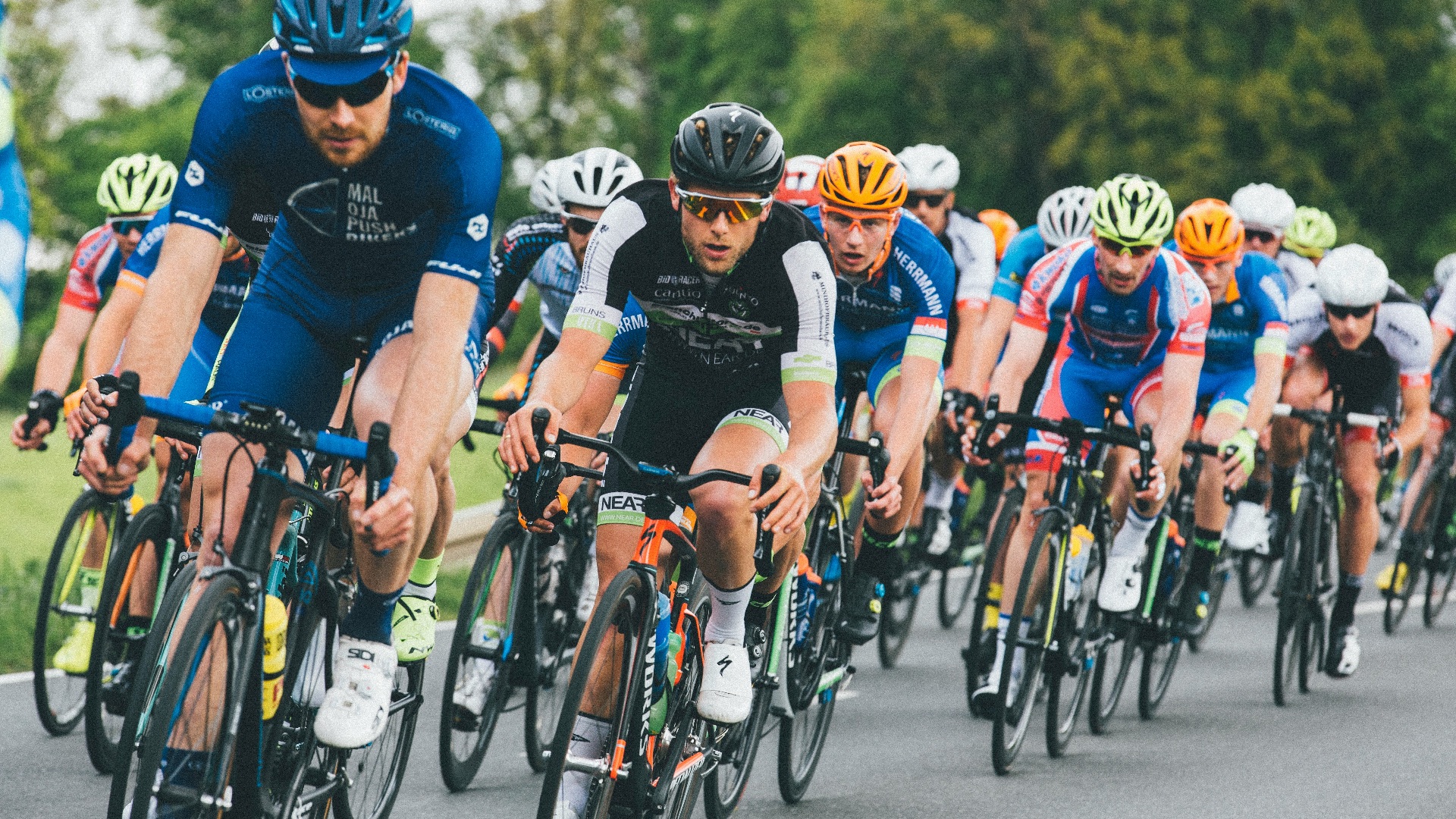
4. Cycling
Road cycling and recreational mountain biking are sports where adult beginners can progress steadily without feeling out of place, especially since most group rides sort participants by pace. The physical demands scale with your fitness level, so you can start at a comfortable intensity and build from there without overextending yourself. Cycling clubs often have beginner-friendly rides specifically designed to help new members learn the ropes in a low-pressure environment.
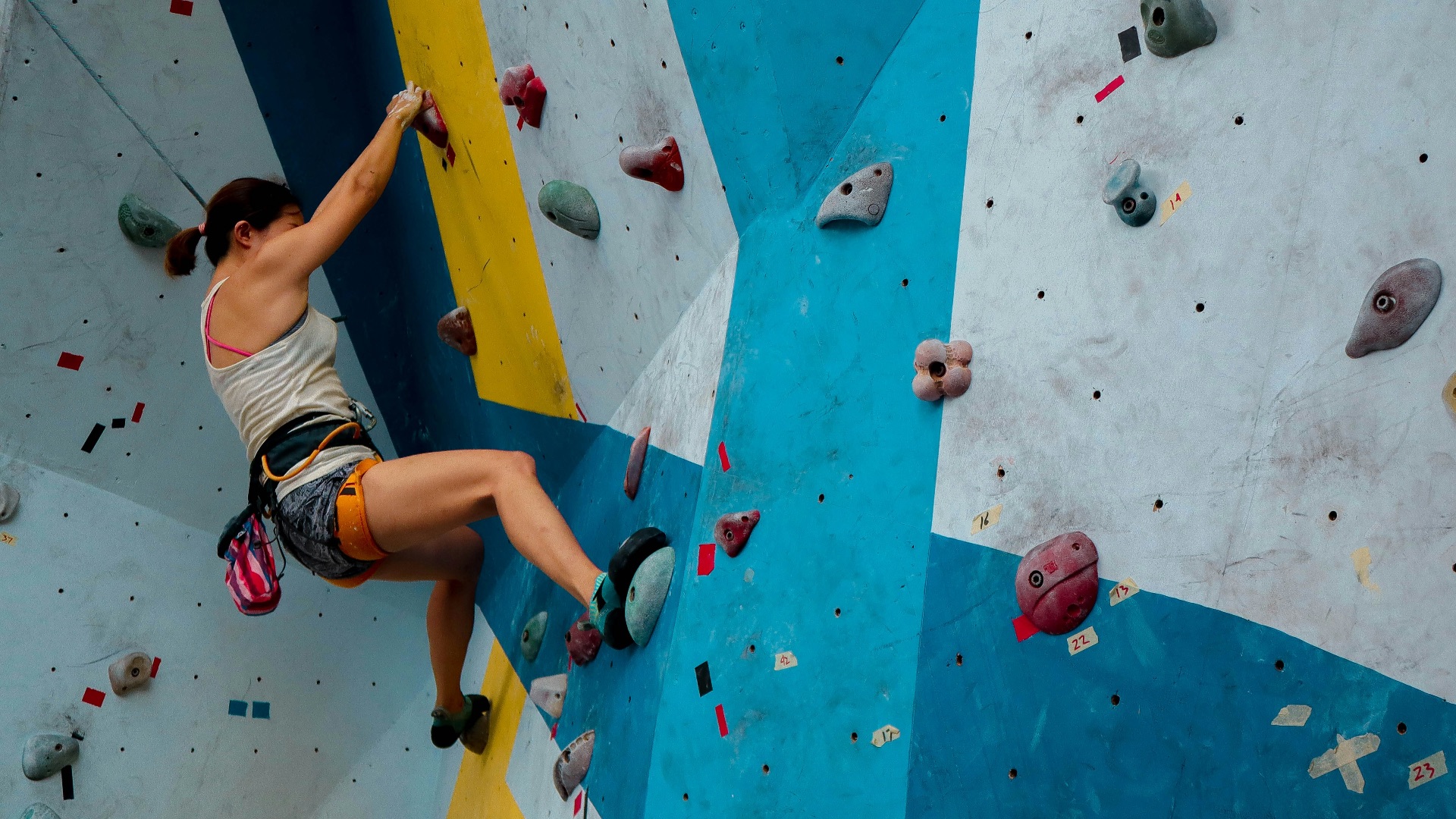
5. Rock Climbing
Indoor rock climbing gyms have made this sport far more accessible than it used to be, and adult beginners tend to do well because problem-solving and body awareness are just as important as raw strength. Most gyms offer introductory classes that cover the basics of bouldering and top-rope climbing, and the learning curve is gradual enough that progress feels rewarding rather than frustrating. You also don't need to commit to expensive gear upfront, since gyms rent out shoes and harnesses for beginners.
6. Badminton
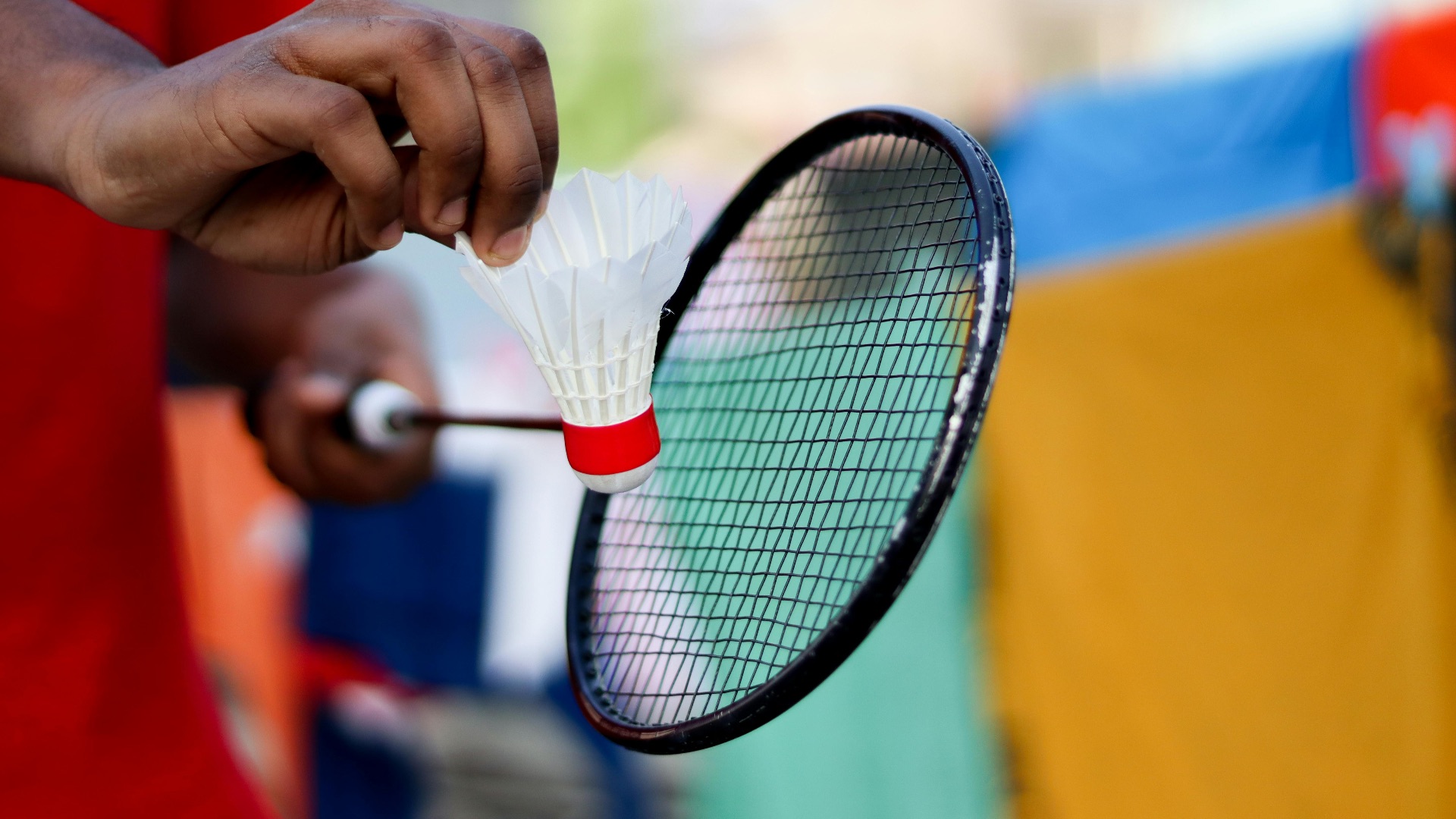
Badminton is another sport that adult beginners tend to pick up faster than they expect, largely because the basic rules are straightforward and you can start rallying with another beginner pretty quickly without needing a high level of technical skill. Recreational badminton is widely played in community centers and parks, and the social, low-pressure nature of casual play makes it easy to improve steadily without formal coaching. As your footwork and shot selection develop over time, the game opens up considerably, giving you plenty of room to grow at your own pace.
7. Swimming
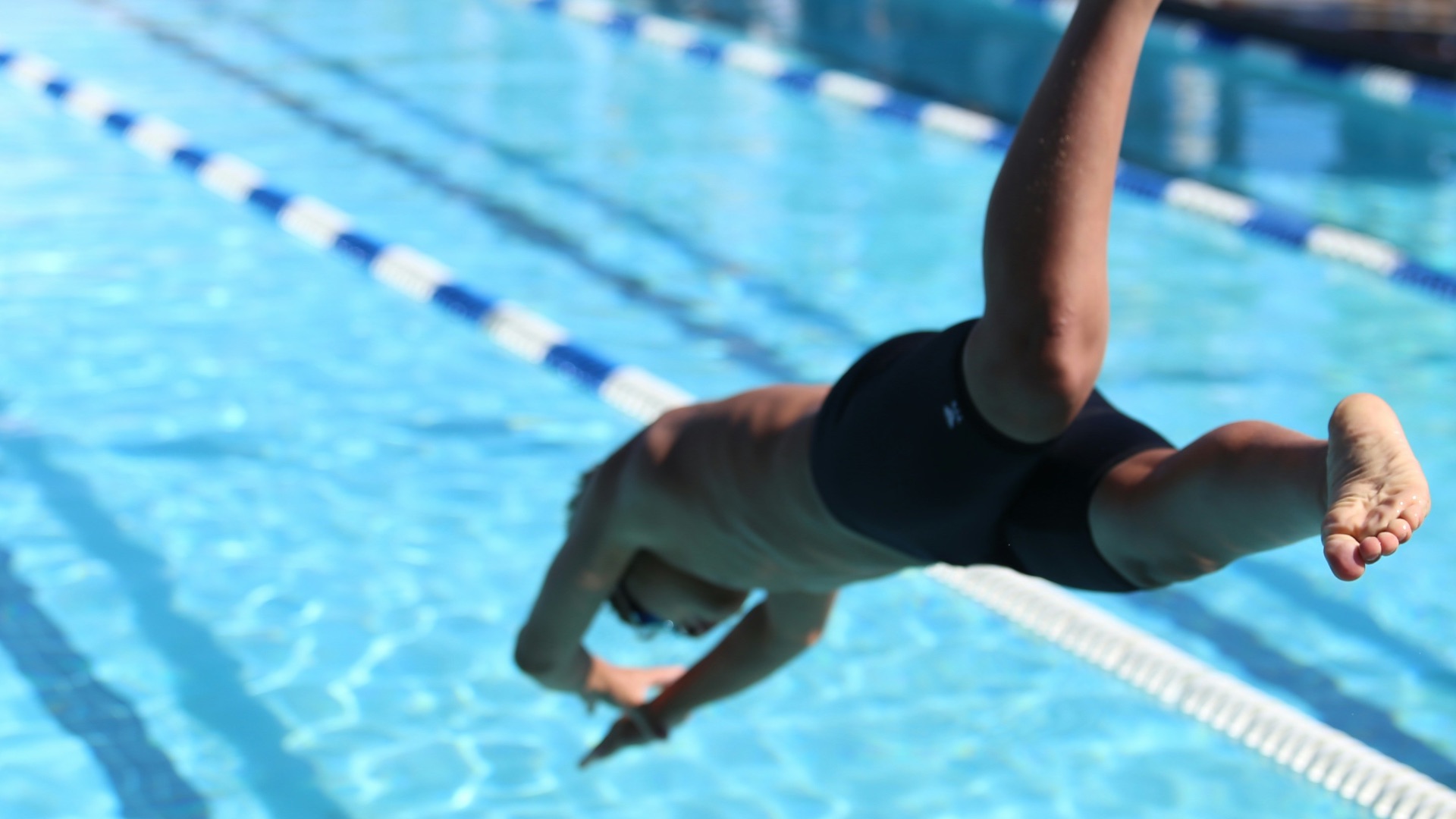
Didn't learn how to swim as a kid? Don't worry; adult swimming lessons are widely available, and the sport is structured in a way that allows you to improve at your own pace without needing to compete with anyone else in the pool. Learning proper technique as an adult can actually be an advantage, since you're more capable of understanding and applying coaching feedback than a young child would be.
8. Tennis
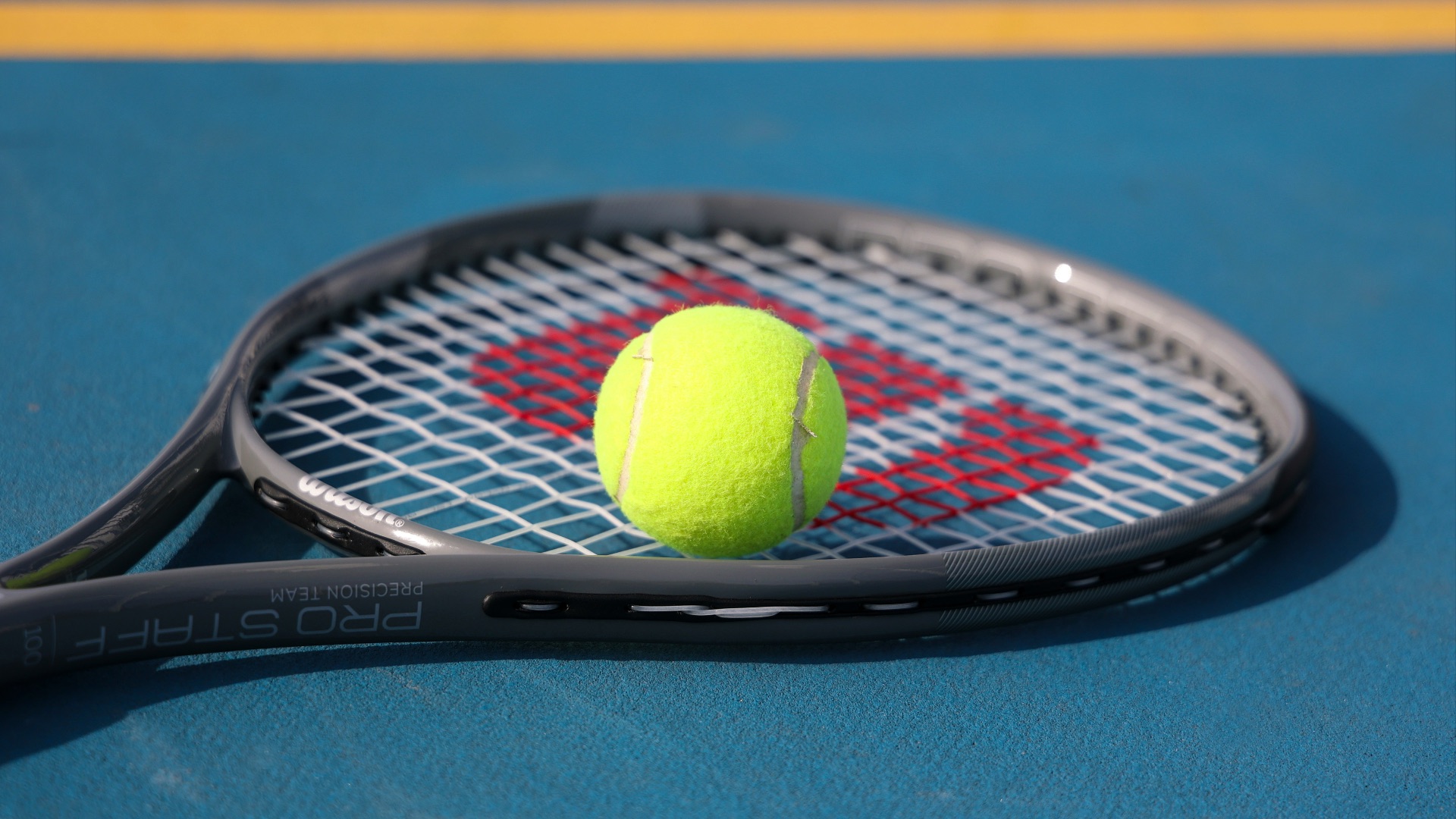
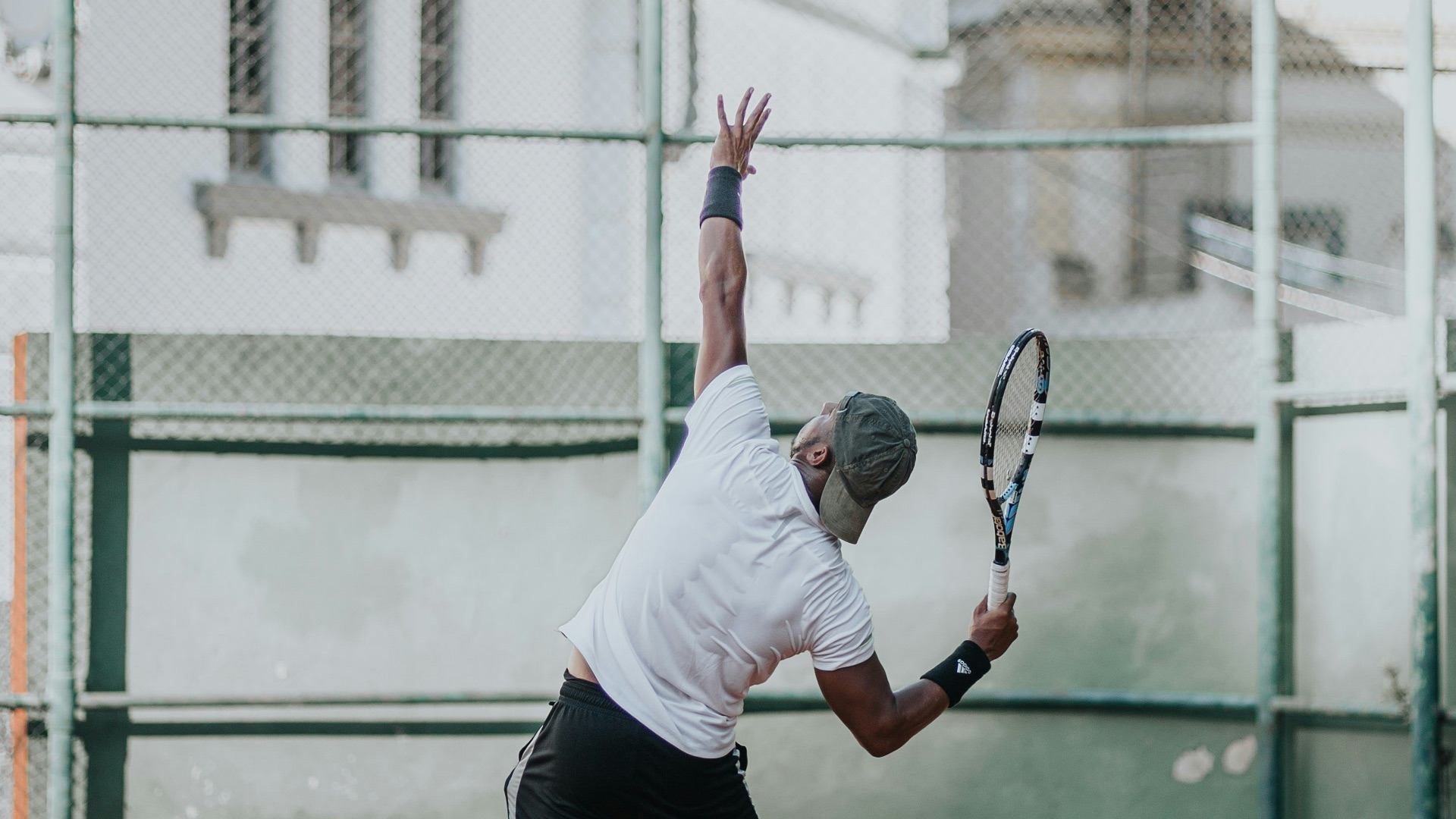
While tennis has a reputation for being difficult to master, adult beginners who take structured lessons tend to progress faster than they expect. The sport has a strong recreational culture, and many clubs offer beginner clinics and social mixers designed specifically for people who are new to the game. Once you've got a handle on the basic strokes, you can start playing casual matches pretty quickly, which keeps the learning process enjoyable. Of course, the younger you start, the more likely you'll be able to get into competitive tennis.
 Marcos Paulo Prado on Unsplash
9. Archery
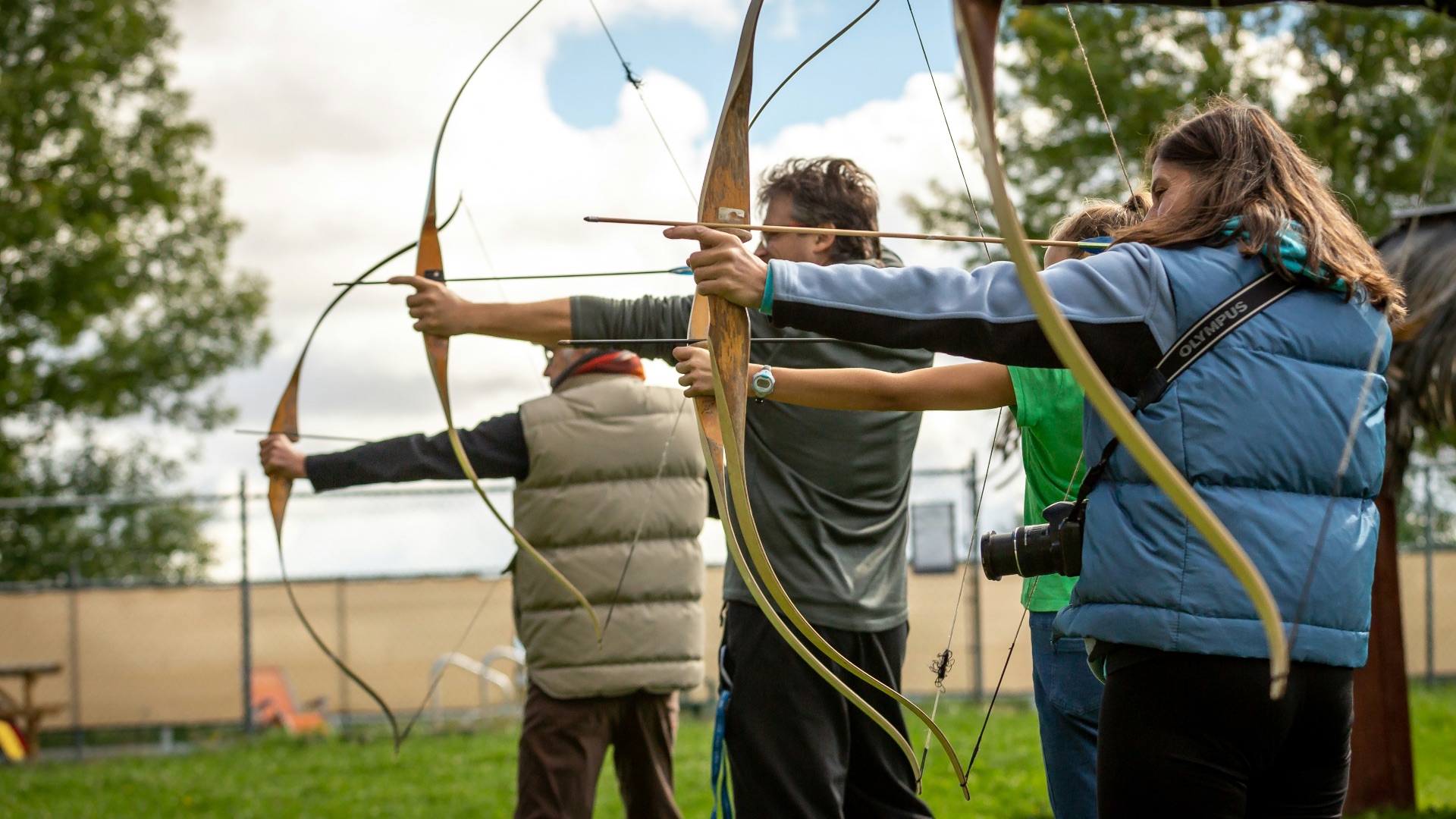
Archery is a sport where physical size and age matter far less than focus, patience, and consistent form, which are all things that adult beginners tend to have in their favor. Most archery ranges offer beginner sessions where an instructor walks you through everything from stance to release, and the learning curve is approachable enough that many people feel competent after just a few sessions. It's also a sport you can practice at a relaxed pace, which makes it a great option if you're looking for something more meditative than competitive.
10. Running
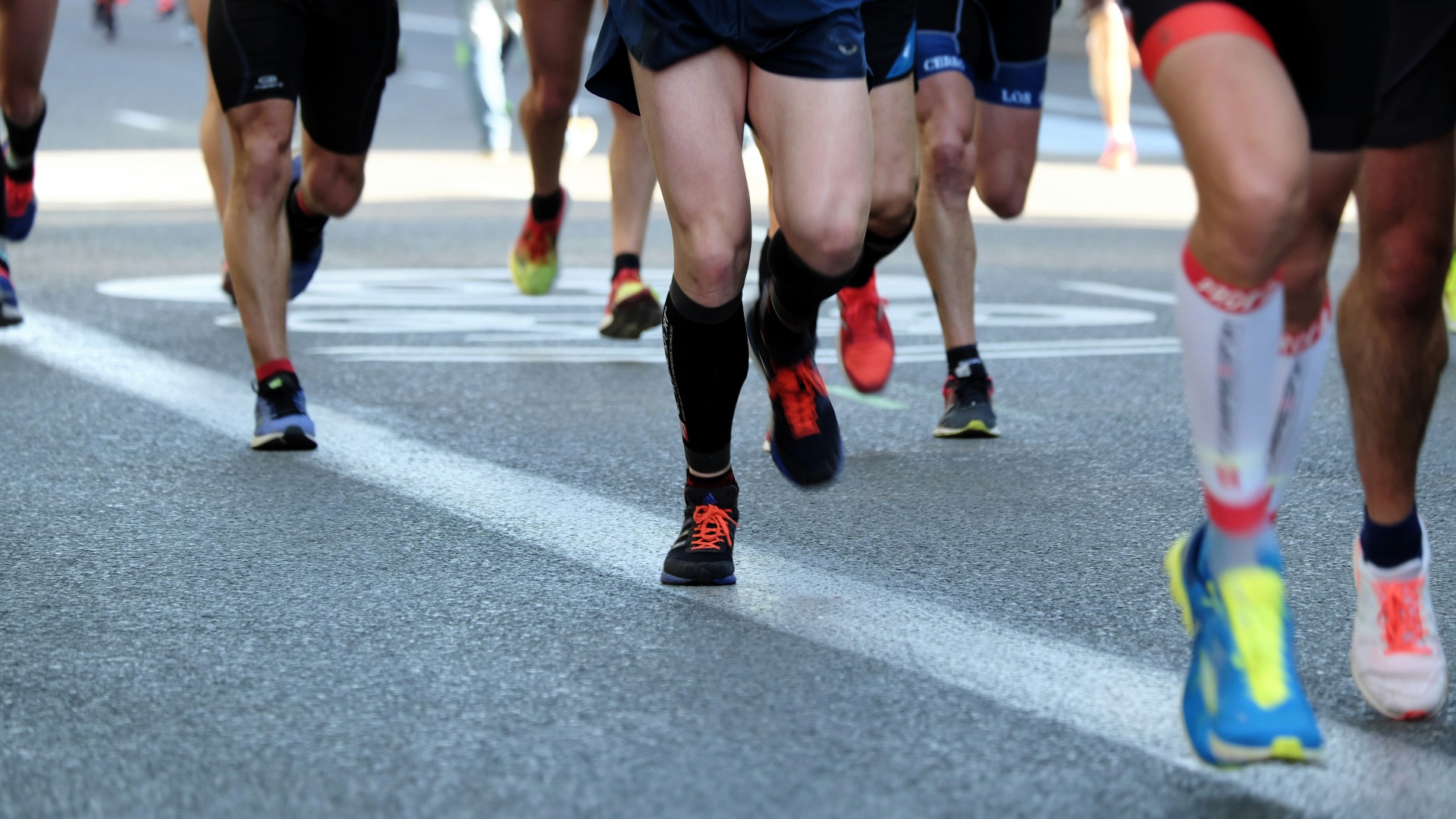
Running is one of the most accessible sports an adult can take up because it requires minimal equipment, no prior experience, and no team to coordinate with; you can start at whatever pace and distance works for your current fitness level. Most beginner runners follow a structured walk-to-run program that gradually builds endurance over several weeks, which makes the entry point feel manageable rather than overwhelming. There are also plenty of beginner-friendly races like 5Ks that give new runners a goal to work toward, and the running community tends to be welcoming to people at every stage of the journey.
Of course, not every sport is equally forgiving of a late start; some disciplines really do build on foundations that are best laid in childhood. Here's a look at 10 sports where getting started young tends to make a significant difference.
1. Gymnastics
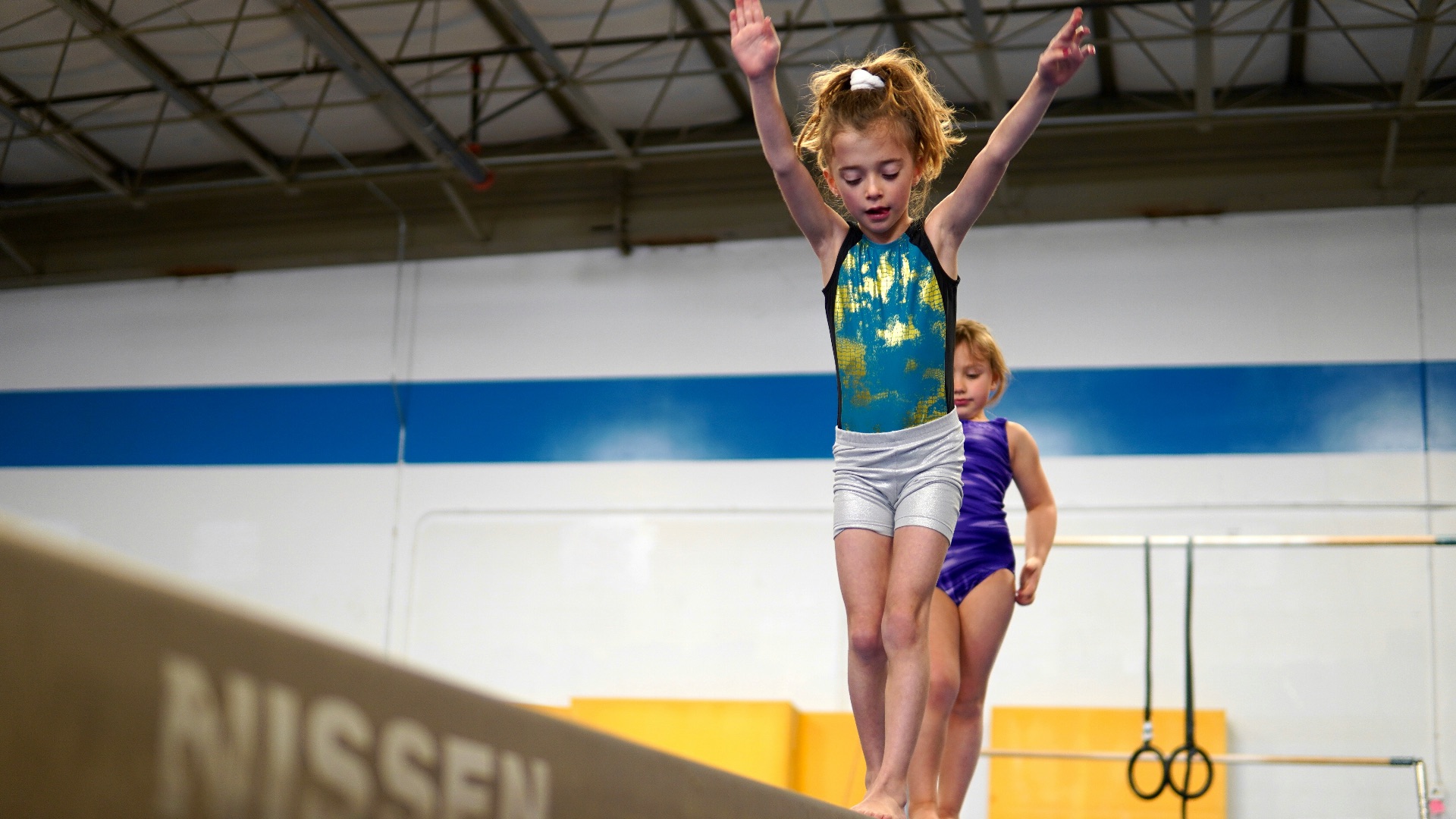
Gymnastics is perhaps the clearest example of a sport where early training makes a decisive difference, largely because the flexibility, spatial awareness, and body control it requires are most easily developed in young children. Elite gymnasts typically begin training between the ages of three and six, and the skills built during those early years form the foundation for everything that follows. While adult gymnastics classes exist and are a wonderful option for fitness, reaching a competitive level as an adult starter is exceptionally rare.
2. Figure Skating
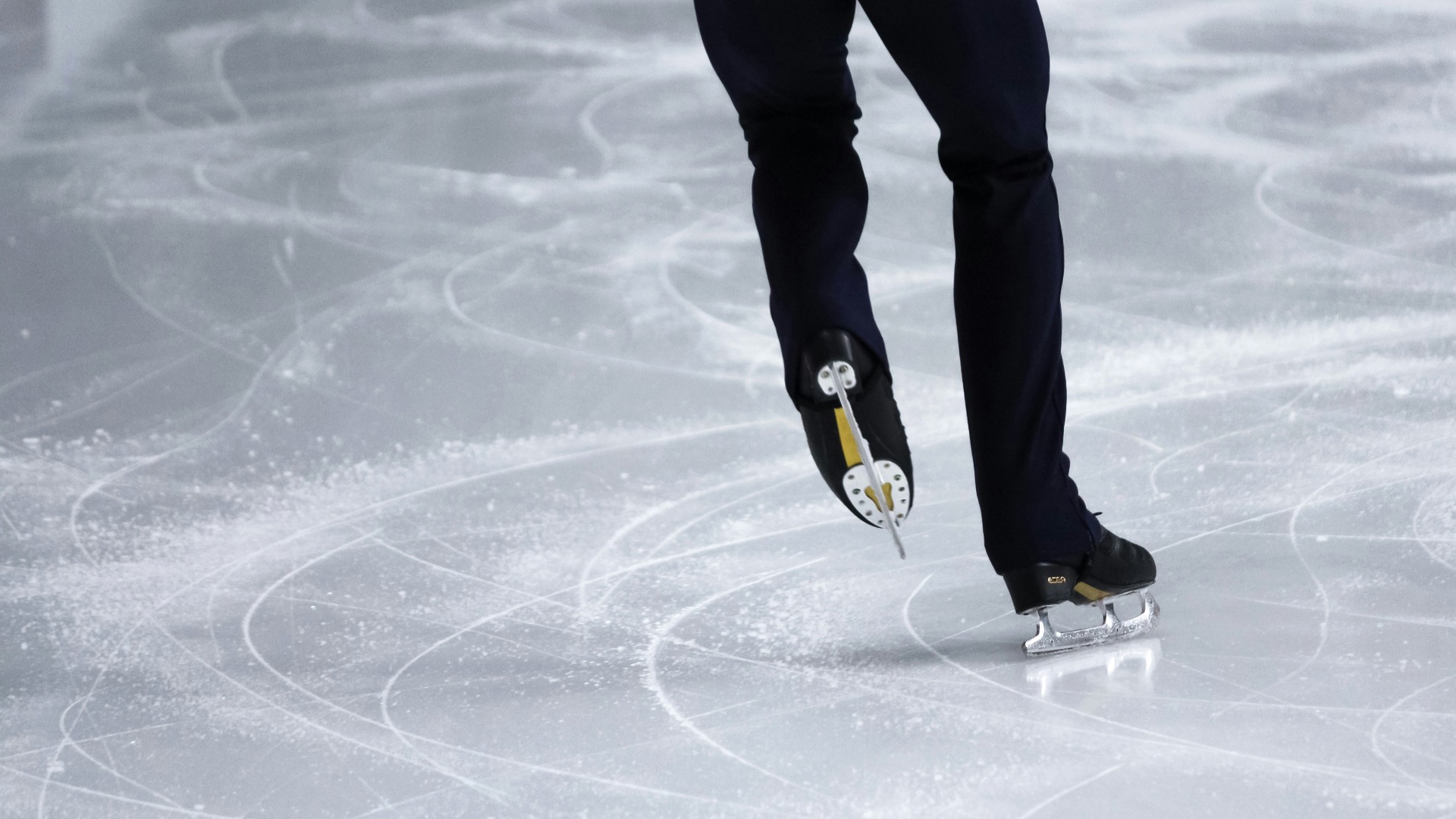
Figure skating demands an extraordinary level of balance, edge work, and air awareness that takes years to develop, and the younger a skater starts, the more time they have to build those skills into muscle memory. Most competitive figure skaters begin on the ice before the age of five, and the technical foundation laid in those early years is very difficult to replicate later in life. Adult skating is absolutely possible and enjoyable, but the gap between someone who started at four and someone who started at thirty is significant.
3. Football
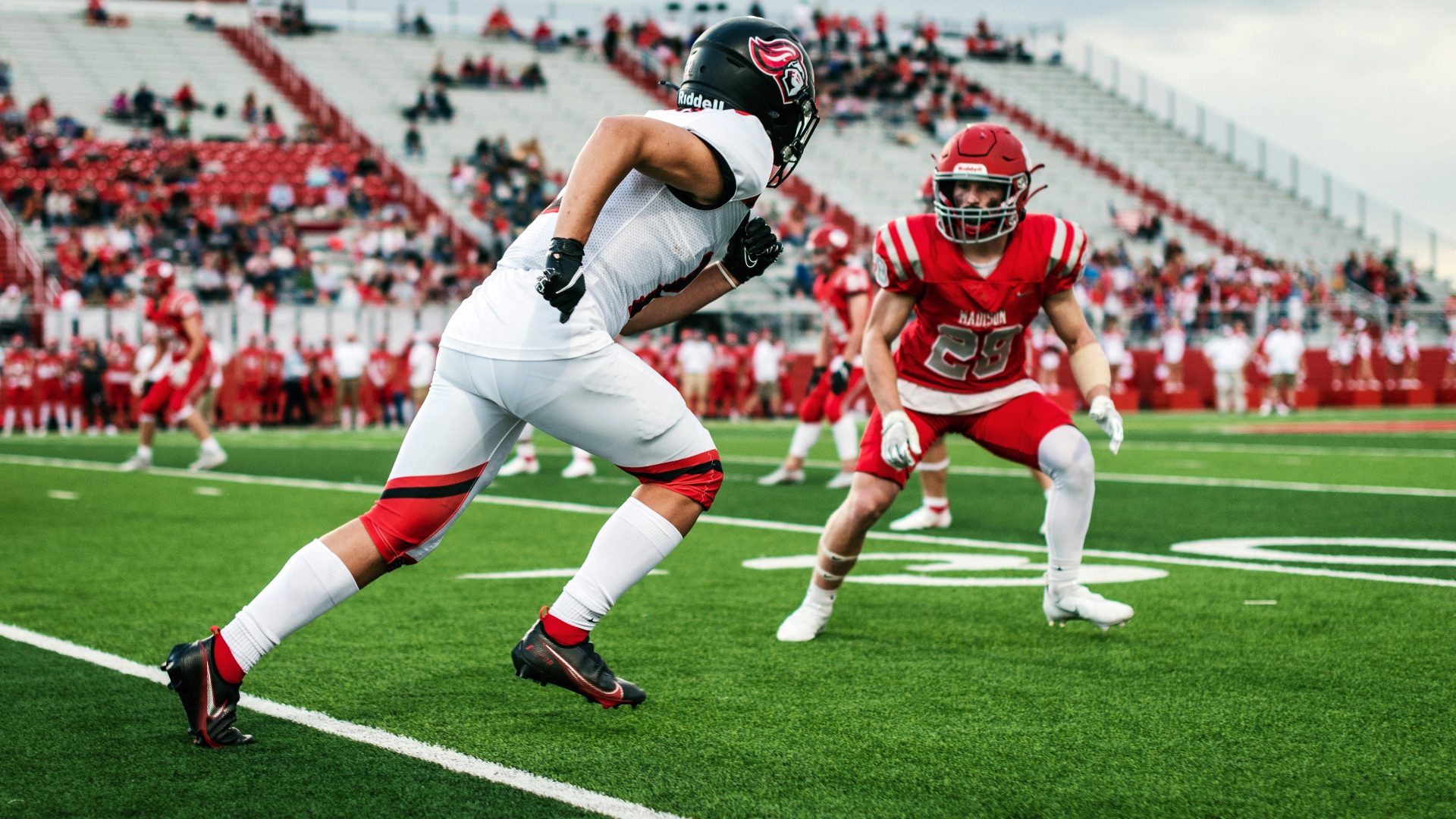
Football is a sport where the physical and technical foundations are most effectively built during childhood, when young players develop blocking assignments, route running, and positional instincts through years of repetitive practice. Most competitive players begin in youth leagues around age five or six, gradually internalizing the game's complex schemes and timing in a way that's very difficult to replicate as an adult newcomer. The sport also places significant demands on reaction speed and pattern recognition, both of which are considerably harder to develop from scratch once you're past your formative years.
4. Baseball/Softball
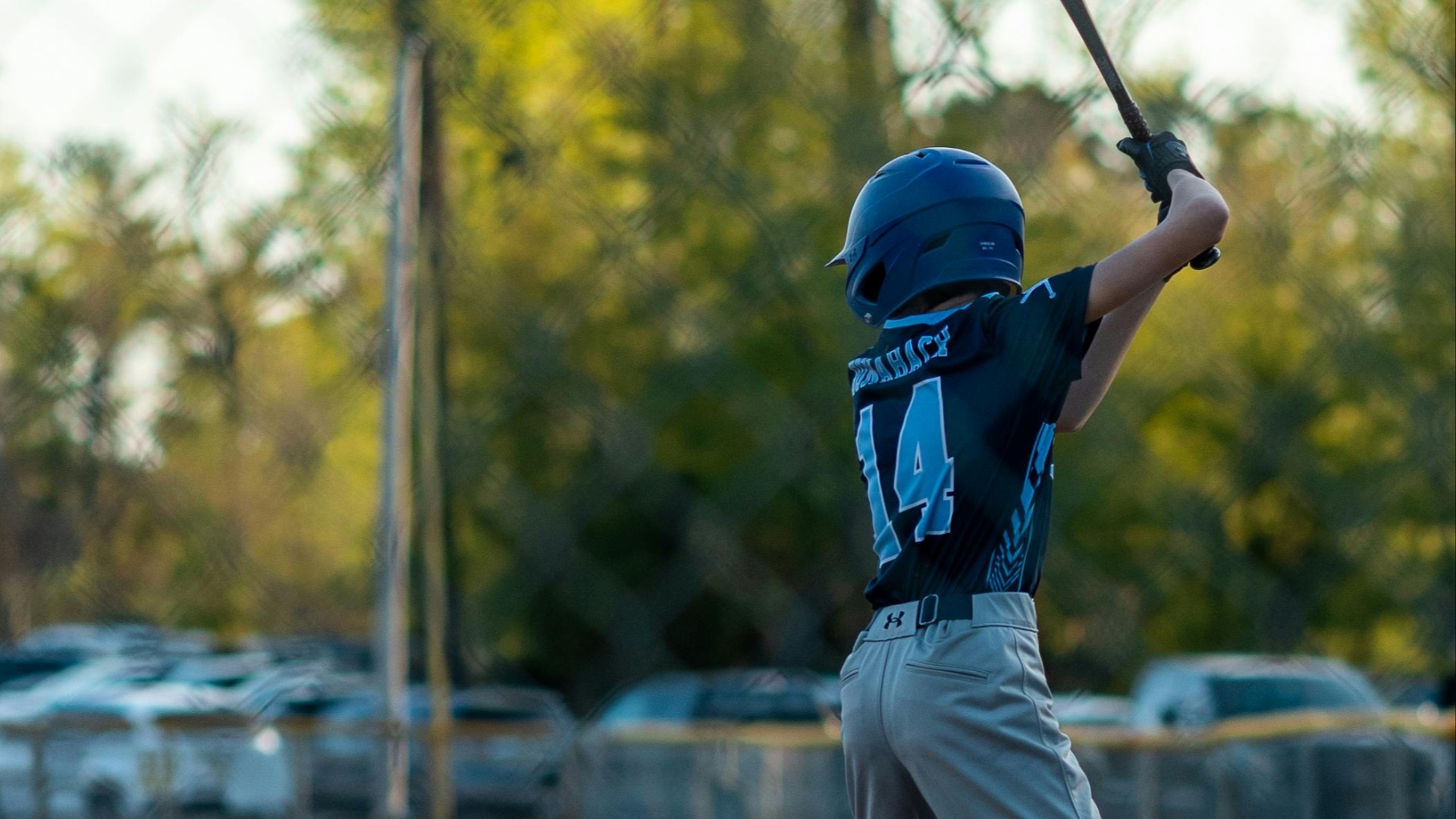
The hand-eye coordination required to hit a fastball or field a sharp grounder is a skill that develops most naturally through years of repetitive practice starting in childhood. Most competitive players begin playing T-ball or youth leagues around age four or five, gradually building the reaction speed and instincts that the sport demands. Adults who take up baseball or softball recreationally can certainly enjoy the game, but the hitting mechanics and fielding instincts of someone who grew up playing are very hard to replicate from scratch.
5. Soccer
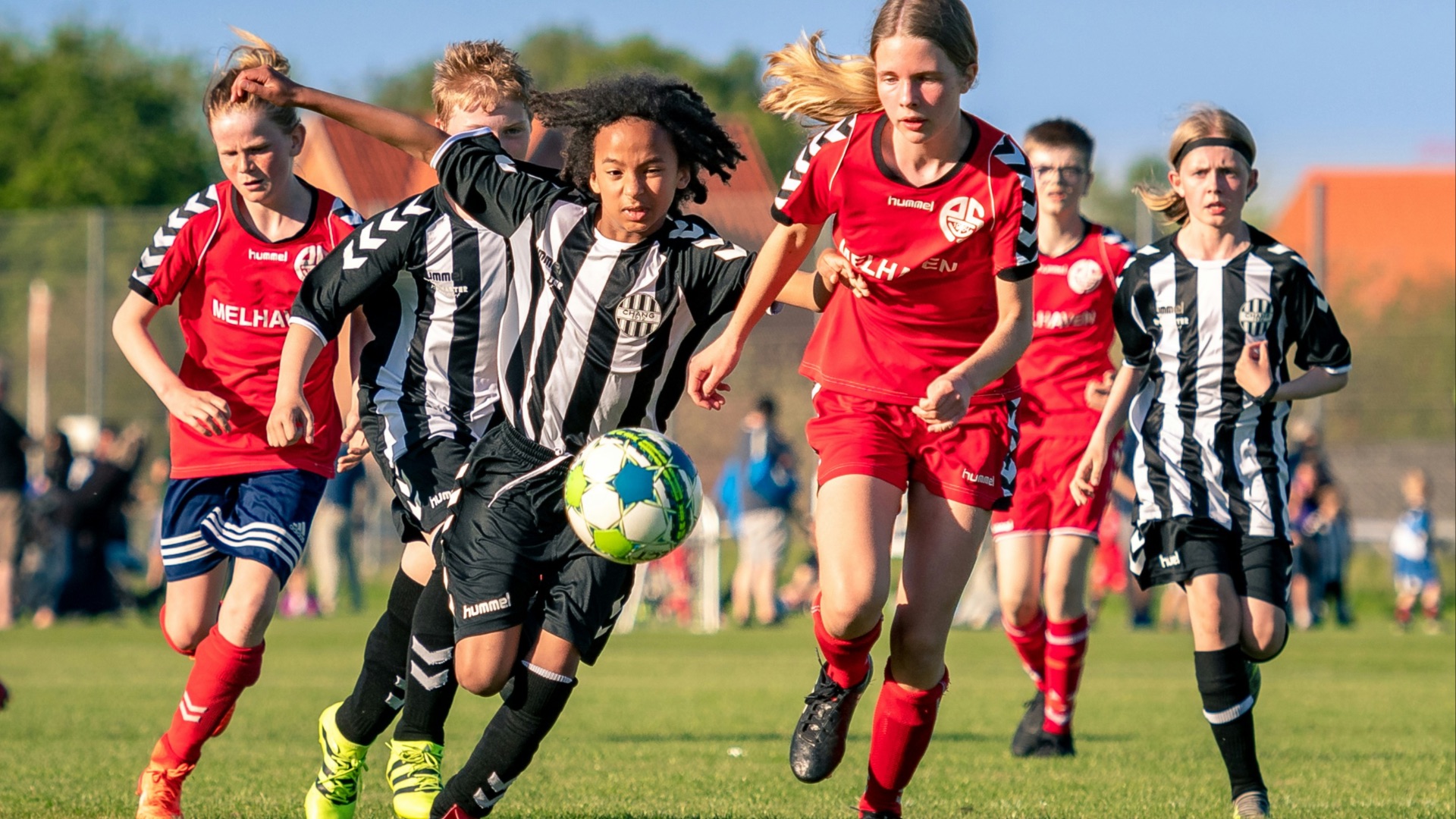
Soccer rewards players who develop a natural sense of spatial positioning, ball control, and team movement, all of which are skills that come from years of playing from a young age. Children who grow up playing the game develop an almost intuitive understanding of how to move off the ball and read the game, which is difficult to teach to adult beginners in the same way. Recreational and adult league soccer is widely available and tons of fun, but the technical and tactical ceiling for someone starting in adulthood is notably lower.
6. Volleyball
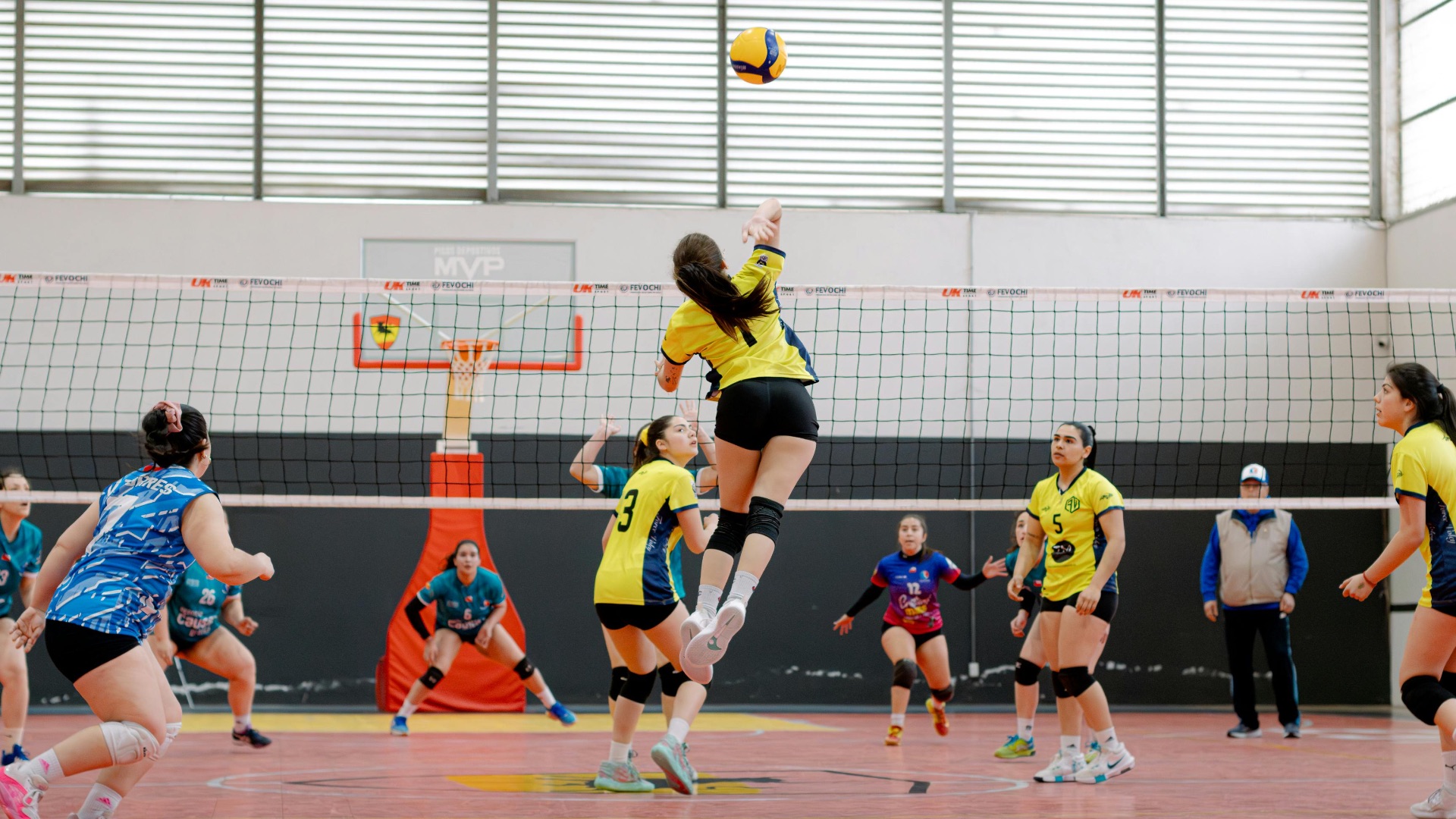
Competitive volleyball rewards players who have spent years developing passing mechanics, court awareness, and the split-second decision-making that the sport demands, and that foundation is most naturally built through youth training. Most serious players begin in club or recreational programs around age eight to 10, and the muscle memory for consistent setting, serving, and digging takes thousands of repetitions to develop properly. Adult recreational volleyball is widely available and a great time, but the technical precision required at higher competitive levels is very difficult to build without years of early-stage training behind you.
7. Ballet
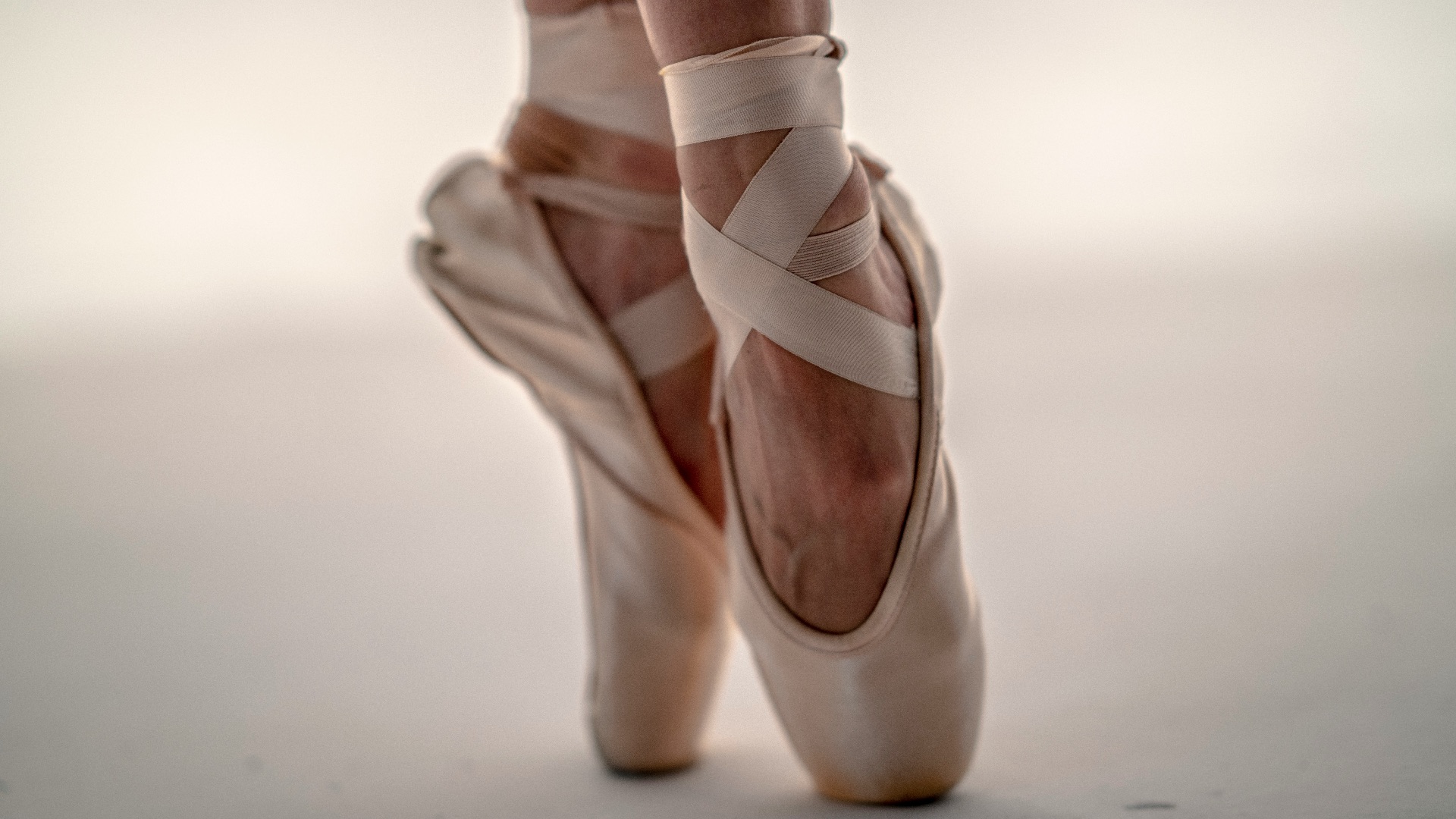
Ballet is technically a performing art, but it's also a physically rigorous athletic discipline, and the training required to reach a high level begins in early childhood for good reason. The turnout, pointe work, and alignment that classical ballet demands require the body to be trained and shaped from a young age, ideally before the bones and joints fully develop. Adult ballet classes are popular and rewarding for fitness and artistry, but professional-level ballet is one of the most age-dependent disciplines in the world of movement.
8. Ice Hockey
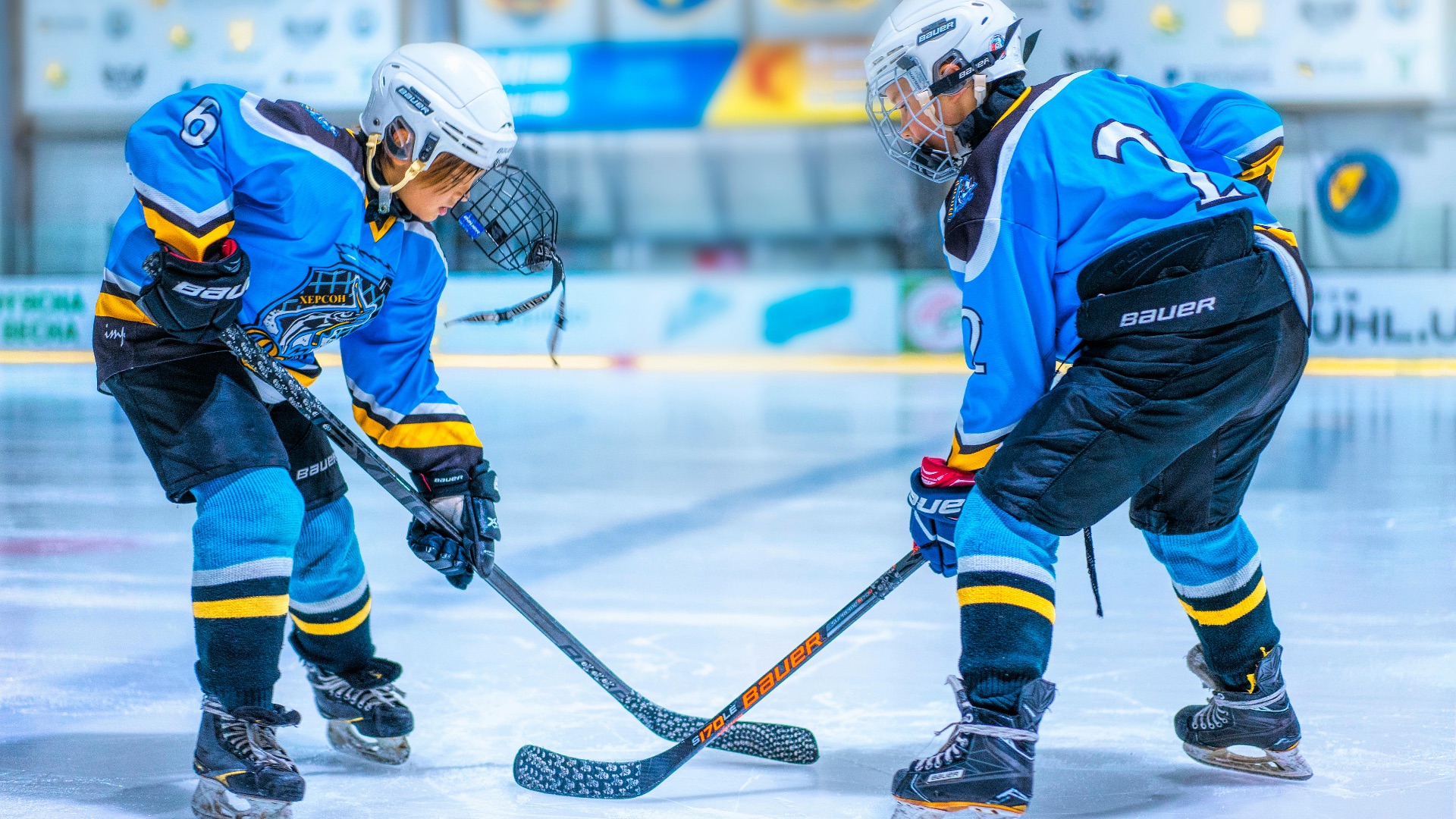
Ice hockey requires players to be equally comfortable on skates as they are on their feet, and that level of comfort on the ice takes years of practice to develop naturally. Most competitive players begin skating and handling a stick between the ages of three and six, building the edge control and puck-handling instincts that define the sport at higher levels. Adult recreational hockey leagues are plentiful and welcoming to beginners, but bridging the gap to competitive play is a serious challenge for anyone starting the sport in adulthood.
9. Diving
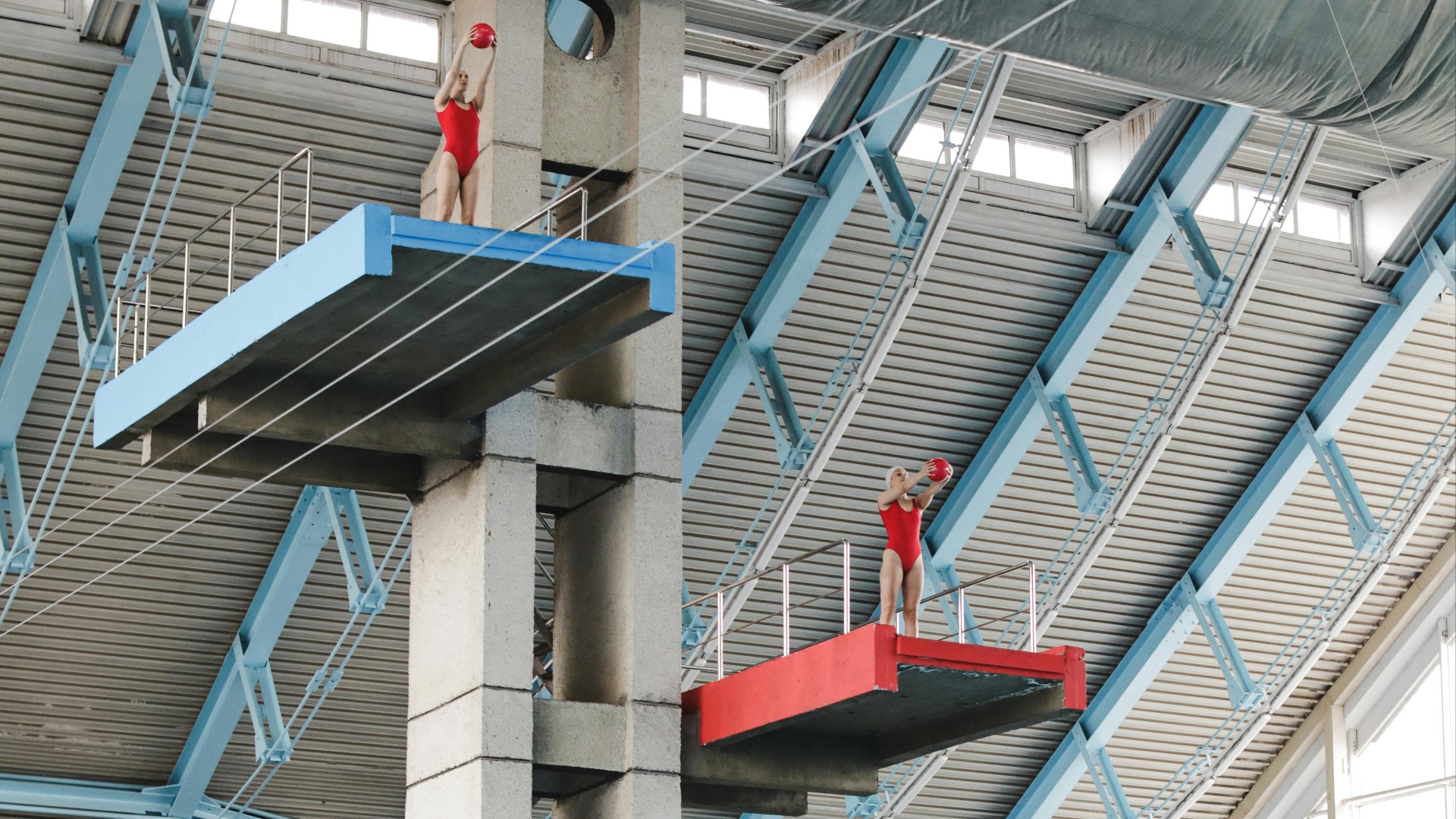
Competitive diving involves complex aerial rotations and precise entry techniques that require a high degree of body awareness and fearlessness, both of which are much easier to develop in children than in adults. Most competitive divers begin training around age eight or nine, and the progressions in the sport are carefully sequenced to build confidence and spatial awareness over many years. Adult diving lessons are available for recreational purposes, but the acrobatic demands of the sport make late-entry competitive diving exceptionally difficult.
10. Boxing
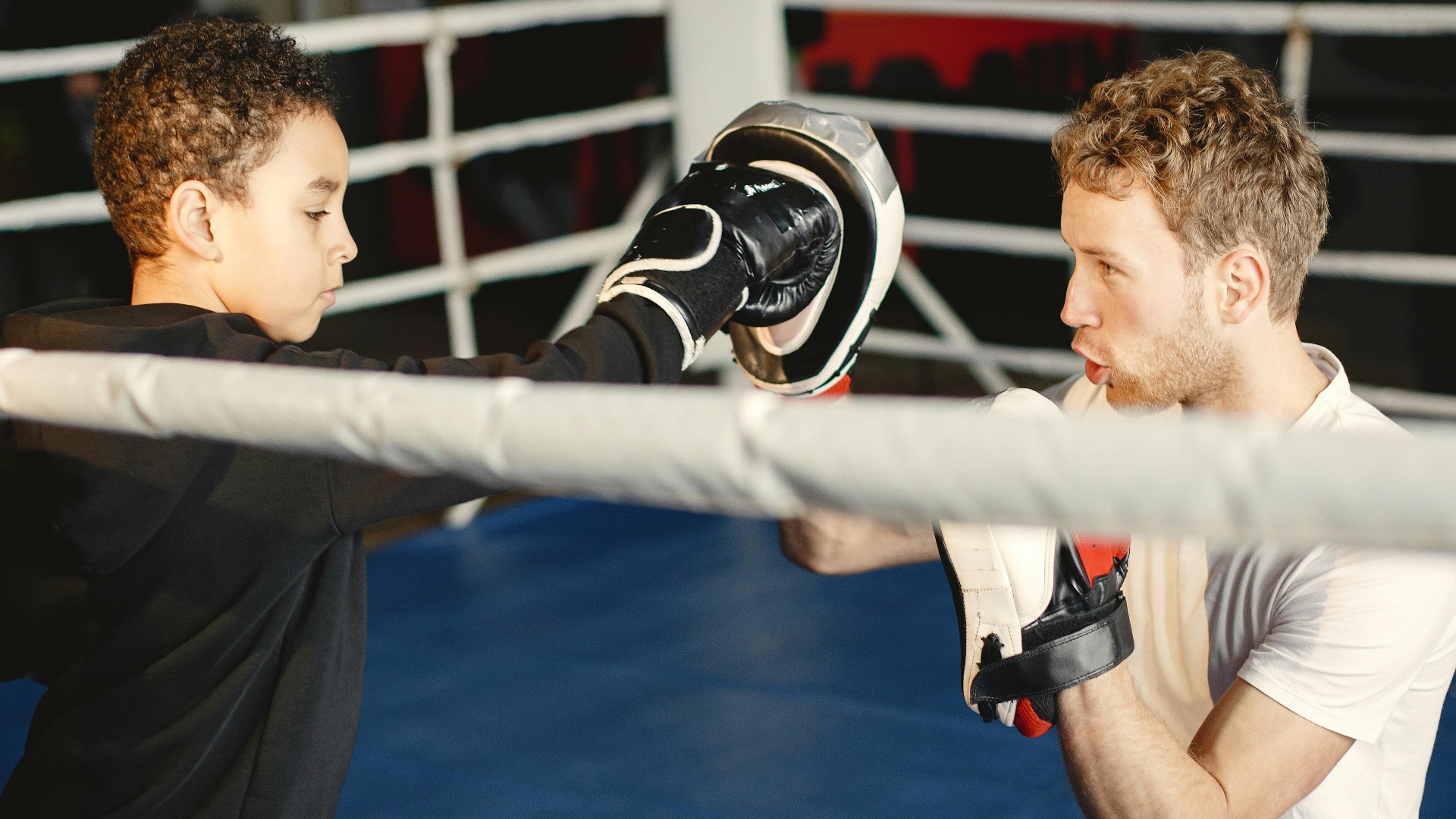
Boxing is a sport where defensive instincts, footwork patterns, and combination timing are built through years of drilling, and the earlier that process starts, the more deeply ingrained those skills become. Most competitive boxers begin training in their early teens or younger, spending years developing the head movement, ring awareness, and punch mechanics that define high-level performance in the sport. Adult boxing classes are popular for fitness and are a solid introduction to the fundamentals, but closing the gap on someone who's been training since childhood is one of the steeper challenges in combat sports.