
10 Unhealthiest Dairy Products to Avoid & 10 That Are Packed With Calcium & Protein
Not All Dairy is Built For a Bodybuilder
Dairy can be genuinely nutritious, but it can also get loaded up with saturated fat, added sugar, or salt, which makes it much less impressive than the label suggests. The bigger picture is pretty straightforward: dairy can help with nutrients like calcium and protein, but it’s smarter to watch how processed, sweetened, or rich a product gets before assuming it’s a health food. Here are the 10 unhealthiest dairy products and 10 that are practically superfoods.

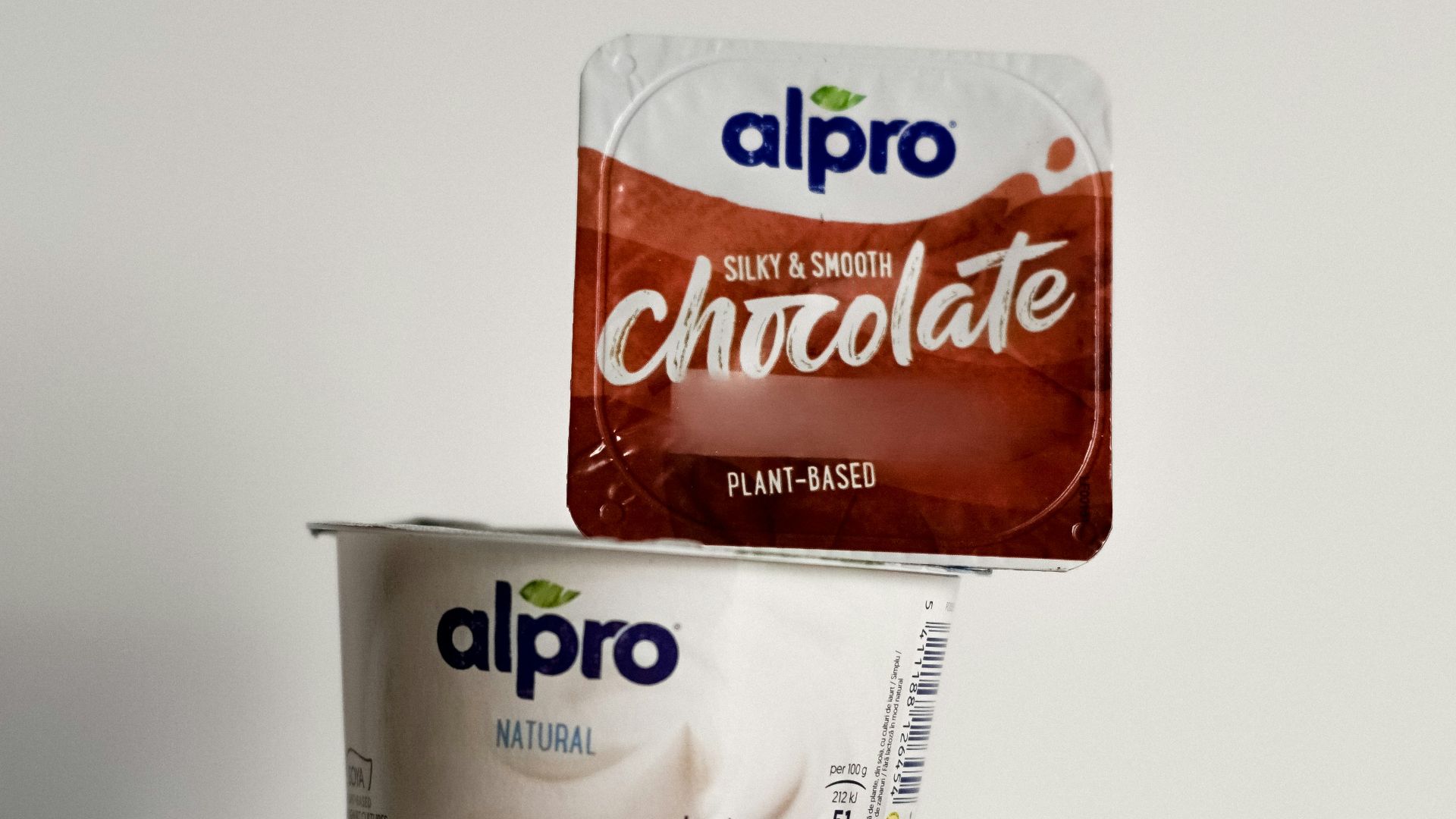
1. Whole-Milk Yogurt With Lots of Added Sugar
Yogurt sounds healthy almost by default, which is exactly why sweetened versions can fool people so easily. Once a yogurt is packed with added sugar, it starts drifting away from the “good source of calcium and protein” category and closer to dessert with a health halo.
2. Ice Cream
Ice cream is delicious, but nobody should be pretending it’s there for wellness support. It’s usually bringing a heavy mix of saturated fat and added sugar, which makes it much more of an occasional treat than a helpful dairy staple.

3. Sweetened Condensed Milk
Sweetened condensed milk is one of those products that tells on itself right in the name. It’s extremely concentrated and heavily sweetened, so while it technically comes from milk, it’s not the sort of dairy you should count on for a smart everyday choice. Your coffee and cereal can, and should, safely live without it.

4. Cheese Sauce in a Jar
Jarred cheese sauce may involve dairy somewhere in the process, but that doesn’t make it a standout food choice. Products in this category often lean hard on sodium, saturated fat, and extra additives while offering a much less satisfying nutritional profile than actual cheese or plain dairy foods.

5. Full-Fat Cream Cheese
Cream cheese has its place, but it's not the best protein-rich dairy for your day. It tends to be much higher in saturated fat than in protein, so it’s not doing the same nutritional job as Greek yogurt, milk, or cottage cheese. The American Heart Association continues to recommend choosing lower-fat dairy more often, especially for adults.

6. Heavy Cream
Heavy cream is wonderfully rich, which is another way of saying it’s not a casual everyday health food. You’re getting a very high-fat dairy product that adds richness fast, but not much in the way of protein value for the calories. If you use it occasionally in cooking, that's fine, just remember that this one is here for texture, not nutritional heroics.
7. Processed Cheese Slices
Processed cheese slices are convenient, but convenience and nutritional quality don't always arrive together. They can still provide some calcium, yet they’re often more processed and sodium-heavy than simpler cheese choices, which makes them less appealing as a regular staple. When current guidance says to prioritize less processed, nutrient-dense foods, this is the sort of product that gets a side-eye.

8. Milkshakes
Milkshakes are really just dessert wearing a dairy mustache. Yes, they contain milk, but once they’re blended with lots of sugar, syrups, candy, or whipped topping, the nutritional profile gets overwhelmed pretty quickly. That doesn’t make them forbidden, just very easy to overrate.

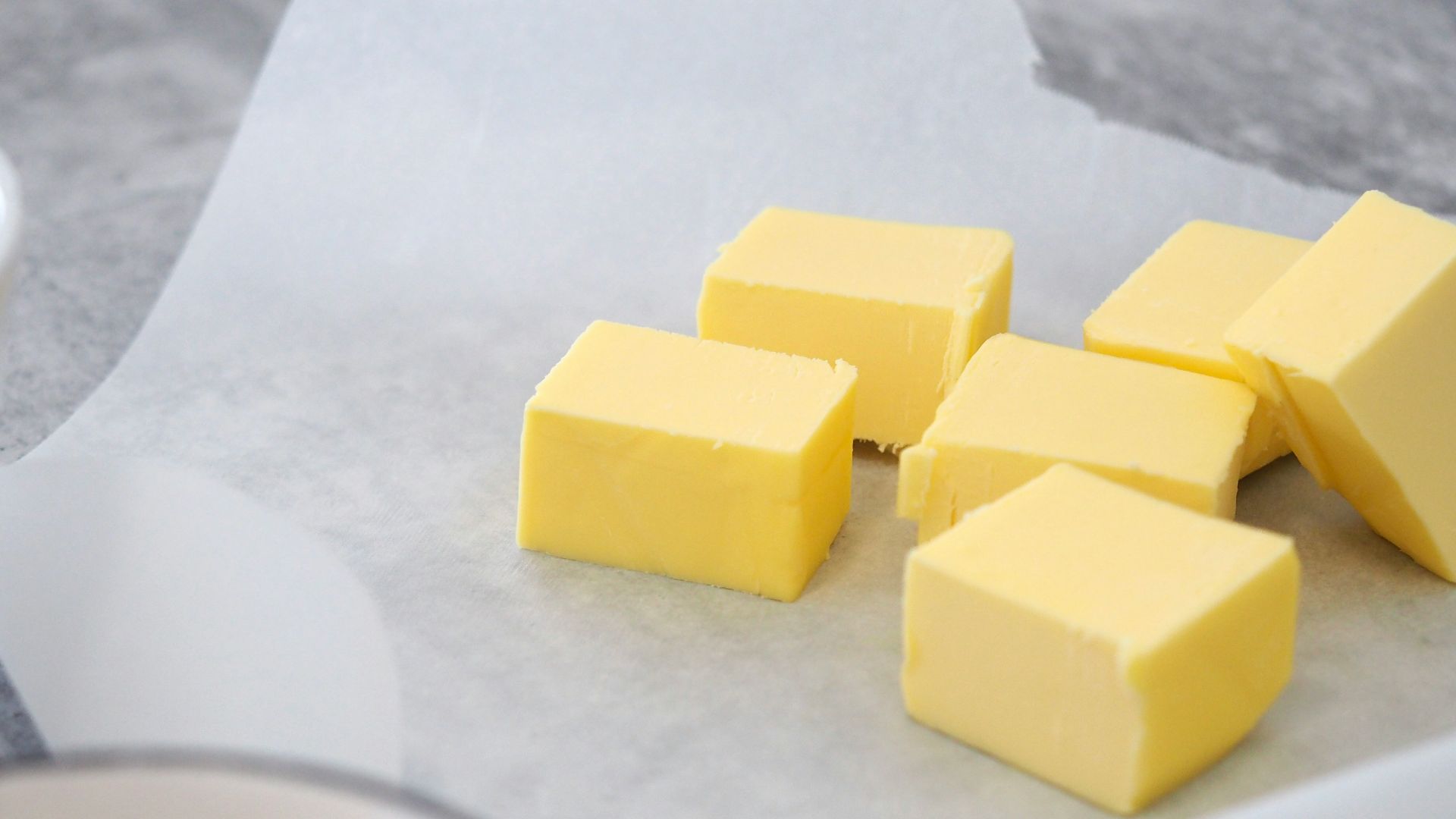
9. Butter
Butter is a classic ingredient, not a calcium-and-protein powerhouse. It's high in saturated fat, and the general advice is to keep saturated fat intake limited as part of an overall heart-healthy eating pattern. That means butter can absolutely stay in your kitchen, but probably not on your list of healthiest dairy picks.
10. Full-Fat Sour Cream
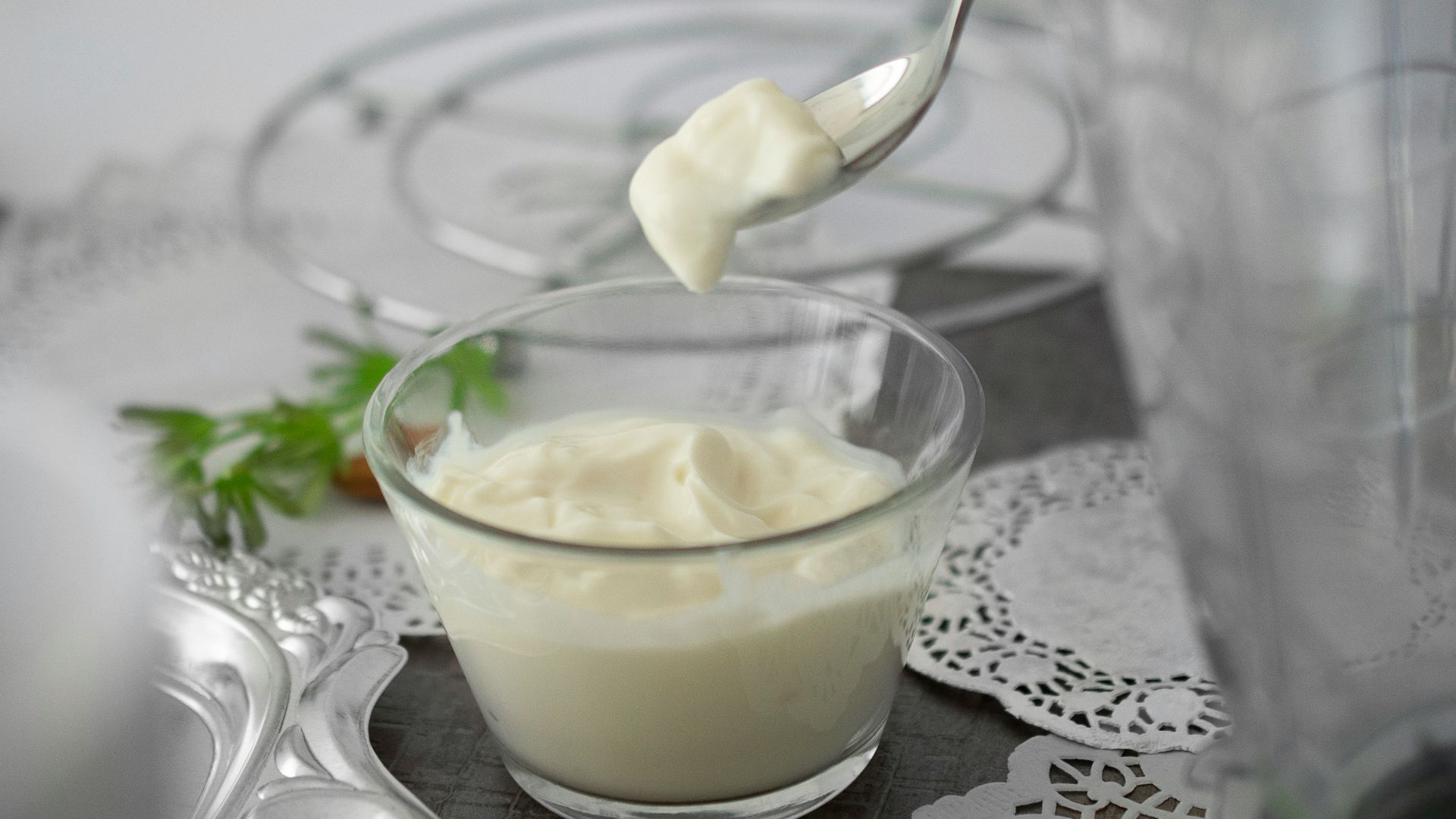
Sour cream can make food taste better, but it doesn’t give you much nutritional return for the calories compared with other dairy options. It tends to be higher in saturated fat and lower in protein than better picks like cottage cheese, skyr, or Greek yogurt. Used as a topping, it’s perfectly understandable, but treated as a health food, it starts sounding a little optimistic.

Now that we've talked about the dairy products that aren't that healthy, let's cover the ones that are actually super good for you.
1. Plain Greek Yogurt
Plain Greek yogurt earns its reputation because it usually brings serious protein along with calcium, without the dessert-level sugar that shows up in many flavored cups. Since yogurt is one of the main calcium sources in the American diet, choosing a version with less added sugar is one of the easiest dairy upgrades you can make.
2. Skyr
Skyr is a smart pick if you want a dairy food that feels substantial without getting overly rich. It’s typically high in protein, often includes a solid amount of calcium, and usually works well as a breakfast or snack that actually keeps you full. That makes it a much more useful choice than sweeter, lighter yogurts that disappear from your stomach in half an hour. You could do much worse than making this your default spoonable dairy.

3. Cottage Cheese
Cottage cheese has had a bit of a comeback, and honestly, it has earned it. It’s rich in protein, often provides calcium, and fits easily into meals without requiring a lot of effort or culinary ambition. It also tends to be more filling than people expect, which is helpful when you want something practical instead of glamorous. This is dairy that quietly handles

4. Low-Fat Milk
Milk remains one of the most reliable dairy sources of calcium, and it also contributes meaningful protein in a pretty straightforward package. Milk, yogurt, and cheese are rich natural sources of calcium, and the American Heart Association continues to recommend low-fat or fat-free milk to reduce calorie and saturated fat intake.

5. Kefir
Kefir is one of those dairy products that often deserves more attention than it gets. It usually offers protein and calcium, and it gives you a drinkable option when you want something more substantial than milk but less sweet than many ready-to-drink yogurts. It also tends to work well in smoothies or as a simple snack on its own. If you like dairy with a little more tang, this is a very solid move.

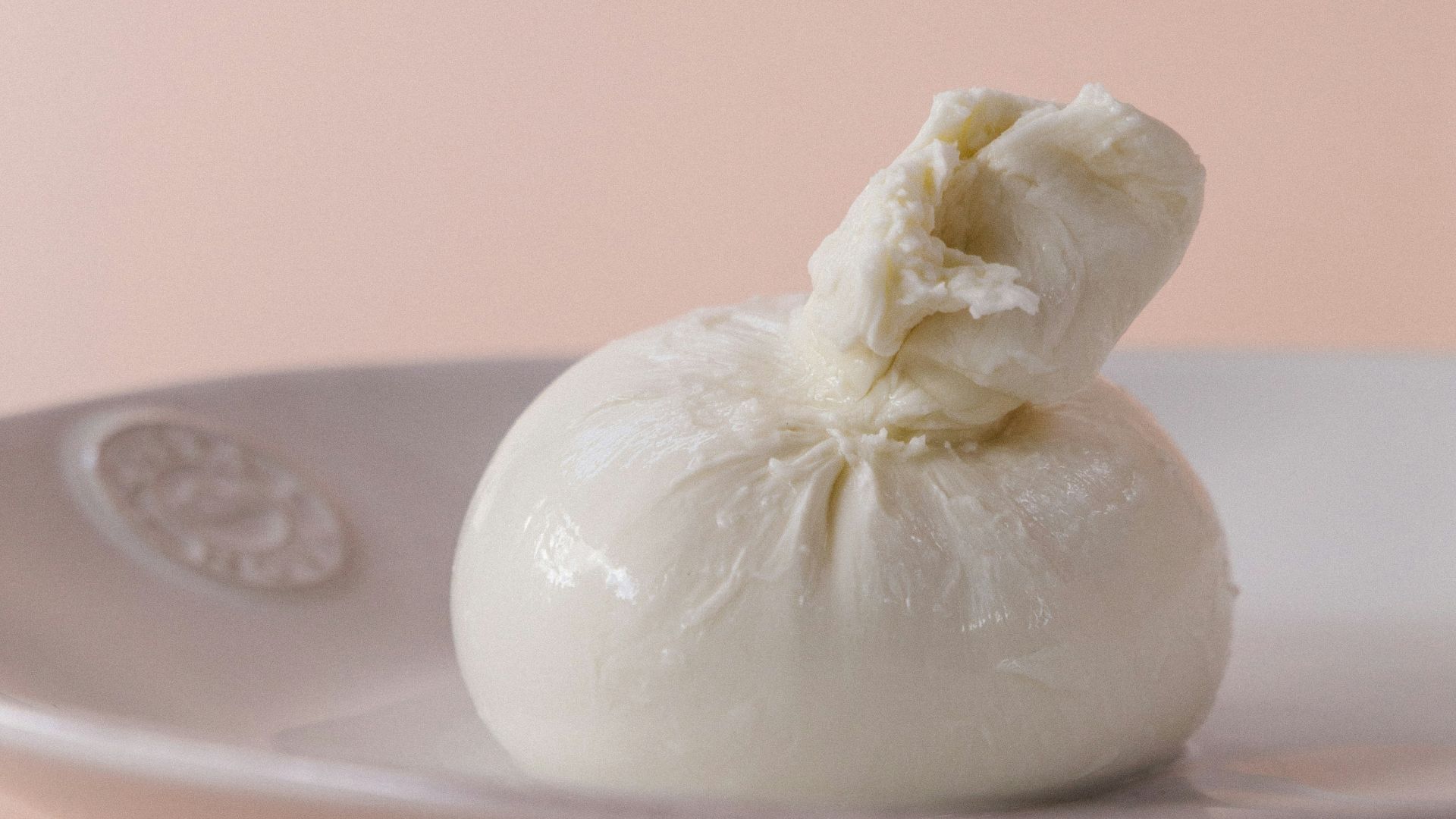
6. Part-Skim Mozzarella
Cheese can be tricky because it offers calcium and protein, but it can also bring a fair amount of saturated fat. Part-skim mozzarella is one of the nicer middle-ground options because you still get those useful nutrients with a somewhat lighter fat profile than richer cheeses. That makes it easier to fit into a balanced meal without feeling like you chose the most indulgent thing in the refrigerator.
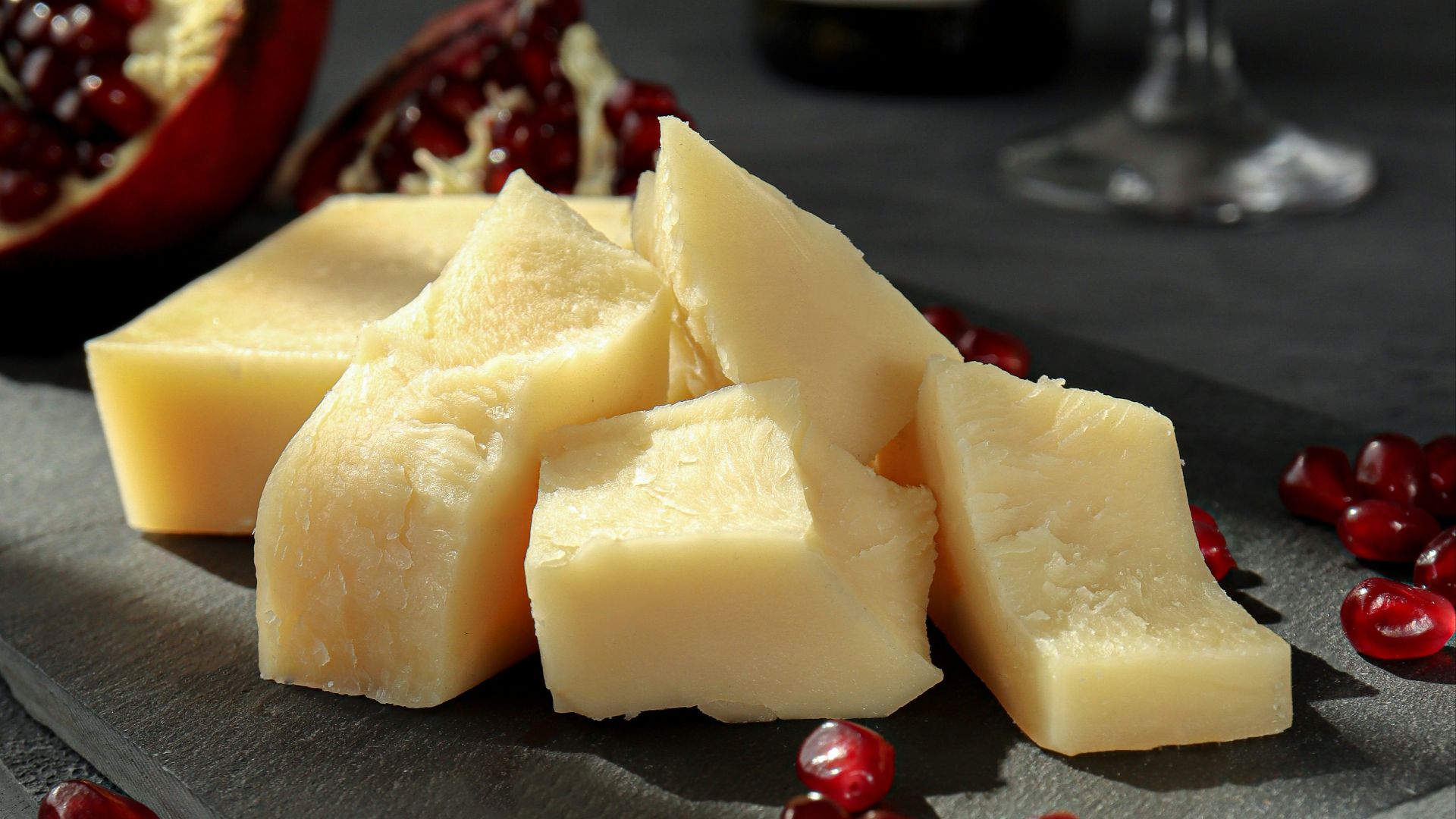
7. Parmesan
Parmesan may be salty, but it’s also one of those cheeses that can contribute a meaningful amount of calcium and some protein in a relatively small serving. NIH notes cheese as a rich natural calcium source, and harder cheeses are often particularly calcium-dense. The trick here is not pretending the portion size should be enormous. Used sensibly, Parmesan gives you a lot of flavor and a respectable nutrient boost.
8. Ricotta
Ricotta doesn’t always get top billing in healthy-eating conversations, but it can be a useful dairy option depending on how you use it. It contains protein and calcium, and it can work in savory meals or lighter breakfasts without feeling overly processed. You still want to check the label and portion size, of course. Even so, this is a more nutritionally interesting choice than a lot of sweeter dairy products nearby.

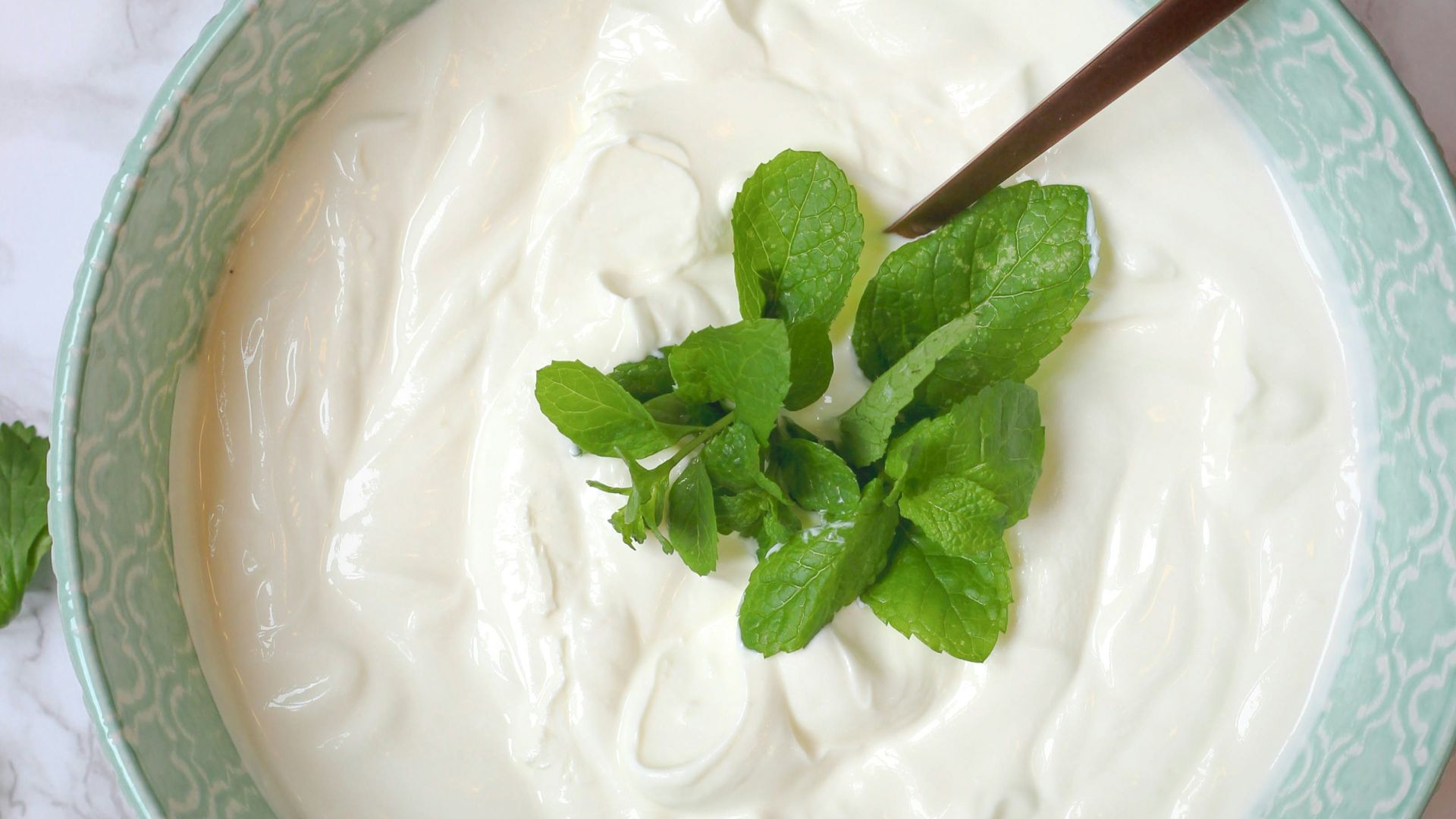
9. Plain Yogurt
Plain yogurt deserves its own spot apart from Greek yogurt because it’s still a very good dairy choice even when it isn’t chasing maximum protein. It provides calcium, contributes some protein, and avoids the extra sugars that can quickly turn a good idea into a sugary snack.
 micheile henderson on Unsplash
10. Reduced-Fat Cheese in Sensible Portions
Reduced-fat cheese isn't the most glamorous thing in the dairy aisle, but it can be a useful compromise if you want calcium and protein while dialing back some saturated fat. You don't need to ban regular cheese forever, but it helps to have some balance.

KEEP ON READING