Spicing Up Your Health One Bite at a Time
Managing inflammation doesn't have to mean eating bland or boring food every single day. Your spice cabinet is actually a treasure trove of natural compounds that can help your body feel its best while making your dinner taste incredible. By incorporating these flavorful additions into your routine, you're giving your system a little extra support without feeling like you're on a strict or restrictive diet.

1. Turmeric
Curcumin, the active ingredient in turmeric, has powerful anti-inflammatory effects. Remember to combine it with black pepper to enhance absorption. Add some to your turmeric latte or a plain bowl of rice.
 Md Shakil Photography on Unsplash
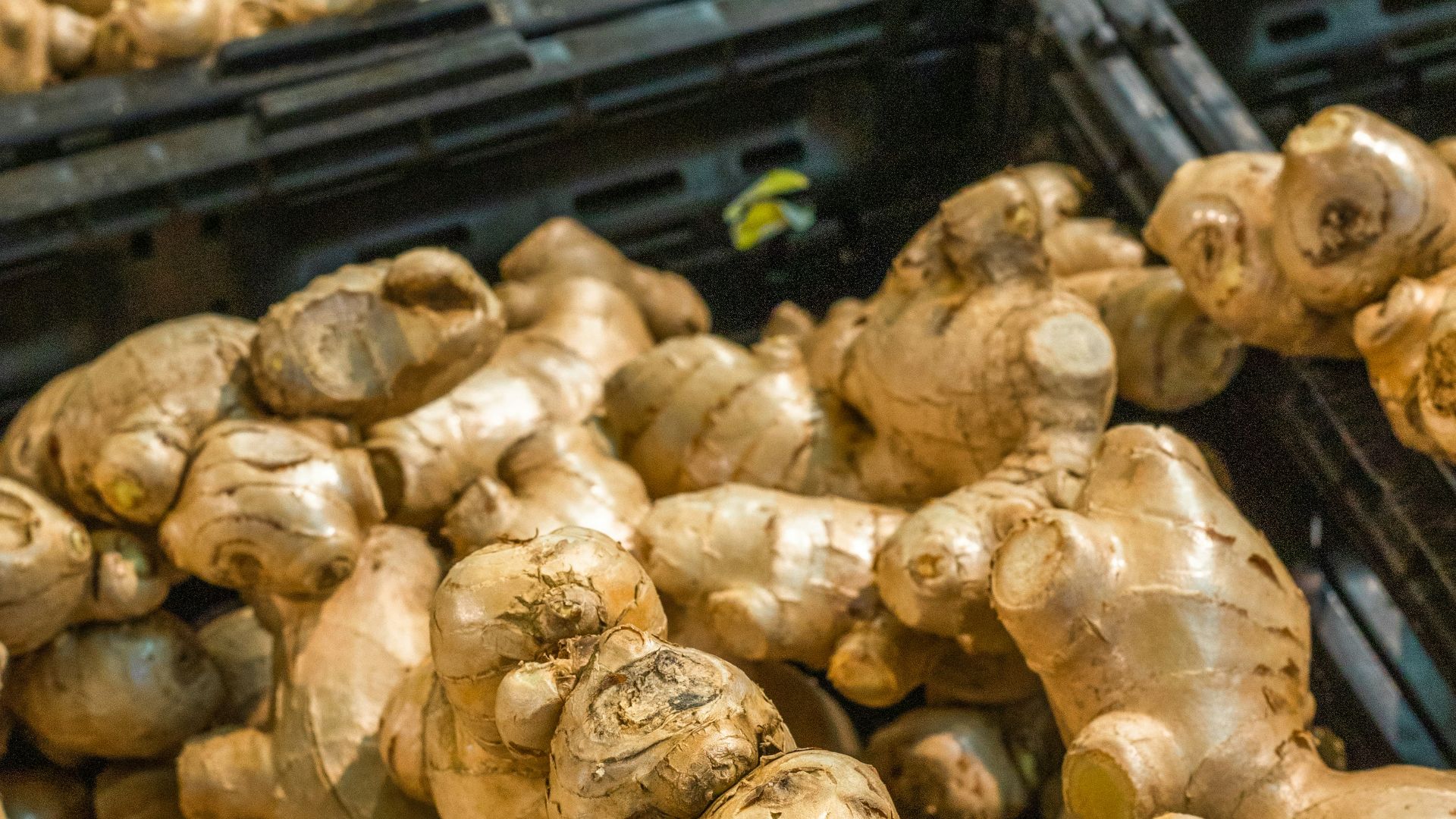
2. Ginger
Whether you’re using it fresh or in its powdered form, this zesty root contains gingerols that work hard to soothe your joints and muscles. You can easily steep a few slices in hot water for a comforting tea or toss it into a stir-fry for an extra kick of flavor. It’s been a staple in traditional wellness for centuries for a very good reason.
3. Cinnamon
Not only does this cozy spice help regulate your blood sugar levels, but it also packs a punch when it comes to reducing internal swelling. You’ll find it’s incredibly versatile, working just as well in your morning oatmeal as it does in a savory Moroccan lamb tagine. Adding a dash to your coffee grounds before brewing is a clever way to get your daily dose effortlessly.

4. Cayenne Pepper
Capsaicin, which is found in peppers, is great at numbing pain in the body. Just a dash of this spice can kick-start your circulation and help relieve congestion. Spice up your chili or roasted veggies.

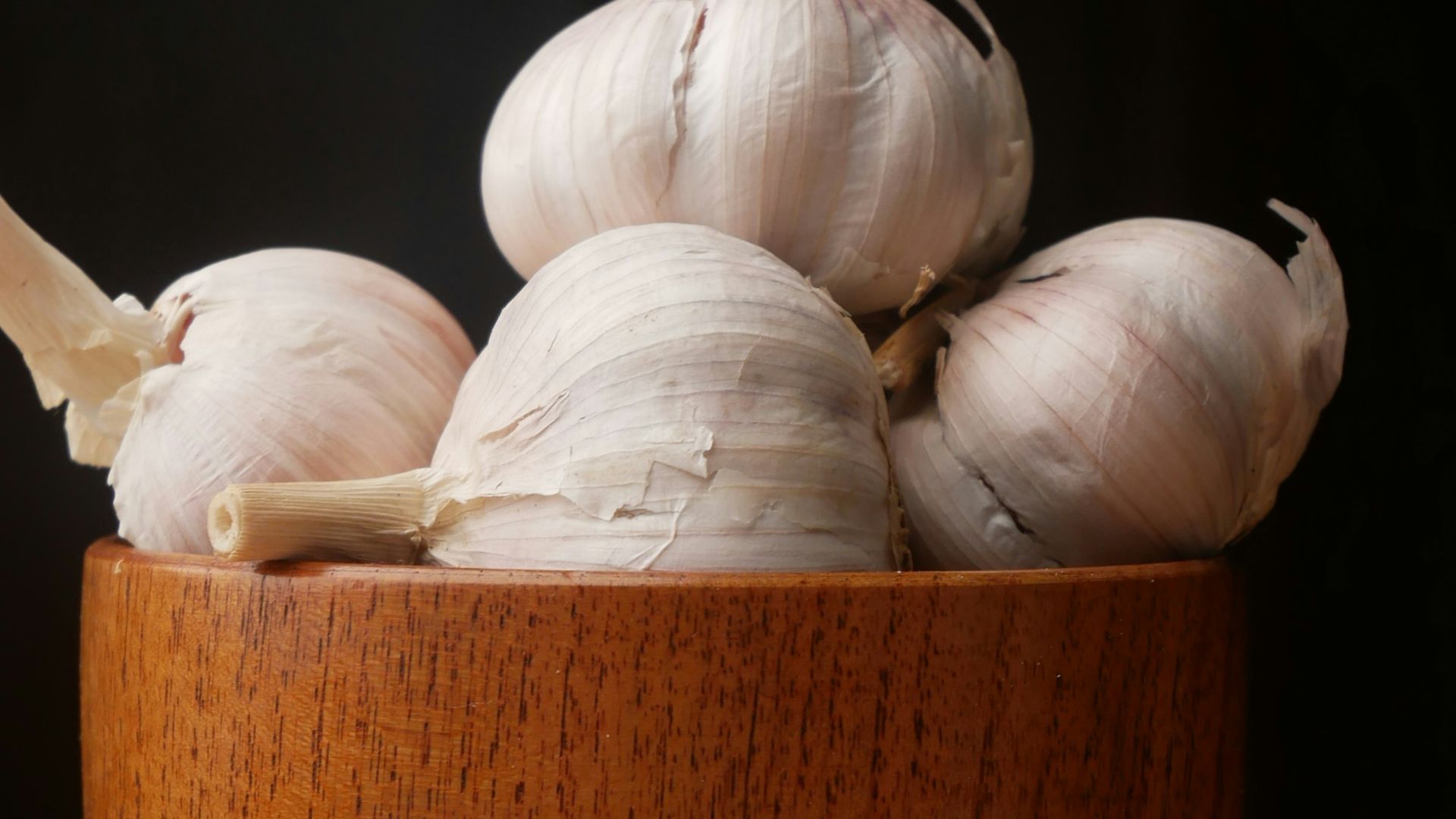
5. Garlic
While technically a bulb, the powdered version of this kitchen essential contains sulfur compounds like allicin that are great for your heart and your immune system. You can use it in almost any savory dish to add depth while also helping to keep your arteries healthy and clear. It’s one of those rare ingredients that makes almost everything taste better while doing some serious heavy lifting for your health.
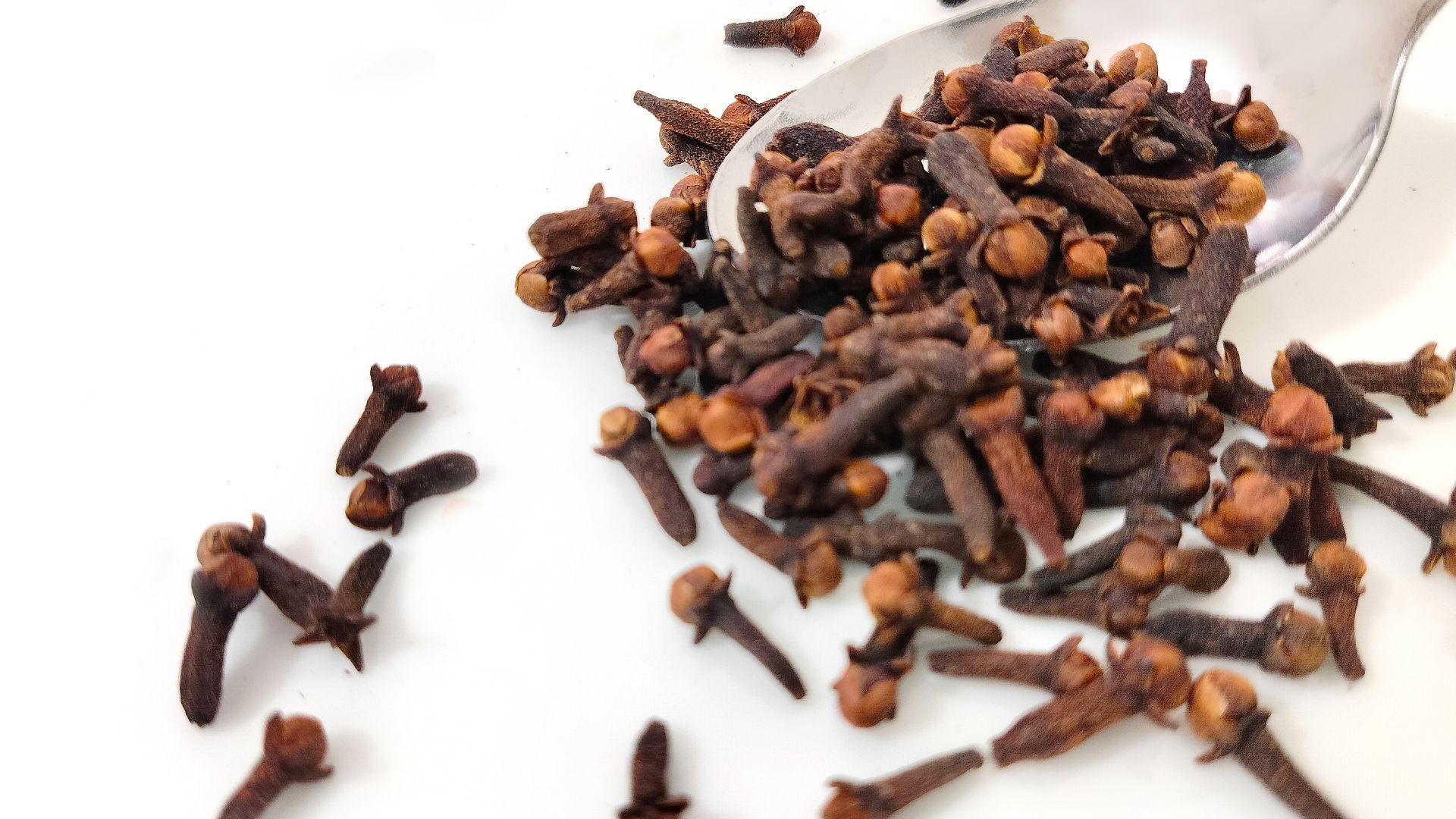
6. Clove
Loaded with antioxidants, this spice can even be found in some mouth pain relief ointments. Cloves contain eugenol, which can help relieve pain and swelling. Add a pinch to your baked goods or mulled cider.
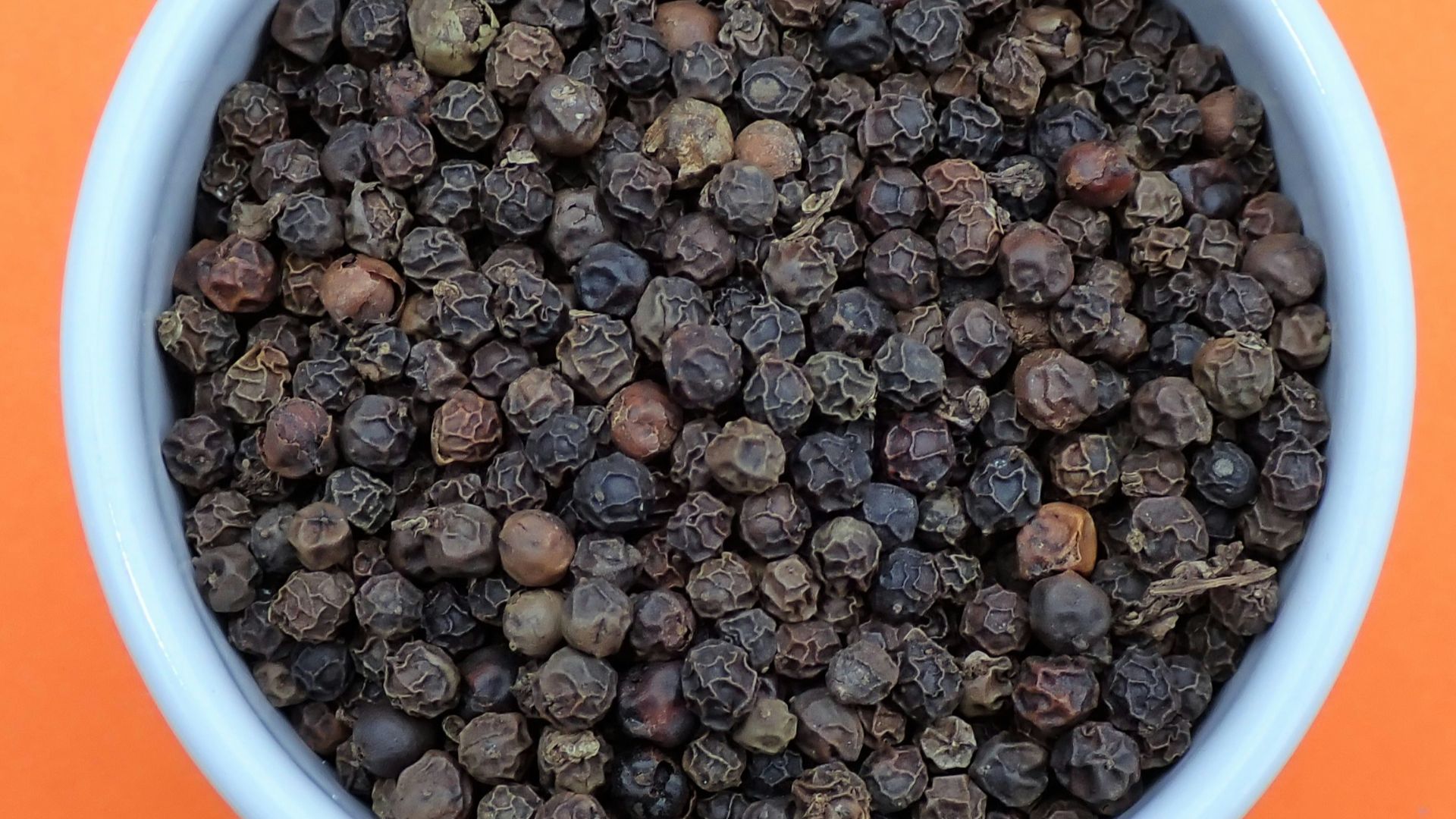
7. Black Pepper
Pepper boosts the potency of other spices and has antioxidants like piperine. This compound helps prevent cell damage and promotes digestion. Buy whole pepper and grind it just before use.
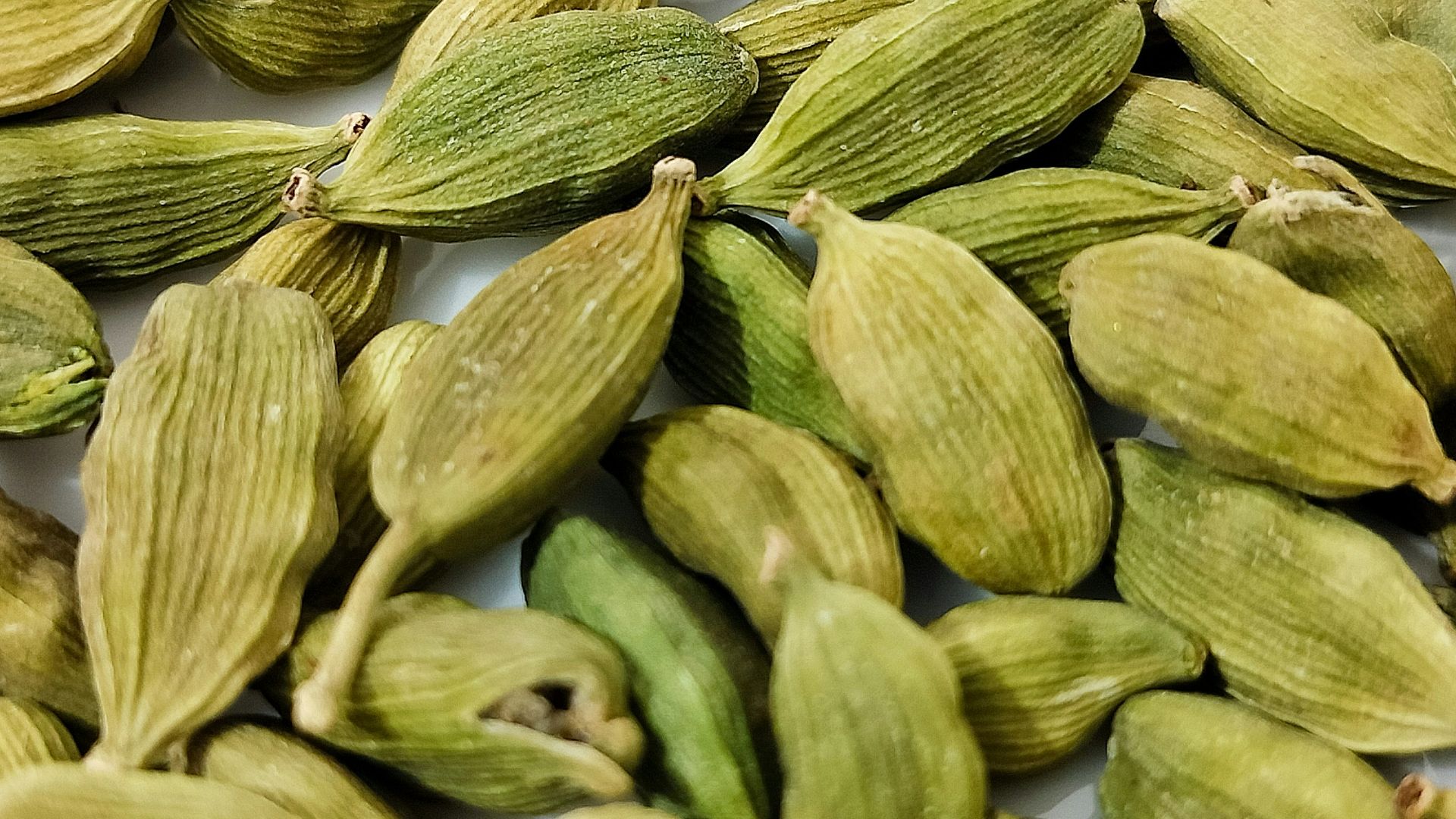
8. Cardamom
Cousin of ginger, this spice is common in Middle Eastern cooking and can help with bloating. Long-term use can decrease inflammation in the body. Elevate your homemade granola or black tea.
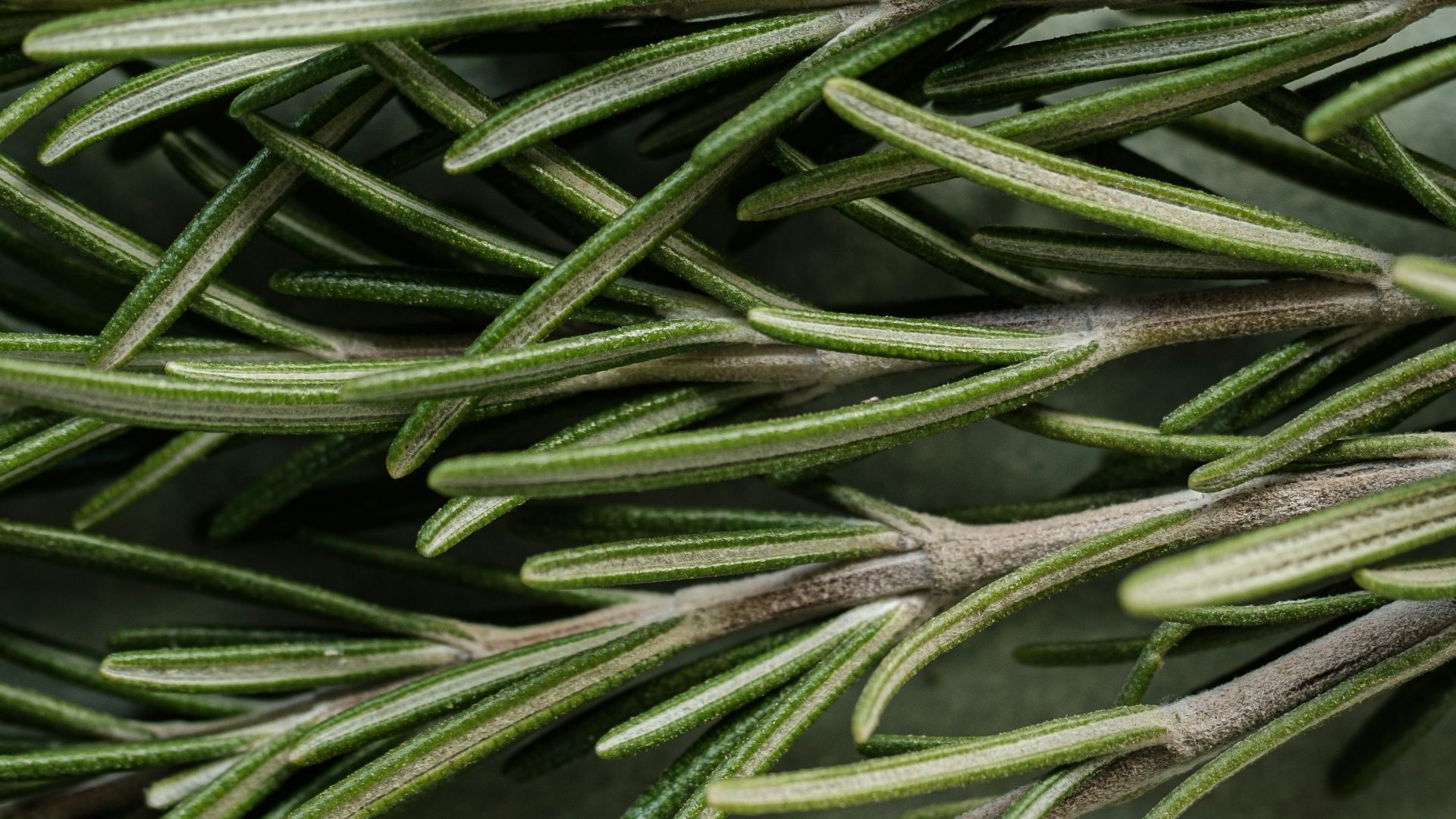
9. Rosemary
Rich in carnosic acid, this fragrant herb is excellent for protecting your brain health and keeping your vision sharp as you age. It works wonderfully when rubbed onto roasted chicken or chopped finely and mixed into a loaf of homemade focaccia. You can even use the oil from the leaves to help soothe tired muscles after a long day of physical activity.
10. Sage
Known for its high concentration of rosmarinic acid, this earthy spice is particularly good for improving memory and cognitive function. It has a very distinct flavor that pairs beautifully with autumn squashes and browned butter sauces. Using it sparingly ensures that it complements your ingredients without overpowering the other flavors on your plate.

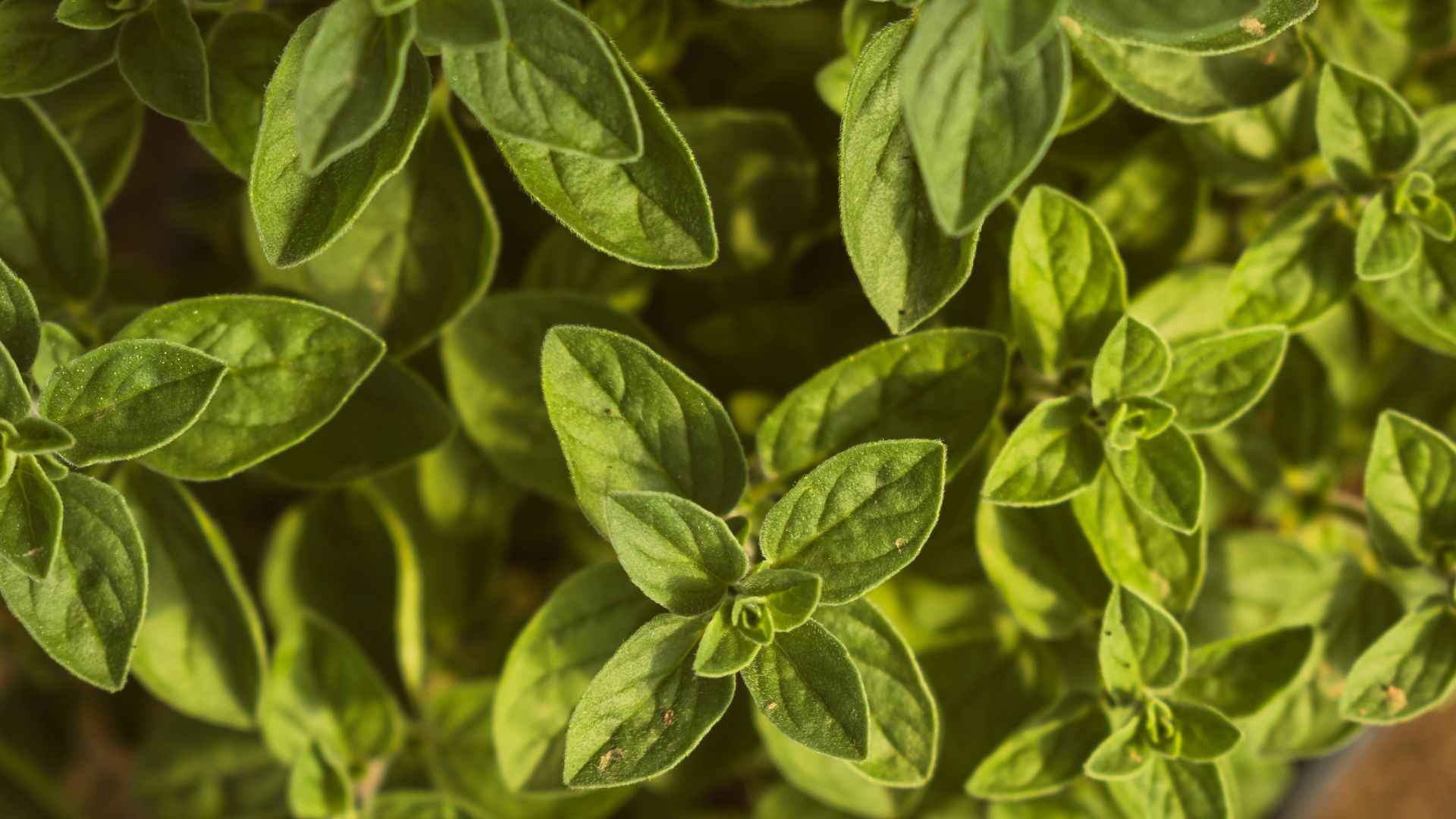
11. Oregano
One of your pizza sauce’s best friends. Oregano has a compound called carvacrol that acts as an antibiotic. Not to mention, it fights oxidative stress. Make your tomato sauces and meats taste awesome.
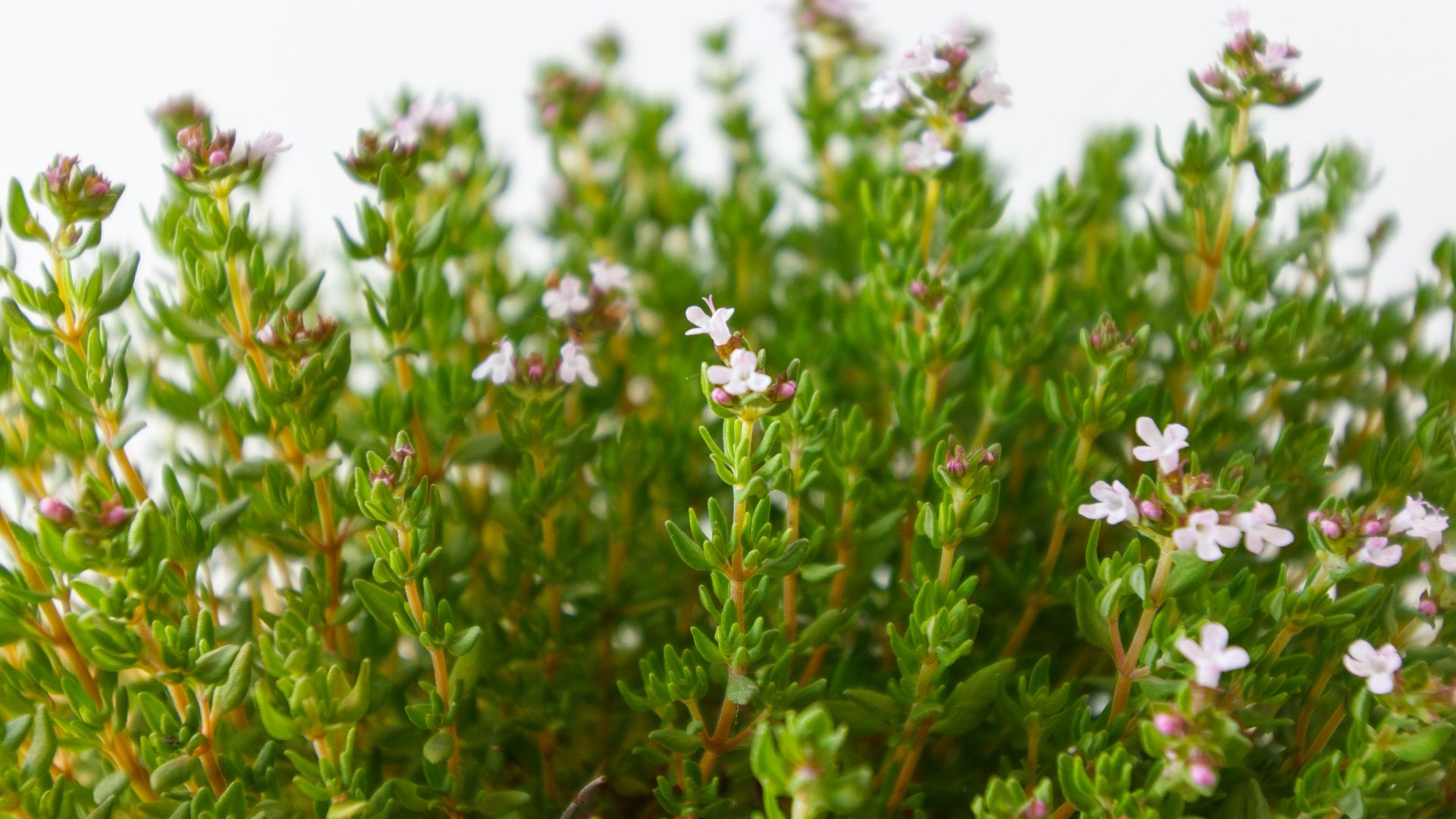
12. Thyme
This herb is high in vitamin C and can help fight respiratory inflammation during winter seasons. Thyme contains tiny leaves, but they’re packed with nutrients to help your body fight off bacteria and inflammation. Mix it into your soup or stew for a woody taste.
 Alejandro Piñero Amerio on Unsplash
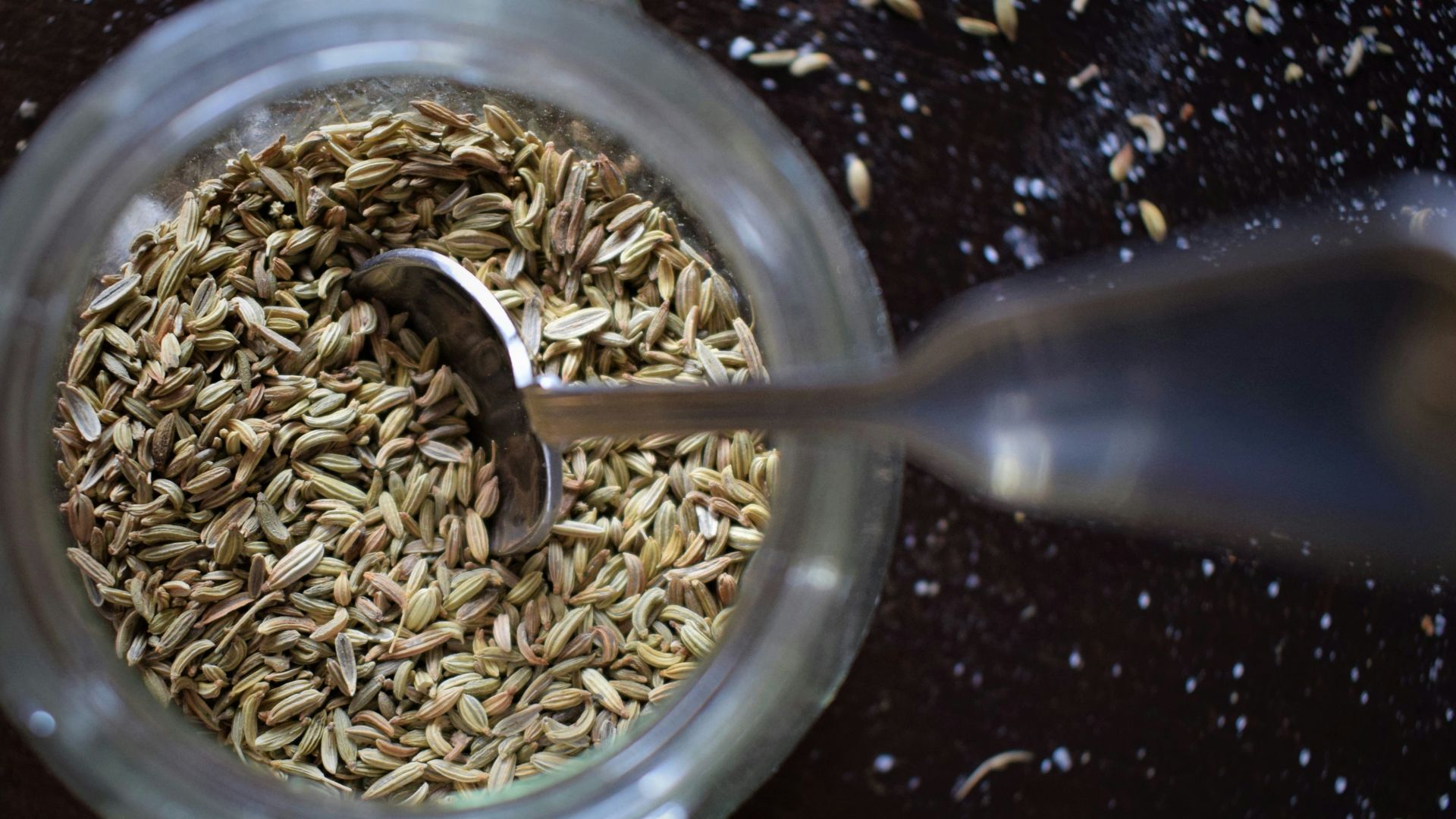
13. Cumin
Mexican food is not the same without this smoky flavor. Cumin helps your body metabolize fat more efficiently. Its main antioxidant, called apigenin, helps cells from overreacting and causing inflammation. Try toasting the seed in a dry pan for one minute before grinding.
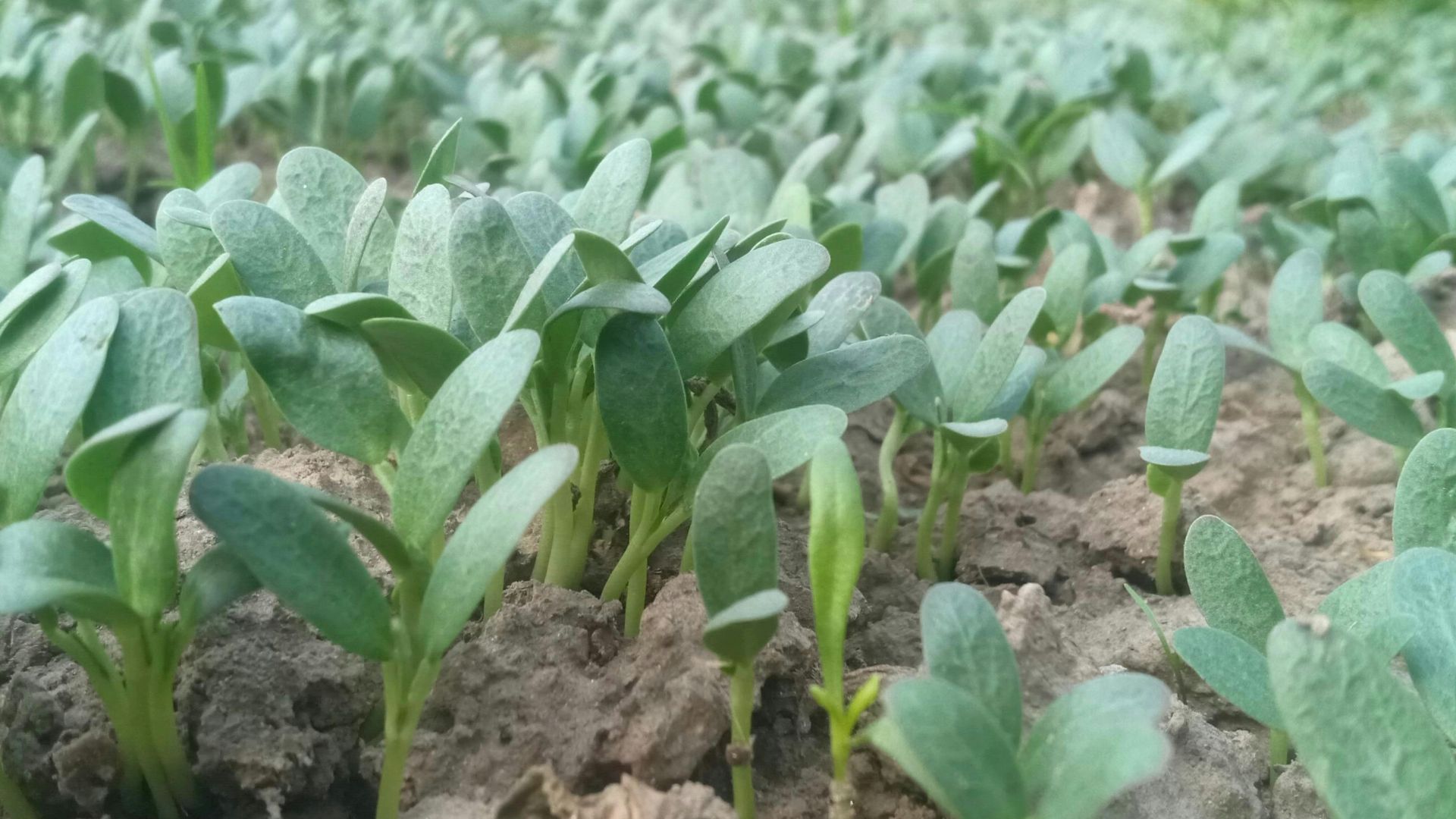
14. Fenugreek
If you’ve ever had curry, there’s a good chance you’ve tried fenugreek seeds. They help balance insulin levels in the body and can help lower cholesterol. Its flavor is similar to maple syrup and works well with different types of bread.
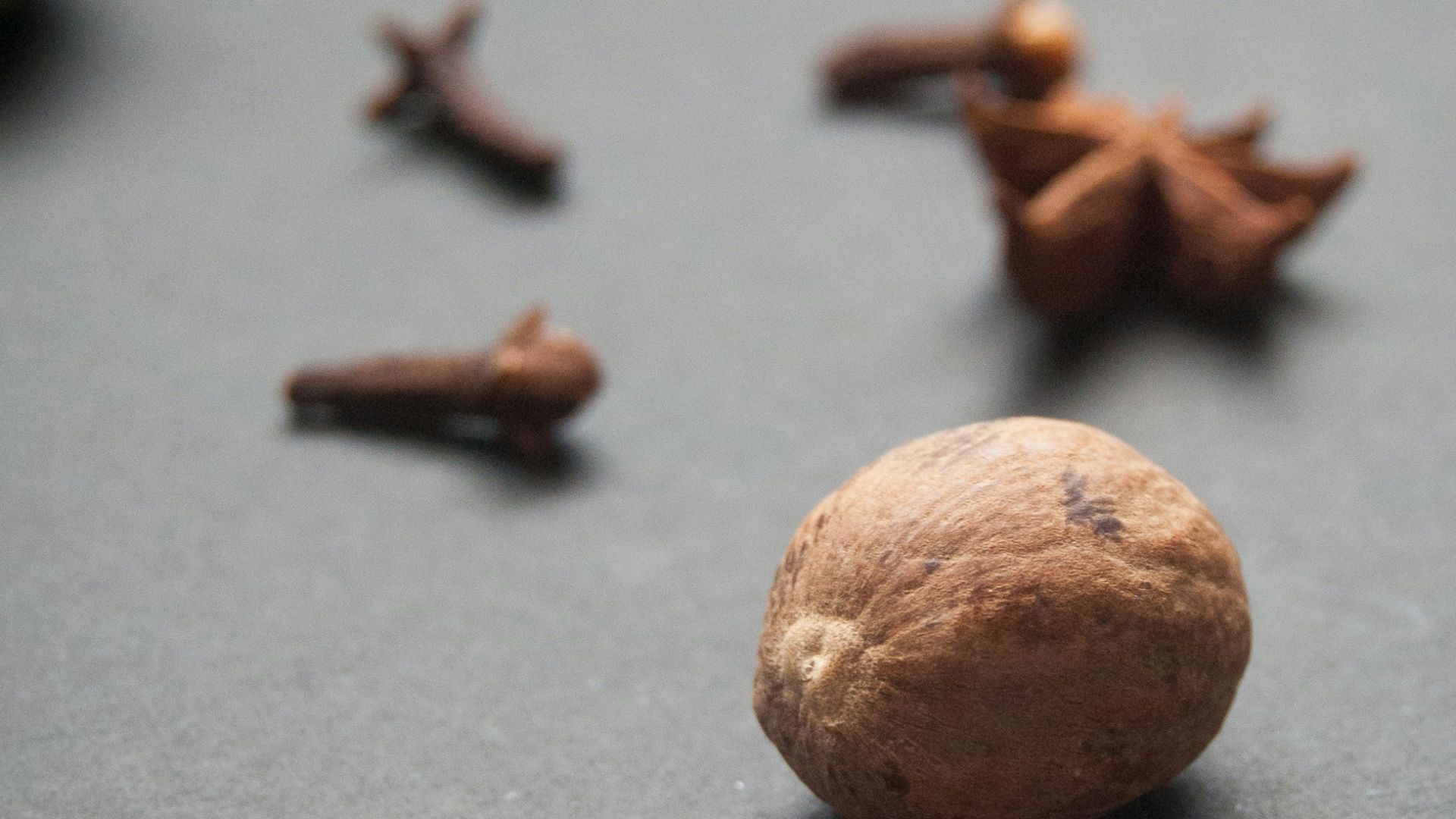
15. Nutmeg
Nutmeg helps protect the body from oxidative stress and contains compounds that can help your kidneys and liver. Nutmeg is very strong, so you only need a little to nourish your nervous system. Add some to your spinach or Greek yogurt for a classy snack.
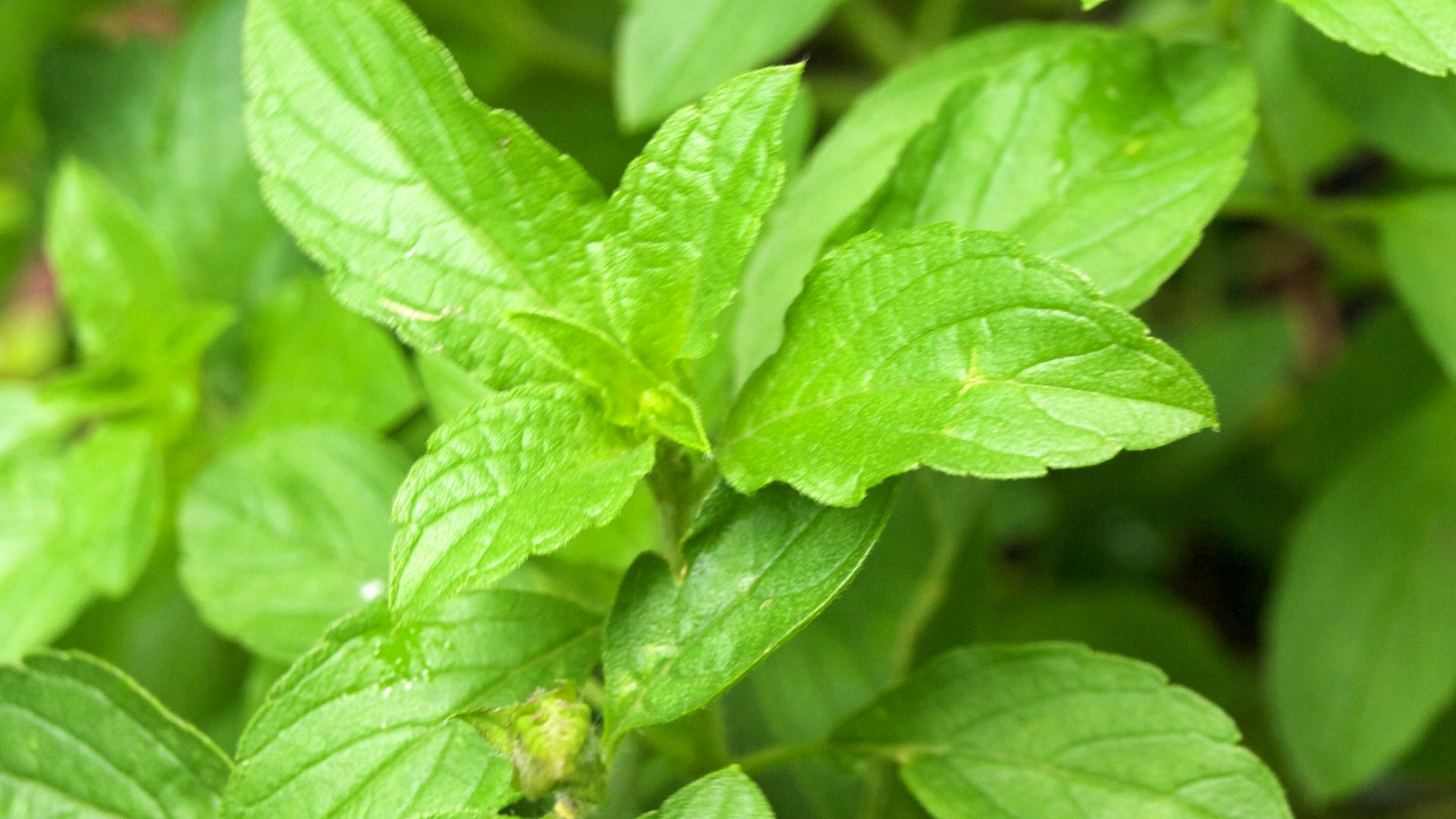
16. Holy Basil
Also known as Tulsi, this specific type of basil is considered an adaptogen that helps your body manage stress more effectively. It contains ursolic acid, which is a compound that’s been shown to help with joint flexibility and overall vitality. Many people prefer to drink it as a soothing herbal tea to wind down before bed after a hectic day.
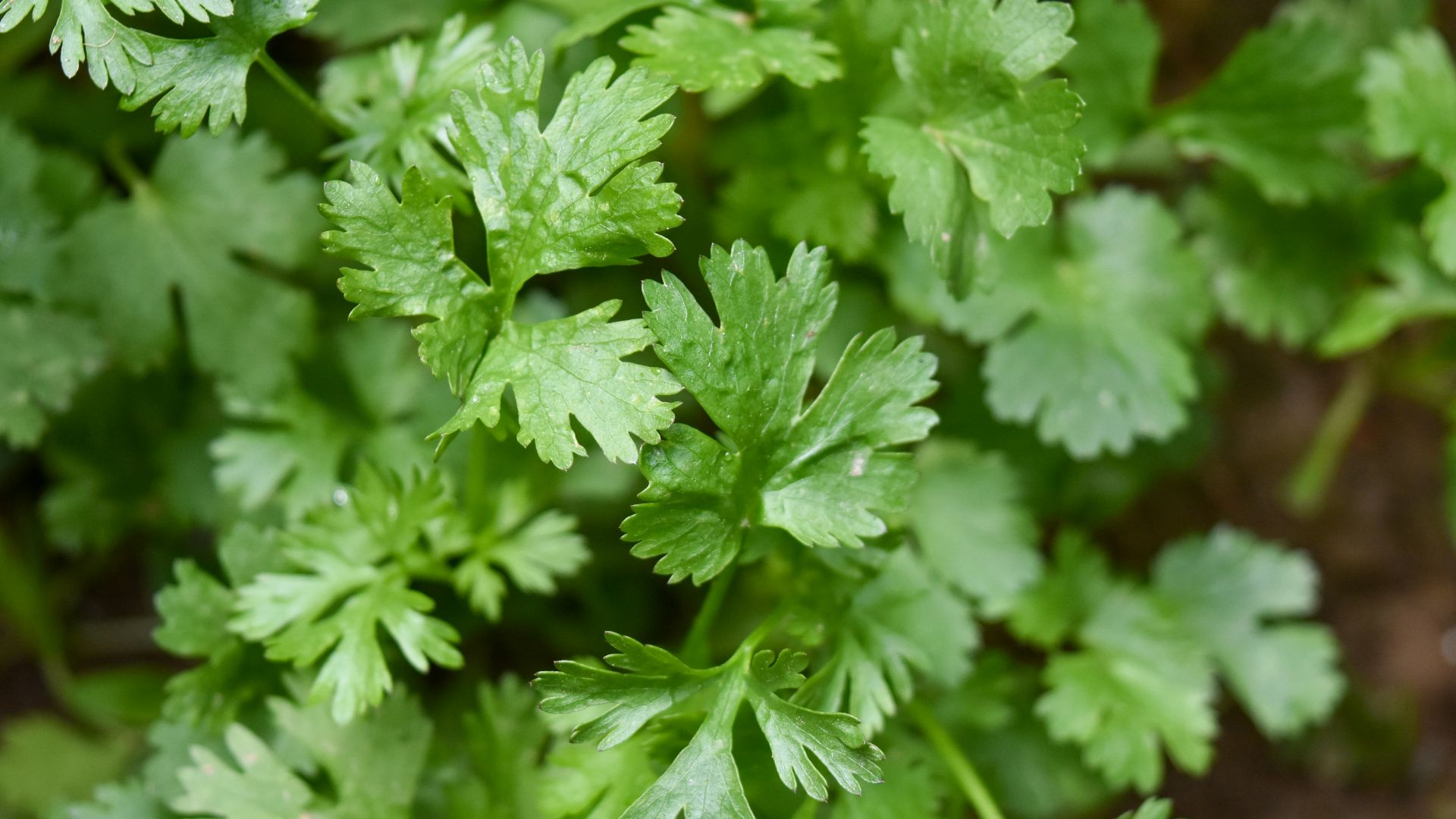
17. Coriander
Coriander helps the body get rid of heavy metals that cause inflammation. These are the seeds you find on the cilantro plant. They taste like a refreshing citrus and go great in spice rubs for fish or vegetable curry. Your skin will thank you!
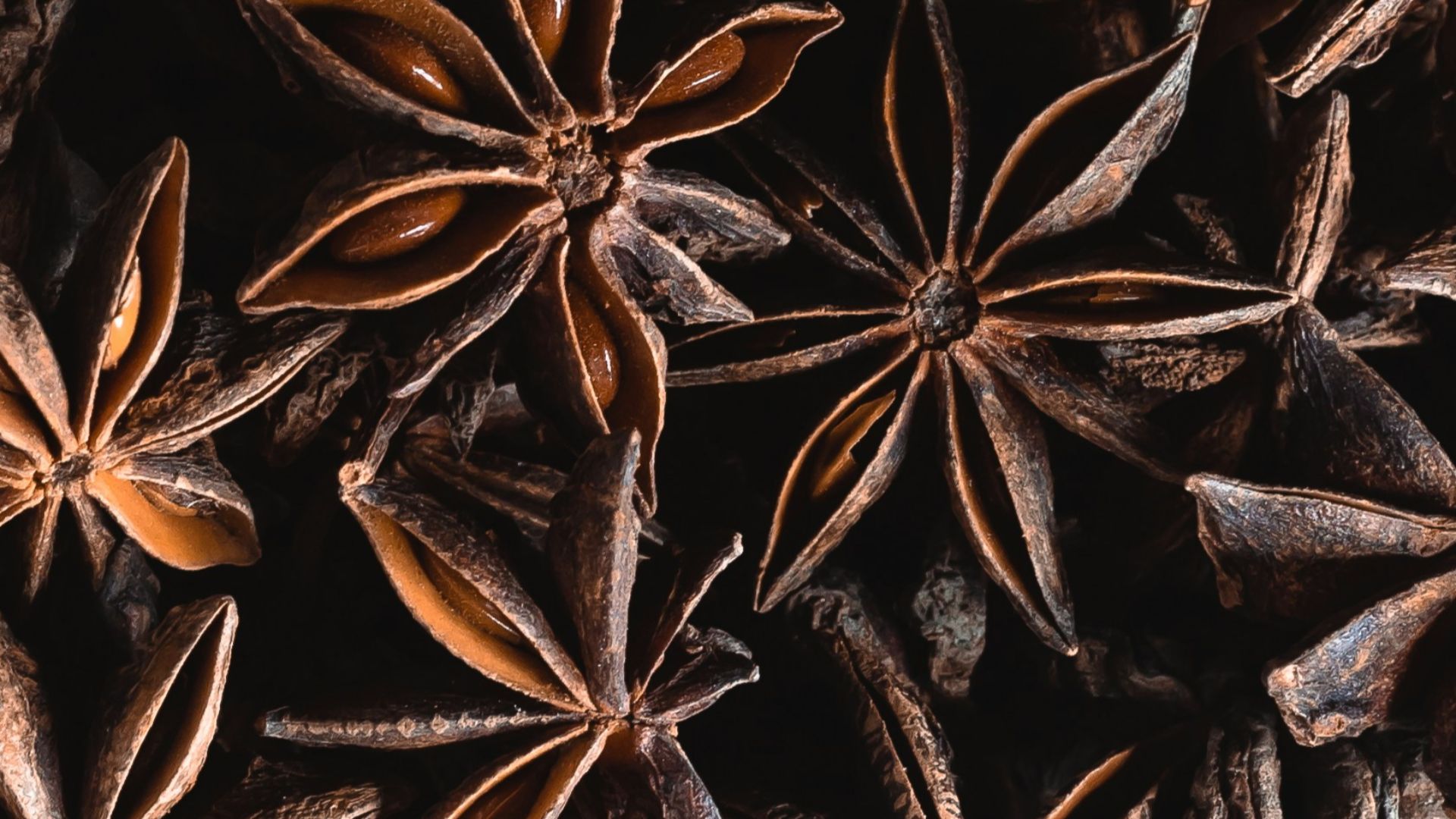
18. Star Anise
Star anise contains shikimic acid, which is used in most antiviral medicines. It has a strong licorice flavor and works great in beef broth or fruit compote. Drink some hot tea with star anise to help keep your lungs healthy this season.
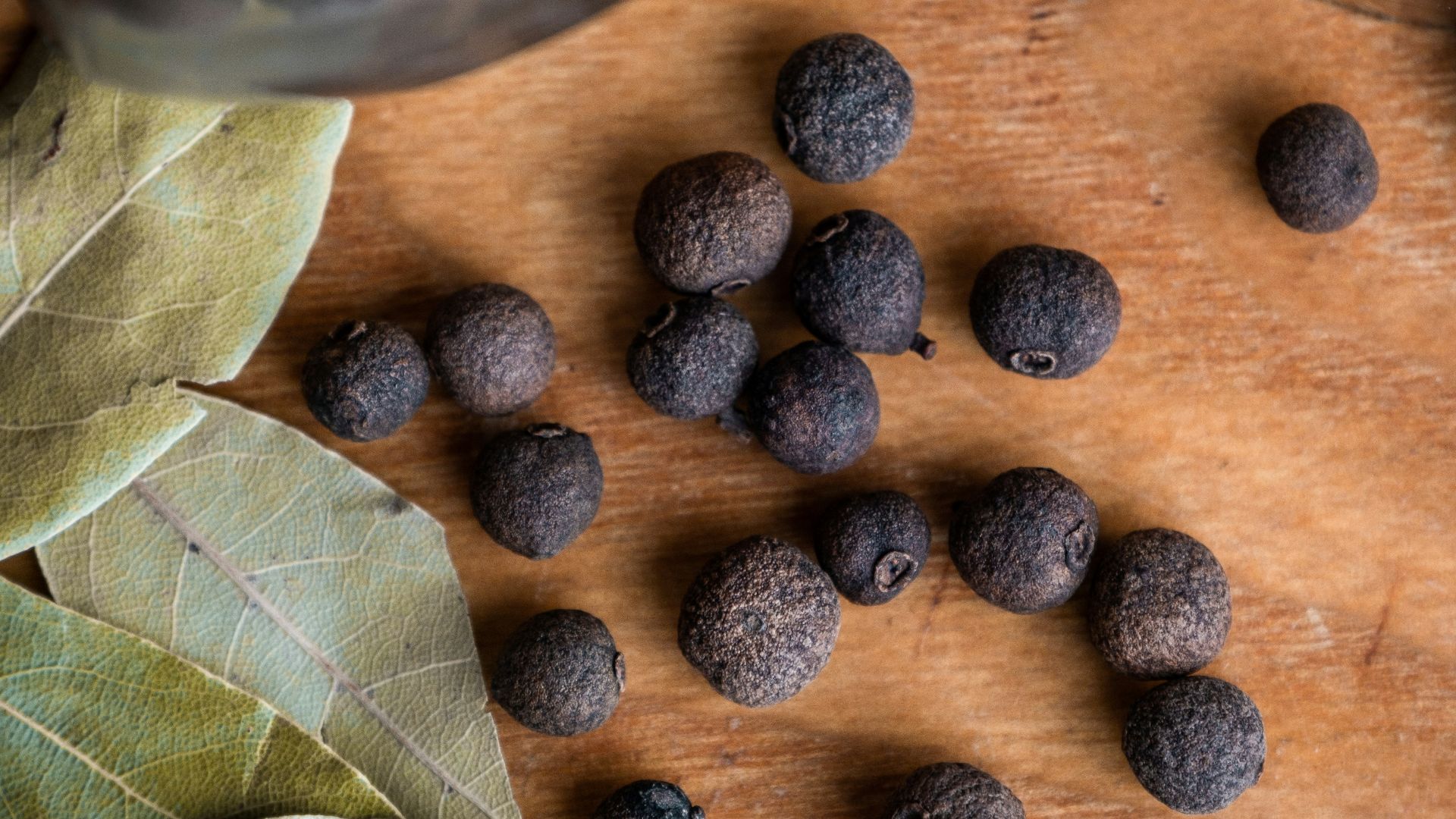
19. Allspice
Surprisingly, allspice has a cinnamon, nutmeg, and clove flavor profile. It’s rich in quercetin, which helps improve circulation to your extremities. Add some to your jerk seasoning or pumpkin pie to help with an upset stomach.
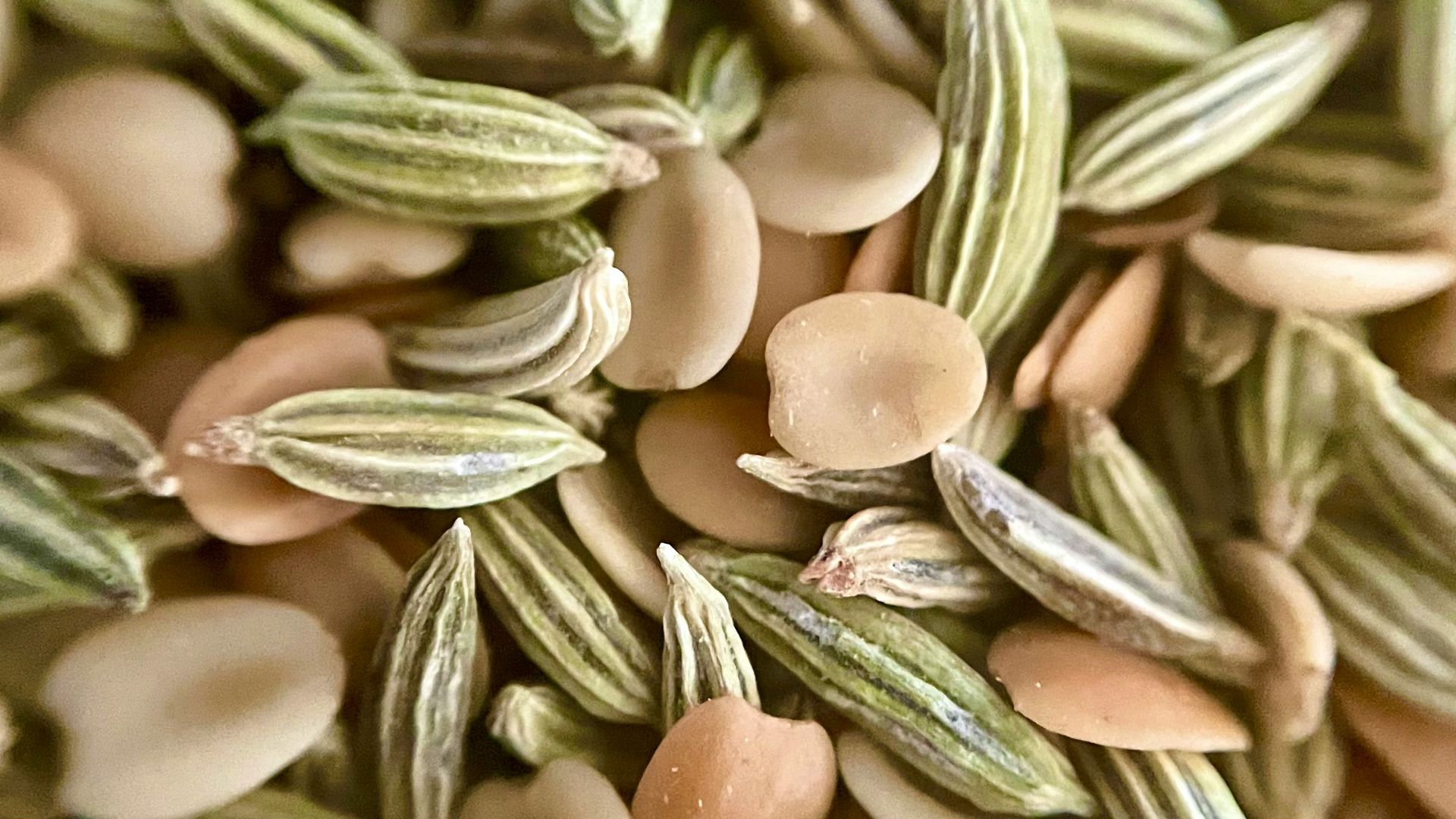
20. Fennel Seeds
Fennel seeds are great to chew on after a meal to avoid gas and heartburn. They’re high in fiber and a compound called anethole. Anethole helps cool down the body and can help with some inflammatory gut conditions. Add them to your sausage recipes or cabbage.