10 Signs Your Stomach Is Functioning Badly & 10 Lifestyle Changes That Can Help
Your Stomach Has Opinions, Even If It Expresses Them Rudely
Your stomach and digestive system can be surprisingly chatty, though they don’t always choose the most elegant ways to communicate. Bloating, burning, nausea, cramps, constipation, diarrhea, and uncomfortable fullness can all be signs that something in your routine, diet, stress level, or health needs attention. Occasional digestive weirdness happens to almost everyone, but symptoms that are severe, persistent, worsening, or paired with other symptoms could be signs of something more serious. Here are 10 signs your stomach isn't functioning correctly and 10 lifestyle changes that might help.

1. You Feel Bloated All the Time
Bloating can happen after a big meal, but constant bloating may mean your digestion isn’t handling certain foods, meal sizes, or eating patterns well. It can also show up with conditions like IBS, which involves abdominal pain and changes in bowel movements such as diarrhea, constipation, or both. If your waistband feels personally attacked every afternoon, it’s worth paying attention to patterns.

2. You Get Frequent Heartburn
Heartburn is that burning feeling behind the breastbone that can make dinner feel like it’s sending a complaint form. It often happens when stomach acid backs up into the esophagus, and it can get worse after large meals, late-night eating, alcohol, caffeine, or fatty foods. Occasional heartburn is common, but frequent symptoms can point to reflux that needs better management.

3. You Feel Full Too Quickly
Feeling stuffed after just a few bites can be a clue that your stomach isn’t emptying or tolerating meals the way it should. Sometimes it’s related to indigestion, stress, medication effects, or eating too fast, but persistent early fullness deserves attention. It’s especially important to get checked if it comes with unintended weight loss or vomiting.

4. You’re Nauseous More Often Than Usual
Nausea can come from many places, including stomach irritation, reflux, infections, pregnancy, medications, migraines, anxiety, or eating patterns. When it becomes frequent, it can interfere with meals and make normal life feel unnecessarily dramatic. Even mild nausea is worth tracking if it keeps returning without an obvious reason.

5. Your Bathroom Routine Keeps Changing
A sudden or ongoing shift between constipation, diarrhea, or unpredictable bowel habits can signal that your digestive system is struggling. IBS commonly includes belly pain along with changes in bowel movements, and symptoms can vary from person to person. That doesn’t mean every bathroom surprise is a diagnosis, but patterns matter.
6. You Have Ongoing Stomach Pain
Stomach pain that keeps coming back shouldn’t be ignored, even if it isn’t severe every time. Cramping, burning, sharp pain, or pressure can come from many causes, ranging from gas and indigestion to ulcers, gallbladder issues, inflammation, or other medical problems. Your stomach doesn’t need to be screaming before it deserves attention.

7. You’re Abnormally Gassy
Gas is normal, so this isn’t about pretending digestion should be silent and dignified. But frequent, painful, or embarrassing gas can suggest you’re swallowing too much air, eating too quickly, reacting to certain carbohydrates, or having trouble digesting particular foods. Carbonated drinks, large meals, and rushing through lunch can all make the situation noisier than necessary.

8. Food Seems to Sit Like a Rock
That heavy, stuck, uncomfortable feeling after meals can be a classic sign of indigestion. It can be linked to eating habits, stress, certain foods, medications, or underlying conditions. When meals regularly leave you feeling like you swallowed a brick, your routine may need some editing.

9. You Wake Up With Digestive Discomfort
If heartburn, nausea, coughing, or stomach discomfort wakes you at night, your meal timing or reflux may be part of the issue. Sleep should not be a nightly meeting with your stomach acid.
10. You’re Losing Weight Without Trying
Unintended weight loss can happen for many reasons, but it’s a warning sign when it appears with digestive symptoms. If you’re eating less because of pain, nausea, early fullness, diarrhea, or fear of symptoms, that’s important information.
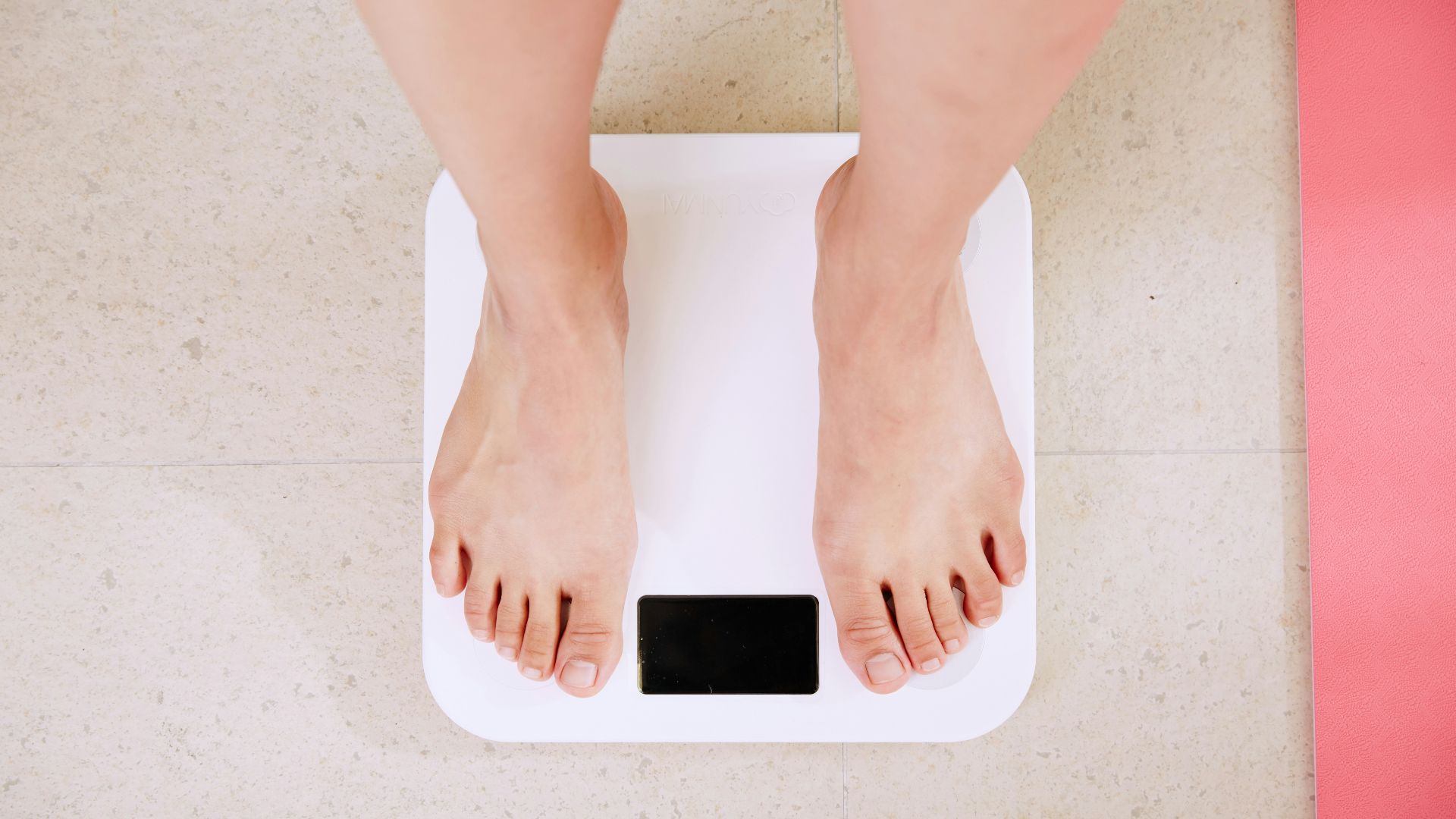
Now that we've talked about 10 signs your stomach is actually not functioning properly, let's talk about little lifestyle changes that might help.
1. Eat Smaller, More Regular Meals
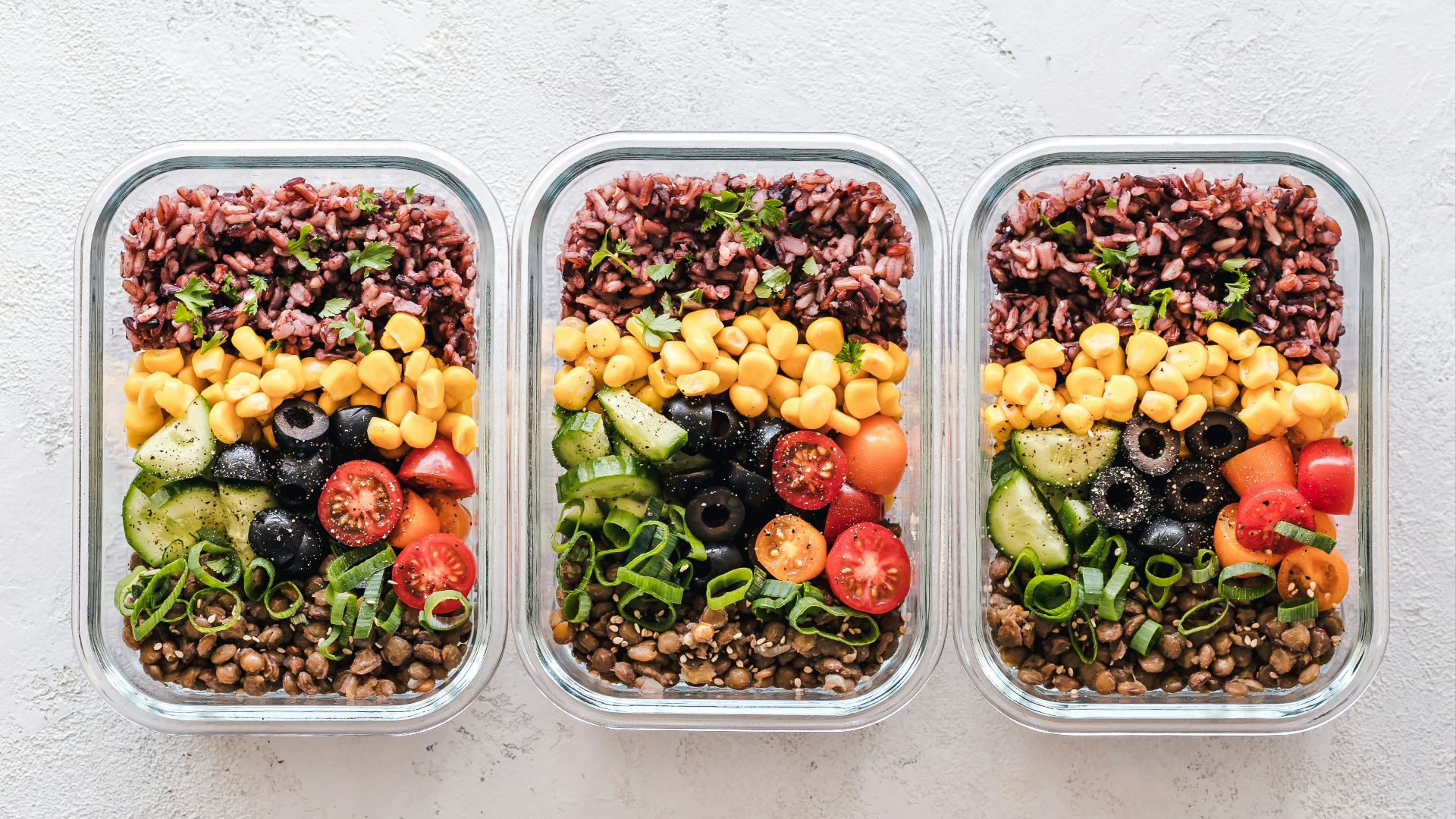
Large meals can overwhelm digestion and worsen reflux, bloating, or uncomfortable fullness, so it's recommended to have smaller, more consistent meals. This doesn’t mean you need to nibble lettuce sadly all day; it just means your stomach may prefer not being handed a huge project at once. Try splitting heavier meals into more manageable portions and see whether symptoms calm down.
2. Slow Down When You Eat
Eating quickly can make you swallow more air, overeat before fullness signals catch up, and put extra pressure on digestion, which is why you should eat slowly and chew food well. This is one of those lifestyle changes that sounds too simple to matter, but your stomach may strongly disagree.
 Farhad Ibrahimzade on Unsplash
3. Don’t Lie Down Right After Meals
Your stomach prefers a little upright time after eating, especially if you deal with heartburn or reflux, which is why you shouldn't eat late. Giving yourself at least a few hours to digest before bedtime gives food more time to move along before you go horizontal. Your couch may be calling, but your esophagus would appreciate a brief delay.

4. Add Fiber Gradually
Fiber can support regular bowel movements and help with fullness, but suddenly loading up on beans, bran, and raw vegetables can backfire. A gradual increase gives your digestive system time to adjust instead of staging a protest. Start small, drink enough water, and let your gut adjust.

5. Drink More Water
Hydration helps stool stay softer and easier to pass, especially when you’re increasing fiber. If you’re constipated, active, sweating, or drinking lots of caffeine, fluids become even more important. Water won’t fix every stomach issue, but dehydration can make digestion feel more stubborn than it needs to.

6. Notice Your Trigger Foods
Some people feel worse after fatty foods, spicy meals, citrus, tomatoes, chocolate, alcohol, carbonated drinks, or caffeine. Though everyone’s personal list can look different, there are several common reflux-related triggers. The goal isn’t to ban joy from the kitchen; it’s to identify which foods repeatedly cause trouble for you.

7. Move After Meals
A gentle walk after eating can help digestion feel more comfortable and may reduce that heavy, sluggish feeling. You don’t need to sprint around the block or turn dinner into athletic training. The point is light movement, not punishment. Even ten relaxed minutes can be a nice upgrade from immediately folding yourself into the couch.

8. Manage Stress
Stress can absolutely show up in your gut, especially if you already deal with IBS-like symptoms. Some people with IBS can control symptoms through stress management. That doesn’t mean your symptoms are “all in your head,” it means the gut and brain are linked.

9. Be Careful With Alcohol, Smoking, & Too Much Caffeine
Alcohol, smoking, and excess caffeine can irritate digestion or worsen reflux for many people. They may also affect sleep, hydration, appetite, and stress, which can indirectly make stomach issues worse. You don’t necessarily have to change everything overnight, but cutting back can give you useful information.

10. Create a More Consistent Sleep Routine
Poor sleep can make digestion feel more sensitive, especially if stress, late-night eating, or irregular meals are already in the mix. Going to bed and waking up around the same time helps your body settle into a steadier rhythm, which can support appetite, energy, and bathroom regularity. It also makes it easier to avoid midnight snacking or lying down right after a heavy meal.

KEEP ON READING