The Body Doesn’t Stop Changing
Death may mark the end of a body’s functions, but it doesn’t bring every process to an immediate halt. Despite what movies and TV shows say, cells, muscles, bacteria, and organs can actually continue reacting for hours up to several days. The timing isn’t the same for everyone, especially since the environment can alter what happens next, but these 20 changes happen to everyone at some stage, and we’re here to break them down.
1. Breathing Stops
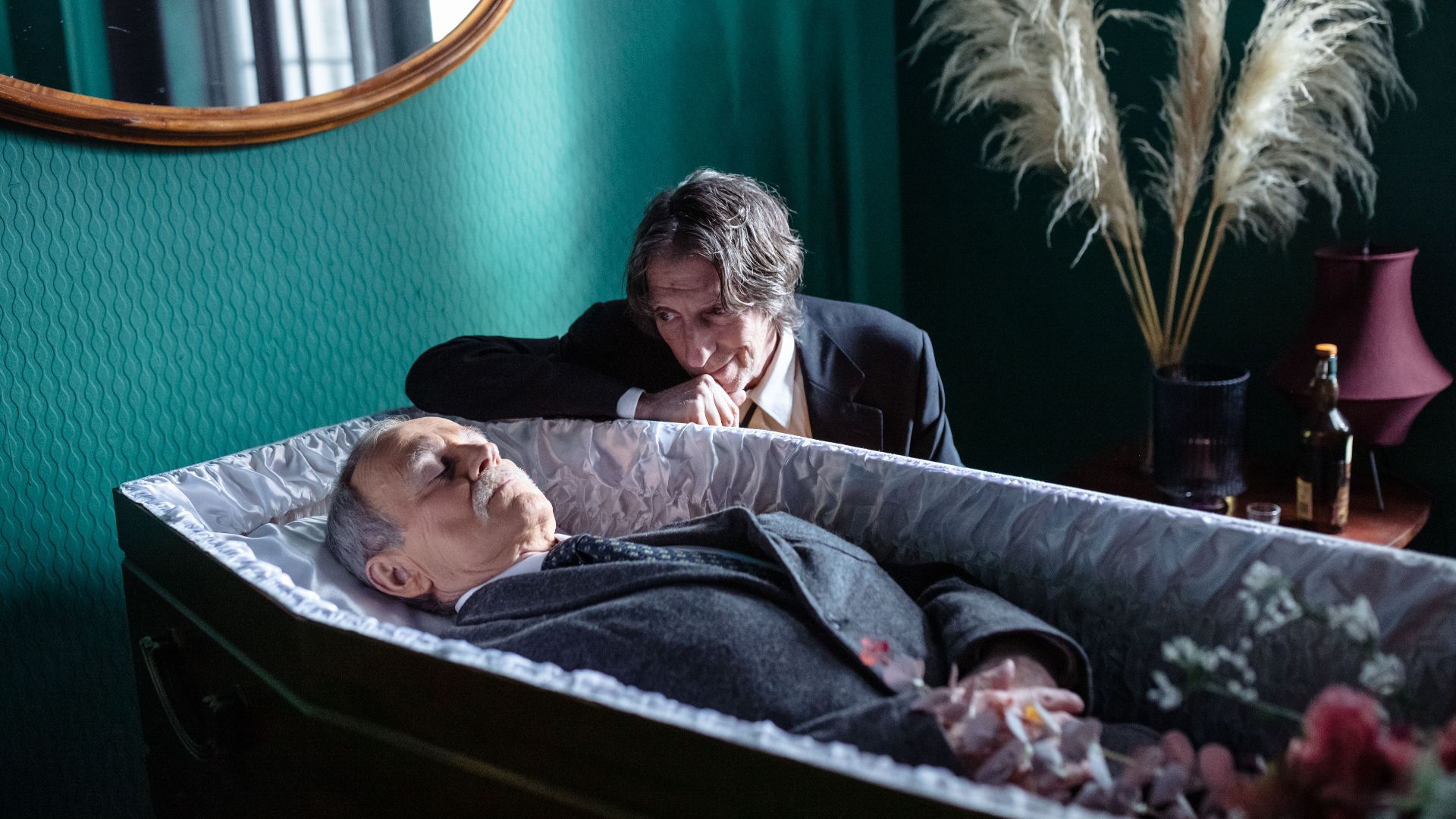
This one’s obvious, but once a person dies, the muscles responsible for breathing no longer receive the signals to keep going. Oxygen then stops entering the lungs, and carbon dioxide is no longer expelled through normal respiration. Without fresh oxygen, our body’s cells quickly lose their ability to function, too.
2. The Heart Stops Circulating Blood
When cardiac activity stops, the heart can no longer pump blood through the arteries and veins. This means that our most important organs, like the brain, kidneys, and liver, are pretty much deprived of oxygen and nutrients. Although cells can stay alive briefly, the body can’t operate as a connected system without the necessary circulation.
3. Brain Activity Disappears
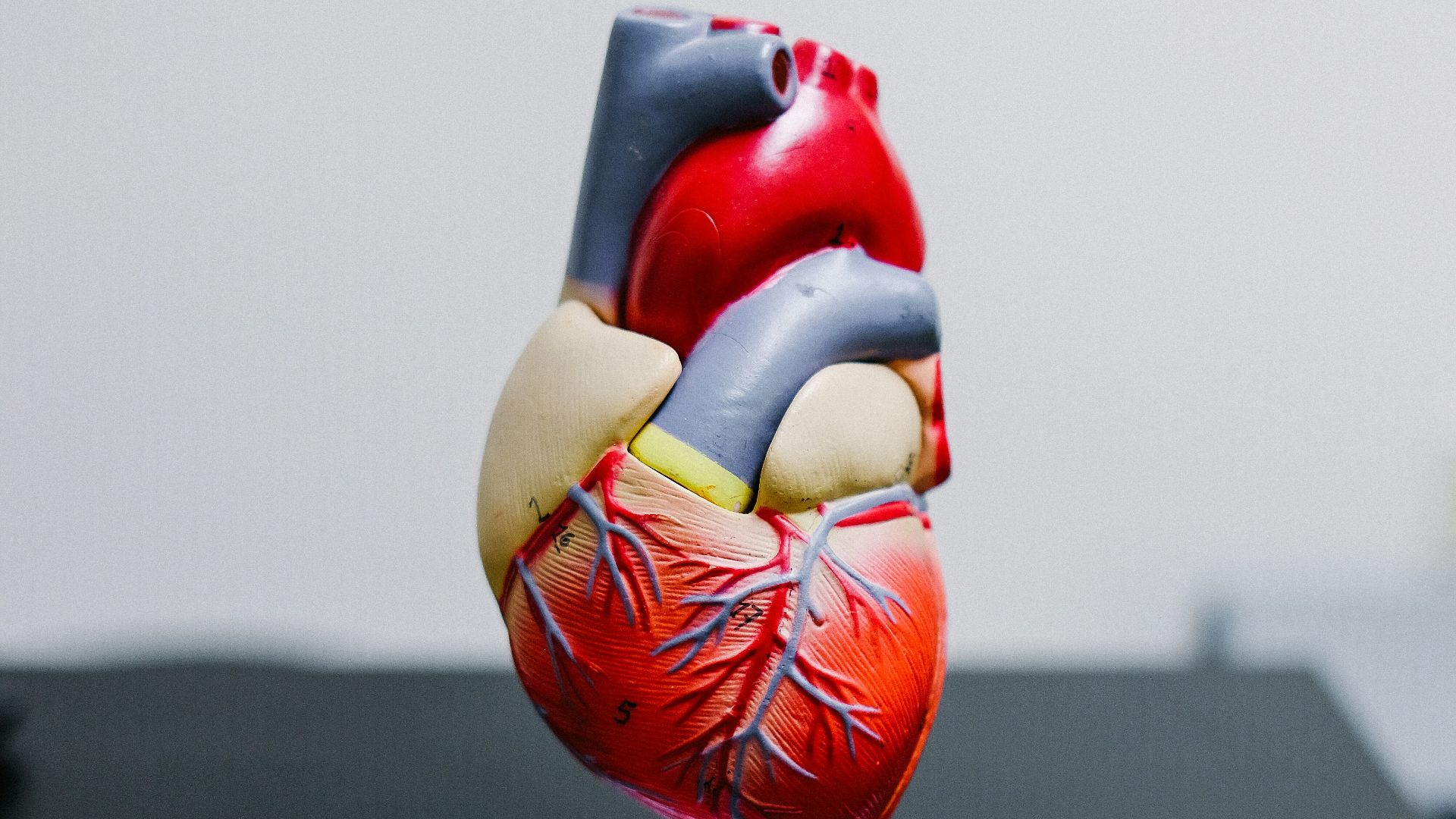
The brain is especially sensitive to a lack of oxygen, so it only takes a few minutes for the cells to suffer damage. Electrical activity and the brainstem reflexes eventually cease as well. In medical settings, doctors actually follow strict testing procedures before declaring brain death, and it’s even more closely heeded when machines support breathing or circulation.
4. Skin Becomes Paler
Once blood stops circulating, the skin can begin losing its usual color. It doesn’t take long, either, and this early change is known as pallor mortis. It often becomes noticeable within mere minutes, though it’s not always easy to detect. Blood loss, lighting, and preexisting illness can also affect how obvious the paleness really is.
5. The Body Cools
Because the body’s no longer producing or distributing heat, its temperature gradually matches that of its surroundings. Forensic specialists have a name for this process: algor mortis. That being said, specialists can’t just use a fixed cooling rate to determine when someone died—a warm room, cold setting, or higher amount of body fat can change the timeline quite a bit.
6. Blood Settles Under Gravity
With the heart no longer moving it, blood will start collecting in the lowest areas of the body. That’s actually what makes a reddish-purple discoloration called livor mortis, or postmortem lividity. Areas pressed firmly against the floor often remain lighter because the pressure keeps blood from settling there.
7. Muscles Relax
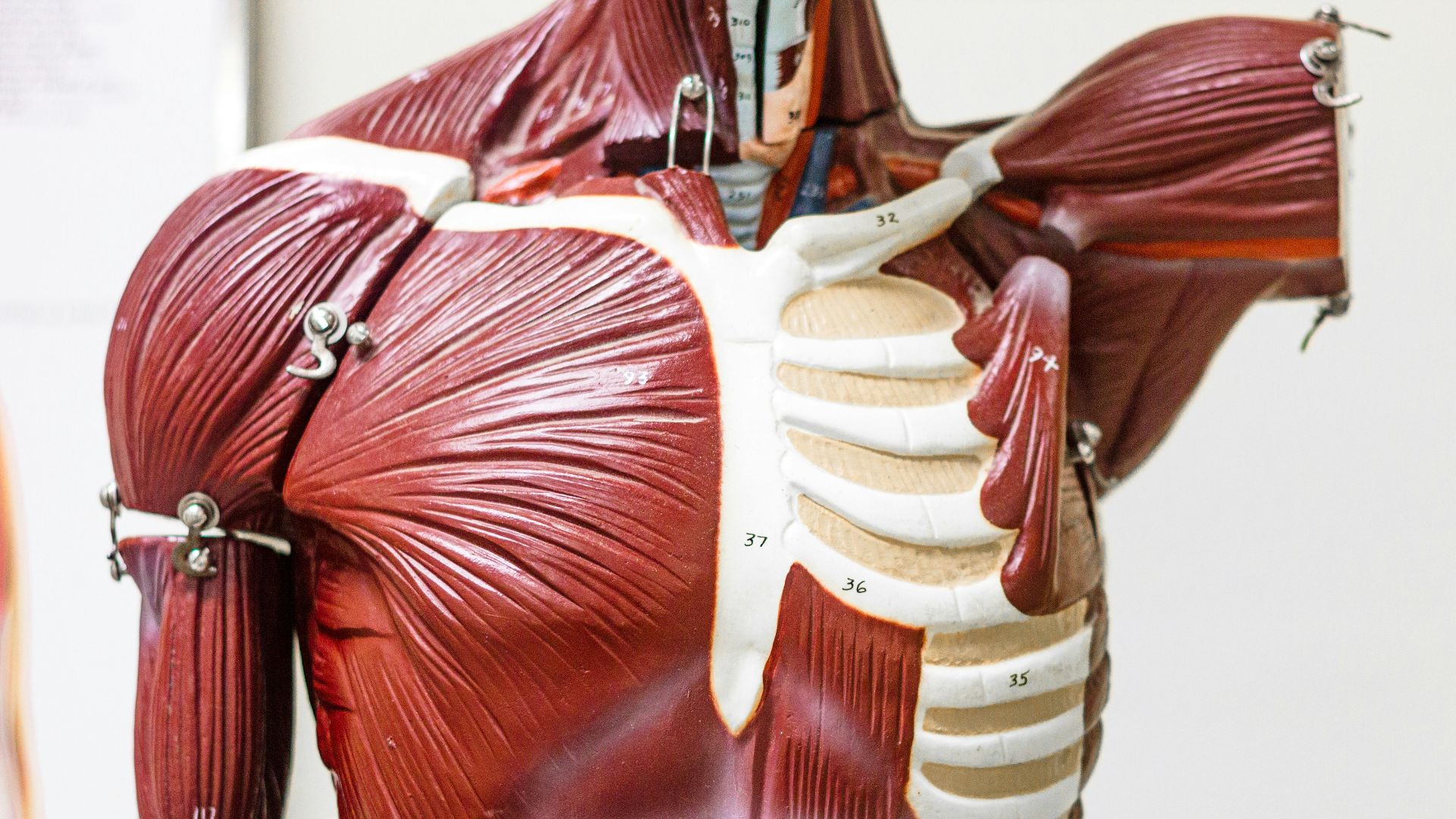
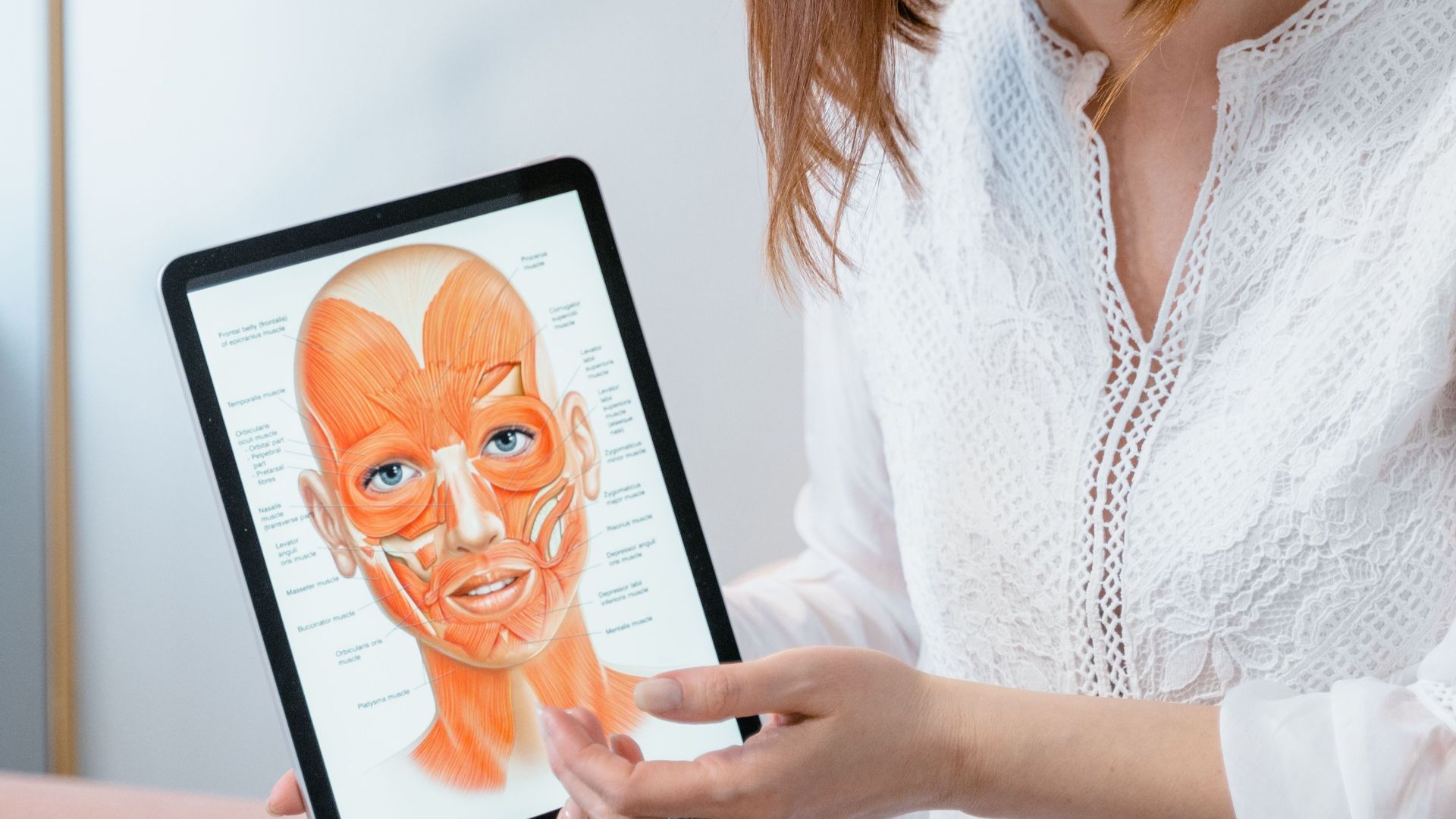
You might assume that muscles stiffen after death, but that doesn’t happen right away. Before that develops, the body generally passes through a period known as primary flaccidity. The jaw, limbs, eyelids, and other muscles become loose because the nervous system is no longer directing them.
8. The Bladder Or Bowel May Empty
That relaxation we just talked about? Well, that also affects muscles that had been holding the bladder and bowel closed, which is why so many people void them after death. It doesn’t happen every time, despite how commonly it’s portrayed, but whether it occurs depends on factors such as how full the organs were and the circumstances of the person’s death.
9. Eyes Begin to Change
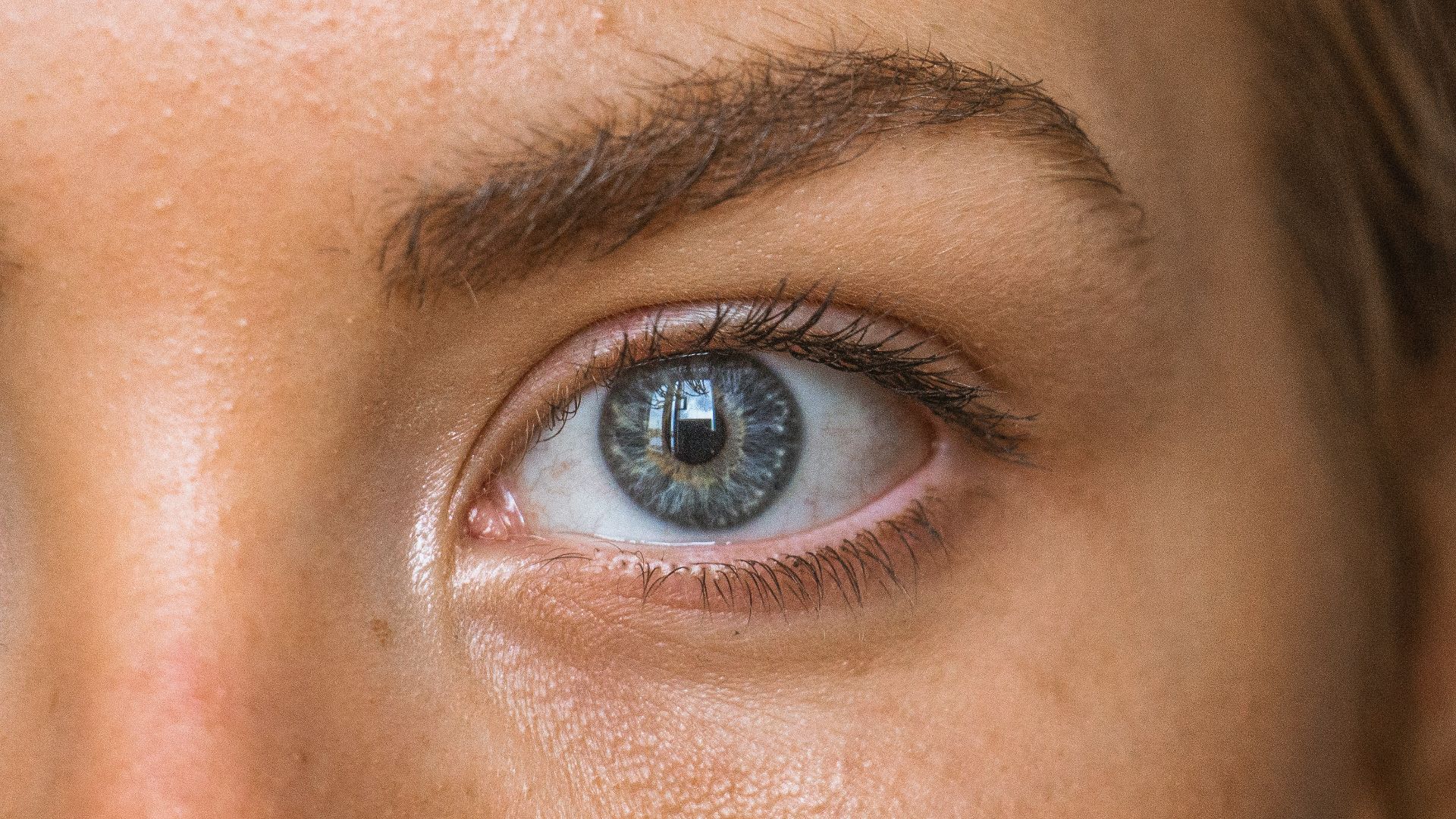
After death, the pupils usually stop responding to light. The eyelids might even remain partly open if they weren’t closed, too. Moisture gradually leaves the surface of the eyes as well, causing the corneas to become cloudy.
10. Muscles Grow Stiff
Once that softening period has passed, rigor mortis develops when muscle cells run out of energy. Stiffness becomes noticeable first in smaller muscles, including those around the face and jaw, before moving through the rest of your body. It later disappears as decomposition breaks down the muscle tissue, though the exact schedule varies with temperature and physical condition.
11. Cells Begin Digesting Themselves
Without oxygen and circulation, cell membranes lose their stability. What that means for the body is that enzymes escape from structures inside the cells. Those enzymes then begin breaking down nearby tissue through a process called autolysis, which is a fancy way of saying self-digestion.
12. Gut Bacteria Spread
The intestines contain huge communities of bacteria that help with digestion during life. So, after the immune system stops controlling them, some of these microbes can move beyond the digestive tract and begin breaking down surrounding tissues. Interestingly, their activity plays a role in putrefaction, especially inside the gut.
 The Good Funeral Guide on Unsplash
13. Gas Builds Up
Believe it or not, bacteria release gases as they consume tissues and other organic material. These gases usually collect in the abdomen (and other areas), which is precisely what makes the body look so swollen during decomposition. Pressure can also force air through the throat, but any noise is just a release, not consciousness.
14. The Skin Changes Color
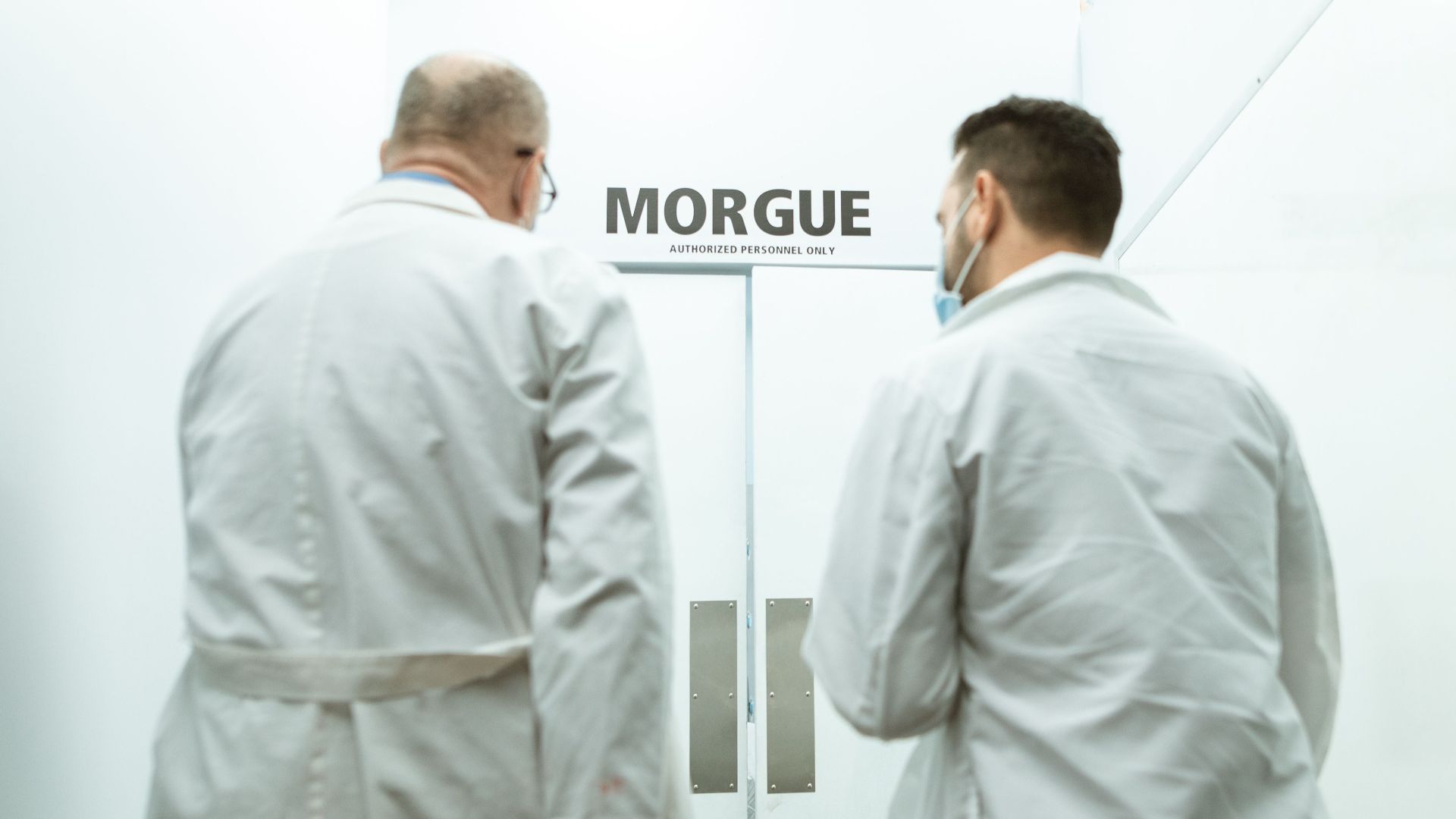
We’ve already talked about how skin often pales, but decomposition also produces greenish discoloration around the lower abdomen. After all, that’s where the bacterial activity is especially strong. As blood pigments and gases spread through tissues, the skin may later develop darker, marbled patterns along the veins as well.
15. Fluids Leave the Mouth and Nose
Pressure from those built-up gases can actually force fluid from the lungs or stomach toward the mouth and nostrils. It’s known as purge fluid, and its appearance can be particularly grisly to anyone who isn’t familiar with the body’s changes after death.
16. The Outer Skin Can Loosen
As moisture and bacteria break down the connections between skin layers, the surface might begin slipping away from the tissue underneath. Weirdly enough, blisters can also form, even when the person wasn’t burned before death. It’s not a sign of the body repairing itself, either; it’s just a natural part of decomposition.
17. Hair and Nails May Look Longer
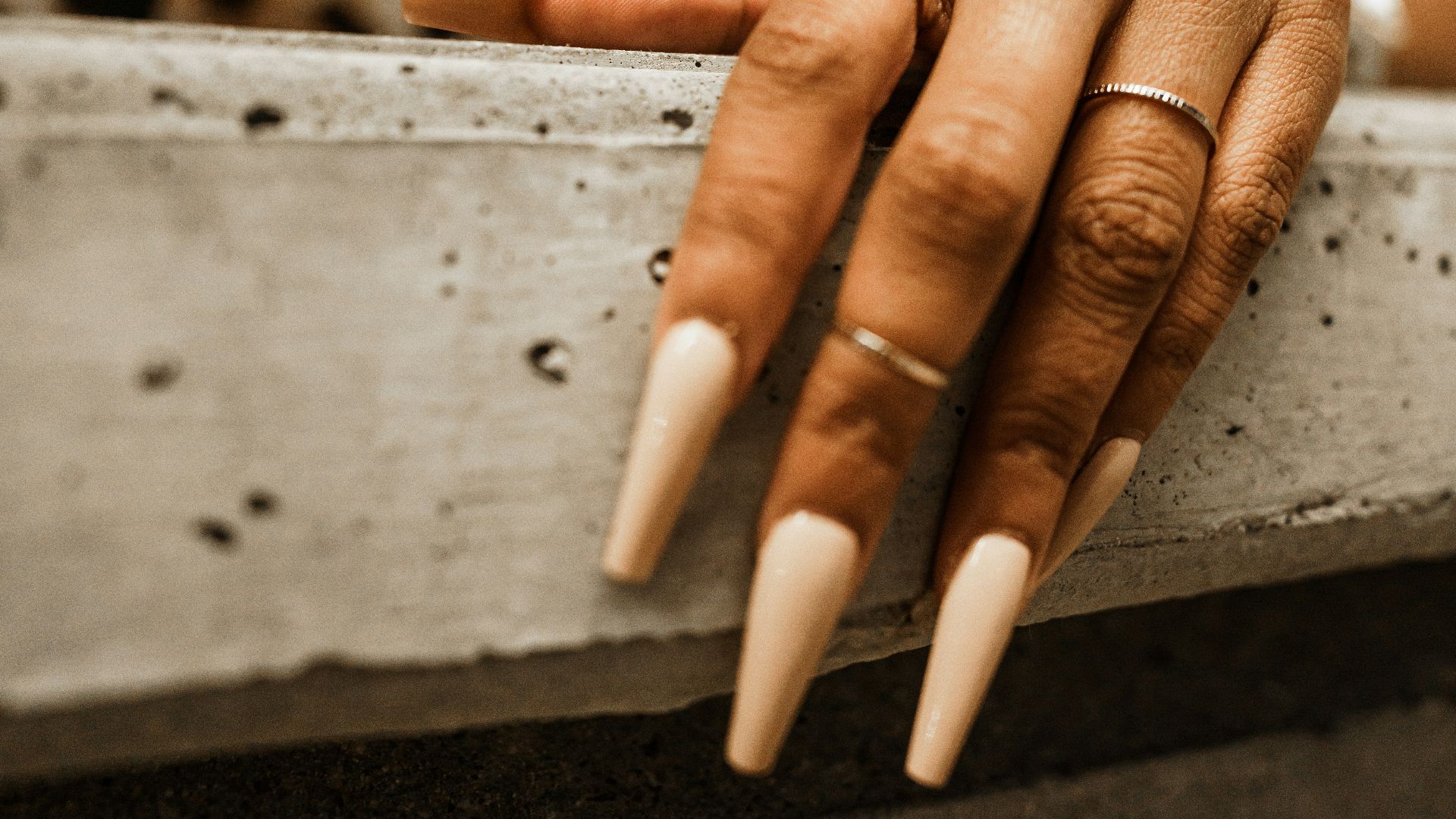
Don’t get it wrong—hair and fingernails don’t keep growing. It’s really dehydration that causes the surrounding skin to shrink and pull back, exposing more of both and making them look longer than they were. That very change is what creates the illusion that someone’s beard or nails grew after the fact.
 Raul De Los Santos on Unsplash
18. Insects May Arrive
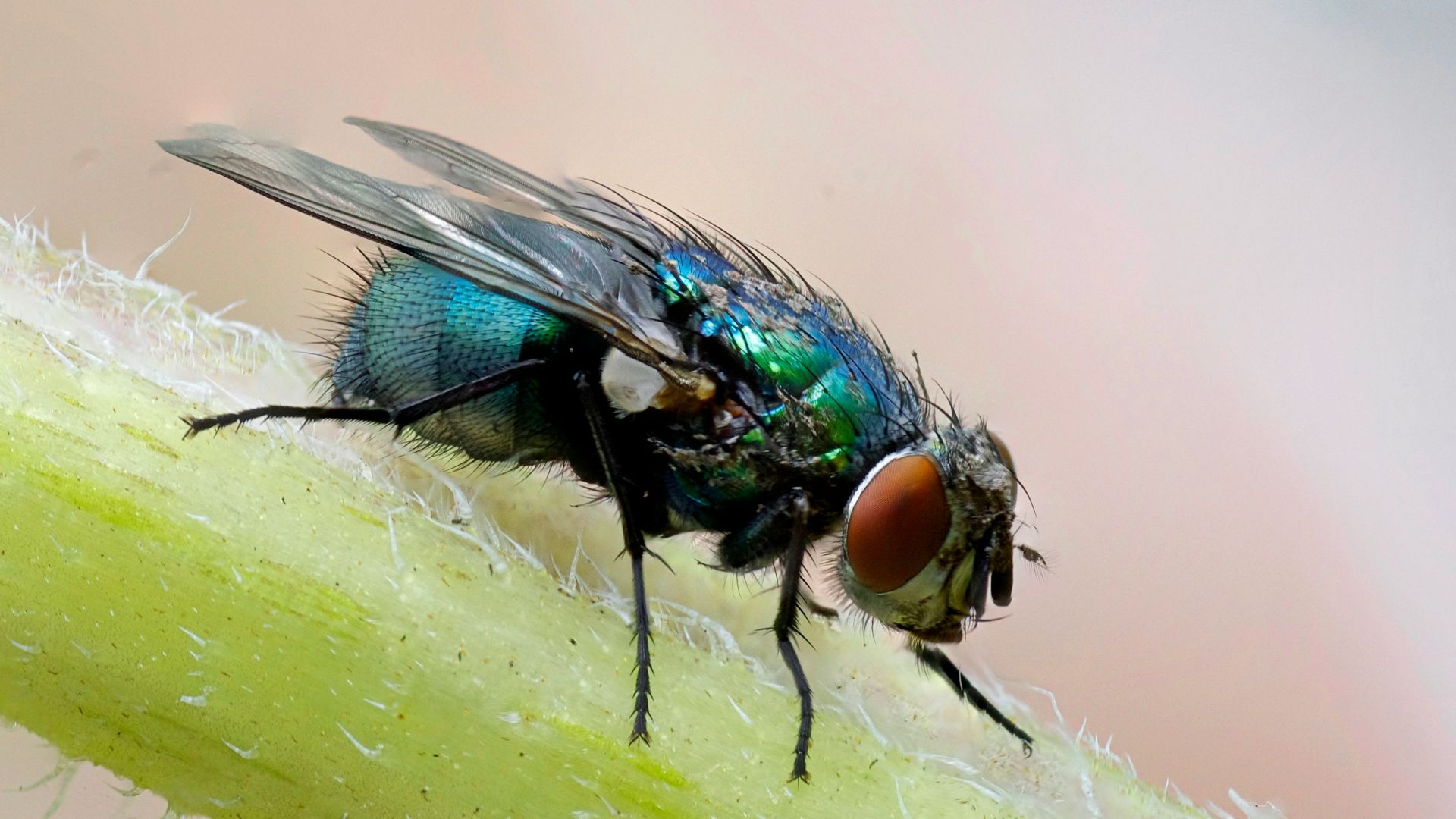
As if bugs weren’t annoying enough already. Certain flies can detect the chemical signals made during decomposition, and they know exactly where an accessible body is. Though, at least their gross presence serves a purpose! Forensic entomologists often look into them to estimate how long remains have been exposed.
19. Fat Can Turn Waxy
In damp, low-oxygen environments, body fat can transform into a firm substance called adipocere. Long story short, it’s sometimes described as grave wax, and it can slow decomposition. It can slow it so much, in fact, that it can preserve certain features or injuries for months or years.
20. Soft Tissue Eventually Disappears
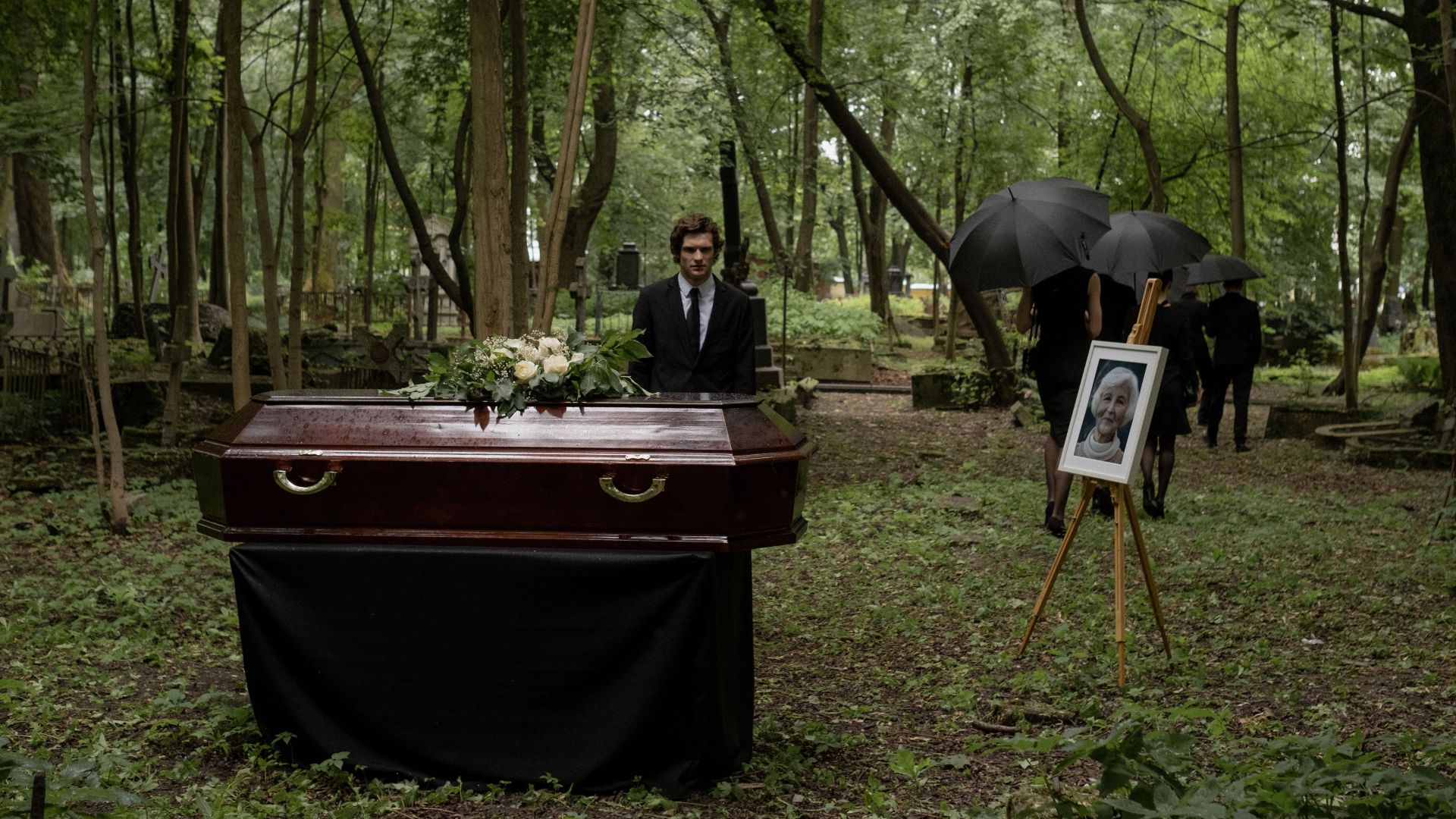
Over an extended period, bacteria, weather, and chemical processes eventually remove a lot of the body’s soft tissue. Skeletonization can take months in some environments but many years in protected conditions. Basically, there’s no universal clock, which is why investigators consider the circumstances rather than relying on one visible change.
KEEP ON READING


20 Ways to Deal With Your Sweet Tooth
20 Low-Impact Exercise Ideas For People Over 50