
The Little Things That Can Add Up
Most people are pretty good at recognizing obvious health risks, but everyday life is filled with smaller hazards that rarely get much attention. Something as ordinary as sitting at a desk all afternoon, forgetting to clean your reusable water bottle, or keeping your bedroom too cluttered can affect how you feel over time. None of these things means you're doing something terribly wrong, and there's no need to become suspicious of everything in your house.
 Divaris Shirichena on Unsplash
1. Sitting For Too Long
You may sit at a desk, in front of the TV, or in a car for hours at a time. That means you’re relatively sedentary for significant chunks of your day. While some downtime is fine, spending too many hours seated isn’t great for your health, especially if you’re sitting day in and day out.

2. Neglecting Your Reusable Water Bottle
Even the easiest-to-clean bottles require occasional cleaning. Water that’s left in a bottle creates an ideal home for bacteria, especially around lids, straws, and rubber seals. Washing the bottle and its removable parts according to the manufacturer's instructions is a simple habit that keeps your everyday drinkware fresher.

3. Poor Desk Posture
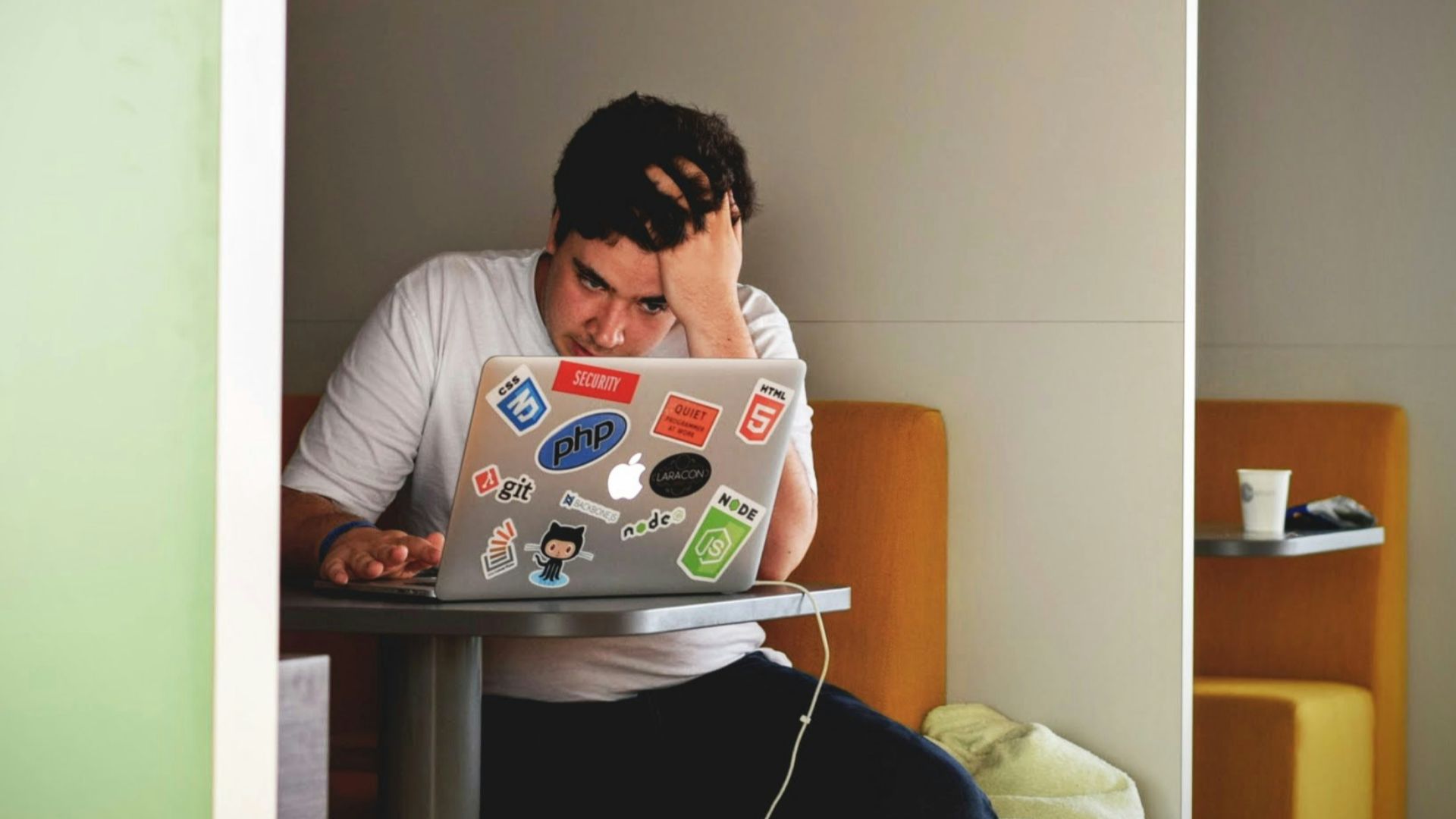
If you slouch over your desk all day, you may notice soreness in your neck, shoulders, and back. Everything from chair height to screen position and your posture affects how you feel during the workday. Use proper positioning and ergonomic furniture to help, but get up and move around frequently anyway.
 Standsome Worklifestyle on Unsplash
4. Ignoring Indoor Air Quality
You don’t have to live in a big city with air pollution to care about air quality. Indoor environments accumulate dust, smoke, grease from cooking, pet dander, and other debris that can affect air quality. Open windows when possible, keep air vents clear, and dust frequently to help keep the air comfortable inside your home.

5. Using Old Kitchen Sponges
After washing dishes, kitchen sponges are often wet with food particles. This makes it easy for bacteria to grow if the sponge isn’t replaced or cleaned regularly. Replacing worn-out sponges regularly and following safe food-handling practices can reduce an unnecessary source of contamination in the kitchen.

6. Touching Your Face Frequently
You might be surprised how frequently you touch your face without realizing it. Door handles, shopping carts, keyboards, and phones can all leave germs on your hands. Regular handwashing is one of the easiest ways to reduce the amount of unwanted material that gets transferred to your eyes, nose, or mouth.

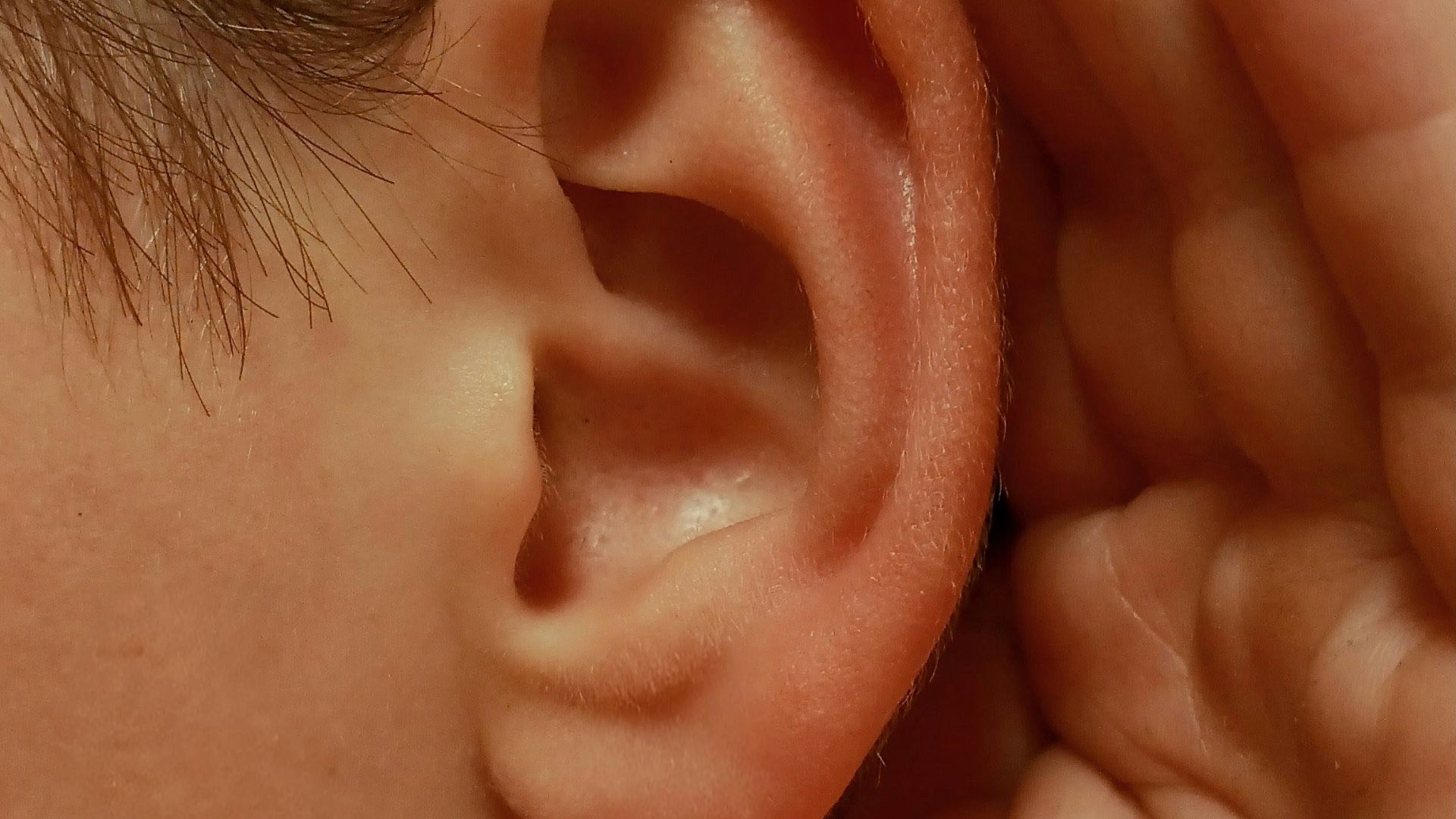
7. Skipping Hearing Protection
Just because something is loud doesn’t mean you notice while you’re exposed to it. Movies, music, power tools, concerts, and sporting events can reach high decibel levels that damage your hearing. Wear ear protection as needed and lower the volume when possible to help keep your ears healthy.
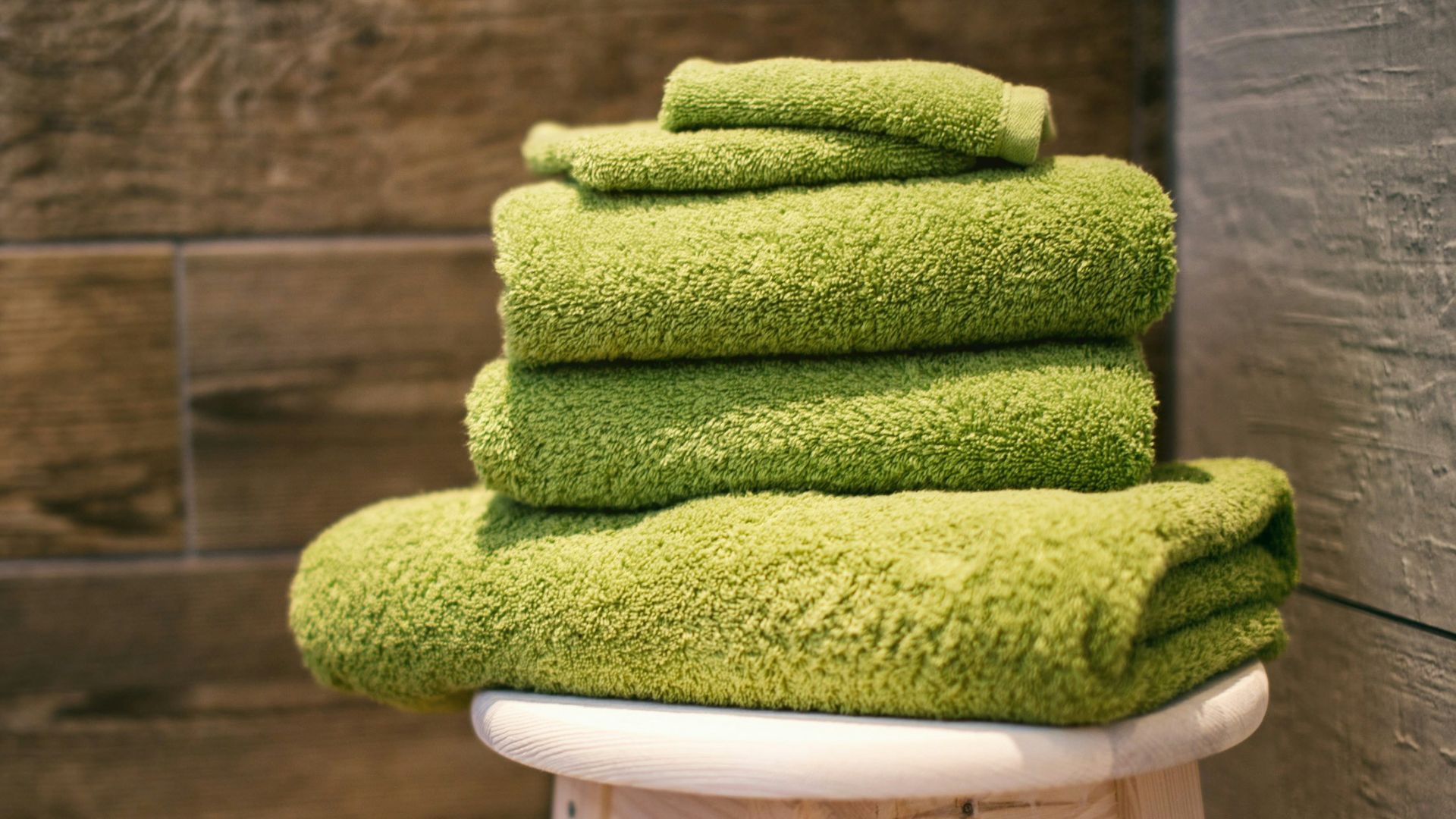
8. Leaving Wet Towels Around
If your towel doesn’t dry fully between uses, it won’t have much time to dry at all. Bathrooms are humid environments, which cause damp towels to take even longer to dry. Hanging towels so they can dry completely and washing them regularly is a straightforward way to keep them fresher.
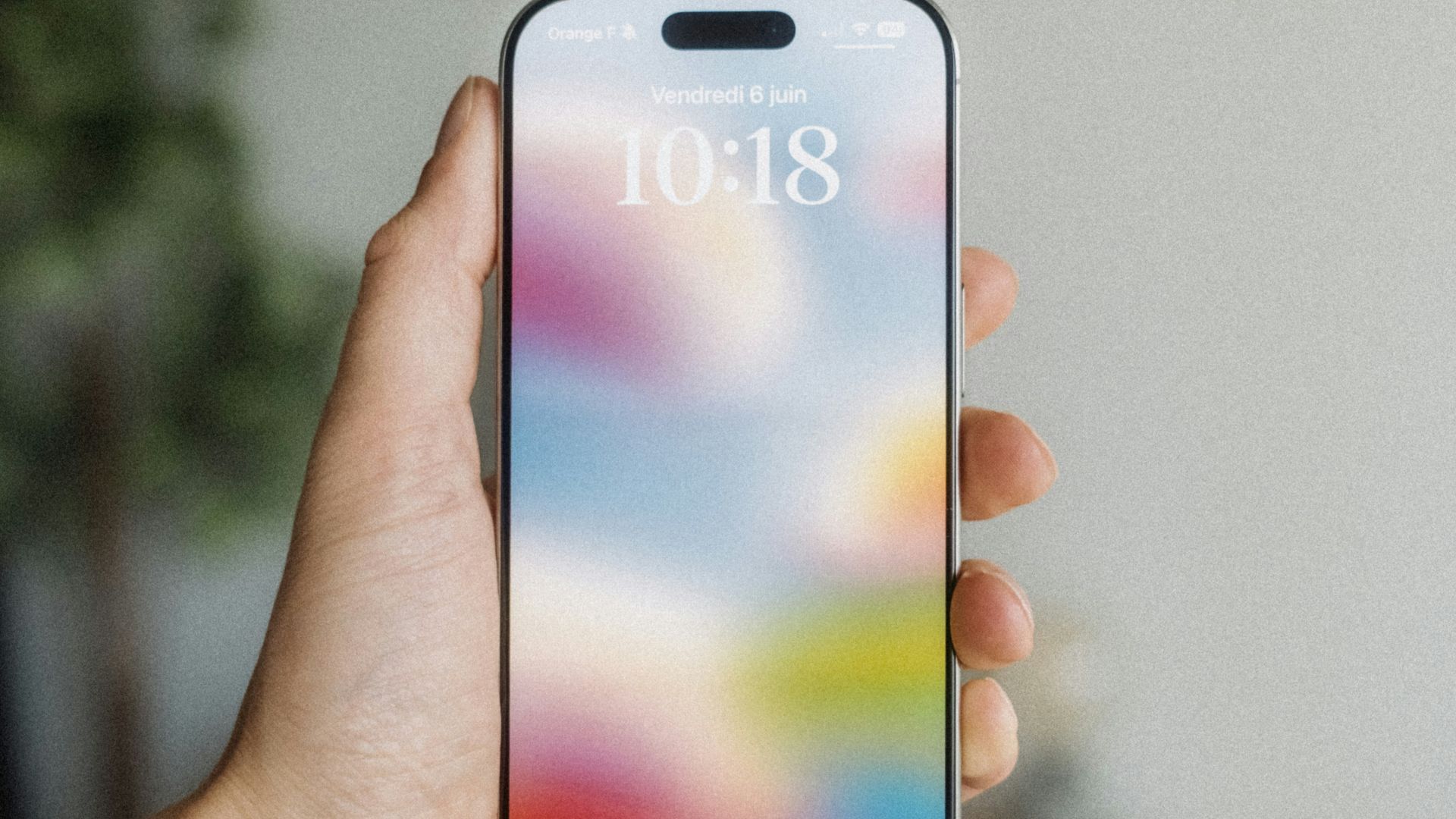
9. Using Your Phone Before Bed
You may only intend to look at your phone for a few minutes before bed, but sometimes that turns into hours. The light from your screen can also help keep you mentally engaged when you’re trying to sleep. Creating a calmer bedtime routine and putting your phone aside when it's time to sleep can make it easier to give your brain a proper break.
 Howard Bouchevereau on Unsplash
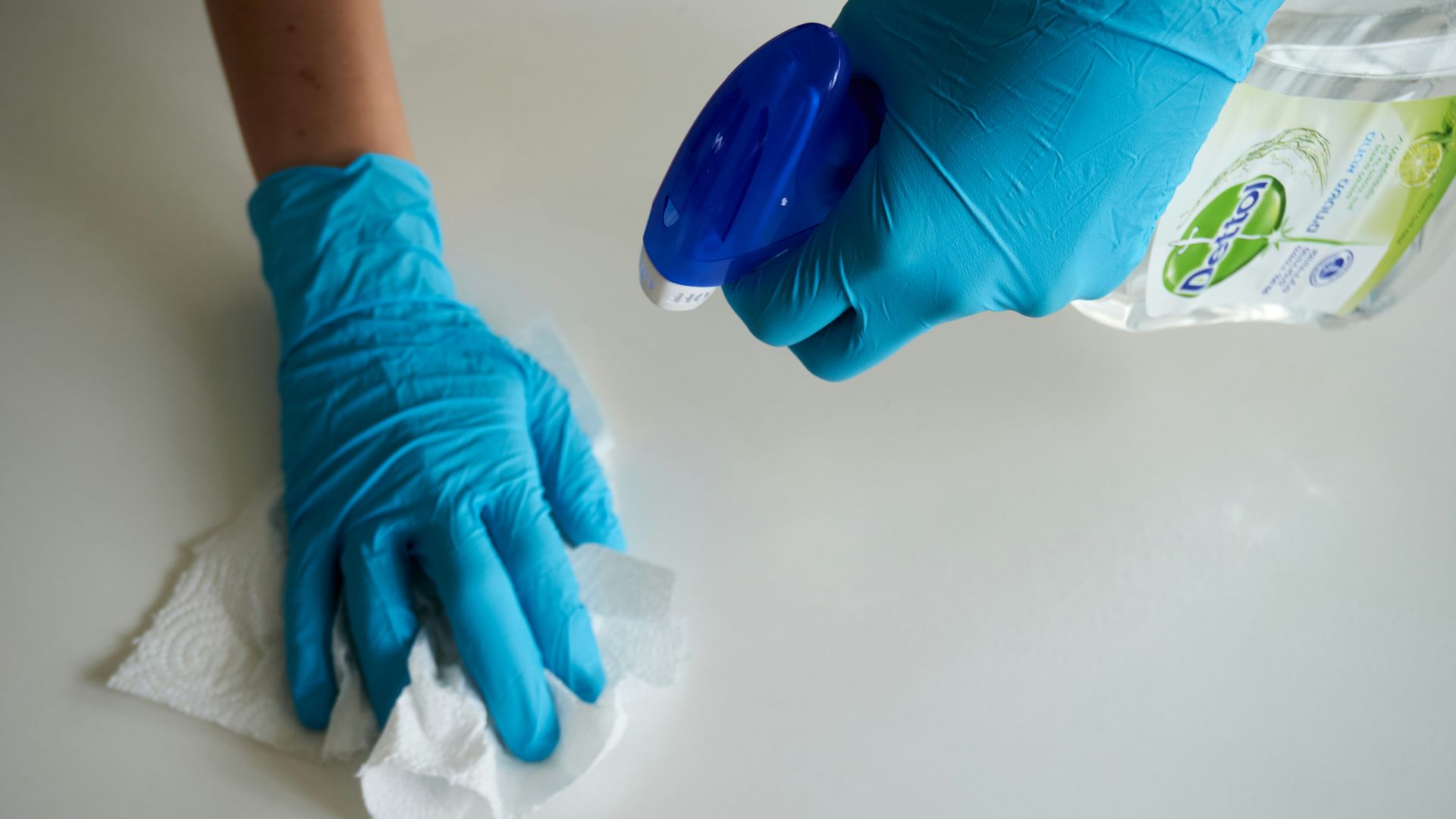
10. Forgetting To Clean Frequently Touched Objects
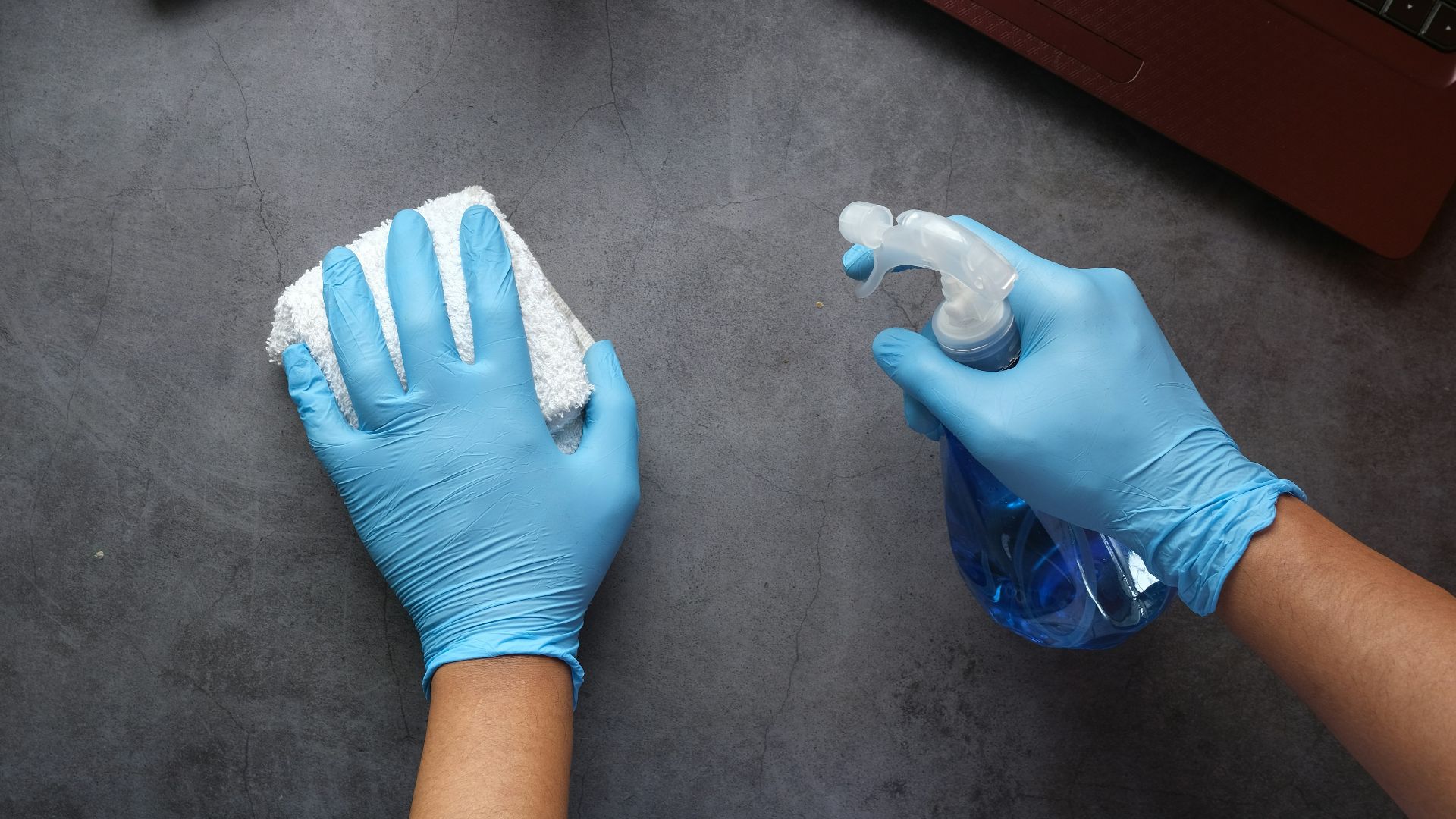
Phones, keyboards, remote controls, and even handles on furniture can collect germs if not regularly cleaned. While you shouldn’t feel like you need to sanitize your whole house every day, give frequently touched surfaces a wipe down every once in a while. Follow manufacturer instructions on electronics and cut down on the germs you come into contact with daily.
11. Wearing Poorly Fitting Shoes
Ill-fitting shoes can be a nuisance and cause problems when worn often. Foot discomfort can also affect how you walk and stand, which may leave other parts of your body feeling strained. Choosing footwear that fits properly and suits the activity you're doing can make everyday movement much more comfortable.

12. Carrying A Heavy Bag
Carrying around a bag full of books, electronics, and other miscellaneous items can strain your back and shoulders. Carrying the same heavy load day after day may become particularly uncomfortable. Regularly clearing out items you don't need and distributing weight appropriately can make a noticeable difference.

13. Not Taking Screen Breaks
Staring at your computer screen or phone all day can cause eye strain, dry eyes, and fatigue. Looking at screens can also reduce how often you blink, which can contribute to tired eyes. Take breaks as often as you can away from your screen and position your screens so they don’t cause eye strain.

14. Keeping A Cluttered Walking Area
Clutter can get bad enough that it piles up on the floors or staircases you walk on every day. Not only is it inconvenient to have to move clutter each time you walk past it, but it also increases your risk of tripping. Keep frequently used areas clutter-free, and ensure that stairs and entries are safe to walk through.

15. Ignoring Food Storage Temperatures
Throwing leftovers in the fridge doesn’t mean you can leave them out too long. Bacteria grow quickly at certain temperatures, so make sure you refrigerate foods promptly. Clean your refrigerator regularly, and set it to a safe temperature to avoid food poisoning.

16. Overlooking Sun Exposure
Sunshine will come during normal daily tasks like walking, running errands, or sitting outside. However, if you’re only going back and forth between indoor spaces all day, you might not realize you’re getting significant sun exposure. Using shade, protective clothing, and sunscreen when appropriate can help protect your skin from excessive ultraviolet exposure.

17. Using Cleaning Products Without Reading Labels
Cleaning products have instructions for a reason. Using too much of one product or combining two products that react with each other can cause you to inhale harmful chemicals. Read labels, follow instructions, and keep the area you’re cleaning well ventilated.
18. Sleeping In An Uncomfortable Position
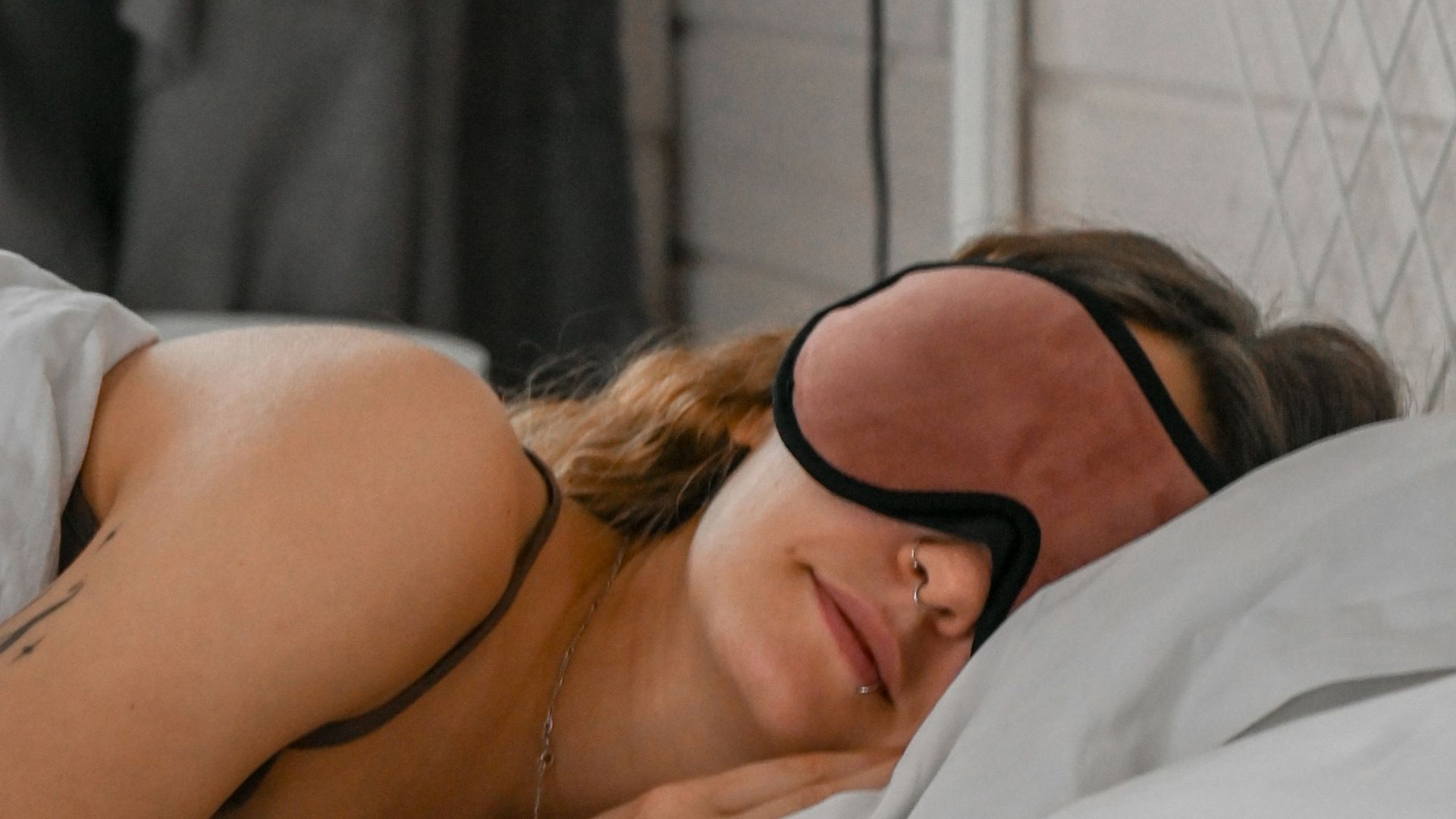
The position you sleep in and your mattress and pillow quality can cause you to wake up sore or stiff. A pillow or mattress that doesn't work well for you may contribute to morning stiffness or discomfort, while sleeping in an awkward position for long periods can leave you feeling sore. If you're regularly waking up uncomfortable, paying attention to your sleep setup may be worthwhile.
19. Forgetting About Hydration
Jobs and life can keep you so busy that you sometimes go hours without drinking water. Aside from thirst, dehydration can leave you tired, headache-prone, and unable to concentrate. Keeping water available and paying attention to your body's thirst signals can help you stay adequately hydrated.

20. Treating Stress Like It's Nothing
Some stress is normal, but life can pile up and leave you feeling like you have no breaks. Stress from work, school, family, social commitments, and constant information coming at you from all directions can wear you down. Finding healthy ways to relax, maintaining regular sleep, staying connected with people you trust, and talking with a qualified professional when stress becomes difficult to manage can all be worthwhile steps.
KEEP ON READING


20 Bizarre Facts About Human Blood


20 Things That Can Make You Feel Dizzy