
Your Body Might Be Trying to Tell You Something
Gluten is a protein found in wheat, barley, and rye, and while most people can enjoy it without any issues. Others, on the other hand, experience unpleasant symptoms after eating certain foods. Non-celiac gluten sensitivity can cause digestive troubles, fatigue, headaches, and several other problems that aren't always easy to trace back to your diet. However, many of these symptoms can also occur with celiac disease, wheat allergies, and unrelated health conditions, so experiencing them doesn't necessarily mean gluten is to blame. If you've noticed that certain meals regularly leave you feeling unwell, here are 20 possible signs worth bringing up with your doctor.

1. Frequent Bloating After Meals
Feeling particularly bloated after eating bread, pasta, or other wheat-based foods can be a symptom of gluten-related disorders. You might notice your stomach becoming uncomfortable or visibly swollen, even when you haven't eaten a particularly big meal. However, certain carbohydrates found in wheat, especially fructans, can also trigger bloating, so gluten itself isn't necessarily the culprit.

2. Unexplained Fatigue
Everyone feels tired from time to time, but ongoing exhaustion that seems connected to your meals could be worth looking into. Some people with non-celiac gluten sensitivity report feeling unusually sluggish after consuming gluten-containing foods, even when they've gotten plenty of sleep. Fatigue can also be linked to celiac disease, particularly when poor nutrient absorption leads to nutritional deficiencies.

3. Recurring Headaches
If you regularly develop headaches after eating certain foods, you might begin to suspect that something in your diet is contributing to them. Headaches, including migraine-like episodes, have been reported among people with gluten-related conditions. However, they're also incredibly common for unrelated reasons, so paying attention to when they happen can help you determine whether there's a recurring pattern.

4. Persistent Diarrhea
Having occasional digestive troubles isn't unusual, but repeated bouts of diarrhea deserve attention, especially when they seem to follow wheat-based meals. Both celiac disease and non-celiac gluten sensitivity can cause loose stools or more frequent trips to the bathroom. Since infections, medications, and other digestive disorders can produce similar symptoms, it's best not to assume gluten is responsible without a proper test.

5. Difficulty Concentrating
Have you ever finished a meal only to find yourself struggling to focus on something that normally wouldn't require much effort? Some people with gluten-related symptoms describe experiencing brain fog, which can involve forgetfulness, difficulty concentrating, or trouble thinking clearly. Researchers are still exploring why this happens, and experiencing brain fog on its own isn't enough to suggest a dietary sensitivity.

6. Frequent Constipation
While diarrhea tends to get more attention when it comes to digestive issues, constipation can also affect people with gluten-related disorders. You might find yourself having fewer bowel movements than usual or struggling to pass stool comfortably. However, constipation can develop for all kinds of reasons, including not getting enough fiber, so it's worth considering your overall diet before pointing the finger at gluten.

7. Unexplained Joint Pain
Joint discomfort probably isn't the first thing you'd associate with a digestive problem, but it's been reported among people with gluten-related conditions. Some people experience unexplained aching or stiffness, particularly when they're also dealing with fatigue or abdominal discomfort. Since joint pain can have several possible causes, persistent or worsening symptoms should be properly assessed rather than immediately blamed on something you've eaten.

8. Nausea After Eating
Feeling a little nauseated after a meal might simply mean you've eaten too quickly or indulged in something particularly rich. However, recurring nausea is another complaint reported by some people with non-celiac gluten sensitivity. If you frequently feel queasy after eating wheat-containing foods, a doctor can help determine whether gluten, another ingredient, or an unrelated digestive condition might be responsible.

9. Unusual Skin Rashes
Not every reaction to gluten-containing foods affects your digestive system, as some people also report skin problems such as irritation or eczema-like rashes. A particularly itchy, blistering rash known as dermatitis herpetiformis is especially significant because it's associated with celiac disease rather than typical non-celiac gluten sensitivity. If you develop recurring rashes, especially around your elbows, knees, or buttocks, a dermatologist can help figure out what's behind them.

10. Frequent Abdominal Cramps
Recurring stomach cramps can quickly make eating something you normally enjoy a lot less appealing. People with gluten-related disorders sometimes experience abdominal pain after consuming wheat, barley, or rye, although the location and severity of the discomfort can differ. Similar symptoms are also common among people with irritable bowel syndrome and other digestive conditions, so abdominal cramps alone aren't reliable evidence of gluten sensitivity.

11. Unexplained Changes in Mood
Feeling particularly anxious or down probably isn't something you'd immediately connect to what you ate for lunch, but mood-related symptoms have been reported among people with non-celiac gluten sensitivity. Some individuals notice emotional changes alongside physical complaints such as digestive discomfort, headaches, or fatigue. However, researchers haven't confirmed that gluten directly causes these mood changes, and ongoing anxiety or depression should always receive appropriate medical attention.

12. Excessive Gas
Passing gas is a completely normal part of digestion, although unusually frequent episodes can become rather uncomfortable or embarrassing. Some people who experience symptoms after eating wheat notice increased gas, particularly following meals containing bread, pasta, or baked goods. Wheat contains fermentable carbohydrates that can produce gas as they're digested, meaning fructans could be responsible rather than gluten itself.

13. Numbness or Tingling in Your Extremities
Experiencing occasional tingling after sitting in an awkward position isn't especially unusual, but recurring numbness in your hands or feet deserves attention. Neurological symptoms, including tingling and reduced sensation, can occur in people with celiac disease and have also been reported among those with non-celiac gluten sensitivity. Because nerve problems can develop from conditions such as diabetes or vitamin deficiencies, it's important to get them checked rather than trying to identify the cause yourself.

14. Frequent Mouth Ulcers
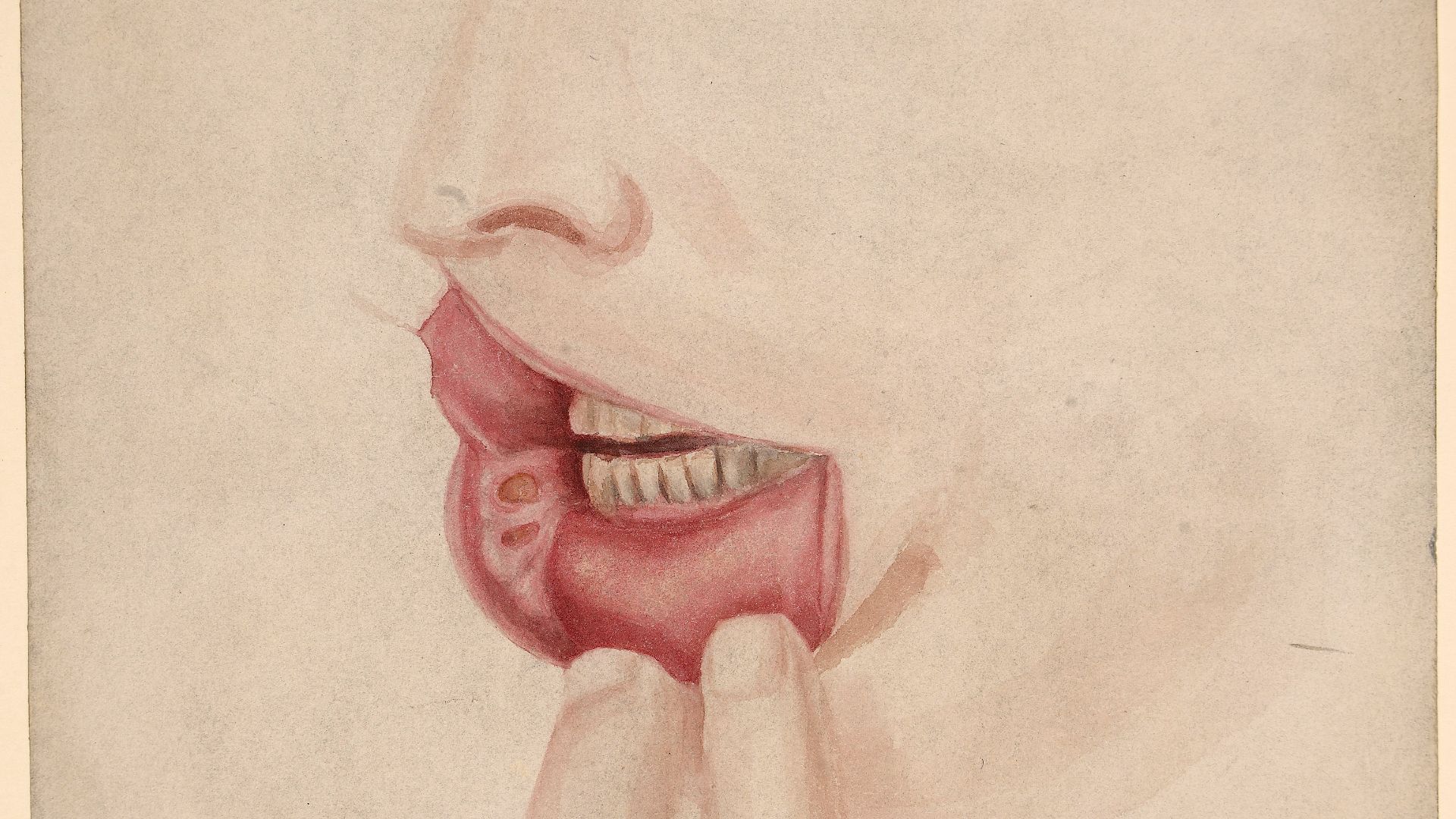
Those little, painful sores that develop inside your mouth can make something as simple as eating or drinking surprisingly unpleasant. Recurring canker sores have been linked to celiac disease and have also been reported by some individuals with non-celiac gluten sensitivity. They're incredibly common among people without either condition, but frequent outbreaks accompanied by digestive symptoms may be worth mentioning to your doctor.
 Mark, Leonard Portal on Wikimedia
15. Unexplained Weight Loss
Losing weight when you haven't deliberately changed your eating habits or exercise routine is something you shouldn't ignore. For people with untreated celiac disease, damage to the small intestine can make it difficult to absorb nutrients properly, sometimes resulting in unexpected weight loss. This isn't a typical feature of non-celiac gluten sensitivity, so noticeable or unexplained changes in weight shouldn't simply be dismissed as a food intolerance.

16. Persistent Muscle Aches
Feeling sore after a challenging workout is understandable, but dealing with recurring muscle aches when you haven't done anything particularly strenuous can be confusing. Some people with non-celiac gluten sensitivity report muscle discomfort alongside other complaints, including headaches, joint pain, and fatigue. However, these symptoms aren't unique to gluten-related conditions, and a healthcare professional can help explore other possible explanations if the discomfort persists.

17. Heartburn After Certain Meals
You might normally associate heartburn with spicy meals or eating too much, but some people who experience wheat-related symptoms also report acid reflux. This can cause an uncomfortable burning sensation in your chest or the feeling of stomach contents coming back up. Although reflux has been reported among people with non-celiac gluten sensitivity, it's far more commonly associated with other digestive factors and isn't a reliable sign of a gluten problem.

18. Unexplained Iron Deficiency
Having low iron levels can leave you feeling exhausted, weak, or unusually short of breath during activities that never used to bother you. Iron-deficiency anemia can sometimes be an early warning sign of celiac disease because intestinal damage may prevent your body from absorbing enough iron. It's less commonly associated with non-celiac gluten sensitivity, and a confirmed deficiency should always be investigated to determine what's causing it.
19. Changes Between Diarrhea & Constipation
For some people, digestive troubles aren't limited to a single problem, and they may alternate between constipation and diarrhea over time. This pattern has been reported among individuals with non-celiac gluten sensitivity, although it's also very familiar to people living with irritable bowel syndrome. If your bowel habits keep changing, especially alongside bloating or abdominal discomfort, keeping a record of your symptoms can give your doctor some helpful information.

20. Feeling Better When You Avoid Gluten-Containing Foods
One potentially meaningful clue is noticing that your symptoms repeatedly improve when you avoid certain foods, only to return when you start eating them again. This pattern can occur with non-celiac gluten sensitivity, but it doesn't automatically confirm gluten is responsible because eliminating wheat also removes other ingredients that might be causing trouble. Before switching to a gluten-free diet, talk to your doctor about testing for celiac disease and wheat allergy, since cutting out gluten beforehand can make celiac testing less accurate.

KEEP ON READING



20 Natural Ways You Can Boost Your Immune System

20 Ways To De-stress & Relax After Work

The 10 Most Common Diseases & The 10 Most Rare