10 Reasons Having A Pen Pal Is Good For Your Mental Health & 10 Strategies To Find One
Connection That Heals Through Letters
Feeling disconnected or mentally drained? A pen pal might help more than you think. Writing to someone regularly offers steady emotional support. Unlike quick texts, letters encourage deeper thought and stronger bonds. This list explores how pen pal friendships can improve mental health—and how to start one, even if you’ve never tried before. Let’s begin with the mental health benefits you might gain from having a pen pal.
1. Provides Emotional Support In A Non-Judgmental Space
It’s easier to be honest when you’re not face-to-face. Pen pals give people space to say what they mean without fear. That kind of connection builds trust over time and helps anxiety feel more manageable, especially for those who usually keep quiet.
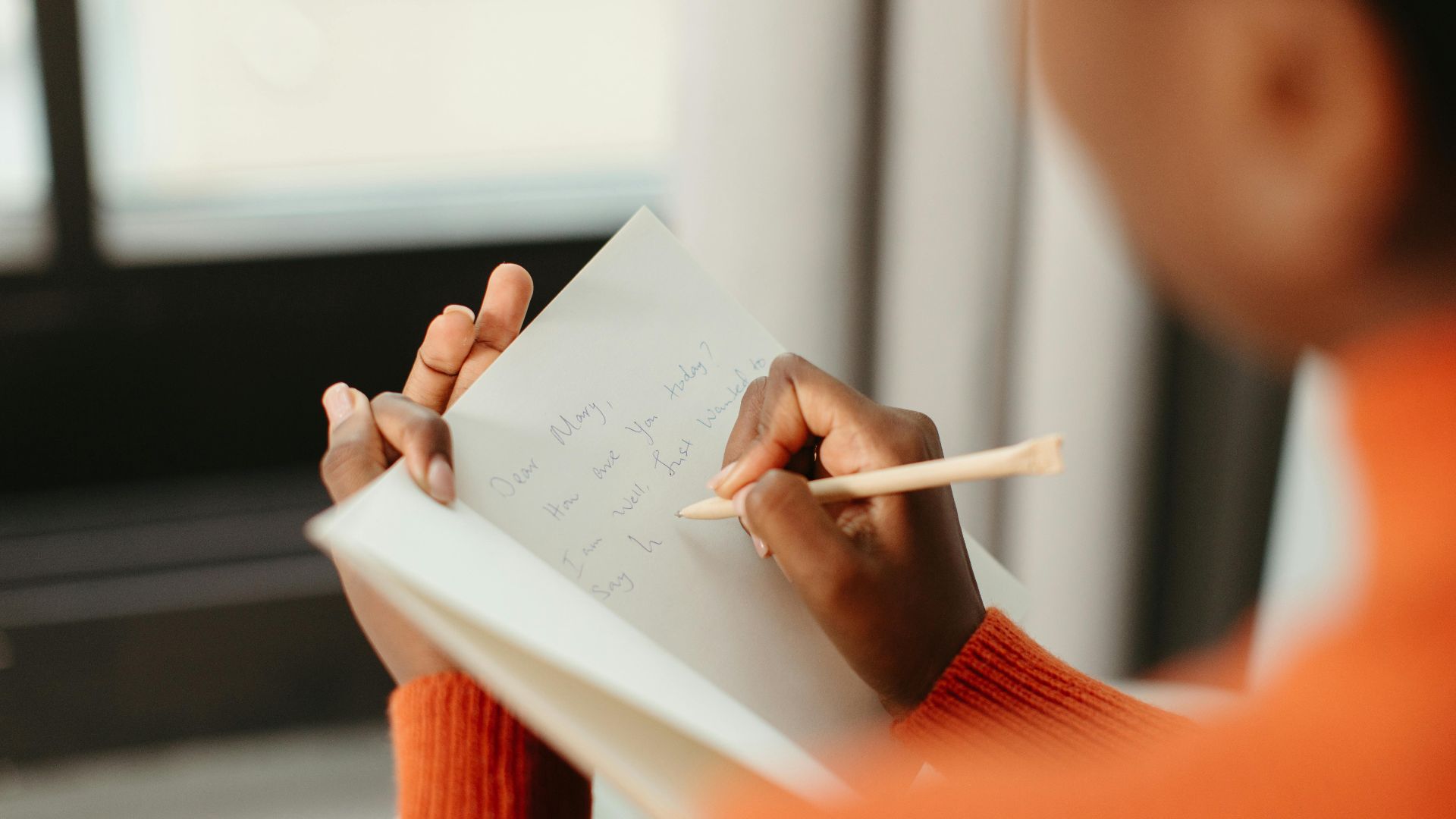
2. Reduces Feelings Of Isolation
No one enjoys feeling invisible, but isolation hits hard for seniors and homebound people. A pen pal brings consistent human contact that gently reshapes their day. Belonging can start with one letter, and in some cases, that letter becomes the highlight of the week.

3. Promotes Present-Moment Awareness
Putting pen to paper invites a kind of focus most screens don’t. Each word feels intentional, and that slows the brain in a good way. Instead of rushing, people become present, and in that quiet space, stress has far less room to grow.
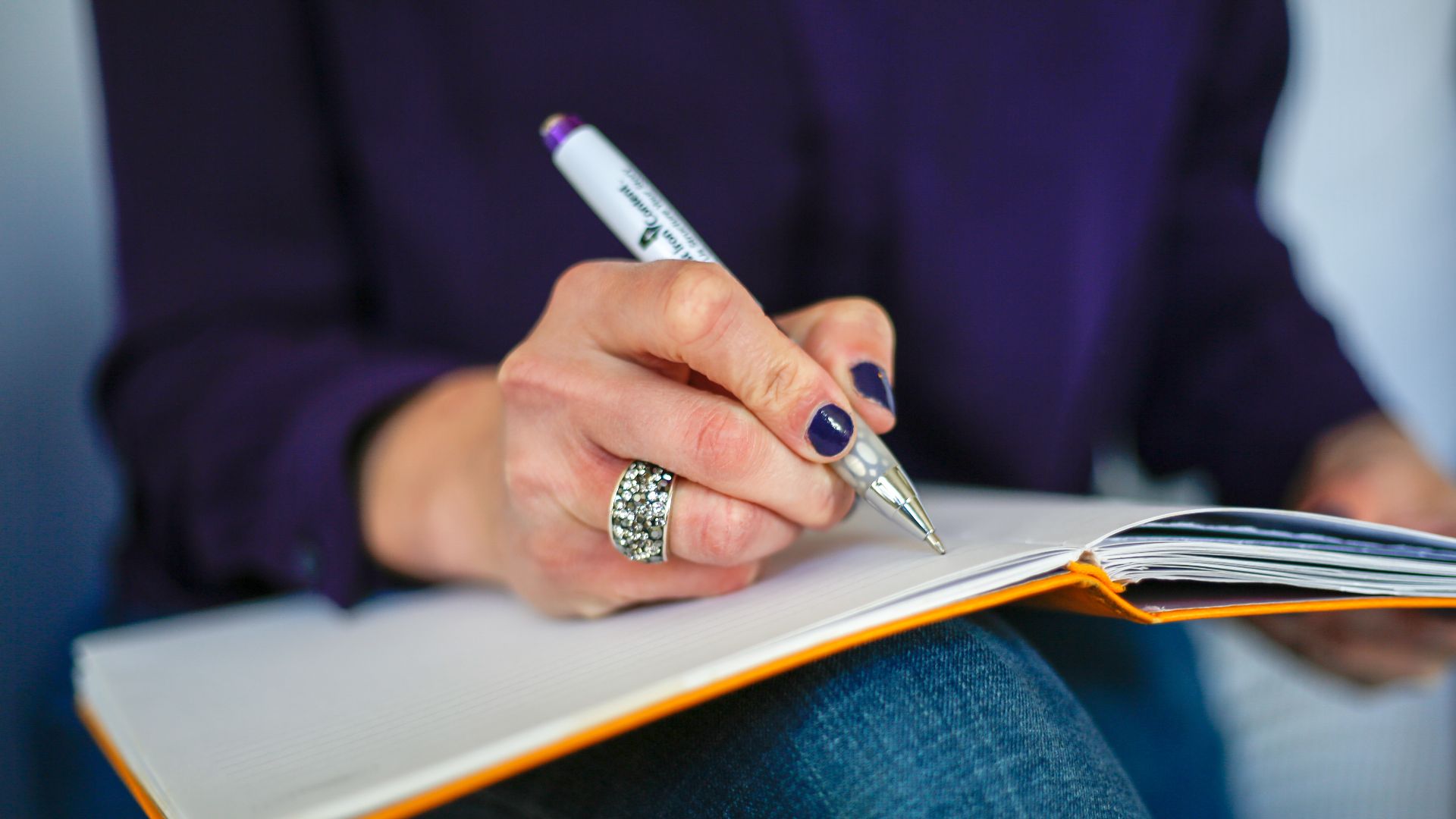
4. Boosts Creativity
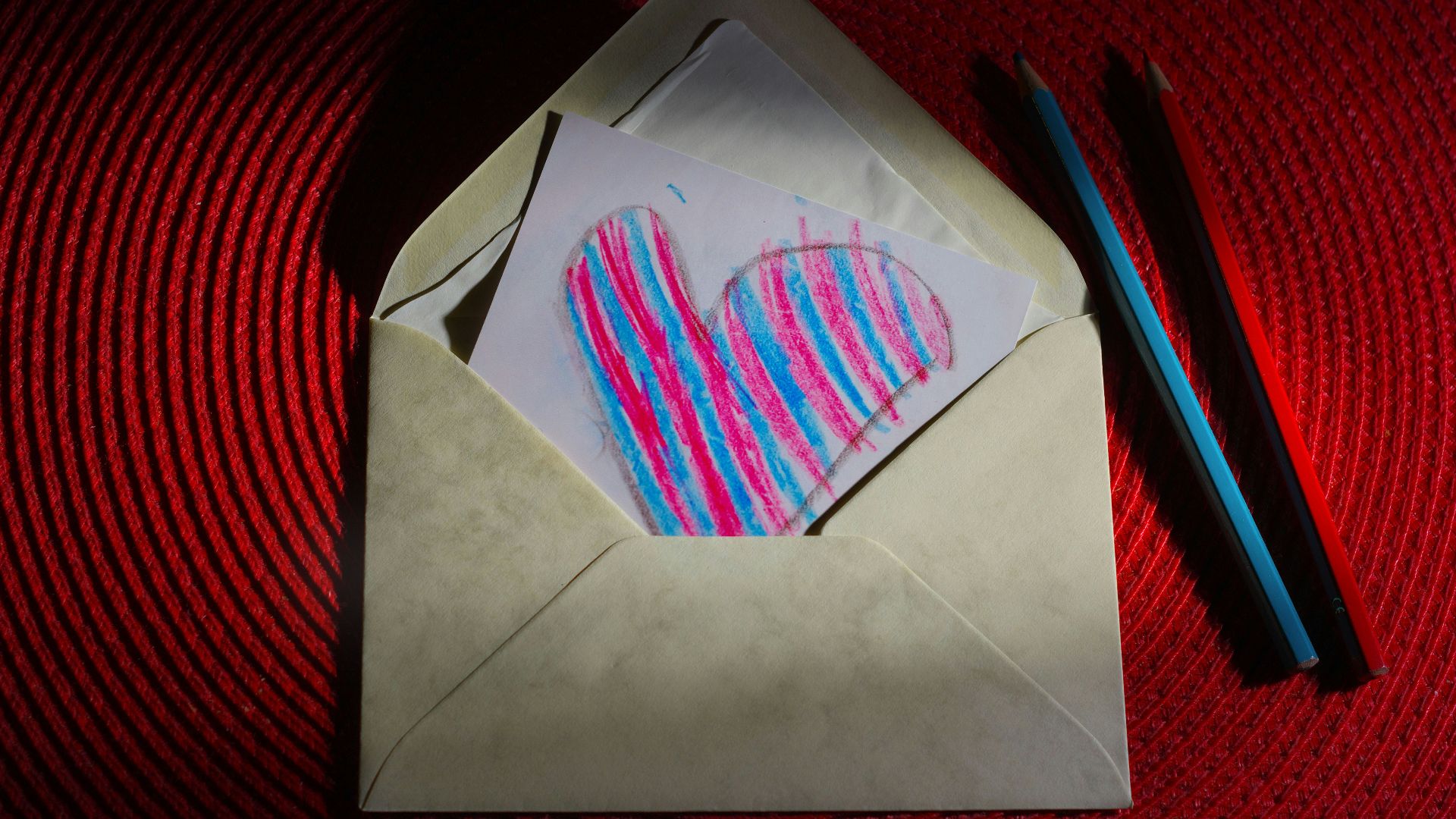
Getting creative feels natural when you're writing to someone who doesn’t expect perfection. Pen pals often swap silly prompts, short poems, or inside jokes. Before long, the envelope becomes a small work of art, and the writer feels a little more inspired.

5. Helps Regulate Emotions
When big feelings stay bottled up, they tend to get heavier. Writing letters helps release that pressure. Many people find they understand their own emotions better once they’ve been written down—something that texting rarely makes space for, but letters do.

6. Encourages Routine And Structure
Having something to look forward to, like a letter, can help shape the rhythm of your week. Many people naturally fall into a schedule. It’s not about strict planning; it’s about the steady comfort of knowing someone’s waiting to hear from you.

7. Offers Cultural Exchange
Every letter carries a little piece of someone’s culture, from holiday traditions to favorite meals. That kind of sharing builds curiosity and breaks down stereotypes. The more people swap lives on paper, the wider their worlds become, even if they’ve never met.
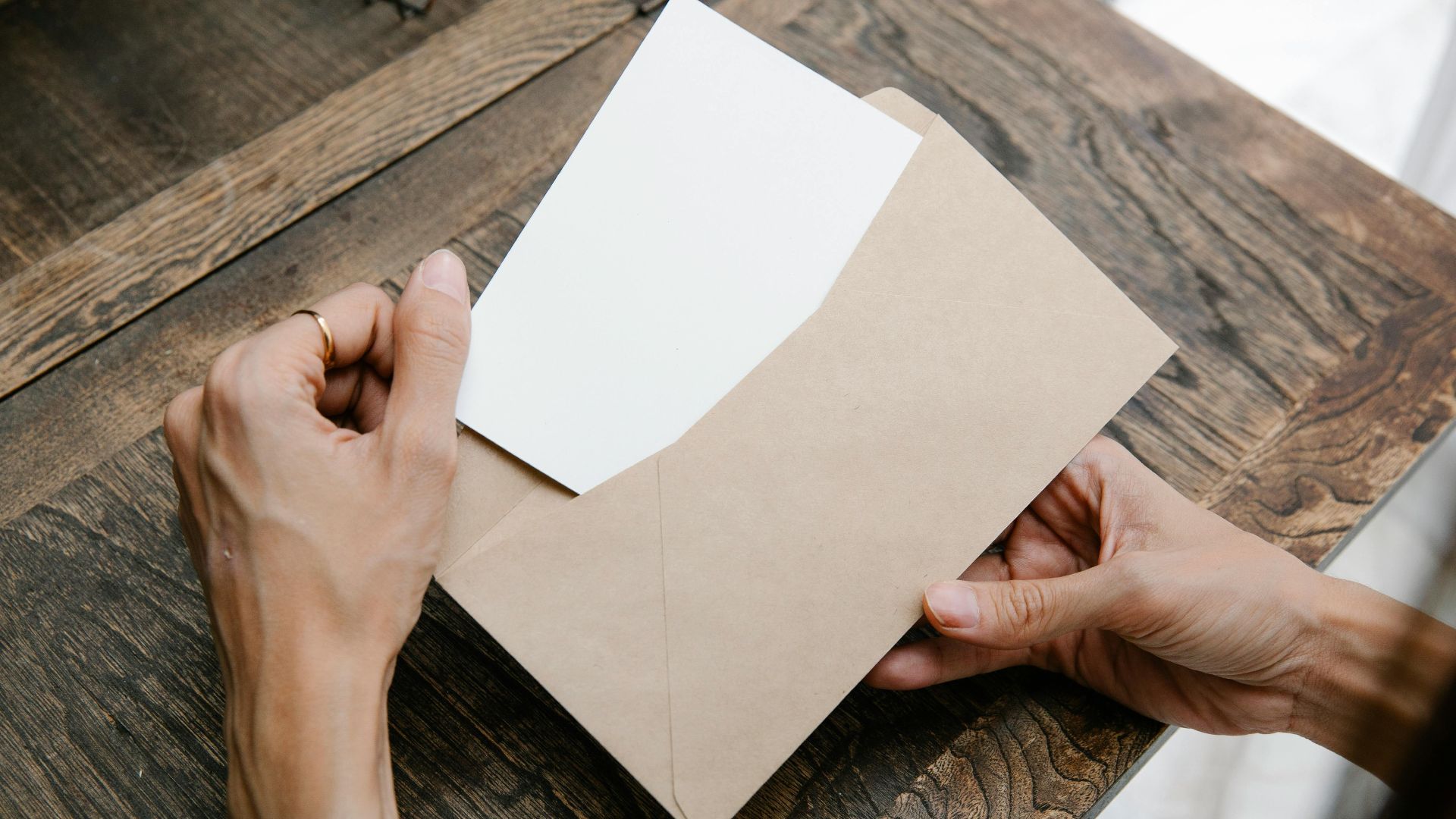
8. Improves Self-Expression
Not everyone feels comfortable speaking up, but letters offer a way in. Writing gives thoughts room to breathe, and it feels safer than blurting things out. For many, those pages become a mirror—reflecting things they didn’t even know they needed to say.
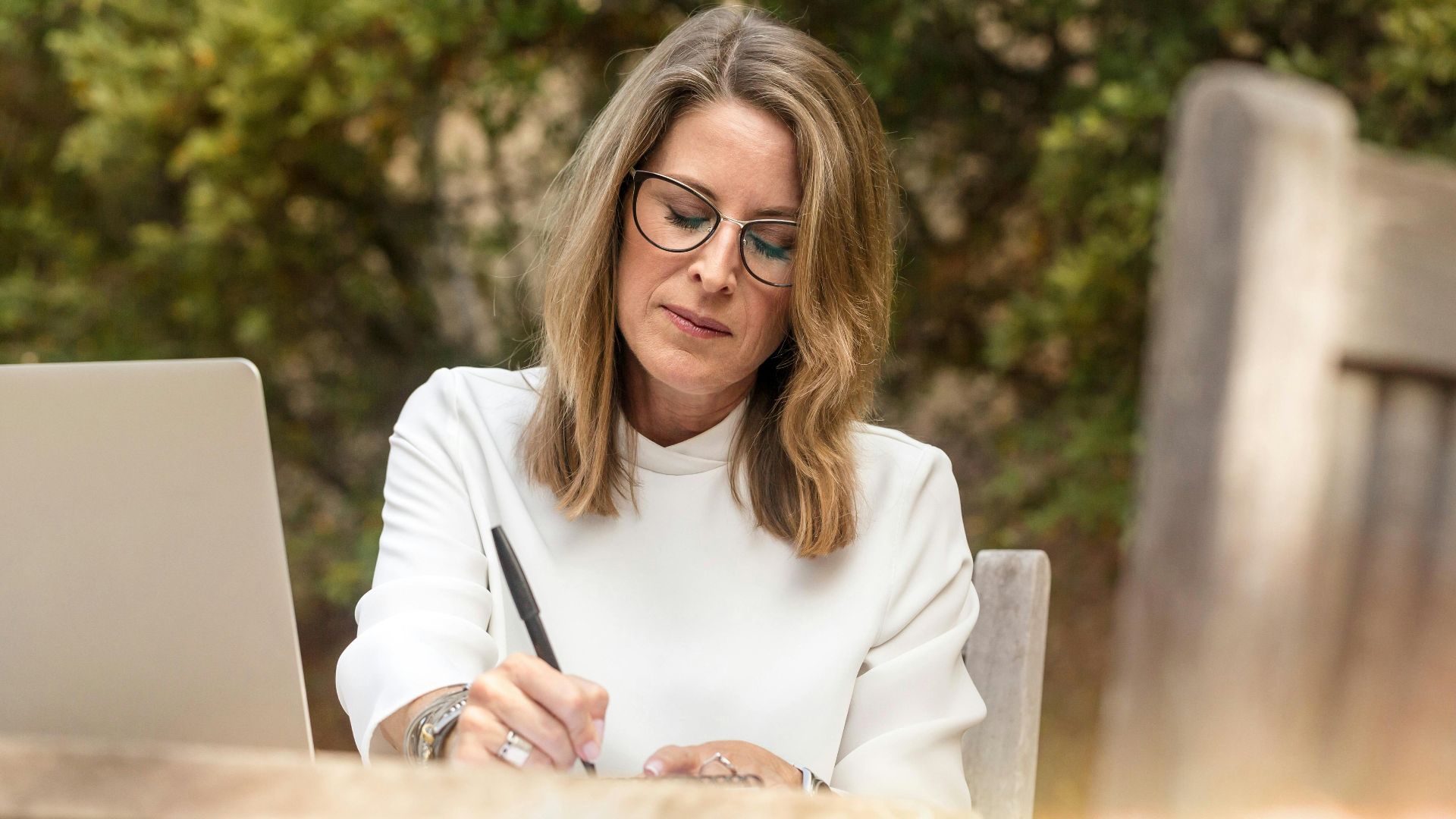 LinkedIn Sales Navigator on Pexels
9. Creates Nostalgia And Comfort
There’s something about seeing your name on an envelope that makes the moment warmer. Handwritten letters feel personal, and they stir up sweet memories. They remind people of simpler times, especially for older generations who grew up writing them often.
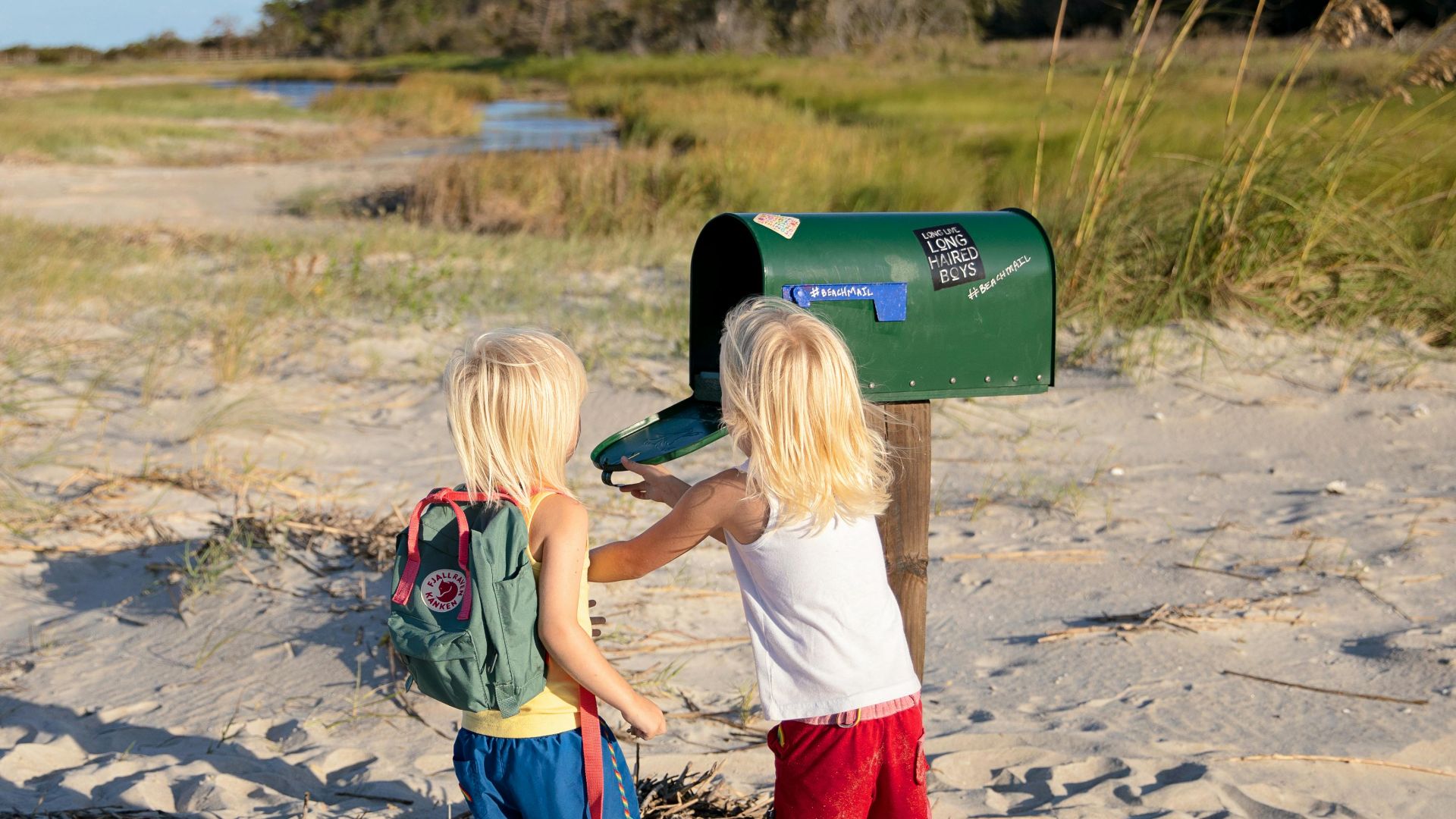
10. Builds Meaningful Long-Term Bonds
Plenty of pen pals start off as strangers but turn into something much deeper. Trust builds slowly across pages, and friendships may grow without ever meeting. Years later, those saved letters become a quiet timeline of shared memories worth holding onto.

1. Join Pen Pal Websites/Forums
Online platforms like InterPals or PenPal World make it easy to connect across borders. You can search by age, interests, or location to find someone who clicks. The forums also include safety tips, and some even offer fun spaces for swapping slang.

2. Participate In Cultural Exchange Programs
Youth exchanges like Rotary often kick off with letters before the trip begins. These programs pair students internationally to build global friendships. Alongside stories and greetings, people also include traditional recipes as part of the exchange.

3. Use Social Media Pen Pal Groups
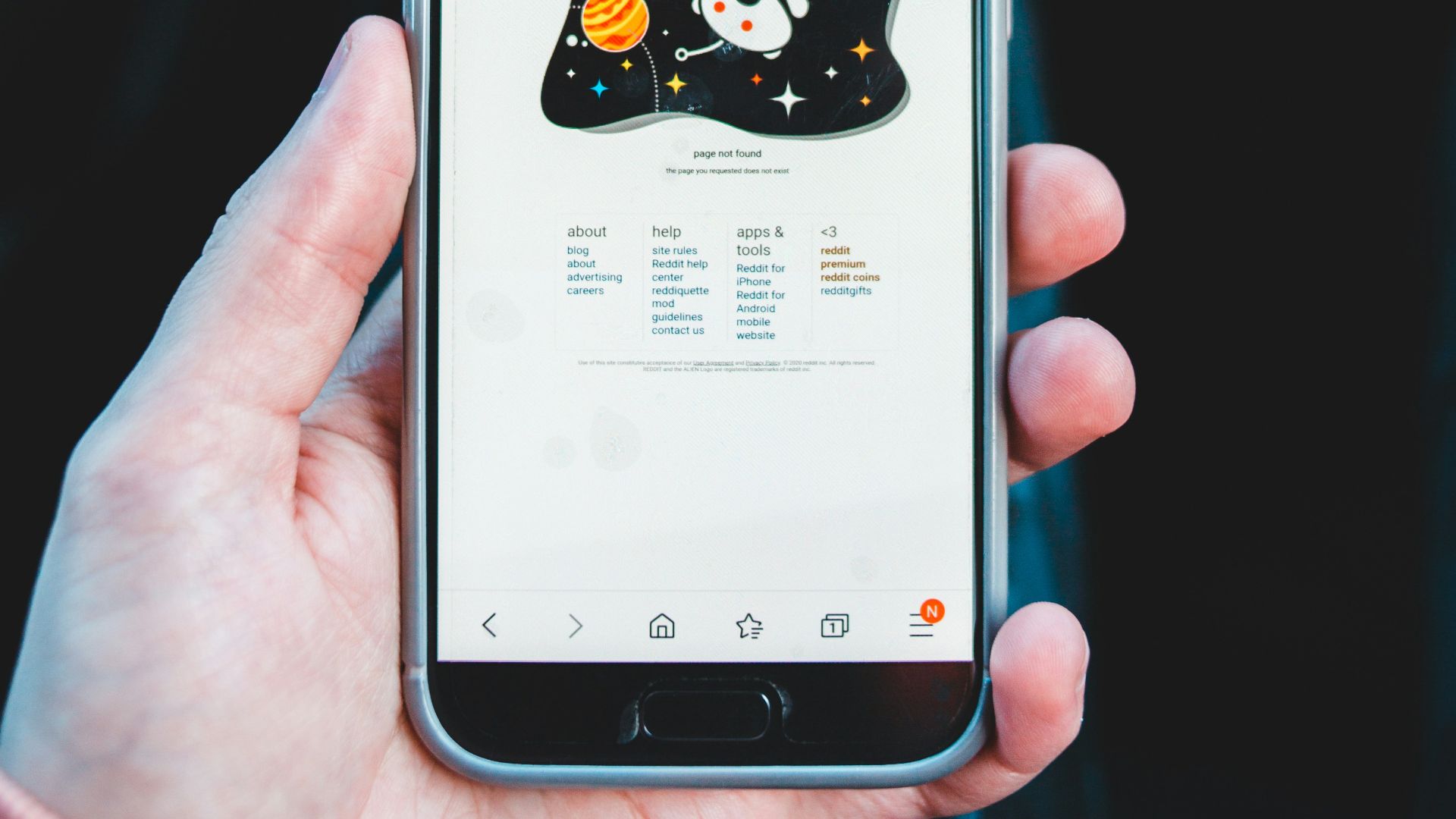
Reddit and Facebook host thriving pen pal communities, with moderators in place to keep things safe. It helps make global matches happen instantly. Some of these groups get extra creative and run themed challenges focused on poetry, storytelling, or fun artistic surprises.
4. Connect Via Language-Learning Platforms
Apps like Tandem match language learners with native speakers, and many of those chats evolve into lasting letter exchanges. It’s an ideal way to build fluency while forming friendships. Along the way, people often create bilingual puns just for laughs.
 Henri Mathieu-Saint-Laurent on Pexels
5. Explore Nonprofit Friendship Programs
Global connection doesn’t have to come with a price tag. Groups like Friendship Force focus on cultural understanding through low-cost programs. Many start with writing and grow from there. Some even host reunions so pen pals can meet face-to-face after years.
6. Attend Local Writing Clubs/Meetups
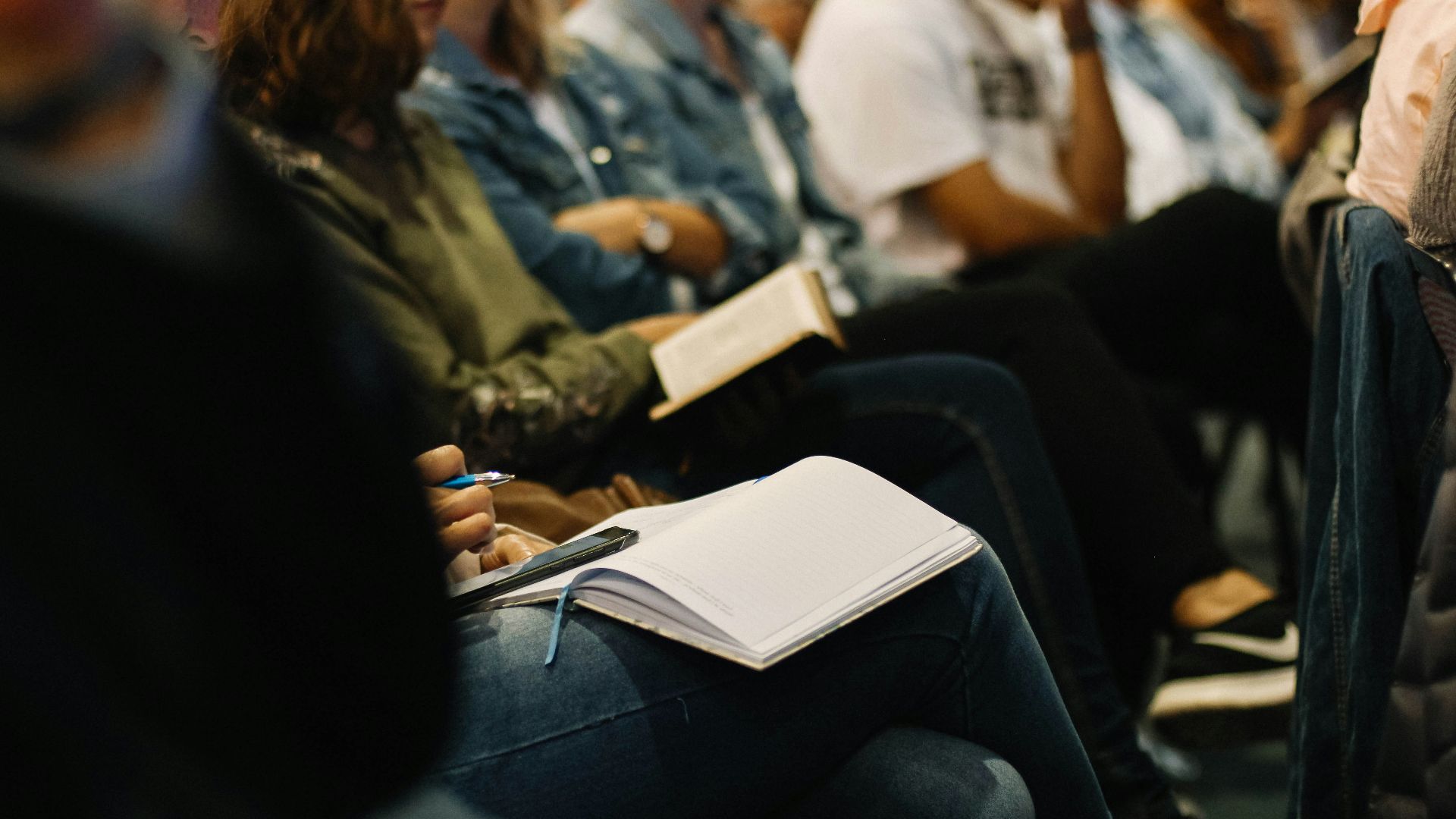
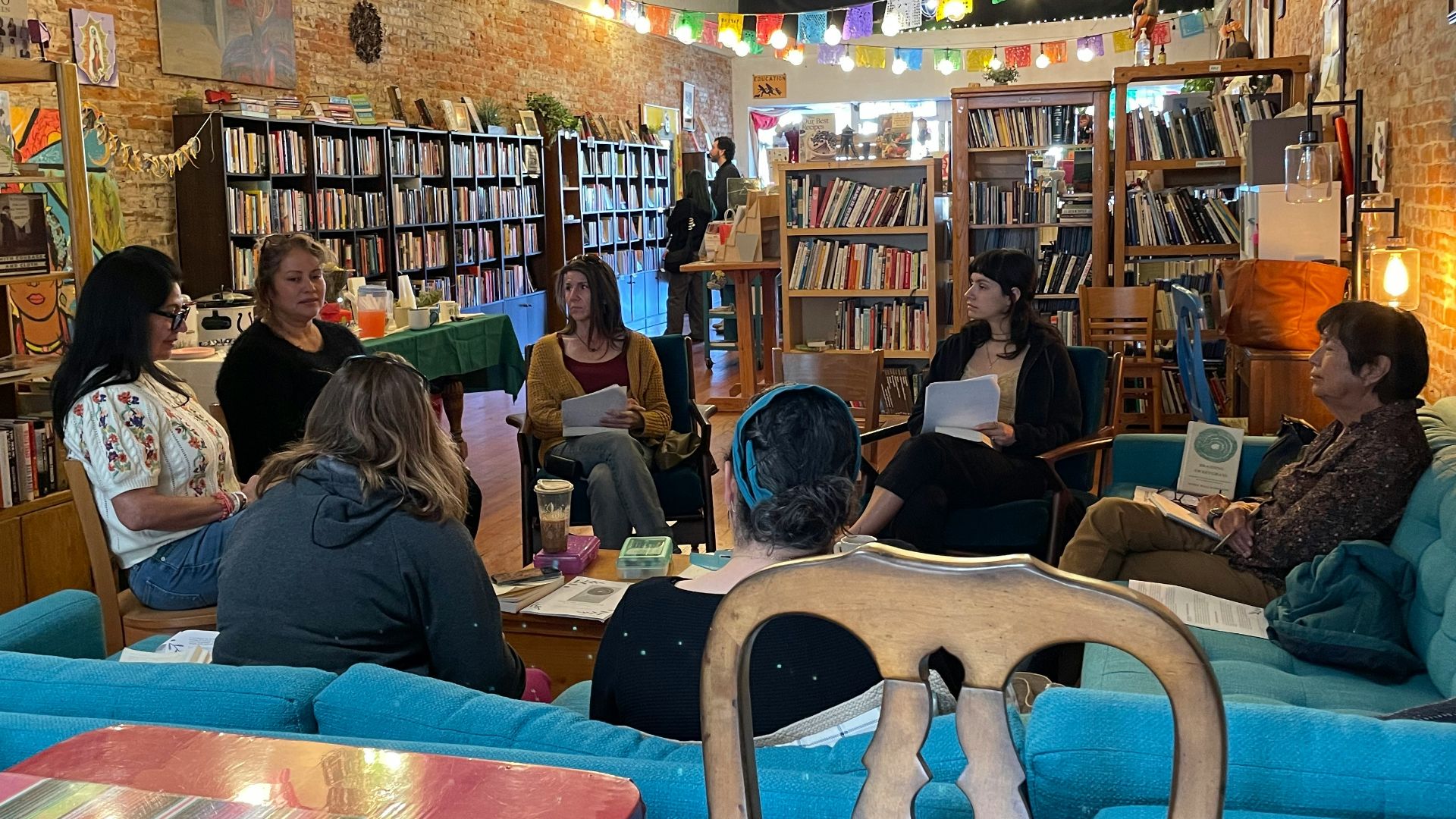
Community writing clubs sometimes encourage creative exchanges, including letter writing. These spaces offer a safe offline way to meet others who enjoy thoughtful conversation. The clubs also run letter-writing marathons with quirky themes, friendly competition, and prizes for participation.
7. Join School Or University Initiatives
Schools and universities often set up pen pal programs to support language learning and cross-cultural connections. These projects are structured and guided, which makes them feel safe and purposeful. In some exchanges, students even send handcrafted gifts along with their letters.

8. Engage With Travel Communities
Forums like Lonely Planet and Couchsurfing make it easy for travelers to form lasting connections. Some friendships begin in hostels and continue through the mail. It’s common for travelers to send letters—or postcards—from every new country they explore.

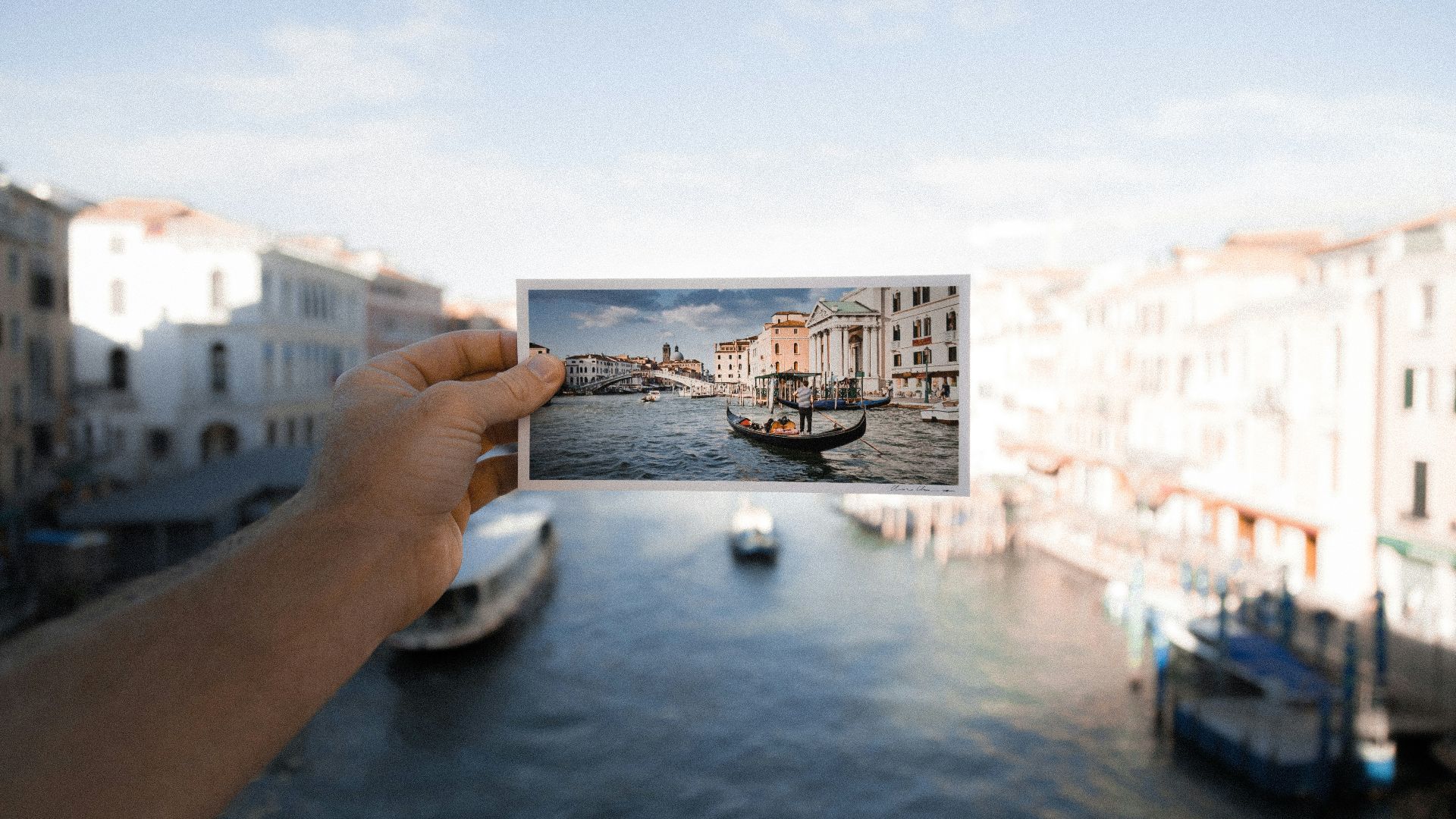
9. Join Postcard Exchange Networks
If long letters feel overwhelming, postcards are a simpler way to start. Postcrossing connects users around the world to send and receive beautiful, trackable postcards. The stamps, images, and occasional misprints turn every card into a small collectible keepsake.
10. Use Slow-Communication Apps
Apps like Slowly recreate the feeling of traditional pen pal exchanges. Messages don’t arrive instantly—they take hours or days, depending on distance. That delay builds anticipation. Users can even design digital stamps to personalize their messages and add creative flair.

KEEP ON READING

20 Ways Perimenopause Changes Fitness and Appetite


20 Unhealthy Obsessions People Have

20 Gut-Friendly Fermented Foods For Everyday Meals