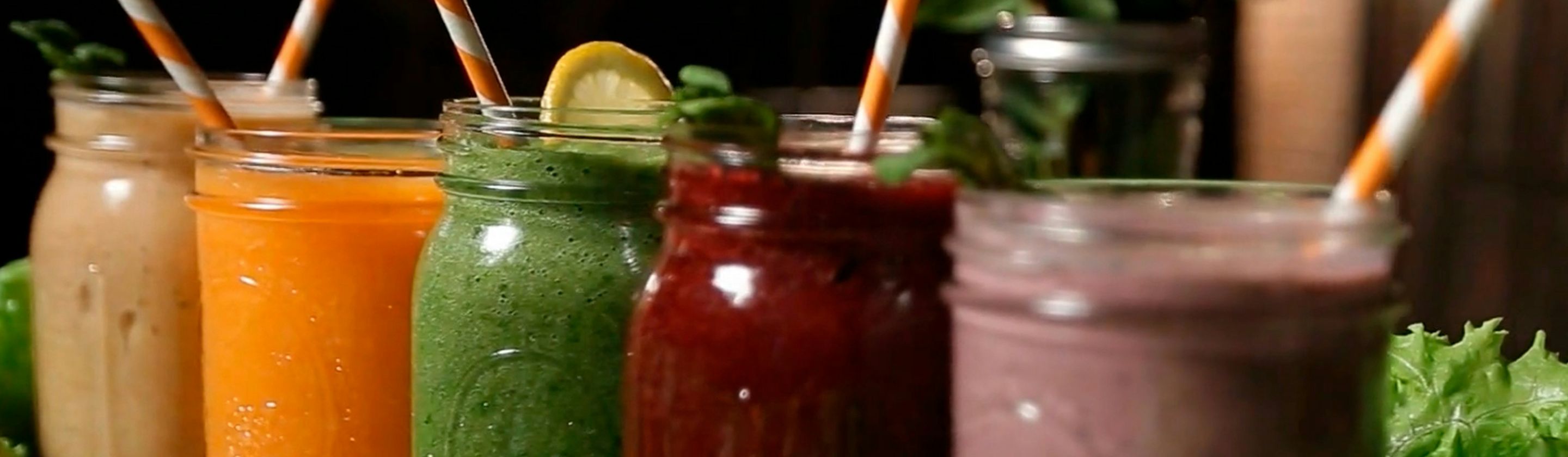

Why Cravings Show Up
Food cravings are normal, and they can come from biology, habits, emotions, and the food environment all at once. Sometimes you’re simply hungry, while other times your brain is chasing a quick reward or relief from stress. The good news is you don’t have to “win” a willpower battle every day, because small, practical tweaks can make cravings quieter. Use the ideas below as a menu of options, and keep the ones that fit your life and your body best.
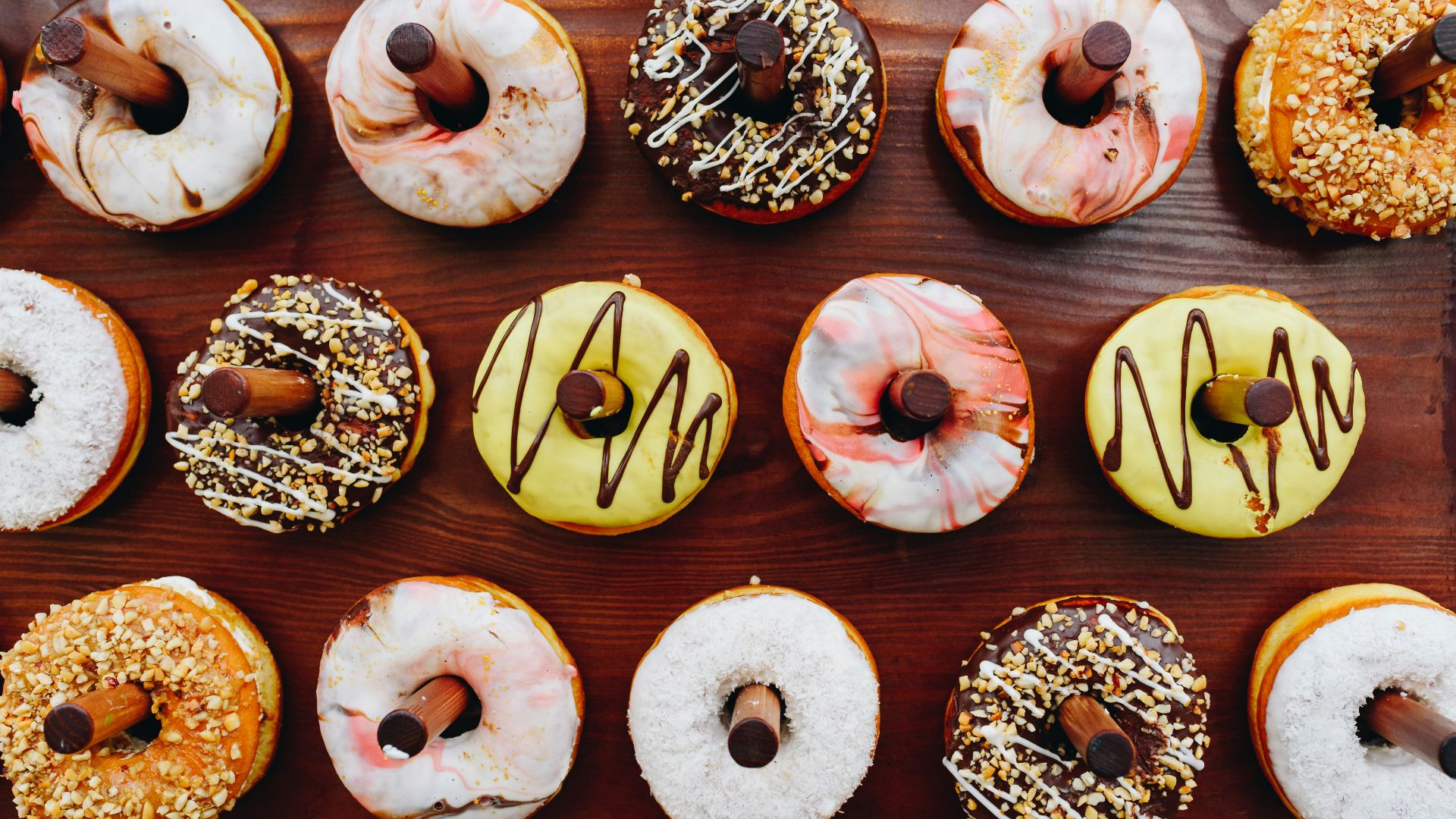 Anastasiia Chepinska on Unsplash
1. Prioritize Protein
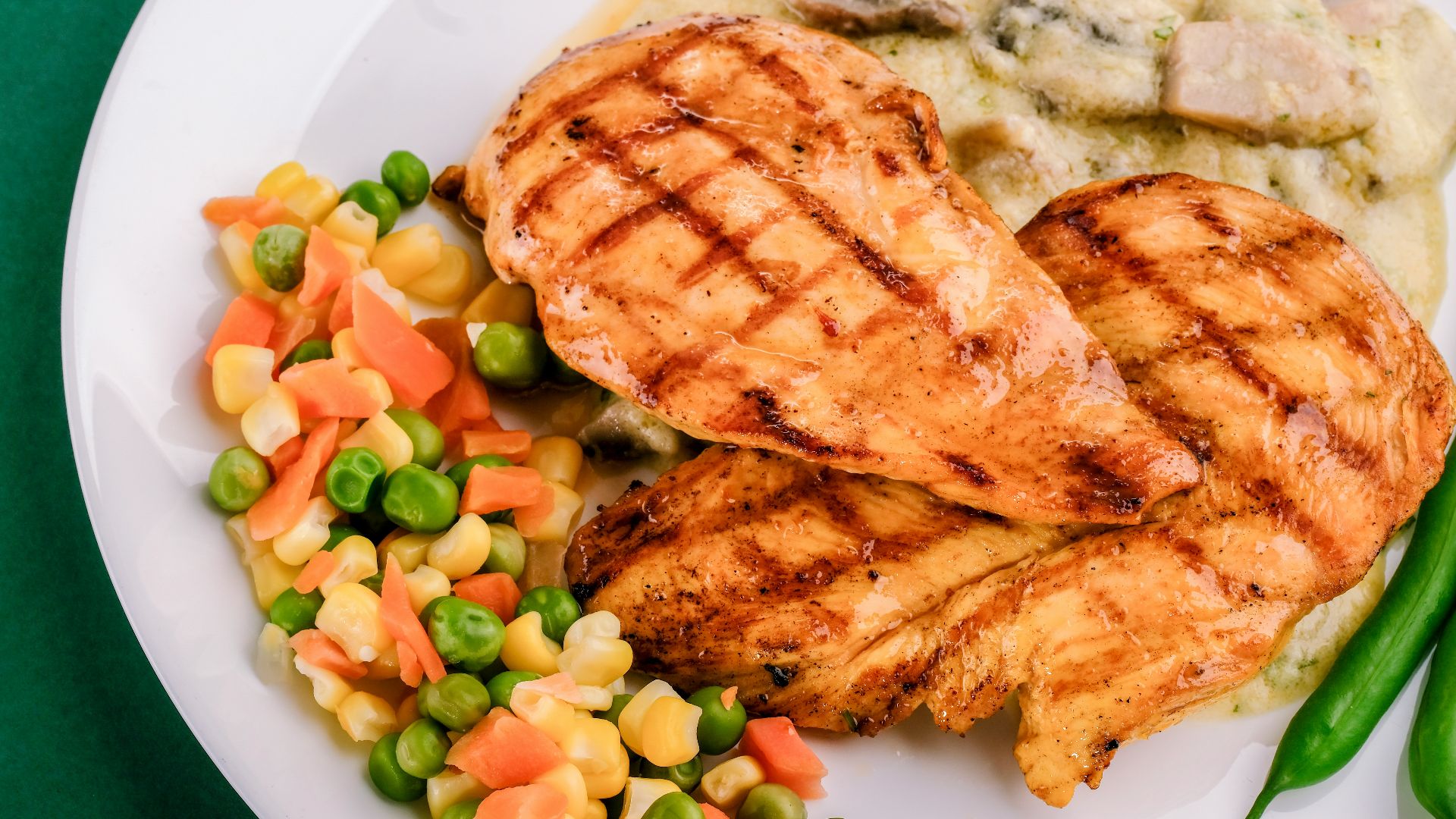
Protein at meals tends to keep you full longer because it slows digestion and supports satiety signals. Include a solid protein source like eggs, Greek yogurt, beans, chicken, tofu, or fish when you can. Real satisfaction makes random snack urges lose some of their sparkle.
2. Add More Fiber
Fiber adds volume and slows how quickly carbs are absorbed, which can reduce rebound hunger. Load your plate with vegetables, berries, oats, lentils, and chia. You’ll get a delicious snack and some long-term benefits to boot.
3. Build Balanced Plates
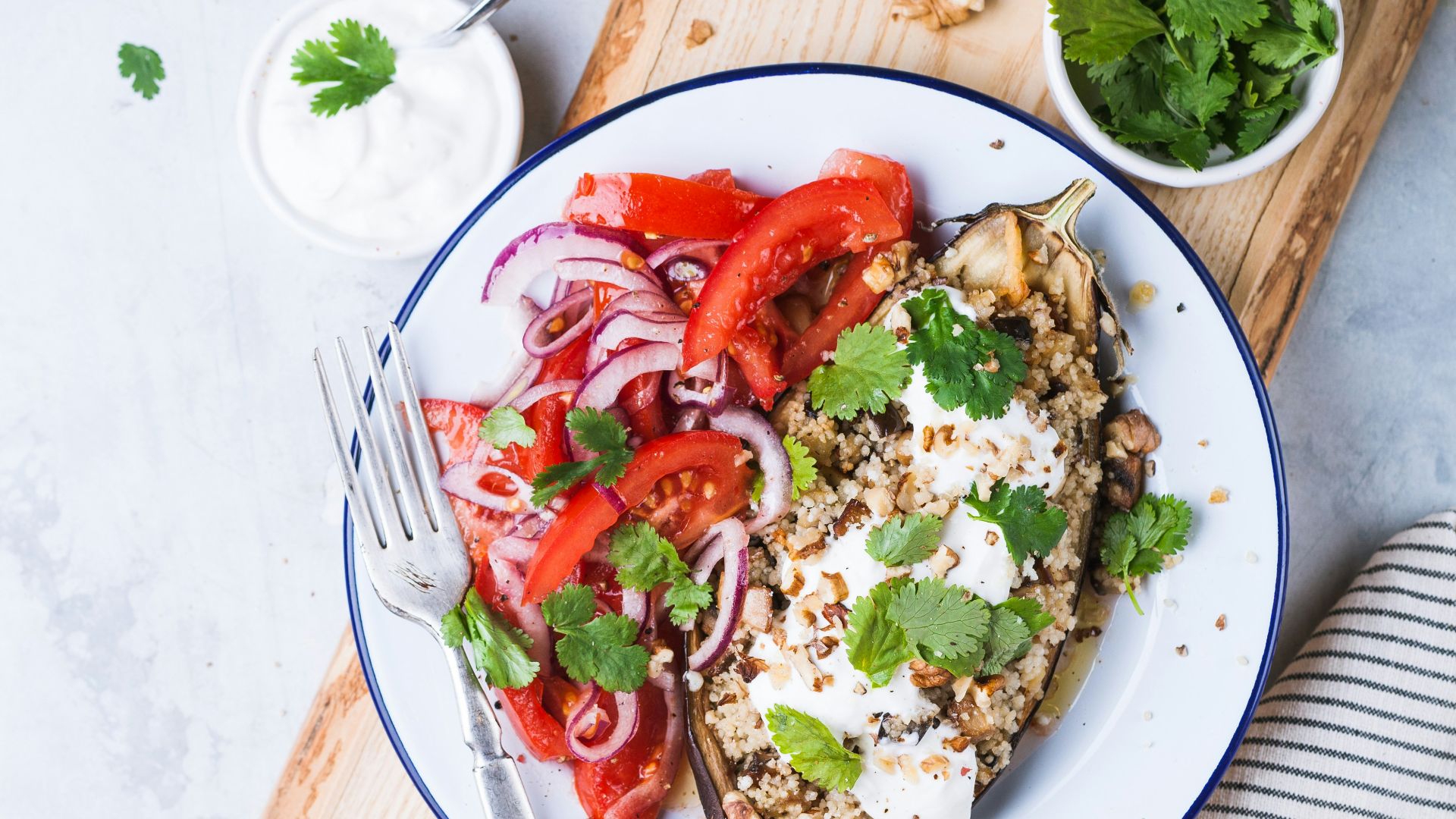
A meal that mixes carbs, protein, and fat is less likely to leave you prowling for sweets an hour later. Combine foods like rice with salmon and vegetables, or a sandwich with turkey and avocado, rather than relying on bread alone. This approach isn’t about banning carbs; it’s about giving them supportive teammates.
4. Eat on a Schedule
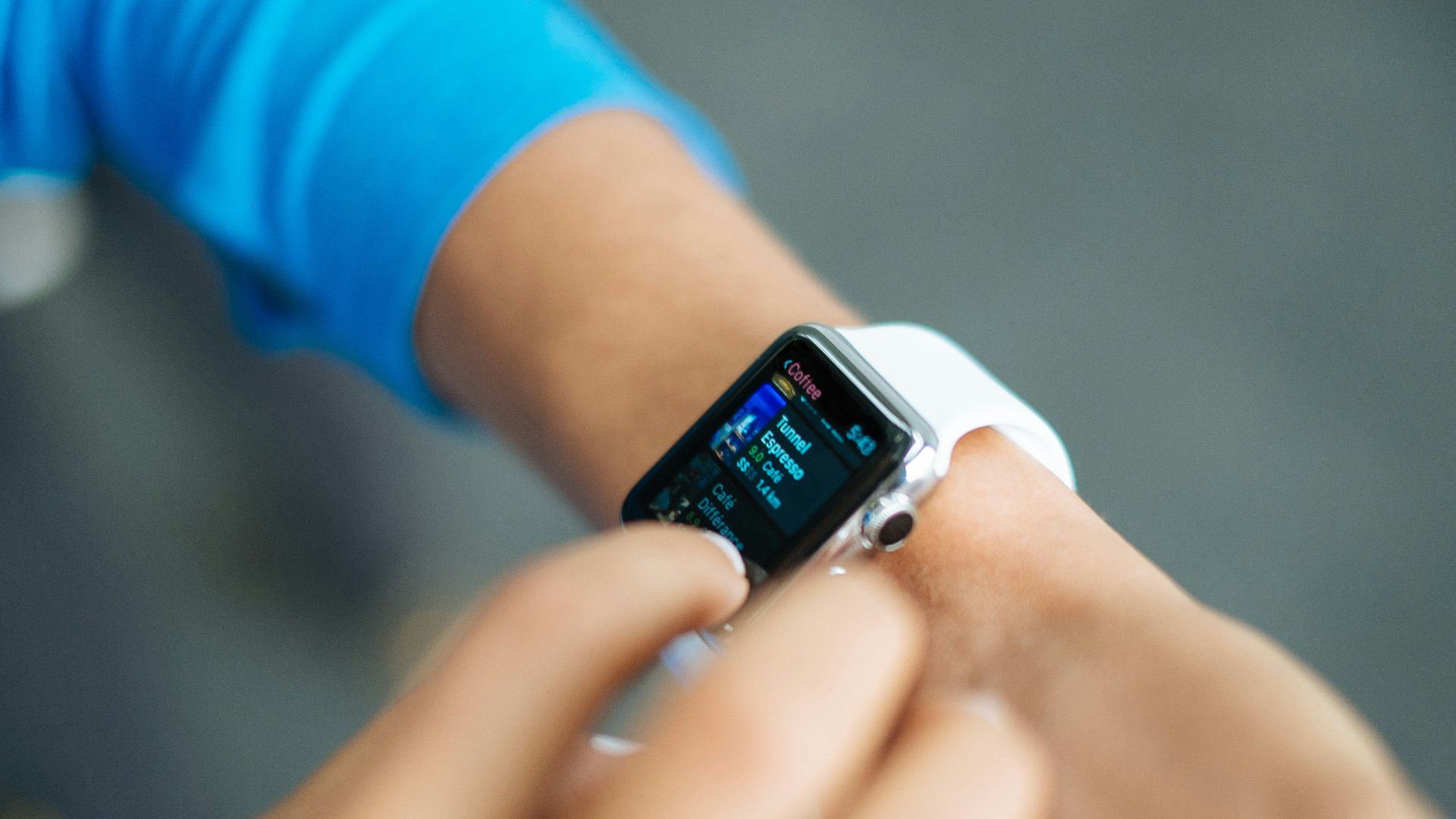
Huge gaps between meals can make hunger feel urgent, and cravings feel louder than they really are. If you tend to get “hangry,” set regular meal times and add a planned snack as needed. Predictable eating helps your brain relax because it learns that fuel is coming.
5. Rethink Breakfast
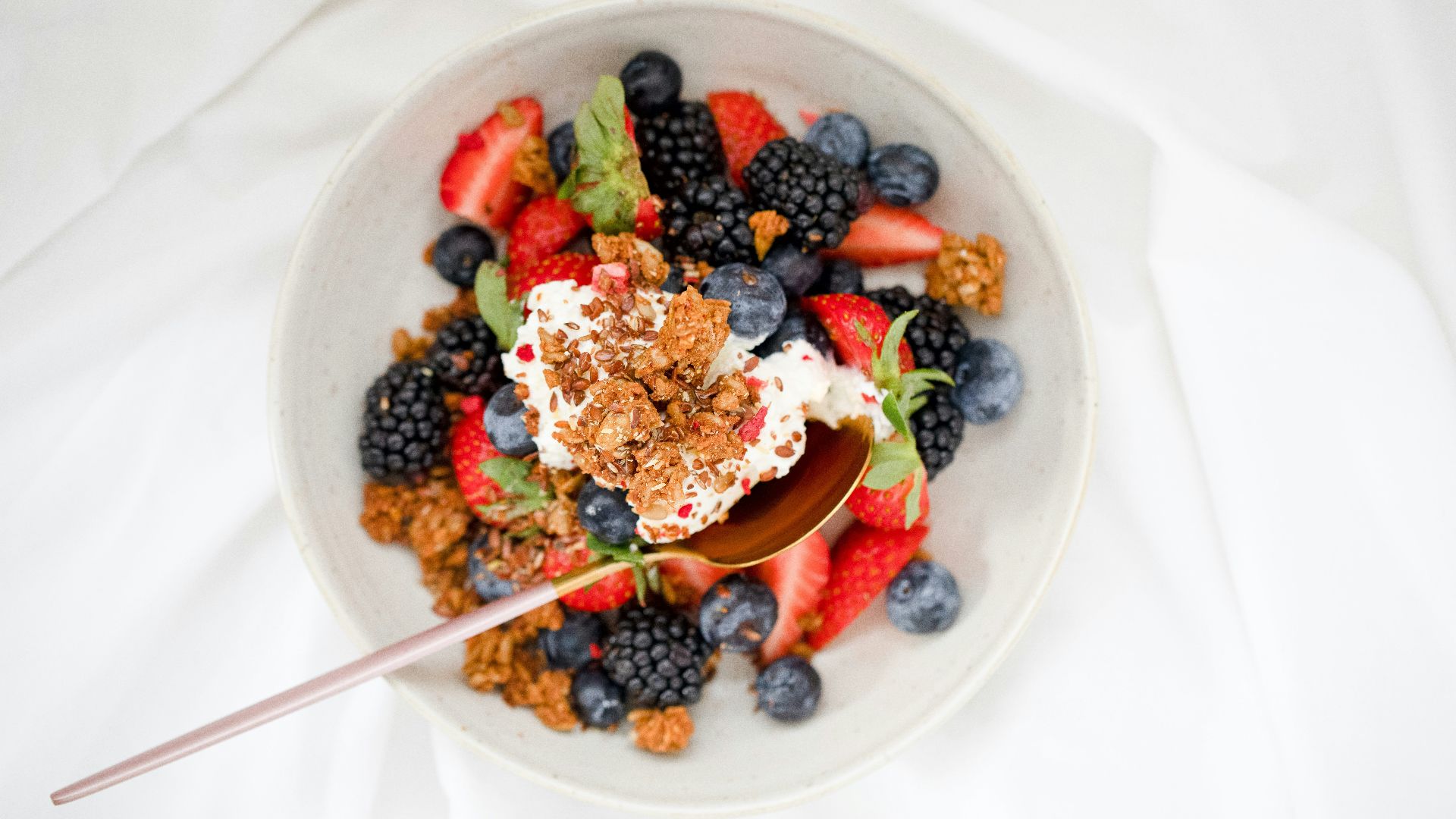
For many people, a balanced breakfast helps curb late-day cravings by steadying appetite earlier on. Choose something with protein and fiber, like oatmeal with nuts, or eggs with whole-grain toast and fruit. If mornings aren’t your thing, a later first meal can still work as long as it’s substantial.
 Bakd&Raw by Karolin Baitinger on Unsplash
6. Skip Sugary Drinks
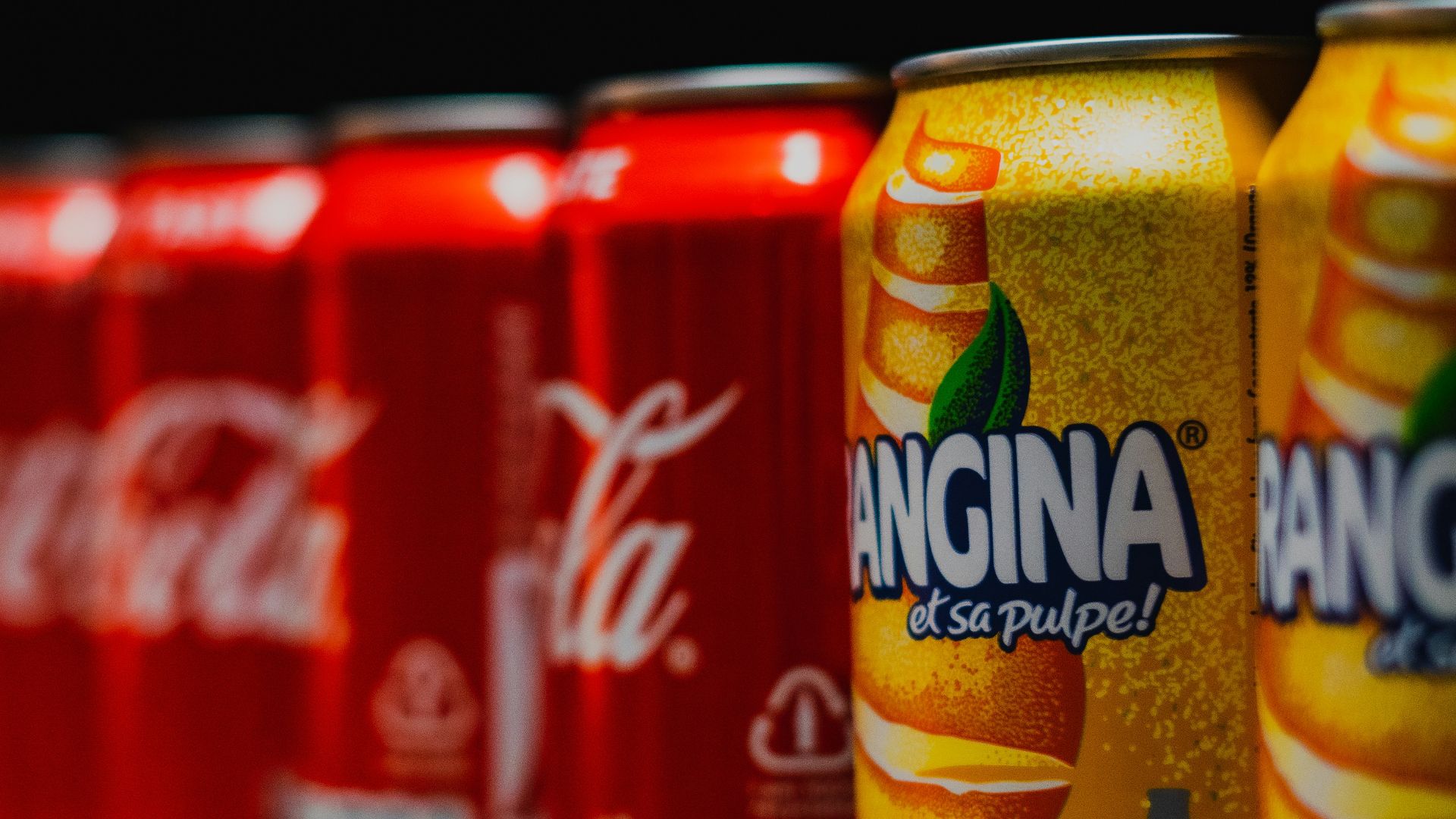
Sugary drinks deliver calories quickly without much fullness, so hunger can rebound soon after. Consider swapping soda, sweet coffee drinks, and juice for water, sparkling water, unsweetened tea, or coffee with minimal add-ins. You can still enjoy a treat beverage sometimes, but it shouldn’t be your default hydration.
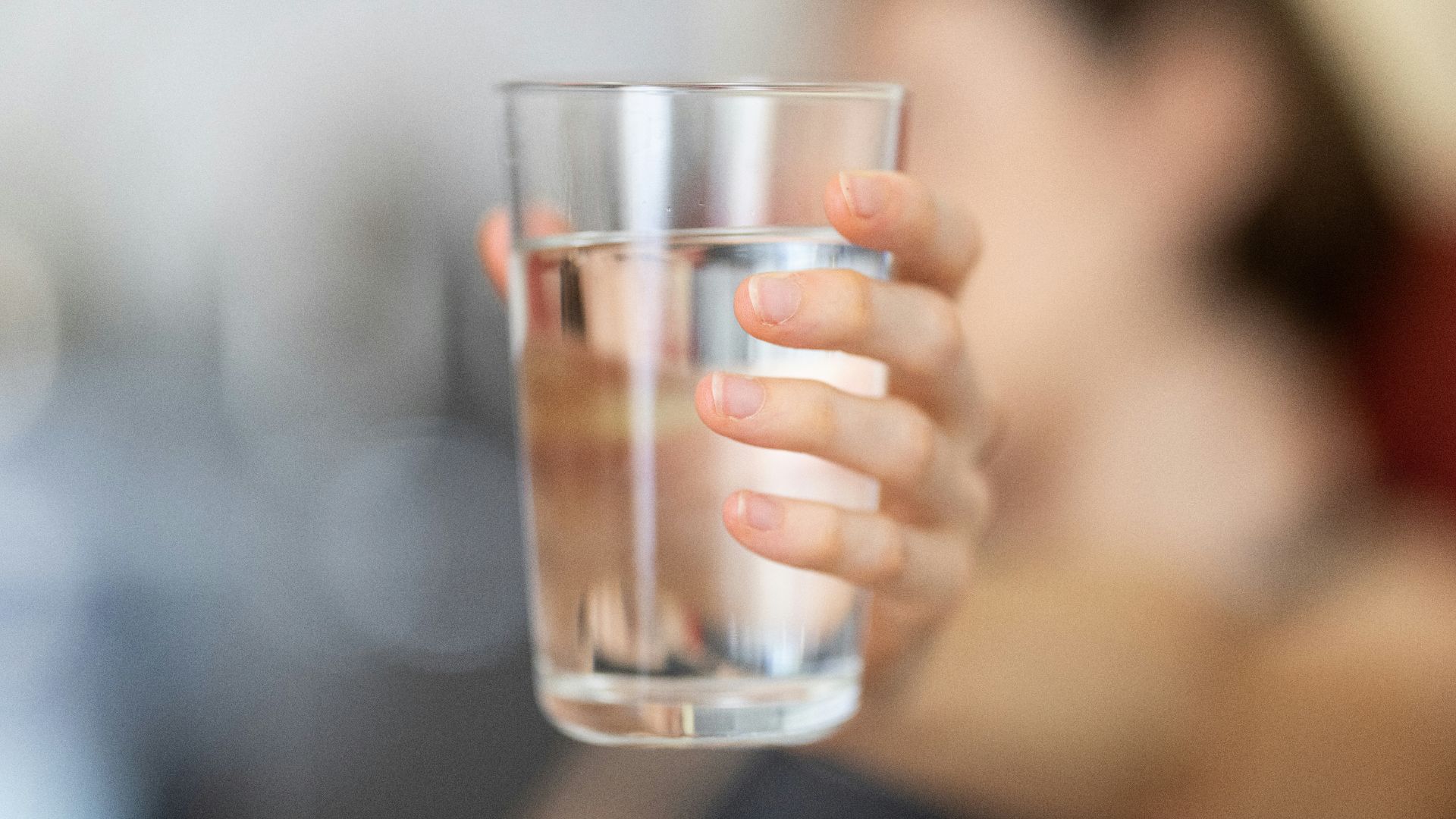
7. Hydrate First
Thirst and hunger can feel surprisingly similar, especially when you’re distracted or stressed. Before you grab a snack, drink a glass of water, and wait a few minutes. If your stomach is still growling, it's a sign that you’re actually hungry.
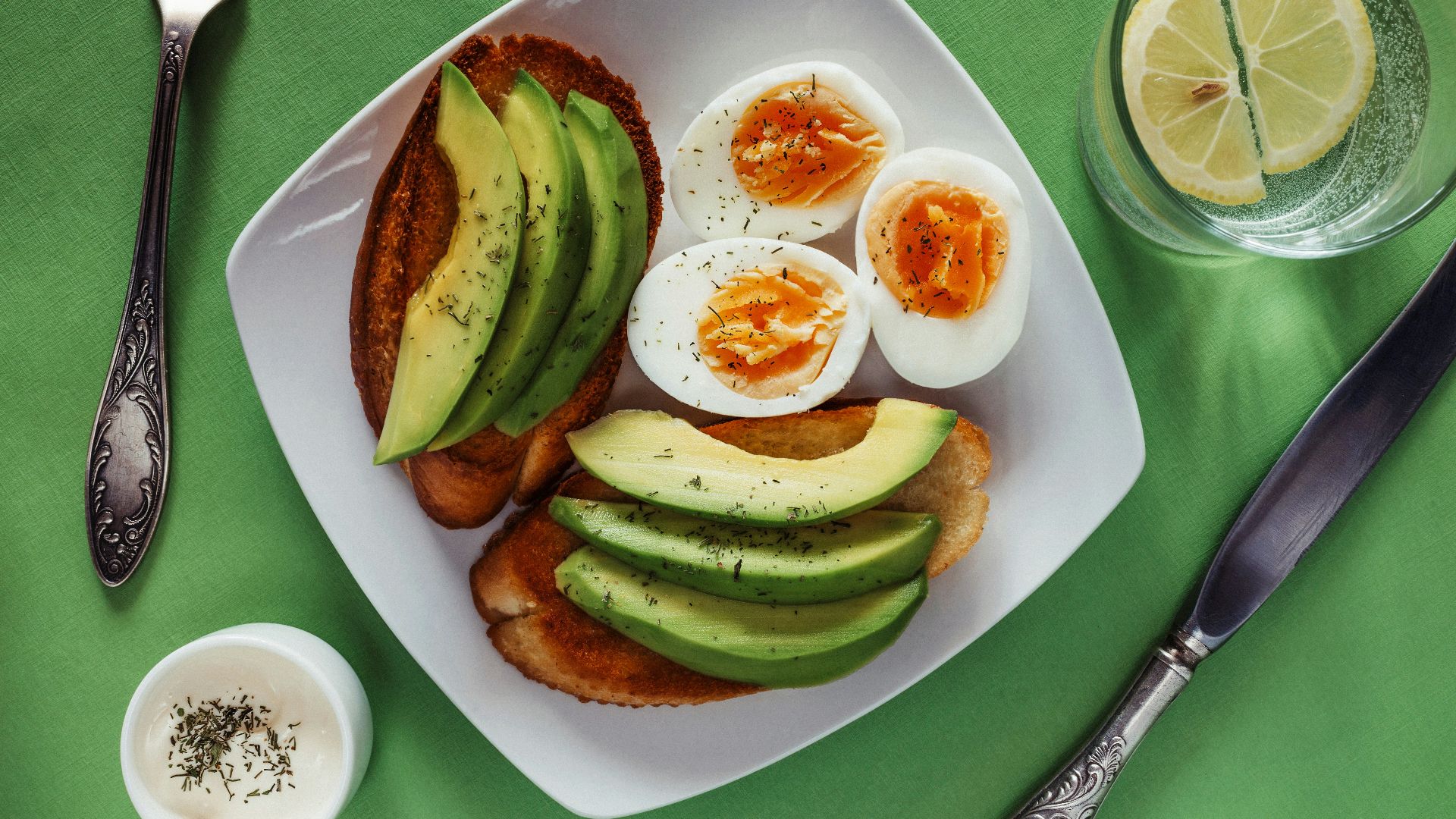
8. Add Healthy Fats
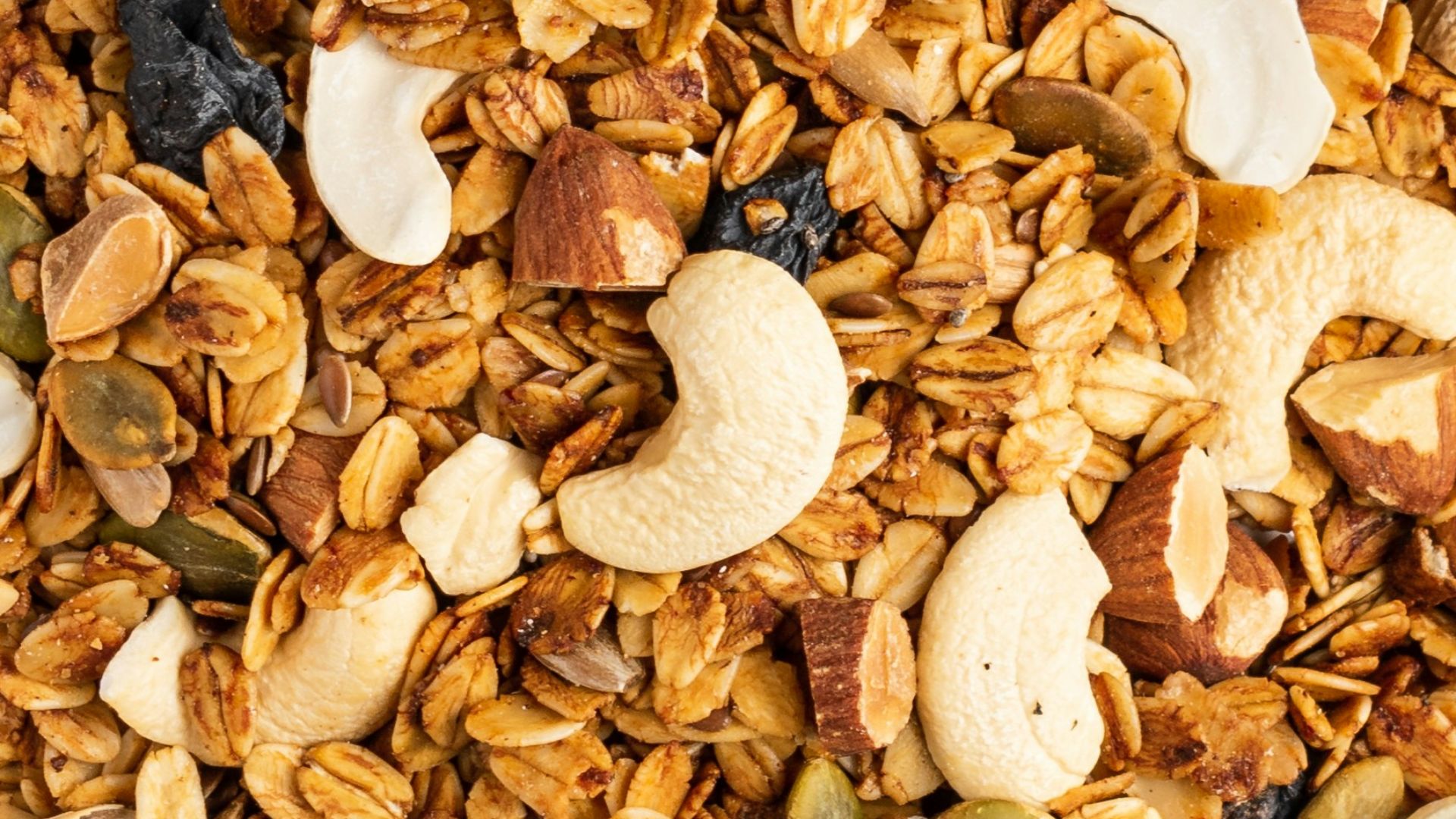
Dietary fat makes meals more satisfying because it slows stomach emptying and boosts flavor. Add modest portions of nuts, olive oil, avocado, or nut butter instead of relying only on very low-fat options. That extra satisfaction often prevents the “I need something else” feeling after you eat.
9. Protect Your Sleep
Short sleep is linked to stronger appetite and more cravings, partly through effects on hunger hormones and brain reward circuits. Keep a consistent bedtime, and dim screens earlier so your body gets the hint. With enough sleep, food decisions feel less like a daily wrestling match.

10. Ease Your Stress
Stress can intensify cravings, partly because cortisol shifts appetite and partly because food is an easy comfort button. A quick reset, like deep breathing, stretching, or stepping outside for fresh air, can help lessen these feelings.

11. Take a Walk
Regular movement supports metabolic health and can reduce the pull of cravings over time. You don’t need a heroic workout, because even a brisk 10-minute walk after meals often makes a difference. Activity also gives your brain a reward that isn’t edible, which is a nice bonus.

12. Slow Your Pace
It takes time for your gut and brain to register fullness, so fast eating can overshoot what you actually need. Pausing between bites or setting your utensil down now and then slows things down. It sounds silly, but it works. A slower meal gives satisfaction a chance to catch up before you go looking for extras.

13. Start with Soup
High-volume, lower-calorie starters can take the edge off hunger before the main event arrives. A broth-based soup or a big salad adds fiber and water, which helps you feel physically full. With that foundation, you won’t find yourself looking for something more later on.

14. Plan Easy Snacks
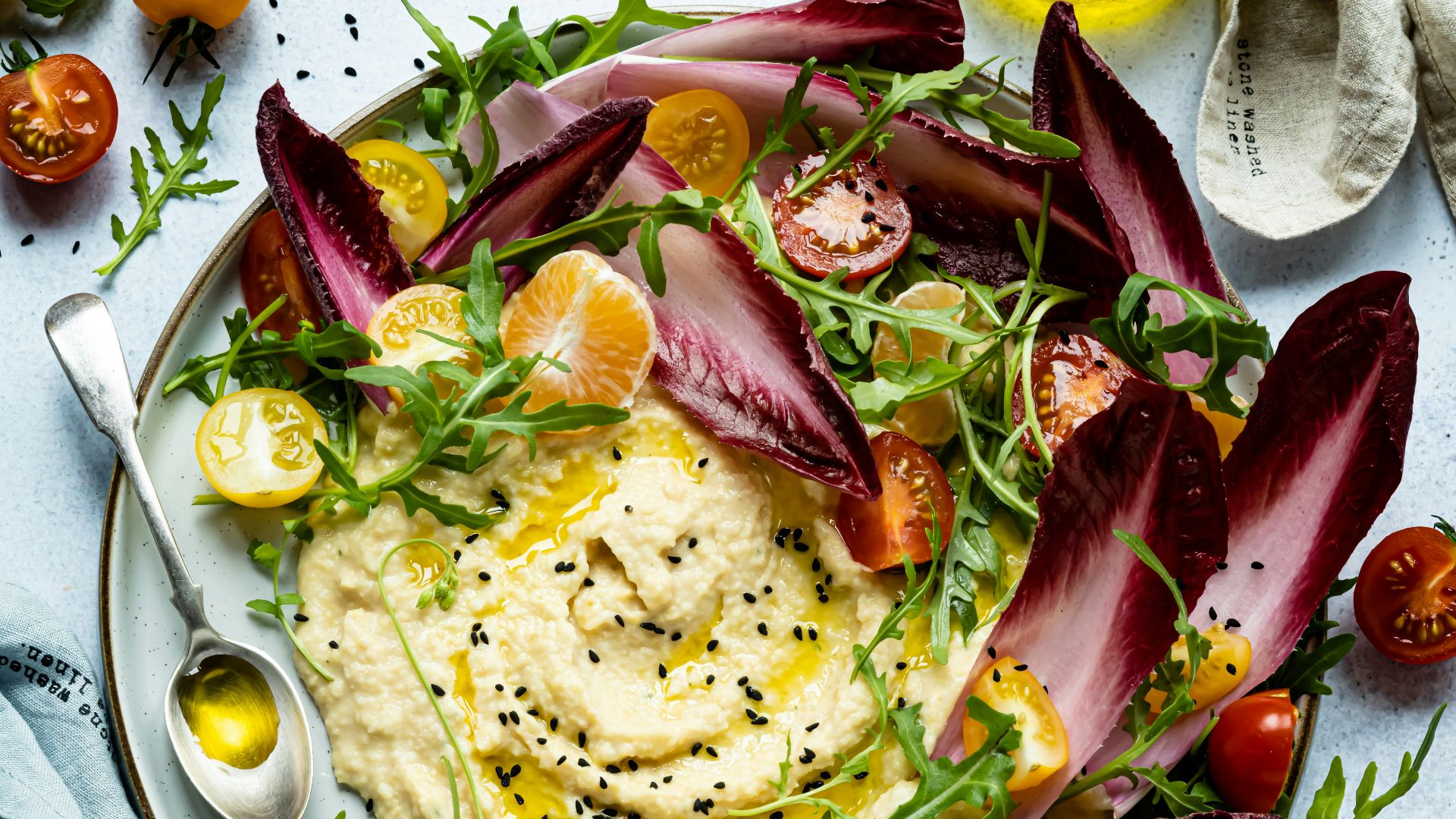
Waiting until you’re ravenous is a reliable way to end up eating whatever is closest and fastest. Keep simple options on hand, like yogurt, fruit with peanut butter, hummus with vegetables, or a portioned handful of trail mix. Having a backup plan turns snack time into a choice instead of a scramble.
15. Use the 10-Minute Rule
Cravings often rise and fall like a wave, even when they feel permanent in the moment. Set a timer for 10 minutes and do something absorbing, like tidying a room or calling a friend. If the craving is still there afterward, you can decide calmly instead of reacting.

16. Change the Setup
Seeing and smelling tempting foods can trigger cravings through basic cue-and-reward learning. Put treats in opaque containers, store them out of reach, and keep nourishing foods at eye level. This won’t solve everything, but it creates a little friction that helps you pause.
17. Brush After Dinner
A minty mouth can act like a gentle “kitchen closed” message to your brain. Brushing or using mouthwash after dinner removes lingering flavors and can make sweets less appealing. It’s a small habit, but it's surprisingly effective.

18. Eat Mindfully
Mindful eating means paying attention to taste, hunger, and satisfaction without turning meals into a judgment session. Halfway through, check in and ask whether you’re still hungry or just running on autopilot. The more present you are, the less likely you are to keep eating for reasons unrelated to appetite.
 Pablo Merchán Montes on Unsplash
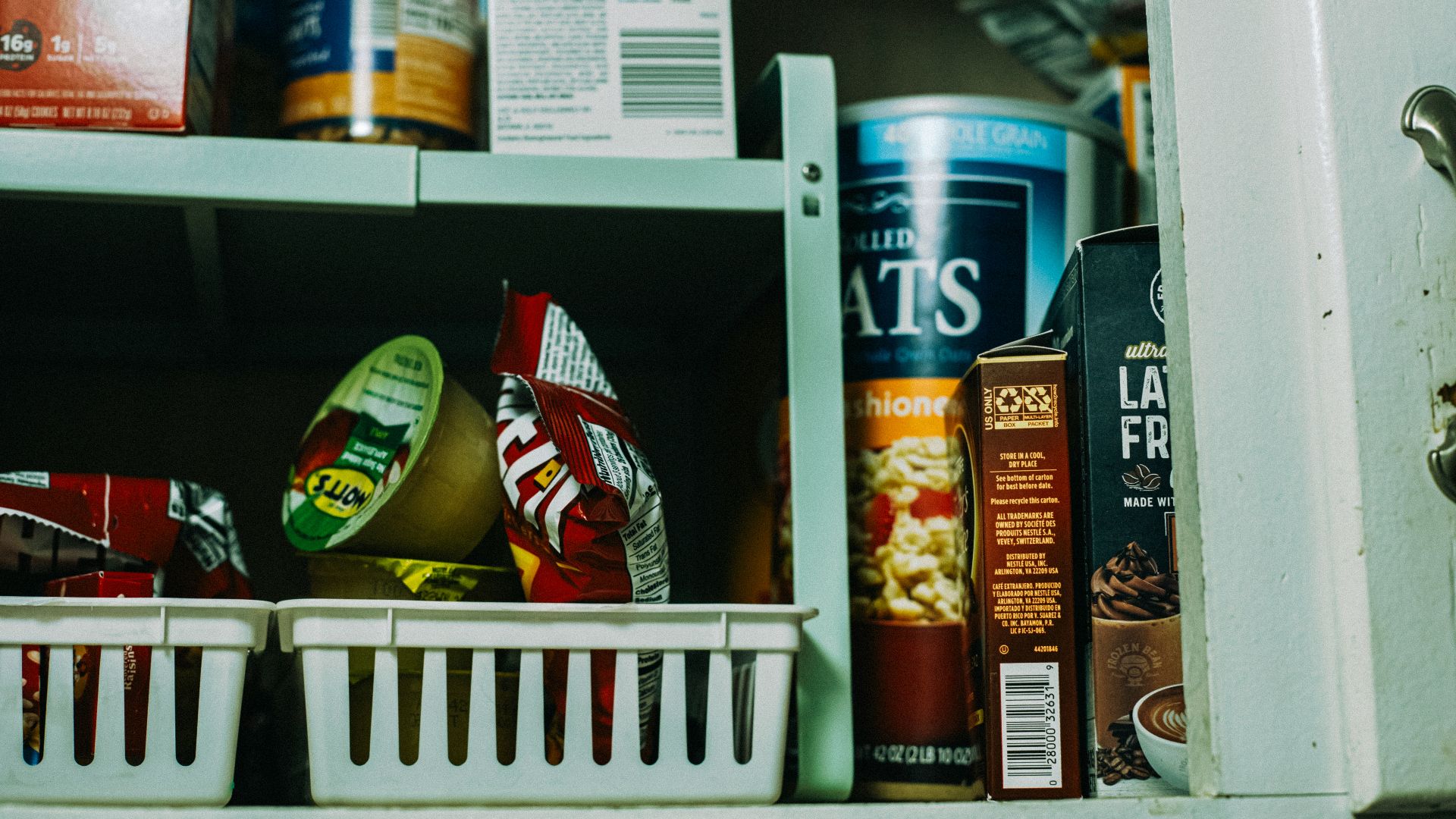
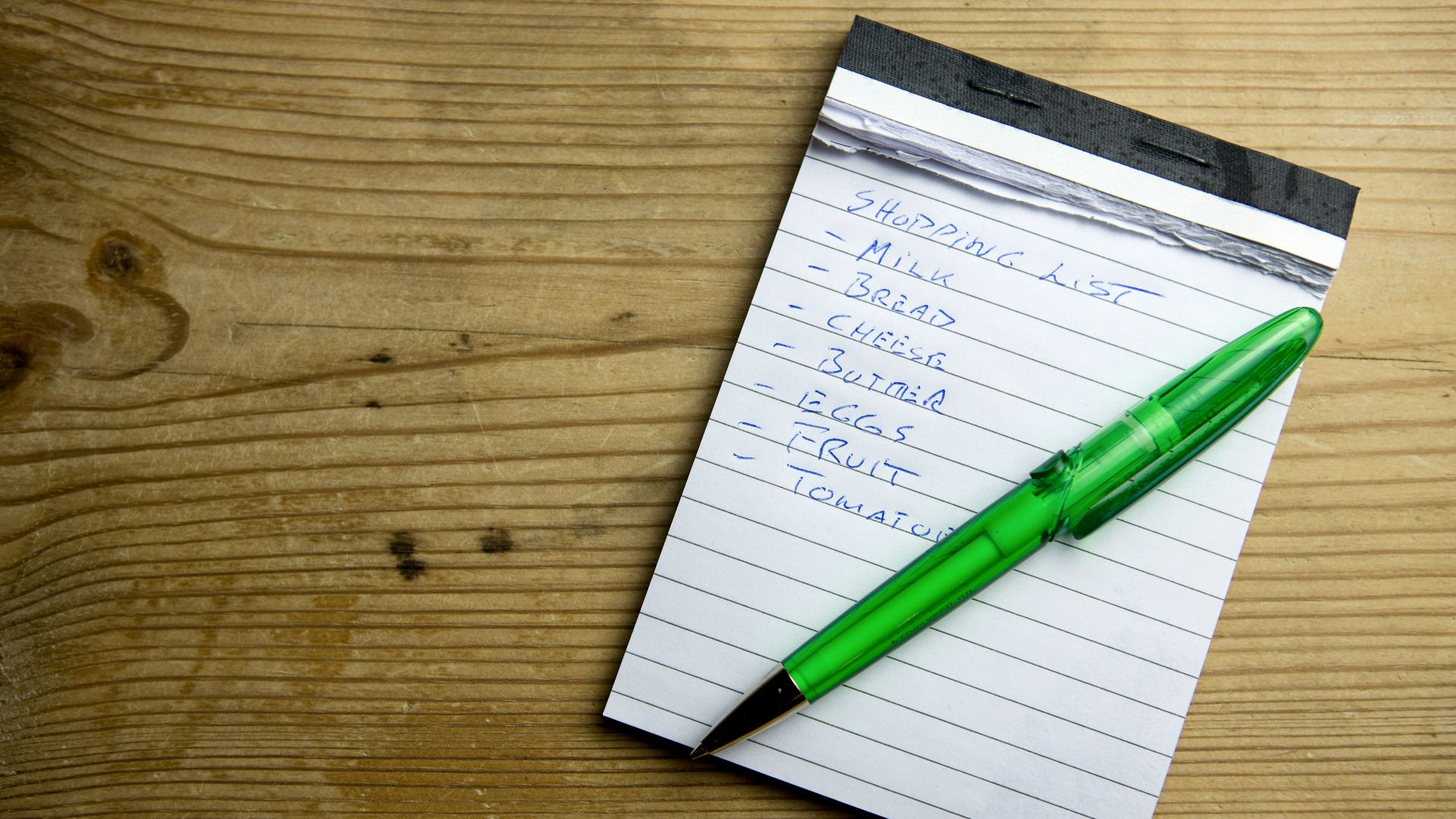
19. Shop with a List
Grocery shopping on an empty stomach makes high-sugar and high-fat items look like necessities. Eat a small snack first, and bring a list so your cart isn’t driven by impulse. You’ll make choices your future self appreciates when you open the pantry later.
20. Get Extra Support
If cravings feel constant, lead to binges, or come with guilt and loss of control, extra support often makes a real difference. A registered dietitian or therapist can work with you to spot patterns, reduce restriction cycles, and build strategies that fit your real life. You deserve tools that work long-term, not rules that backfire.

KEEP ON READING


20 Ways to Become a Morning Person

20 Red Flag Signs You Retired Before You Were Ready