
Building Your Nutrition Through Everyday Choices
Vitamins and minerals are micronutrients that support nearly every system in the body, including metabolism, immunity, nerve communication, and tissue maintenance. Because the human body can’t manufacture some of these nutrients in adequate amounts, they must be supplied consistently through diet and other evidence-based sources. Making informed, practical choices helps you meet nutritional needs while supporting long-term health and physiological balance.
 Victoria Aleksandrova on Unsplash
1. Eat Colorful Vegetables
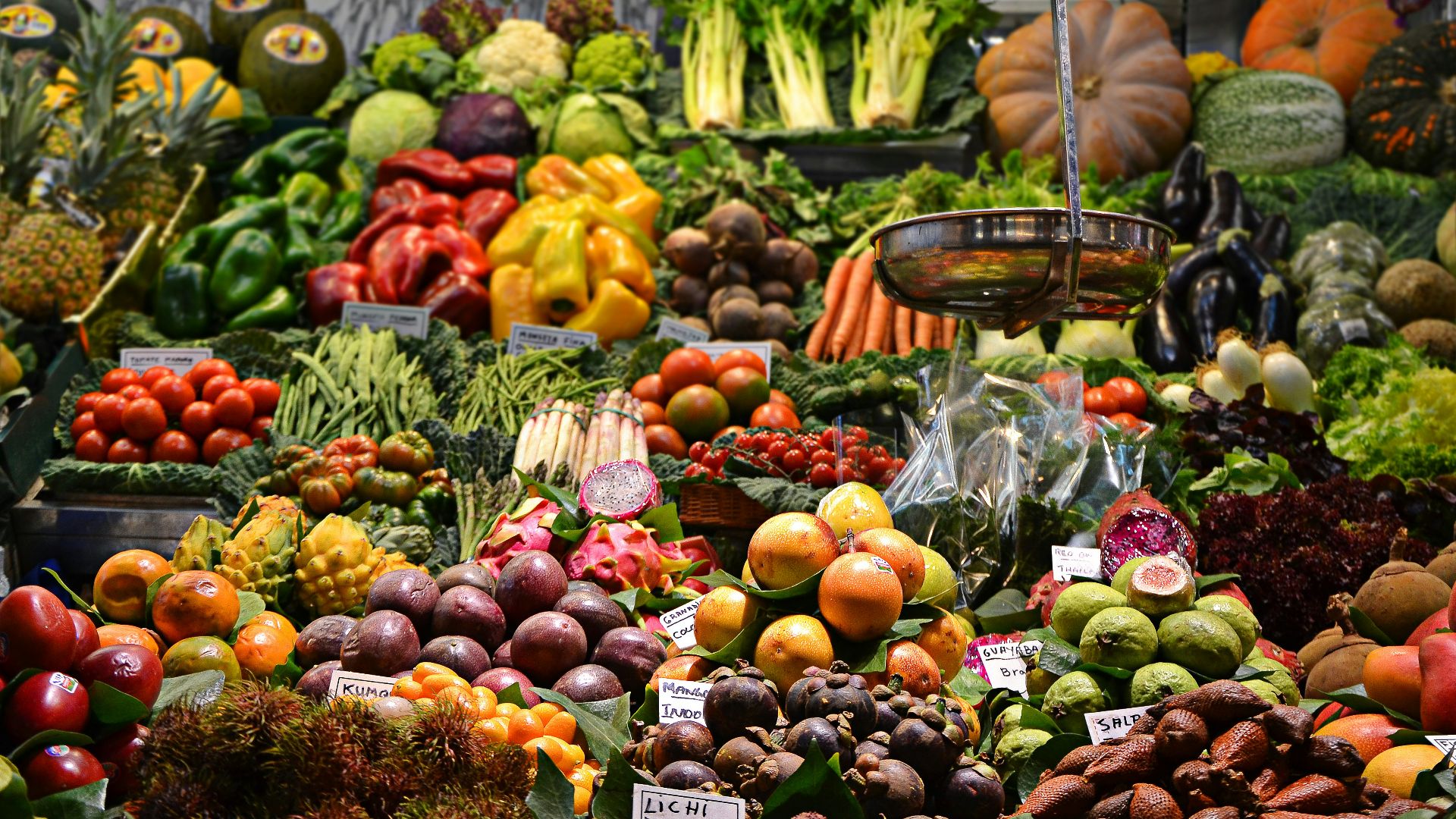
Vegetables of different colors contain distinct combinations of vitamins, minerals, and protective plant compounds that serve unique roles in the body. Dark leafy greens provide folate and magnesium, while red, orange, and yellow peppers supply vitamin A and potassium. Eating a wide range improves overall nutrient coverage and reduces the likelihood of deficiencies.
2. Include Whole Fruits
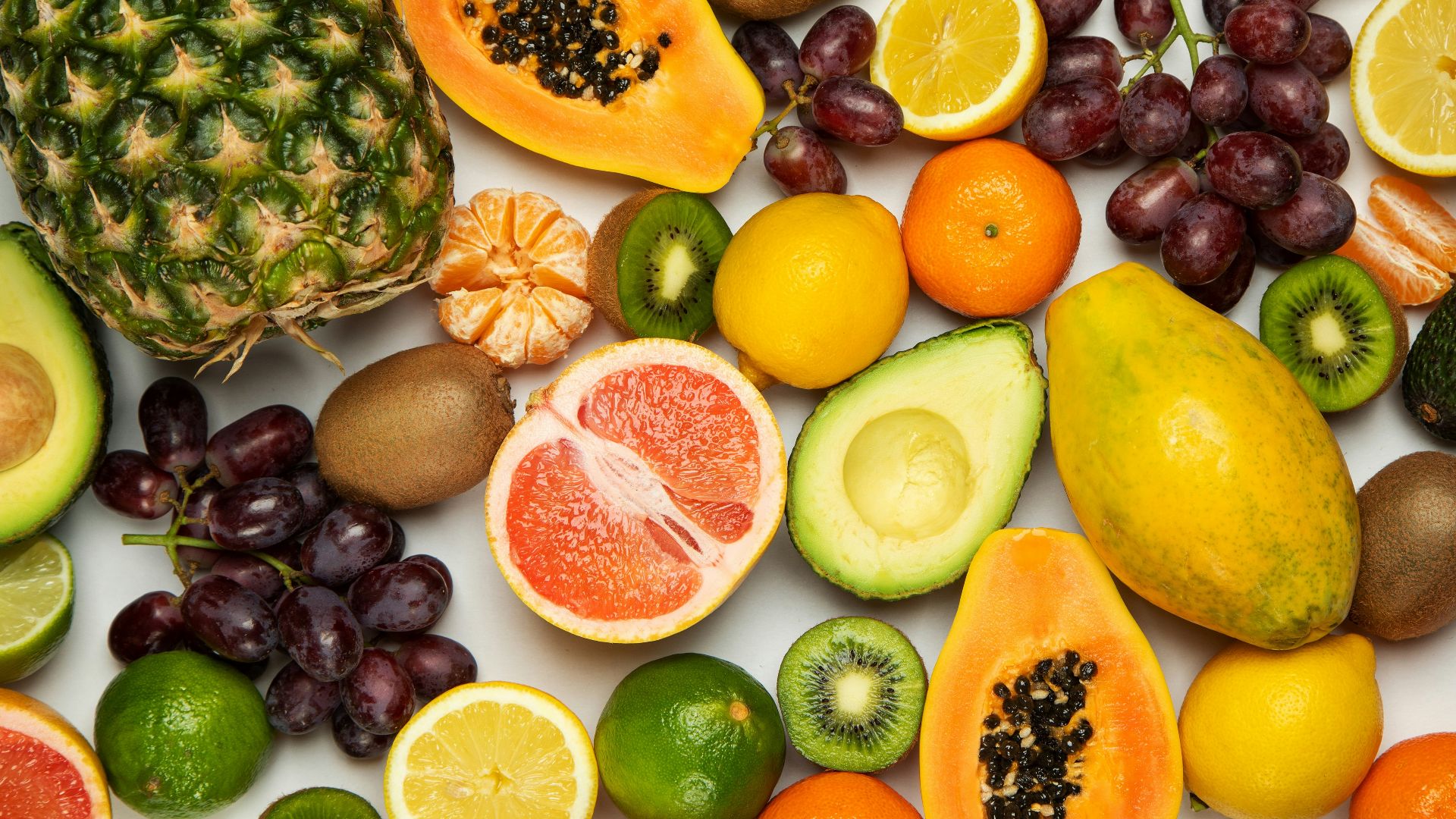
Whole fruits supply essential vitamins along with fiber that supports digestion and nutrient absorption. Citrus fruits provide vitamin C, while berries contribute manganese and antioxidants that protect cells. Eating fruit whole rather than juiced preserves its full micronutrient profile and moderates your blood sugar levels.
3. Choose Whole Grains
Whole grains retain the bran and germ, which are rich in B vitamins, iron, and magnesium. These nutrients help convert food into energy and support nerve and muscle function. Replacing refined grains with whole versions improves nutrient density without increasing calories. Plus, you won’t get a wicked blood sugar spike every morning anymore.

4. Eat Lean Proteins
Lean protein foods provide important minerals such as zinc, iron, and selenium that support immune and metabolic processes. Animal proteins also supply vitamin B12, which is essential for red blood cell formation and neurological health. Plant-based proteins add minerals like iron, zinc, magnesium, and phosphorus, while also keeping fiber in your diet.

5. Dairy or Fortified Alternatives
Dairy products provide calcium, phosphorus, and vitamin B12 in highly absorbable forms, while plant-based alternatives often include added vitamin D and calcium to help you reach similar nutritional goals. These nutrients play a central role in bone strength, muscle contraction, and nerve signaling.

6. Include Healthy Fats
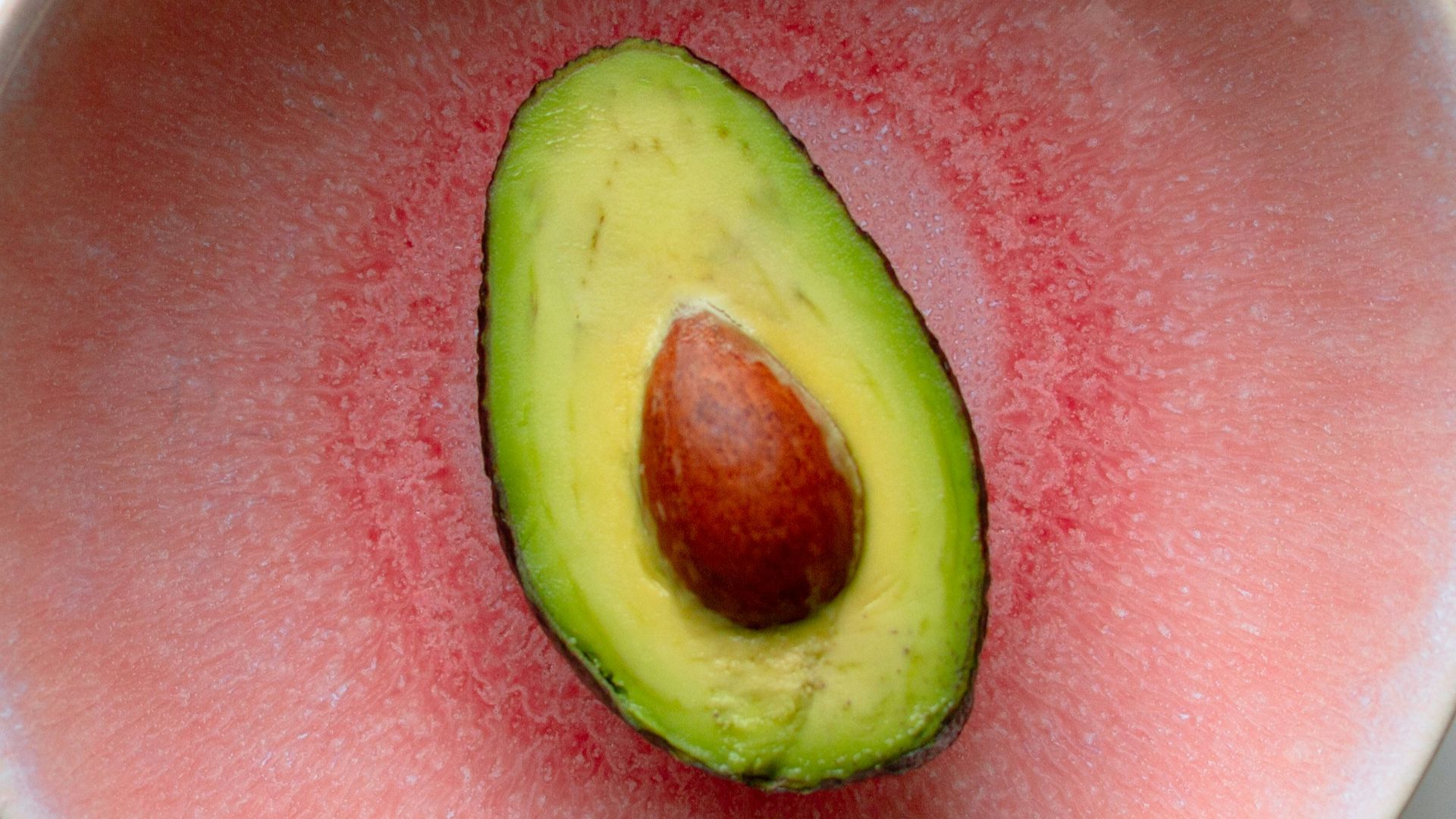
A fat-free diet isn’t as healthy as you might think. Dietary fat is necessary for the absorption of fat-soluble vitamins such as A, D, E, and K. Foods like olive oil, nuts, seeds, and avocados help transport these nutrients through the digestive system. Balanced fat intake also supports hormone production and cellular structure.
7. Eat Fatty Fish
Fatty fish such as salmon, mackerel, and sardines provide vitamin D, selenium, and iodine, which support immune and thyroid function. Including fish regularly improves micronutrient balance while supporting cardiovascular health. They’re also much lower in saturated fat, which is more commonly found in red meats.

8. Use Iodized Salt
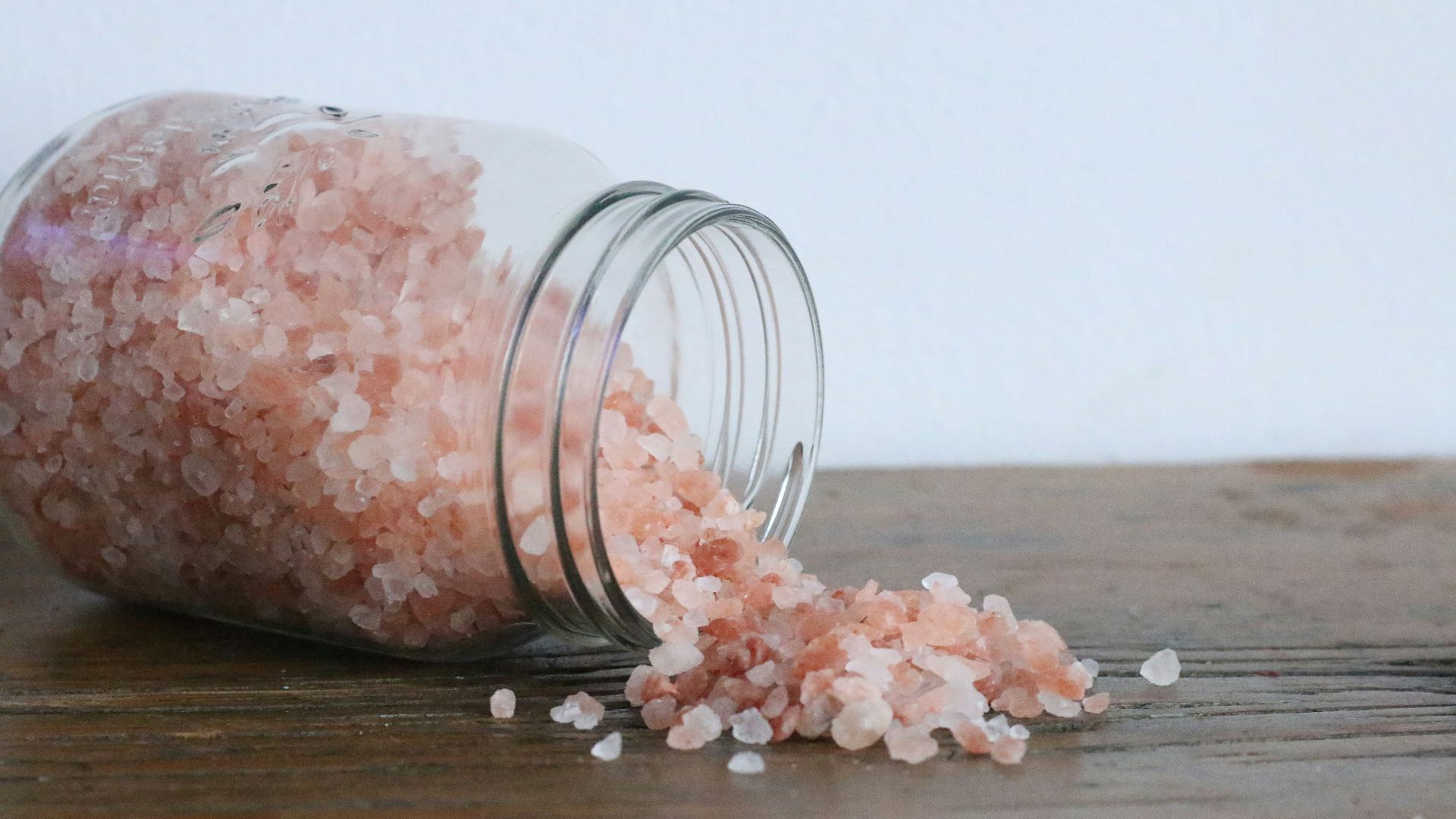
Iodine is required for the production of thyroid hormones that regulate metabolism and growth. Iodized salt remains a reliable dietary source for many people. Using it in moderation helps prevent deficiency without creating an excessive sodium intake.
9. Nuts and Seeds
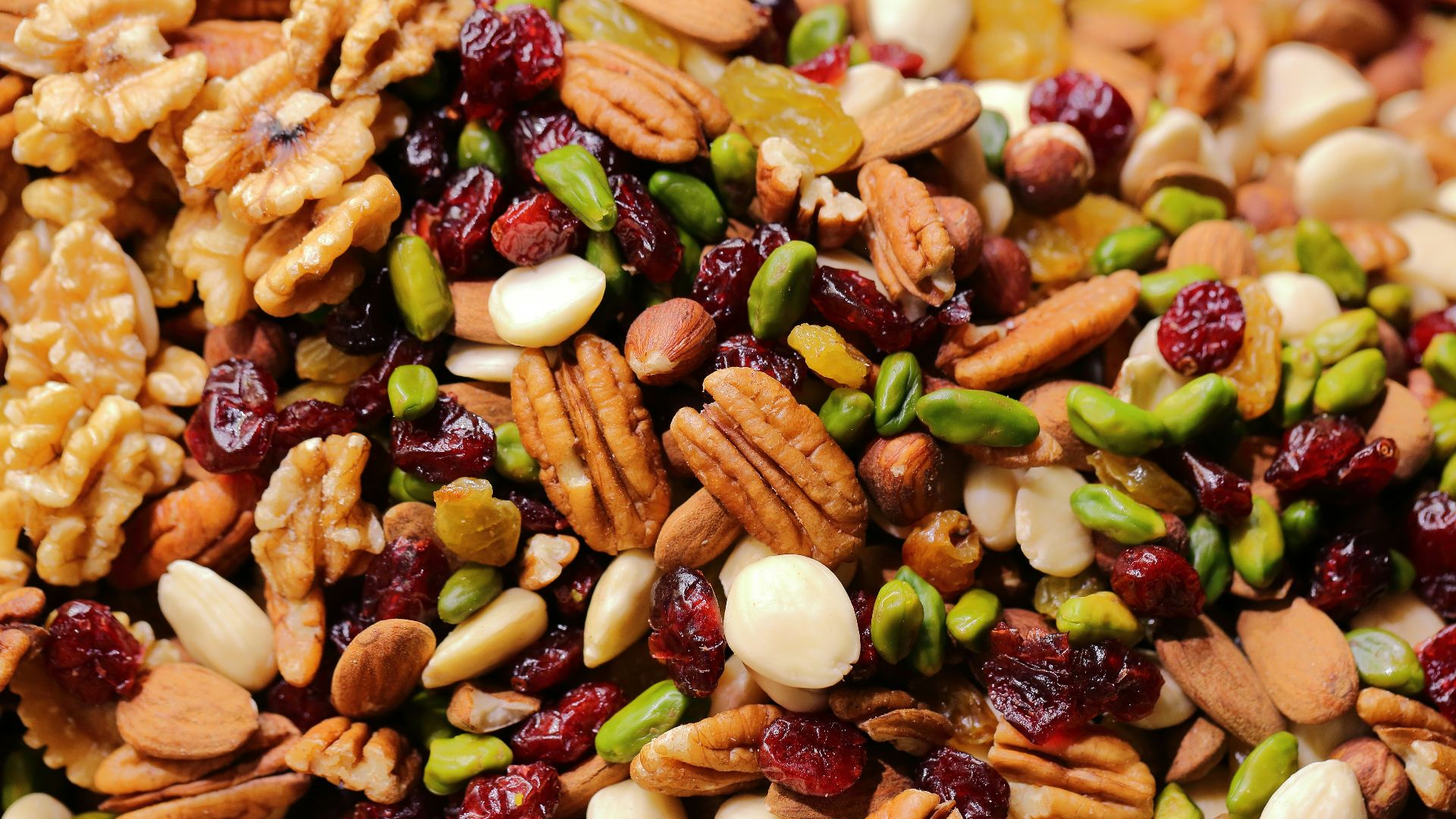
Nuts and seeds provide magnesium, zinc, and copper in concentrated amounts. They also supply vitamin E, which helps protect cells from oxidative damage. Regular intake supports nerve function, immune balance, and metabolic stability. They’re also a great way to get some protein into your body in between meals.
10. Eat Legumes
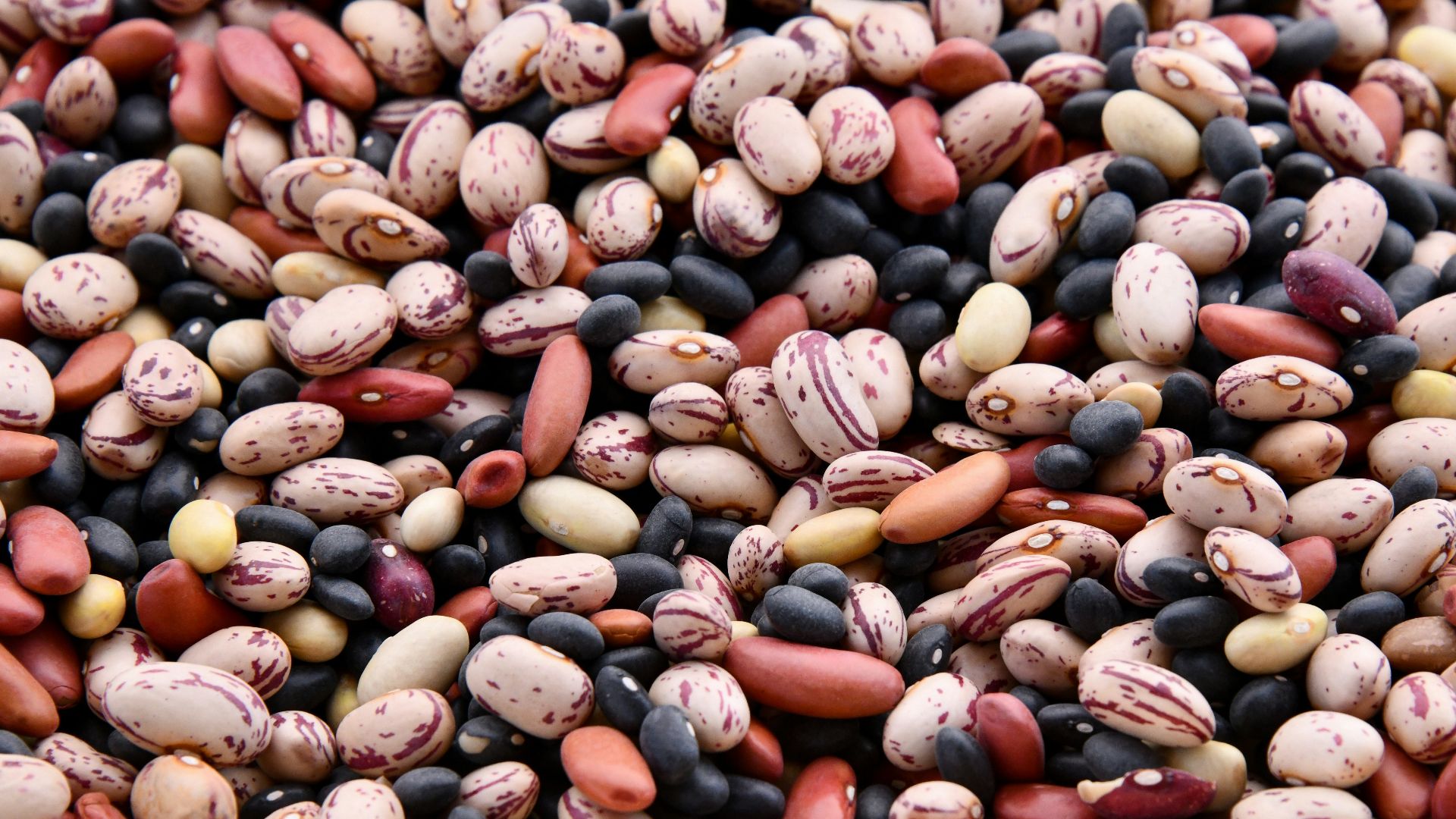
Beans, lentils, and peas are rich in iron, potassium, and folate while remaining low in saturated fat. Their fiber content supports gut health, and a good gut microbiome is essential for successful nutrient absorption. Legumes are especially valuable for meeting mineral needs in plant-forward diets, but they’re excellent to add to any meal.
11. Focus on Food Pairing
Certain nutrients are absorbed more efficiently when eaten together. Vitamin C improves the absorption of plant-based iron sources. A little bit of research will go a long way when it comes to meal planning and advocating for your own health and wellness.

12. Limit Ultra-Processed Foods
Ultra-processed foods are often low in essential vitamins and minerals. Regular consumption can displace more nutrient-dense options in the diet. Choosing minimally processed foods supports consistent and reliable micronutrient intake and helps to keep all the bad stuff out of your body.

13. Drink Safe Water
Water contributes trace minerals depending on its source and treatment. Adequate hydration supports the circulation and transport of vitamins and minerals throughout the body. Proper fluid balance improves digestion and metabolic efficiency.

14. Eat Fermented Foods
Fermented foods support beneficial gut bacteria that influence nutrient absorption, as well as immune system regulation and a healthy digestive tract. A working microbiome improves the availability of certain B vitamins, which our bodies don’t naturally produce.

15. Get Sensible Sun Exposure
Sunlight allows the body to synthesize vitamin D through the skin. Vitamin D plays an important role in calcium regulation and immune function. You’ll likely feel the difference in your physical and mental health if you get some sun on your face for a few minutes each day.

16. Consider Fortified Foods
Fortified foods are designed to address common nutrient gaps in the population. Products such as cereals and milk alternatives often contain added iron, folic acid, or vitamin D. These additions have been shown to reduce deficiency-related health issues.

17. Avoid Excessive Alcohol
Alcohol interferes with the absorption and storage of several vitamins and minerals. It can lower levels of B vitamins, magnesium, and zinc over time. Limiting intake helps preserve nutrient balance and metabolic health, as well as an over-absorption of sugar and ethanol.

18. Cook Foods Properly
Cooking methods influence how well vitamins are preserved. Consider steaming or roasting your veggies, rather than boiling. They’ll retain more of the good stuff and will probably taste better as well.

19. Pay Attention to Bodily Changes
Nutrient requirements change across different phases of life. Iron, calcium, and folate needs vary with age, pregnancy, and health status. Adjusting intake ensures physiological demands are met appropriately.

20. Use Supplements When Needed
Supplements can help address deficiencies confirmed through medical guidance. They are most effective when used to complement a balanced diet rather than replace it. Evidence-based supplementation supports safety and effectiveness. That said, it’s always best to speak to a medical professional before adding any supplements to your diet.

KEEP ON READING


20 Things Your Body Is Secretly Doing Right Now