
A Tool, Not A Verdict
BMI is one of those numbers that gets treated like a personality test when it’s really more like a rough map. It can be genuinely useful for spotting risk early and starting a conversation, but it can also be misleading in obvious ways, because bodies aren’t spreadsheets, and weight-to-height can’t tell you where fat is stored, how much muscle you have, or how your labs look. The best way to use it is as a starting point, not a final judgment, and ideally alongside other measures a clinician would actually care about. Here are 10 reasons BMI matters, and 10 reasons it doesn’t.
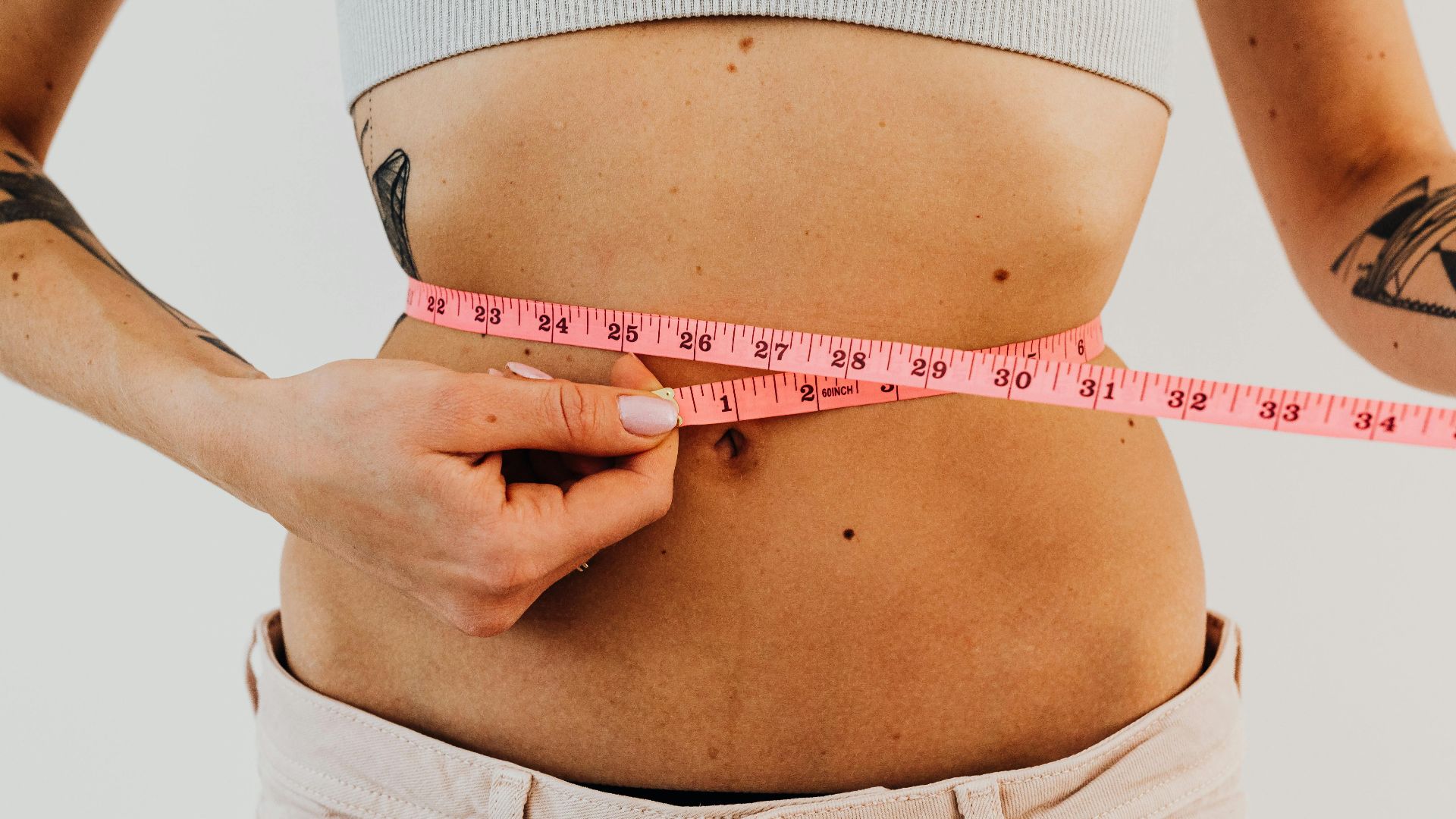
1. It’s A Fast Screening Signal
BMI is easy to calculate and gives a quick, standardized way to flag possible underweight or overweight patterns that might deserve a closer look. That’s why public health and clinics use it so widely, even while acknowledging it’s not a direct measure of body fat.
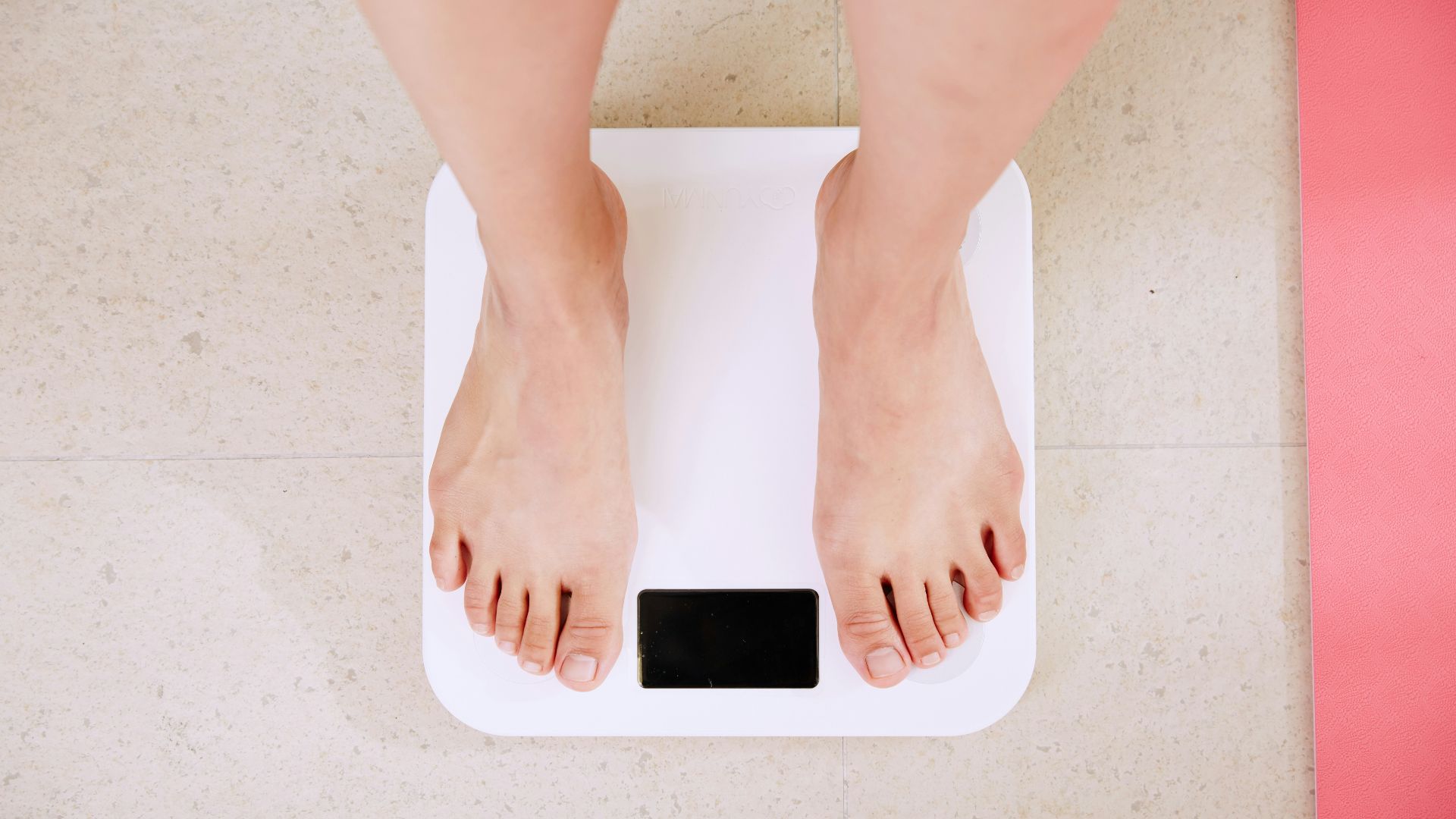
2. It Helps Spot Population-Level Trends
When you’re looking at large groups, BMI is useful for tracking how weight categories shift over time and where risk is rising. It’s not perfect, but it’s consistent, which is why it shows up in public health monitoring.

3. It Can Correlate With Health Risk
BMI doesn’t measure health, but higher BMI ranges often line up with higher rates of certain cardiometabolic issues at the population level. That correlation is part of why it’s still used as a screening tool, not a diagnosis.
 Victoriano Izquierdo on Unsplash
4. It Creates A Shared Baseline
BMI gives clinicians, researchers, and patients a common language for a first pass conversation. It’s not the whole story, but it helps avoid vague debates about what counts as healthy when the goal is to decide what to check next.

5. It Can Flag Under-Nutrition Risk, Too
A lot of BMI talk gets stuck on weight gain, but low BMI ranges can matter just as much, especially for frailty, low muscle reserve, or inadequate intake. BMI categories exist on both ends for a reason.

6. It’s Useful When Other Tools Aren’t Available
DEXA scans and other body composition tools can be great, but they’re not always accessible or affordable. BMI is often what people have, and using something imperfect can still be better than using nothing at all.

7. It’s A Simple Way To Track Change Over Time
Even if BMI isn’t a perfect snapshot, trends can be informative. If BMI is moving quickly in either direction, that change alone can be a reason to look at sleep, stress, meds, activity, diet, or underlying health issues.

8. It Helps Standardize Research
A lot of medical and public health studies still use BMI because it’s widely collected and easy to compare across datasets. That standardization is part of how researchers identify broad patterns and risk signals.

9. It Can Prompt Earlier Check-Ins
For many people, BMI is the first nudge that leads to checking blood pressure, blood sugar, lipids, sleep apnea risk, or joint issues. The number itself isn’t the point, but it can get the right follow-up questions on the table.
 National Cancer Institute on Unsplash
10. It’s Practical In Busy, Real-World Settings
Healthcare often runs on quick decisions and limited time. BMI is used partly because it’s fast, repeatable, and doesn’t require special equipment beyond a scale and height measurement.
One helpful way to think about the next 10 is this: BMI can be useful and still be wrong about you.

1. It Doesn’t Measure Body Fat Directly
BMI is weight relative to height, not a direct measure of fat mass. Two people can share the same BMI and have very different body composition and health profiles.

2. It Misses Fat Distribution
Where weight is carried matters, especially around the abdomen. That’s why some guidelines recommend adding waist-to-height ratio or other waist measures, because BMI alone doesn’t capture central adiposity well.

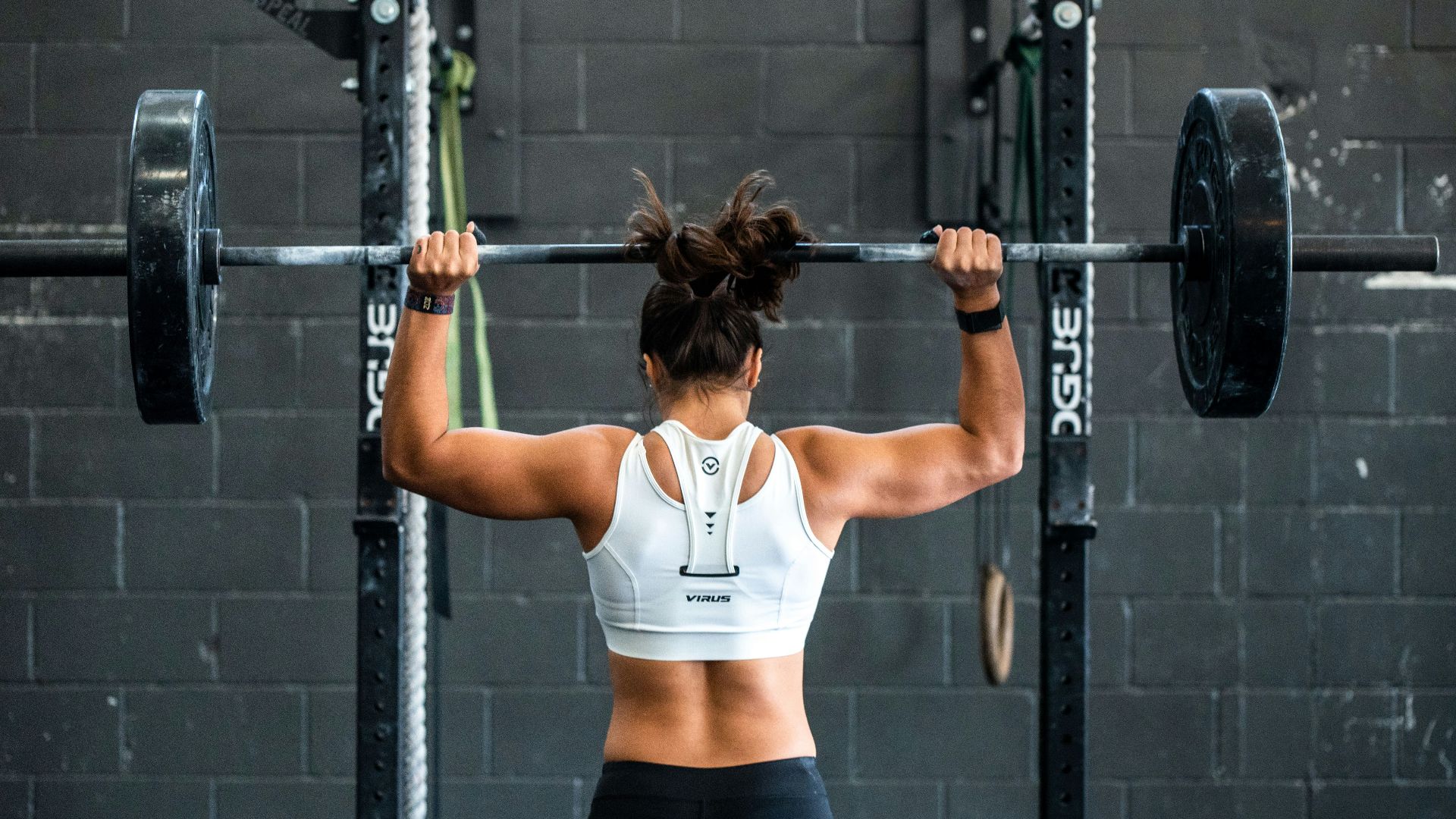
3. It Can Misclassify Muscular People
Someone with higher muscle mass can land in an overweight BMI range without having excess fat. This is a well-known limitation, and it’s one reason BMI needs context.
4. It Can Be Less Accurate Across Age
Bodies change with age—muscle mass, bone density, and fat distribution shift. A single cutoff doesn’t always reflect the same level of health risk at different life stages.

5. It Doesn’t Account For Differences Across Populations
BMI cutoffs don’t perfectly map onto risk for every group, and major medical organizations have called out limitations across race, ethnicity, sex, gender, and age-span. That’s not a small footnote; it affects real clinical decisions.
 LOGAN WEAVER | @LGNWVR on Unsplash
6. It Can Distract From More Useful Signals
If BMI becomes the headline, it can push aside things that are often more actionable, like blood pressure, A1C, triglycerides, strength, sleep quality, or cardiorespiratory fitness. A person can have a higher BMI and excellent metabolic markers, or a lower BMI and major risk factors.

7. It Can Encourage Oversimplified Goals
When the goal turns into hitting a category instead of improving health behaviors, people can chase quick weight change in ways that backfire—crash dieting, overtraining, or swinging between extremes. BMI doesn’t tell you whether the change came from fat loss, muscle loss, dehydration, or something else.

8. It Doesn’t Tell You Anything About Function
BMI can’t tell you whether you can climb stairs without getting winded, whether you’re strong enough to carry groceries, or whether your joints feel stable. Function and quality of life matter, and BMI is silent on them.

9. It Can Lead To Lazy Clinical Shortcuts
BMI is meant to be a screening measure, but it sometimes gets used like a diagnosis. That can lead to missed root causes, brushed-off symptoms, or one-size-fits-all advice that doesn’t match what the person in front of you actually needs.

10. It Can Create Unhelpful Stigma
When BMI is treated as a moral score, people avoid care, avoid gyms, avoid checkups, or feel like their health is being judged before anyone asks a real question. Even the AMA has emphasized both benefits and harms, which is a polite way of saying the misuse is common and costly.

KEEP ON READING