
Unexpected Nutrition In Everyday Staples
It’s easy to assume that eating healthy requires expensive superfoods or specialty ingredients. In reality, some of the most affordable items in your grocery cart deliver impressive nutritional benefits, even if they don’t get much hype. A few of these foods have been unfairly criticized, while others fly under the radar. If you’re looking to stretch your budget and still nourish your body, these twenty options might surprise you.

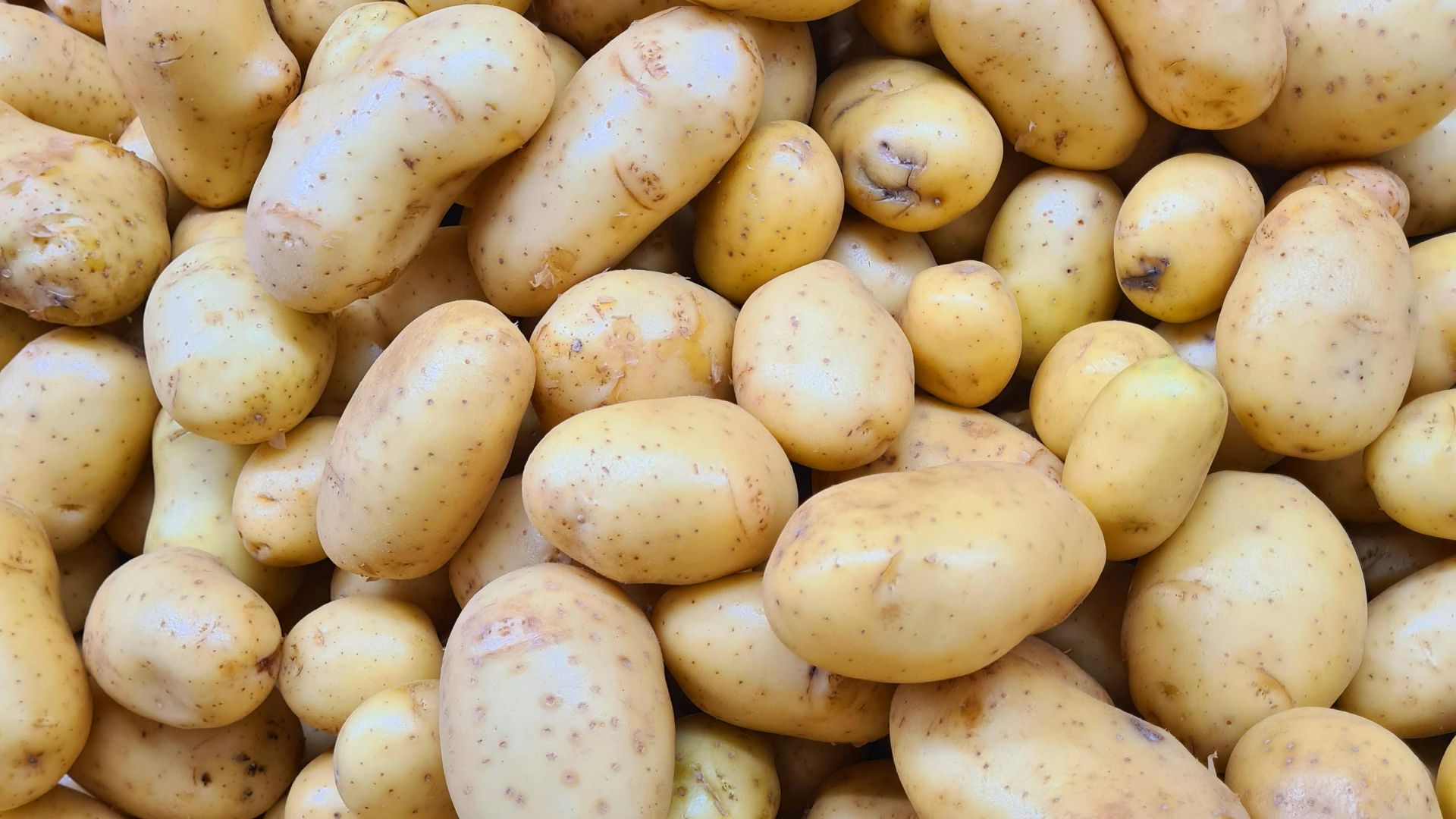
1. White Potatoes
White potatoes often get dismissed as empty carbs, yet they’re rich in potassium, vitamin C, and vitamin B6. When you eat the skin, you also get a decent amount of fiber. Baked or boiled instead of fried, they’re filling, affordable, and far more nutritious than many people realize.
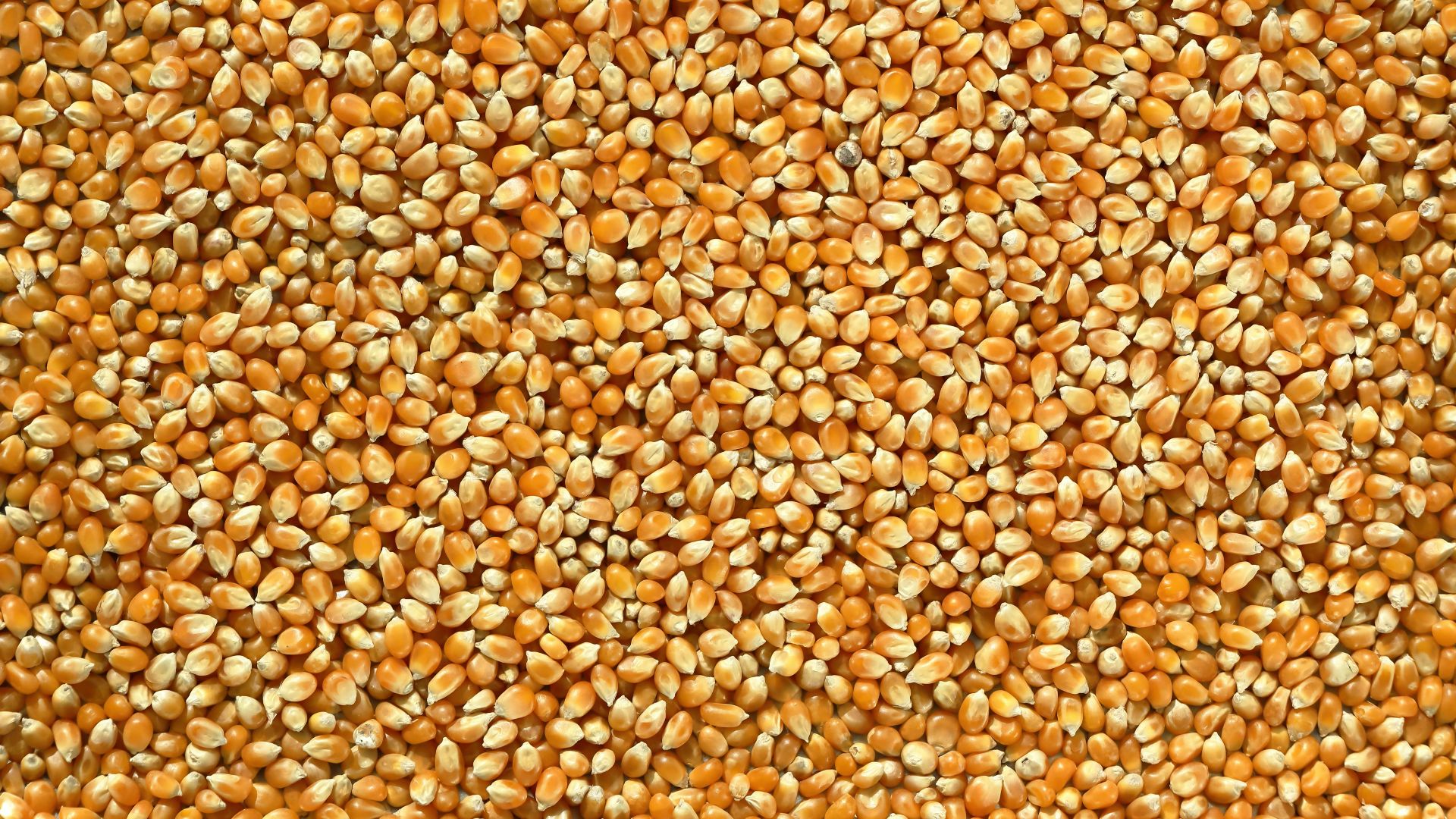
2. Popcorn Kernels
Plain popcorn is a whole grain, which means it contains fiber and beneficial plant compounds. Air-popped popcorn is relatively low in calories and can be a satisfying snack when you skip heavy butter. A large bag of kernels costs very little and stretches across many servings.
3. Canned Pumpkin
Canned pumpkin is packed with beta-carotene, which your body converts into vitamin A, along with fiber. It’s usually inexpensive and available year-round, not just during fall baking season. Stirring it into oatmeal, soups, or smoothies quietly boosts nutrition without much added cost.

4. Cottage Cheese
Cottage cheese is high in protein and provides calcium and B vitamins, yet it’s often priced lower than other protein-rich foods. Its mild flavor works well in both sweet and savory dishes. For a simple dairy product, it delivers more nutritional value than people expect.

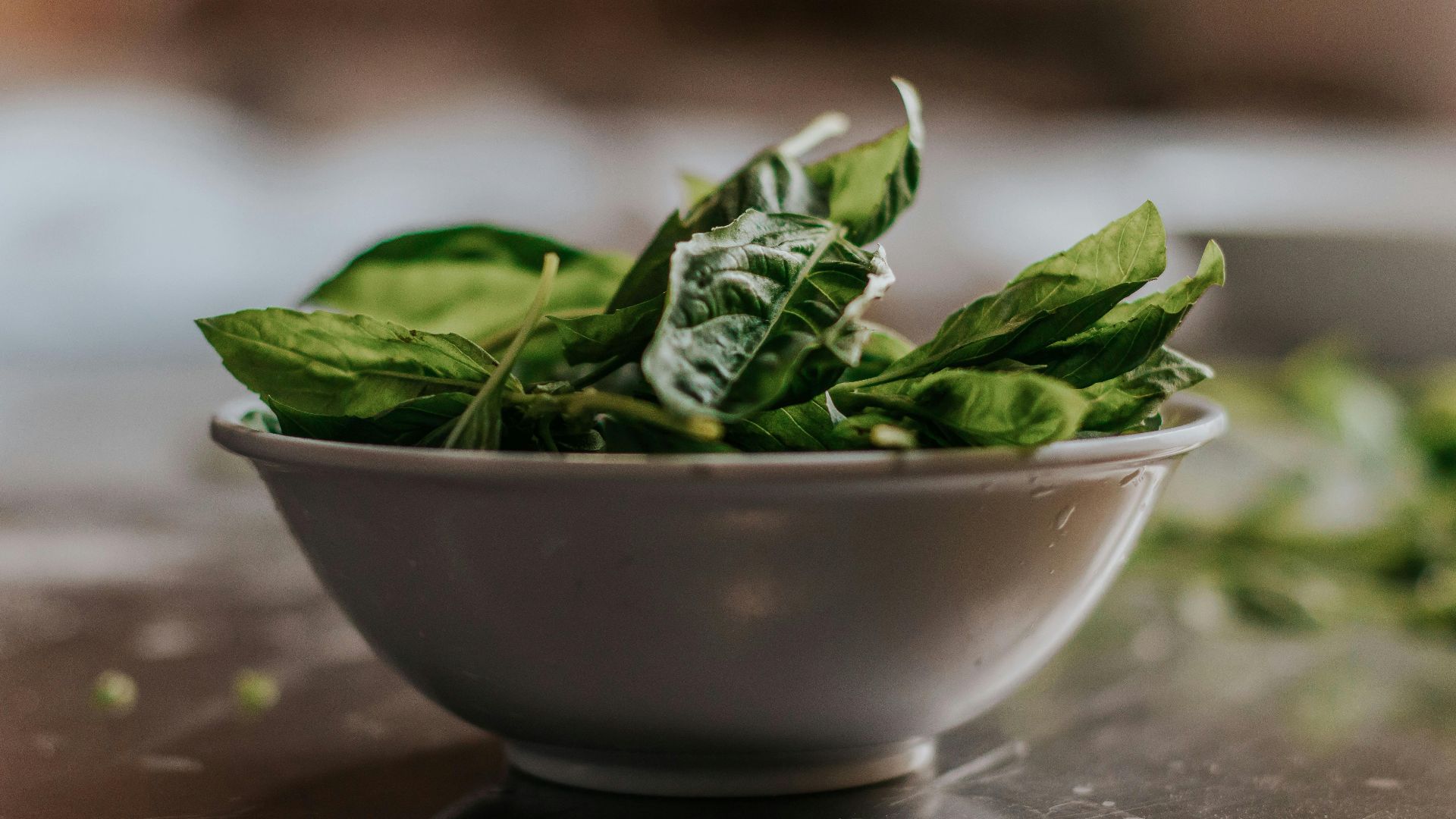
5. Frozen Spinach
Frozen spinach is typically cheaper than fresh and retains most of its nutrients because it’s frozen shortly after harvest. It’s rich in vitamin K, folate, and iron. Tossing a handful into eggs, pasta, or soups makes upgrading a meal almost effortless.
6. Canned Sardines
Sardines may not win popularity contests, but they’re loaded with omega-3 fatty acids, protein, and calcium since you eat the soft bones. They’re usually far less expensive than fresh fish. For such a small tin, the nutritional return is impressive.

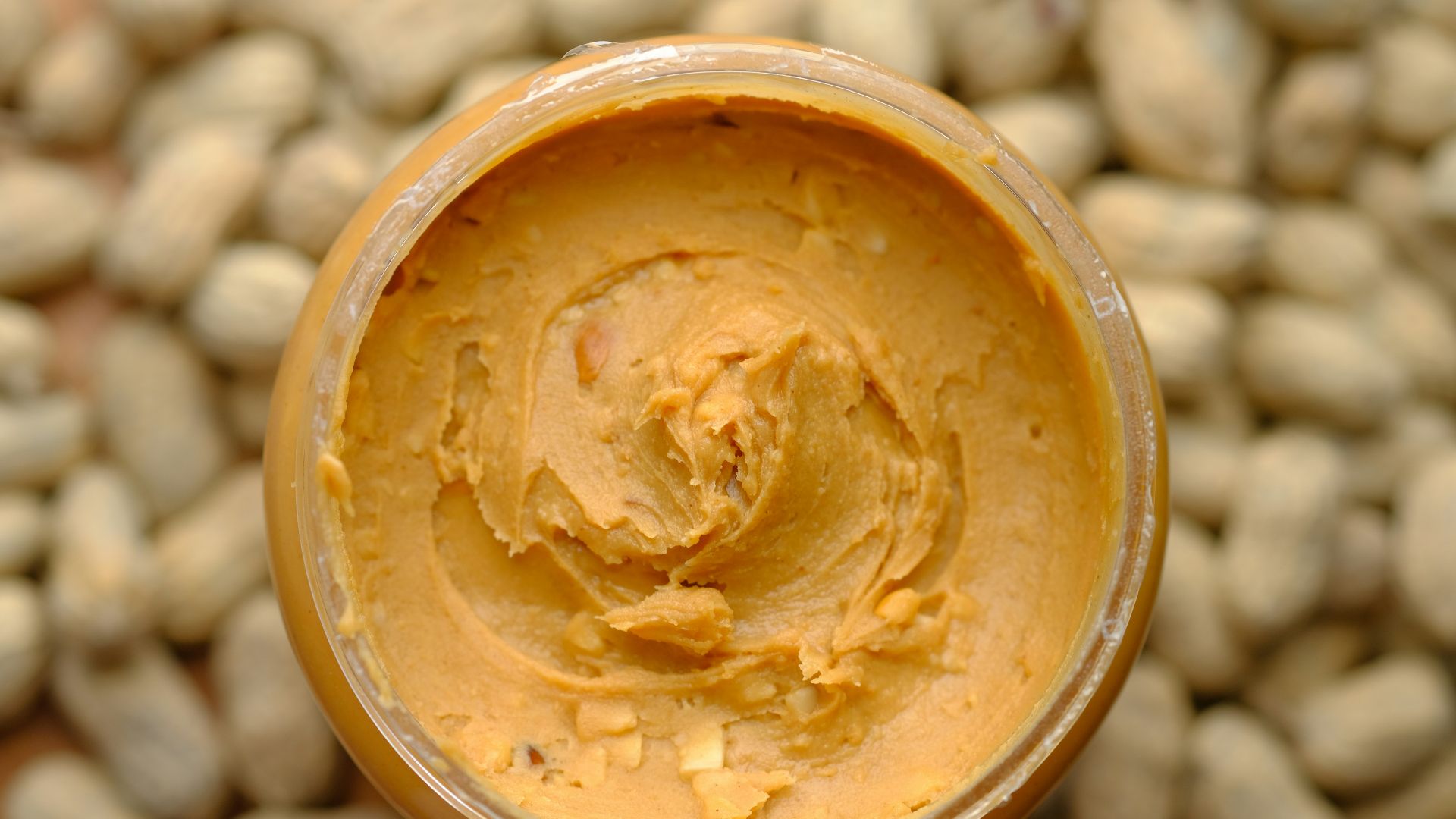
7. Peanut Butter
Natural peanut butter contains heart-healthy monounsaturated fats, plant protein, and magnesium. It’s calorie-dense, so a modest serving can keep you full for hours. Something often seen as a childhood staple actually holds its own nutritionally.
8. Whole Wheat Bread
Whole wheat bread provides more fiber and micronutrients than refined white bread because it retains the bran and germ. It’s often only slightly more expensive than standard loaves. Choosing whole-grain versions turns a basic sandwich into something much more satisfying.

9. Eggs
Eggs are one of the most affordable complete protein sources available. They also supply choline, which supports brain function, along with vitamin D and B12. Despite outdated fears about cholesterol, moderate egg consumption fits into a healthy diet for most people.

10. Canned Beans
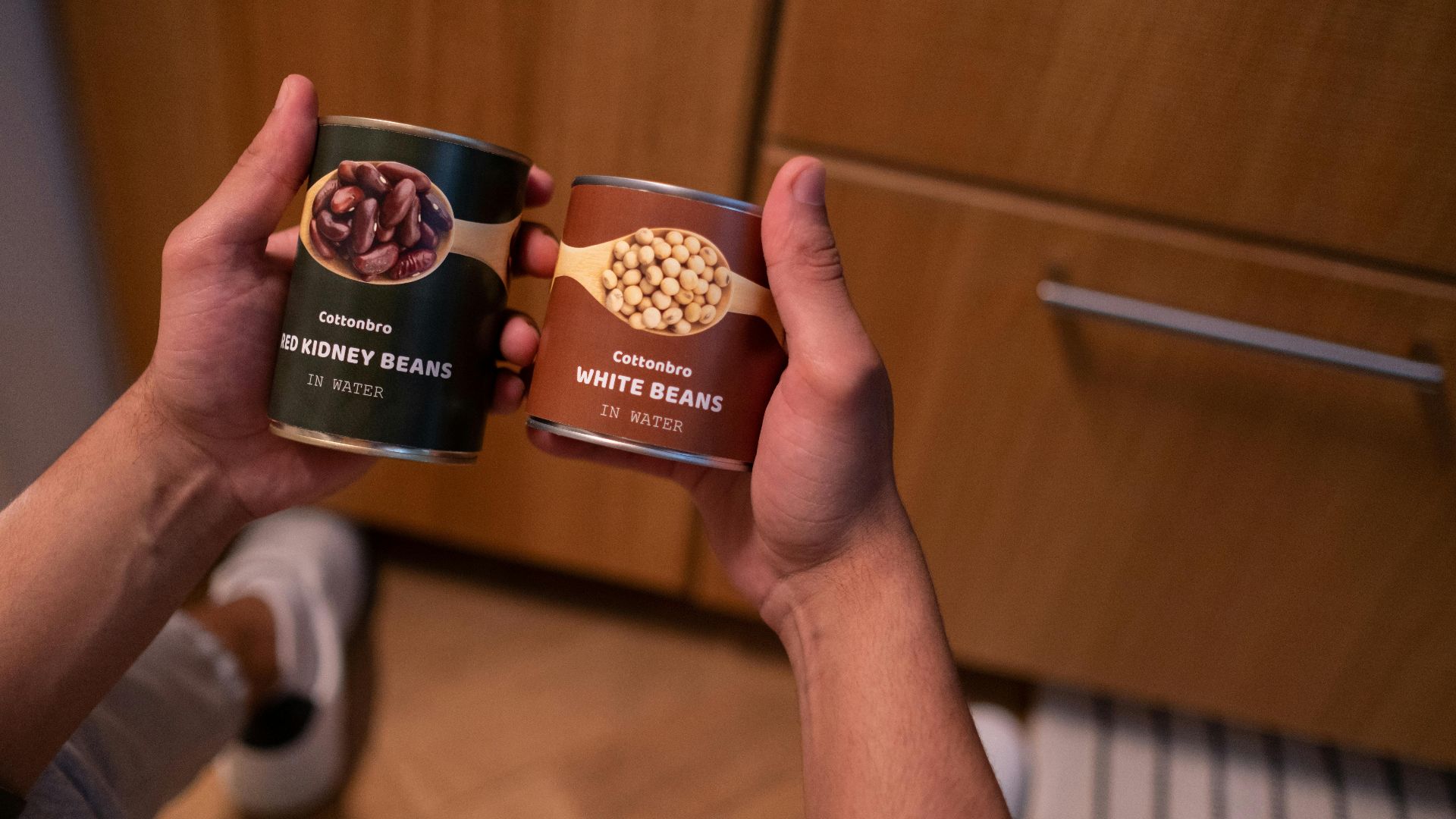
Canned beans are inexpensive and rich in fiber, plant-based protein, iron, and magnesium. They’re shelf-stable and convenient, yet nutritionally comparable to pricier ingredients. A quick rinse helps reduce sodium while keeping its benefits intact.
11. Dark Chocolate
Dark chocolate with a high cocoa content contains flavonoids and antioxidants linked to heart health. While it’s still a treat, small portions offer more than just sweetness. Compared to many desserts, it brings unexpected nutritional perks.

12. Coffee
Plain coffee is low in calories and naturally rich in antioxidants. Research has associated moderate coffee consumption with a reduced risk of certain chronic conditions, including type 2 diabetes. Without sugary add-ins, it’s surprisingly beneficial.

13. Canned Corn
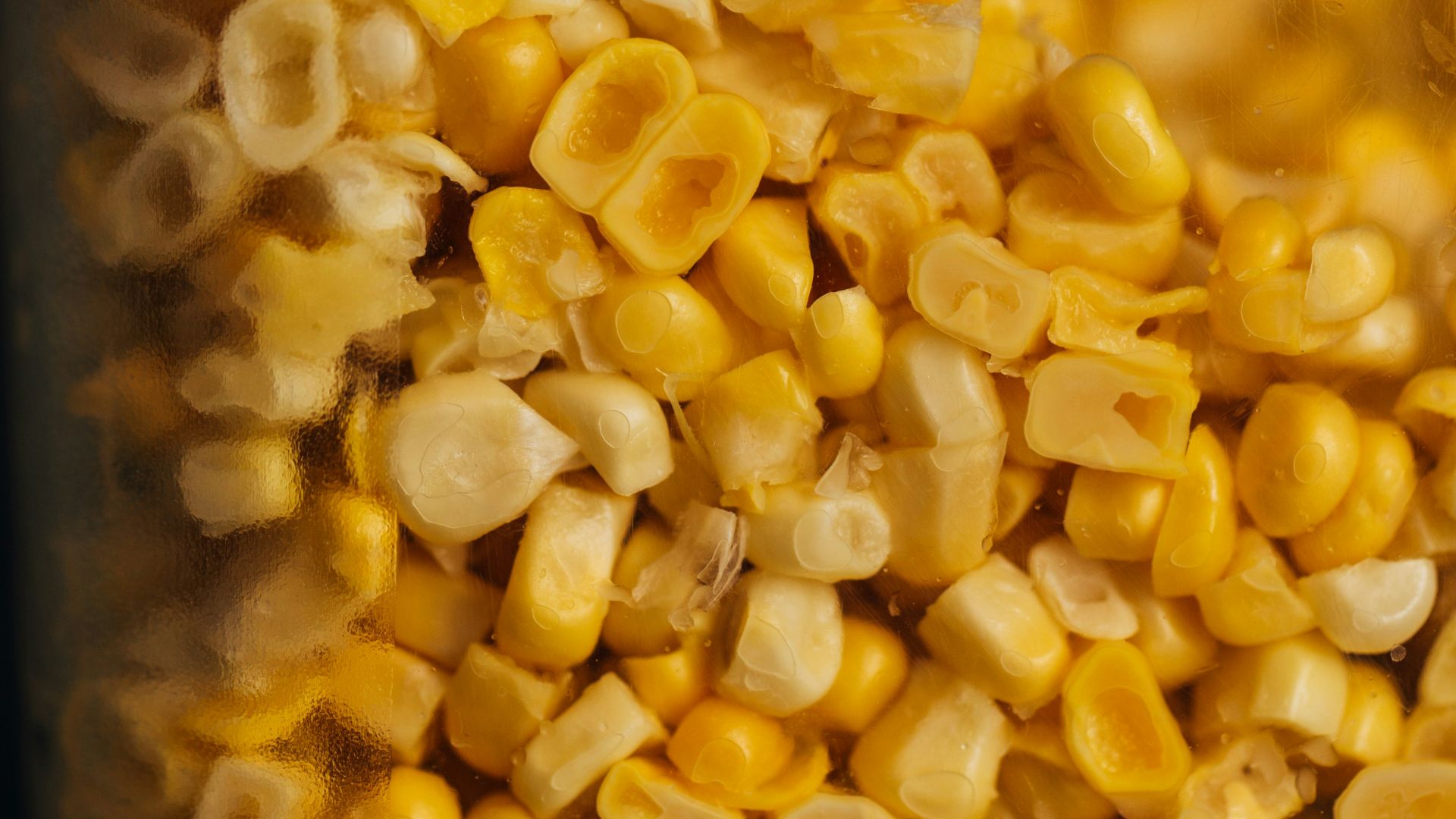
Canned corn provides fiber, B vitamins, and antioxidants like lutein and zeaxanthin, which support eye health. It’s affordable and easy to store in the pantry. For something so simple, it carries more nutritional value than people tend to assume.
14. Pork Tenderloin
Pork often gets labeled as fatty, but pork tenderloin is a lean cut comparable to skinless chicken breast. It’s high in protein and particularly rich in thiamine, a B vitamin essential for energy metabolism. Usually priced lower than beef, it’s a budget-friendly protein that deserves more credit.

15. Sunflower Seeds
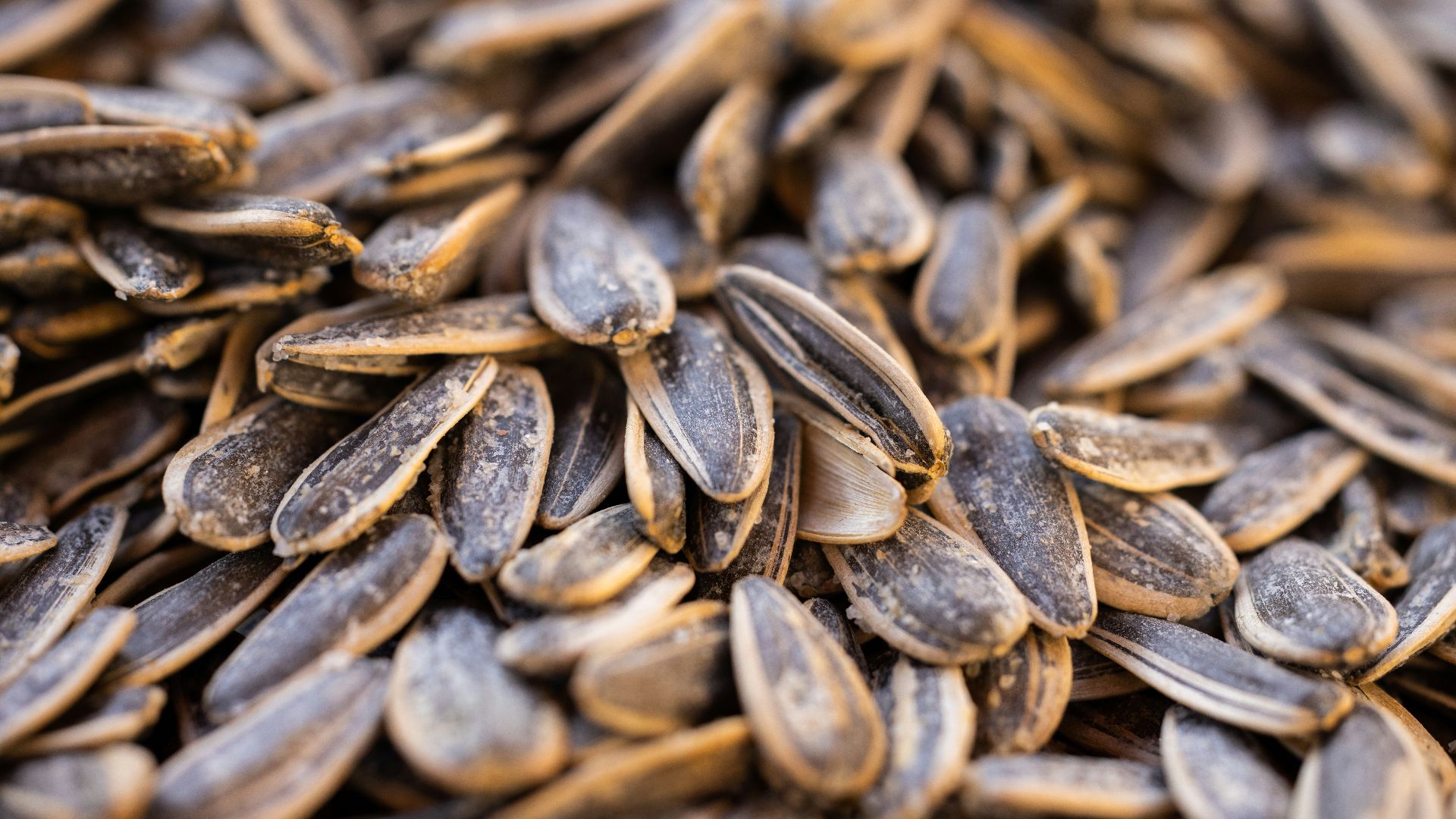
Sunflower seeds are typically inexpensive and packed with vitamin E, healthy fats, and magnesium. A small handful adds crunch and nutrients to salads or yogurt. They’re an easy way to elevate a basic meal without increasing costs much.
16. Tofu
Tofu is rich in plant-based protein and, when fortified, provides calcium and iron. It absorbs flavors well and works in everything from stir-fries to smoothies. For the price, it offers remarkable versatility and nutrition.

17. Mushrooms
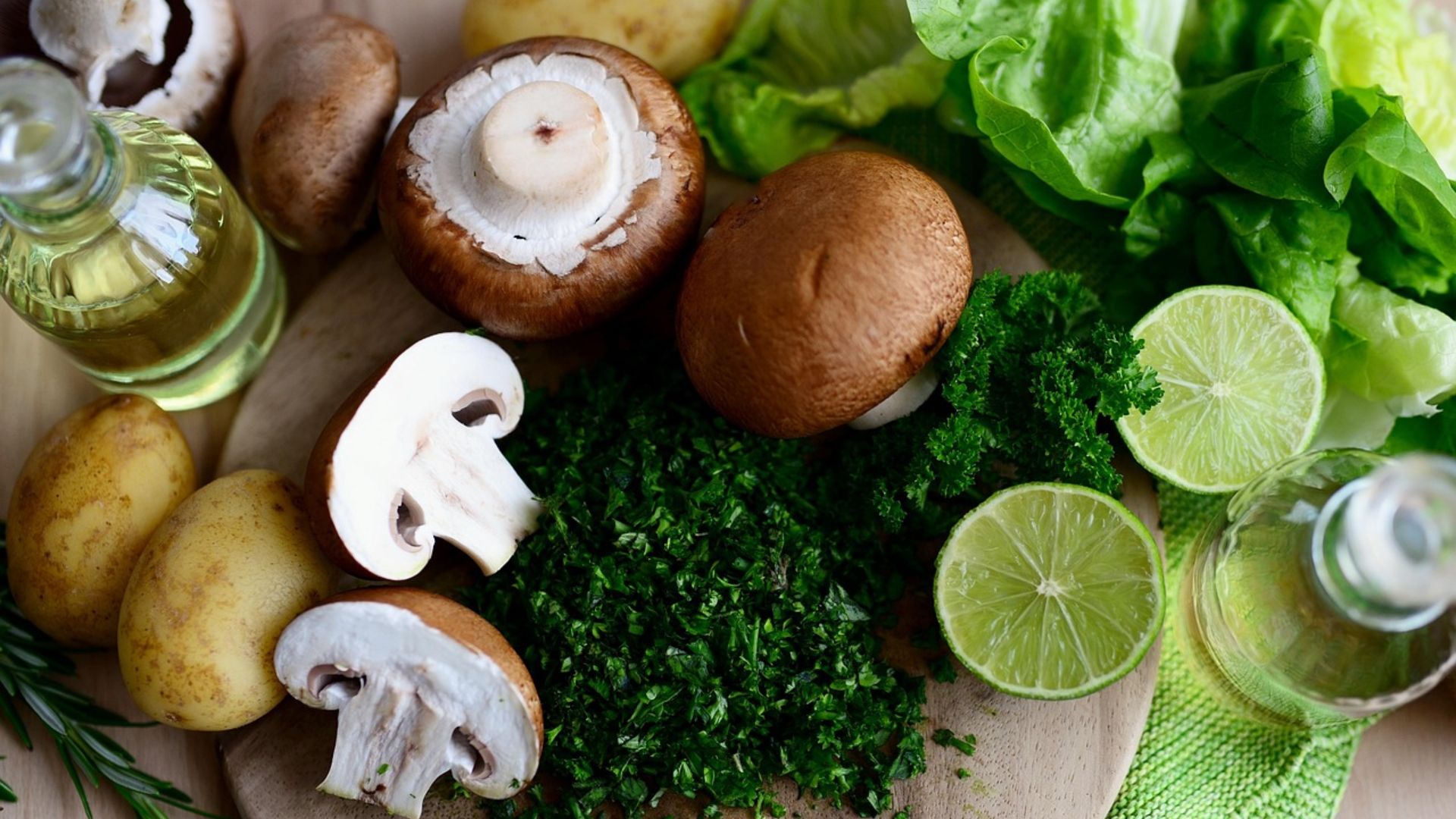
Mushrooms are low in calories and provide B vitamins, selenium, and antioxidants. Some varieties exposed to ultraviolet light also contain vitamin D. They add savory depth to meals while quietly contributing valuable nutrients.
18. Canned Salmon
Canned salmon supplies protein and omega-3 fatty acids at a fraction of the cost of fresh fillets. Because it often includes soft, edible bones, it also delivers calcium. It’s a practical way to boost heart-healthy fats on a tight budget.

19. Pickles
Fermented pickles contain probiotics that support gut health, which makes them more than just a sandwich topping. They’re low in calories and usually inexpensive. Choosing varieties without added sugar keeps them a smart addition to meals.

20. Raisins
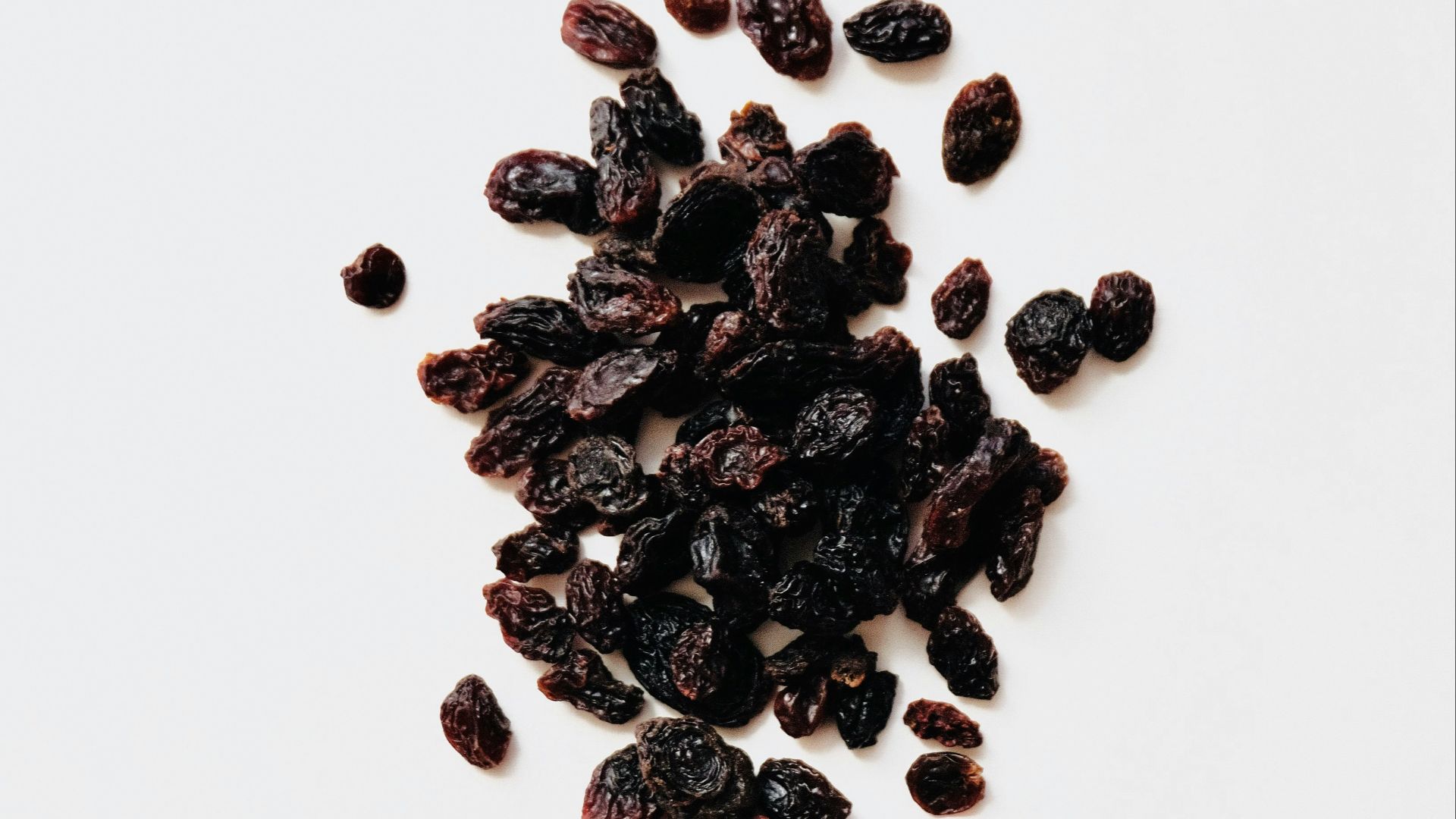
Raisins are dried grapes, so they retain fiber, iron, and antioxidants in a concentrated form. They’re shelf-stable and often very affordable. While naturally high in sugar, small portions provide quick energy with more nutrients than candy.
KEEP ON READING


20 Things Your Body Is Secretly Doing Right Now