
Because Retirement Shouldn’t Mean Isolation
Leaving the workforce can be freeing, but it also changes your daily rhythm in ways you might not expect. Without coworkers, meetings, and shared routines, it’s easy for social interactions to shrink. Staying connected takes a bit of intention, yet it doesn’t have to feel forced. Whether you’re newly retired or simply stepping away from full-time work, here are 20 ways to keep your calendar — and your conversations — full.
 Centre for Ageing Better on Unsplash
1. Join A Local Club
Book clubs, gardening groups, photography meetups, and walking clubs offer built-in community. Shared interests make conversations feel natural instead of awkward. Many communities list options through libraries or recreation centers, and showing up consistently helps friendships form over time.

2. Volunteer Regularly
Volunteering creates structure while connecting you with people who care about similar causes. Food banks, animal shelters, museums, and hospitals often welcome long-term help. Working side by side gives you something meaningful to focus on and keeps you engaged with your wider community.
 Hoi An and Da Nang Photographer on Unsplash
3. Take A Class
Community colleges and adult education programs offer courses in everything from cooking to language learning. Being in a classroom setting sparks discussion and shared problem-solving. Learning something new keeps your mind active while expanding your social circle. Even virtual classes can lead to lasting connections.

4. Schedule Weekly Coffee Meetups
Instead of saying “we should catch up sometime,” put a recurring coffee date on the calendar. A standing weekly or monthly meetup provides reliable social time. Over time, it becomes part of your routine. Consistency makes relationships easier to maintain.
 Centre for Ageing Better on Unsplash
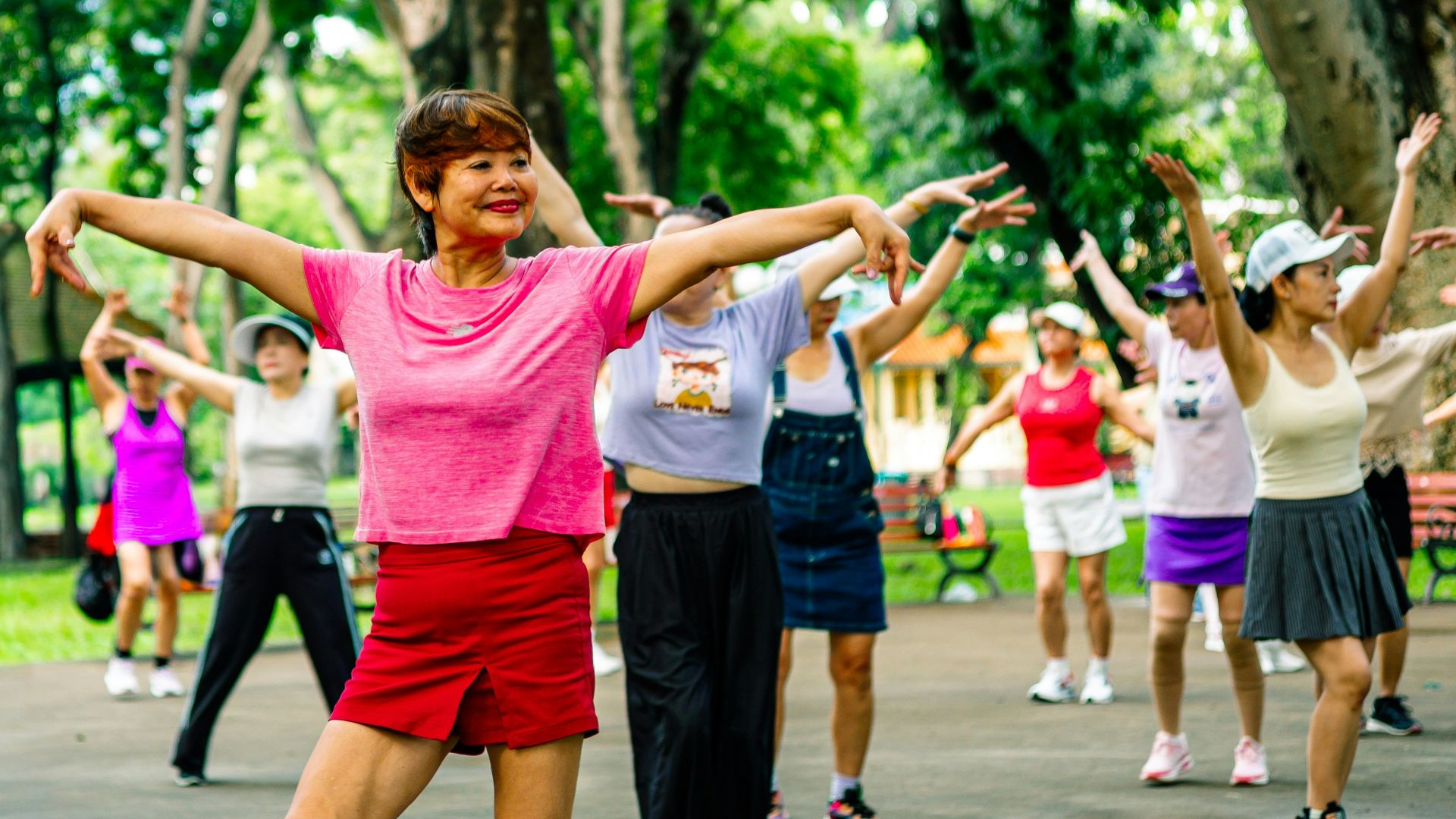
5. Join A Fitness Group
Group exercise classes, yoga sessions, or walking groups combine movement with conversation. Seeing familiar faces each week builds camaraderie, while physical activity also boosts mood and energy levels. It’s social time that benefits both body and mind.
6. Participate In Faith Or Spiritual Communities
If you’re religious or spiritually inclined, regular services and small groups providea built-in connection. Many congregations host study circles, volunteer projects, and social gatherings. These settings encourage conversation beyond surface-level topics. They can also create a strong support network.
 Land O'Lakes, Inc. on Unsplash
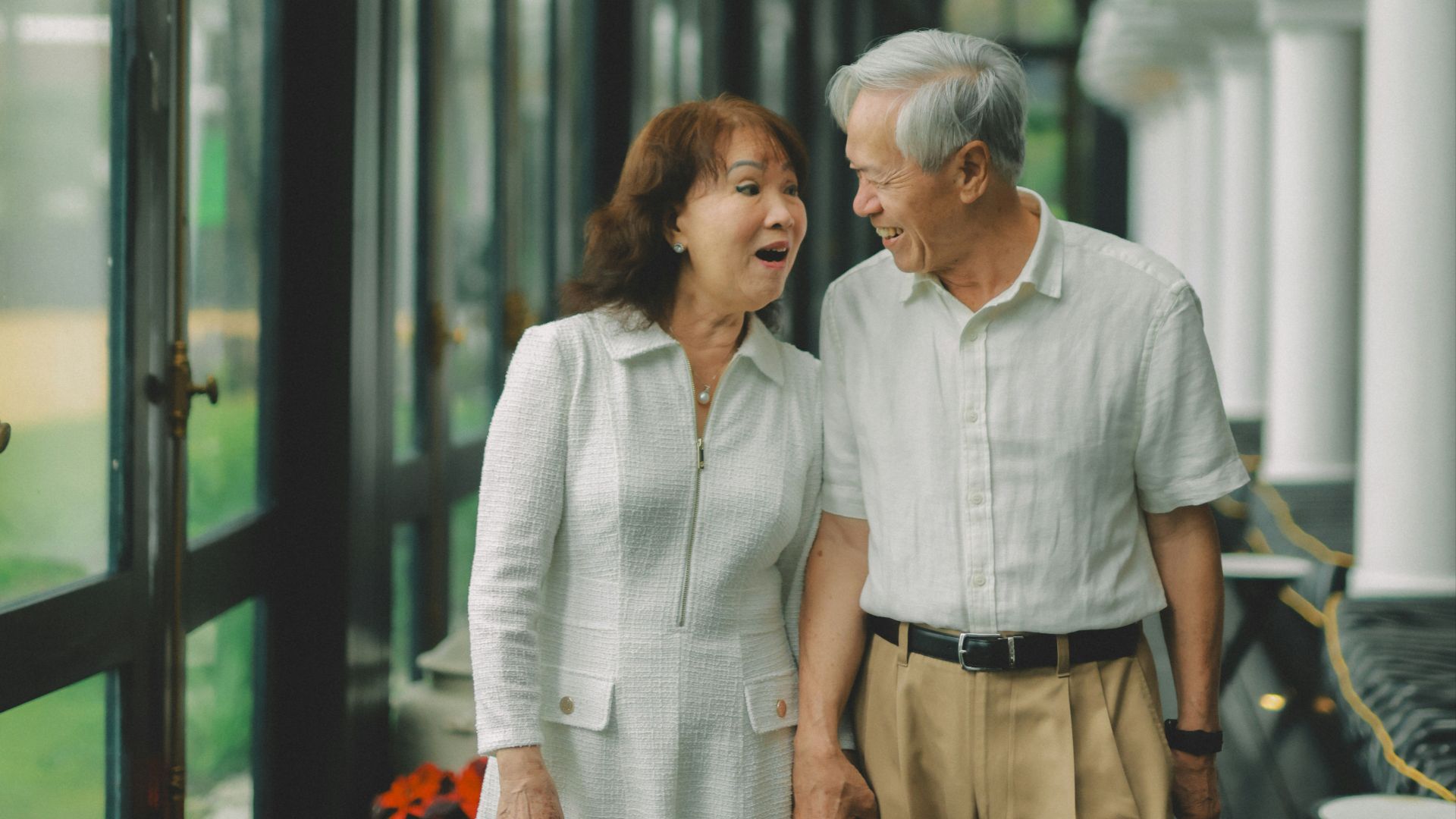
7. Attend Community Events
Farmers' markets, outdoor concerts, and neighborhood festivals create low-pressure social opportunities. Even casual chats with vendors or neighbors count as meaningful interaction. Attending regularly helps you recognize familiar faces, and over time, casual greetings can turn into real friendships.
 Hoi An and Da Nang Photographer on Unsplash
8. Host Small Gatherings
You don’t need a special occasion to invite people over. A simple potluck dinner or game night encourages relaxed conversation. Hosting gives you control over the setting and pace, and also shows others you’re open to staying connected.
 Filip Rankovic Grobgaard on Unsplash
9. Travel With Groups
Group travel programs cater specifically to retirees and solo travelers. Shared itineraries create built-in conversation starters, and exploring new places together often bonds people quickly. It’s a way to see the world without feeling alone.
 Hoi An and Da Nang Photographer on Unsplash
10. Join A Hobby Workshop
Woodworking studios, art classes, and craft workshops foster collaboration. Working on projects side by side makes socializing feel effortless, and you leave with both a finished product and new acquaintances. Creative environments often encourage ongoing meetups.

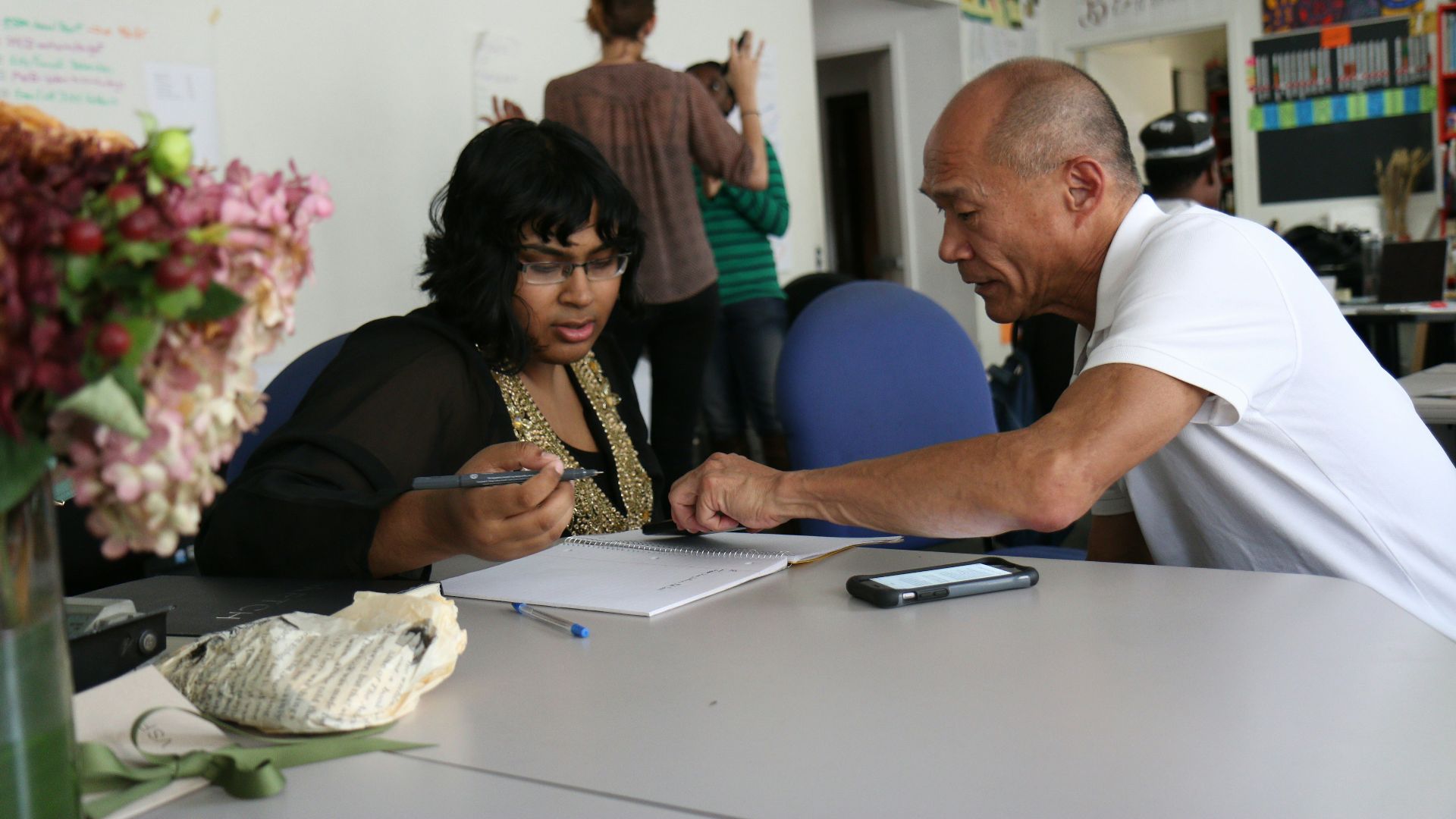
11. Mentor Younger Professionals
Offering guidance to those still in your former field keeps you socially and intellectually engaged. Mentorship programs connect retirees with students or early-career workers. Sharing experience builds meaningful relationships across generations. It also provides a sense of continued purpose.
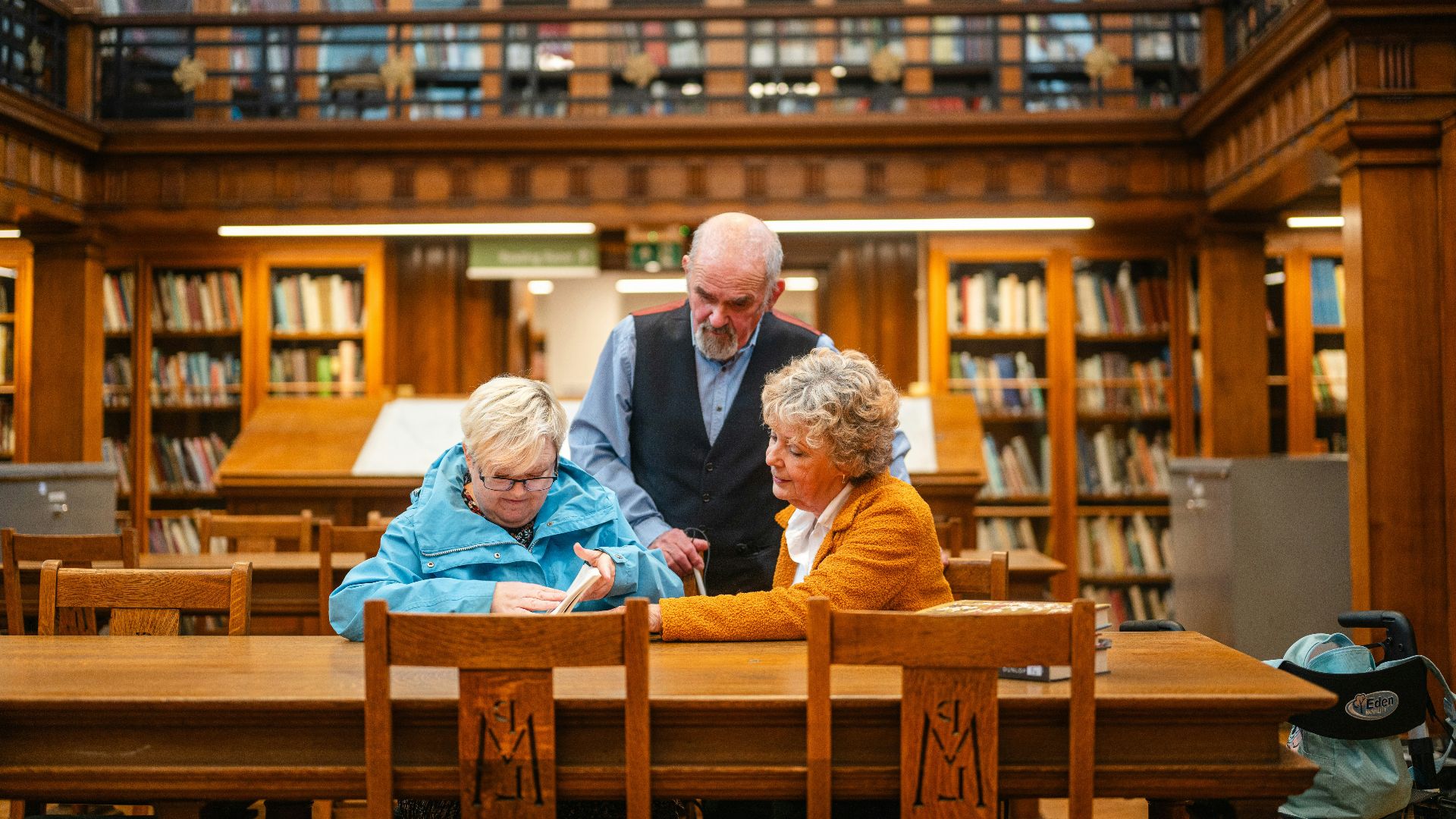
12. Become A Library Regular
Libraries host lectures, book discussions, and community meetings. Becoming a familiar face can lead to spontaneous conversations. Many libraries offer volunteer or advisory opportunities as well, but most of all, it’s a welcoming environment that encourages curiosity and connection.
 Centre for Ageing Better on Unsplash
13. Join A Sports League
Recreational leagues for golf, tennis, pickleball, or bowling are popular among retirees. Friendly competition creates easy camaraderie, and regular matches give you something to look forward to each week. Team activities naturally spark social interaction.

14. Participate In Civic Groups
Local advisory boards, neighborhood associations, and advocacy groups welcome community involvement. These groups meet regularly and focus on shared goals while working toward improvements in your area fosters strong bonds. It also keeps you informed about local issues.

15. Take Up Group Lessons
Whether it’s dancing, painting, or music lessons, learning in a group builds shared experiences. Everyone starts at a similar level, which reduces self-consciousness. Encouragement flows naturally in these settings, and over time, classmates often become friends.

16. Stay Connected Online
Social media groups and community forums can supplement in-person interactions. Many platforms host local meetups based on shared interests, and online engagement can lead to real-world friendships. It’s especially helpful for staying in touch with distant friends.

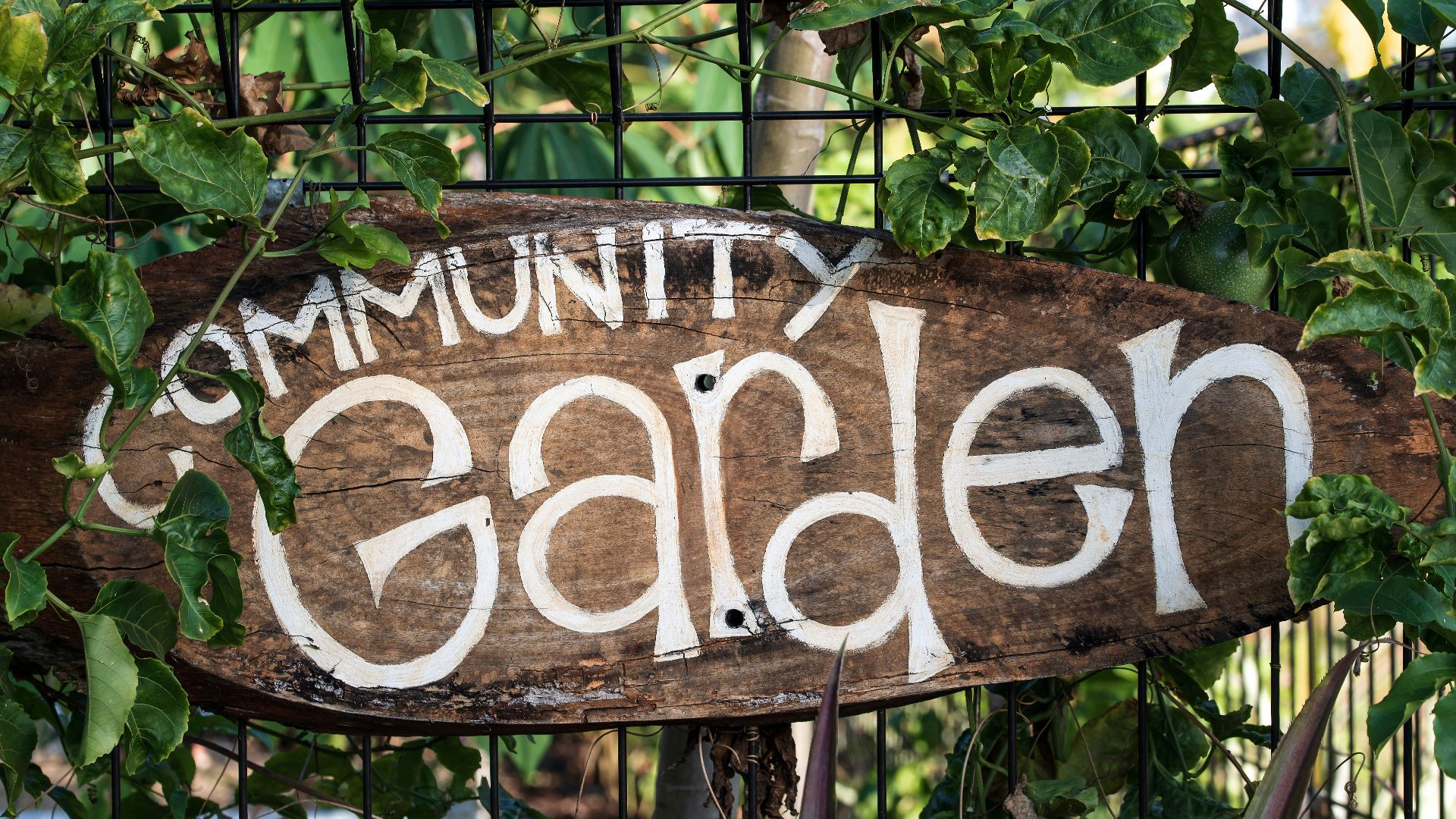
17. Join A Community Garden
Community gardens bring neighbors together around shared plots and seasonal work. Gardening creates opportunities for casual conversation and collaboration,n and watching plants grow gives everyone something to celebrate. It’s a peaceful yet social environment.
18. Attend Alumni Events
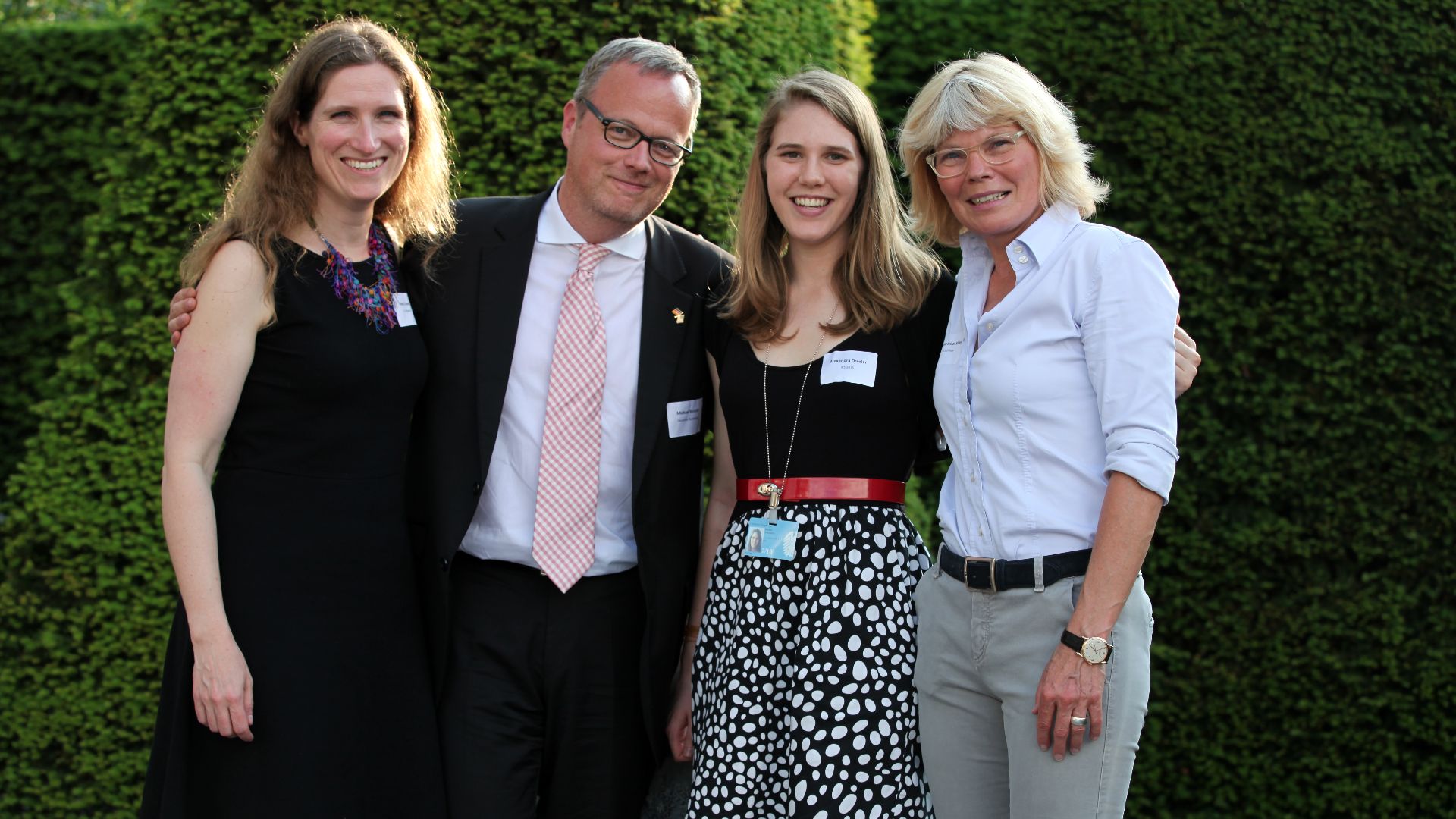
Universities and former workplaces often host reunions and networking events. These gatherings reconnect you with people who share your history, and familiar stories make conversations flow easily.
 usbotschaftberlin on Wikimedia
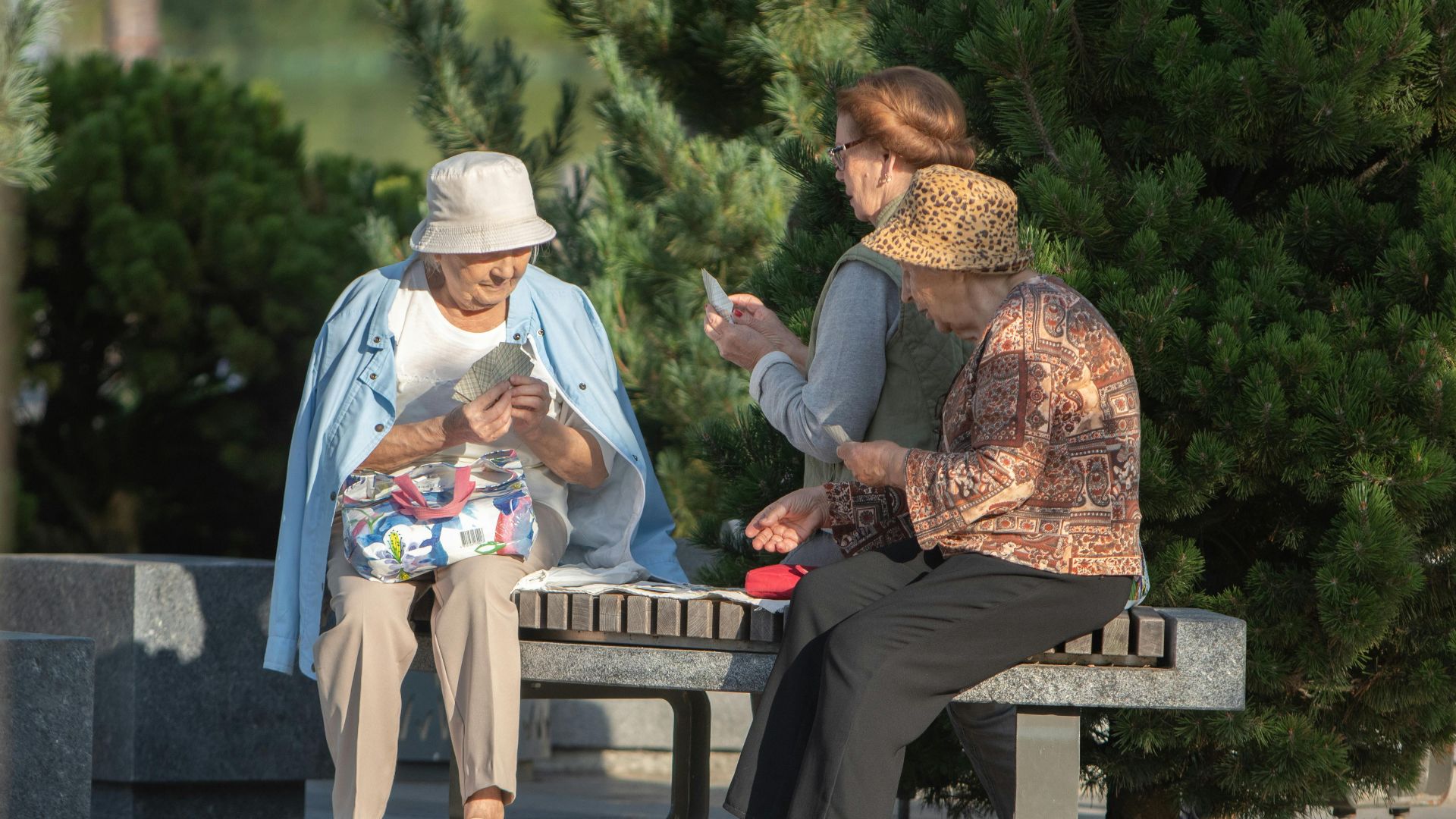
19. Adopt A Public Routine
Frequenting the same café, park, or walking trail builds familiarity where regulars often begin greeting one another and chatting. Simple daily interactions can add up to a strong sense of belonging. Routine creates comfort and connection.
20. Say Yes More Often
Sometimes staying social is simply about being open. Accept invitations even when you feel hesitant,t as trying new experiences broadens your network and keeps life interesting.