
Body Tools, Uneven Proof
In practice, most somatic trends are trying to do the same thing: use the body to change how the nervous system is behaving, especially when stress feels stuck in the chest, throat, stomach, or muscles. Some of the popular tools overlap with well-studied basics like paced breathing, relaxation training, and attention control, which is why they can feel immediately effective. Others get packaged with big claims about trauma, detoxing, or stimulating the vagus nerve, even when the evidence is thin or the mechanism is more complicated than the sales pitch. The point here isn’t to detract from what helps, but to separate methods that tend to produce repeatable, practical results from methods that often work mainly because they feel convincing. Here are 10 somatic trends that feel magical, followed by 10 that often feel like placebos.
1. Slow Breathing
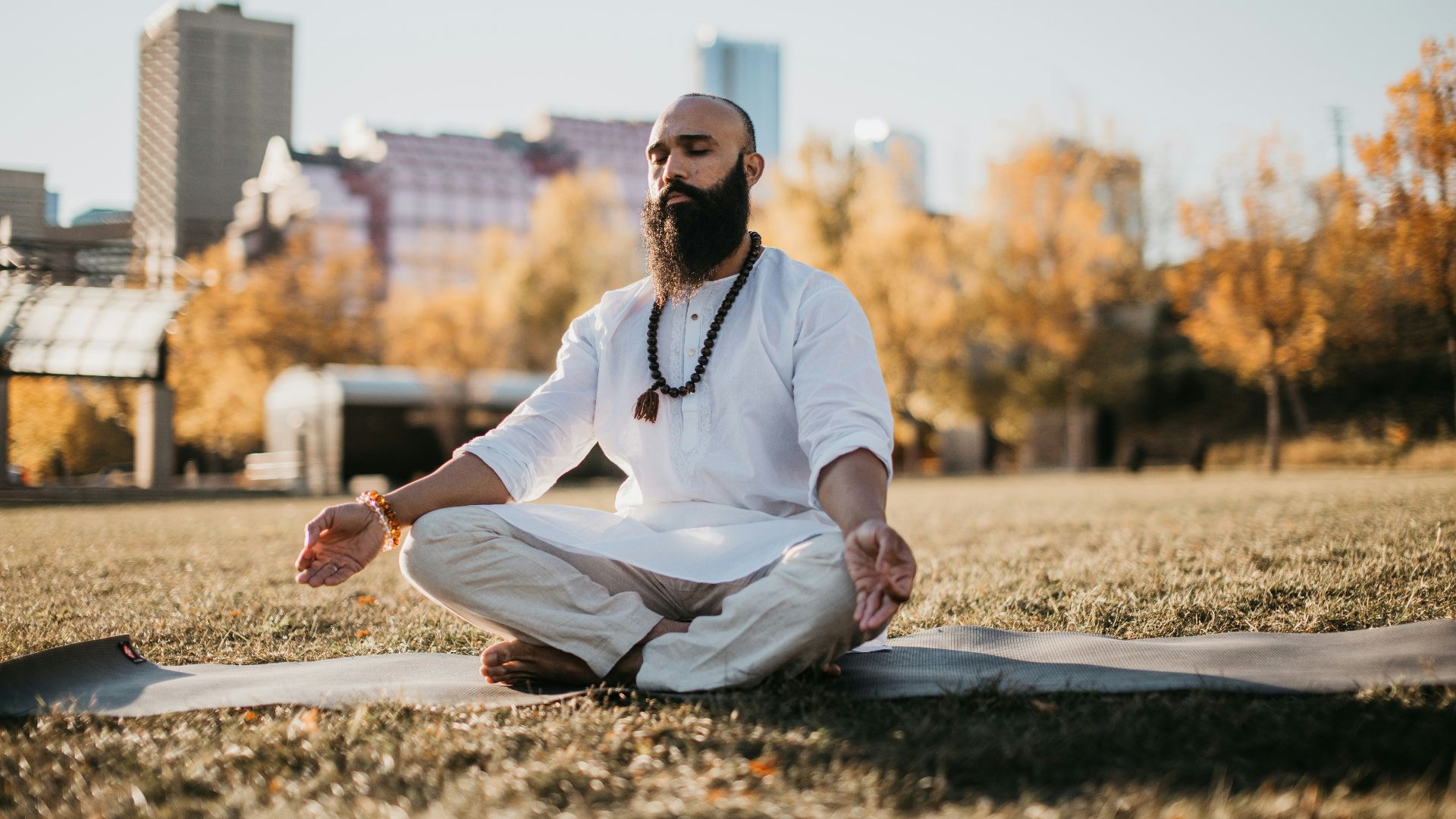
Slow, steady breathing can change the way the body feels surprisingly fast, especially when it’s paced and unhurried. It tends to lower physiological arousal and can make stress feel less sharp, not by force, but by shifting the body into a calmer gear.

2. Longer Exhales
Making the exhale a little longer than the inhale is a small tweak that often has an outsized effect. It slows the overall breathing pattern and can soften that keyed-up feeling in the chest and shoulders without needing a full routine.

3. Cold Water On The Face
Cold water on the face can feel like an instant reset because it taps a built-in reflex that can slow heart rate. It’s not subtle, which is why it’s popular for moments when anxiety feels physical and urgent, not just mental.

4. NSDR
Non-sleep deep rest is basically guided relaxation with a clear structure, which is why it works for people who struggle with traditional meditation. It can feel like a short reboot, especially when the day has been nonstop and the brain won’t downshift on its own.

5. Yoga Nidra
Yoga nidra often feels powerful because it gives the mind a job while letting the body drop deeper into rest. The steady cues and body scanning create a sense of safety and permission to let go, which many people don’t realize they’ve been missing.

6. Progressive Muscle Relaxation
This is the classic tension-and-release method, and it still hits because it’s concrete. When you deliberately tense and then let go, you can feel where stress has been living, and the body often follows through with a real release instead of a vague idea of relaxing.

7. Sensory Grounding
Simple grounding methods work because they pull attention out of spirals and back into the room. When you focus on what you can see, hear, and feel, the nervous system often settles a notch, especially if you do it slowly and without rushing to fix yourself.

8. Somatic Tracking
Somatic tracking is paying attention to sensations with curiosity instead of alarm. For many people, that shift alone weakens the feedback loop where fear makes sensations worse, and the sensations then feed more fear.

9. Light Rhythmic Movement
Gentle rocking, walking, swaying, or slow dancing can calm the body without needing words at all. It works best when it’s genuinely easy and repetitive, the kind of movement that tells the system, nothing is chasing us right now.

10. Co-Regulation With Another Person
This gets overlooked because it doesn’t look like a hack, but it can be the strongest tool on the list. A calm conversation, steady presence, or even quiet shared space can help the nervous system settle faster than going it alone, because humans are built to borrow safety from each other.
One quick reality check before the next ten is that many of the next trends can feel nice, but the claims around them often run ahead of what’s actually proven.

1. Vagus Gadgets
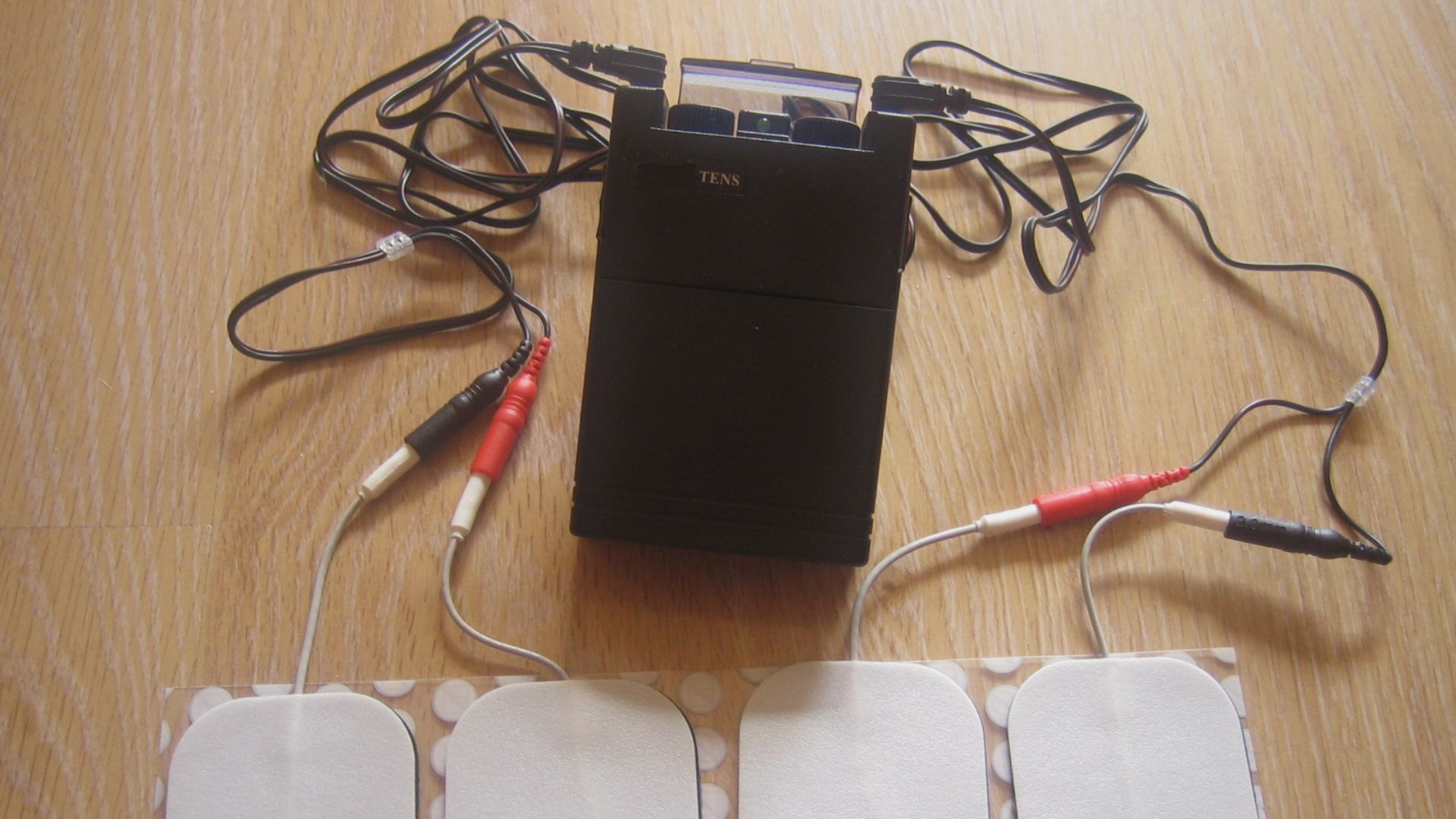
Noninvasive stimulation devices are real in medical research, but the consumer versions are often sold like a guaranteed calm button. People may feel something, but the leap from mild sensation to life-changing nervous-system control is usually marketing, not reality.
2. Polyvagal As A Universal Answer
Polyvagal language is popular because it’s easy to map onto daily feelings like shutdown, fight-or-flight, or social ease. The problem is when it’s treated as settled, precise science for every situation, instead of a framework that can be helpful but doesn’t explain everything.
3. Trauma Shaking Promises
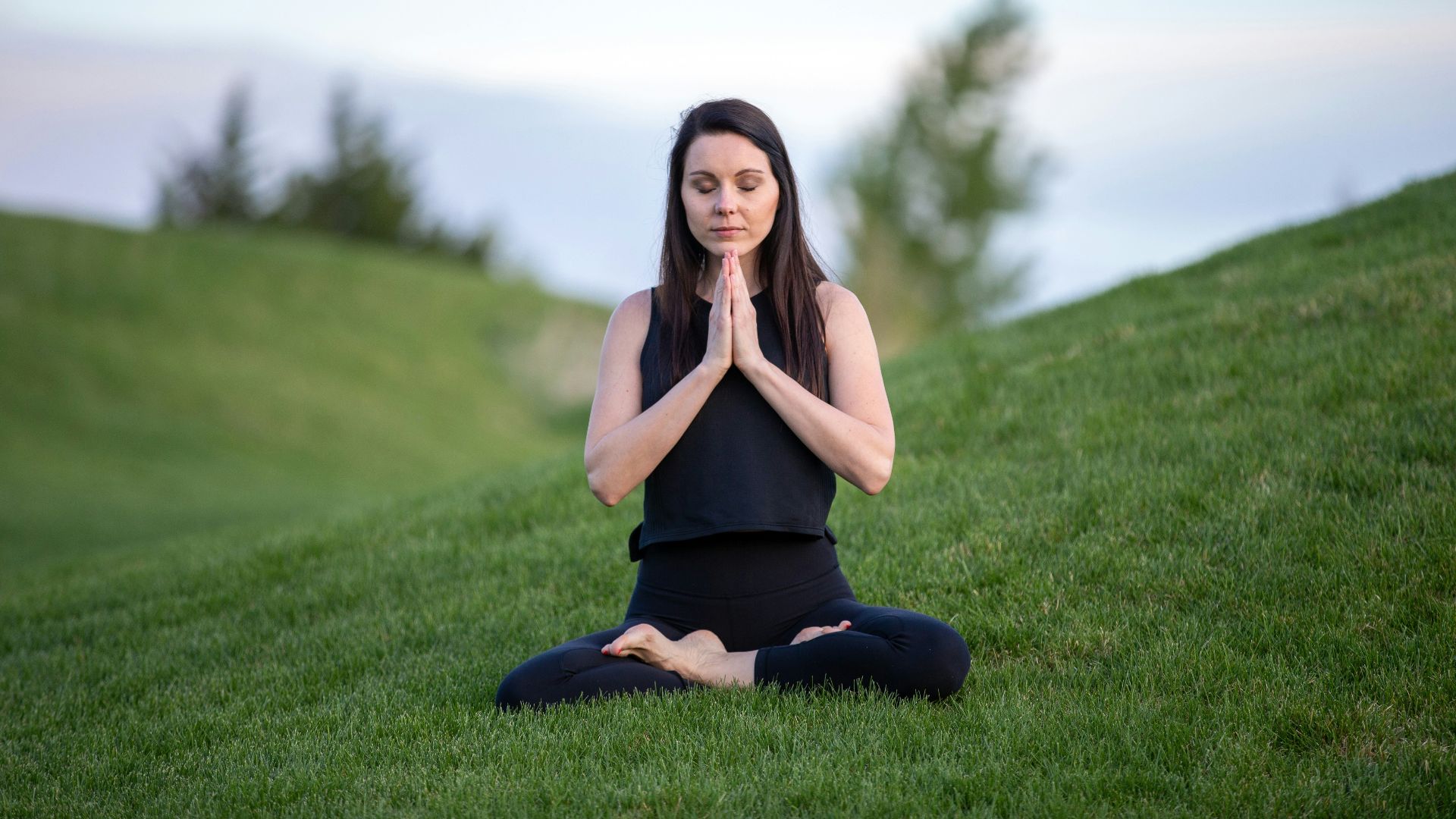
Shaking and tremoring can feel cathartic, and some people genuinely find it regulating. The placebo-ish part is the guarantee that it will release trauma on schedule, as if the body is a vending machine that pays out healing after a few minutes of movement.

4. Psoas Release As The Secret Key
The psoas gets treated online like a magical vault where trauma is stored. Stretching and hip work can absolutely help tension and discomfort, but the single-muscle explanation is usually too neat for something as complex as stress and memory.
5. One Magic Neck Point
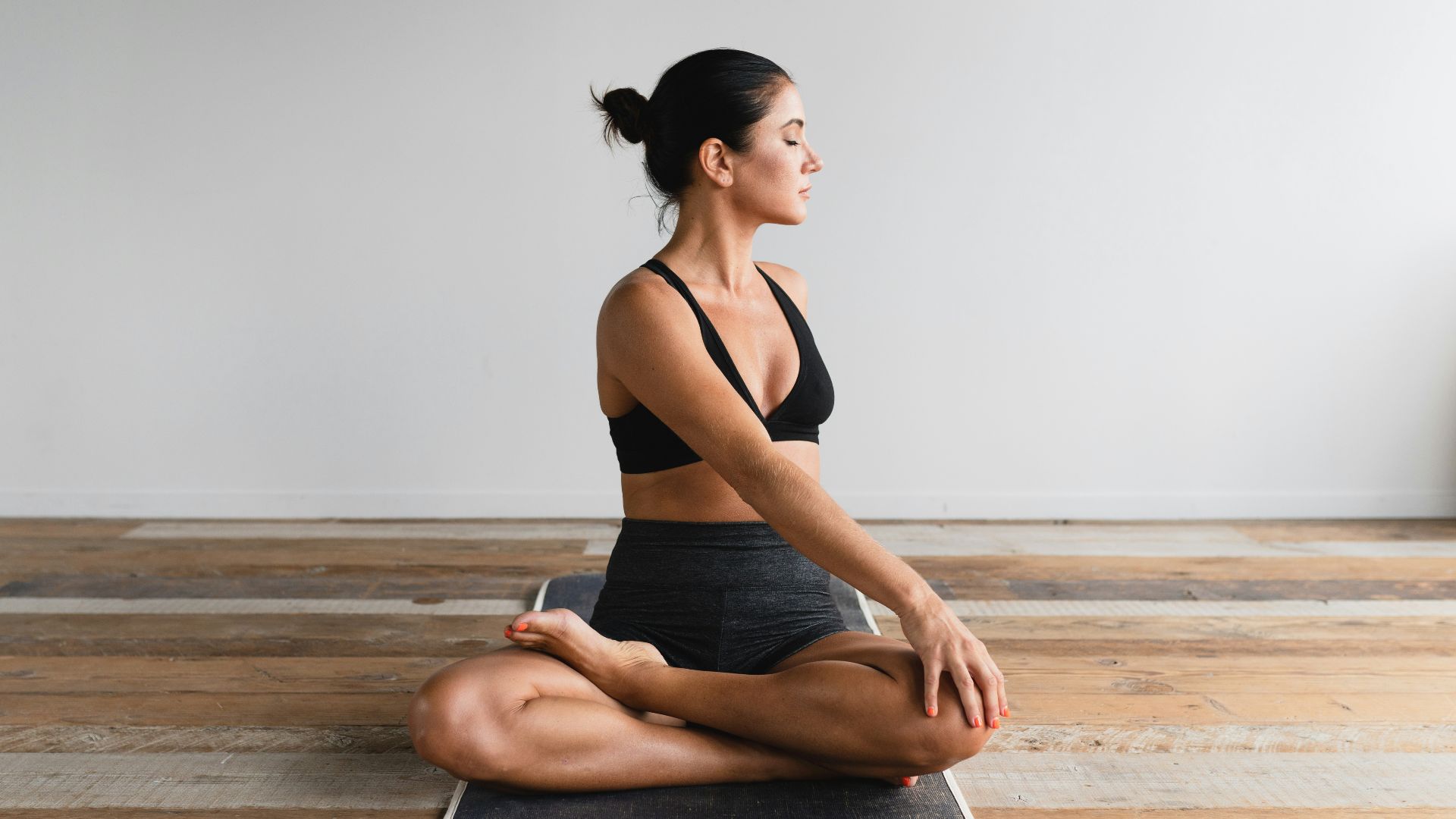
Neck and jaw relaxation can be real and useful, especially for people who clench without noticing. The placebo vibe shows up when someone claims one specific rub point reliably stimulates the vagus nerve like flipping a switch, every time, for everyone.

6. Ear Pulling For Instant Calm
Parts of the outer ear are linked to pathways people associate with vagal activity, which is why ear-based stimulation shows up in research settings. But casual ear pulling and tragus pressing are often just soothing fidgets that feel pleasant, not a consistent nervous-system control method.

7. Breathwork That Promises Breakthroughs
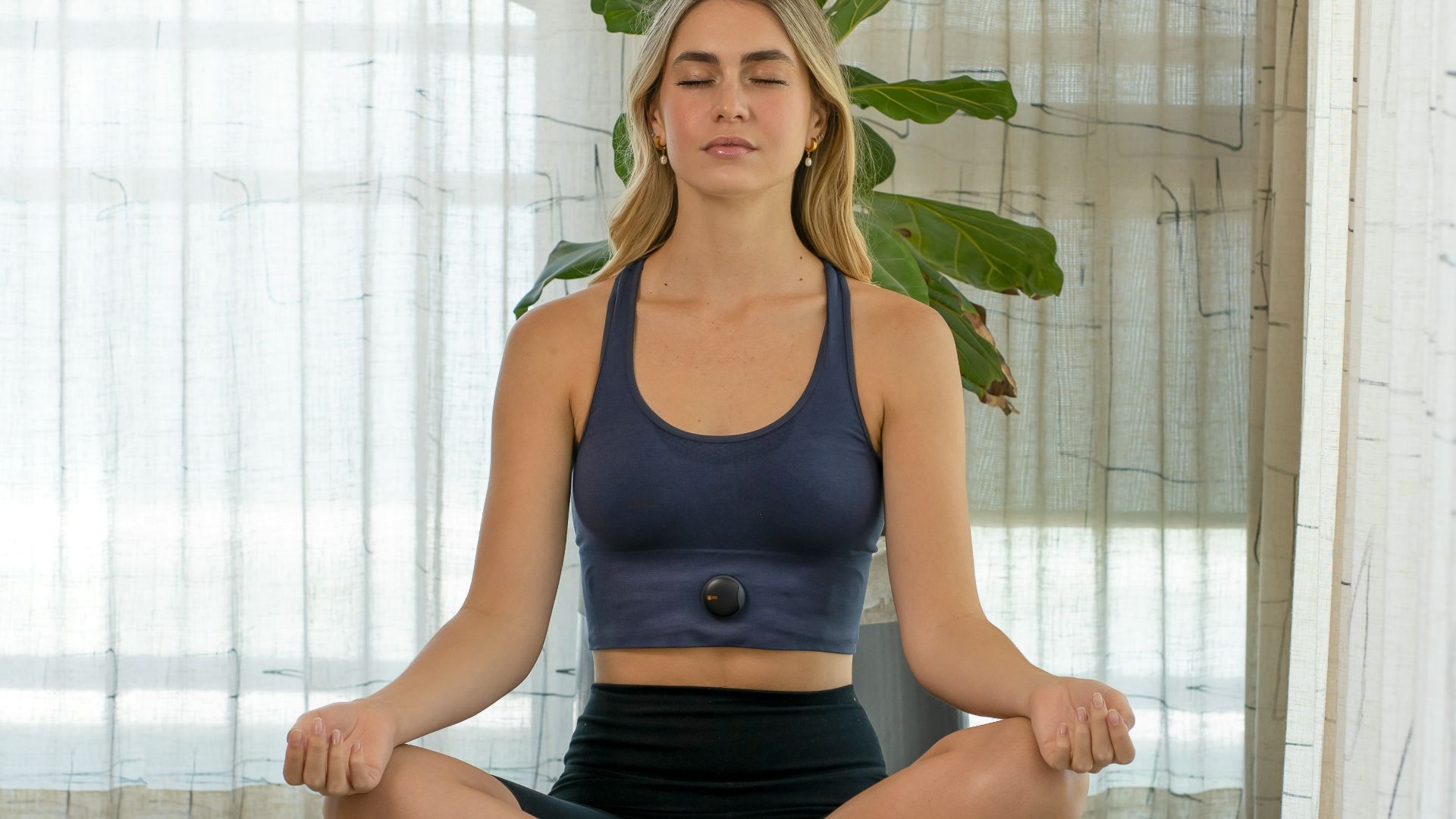
Breathing practices can be powerful, but the hype version sells emotional breakthroughs like they’re a product feature. Intense breathing can also make some people dizzy, panicky, or flooded, which is the opposite of regulation even if it looks dramatic on camera.
 Angelina Sarycheva on Unsplash
8. Posture As Destiny
Posture matters for comfort and breathing, and small changes can reduce strain. The placebo move is when posture gets framed as the cause of anxiety, trauma, or life outcomes, as if shoulders alone are running the entire show.
 Christina @ wocintechchat.com M on Unsplash
9. HRV As A Daily Report Card
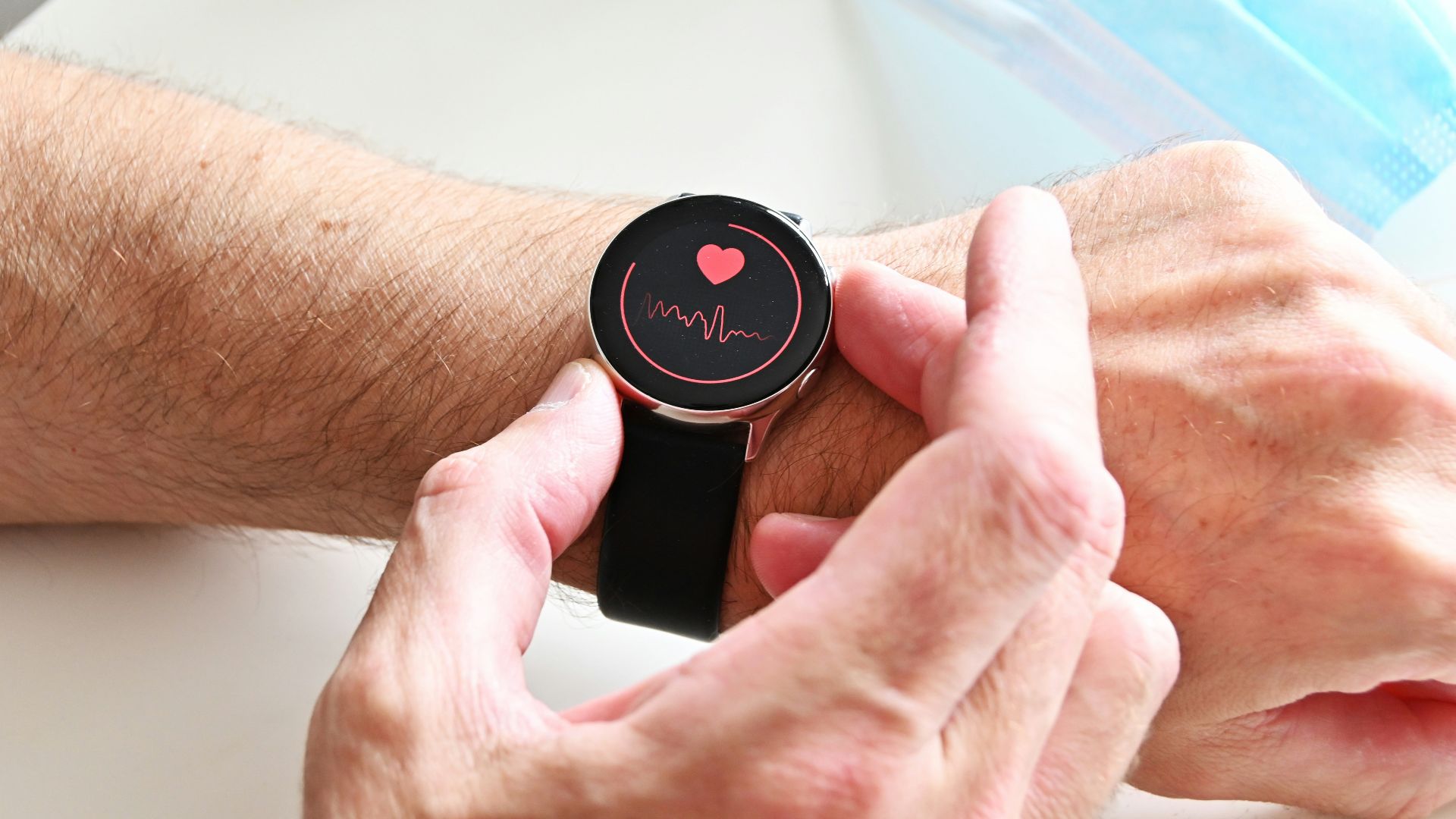
Heart-rate variability can be a useful signal in context, but the trend version turns it into a score you chase. For a lot of people, that creates more checking, more self-monitoring, and more stress, which defeats the purpose of tracking calm in the first place.
10. Somatic Buzzwords Instead Of Basics
Sometimes the most placebo trend is the language itself, when it replaces sleep, movement, food, boundaries, and actual support. Somatic tools can help, but they can’t compensate for a life that’s chronically overloaded, under-resourced, or unsafe, no matter how many techniques you stack.

KEEP ON READING


20 Things Your Body Is Secretly Doing Right Now