When Wellness Turns Into A Worldview
Biohacking started as a pretty appealing idea: small tweaks that could improve sleep, focus, or energy without turning your whole life upside down. Then it got more intense, and suddenly there was gear involved—the water bottle, the ring, the supplement stack, and the morning routine that takes longer than the workday warm-up. Plenty of these habits can be genuinely helpful in moderation, but they’ve also become signals people use to show what kind of person they are. You can usually tell it’s gone too far when a tool turns into a personality, and a simple choice starts getting treated like a measure of virtue. Here are 20 biohacks that stopped being tips and started acting like belief systems.

1. Cold Plunges
Cold exposure can give a real mood-and-alertness boost, and some people find it helps them feel less sore after hard training. It can also be a simple way to build a tolerance for discomfort. The downside is when it turns into a daily nonnegotiable, even on days your body clearly wants rest.

2. Intermittent Fasting
Fasting can be a practical structure: fewer decisions, fewer snack spirals, and an easier way for some people to manage intake. Some also like the steady energy they feel once they adapt. It gets weird when the schedule becomes more important than hunger, social life, or basic flexibility.
3. Sleep Tracking
Trackers can help you notice patterns you might miss, like alcohol hurting recovery, late meals wrecking sleep, or a too-warm bedroom. They’re also useful for building consistency around bedtime. But if the score becomes the goal, it can create stress that actively makes sleep worse.

4. Step Counts And Daily Rings
A simple step goal can be a great nudge toward more daily movement, which supports mood, metabolic health, and back-and-joint sanity. Rings can also make sedentary days obvious in a helpful way. The problem starts when you’re moving to satisfy the device, not because it fits your day or helps you feel better.
5. No Seed Oils
Focusing on oils can sometimes push people toward more home cooking and fewer ultra-processed foods, which is usually a win. Some people also genuinely feel better when they simplify ingredients. It turns rigid when every meal becomes an ingredient inquisition and the bigger picture of diet quality gets ignored.

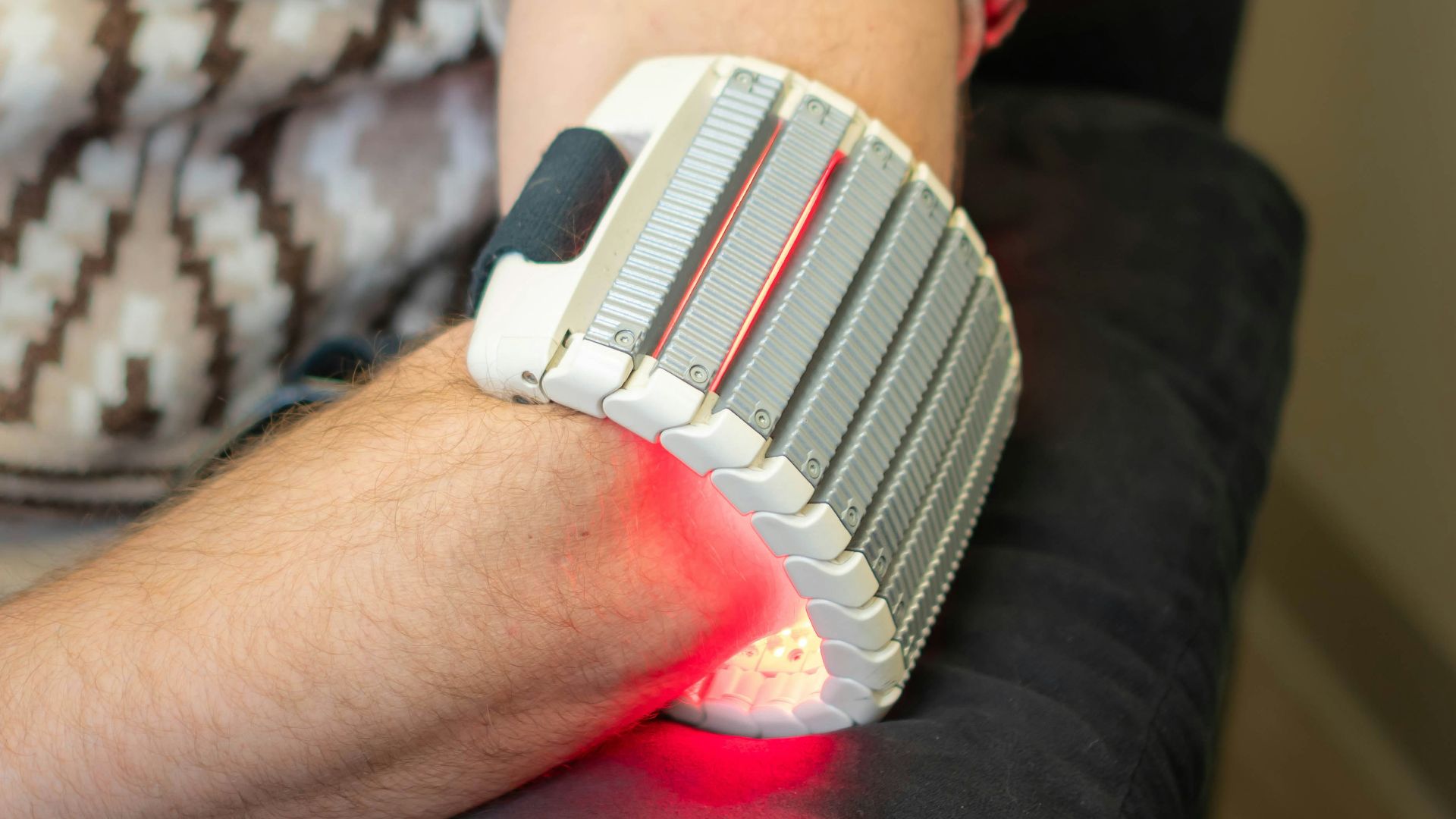
6. Red Light Everything
Red light therapy does have promising use cases, especially for certain skin concerns and some localized pain or recovery situations, depending on the device and consistency. It can be a low-effort add-on that feels good and encourages routine. It becomes lifestyle religion when it’s treated like a cure-all and people stop asking what problem they’re actually trying to solve.
7. Mouth Taping
For some people, encouraging nasal breathing can reduce dry mouth and support better sleep habits, especially if snoring is mild and nasal airflow is solid. It’s also a simple behavior cue that can help nighttime breathing feel calmer. It’s not for everyone, and it gets over-recommended in ways that ignore real issues like congestion or possible sleep apnea.

8. Creatine For Everyone
Creatine is one of the most reliable supplements for strength, training performance, and lean mass, and it’s generally affordable and well-studied. Some people also like how it supports training consistency because workouts feel a bit better. The hype goes too far when it’s pitched as a universal fix for everything from brain health to mood, for every person, all the time.

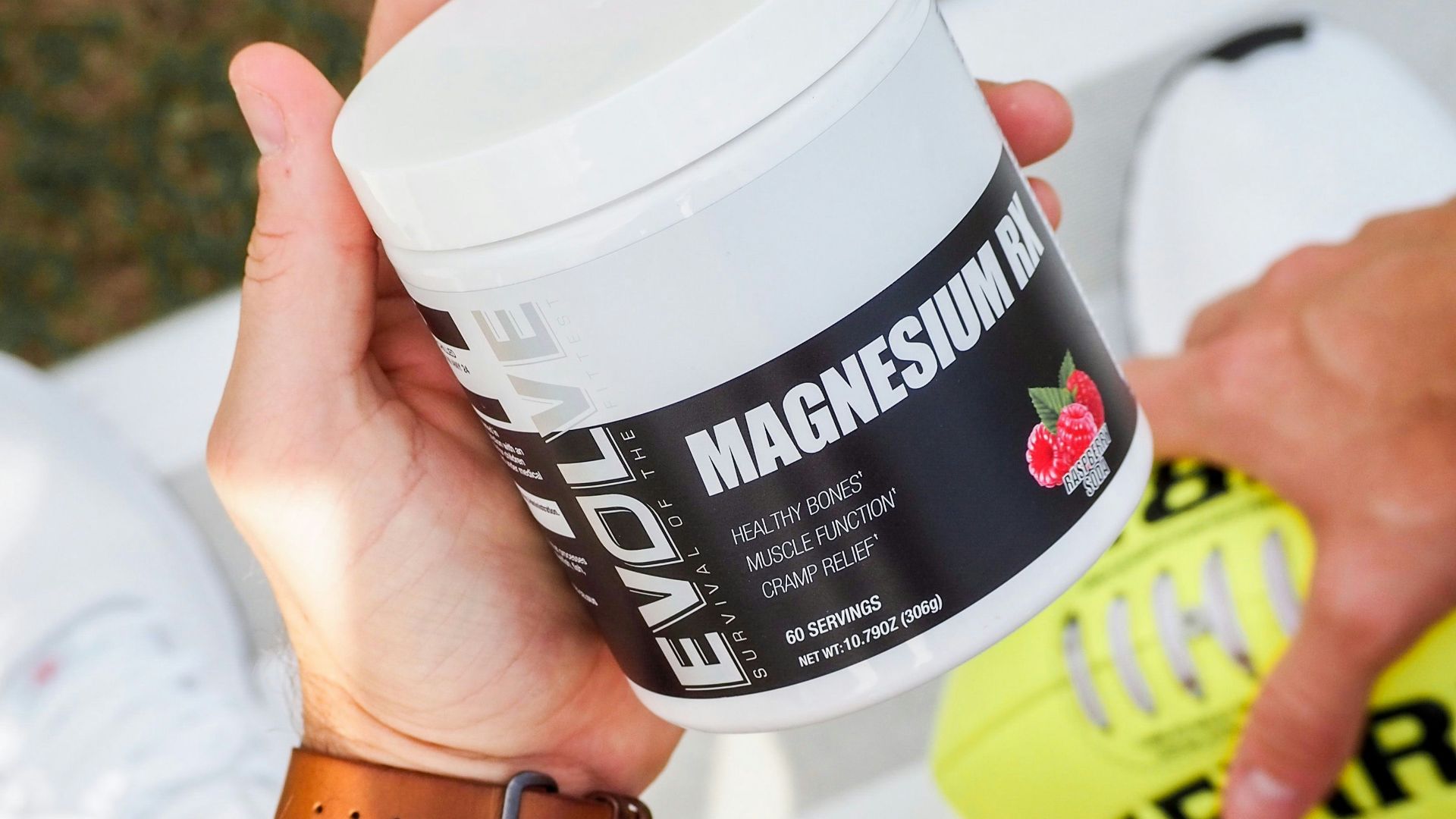
9. Magnesium Obsession
Magnesium can be genuinely useful if you’re low on it, and some people find it helps with relaxation, sleep quality, or muscle cramps. It’s also a reasonable option if stress is high and sleep is fragile. It becomes a rabbit hole when the supplement gets more attention than basics like caffeine timing, light exposure, and bedtime consistency.
10. Electrolytes In Everything
Electrolytes are helpful when you’re sweating a lot, training hard, in heat, or recovering from illness, because replacing sodium and fluids matters. They can also make water more appealing, which helps people drink enough. The lifestyle version treats every normal day like an endurance event and turns hydration into a constant product habit.
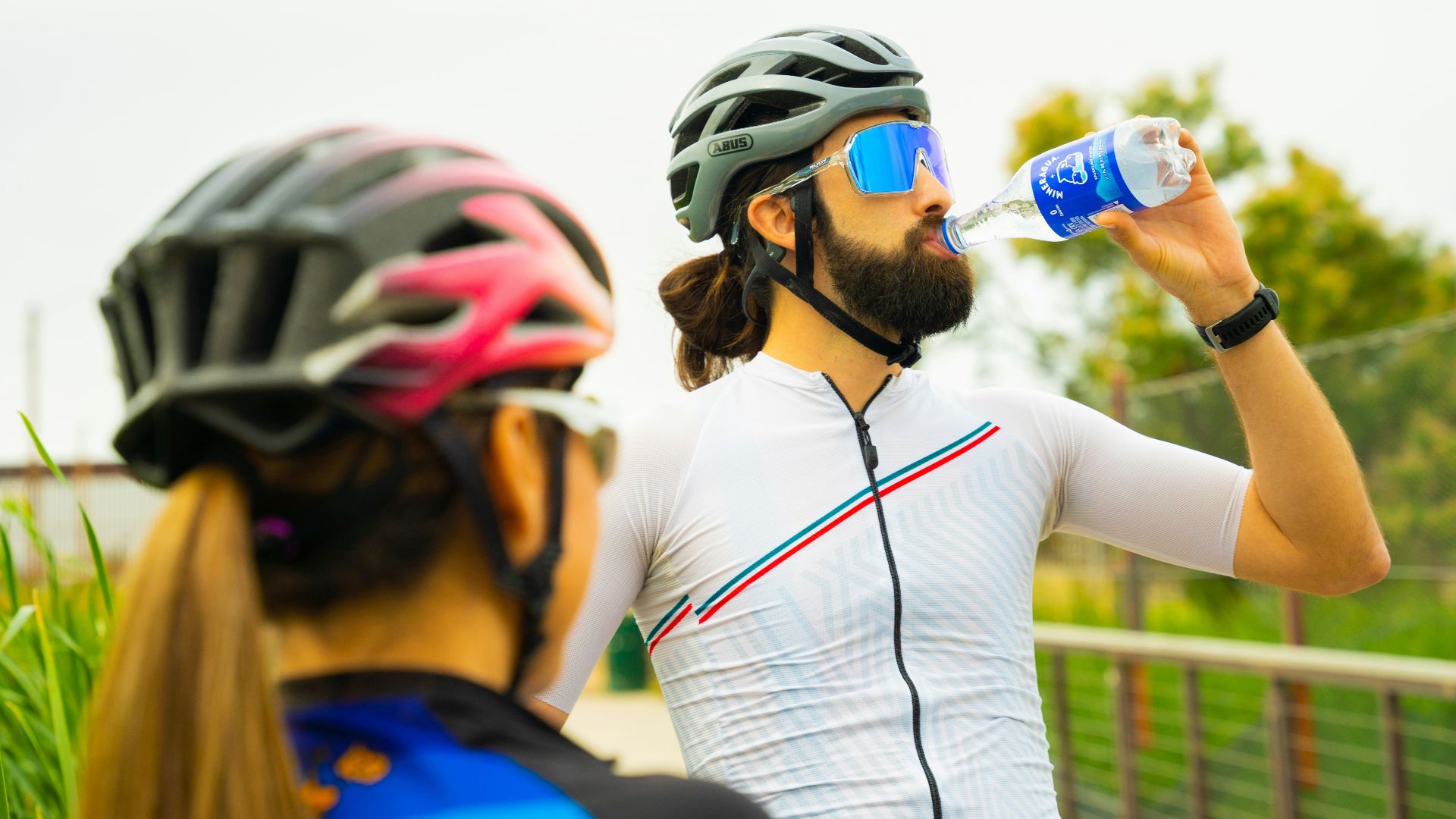 Mineragua Sparkling Water on Unsplash
11. Raw Milk Evangelism
People chase raw milk for taste, tradition, or the belief that less processing means better digestion, and some do prefer it. It can also connect to local farming and food culture in a real way. But it’s not risk-free, and it gets cult-like when it becomes a purity signal instead of a personal choice with trade-offs.

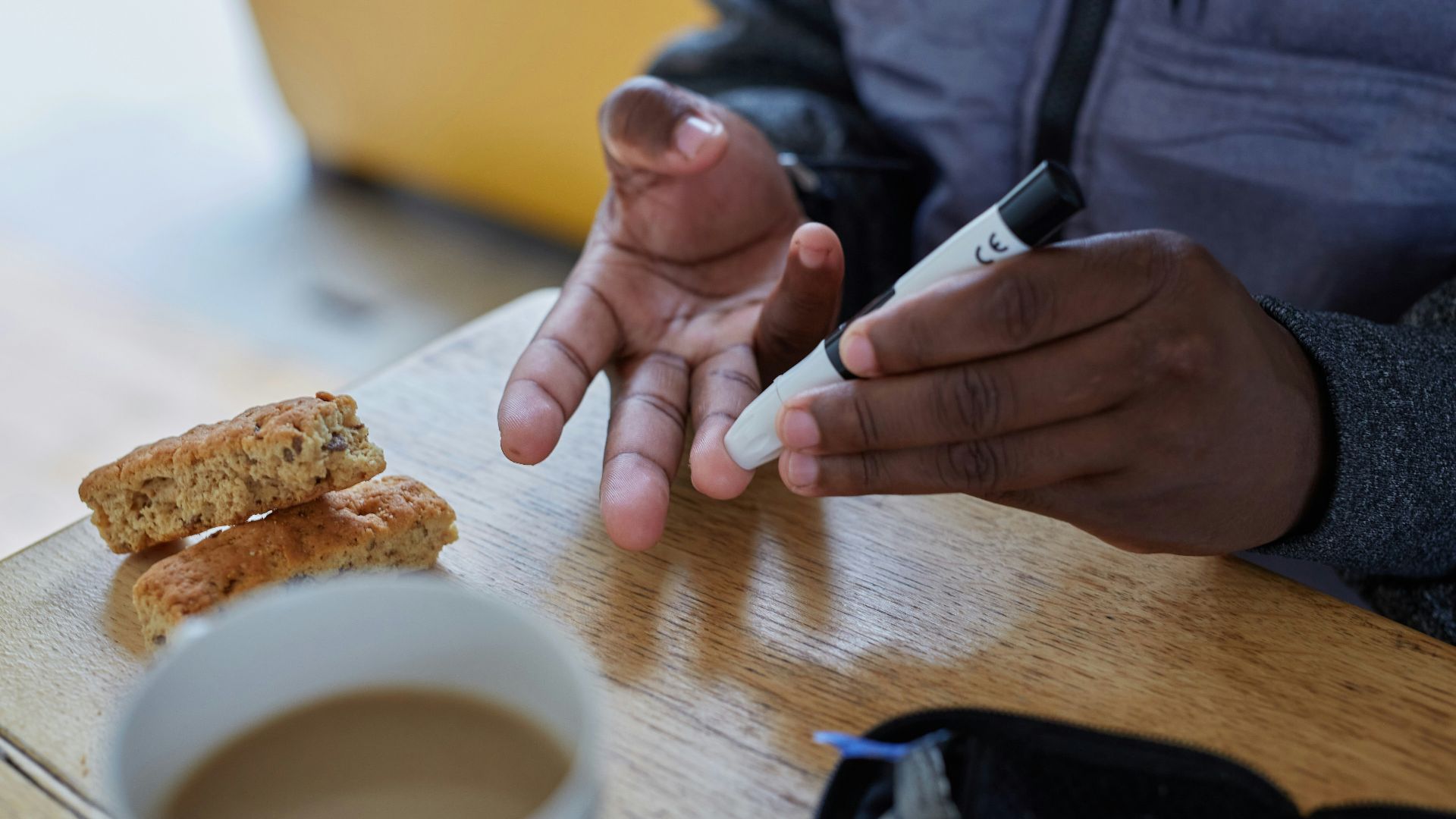
12. Glucose Monitors Without Diabetes
CGMs can be eye-opening for how meals, sleep, stress, and exercise affect blood sugar, and that feedback can help some people reduce crashes or rethink meal balance. They can also motivate more protein, fiber, and post-meal movement. The trap is treating normal fluctuations like emergencies and turning eating into a constant fear-based optimization project.
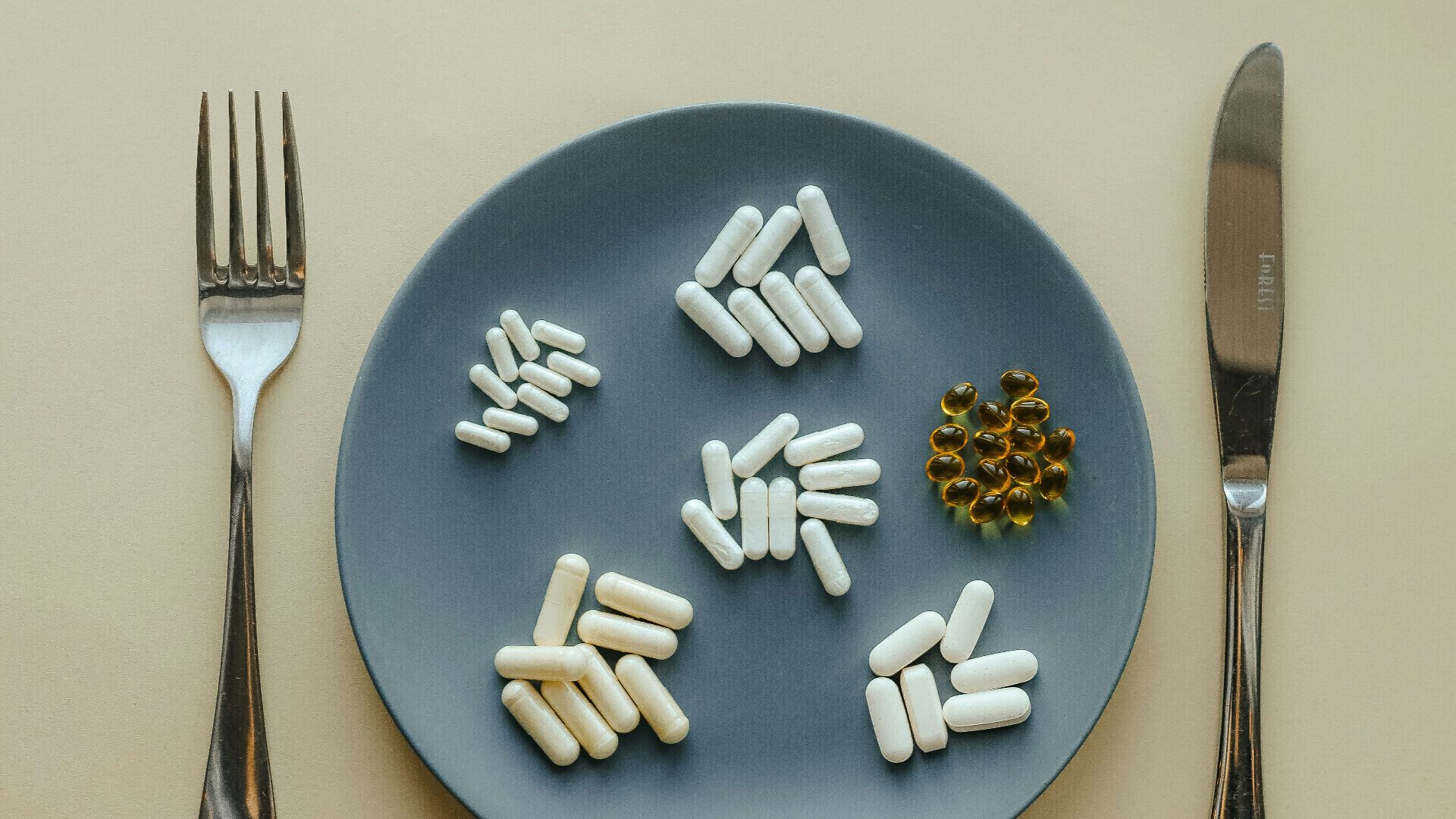
13. The Supplement Stack
A focused supplement routine can help if you’re addressing a clear gap—like vitamin D in winter, iron when medically needed, or protein when diet falls short. It can also make people feel more intentional about health, which sometimes improves consistency in other areas. It gets out of hand when the stack becomes the plan and lifestyle basics get outsourced to bottles.
14. Blue Light Blocking Glasses
Reducing bright light at night can help some people wind down and protect a consistent sleep schedule, especially if screens are a late-night habit. The glasses can also act as a cue that the day is ending. It gets preachy when the glasses become a personality and the nuance—brightness, timing, overall routine—gets replaced by a single fix.

15. Sunrise And Morning Light Rituals
Morning light can support circadian rhythm, improve sleep timing, and boost mood, especially if you’re indoors most of the day. It’s also one of the simplest habits that can make a day feel more anchored. The problem is when it turns rigid and stressful, like missing a window ruins your whole system.

16. Zone 2 Cardio Worship
Zone 2 work is great for building aerobic base, supporting heart health, and improving endurance without frying you every session. It’s also sustainable for many people, which is the real secret. It becomes obsessive when every workout has to be optimal and movement that’s fun gets dismissed because it doesn’t match the spreadsheet.

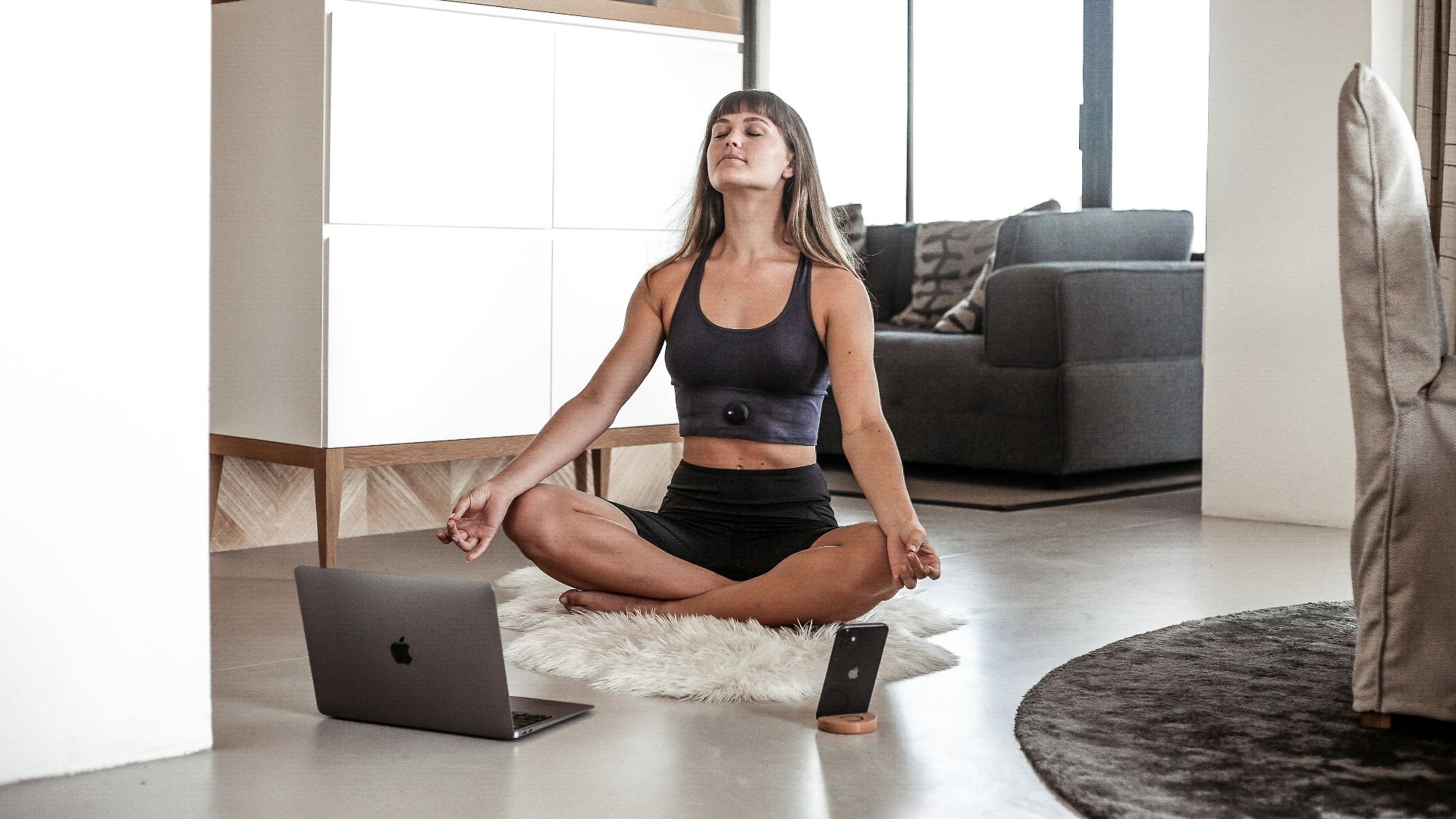
17. Breathwork As A Personality
Breathwork can lower stress fast, help with focus, and give people a reliable way to downshift when anxiety spikes. It’s also accessible—no gear required—and can make workouts and sleep feel smoother. It gets annoying when every emotion becomes a breathing “failure” and every conversation turns into a protocol recommendation.
 Angelina Sarycheva on Unsplash
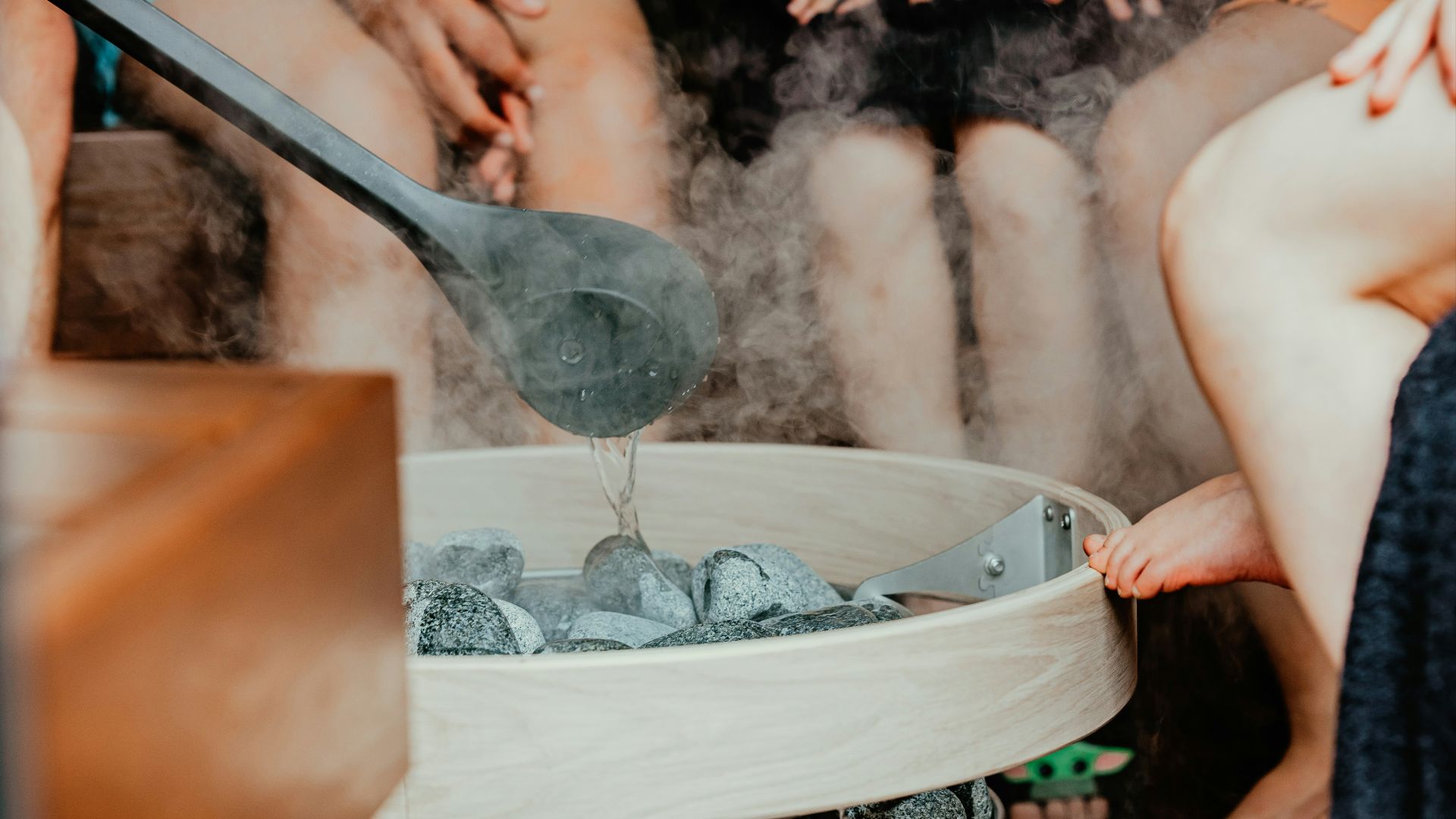
18. Sauna As A Daily Nonnegotiable
Saunas can feel amazing, support relaxation, and may help with recovery and cardiovascular resilience when used consistently. They’re also one of the few wellness habits that practically forces you to slow down. It becomes lifestyle religion when you start scheduling life around it and treating missed sessions like you’ve fallen off a righteous path.
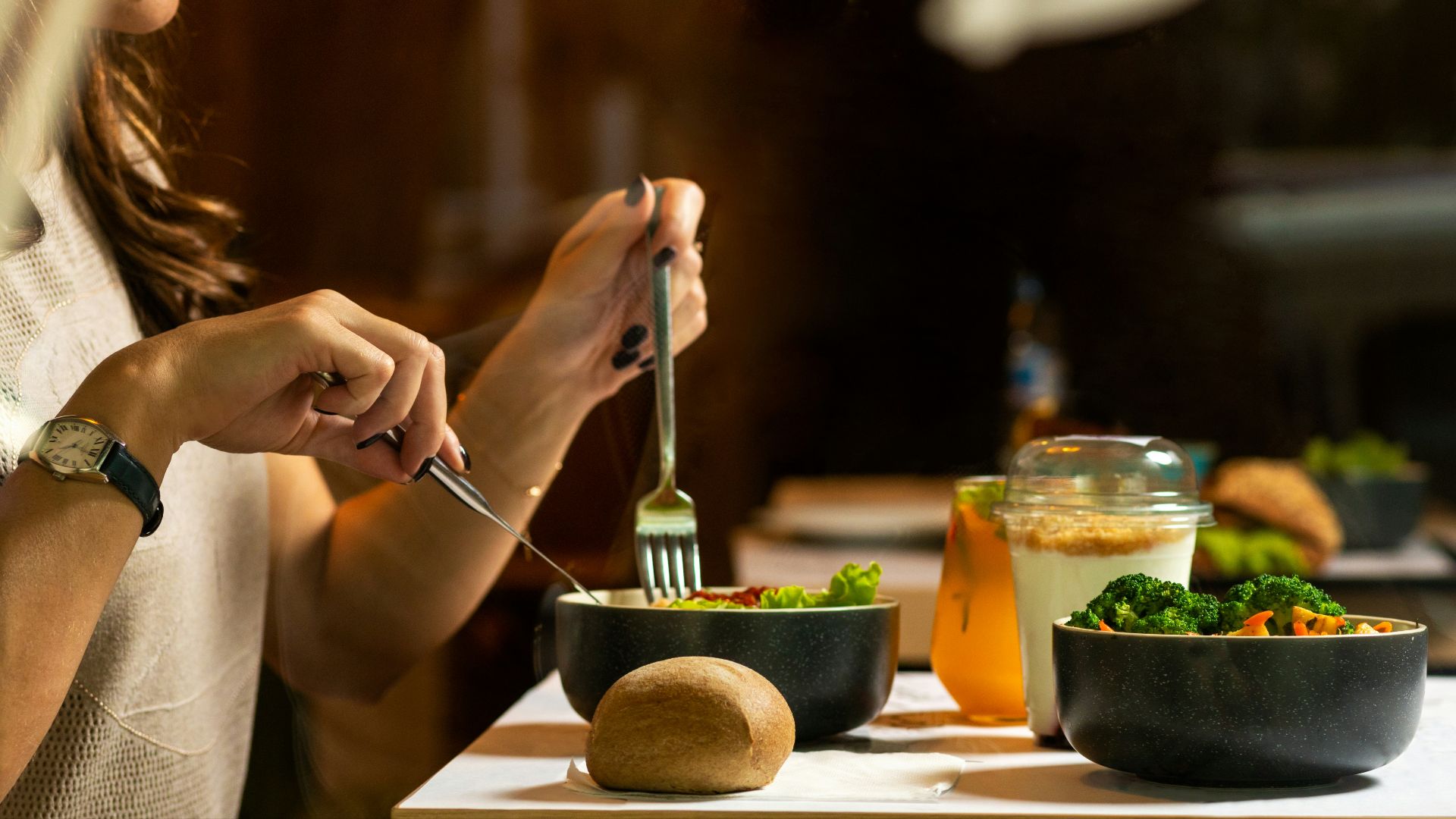
19. Clean Eating As Social Sorting
Eating more whole foods usually improves energy, digestion, and mood, and it can reduce the background noise of ultra-processed snacking. It can also be empowering to know what makes you feel good. The line gets crossed when it becomes a way to judge other people or turn shared meals into quiet moral evaluations.
 Farhad Ibrahimzade on Unsplash
20. The Perfect Morning Routine
A steady morning routine can genuinely help with focus, mood, and follow-through, especially if it includes basics like movement, protein, or planning the day. It can also reduce decision fatigue when life is busy. It turns unhealthy when the routine becomes so elaborate that real life—bad sleep, travel, kids, deadlines—makes you feel like you failed before the day even starts.