Spikes Are Not A Moral Failing
Glucose is supposed to go up after you eat. Your body turns food into glucose, then uses insulin to move that fuel into your cells. What’s different now is that people can watch the rise in real time, and CGMs plus wellness content can make normal changes look scary. A lot of the confusion also comes from using diabetes-focused targets as if they apply to everyone. Here are 20 glucose spike fears that sound convincing online but usually need context to understand.

1. Any Spike Means Damage
A rise after a meal is expected; the body is not designed to stay flat all day. What matters more is how high it goes, how long it stays up, and whether it reliably comes back down.
2. A Perfect Flat Line Is The Goal
Flat glucose all day can be a sign you’re barely eating, overcorrecting, or building meals around fear. Most people do better aiming for steady patterns, not zero movement.

3. The 30 mg/dL Rule
The idea that any increase of 30 mg/dL is automatically bad gets repeated a lot because it’s simple. Real life is messier. Baseline, meal size, timing, activity, and individual tolerance all change what a normal rise looks like.

4. One High Reading Means You Have A Problem
Single readings are noisy. A better signal is repeatable patterns over days—especially if you’re frequently staying high for a long time or seeing unusually large peaks.
 Pablo Merchán Montes on Unsplash
5. Two-Hour Numbers Are The Only Thing That Matters
Two-hour checks are useful, but they’re not the whole story. Some people peak earlier than two hours, and some meals hit later, especially if they’re high in fat or very large.

6. Diabetes Targets Apply To Everyone
Targets like peak post-meal glucose under 180 mg/dL are commonly used for many adults with diabetes, but they’re not designed as a wellness scoreboard for everyone. The ADA frames these as treatment targets, not a universal judgment system.

7. If You Ever Hit 140, You’re In Trouble
For people without diabetes, it’s common to see some rise after eating, and what’s normal depends on timing and context. Some general references describe up to about 7.8 mmol/L (140 mg/dL) two hours after eating as normal in many cases, but that does not mean every moment above that is automatically dangerous.
8. Fruit Is Basically Candy
Whole fruit comes with fiber, water, and volume, which changes how it hits compared with juice or sweets. If a specific fruit consistently spikes you hard, that’s useful information, but blanket fruit fear usually creates worse trade-offs than it solves.

9. Carbs Are The Villain, Full Stop
Carbs raise glucose because they’re carbs, not because they’re evil. The more useful question is which carbs, what portion, what else was in the meal, and what your body does afterward.
10. Protein Prevents Spikes
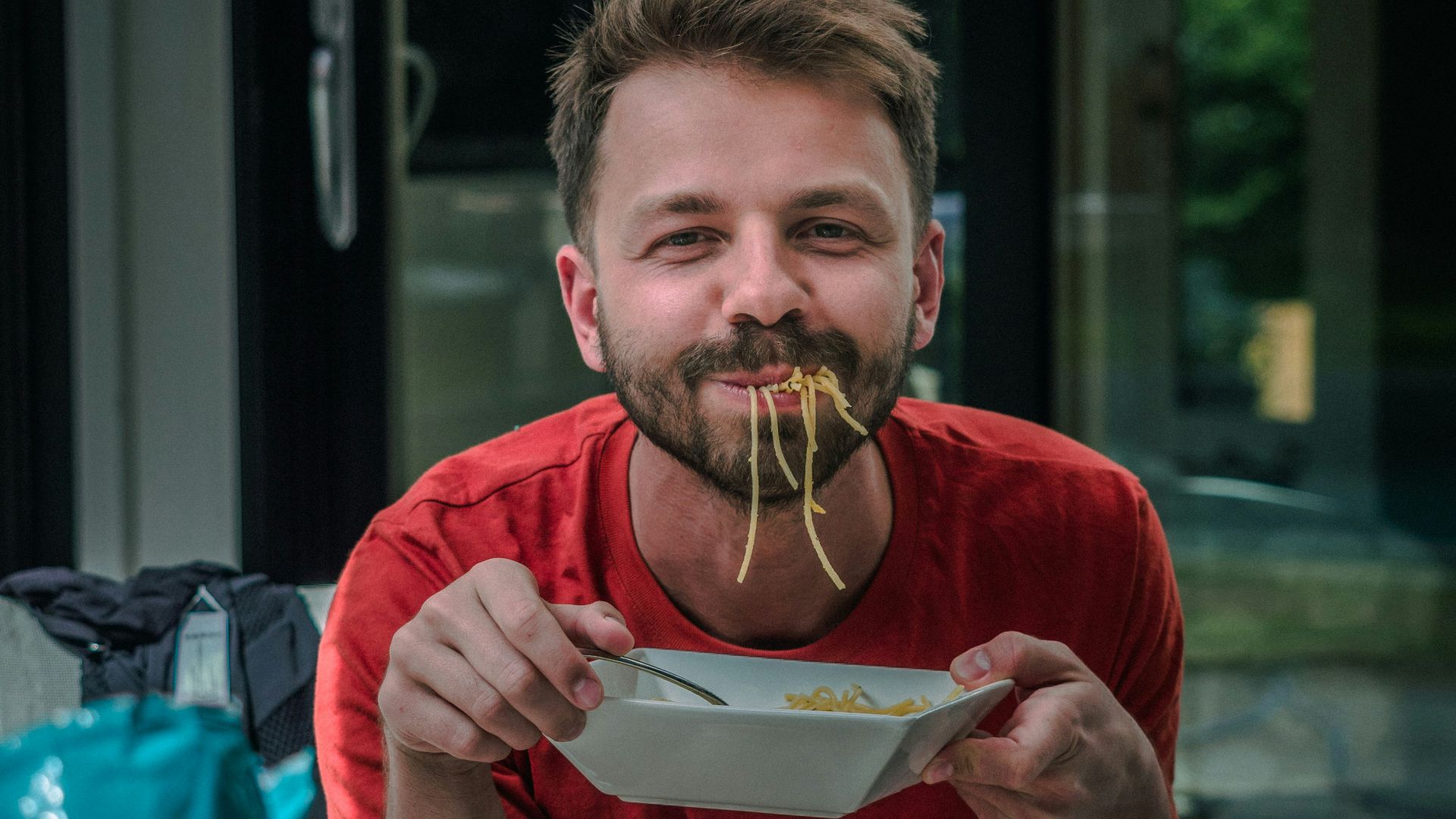
Protein can help blunt a sharp rise when it’s paired with carbs, but it’s not a magic shield. Some high-protein meals still lead to a slower, later rise, and people get confused when they expect a flat graph.
 Sebastian Coman Photography on Unsplash
11. Fat Makes A Meal Safe
Fat can slow digestion, which sometimes makes the first spike smaller. But it can also delay the rise and stretch it out, so the graph looks “better” early and worse later.

12. Your CGM Is Showing You The Exact Truth
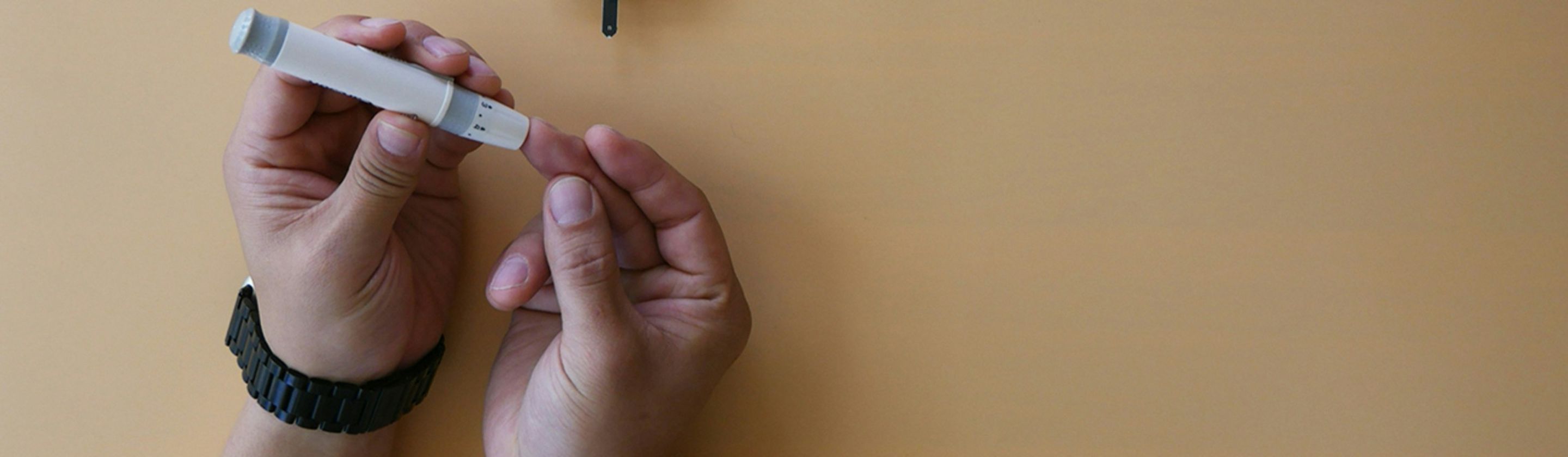
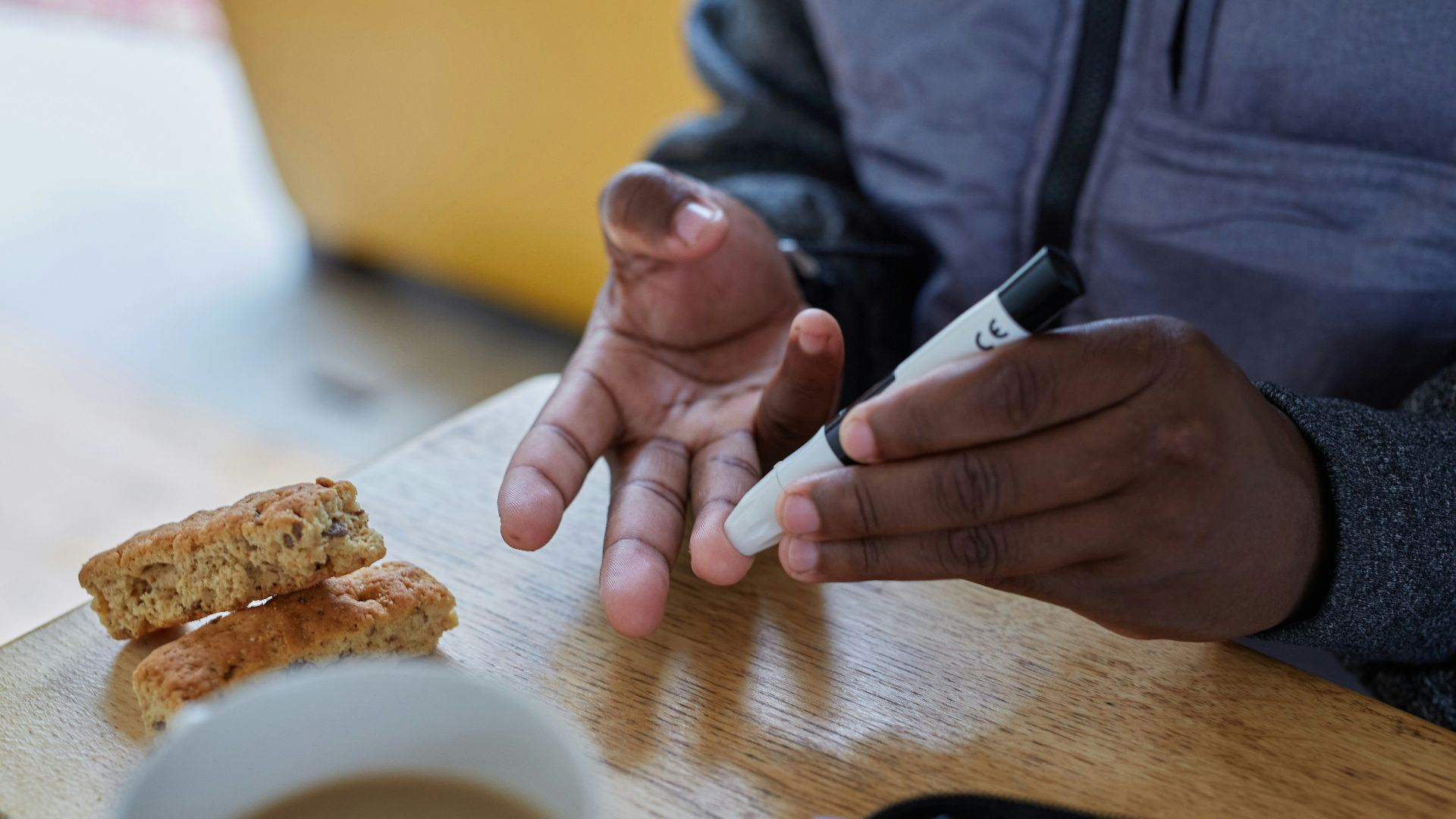
CGMs are incredibly useful, but they don’t measure blood glucose directly—they measure glucose in interstitial fluid, which can lag behind blood levels. That’s one reason CGM readings can feel confusing around fast changes like exercise or high-carb meals.

13. If Fingerstick And CGM Don’t Match, Something Is Wrong
Mismatch is common, especially during rapid changes, because the two methods are sampling different compartments and timing. The important thing is trend direction and repeated patterns, not one moment of disagreement.
14. If Someone Else Stays Lower, You’re Doing It Wrong
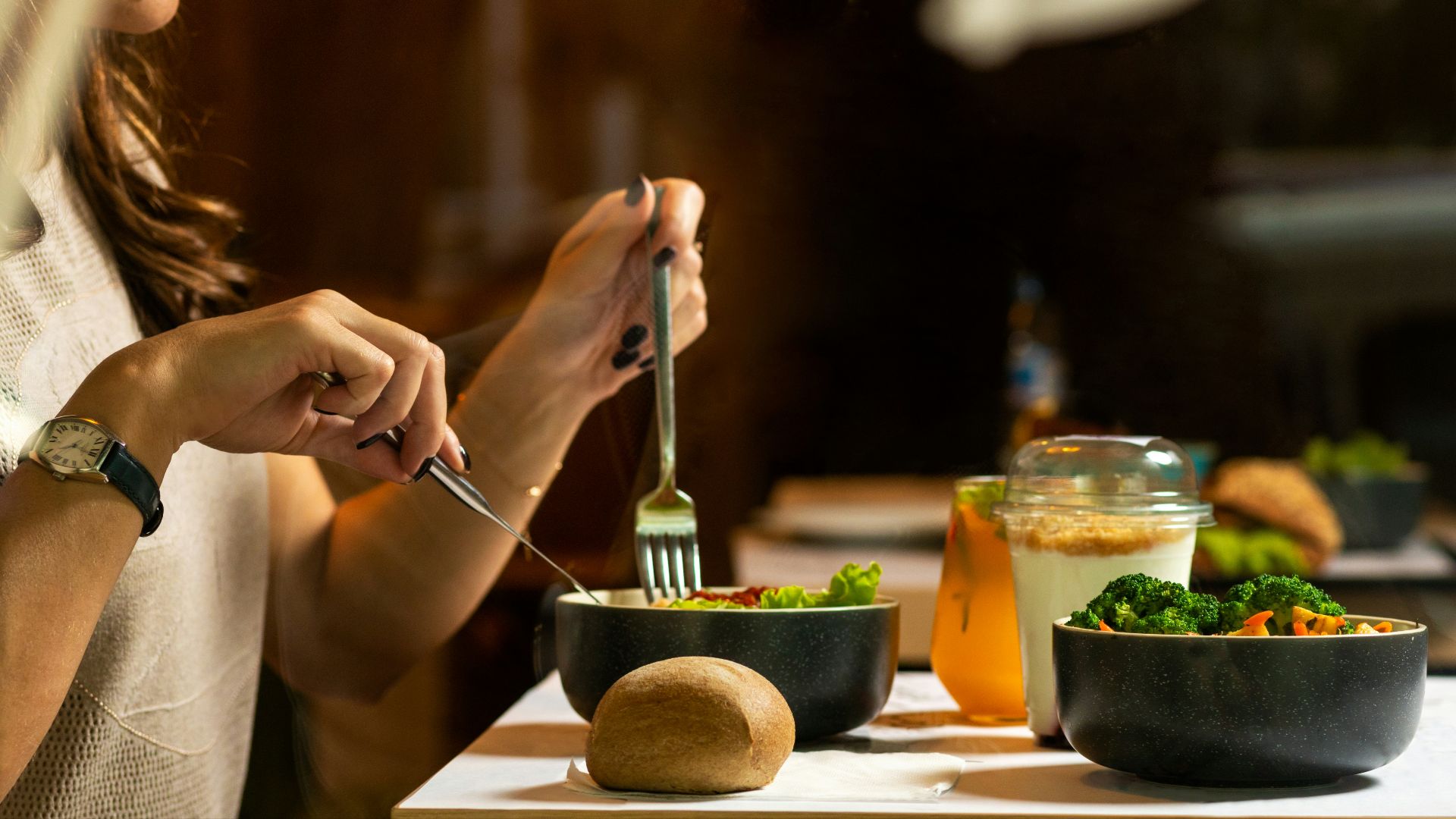
Healthy people show huge differences in post-meal glucose responses, even to the same foods. Inter-individual variability is a known feature of real metabolism, not a personal failure.
 Farhad Ibrahimzade on Unsplash
15. Stress Spikes Mean Your Diet Is Broken
Stress hormones can raise glucose even if you ate perfectly. If a spike happens on a high-stress day, the lesson might be sleep, workload, or recovery—not cutting carbs even harder.

16. Poor Sleep Doesn’t Count
Sleep changes appetite, insulin sensitivity, and how your body handles a meal the next day. When people ignore sleep and chase food micro-optimizations instead, they miss the biggest lever sitting right there.

17. Exercise Should Always Lower Glucose
Activity often lowers glucose, but not always immediately. Intense workouts can temporarily raise it in some people due to adrenaline and the body mobilizing fuel, and that can be normal.

18. Walking After Meals Is Fake Or Only For Diabetics
A short, easy walk after eating can help many people, because muscles use glucose and improve insulin sensitivity. It’s not a cure-all, but it’s one of the simplest, most consistent ways to smooth a post-meal curve.

19. You Can Hack Spikes Away With One Trick
Vinegar, supplements, and “special” foods can become a whole belief system online. Sometimes small tactics help at the margins, but they don’t replace basics like meal balance, portion size, movement, stress, and sleep.

20. A Spike Is A Score Of Your Worth
This is the big one that makes everything else worse. Glucose data is feedback, not a character report, and treating it like a moral score usually leads to restrictive choices and constant anxiety. If tracking makes you more stressed than informed, the problem isn’t your glucose—it’s the way the data is being used.