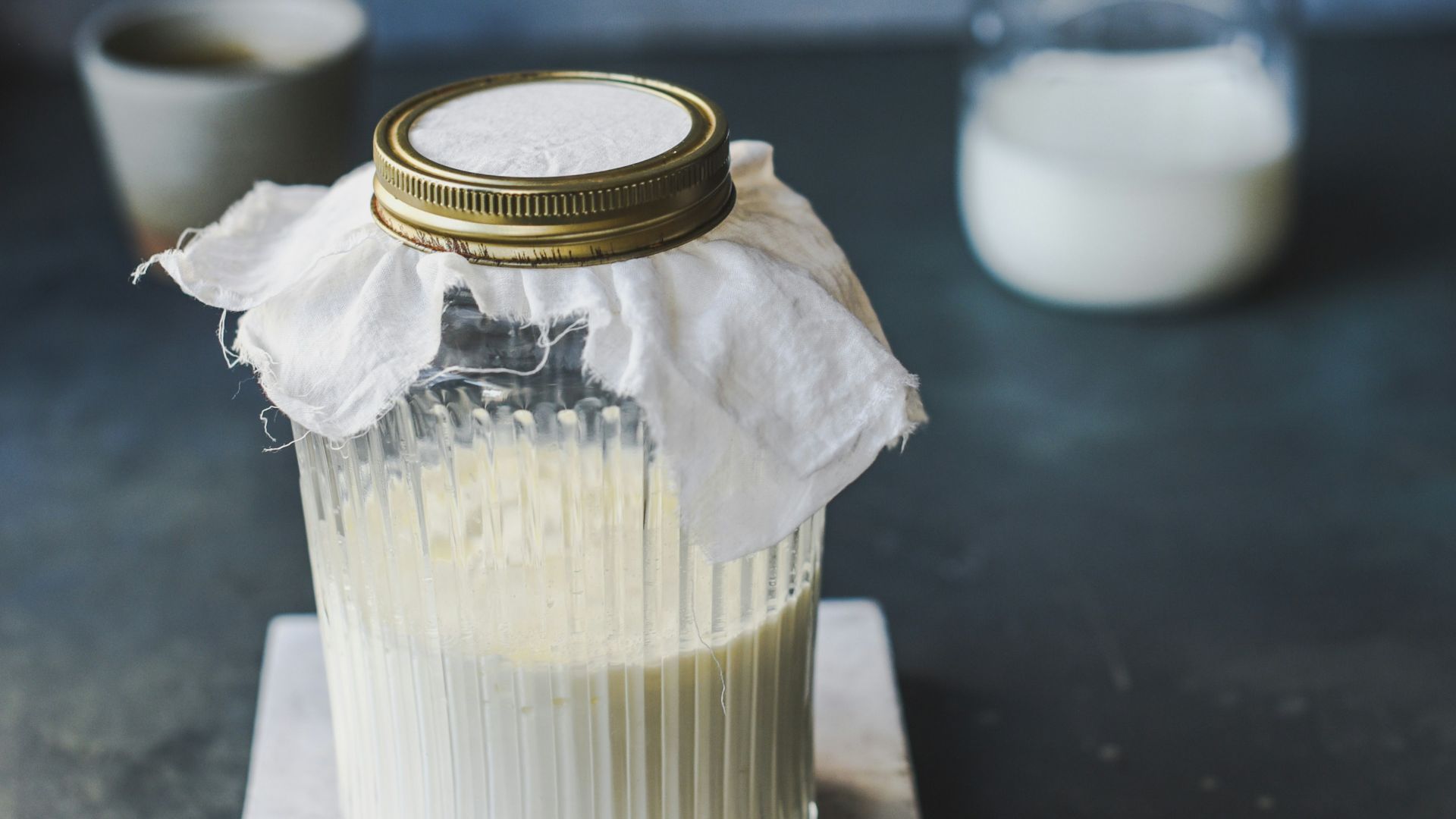
Unfair Reputations And Bad Word-Of-Mouth
Food fear is rarely about the food. It’s about a story someone told you, a texture that surprised you at the wrong moment, a smell that got attached to a memory, or a headline that made something ordinary feel dangerous. A lot of ingredients that people side-eye are either misunderstood, poorly introduced, or simply victims of one unfortunate cafeteria version that never should’ve happened. When you look closer, many of these foods are staples in whole parts of the world, eaten daily without drama, and studied, regulated, or cooked in ways that make them as sensible as anything else in the grocery cart. Here are 20 foods people avoid out of reflex, even though the facts, and often the flavor, don’t really justify the panic.
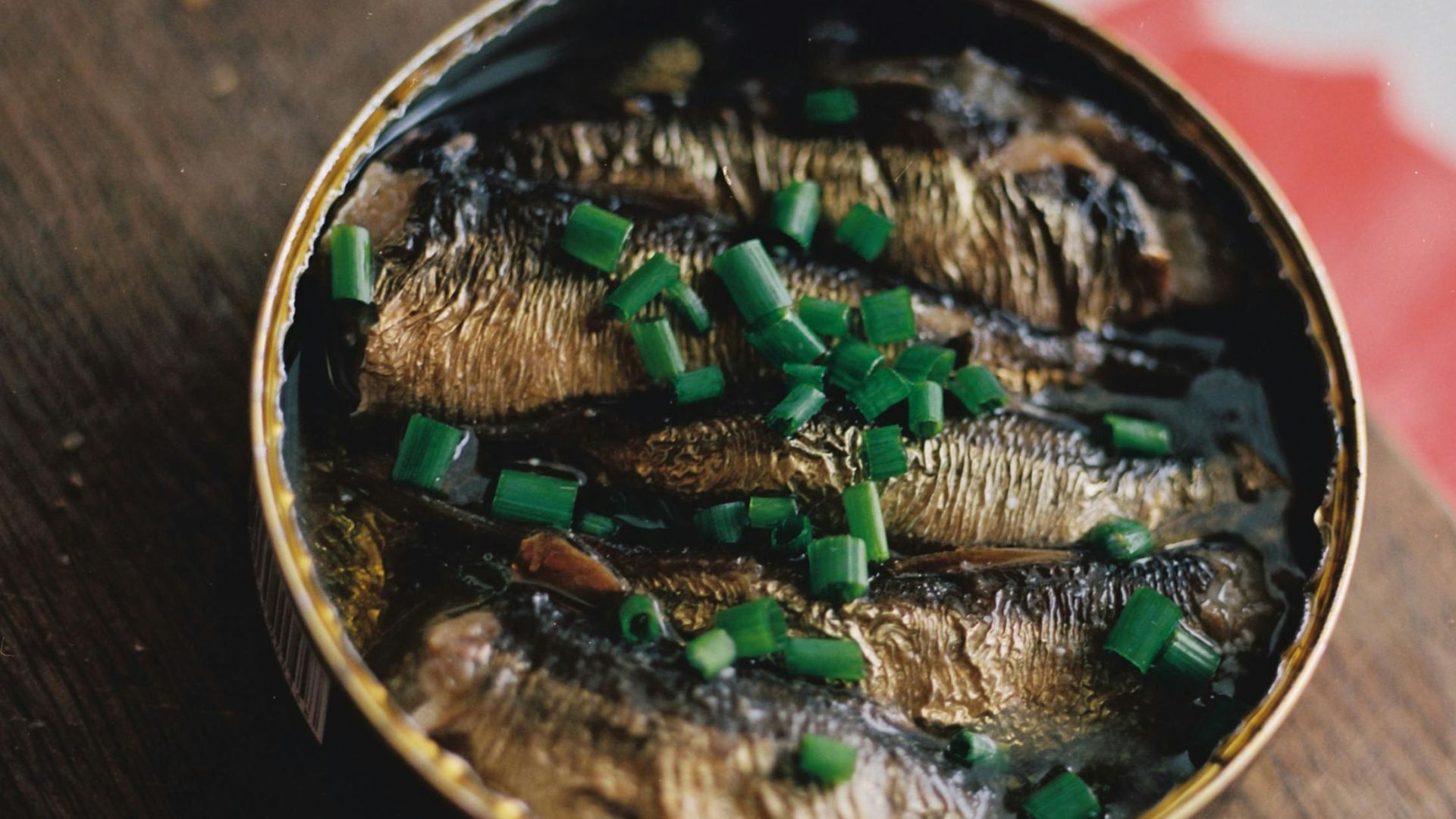
1. MSG
MSG has spent decades as a villain, mostly because a shaky scare narrative took off and never fully died. Food scientists and major health authorities have repeatedly said MSG is safe for most people at typical intake levels, and the “it makes everyone sick” legend doesn’t hold up the way people assume.
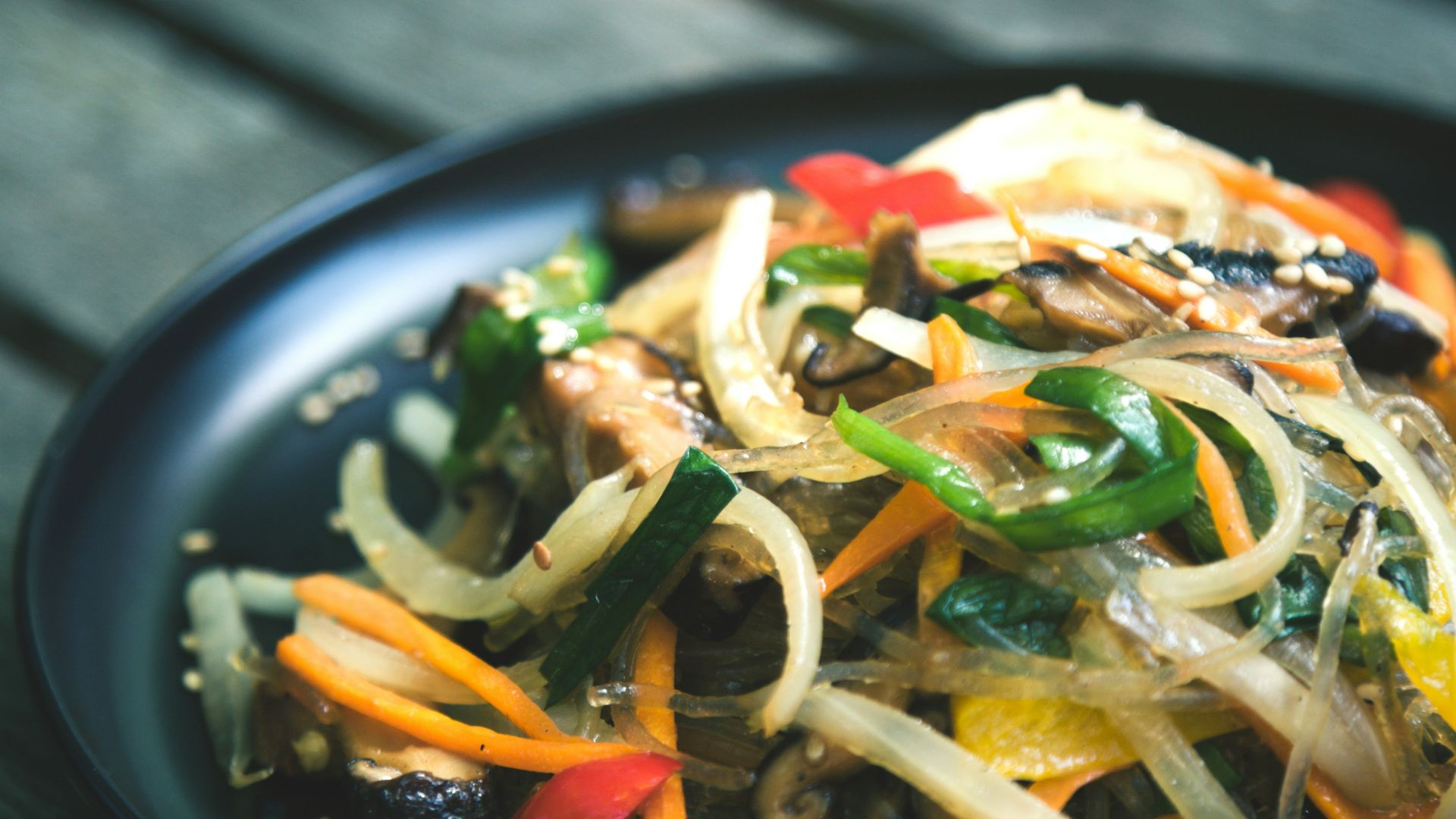
2. Sushi
Raw fish sounds risky until you remember how much the safety depends on handling, freezing practices, and reputable sourcing, not on the concept itself. In regulated markets, sushi-grade fish is managed to reduce parasite risk, and the bigger danger is usually the sad gas-station roll that shouldn’t be trying.
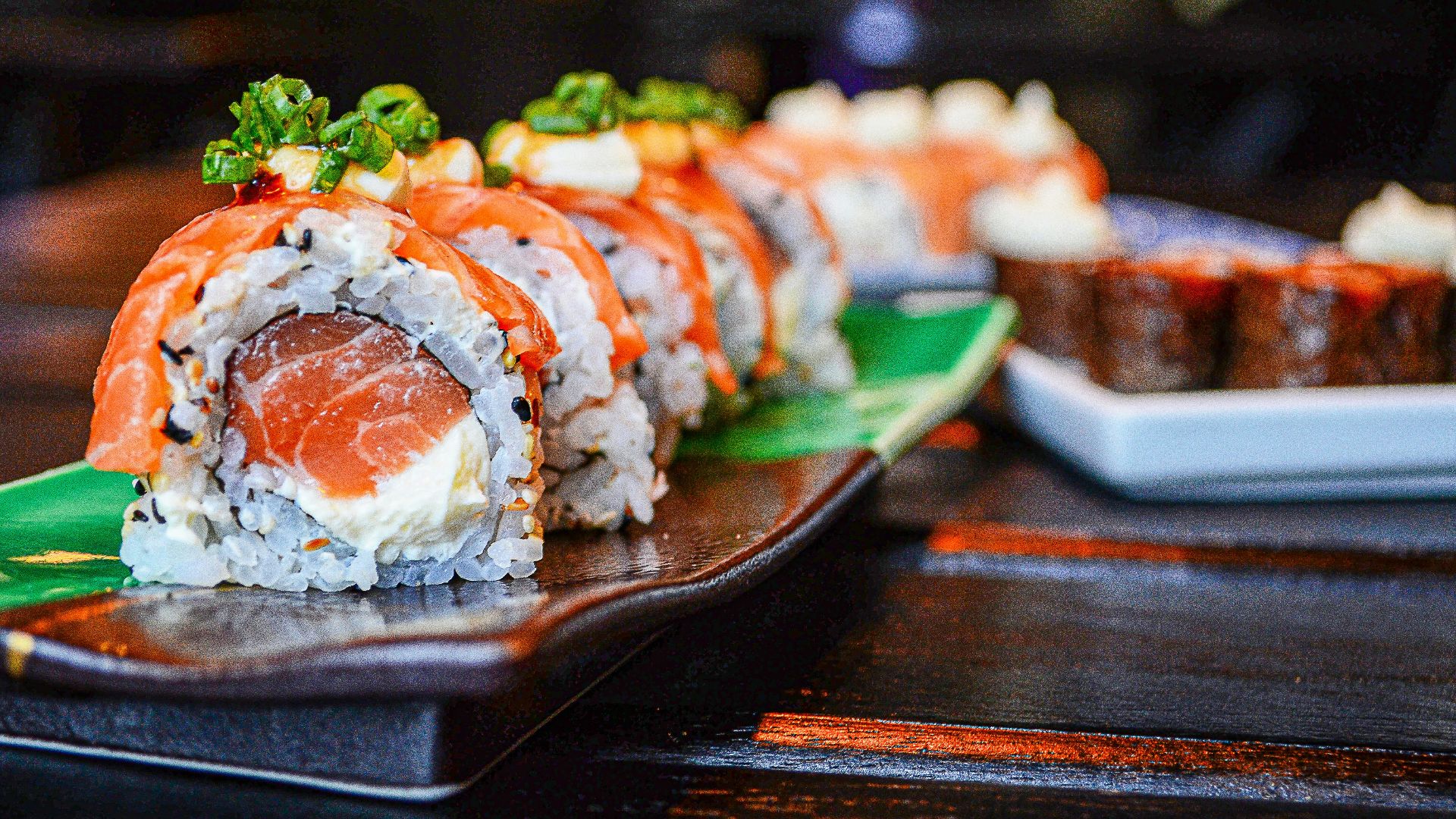
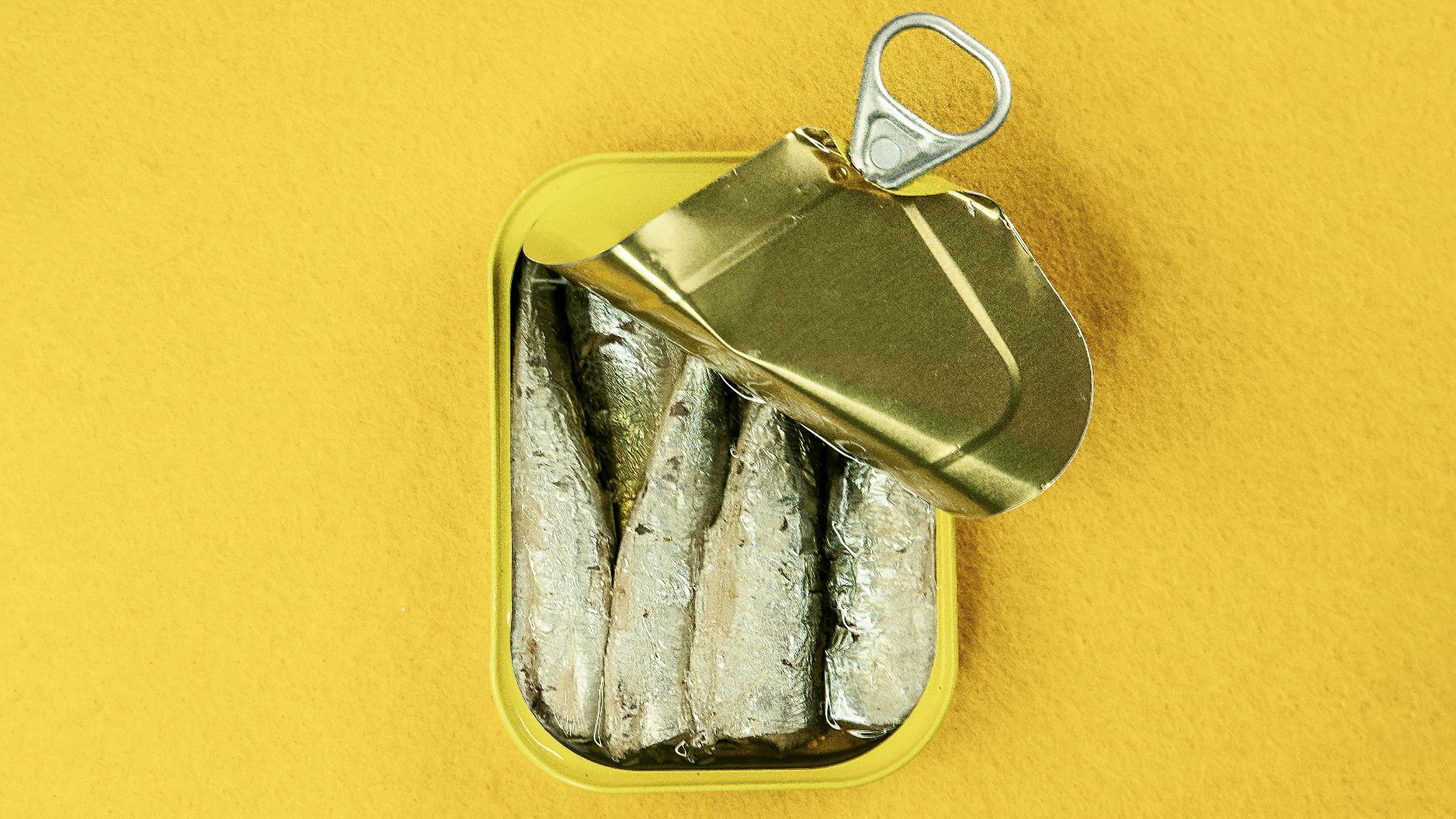
3. Canned Fish
Canned sardines, anchovies, and mackerel get treated like desperation food, mostly because people picture metallic flavor and a fishy smell that takes over the room. The reality is they’re tightly packed, often very well-made, and nutritionally impressive, with omega-3s and calcium in the mix, especially when bones are included.
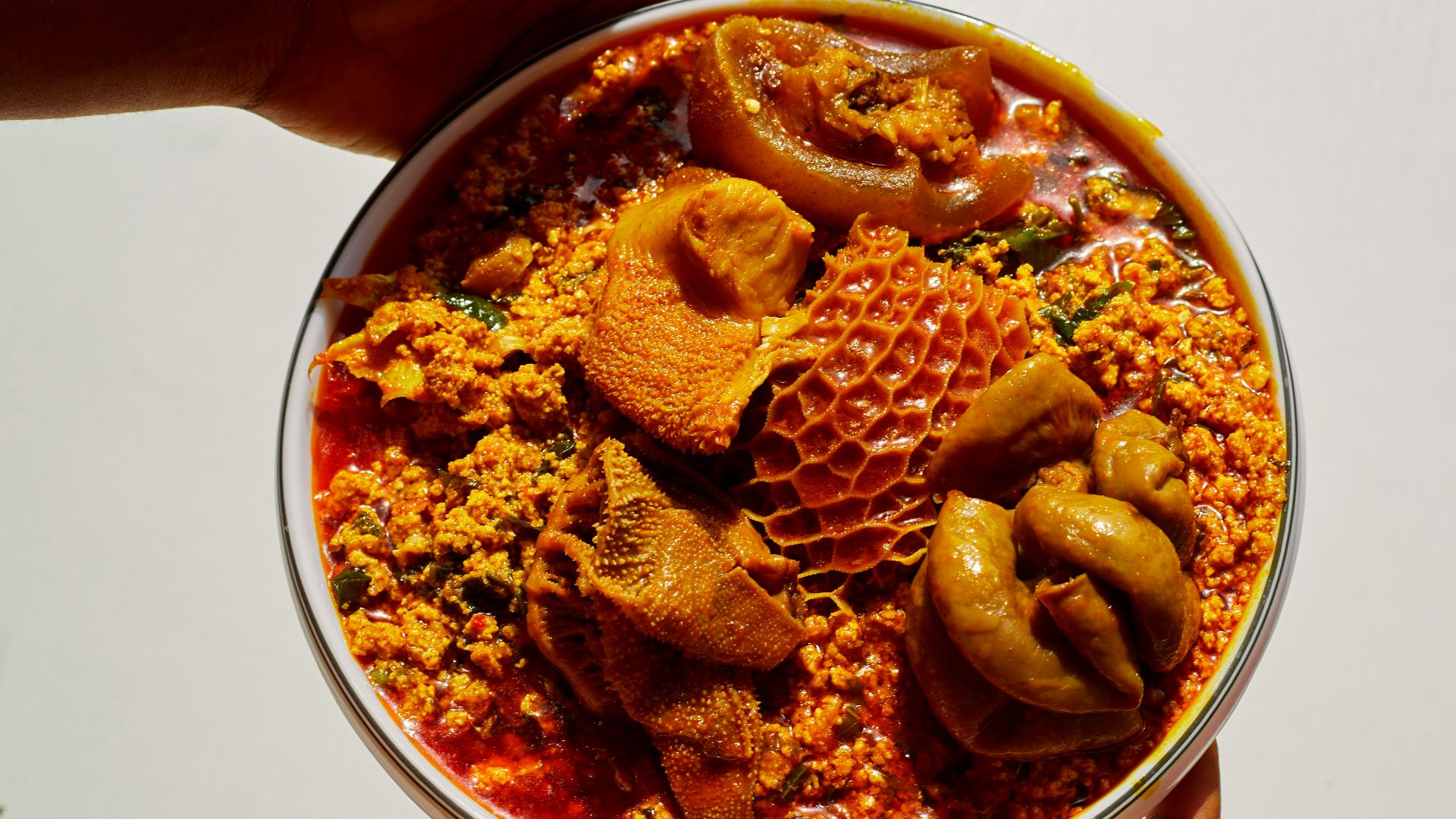
4. Organ Meats
Liver, heart, and other organ meats scare people because they feel too direct, like the animal is suddenly real again. Cooked well, they’re just ingredients, and many traditional cuisines use them because they’re affordable, nutrient-dense, and too valuable to waste.
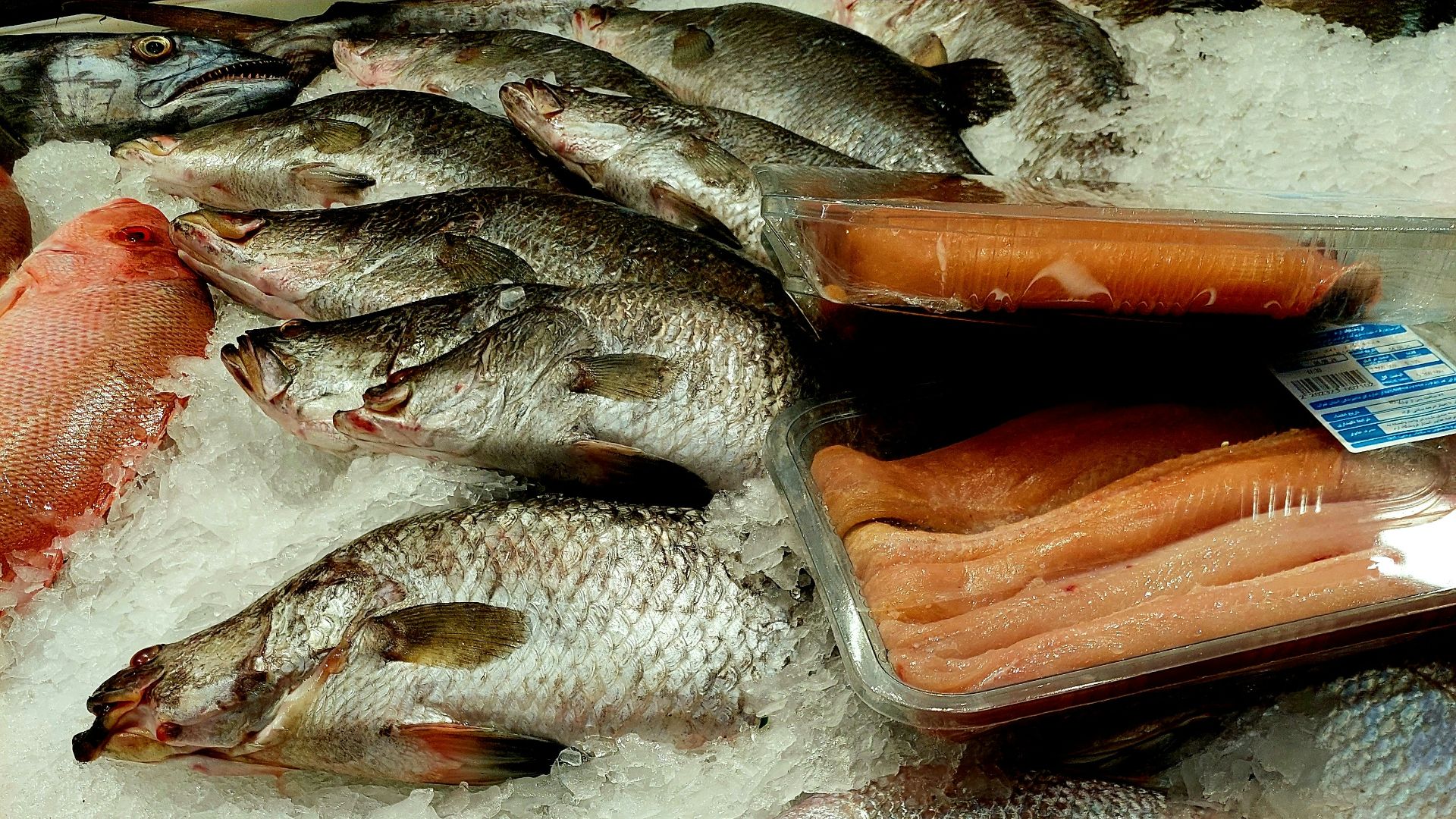
5. Bone-In Fish
Lots of people swear off whole fish because of bones, even though the bones are usually manageable with the right approach and a little attention. Whole fish is also one of the best ways to eat fish at its peak, because the bones help protect moisture and flavor during cooking.
 Mohamad Mostafa Salehi on Unsplash
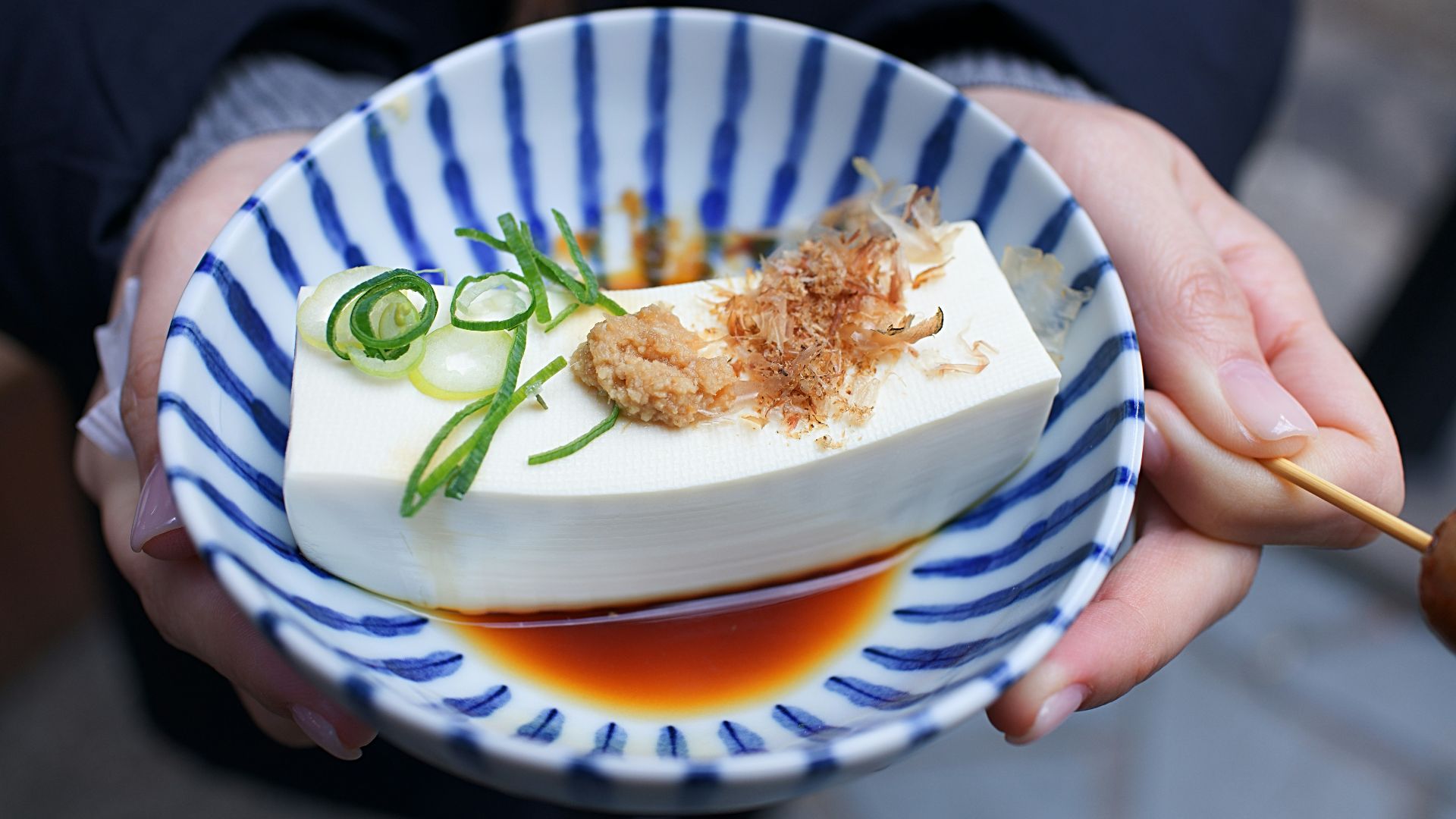
6. Tofu
Tofu gets dismissed as bland, squishy, or somehow “fake,” which is mostly a sign it’s been served badly. It’s a soy-based staple with a long culinary history, and when it’s pressed, marinated, crisped, or stirred into a broth, it behaves like a sponge for flavor.
7. Fermented Foods
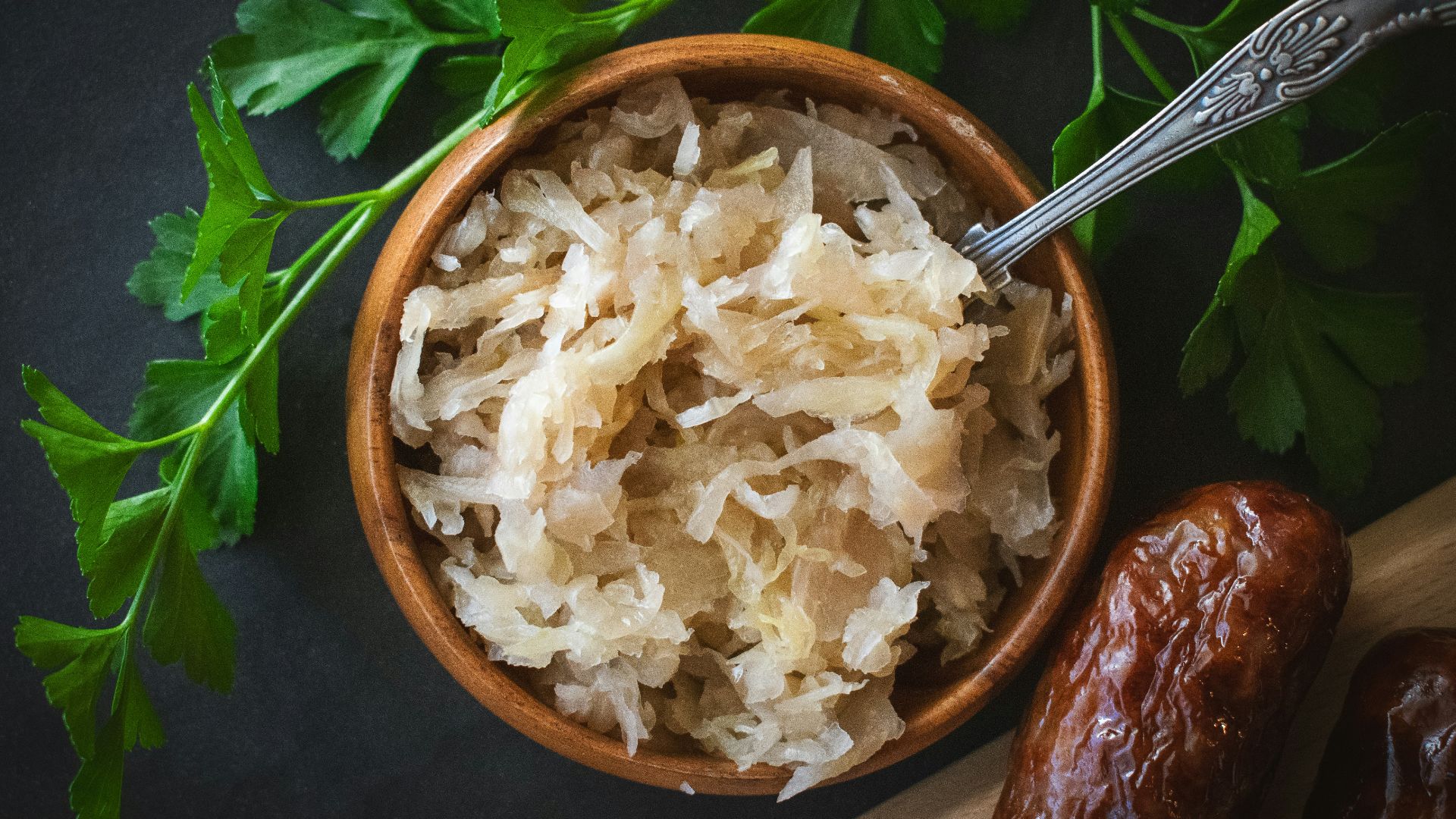
Sauerkraut, kimchi, miso, and kombucha can freak people out because fermentation sounds like decay if you don’t know the difference. Controlled fermentation is one of the oldest preservation techniques humans have, and the tangy, funky flavor is the whole point, not a warning sign.
8. Blue Cheese
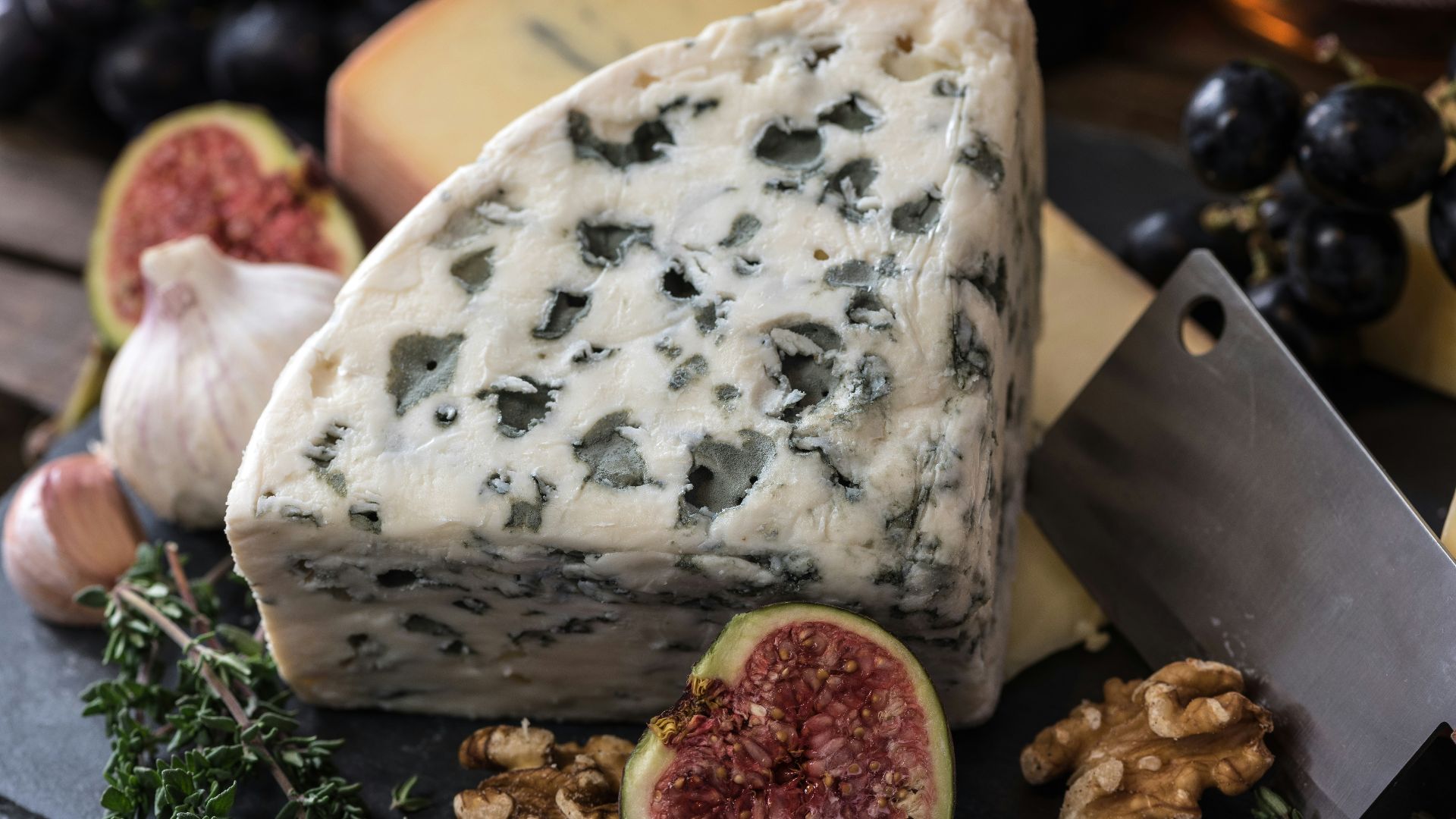
Blue veins read as “mold” and people stop there, even though the molds used are food-safe and intentionally cultivated. If blue cheese has ever tasted like feet, that’s usually a sign it was the wrong cheese at the wrong time, because good blue can be sweet, nutty, and surprisingly gentle.
9. Olives
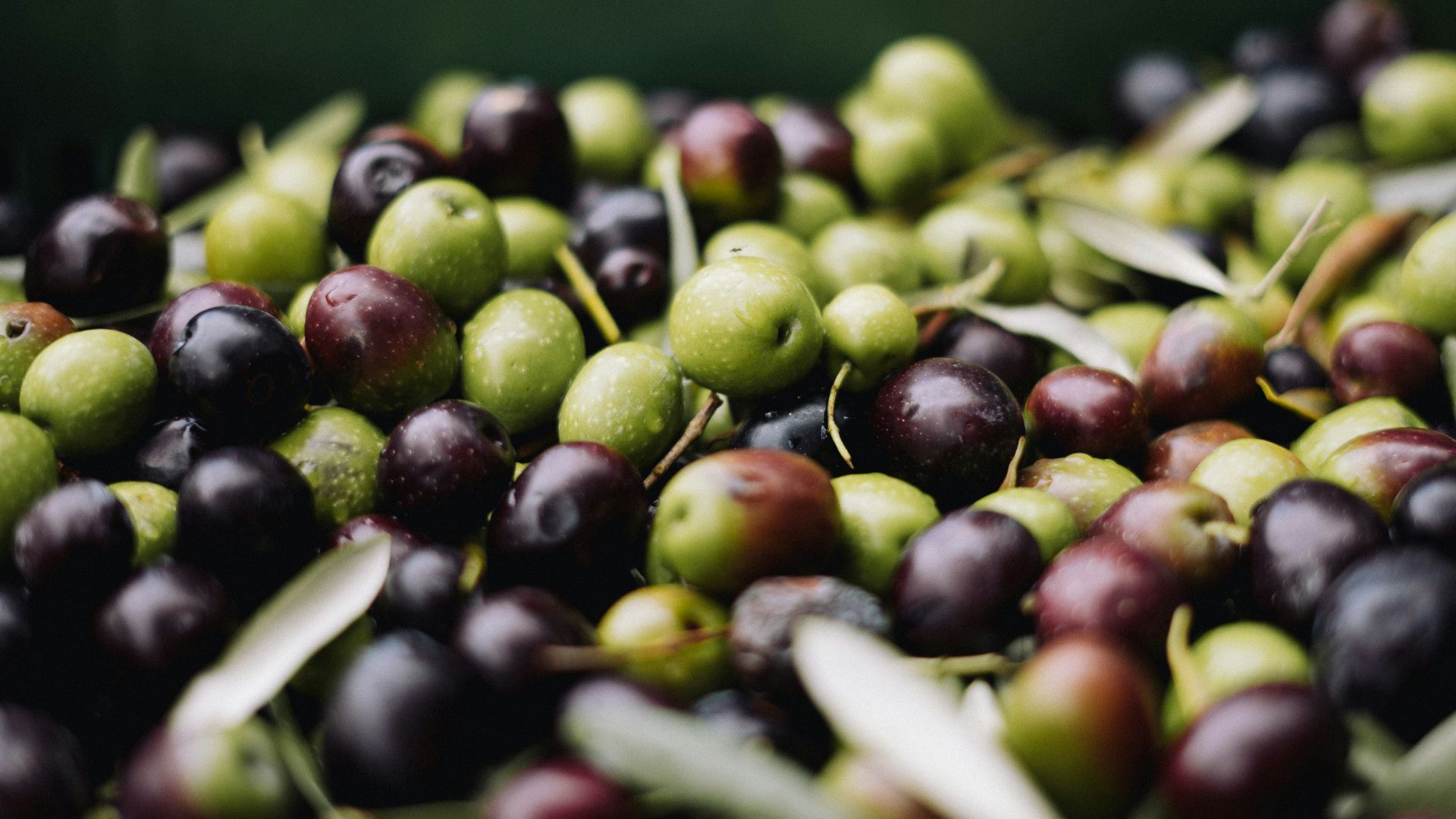
Olives scare a lot of people because the first one they tried was straight out of a can and tasted like brine and regret. Freshly cured olives, especially from a good deli or market, have depth and fruitiness that makes you understand why entire cultures treat them like daily gold.
10. Egg Yolks
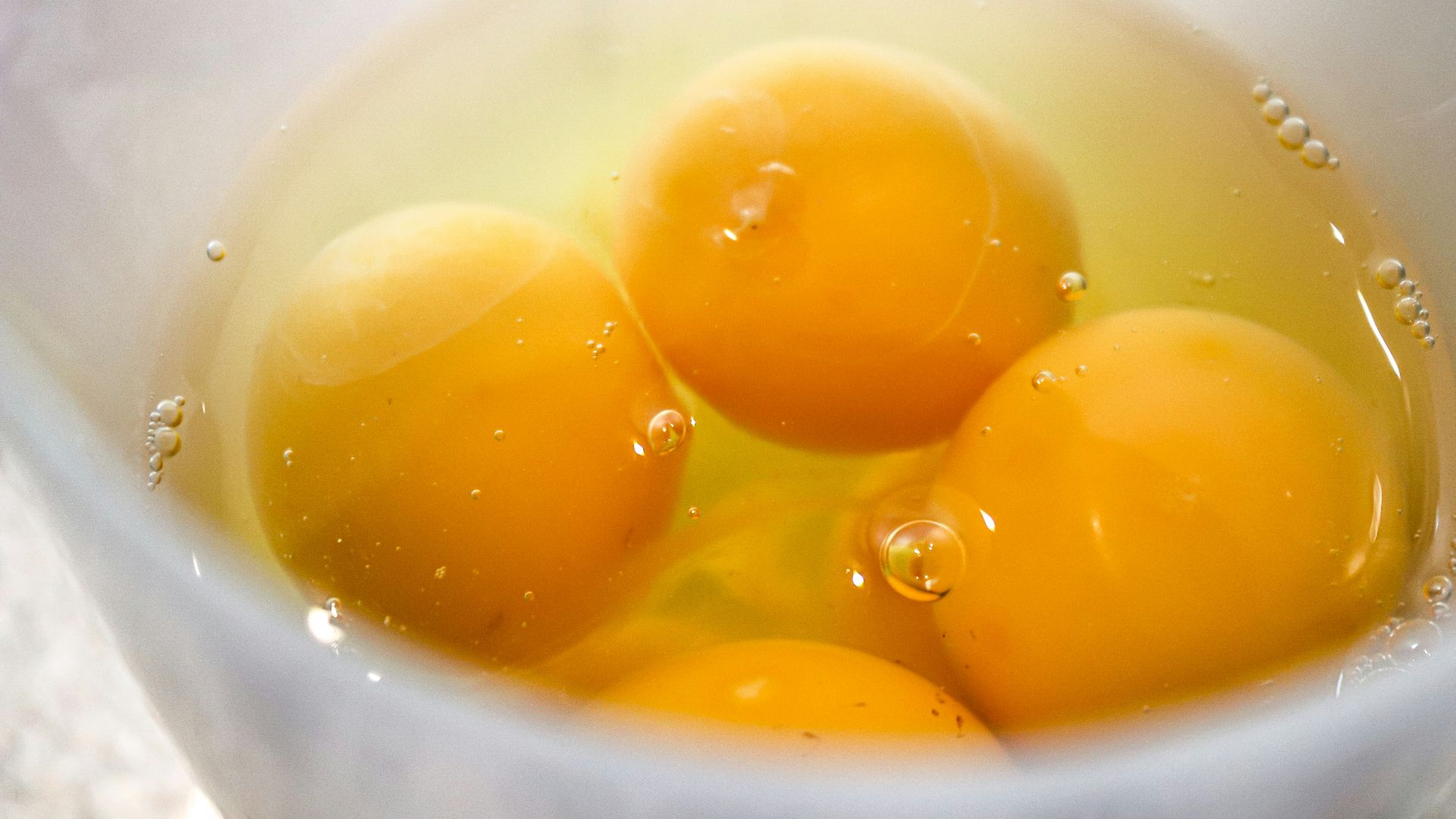
The old cholesterol panic still haunts egg yolks, even though modern nutrition science has complicated that simplistic “yolks are bad” storyline. For most people, eggs can fit comfortably into a balanced diet, and the yolk is where the richness and satisfaction live.
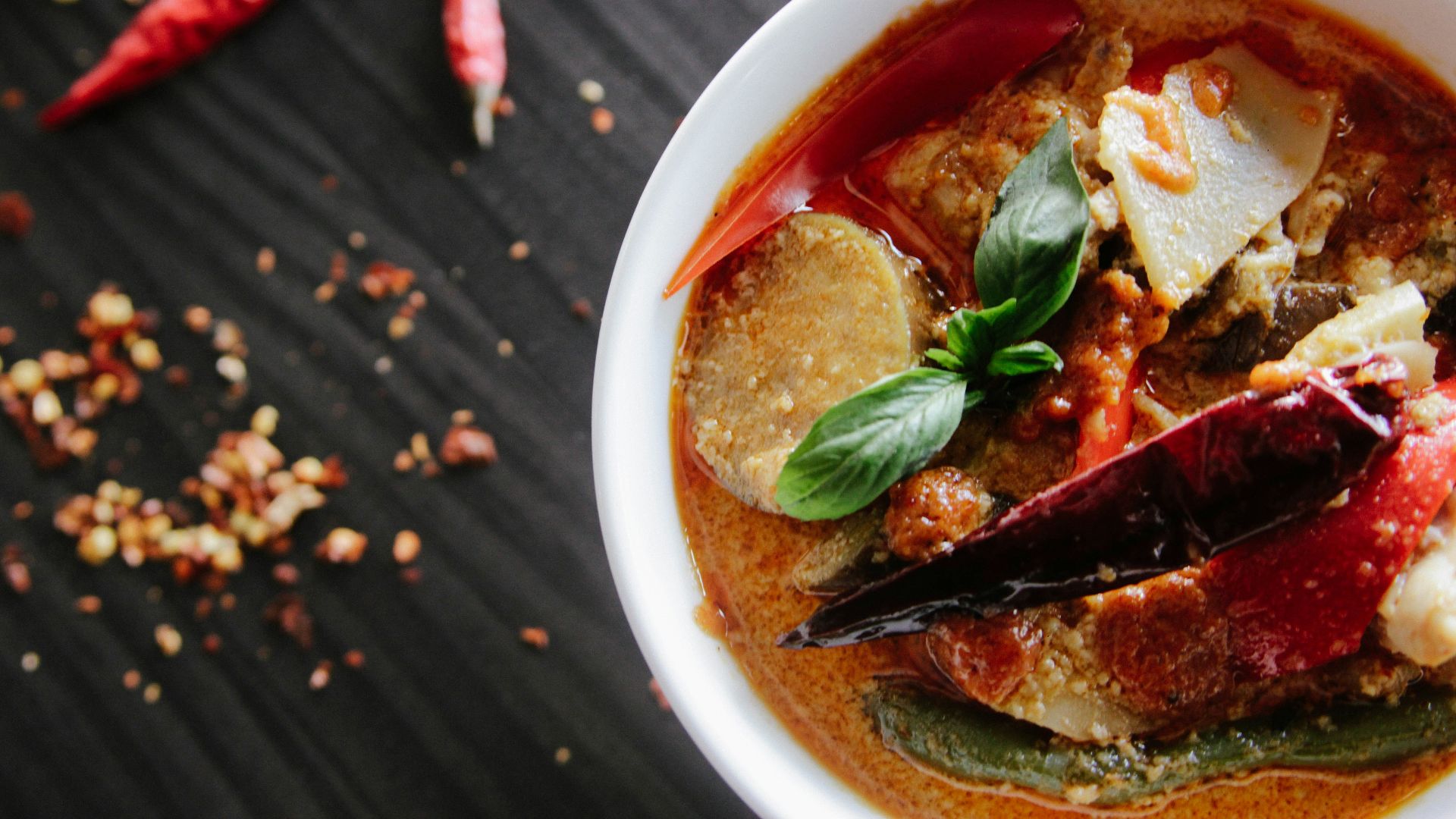
11. Spicy Food
Spice fear is often just a bad early experience, the one where someone handed you something too hot and called it funny. Heat is a learnable sensation, and many cuisines balance it with fat, acidity, and sweetness so it feels exciting instead of punitive.
12. Mushrooms
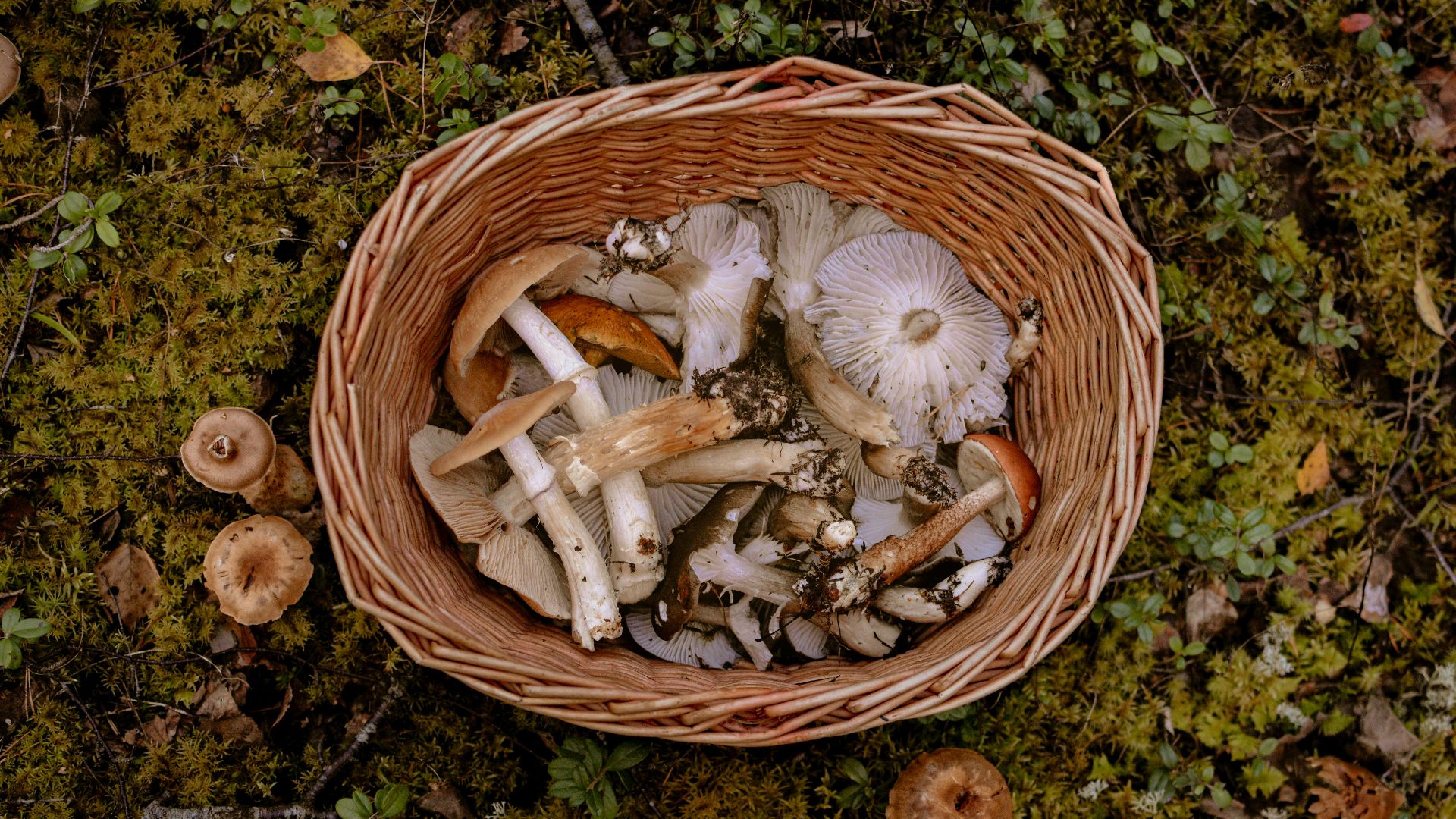
Mushrooms get lumped into “slimy” or “suspicious,” probably because they’re neither plant nor meat, and they can be cooked into rubber if mistreated. When sautéed properly or roasted until browned, they’re savory, aromatic, and legitimately luxurious.
13. Seaweed
Seaweed sounds like something you stepped on at the beach, not something you’d pack for lunch. In reality, it’s a staple ingredient in many cuisines, full of umami, and it can be crisp, delicate, and snackable rather than “oceanic” in the dramatic way people fear.

14. Beans
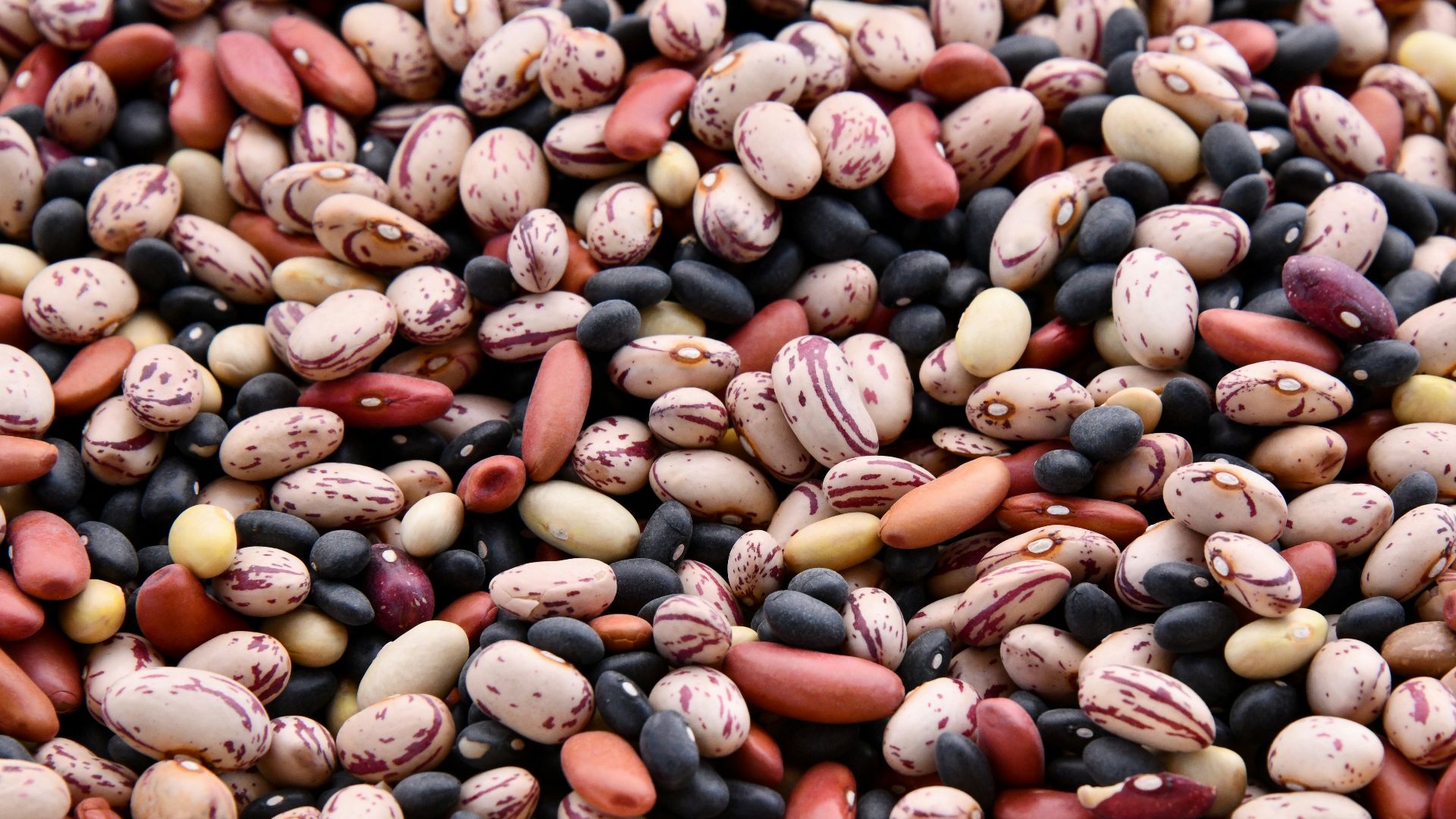
Beans get blamed for digestive issues so often that people forget they’re one of the most reliable, affordable sources of fiber and protein around. If someone’s not used to fiber, easing in, cooking them well, and rinsing canned beans can make a huge difference.
15. Lentils
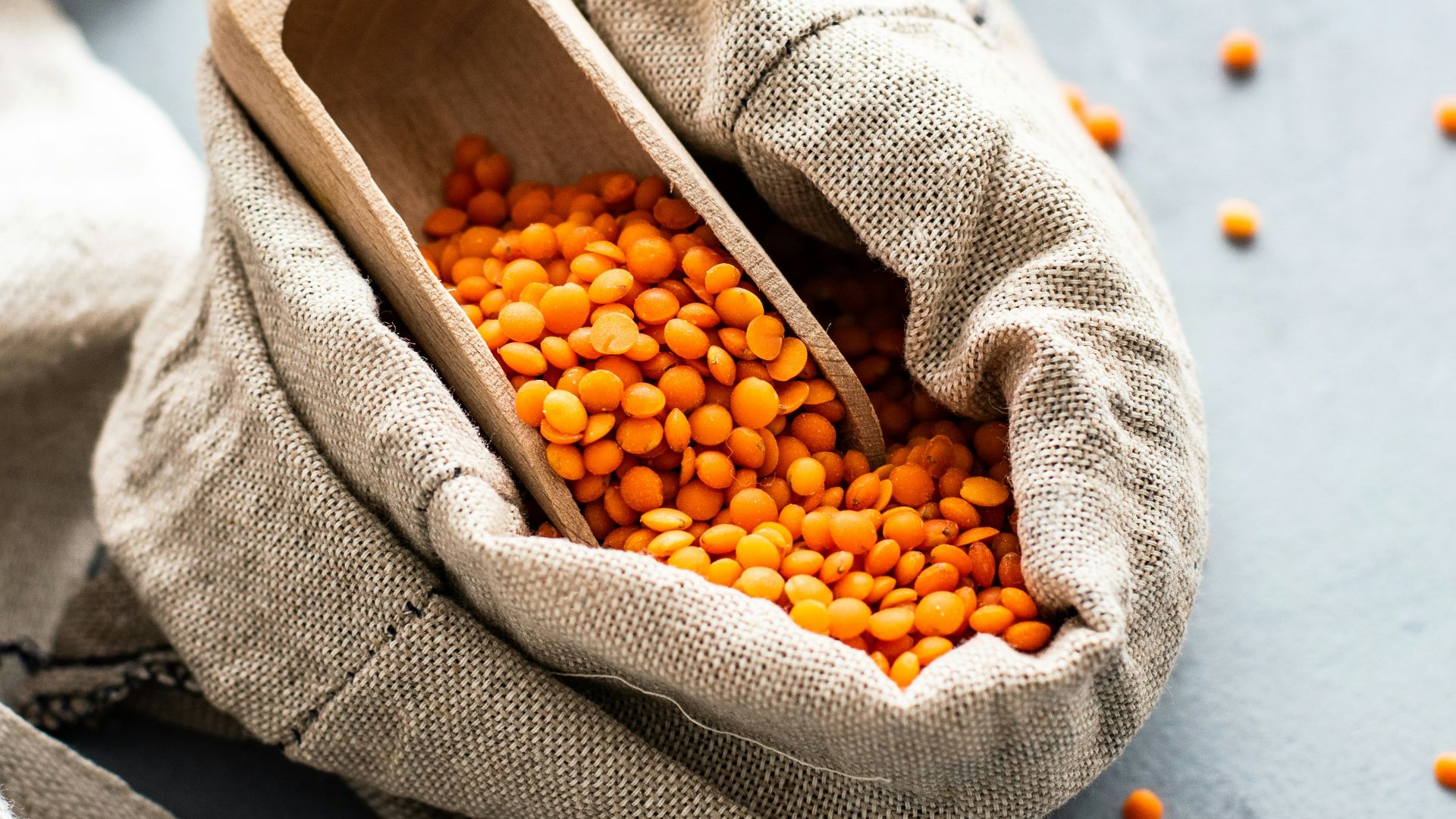
Lentils get treated like bland health food, which makes people suspicious before they even taste them. Cook them with aromatics, spices, and a little fat, and they turn into the kind of deeply satisfying food that feels like it should cost more than it does.
16. Raw Tomatoes
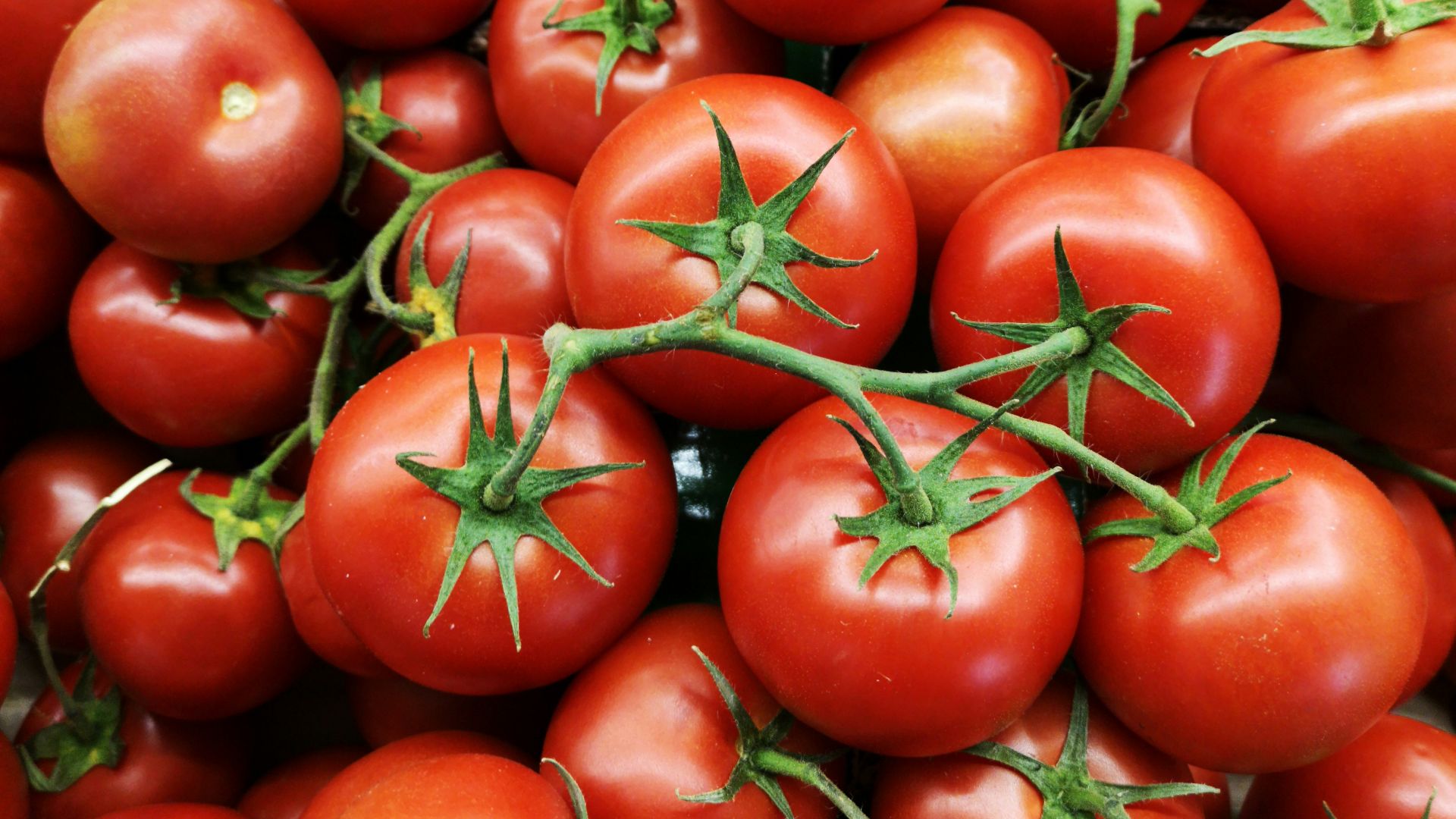
Some people fear raw tomatoes because the texture can feel watery or the flavor can be acidic in an unpleasant way. The problem is usually bad tomatoes, because peak-season tomatoes are sweet, fragrant, and nothing like the pale winter ones that taste like a wet paper towel.
17. Dark Chocolate
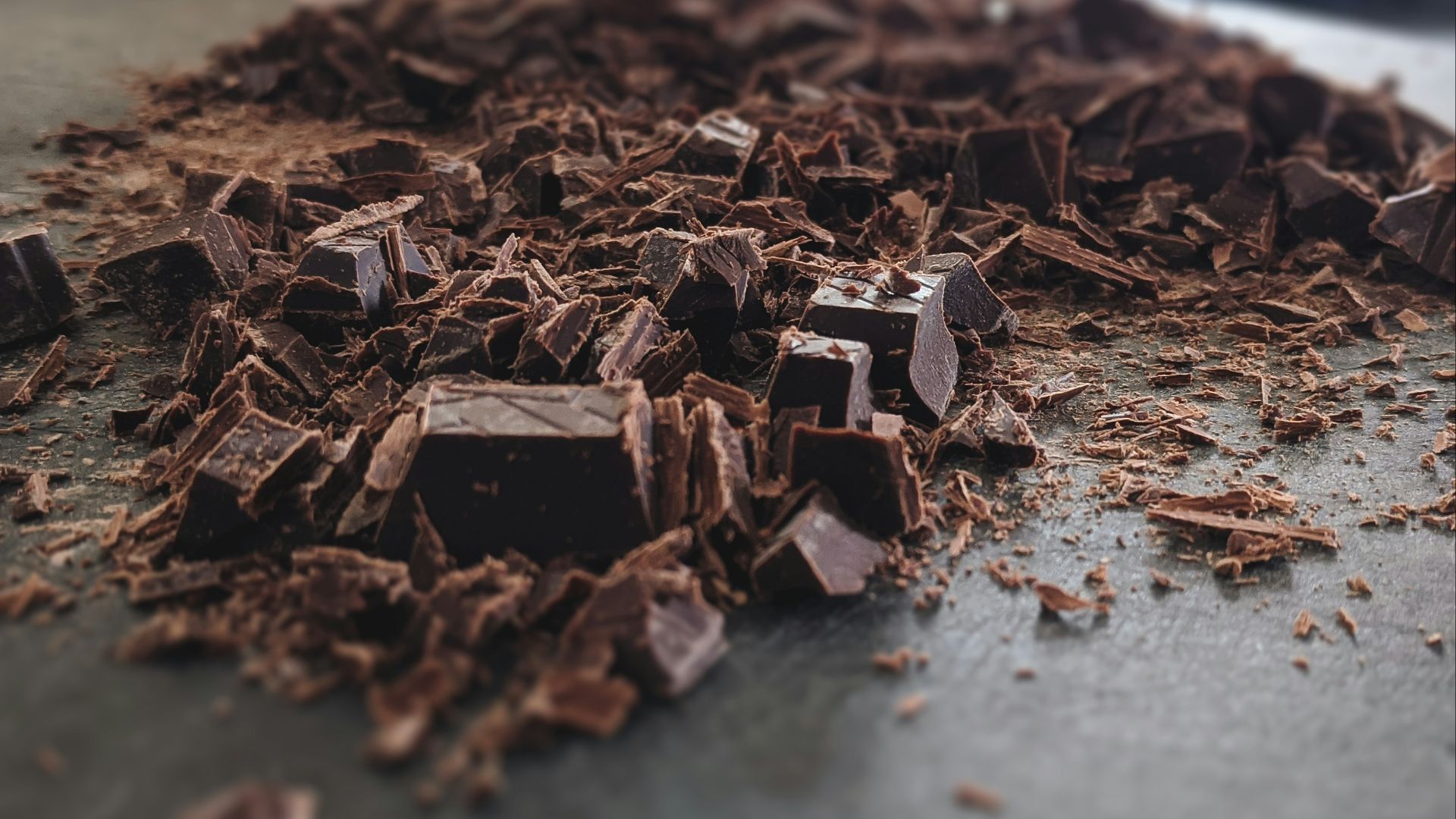
Dark chocolate intimidates people because it can taste bitter if you’re expecting candy. Once you treat it like a grown-up flavor, more like coffee than a sugar bar, you start noticing fruit, nuts, and caramel notes instead of just “sharp.”
18. Nuts
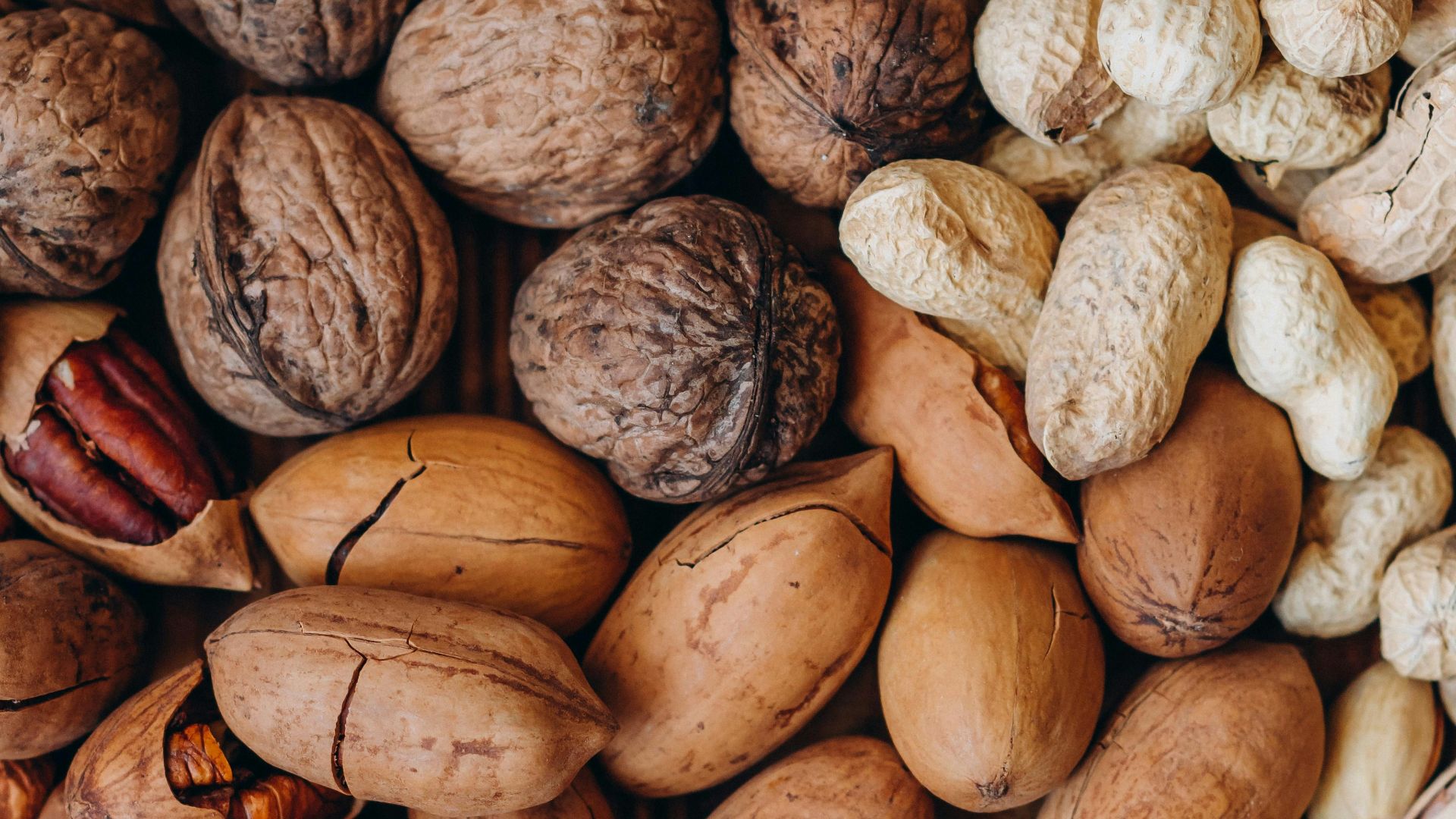
Nut fear often comes from the very real topic of allergies, and that can spill into general anxiety even for people without allergies. For most people, nuts are safe, nutrient-dense, and one of the easiest ways to make food taste richer and feel more satisfying.
19. Frozen Vegetables
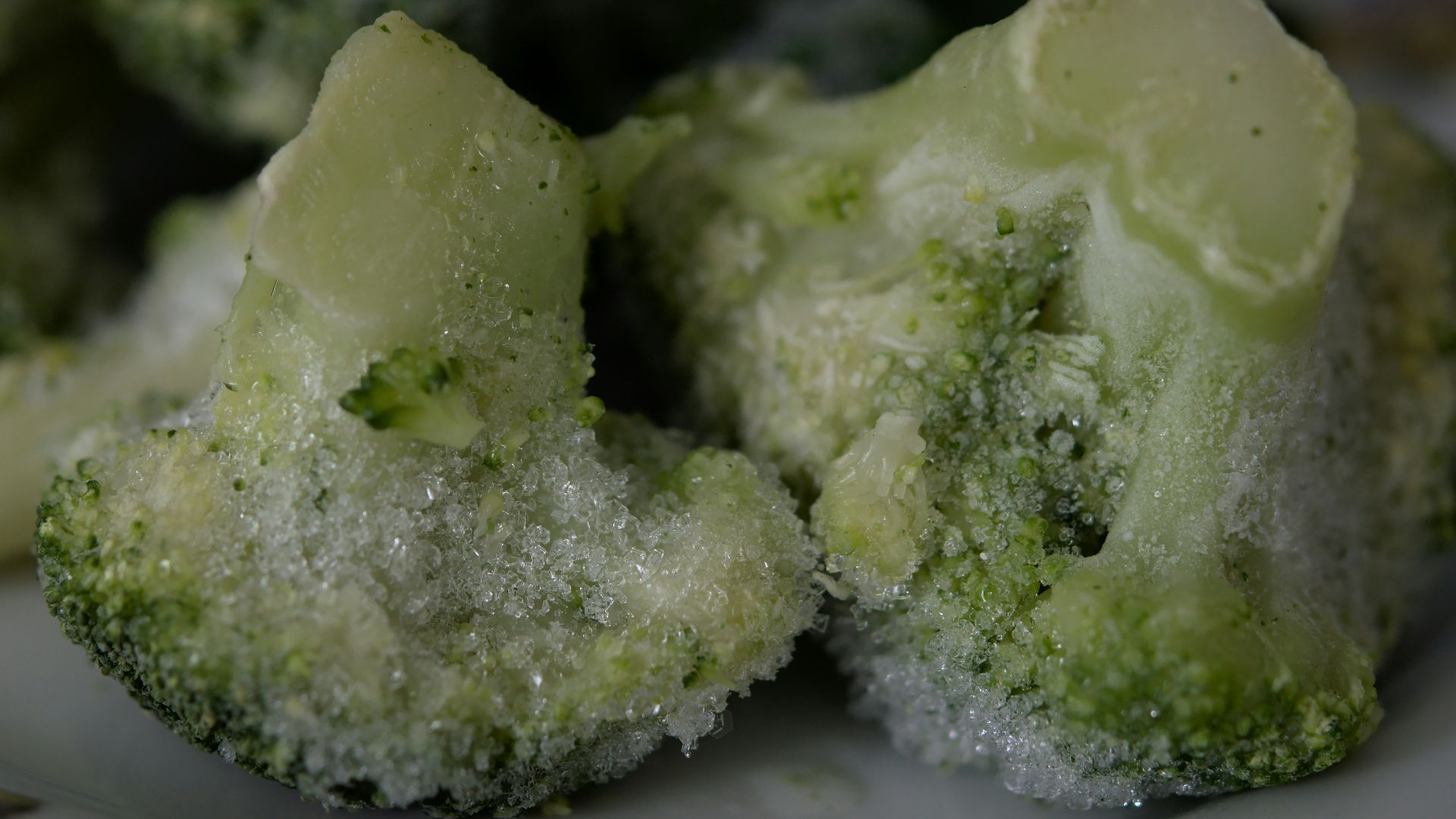
Frozen vegetables are treated like a sad compromise, even though freezing can lock in nutrients and quality right after harvest. They’re also a practical way to eat vegetables consistently, and in soups, stir-fries, and roasted trays, they do the job without apology.
20. Kefir
Kefir unsettles some people because it’s cultured, slightly fizzy, and smells like it’s doing something in the bottle. It’s a traditional fermented milk drink with a long history in the Caucasus region, and in many places it’s treated as everyday, not edgy, poured into a glass the way you’d pour milk.