
A Practical Reset for Your Sweet Tooth
Cutting back on sugar doesn’t have to be difficult, even if it might feel impossible to start. But as you'll see, with a few deliberate swaps and smarter routines, you can lower your sugar intake in a way that feels doable and sustainable. Plus, these small changes often pay off quickly, so you’ll feel it in your day-to-day life. Here are 10 simple ways to cut back on sugar, and 10 changes you'll instantly notice.

1. Swap Sugary Drinks Out
Soda, sweetened coffee drinks, and juice are some of the fastest ways to rack up added sugar without feeling full. Try sparkling water with citrus, unsweetened iced tea, or coffee with cinnamon and a splash of milk instead. Once your taste buds adjust, many sweet drinks start to taste overly intense rather than “treat-like.”

2. Read Labels
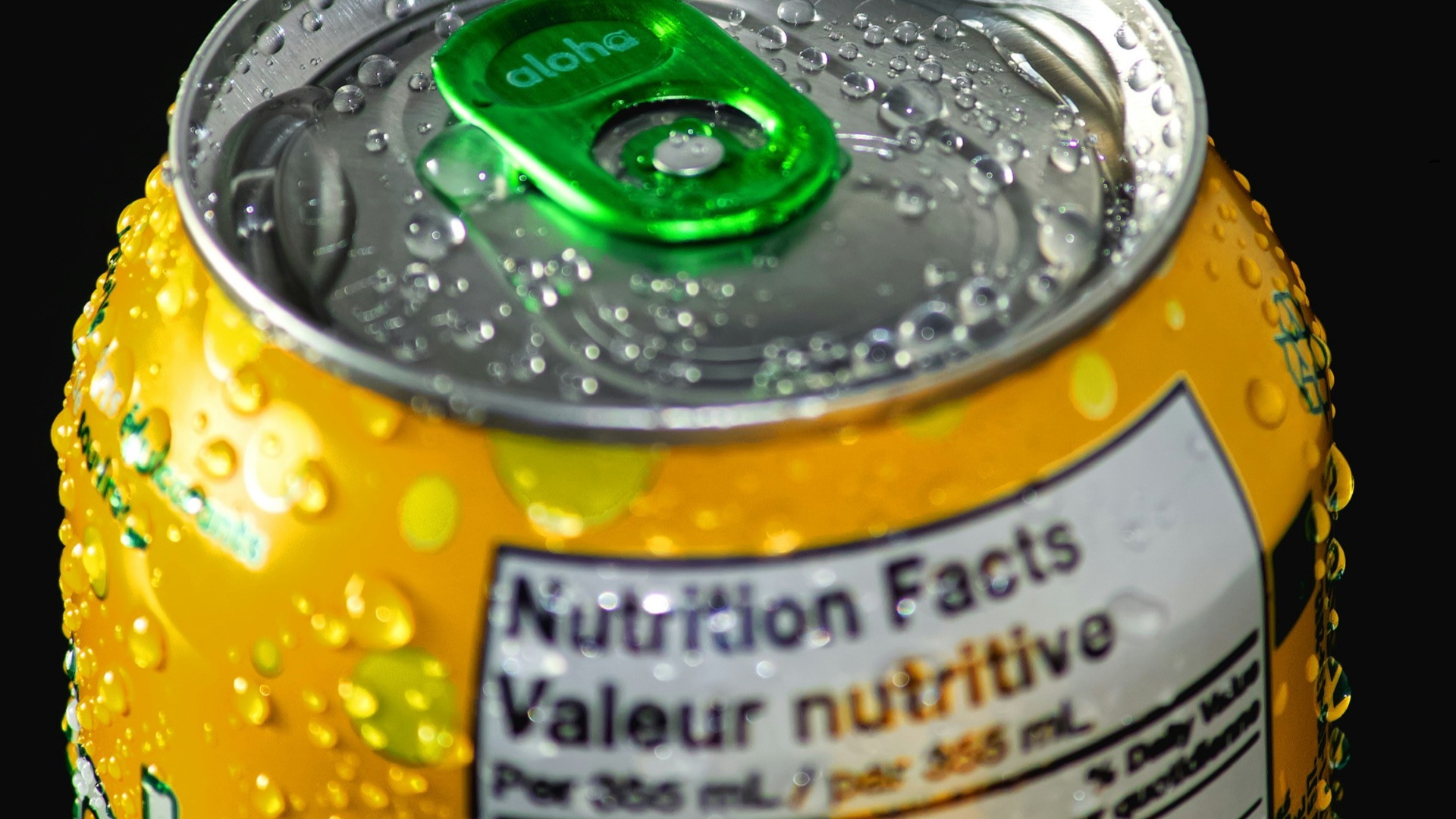
Added sugar shows up in places you wouldn’t expect, including sauces, breads, yogurts, and salad dressings. That's why you should always look for grams of added sugar on the nutrition label and scan ingredients for terms like syrup, cane sugar, or dextrose. This one habit alone can cut a surprising amount of sugar from your day.
3. Choose Plain Yogurt
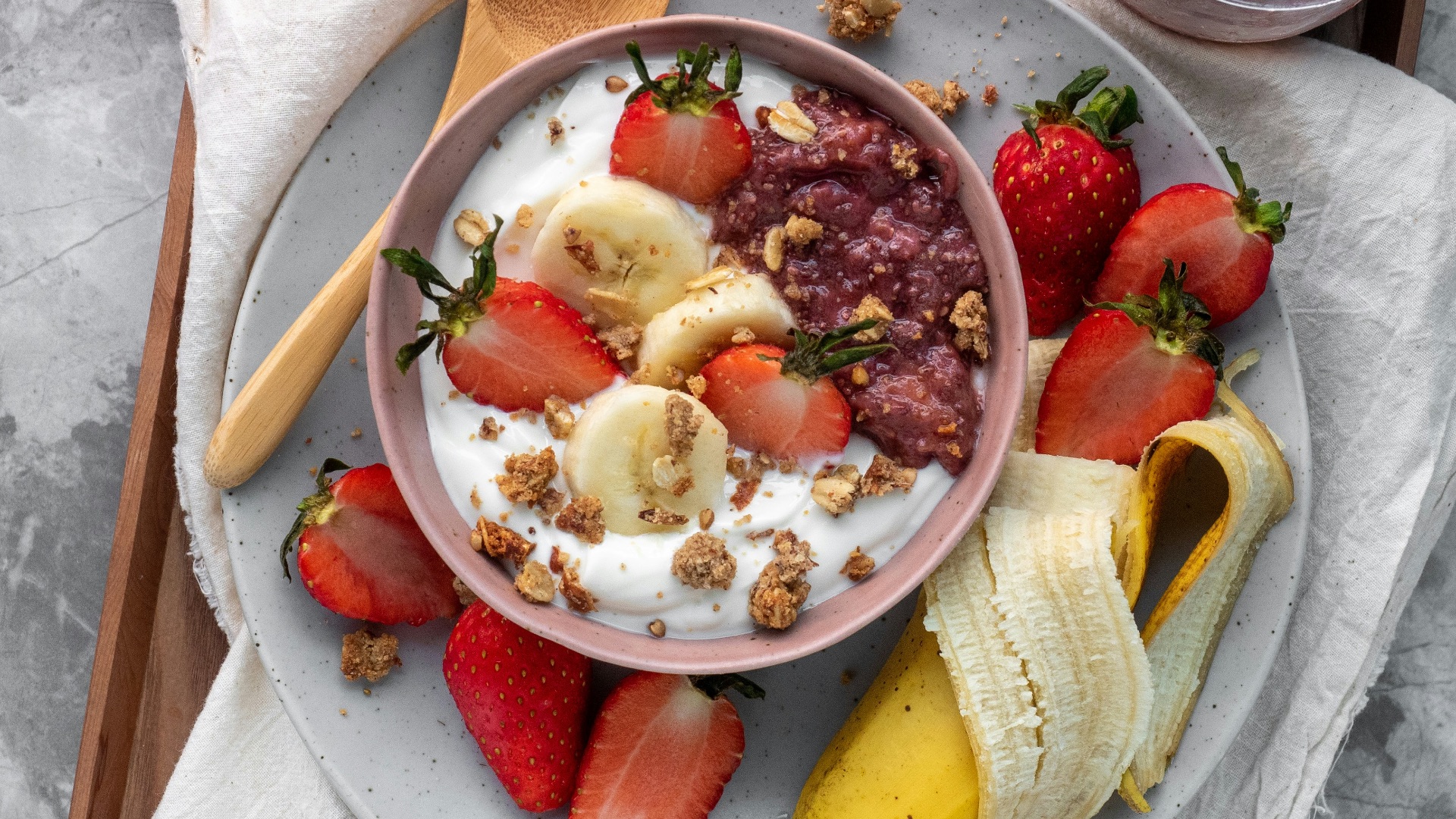
Believe it or not, many flavored yogurts are closer to dessert than breakfast, even when they look or sound healthy. Go with plain Greek yogurt and mix in berries, chopped nuts, vanilla extract, or a little cinnamon instead. This way, you’ll get the protein you want, along with a touch of sweetness, without a massive sugar spike.
4. Rethink Breakfast
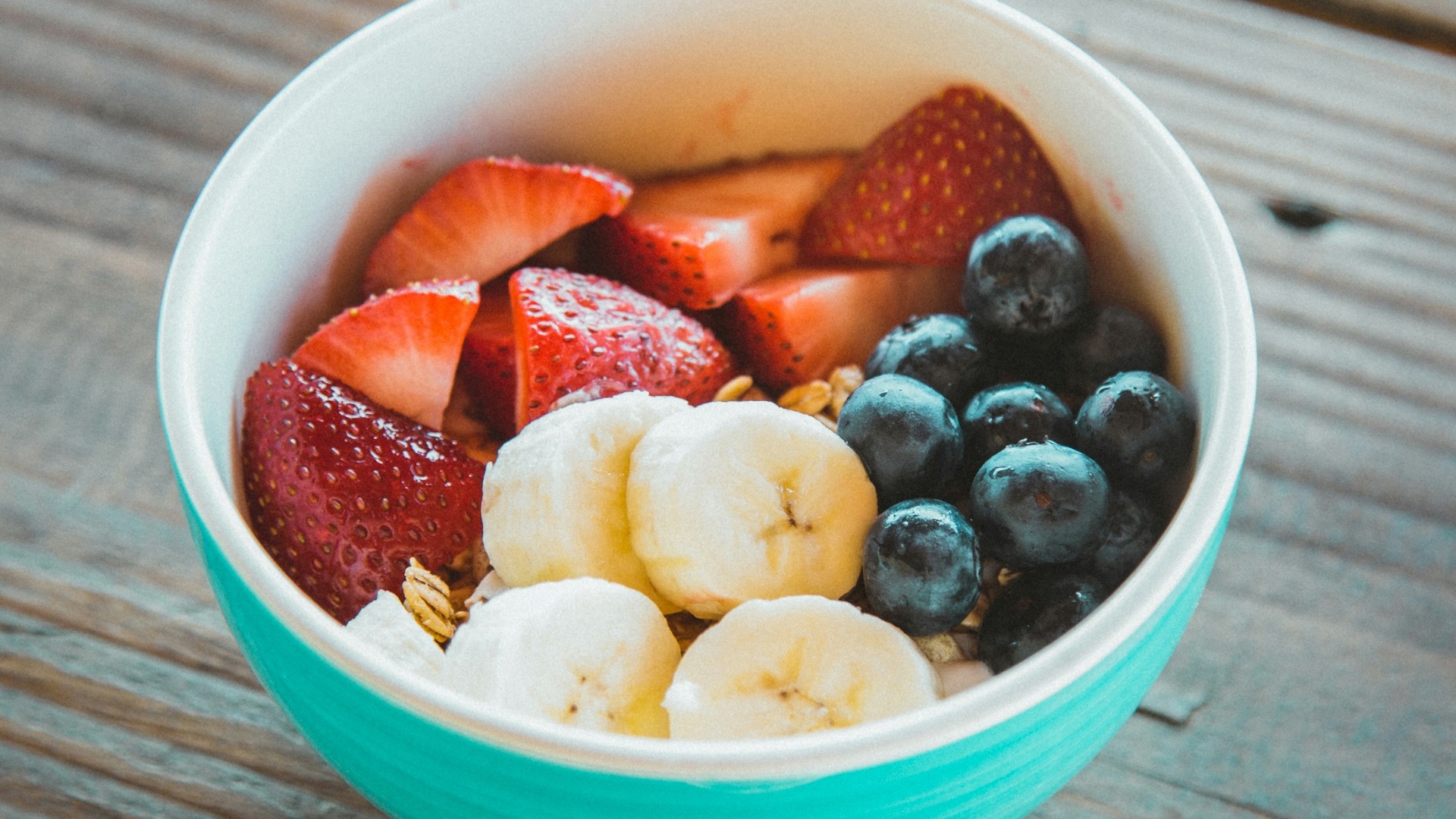
A sugary breakfast can trigger cravings that follow you into the afternoon. Aim for a protein-and-fiber combo like eggs with whole-grain toast, oatmeal with nuts, or cottage cheese with fruit. When breakfast is balanced, your whole day tends to feel steadier.

5. Keep Fruit Prepped & Visible
If fruit is washed, sliced, and ready to grab, you’re more likely to reach for it instead of something packaged. It also gives you sweetness along with fiber and water, which helps your body handle it differently than added sugar.
6. Use the “Less Sweet” Version of Your Favorites
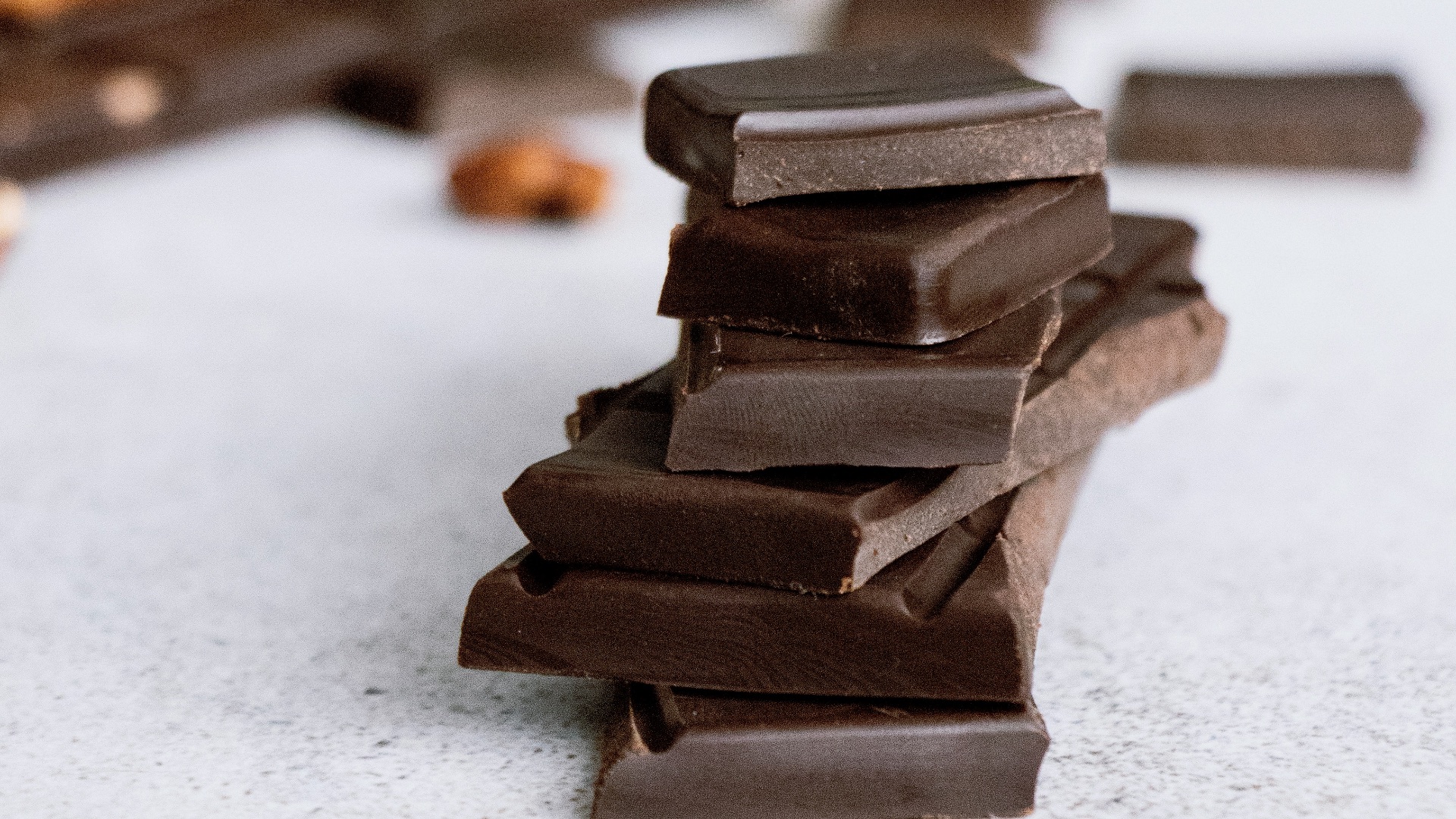
You don’t need to give up desserts right away, but you can dial them down. Choose dark chocolate over milk chocolate, go for half the frosting, or split a treat instead of eating the whole portion. This keeps your routine realistic while still moving you in the right direction.
7. Cut Back on Sauces
Ketchup, barbecue sauce, teriyaki sauce, and even some pasta sauces can add up fast. Switch to less sweet versions or use simple alternatives, like herbs and olive oil. You’ll still get bold flavor without that sneaky sweetness.

8. Pick Snacks That Don’t Start a Sugar Loop
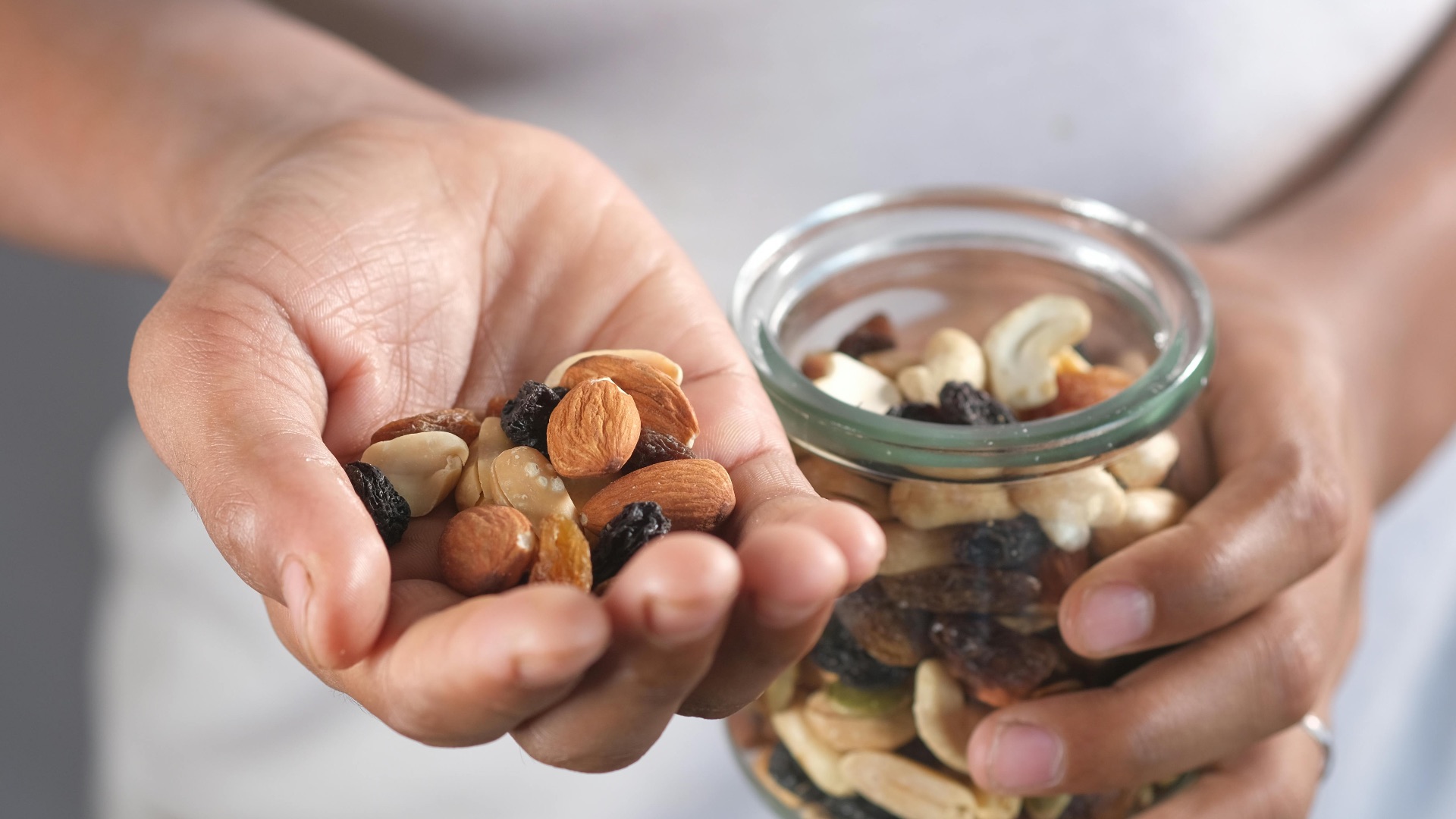
Cookies, candy, and sweet granola bars often lead to more snacking because they don’t satisfy for long. Try nuts, cheese, hummus with veggies, roasted chickpeas, or a hard-boiled egg instead. These options help you feel full and reduce the urge to chase another quick sugary hit.
 Food Photographer | Jennifer Pallian on Unsplash
9. Tidy Your Pantry
If the easiest option at home is sugary, that’s what you’ll end up reaching for when you’re tired or distracted. Stock a few reliable defaults like unsweetened nut butter, whole-grain crackers, popcorn, and canned beans. When your pantry supports you, it becomes a lot easier to eat better.

10. Lower Sugar Gradually
If you drop sugar to zero overnight, it can feel restrictive and backfire. So instead, try reducing incrementally, like using one less teaspoon in coffee, cutting dessert portions, or choosing unsweetened versions a few days a week. Your palate adapts more quickly than most people expect, and after a while, the change will start to feel normal.
Now that you're equipped with some tips to help you cut back on sugar, let's jump into the rewarding part: the changes you'll immediately notice.

1. Your Energy Will Feel More Even
Many people notice fewer afternoon crashes once their meals stop revolving around added sugar. That means, instead of riding a rollercoaster of quick spikes and dips, you’re more likely to feel steady across the day. That stability can make work, errands, and life in general feel less draining.

2. Your Cravings Often Get Quieter
When sugar isn’t constantly showing up in snacks and drinks, your need to have something sweet tends to fade. You may still want treats sometimes, but the urge becomes less urgent and less frequent. It’s a shift from compulsion to choice, which is a big win.
3. You Might Feel Full on Less Food
Higher-sugar foods are easy to overeat because they’re often low in fiber and protein, the two things that make you full. Once you replace them with more satisfying options, your hunger cues can become more reliable. Many people realize they were snacking out of habit rather than true appetite.
4. Your Mood Can Feel Less Reactive
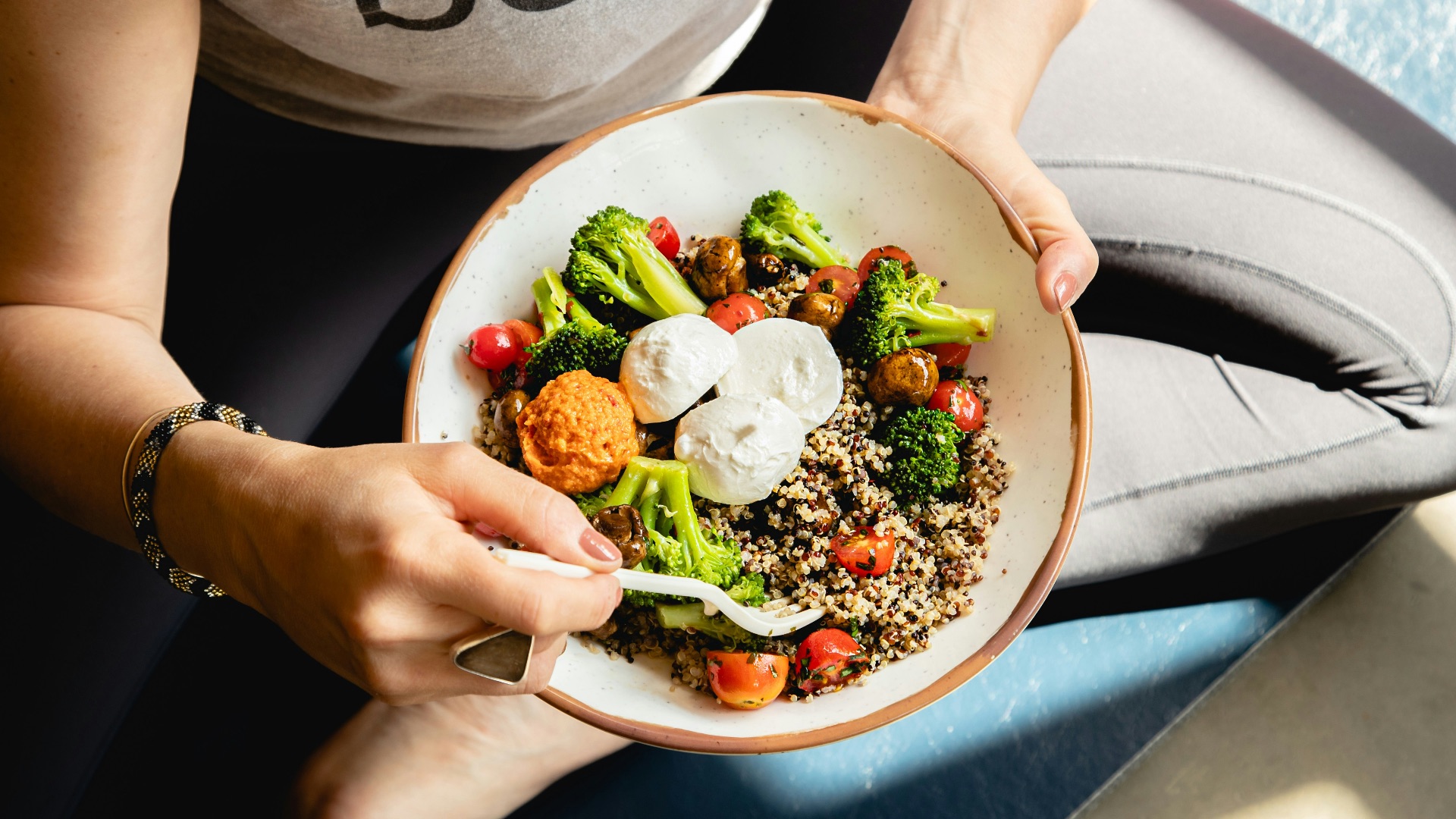
Blood sugar swings can leave you feeling irritable, restless, or oddly anxious for no clear reason. With fewer spikes, emotional ups and downs may soften, especially between meals. It won’t solve everything, but it can make your baseline feel calmer.
 Jacqueline Munguía on Unsplash
5. Your Skin May Get a Bit Clearer
Some people notice fewer breakouts or less overall “puffiness” after reducing added sugar. While skin is influenced by many factors, cutting back can support a healthier inflammatory balance in the body. Even small improvements tend to feel noticeable when you’re looking in the mirror every day.
 Antoni Shkraba Studio on Pexels
6. Your Sleep Can Get More Restful
Sugary evenings can interfere with sleep for some people, especially if it triggers late-night snacking or a blood sugar drop overnight. When your last meal before bed is more balanced, your body often settles more easily. Better sleep also makes it easier to stick with your new habits, so it becomes a positive cycle.

7. Your Taste Buds Will Reset Faster Than You’d Think
After a couple of weeks, fruit can taste sweeter and packaged desserts may taste almost too sugary. This is one of the most underrated benefits because it makes your new choices feel genuinely satisfying. Instead of forcing discipline, you start to prefer the lower-sugar baseline.

8. You May Feel Less Sluggish After Meals
That heavy, sluggish feeling after lunch is often tied to overly refined, sugar-heavy meals. As you shift toward protein, fiber, and healthy fats, you won't be as likely to hit that mental fog. It’s easier to focus when your body isn’t trying to recover from a spike-and-crash pattern.

9. Your Gut Might Feel Calmer
For some people, sugary foods contribute to bloating or discomfort, especially when they crowd out fiber-rich choices. Swapping in whole foods can support a steadier digestive rhythm and can help better regulate your bowel movements, too.

10. You’ll Build Trust in Yourself
Following through on small changes creates momentum, and momentum builds confidence. When you see that you can adjust your habits without misery, the goal stops feeling fragile. Over time, it becomes less about “being good” and more about taking care of yourself on purpose.