
Getting Back on Track After the Holidays
Let’s be honest—holiday eating is half the fun, but the “after” part isn’t quite as joyful. When the leftovers are gone, and your jeans feel tighter, it’s tempting to dive into a crash diet. But there’s a better, more sustainable way to feel like yourself again. These twenty simple tips will help you drop the extra holiday pounds without misery, deprivation, or giving up all your favorite foods.

1. Start With Water
Before you reach for coffee or breakfast, drink a big glass of water. It helps wake up your metabolism, flush out excess sodium from all that festive food, and keeps false hunger at bay. Try keeping a reusable bottle nearby during the day—when water’s in front of you, you’re far more likely to drink it without even thinking about it.

2. Ease Back Into Movement
You don’t need to sprint into a gym membership to see progress. Start small—walk after meals, stretch in the morning, or take the stairs more often. The key is rebuilding momentum; once you remember how good it feels to move, you’ll naturally want to do it more often.

3. Plan Balanced Meals
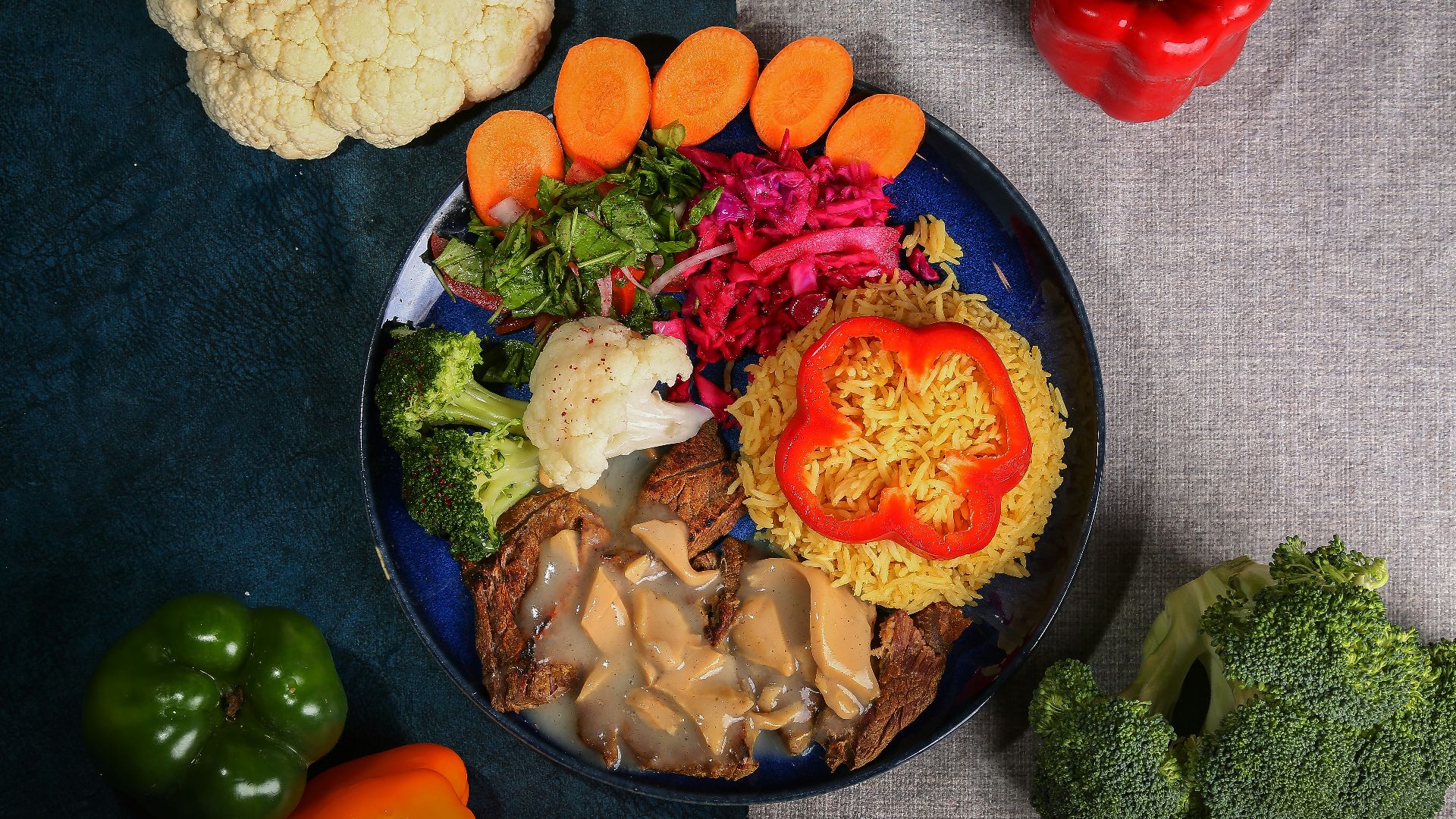
Instead of cutting entire food groups, think about balance. Pair lean proteins with complex carbs and healthy fats so you stay satisfied longer. A colorful plate usually means a balanced one, and that variety helps keep cravings from coming back to haunt you an hour later.
 mohanad karawanchy on Unsplash
4. Cut Back on Sugary Drinks
Holiday lattes, cocktails, and even “healthy” juices can pack hundreds of calories you forget about. Swap them for sparkling water, black coffee, or unsweetened tea most days. If you still crave something sweet, add a splash of citrus or a few berries.

5. Eat Mindfully
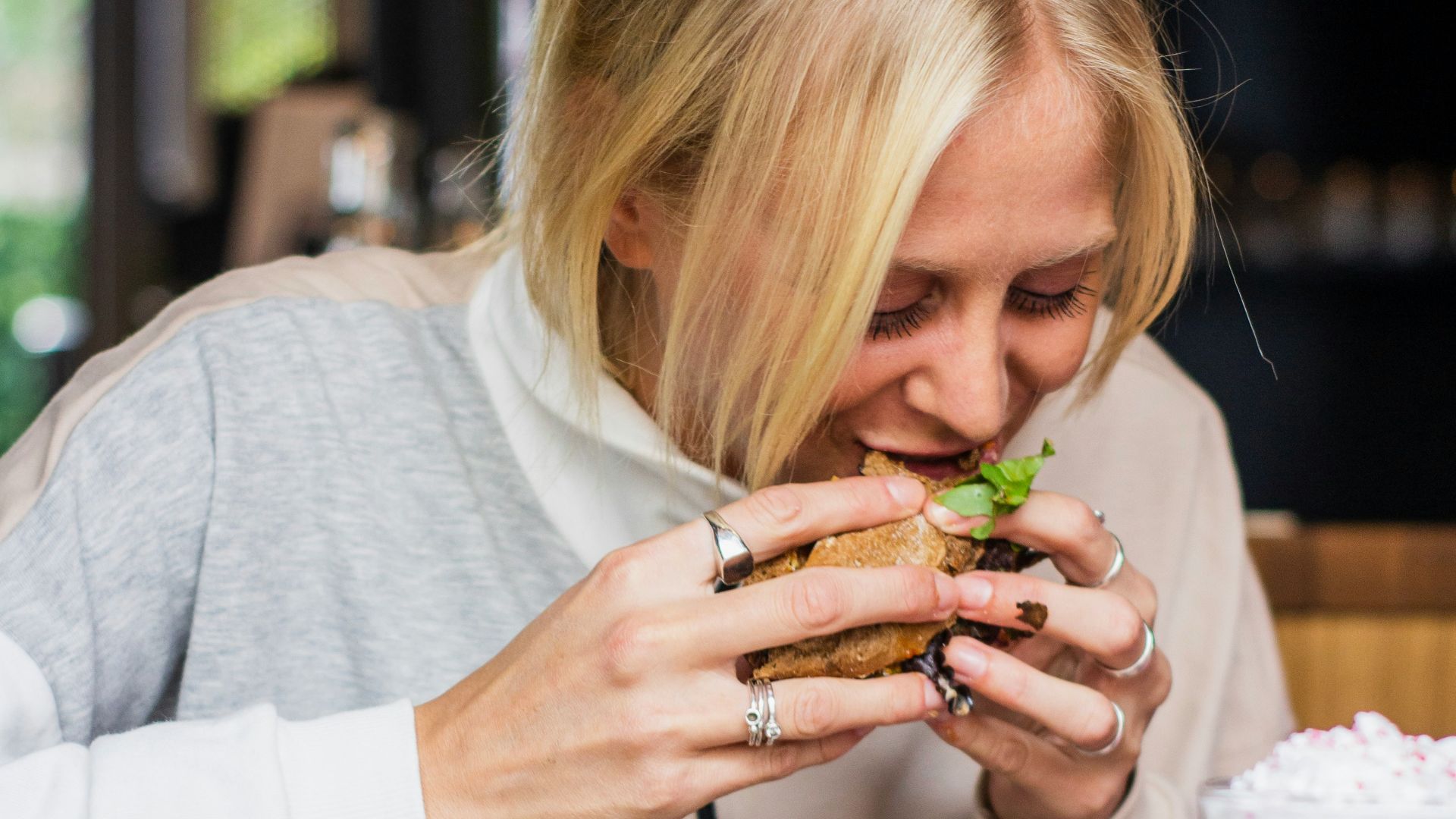
Put your phone down, slow your pace, and actually notice what you’re eating. When you eat with attention, it’s easier to stop before you feel overstuffed. You’ll not only enjoy your food more but also reconnect with your body’s natural hunger and fullness cues.
6. Prioritize Sleep
Lack of sleep throws hunger hormones completely out of balance. When you’re tired, you’ll crave quick energy from sugar and carbs, even if your body doesn’t need it. Getting seven to eight hours consistently helps regulate your appetite and keeps your willpower strong when temptations creep up.

7. Get More Protein
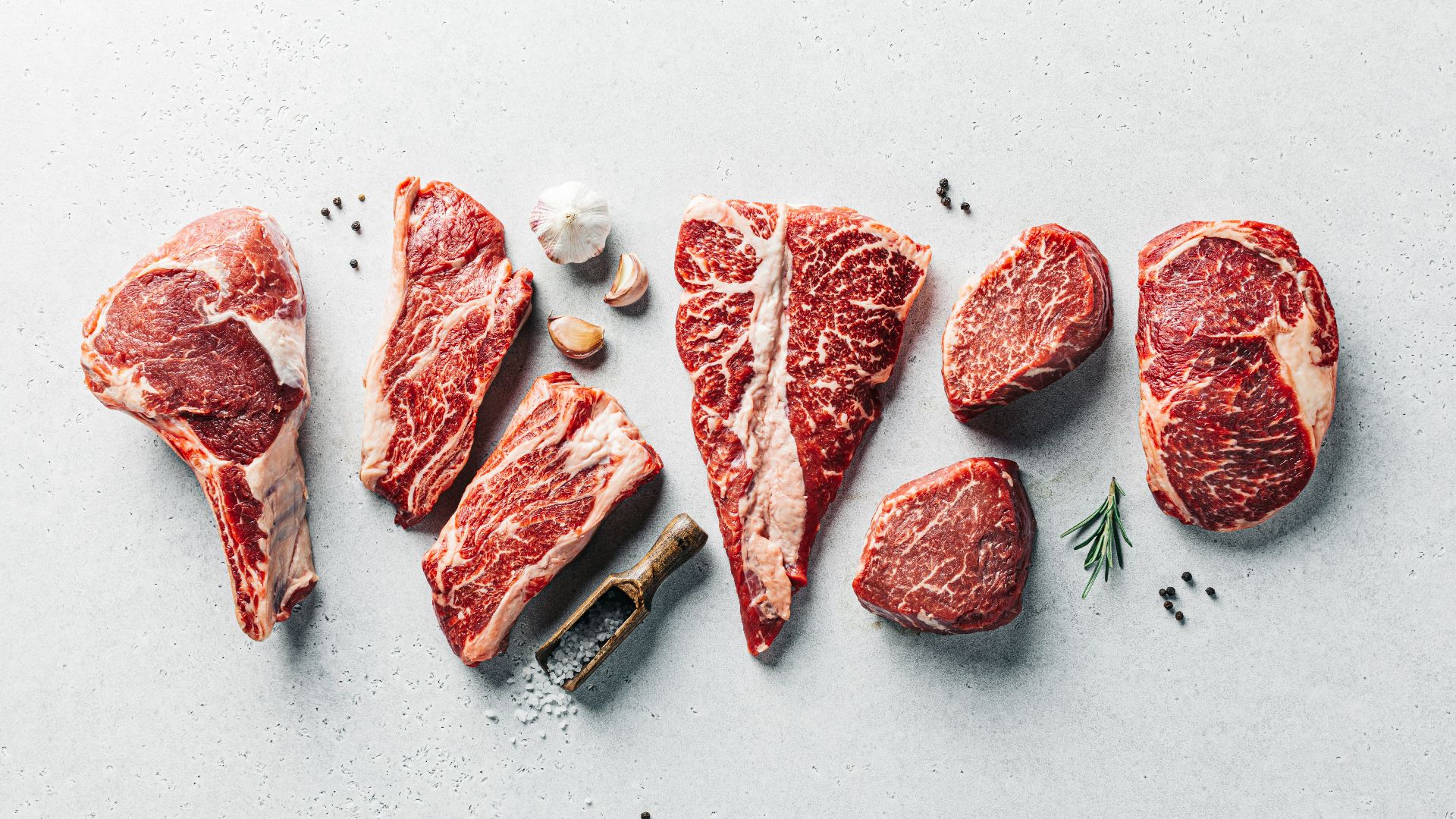
Protein keeps you full and supports lean muscle, which burns more calories even at rest. Add eggs to breakfast, lean meats or legumes to lunch, and eat Greek yogurt or cottage cheese for snacks. Spreading your protein throughout the day can stabilize your blood sugar and prevent the 3 p.m. crash.
8. Stock Up on Healthy Snacks
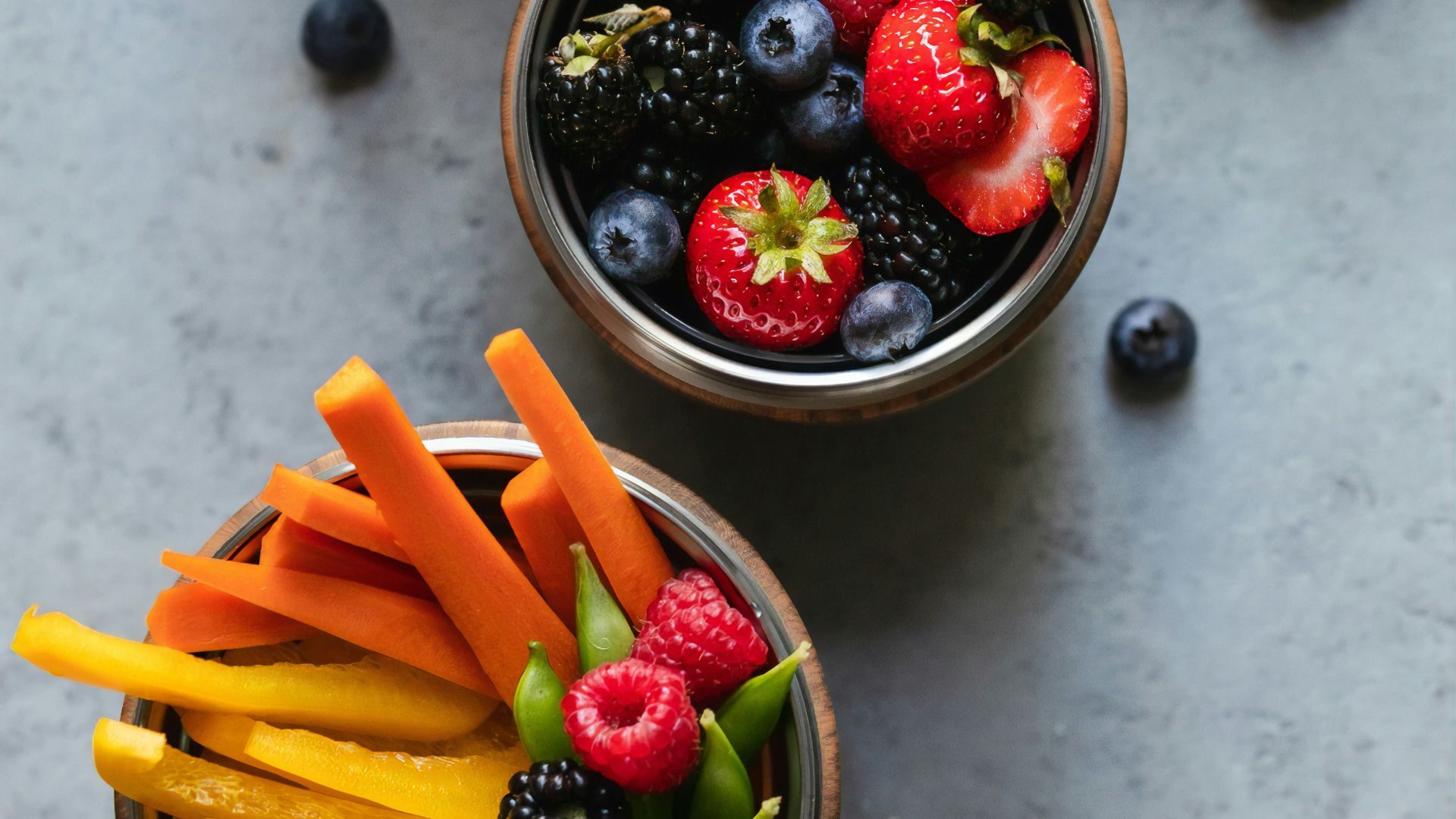
When hunger strikes, convenience usually wins, so set yourself up for success. Keep pre-cut veggies, fruit, nuts, or hummus nearby so grabbing something healthy becomes effortless. The easier it is to make a healthy choice, the more likely you are to stick with it on autopilot.
9. Ditch the All-or-Nothing Mindset
You don’t need to be perfect to make progress. One indulgent meal won’t undo your efforts, just like one salad doesn’t erase weeks of overdoing it. Permit yourself to be flexible.

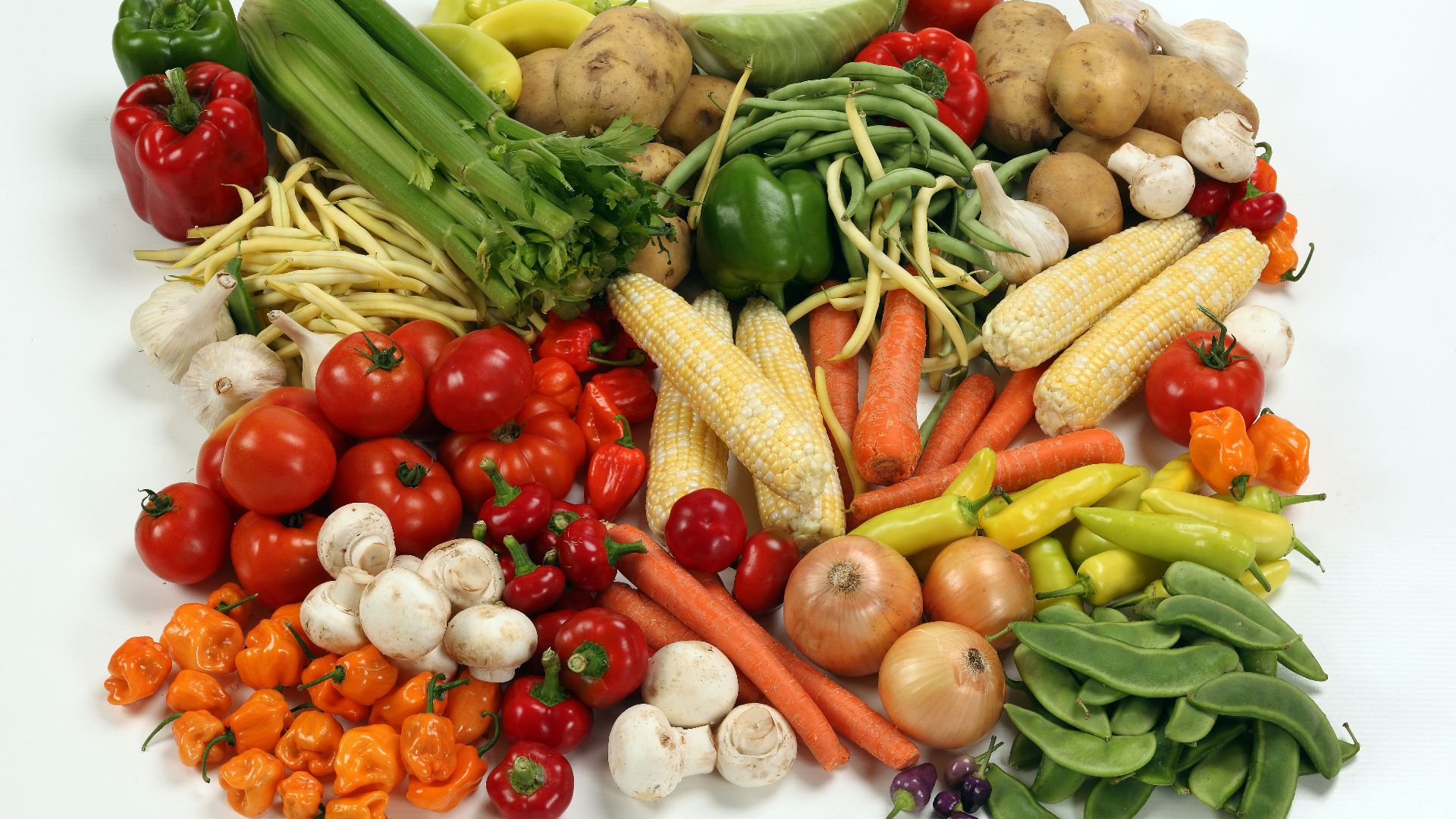
10. Load Up on Vegetables
Vegetables are your best friend when you’re trying to lose weight. They’re low in calories, high in nutrients, and packed with fiber to keep you full. Roast them, blend them into soups, or toss them into pasta—the more creative you get, the easier it is to fill half your plate with them.
11. Cut Down on Processed Foods
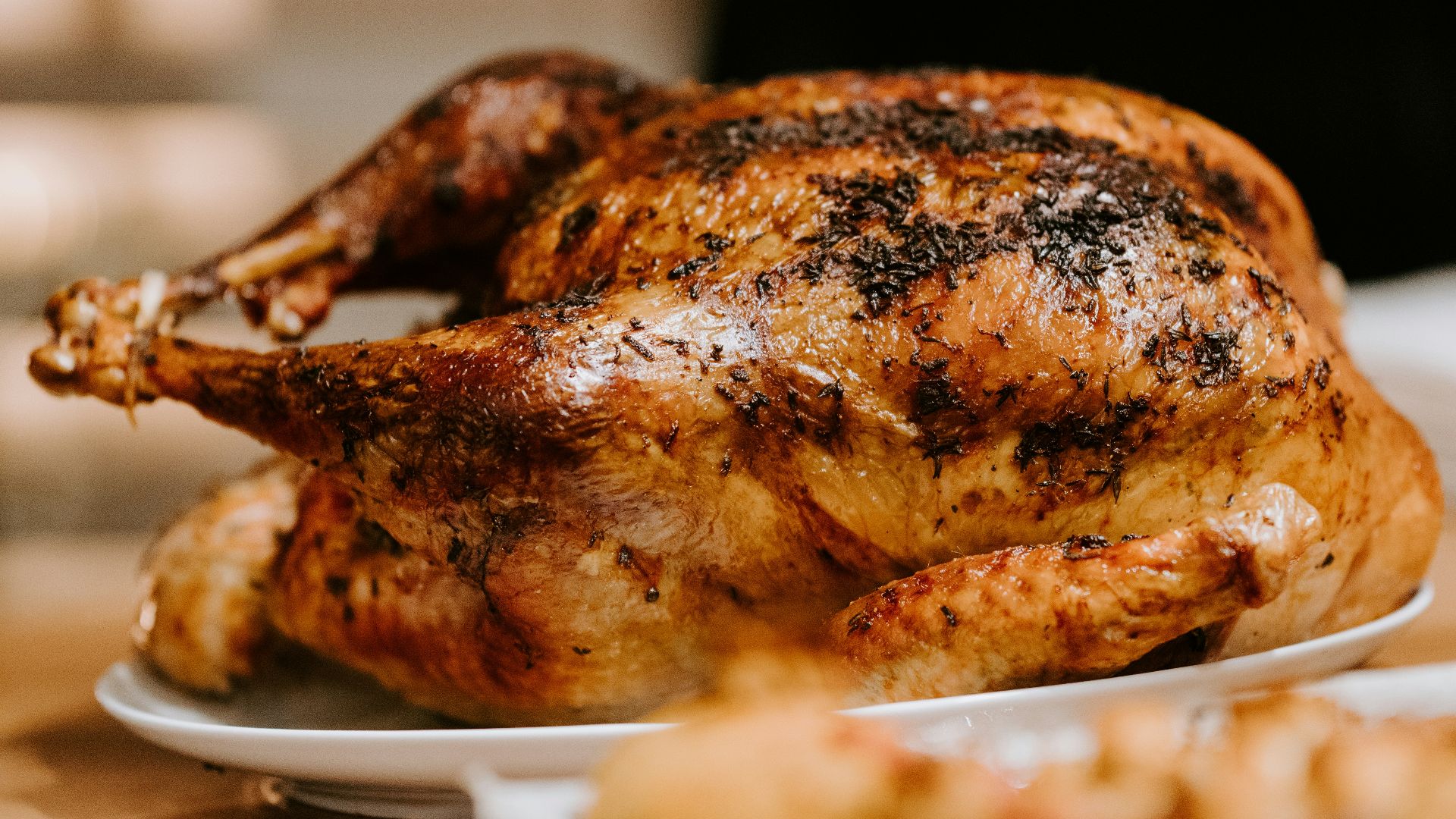
Highly processed foods tend to be calorie-dense but nutrient-poor. Try cooking at home a few more times each week so you can control ingredients. Even simple meals like stir-fry or roasted chicken can feel gourmet when they’re made fresh.
12. Use Smaller Plates
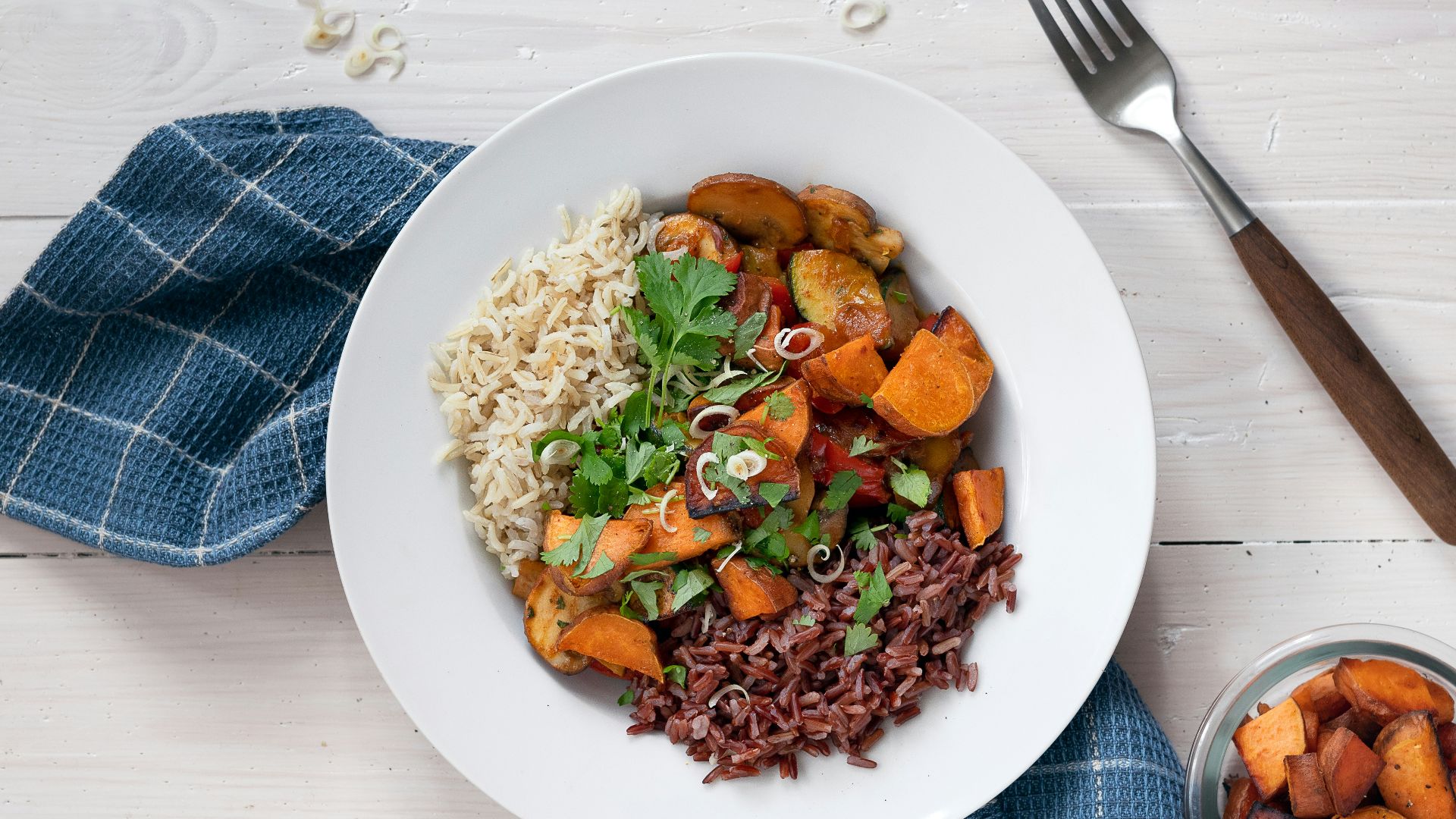
Your brain loves visuals, and smaller plates trick it into thinking you’re eating more. It’s a surprisingly effective way to manage portions without feeling restricted. Plus, smaller dishes make meals look more abundant.
13. Track What You Eat
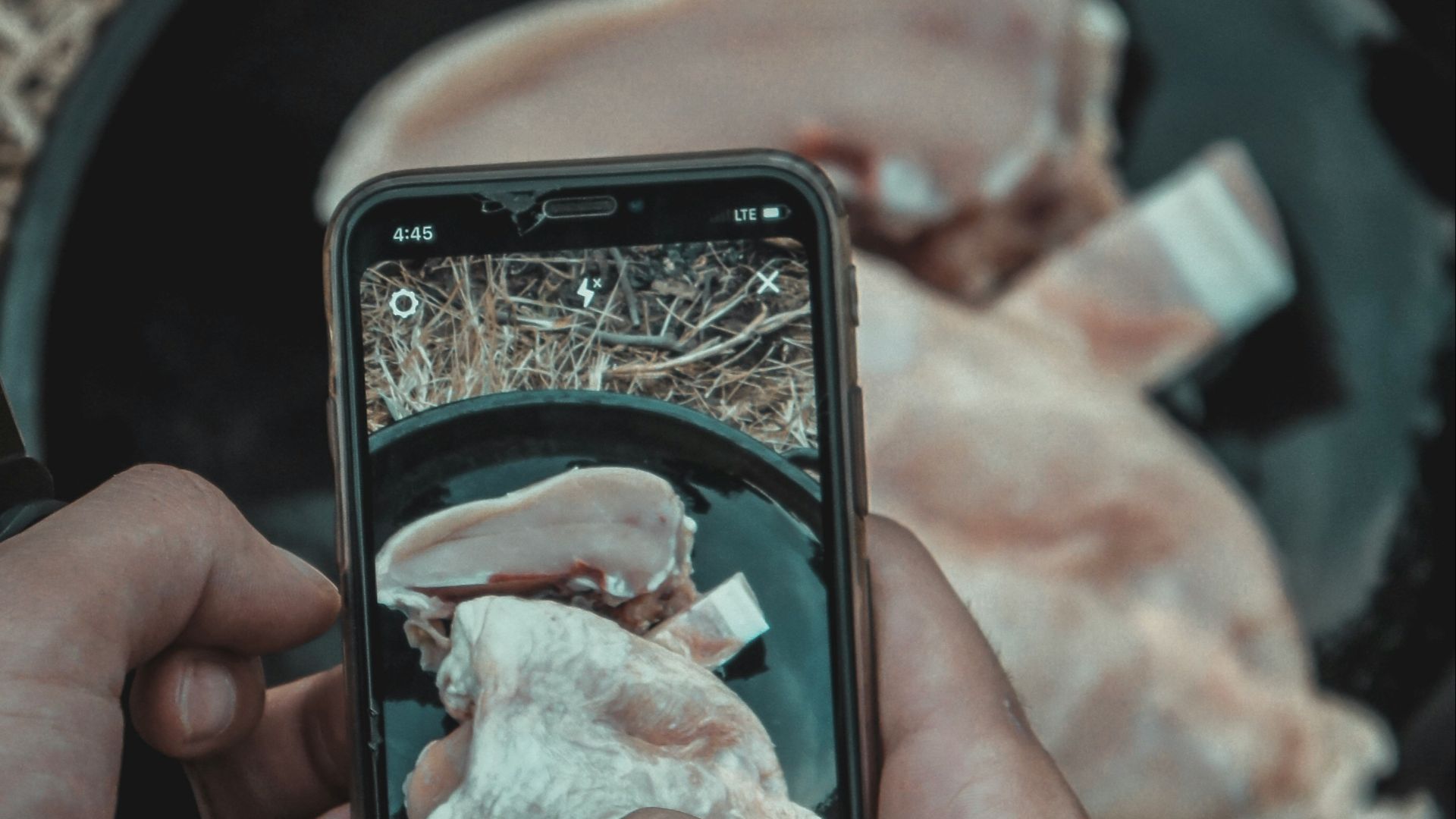
You don’t have to track forever, but a few days of writing things down can open your eyes. You’ll spot habits like mindless snacking or oversized portions you didn’t realize were happening. Once you see those patterns, it’s easier to adjust without obsessing over every calorie.
14. Get Back Into Routine
The holidays throw everyone’s schedules into chaos—late nights, big meals, random snacks. Getting back to a consistent sleep, meal, and exercise routine helps reset your body’s rhythm. The predictability makes healthy habits easier to maintain because your body thrives on regularity.
15. Find an Accountability Buddy
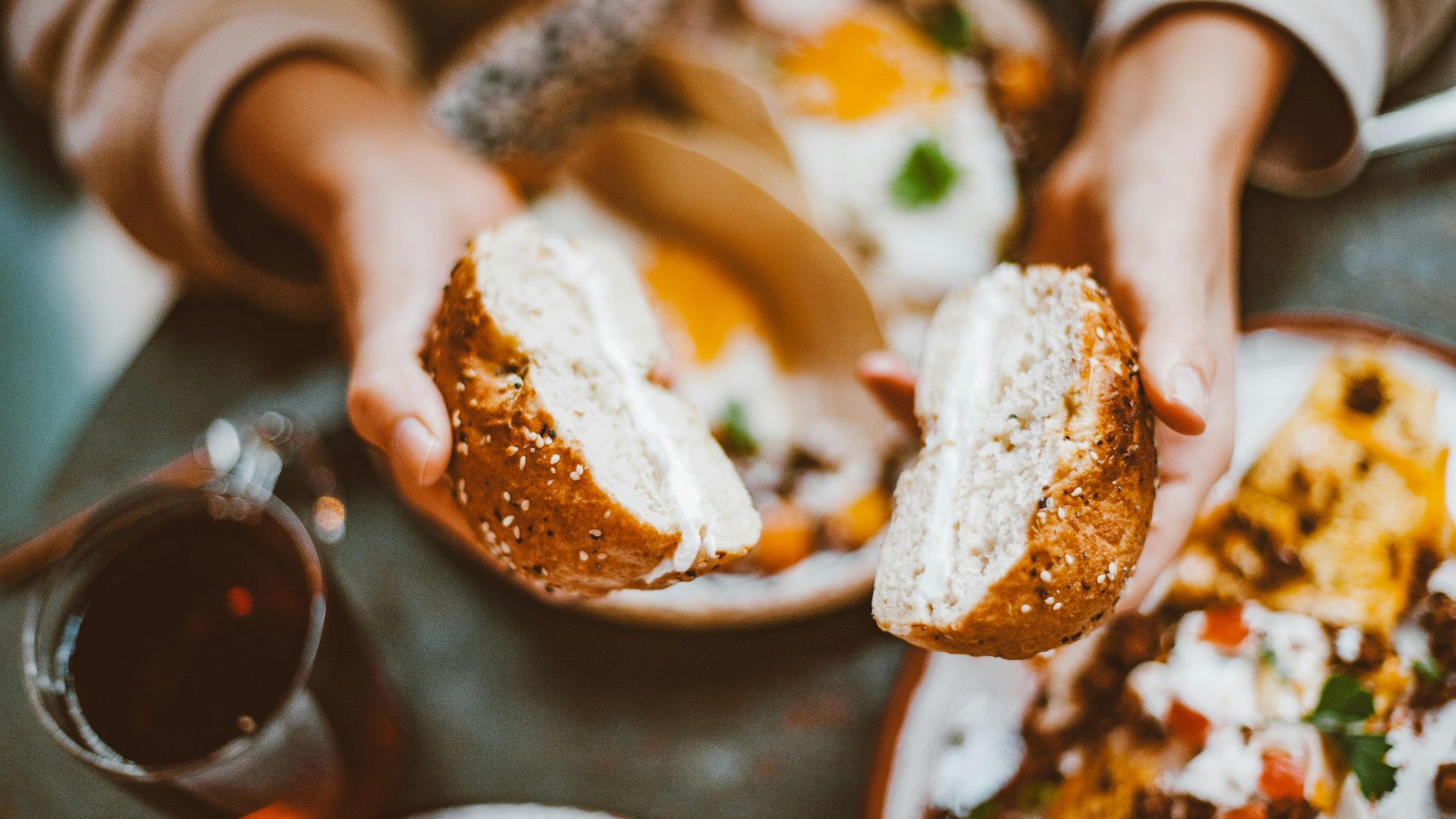
Having someone to share health goals with will keep you motivated. You can check in, swap recipes, or even work out together. Knowing someone’s counting on you (and cheering for you) makes it much harder to take shortcuts or quit.

16. Go Easy on Alcohol
Cocktails, wine, and beer carry hidden calories that add up quickly. Alcohol also lowers your inhibitions, which can lead to overeating later. Try spacing out drinks with water or limiting alcohol to weekends—your waistline and your sleep quality will thank you.

17. Practice Portion Control
Enjoying your favorite foods isn’t off-limits, but moderation is everything. Learn what realistic servings look like by measuring a few meals until you get used to it.

18. Focus on Consistency, Not Speed
Fast results can be tempting, but quick fixes rarely stick. Losing weight slowly gives your body time to adapt and helps prevent rebound gain. Think of each healthy choice as a deposit into your long-term success account—it all adds up, even when progress feels slow.

19. Add More Fiber
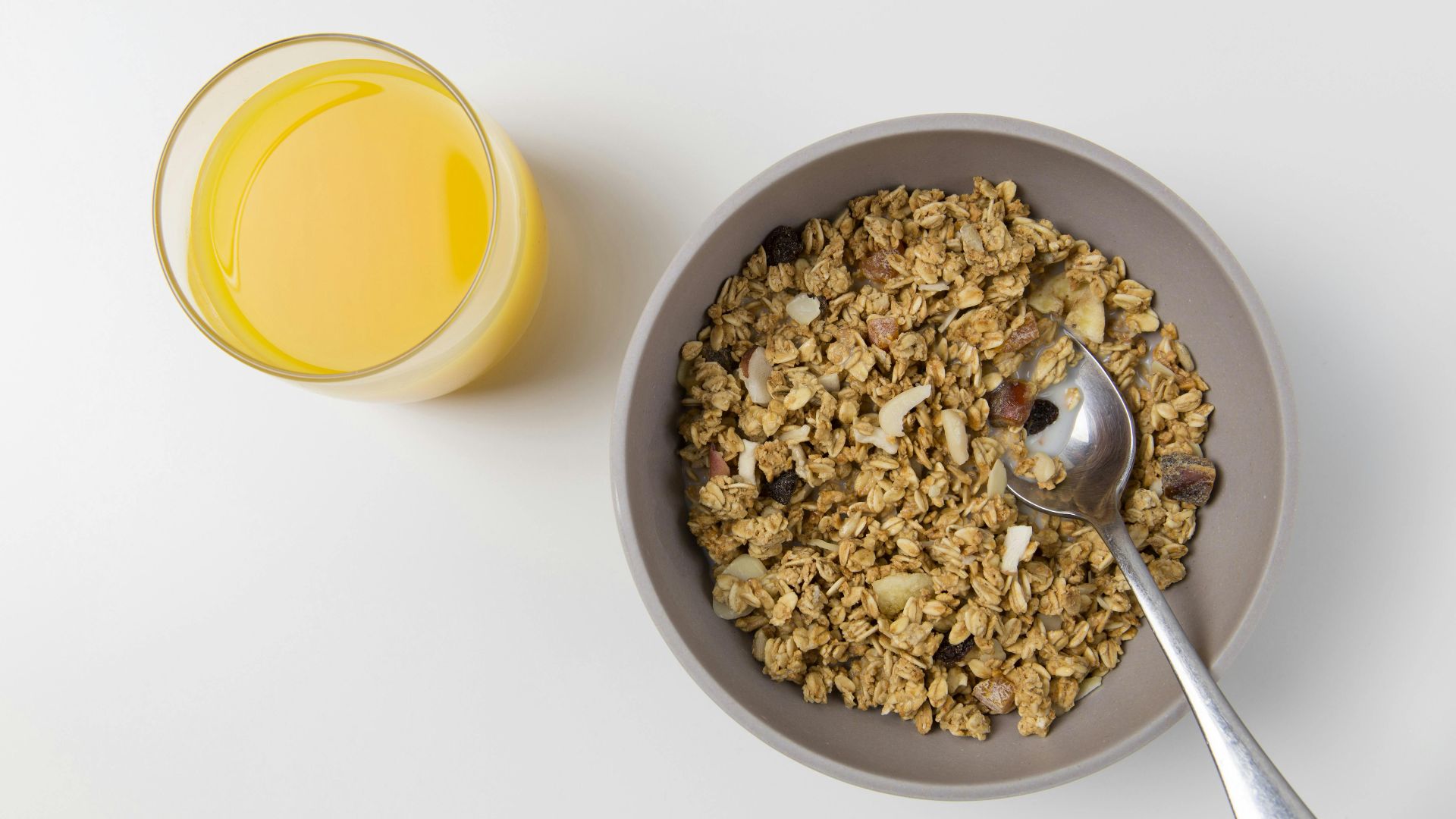
Fiber is the secret weapon most people overlook. It slows digestion, supports gut health, and helps you feel full longer with fewer calories. Whole grains, beans, berries, and leafy greens are all easy, delicious ways to boost your intake without feeling like you’re on a diet.
20. Be Kind to Yourself
Everyone slips up, especially after a season filled with temptation. Instead of punishing yourself, treat setbacks as lessons in what works and what doesn’t. When you approach your goals with patience and kindness, the journey feels more like a lifestyle shift you can sustain.

KEEP ON READING



20 Natural Ways You Can Boost Your Immune System

20 Ways To De-stress & Relax After Work
The 10 Most Common Diseases & The 10 Most Rare