Why Everyone’s Suddenly Taking It
Creatine used to live in one cultural zip code: the weight room. Now it shows up in morning routines next to electrolytes, in group chats about brain fog, and in “wellness” shopping carts that have never seen a squat rack. Part of the shift is that creatine is familiar, cheap, and broadly researched, which makes it feel safer than the latest neon powder with a made-up name. Another part is that the story around it has expanded from muscles to energy, recovery, and cognition, even though the evidence is stronger in some areas than others. That gap between what people hope it does and what it reliably does is where myths multiply, and where trends get their momentum. Here are 10 common creatine myths, followed by 10 reasons it’s trending outside gyms right now.

1. It’s Basically A Steroid
Creatine is not a hormone, and it is not the same category as anabolic steroids. It’s a compound the body already has and uses for quick energy, and supplementation mainly increases stored creatine in muscle for short, intense output.

2. It’s Only For Bodybuilders
The strongest evidence is tied to high-intensity performance and training adaptation, but that doesn’t limit it to one kind of person. Plenty of people take it for strength training, general fitness, or age-related muscle maintenance, not for a bodybuilding look.
3. It Makes Everyone Puffy Or Bloated
Some people notice a bit of water retention, especially early on, but it’s not automatic and it’s not the same as gaining body fat. The more accurate version is that creatine can increase water stored in muscle, which may change how some people feel in their clothes for a short period.

4. It’s Bad For Your Kidneys No Matter What
This one sticks around because it sounds serious, and because creatine can affect lab markers like creatinine in ways that confuse people. Position statements and reviews generally describe creatine monohydrate as safe for healthy individuals at typical doses, while still recommending medical guidance for anyone with kidney disease or significant risk factors.

5. You Have To Load It Or It Doesn’t Work
Loading can saturate stores faster, but it’s not a requirement for most people who just want steady benefits. Consistency matters more than a dramatic first week, and plenty of protocols stick with a simple daily dose.

6. Timing Is Everything
Creatine is not like caffeine, where you feel it in an hour and then it wears off. A lot of guidance now focuses on taking it consistently rather than obsessing over the perfect pre- or post-workout window.

7. If You Stop, You Lose All Your Muscle
Stopping creatine means muscle creatine levels drift back toward baseline, but it does not erase the training you did. If strength drops, it’s usually because the extra capacity creatine supported is no longer being supported, not because muscle is suddenly disappearing.

8. Creatine Works The Same For Everyone
Response varies based on diet, baseline creatine stores, training, sleep, and genetics. Some people notice a clear difference, others barely notice anything, and that range is normal rather than proof it’s fake.
9. Any Form Is Fine
Creatine monohydrate is the form with the biggest research footprint and the most consistent support. Other forms exist, but the strongest evidence and the simplest buying decision tend to point back to monohydrate.
10. More Is Always Better
A bigger scoop feels like a bigger result, but that’s not how it usually works. Typical daily dosing is often framed around a few grams, and higher-dose brain-focused conversations are still an emerging area with mixed evidence and a lot of hype layered on top.
One reason creatine keeps spreading is that the myths are loud, but the practical reasons are simple and easy to repeat. Here are ten reasons why it's trending outside gyms.

1. People Want Mental Energy That Isn't A Stimulant
A lot of the newer buzz is about brain energy, focus, and mental fatigue, especially when sleep is bad. Research interest in cognition is real, but it’s also nuanced: findings vary by population, dosing, and what tasks are measured, which leaves space for social media to overpromise.
 Riccardo Annandale on Unsplash
2. Sleep Deprivation Culture Created A Market
When people are tired, they look for anything that feels like a safety rail. Creatine has popped up in discussions around sleep loss and cognitive performance, which makes it appealing to students, new parents, shift workers, and anyone living in permanent deadline mode.

3. It’s One Of The Most Researched Supplements
A lot of supplements feel like a gamble because the claims change every week. Creatine has been around long enough that it reads as familiar and boring in the best way, and that reputation lowers the barrier for non-gym audiences.
 National Cancer Institute on Unsplash
4. Women’s Wellness Media Started Talking About It
Creatine’s public image used to skew male and gym-centric, and that kept plenty of people away. More coverage aimed at women, especially around midlife strength and energy, helped reposition it as normal rather than niche.

5. Aging Conversations Got More Practical
There’s a broader cultural shift toward staying strong, mobile, and independent, not just staying thin. Creatine fits neatly into that conversation because it’s tied to training output and muscle function, which matter more as people think about long-term strength.
 LOGAN WEAVER | @LGNWVR on Unsplash
6. Creatine Is Cheap Compared To Trendier Products
Cost matters, especially when people are tired of paying premium prices for minimal effects. Creatine is relatively affordable per serving, and that makes it easy to test without turning it into a major lifestyle purchase.
7. It’s Easy To Use Without Changing Your Life
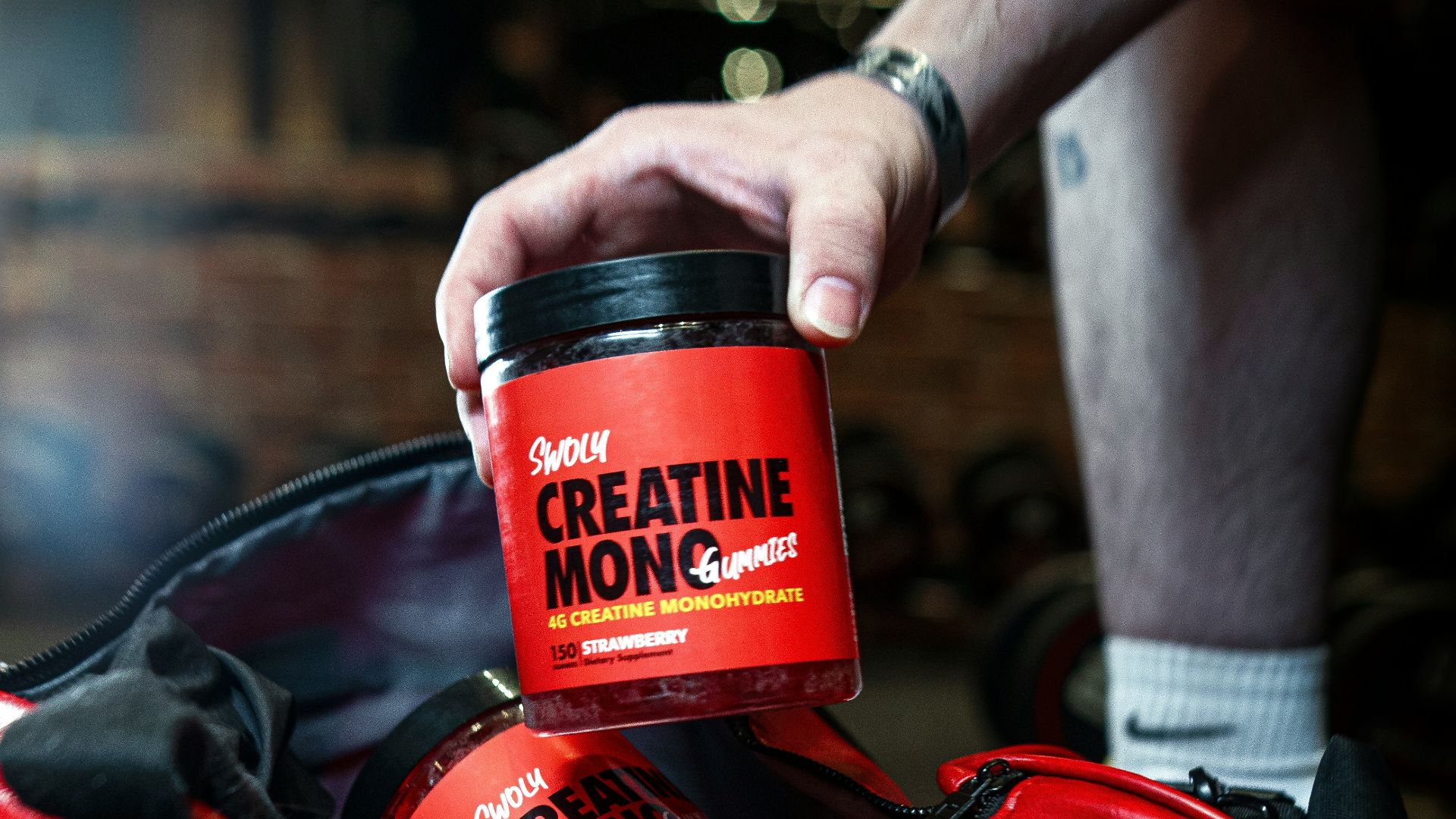
No elaborate cycling schedule, no precise timing ritual, no complicated stack required. You can stir it into water, coffee, or a smoothie, and many people like that it doesn’t demand a personality makeover.

8. The Brain Health Story Is Complex
Even cautious articles can’t resist the framing: creatine supports cellular energy, and the brain is an energy-hungry organ, so maybe it helps. That logic is easy to repeat, and it spreads faster than the fine print about mixed results and who might benefit most.

9. Vegetarians And Low-Meat Eaters Are Paying Attention
Creatine is found in animal foods, so people who eat little or none of those foods hear a straightforward pitch: baseline stores may be lower, and supplementation might feel more noticeable. That idea has become part of the mainstream creatine conversation, not a niche sports detail.

10. It Fits The Current Mood Of Safe Health Choices
Right now, a lot of people want steady, boring wins: basic strength training, adequate protein, consistent sleep, fewer miracle claims. Creatine benefits from that mood because it’s not new, it’s not flashy, and it comes with a bigger paper trail than most things in the supplement aisle.

KEEP ON READING



10 Pre-Workout & 10 Post-Workout Tips To Follow