
Strong Bones Need More Than a Glass of Milk
Dairy gets most of the bone-health attention, but it's hardly the only place your skeleton gets support. Bone strength depends on a bigger nutritional picture that includes calcium, yes, but also vitamin K, magnesium, potassium, vitamin D, and enough overall nutrient-dense food to keep the whole system working properly. Federal nutrition guidance still emphasizes getting nutrients primarily from foods, and plenty of nondairy options can help you do exactly that. Here are 20 foods that support bone health that aren't based on milk.
 Farhad Ibrahimzade on Unsplash
1. Sardines
Sardines are one of the easiest nondairy bone-support foods to recommend because they bring calcium in a very direct way when you eat the soft bones. They also offer protein and other useful nutrients, which makes them feel more substantial than a one-note health food.
 S O C I A L . C U T on Unsplash
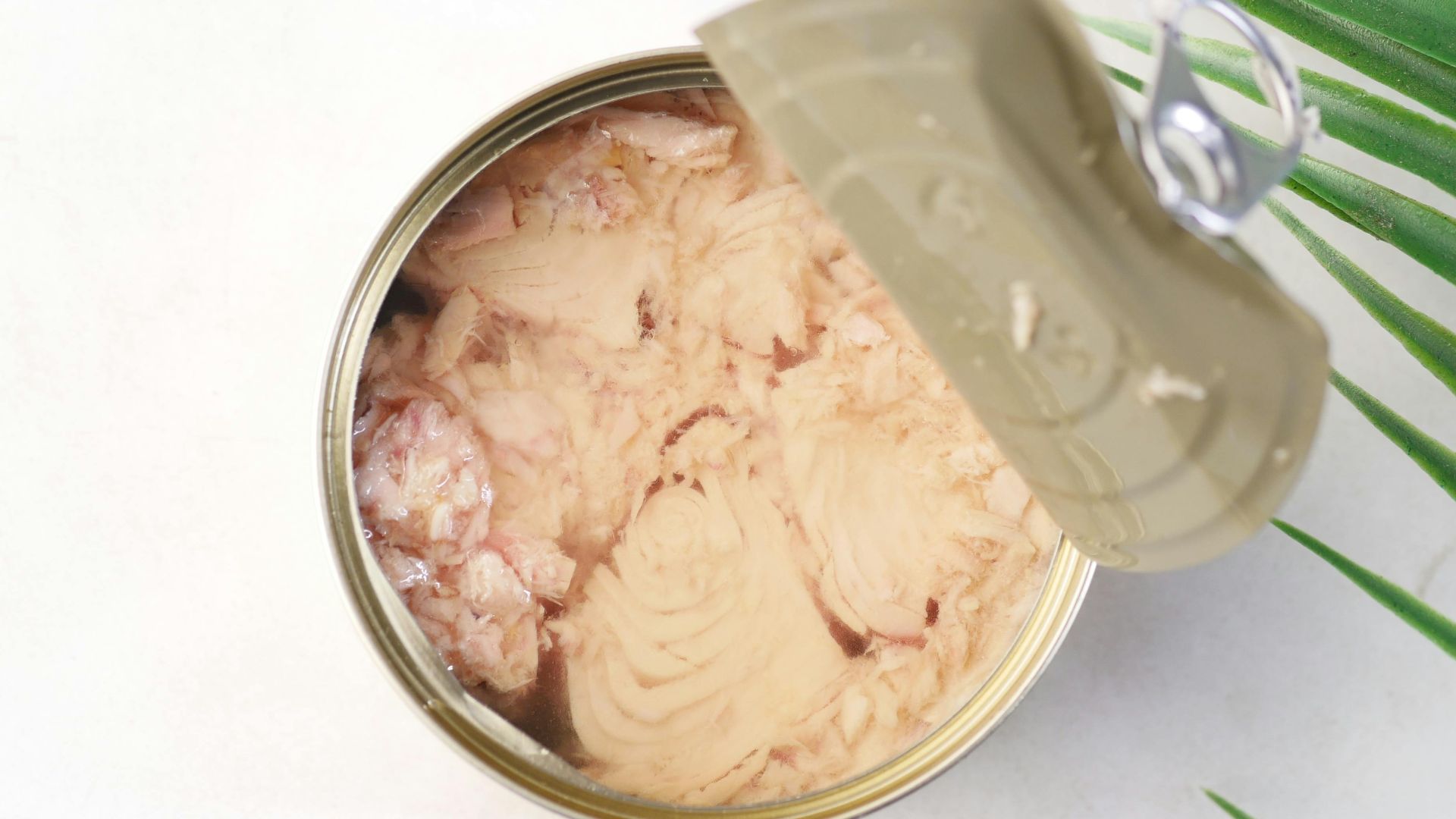
2. Canned Salmon With Bones
Canned salmon with edible bones is another strong calcium source that people often overlook. It also brings vitamin D, which helps your body absorb calcium more effectively. That makes it one of those foods that supports bone health from more than one direction at once.
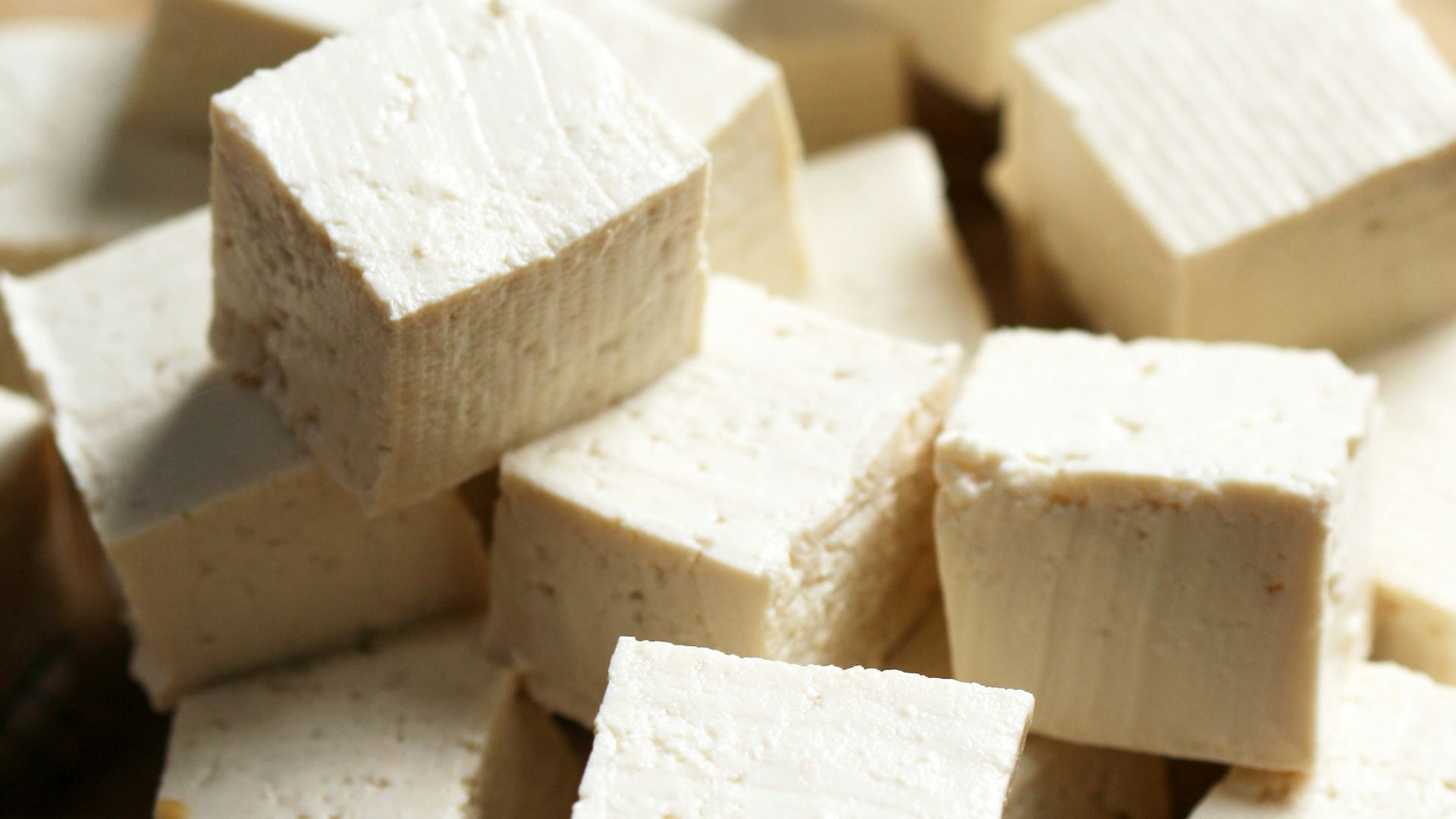
3. Calcium-Set Tofu
Tofu made with calcium salts can be a very useful nondairy source of calcium, though checking the label matters because not every tofu is made the same way. It's especially handy for people who want a plant-based option that doesn't require much imagination to fit into meals.
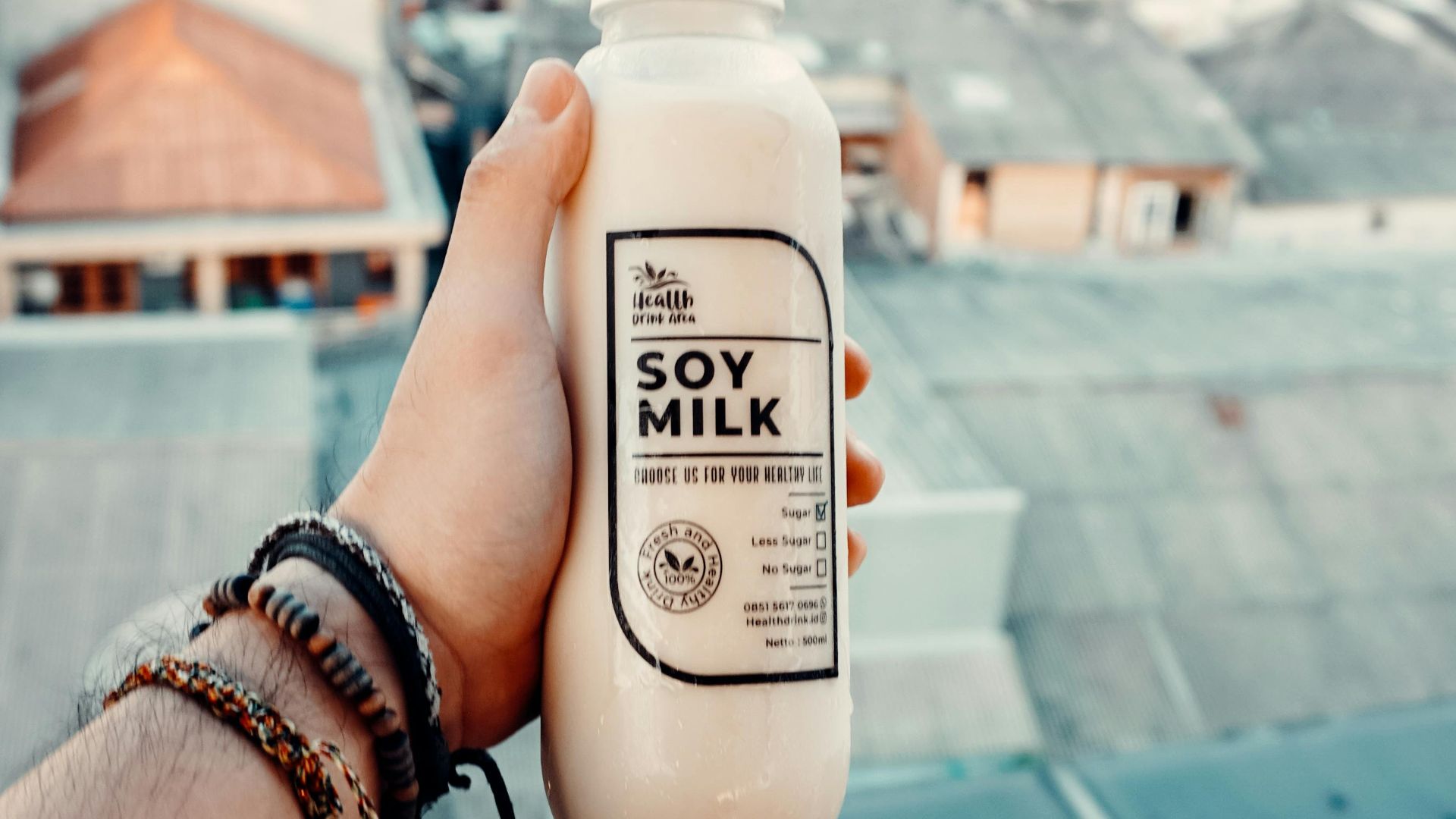
4. Fortified Soy Milk
Fortified soy milk is one of the most practical swaps for anyone trying to support bone health without leaning on dairy. Many versions have added calcium, and some also include vitamin D, which gives them a pretty respectable nutritional profile in this category.
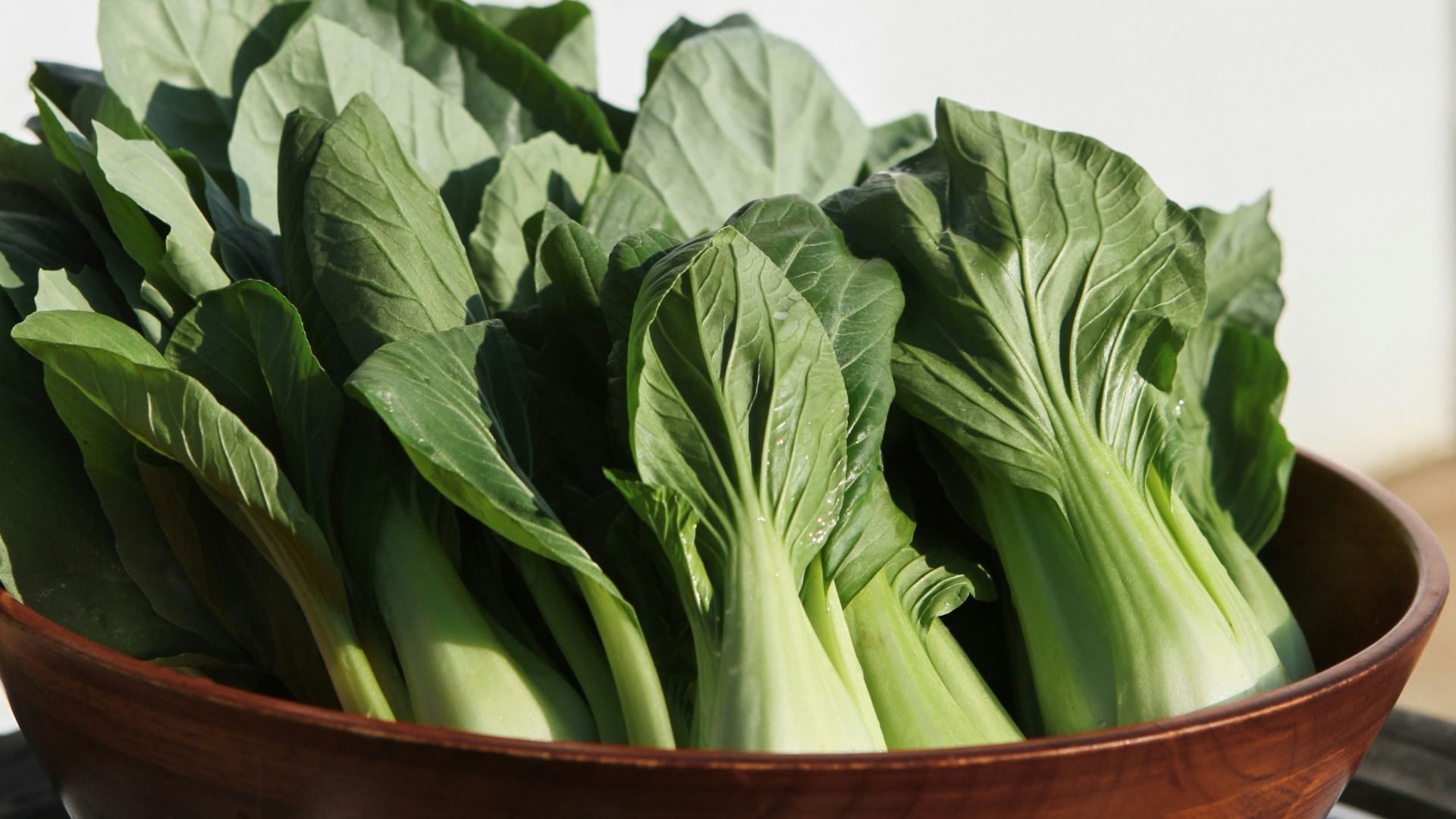
5. Bok Choy
Bok choy belongs on this list because it contributes meaningful calcium. It also has the advantage of being easy to cook without turning into a joyless health project. Sautéed in a little garlic and soy sauce, it makes a genuinely delicious side.
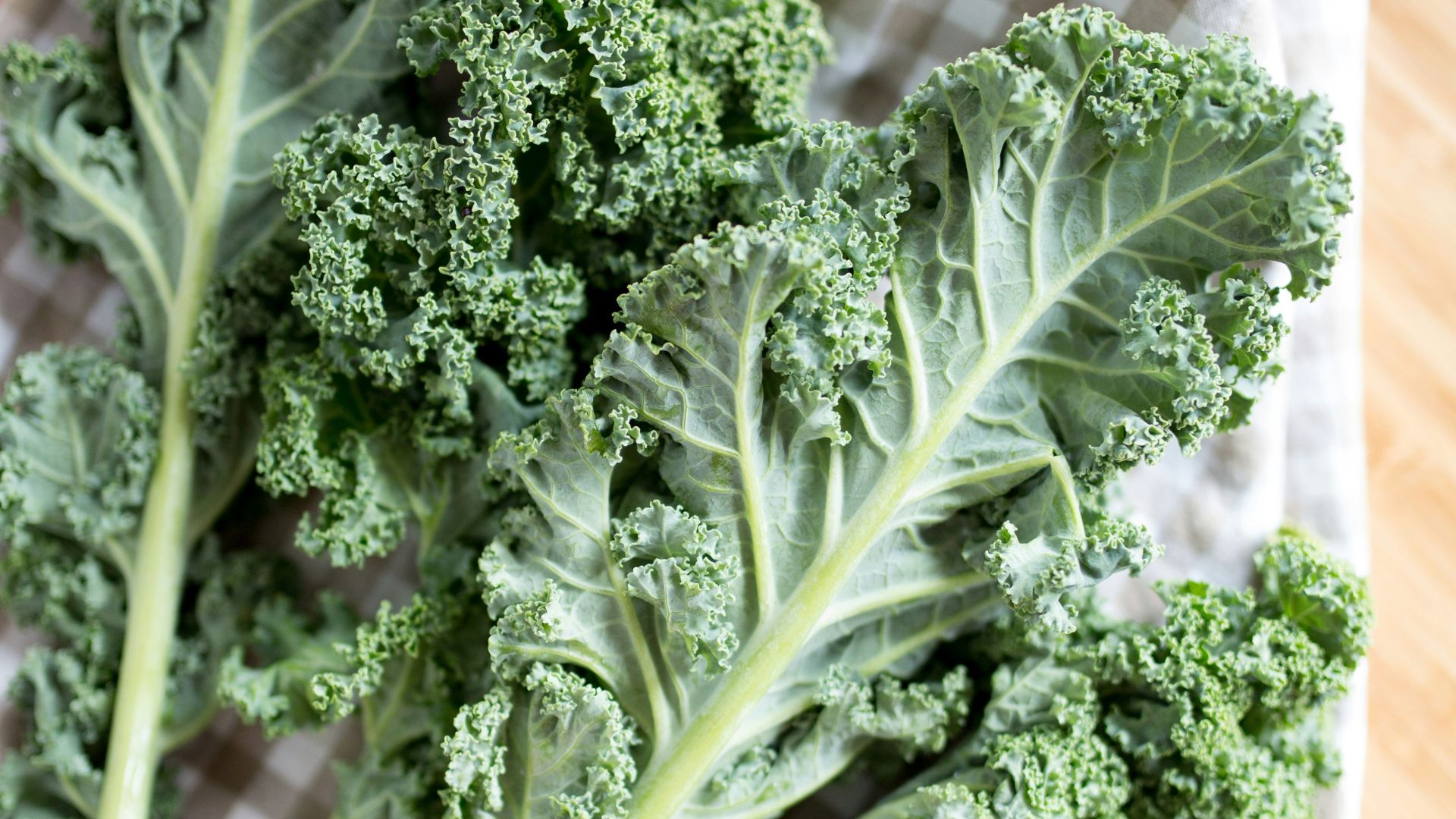
6. Kale
Kale gets a lot of health halo attention, and for good reason. It shows up as a calcium-containing vegetable, and leafy greens also connect naturally to vitamin K, which is important for healthy bones. One salad isn't automatically virtuous, but eating it regularly can make a truly positive impact on healthy aging.
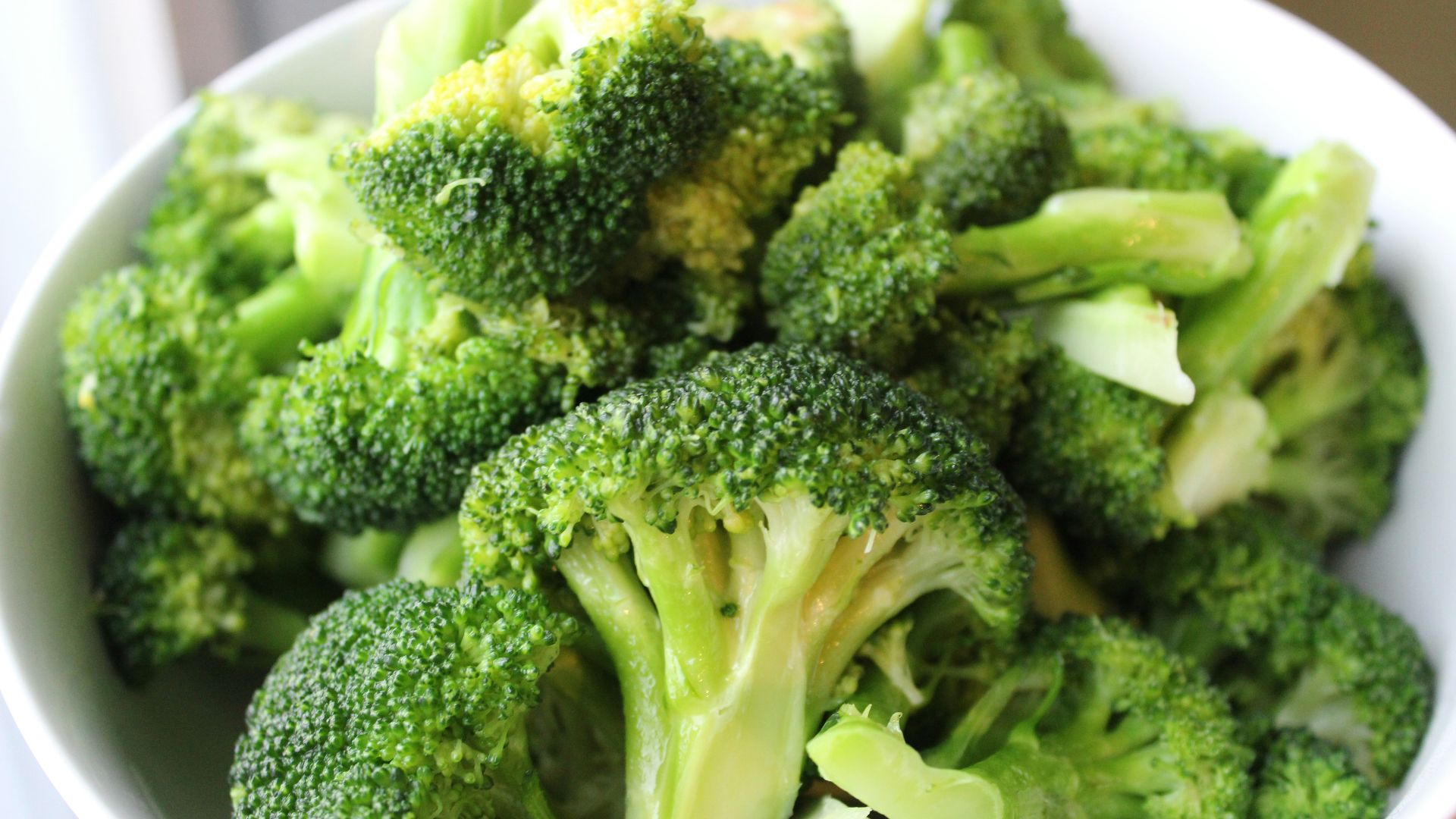
7. Broccoli
Broccoli is another vegetable that quietly supports bone health without demanding a personality cult around itself. It contributes some calcium and fits nicely into the broader category of nutrient-dense vegetables that public guidance keeps emphasizing. It's not flashy, but bones don't really require flash.
 Tyrrell Fitness And Nutrition on Unsplash
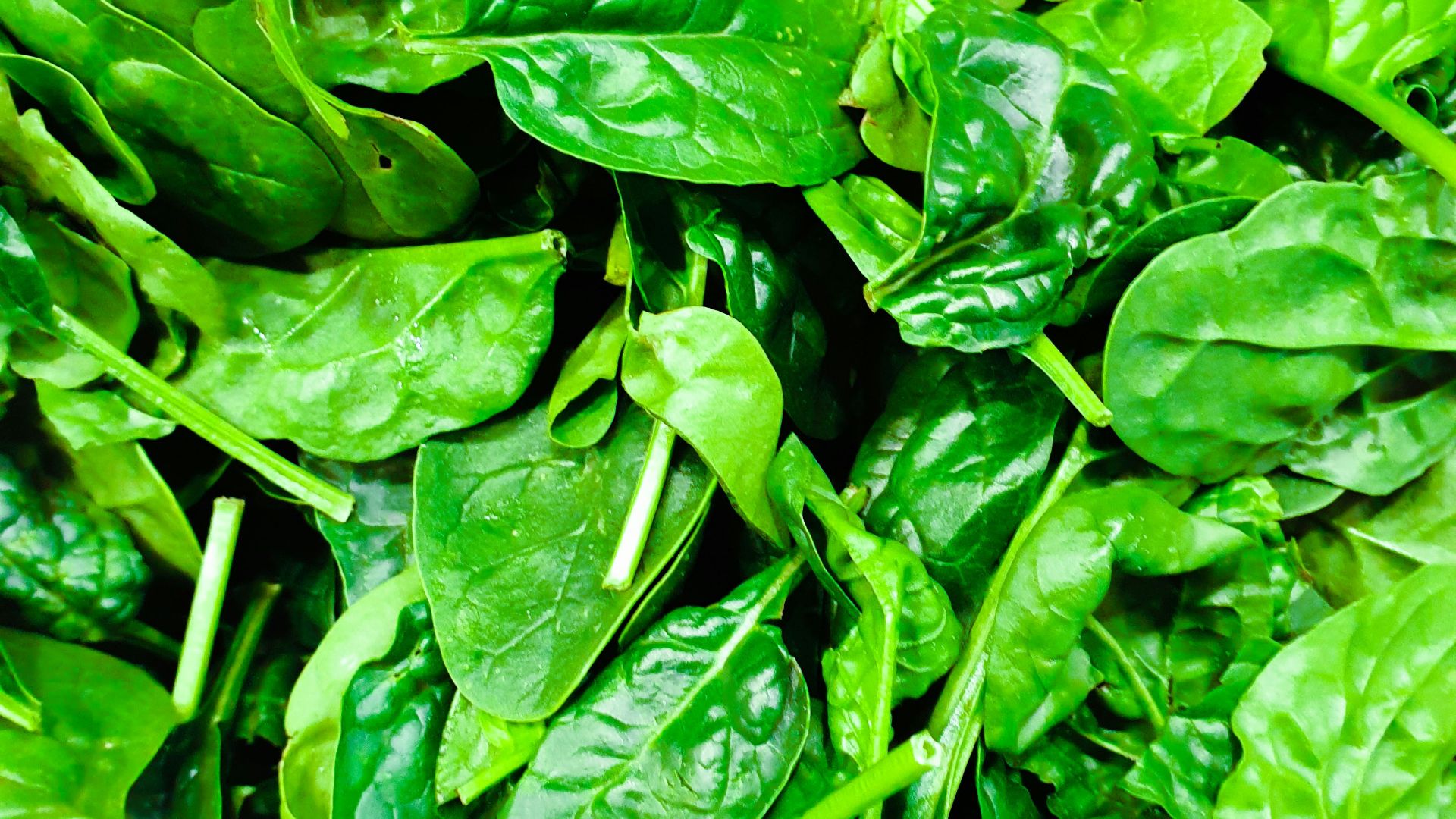
8. Spinach
Spinach is worth mentioning less because it's the supreme calcium champion and more because it contributes magnesium and fits into the leafy-green side of bone-support eating. Magnesium-rich foods matter here too, since bone health isn't only about calcium. It is one of those ingredients that helps the overall pattern rather than trying to win the whole category alone.
 Shutter Sphere Collective on Unsplash
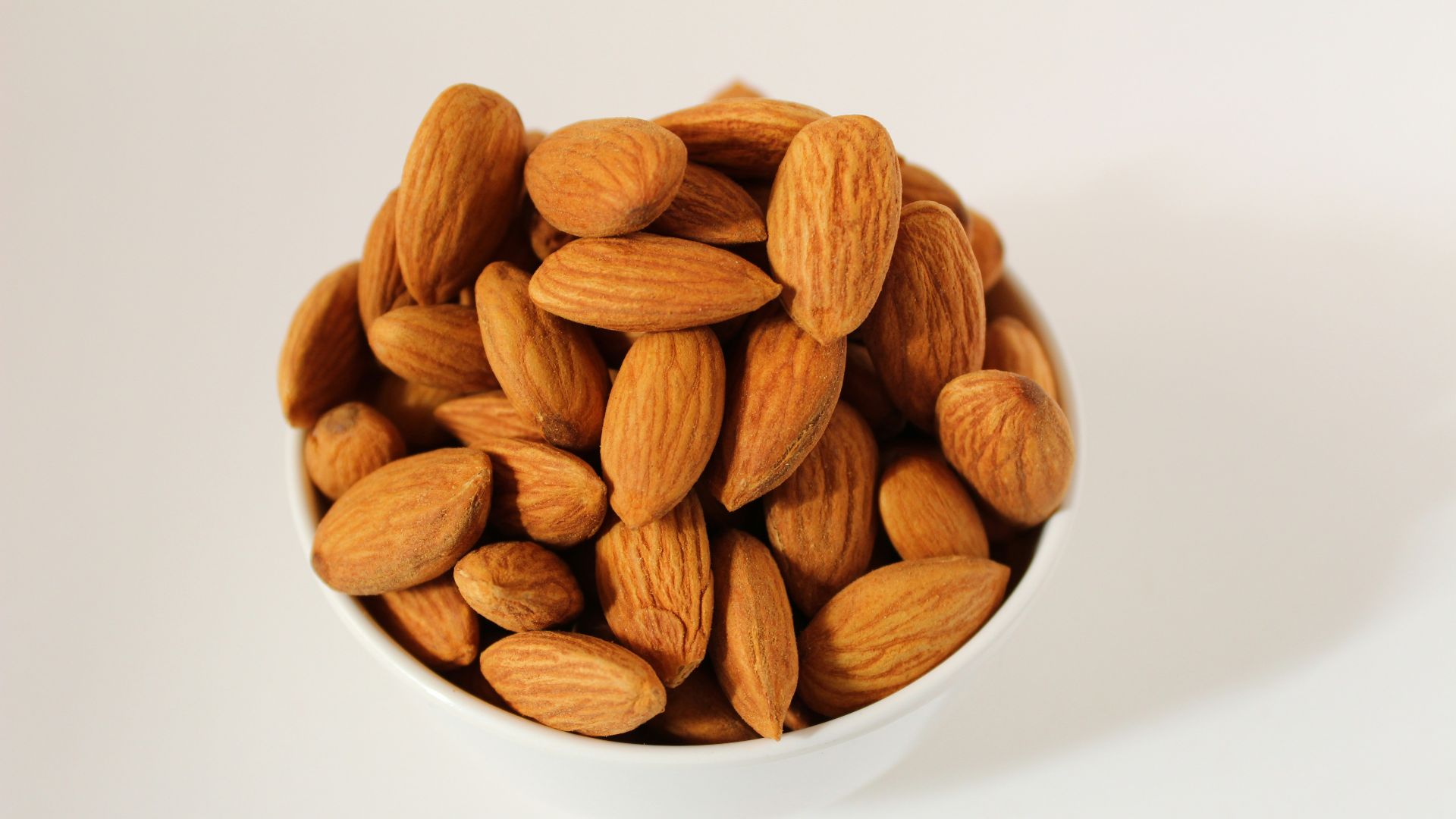
9. Almonds
Almonds are useful because they bring magnesium, and magnesium plays an important supporting role in bone health. They also make it easier to build bone-friendly eating into snacks instead of leaving everything to dinner. A small handful isn't magic, but it's a lot more helpful than people often give snack foods credit for.
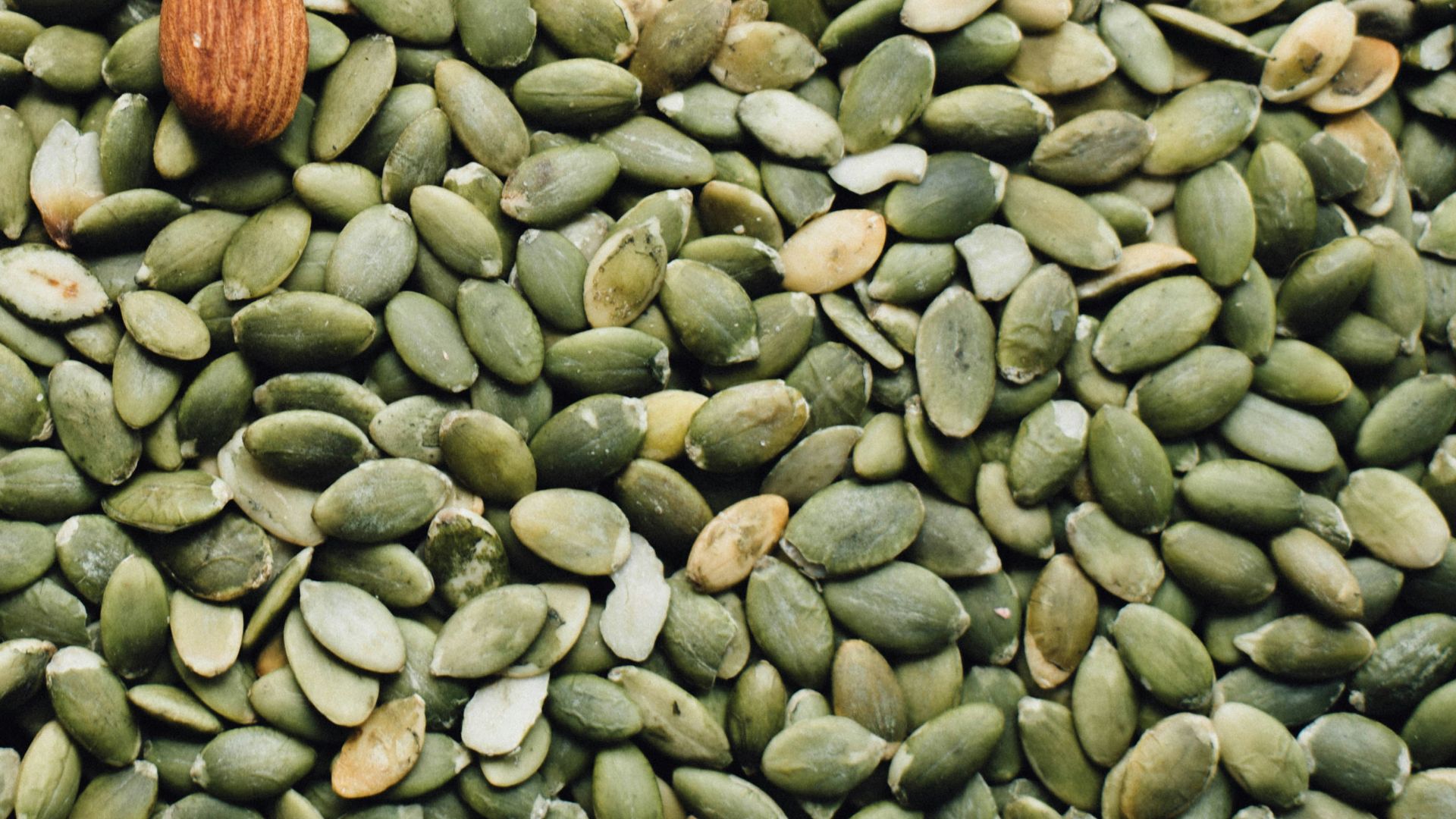
10. Pumpkin Seeds
Pumpkin seeds are another magnesium-rich option that earns its place by being easy to add to ordinary meals. You can toss them on salads, oatmeal, or grain bowls without reorganizing your life around them. That usefulness is exactly what makes a food habit stick.
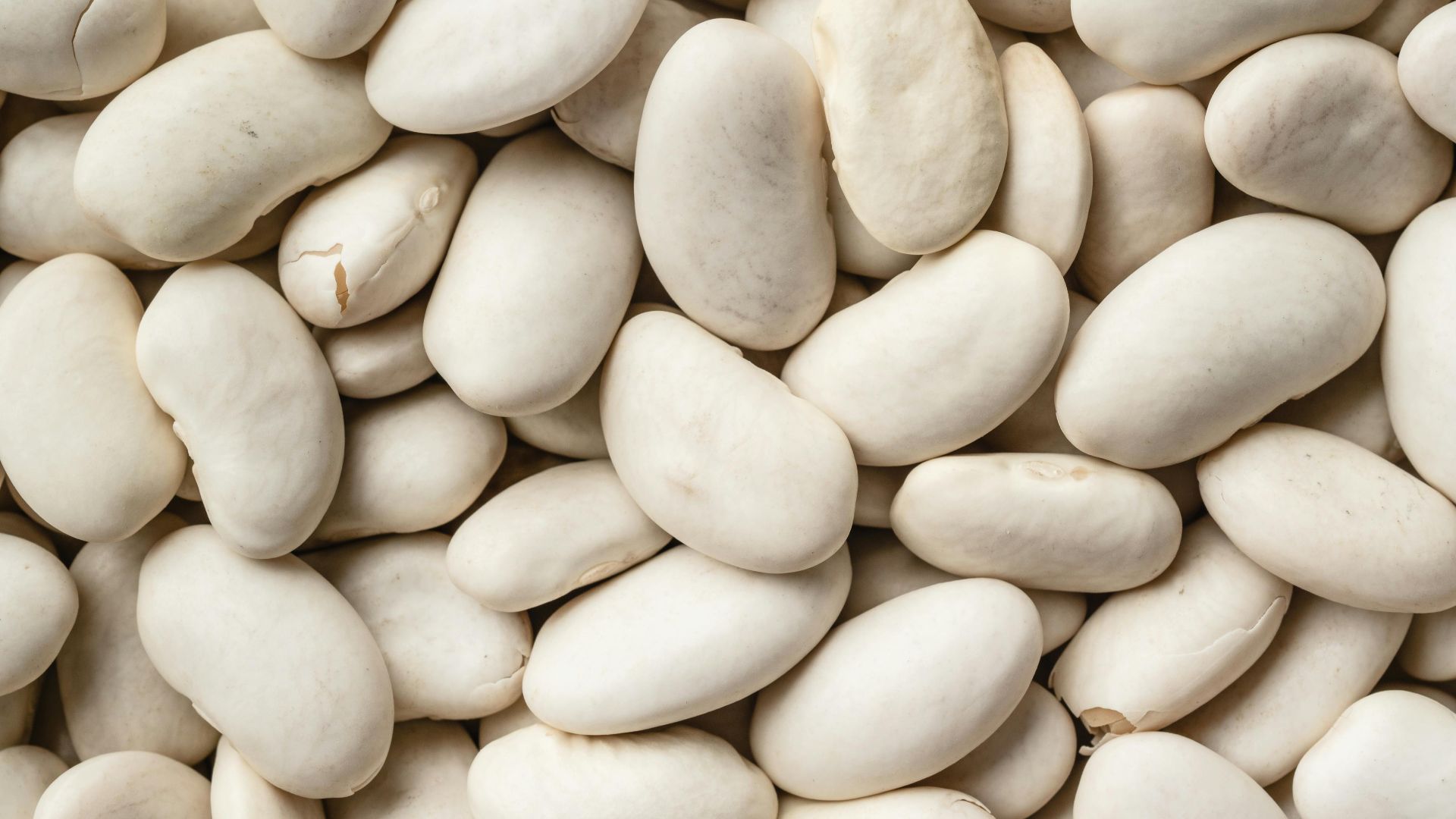
11. White Beans
Beans aren't usually marketed as bone foods, but they can still help support the bigger nutritional picture. They contribute minerals, fiber, and plant protein. White beans, in particular, often show up as a practical plant-based option.
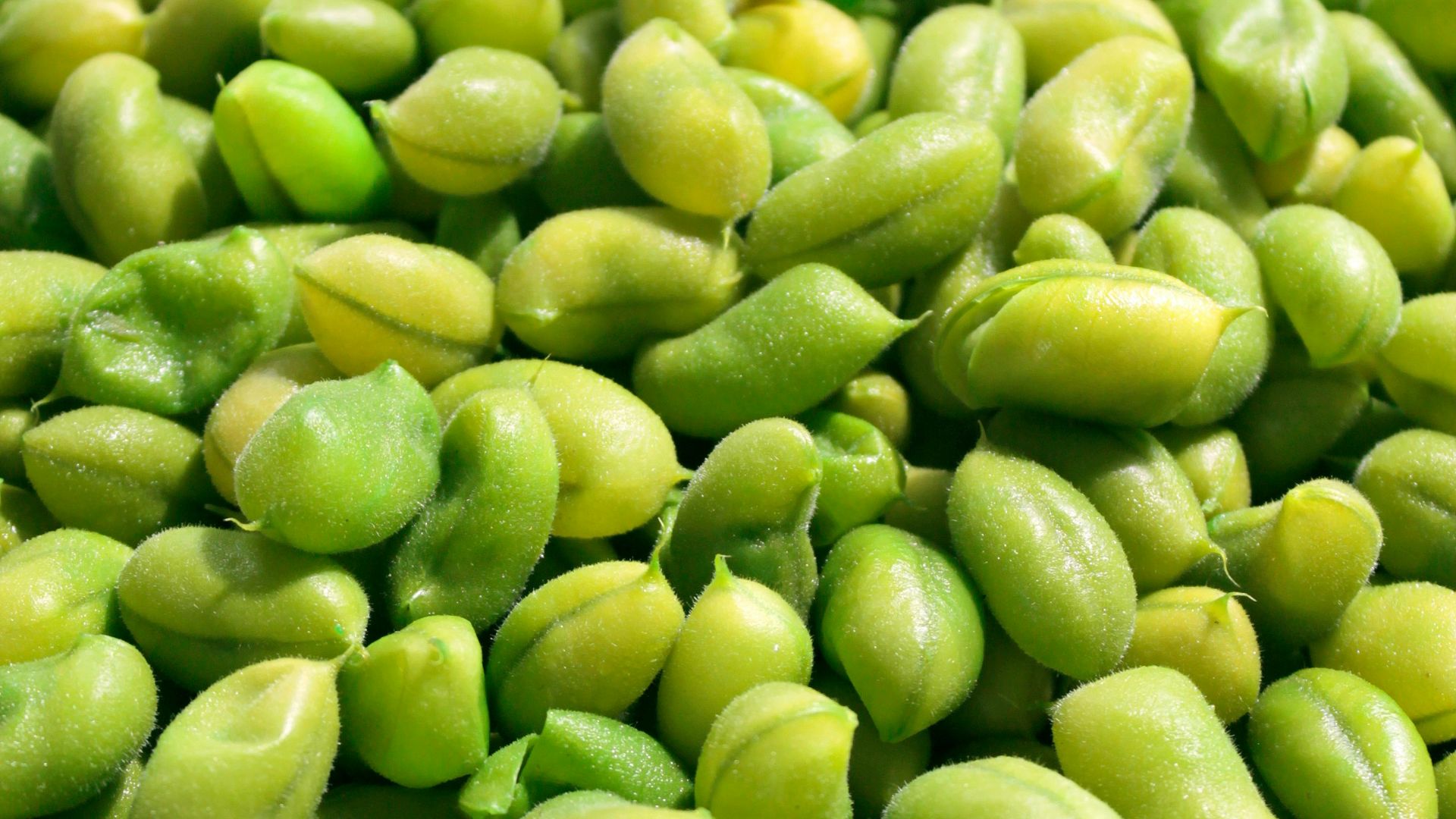
12. Edamame
Edamame makes this list because it's an easy, protein-rich soy food that fits neatly into a bone-supportive diet. It's not a dramatic calcium bomb on its own, but it helps strengthen the overall pattern by bringing plant protein and useful minerals to the table.
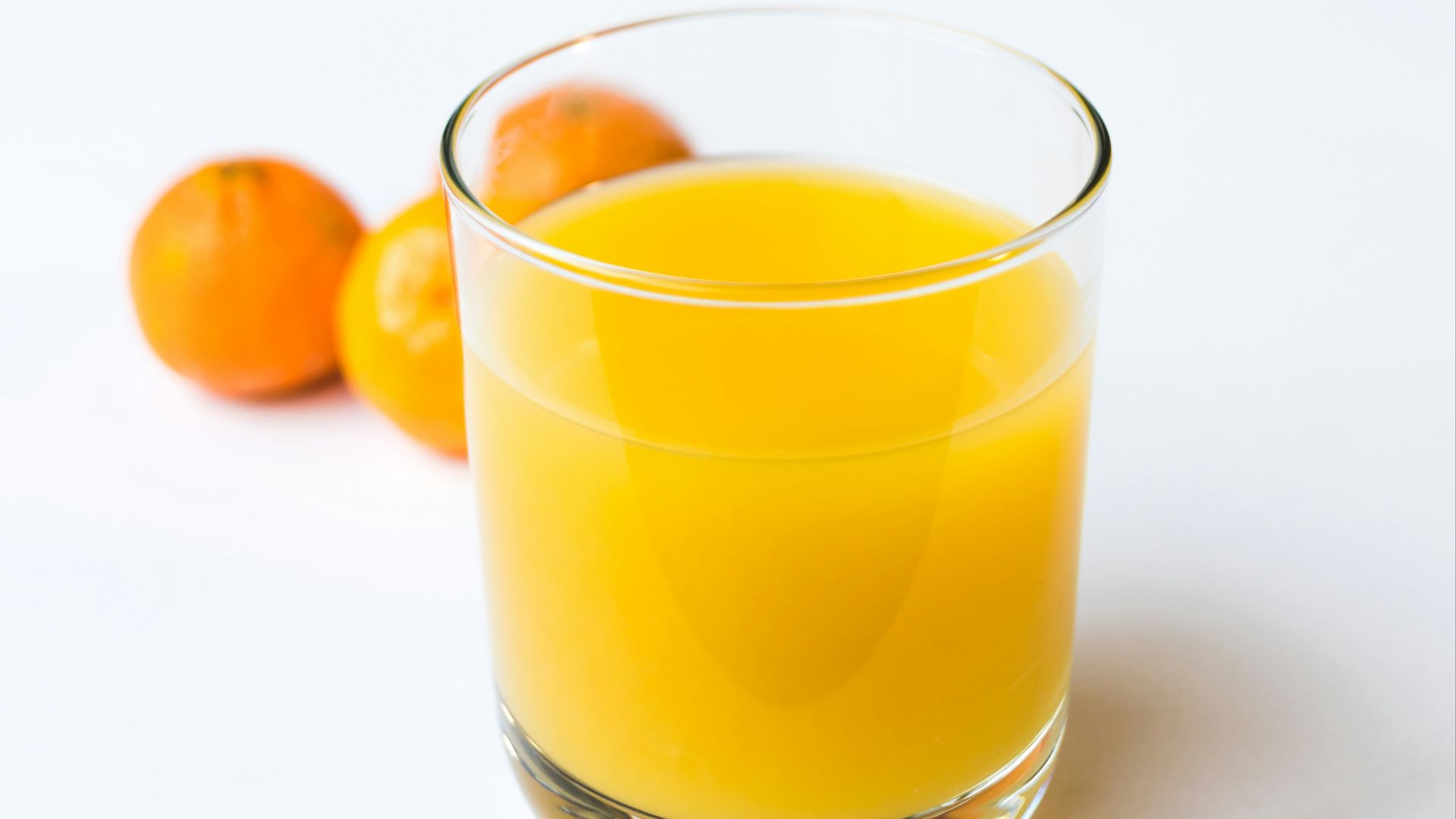
13. Fortified Orange Juice
Fortified orange juice is one of those foods that proves labels matter. Some products have calcium added, and that can make them a meaningful nondairy contributor for people who actually like drinking their nutrients. It's still juice, which means it should still be consumed in moderation, but the fortification can make it relevant here.
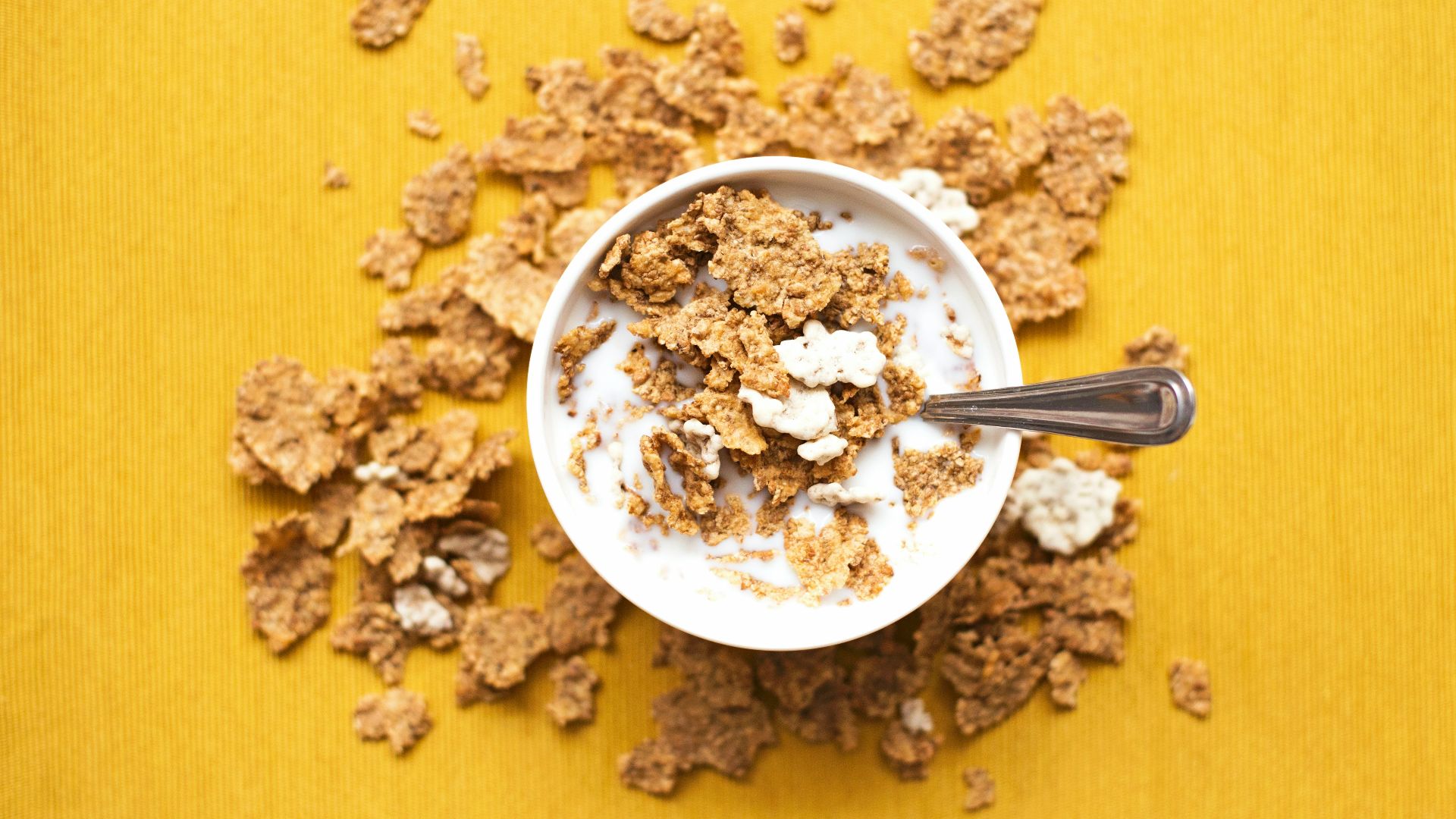
14. Fortified Breakfast Cereal
Fortified cereal may not feel especially virtuous, but it can still help. Some ready-to-eat cereals have added calcium, and fortified foods are specifically part of how many people meet nutrient needs when whole-food sources aren't doing all the work alone.
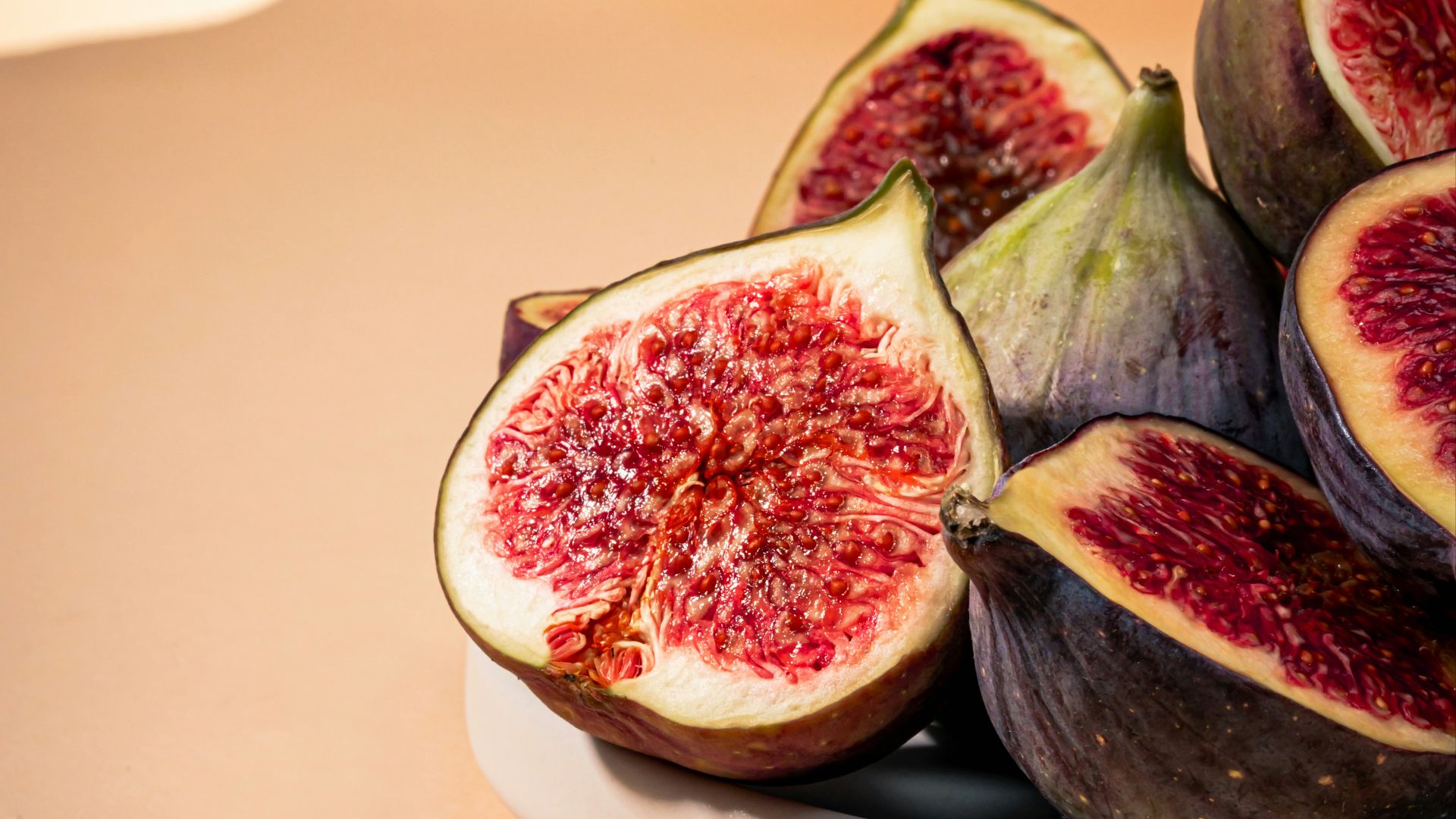
15. Figs
Figs are a nice reminder that fruit can contribute to bone-supportive eating too. They are not the first thing people think of when the conversation turns to calcium, but they do contain some, and they're easy to work into snacks or breakfasts.
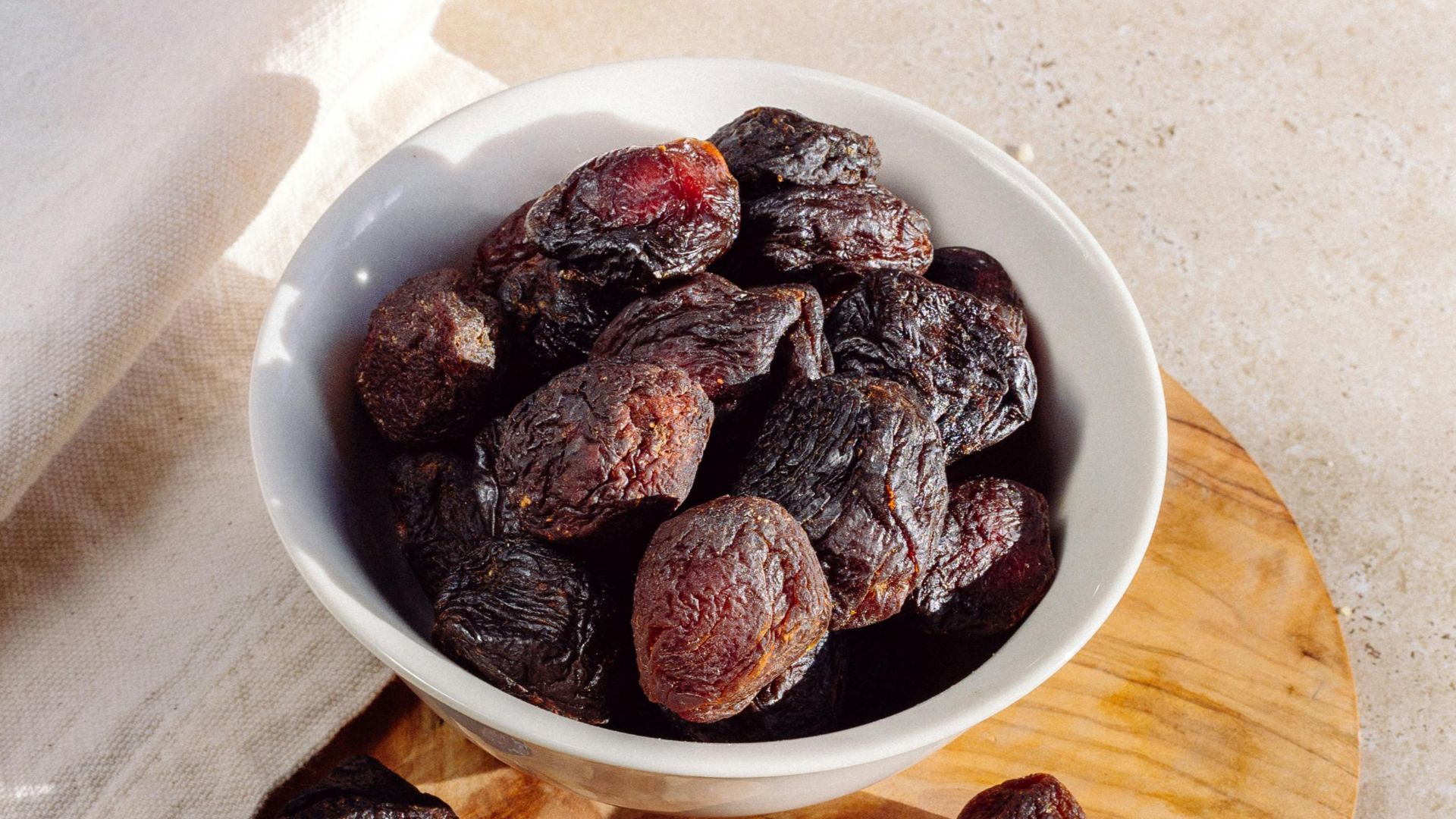
16. Prunes
Prunes have a surprisingly respectable reputation in bone-health conversations, which isn't necessarily what people expect from a food more famous for digestive jokes. They have been studied for bone-related benefits, and they also fit into the fruit-rich eating patterns that broader nutrition guidance supports.
 Antoni Shkraba Studio on Pexels
17. Sweet Potatoes
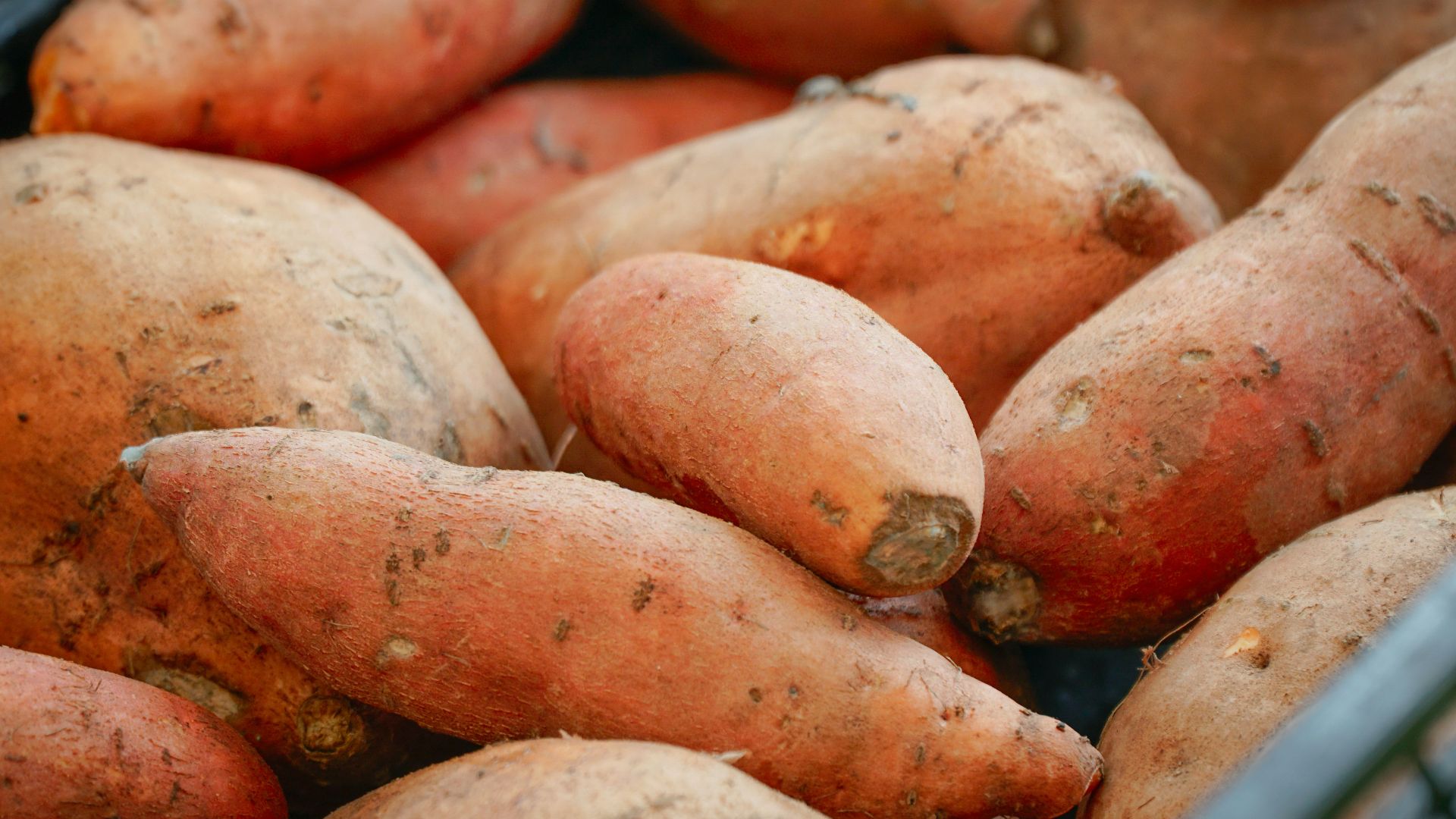
Sweet potatoes are useful here not because they're secretly dairy in disguise, but because they contribute potassium and fit into a nutrient-dense eating pattern. Bone strength is helped by diets that support overall mineral balance and long-term dietary quality, not just one superstar nutrient. A baked sweet potato is doing more than sitting there looking wholesome.
18. Oats
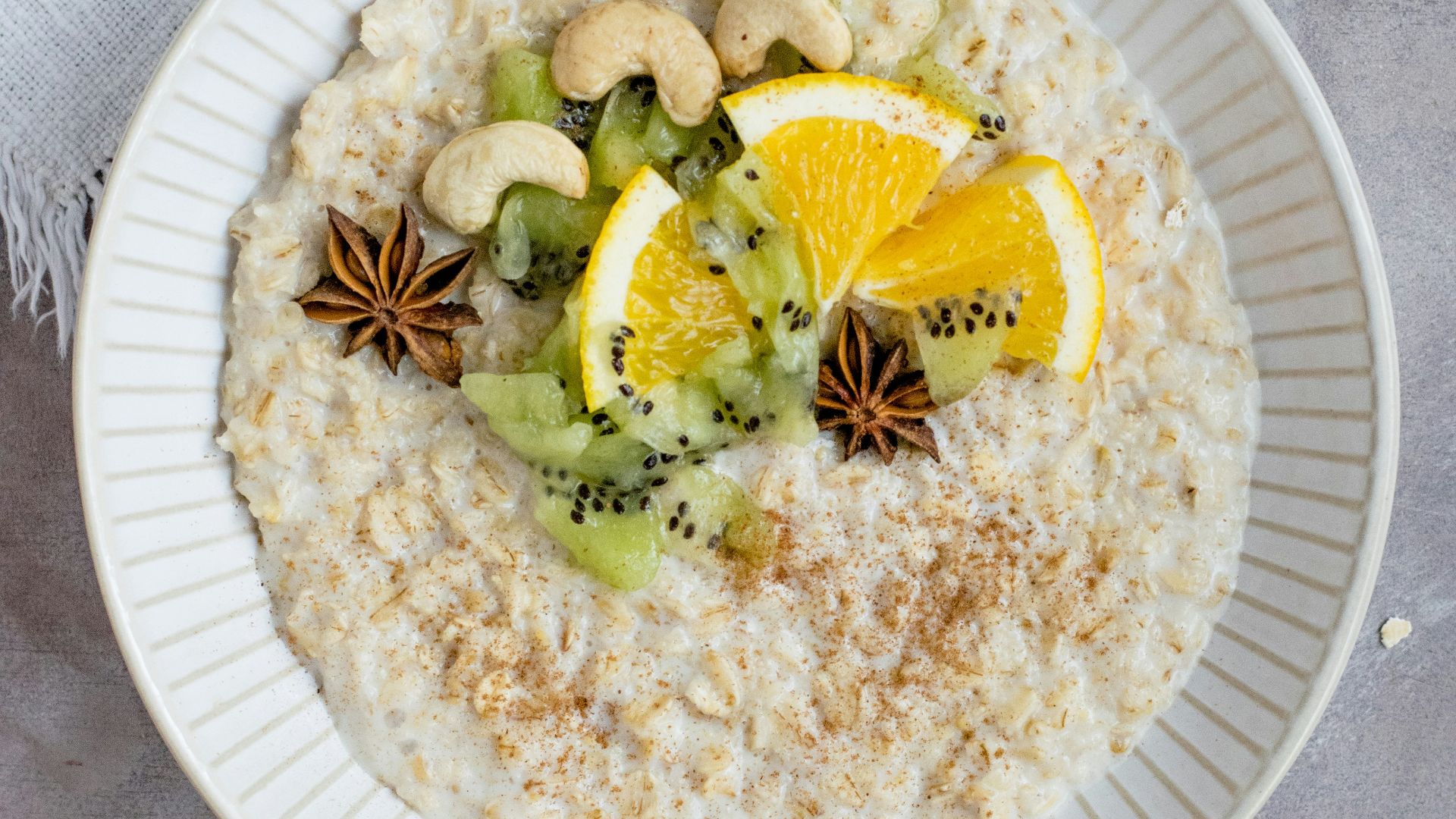
Oats support bone-friendly eating in a quieter way. They can contribute magnesium and help build meals around whole grains instead of less nutrient-dense choices. That's not the most glamorous sales pitch in the world, but it's the kind of thing that makes a diet stronger over time.
19. Chia Seeds
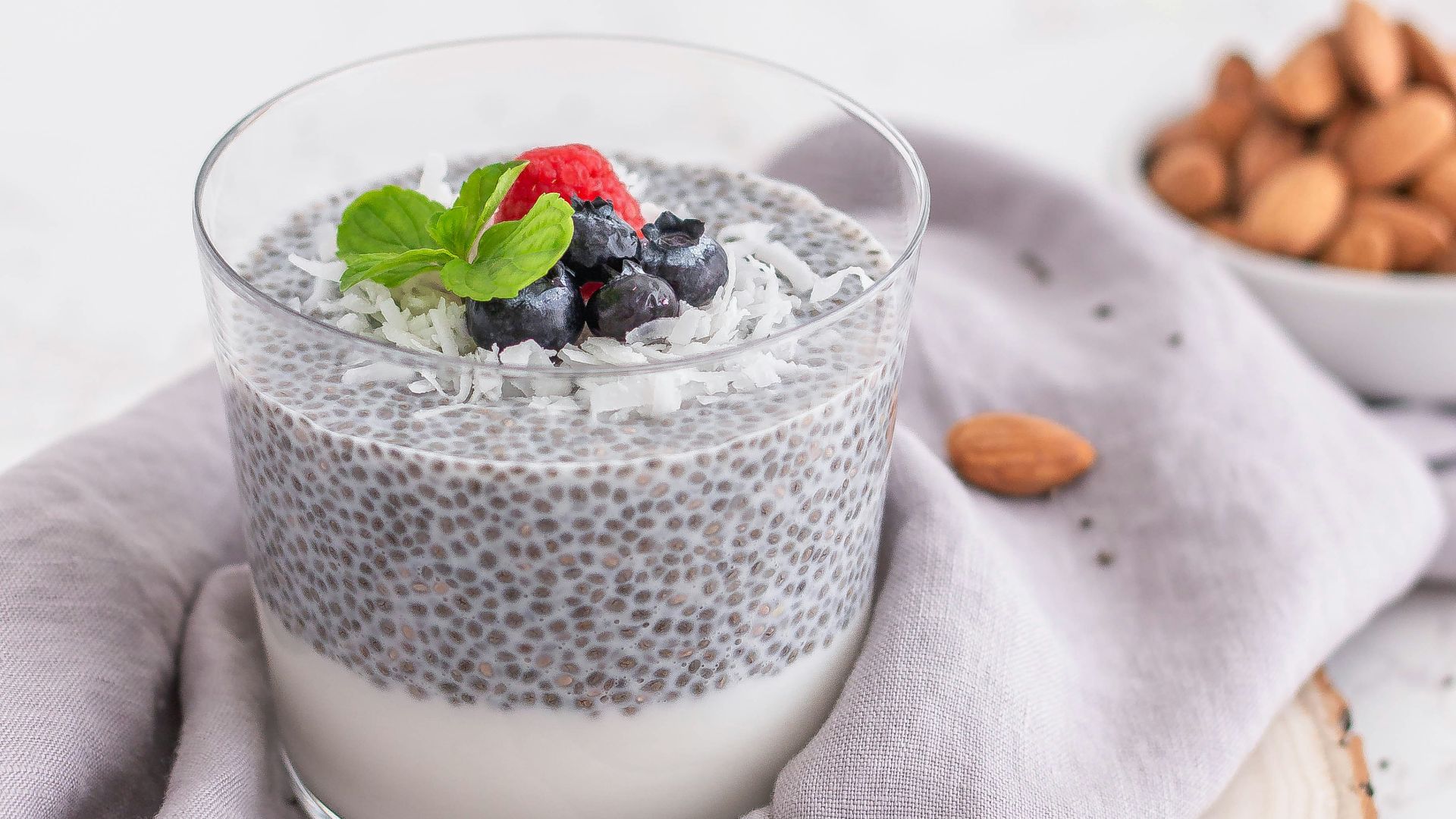
Chia seeds have become trendy enough to be mildly annoying, but they still bring some practical value. They contribute minerals and fit easily into breakfasts and snacks without requiring a full lifestyle rebrand. That ease is part of why they help. Nutritional support is much more useful when it's easy to repeat.
20. Mushrooms Exposed to UV Light
UV-exposed mushrooms are a useful oddball in this conversation because they can provide vitamin D, which supports calcium absorption and bone health. Since few foods naturally contain much vitamin D, any everyday ingredient that helps fill that gap gets extra credit.

KEEP ON READING