Small Balance Habits Can Make a Big Difference
Fall prevention doesn't have to start with complicated equipment or a gym membership you feel guilty about ignoring. Balance work can be very simple, and public health guidance for older adults keeps coming back to the same idea: regular movement, leg strength, and balance practice can help reduce fall risk and support independence. Here are 20 balance drills that can help you feel stronger and more sturdy.
1. Chair Sit-to-Stands
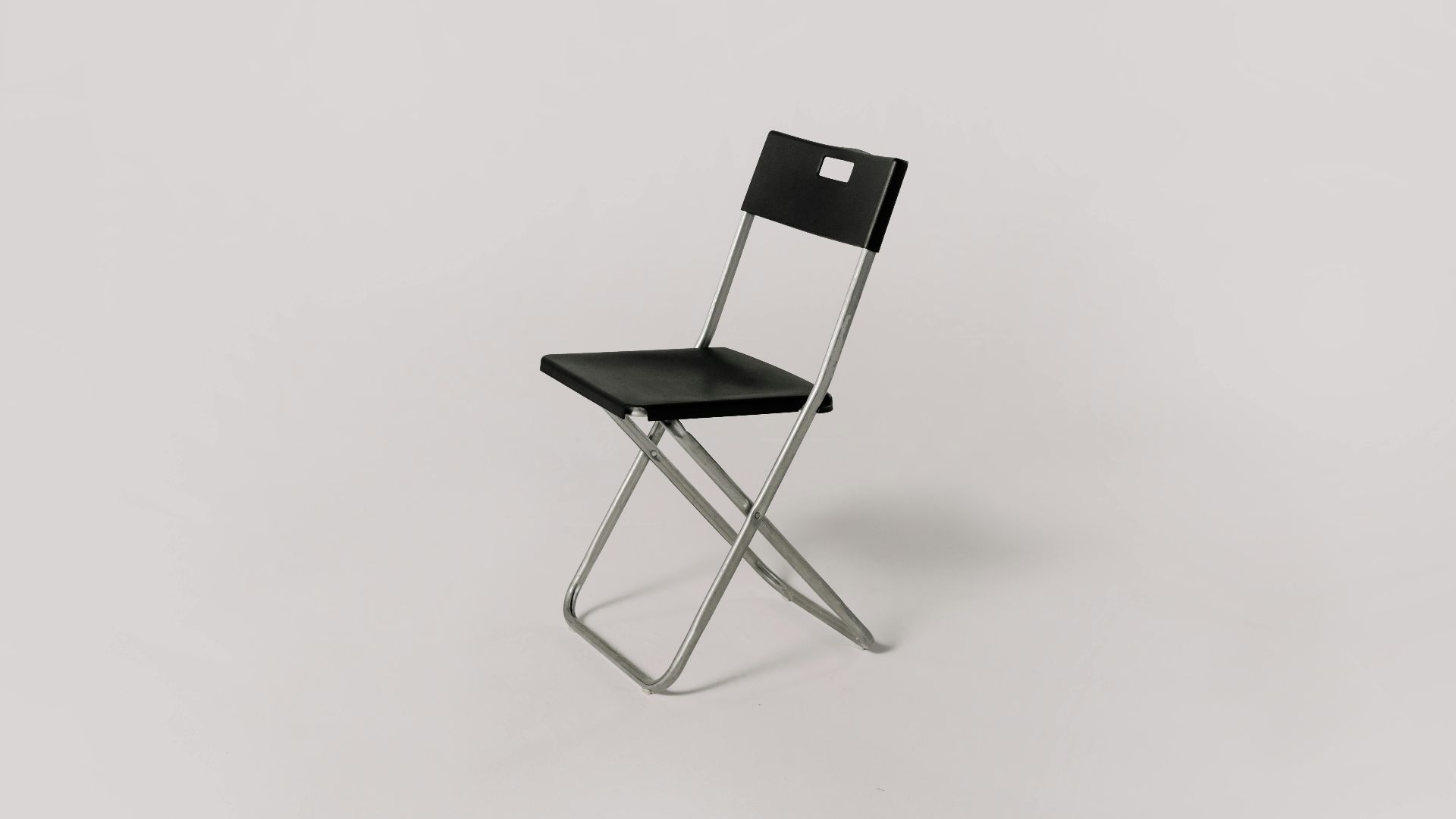
Sit toward the front of a sturdy chair with your feet flat and about hip-width apart. Lean slightly forward and stand up without using your hands if you can, then lower yourself back down with control. This drill helps build leg strength and steadiness.
2. Single-Leg Stands
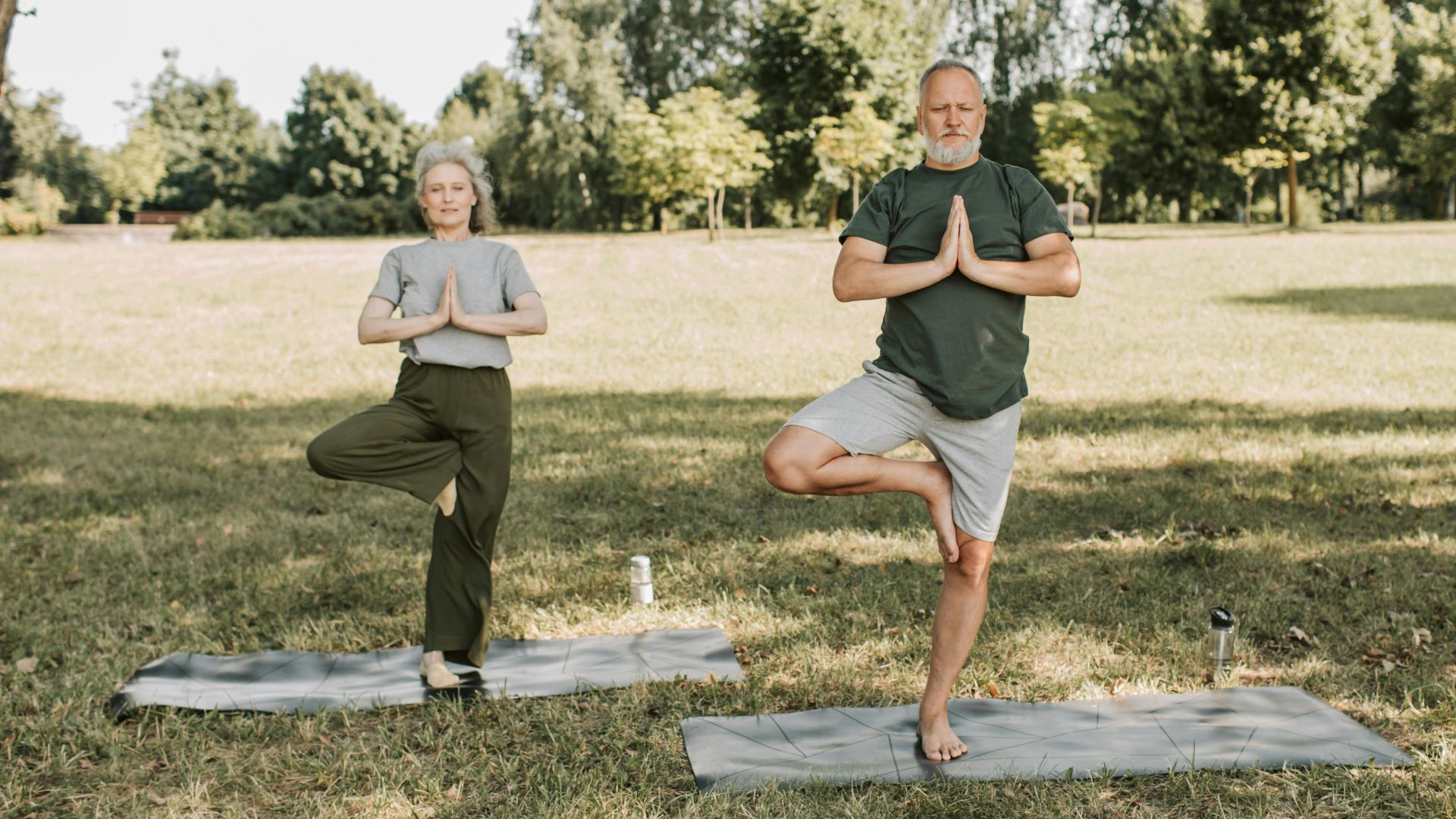
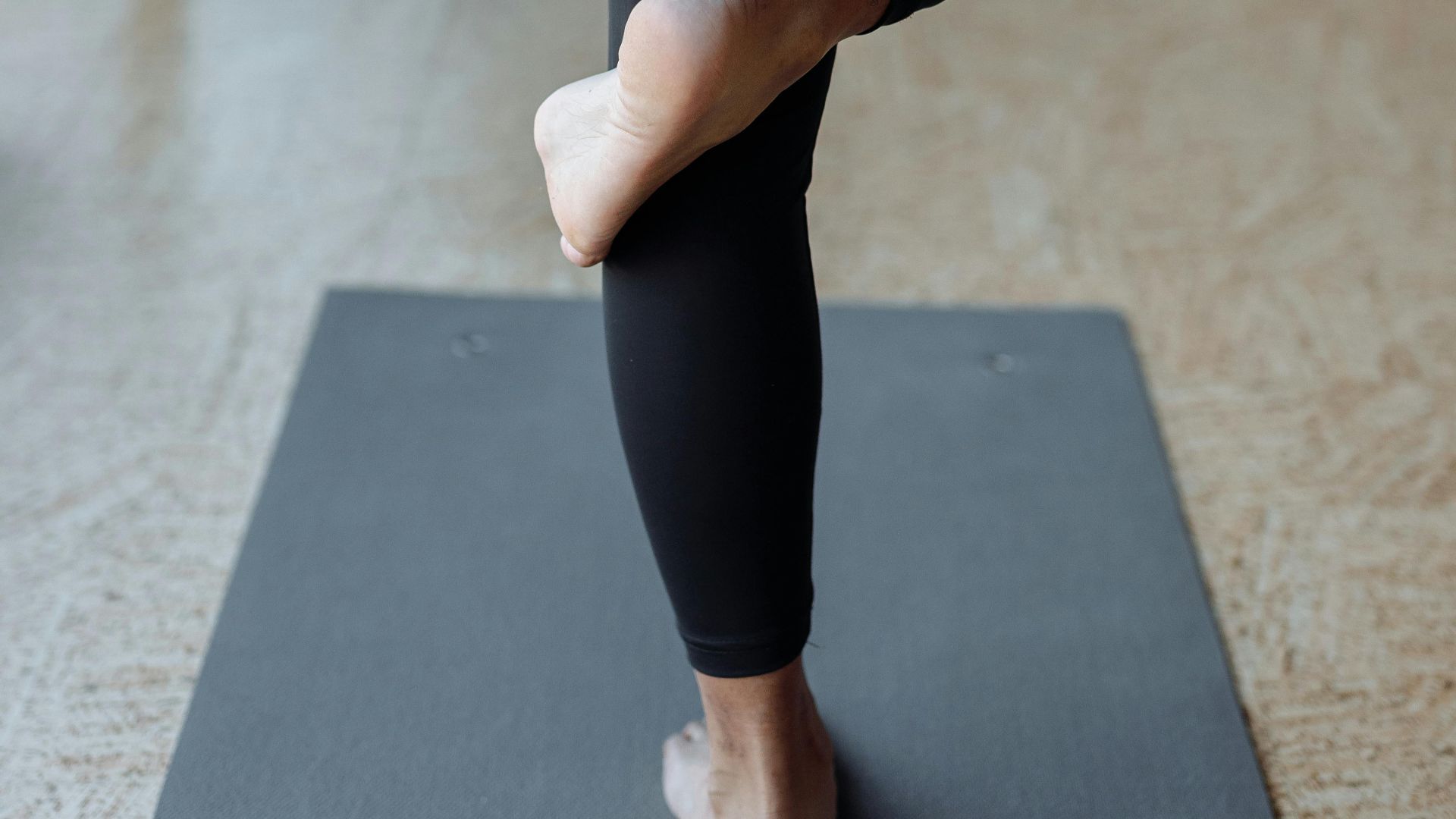
Stand behind a sturdy chair or near a counter, then lift one foot slightly off the floor and hold the position for a few seconds. Switch sides and repeat, using light support if needed. This is one of the clearest and most widely recommended balance drills because it directly challenges your stability in a very controlled way.
3. Heel-to-Toe Walking
Walk in a straight line by placing the heel of one foot directly in front of the toes of the other. Keep your eyes forward rather than staring at the floor the whole time, and use a wall or hallway if that feels safer. This is good for balance because it challenges your coordination.
4. Marching in Place
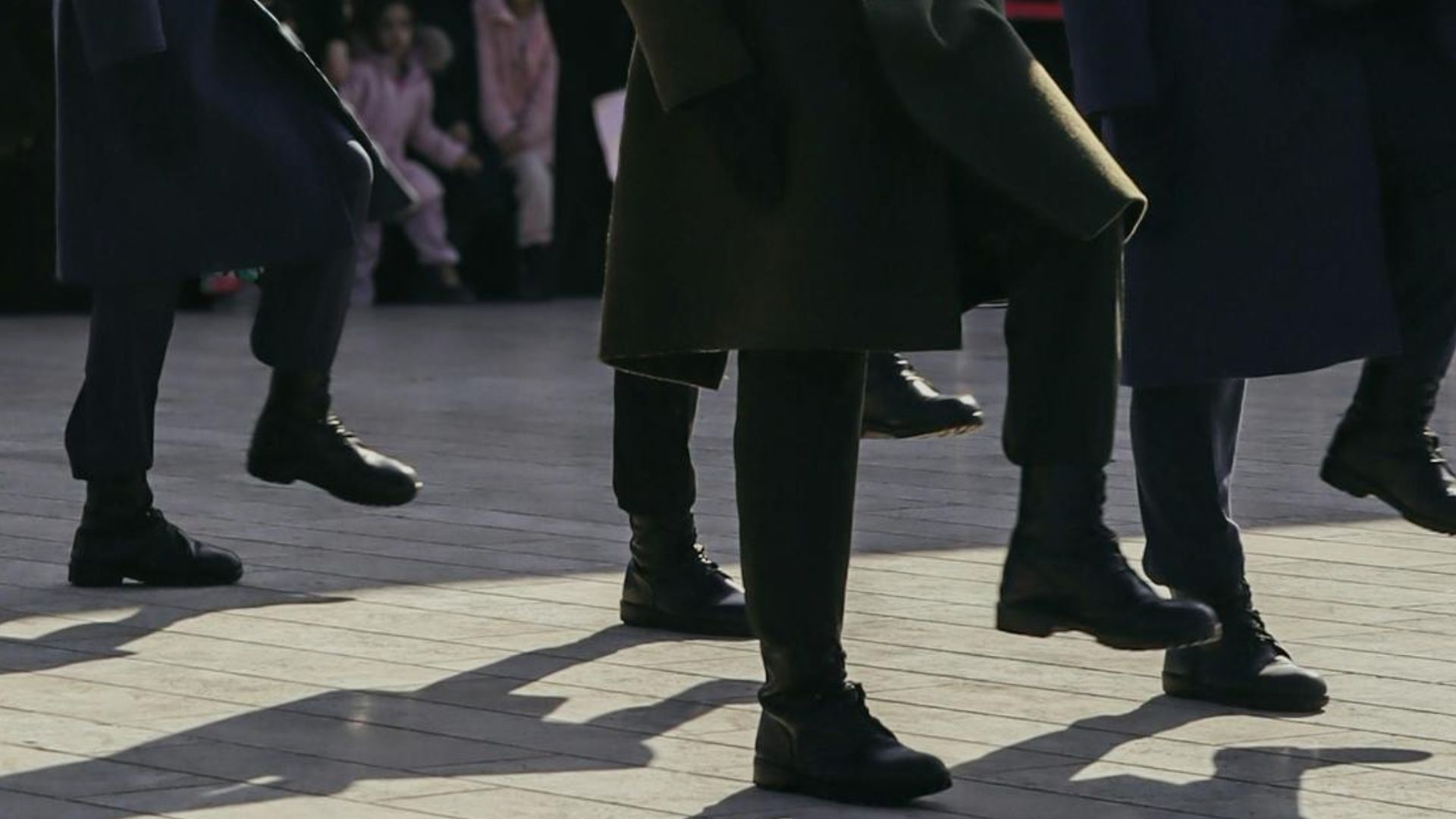
Stand tall near a support surface and slowly lift one knee, then the other, like a gentle standing march. Try to stay upright instead of swaying side to side too much. It's a useful drill because it builds control during weight shifts, which is exactly the kind of movement people use all day without thinking about it.
5. Side Leg Raises
Hold onto a chair or countertop and lift one leg out to the side without tipping your upper body. Lower it carefully, then do the other leg. This one helps strengthen the muscles that support side-to-side balance, which can be especially useful when you catch yourself during a misstep.
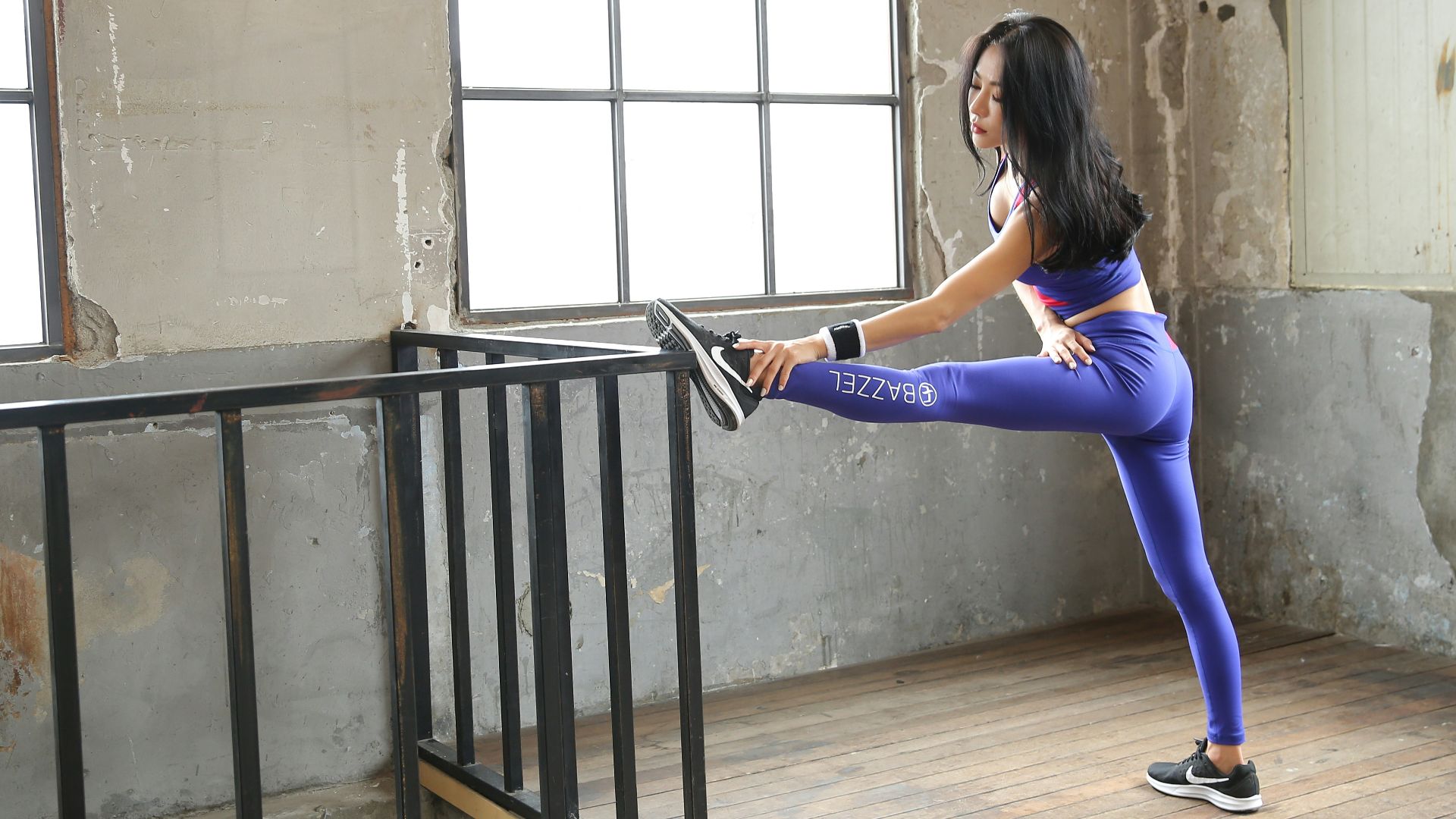
6. Back Leg Raises
Stand tall with a light hand on a sturdy surface, then extend one leg straight behind you without leaning too far forward. Bring it back slowly and repeat on both sides. This drill works the hips and glutes, which support posture and stability.

7. Heel Raises
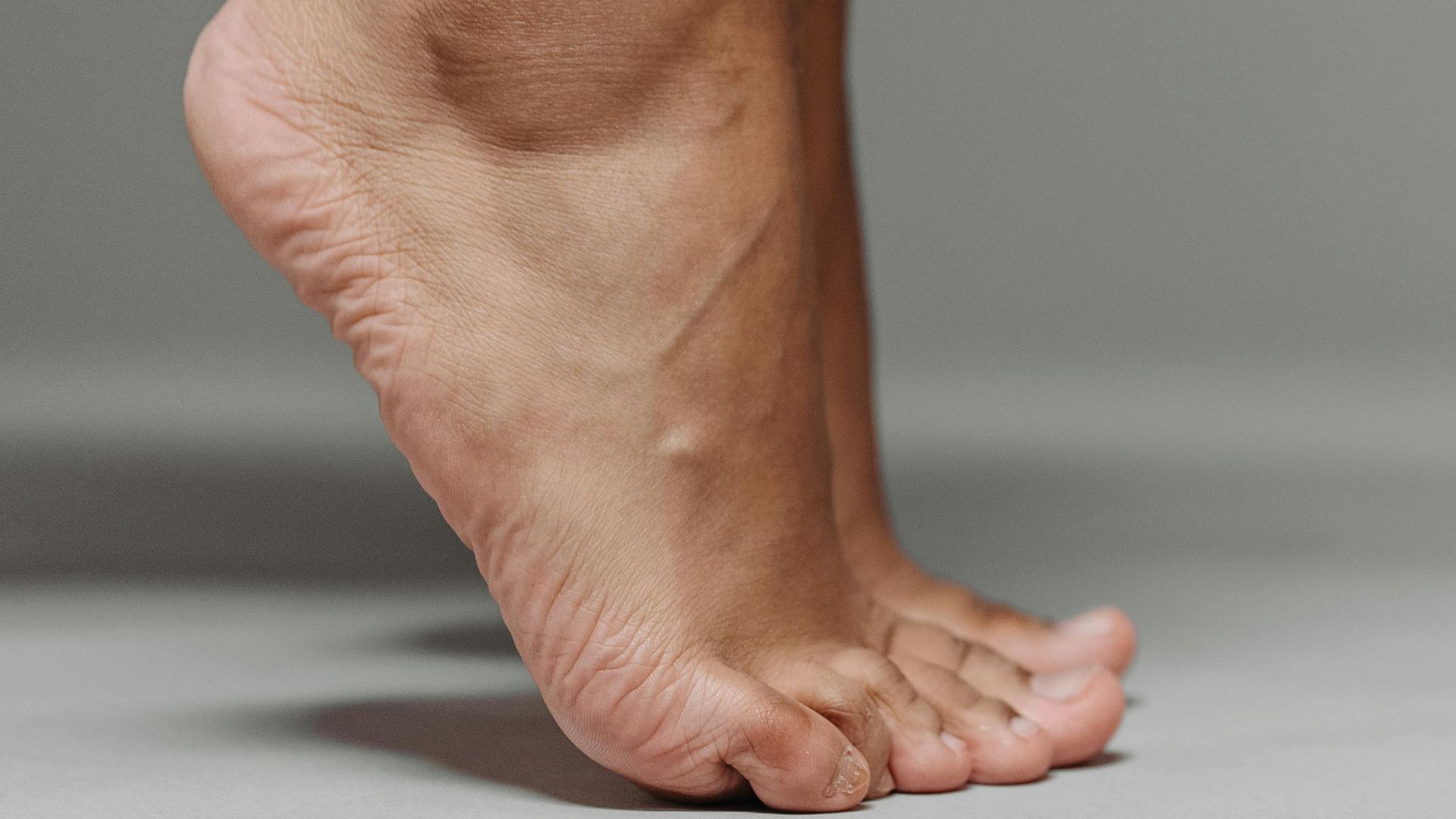
Hold onto a chair or counter and rise up onto your toes, then lower yourself slowly. You can do a small set and rest before repeating. Heel raises help strengthen the lower legs and ankles, which matter a lot when you're trying to stay steady during everyday walking.
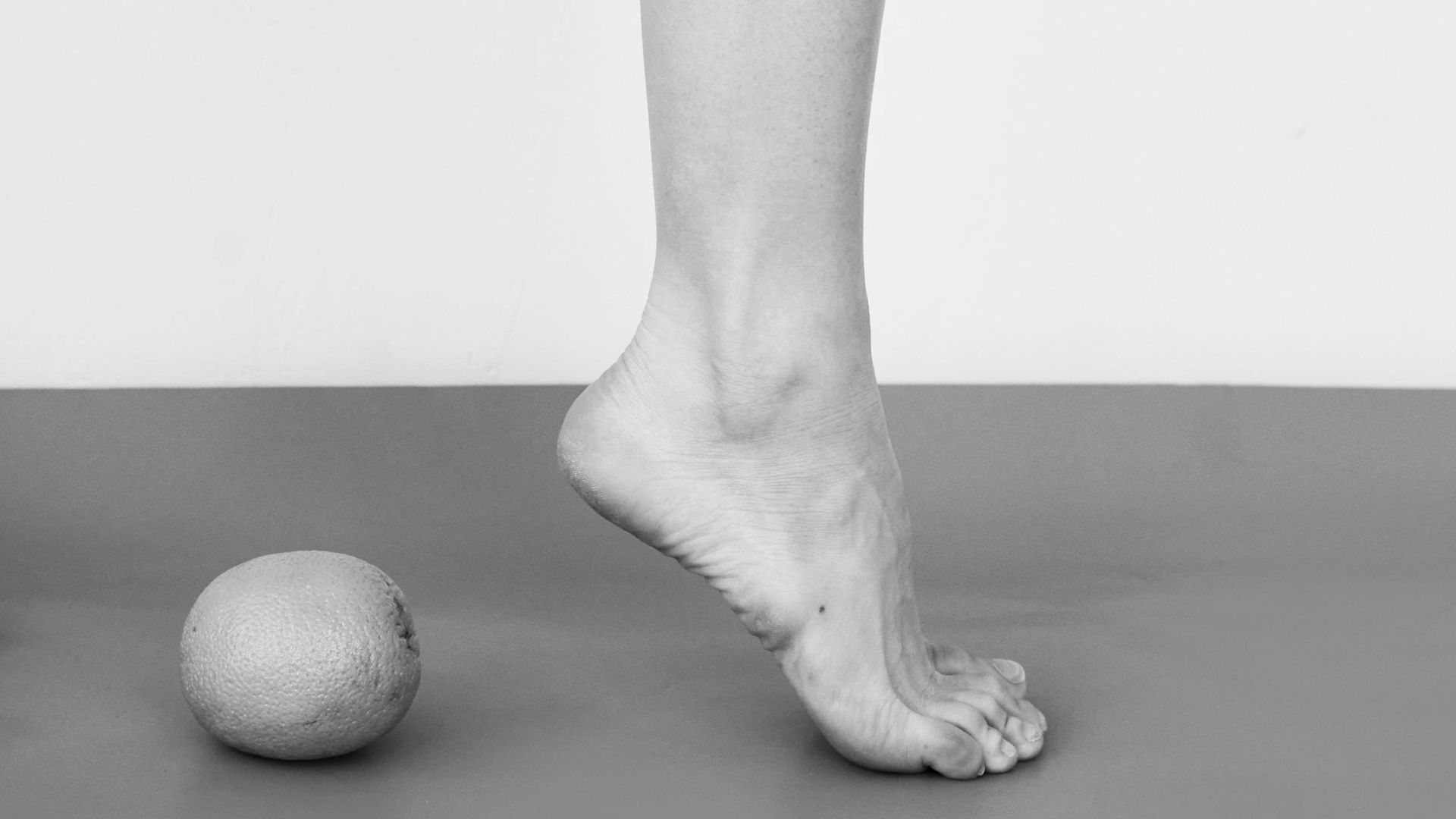
8. Toe Raises
With your hands lightly supported, lift the front of your feet so your weight shifts toward your heels. Lower them back down with control and repeat. This is a nice companion to heel raises because it works the muscles at the front of the lower leg and can help support steadier foot placement.
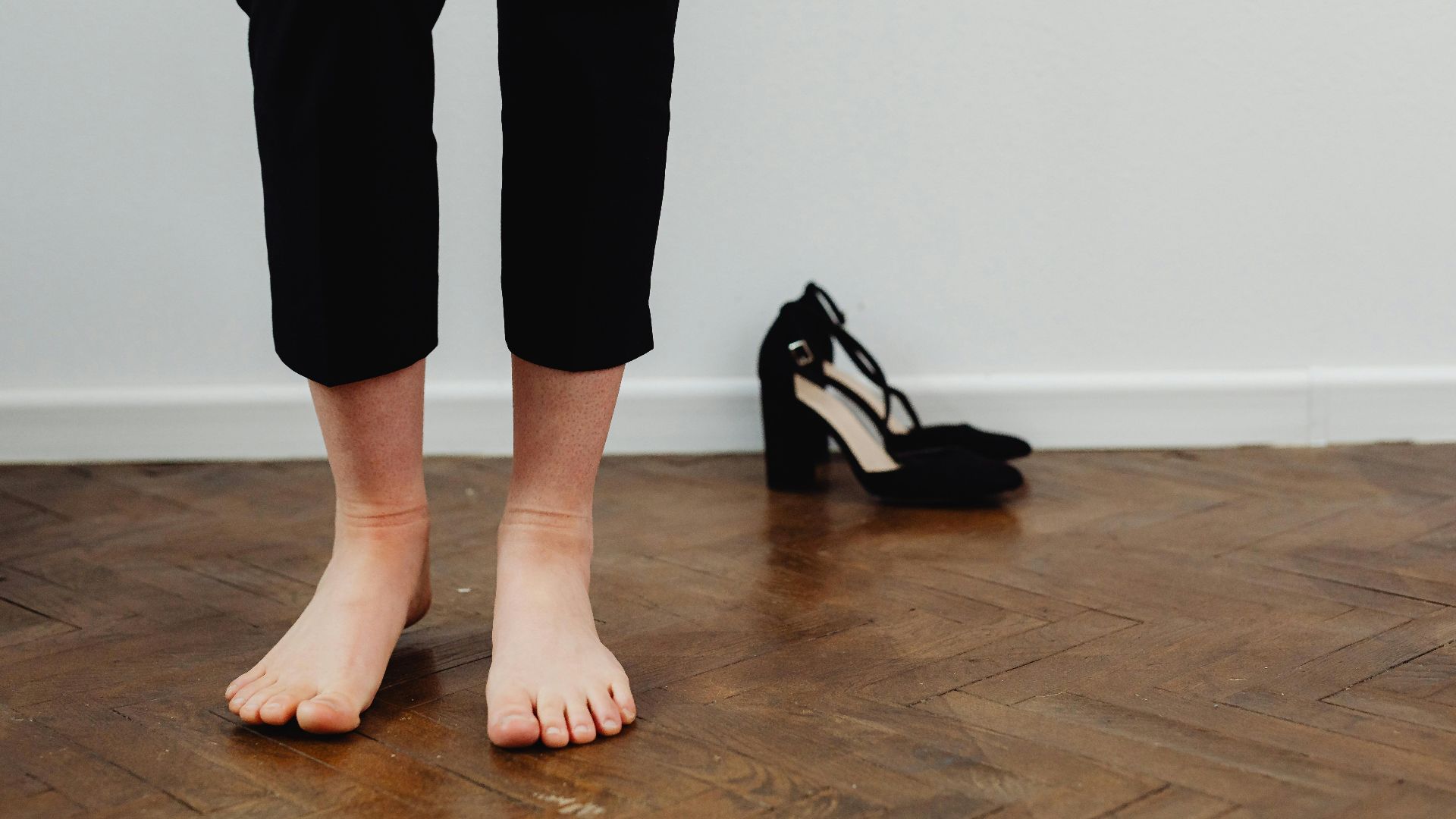
9. Semi-Tandem Stance
Stand with one foot slightly ahead of the other, not quite in a straight line but close enough to narrow your base of support. Hold that position for several seconds, then switch which foot is in front. This is a good middle step between ordinary standing and full tandem balance work.
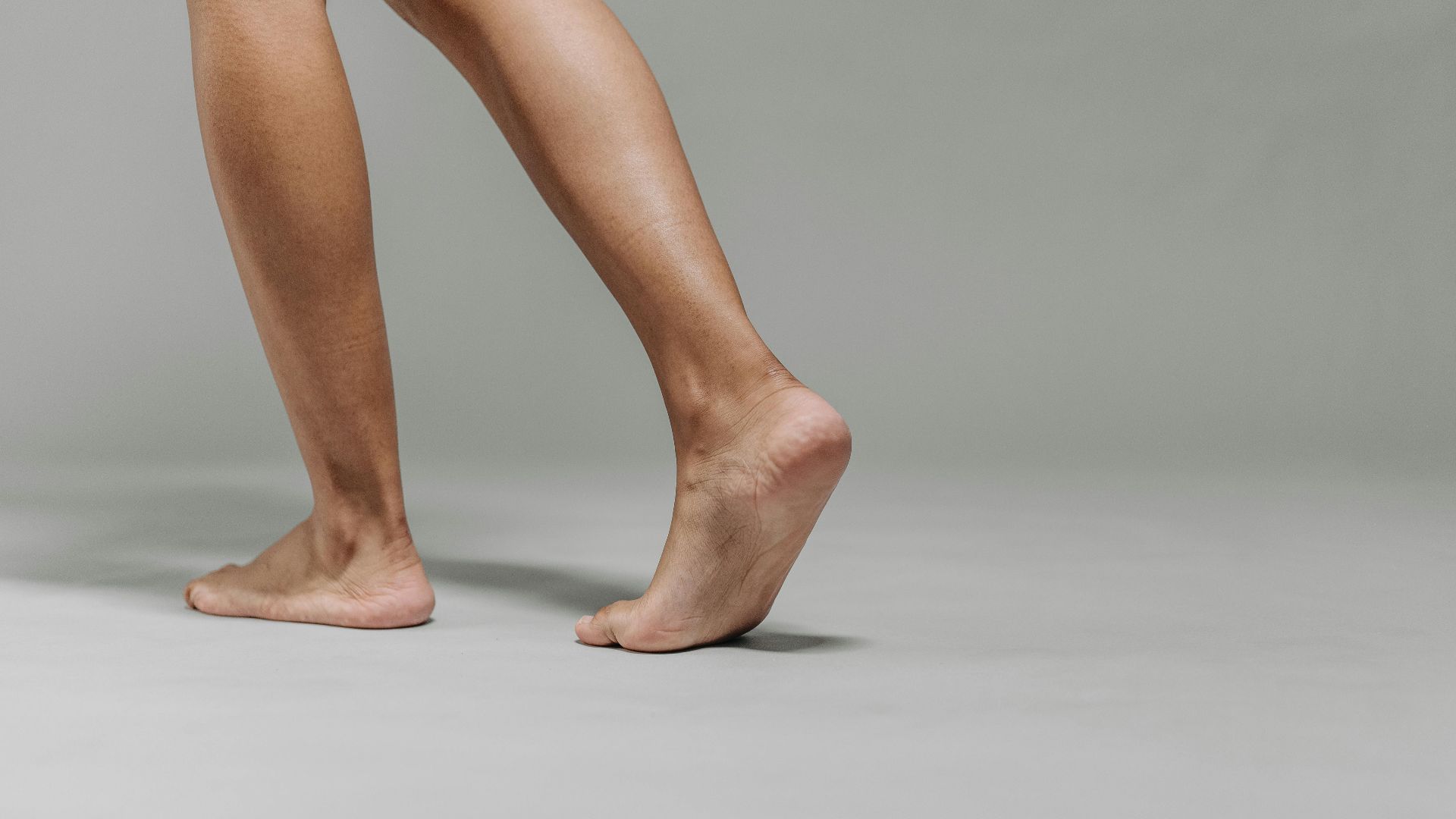
10. Full Tandem Stance
Once semi-tandem feels manageable, try standing with one foot directly in front of the other, heel to toe. Keep a chair, wall, or counter close by so you're challenging your balance safely. Narrowing your base like this gives your stabilizing muscles and nervous system something useful to work on.
11. Weight Shifts Side to Side
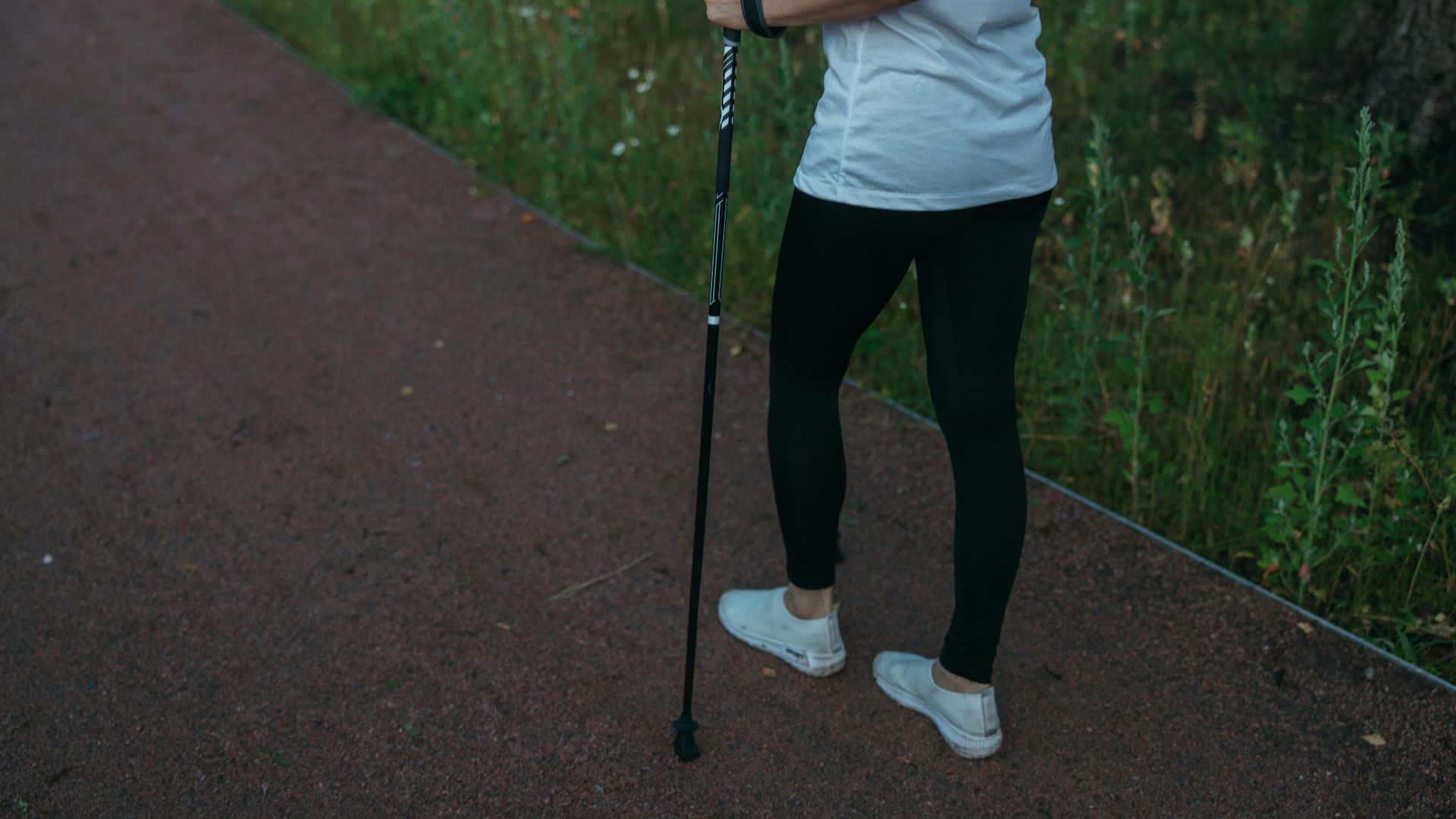
Stand with your feet about hip-width apart and gently shift your weight onto one foot, then the other. You're not trying to swing wildly. You're just teaching your body to stay calm while your center of gravity moves. This sounds simple, but that's exactly why it's such a practical drill.
12. Forward & Backward Weight Shifts
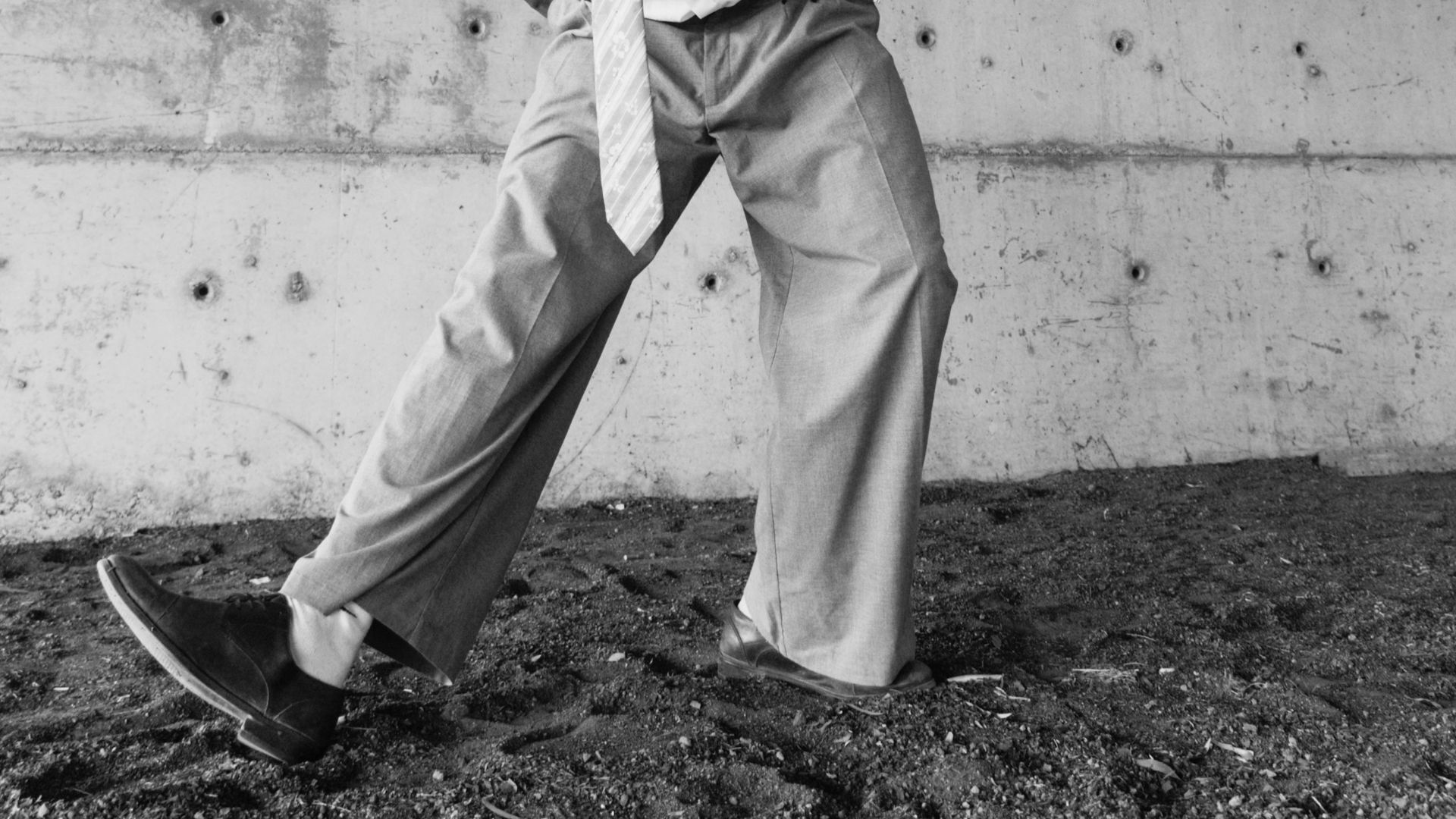
This version works the same idea in a different direction. Shift your weight forward toward your toes, then backward toward your heels without lifting your feet. Controlled movement like this helps build awareness of where your body is in space, which is a big part of better balance.
13. Mini Knee Bends
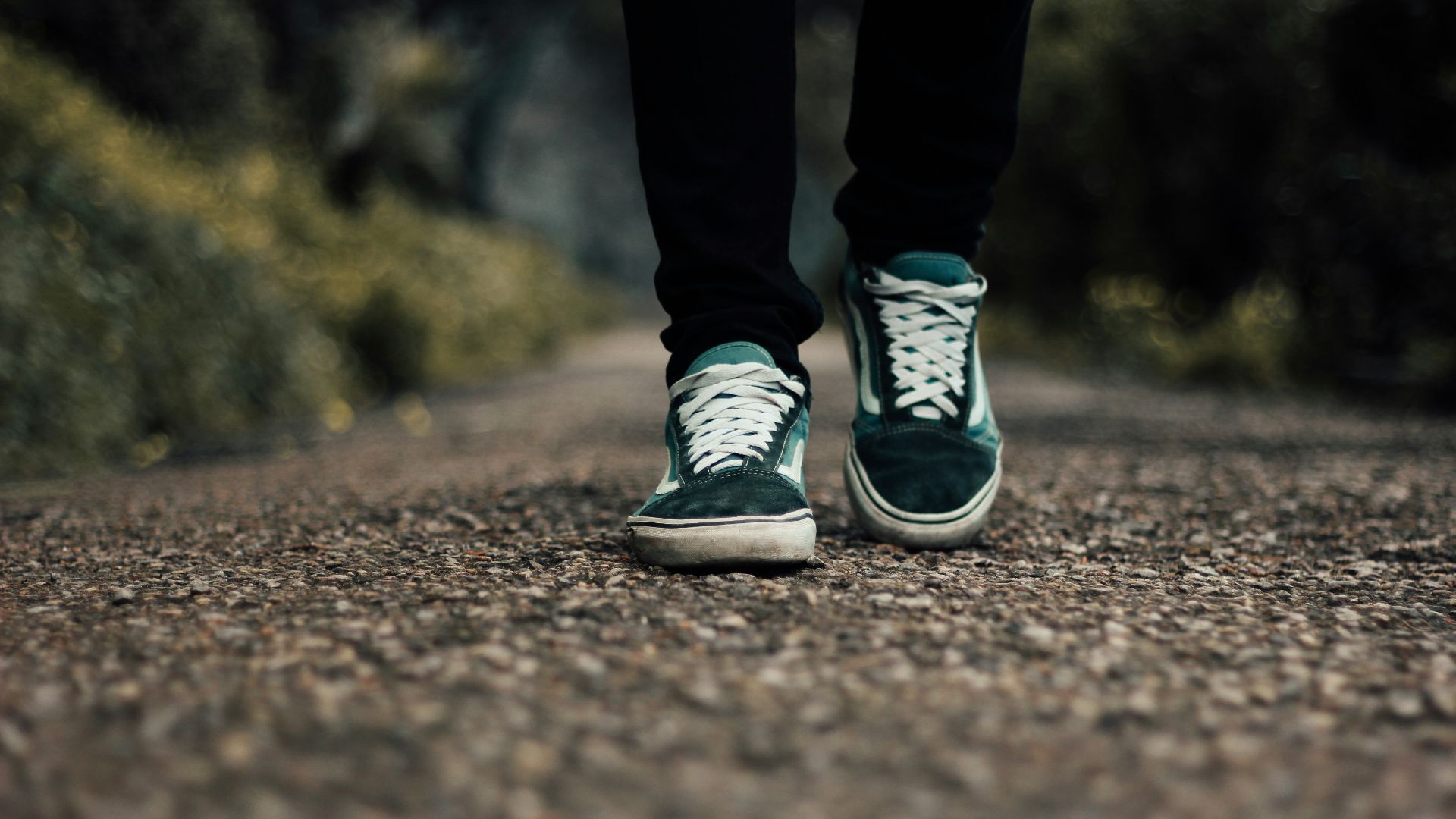
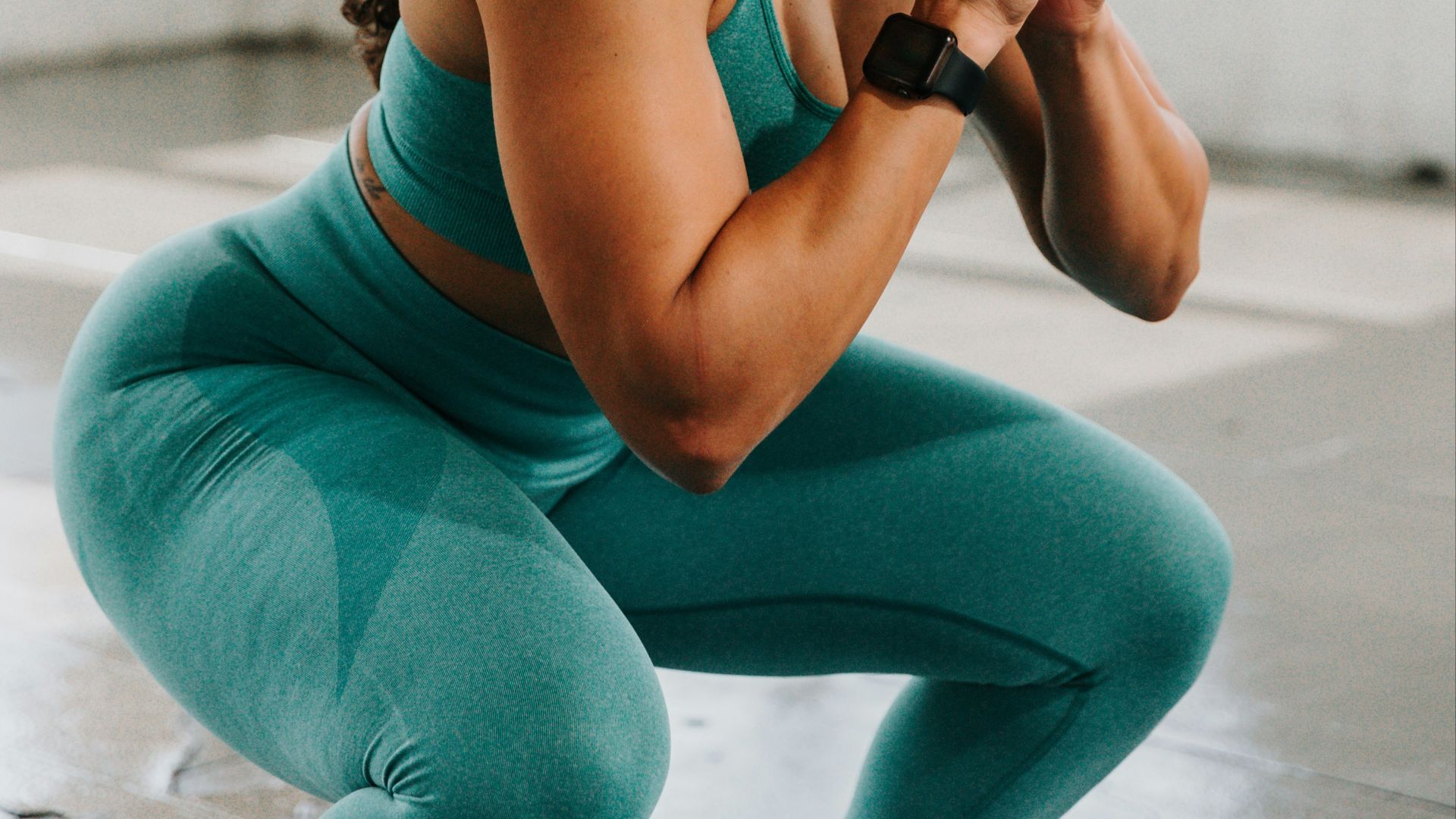
Stand behind a chair or at a counter, then bend your knees slightly as if you're starting a very small squat. Straighten back up without locking everything rigidly. This helps build leg strength and control in the same lower-body muscles that assist with standing, walking, and recovering from little stumbles.
14. Side Stepping Along a Counter
Stand near a kitchen counter or wall and take a few slow side steps in one direction, then come back the other way. Keep your chest facing forward rather than turning it into a dance routine. This drill challenges lateral stability, which is useful because not every loss of balance happens straight ahead.
15. Backward Walking With Support Nearby
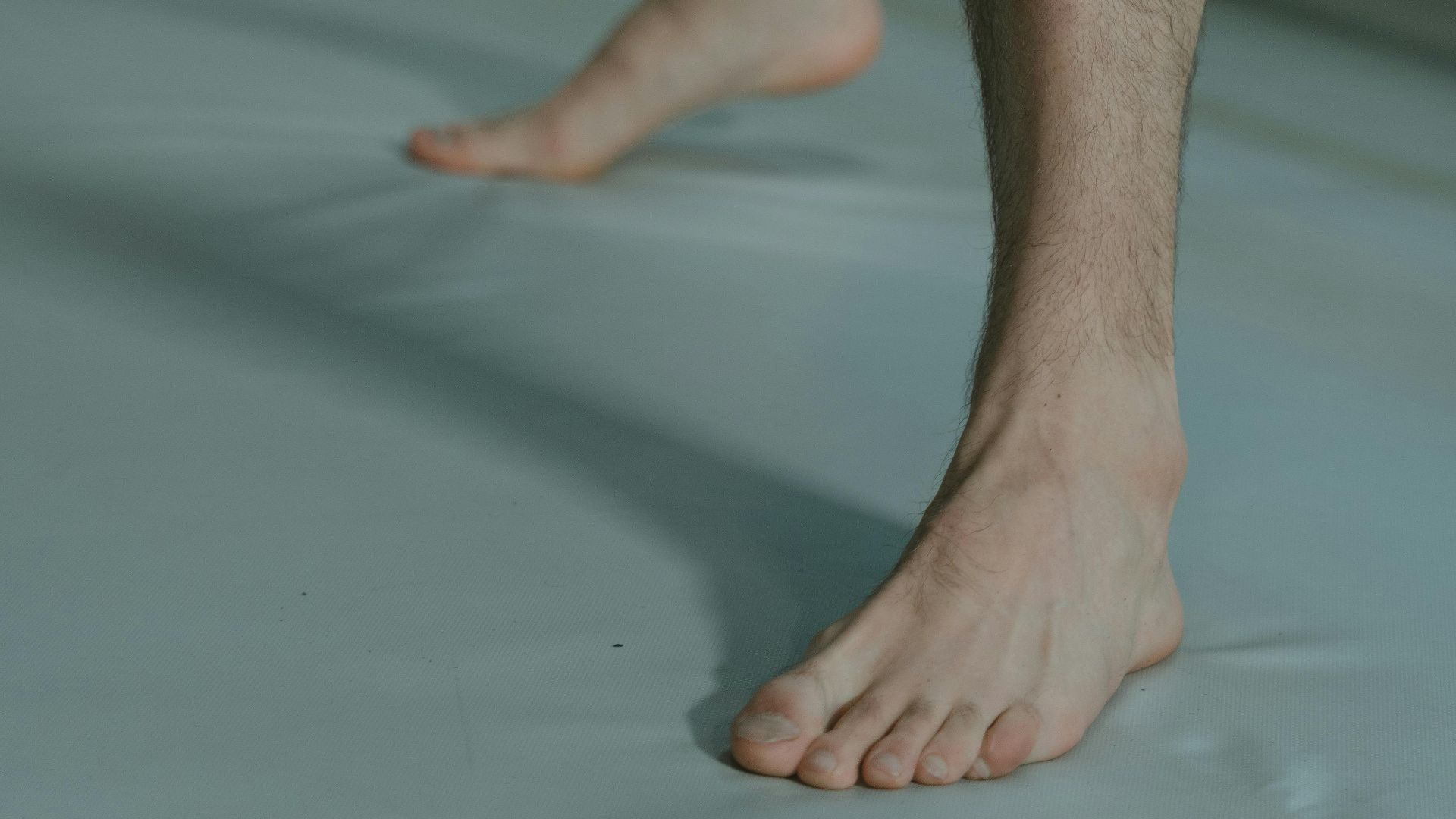
Walk backward slowly in a clear hallway or beside a sturdy surface so you can steady yourself if needed. Take short steps and focus on control rather than speed. This one asks your balance system to work a little differently than usual, which is part of what makes it useful.
16. Step-Ups on a Low Step
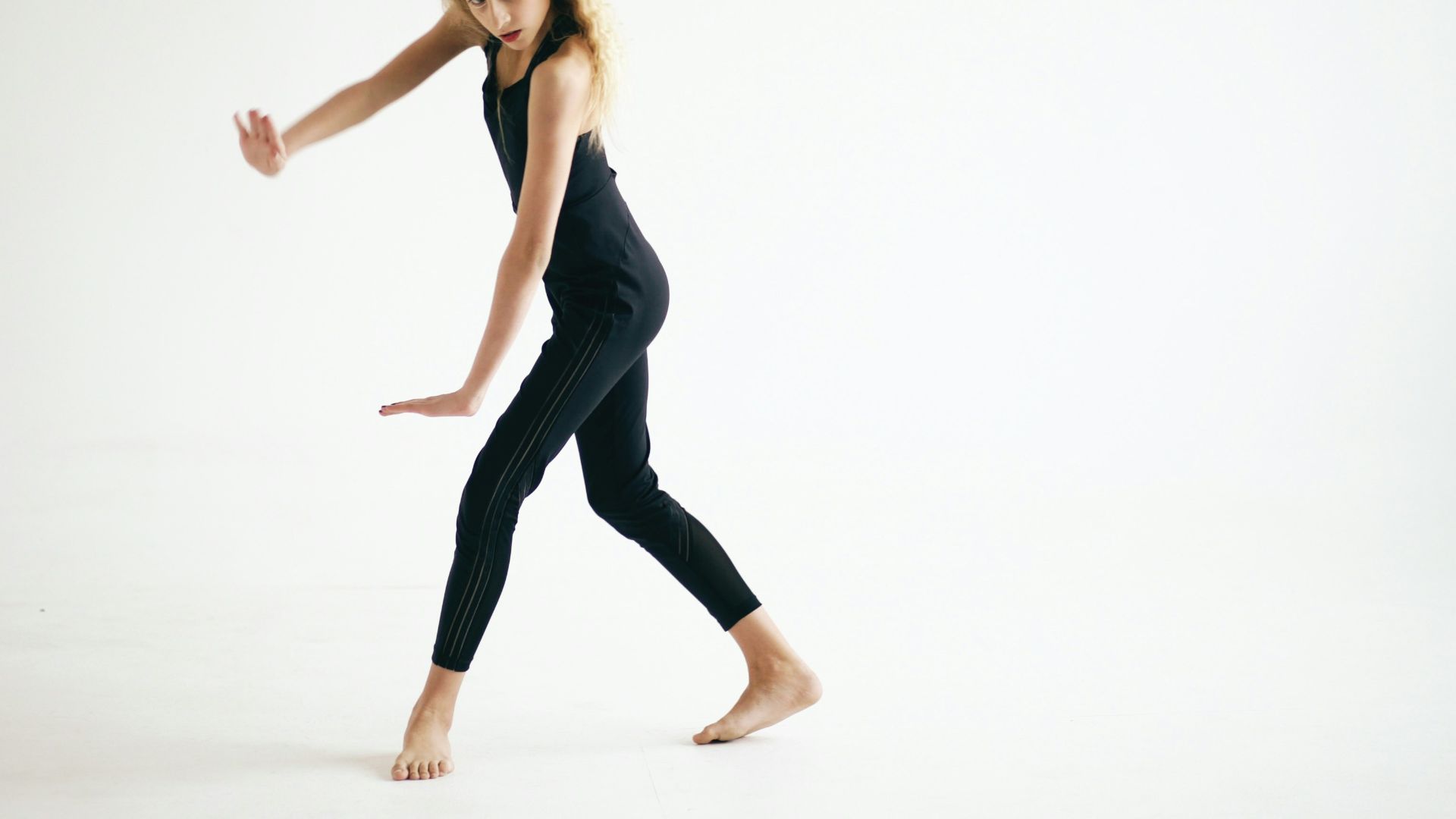
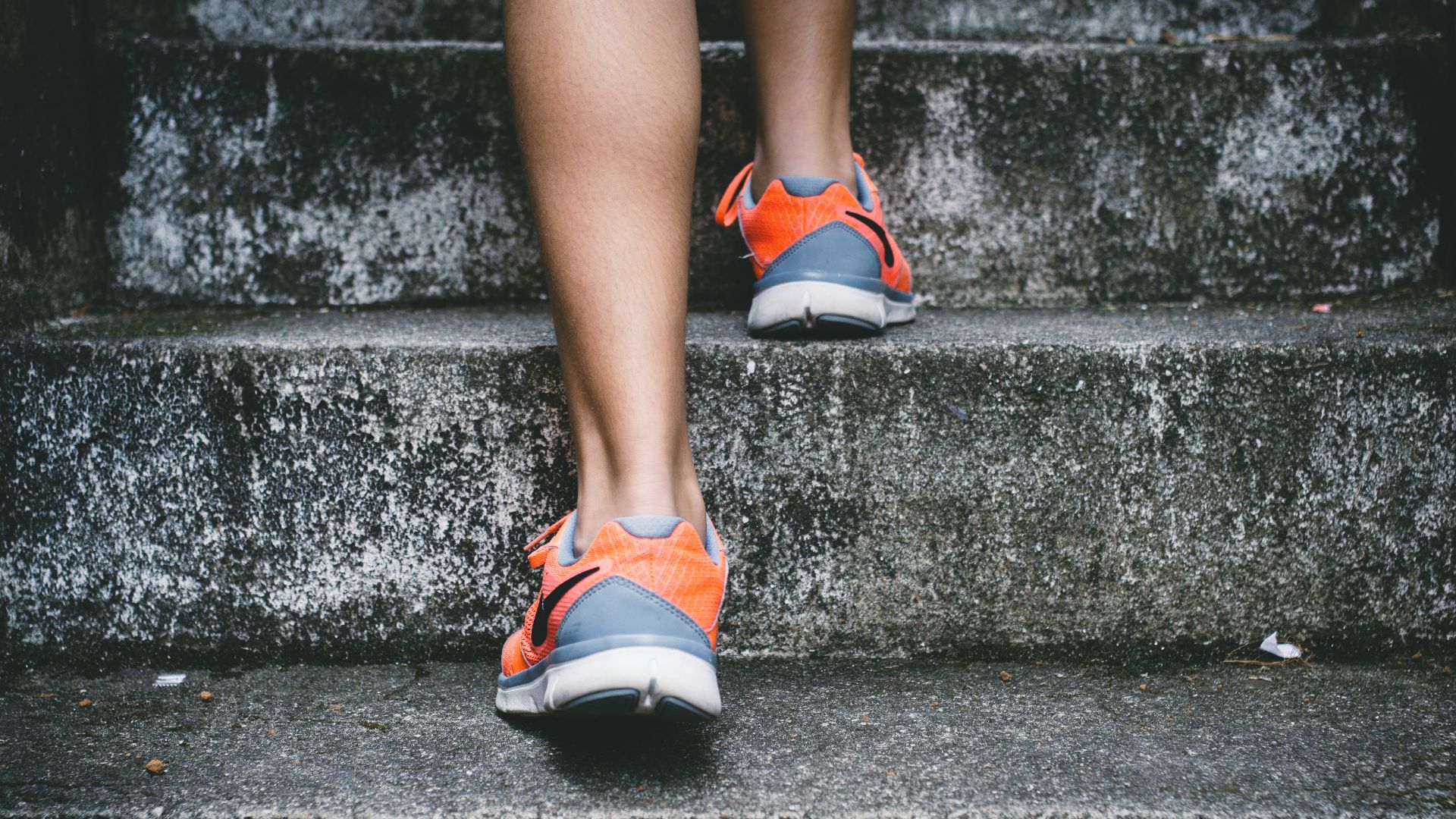
Use the bottom stair or a low stable step and step up with one foot, then the other, before stepping back down carefully. Keep a rail or wall close if you want extra reassurance. This drill works balance and lower-body strength together, which is helpful because real-life steadiness is rarely just one thing at a time.
17. Staggered Sit-to-Stands
Sit in a chair with one foot planted more firmly and the other slightly out in front, then stand up using the stronger planted side as the main driver. Switch sides so both legs take a turn. This variation adds a coordination challenge on top of ordinary chair stands.

18. Standing on a Cushion
If basic standing balance gets easier, standing on a folded towel or cushion can add a new challenge. Do this only with a sturdy surface right beside you, because the point is safe instability, not surprising yourself into a problem. Softer surfaces force your feet and ankles to work harder to keep you upright.
 personalgraphic.com on Unsplash
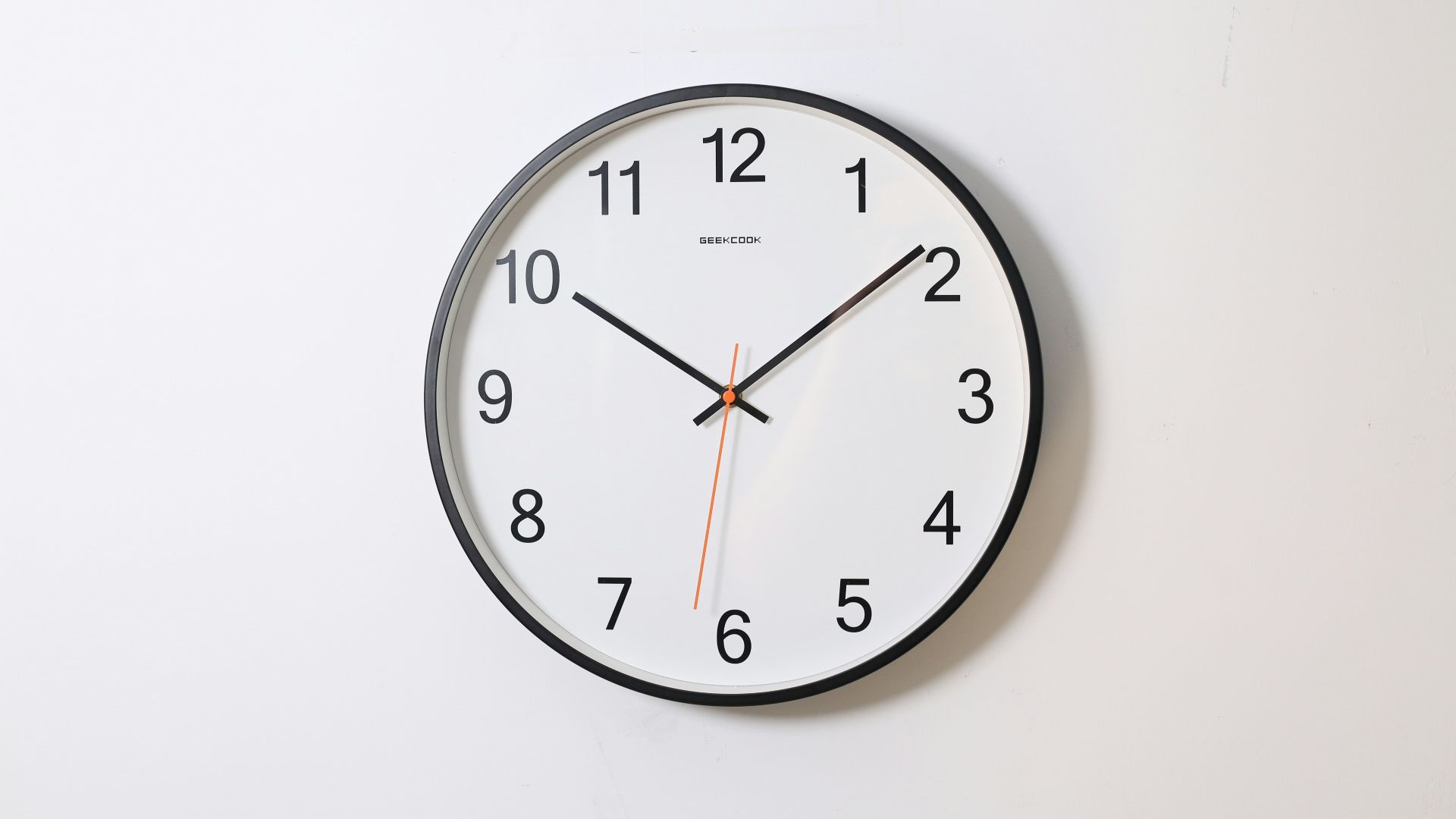
19. Clock Reaches
Stand on one leg or in a stable stance and imagine a clock face around you, then tap or reach one foot gently toward different “numbers.” This makes you control your balance while moving in more than one direction. It's a nice way to make balance work feel a little less repetitive without getting complicated.
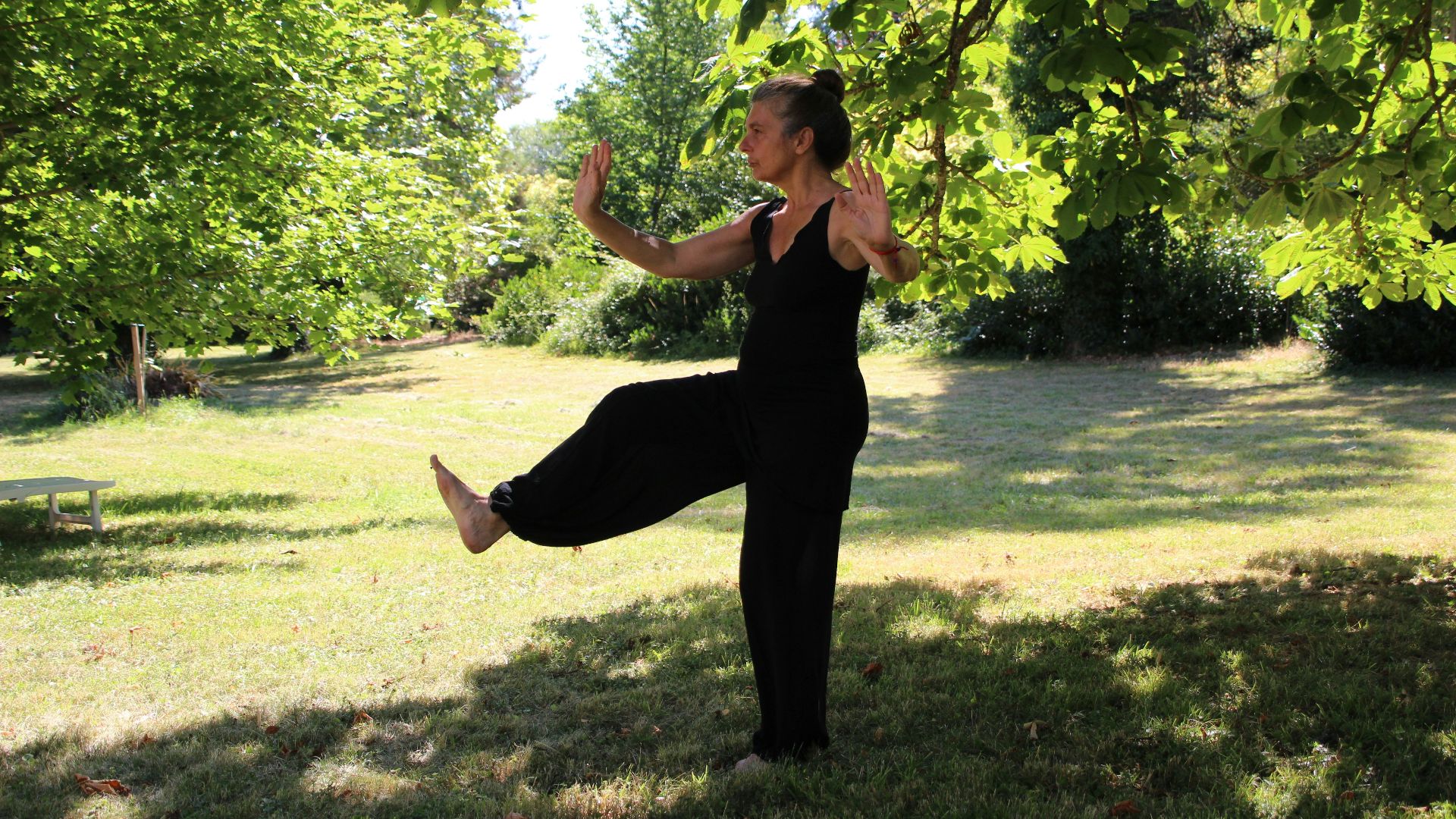
20. Tai Chi-Inspired Slow Weight Transfer
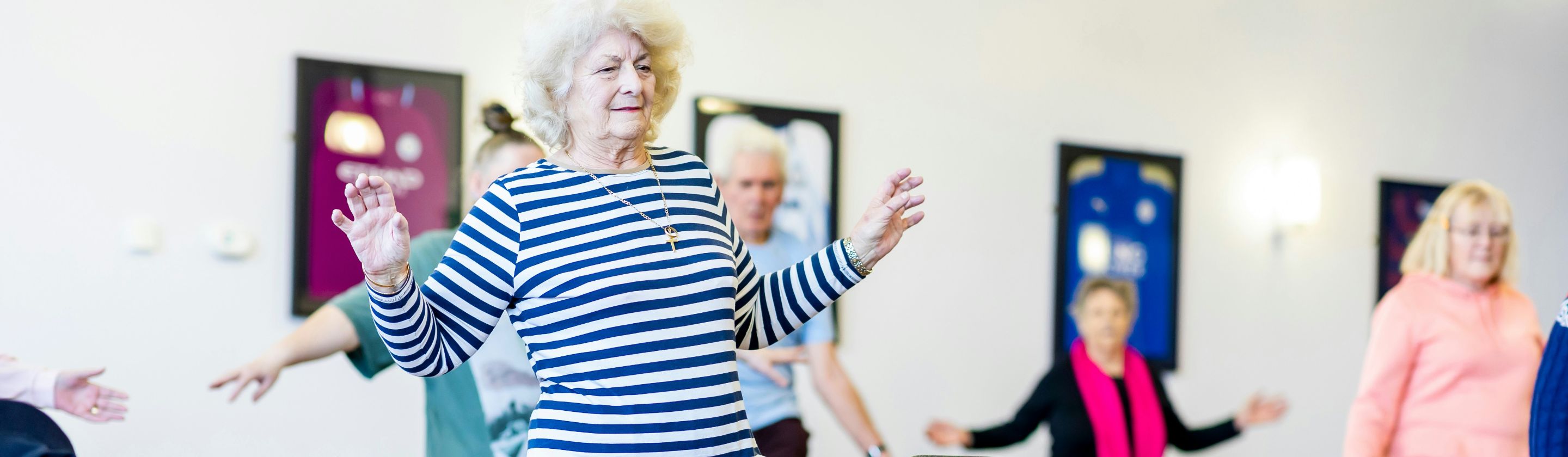
Slow, deliberate shifting from one leg to the other, especially with calm arm movement and upright posture, can be very effective for balance practice. If you prefer something smoother and less drill-like, this is an excellent way to finish.
KEEP ON READING
20 Simple Balance Drills That Reduce Fall Risk