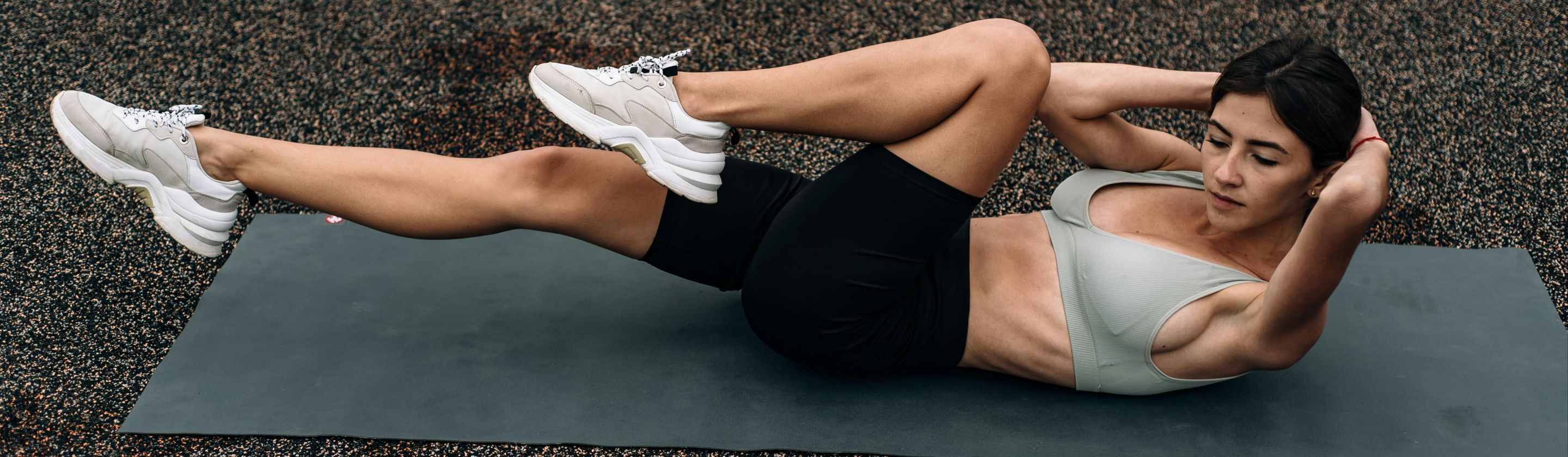
Build a Strong Core, Without the Gym
Home ab training can be super effective, but the fitness industry loves selling “shortcuts” that sound way better than they work. Your core gets stronger through progressive overload, good form, and consistency, not through gimmicks that promise a six-pack in a week. If you’re trying to build real strength and stability, it's best to focus on strength-building products, not promises of magic.
1. Exercise Mat
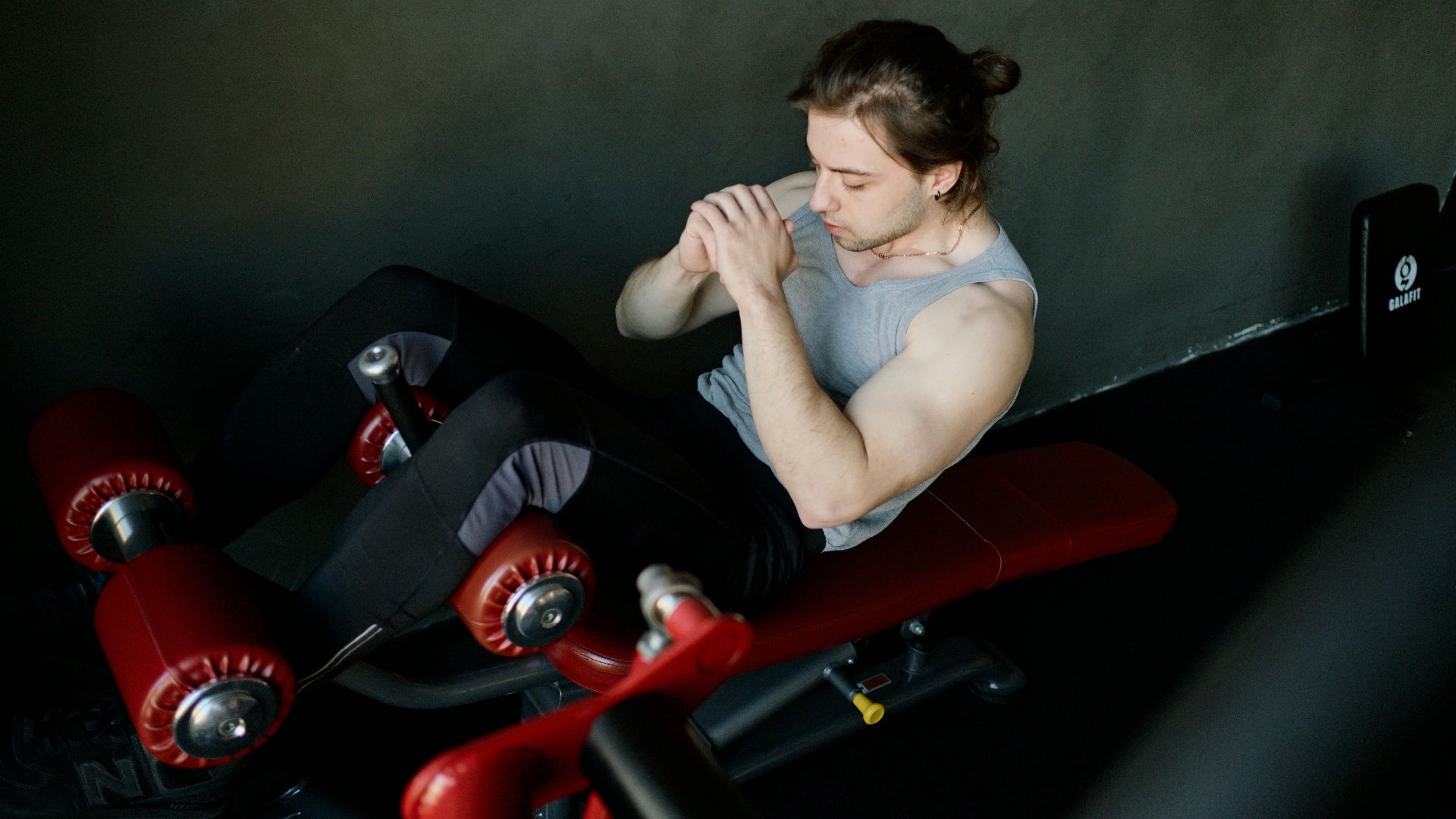
If you’re training on hardwood or carpet, a decent mat is your first upgrade because it cushions your spine and elbows. It keeps you steady during planks, dead bugs, and hollow holds, where slipping can wreck your form. Look for one that doesn’t slide around, since stability matters more than extra thickness.
2. Resistance Band
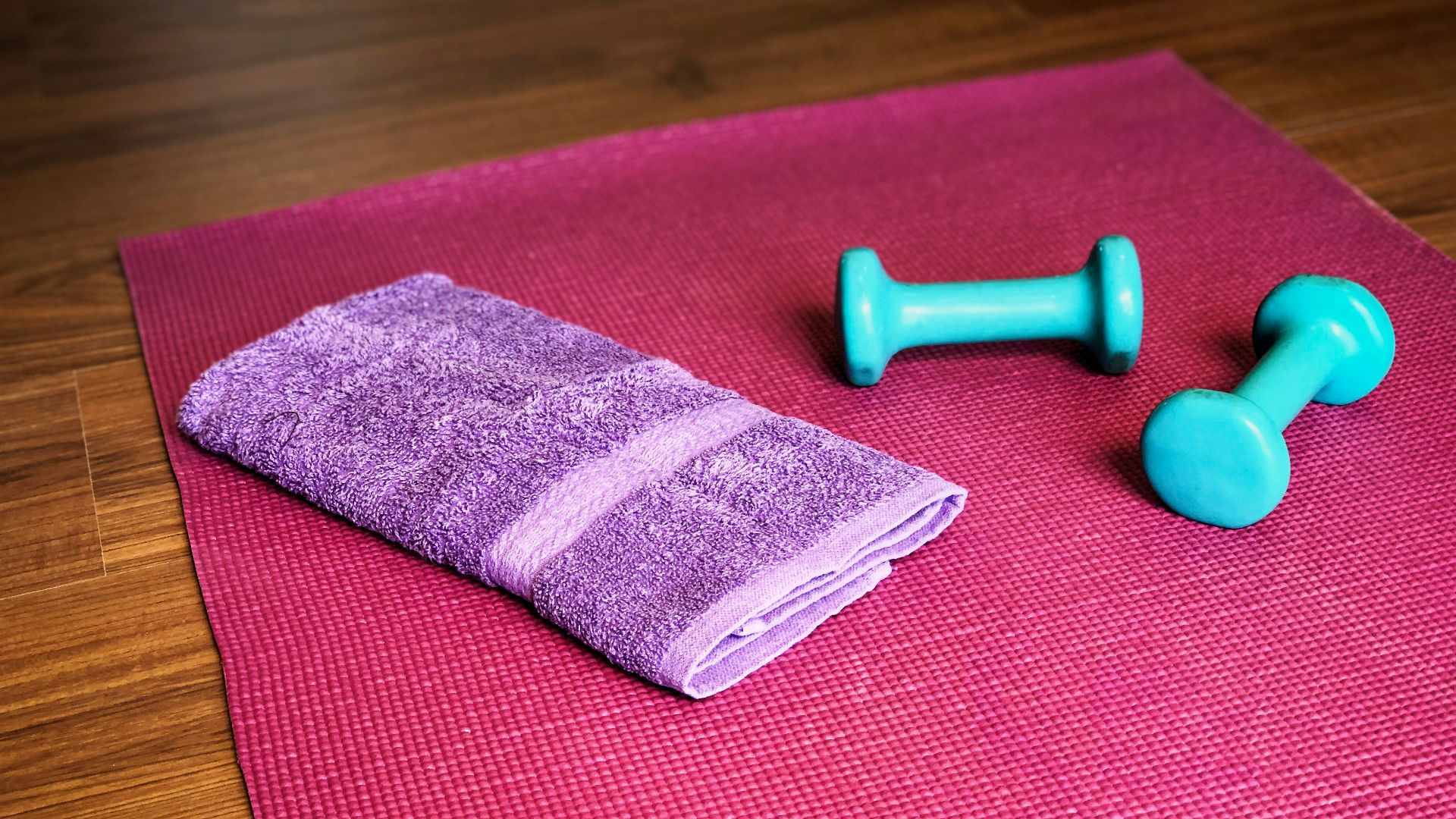
A simple loop band or long resistance band gives you tension without taking up space. You can use it for Pallof presses, wood-chop patterns, and resisted leg-lowering drills that train your core to brace. Bands also make warm-ups easier; a small habit that pays off fast.
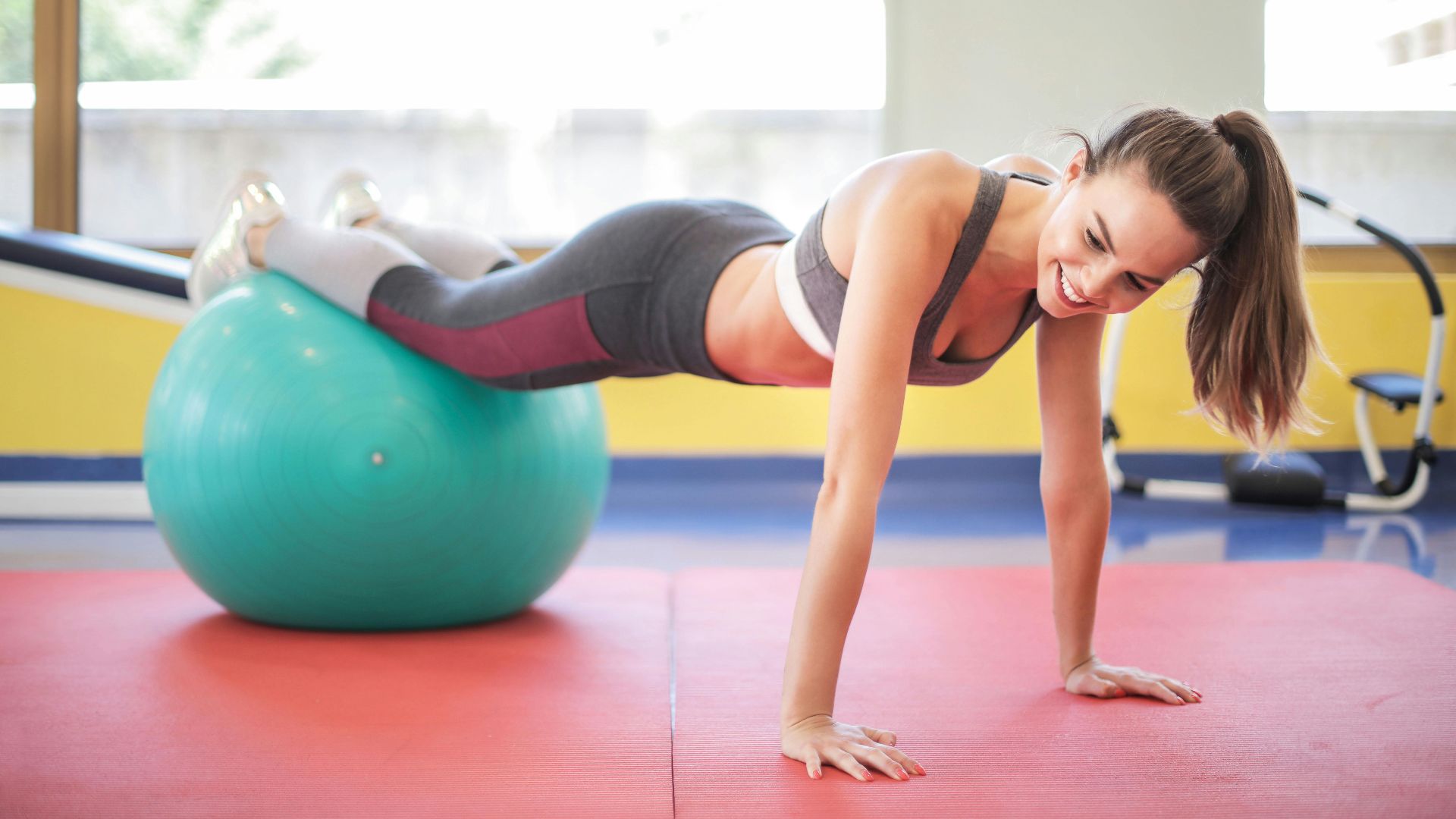
3. Stability Ball
A stability ball adds, funnily enough, instability, which forces your core to work harder to keep you aligned. Rollouts on the ball train the same bracing pattern as tougher ab-wheel work. It’s also great for back-friendly positioning if traditional floor moves bother you.
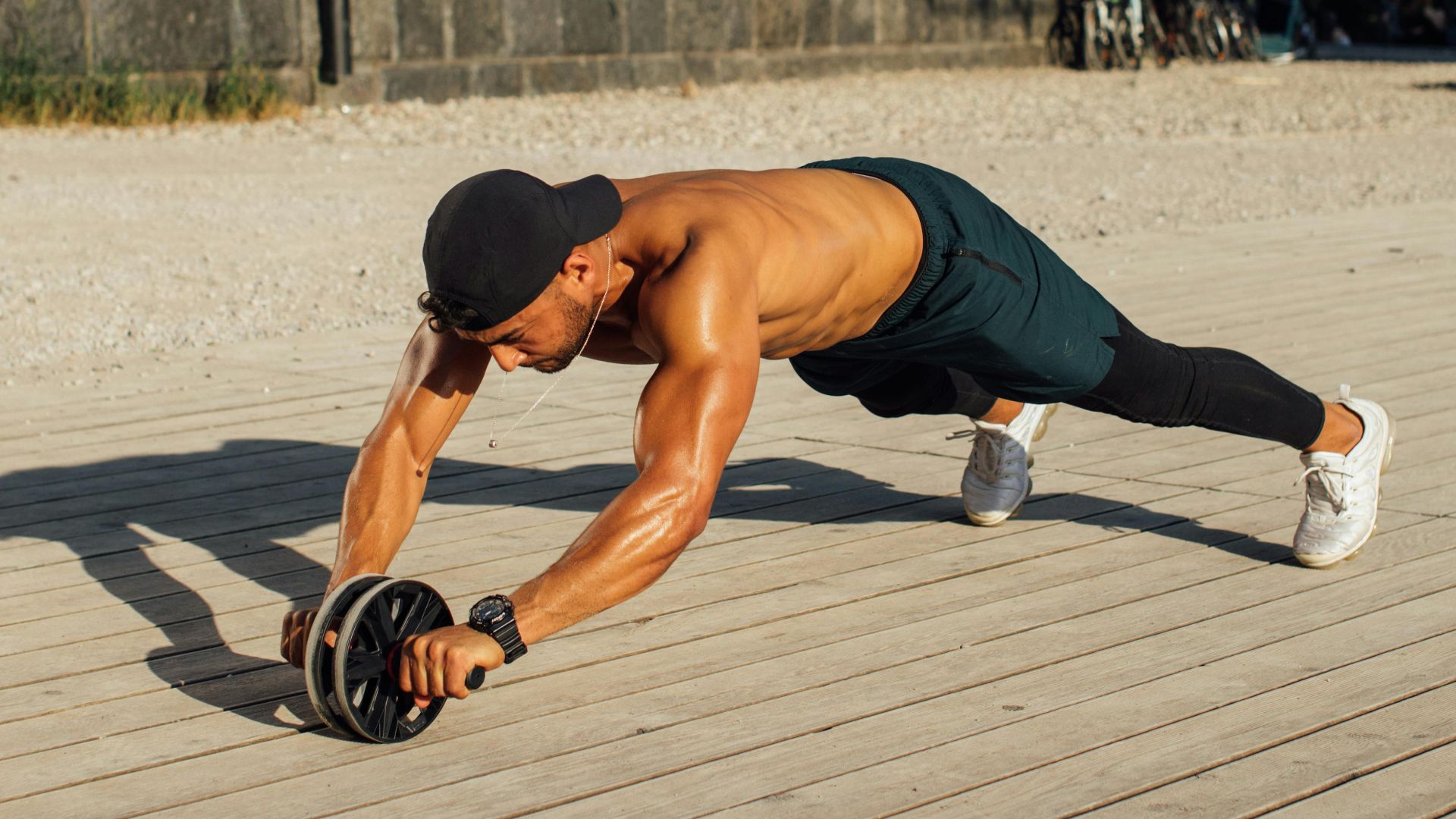
4. Ab Wheel
The ab wheel is small, mean, and very effective when you use it with control. Rollouts train anti-extension, meaning your abs learn to resist your lower back arching as your arms reach forward.
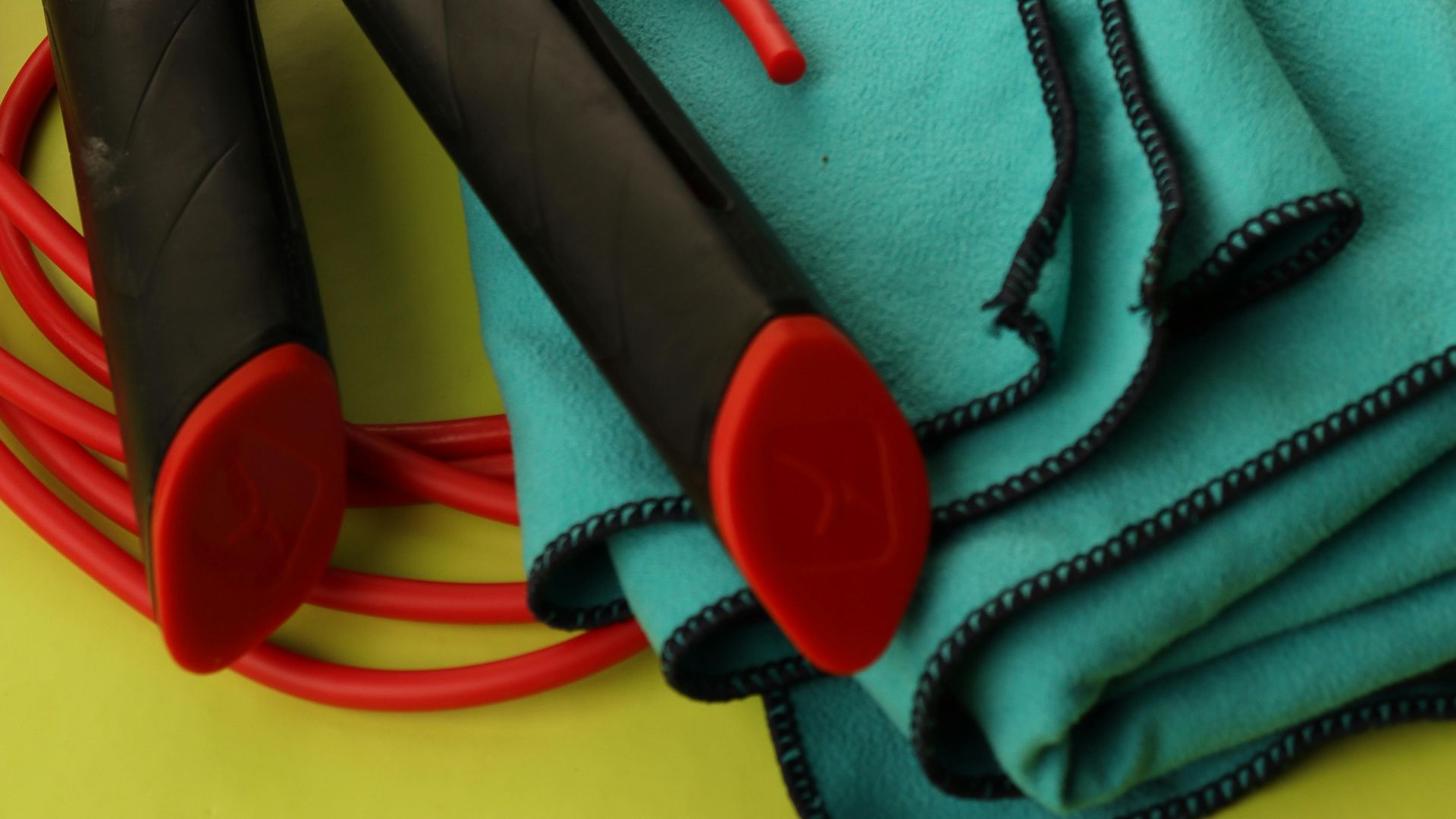
5. Sliders
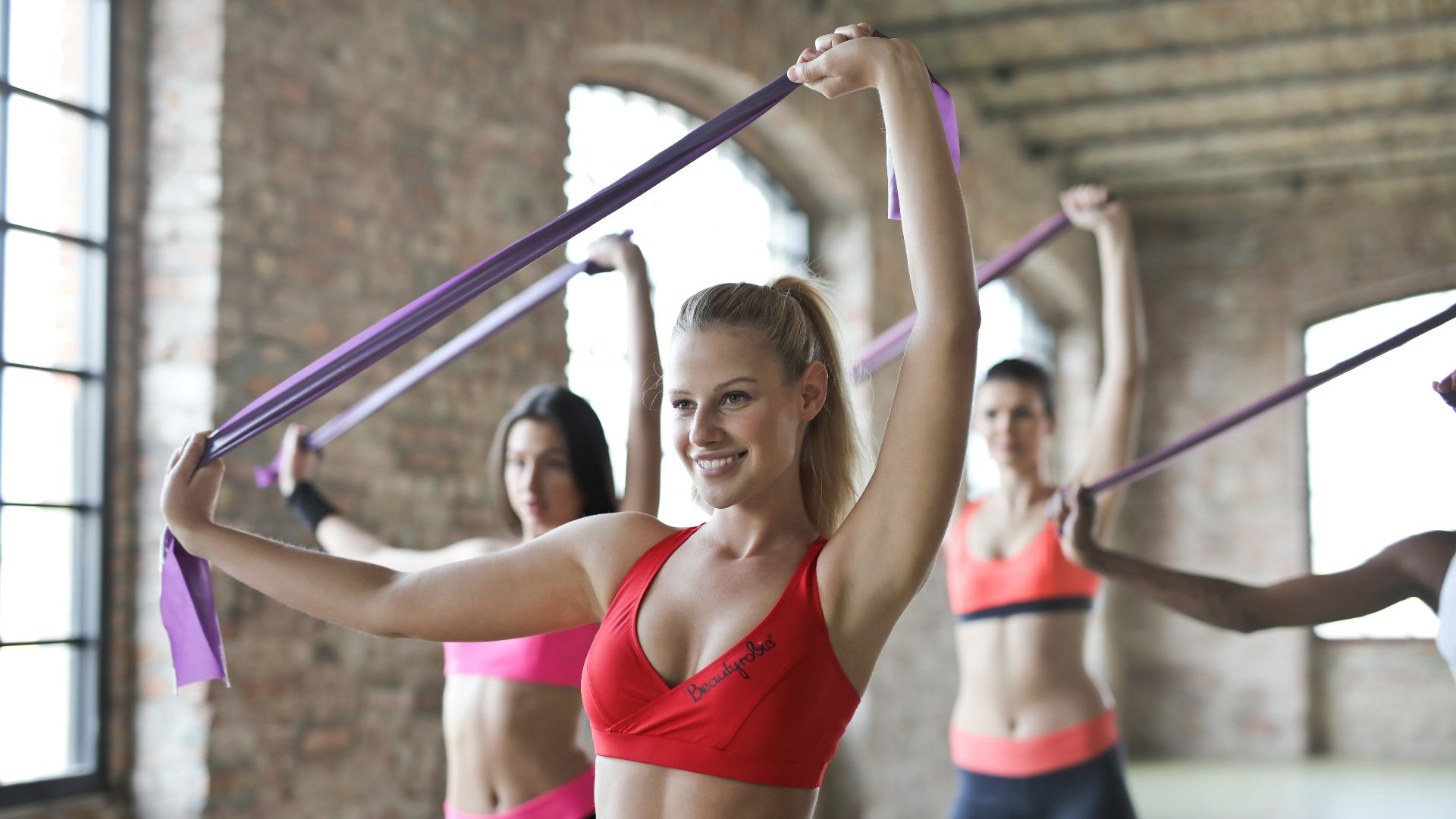
Sliders (or even two small towels on a smooth floor) don’t look like much, but they’ll have you sweating in no time. They’re perfect for body saw planks, mountain climbers, and pike variations that demand strong stability. Because the movement is smooth, you can focus on tension instead of momentum.
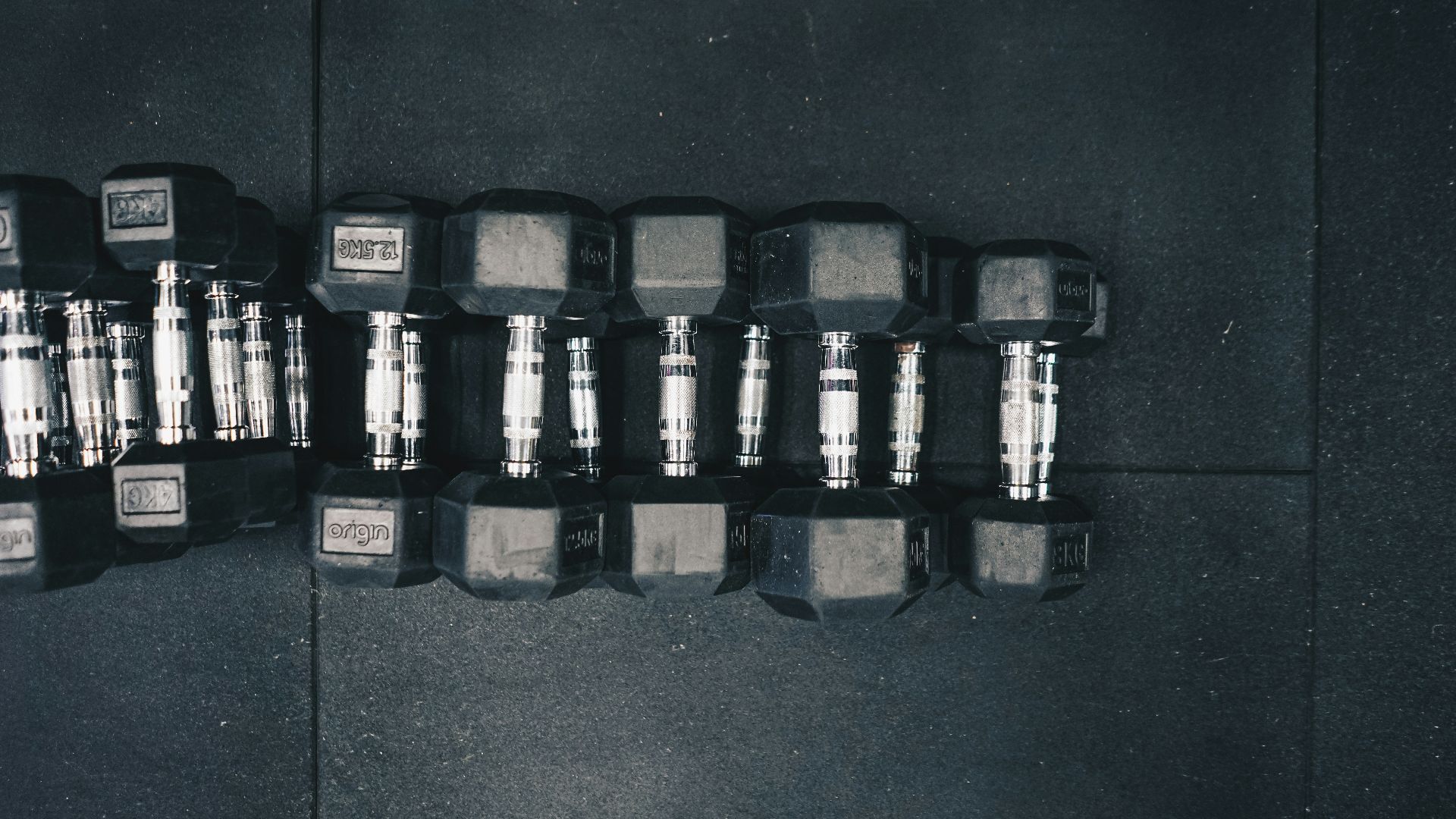
6. Adjustable Dumbbell
A single dumbbell can turn basic ab exercises into strength work instead of just endurance. Weighted sit-ups, goblet carries, and even slow cross-body marches challenge your core. If you don’t have dumbbells, weighted containers, or textbooks also work.
 Ambitious Studio* | Rick Barrett on Unsplash
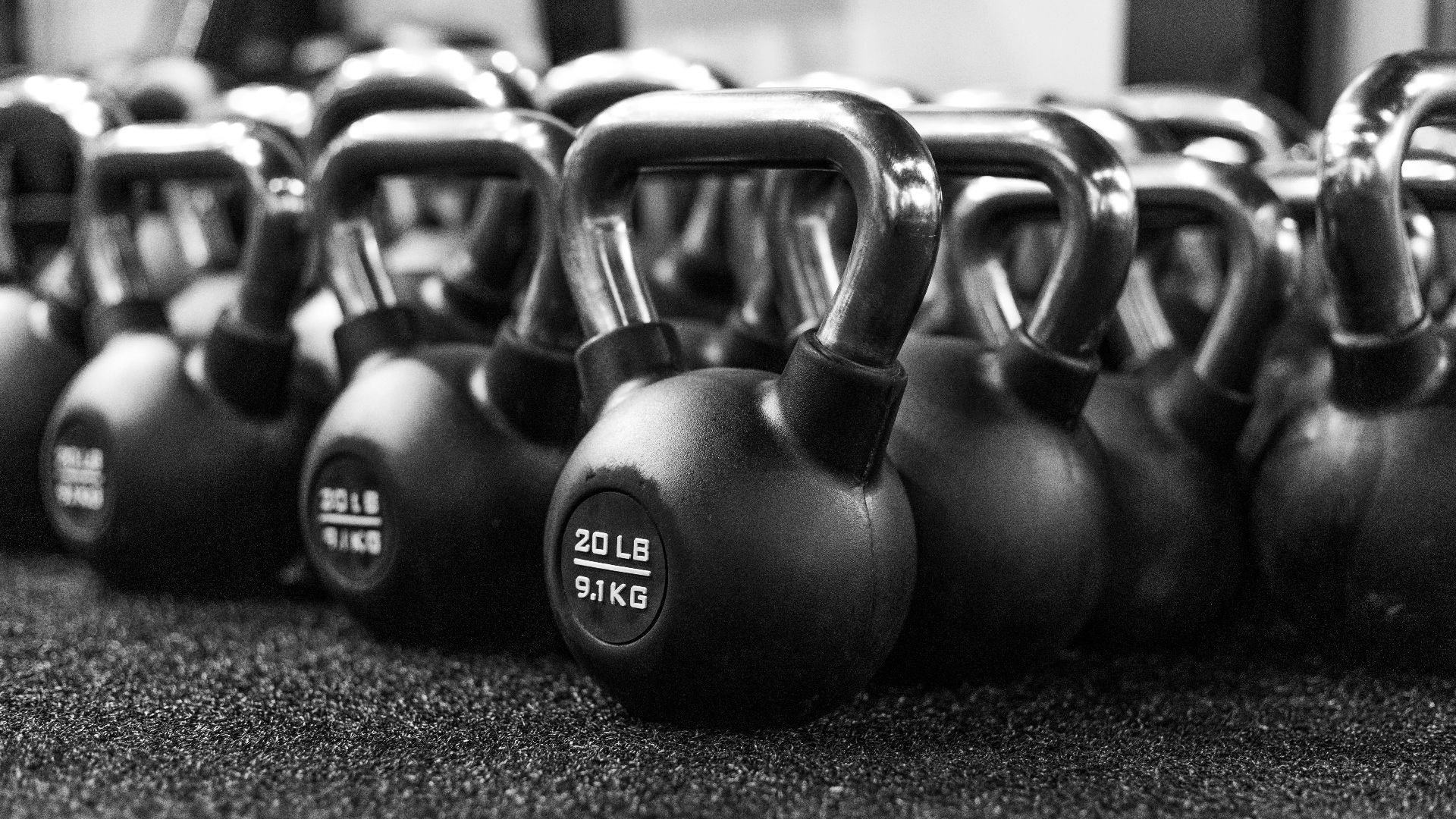
7. Kettlebell
Kettlebells shine for core training because their offset weight pulls you out of position and dares you to resist. Exercises like suitcase carries, unilateral holds, and controlled swings train bracing and hip power together. If you’ve only got one weight at home, this is a strong candidate.
8. Medicine Ball
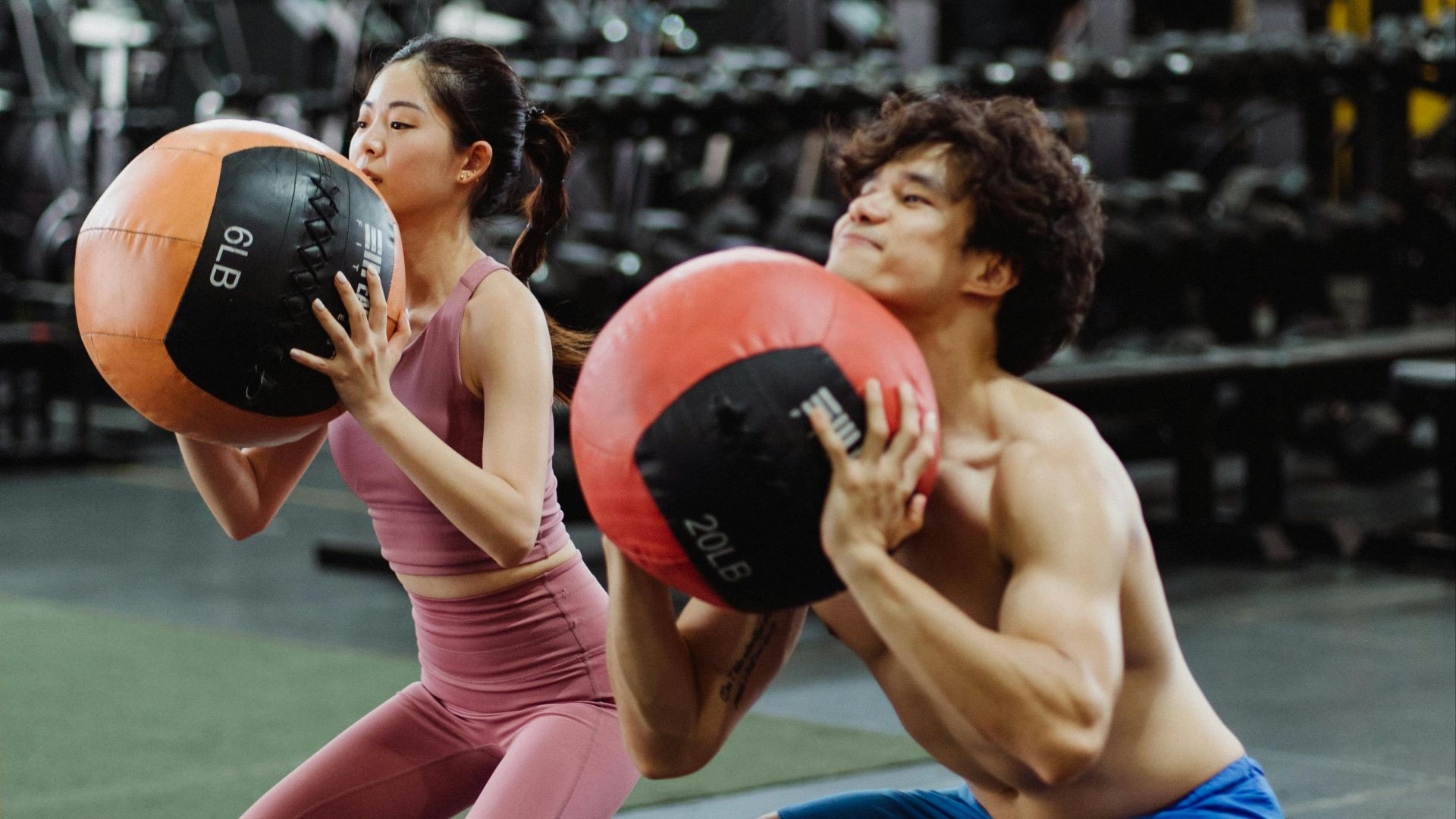
A medicine ball adds power and rotation work, which is useful because real-life core strength isn’t just “hold still forever.” You can do rotational throws if you have a safe space, or stick with seated twists and slam variations for a quick finisher. Choose a ball you can control smoothly, since accuracy beats chaos here.
9. Pull-Up Bar
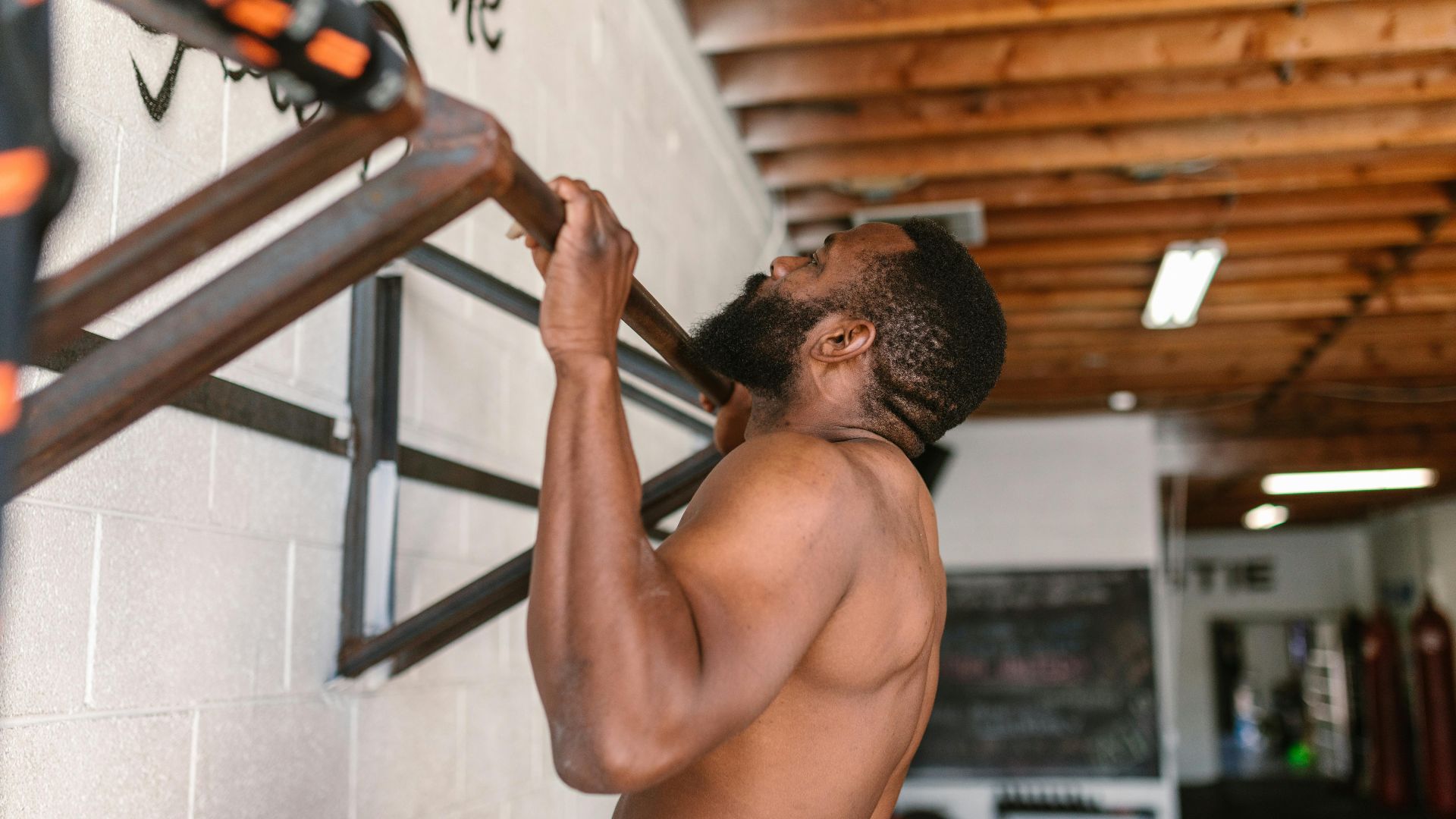
A doorway pull-up bar isn’t just for pull-ups; it opens the door to hanging knee raises and leg raises. Hanging movements challenge your abs and hip flexors while making you stabilize your pelvis against swinging.
10. Interval Timer App
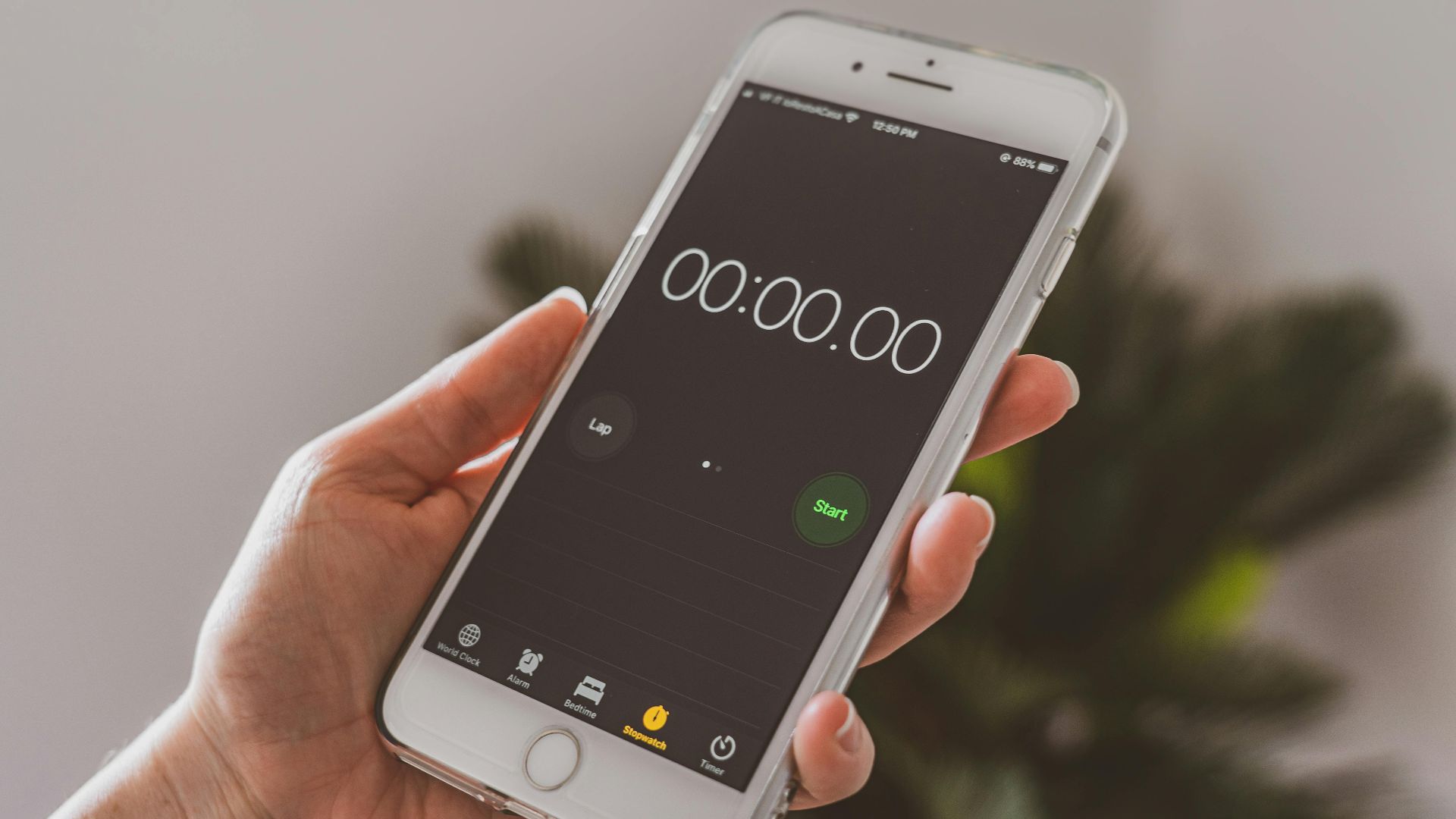
This one isn’t glamorous, but a timer keeps you honest and turns “I’ll do a few sets” into an actual plan. Timed work intervals are perfect for planks, hollow holds, and controlled slow reps where quality matters more than counting. It also helps you rest enough to keep form sharp, which your lower back will appreciate.
1. Ab Stimulator Belts
Those electric “ab zappers” use electrical muscle stimulation, which can make muscles contract,t but don't replace real training. They won’t build functional core strength like bracing, anti-rotation, and controlled movement do.
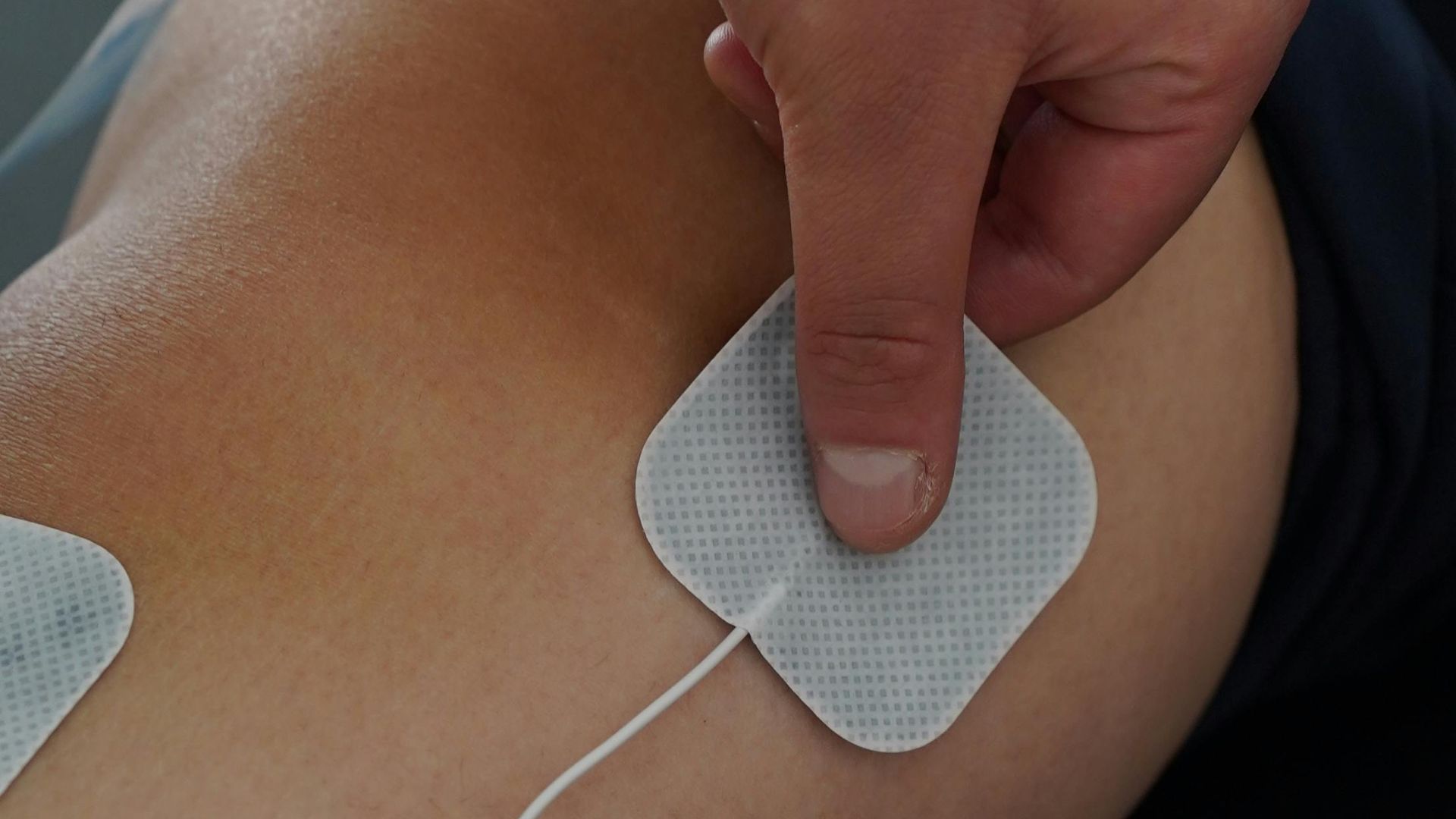
2. Waist-Trimmer Belts
Neoprene “sauna” belts mainly make you sweat more in one spot, but it doesn’t do much more than that. They don’t increase fat burning in your midsection, and dropping a few pounds has more to do with water weight than anything else. On top of that, wearing them too long can irritate the skin and make you feel miserable fast.
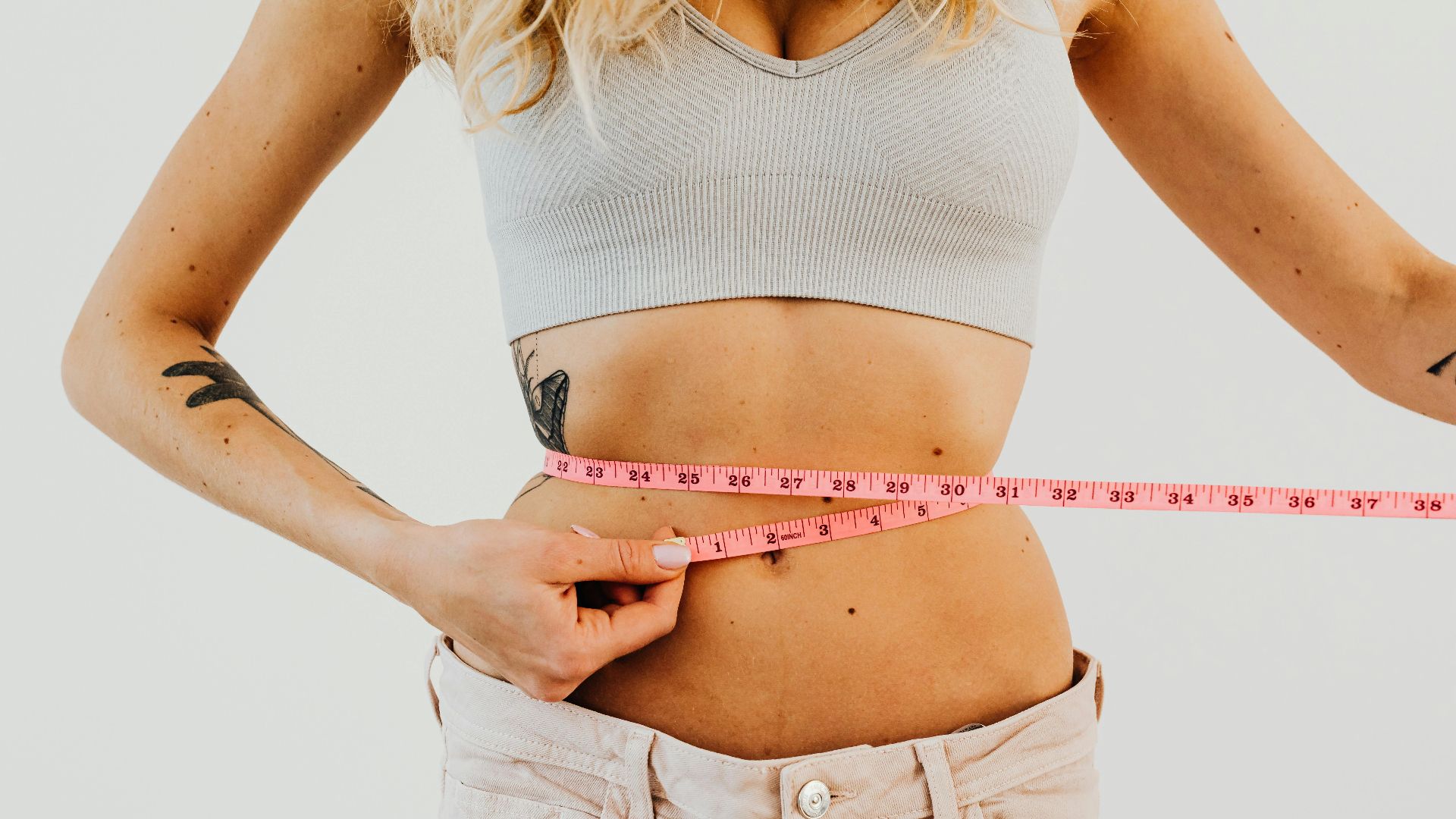
3. Hot Gel Belly Wraps
Creams and wraps that claim to “melt” belly fat rely on marketing, not biology. Some ingredients can cause a warming sensation, but they can’t reach fat tissue in a meaningful way. If anything, you’re paying for tingling skin.
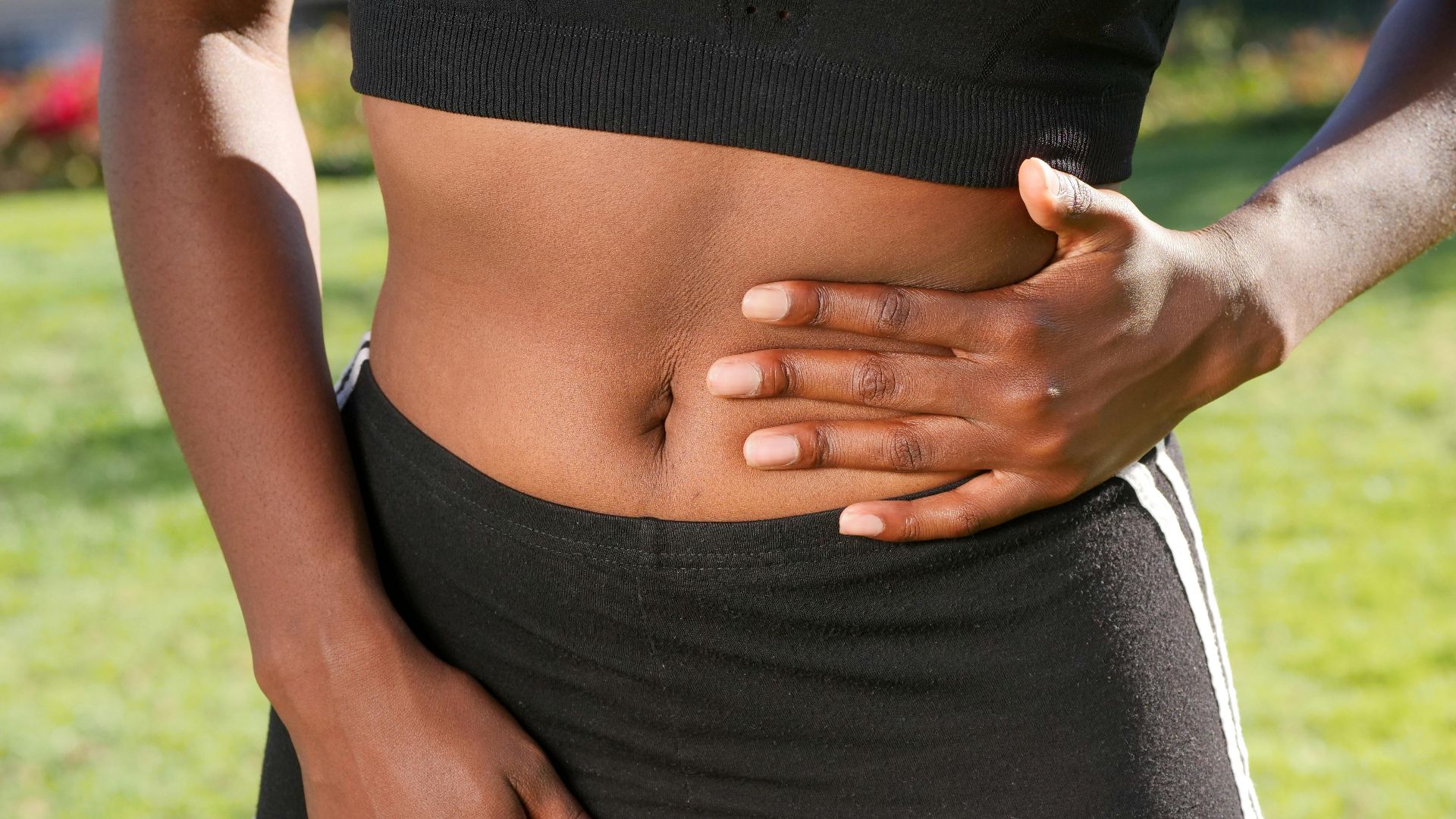
4. Plastic Ab Rockers
These curved crunch devices often encourage you to crank through spinal flexion over and over. For many people, high-volume spinal bending can irritate the lower back, especially when fatigue wrecks technique. You’re usually better off choosing core work that teaches control and stability instead.
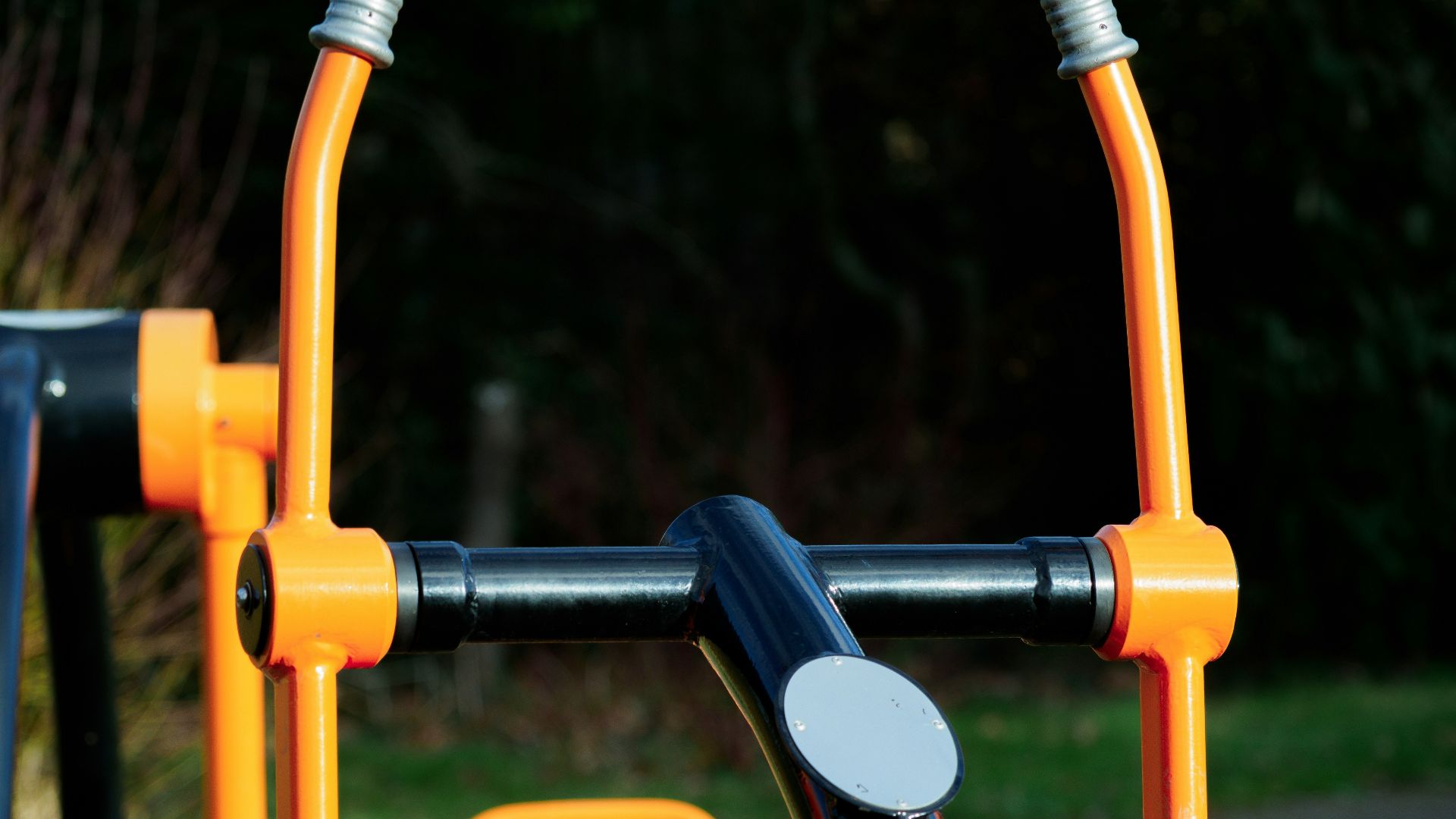
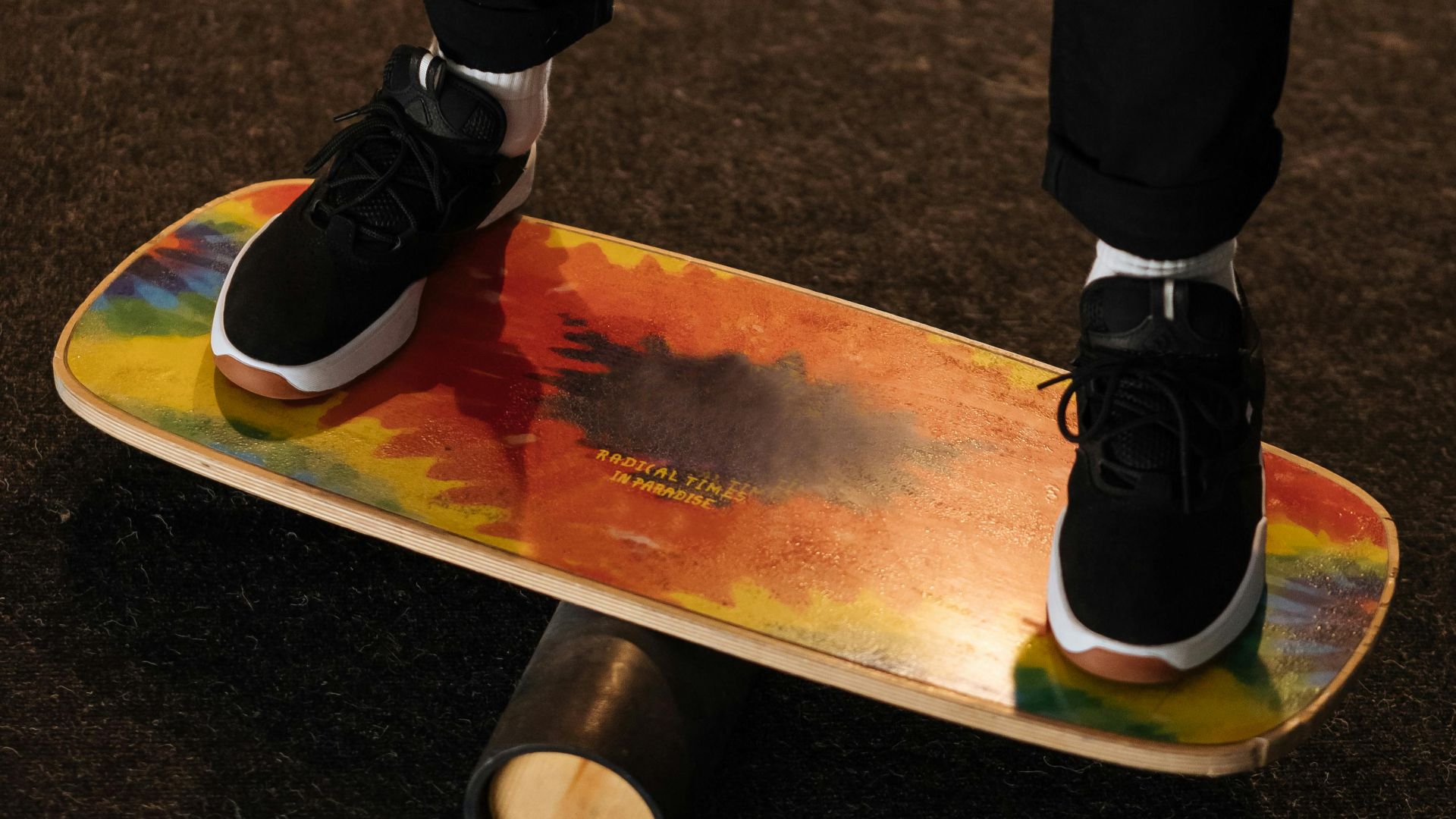
5. Twist Boards
A twist board makes you rotate quickly at the hips and spine, which can feel “ab-y” but isn’t automatically smart training. Fast, repeated twisting can stress the lower back if you don’t have great control and mobility. If you want rotation, slow and intentional movements tend to be safer and more effective.
6. Spring Crunch Gadgets
Those spring-loaded crunch bars promise resistance, but they often turn the workout into a neck-and-shoulder tug-of-war. The resistance curve is awkward, so you end up using momentum instead of keeping steady tension on the trunk. They also tend to be flimsy, which is not a fun surprise mid-rep.
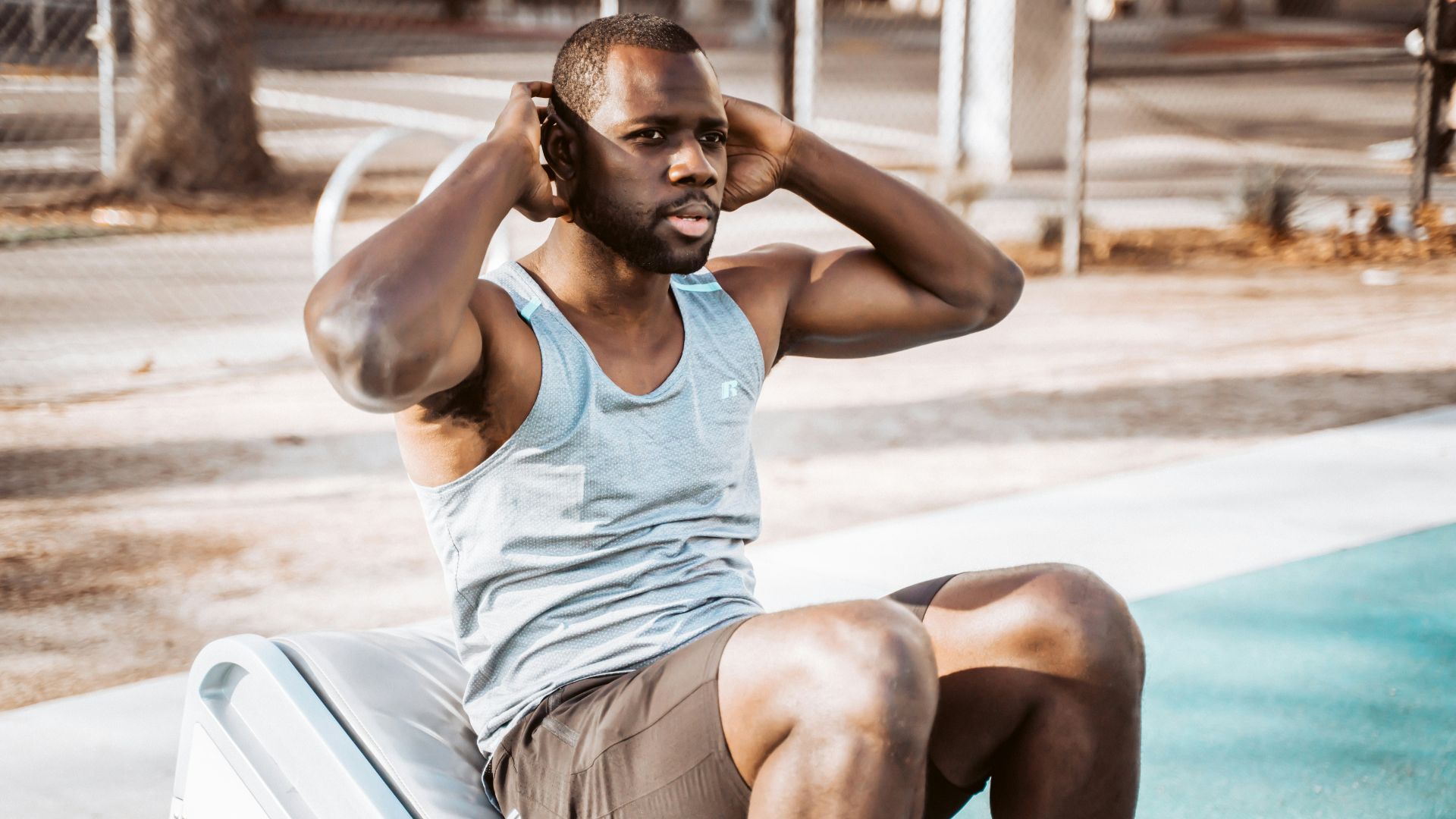
7. Sit-Up Suction Cups
A suction sit-up anchor seems helpful until it slides, pops off, or makes you choose a weird setup just to keep it stuck. Even when it works, it mostly pushes you toward high-rep sit-ups, which aren’t everyone’s cup of tea. In practice, it’s more hassle than benefit for most people.

8. Vibration Plates
Vibration platforms can make muscles reflexively contract, but that doesn’t mean you’re building strong abs in a meaningful way. The evidence for improving core strength specifically is limited, and “stand here for results” is usually oversold.
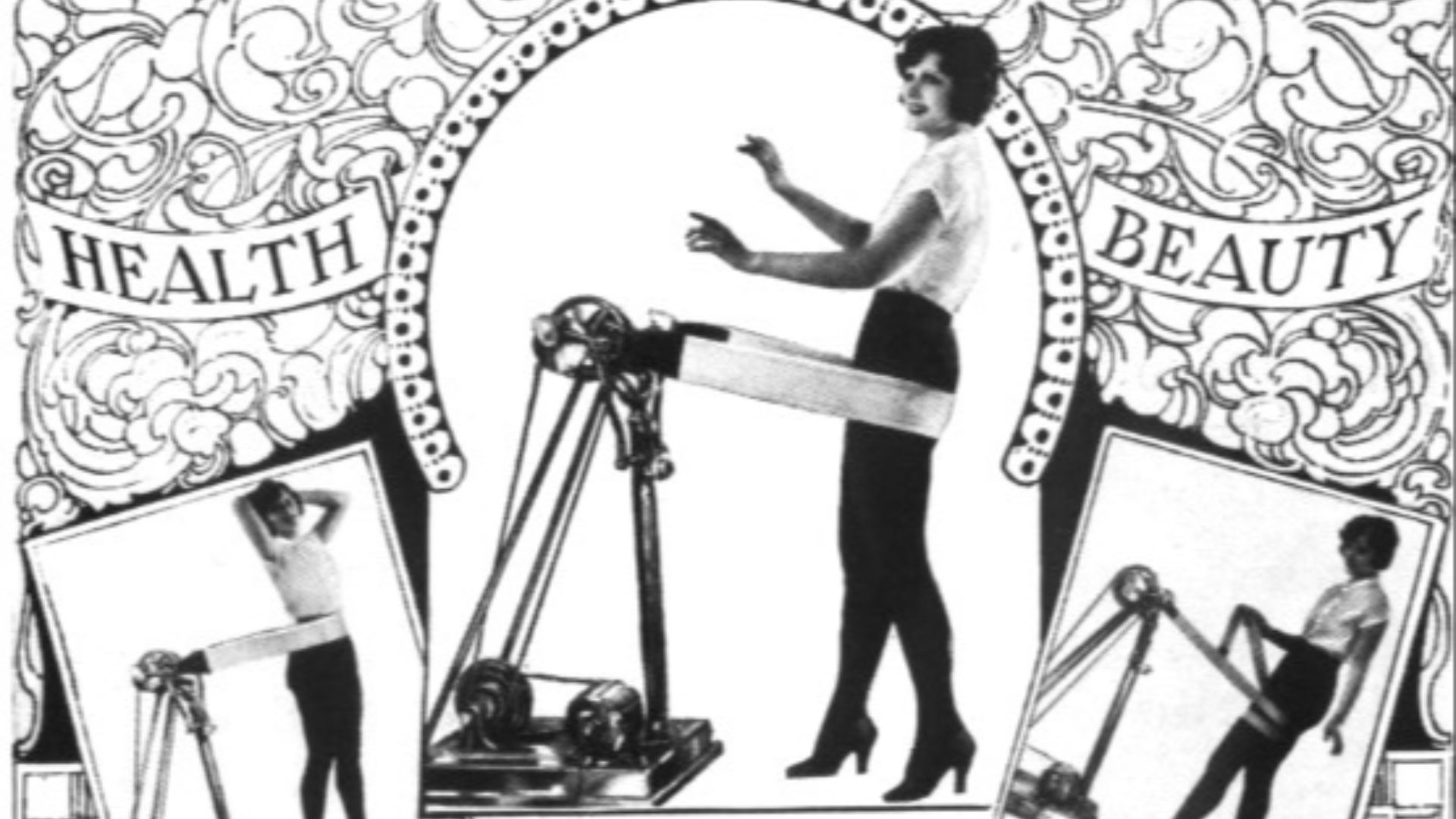 Sanutarium Equipment Company on Wikimedia
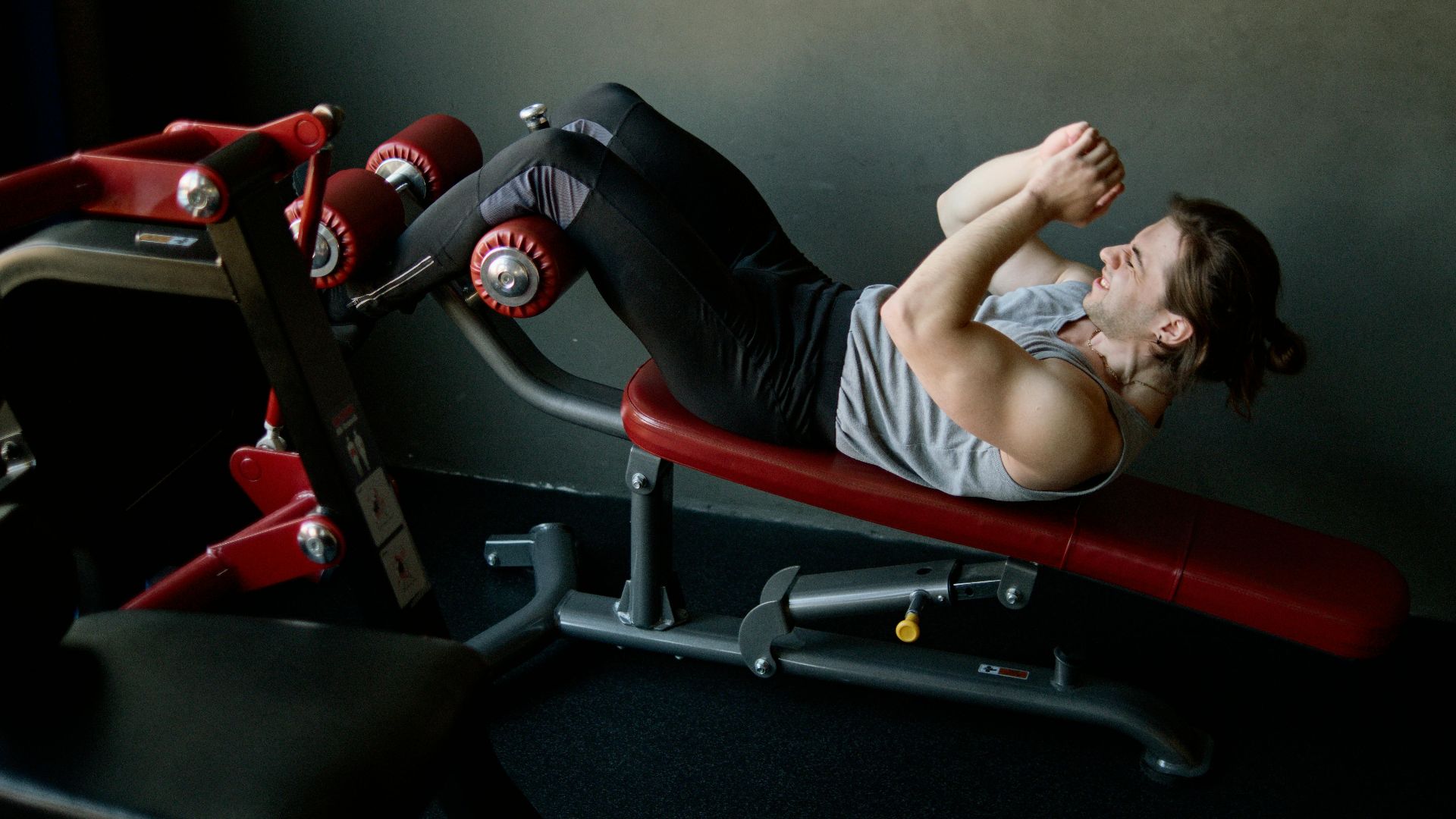
9. Home Ab Machines
Many at-home crunch machines lock you into a fixed path that doesn’t match everyone’s body mechanics. That can lead to uncomfortable positioning, especially around the neck, hips, or lower back. A machine also doesn’t teach you how to brace in real-life positions, which is where core strength actually pays off.
10. “Six-Pack” Detox Kits
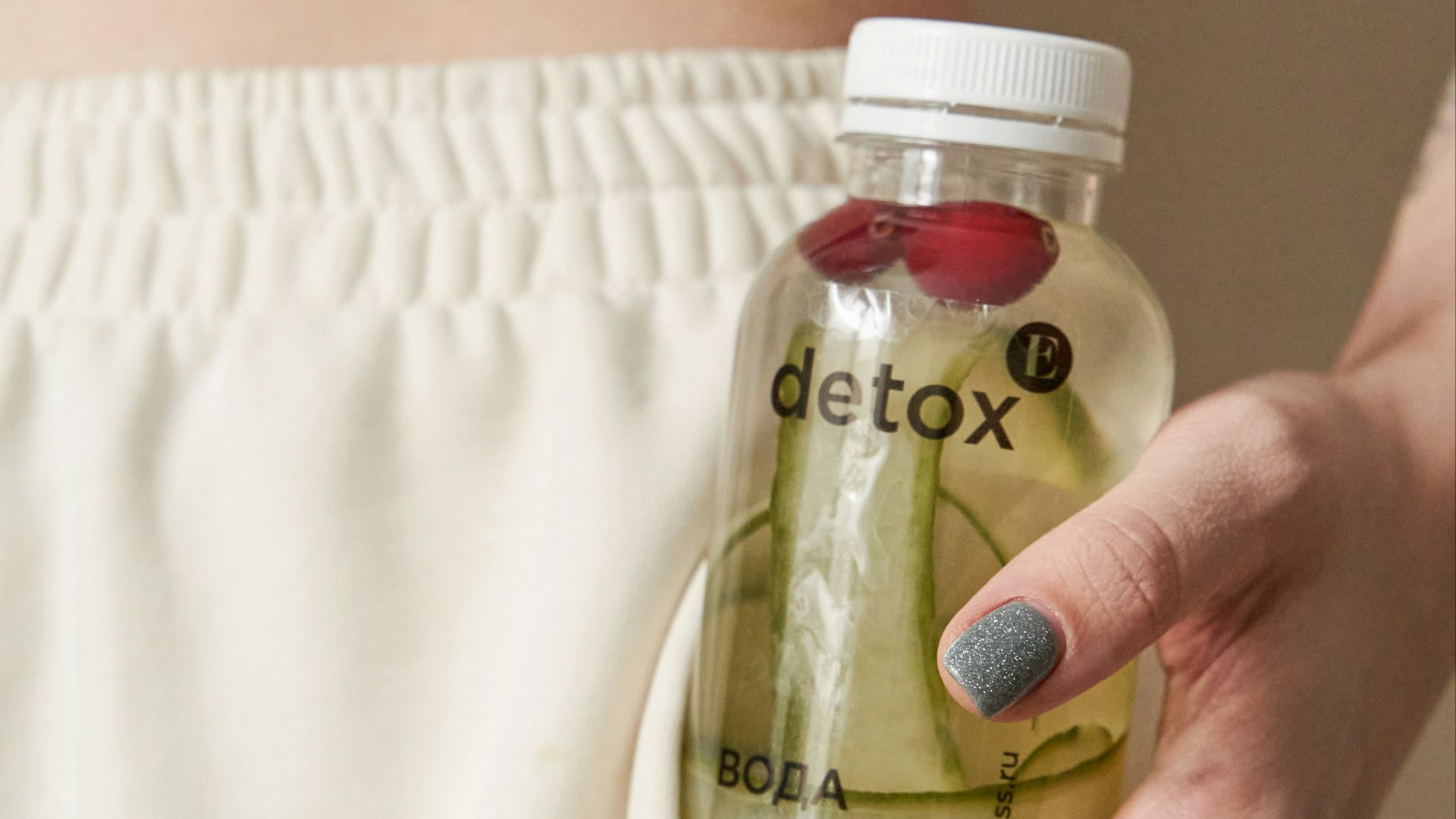
Detox teas, cleanses, and “ab definition” kits aren’t workout tools, even if the packaging screams fitness. They might reduce bloating temporarily or cause water shifts, but they don’t build muscle or improve performance. For a real core upgrade, your money’s better spent on quality food and a plan you’ll stick with.
KEEP ON READING


20 Natural Ways You Can Boost Your Immune System
20 Ways To De-stress & Relax After Work

The 10 Most Common Diseases & The 10 Most Rare