
A New Chapter That’s Still Full of Momentum
Retirement isn’t the end of productivity. It’s the beginning of a more flexible version of it. Without rigid schedules or deadlines set by someone else, you finally get to decide what being productive actually means to you. Some days might be geared toward learning something new, and other days might simply mean staying engaged with the world around you. The key is keeping purpose in your routine while allowing room for rest, curiosity, and joy.

1. Create a Loose Daily Routine
Having a basic structure gives your day shape without feeling restrictive. You don’t need hourly blocks, just anchors like morning walks or afternoon reading. That rhythm helps prevent days from blending. Over time, those small habits become surprisingly grounding. A familiar flow can make mornings feel more inviting and set you up to tackle the day.

2. Volunteer for a Cause You Care About
Volunteering offers purpose without pressure. You’re contributing time and experience in a way that actually matters. It also keeps you socially connected, which boosts motivation. Feeling needed can be incredibly energizing. Giving back often brings unexpected personal rewards.

3. Learn Something Completely New
Pick a skill you’ve never tried before, not one you already know. Learning challenges your brain in ways routines can’t. It keeps curiosity alive and confidence growing. Being a beginner again can feel refreshing. Small breakthroughs can be especially satisfying.

4. Set Personal Projects, Not Deadlines
Projects give direction, but removing strict timelines keeps things enjoyable. You work because you want to, not because you have to. That shift makes productivity feel lighter. Progress still happens, just without pressure. It encourages consistency without stress.

5. Stay Physically Active in Varied Ways
Movement supports mental clarity as much as physical health. Walking, swimming, or light strength training all count. Variety keeps exercise from feeling like a chore. Your energy levels will thank you for it. Even gentle movement adds up over time.

6. Keep Your Social Calendar Intentionally Full
Connection fuels energy more than most people expect. Regular lunches, calls, or group activities give you something to look forward to. Even low-key plans help maintain momentum. Isolation tends to sneak up quietly, making social habits important for supporting emotional health.

7. Read With Purpose and Curiosity
Reading keeps your mind sharp, especially when you mix genres. Try alternating between fiction, nonfiction, and something educational. It turns quiet time into mental stimulation. Books can open doors long after careers end. Reading also encourages reflection at your own pace.

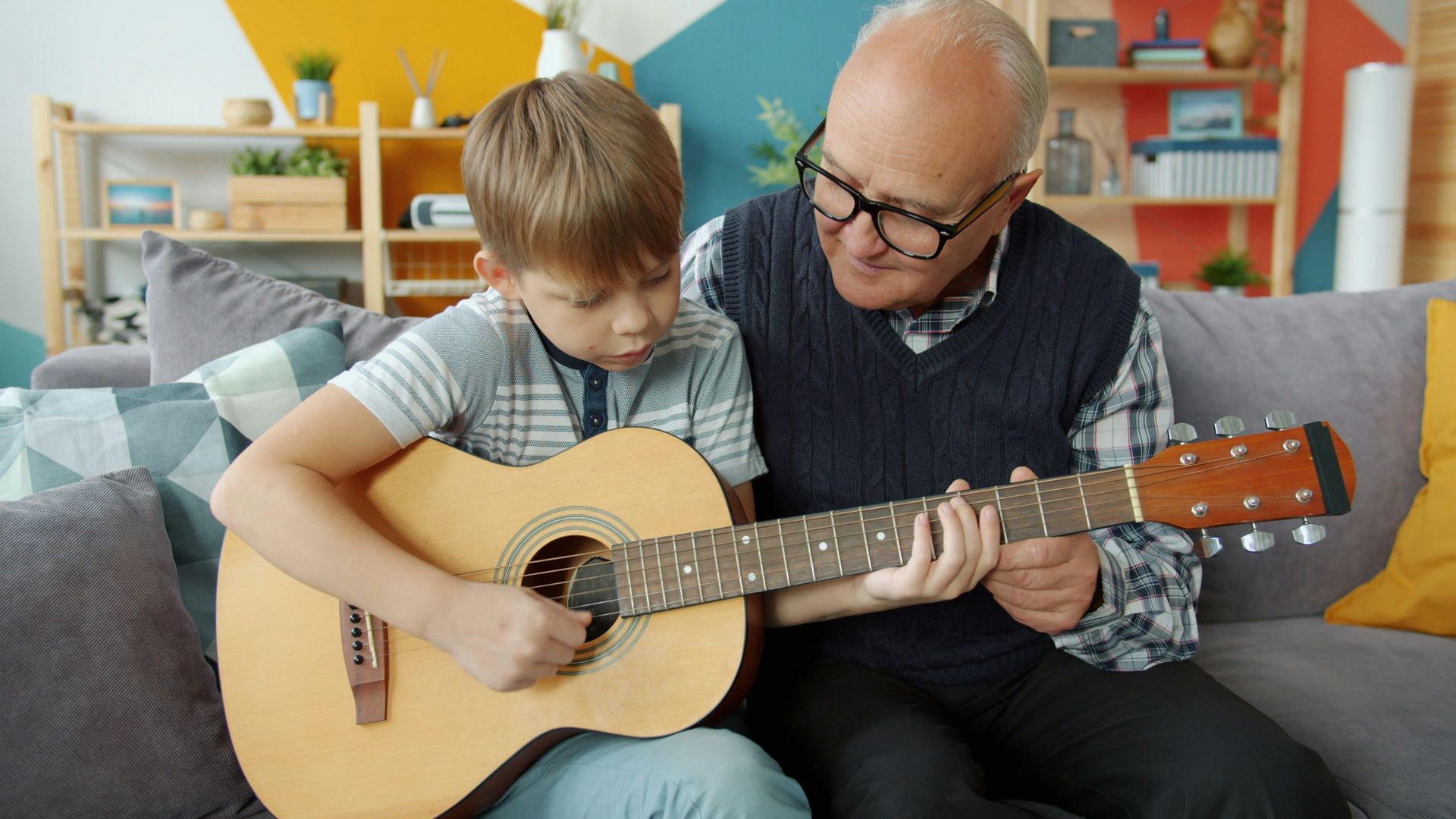
8. Mentor Someone Younger
Sharing experience gives your knowledge new life. Mentorship doesn’t have to be formal to be meaningful. Teaching reminds you how much you actually know. It’s rewarding to see your lessons land.
9. Explore Part-Time or Consulting Work
Some retirees miss the structure of working. Short-term or flexible roles provide stimulation without burnout. It’s productivity on your own terms. Even limited commitments can feel satisfying.

10. Travel With Intention, Not Urgency
Travel doesn’t need to be packed with sightseeing. Slow trips allow reflection and learning. Experiencing new environments keeps your perspective fresh. Sometimes staying in a place longer teaches you more about its culture.
 Hoi An and Da Nang Photographer on Unsplash
11. Take Up Writing or Journaling
Writing helps organize thoughts and track growth. It can be private or shared, structured or freeform. Either way, it gives your days a reflective outlet. Seeing your thoughts evolve can be eye-opening.

12. Maintain a Consistent Sleep Schedule
Rest supports productivity more than constant activity. Waking up and going to bed at similar times helps energy levels stabilize. Good sleep makes everything else easier. Most importantly, it’s the foundation most routines rely on.

13. Keep Learning Technology Basics
Staying digitally confident prevents frustration. You don’t need to master everything, just enough to feel capable. That independence keeps you engaged and curious. Small wins here build real confidence. Over time, technology feels less intimidating.

14. Declutter Gradually and Thoughtfully
Organizing your space can be surprisingly motivating. Small, manageable efforts prevent overwhelm. Each cleared area creates mental clarity, too. The calm tends to spill into other areas of life, and order can be surprisingly comforting.

15. Cook New Recipes Regularly
Trying unfamiliar dishes challenges creativity and planning skills. Cooking becomes an active task rather than a routine obligation. It keeps daily life interesting. You also get something delicious out of it. Sharing meals adds another layer of joy.

16. Practice Mindfulness Without Pressure
Mindfulness doesn’t require perfection or long sessions. Even short moments of awareness improve focus. It helps you stay present instead of restless. Consistency matters more than technique. The benefits often show up quietly.

17. Join Classes or Discussion Groups
Learning alongside others creates accountability, and group settings encourage consistency without pressure. Shared curiosity keeps motivation strong. Conversations often spark new interests. Community makes learning stick.

18. Start a Passion Project With No Goal
Create something simply because it interests you. Removing expectations allows creativity to flow freely, making enjoyment the reward. Progress feels more natural this way. Letting go of results can be freeing.

19. Reflect on Progress, Not Productivity Totals
Productivity isn’t measured by how busy you are. Regular reflection helps you adjust priorities. It keeps your efforts aligned with what matters now. Clarity often leads to better choices. Reflection can be surprisingly motivating.

20. Revisit and Redefine Your Purpose Often
Purpose evolves, especially in retirement. Checking in with yourself keeps life feeling intentional. Productivity follows naturally when meaning stays clear. There’s no rule saying it has to stay the same. Growth doesn’t stop with age.