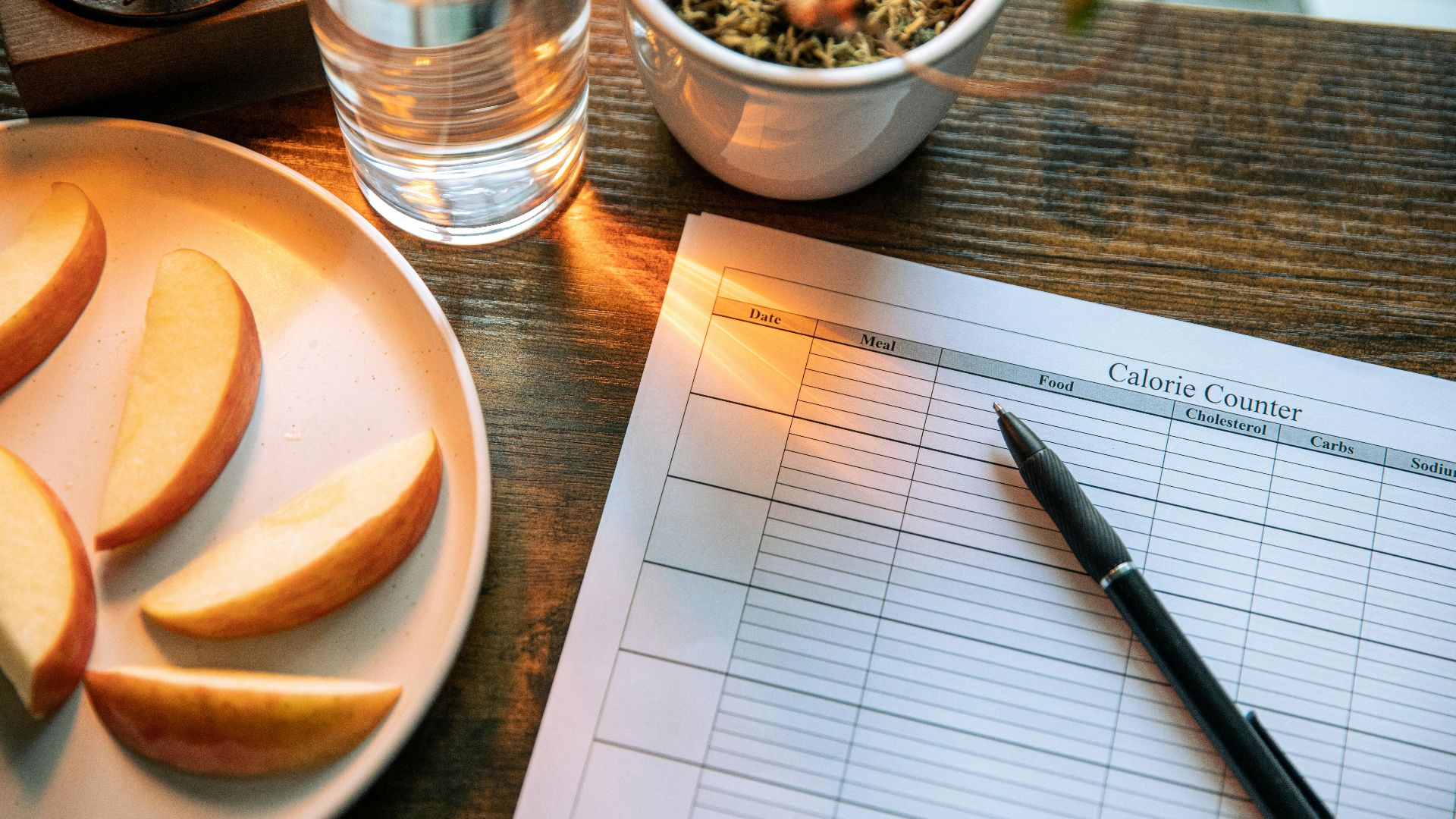
Aiming For At Least 2 Cups
Most health guidelines suggest adults aim for roughly 2 to 3 cups of vegetables per day, and that can feel like a lot if you’re starting from scratch. The trick is to stop treating vegetables just “as a side” and start weaving them into foods you already enjoy. With a few smart shortcuts and some low-effort upgrades, you can hit that daily target without living on salads alone.
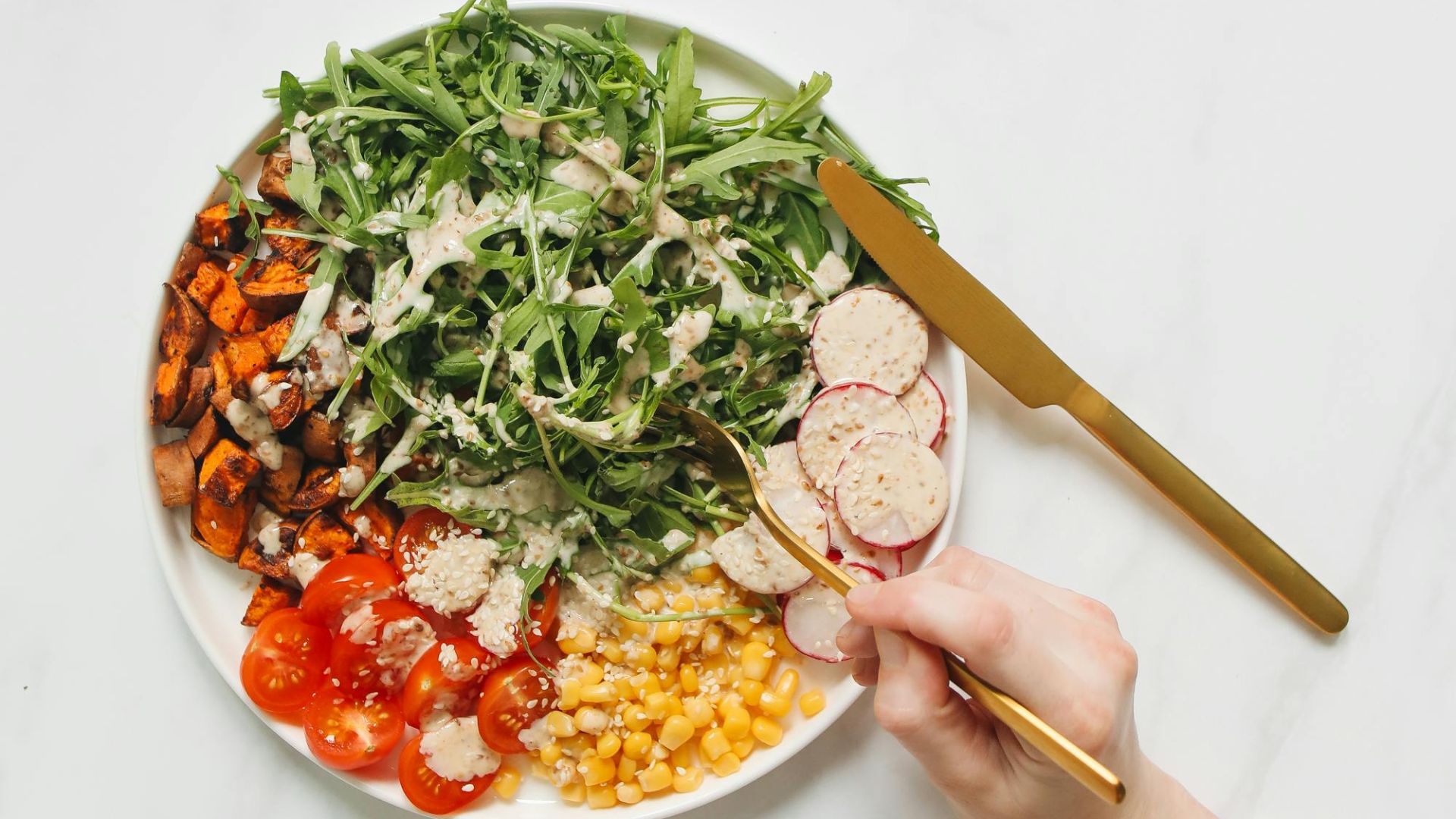
1. Half-Plate Rule
At lunch or dinner, make vegetables take up about half your plate. This pushes your intake up fast without requiring you to measure anything. It also still leaves room for protein and carbs, so the meal still feels balanced.
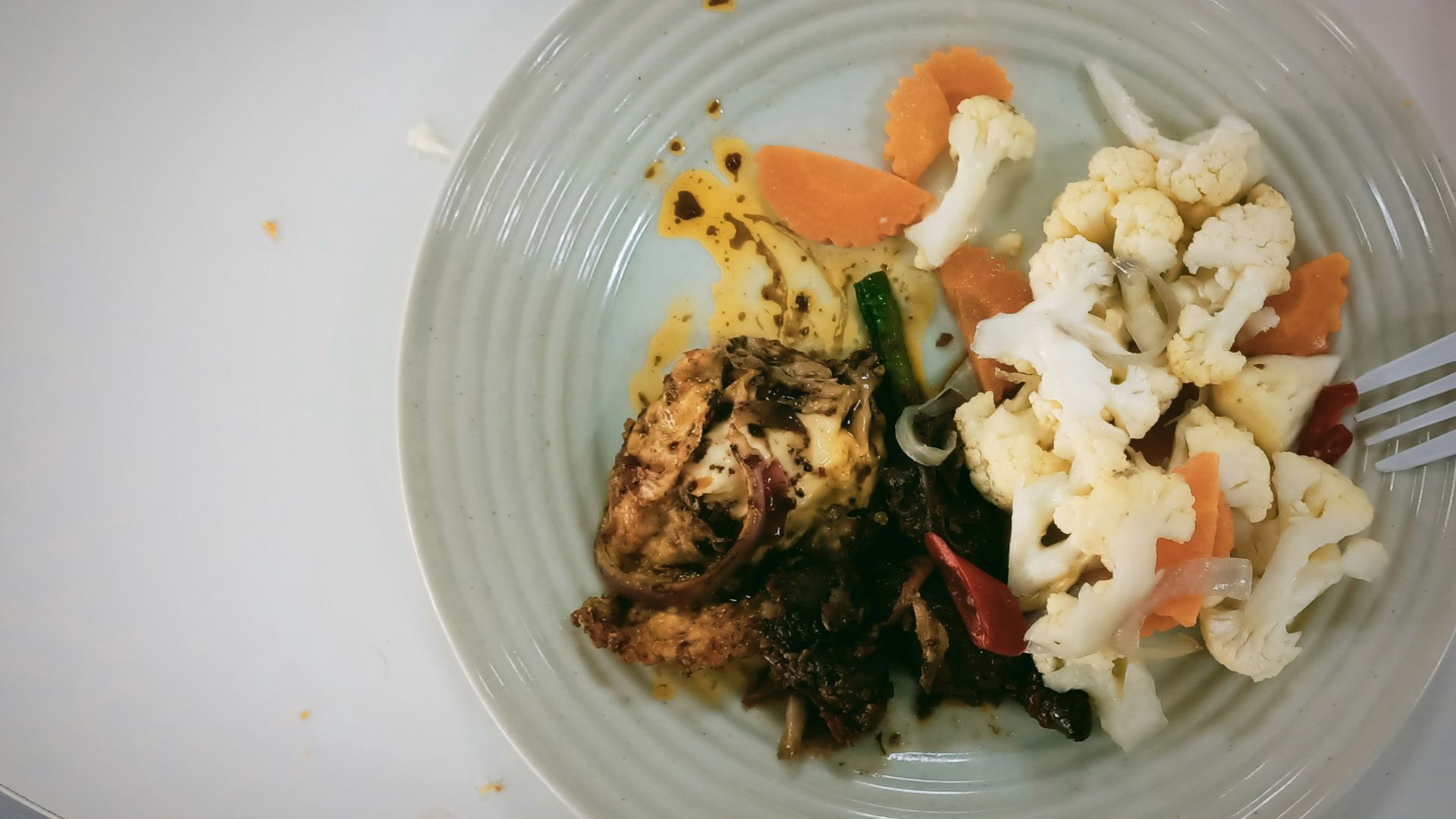
2. Veggie-First Prep
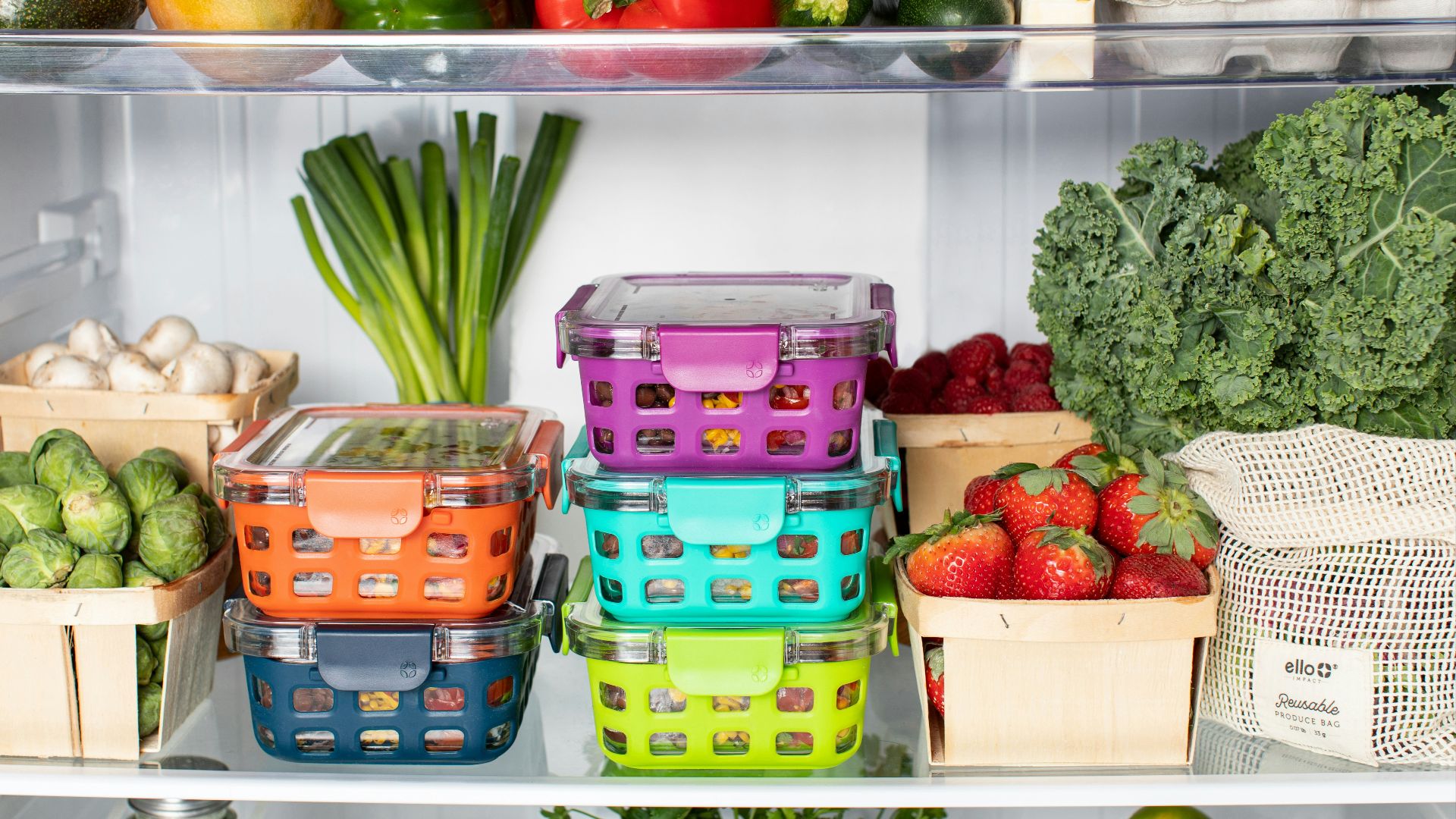
Before the week gets busy, wash and chop a couple of vegetables you actually like. When they’re ready to go, you’re more likely to throw them into meals instead of skipping them. You’re also more likely to snack on them if they’ve already been prepared.
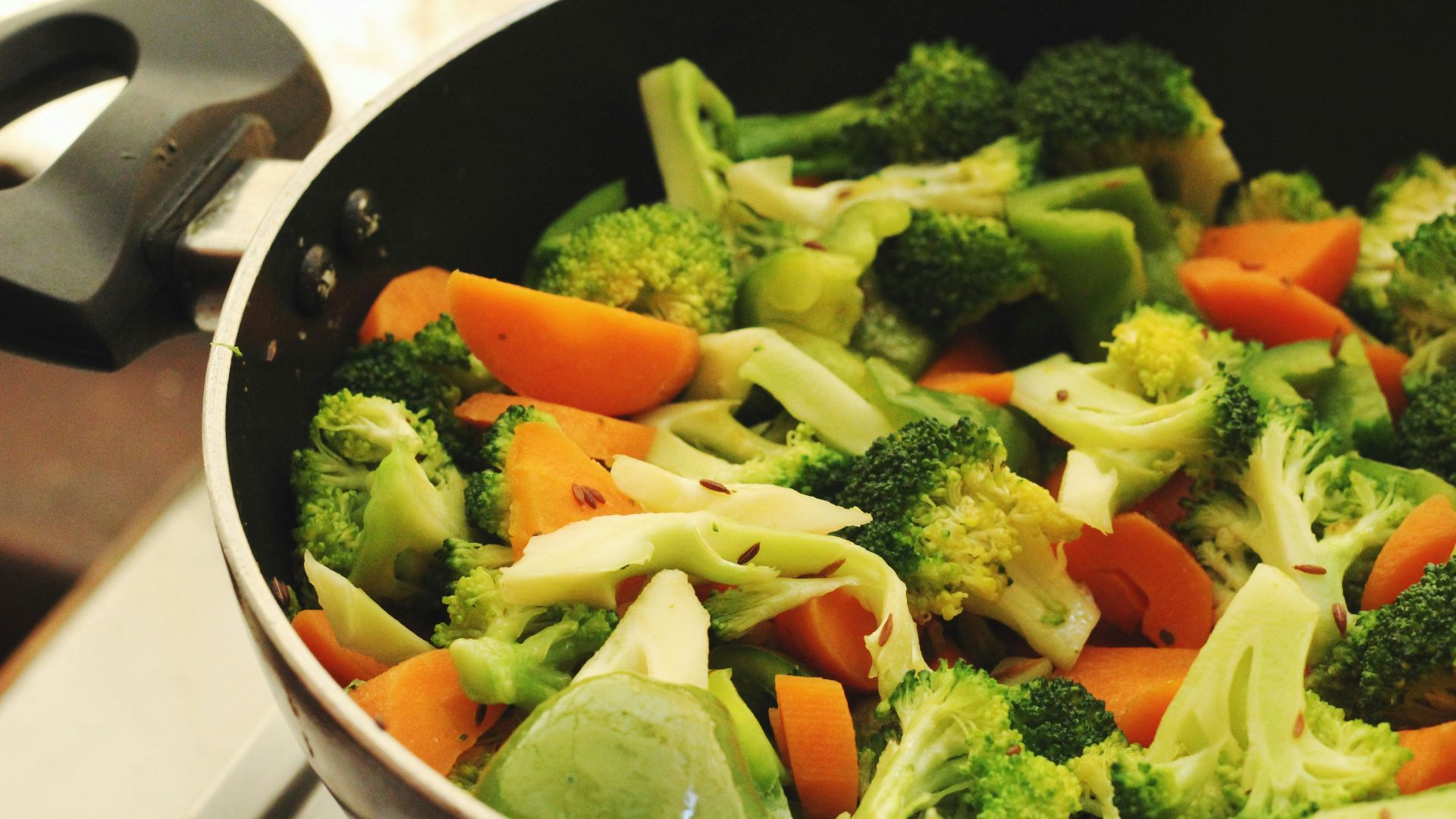
3. Breakfast Veg Boost
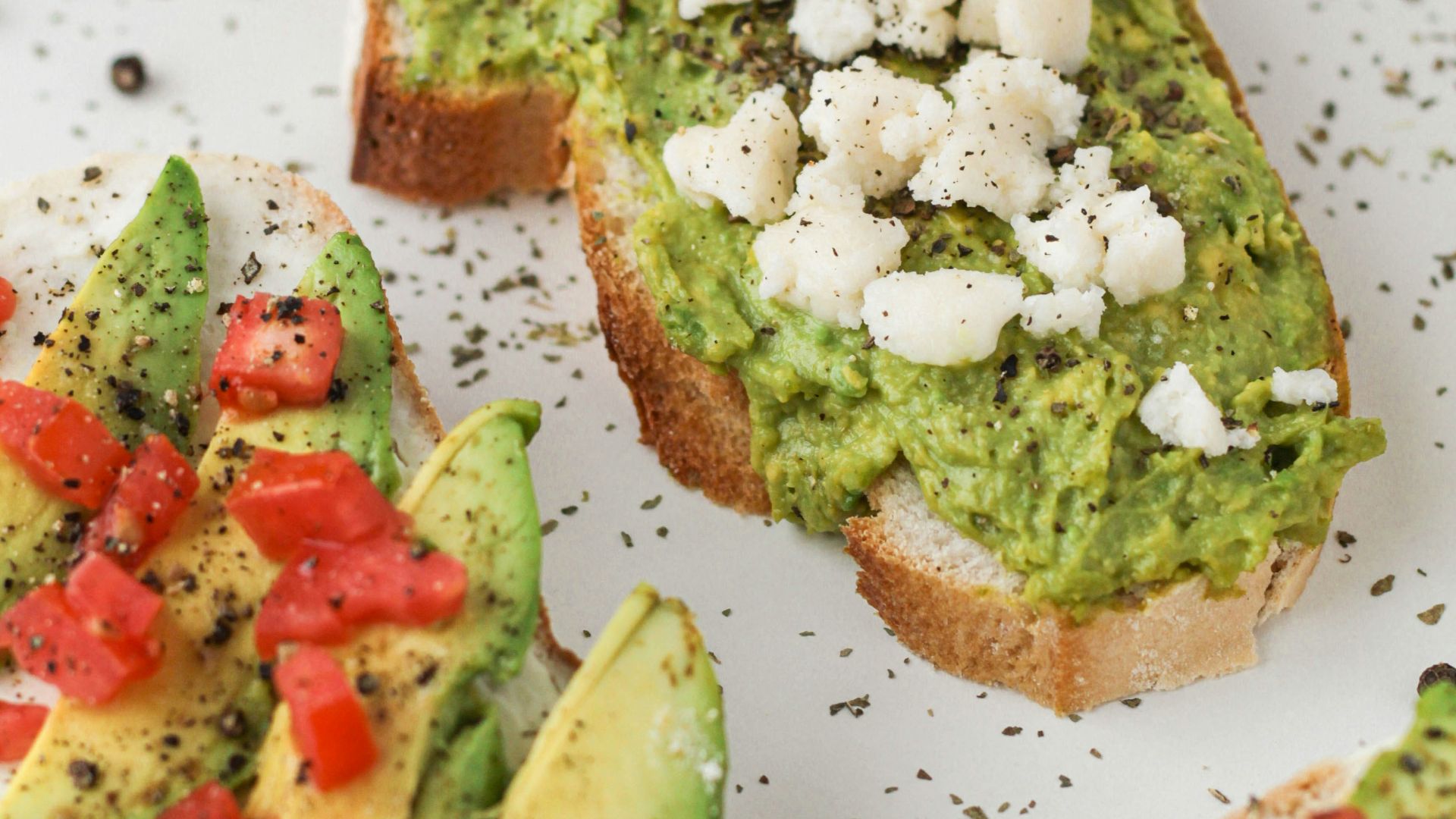
Add vegetables to breakfast, because it counts just as much at 8 a.m. as it does at 8 p.m. Spinach in eggs, peppers in a scramble, or leftover roasted veggies in a wrap all do the trick. Starting early only makes the rest of the day easier.
4. Soup Counts
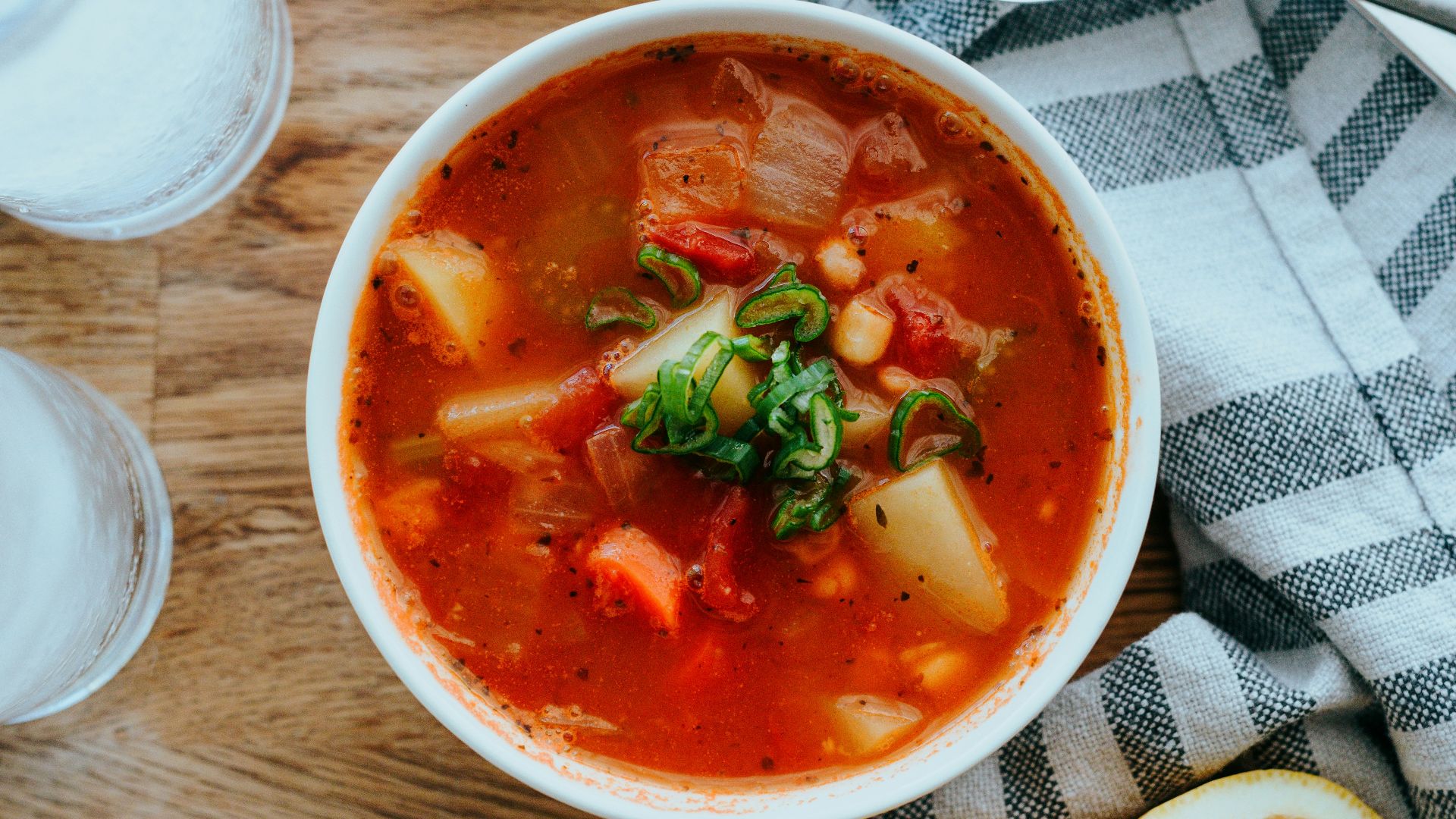
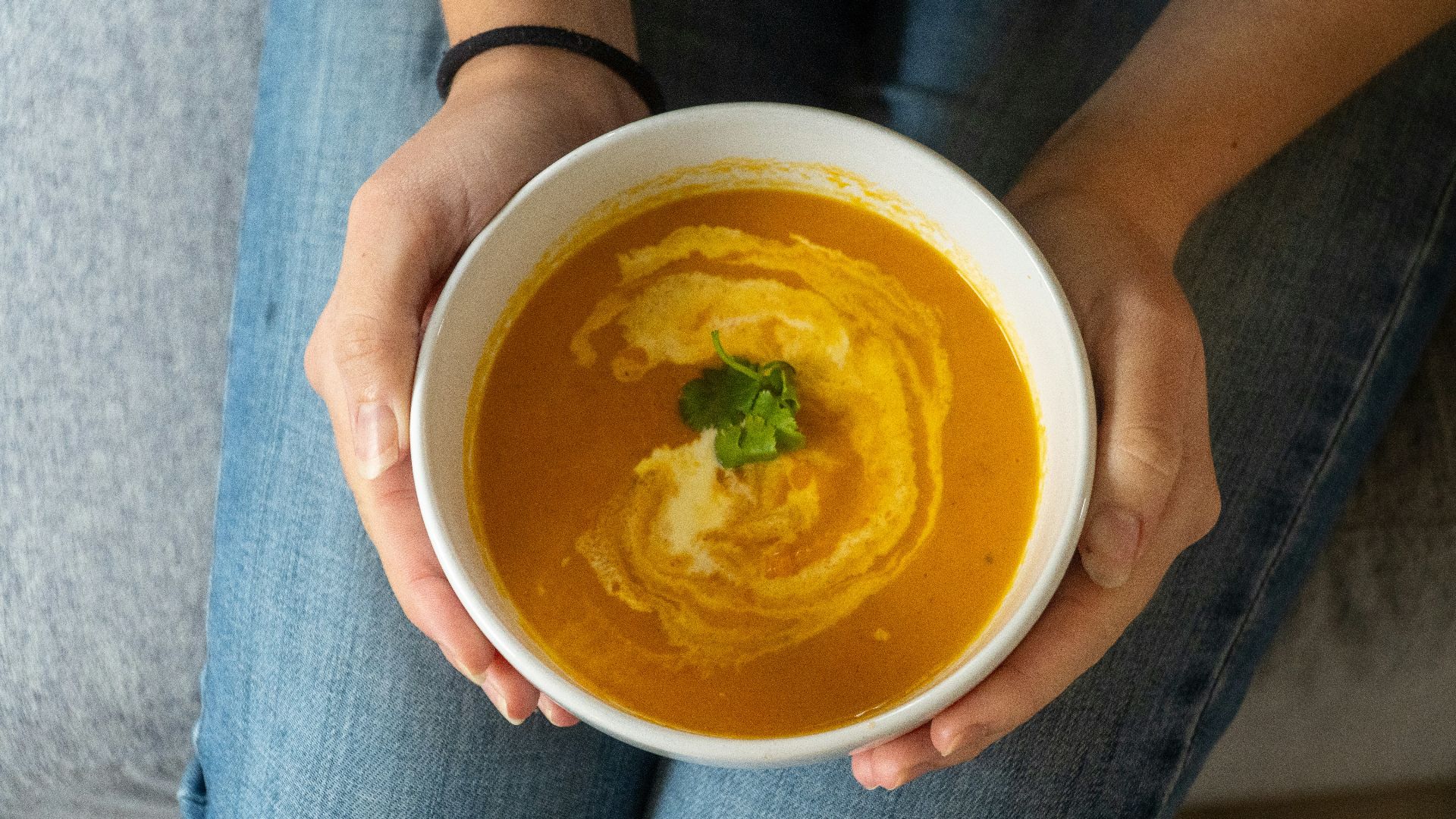
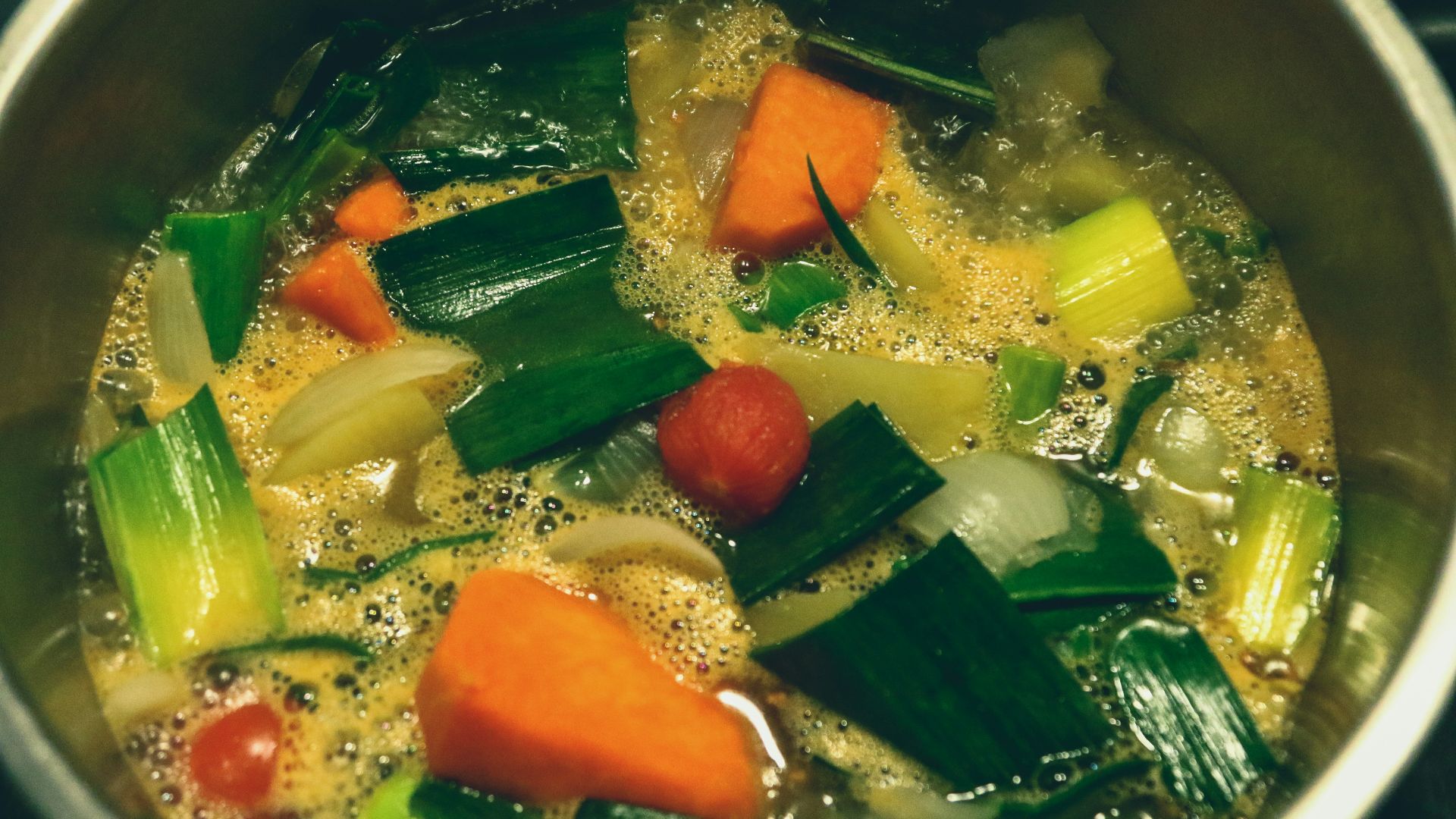
Vegetable-based soups are an easy way to rack up cups without feeling like you’re “eating vegetables.” Choose brothy or blended soups that feature vegetables as the main event, not just a garnish. Pair it with a sandwich or protein, and you’ve got a practical, filling meal.
5. Frozen Is Legit
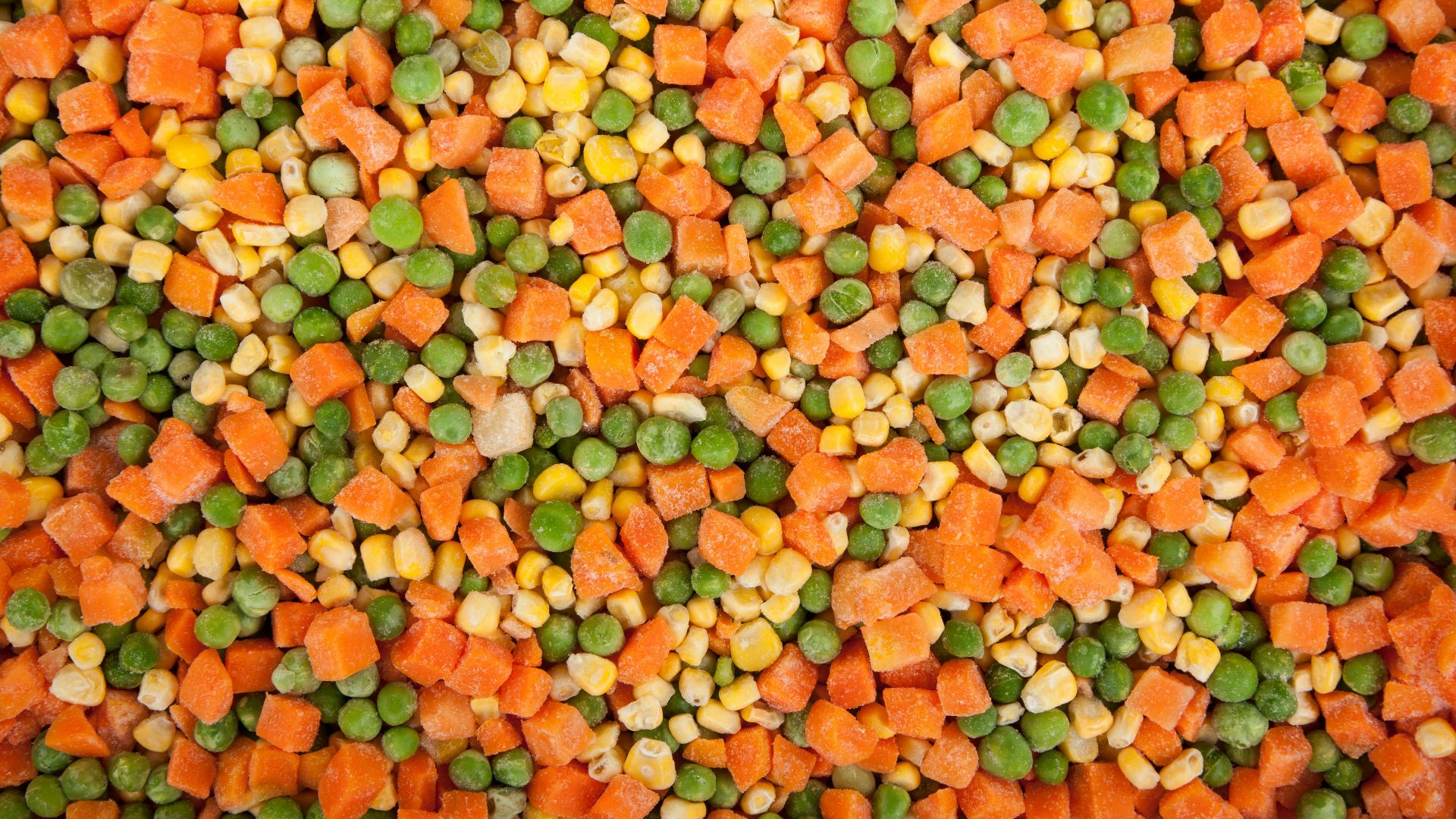
Frozen vegetables are picked and frozen quickly, so they keep most of their nutrients. They’re also already cleaned and cut, which removes the biggest excuse people have. Keep a few favorites stocked, and you can make your dinners much easier.
6. Canned With Caution
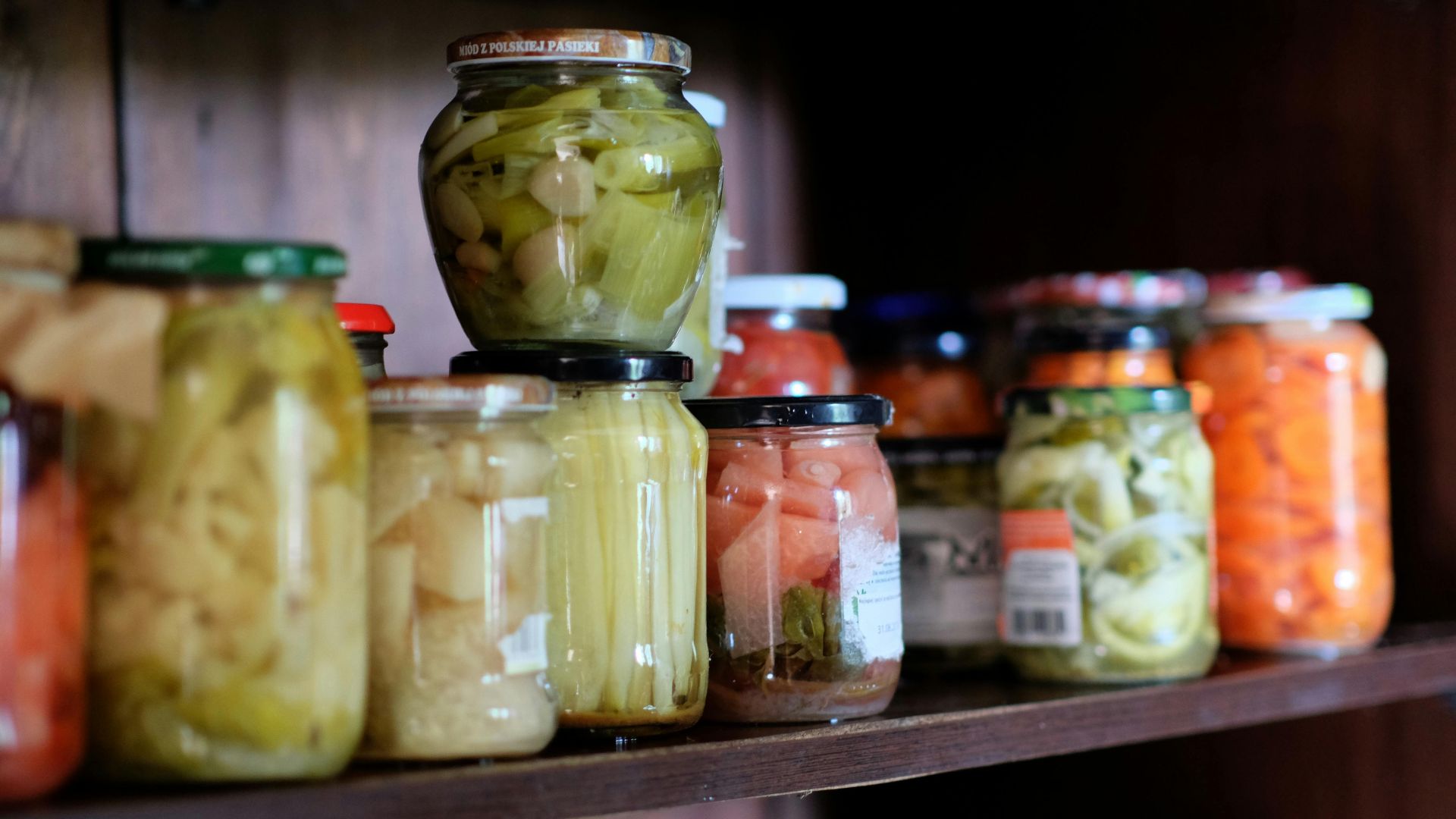
Canned vegetables still count, especially when time and budget are tight. Look for “no salt added” or rinse regular canned vegetables to reduce sodium. Toss them into chili, pasta, or rice bowls, and you’ll be hitting your goals with next to no effort.
7. Roast a Sheet Pan
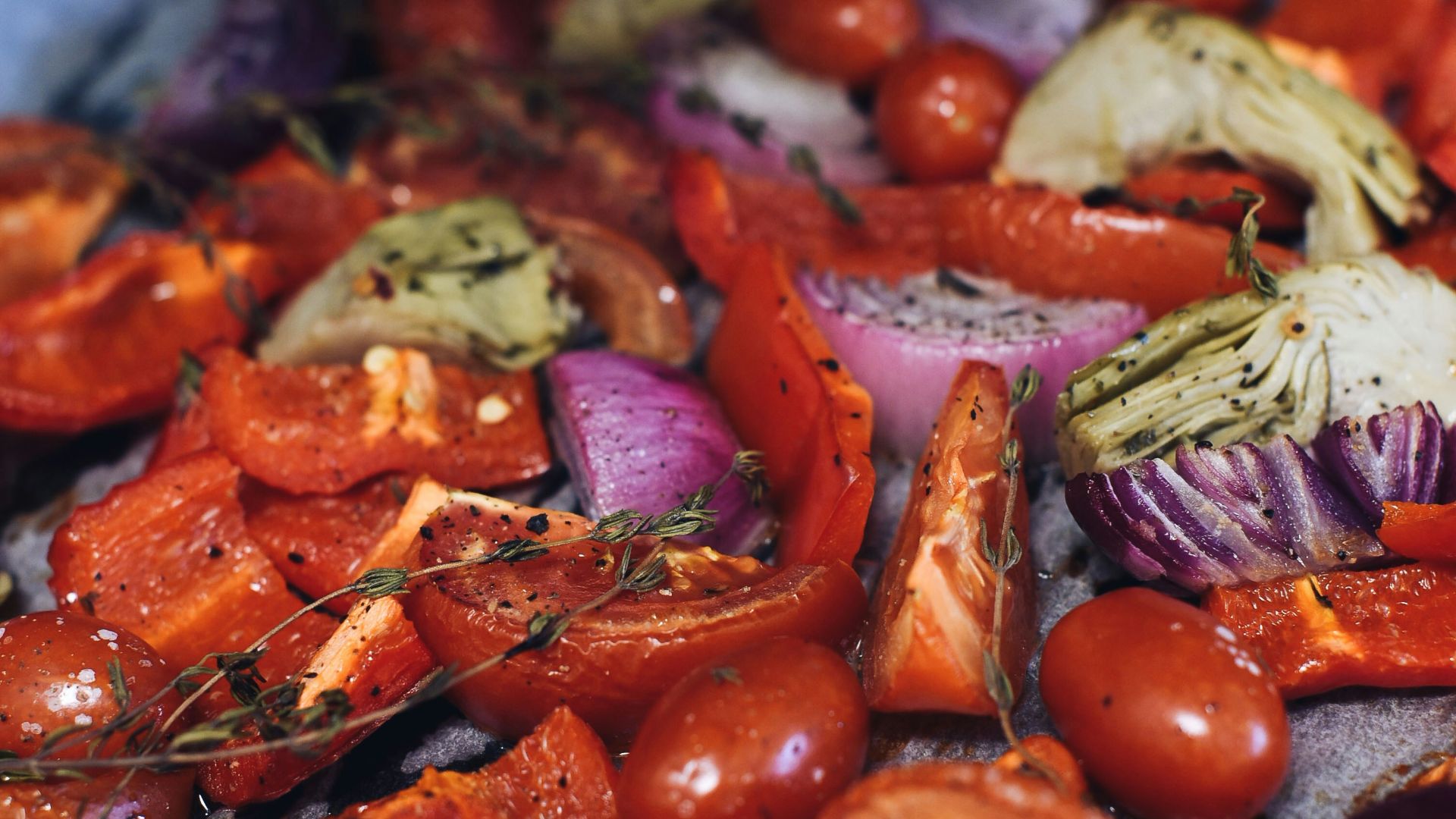
Roasting brings out sweetness and makes vegetables taste less like a chore. Spread broccoli, carrots, Brussels sprouts, or zucchini on a sheet pan with oil, salt, and pepper, then cook until browned. The best part? This delicious mix reheats quite well, so it’s an excellent option for meal prep.
 Melissa Walker Horn on Unsplash
8. Blend Them In
Blending vegetables into sauces and soups can boost intake without throwing off your dinner plans. Try adding spinach to smoothies, cauliflower to creamy soups, or roasted peppers to pasta sauce. You still get fiber and micronutrients, and the texture will stay as good as it always has.
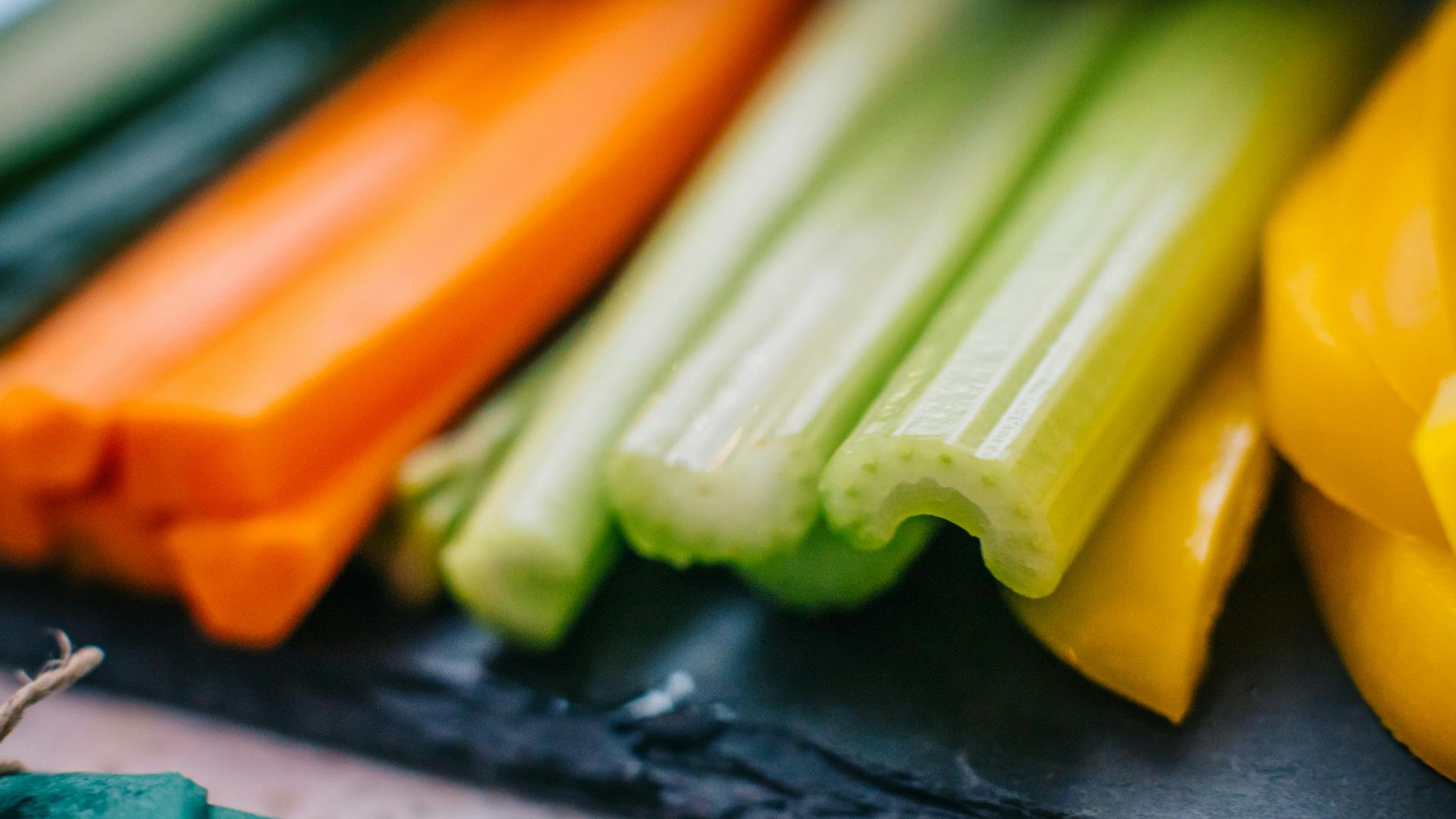
9. Build Better Snacks
You can easily get your veggies in by snacking throughout the day. Keep baby carrots, snap peas, cucumbers, or cherry tomatoes in the front of the fridge. Pair them with hummus, Greek yogurt dip, or cheese so that it feels a little more filling.
10. Upgrade Sandwiches
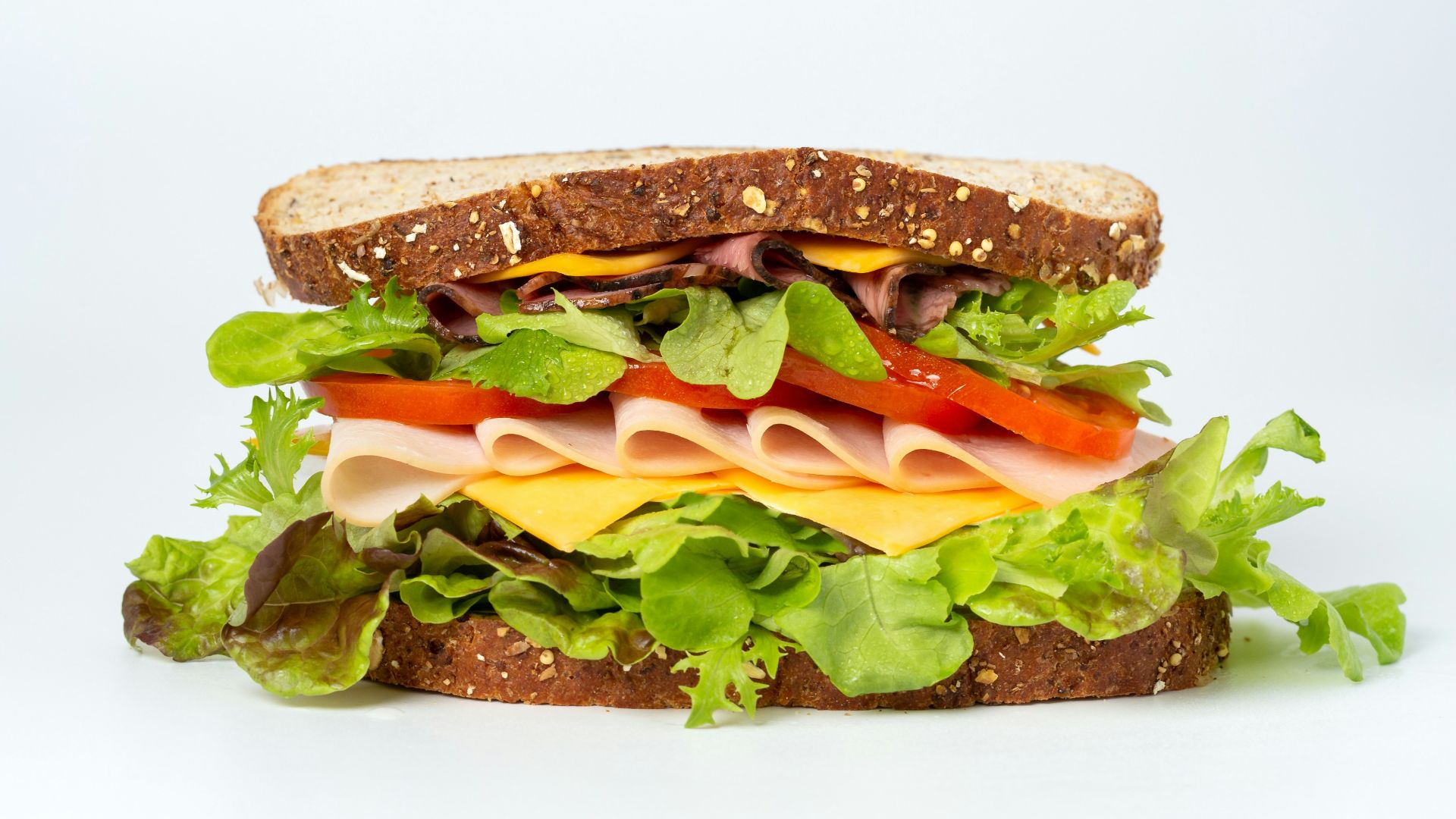
Sandwiches and wraps are basically vegetable delivery systems if you let them be. Pile on lettuce, tomato, cucumbers, shredded carrots, roasted peppers, or slaw. The crunch and freshness usually make the whole thing taste better.
11. Salads Without Boredom
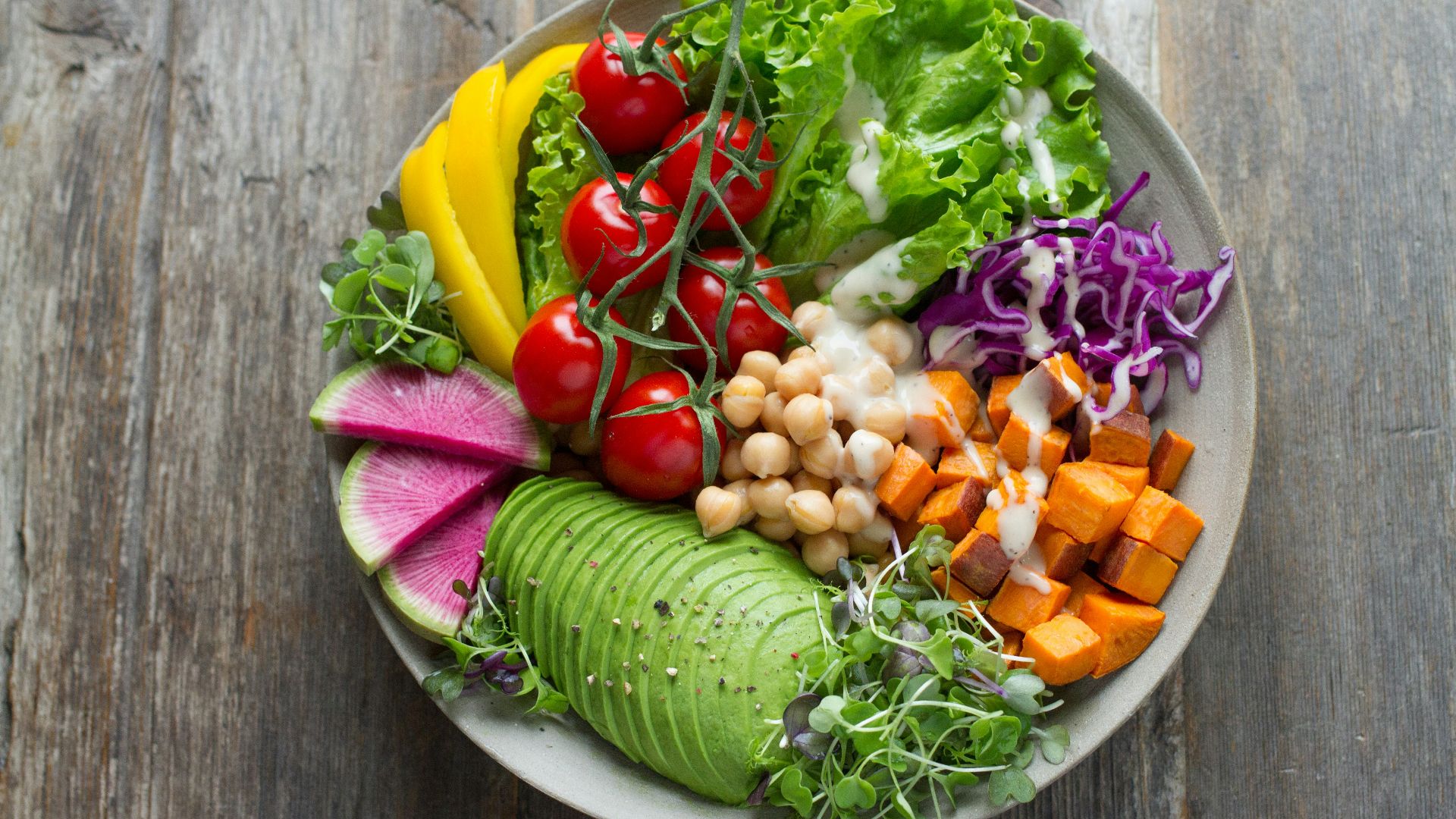
A salad doesn’t have to be sad greens with a few lonely toppings. Use a mix of crunchy vegetables, add beans or chicken for staying power, and finish with a flavorful dressing you enjoy. When a salad looks like a real meal, it stops feeling like a punishment.
12. Stir-Fry Shortcut
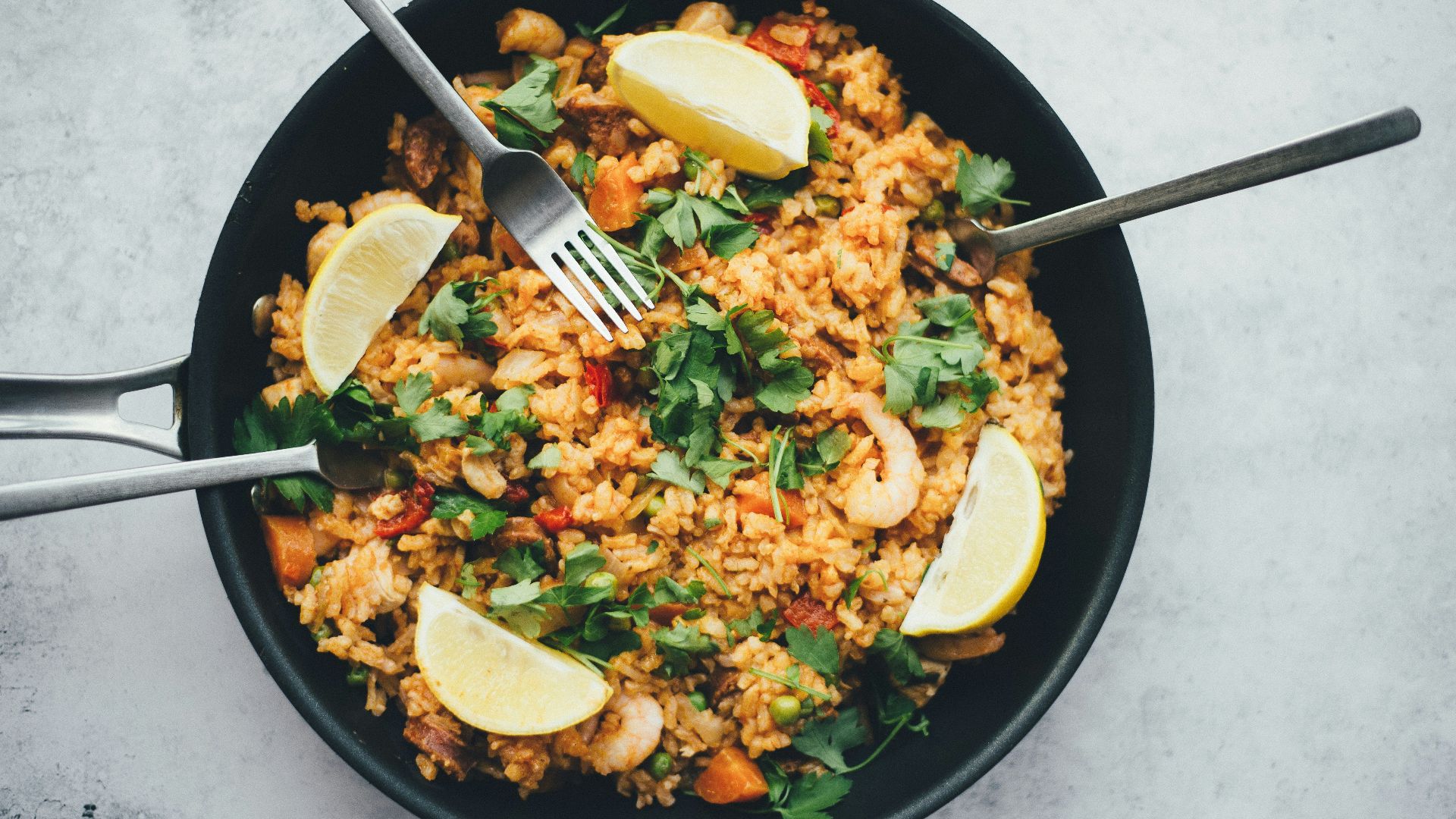
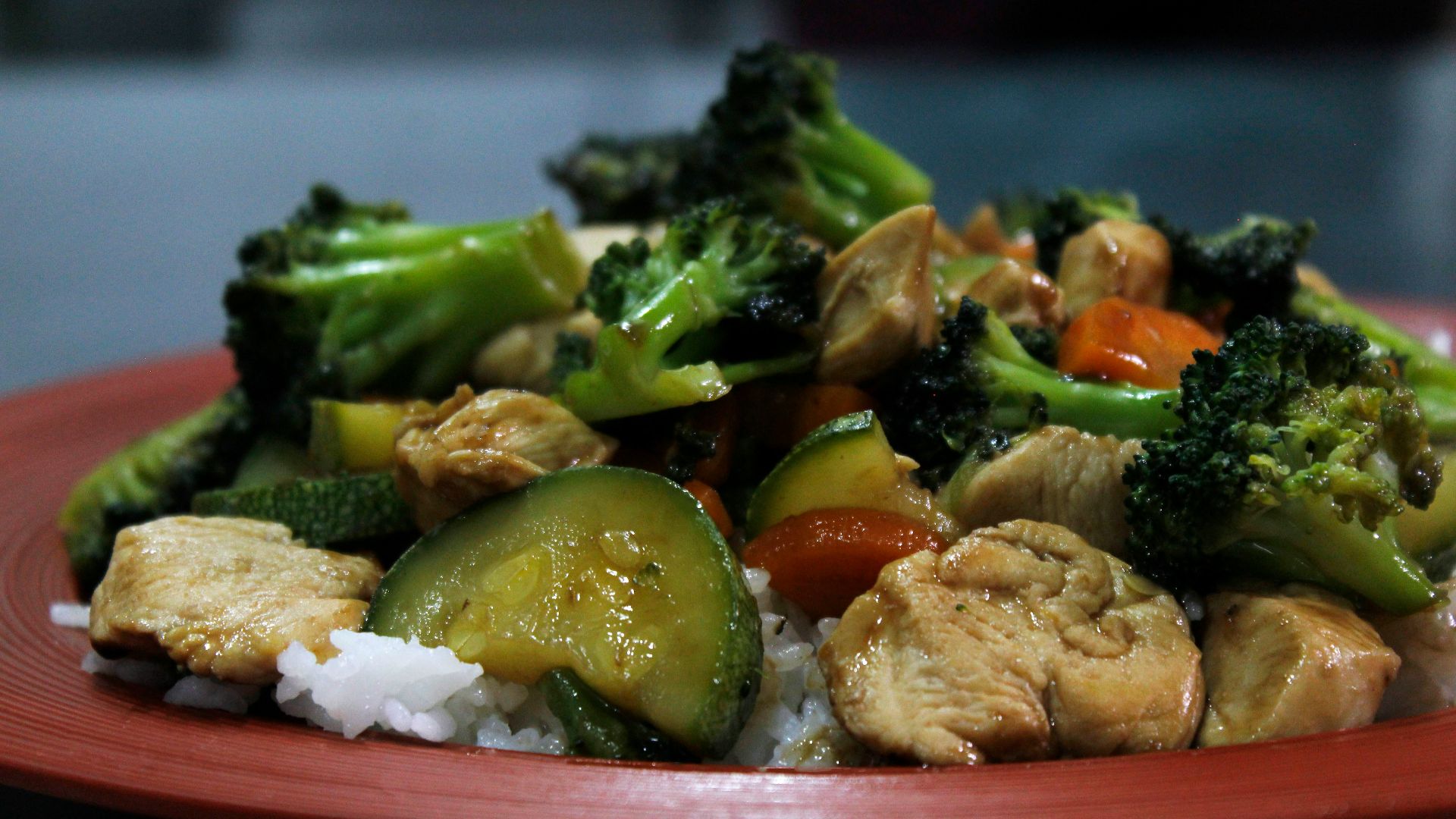
Stir-fries are fast, flexible, and forgiving, which is exactly what weeknight cooking needs. Use a bag of frozen stir-fry mix or chop whatever vegetables you have, then cook with a quick sauce. Serve it over rice, noodles, or quinoa, and you’ve got an easy veggie-focused dinner.
13. Double the Side
When you make a vegetable side dish, double it on purpose. One batch covers tonight’s dinner and tomorrow’s lunch, which quietly boosts your weekly total. Leftovers also make it easier to “add a vegetable” without cooking from scratch.
14. Try Veggie Swaps
Swapping in vegetable versions of common foods can add volume without a big learning curve. Think cauliflower rice, zucchini noodles, or spaghetti squash, used alongside regular grains instead of replacing them entirely. A partial swap is often more realistic and still helps you reach your goals.
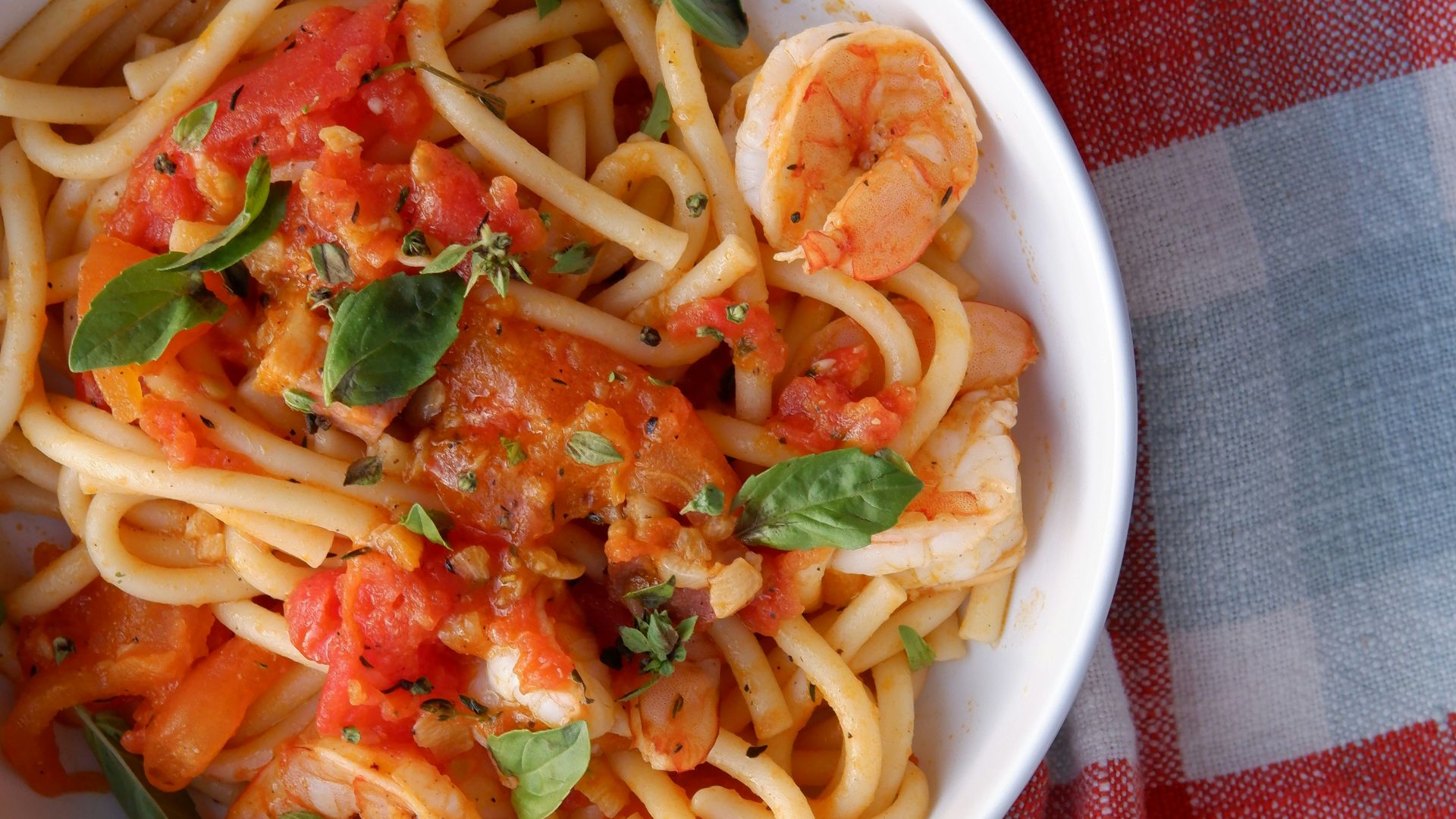
15. Add Veg to Pasta
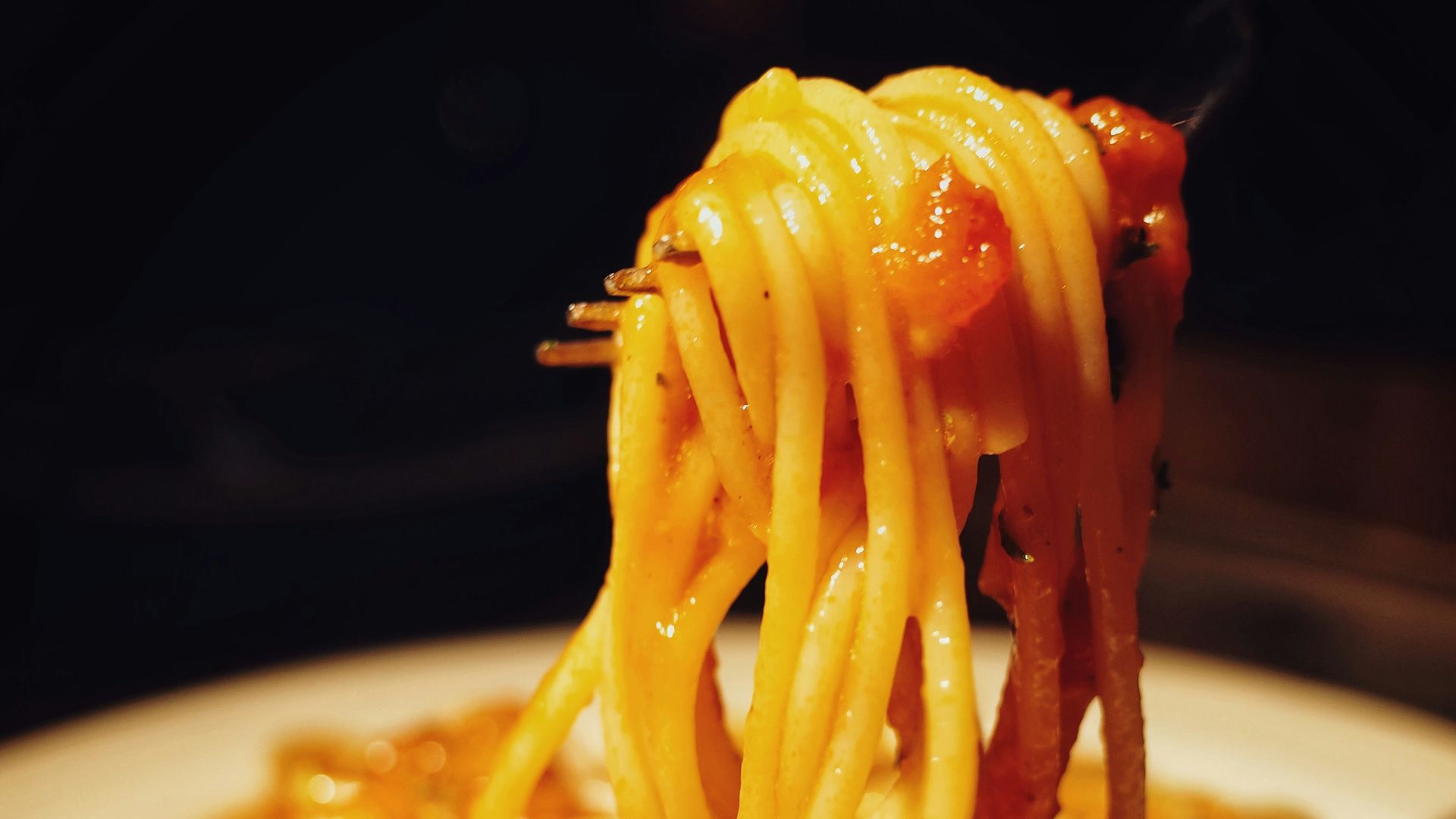
Pasta nights don’t need to be vegetable-free. Stir in sautéed spinach, mushrooms, zucchini, peas, or roasted tomatoes. You’ll end up with a bigger, more balanced bowl that’s still comforting and warm.
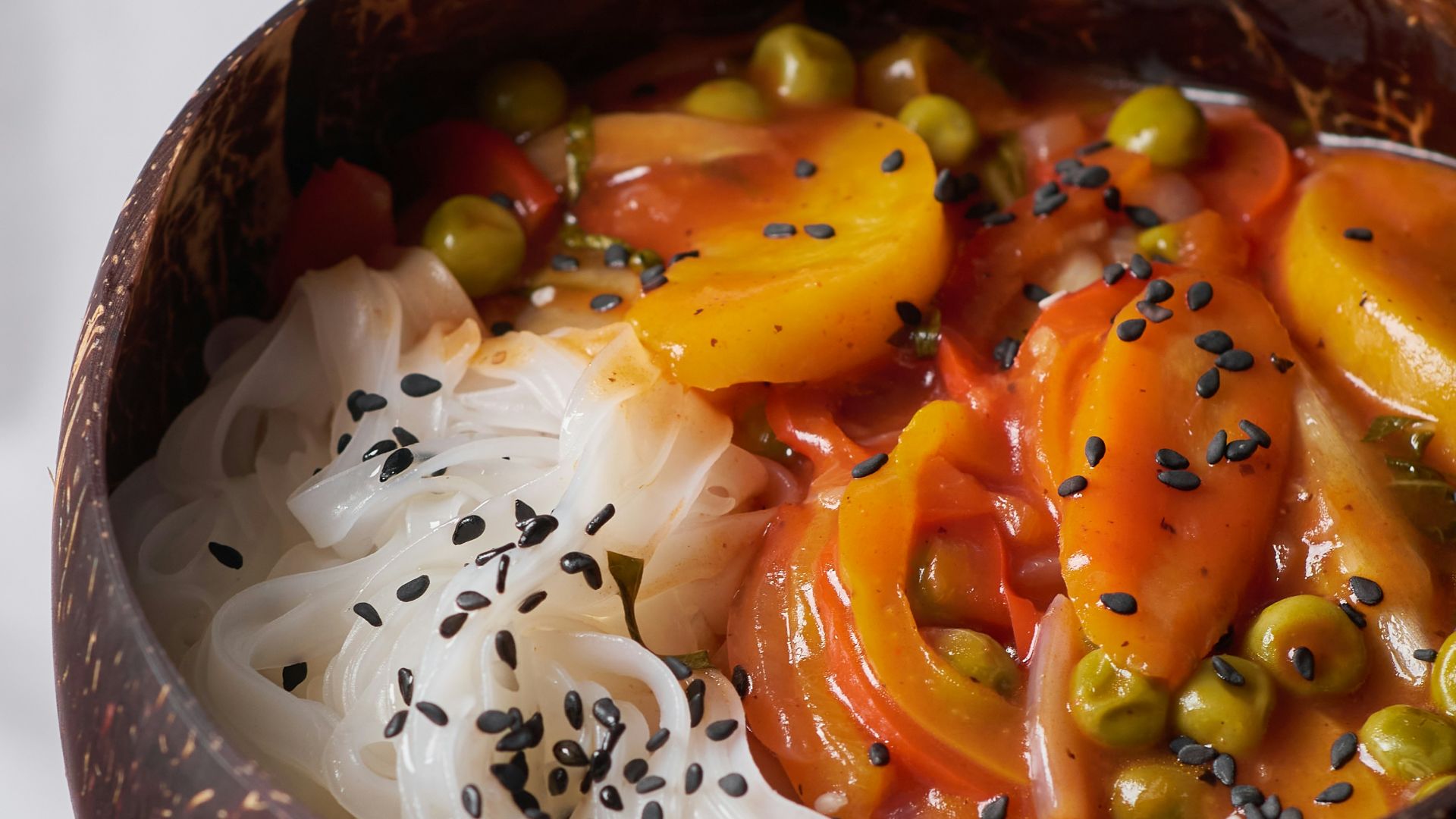
16. Make a Veggie Base
Start meals with vegetables as the foundation, then build on top. Bowls work great for this: greens or roasted vegetables first, then protein, then grains, then sauce. Restructuring your meals this way guarantees you’ll be meeting those daily averages.
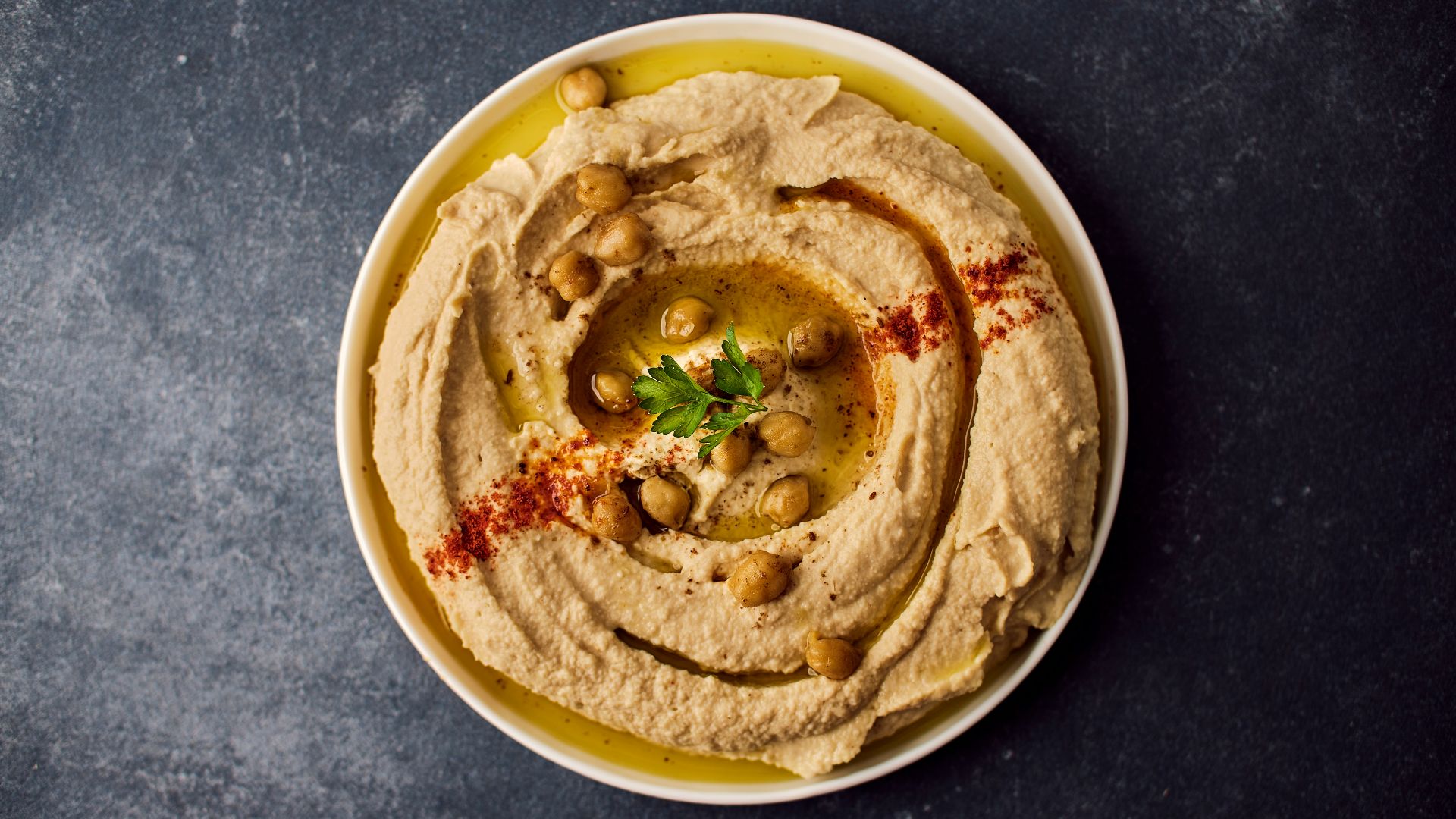
17. Use Dips Smartly
Dips aren’t just for chips. Hummus, guacamole, salsa, bean dip, and yogurt-based dips pair well with crunchy veggies. This trick turns “I should eat vegetables” into “I want another bite.”
18. Keep a Veggie Habit
Attach vegetables to something you already do every day, like lunch or dinner, so it becomes routine. For example, decide that lunch always includes one cup of raw vegetables or a side salad. A simple rule beats a complicated plan most of the time.
19. Order Extra Veggies
Restaurants often serve vegetables in tiny portions, so asking for more is a practical move. Add a side of steamed vegetables, swap fries for a salad, or choose a dish that’s heavy on vegetables by default. You’re not being “difficult,” you’re being strategic.
20. Track for a Week
Tracking for a short stretch can help you see what “2 to 3 cups” actually looks like in your normal routine. Use cups as a loose guide, not a perfection standard, and notice which meals are easiest to improve. You can stop tracking once you’ve figured out what works best for you, or continue to do so if it ends up helping.