Missed Period? 10 Reasons Your Cycle Is Late & 10 Ways to Get Your Body Back on Track
Out of Sync
A late period can be stressful, but it might be reassuring to know that it's also surprisingly common. After all, your cycle can be influenced by sleep, stress, food, exercise, medications, and other life changes, so a delay doesn’t automatically mean something is seriously wrong. That said, take a pregnancy test if there’s any chance you could be pregnant, and get medical advice right away if you have severe pain, very heavy bleeding, fainting, fever, or a history of ectopic pregnancy. Now, here are 10 reasons your period might be late and 10 practical ways to help your body settle back into a steadier rhythm.

1. Pregnancy
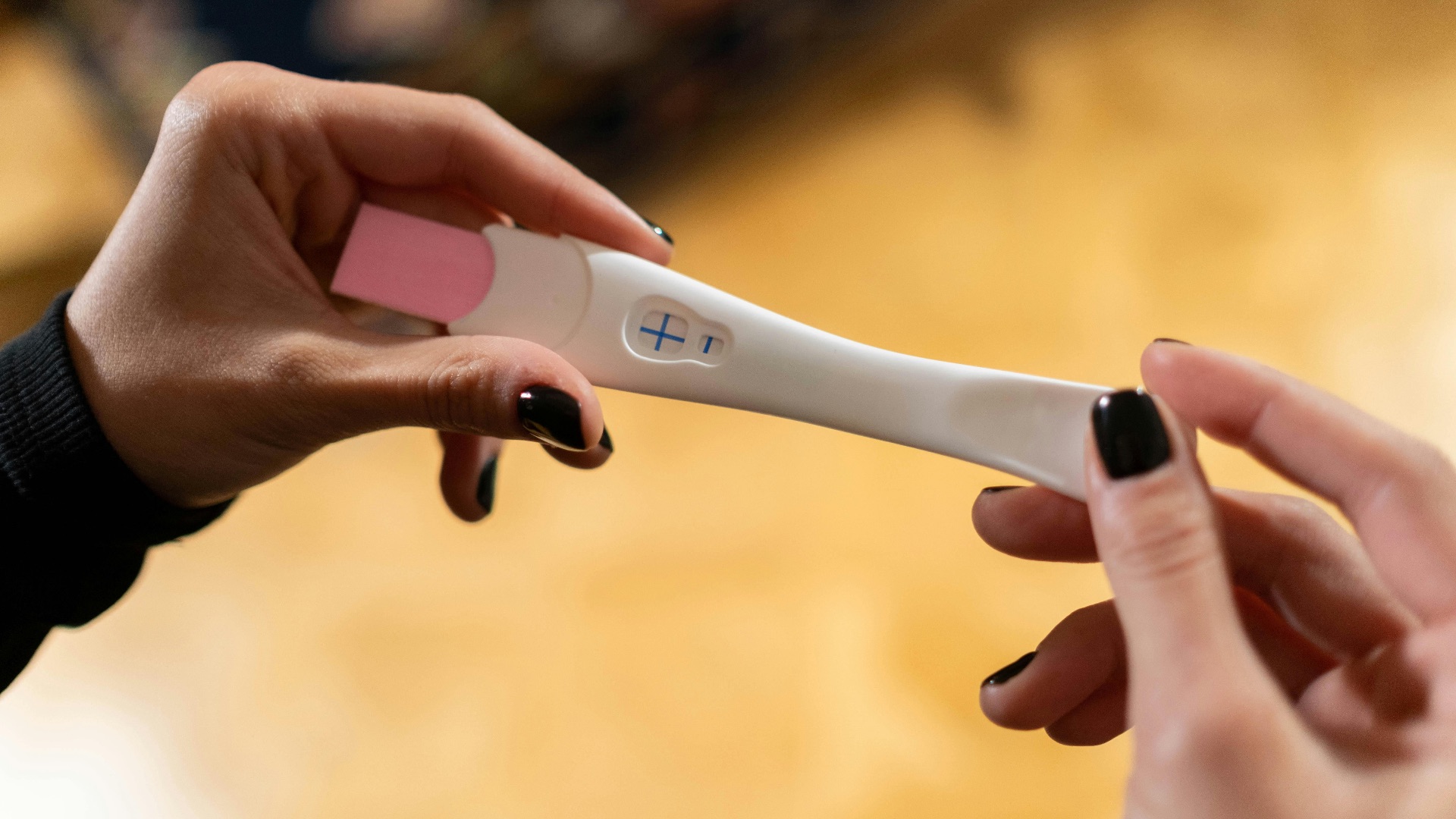
If you’ve been intimate without reliable birth control, pregnancy is the first thing you'll want to rule out, regardless of your symptoms. Home tests are most accurate after a missed period; if you get a negative test but your period still doesn’t show, test again in a couple of days or check in with a clinician.
2. Stress & Anxiety
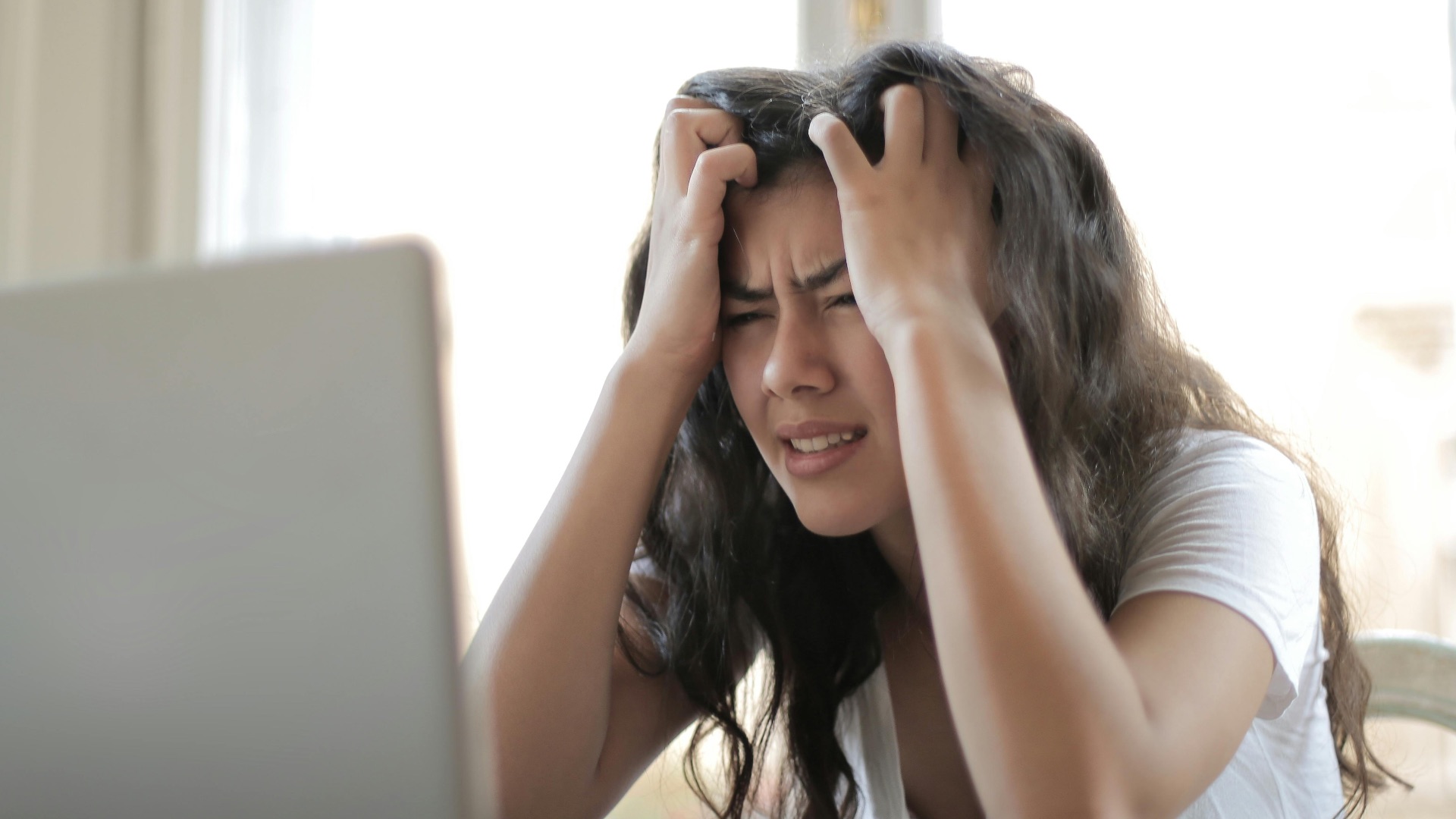
Stress can interfere with the brain signals that help trigger ovulation, and that can push your period later than usual. Big stressors and even ongoing low-grade pressure can affect your cycle. If you’ve been running on high alert lately, a delayed period can be your body’s way of telling you it’s overwhelmed.
3, Poor Sleep
Sleep and circadian rhythm help regulate hormones, and inconsistent rest or schedule can throw that balance off. Travel, shift work, late nights, or frequent wake-ups can all contribute to cycle changes. When your sleep is erratic, ovulation may happen later or not at all that month.

4. Sudden Weight Loss or Low Calorie Intake
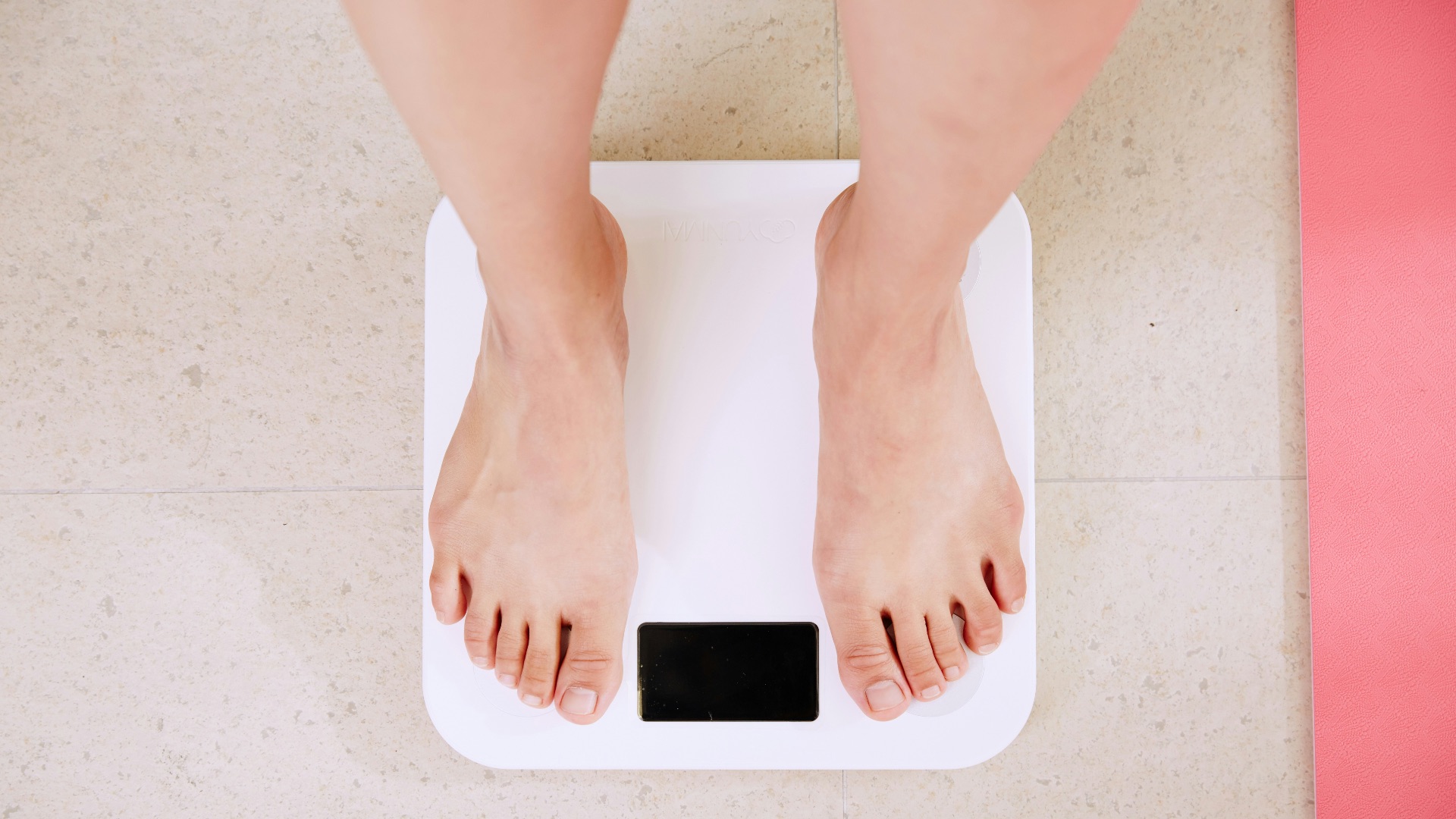
Your body needs enough energy to support normal reproductive hormone production, and a too-strict diet (meaning you're cutting calories too hard) can disrupt that. Even if you’re eating “healthy,” not eating enough for your needs can be a problem. A late or missing period is a common sign your body needs more fuel.
5. Overtraining
Exercise is good for you, but ramping up intensity too quickly can affect ovulation and menstrual timing. This is especially true when your workouts are intense but you're not giving yourself enough time to recover fully. If you’ve recently added more cardio, classes, or double sessions, your cycle might respond by drifting late.
 The Lazy Artist Gallery on Pexels
6. Hormonal Birth Control Changes
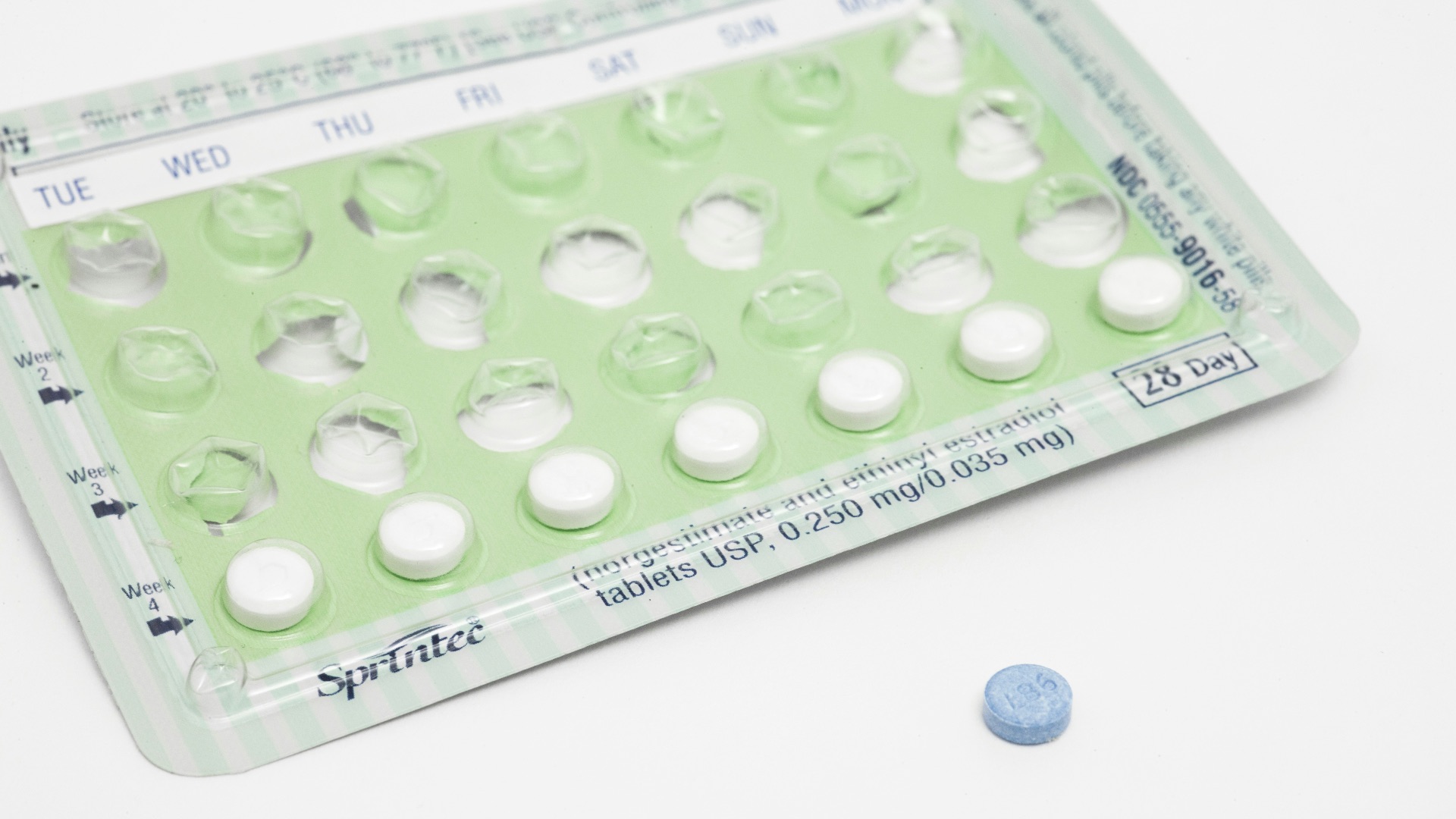
Starting, stopping, or switching birth control can change bleeding patterns, and sometimes there’s a gap before your body settles. Some methods lighten or eliminate periods by design, which can feel confusing if you weren’t expecting it. If you’re unsure what’s normal for your method, double-check with your provider.
7. Polycystic Ovary Syndrome
Polycystic Ovary Syndrome, or PCOS, can cause irregular or skipped periods because it often disrupts ovulation. You might also notice acne, increased facial hair, weight changes, or trouble getting pregnant, though symptoms vary widely. If your cycles are frequently late or unpredictable, it’s worth asking your doctor about PCOS screening.

8. Thyroid Imbalance
Both an underactive and overactive thyroid can affect menstrual timing because thyroid hormones interact with reproductive hormones. You may also notice fatigue, hair changes, temperature sensitivity, or unexplained weight shifts. A simple blood test can often spot thyroid issues.

9. Perimenopause
In your late 30s or 40s, cycles can start changing as hormone levels fluctuate, sometimes even years before menopause. Periods may become shorter, longer, lighter, heavier, or more spaced out. Hot flashes, mood changes, and sleep issues can also show up, but not everyone gets every symptom.
 Kateryna Hliznitsova on Unsplash
10. Medications, Illness, & Recovery
Some medications can affect hormones, including certain antidepressants, steroids, and treatments that impact prolactin or the thyroid. Illness and inflammation can also delay ovulation, especially after a fever or a tough infection. If your body’s been focused on healing, your cycle can take a back seat for a bit.
Do any of the above explain why your period might be late? If so, you might want to check in with your doctor to get an accurate diagnosis. The following tips can also help you get your body back on track.

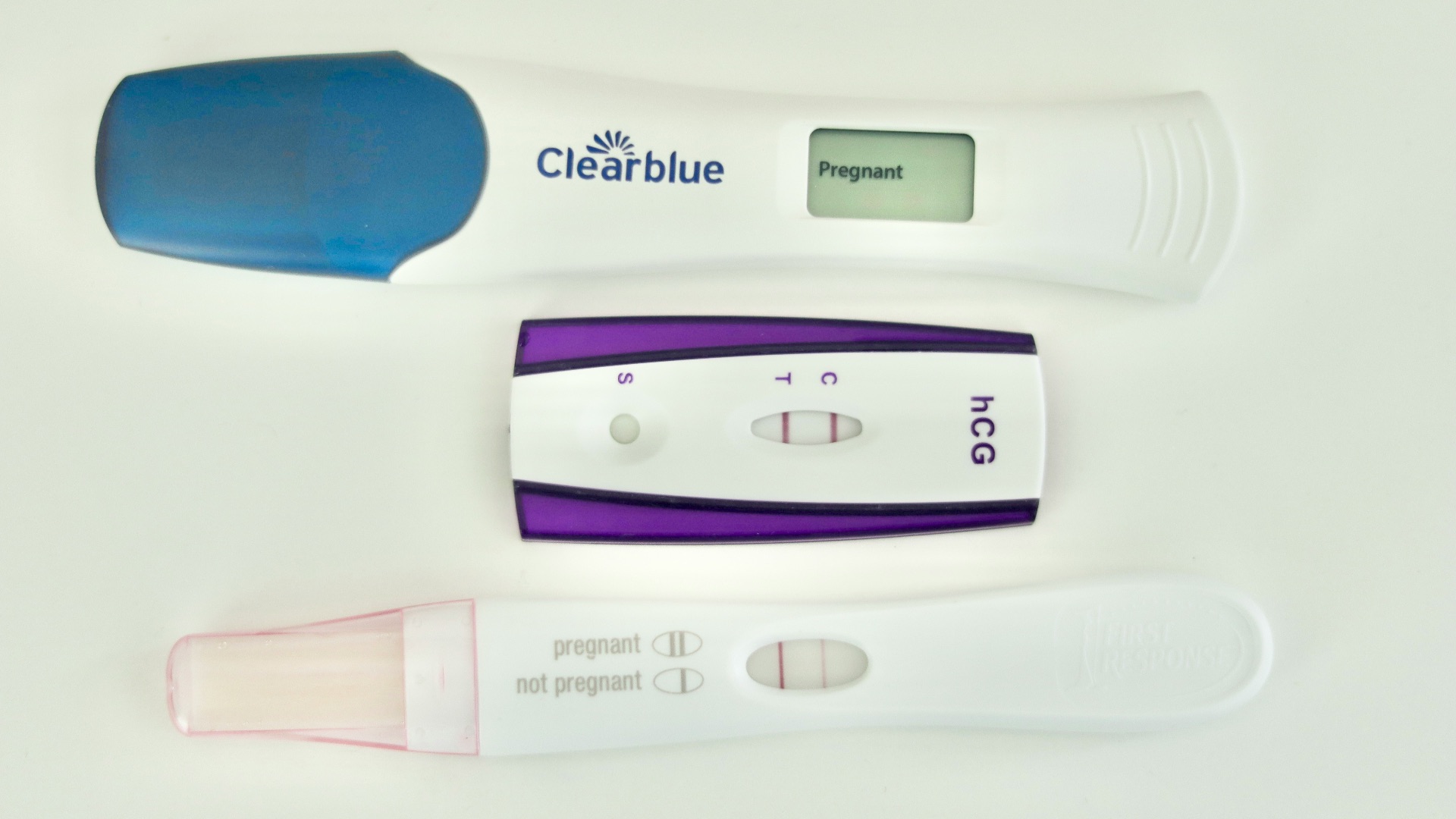
1. Take a Pregnancy Test & Track Your Dates
If there’s any chance of pregnancy, test now and repeat in 48–72 hours if the first one is negative and your period still hasn’t arrived. Write down the first day of your last period, your usual cycle length, and any unprotected intimacy dates. Having that information ready makes the next steps much clearer and less stressful when you check in with your doctor.
2. Prioritize Consistent Sleep
Aim for a regular bedtime and wake time, even on weekends, because your hormones love predictability and hate inconsistency. Try to get morning light exposure and limit bright screens right before bed if you’ve been sleeping poorly or have trouble falling asleep. After several nights of solid rest, many people notice their body feels more settled overall.

3. Eat Enough
Make sure you’re eating regular meals that include protein, fat, and carbs, because a steady, balanced intake supports hormone production. If you’ve been dieting aggressively, consider easing up and focusing on nourishment rather than hard restriction. Balanced eating can help signal to your body that it’s safe to keep your cycle running normally.

4. Dial Back Intense Workouts & Focus on Recovery
If you’ve been pushing hard, swap a few high-intensity sessions for gentler movement like walking, yoga, or low-impact strength work. Rest days count as training because they’re when your body repairs and recalibrates. Giving yourself recovery time can make your cycle more predictable again.

5. Lower Stress
Pick one realistic stress reliever and commit to it daily, even if it’s just 10 minutes. Breathing exercises, short journaling, a quick phone call with a friend, or a relaxing shower can all help. What matters is consistency and taking care of your well-being.
 Marcos Paulo Prado on Unsplash
6. Review Supplements & Medications with a Professional
If you’ve started a new medication or supplement, check whether cycle changes are a known side effect. Don’t stop prescriptions on your own, but do bring up your symptoms with a pharmacist or clinician. Sometimes a small adjustment is all you need.
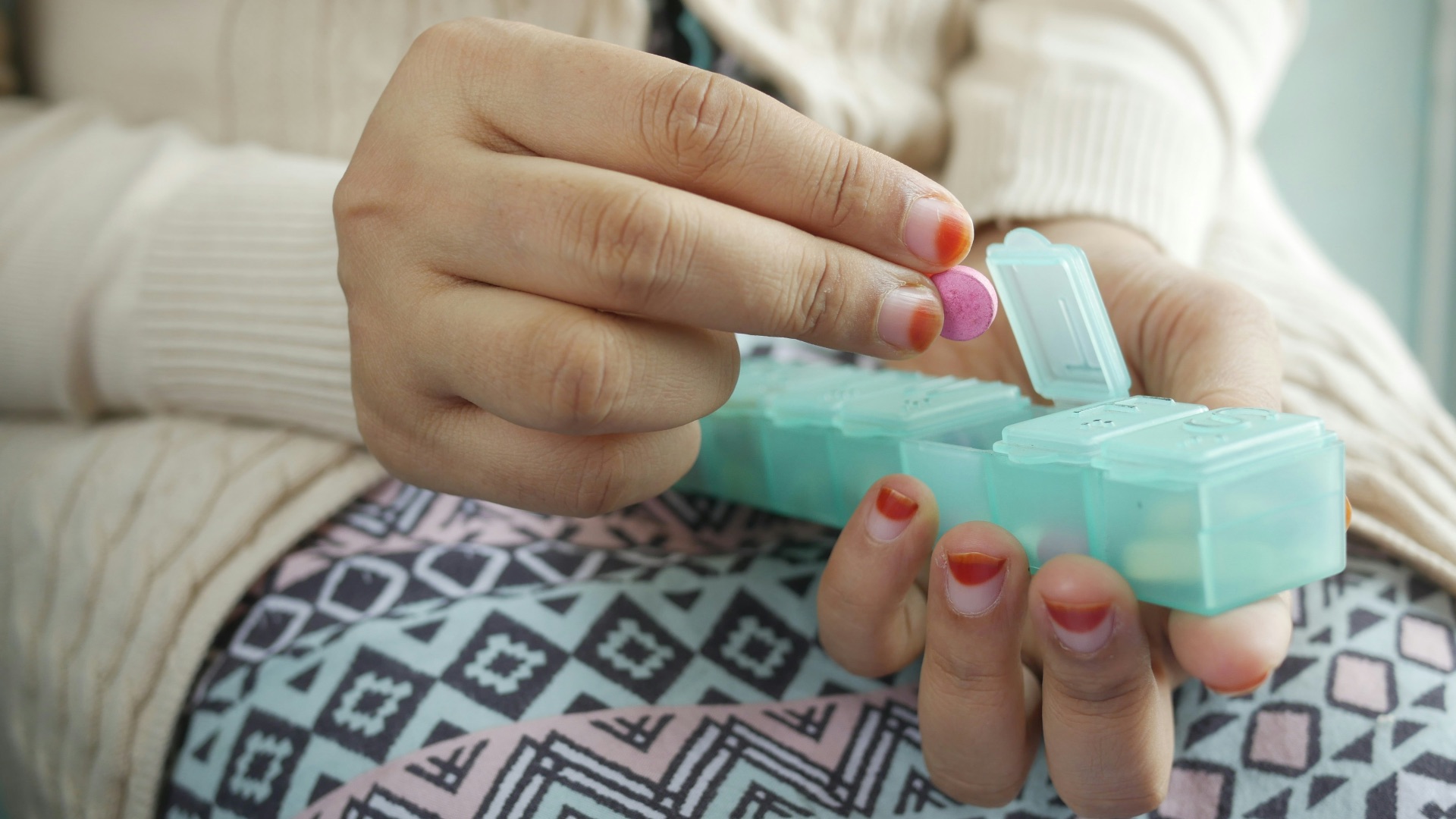
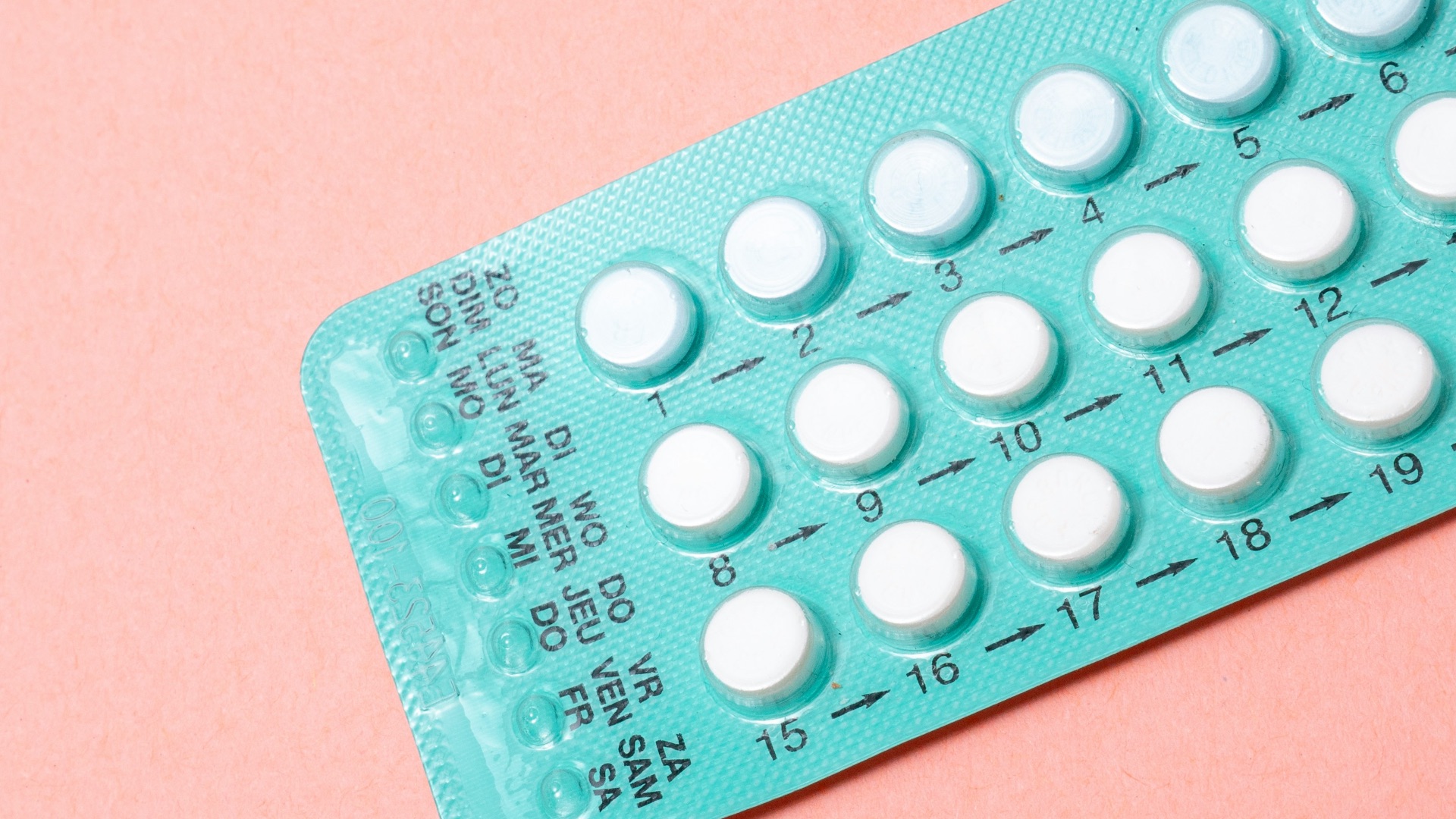
7. Consider Whether Birth Control Is Affecting Your Cycle
If you recently changed contraception, read the guidance for your specific method so you know what’s expected. Spotting, lighter bleeding, or missed withdrawal bleeds may sometimes happen, depending on the type. If you’re worried or you’ve missed pills, it’s smart to check in and rule out pregnancy.
 Reproductive Health Supplies Coalition on Unsplash
8. Track Ovulation Signs
Noticing cervical mucus changes, basal body temperature shifts, or ovulation test results can help you understand whether you’re ovulating late. This will allow you to gather clues your body is already giving you. With a little data, you can often see patterns that explain why your period is delayed.
 Reproductive Health Supplies Coalition on Unsplash
9. Support Blood Sugar Stability
Eating protein at breakfast and pairing carbs with fiber and fat can help prevent energy crashes that stress your system too much. If you suspect PCOS or insulin resistance, talk to your doctor about screening and personalized support. Even simple meal timing changes can make a difference in how steady you feel day to day.

10. Know When It’s Time to Get Checked Out
If you’ve missed several periods in a row, have very unpredictable cycles, or your symptoms are interfering with daily life, it’s worth booking an appointment. Bring your cycle history, any test results, and notes on stress, sleep, and recent changes. Getting answers can be a relief, and treatment options are often straightforward once the cause is clear.

KEEP ON READING