
Why the Right Fats Matter as You Get Older
Year after year your heart deserves some extra attention and the fats you select can play a subtle role in that care. Certain fats help maintain healthy cholesterol levels and others offer anti-inflammatory properties our bodies demand more of as we age. The best part is heart healthy fats can be delicious and many enhance the flavor of your food.

1. Extra Virgin Olive Oil
Extra virgin olive oil boasts heart-healthy monounsaturated fats and nutrients that can help maintain healthy cholesterol. Antioxidants present in the oil may also help blood vessels age healthfully. Try using it as a finishing oil to drizzle over food after it’s cooked, like on vegetables.

2. Avocado Oil
Avocado oil has a light flavor and high smoke point. This makes it ideal for cooking almost anytime. Heart-health benefits come from avocado oil’s concentration of monounsaturated fats. Some people find that avocado oil helps them feel fuller after eating.
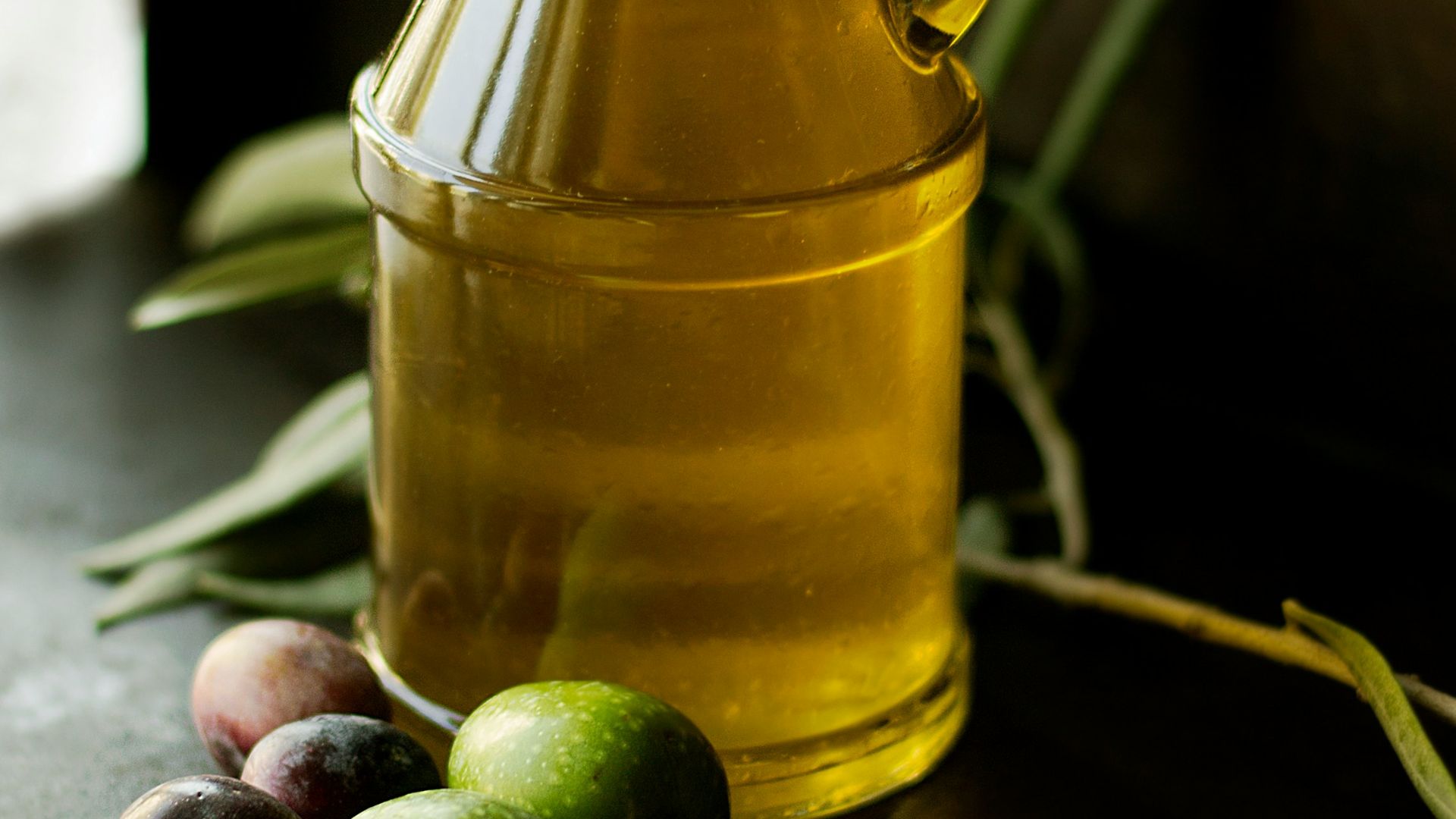
3. Canola Oil
Canola oil tends to be underappreciated but contains less saturated fat than many alternatives. It also provides omega-3 fatty acids that may help support regular heartbeat. Try using canola oil in baked goods when you want a mild taste.
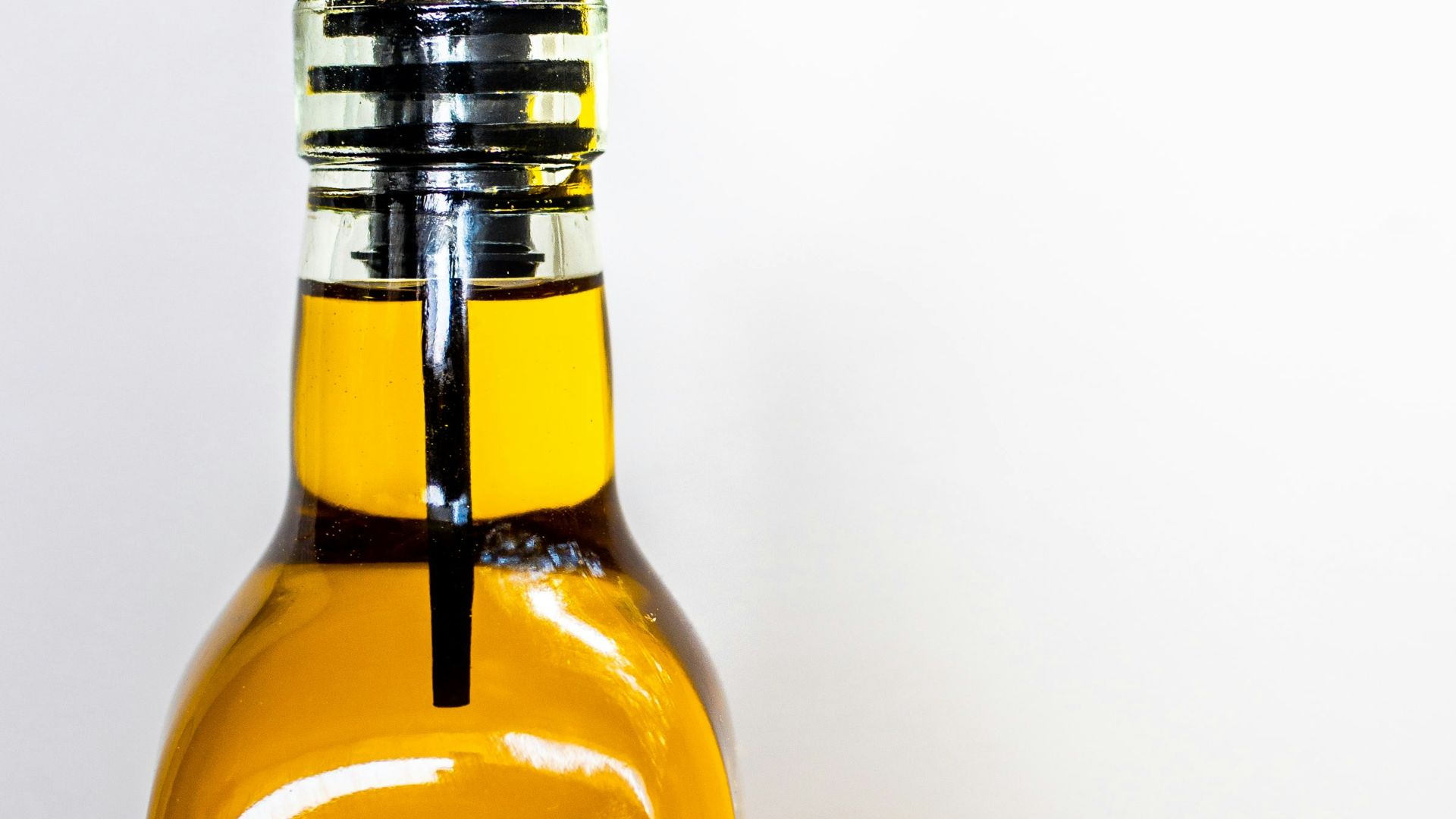
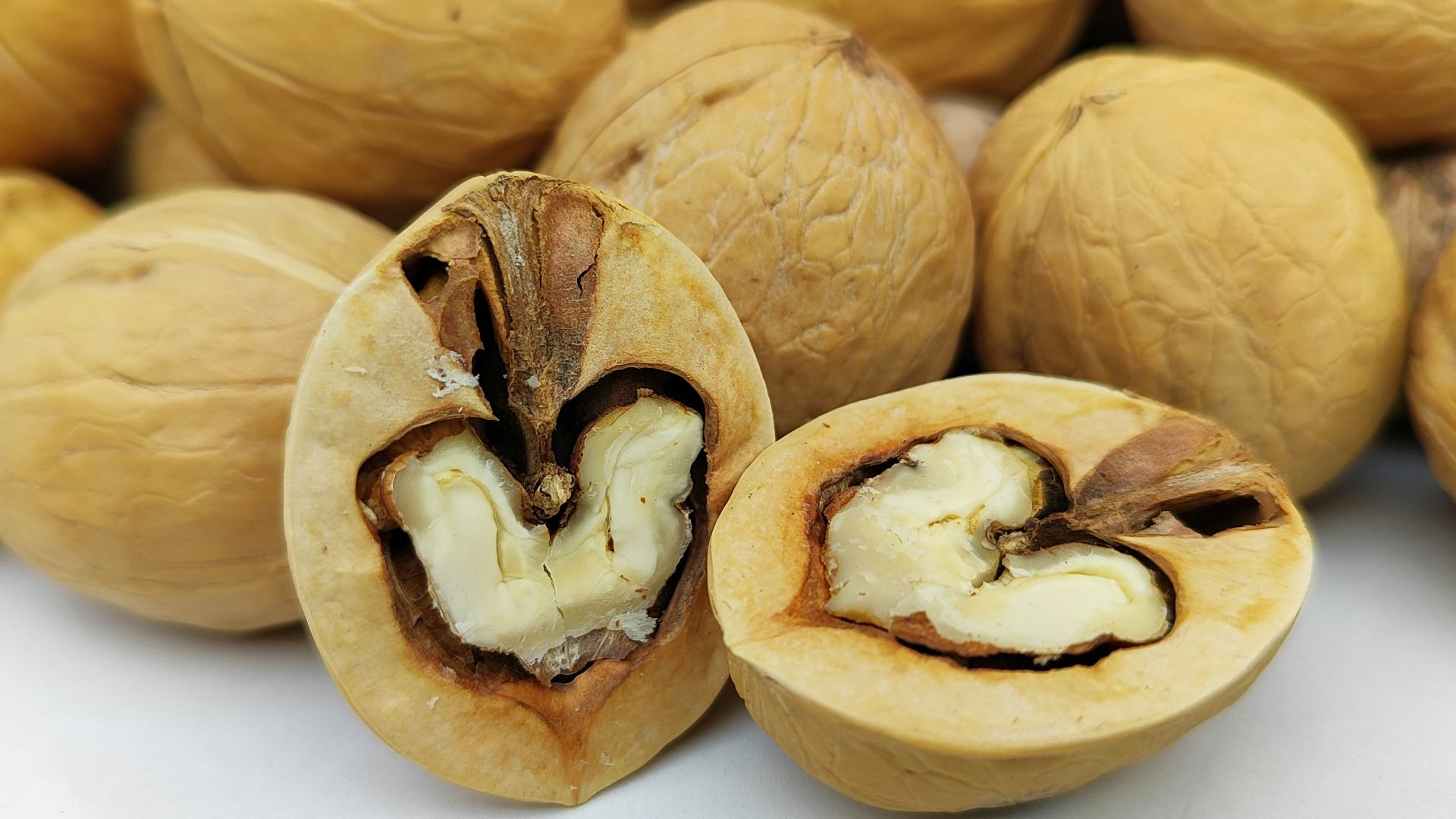
4. Walnut Oil
Walnut oil has a light, nutty flavor that can enhance many dishes, particularly salads. Rich in plant-based omega-3 fats, walnut oil can contribute to heart health. However, walnut oil has a low smoke point, so it’s best used raw.
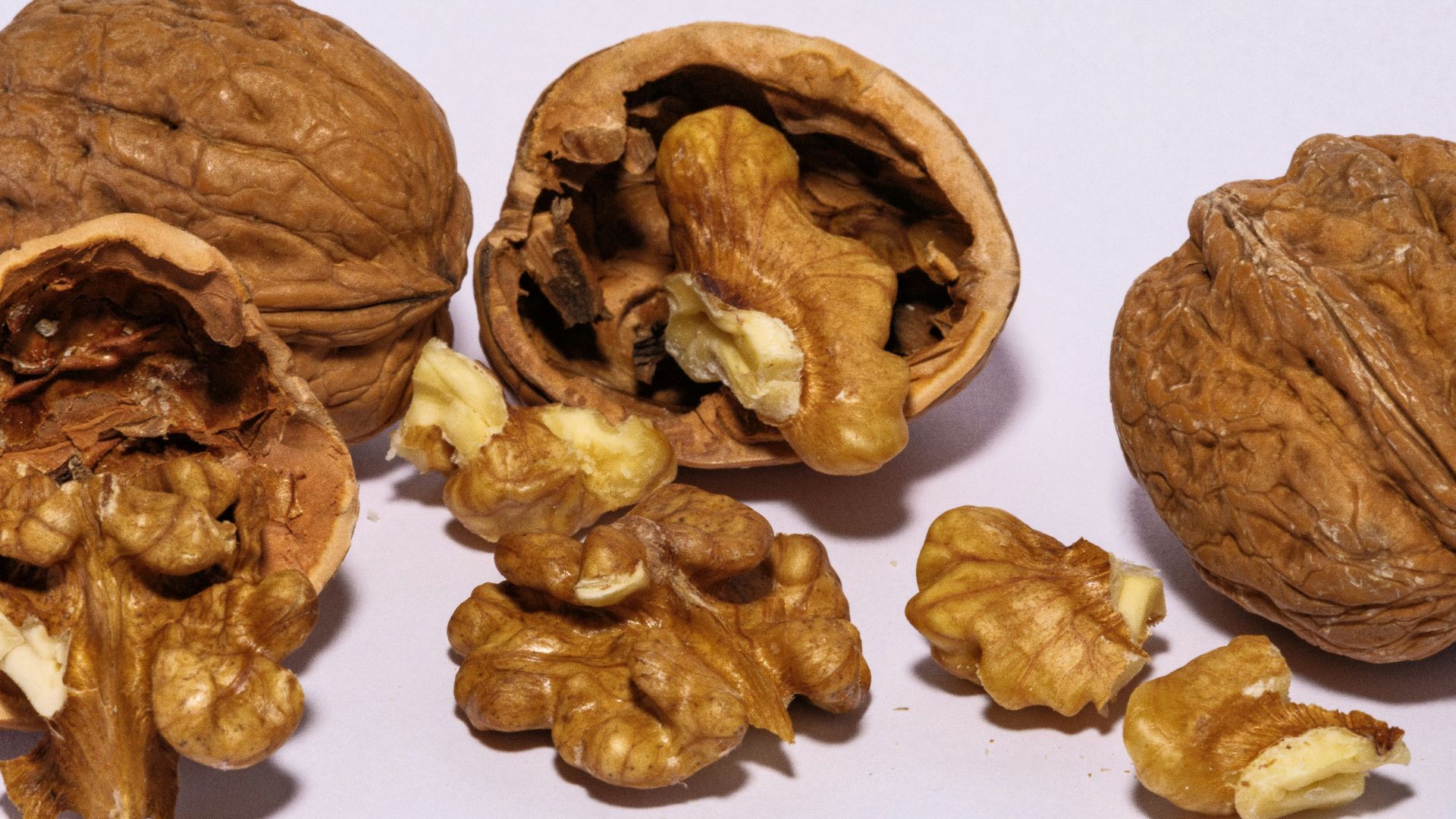
5. Flaxseed Oil
Flaxseed oil contains alpha-linolenic acid (ALA), an omega-3 fatty acid that may help heart health. A little bit of flaxseed oil can pack a nutritional punch. Consider stirring it into your yogurt or smoothies rather than cooking with it.
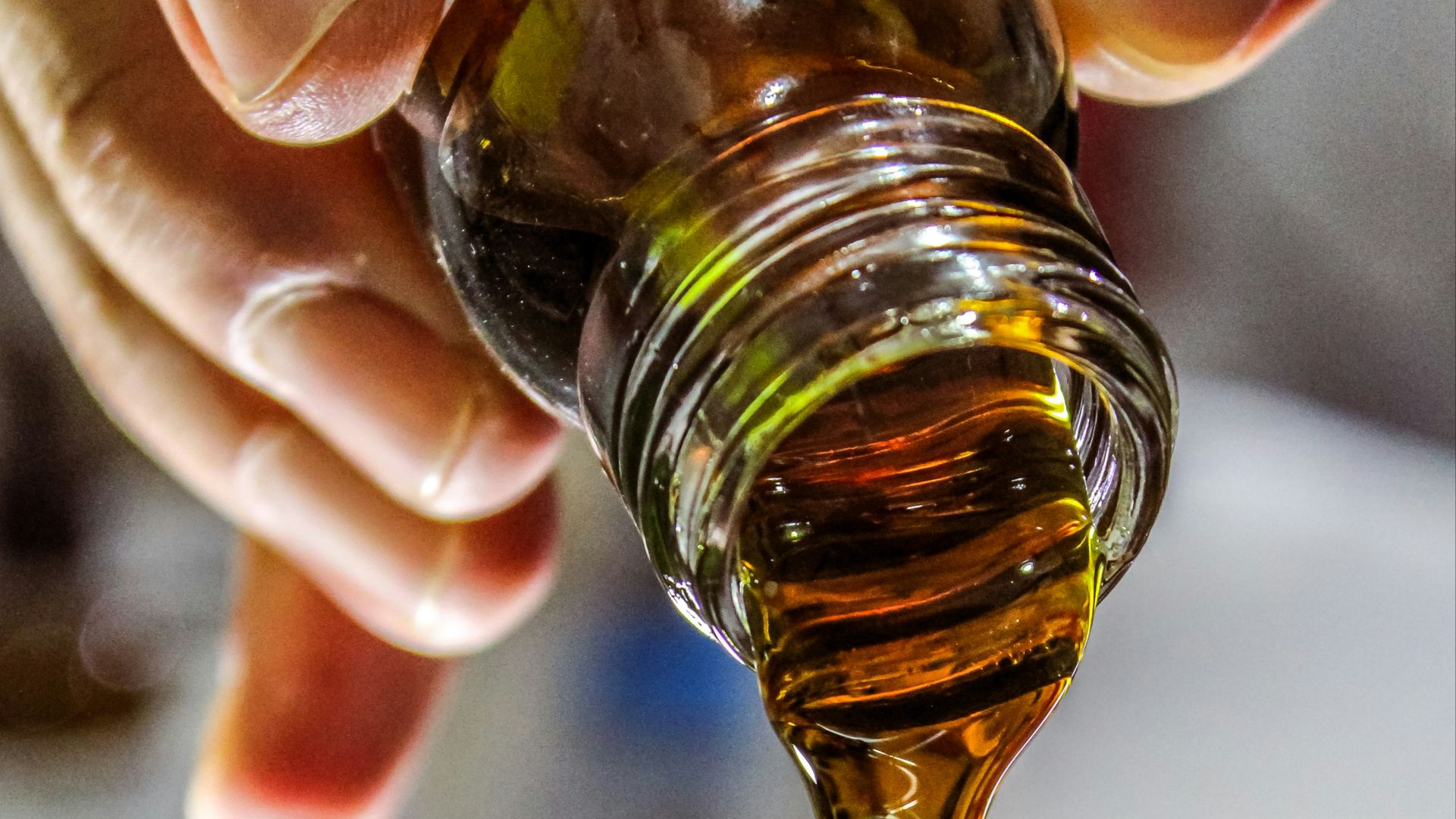
6. Chia Seed Oil
Chia seed oil is another way to get omega-3 fats without many other overpowering flavors. You can easily drizzle it on your food without changing the taste of a meal. Like walnut oil, chai seed oil can be a great addition to your diet when used alongside other fats.
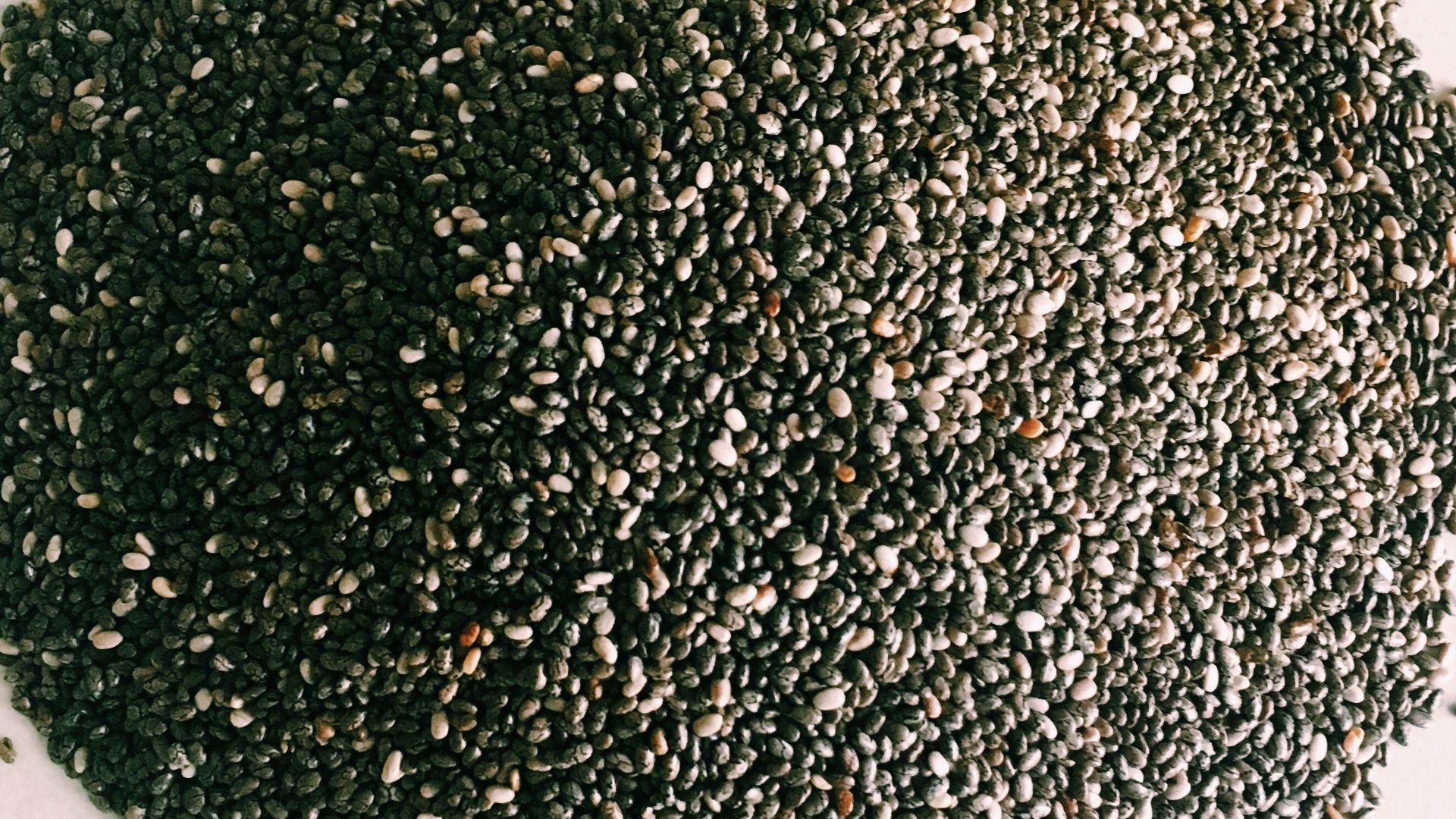 Oliwier Brzezinski on Wikimedia
7. Sesame Oil
Sesame oil contains antioxidants that may help keep your arteries healthy. A little sesame oil can go a long way in terms of flavor, too. It works especially well in stir-fry dishes and roasted vegetables.
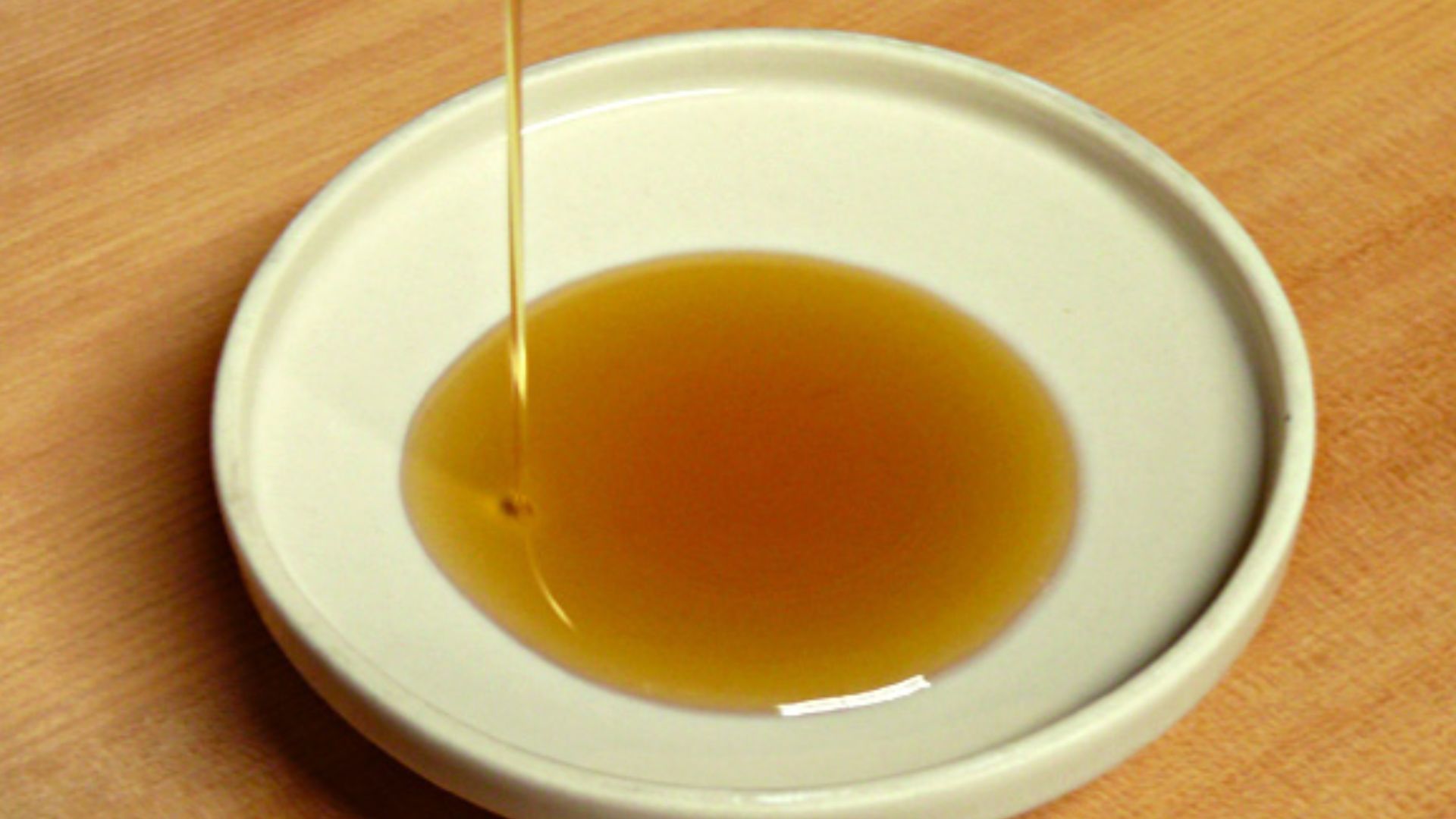
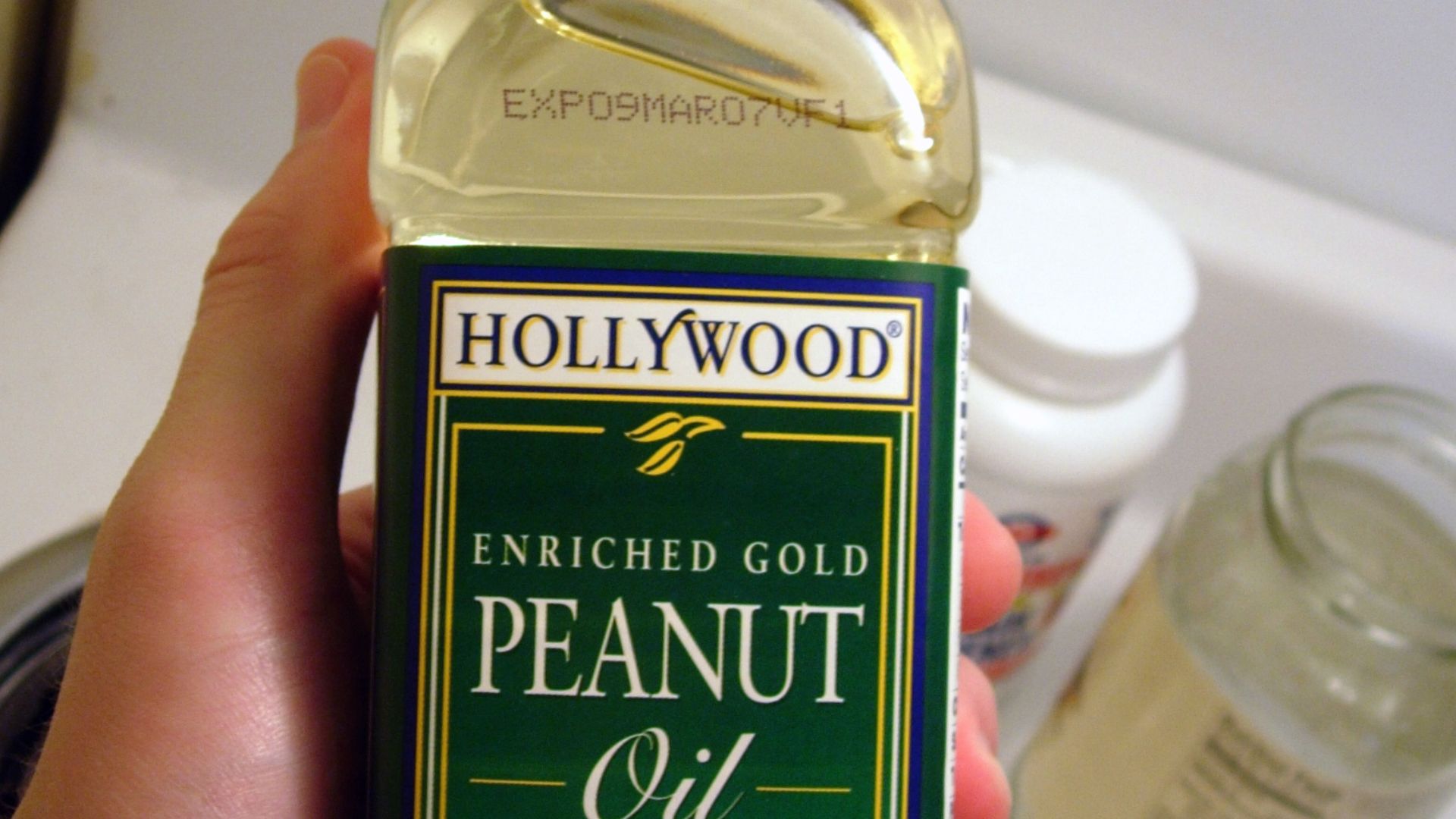
8. Peanut Oil
Peanut oil is stable even when heated at high temperatures. It’s also high in heart-healthy monounsaturated fats. Peanut oil is often considered easy to digest compared to other fat sources.
9. Grapeseed Oil
Grapeseed oil is fairly neutral in flavor. It’s light and works well in many situations where you want other flavors to stand out. In addition to monounsaturated fats, grapeseed oil provides vitamin E.

10. High-Oleic Sunflower Oil
Regular sunflower oil is high in polyunsaturated fats. High-oleic sunflower oil is higher in monounsaturated fats instead. This may make it a better choice for heart health. It’s also stable enough for roasting and sautéing.

11. High-Oleic Safflower Oil
Similar to high oleic sunflower oil, this oil provides heart-healthy monounsaturated fats. Instead of overwhelming your diet with omega-6 fatty acids, this oil cuts back on that type of fat. Use high oleic safflower oil in place of other cooking oils.

12. Macadamia Nut Oil
Macadamia nut oil is high in monounsaturated fats and low in polyunsaturated fats. This helps make macadamia nut oil more stable during cooking. Macadamia oil has a subtly rich flavor that many describe as indulgent.
13. Algae Oil
Algae oil is plant-based omega-3 fat that contains DHA and EPA. These types of fats are often associated with heart health. They’re found in fatty fish like salmon. If you don’t eat fish, algae oil may be a good alternative for you.
14. Fish Oil
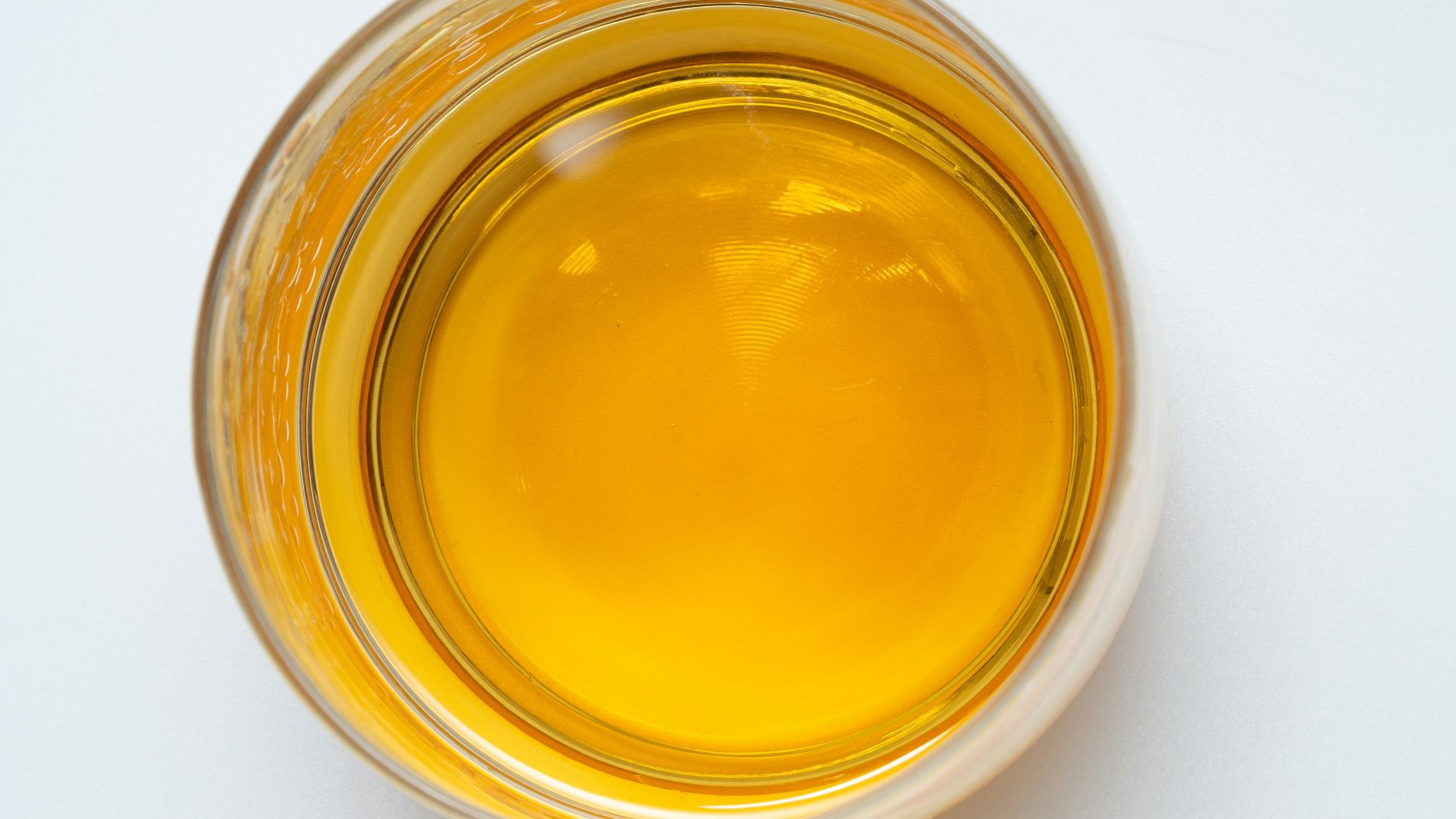
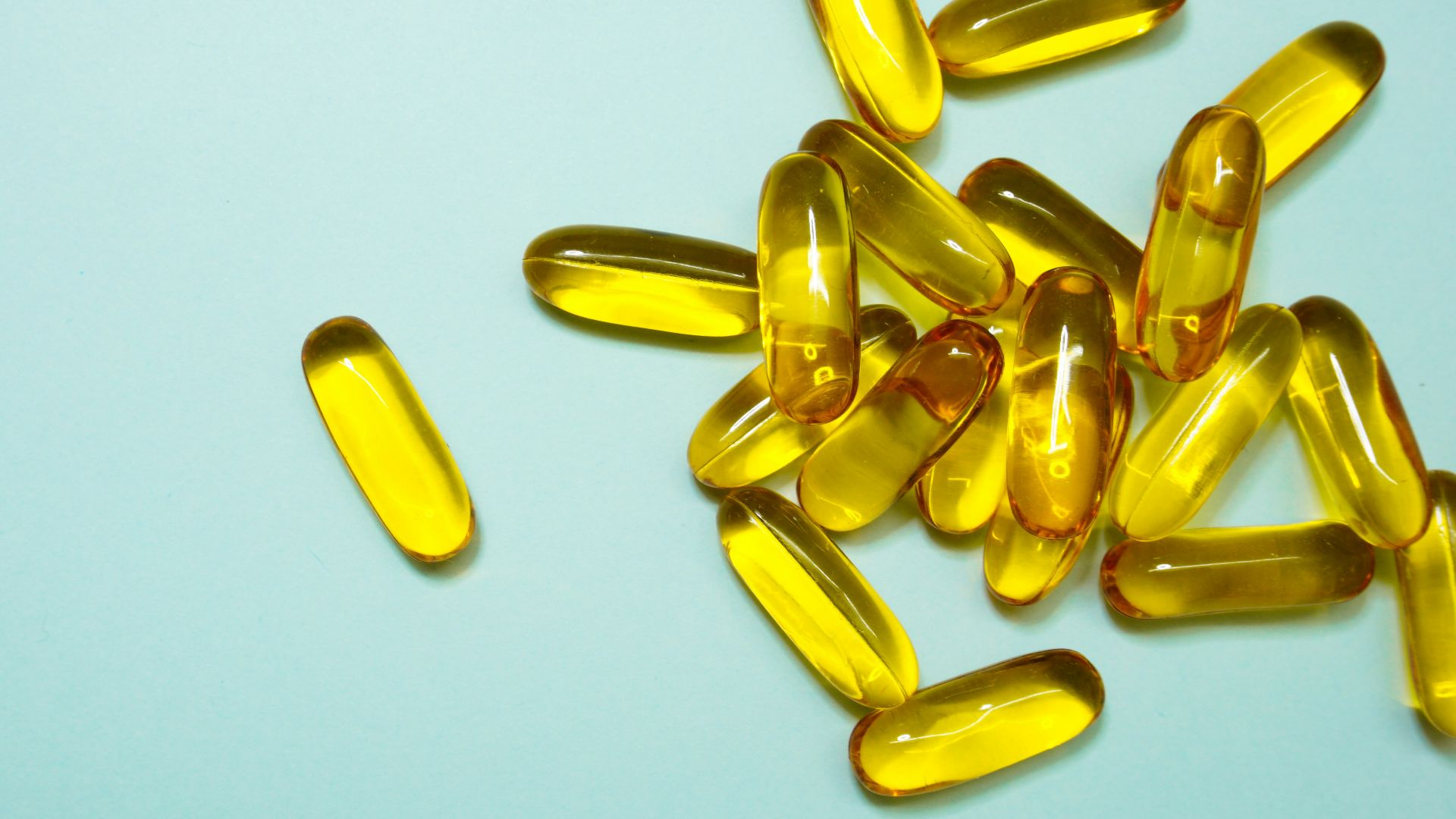
As you may have guessed, fish oil is extracted from fish. It provides omega-3 fats that may help support heart health. Consuming fish oil may also help keep your arteries clear and lower triglycerides. Fish oil is typically taken as a supplement in capsule form.
15. Avocados (Whole Fat Source)
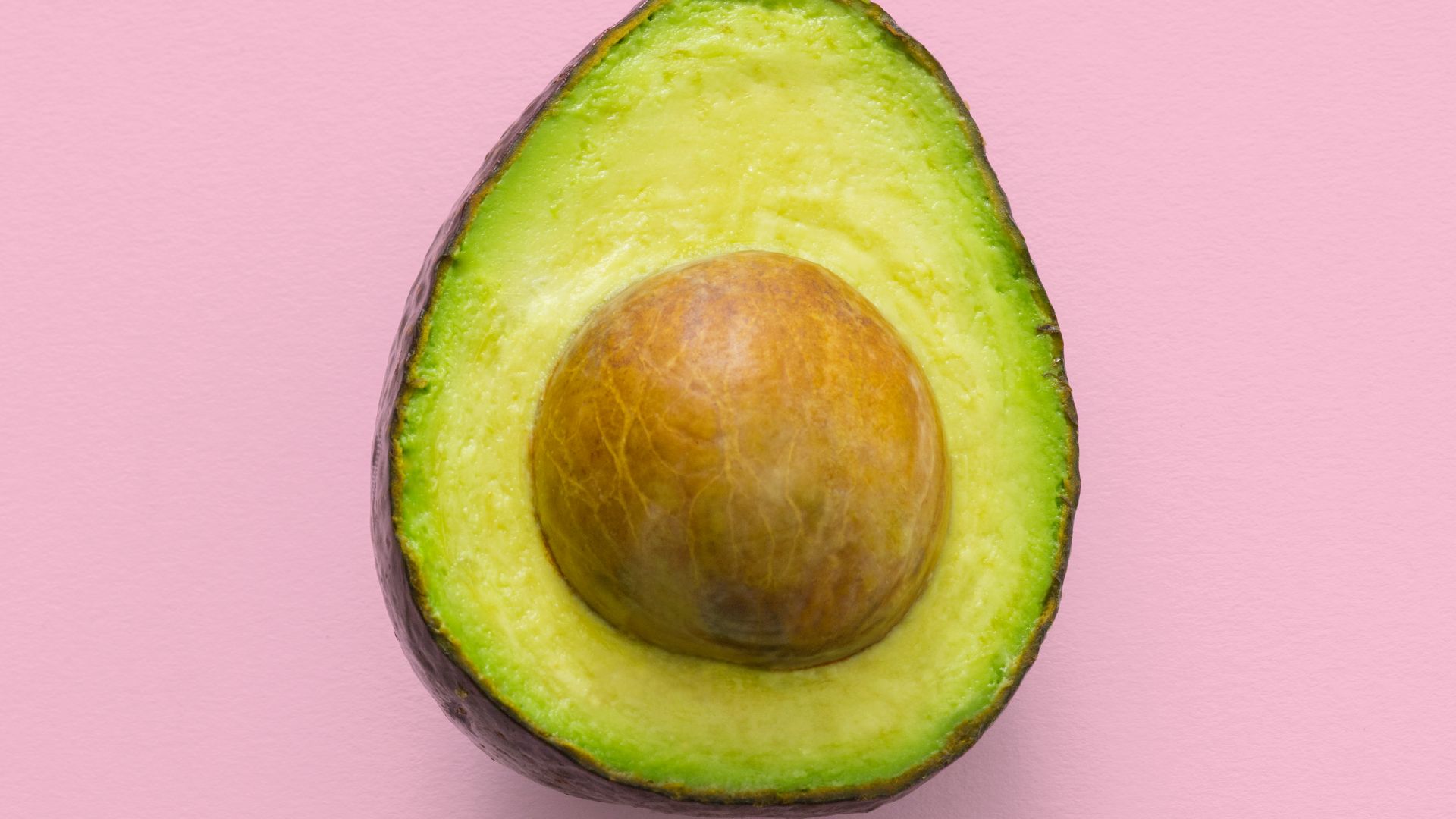
You don’t have to eat avocados purely as a fat source. They also contain fiber and potassium to help support your heart. Like nuts, eating avocado as part of a meal may help you feel satisfied.
16. Nuts and Nut Butters
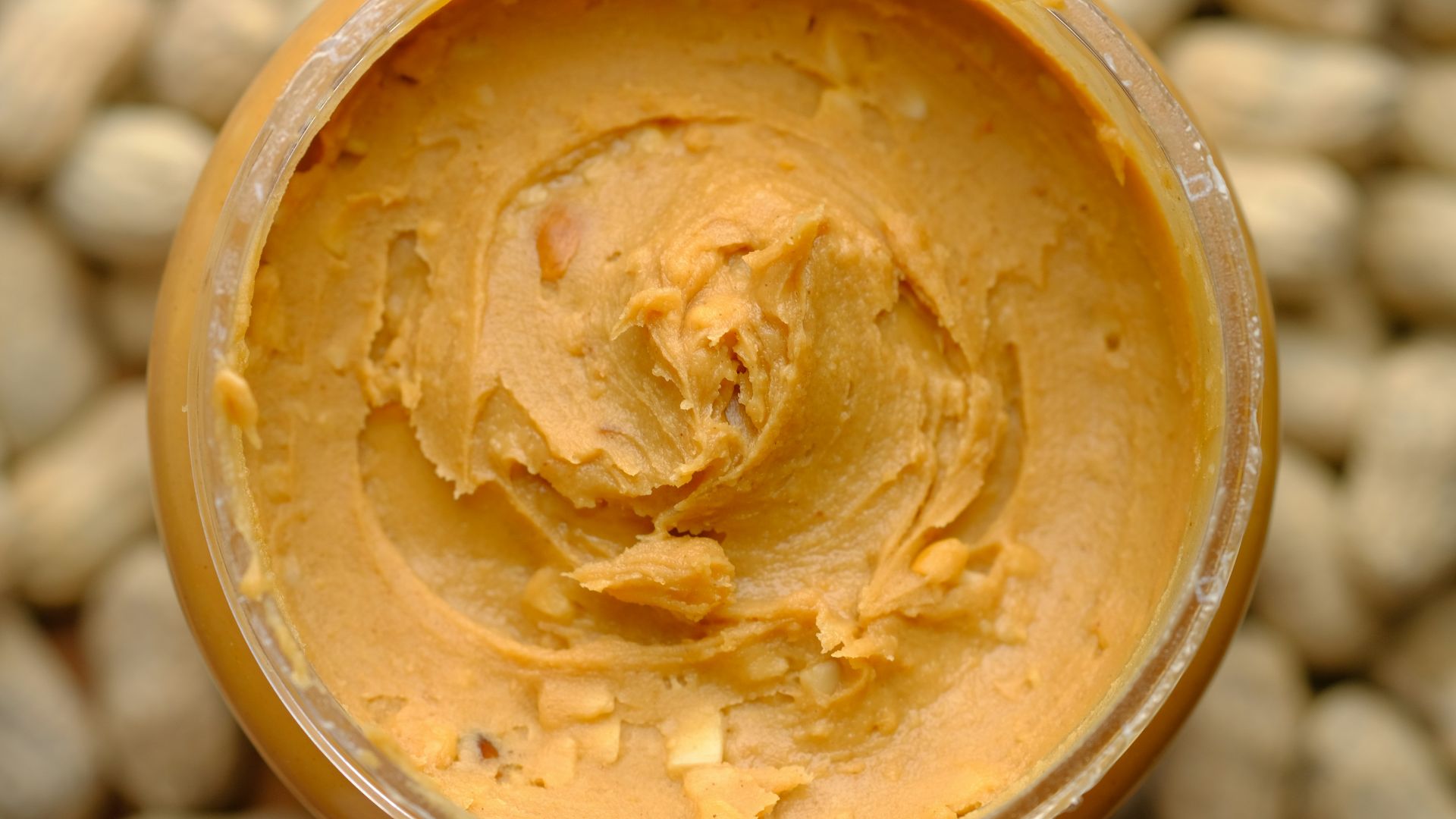
Similar to avocados, nuts provide heart-healthy fats along with protein and nutrients. There are many types of nuts to choose from, such as almonds, walnuts, and pistachios. Be mindful of your nut portions, as nuts are also high in calories.
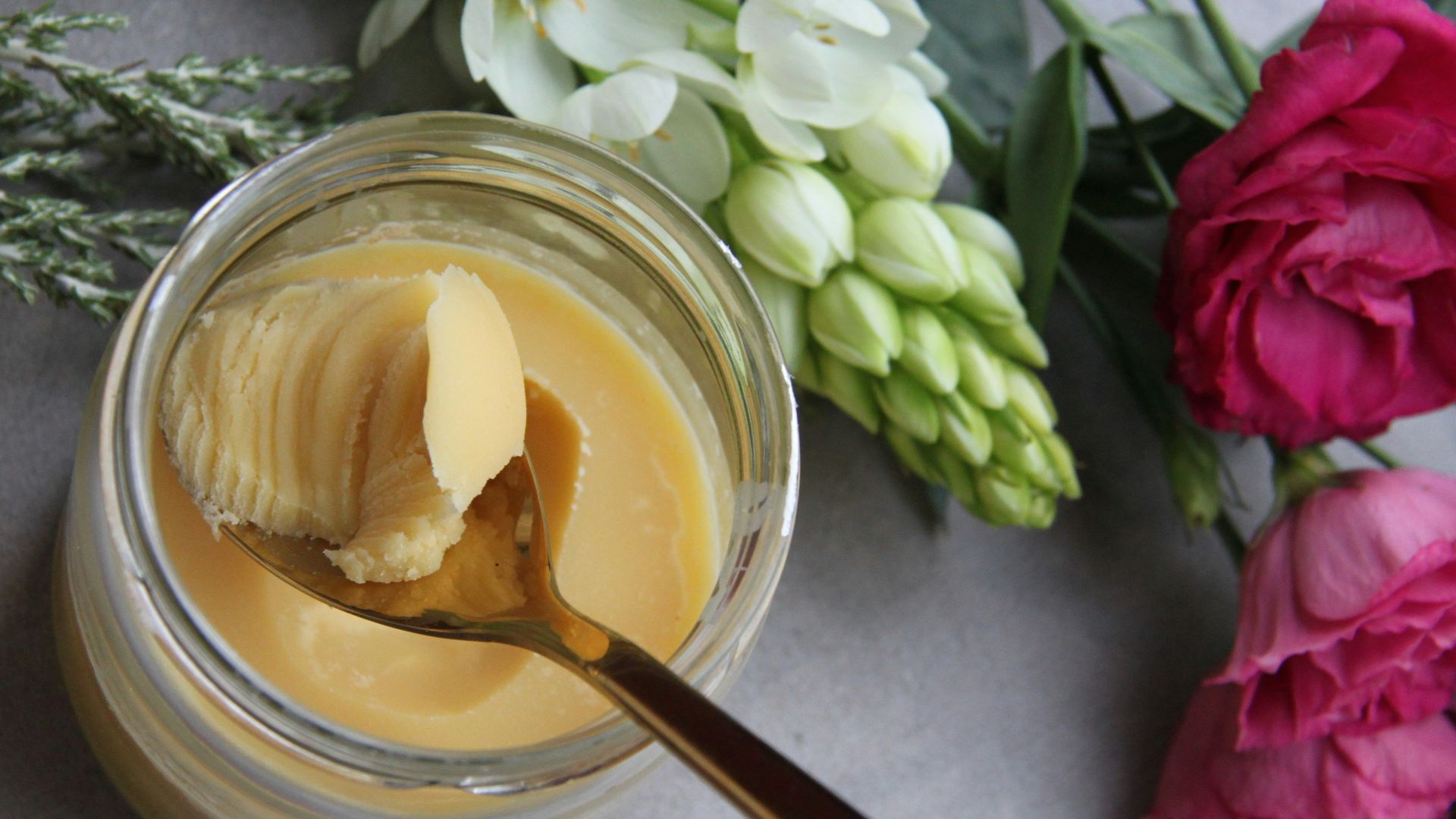
17. Ghee
You can think of ghee as clarified butter with the milk solids removed. That makes it easier for some people to digest. Ghee is high in saturated fat, so pay attention to your portion size if you choose to use it.
18. Grass-Fed Butter
Like ghee, grass-fed butter contains fat-soluble vitamins not found in dairy products from grain-fed cows. Grass-fed butter is still butter, so you shouldn’t consume it by the tub. A little goes a long way toward adding flavor to your food.

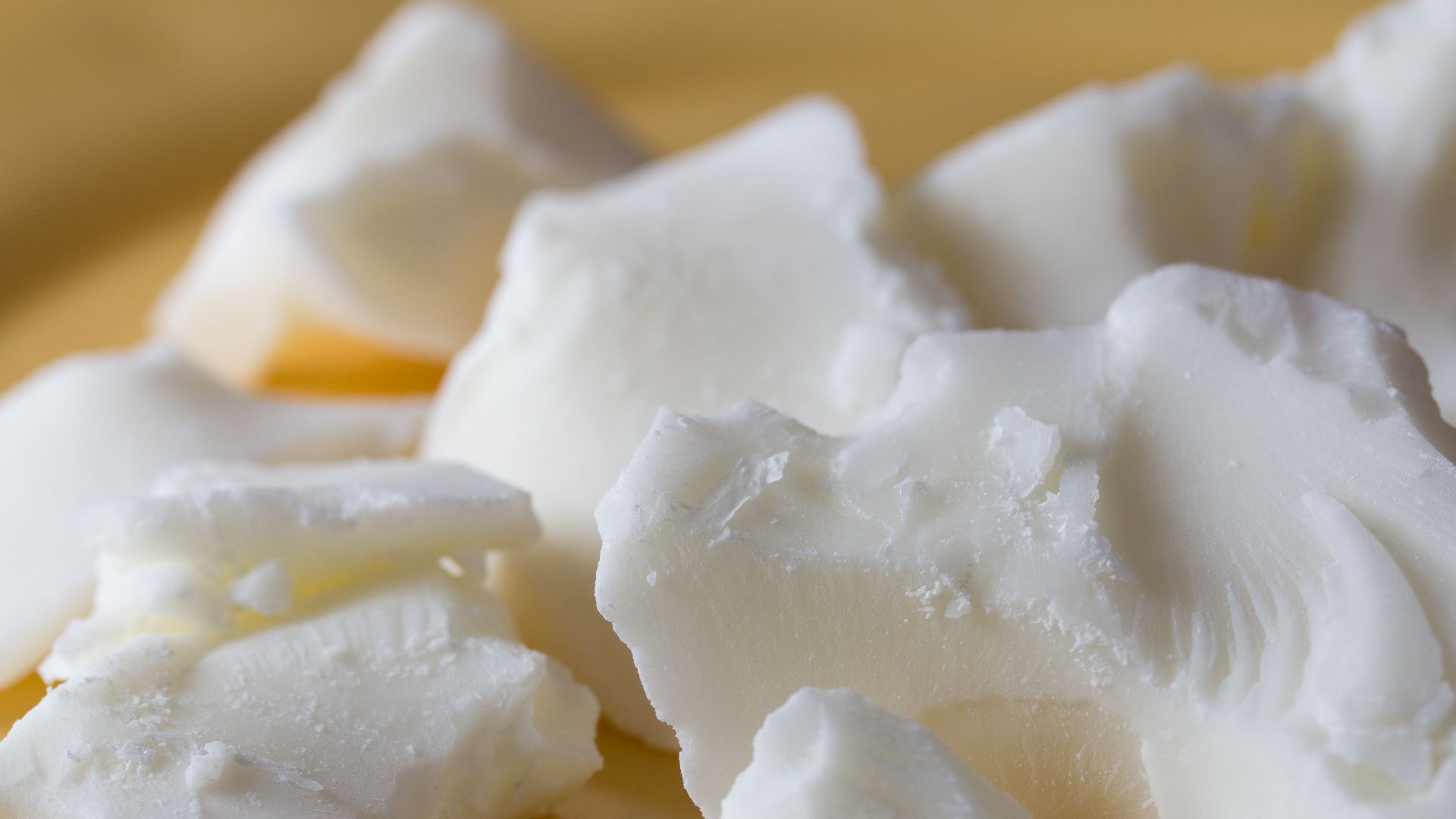
19. Coconut Oil
Coconut oil is high in saturated fats. Saturated fats should be used sparingly as part of a healthy diet. Some people like using coconut oil because it tastes good and has a high smoke point. Just be sure to use coconut oil in small amounts.
 Veganbaking.net from USA on Wikimedia
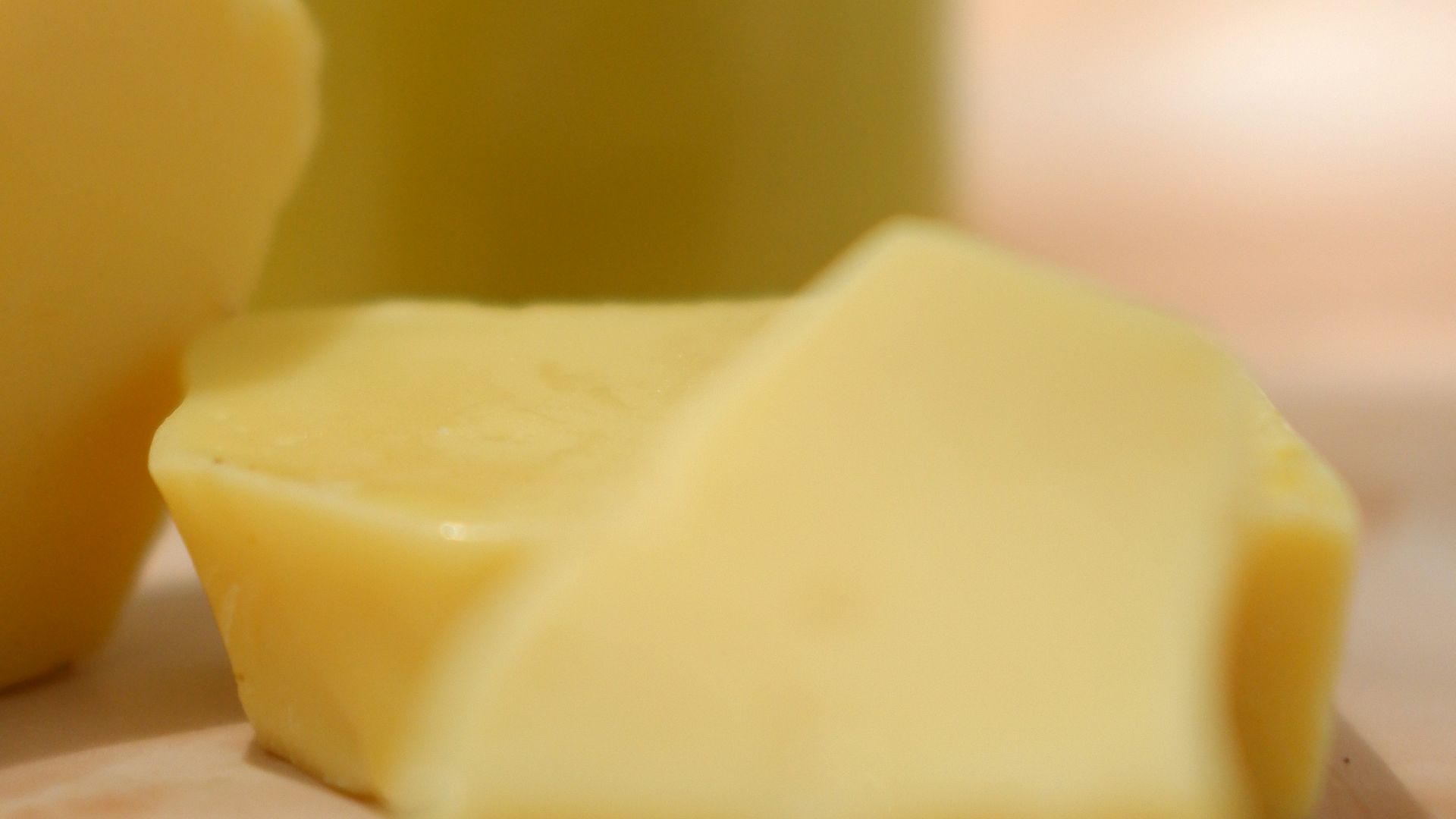
20. Cocoa Butter
Cocoa butter contains a type of saturated fat known as stearic acid. Studies have shown that stearic acid doesn’t increase cholesterol like other fats can. Eat cocoa butter by enjoying dark chocolate, but pay attention to your portion size.
KEEP ON READING



20 Ways To Get Your Vitamins And Minerals

20 Ways Doing Less Can Actually Improve Your Health