
Some Are Legit Concerns, Others Not
The internet loves a clean villain, especially on a food label. One alarming thread, one before-and-after video, and suddenly an ingredient goes from “common” to “absolutely never” in the span of a scroll. Some of that caution is earned, because regulation is uneven, marketing gets slippery, and certain people genuinely react badly to specific additives. A lot of it, though, is fear traveling faster than context, with “dose,” “diet pattern,” and “individual tolerance” tossed out the window. Here are 20 ingredients people avoid because of internet scares, and why those scares catch so easily.

1. MSG
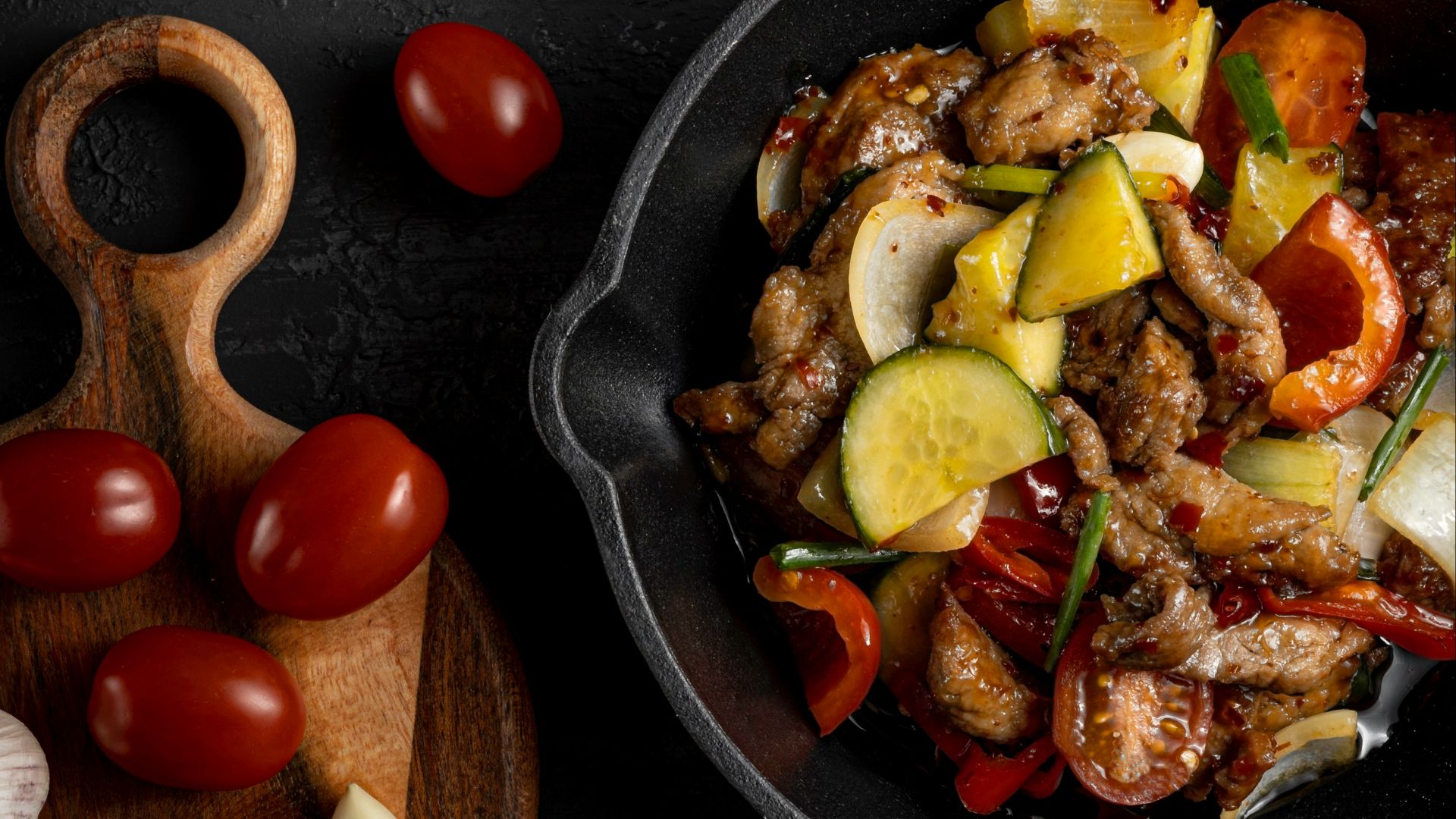
MSG got branded as a mysterious danger for decades, even though glutamate also shows up naturally in foods like tomatoes and aged cheese. Some people still swear it bothers them, but online panic often treats it like a universally toxic shortcut instead of a flavor enhancer.
2. Seed Oils
Seed oils get cast as the root of modern inflammation, which is a satisfyingly simple story for a messy topic. The scare usually skips over the bigger variables, like ultra-processed diets and what those oils replaced. “Throw them out” spreads faster than nuance ever will.

3. High-Fructose Corn Syrup
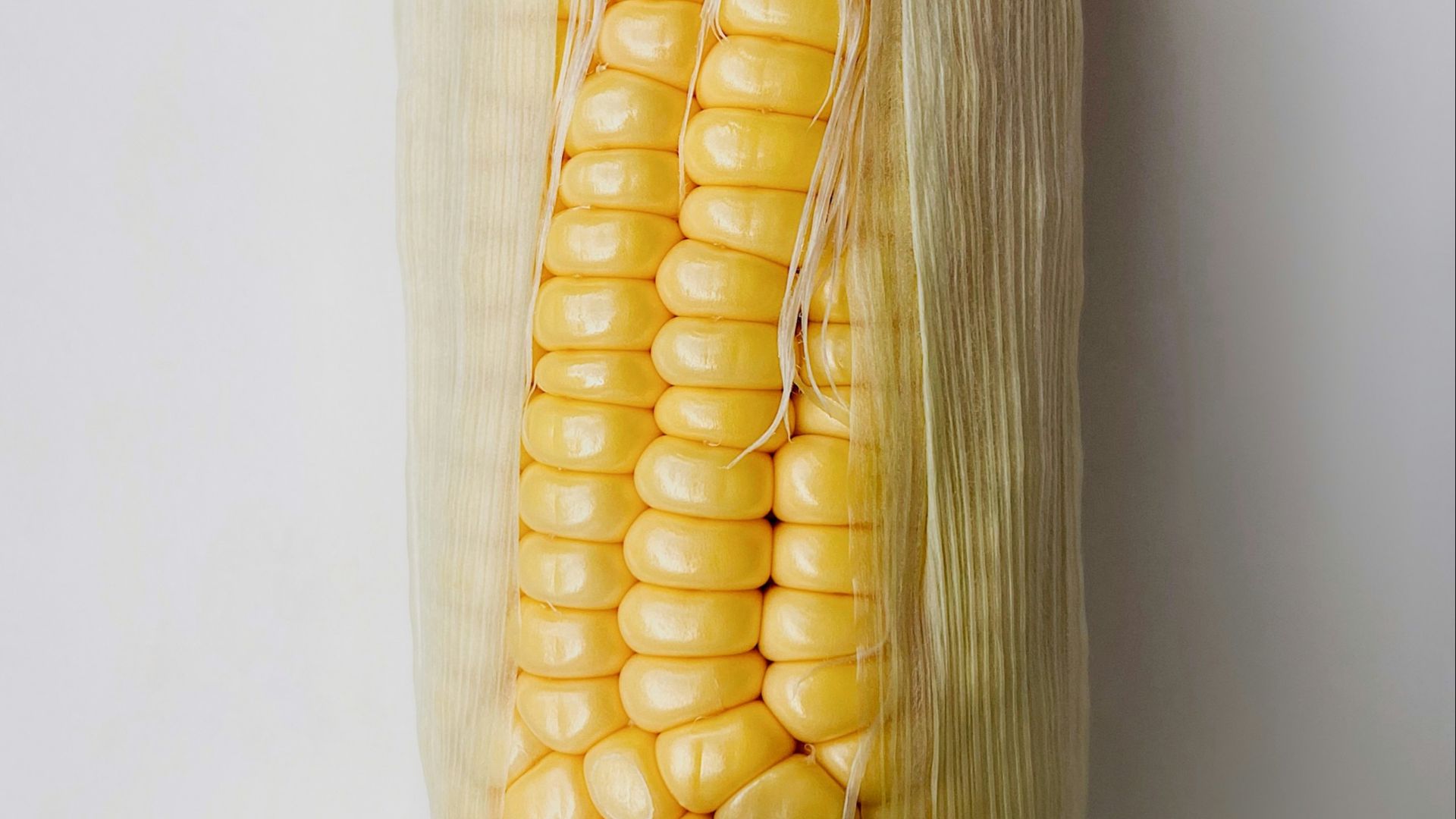
HFCS became a symbol for “industrial food,” so people avoid it on sight. In many foods it’s just another added sugar, and the larger issue is the overall amount of added sugar people end up eating. The label triggers distrust more than chemistry.
4. Aspartame
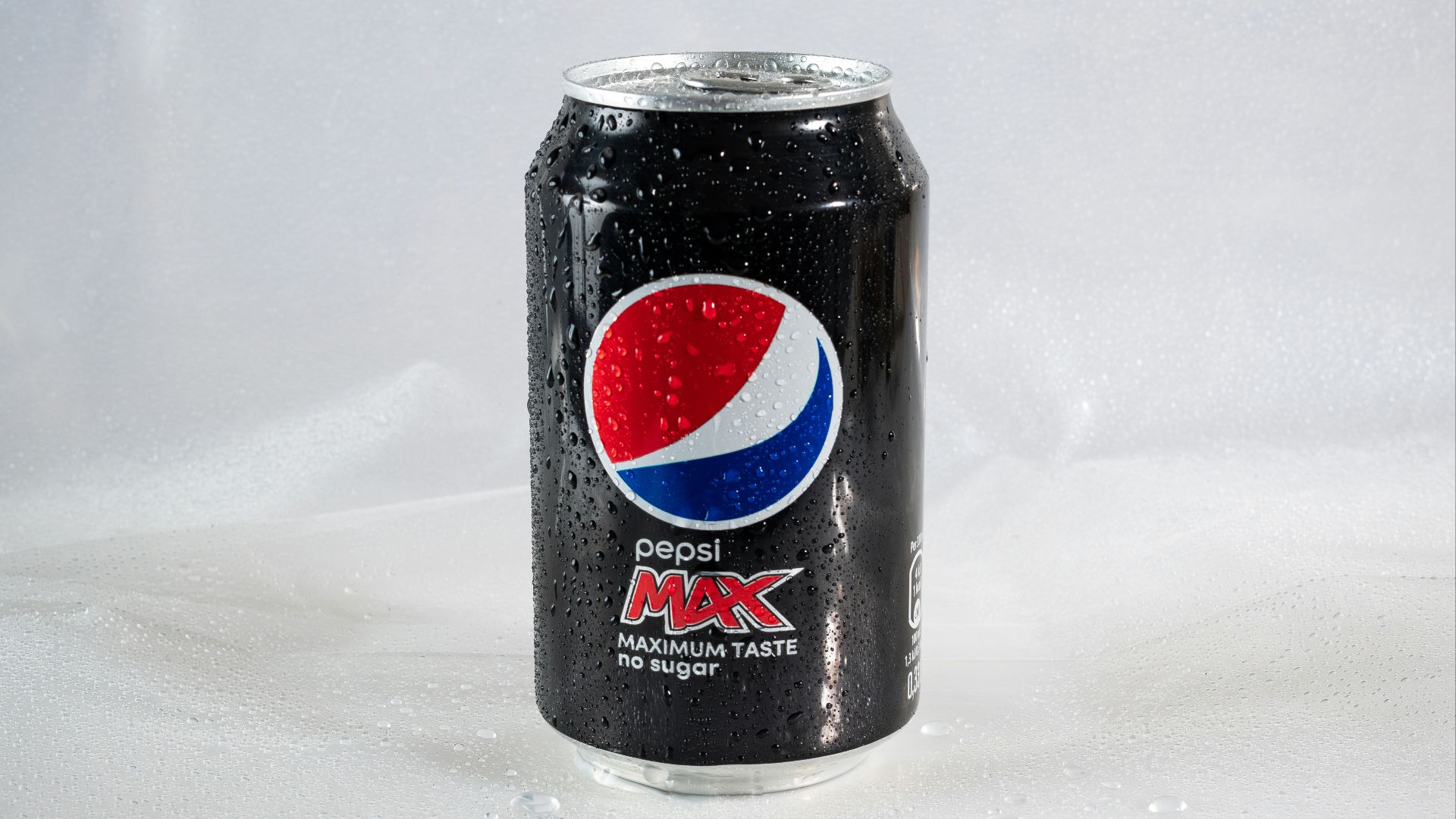
Aspartame headlines tend to jump straight to worst-case interpretations, especially when “possibly carcinogenic” gets repeated without context. Some people avoid it because they don’t like the taste, others because they don’t trust the uncertainty. Either way, it’s become a magnet for absolutist takes.
5. Sucralose
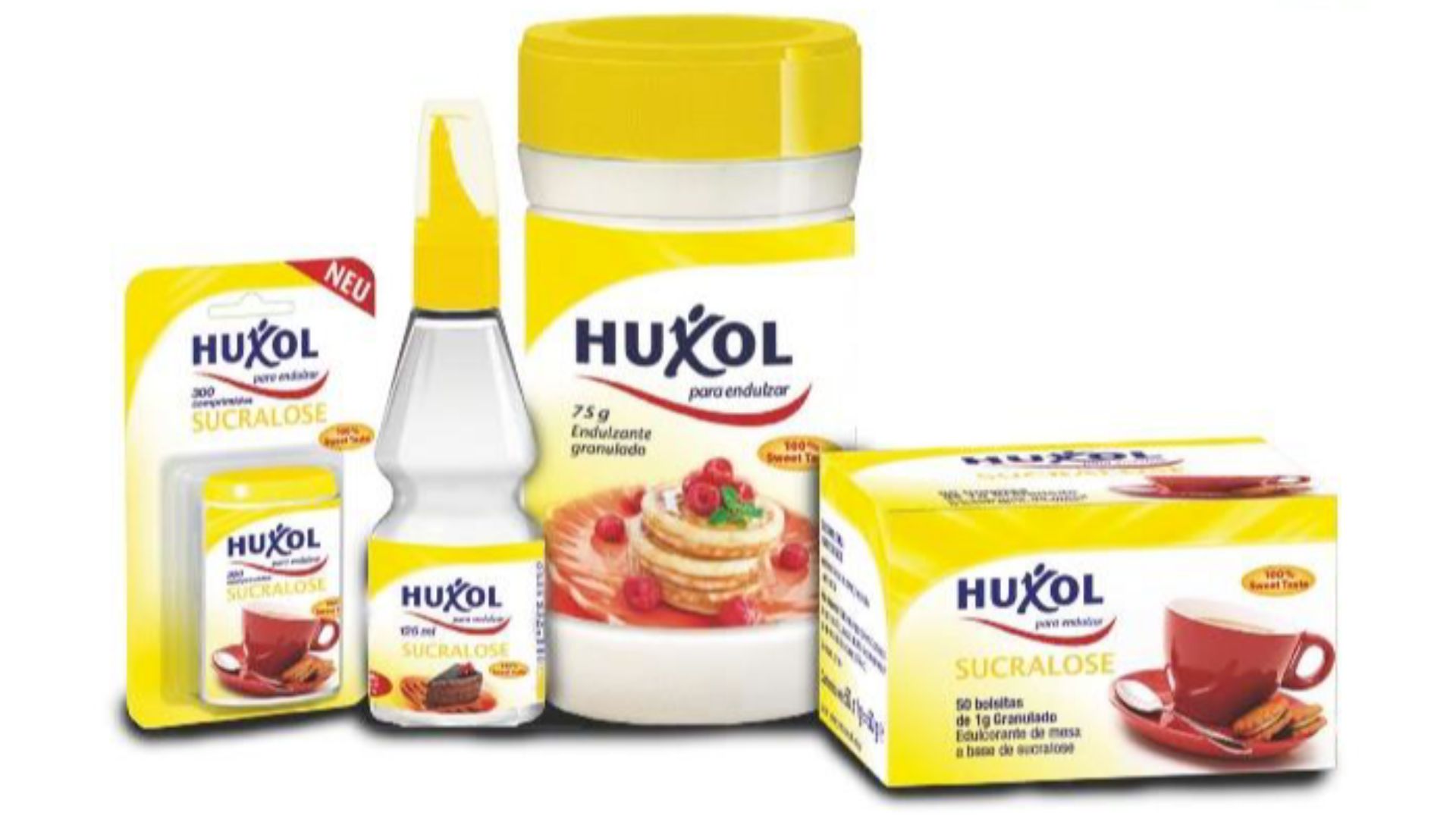
Sucralose gets described online like it’s a lab prank that escaped into the beverage aisle. Gut-health worries and anecdotal stories travel fast, particularly when someone already feels off and wants one clear culprit. The ingredient ends up guilty by association with “artificial.”
6. Carrageenan
Carrageenan, made from red seaweed, gets framed as an inflammatory additive, especially in plant milks. The arguments often depend on form and amount, and that’s exactly the kind of detail the internet hates. If someone has a sensitive stomach, “avoid it” can feel safer than “maybe.”
 State Library of New South Wales on Wikimedia
7. Xanthan Gum
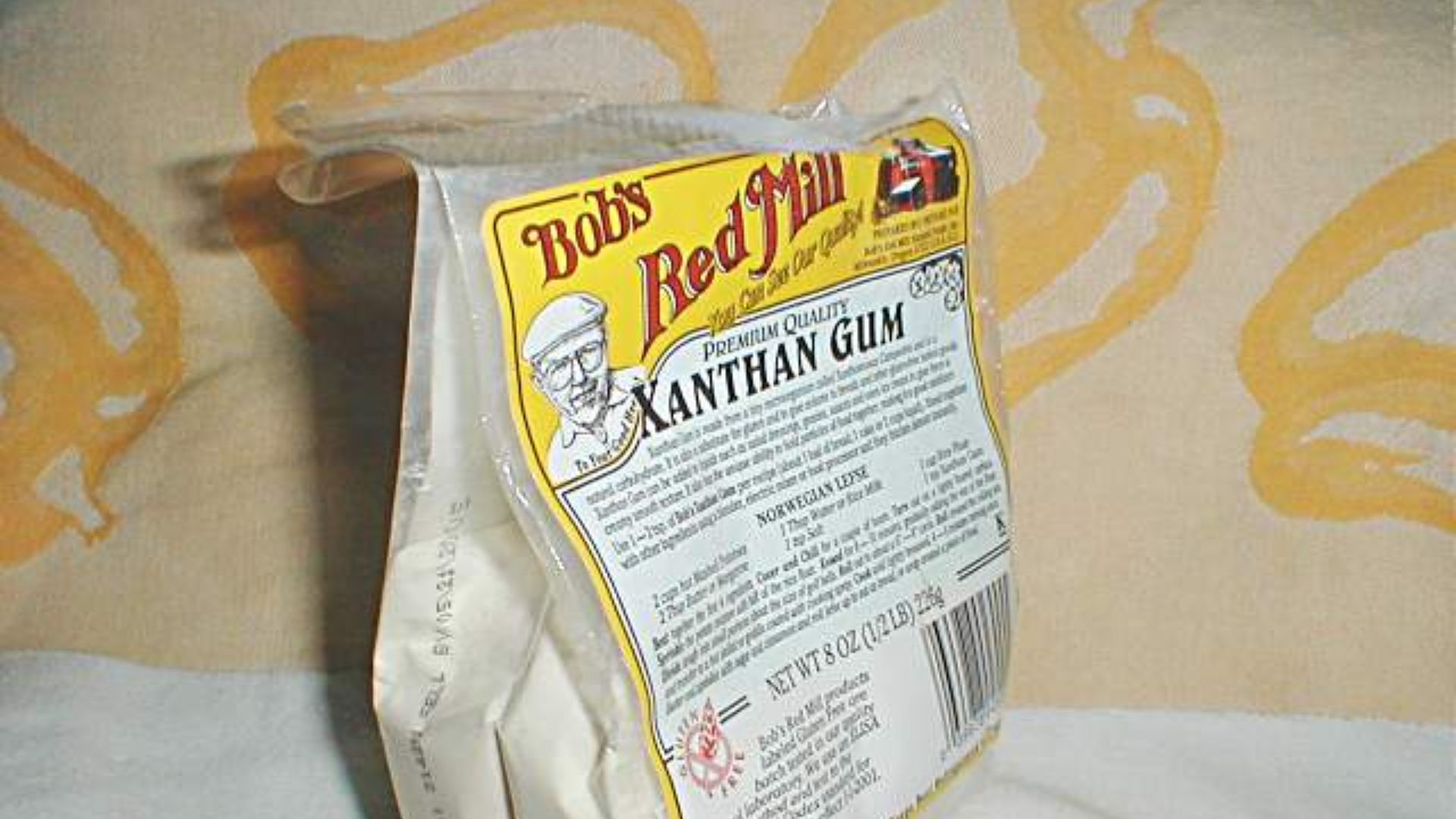
Xanthan gum keeps sauces silky and keeps alternative milks from separating, which is why it’s everywhere. Some people report bloating from gums and thickeners, and that personal experience becomes a universal warning online. It’s a stabilizer with a surprisingly dramatic reputation.
 The original uploader was Duk at English Wikibooks. on Wikimedia
8. Sodium Benzoate
Sodium benzoate scares often revolve around the word “preservative,” which already sounds suspicious. Discussions about benzene formation under specific conditions get flattened into “this turns into benzene,” full stop. Once that idea lands, the ingredient feels impossible to unsee.
9. Red Dye No. 40
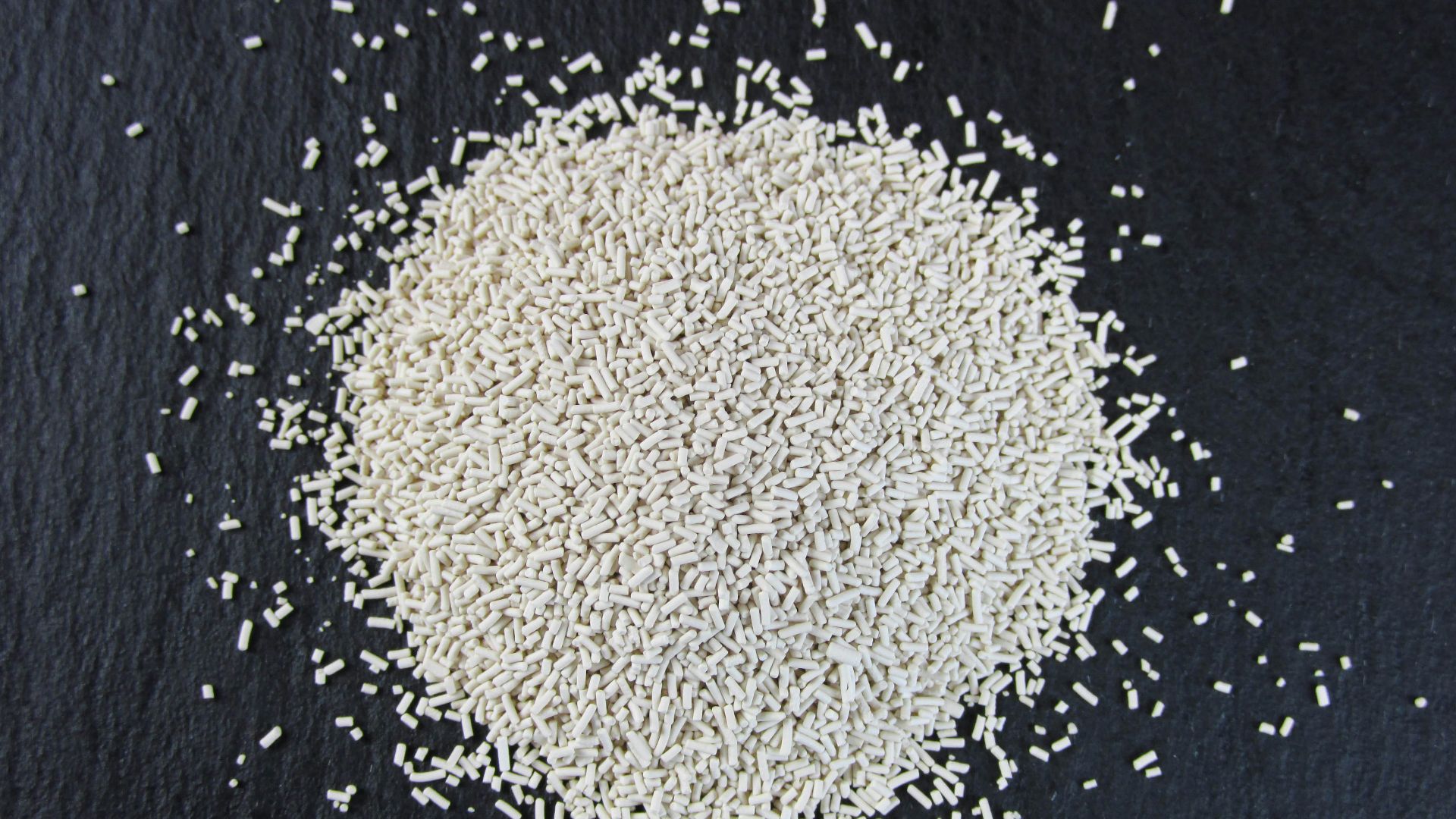
Red 40 gets linked to hyperactivity, “behavior issues,” and general kids-food dread, especially when paired with neon snacks. Research and regulations vary by country, which fuels the sense that someone is hiding something. Many people opt out simply because the color feels unnecessary.
10. Titanium Dioxide
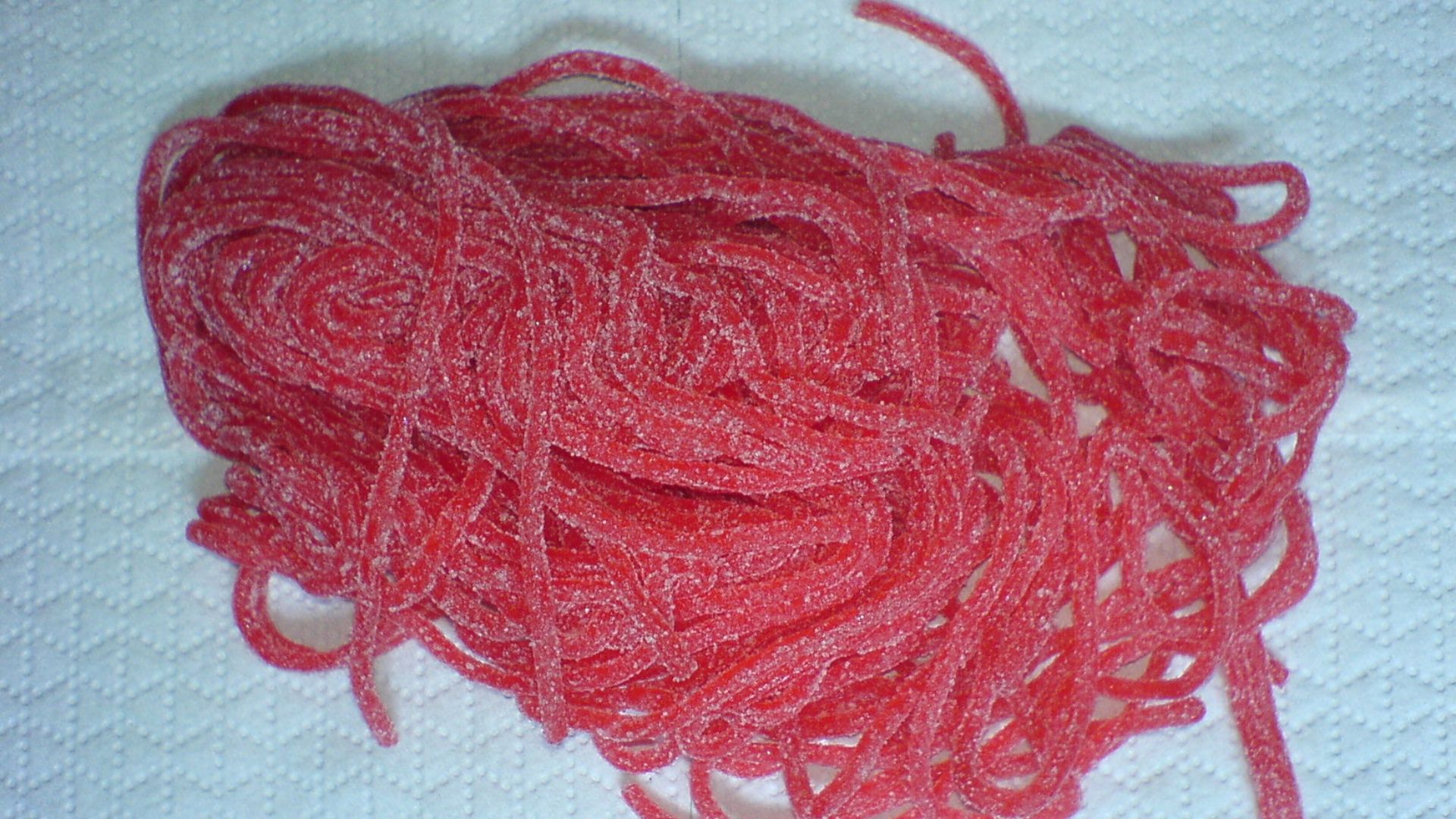
Titanium dioxide became a lightning rod after high-profile restrictions in parts of Europe, and “banned” became the only word anyone remembered. It’s often used to whiten foods and supplements, which makes people wonder why it’s there in the first place. Cosmetics-for-food is an easy scare.
11. Potassium Bromate
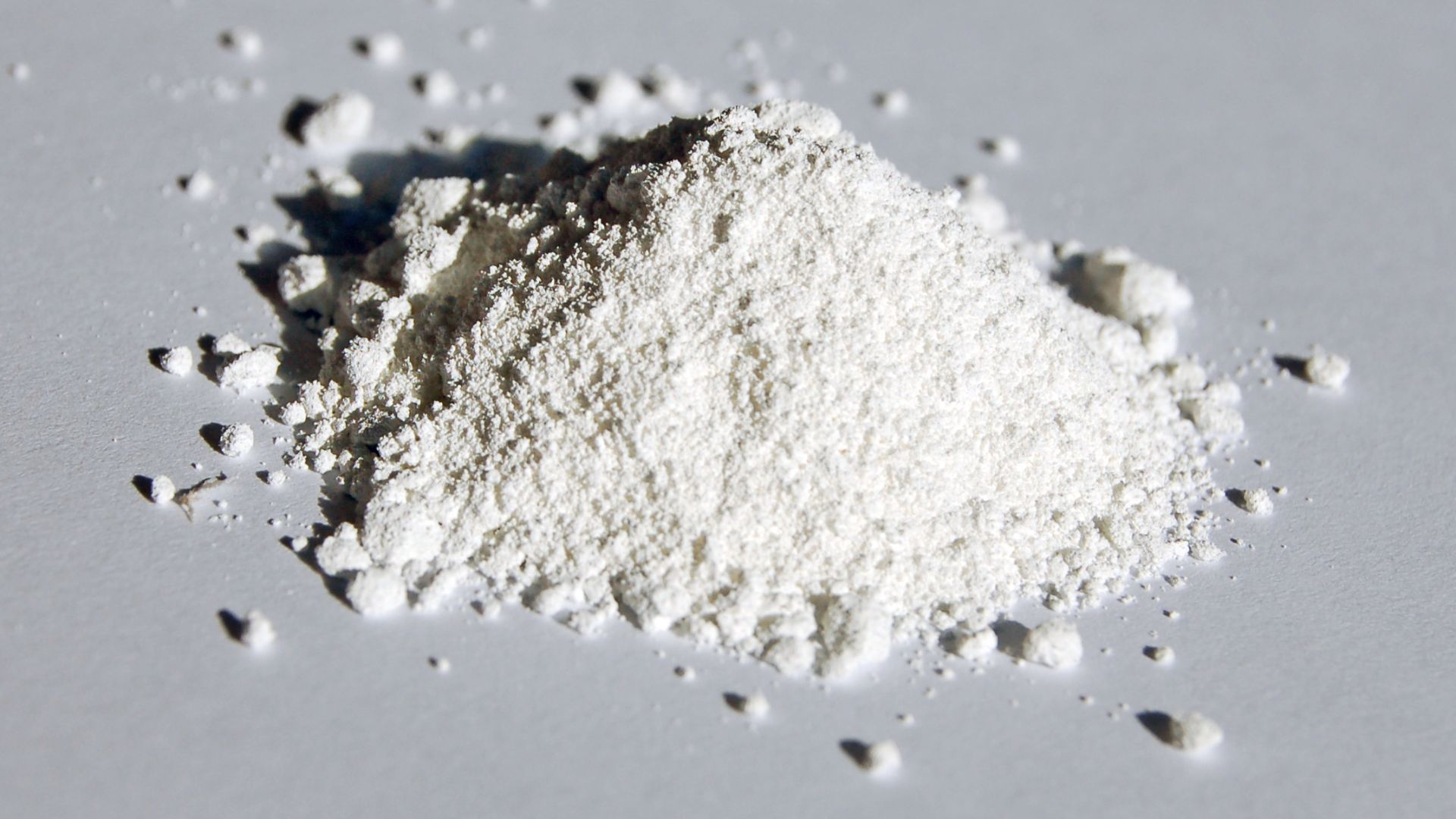
Potassium bromate shows up in bread talk as a “why is this still allowed” ingredient, and that debate has been alive for years. International differences make it feel like a policy scandal, even if most shoppers don’t track the details. Once an ingredient gets the “banned elsewhere” aura, it sticks.
12. “Natural Flavors”
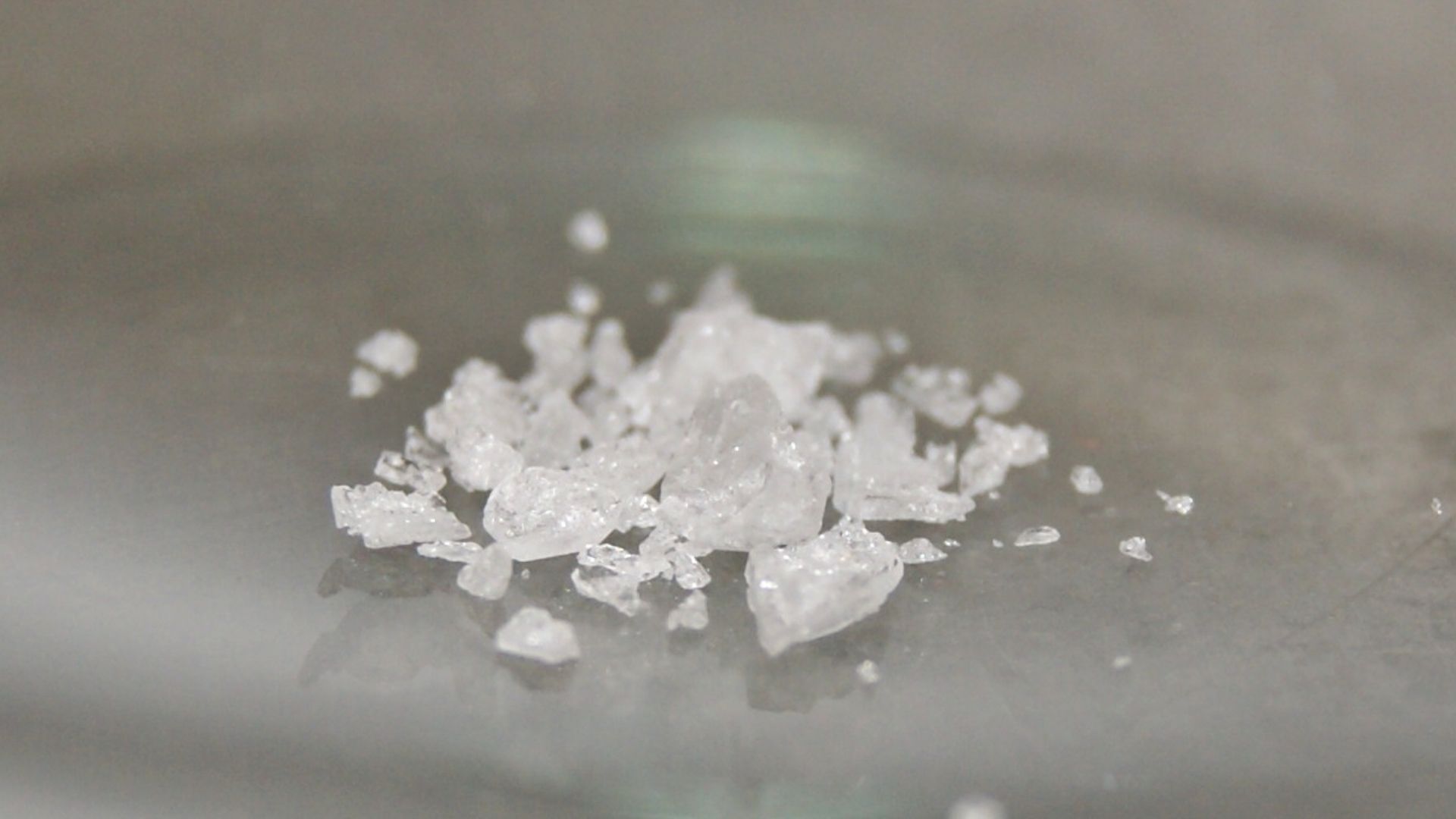
“Natural flavors” sounds reassuring until you realize it can mean a lot and reveal almost nothing. The vagueness reads like a loophole, and loopholes read like manipulation. People avoid it because they want transparency, not because they can taste danger.
13. Soy
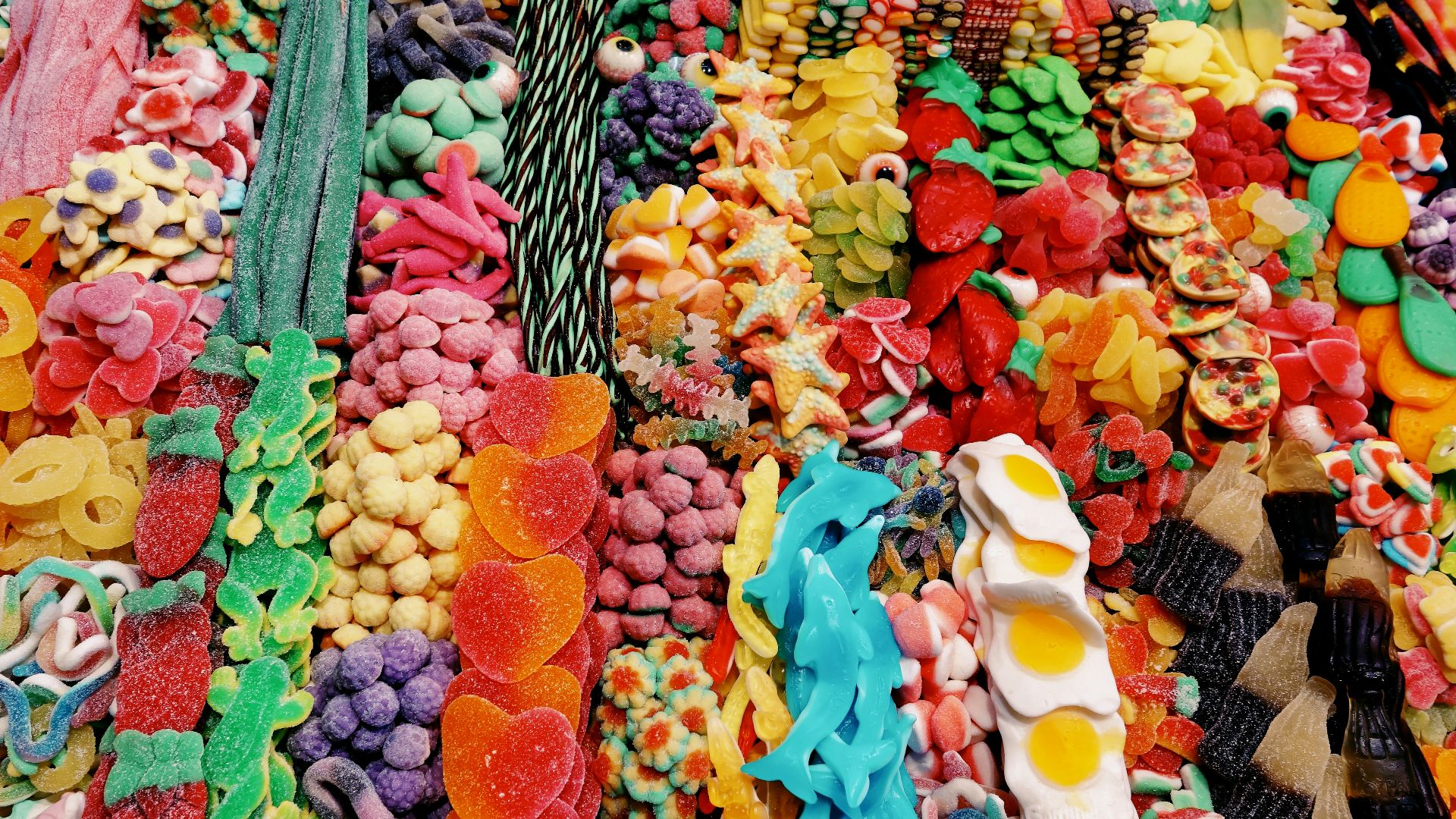
Soy panic is one of the internet’s longest-running franchises, usually dressed up as hormone fear. Meanwhile, tofu, miso, tempeh, and soy milk have been everyday foods across huge parts of the world for generations. The scare survives because it’s culturally charged, not because it’s neatly proven.
14. Gluten
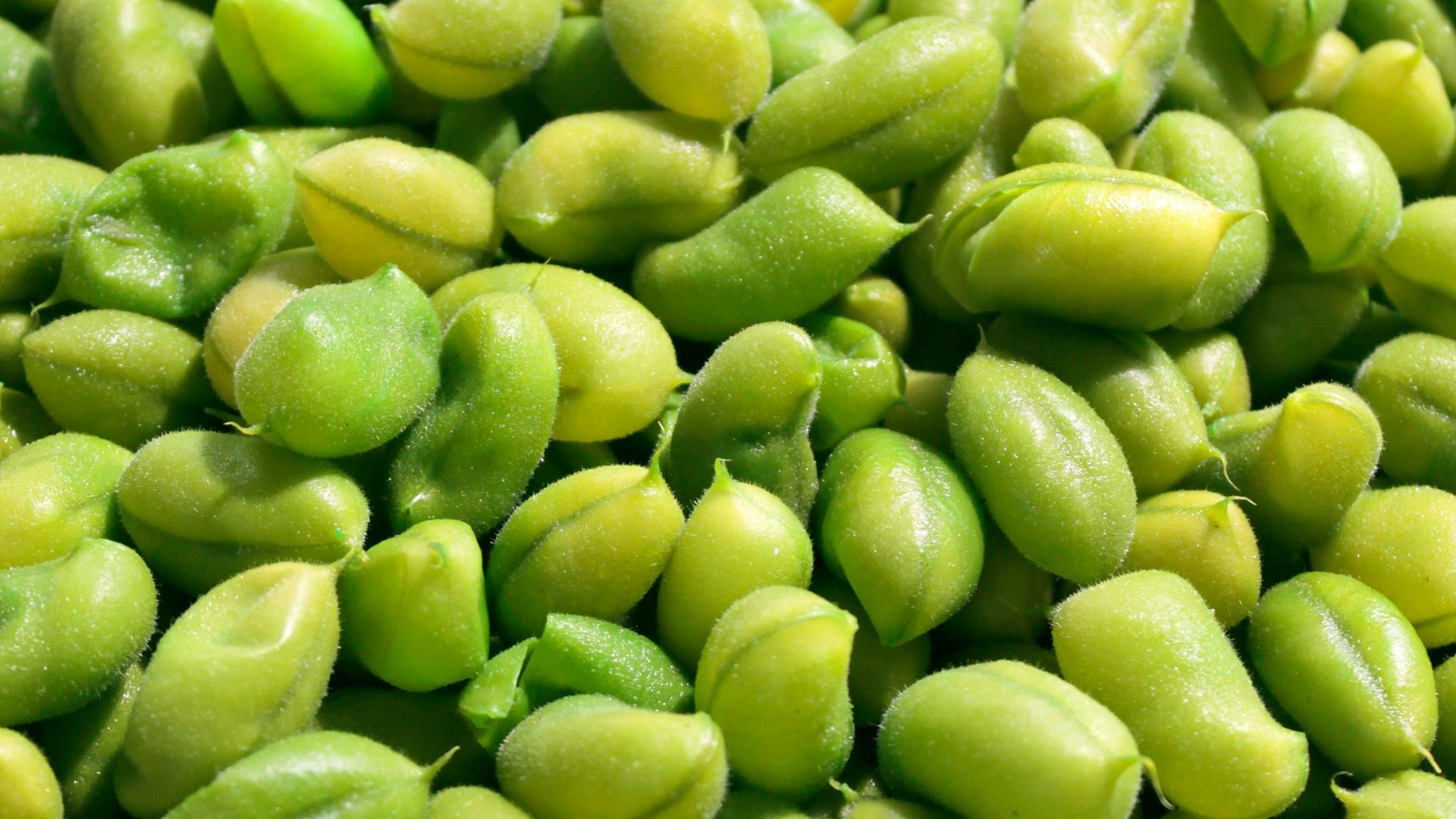
Gluten-free became a lifestyle far beyond the people who medically need it, because “cutting gluten” feels like taking control. Celiac disease is real and serious, and some others feel better avoiding gluten for their own reasons. Online, though, gluten often gets treated like a universal toxin with a villain’s cape.
15. Lactose
Lactose avoidance sometimes gets framed as proof that dairy is inherently “bad,” rather than a normal difference in human digestion. Lactose intolerance is common worldwide, and people often feel immediate relief when they stop forcing a food that doesn’t agree with them. The internet turns that into a sweeping rule.

16. Palm Oil
Palm oil fear mixes health talk with environmental outrage, which makes it especially sticky. A lot of avoidance is about deforestation and supply chains, not personal wellness, even if the posts pretend it’s all about your body. Once morality enters the chat, labels become battlegrounds.

17. BHA And BHT
BHA and BHT sound like industrial parts, so people assume they belong nowhere near breakfast cereal. Animal-study headlines travel faster than dose context, and the ingredient names do not help their public image. Many people avoid them because the benefit feels vague and the fear feels concrete.
18. Nitrates And Nitrites
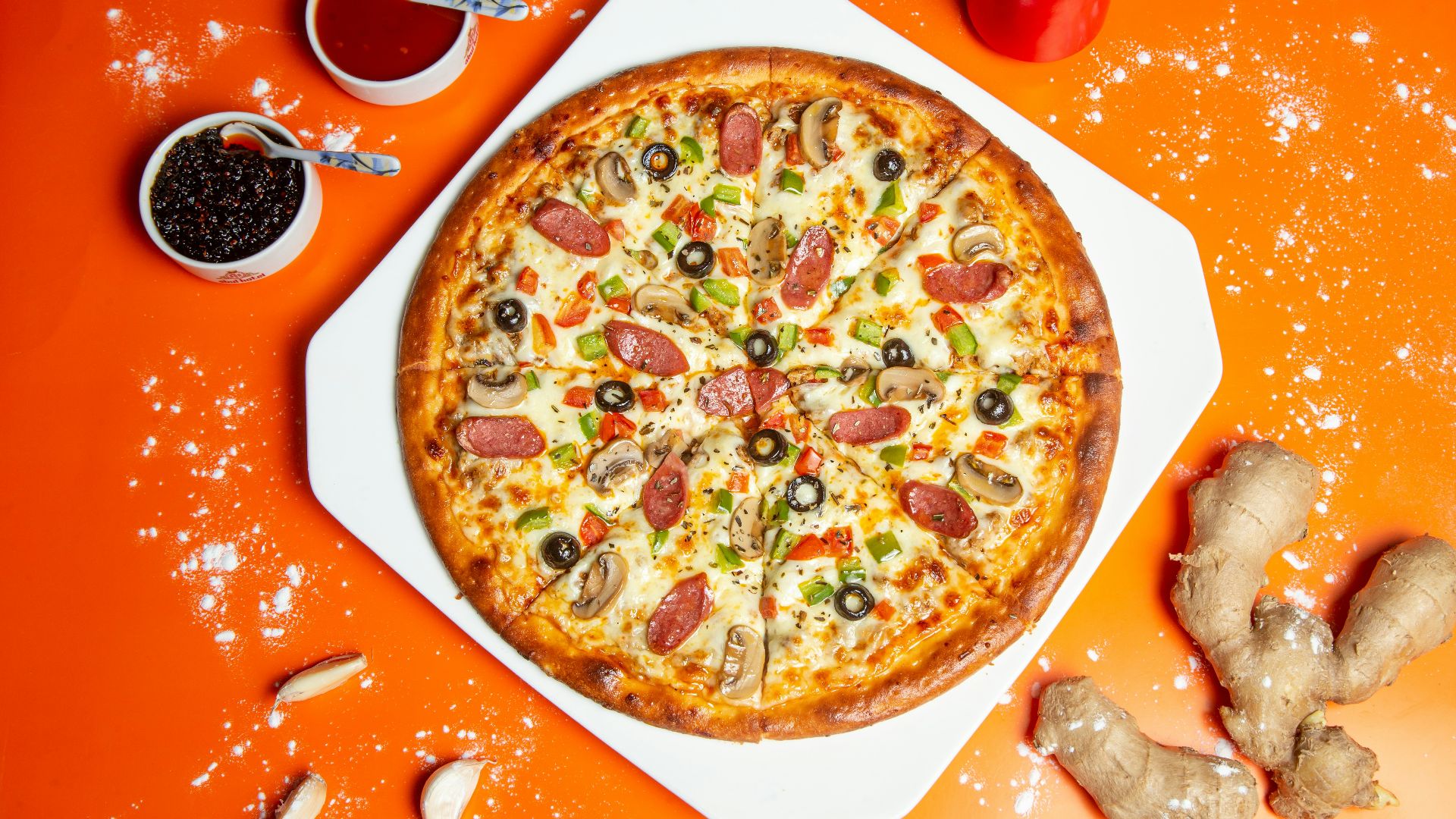
Nitrates and nitrites in cured meats get discussed alongside cancer risk and “processed meat” warnings, which gives the concern more substance than many viral scares. Online, it still gets oversimplified into chemical panic rather than a broader dietary pattern issue. People often respond by cutting back on cured meats entirely.

19. Sodium
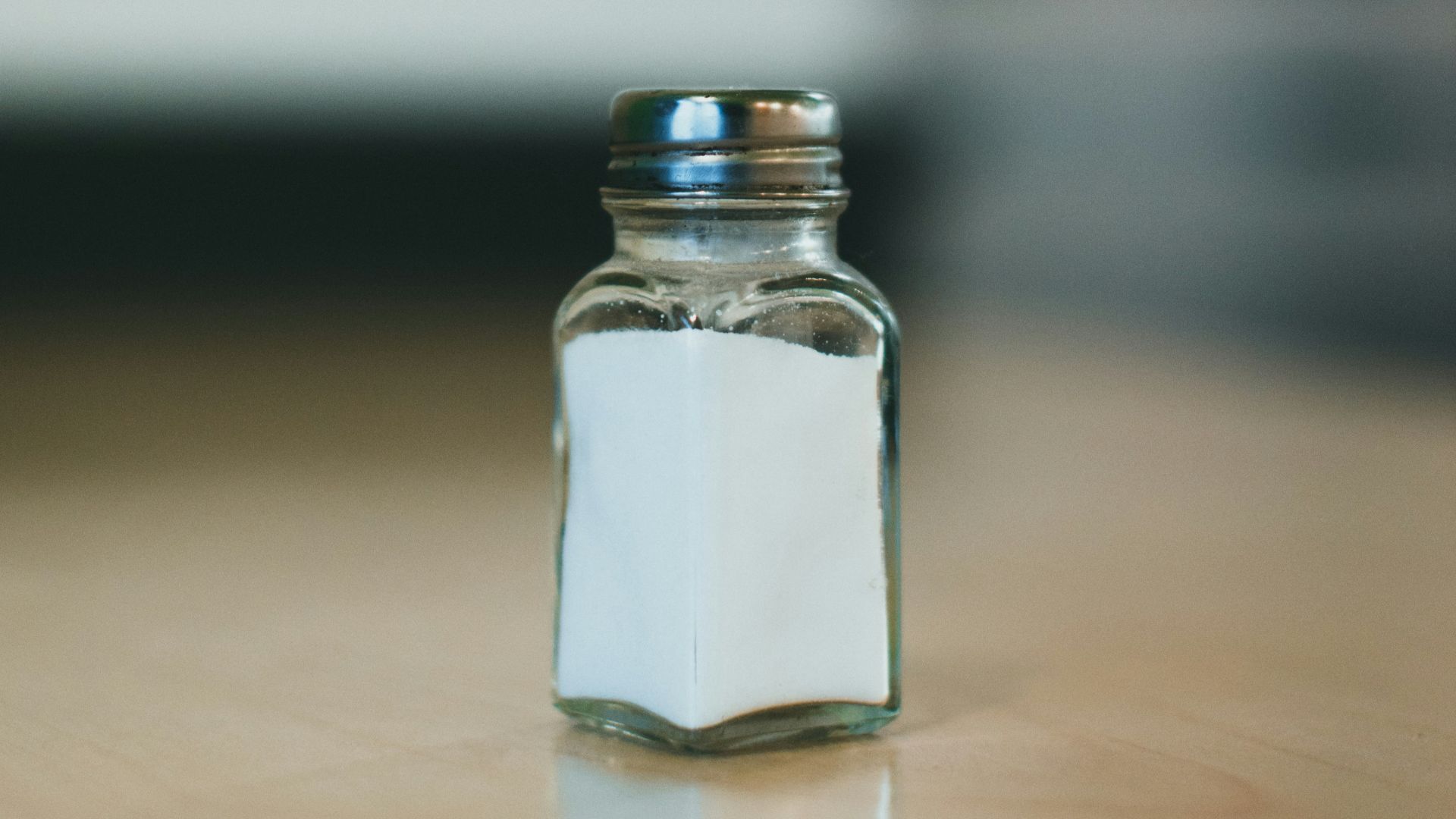
Salt fear has swung wildly over the years, from “avoid at all costs” to “add electrolytes to everything.” Sodium matters for blood pressure in many people, yet needs vary, and one-size rules can backfire. The internet prefers one villain, not individualized biology.
20. Citric Acid
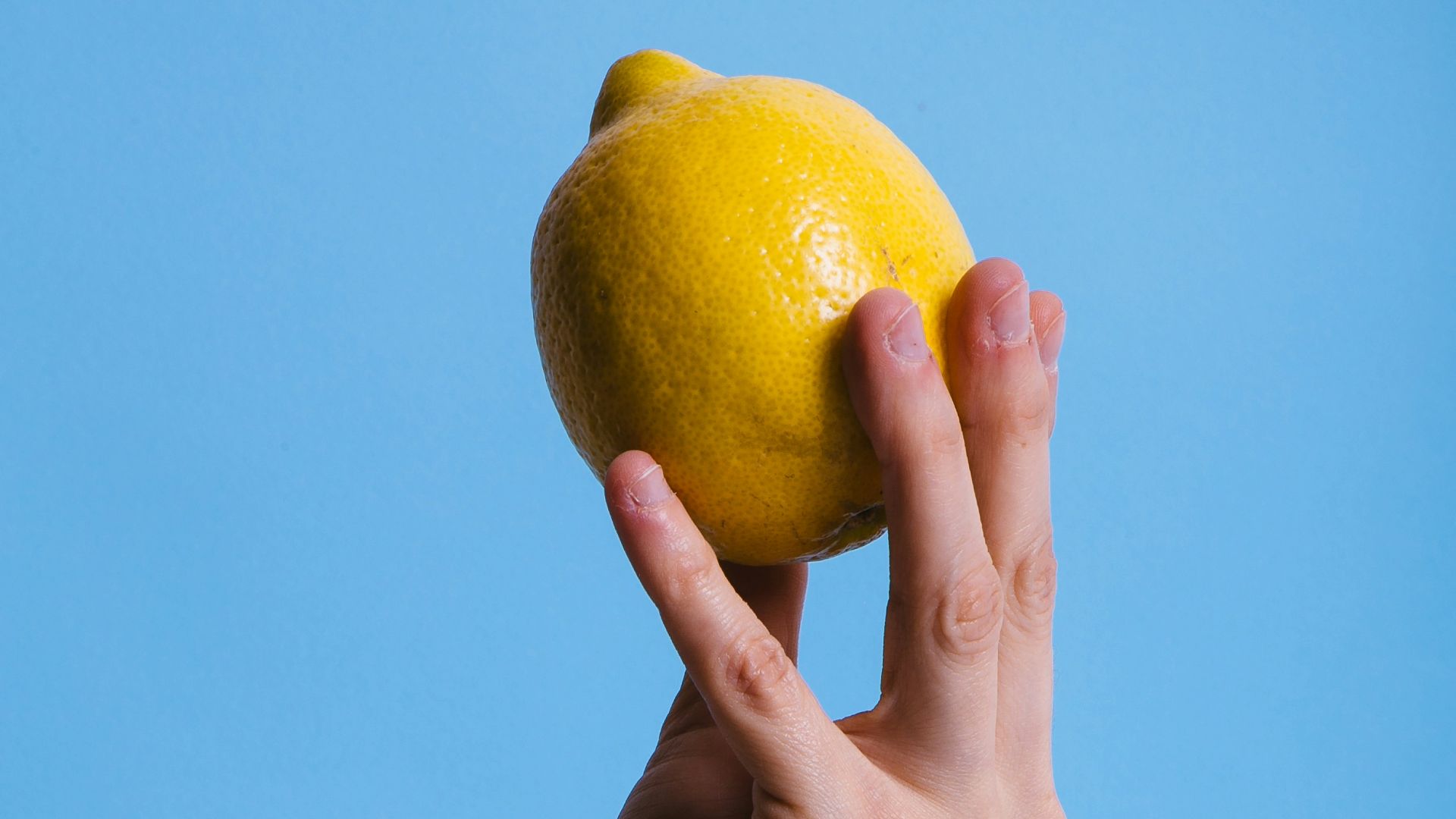
Citric acid gets accused of being “synthetic” or “mold-derived” in a way that sounds scarier than most people’s lived experience of it. It’s used to balance flavor and preserve foods, which is why it shows up everywhere from candy to canned tomatoes. Ubiquity makes it an easy target for suspicion.
KEEP ON READING


20 Ways to Deal With Your Sweet Tooth

20 Low-Impact Exercise Ideas For People Over 50