Help Versus Hype
The supplement aisle promises sharper focus, better memory, and mental clarity that kicks in sometime between breakfast and the commute. Labels lean hard on words like neuro, smart, and cognitive, often without explaining what those gains actually look like in real life. Research paints a narrower picture, where a handful of supplements show consistent benefits and many others rely on outdated theories or wishful thinking. Brain health ends up being less about shortcuts and more about context, deficiencies, and dose. Here are ten supplements that actually help brain function and ten that fall short.

1. Omega-3 Fatty Acids
Omega-3s, particularly DHA and EPA, are structural components of brain cell membranes. Large-scale reviews consistently link adequate intake to better memory performance and slower cognitive decline. The effect is most noticeable in people who do not regularly eat fatty fish.

2. Creatine
Creatine supports cellular energy production, including in brain tissue. Human studies show improvements in working memory and reduced mental fatigue, especially during periods of sleep deprivation. Benefits tend to appear under high cognitive demand rather than during relaxed days.

3. Caffeine
Caffeine reliably improves alertness, reaction time, and sustained attention, effects documented for decades. Its impact shows up quickly, which explains its universal popularity. Tolerance develops with regular use, softening the effect over time.

4. L-Theanine
L-theanine promotes a calm, focused mental state rather than stimulation. Research shows improved attention and task switching when combined with caffeine. Many people describe the experience as smoother and less jittery.
 The Drug Users Bible on Wikimedia
5. Bacopa Monnieri
Bacopa has been used traditionally for memory support and has modern clinical backing. Controlled trials show improved recall after consistent use over several months. The effect builds gradually instead of arriving all at once.

6. Magnesium L-Threonate
This form of magnesium is absorbed into the brain more effectively than others. Early research suggests improvements in learning and synaptic function. Better sleep quality often accompanies cognitive changes.

7. Rhodiola Rosea
Rhodiola is classified as an adaptogen and is associated with reduced mental fatigue. Studies link it to improved cognitive performance during stress and long work periods. The effect feels subtle but functional.

8. B-Complex Vitamins
B vitamins support neurotransmitter production and energy metabolism in the brain. Deficiencies strongly correlate with cognitive impairment. Supplementation mainly helps when levels are low rather than as a universal enhancer.
 Supplements On Demand on Pexels
9. Lion’s Mane Mushroom
Lion’s mane contains compounds that stimulate nerve growth pathways in laboratory settings. Small human studies associate it with cognitive improvement, particularly in older adults. Interest continues as research expands.

10. Iron
Iron supports oxygen delivery and neurotransmitter synthesis. Cognitive performance drops measurably with deficiency, especially in women. Supplementation restores function when iron levels are low, not when intake is already sufficient.
At this point, the list of consistently helpful supplements runs thin. The next ten remain popular despite weak or inconsistent evidence.

1. Ginkgo Biloba
Ginkgo was once marketed as a memory cure-all. Large, long-term trials found no meaningful cognitive benefit in healthy adults. Its reputation has outlasted its results.

2. Phosphatidylserine
Phosphatidylserine plays a role in cell membrane structure, which drove early interest. Later studies failed to show consistent cognitive improvements outside specific clinical cases. Most effects appear negligible.
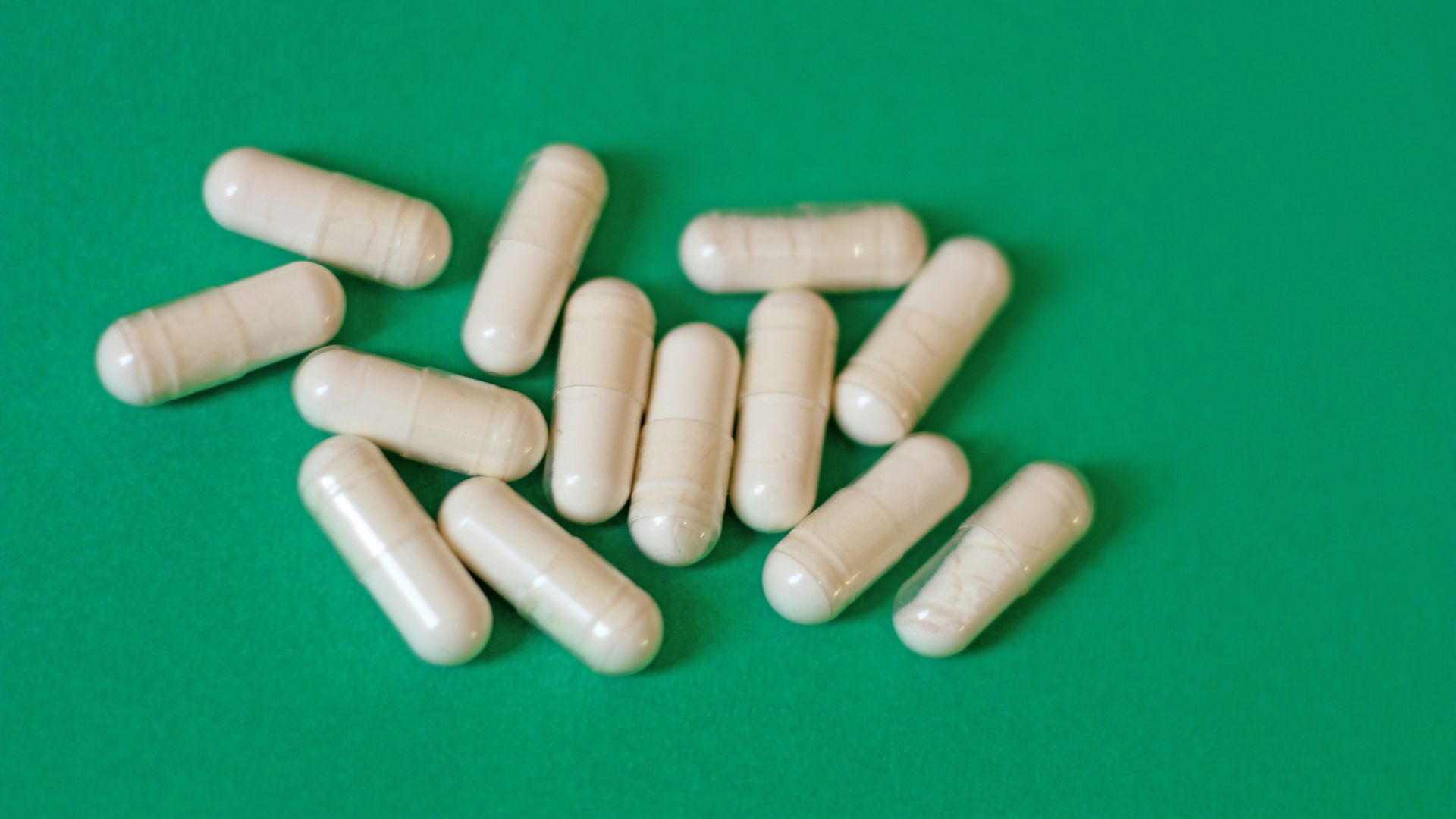
3. Glutamine
Glutamine supports gut and immune health but offers little cognitive benefit when supplemented. The brain already produces sufficient amounts under normal conditions. Extra intake rarely translates to sharper thinking.

4. Acetyl-L-Carnitine
This compound supports energy metabolism and shows some benefit in older adults with cognitive impairment. Those effects do not reliably extend to healthy populations. Marketing moved faster than the data.

5. Huperzine A
Huperzine A affects acetylcholine levels, a neurotransmitter tied to memory. Evidence remains limited and inconsistent outside clinical disease settings. Long-term safety data is incomplete.

6. Coenzyme Q10
CoQ10 supports mitochondrial function, particularly in heart tissue. Cognitive benefits remain unconvincing across multiple reviews. Most people report no noticeable mental change.

7. Choline Bitartrate
Choline is essential for brain health, but this form poorly crosses into brain tissue. Other forms perform better in studies. Labels rarely make that distinction clear.

8. Vinpocetine
Vinpocetine was marketed aggressively as a brain booster before safety concerns emerged. Regulatory agencies issued warnings due to lack of evidence and potential risks. Cognitive benefits remain unsupported.

9. DMAE
DMAE gained popularity decades ago with claims of improved focus and mood. Controlled studies failed to show consistent benefits. Its continued use reflects branding rather than data.

10. Proprietary Nootropic Blends
Blends often combine dozens of ingredients at undisclosed doses. This makes effectiveness and safety difficult to evaluate. Independent testing frequently finds underdosing across most components.

KEEP ON READING

20 Signs You’re More Dehydrated Than You Think


20 Everyday Household Tasks That Double As Exercise