Quiet Damage, Real Consequences.
Hustle culture sells a clean fantasy: work harder, sleep later, win sooner. In real life it’s messier, because your body doesn’t negotiate, it invoices, and it always collects. The scary part is how normal it can feel at first, like you’re just being responsible, ambitious, or tough, and everyone around you is doing the same thing. A lot of the harm comes from tiny daily trades that look harmless on their own, then stack into chronic stress, nagging aches, shaky focus, and a mood that feels slightly frayed around the edges. Here are 20 ways the grind quietly taxes your long-term health, even when everything looks fine from the outside.
1. Sleep Shrinkage Becomes A Badge
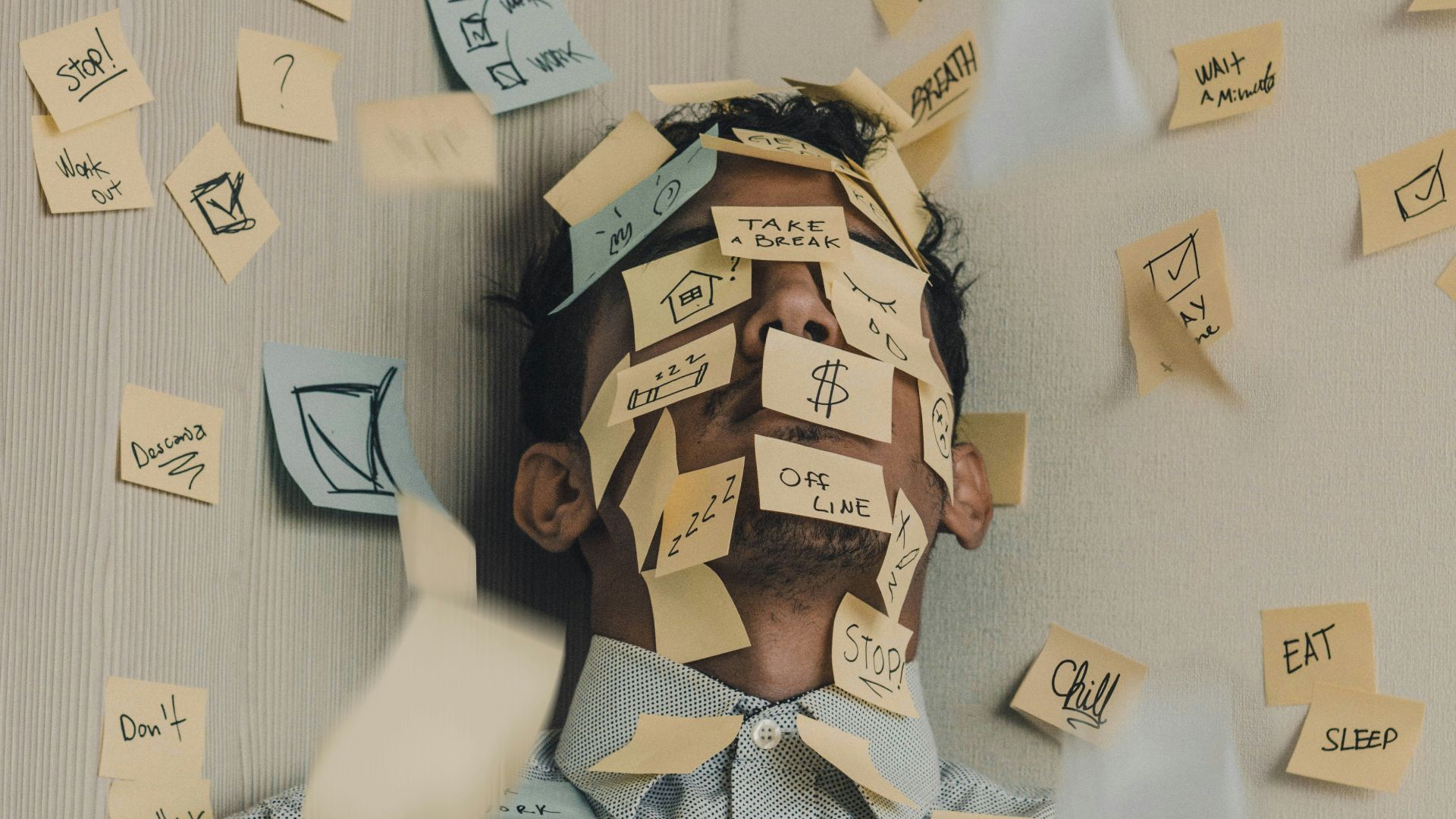
Cutting sleep for one late push turns into a habit, then into identity. Short sleep is linked to worse mood, impaired attention, and higher risk for multiple health issues, and the payoff rarely matches the cost. You lose patience and impulse control, then you call it a personality problem.
2. Caffeine Replaces Rest
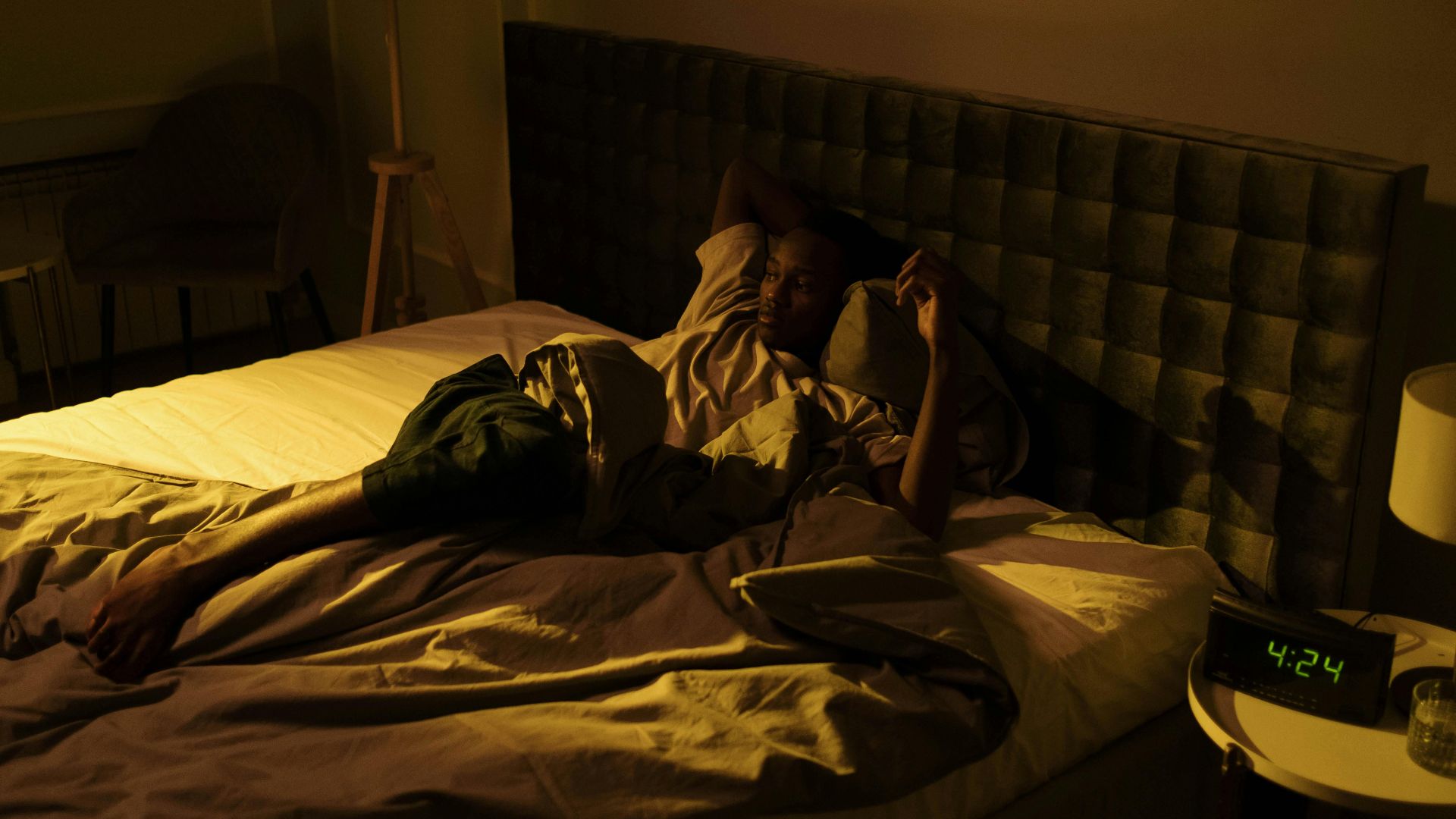
Coffee stops being a pleasure and becomes a life-support system. You get a wired morning and a jittery afternoon, then you need more the next day, and your baseline exhaustion never gets paid back. Your heart races, and your patience gets thinner by lunchtime.

3. Meals Turn Into Afterthoughts
Lunch becomes a protein bar eaten over a keyboard, and dinner becomes whatever shows up fastest. That pattern nudges you toward ultra-processed food and away from the steady blood sugar and micronutrients that keep energy and mood stable.

4. Hydration Gets Ignored
You can run on adrenaline while quietly dehydrated, until headaches, constipation, and brain fog start feeling like personality. Drinking water is boring, so hustle culture treats it like optional maintenance instead of fuel.

5. Movement Narrows To Desk Posture
Hours in the same position make your hips stiff, your upper back tight, and your wrists cranky. The pain feels random, yet it often tracks perfectly with weeks packed with sitting and a calendar that never leaves the chair.

6. Stress Becomes The Default Setting
When urgency never ends, your nervous system stays on high alert. Chronic stress is associated with sleep disruption, higher blood pressure, and immune changes, and your body can’t tell the difference between danger and deadlines.

7. Weekends Become Catch-Up Days
Rest days get converted into errands, emails, and the kind of chores that feel like work with worse lighting. You never fully downshift, so Monday arrives before your brain has even unclenched. Even fun plans start to feel like tasks, so you cancel and keep grinding.
8. Your Social Life Gets Put On Hold
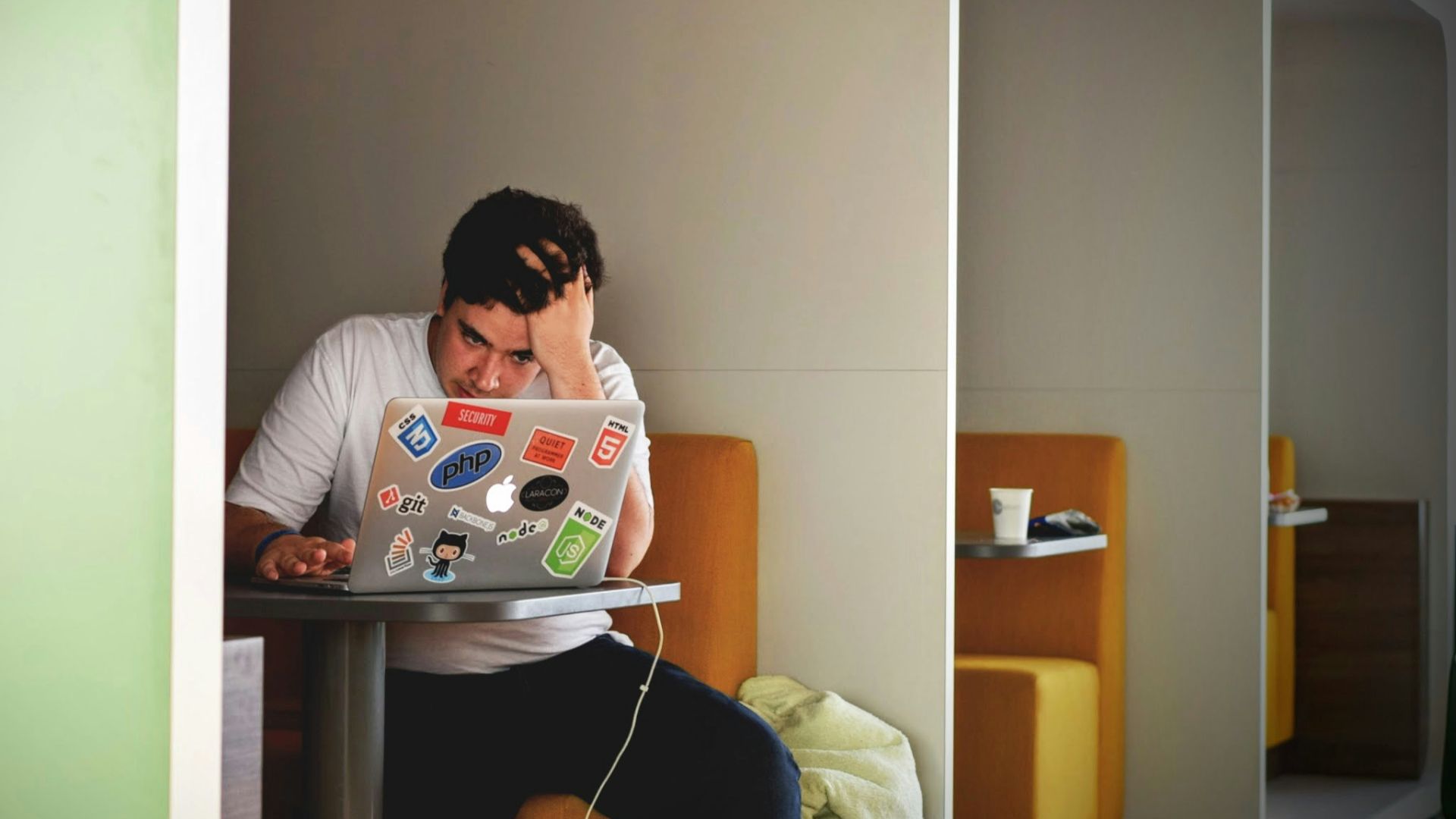
Friendships become group chats you scroll while waiting for the next task. Social connection is a real health buffer, and when it thins out, stress hits harder and recovery takes longer.

9. You Start Living On High-Reward Snacks
Sugar, salty crunch, and quick carbs become tiny lifeboats in a long day. They work in the moment, then you crash, and the cycle trains you to seek stimulation instead of steady nourishment.

10. Alcohol Turns Into A Sleep Hack
A drink can feel like a shutdown button after a tense day. Alcohol can make you sleepy, yet it fragments sleep later in the night and often leaves you more anxious the next morning.

11. Screens Fill Every Quiet Gap
The phone comes out in elevators, lines, and even bathroom breaks. Constant input keeps your brain from drifting into the idle states that support creativity, emotional processing, and genuine relaxation. You finish the day overstimulated, under-rested.

12. You Stop Noticing Early Warning Signs
A tight chest, frequent headaches, or a stomach that never feels settled becomes background noise. The longer you ignore small signals, the more likely your body will eventually send a louder, harder-to-miss message.
 Victoriano Izquierdo on Unsplash
13. Exercise Becomes Punishment Or Performance
Workouts turn into another metric to optimize or another debt to repay for eating. Movement that could lower stress becomes a stressor, and injuries become more likely when you train like you’re proving something.

14. You Lose The Skill Of Doing Nothing
Free time starts to feel itchy, like you forgot something. Your brain stays scanning for the next productive move, and relaxation stops feeling safe.

15. Boundaries Get Framed As Laziness
You answer messages at night because you don’t want to seem uncommitted. Over time, that teaches other people that your time is always available, and it teaches you to treat your own limits as negotiable.
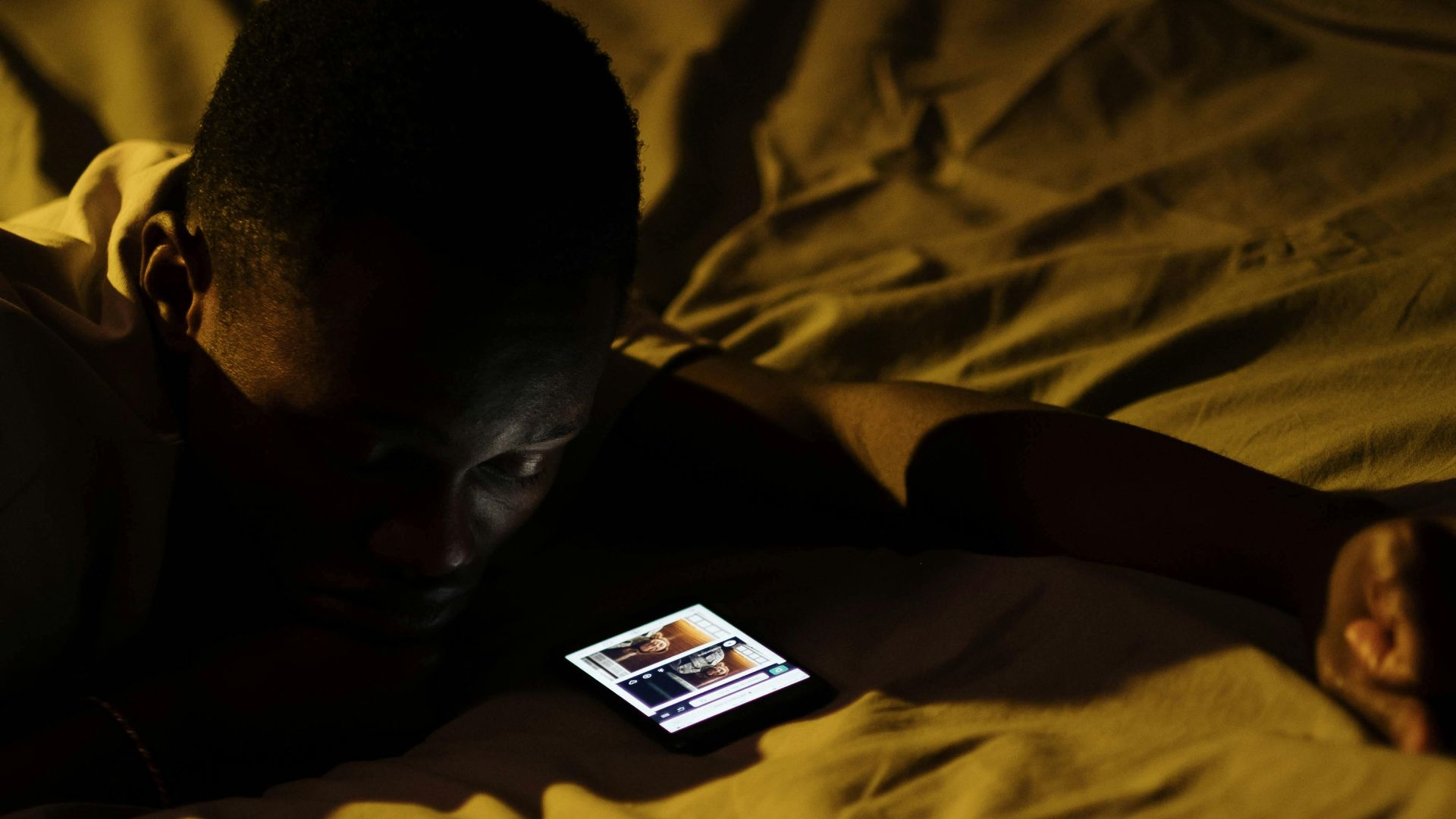
16. Chronic Inflammation Gets Fed
Long stress, short sleep, and processed food can encourage a body-wide inflammatory pattern. You may notice it as sore joints, skin flare-ups, frequent colds, or a general feeling of being run down. The body stays puffy and sore in ways that feel personal.

17. Work Identity Swallows Everything Else
When your worth is tied to output, every slow day feels like failure. That mindset keeps stress high even when nothing is on fire, because your self-esteem is always on the clock.

18. Rest Turns Into Guilt
You sit down and immediately mentally justify it. Guilt activates the same stress pathways you were trying to escape, so the break doesn’t restore you, it just pauses the damage.

19. Medical Care Gets Delayed
You skip checkups, ignore odd symptoms, and push appointments into an undefined later. Preventive care works best when it’s boring and routine, and hustle culture makes boring things easy to postpone. Small problems become emergencies, and nobody feels surprised.

20. Burnout Gets Mistaken For A Personal Flaw
When you finally hit a wall, you assume you’re weak, not overloaded. The World Health Organization recognizes burnout as an occupational phenomenon, and that framing helps you see the system, not just yourself.