
20 Common Health Problems Primarily Caused by Chronic Stress
When “Just Stress” Stops Being Just Stress
Chronic stress rarely acts alone, but it can become the main driver behind a long list of very real symptoms once your body stays stuck in high-alert mode. Over time, that constant stress response can disrupt sleep, digestion, mood, immunity, and more, which is why major health organizations link long-term stress with everything from headaches to heart problems. Here are 20 common health issues tied to chronic stress.
 Antoni Shkraba Studio on Pexels
1. Sleep Problems & Insomnia
If you’re stressed for weeks or months, falling asleep can get harder because your mind won’t fully “power down.” You might also wake up early or sleep lightly and still feel unrefreshed. When you don't sleep enough over a long period, it raises your risk of obesity, diabetes, depression, high blood pressure, and heart disease.

2. Persistent Fatigue
Chronic stress can leave you tired even when you technically got enough hours in bed. You may notice your energy dips earlier in the day, or you feel worn out after tasks that used to be easy. That kind of fatigue is often a sign your system has been running “hot” for too long.

3. Anxiety
Long-term stress can keep your body in a constant state of tension, which makes anxious thoughts and physical symptoms more likely. You might feel keyed up, restless, or overly on edge even when nothing urgent is happening. Anxiety is one of the most common health issues tied to chronic stress.

4. Depression
When stress doesn’t let up, it can start to flatten your motivation and make everything feel heavier than it should. You may find it harder to enjoy things, concentrate, or feel hopeful about the near future. Chronic stress is linked with depression risk, especially when it’s paired with poor sleep and isolation.

5. Memory & Focus Problems
You might walk into a room and forget why, reread the same email three times, or struggle to stay on task. Chronic stress is associated with problems with memory and concentration, and it can make your brain feel scattered. If you’re feeling foggy, it’s not “lazy,” it’s often overloaded.

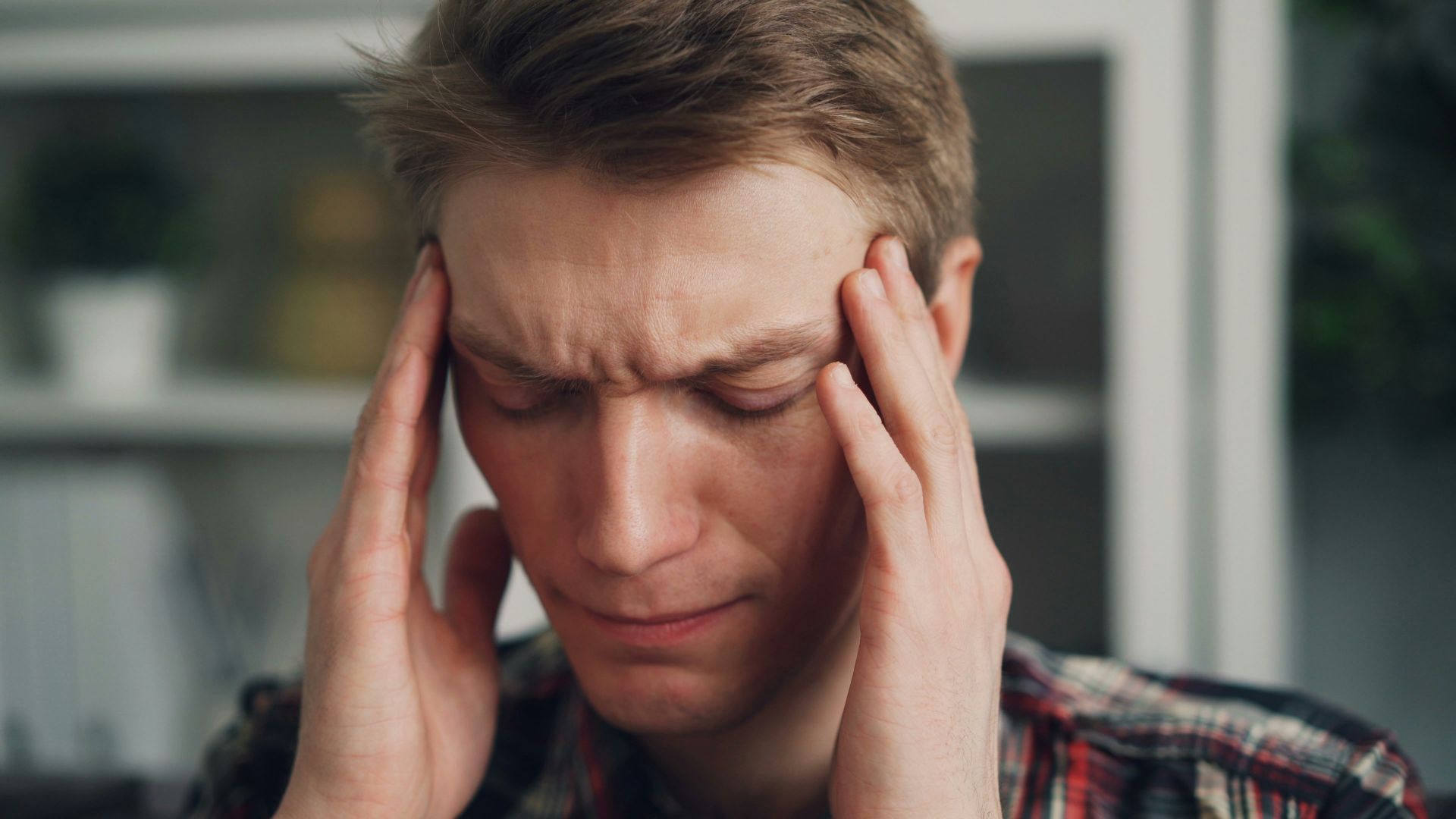
6. Frequent Headaches
Stress-related headaches are common and often show up as a tight, steady pain. You may notice they cluster around stressful weeks, deadlines, or ongoing conflicts. Headaches are repeatedly listed as a classic physical outcome of chronic stress.
7. Muscle Tension & Body Aches
Chronic stress can keep your shoulders, neck, jaw, or back braced without you noticing until it hurts. Over time, that constant tension can become regular soreness or pain that’s hard to stretch away. It's not your posture causing your muscle tension and pain; it's stress.

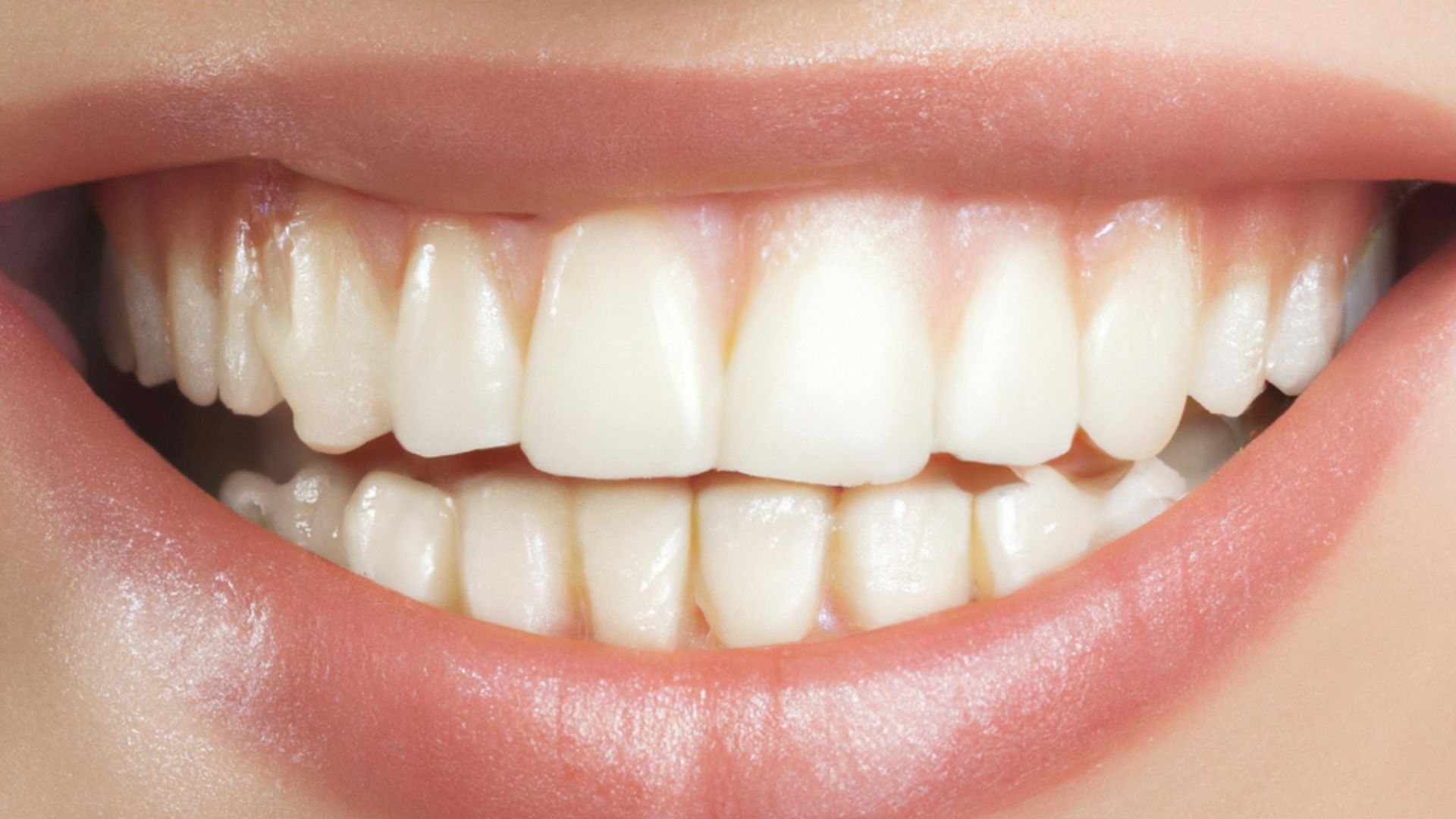
8. Teeth Grinding & Jaw Pain (Bruxism)
Many people clench or grind their teeth more during stressful periods, especially at night, and it can lead to jaw pain and headaches. You might wake up with a sore jaw, tooth sensitivity, or tight facial muscles. Bruxism is a real condition, and stress is a well-known factor that can make it worse.
9. Stomach Upset, Constipation, or Diarrhea
Stress often manifests itself in odd places, the stomach being one of the most common. It can make your digestive system unpredictable, causing cramps, nausea, changes in bowel habits, and persistent discomfort. You’ll often notice it’s worst when you’re under pressure and improves when life settles down.

10. IBS Symptom Flares
If you already deal with IBS, chronic stress can make symptoms like bloating, constipation, and diarrhea flare more often. Even when stress isn’t the original cause, it can become the primary reason episodes keep returning. Doctors commonly point to stress and anxiety as major drivers of IBS flare-ups.

11. Heartburn & GERD
You might notice reflux shows up during tense stretches, even if your diet hasn’t changed much. Stress can aggravate GERD symptoms, which means the burning, coughing, or throat irritation can feel more frequent. If your heartburn tracks your stress level, you’re not imagining it.

12. High Blood Pressure That Creeps Up Over Time
Stress reliably raises blood pressure in the moment, and repeated spikes can add strain, especially if stress changes your sleep, diet, or alcohol intake. Importantly, there is no proof that stress alone directly causes long-term hypertension, but stress-related habits and constant activation can push the risk up. That’s why stress management is often part of heart health.

13. Higher Risk of Heart Disease and Stroke
Chronic stress is linked with higher cardiovascular risk, partly through blood pressure effects and partly through the way it shapes behaviors and inflammation over time. You can do many things “right” and still find stress quietly working against you in the background. Major medical organizations consistently flag chronic stress as a heart-health concern.
 National Cancer Institute on Unsplash
14. Getting Sick More Often
If you feel like you catch every cold that passes through your workplace, chronic stress could be part of the story. Stress can weaken immune responses, which makes it easier for illnesses to take hold or linger. Mayo Clinic even lists “getting sick more easily due to a weaker immune system” among common stress effects.

15. Overeating, Undereating, & Weight Gain
Stress can change appetite in either direction, and both patterns can throw off energy, mood, and metabolism. Some people snack more for comfort, while others lose hunger entirely, and neither response is unusual. Over time, chronic stress is associated with weight gain and obesity risk.

16. Higher Cholesterol Numbers
Prolonged stress can nudge cholesterol in an unhealthy direction, especially when sleep, activity, and food choices get pushed off track. You might not feel “high cholesterol” day to day, which is why it can be a sneaky consequence. Clinicians often mention cholesterol changes as one way chronic stress can affect heart risk.

17. Stress Hives or Stress Rashes
Some people break out in red, itchy welts during intense periods, even if they’ve never had sensitive skin before. The timing can be unmistakable, with flare-ups appearing right alongside work drama or prolonged worry. Stress-triggered hives are a recognized phenomenon, and treatment often includes both symptom relief and stress reduction.

18. Flare-Ups of Eczema, Psoriasis, or Acne
Chronic stress can trigger or worsen several skin conditions, which is frustrating because the skin reaction can then add more stress. You may see more breakouts, more itching, or more persistent patches during demanding months. Dermatology organizations specifically note that stress can be linked with both skin and hair conditions.
 MUTHIA ASHIFA SALSABELLA on Unsplash
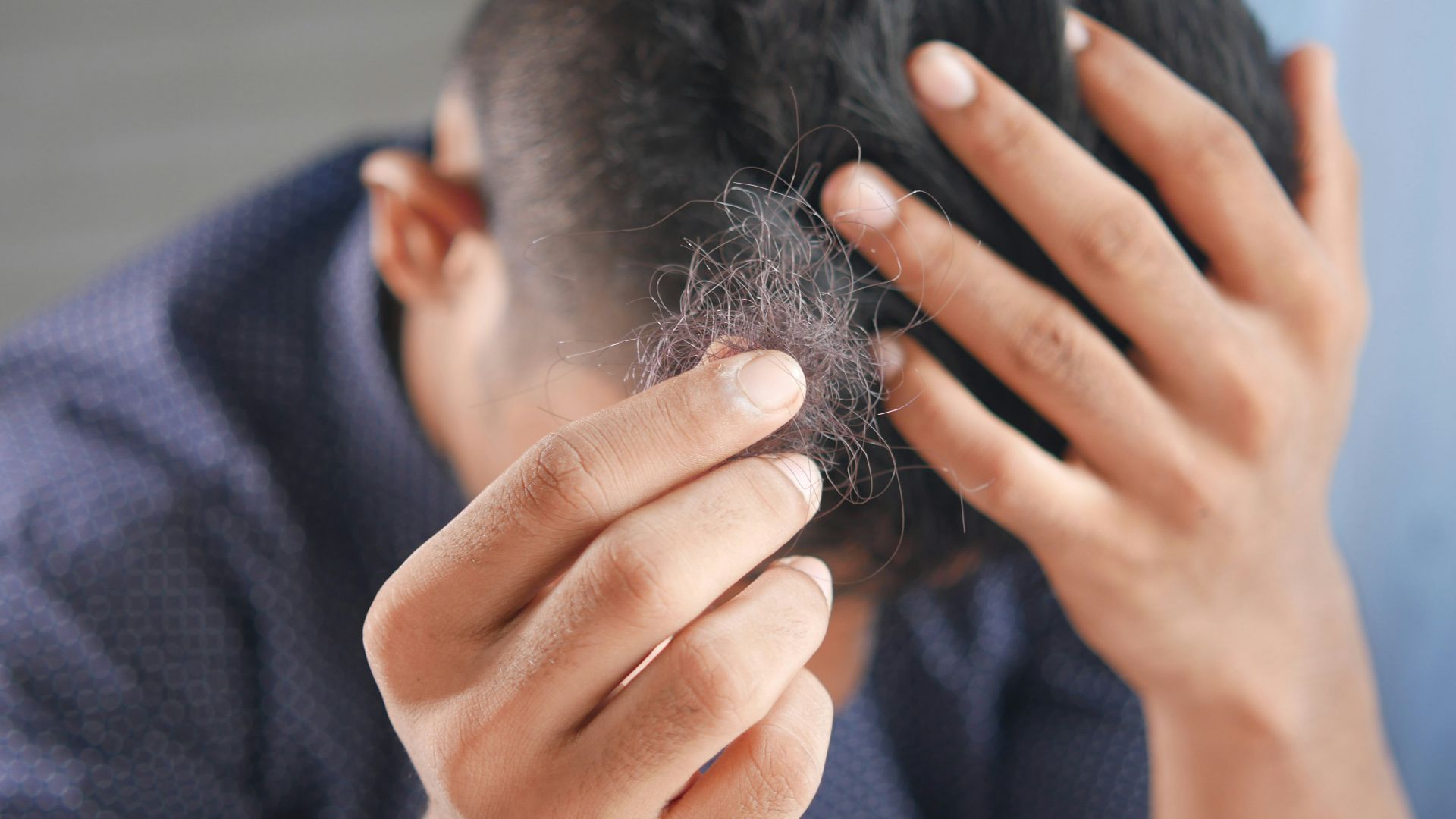
19. Stress-Related Hair Shedding
If you’re noticing more hair in the shower drain or on your brush, chronic stress can be a contributor. Stress-related shedding is common enough that it’s regularly discussed as one of the physical changes people report under sustained pressure. It’s worth checking in with a clinician if it’s sudden or significant, since other causes can overlap.
20. Reproductive Changes
Chronic stress can disrupt hormones enough that your period becomes irregular or you miss one entirely, and it can also affect libido. These changes often show up when you’re stretched thin for a long time, even if you’re otherwise healthy.

KEEP ON READING

20 Ways Perimenopause Changes Fitness and Appetite


20 Unhealthy Obsessions People Have

20 Gut-Friendly Fermented Foods For Everyday Meals