
Simple And Practical
High-intensity interval training (HIIT) alternates short, hard exercises with matching recovery periods, and it’s been studied across athletes, beginners, and clinical populations. Research consistently shows HIIT can improve cardiorespiratory fitness and key health markers with less total workout time than traditional steady-state training, which matters when schedules get tight. It’s not “magic,” but it is efficient physiology, as long as you’re responsible about it.

1. Time-Efficient Sessions
HIIT is effective because it concentrates a meaningful training stimulus into a shorter window, which can improve consistency for busy people. Studies on low-volume HIIT show measurable gains in fitness and metabolic outcomes even when total exercise time is modest. If time is one of the main barriers that make it hard to maintain a routine, HIIT directly addresses that constraint.

2. Boosts VO2max
One of HIIT’s most reliable outcomes is improving VO2max (or VO2peak), a key measure of aerobic fitness linked to health and performance. Multiple reviews find HIIT increases cardiorespiratory fitness compared with doing nothing and often performs similarly to moderate-intensity continuous training, sometimes with less time. Better aerobic fitness generally means daily activities feel easier and your cardiovascular system handles stress more efficiently.

3. Strong Cardiac Adaptations
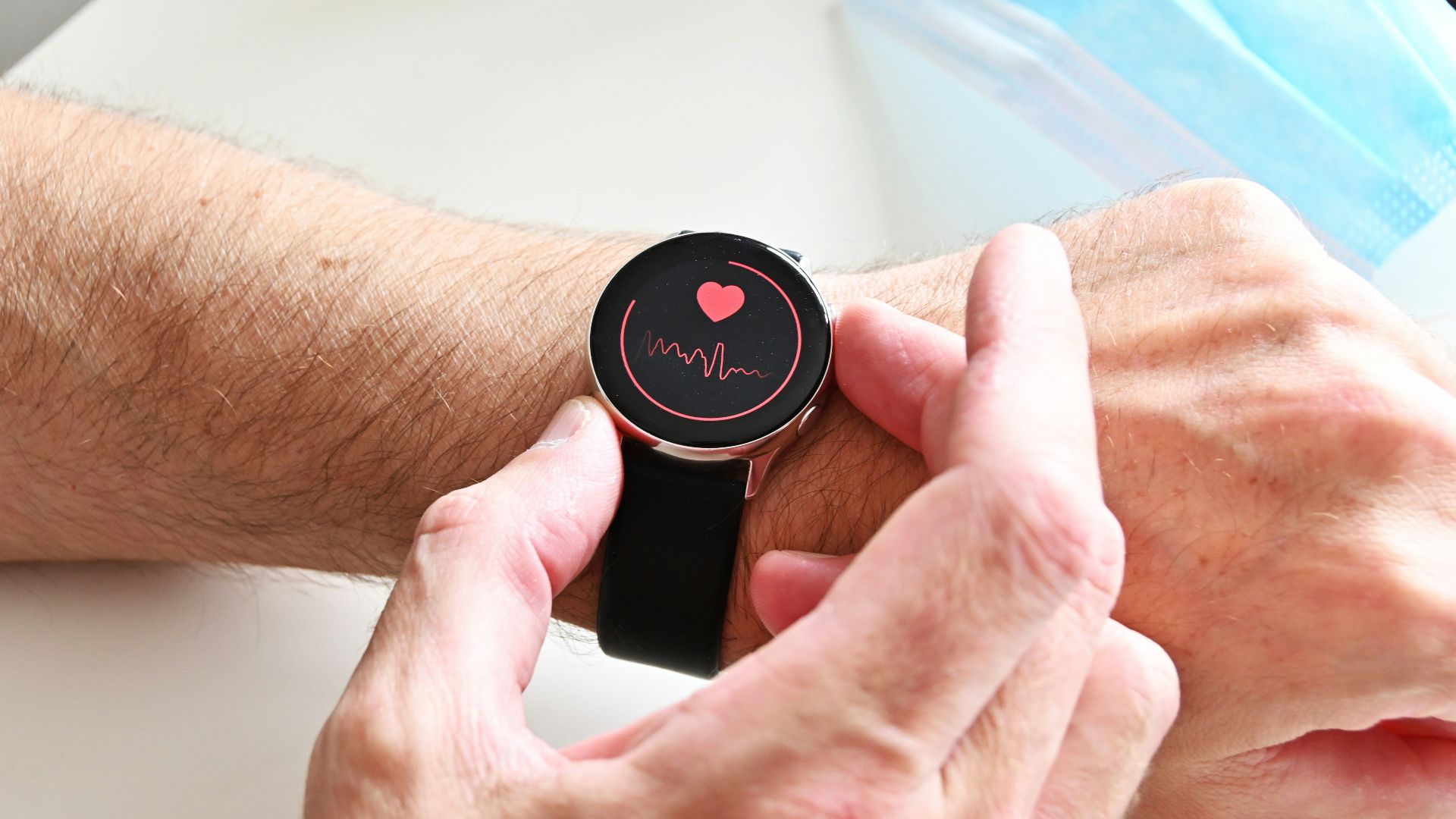
Repeated high-effort intervals place a significant demand on the heart and circulatory system, encouraging adaptation. In cardiac rehabilitation research, HIIT has been associated with improvements in fitness outcomes that matter clinically, such as lowering blood pressure and cholesterol.
4. Improves Insulin Sensitivity
HIIT can improve how your body responds to insulin, which supports healthier blood sugar regulation. Meta-analyses in overweight and obese adults show HIIT can improve insulin sensitivity and related metabolic outcomes, often comparable to longer steady-state programs. That’s helpful because blood sugar control is influenced by both fitness and muscle-level adaptations.
5. Helps Glycemic Control
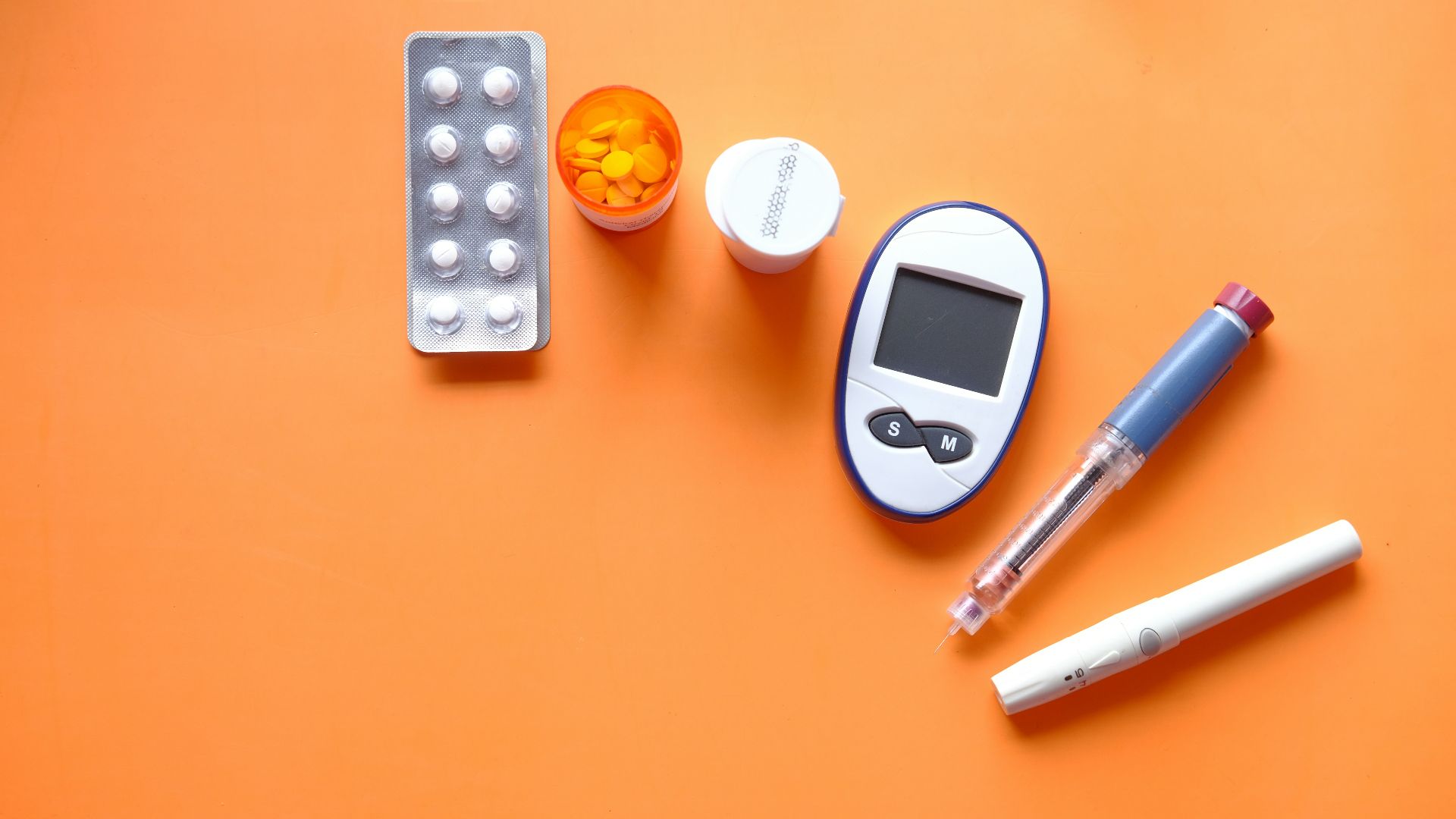
For people with type 2 diabetes, structured exercise improves glycemic outcomes. Reports have shown that HIIT can reduce HbA1c and improve fitness, which supports long-term risk reduction when paired with medical care and nutrition.

6. Lowers Blood Pressure
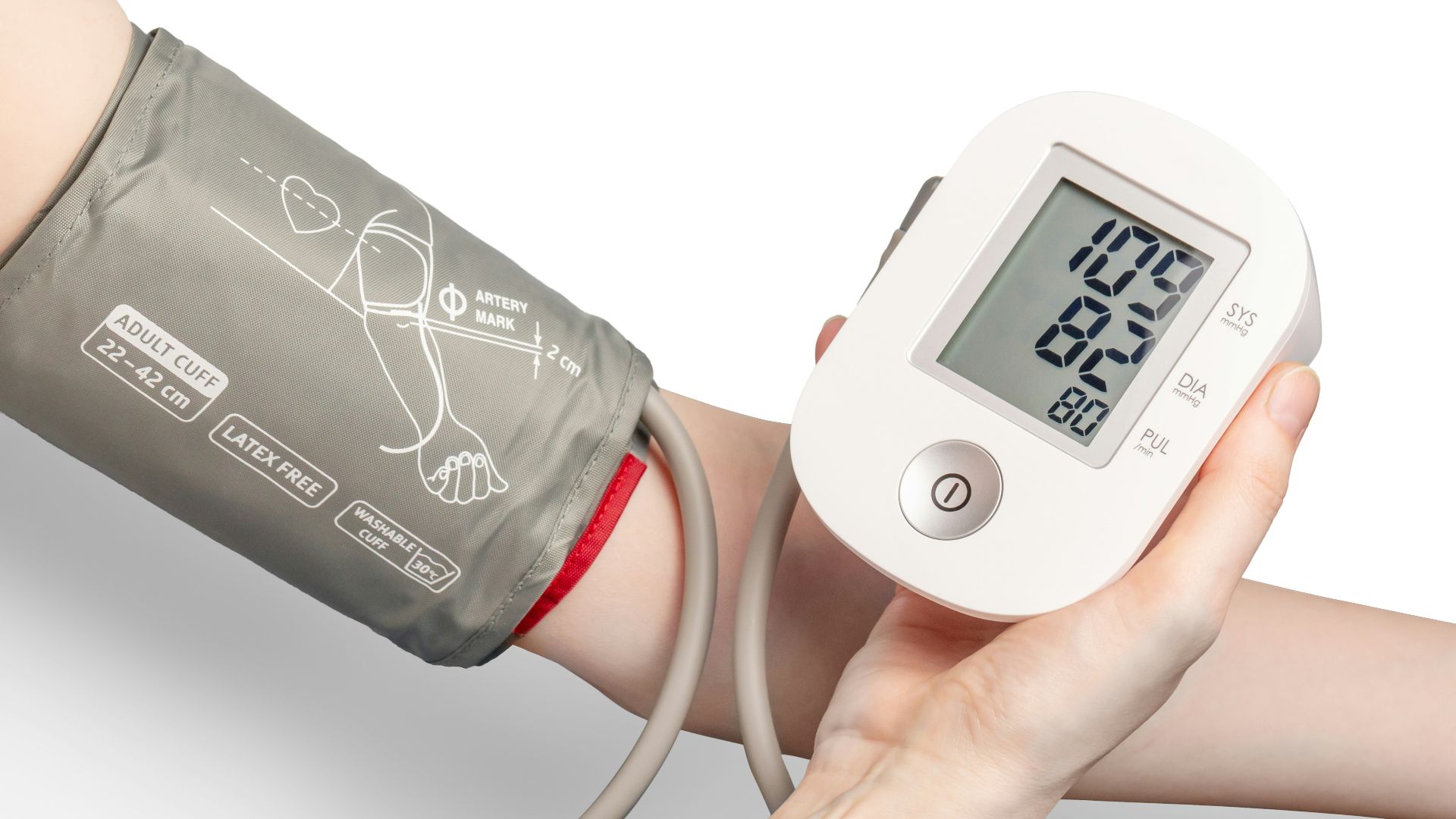
HIIT has been shown to reduce resting blood pressure in many adults, including people with hypertension, although results depend on the protocol and the individual. Systematic reviews and meta-analyses in hypertensive populations report meaningful decreases in systolic and diastolic blood pressure after training. Since blood pressure is a major cardiovascular risk factor, even modest improvements are clinically relevant.
7. Improves Vascular Function
Endothelial function, often measured by flow-mediated dilation, reflects how well blood vessels respond and relax. It’s been suggested that HIIT can improve vascular function compared to no training and, in some contexts, may outperform moderate-intensity continuous training.
8. Reduces Body Fat
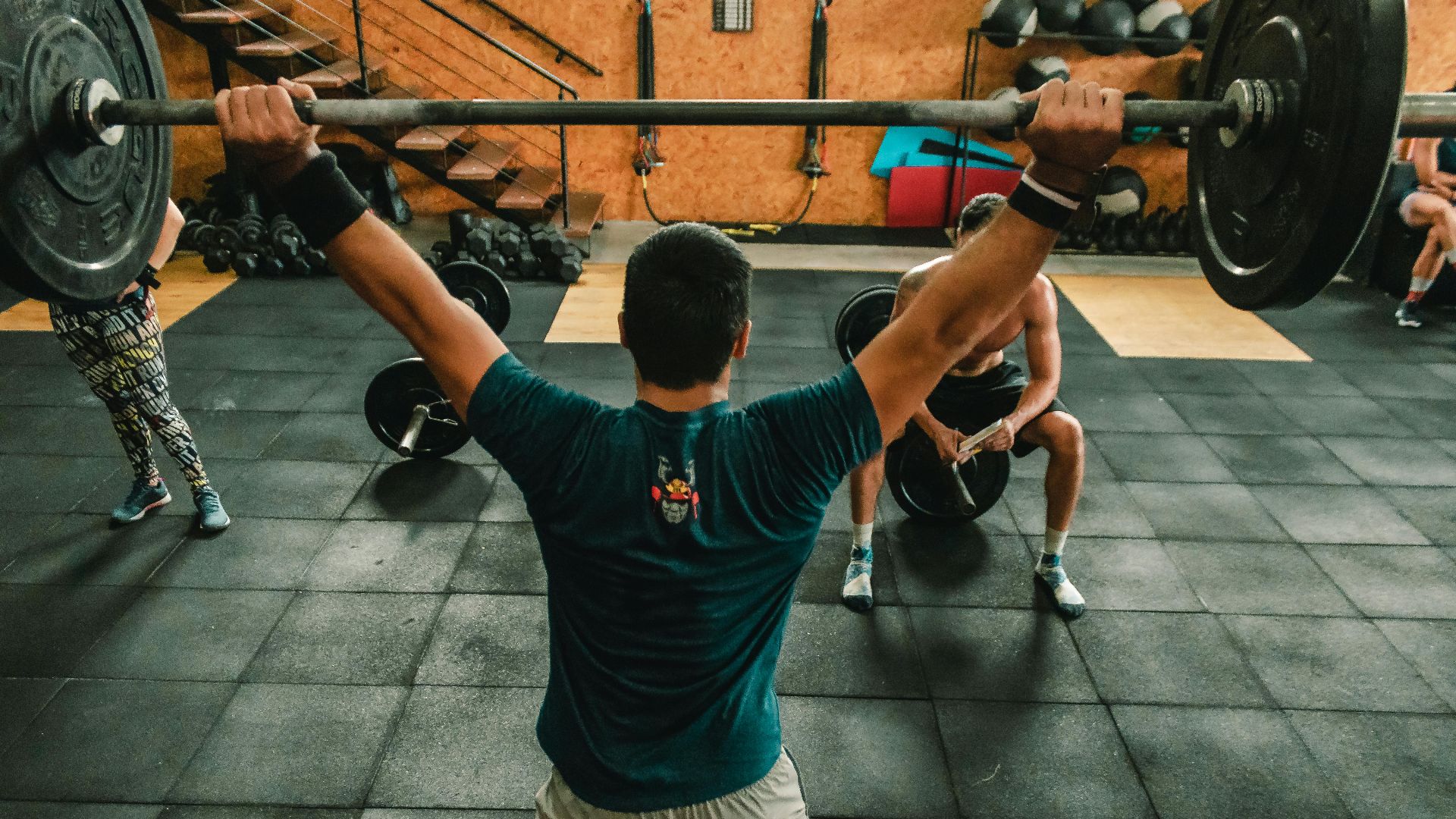
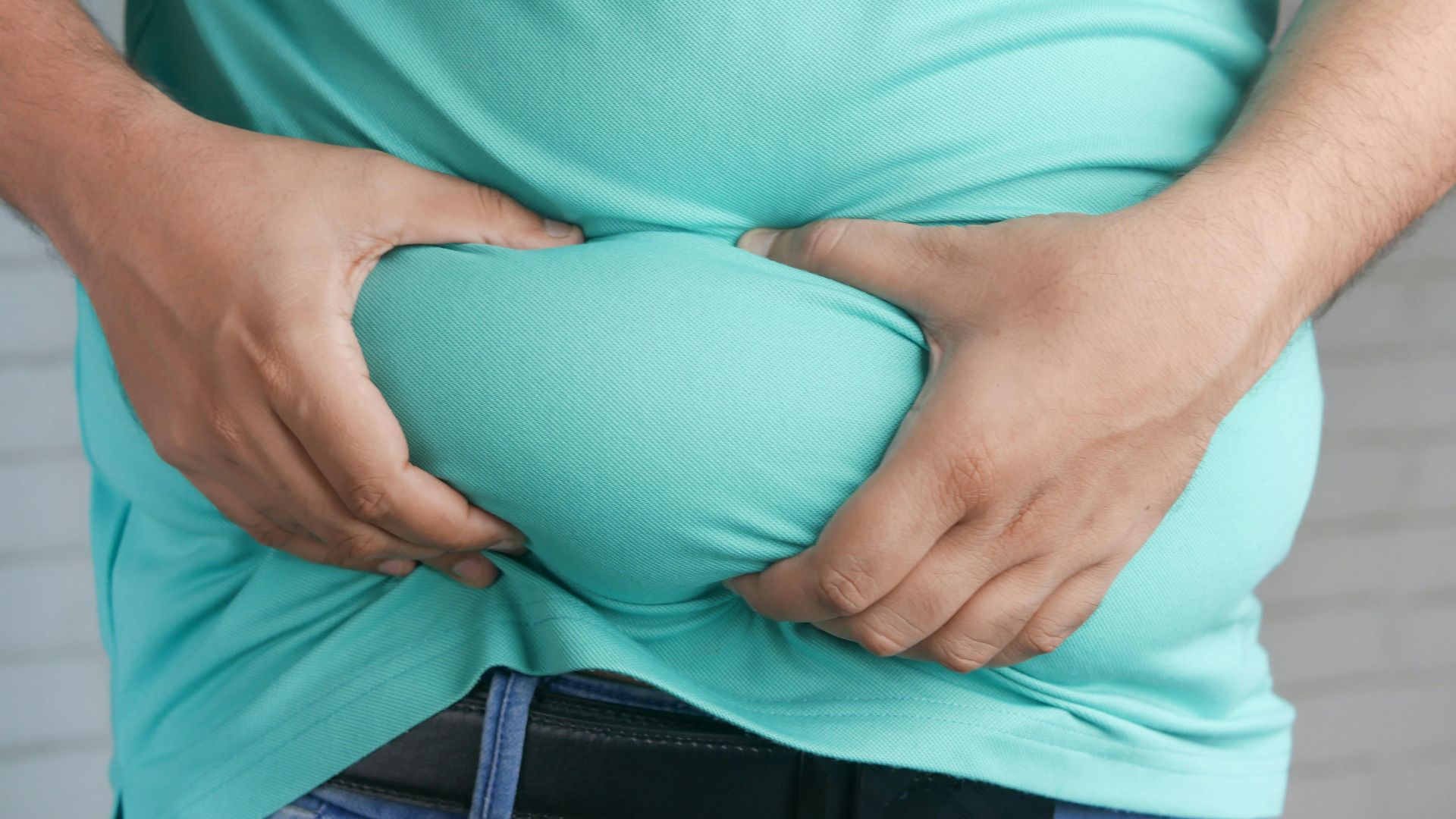
HIIT can reduce fat mass and body fat percentage, particularly when performed consistently for weeks to months. Evidence suggests fat loss differences versus steady-state cardio are often small, but the time commitment is typically lower, which can help people stick with it. If your nutrition is stable, HIIT can contribute meaningfully to a calorie deficit and improved body composition.
9. Supports Lean Mass
While HIIT isn’t a full substitute for strength training, it can still support muscular adaptations, especially in the lower body with sprinting or cycling-based intervals. Studies found that HIIT and sprint interval training can improve measures of muscle performance, with smaller or mixed effects on muscle size depending on the program.

10. Builds Anaerobic Capacity
Short, intense intervals challenge anaerobic energy systems that steady-state cardio does not target as strongly. Over time, this improves your ability to produce high power outputs repeatedly, which matters for sports and many daily-life demands. That adaptation is one reason HIIT can feel hard early on but noticeably easier after consistent training.

11. Raises Lactate Tolerance
HIIT often increases your ability to sustain harder efforts before fatigue forces you to slow down. This is related to improved buffering, better oxygen delivery, and metabolic changes in working muscle. Practically, you may notice you can push at higher intensities with less discomfort over time.
 LOGAN WEAVER | @LGNWVR on Unsplash
12. Promotes Mitochondrial Adaptation
HIIT can activate molecular pathways associated with mitochondrial biogenesis, including signaling related to PGC-1α and AMPK. These changes support improved oxidative capacity in muscle, which helps with endurance and metabolic health. The key point is that intense intervals can stimulate meaningful cellular adaptation even when total exercise duration is quite short.
 Munbaik Cycling Clothing on Unsplash
13. Improves Metabolic Syndrome Markers
In adults with metabolic syndrome, HIIT has been studied for effects on multiple cardiometabolic risk factors at once. A recent systematic review and meta-analysis in this population found that HIIT can improve components linked to cardiometabolic health.

14. Adds Post-Exercise Burn
After higher-intensity work, your body uses additional oxygen to recover and restore normal physiology, a phenomenon often described as excess post-exercise oxygen consumption (EPOC). HIIT can produce a larger EPOC than easier sessions, although the extra calorie burn is typically modest, not enormous. Still, it’s a real, measurable effect that supports overall energy expenditure.
15. Many Modes Work
HIIT isn’t limited to one exercise type, which makes it easier to match your joints, preferences, and equipment. You can use cycling, running, rowing, swimming, or mixed bodyweight intervals, as long as the work reaches the proper intensity.

16. Minimal Equipment Needed
A well-designed HIIT session can be done with bodyweight movements or simple tools, so access is less of a barrier. Research on home-based HIIT shows improvements in cardiorespiratory fitness, which is encouraging for people who don’t want or can’t afford a gym membership.

17. Scales to Your Level
Intervals allow you to adjust intensity without changing the whole workout, which is a practical programming advantage. You can shorten work bouts, extend recovery, or choose lower-impact movements while still training hard relative to your current fitness level.

18. Fits Activity Guidelines
Because HIIT is vigorous-intensity activity, it can contribute efficiently toward weekly aerobic targets in public health guidelines. U.S. guidance describes meeting aerobic recommendations as 150 minutes moderate, 75 minutes vigorous, or an equivalent combination, and HIIT can count toward that vigorous portion. It also helps that activity does not need to occur in 10-minute bouts to “count,” making shorter sessions more practical.

19. Enjoyment Can Improve
Some people find intervals more engaging than steady-state exercise, which helps keep you interested in the long run. Systematic reviews on affect and enjoyment show mixed results overall, with protocol design, fitness level, and interval length affecting how people feel during and after sessions. If you hate your current cardio routine, trying a HIIT workout may be worth a try.
20. Safety Can Be Managed
Effectiveness only matters if you can do the training consistently and safely, and HIIT has been used in supervised cardiac rehab with very low rates of major adverse events per training session in published reviews. That does not mean everyone should jump into maximal efforts immediately, especially if you have cardiovascular risk factors or orthopedic limitations. With screening, gradual progression, and sensible recovery, HIIT can be both feasible and productive.