
A Sharper Mind is Built, Not “Kept”
After 50, your brain still responds to challenge, novelty, and practice, which means you need the right kinds of mental stimulation to keep it working. The goal isn’t to “win” at a puzzle or become a virtuoso overnight, but to keep learning just difficult enough that your brain has to adapt. Mentally engaging activities, social connections, and consistent movement all help keep us young, particularly our minds. We’re here to break down how you can stay sharp as a tack!

1. Do a Crossword With a Twist
Choose a crossword that’s slightly above your comfort level, then commit to finishing it without looking anything up for the first pass. When you return later, you’ll notice that your brain keeps working in the background on word retrieval and associations! That recall is the part you’re training, not the perfect score.
 Alexandra Lowenthal on Unsplash
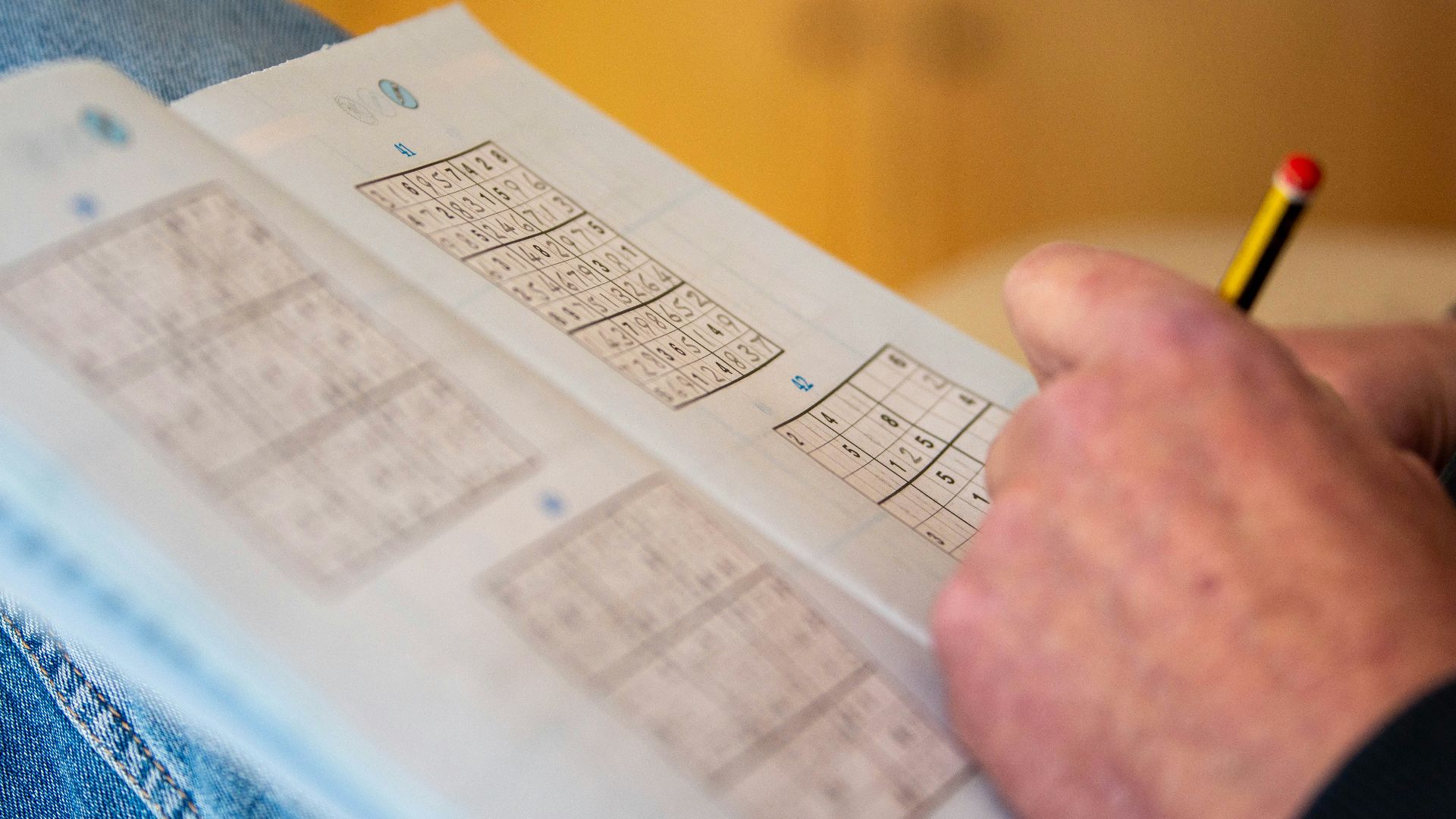
2. Work a Number Puzzle Under a Gentle Time Limit
Pick a Sudoku puzzle and set a relaxed timer that nudges you to focus without making you tense. Light time pressure can encourage sustained attention and faster pattern recognition—without all the anxiety. If the timer stresses you out, remove it and keep the challenge in the puzzle itself.
3. Learn Words In a New Language
Set a small daily target and use up to five words in full sentences so your brain practices retrieval and context, not just memorization. Language learning forces you to juggle sounds, meaning, and grammar, which can be a rich mental workout.

4. Practice “Spaced Repetition” With Simple Flashcards
Create flashcards for anything you want to remember, like vocabulary, the names of paintings, or even the names of plants in your neighborhood. Review them on a schedule that revisits items right before you’d normally forget them; that timing strengthens long-term memory.
5. Memorize a Short Poem and Perform It
You’re never too young to revisit literature! Choose eight to twelve lines, break them into sections, and recite them. The whole exercise trains verbal memory and expressive timing all at once. For an extra layer, record yourself and listen back to catch where the memory fades.

6. Strategically Place Items in High-Traffic Areas
Assign a familiar place, like your kitchen, and mentally “place” items you need to remember in vivid, specific locations. The brain tends to remember images and spatial layouts well, so you’re leveraging a natural strength instead of fighting forgetfulness head-on. Rotate the location every few days to keep the technique challenging rather than automatic.

7. Play a Strategy Game That Forces Planning
Chess, checkers, and bridge all require you to anticipate consequences and update your plan when new information appears. That “think-ahead” process is basically executive function practice in disguise. Kick it up a notch and aim for opponents that occasionally beat you; comfort rarely builds skill.

8. Do Mental Math in Real Life
Mental math should be done in your head, not on a sheet of paper—calculate a restaurant tip or convert measurements while cooking. Everyday math trains working memory because you’re calculating without external support. If you slip up, correct it calmly and treat the mistake as part of your learning.

9. Switch Up Your Routine Route On Purpose
Take a different walking path. Rearrange the order of errands. Navigate without GPS for short, safe trips. Novel routes force your brain to build and update mental maps, which exercises attention. Just make sure to keep it enjoyable by choosing changes that are interesting, not frustrating.

10. Write By Hand For Ten Minutes a Day
Handwriting slows you down just enough to strengthen attention and help ideas “stick” through deeper processing. Use a prompt that requires structure, like summarizing a news story in your own words or outlining tomorrow’s priorities with reasons. You’ll practice organization and recall without needing anything fancy!
11. Learn a Musical Pattern, Even if You’re a Beginner
Practicing a simple rhythm challenges timing, fine motor control, and memory at the same time. You don’t even need to do it for very long; short but frequent sessions help your brain refine the pattern more reliably than occasional marathons. If an instrument isn’t available, drumming on a table to a metronome still counts as real practice.

12. Try a New Recipe That Uses Unfamiliar Steps
Pick a recipe that requires something a little different, like timing multiple pans or learning a new technique (such as folding or braising). Cooking this way trains attention because small errors show up quickly in the outcome. When you repeat the recipe later, you’ll also reinforce that procedural memory.

13. Recite Your Lessons
After you learn something, explain it out loud as if you’re teaching a friend, including the why, not just the what. Teaching forces you to organize information coherently, which strengthens comprehension and memory. If you can’t explain it clearly yet, that’s useful feedback about what to revisit!

14. Train Prospective Memory With Planned Cues
Prospective memory is remembering to do something later, like taking a pill after lunch or calling someone. Practice by setting a specific intention and attaching it to a cue you’ll notice, such as “When I start the kettle, I’ll pay that bill.”

15. Do a Focused Attention Meditation
Spend five minutes noticing your breath and gently returning your attention whenever your mind wanders. That repeated “return” builds control rather than chasing a perfect calm. Keep it formal and consistent by doing it at the same time each day, like right after brushing your teeth.

16. Juggle Tasks When You Walk
During a safe, easy walk, alternate between simple mental tasks, like naming animals alphabetically or counting backward by threes. Combining movement and cognition can challenge coordination and attention in a way that feels surprisingly realistic to daily life.

17. Take Movement Breaks to Protect Focus
Set a reminder to stand, stretch, or walk briefly every hour, especially if you sit for long stretches. Regular physical activity is linked with better brain health and can support thinking and memory as you age, so small bouts still matter! Treat it as a reset button for attention, not a fitness test.

18. Join a Group That Makes You Speak, Not Just Listen
Pick something that requires interaction, like a book club discussion, a volunteer team, or a weekly class. Sitting around doesn’t contribute the same juice to your brain; social connection supports health and can reinforce cognitive engagement through conversation!
 Centre for Ageing Better on Unsplash
19. Use a Structured Brain-Training Program Carefully
If you like app-based cognitive training, choose programs that adapt difficulty and focus on specific skills. Research suggests computerized cognitive training can produce modest improvements in cognitive performance, but design and adherence matter. You’ll get more value by practicing regularly and treating it as one tool in a broader routine.

20. Raise the Bar Once It Gets Easy
Any exercise loses power when it becomes automatic, so plan a monthly “upgrade” like harder puzzles, faster recitation, new repertoire, or a more complex strategy. The key is to keep your brain working hard by adding a challenge over time. When you build that mindset, you’re not just staying sharp; you’re training adaptability!

KEEP ON READING


20 Reasons You Might Wake Up With a Headache