The Labels Say Wholesome, The Nutrition Facts Tell A Very Different Story
Food marketing is persuasive, and the wellness industry has spent decades perfecting the art of making sugary products sound virtuous. Words like "natural," "low-fat," "protein-packed," and "superfood" have a way of short-circuiting the skepticism you might otherwise bring to a nutrition label. The result is a grocery store full of products that feel like responsible choices but quietly deliver as much added sugar as a candy bar. If you have been eating clean and wondering why your diet feels like it is missing something, the following 20 foods might explain a great deal.
1. Flavored Yogurt
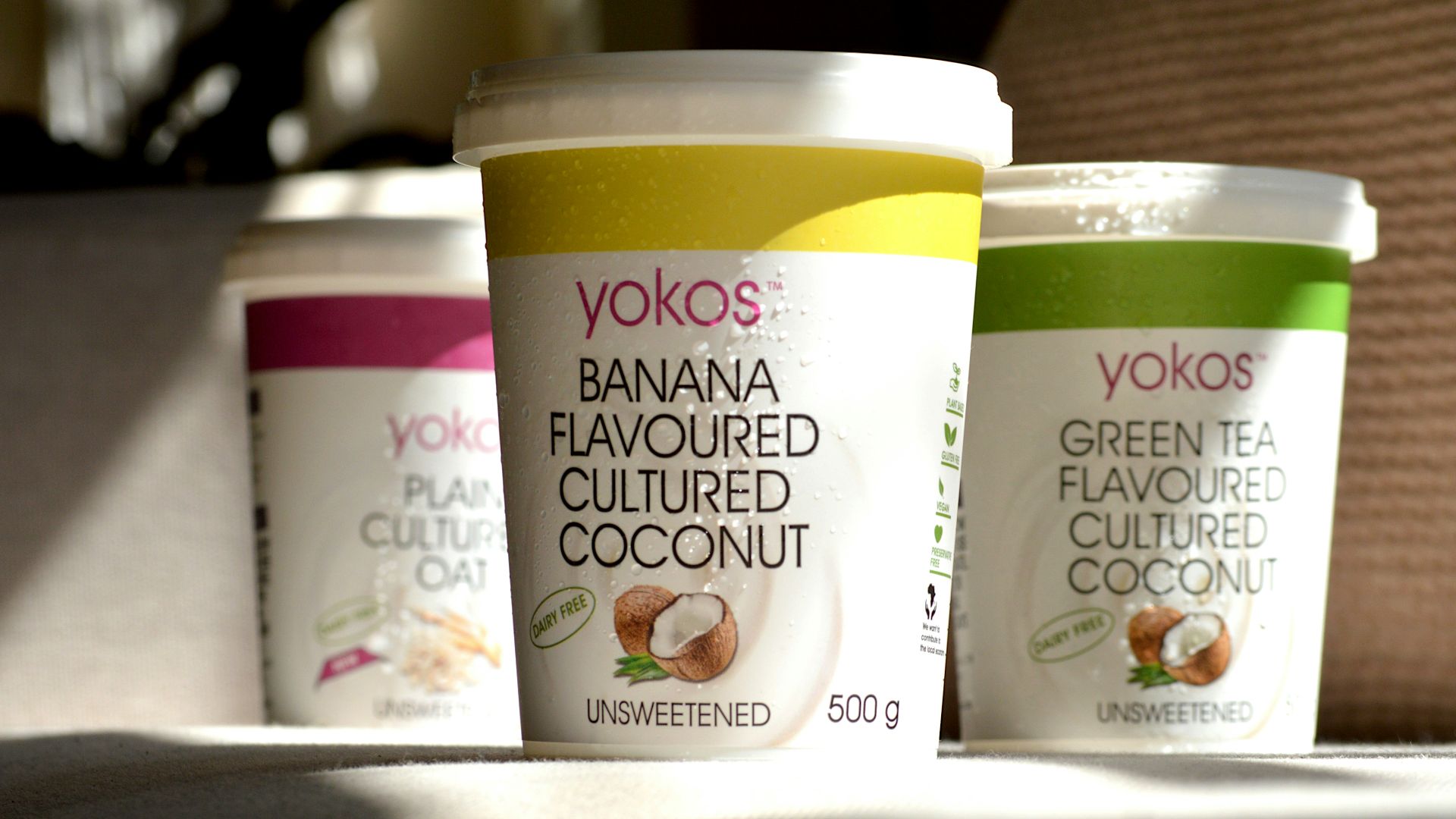
That little cup of black cherry or strawberry yogurt feels like a nutritious snack, and in some ways it is, but the added sugar content tells a more complicated story. A single serving of flavored yogurt from popular brands can contain anywhere from 9 to 20 grams of added sugar, which puts it closer to dessert territory than health food.
2. Instant Oatmeal Packets
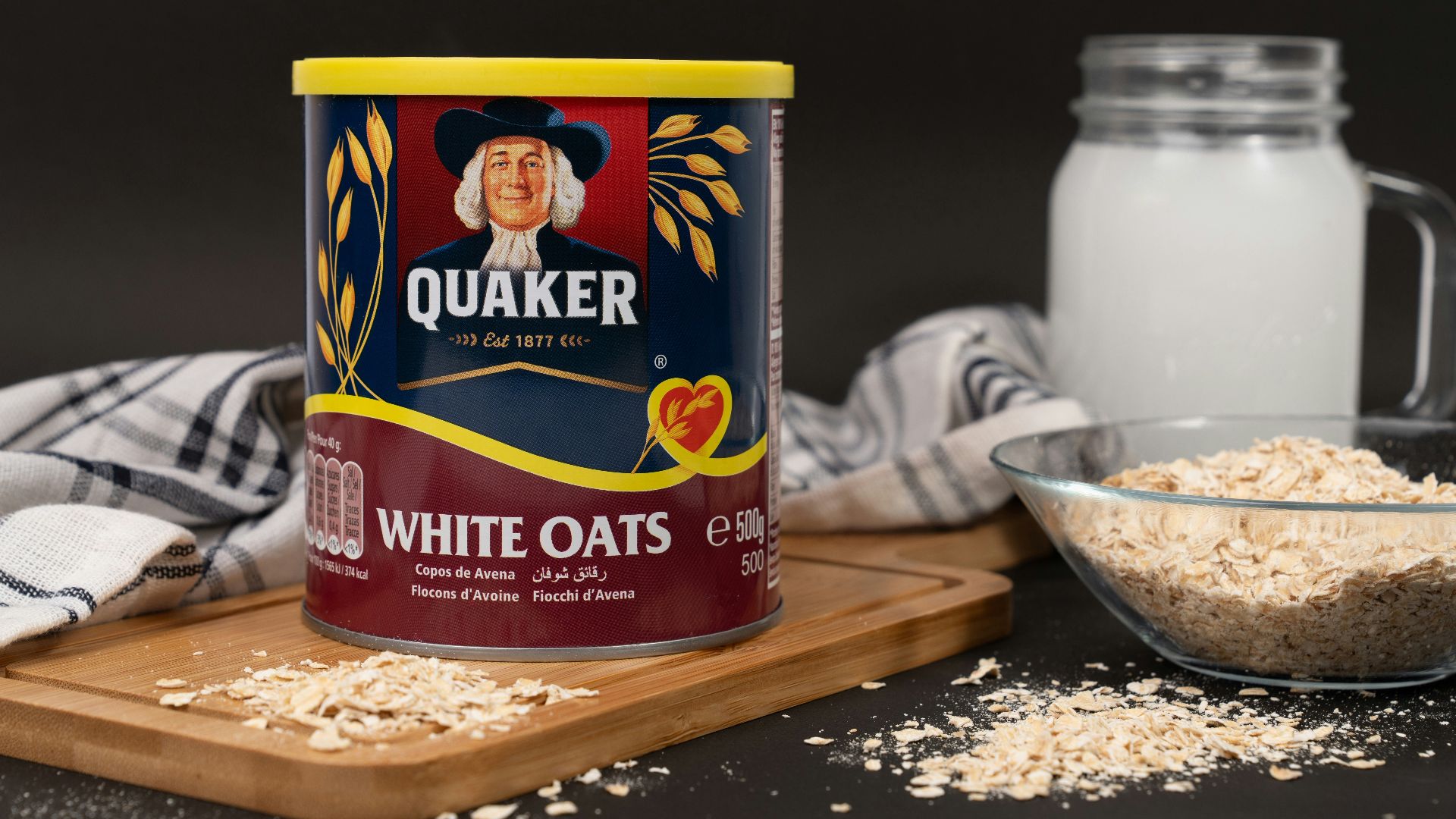
Oatmeal has a genuinely strong reputation as a heart-healthy breakfast, and plain oats absolutely are. However, instant oat Varieties like maple brown sugar or peaches and cream can contain 12 to 15 grams of added sugar per packet, which is a significant hit first thing in the morning.
 Abdul Raheem Kannath on Unsplash
3. Granola Bars
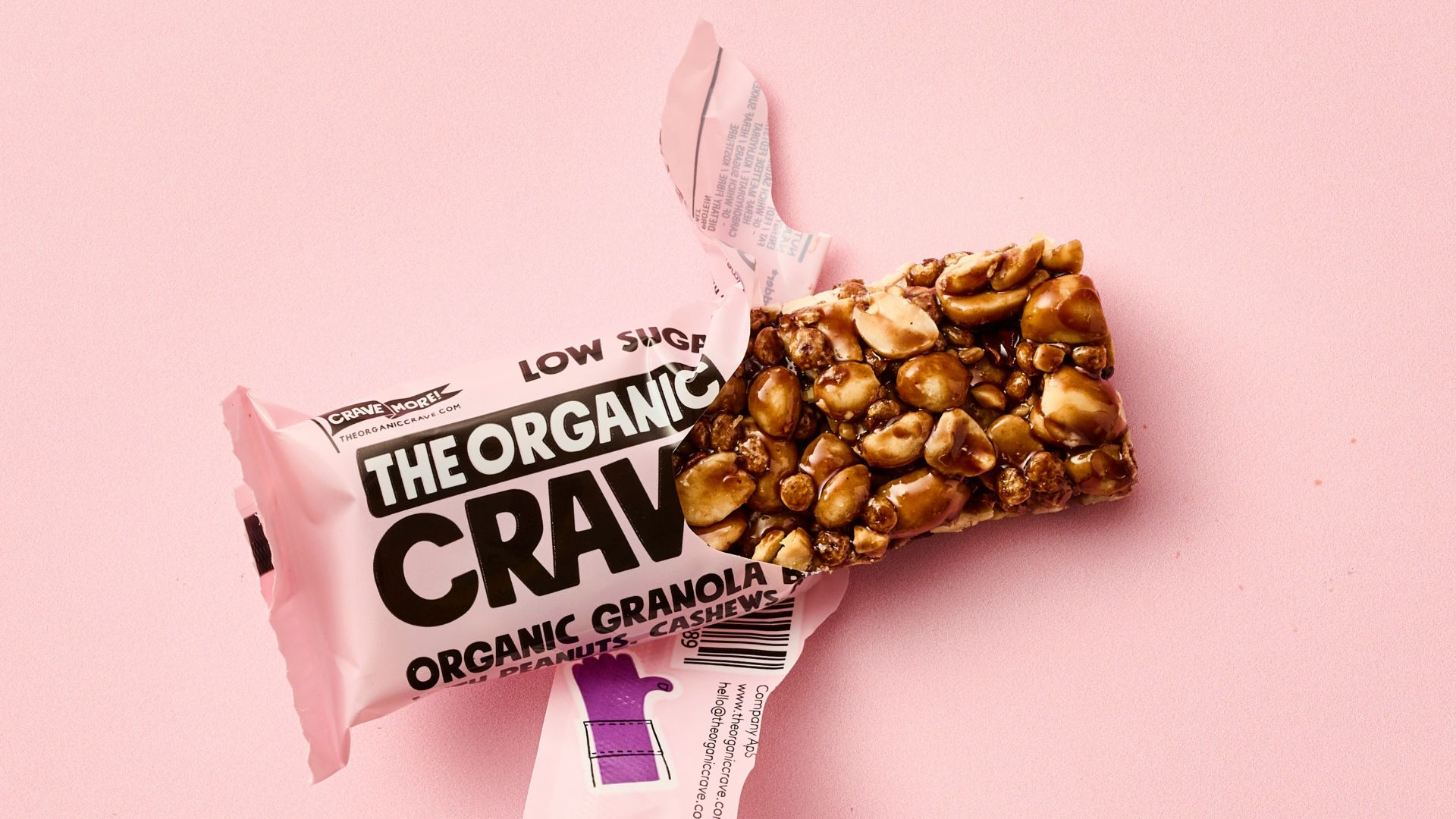
Granola bars occupy a strange middle ground between snack food and candy bars, and for wide popular varieties, the line is nearly invisible. Many well-known brands pack 8 to 12 grams of sugar per bar, often from a combination of syrups, honey, and sweetened coatings.
 THE ORGANIC CRAVE Ⓡ on Unsplash
4. Protein Bars
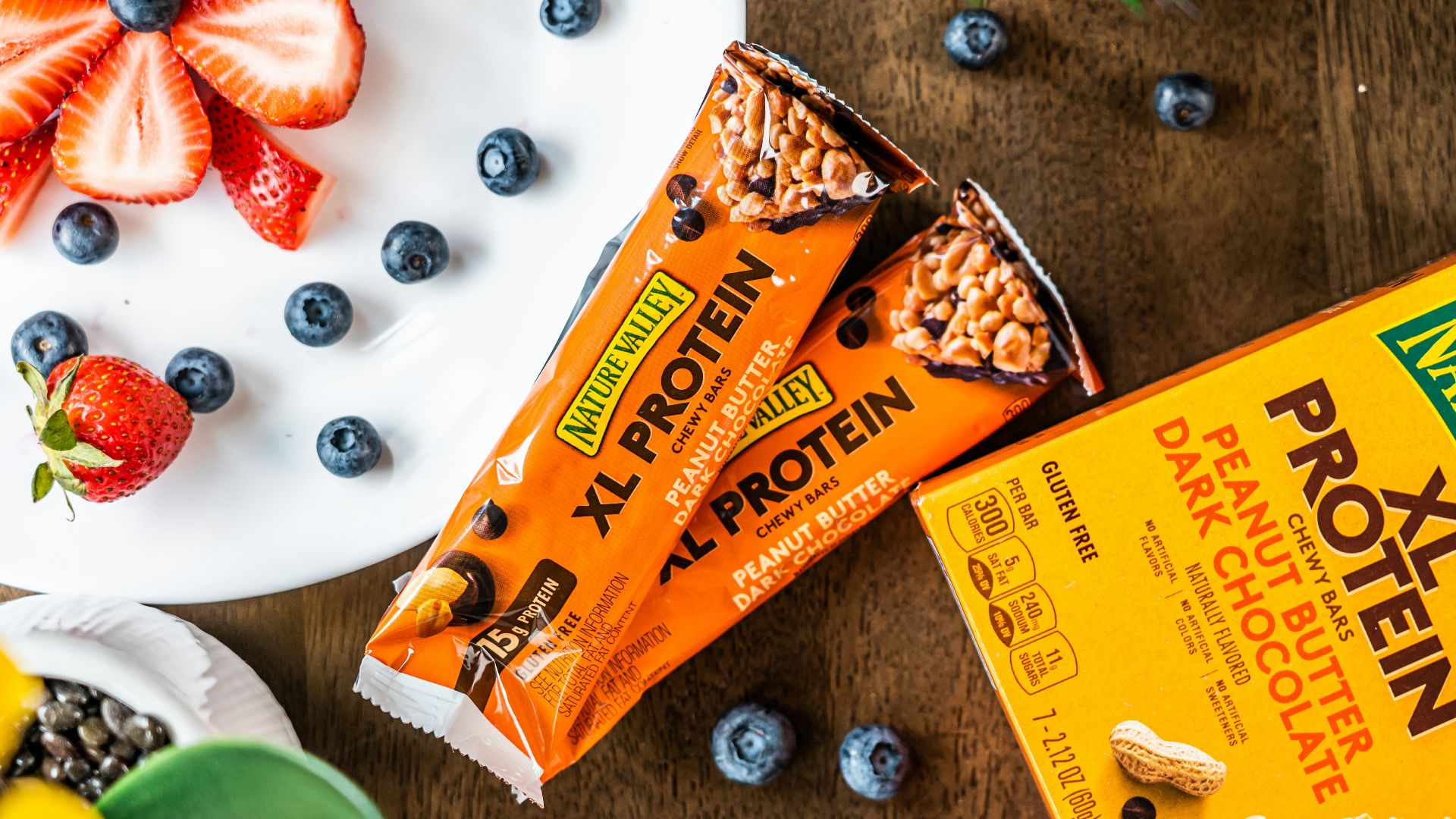
The protein bar category is probably the most egregious offender on this list, because the health halo is so aggressively marketed. Some popular bars, including certain varieties from Clif, contain upward of 22 grams of sugar per bar, rivaling a full-sized candy bar.
 Hybrid Storytellers on Unsplash
5. Jarred Pasta Sauce
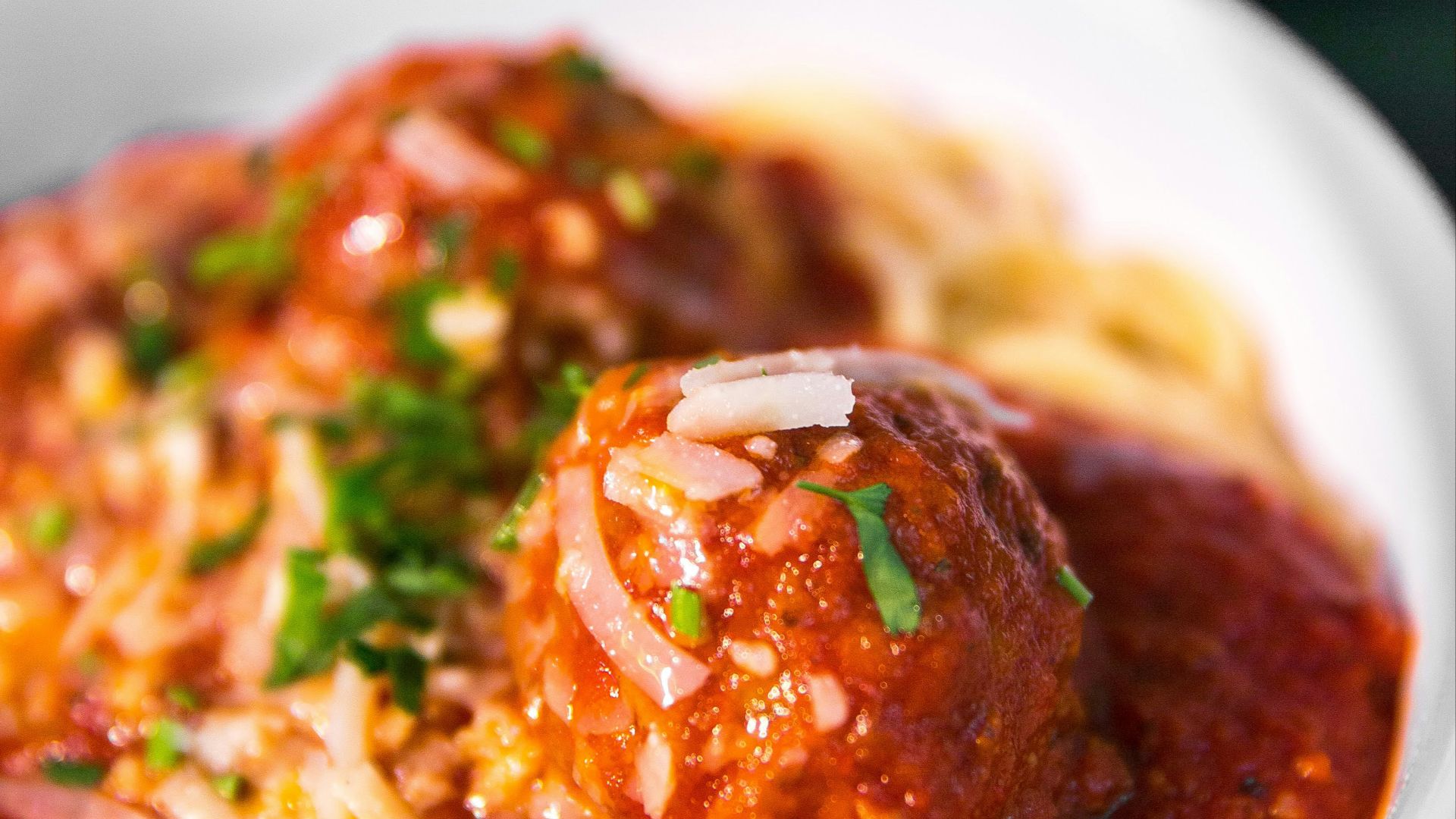
Pasta sauce feels inherently savory, which is exactly why the sugar content catches so many people off guard. Manufacturers add sugar to jarred tomato sauces to balance acidity, and a half-cup serving can contain anywhere from 6 to 12 grams of added sugar depending on the brand and variety.
6. Salad Dressing
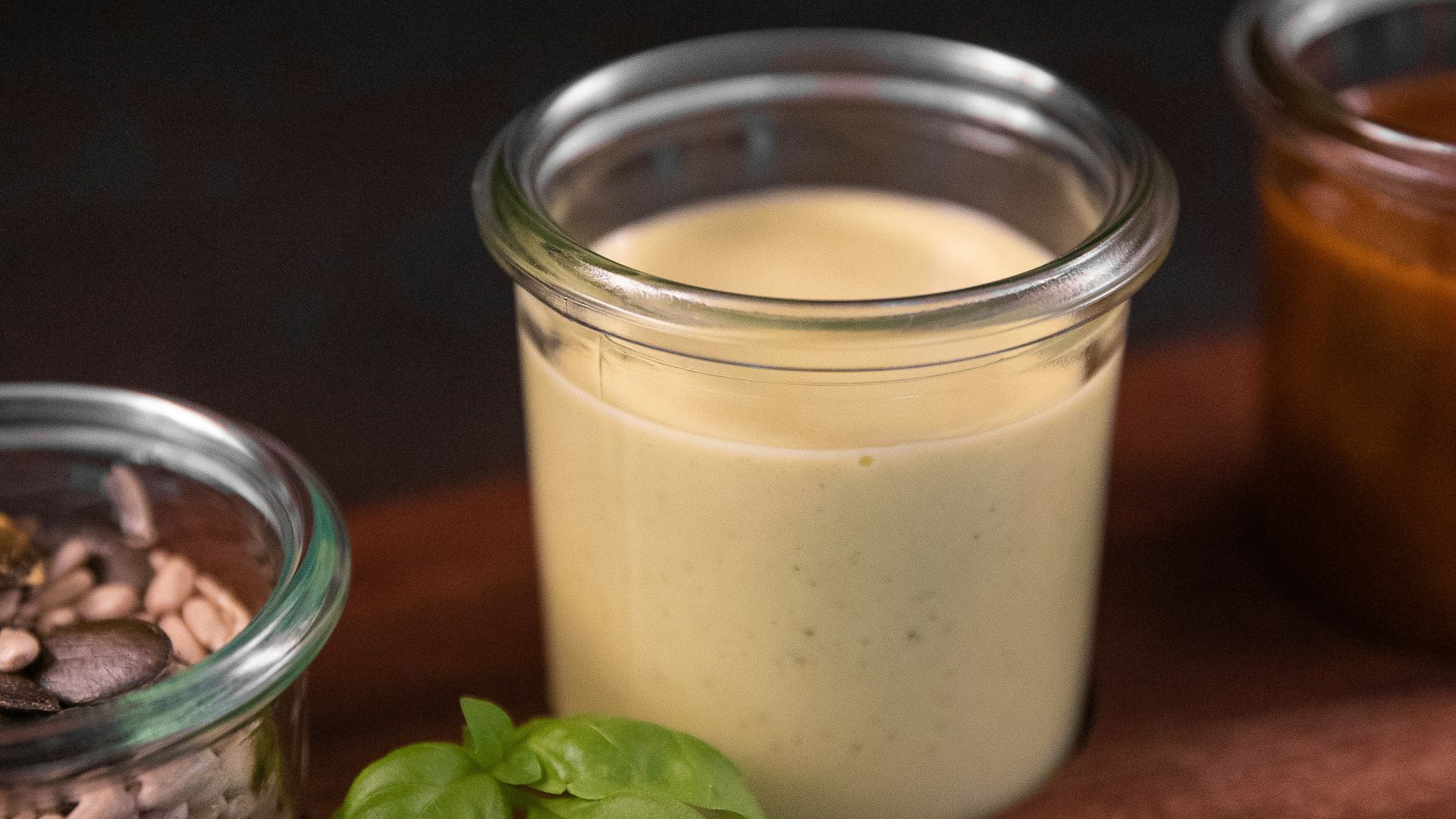
Bottled salad dressings, particularly low-fat and fat-free versions, tend to compensate for reduced fat by loading up on sugar and sweeteners. A two-tablespoon serving of many popular dressings, including raspberry vinaigrette and honey mustard, can contain 5 to 8 grams of added sugar.
 Janosch Diggelmann on Unsplash
7. Flavored Non-Dairy Milk
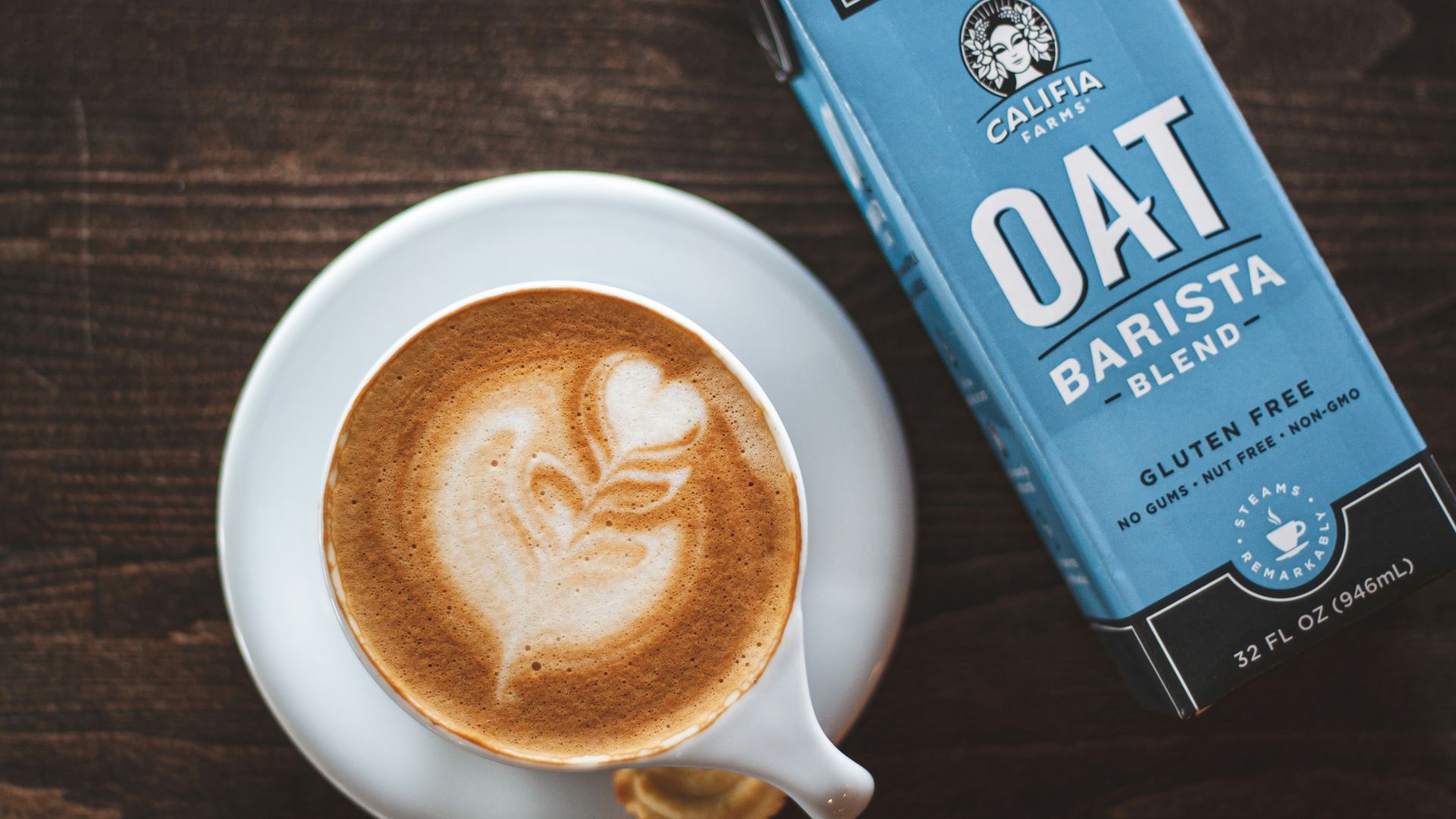
Oat milk and almond milk have become fixtures in the wellness world, but the flavored and sweetened versions are considerably less innocent than their packaging implies. Sweetened varieties from brands like Silk and Oatly can contain around 7 grams of added sugar per cup.
8. Ketchup
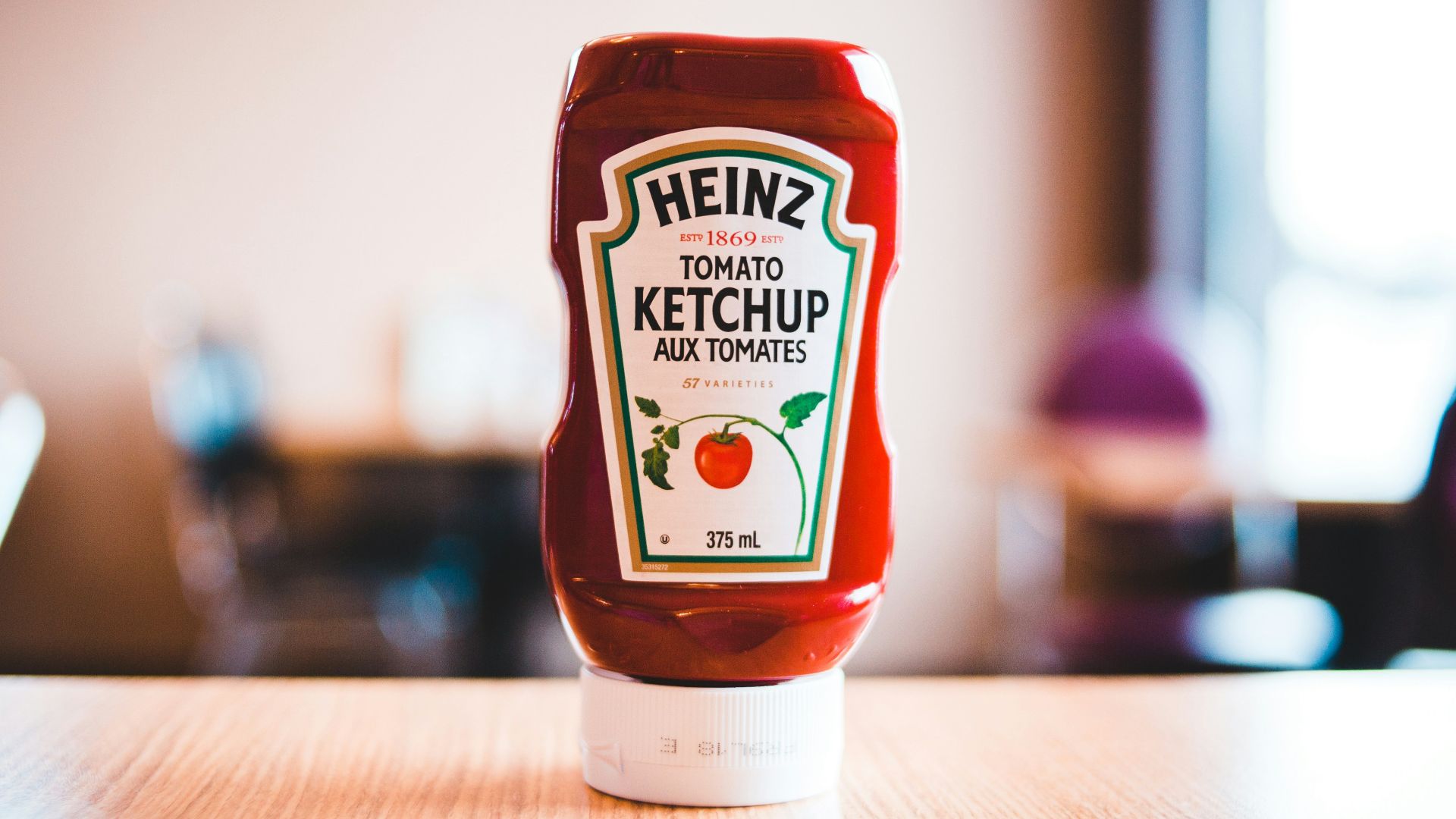
Ketchup is one of those condiments that most people have stopped thinking about critically, which is part of what makes it such a reliable sugar source. A single tablespoon serving contains roughly 4 grams of sugar, meaning a couple of generous squirts over fries or eggs can deliver more sugar than some cookies.
9. Barbecue Sauce
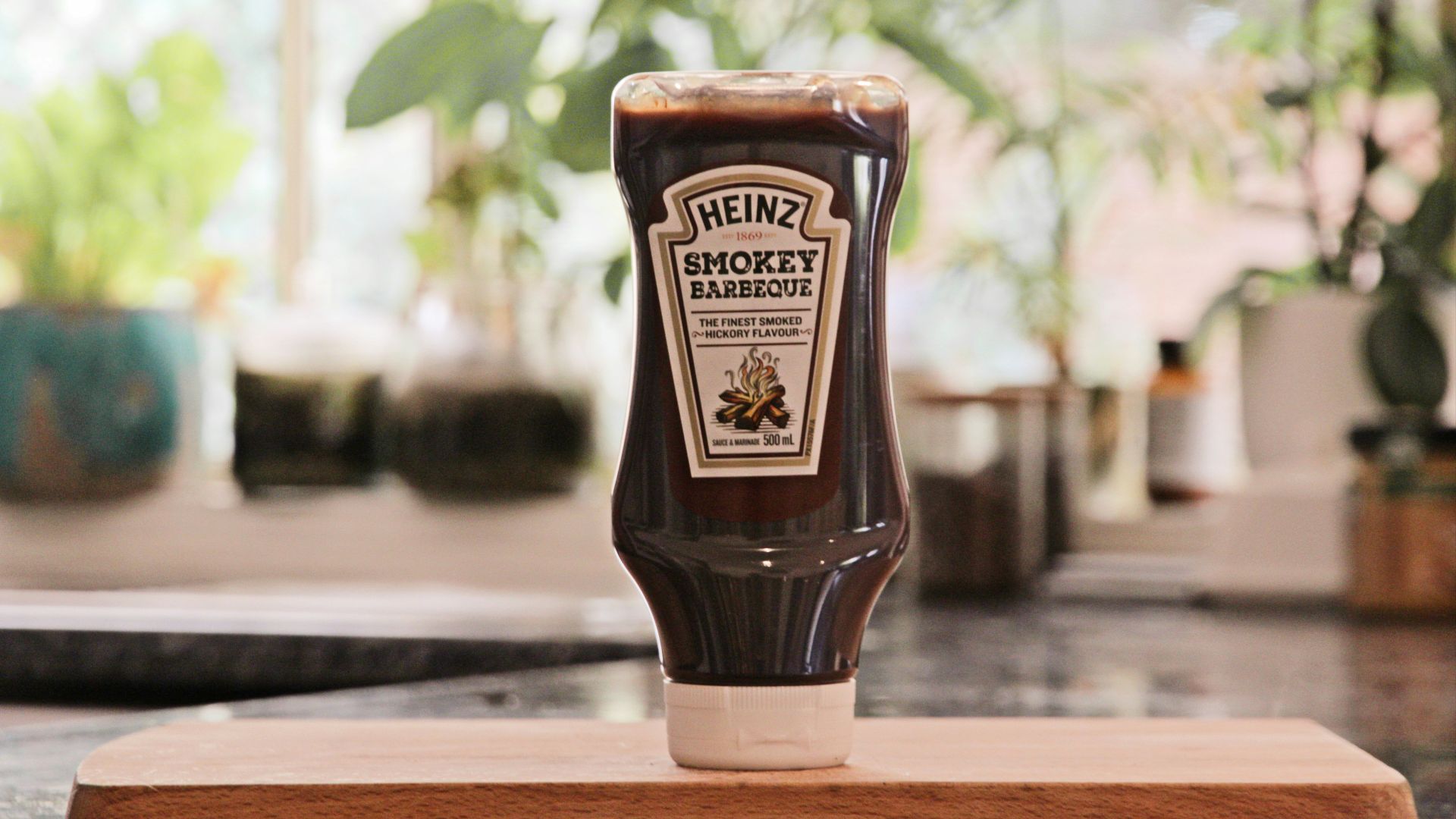
Barbecue sauce takes the ketchup problem and amplifies it considerably, since sweetness is actually central to the product's identity. Two tablespoons of a standard barbecue sauce can contain 12 to 16 grams of sugar, and most people apply it far more generously than that.
 Addilyn Ragsdill @clockworklemon.com on Unsplash
10. Flavored Coffee Creamer
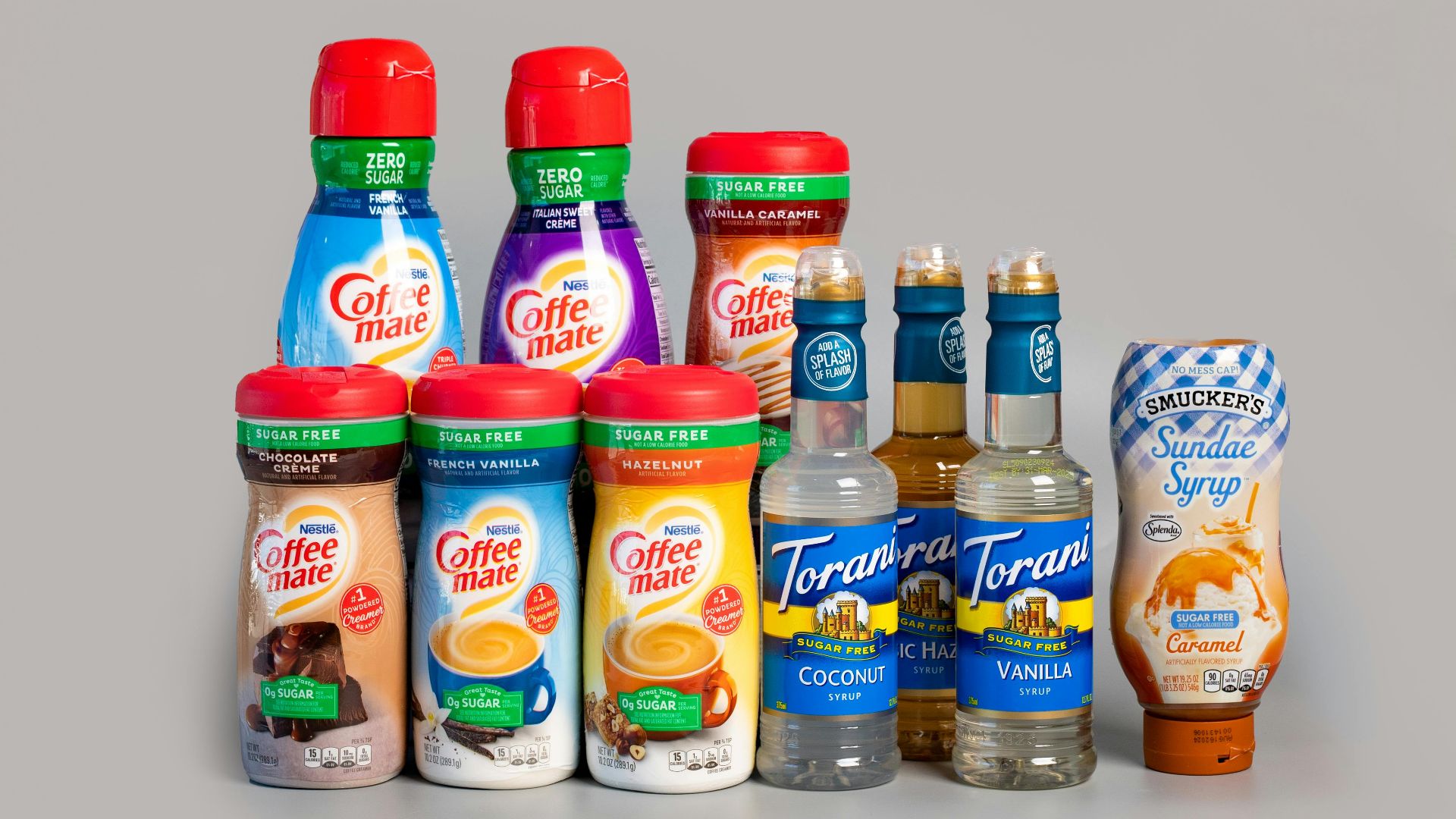
Many flavored liquid creamers contain 5 grams of added sugar per tablespoon, and since most coffee drinkers use two to four tablespoons per cup, a single morning coffee can easily become a powerhouse for sugar highs.
11. Canned Fruit in Syrup
Canned fruit sounds like a reasonable stand-in for fresh fruit, especially in winter months when fresh produce is expensive or limited, but fruit packed in heavy or light syrup is a fundamentally different product. A single cup of canned peaches in syrup can contain up to 26 grams of sugar, a large portion of which comes from the added syrup rather than the fruit itself.

12. Fruit Preserves and Jams
Jam and jelly exist in a category that most people mentally file under "obviously sweet," yet they still get spread liberally on toast that is marketed as wholesome whole-grain bread. A single tablespoon of standard fruit preserves contains around 10 to 13 grams of sugar, and since a generous spreading involves at least two tablespoons, a simple piece of toast can carry 20 grams of sugar, or more.
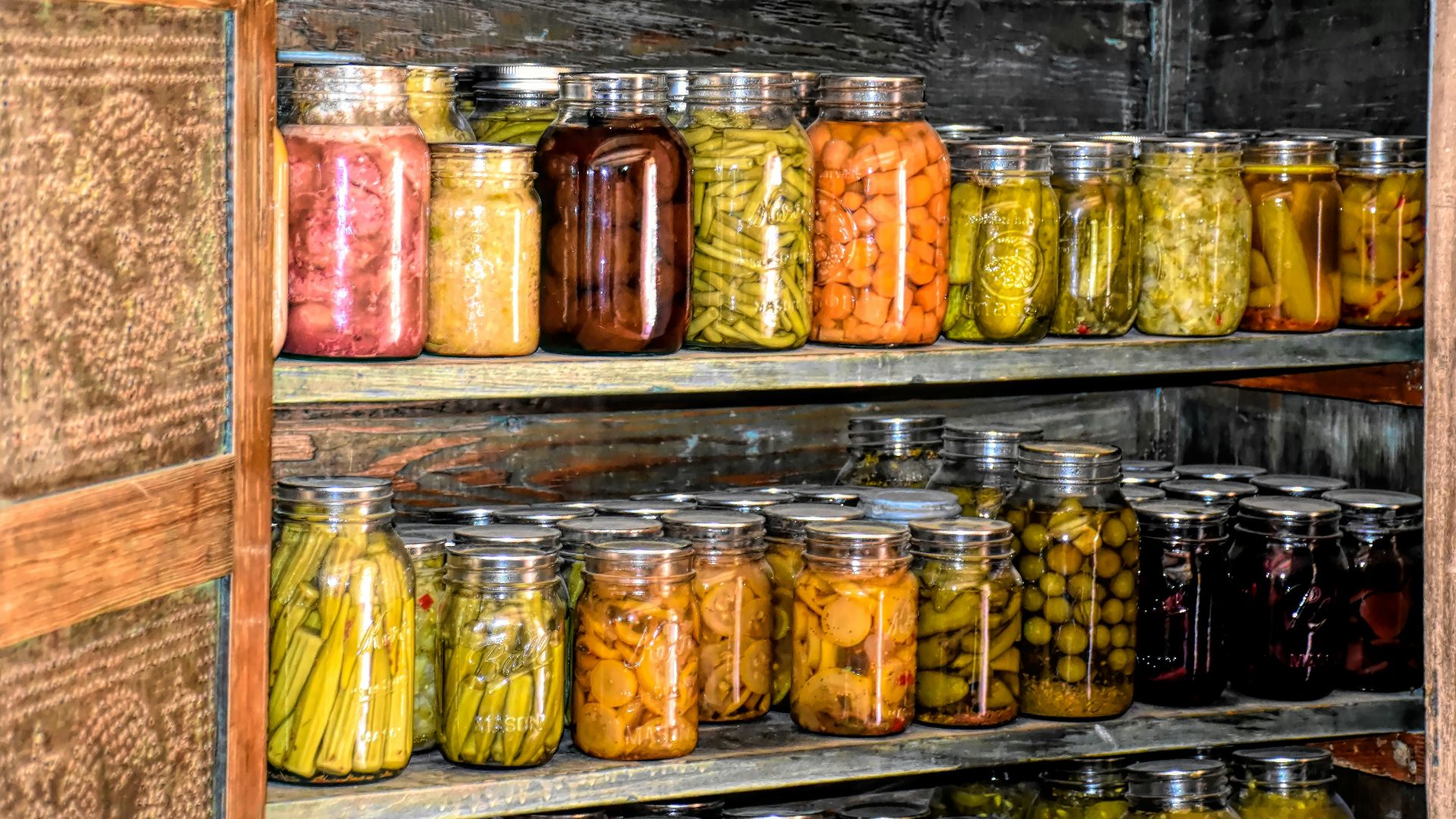
13. Certain Nut Butters
Natural peanut butter made from nothing but ground peanuts is a genuinely nutritious food, but many popular nut butters on mainstream grocery shelves contain added sugar, sometimes alongside partially hydrogenated oils. Sweetened almond and peanut butter varieties can add 3 to 5 grams of sugar per serving.
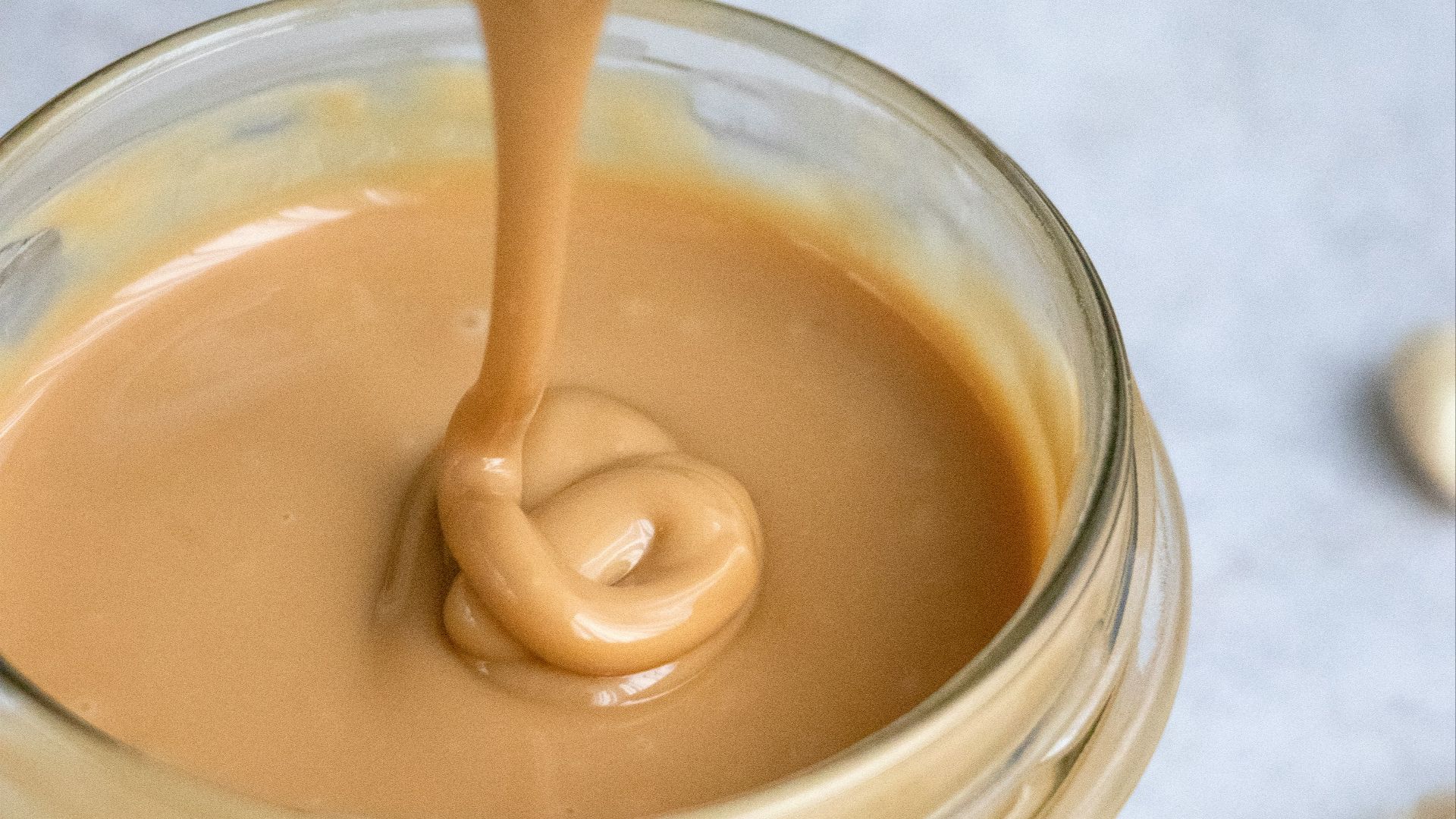
14. "Healthy" Breakfast Cereals
The breakfast cereal aisle is where health marketing really earns its money, because cereals with words like "ancient grains," "honey clusters," or "harvest" in the name routinely contain as much sugar as the brightly colored kids' cereals two shelves down. Some cereals marketed specifically toward health-conscious adults contain 12 to 18 grams of sugar per serving.
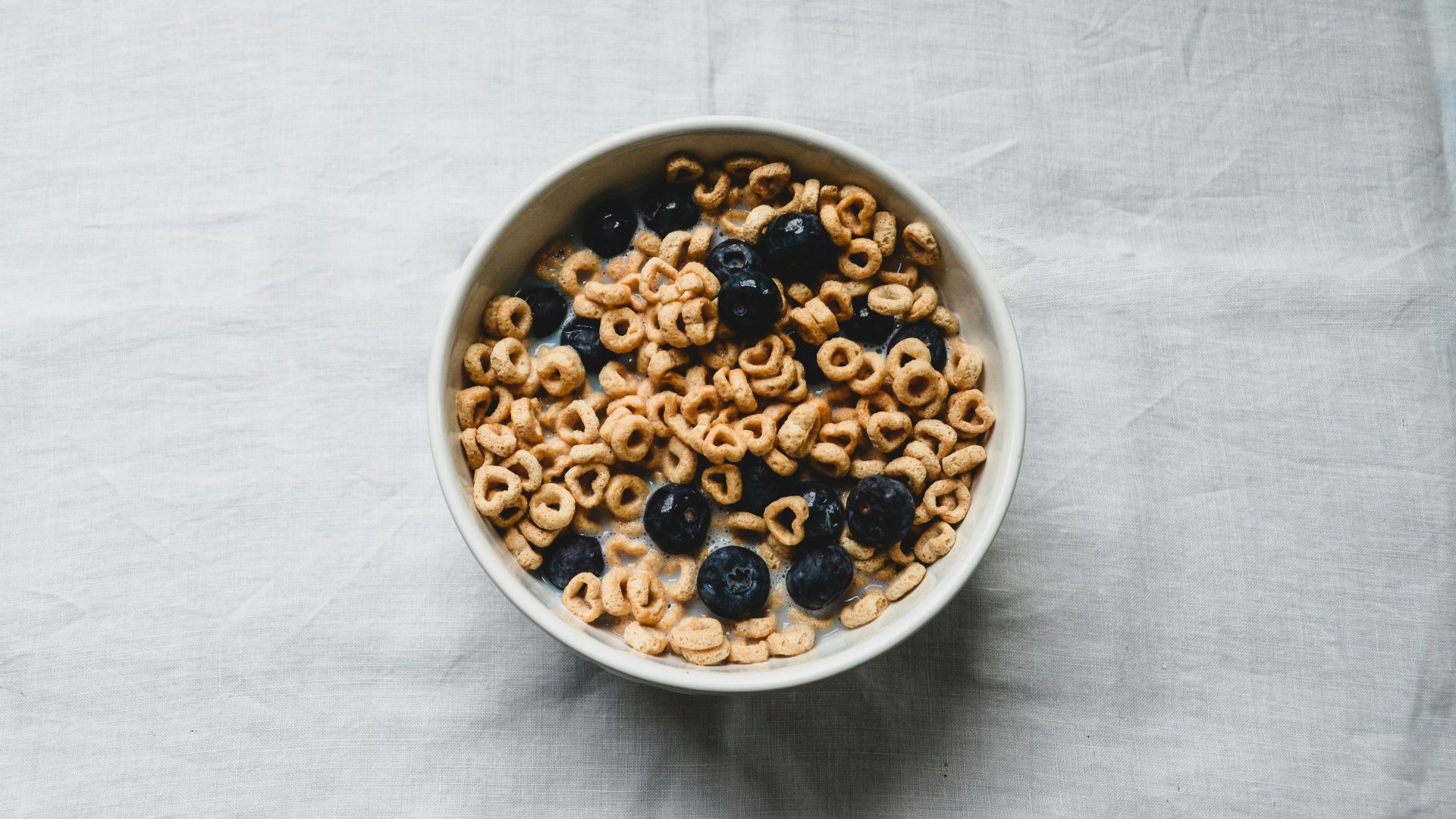
15. Crackers
Crackers occupy a savory mental category that insulates them from the same scrutiny people apply to cookies, yet widely popular varieties contain multiple added sweeteners. Wheat Thins, Ritz, and similar crackers include sugar, high-fructose corn syrup, or both in their ingredient lists, contributing a few grams of added sugar per serving.
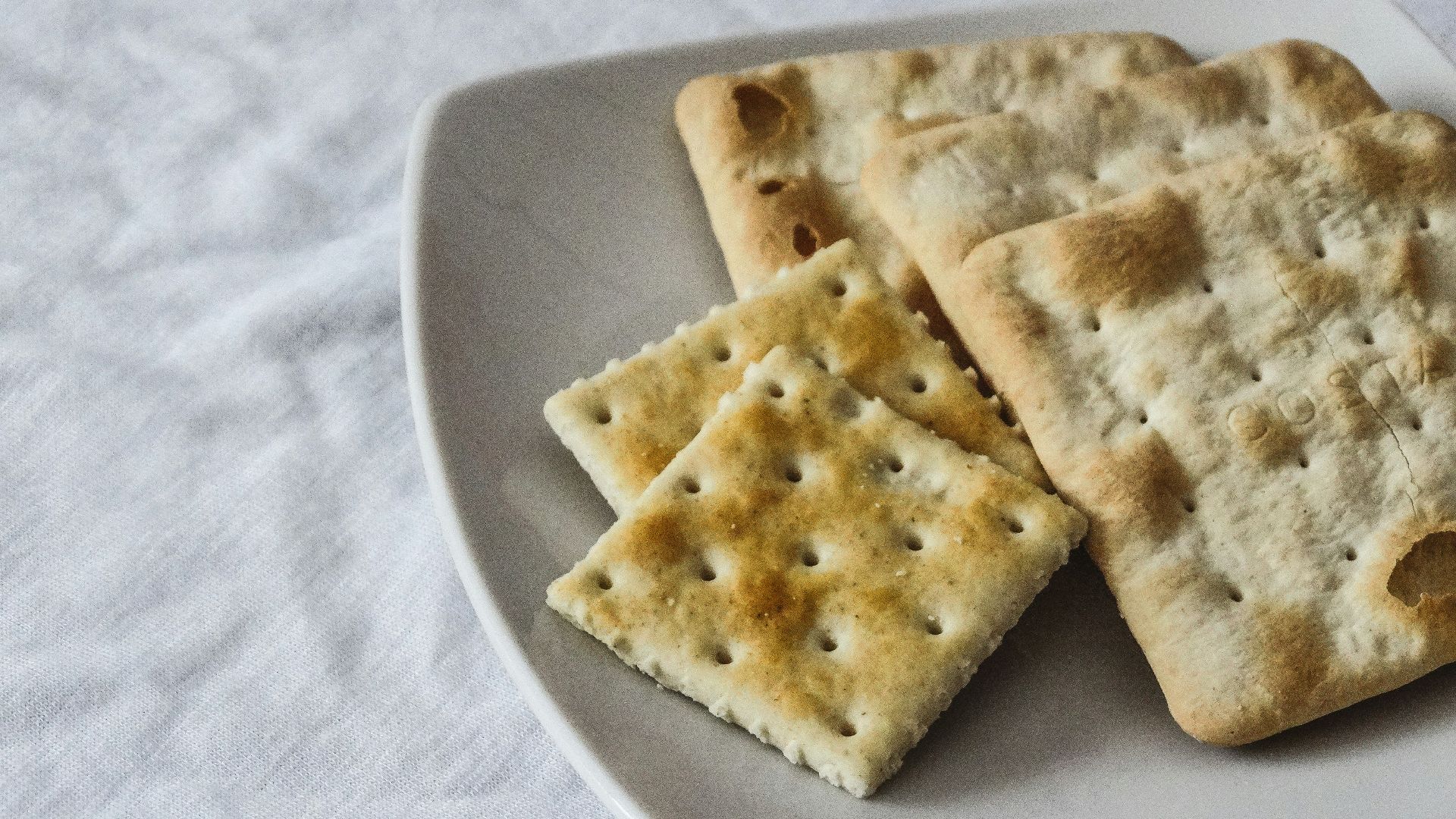
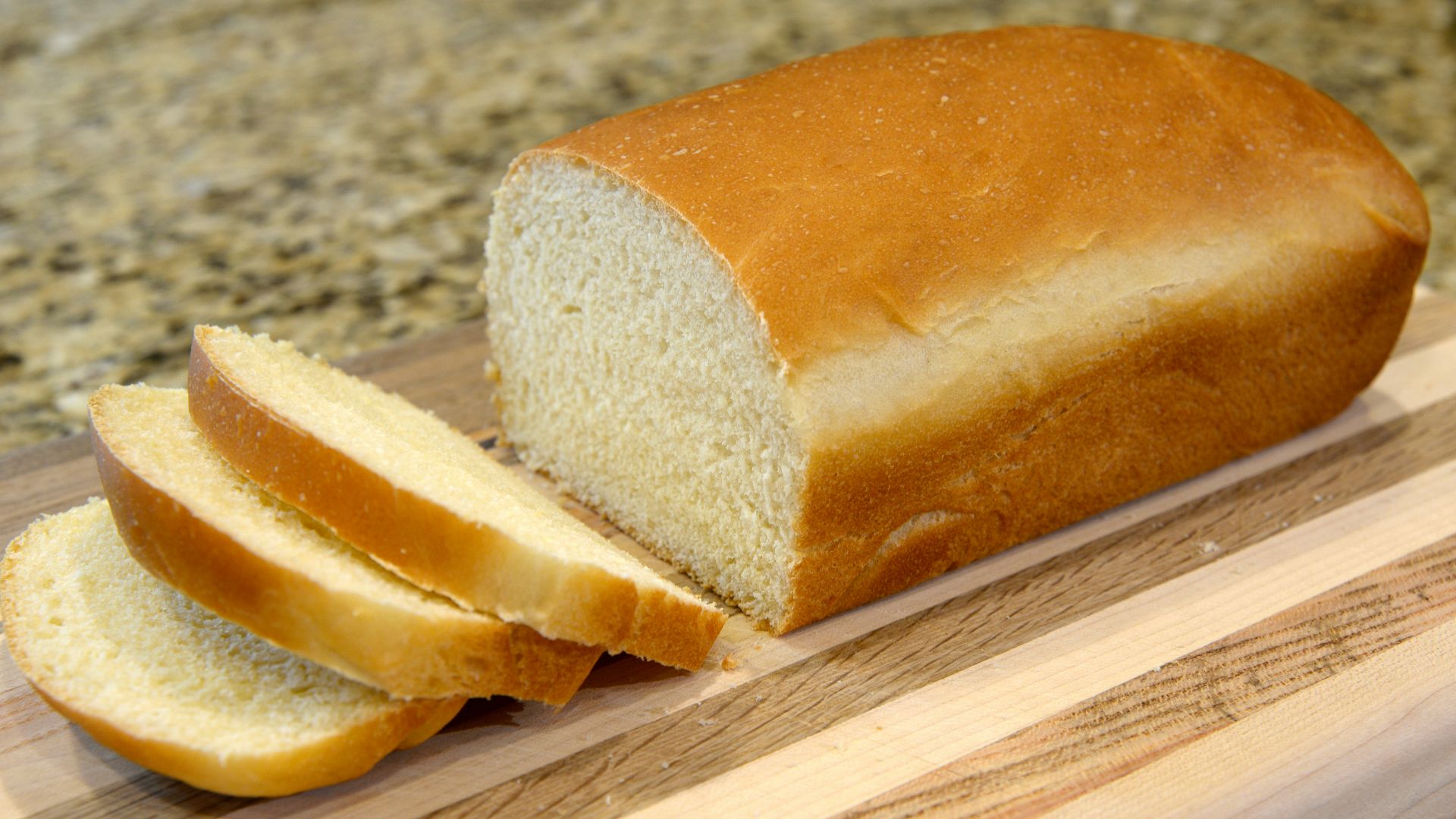
16. White and Refined Bread
Bread is not typically thought of as a sugary food, which is exactly why the added sugar in commercial white bread goes largely unnoticed. Many standard loaves contain around 2 grams of added sugar per slice, and since two-slice sandwiches are the norm, a single lunch can deliver 4 grams of sugar from the bread alone before any condiments enter the picture.
17. Sports Drinks
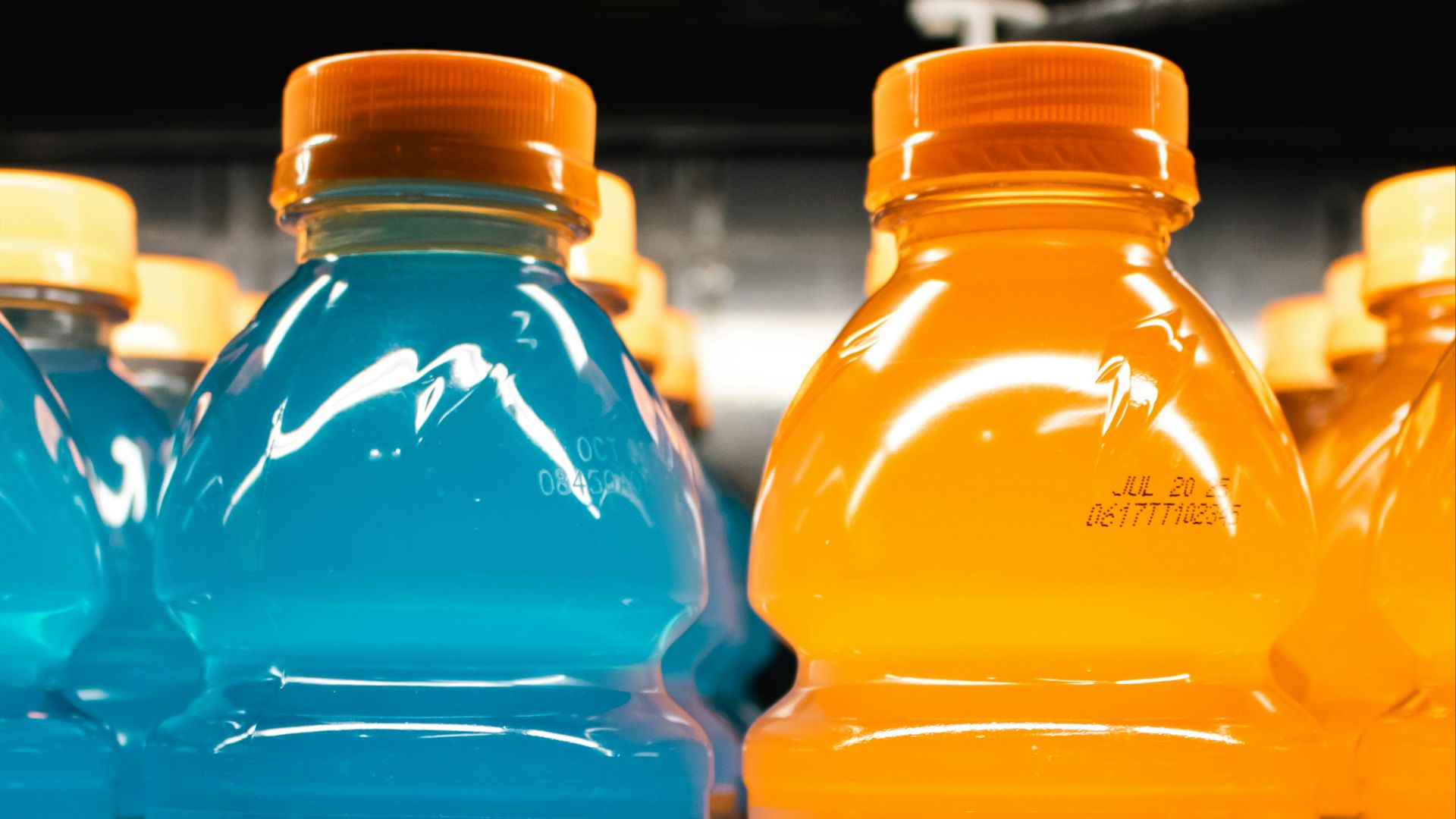
Sports drinks were originally developed to help endurance athletes replace electrolytes during prolonged physical activity, a context in which quick sugar can serve a real purpose. For the vast majority of people who drink them during a gym session or as an afternoon refreshment, the 34 grams of sugar in a standard 20-ounce bottle is just an unnecessary surplus.
18. Bottled Smoothies and Superfood Drinks
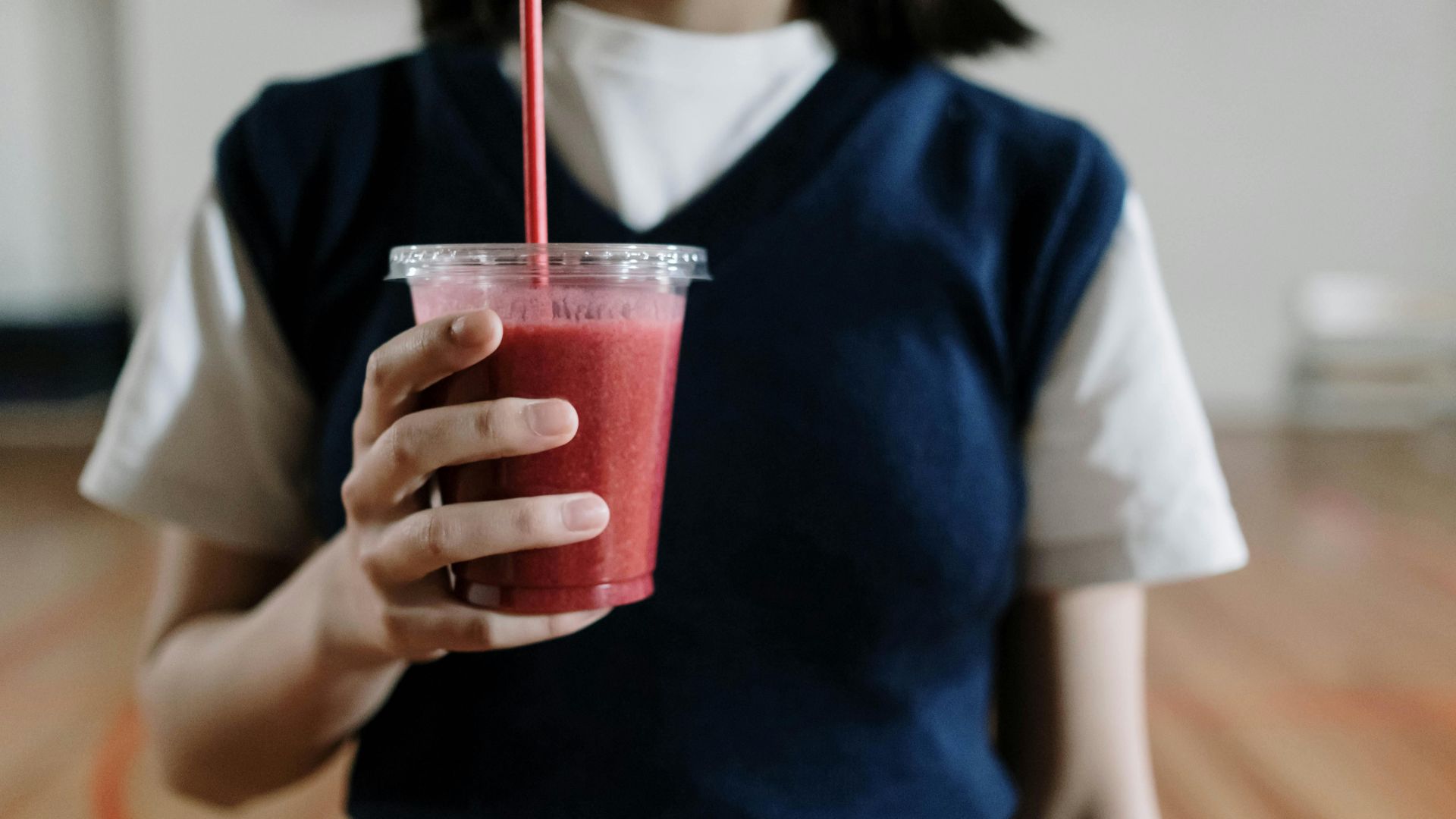
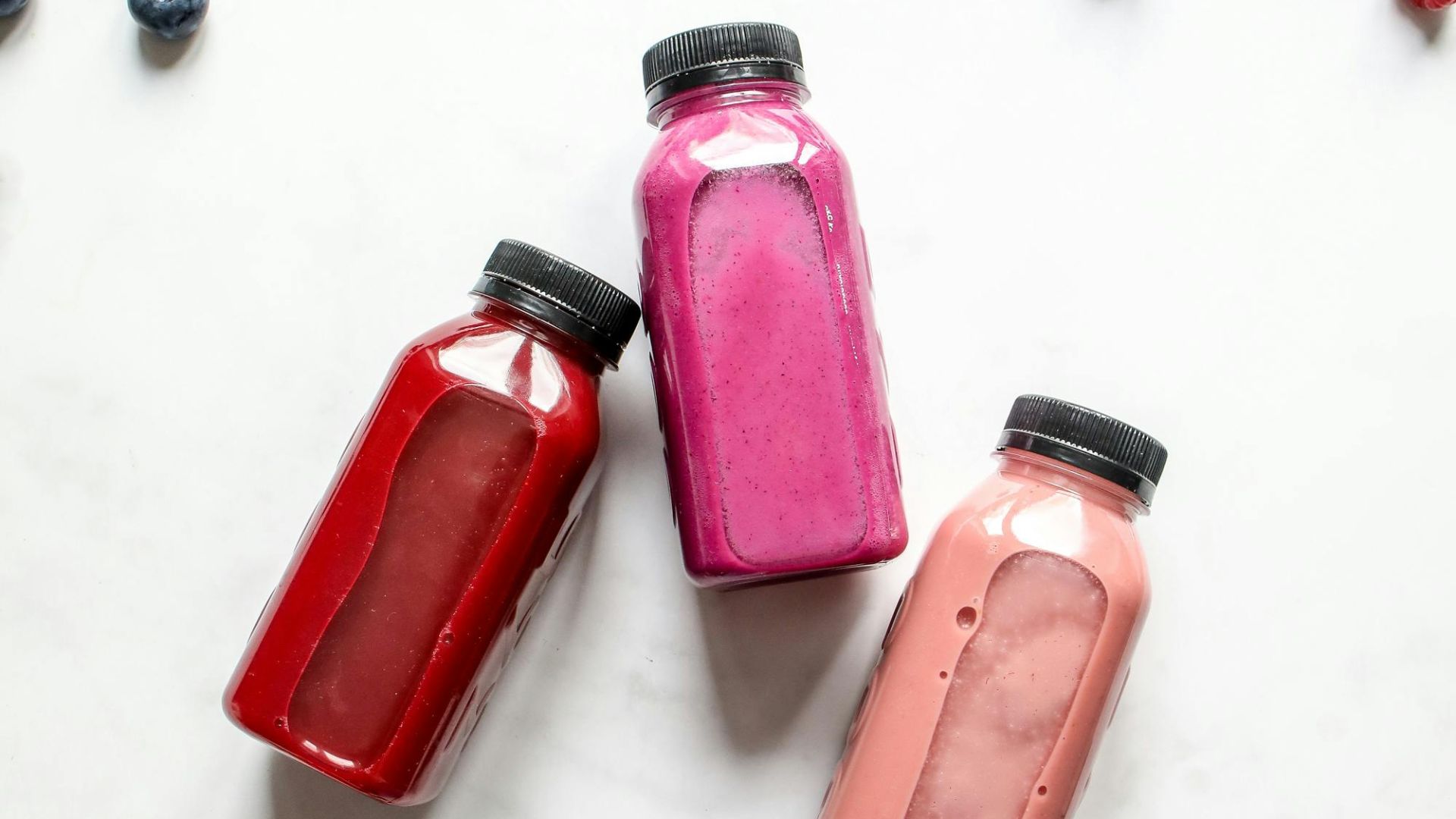
Many commercially produced smoothies and superfood drinks contain 40 to 55 grams of sugar per bottle, often from a combination of fruit juice concentrate, added sweeteners, and high-sugar fruit purees. Making a smoothie at home with whole fruit gives you the fiber that helps slow sugar absorption, something the bottled version almost never provides.
19. Low-Fat Yogurt
Low-fat yogurt doubles down on the flavored yogurt problem by adding another layer of misleading marketing. It’s been shown that low-fat labeled dairy products often contain more added sugar than their full-fat counterparts, making the fat-free aisle one of the trickier places to navigate in a grocery store.
20. Granola
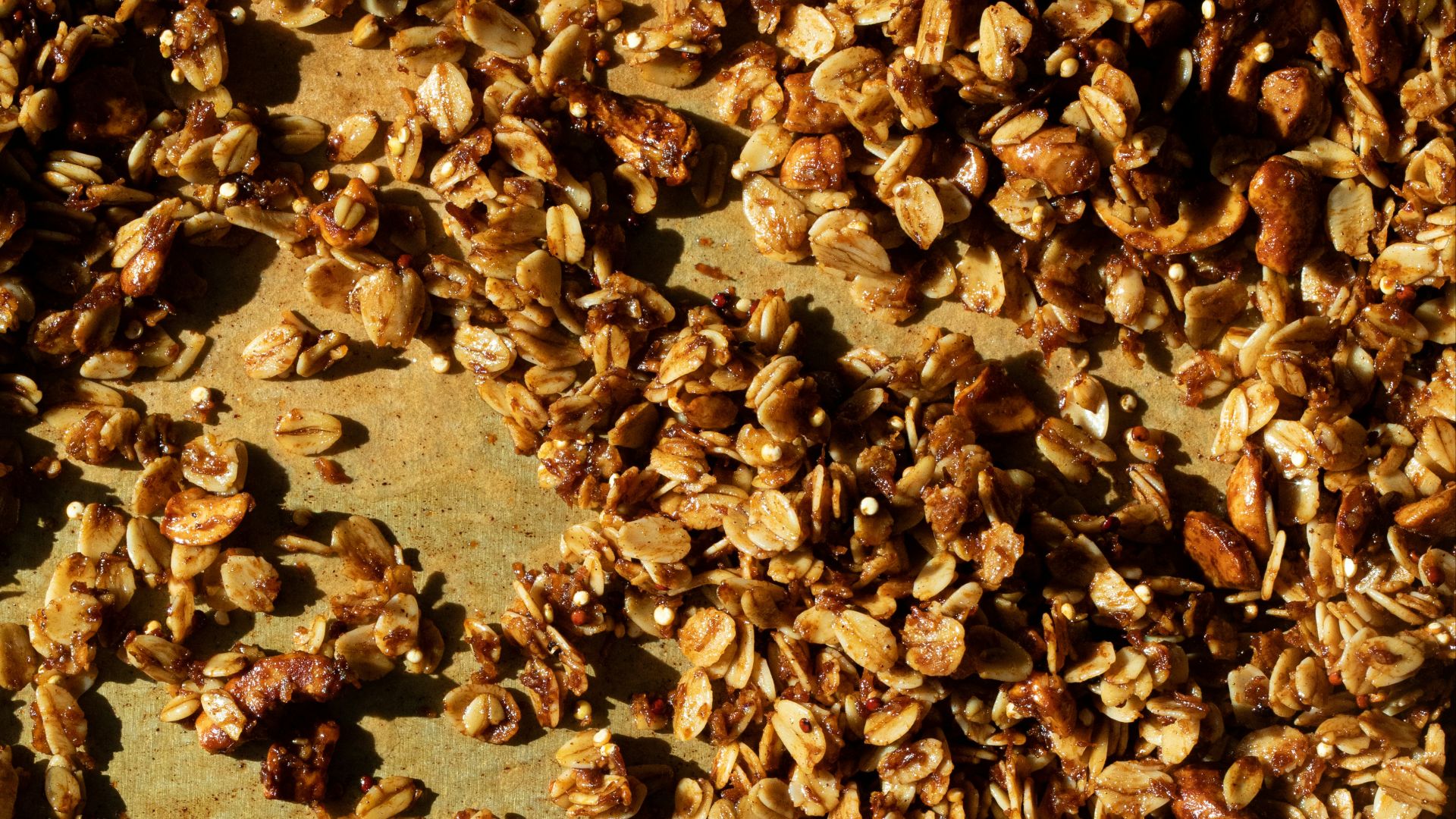
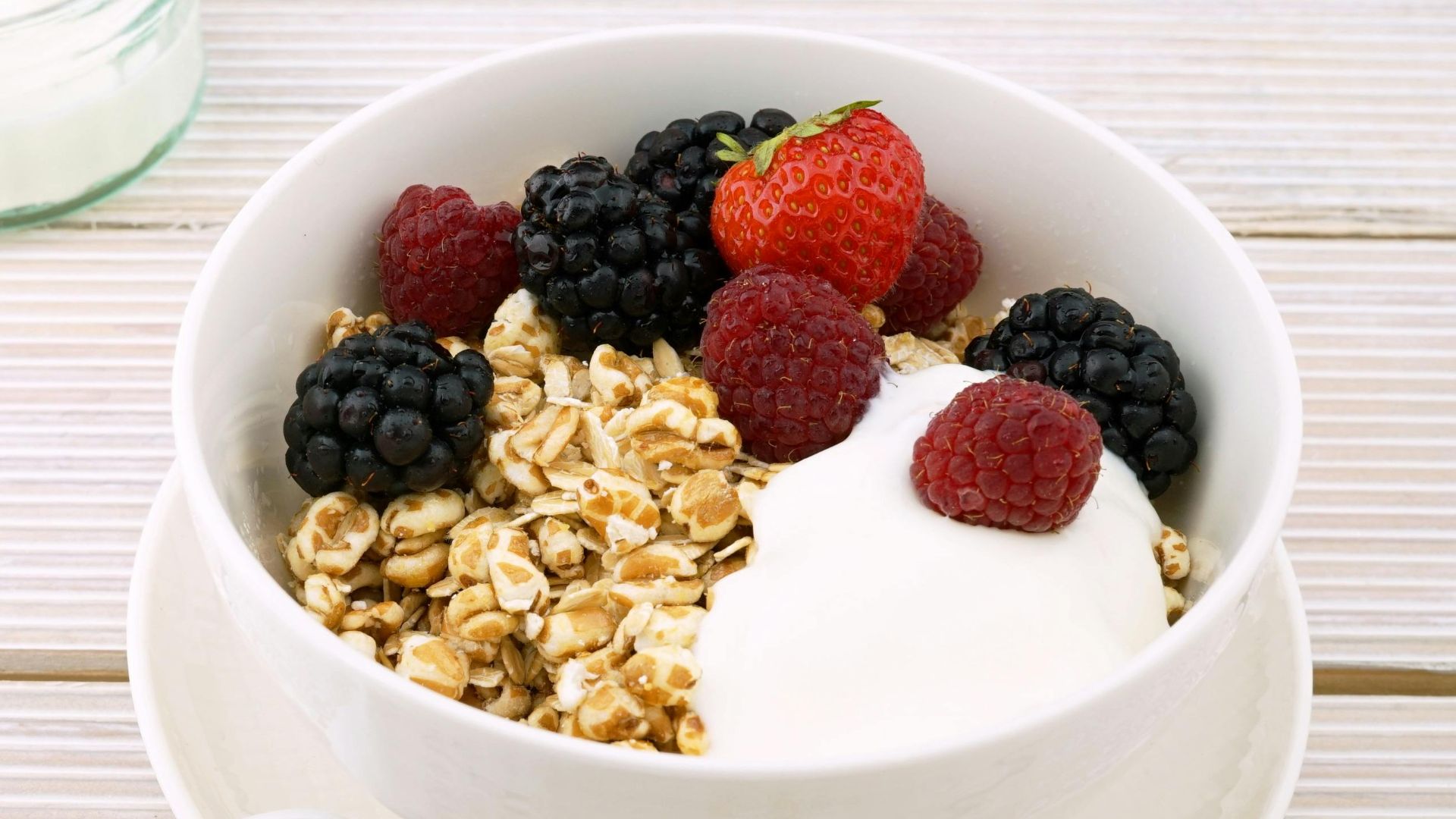
Granola rounds out this list as perhaps the most universally trusted of all the foods here, which is part of what makes it worth examining closely. Even varieties that look rustic and minimal, with visible oat clusters and dried fruit, are typically held together by significant amounts of honey, brown sugar, or maple syrup. A half-cup serving of many popular granolas contains 12 grams of added sugar or more.