
Small Changes Add Up In A Big Way
Heart health isn’t built in one dramatic moment. It’s shaped by what you toss into your grocery cart week after week. The good news is that you don’t have to overhaul your entire diet overnight to make meaningful progress. Simple swaps, like choosing a different cooking oil or reaching for whole grains instead of refined ones, can help lower LDL cholesterol, reduce excess sodium, and support healthier blood pressure. If you’re ready to make smarter choices without sacrificing flavor, these 20 grocery swaps are a practical place to start.

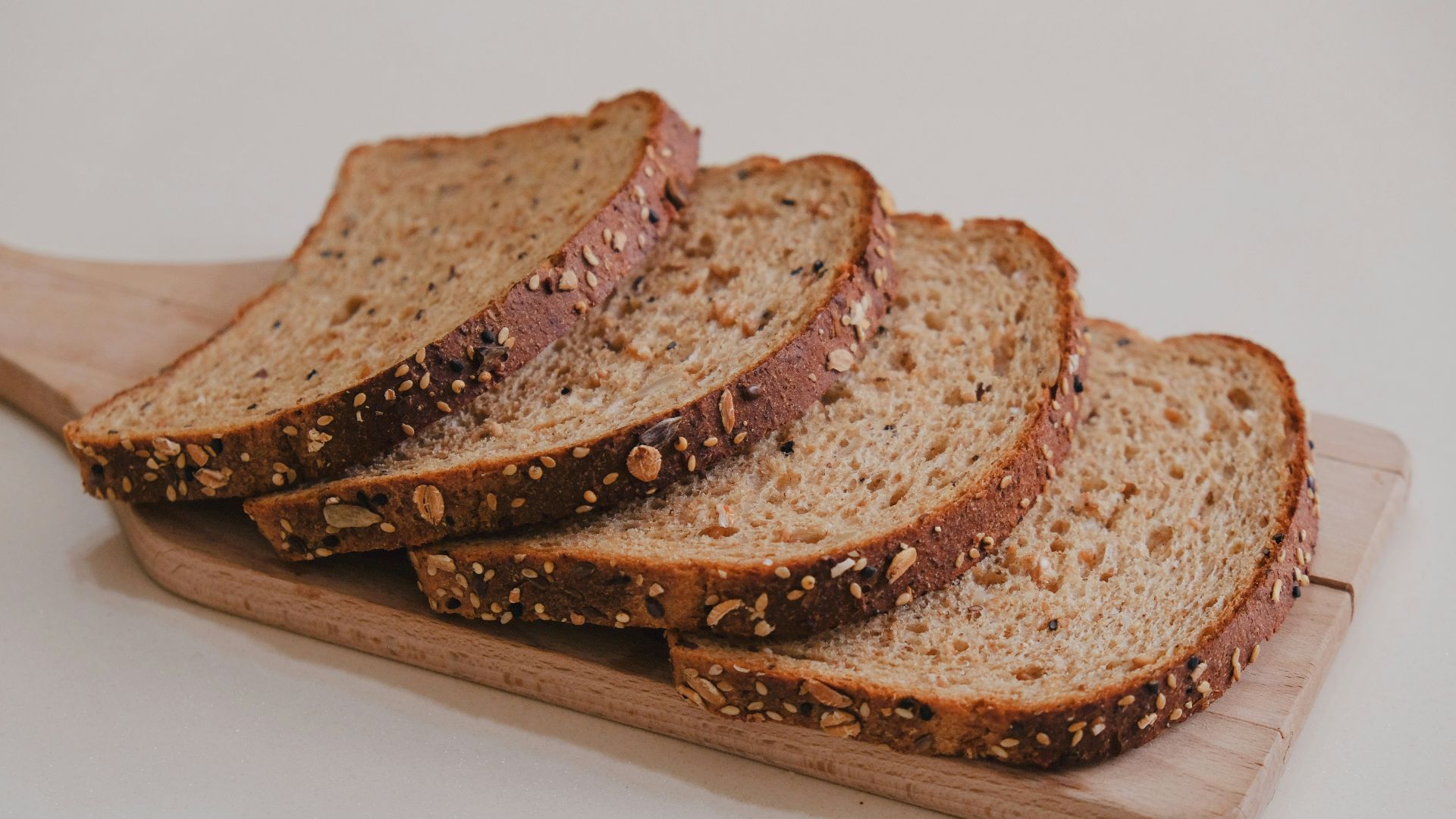
1. Swap White Bread For 100% Whole Grain Bread
Refined white bread is made from flour that’s had the bran and germ removed, which strips away fiber and nutrients. In contrast, 100% whole grain bread keeps those components intact, offering more fiber that can help lower LDL cholesterol.
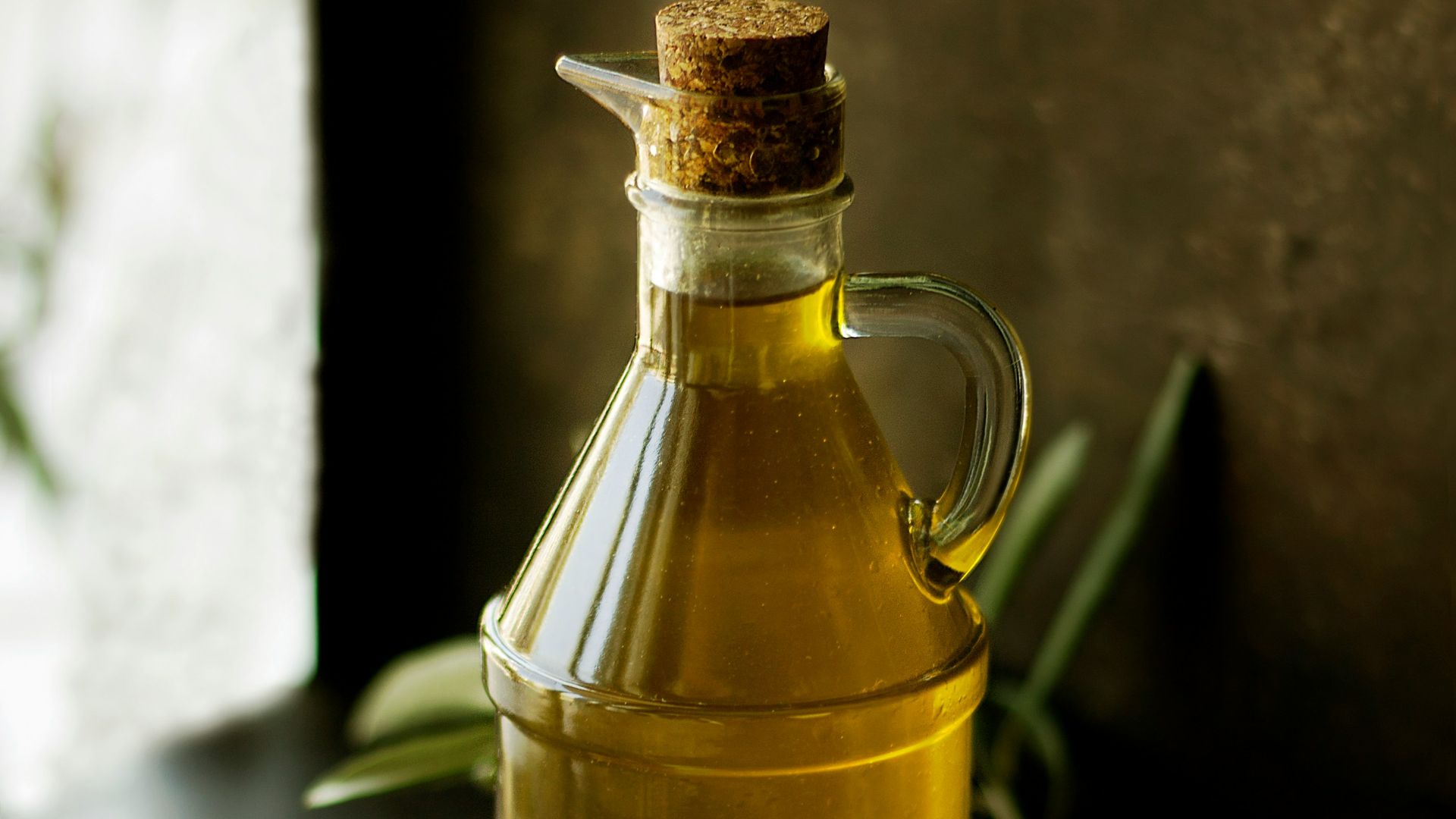
2. Swap Butter For Extra Virgin Olive Oil
Butter is high in saturated fat, which can raise LDL cholesterol when consumed in excess. Extra virgin olive oil is rich in monounsaturated fats, which are associated with improved heart health when used in place of saturated fats.
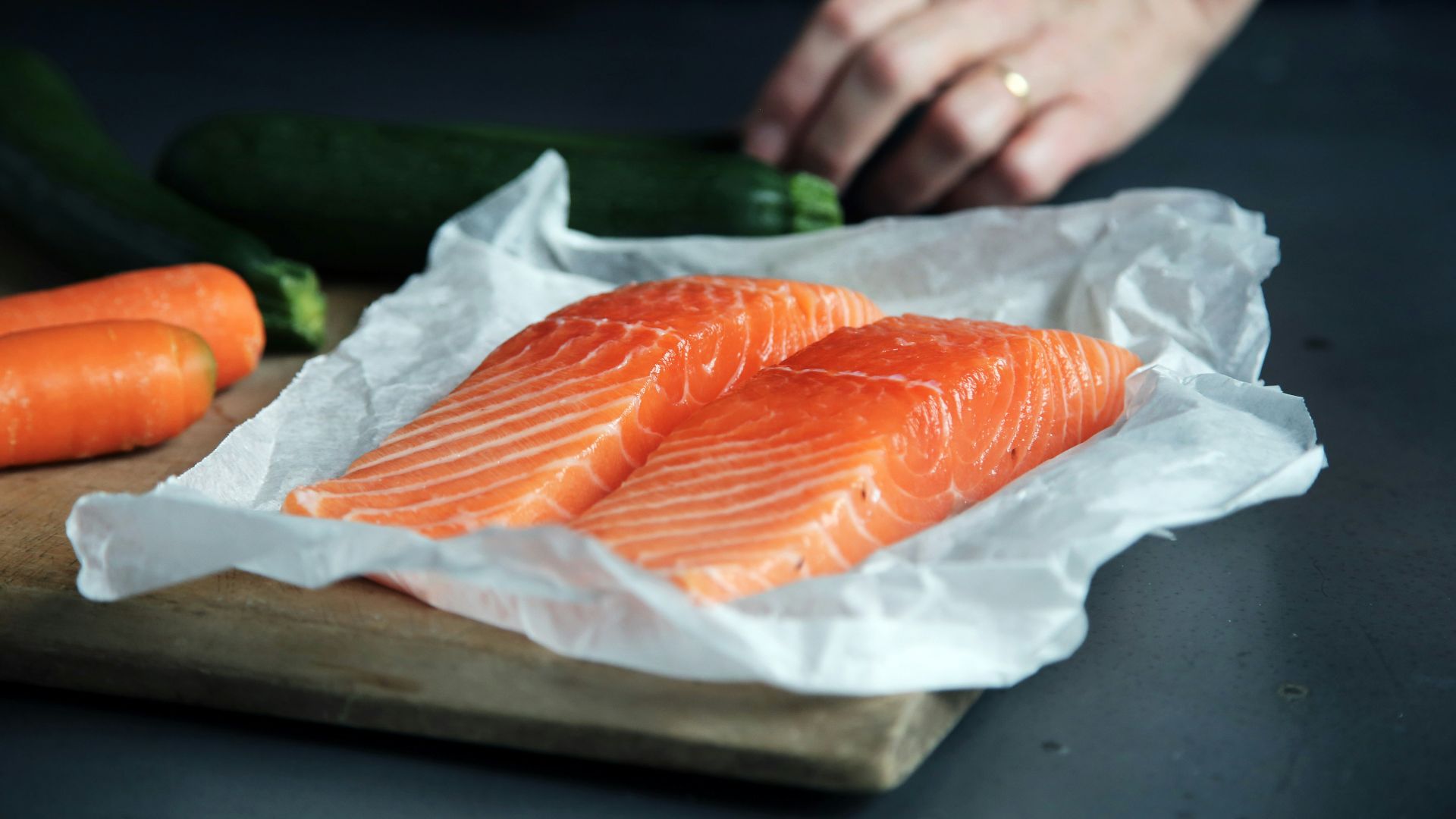
3. Swap Fatty Red Meat For Fatty Fish
Cuts of beef that are high in saturated fat can contribute to higher cholesterol levels over time. Fatty fish like salmon, mackerel, and sardines provide omega-3 fatty acids, which are linked to reduced triglyceride levels and a lower risk of heart disease.
4. Swap Regular Yogurt For Plain Greek Yogurt
Some flavored yogurts are packed with added sugars, which can contribute to weight gain and increased cardiovascular risk. Plain Greek yogurt offers more protein and typically less sugar, especially if you add your own fruit for sweetness.

5. Swap Potato Chips For Unsalted Nuts
Potato chips are often high in sodium and unhealthy fats, especially if they’re fried in refined oils. Unsalted nuts like almonds and walnuts provide healthy fats, fiber, and plant sterols that can support better cholesterol levels.
 Esperanza Doronila on Unsplash
6. Swap Processed Deli Meat For Fresh Roasted Turkey
Many processed deli meats contain high amounts of sodium and preservatives. Roasting a turkey breast at home or choosing minimally processed, low-sodium options helps reduce excess salt intake, which is important for maintaining healthy blood pressure.

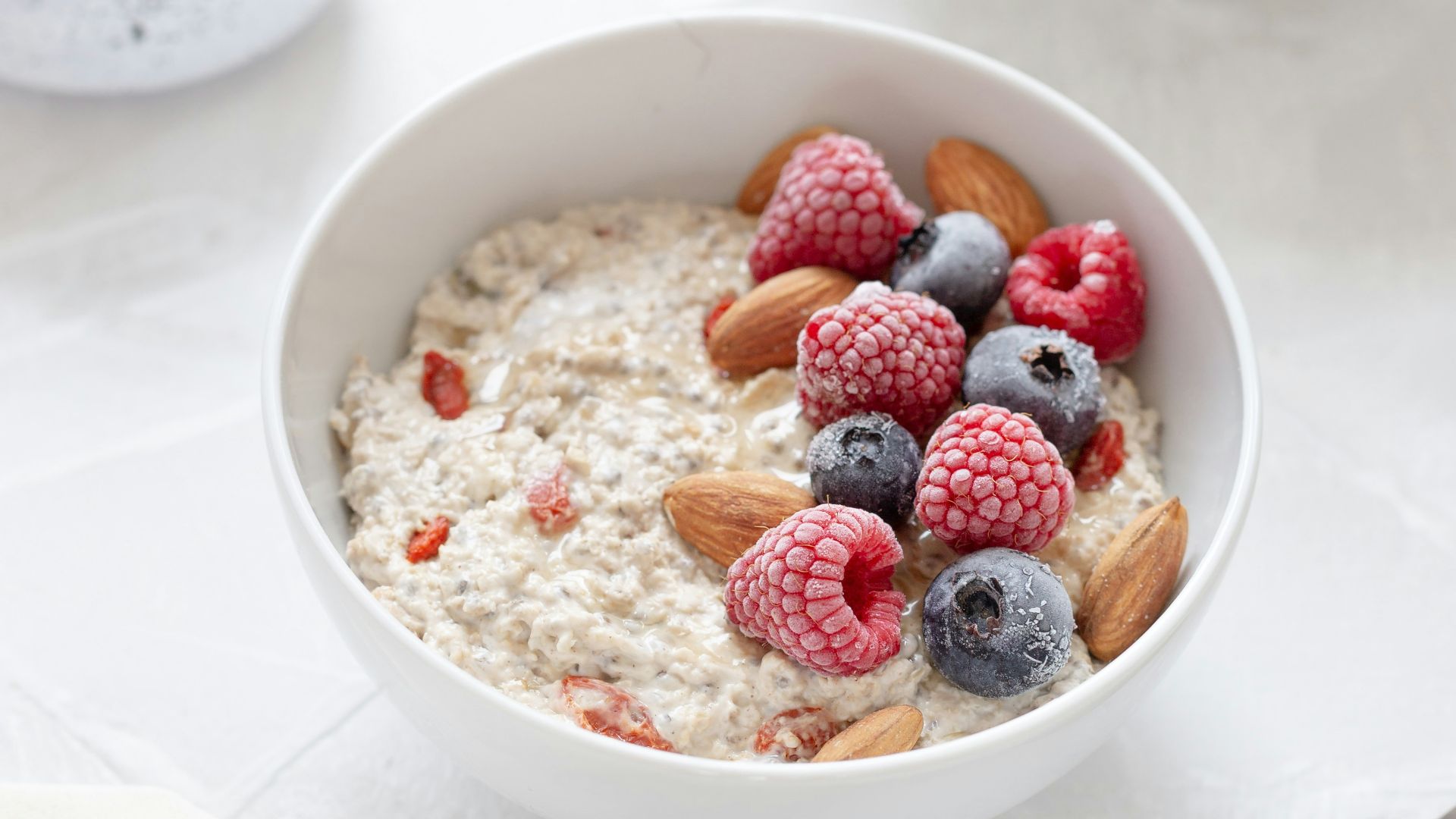
7. Swap Sugary Cereal For Oatmeal
Sugary breakfast cereals can deliver a quick spike in blood sugar without much staying power. Oatmeal, particularly rolled or steel-cut oats, contains soluble fiber called beta-glucan that’s been shown to help lower LDL cholesterol.
8. Swap Sour Cream For Mashed Avocado
Sour cream is high in saturated fat, while avocado is rich in monounsaturated fats and fiber. Swapping a dollop of sour cream for mashed avocado on tacos or baked potatoes can improve the fat profile of your meal.

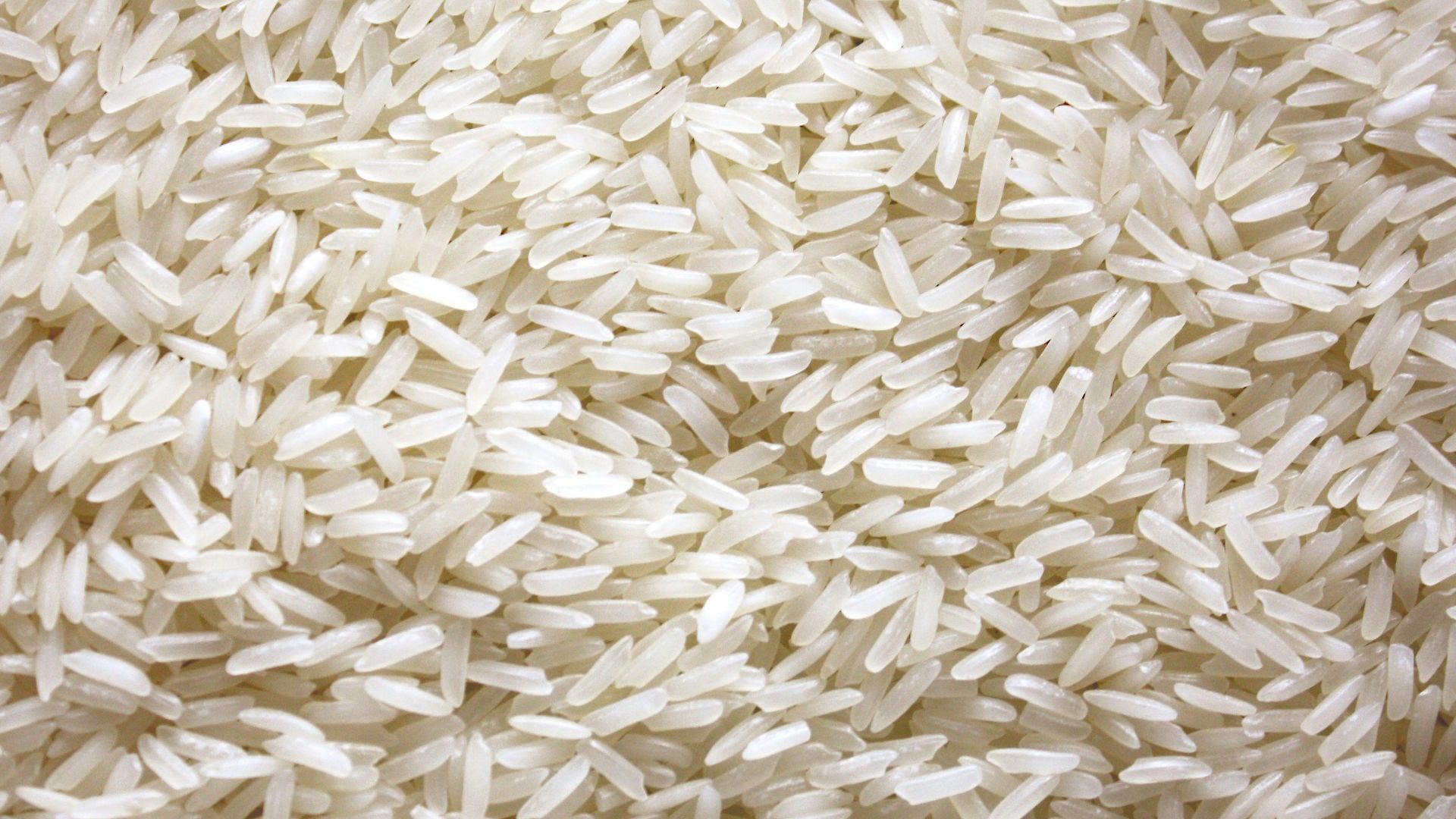
9. Swap White Rice For Brown Rice
White rice has been refined, which removes much of its fiber and nutrients. Brown rice retains the bran and germ, offering more fiber and minerals that support overall cardiovascular health.
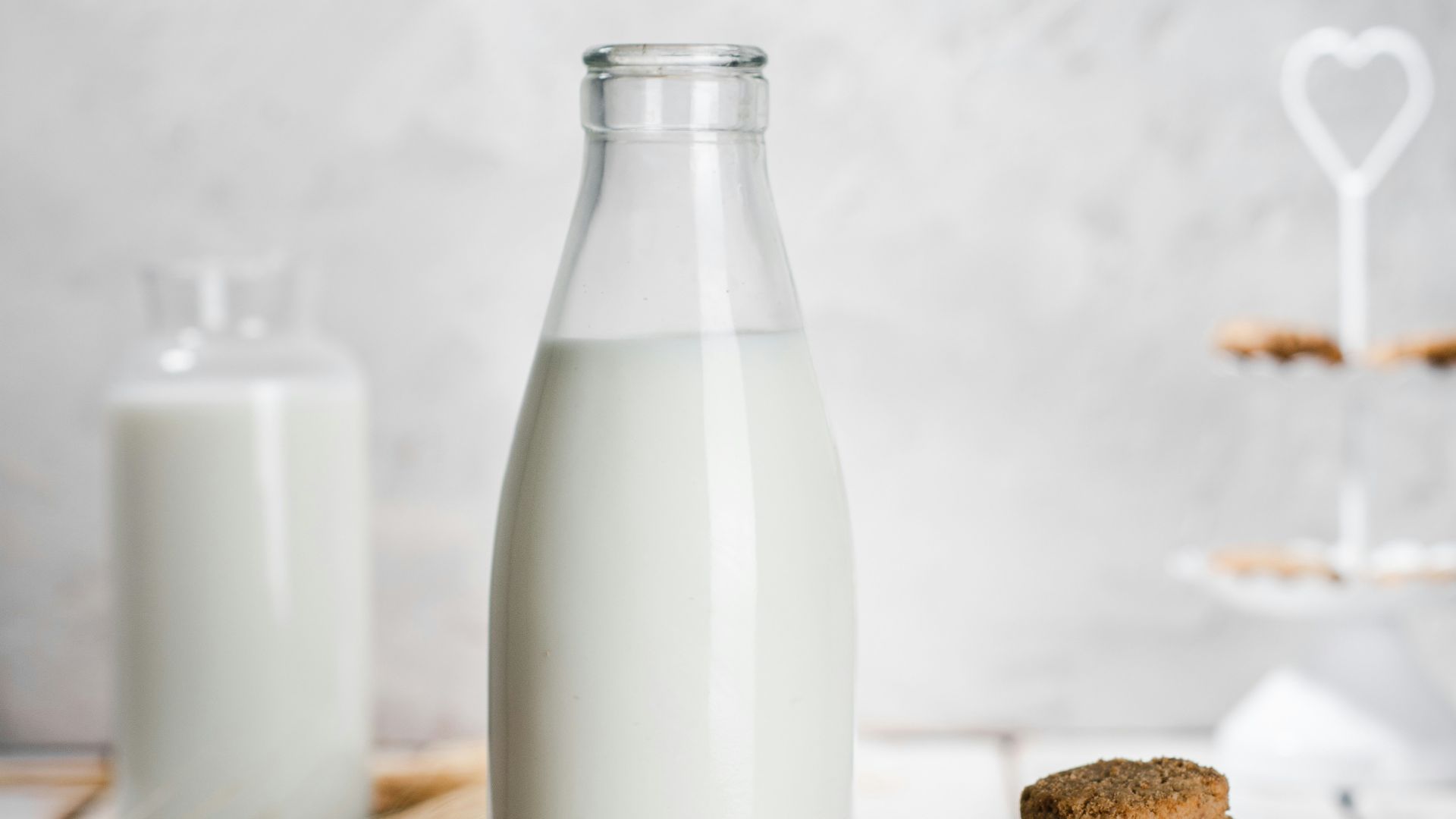
10. Swap Whole Milk For Low-Fat Or Skim Milk
Whole milk contains more saturated fat than low-fat or skim varieties. Reducing saturated fat intake is recommended by major health organizations to support heart health.
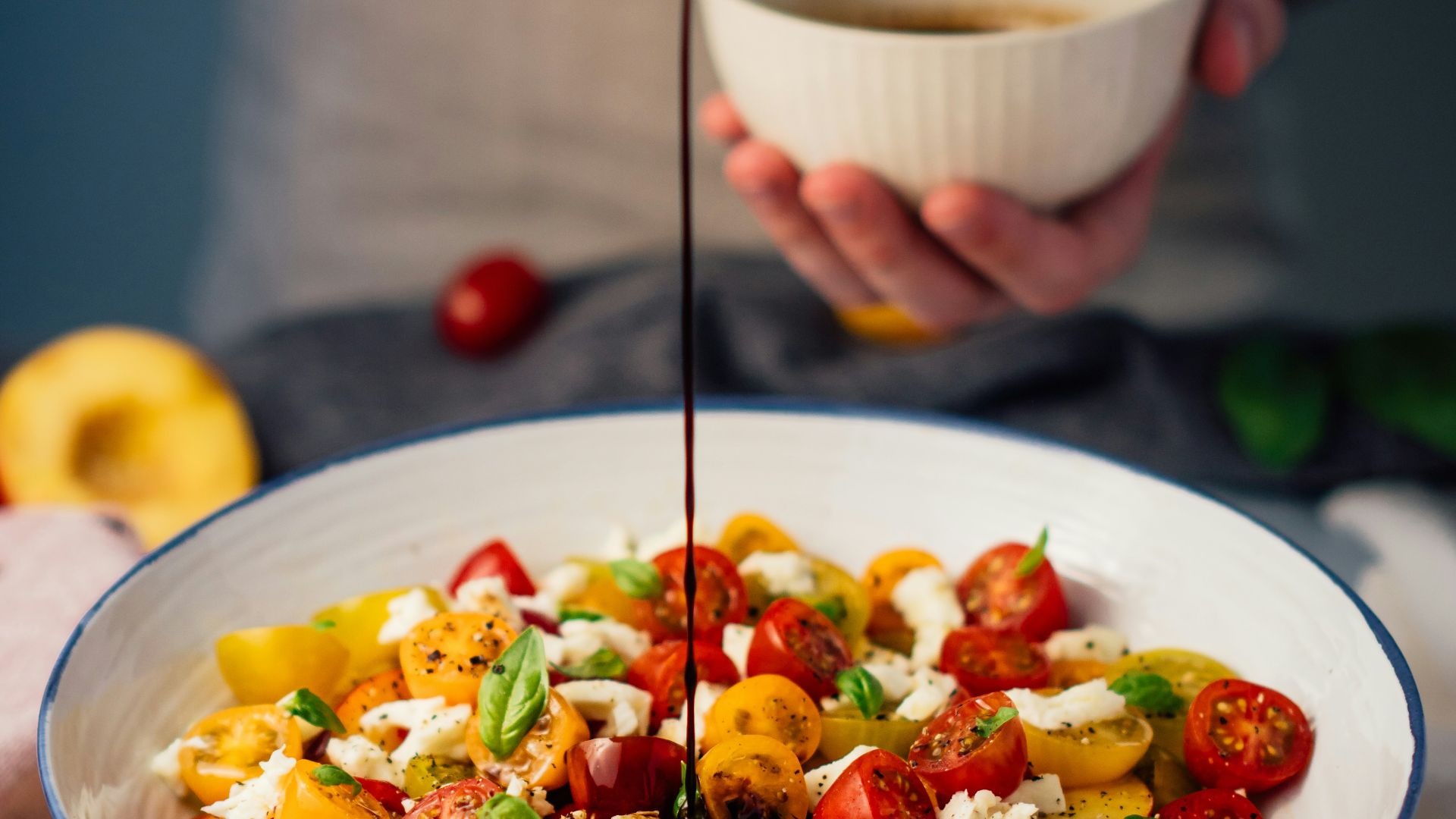
11. Swap Cream-Based Salad Dressing For Olive Oil And Vinegar
Creamy dressings often contain saturated fat and added sugars. A simple mix of olive oil and vinegar provides heart-healthy fats without unnecessary additives. You can adjust the flavor with herbs or a squeeze of lemon to keep things interesting.
12. Swap Frozen Pizza For Whole Grain Flatbread With Veggies
Many frozen pizzas are high in sodium and saturated fat. Using whole-grain flatbread as a base and topping it with vegetables, a modest amount of cheese, and tomato sauce lets you control the ingredients.

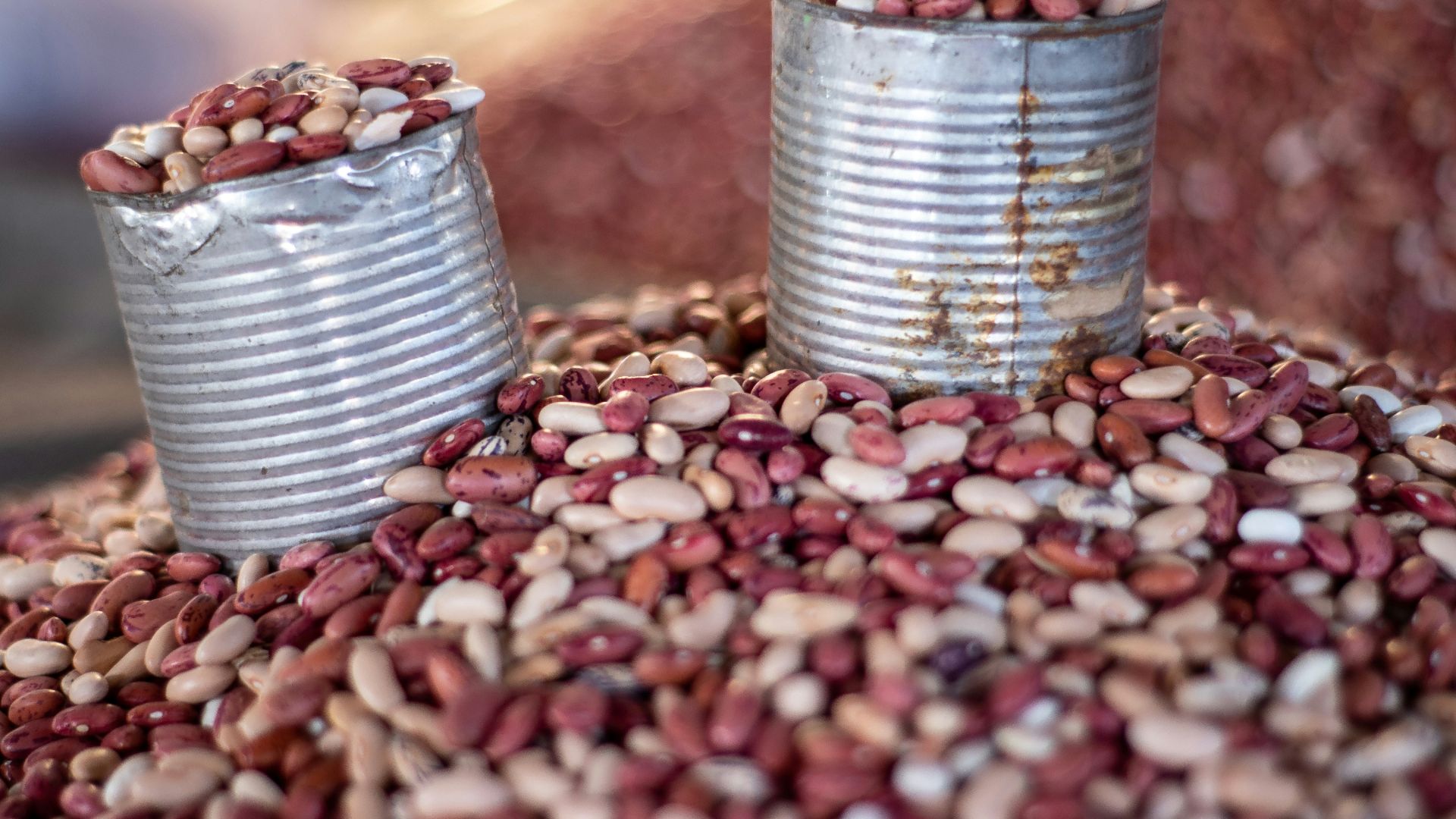
13. Swap Salted Canned Beans For No-Salt-Added Beans
Canned beans are convenient, but they can contain significant sodium. Choosing no-salt-added versions, or rinsing regular beans under water, can reduce sodium content.
14. Swap Sugary Drinks For Sparkling Water
Sugar-sweetened beverages are associated with increased risk of heart disease, partly due to their impact on weight and blood sugar. Sparkling water with a splash of citrus or berries gives you fizz without added sugar.

15. Swap Bacon For Canadian Bacon Or Turkey Bacon
Traditional bacon is high in saturated fat and sodium. Canadian bacon and turkey bacon are typically leaner, though you still need to watch sodium levels on the label.
 Michelle @Shelly Captures It on Unsplash
16. Swap Ice Cream For Frozen Greek Yogurt With Fruit
Regular ice cream is often high in saturated fat and added sugar. Frozen Greek yogurt, especially when paired with fresh fruit, can offer more protein and less saturated fat.

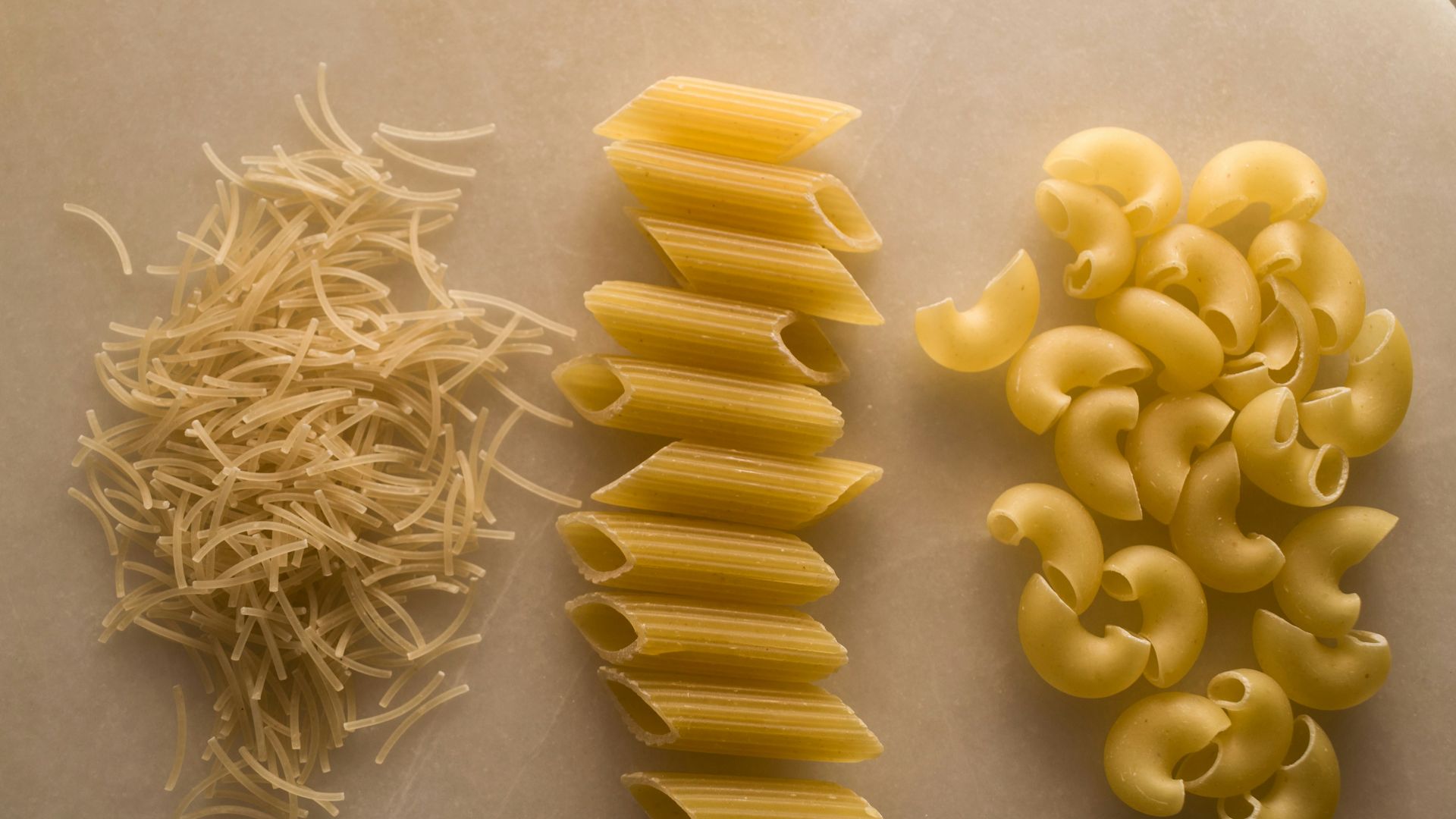
17. Swap White Pasta For Whole Wheat Pasta
Whole wheat pasta contains more fiber than traditional white pasta. Higher fiber intake is associated with better cholesterol levels and improved heart health.
18. Swap Fried Foods For Baked Or Air-Fried Versions
Deep-fried foods absorb extra fat during cooking, which increases their calorie and fat content. Baking or using an air fryer can create a crispy texture with significantly less oil.

19. Swap High-Sodium Soup For Homemade Soup
Many canned soups contain more than half the recommended daily sodium limit in a single serving. Choosing low-sodium options or making soup at home lets you control how much salt goes in.

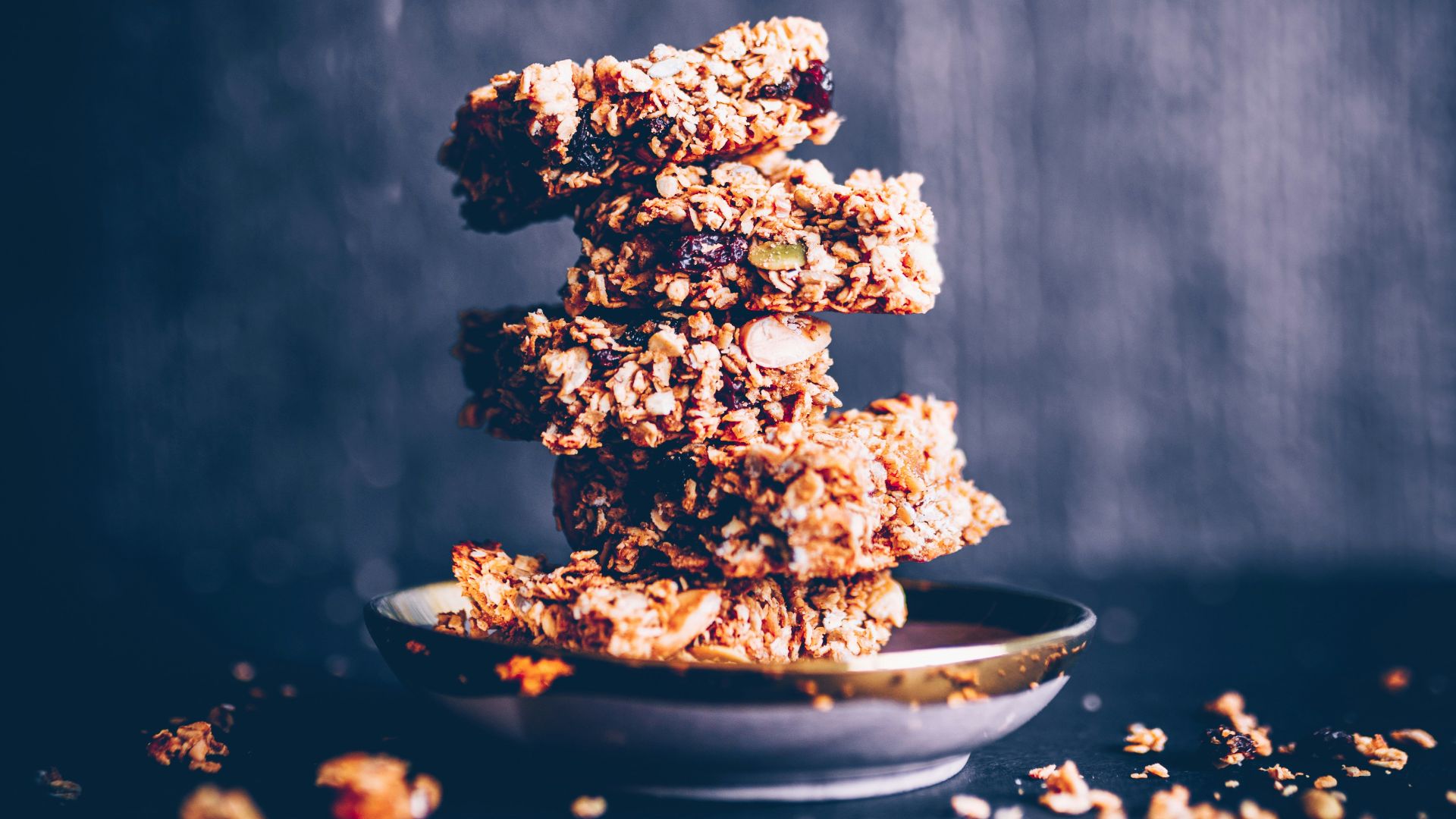
20. Swap Store-Bought Baked Goods For Homemade Oat-Based Treats
Commercial baked goods often contain refined flour, added sugars, and sometimes trans fats. Making your own treats with oats, nuts, and modest amounts of natural sweeteners gives you more control over ingredients.
KEEP ON READING