The Quiet Ways Stress Sneaks Up On You
Stress doesn’t always show up as a full-blown meltdown or obvious anxiety. More often, it works behind the scenes, nudging your body in subtle ways you might brush off as random or unrelated. You tell yourself you’re just tired, just busy, or just having an off week. Meanwhile, your body is reacting to pressure you haven’t fully acknowledged. Here are 20 ways stress affects your body without you even realizing it.
 Farshad Sheikhzadeh on Unsplash
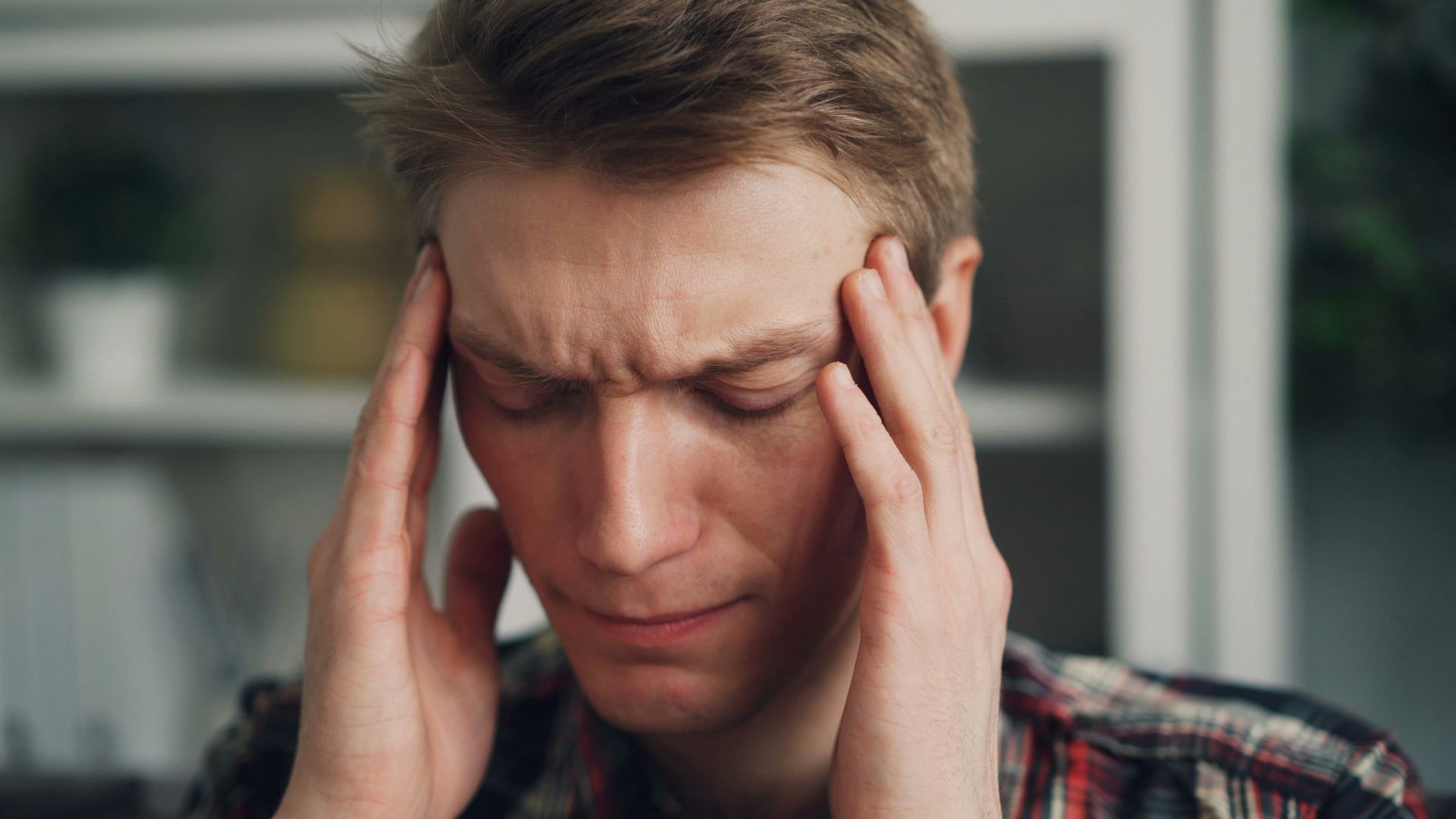
1. Tension Headaches
If you get frequent dull, aching headaches that feel like a tight band around your head, stress could be the culprit. When you’re under pressure, the muscles in your neck and scalp tighten without you noticing.
2. Jaw Clenching
You might not realize you’re clenching your jaw until it starts to ache. Stress often triggers unconscious teeth grinding, especially during sleep. That constant tension can lead to soreness, headaches, and even dental issues. Dentists frequently spot the signs before patients even mention feeling overwhelmed.
 Karolina Grabowska www.kaboompics.com on Pexels
3. Digestive Upset
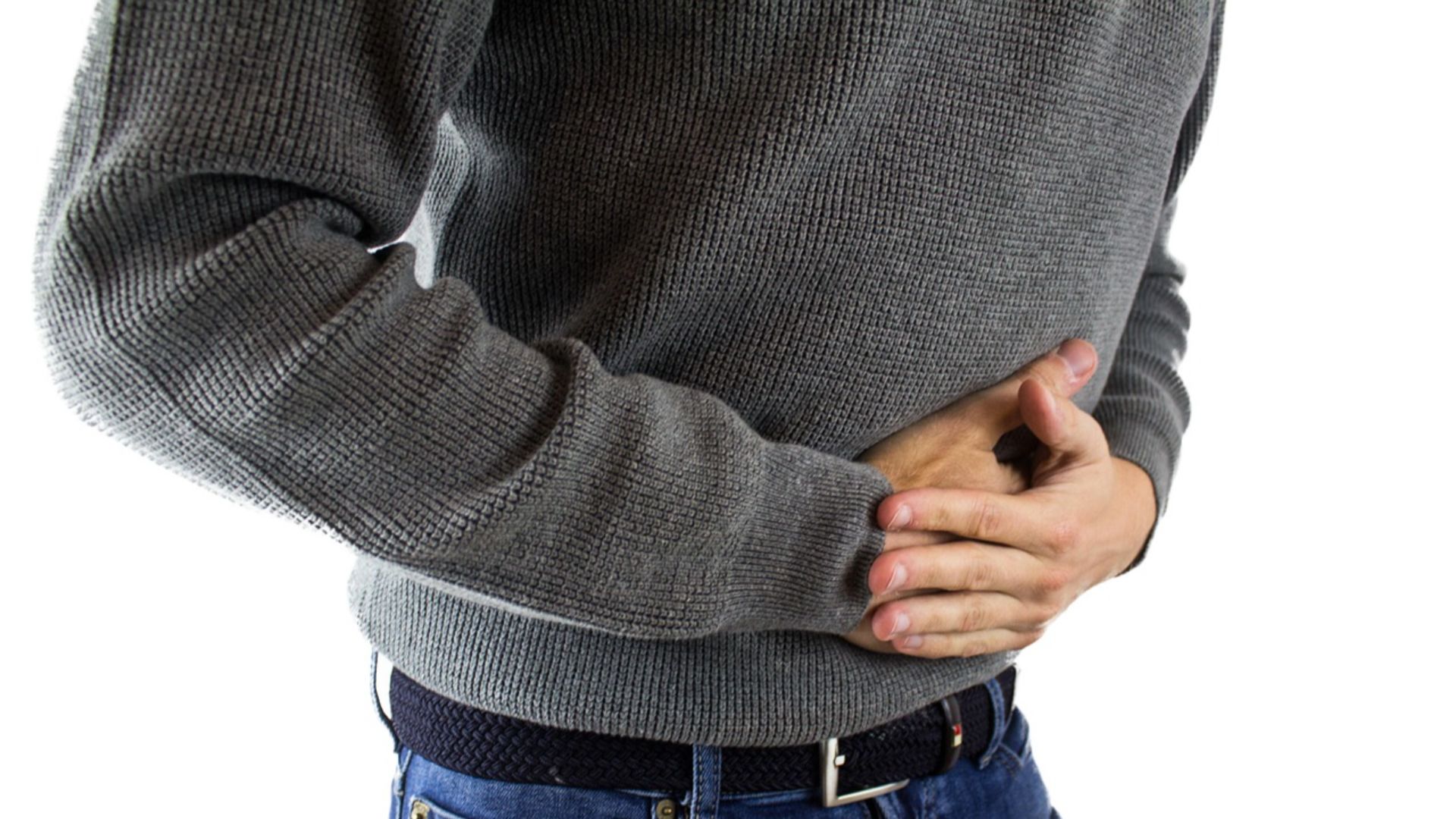
Your gut and brain are closely connected, which means stress can quickly affect digestion. You may notice bloating, stomach pain, nausea, or changes in bowel habits during high-pressure periods.
4. Skin Breakouts
When stress hormones like cortisol rise, they can increase oil production in your skin. That extra oil can clog pores and lead to breakouts. If your skin flares up during busy or emotional times, there’s often a clear link. Even conditions like eczema and psoriasis can worsen under prolonged stress.

5. Muscle Tightness
Stress doesn’t just live in your mind. It often settles into your shoulders, back, and neck, creating stiffness that lingers. You might assume you slept wrong, but chronic tension is frequently stress-related.
6. Fatigue That Doesn’t Improve With Rest
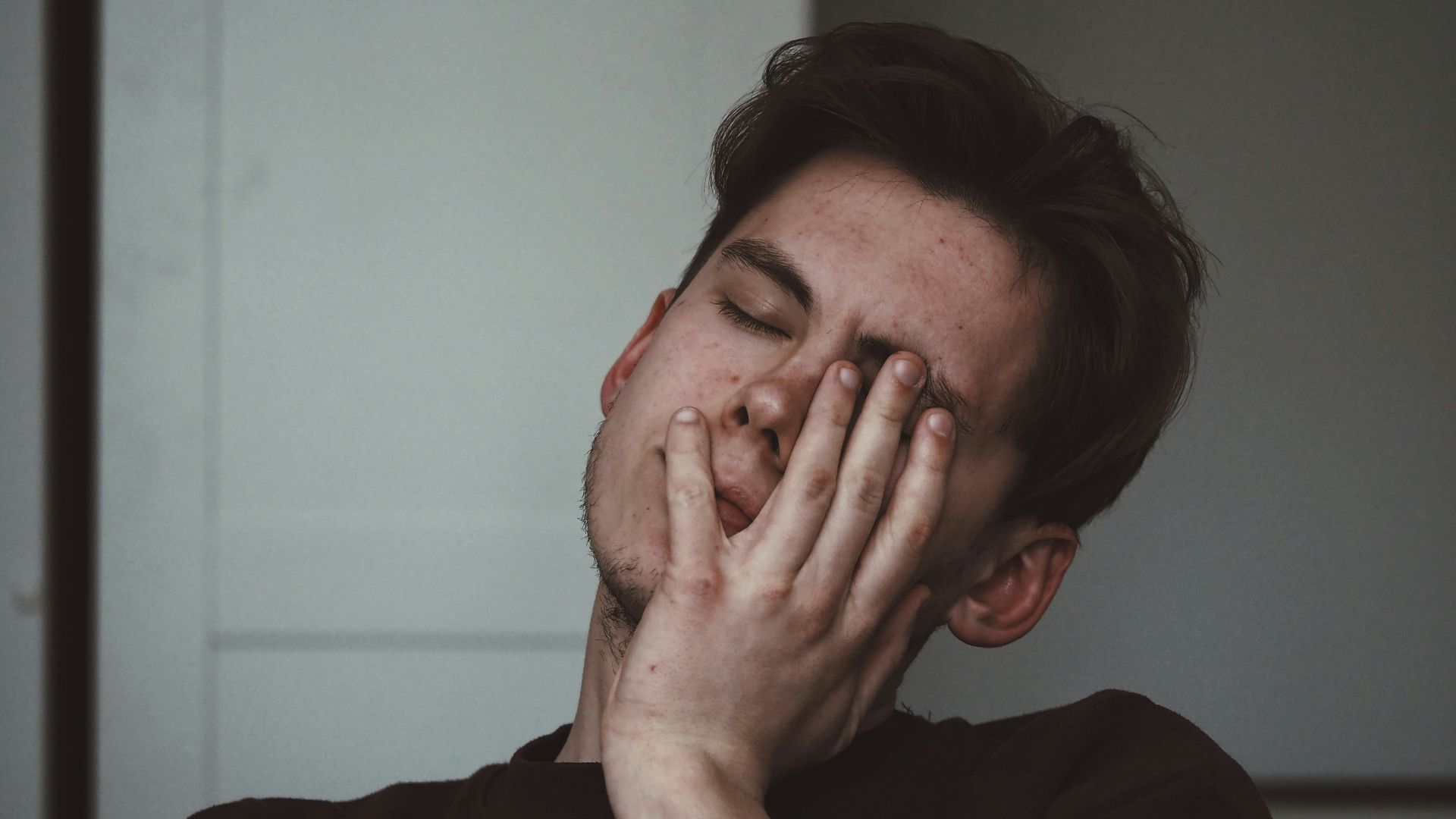
Feeling constantly drained even after a full night’s sleep can be a red flag. Stress keeps your body in a heightened state of alertness, which is exhausting over time.
7. Weakened Immune Response
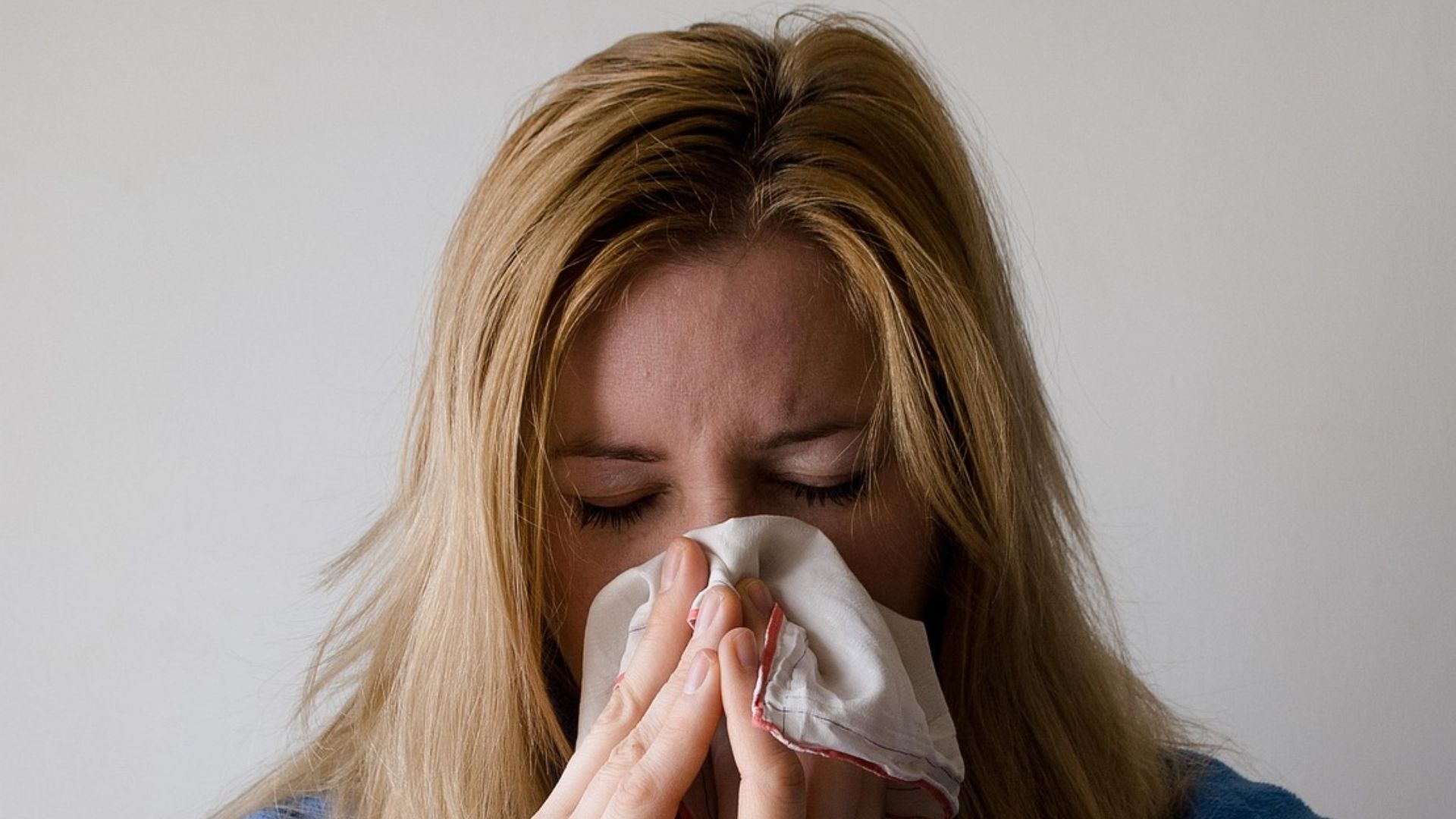
Chronic stress can suppress immune function, making you more prone to colds and infections. If you notice you get sick more often during overwhelming periods, that’s not a coincidence. Your body diverts energy toward managing stress rather than defending against illness.
8. Hair Thinning
Significant stress can trigger a condition called telogen effluvium, where more hair than usual shifts into a shedding phase. You might see extra strands in the shower or on your brush.

9. Changes In Appetite
Stress affects hunger in different ways for different people. Some lose their appetite entirely, while others crave high-sugar or high-fat comfort foods. Those shifts are tied to hormonal changes that influence how and when you feel hungry. You may notice your eating patterns stabilize once the stressful period passes.

10. Heart Palpitations
When you’re stressed, your body releases adrenaline, which increases your heart rate. You might feel fluttering or pounding in your chest, even if you’re sitting still. It can be unsettling, especially when you’re not consciously anxious in the moment.

11. Trouble Concentrating
If your focus feels scattered, stress may be clouding your mental clarity. Elevated cortisol levels can interfere with memory and attention. You may find yourself rereading the same sentence or forgetting simple details. Over time, that mental fog can chip away at your confidence.

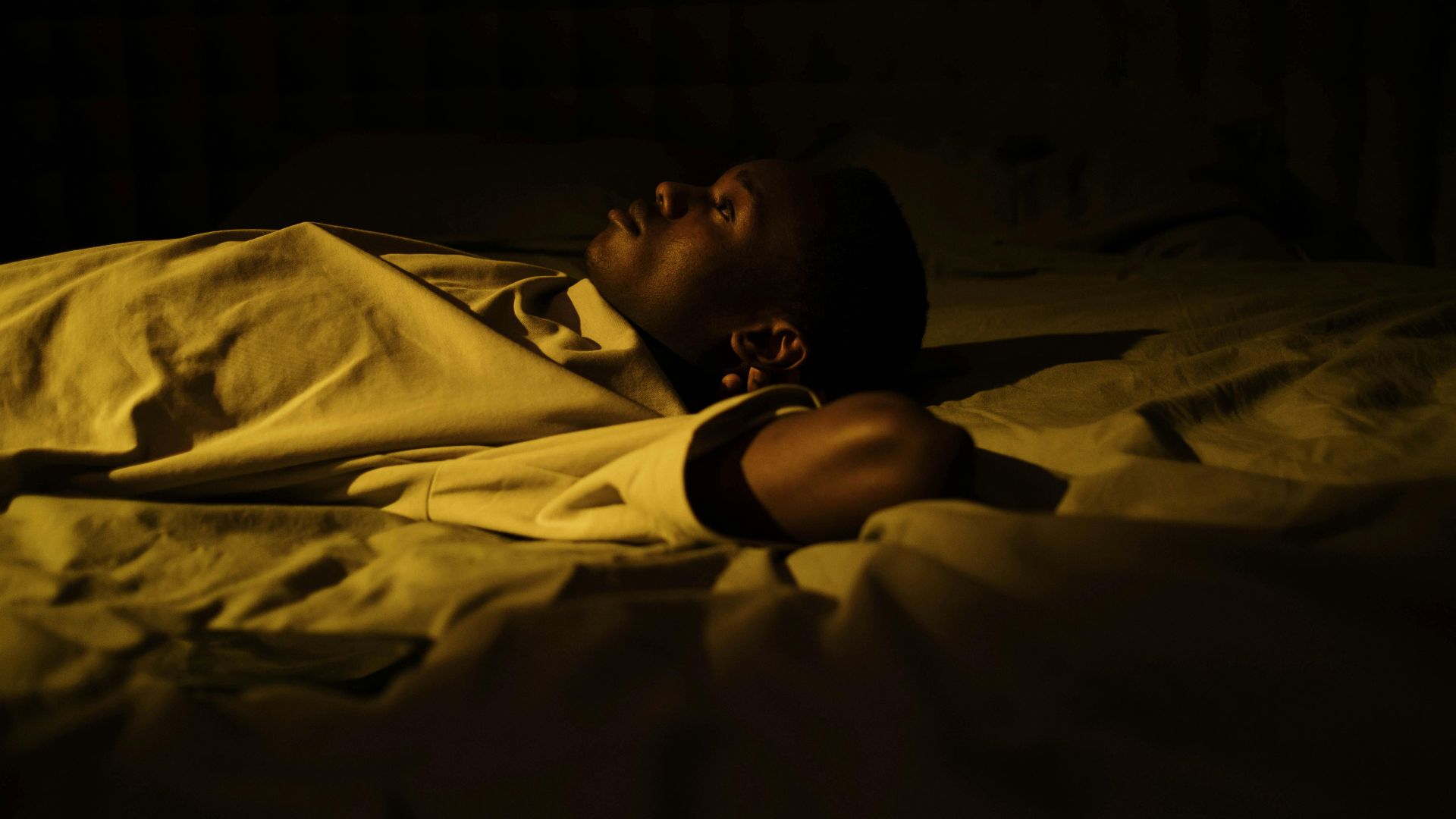
12. Sleep Disruptions
Stress doesn’t always stop you from falling asleep, but it can affect the quality of your rest. You might wake up frequently or feel wired late at night. Your mind struggles to fully power down when it’s still processing pressure. Poor sleep then feeds back into higher stress levels, creating a frustrating cycle.
13. Increased Sweating
Stress activates your fight-or-flight response, which can stimulate sweat glands. You may notice clammy hands or unexpected perspiration during tense moments.
 Phil Scoville from Orem, UT, USA on Wikimedia
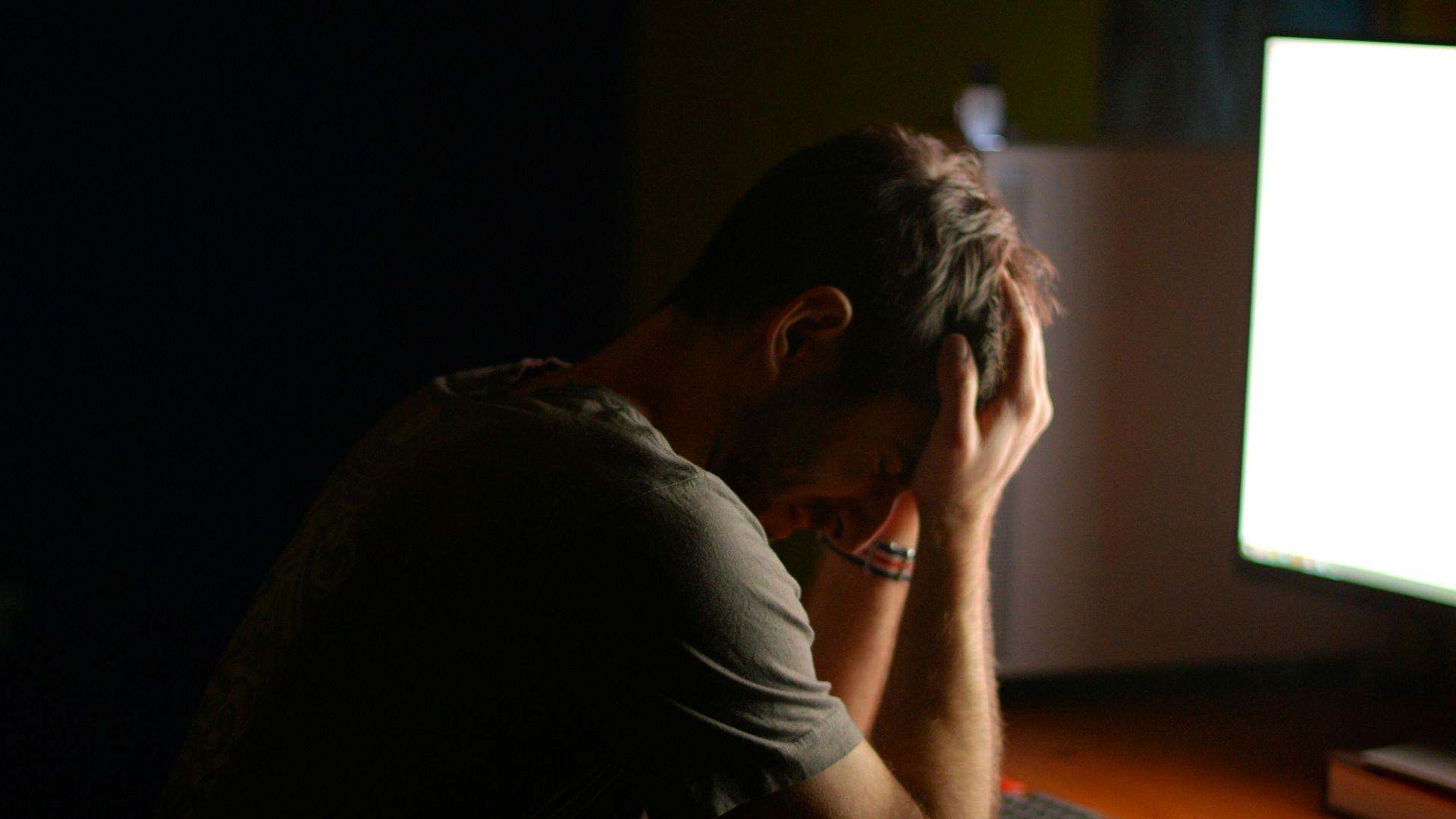
14. Shortness Of Breath
Rapid, shallow breathing is a common stress response. You might sigh frequently or feel like you can’t take a deep, satisfying breath. Over time, that breathing pattern can reinforce feelings of tension. Practicing slow, controlled breathing can help interrupt the cycle.
15. Elevated Blood Pressure
Chronic stress can contribute to higher blood pressure by repeatedly activating your cardiovascular system. While short bursts aren’t usually dangerous, ongoing strain adds up. It’s one of the quieter long-term effects people often overlook.
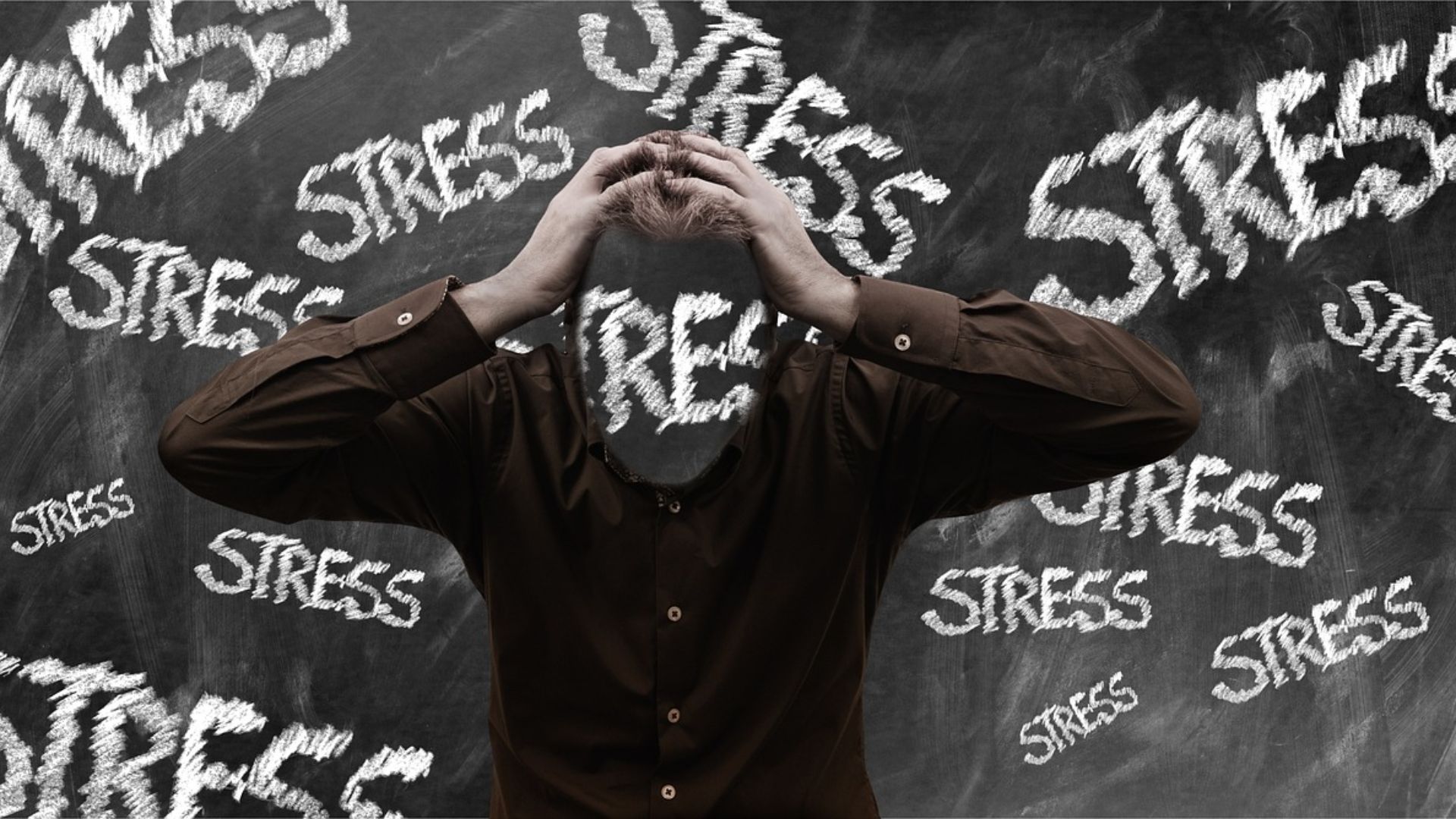
16. Lowered Libido
Stress shifts your body’s priorities away from reproduction and toward survival. As a result, you may notice a decreased interest in intimacy. It’s not a personal failing; it’s a biological response. When stress levels drop, libido often returns to its usual baseline.
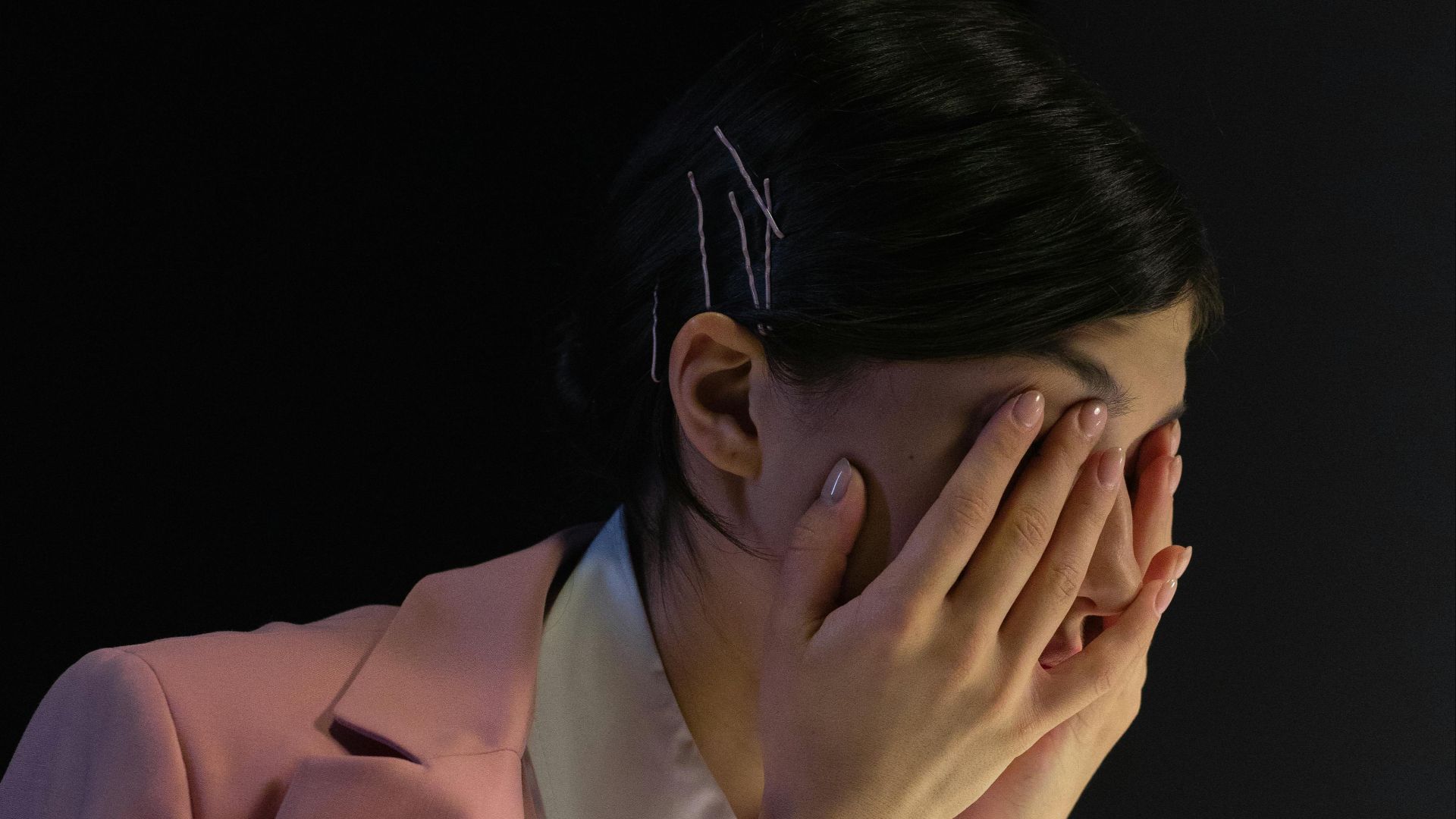
17. Frequent Colds Or Illness
If you seem to catch every bug that goes around, stress may be playing a role. Prolonged exposure to stress hormones can impair immune defenses. Your body becomes less efficient at fighting off common viruses.

18. Increased Irritability
Stress doesn’t only create internal symptoms. It can shorten your patience and make minor inconveniences feel overwhelming. That edge you feel might be a sign your nervous system is overloaded. Recognizing it early can prevent unnecessary conflict with others.

19. Chest Tightness
Stress can cause the muscles in your chest to tense, creating a feeling of pressure. While chest pain should always be evaluated medically, stress-related tightness is surprisingly common. It often improves when you consciously relax your breathing. Still, persistent or severe symptoms should never be ignored.

20. Slower Recovery From Exercise
If workouts suddenly feel harder and recovery takes longer, stress may be interfering. Chronic stress increases inflammation and delays muscle repair. Even your fitness routine isn’t immune to what’s happening in your nervous system.
KEEP ON READING


10 Pre-Workout & 10 Post-Workout Tips To Follow